Category Archives: Canada Goose

Roan Mountain Christmas Bird Count finds 43 species plus another during ‘count week’

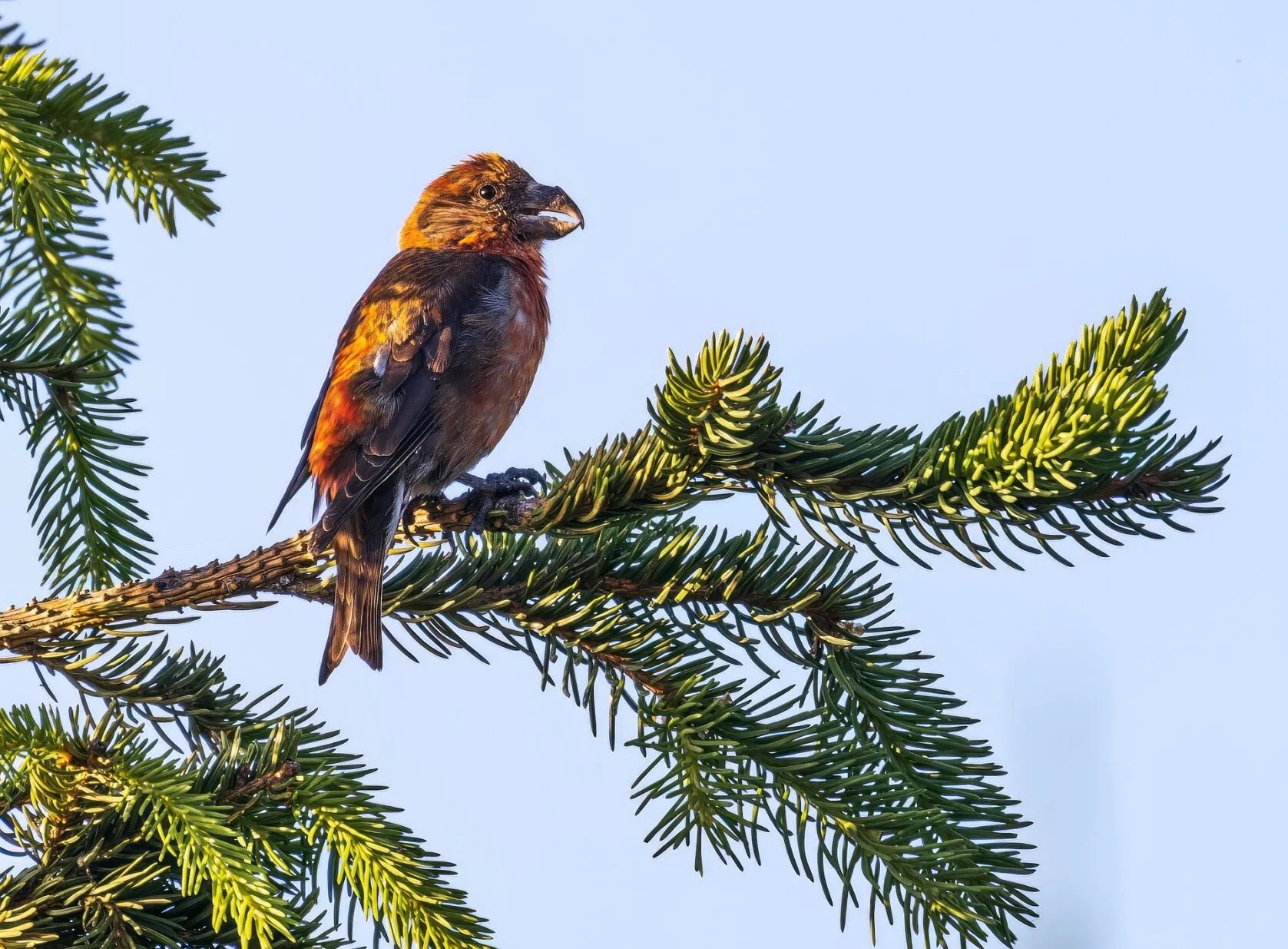
GYRLI1981/Pixabay • With its high elevation and unique habitats, Roan Mountain often produces good birds, such as red crossbills, for Christmas Bird Counts. Many of the species are difficult to find in other locations.

Unpredictable December weather makes the Roan Mountain Christmas Bird Count one of Tennessee’s most challenging surveys. This year was no exception, and the count had to postponed to a later date when a winter storm impacted the region.

The 73rd Roan Mountain Christmas Bird Count was eventually held Tuesday, Dec. 16, with six observers in two parties.

Count compiler Rick Knight noted that weather for this count was generally favorable (clear conditions and a temperature range from 17 to 46 degrees), but it was quite windy on top of the mountain making bird-finding difficult. At lower elevations, the winds were light. One to four inches of snow covered the ground, but roads were clear.

Participants tallied 43 species, plus one species added during the count week.

The list:

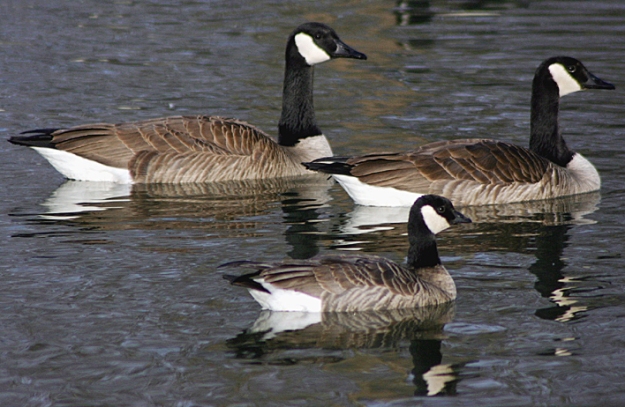
Canada goose, 30; American black duck, 17; wild turkey, 11; mourning dove, 17.

Sharp-shinned hawk, 1; Cooper’s hawk, 1; red-shouldered hawk, 2; and red-tailed hawk, 2.
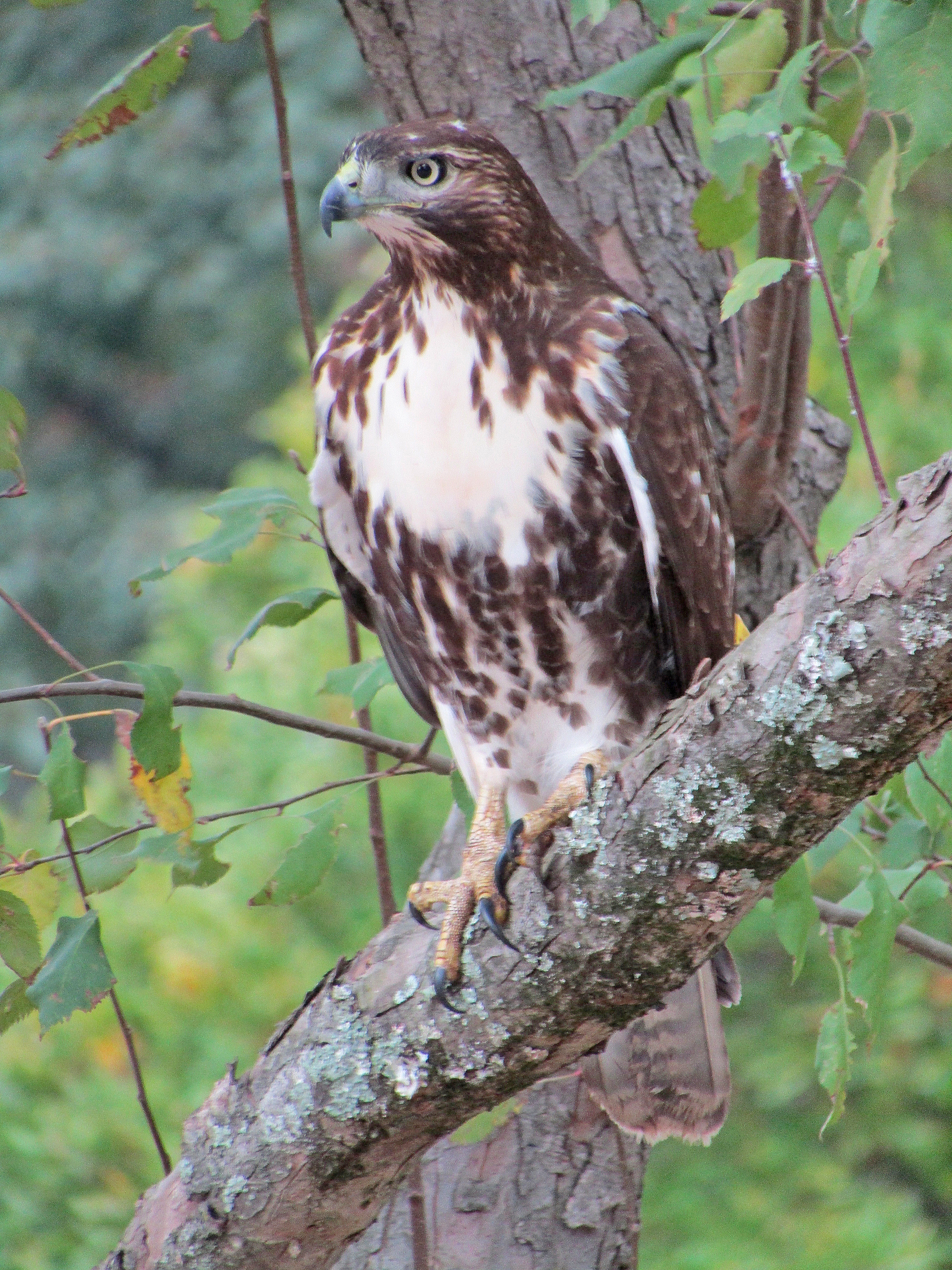
Photo by Bryan Stevens • Two red-tailed hawks made this year’s Roan Mountain CBC. 

Red-bellied woodpecker, 6; yellow-bellied sapsucker, 1; downy woodpecker, 4; hairy woodpecker,1; Northern flicker, 1: and pileated woodpecker, 3.

Eastern phoebe, 1; blue jay, 25; American crow, 120; and common raven, 8.

Carolina chickadee, 21; tufted titmouse, 24; golden-crowned kinglet, 6; red-breasted nuthatch, 3; white-breasted nuthatch, 14; brown creeper, 1; Carolina wren, 5; and winter wren, 2.

Northern mockingbird, 7; Eurasian starling, 23; Eastern bluebird, 8; and American robin, 2.

House sparrow, 5; house finch, 5; red crossbill, 2; pine siskin, 2; and American goldfinch, 119.

Field sparrow, 7; fox sparrow, 4; dark-eyed junco, 25, white-throated sparrow, 5; song sparrow, 35; Eastern towhee, 5; yellow-rumped warbler, 1; and Northern cardinal, 22.

In addition, a purple finch was found during the count week. CBC circles do accept birds seen during “Count Week, which is defined as the three days before and after the official count day, but they are recorded separately as count week birds and do not count towards the official count day totals. Their inclusion still provides important data.

The first Christmas Bird Counts were conducted on Christmas Day (Dec. 25) in 1900. The annual census arose from a proposal made by famed ornithologist Frank M. Chapman. According to Audubon.org, these yearly counts, conducted throughout the country, have provided a wealth of data over the past century.

Observations made due to CBCs have helped Audubon researchers, conservation biologists, wildlife agencies and other interested individuals to study the long-term health and status of bird populations across North America. When combined with other surveys such as the Breeding Bird Survey, the data provides a picture of how the continent’s bird populations have changed in time and space over the past hundred years.
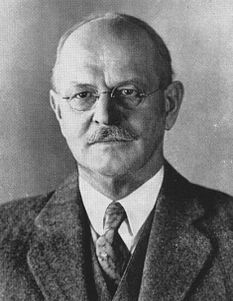
Frank W. Chapman

The concept of the Christmas Bird Count, according to the website for the National Audubon Society, arose from a less than bird-friendly custom prevalent at the turn of the 20th century. So-called sportsmen would conduct a “Side Hunt,” a rather blood-thirsty Christmas custom that saw hunters competing to see who could score the largest amount of feathered and furred corpses.

The annual holiday bird survey may even have arisen from an earlier custom with roots in Europe that came to the United States of America with early colonists. The “Side Hunt” has some similarity to a peculiar celebration in Ireland and other European countries known as “Wren Day” or “Hunt the Wren Day.” The event was conducted the day after Christmas, the date of Dec. 26 being consigned as Saint Stephen’s Day. By the 20th century, the hunt consisted of tracking down a fake wren carried atop a decorated pole. Crowds would parade through towns in masks and colorful attire. These groups were referred to as “wren boys.”

Whether or not the “Side Hunt and “Wren Hunt” shared any connections, it was a huge step forward for conservation when Chapman, the preeminent ornithologist of his day, proposed a new holiday tradition. His radical idea was to count birds during the Christmas season rather than hunting and killing them.

I will report on the total for the Elizabethton Christmas Bird Count in next week’s column.

•••

Bryan Stevens has written about birds, birders and birding since 1995. Email him at ahoodedwarbler@aol.com.

Birds made news headlines in 2019

Photo by Public Domain Photos/Pixabay.com • California condors have gradually returned to parts of their range beyond California. A family of condors now resides in Zion National Park, marking a return of these birds to Utah.


Birds made headlines in 2019. Some species, having been presumed extinct, were rediscovered — some in the mostly unlikely of places. One of the major bird-related stories of the year involved a stark warning about a sharp decline in overall bird numbers. Below, in no particular order, are some of last year’s top stories about our fine feathered friends.

69 years old and a mother again

The Laysan albatross known as Wisdom and her mate, Akeakamai, became parents again in 2010. Wisdom is at least 69 years old and ranks as the world’s oldest known banded wild bird. Her mate’s name, by the way, translates as “lover of wisdom.” The chick hatched in February at Midway Atoll National Wildlife Refuge and Battle of Midway National Memorial. Wisdom has raised more than 30 chicks in her lifetime. While Laysan albatrosses are not considered endangered, some of their kin are threatened with extinction.

Photo by J. Klavitter/USFWS • Wisdom, one of Midway Atoll’s oldest residents, became a mother again in 2019. The female Laysan albatross is approaching her 70th birthday.

While walking to church

The year started with some good birding news when a bird thought extinct was rediscovered in a suburb of Medellín, Colombia, on Jan. 7, 2019. Rodolfo Correa Peña was headed to a church service when he spotted an odd bird in a garden. The bird turned out to be an Antioquia brushfinch, a bird known previously only from museum specimens. Peña, an engineering student with an interest in birding, knew the local brushfinches and recognized that the bird was different. He secured photos of the bird and stunned the scientific community with the rediscovery of a bird presumed extinct.

Photo by U.S. Fish & Wildlife Service • Endangered California condors receives some good news in 2019..

Condors soaring high

California condors continue to delight with their success stories, even extending their range beyond California. Estimates indicate that 300 condors exist in the wild with about 200 more birds in captivity for use with breeding programs. Evidence that the work to preserve the species is working was provided this year in Utah’s Zion National Park, which became home to a condor named “1K” because it is the 1,000th chick hatched as part of an extensive condor restoration program. The chick hatched in May and took a rather clumsy first flight in September. The chick represents the first condor born within Zion National Park in more than a century. In 1987, when the condor population totaled only 27 known condors, wildlife officials captured the surviving wild birds and made them part of an existing captive breeding program. In 1992, the condor recovery program started to release the birds back into the wild. There are now more condors flying free in the wild than are maintained in captivity.

Photo by Bryan Stevens
A large flock of Great Egrets flies over the Watauga River in Elizabethton. There is mounting evidence that many bird populations are on the decline.

Fewer birds?

Bird enthusiasts were shaken by the publication in September of an article warning that the number of birds in the United States and Canada has fallen by 29 percent since 1970. The analysis, published in the journal “Science,” is an extensive attempt to determine what is happening to avian populations. The results shocked — there are 2.9 billion fewer birds taking wing now than there were 50 years ago.

A painting of an Ivory-billed Woodpecker by Mark Catesby, an English naturalist.

Hope

Yet, in words penned by poet Emily Dickinson, “Hope is the thing with feathers.” Birds are among the most resilient lifeforms on the planet. If humans can get out of the way and quit making life more difficult for the feathered inhabitants of the planet, birds are more than capable of rebounding. The federal government needs to maintain safeguards and regulations that are in place to protect birds while ordinary people must alter their ways by shunning pesticides, preserving a variety of habitats and simply giving more regard to the fellow creatures they share the Earth with. If we can do these things, the birds will be fine. Don’t take my word for it. Look at the examples of Wisdom the Laysan albatross and a California condor known as “1K.”

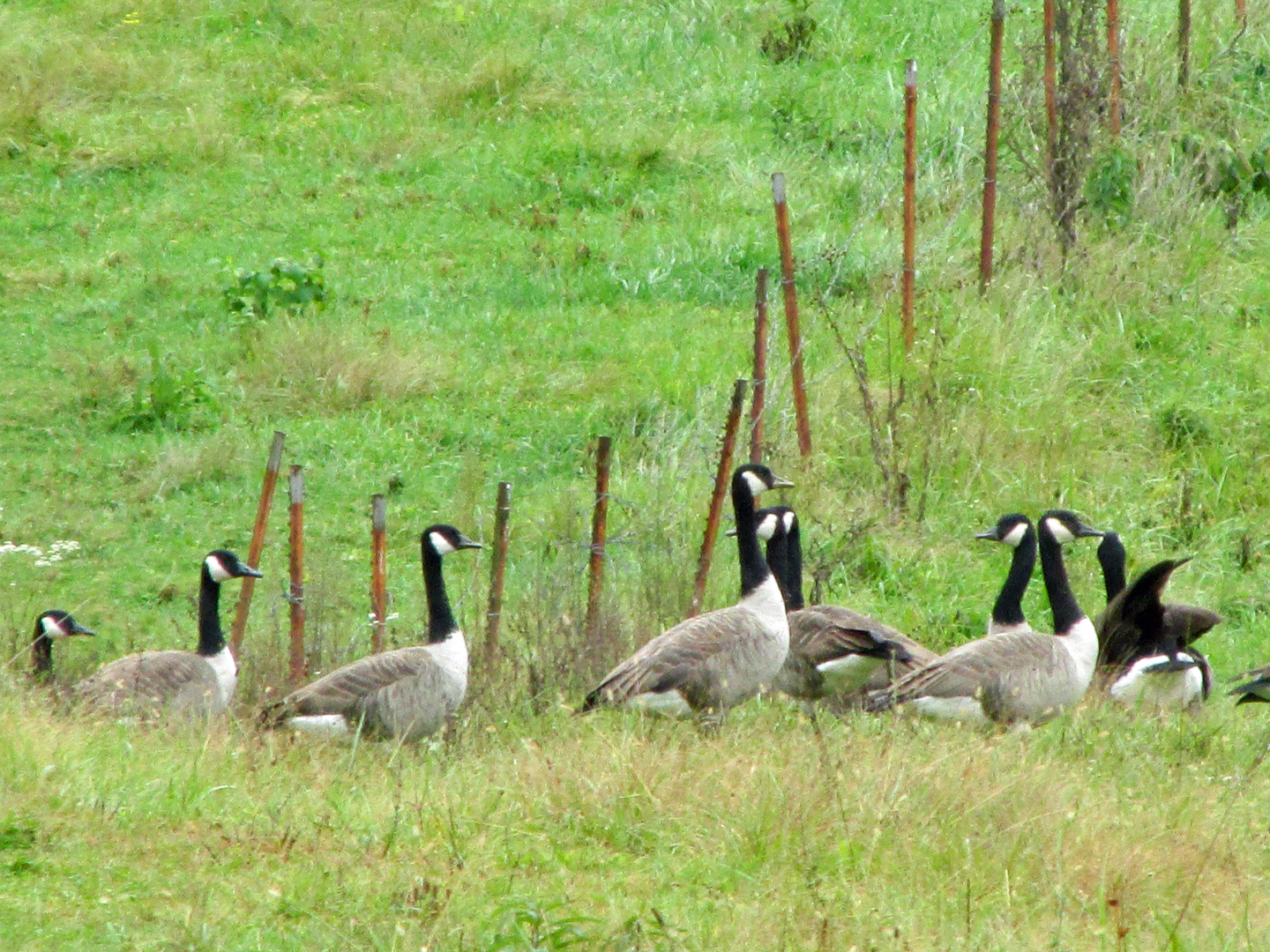
Photo by Bryan Stevens • Canada geese forage in a field in Unicoi County, Tennessee.

Duck…duck…goose? Winter season good time for finding rare geese in the region

SnowGoose-Jan21

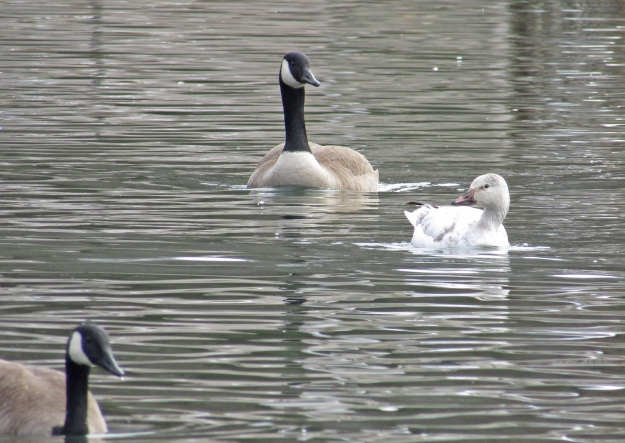
Photo by Bryan Stevens • A snow goose swims amid Canada geese at the pond at Fishery Park in Erwin, Tennessee.


Of the geese found in the region, the well-known Canada goose is nearly ubiquitous. That’s not always been the case. For instance, in his book The Birds of Northeast Tennessee, Rick Knight points out that the geese now present throughout the year resulted from stocking programs conducted in the 1970s and 1980s. In earlier decades, the Canada goose was considered a rare winter visitor to the region.

Seeing the Canada goose in every sort of habitat from golf courses to grassy margins along city walking trails, it’s hard to imagine a time when this goose wasn’t one of the region’s most common waterfowl.

2-canada-goose-john-james-audubon

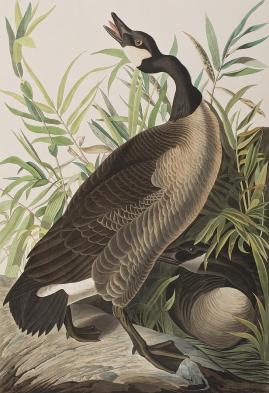
Early American naturalist and artist John James Audubon captured this pair of Canada geese in a most realistic painting.

The world’s geese are not as numerous as ducks, but there are still about 20 species of geese worldwide, compared to about 120 species of ducks. While both ducks and geese are lumped together as waterfowl, most geese are more terrestrial than ducks. Birders are just as likely to spot geese in a pasture or on the greens of a golf course as they are on a lake or pond.

There have been several species of geese usually considered rare to uncommon in the region that have been spotted by birders thus far this winter season. I personally observed greater white-fronted geese at several different locations in November and December.

The greater white-fronted goose is considerably smaller than a Canada goose. The bird is named for the distinctive white band found at the base of bill. This white band also helps distinguish this goose from similar domestic geese. The sexes are similar in appearance, but females are usually smaller than males. The head, neck and upper back of white-fronted geese are grayish-brown. The lower back and rump are dark brown, and the tail is dark brown and edged with white. The chest and breast are grayish with dark brown to black blotches and bars on the breast, giving this goose the nickname “specklebelly.” The bill is pinkish and the legs and feet are orange.

Canada-Greater

Photo by Bryan Stevens The Greater White-fronted Goose, in background, is much smaller than the typical Canada Goose, which is shown in the foreground of this photograph.

The greater white-fronted goose breeds in North America as well as in Europe and Asia, and they spend the winter throughout the United States and even in Japan. Most nesting in North America takes place on the North Slope of Alaska and across the western and central Canadian Arctic. Wintering habitats include coastal marshes, wet fields and and freshwater wetlands.

Only a couple of weeks ago, I spotted a snow goose at the fish pond located at Erwin Fishery Park. The snow goose is a North American goose known for its white plumage that gives the bird its common name; however, the snow goose actually comes in two versions: the white phase and a blue phase, which is often referred to as a “blue goose.”

The snow goose breeds in regions in the far north, including Alaska, Canada, Greenland and even the northeastern tip of Siberia. They may spend the winter as far south as Texas and Mexico, although some will migrate no farther than southwestern British Columbia in Canada.

The snow goose bucks the trends that show many species of waterfowl declining. Recent surveys show that the population of the snow goose exceeds five million birds, which is an increase of more than 300 percent since the mid-1970s. In fact, this goose is thriving to such a degree that the large population has begun to inflict damage on its breeding habitat in some tundra regions.

A smaller relative to the snow goose is the Ross’s goose, which for all practical purposes looks like a snow goose in miniature. The common name of this goose honors Bernard R. Ross, who was associated with the Hudson’s Bay Company in Canada’s Northwest Territories.

Ross-onWater

Photo by Bryan Stevens • A visiting Ross’s goose takes a swim on the large pond at Northeast State Community College in Elizabethton, Tennessee, a few winters ago.

Here’s a quick history lesson. Hudson’s Bay Company is the oldest commercial corporation in North America. The company has been in continuous operation for more than 340 years, which ranks it as one of the oldest in the world. The company began as a fur-trading enterprise, thanks to an English royal charter in back in 1670 during the reign of King Charles II. These days, Hudson’s Bay Company owns and operates retail stores throughout Canada and the United States.

In addition to his trade in furs, Ross collected specimens for the Smithsonian Institution in Washington, D.C. Ross is responsible for giving the goose that now bears his name one of its early common names – the Horned Wavy Goose of Hearne. I wonder why that never caught on?

Ross repeatedly insisted that this small goose was a species distinct from the related and larger lesser snow goose and greater snow goose. His vouching for this small white goose eventually convinced other experts that this bird was indeed its own species.

Ross was born in Ireland in 1827. He died in Toronto, Ontario, in 1874. He was described by other prominent early naturalists as “enthusiastic” and “a careful observer” in the employ of Hudson’s Bay Company. When John Cassin gave the Ross’s Goose its first scientific name of Anser rossii in 1861, he paid tribute to the Hudson’s Bay Company’s Ross.

Canada_Geese

Photo by Bryan Stevens • In some areas, Canada geese have become so prevalent that they are considered pests. Human handouts to waterfowl are not always compatible with good health for the birds that receive them.

The Ross’s goose has a “cuteness” factor working in its favor. For a goose, it is rather small. It could best be described as a snow goose in miniature. In fact, it isn’t much larger than such ducks as mallards and is considered the smallest of North America’s geese.

The Ross’s goose has also acquired some other common names, including “galoot” and “scabby-nosed wavey.” This latter name was inspired by the bird’s bill, which is covered with rough bumps around the base. I have to admit that “scabby-nosed wavey” is a name likely to stick in the memory. Today, the Ross’s goose’s scientific name is Chen rossii.

Other geese found worldwide include the pink-footed goose, bar-headed goose, emperor goose, red-breasted goose and barnacle goose.

So, does this inspire you to try a wild goose chase of your own? If it does, best of luck in your efforts.

•••••

To learn more about birds and other topics from the natural world, friend Stevens on Facebook at https://www.facebook.com/ahoodedwarbler. If you have a question, wish to make a comment or share a sighting, email ahoodedwarbler@aol.com.

A-Cackling Goose 1

Photo by Bryan Stevens • A Cackling goose, foreground, is shown in relation to some larger Canada geese, at a pond at Fishery Park in Erwin, Tennessee.