Tag Archives: Christmas Bird Count

Annual Great Backyard Bird Count enlists public as citizen scientists for global survey

clapper_rail

Photo by U.S. Fish & Wildlife Service/Lee Karney • The Clapper Rail is abundant in saltwater marshes and mangrove swamps from Massachusetts to South America. Observant participants in the Great Backyard Bird Count are sure to find some of these reclusive birds.

I look forward every year to the annual Great Backyard Bird Count, a survey established as a citizen science project back in 1998. Since 2013, the GBBC has been a global effort, allowing birders around the world to take part. Participants in 2015 observed almost half of the world’s known bird species, and that effort was surpassed just last year during the 2016 count. Over the years, I have counted various interesting birds, including green-winged teal, Ross’s goose, snow goose, American kestrel and Cooper’s hawk, while taking part in the GBBC.

The GBBC is a joint project of the Cornell Lab of Ornithology and the National Audubon Society with partner Bird Studies Canada. With its global perspective, a great many exotic bird species are now tallied on the annual GBBC, but the survey remains firmly established as a grassroots effort to compile data crucial for the conservation of the world’s beloved birds. The information gathered by tens of thousands of volunteers helps track the health of bird populations at a scale that would not otherwise be possible.

parakeet_auklet_flight_castle_rock_shumagin_islands

Photo by U.S. Fish & Wildlife Service/Steve Hillebrand • Parakeet Auklets in flight in the Alaska Maritime National Wildlife Refuge. The Great Backyard Bird Count extends beyond North America and now covers the entire globe.

It’s incredibly easy to take part in the GBBC. Anyone anywhere in the world can count birds for at least 15 minutes on one or more days of the four-day count period and enter their sightings at http://www.BirdCount.org. There’s no charge or fee for taking part in the GBBC, which is a fun way to observe a variety of birds. Thanks to the flexible count criteria, it is also an easy way to make a contribution to science. The data delivered by the thousands of participants is now collected and compiled by the website ebird.org.

This year’s GBBC will be held over a four-day period, starting on Friday, Feb. 17, and continuing through Monday, Feb. 20. Participants are invited to count birds at their own homes in their yards and gardens. They can also travel farther into the field, birding in their favorite parks, wildlife refuges or other birding hot spots. Participants can count alone or join with groups of fellow birders. Those taking part in the GBBC are invited to count in as many locations as they like. The reported results will help create a real-time snapshot of where birds are distributed during the winter months.

sandhill_cranes

Photo by U.S. Fish & Wildlife Service/Lee Karney • A pair of Sandhill Cranes in a New Mexico wetland.

The 2016 Great Backyard Bird Count saw 142 species of birds reported in Tennessee. In Virginia, a total of 177 species was counted by participants in the annual survey. The Old Dominion State has a distinct advantage over landlocked Tennessee in having ample coastal access to the Atlantic Ocean, which helps explain the more than 30 additional species tallied in Virginia. Birds like brown pelican, American oystercatcher, Northern gannet, purple sandpiper and great black-backed gull represented finds not found in Tennessee.

Both states were outpaced by GBBC participants in North Carolina, who managed to find an incredible total of 213 species, including red-cockaded woodpecker, little blue heron, razorbill, brant, parasitic jaeger, Northern fulmar and Western tanager.

Overall, the top three species-rich states were Florida (323), Texas (359) and California (369). In the lower 48 states of the United States, a total of 616 species of birds were reported for the 2016 GBBC.
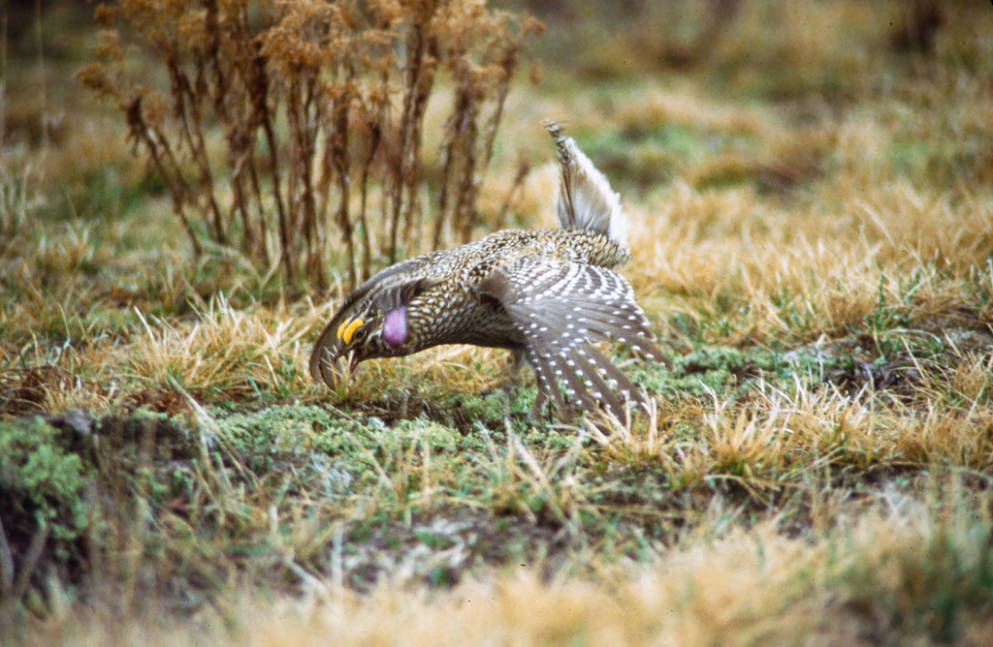
sharptailed_grouse-2

Photo by U.S. Fish & Wildlife Service/Richard Baetsen • Sharp-tailed grouse engaged in a mating display. Keeping track of populations of vulnerable species is a major component of the annual GBBC.

The 2016 GBBC shattered records. An estimated 163,763 bird watchers from more than 130 countries joined the effort. Participants submitted 162,052 bird checklists reporting 5,689 species, which is more than half the known bird species in the world and 599 more species than the previous year. So, what results will 2017 produce?

Social media, like Facebook and Twitter, have helped raise awareness about the importance of the GBBC, which has proven helpful in tracking long-term population trends of North American birds, as well as the bird populations on other continents. If anything, counting birds during the GBBC is an easy way to do your part to advance the cause of science intended to improve the plight of our beloved birds. So, circle the dates on your calendar and join me in taking part in the upcoming Great Backyard Bird Count. For more information on the Great Backyard Bird Count, visit www.BirdCount.org.

•••••

Bryan Stevens lives near Roan Mountain, Tennessee. To learn more about birds and other topics from the natural world, friend Stevens on Facebook at https://www.facebook.com/ahoodedwarbler. He is always posting about local birds, wildlife, flowers, insects and much more. If you have a question, wish to make a comment or share a sighting, email ahoodedwarbler@aol.com.

2017gbbc_robinposter

Kinglets are energetic sprites among our feathered friends

Beth-Golden-crownKinglet

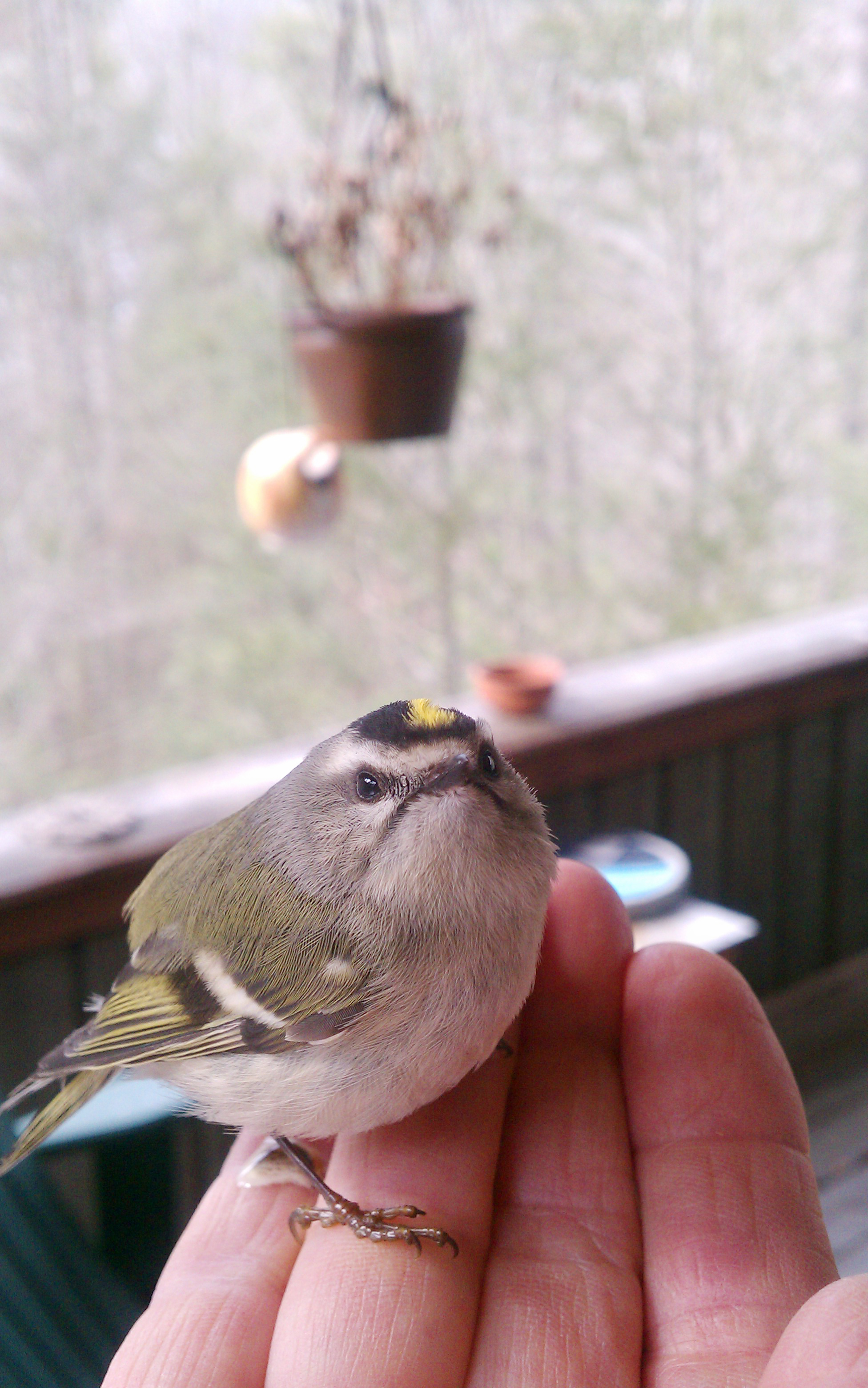
Photo by Elizabeth McPherson • This Golden-crowned Kinglet recovered after striking a window.

There are many different ways to become more familiar with the backyard birds at your own home. I’m fond of keeping a year list of all the bird species that travel through the yard and garden at my home. Keeping such a list is a great way to document the seasonal comings and goings of the bird life in your own neighborhood. You may be surprised at what you see.

Patricia Werth, a resident of Abingdon, Virginia, sent me an email to share the results of her year of counting birds in her yard.

“I told you at the beginning of 2016 I was going to list all the birds that come to my feeder or are in our yard,” she wrote. “I counted 29, but I just saw a very small bird that resembled the goldfinch, except smaller and more greenish on the back. Was that a warbler? I am not very good differentiating between sparrows, either.”

She was pleased with her 2016 results, but she wanted some suggestions for identifying the unknown bird. Based on her description of the bird’s small size and greenish coloration on the back, I suggested she do some online research into kinglets.

I received a second email from Patricia thanking me for the suggestion. “After looking up the kinglets, I do believe it was the female golden-crowned kinglet,” she wrote, adding that she was certain that she had seen her before.

Jean-Golden-crownKinglet

Photo by Jean Potter • This Golden-crowned Kinglet was captured and banded as part of an ornithological study.

The identification of the golden-crowned kinglet took her total to 30 species. “Seeing that they (kinglets) rarely eat seeds that was a real treat to have them visit,” Patricia wrote. “I believe I have heard them call, too, but thought it was a chickadee, as they are so vocal.”

Her year’s already off to a good start with goldfinches at her feeders. With the recent snowfall, she also saw her first dark-eyed junco of the year. When it comes to size, however, few of the birds that patronize our feeders are as diminutive in size as the kinglets.

rubycrownkinglet

Photo by U.S. Fish & Wildlife Service/Donna Dewhurst • The ruby-crowned kinglet, pictured, and golden-crowned kinglet are among North America’s smallest birds. Both species are occasional winter visitors in the region. The birds are named for bright crown patches that contrast with their overall drab appearance.

As their name suggests, kinglets are tiny birds. In fact, about the only North American birds smaller than kinglets are some of the hummingbirds. The kinglets, known outside North America as “flamecrests” or “firecrests,” belong to the family, Regulidae, and the genus, Regulus. The family and genus names are derived from a Latin word, regulus, which means “rex,” or “king.” The name was apparently inspired by the colorful crown patches, often red, orange or gold, that resemble the royal “crowns” of kings. In addition to the two North American species, four other species of kinglets can be found in North Africa, Europe and Asia.

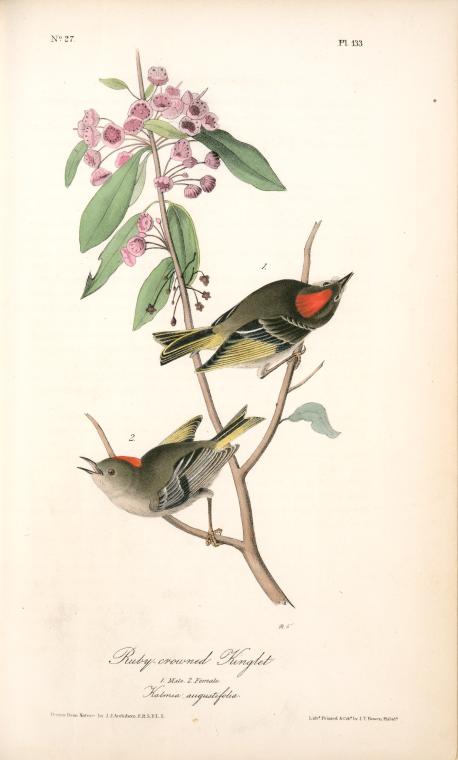
john-james-audubon-ruby-crowned-kinglet-1-male-2-female-kalmia-augustifolia

Early American naturalist and artist painted this pair of Ruby-crowned Kinglets.

Although similar in size and overall coloration, the ruby-crowned and golden-crowned kinglets are easily distinguished from each other. Side by side, the two species of North American kinglets are easy to identify. The golden-crowned kinglet has a striped facial pattern formed by bold black and white stripes. The ruby-crowned kinglet, on the other hand, has a bold white eye ring but no striping. The golden-crowned kinglet has an orange crown patch, while the ruby-crowned kinglet has a red crown patch that is, more often than not, kept concealed. Both sexes of the golden-crowned kinglet possess a yellow crown patch, but only the male ruby-crowned kinglet boasts a scarlet patch of feathers atop the head. Observers can expend a lot of energy trying to get a look at the crown patches, which are typically only displayed when the bird is agitated.

Kinglets are very active birds. If warblers can be described as energetic, the kinglets are downright frenetic in their activities. The kinglets almost never pause for long, flitting from branch to branch in trees and shrubs as they constantly flick their wings over their backs.  These bursts of hyperactivity can make them difficult to observe. Although small in size, these birds more than compensate for it with a feisty spirit that does them well through the harsh winter months.

cuviers_regulus

John James Audubon painted this depiction of a bird he referred to as Cuvier’s Kinglet in the early 1700s. No other person has ever encountered a bird matching this description.

Kinglets often join mixed flocks comprised of other species of birds, some of which are regular feeder visitors. Perhaps by observing their flock counterparts, some kinglets have learned to accept feeder fare such as suet, meal worms and chopped nuts. Away from feeders, kinglets mostly feed on a range of small insects and arachnids. These tiny birds will also consume some fruit, such as the berries of poison oaks and dogwoods.

Normally, kinglets have a rather fleeting lifespan. These tiny birds can be considered old if they live three or four years. There are always exceptions.  The oldest golden-crowned kinglet on record was six years and four months old. That individual, a male, was documented by a bird bander in 1976, according to the website All About Birds.

Overall, kinglets are trusting, tame birds and a welcome addition to any flocks visiting your yard and garden. These tiny feathered sprites are definitely worth getting to know.

•••••

The Bristol Bird Club will conduct a birding trip of Burke’s Garden, Virginia, on Saturday, Feb. 11. Red-headed woodpecker, a relative of the Northern flicker, is among the target birds. Other possible birds will include golden eagles, rough-legged hawks, horned larks and a pair of bald eagles on a nesting site located in the beautiful, bowl-like valley of Burke’s Garden.e80948b8-92fa-44d2-b107-d9223014aff0_d

Participants should plan to meet by 8 a.m. at the Hardee’s at 900 E. Fincastle St. in Tazewell, Virginia. Arrive early and enjoy breakfast. Attendees will carpool to Burke’s Garden. Those making the trip might also glimpse alpacas and a camel. Bring a bit of cash if you would like to enjoy a soup and sandwich lunch at the Amish Store. For more information on this trip, call Kevin Blaylock at (423) 943-5841.

I visited Burke’s Garden for the first time almost 20 years ago on one of these February field trips. It was quite the memorable birding experience and yielded me my first-ever sightings of rough-legged hawk and common goldeneye.

Long-running bird counts find some surprises

woodduck-head

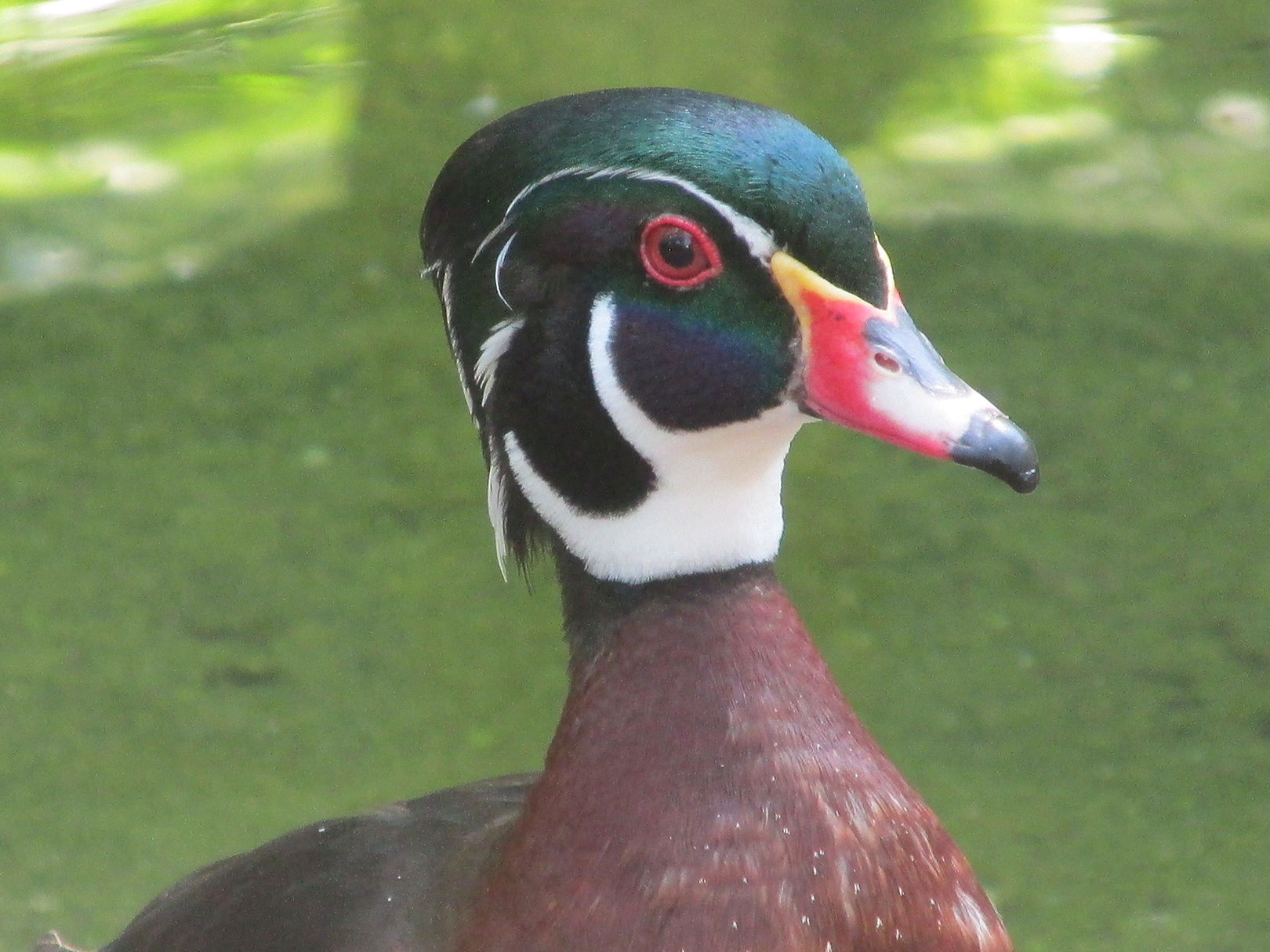
Photo by Bryan Stevens • Abundant waterfowl, such as this Wood Duck, helped push the 2016 Elizabethton Christmas Bird Count to tie a previous record.

The annual Christmas Bird Counts conducted by the Lee and Lois Herndon Chapter of Tennessee Ornithological Society found some good birds.

The 74th consecutive Elizabethton CBC was held on Saturday, Dec. 17. Twenty-four observers in six parties, plus one feeder-watcher, participated. Conditions were generally favorable and featured mild temperatures (35-66 degrees) on a mostly cloudy day with windy conditions, especially in the higher elevations.

I spent the morning and early afternoon counting birds with Chris Soto and Charles Moore along the Watauga River in Elizabethton. We also received some assistance from Michelle Sparks.

cbc-femaletowhee

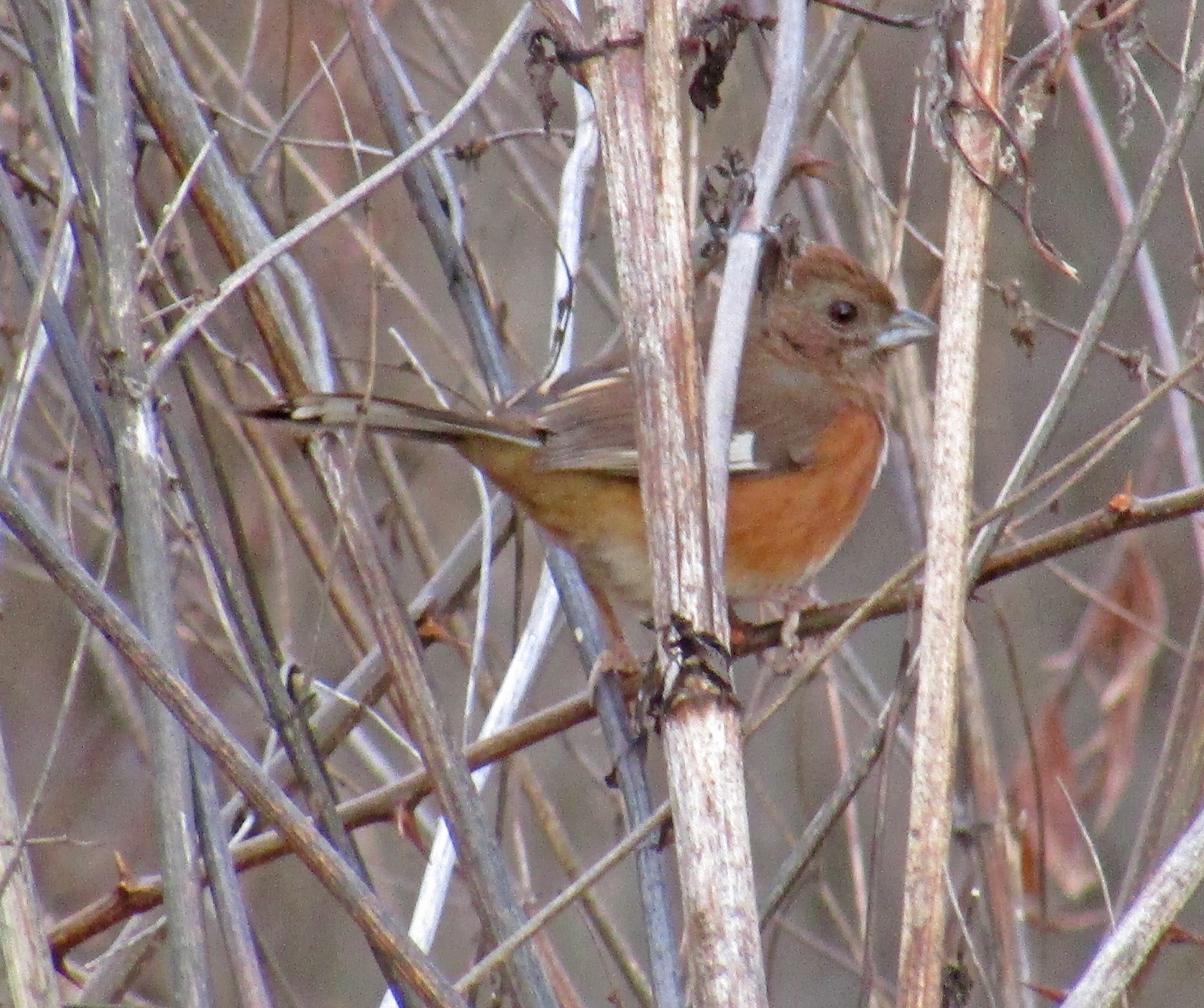
Photo by Bryan Stevens • This female Eastern Towhee was one of several towhees found on the 2016 Elizabethton CBC.

A total of 80 species were tallied, tying the all-time high for this count set in 2012.  By comparison, the average over the last 30 years has been 72 species, according to the count’s long-time compiler, Rick Knight.

Knight said that highlights from the count included:

• 12 species of ducks (plus four more in count week) were counted on this year’s CBC. In particular, wigeon, shoveler, green-winged teal, both scaup and red-breasted merganser are scarce on this count, but all were found this year.

• Double-crested Cormorant was found for just the seventh time on this CBC, with six of those times since 2004.

• This CBC marked just the third time in the last 24 years and 10th ever on this CBC that Red-headed Woodpecker has made the count.

• The seven Red-breasted Nuthatches reported represented an above average number for this species.

• This was only the third time for Pine Warbler on this CBC in the last 50 years and the three Pine Warblers found this year represent a high count for this CBC.

• A single Savannah Sparrow was the first on this CBC in 16 years. There’s not much accessible habitat for this sparrow within the count area.

• Nine Purple Finches on this CBC marked the most found since 1987.

heron-cold

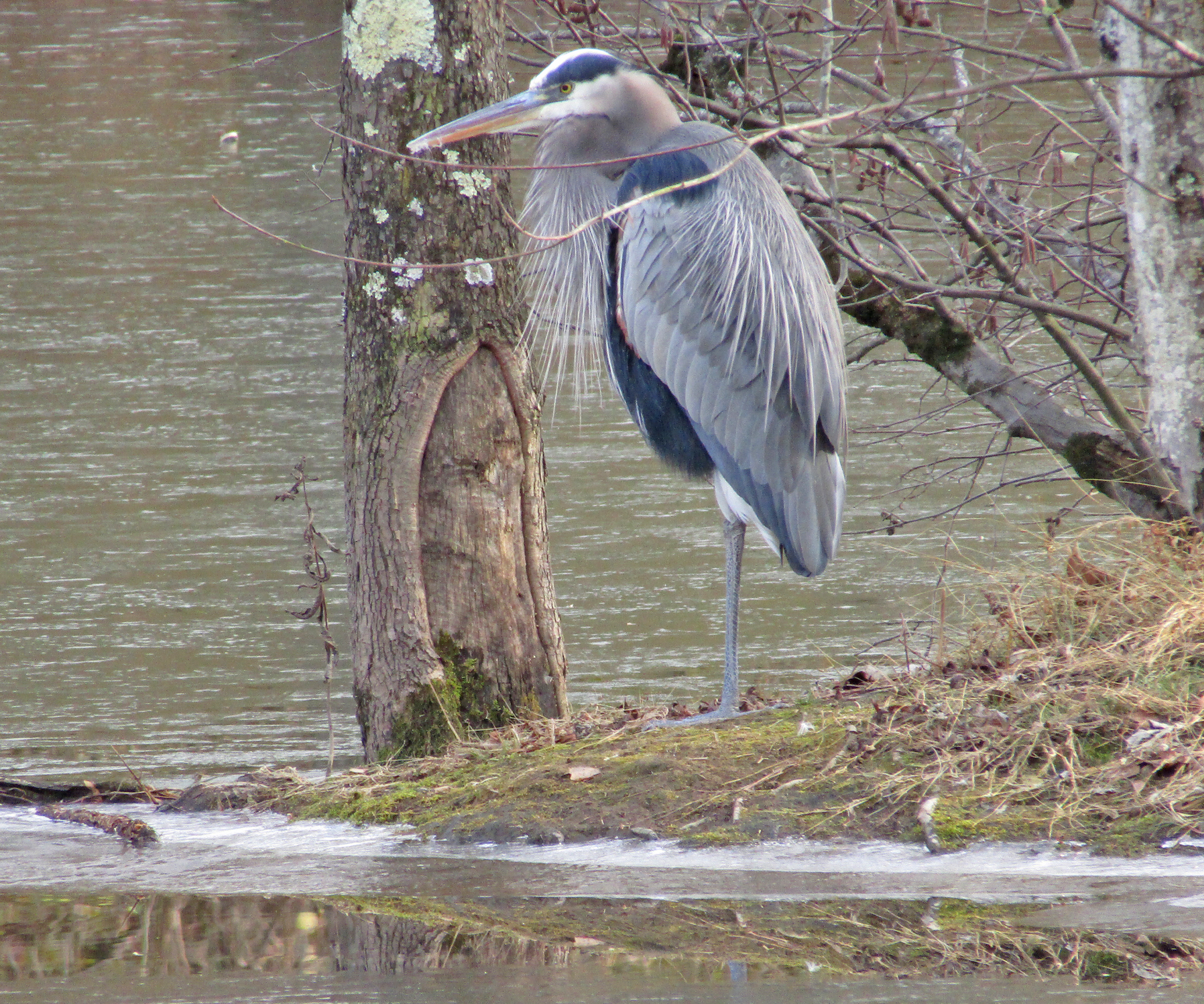
Photo by Bryan Stevens • The 26 Great Blue Herons found during the Elizabethton CBC almost tied the old record.

• Red Crossbills on this year’s CBC marked only the fourth occurrence on this CBC in the last 30 years.

Nevertheless, the Elizabethton CBC had some notable misses, including Brown Creeper, White-crowned Sparrow and Pine Siskin.

Some species are showing rather obvious trends on this CBC, according to Knight.

• The 114 Wild Turkeys found are the second most found in the  last 24 years. Prior to that date, no turkeys had been found on this CBC.

• Great Blue Herons continue to increase. The 26 individuals found represent the second most ever reported on this CBC.

• The four Bald Eagles found meant that this large raptor has been found for 17 of last 18 years, but only three times before that.

• Only three Killdeers were found, which reflects a continuing decline on this CBC likely due to habitat loss and degradation.

red-bellied-bryan

Photo by Bryan Stevens • The 47 Red-bellied Woodpeckers on the 2016 Elizabethton CBC set an all-time high for this species.

• The eleven Eurasian Collared-Doves found means that this dove has been found five of the last eight years.

• The 21 Belted Kingfishers found tied for second highest total ever for this species.

• The 47 Red-bellied Woodpeckers found set a new high count for this species, which has shown a steady increase in the foothills and lower mountains. CBCs conducted in the 1970s in Elizabethton had only single-digit counts for this woodpecker.

• Common Raven, with 13 found on this year’s CBC, has been found yearly since 1974, but none had appeared on this count prior to that date.

• Eastern Bluebird numbers continued to rise yearly. The 177 bluebirds this year represent the third-highest count for this species.

• Numbers for Field Sparrow, Song Sparrow and White-throated Sparrow showed the fewest of these three species since 1996, 1974 and 1969, respectively. These low sparrow numbers may be due to drought this year, which meant fewer seeds to feed these sparrows.

The total for the Elizabethton CBC follows:

nuthatch-grabandgo

Photo by Bryan Stevens • Feeder visitors, like this White-breasted Nuthatch, were abundant birds on both Christmas Bird Counts.

Canada Goose, 426; Wood Duck, 1; Gadwall, 10; American Wigeon, 2; American Black Duck, 1; Mallard, 205; Northern Shoveler, 2; Green-winged Teal, 3; Ring-necked Duck, 1; Greater Scaup, 2; Lesser Scaup, 1; Bufflehead, 256; and Red-breasted Merganser, 4.

Ruffed Grouse, 1; Wild Turkey, 114; Common Loon, 3; Pied-billed Grebe, 10; Horned Grebe, 21; Double-crested Cormorant, 4; and Great Blue Heron, 26.

Black Vulture, 10; Turkey Vulture, 2; Sharp-shinned Hawk, 4; Cooper’s Hawk, 8; Bald Eagle, 4; and Red-tailed Hawk, 13.

American Coot, 33; Killdeer, 3; Wilson’s Snipe, 4; Ring-billed Gull, 3; Rock Pigeon, 487; Eurasian Collared-Dove, 11; and Mourning Dove, 246.

Eastern Screech-owl, 2; Great Horned Owl, 1; Barred Owl, 2; Belted Kingfisher, 21; Red-headed Woodpecker, 2; Red-bellied Woodpecker, 45; Yellow-bellied Sapsucker, 7; Downy Woodpecker, 23; Hairy Woodpecker, 7; Northern Flicker, 15; and Pileated Woodpecker, 24.

American Kestrel, 13; Eastern Phoebe, 10; Blue Jay, 209; American Crow, 541; and Common Raven, 13.

crows-dec-21

Photo by Bryan Stevens • American Crows are abundant birds on these two CBCs.

Carolina Chickadee, 114; Tufted Titmouse, 102; Red-breasted Nuthatch, 7; White-breasted Nuthatch, 41; Winter Wren, 8; Carolina Wren, 85.

Golden-crowned Kinglet, 19; Ruby-crowned Kinglet, 3; Eastern Bluebird, 175; Hermit Thrush, 4; American Robin, 105; and Northern Mockingbird, 40.

European Starling, 809; Cedar Waxwing, 272; Pine Warbler, 3; and Yellow-rumped Warbler, 58.

Eastern Towhee, 25; Chipping Sparrow, 29; Field Sparrow, 7; Savannah Sparrow, 1; Fox Sparrow, 1; Song Sparrow, 70; Swamp Sparrow, 2; White-throated Sparrow, 57; and Dark-eyed Junco, 135.

Northern Cardinal, 92; House Finch, 74; Purple Finch, 5; Red Crossbill, 7; American Goldfinch, 101; and House Sparrow, 17.

••••••

The 64th Roan Mountain CBC was held on Wednesday, Dec. 21, with six participants in two parties. Conditions were generally favorable: mild temperatures (21-53 degrees) were coupled with clear skies and no significant winds.

amblackduck

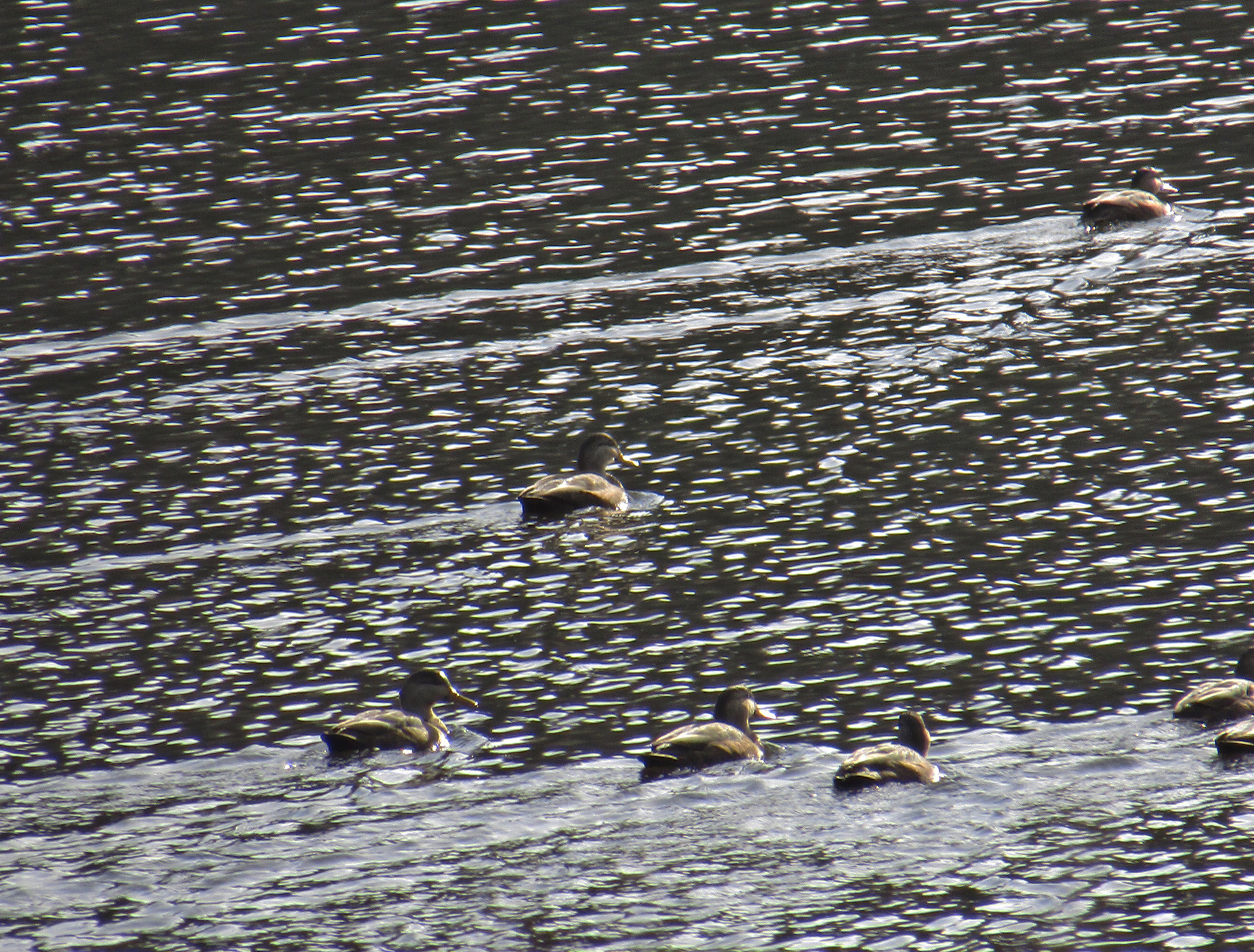
Photo by Bryan Stevens • These American Black Ducks were found at Ripshin Lake during the Roan Mountain CBC.

A total of 42 species were tallied, slightly below the recent 30-year average of 46. The all-time high was 55 species back in 1987. Despite the decent weather, birds were hard to find. I counted with Brooke and Jean Potter in the town of Roan Mountain and on Ripshin Mountain.

Highlights included 12 American Black Ducks, a single Red-breasted Nuthatch, a solitary Ruby-crowned Kinglet and two Purple Finches. Notable misses for this count included Ruffed Grouse, Hairy Woodpecker, Northern Flicker, Brown Creeper, American Robin, Cedar Waxwing, Eastern Towhee and Pine Siskin.

The total for the Roan Mountain CBC follows:

Canada Goose, 5; American Black Duck, 12;  Bufflehead, 6; Wild Turkey, 8; Pied-billed Grebe, 1; and Great Blue Heron, 1.

Turkey Vulture, 1; Cooper’s Hawk, 1; Red-tailed Hawk, 6; Rock Pigeon, 25; Mourning Dove, 66; Barred Owl, 2; and Belted Kingfisher, 1.

rthawk-three

Photo by Bryan Stevens • Red-tailed Hawks are a fairly common winter raptor in the region.

Red-bellied Woodpecker, 6; Yellow-bellied Sapsucker, 1; Downy Woodpecker, 7; and Pileated Woodpecker, 2.

Eastern Phoebe, 1; Blue Jay, 22; American Crow, 170; and Common Raven, 9.

Carolina Chickadee, 24; Tufted Titmouse, 17; Red-breasted Nuthatch, 1; White-breasted Nuthatch, 6; Winter Wren, 2; and Carolina Wren, 18.

Golden-crowned Kinglet, 7; Ruby-crowned Kinglet, 1; Eastern Bluebird, 6; Northern Mockingbird, 3; and European Starling, 78.

Field Sparrow, 10; Fox Sparrow, 2; Song Sparrow, 55; White-throated Sparrow, 8; Dark-eyed Junco, 68; and Northern Cardinal, 12.

House Finch, 6; Purple Finch, 2; American Goldfinch, 17; and House Sparrow, 24.


Annual Christmas Bird Count a more peaceable custom than its predecessors

cbc-cooperhawk

Photo by Bryan Stevens • This adult Cooper’s Hawk was found on the 2016 Elizabethton CBC.

I participated in the annual Elizabethton Christmas Bird Count and Roan Mountain Christmas Bird Count conducted by the Lee and Lois Herndon Chapter of Tennessee Ornithological Society on Saturday, Dec. 17, and Wednesday, Dec. 21.

During the Elizabethton Count with my fellow counters — Charles Moore, Chris Soto and Michelle Sparks — we found some good winter birds, including gadwalls and buffleheads on the Watauga River, white-throated sparrows and yellow-bellied sapsuckers at Sycamore Shoals State Historic Park and a Cooper’s hawk near the American Legion headquarters near downtown Elizabethton. I helped Brookie and Jean Potter with the Roan Mountain CBC. Some of our good birds included Ruby-crowned Kinglet, American Black Duck and Purple Finch. I will provide the results of both these CBCs in upcoming blog posts.

Despite a sore toe that hampered my walking this year, I was determined to take part. I’ve participated in Christmas Bird Counts, often shortened by birders to CBCs, since the late 1990s. Other long-running CBCs in the region include the Bristol CBC, the Shady Valley CBC and the Roan Mountain CBC. I have always tried to take part in this annual tradition which has become part of my own holiday celebration.

WinterWren

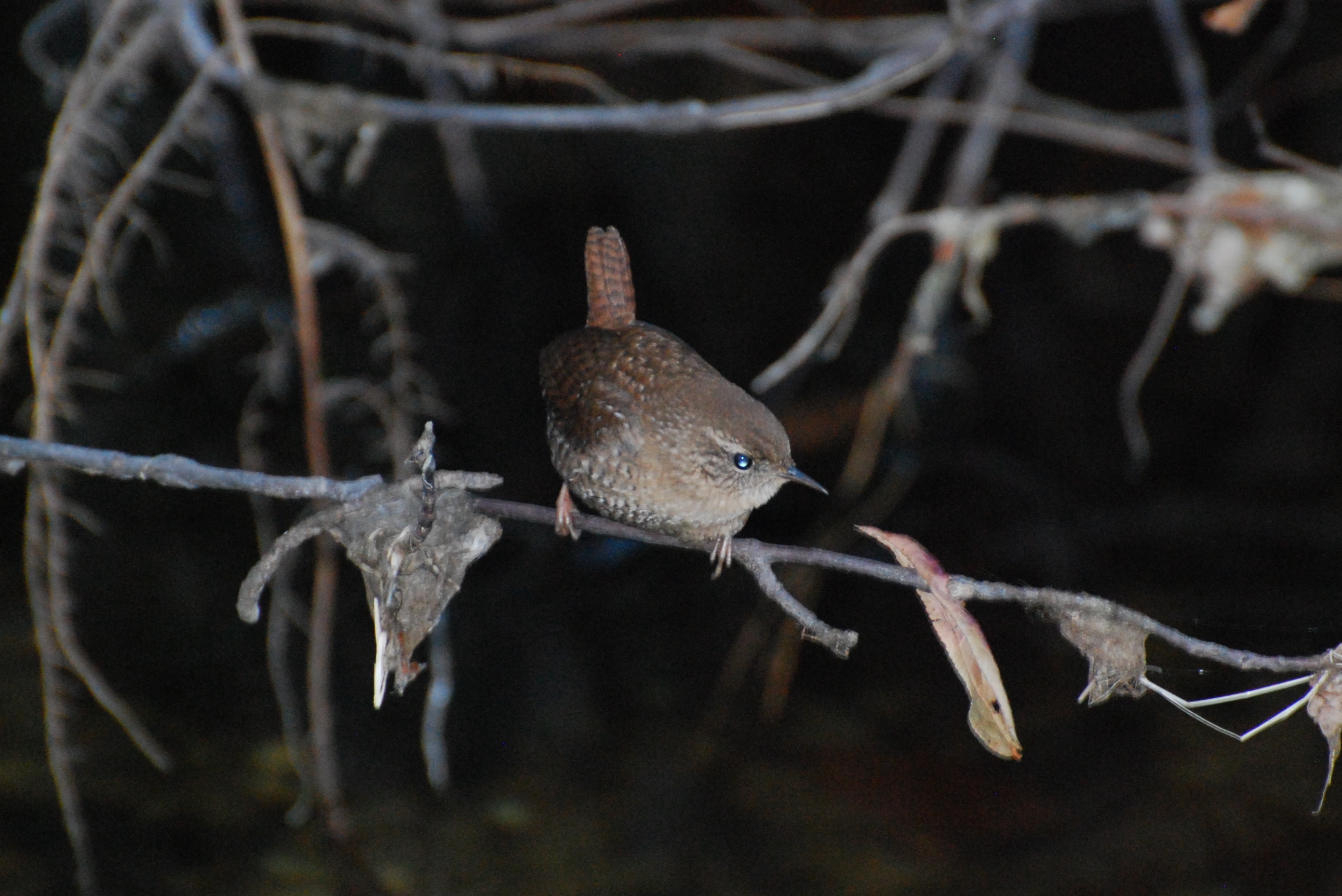
Photo by U.S. Fish & Wildlife Service • The Winter Wren is a small but noisy bird.

According to the National Audubon Society’s website, the tradition of the Christmas Bird Count arose from a less than bird-friendly custom. By the turn of the 20th century, so-called sportsmen would conduct a “Side Hunt,” a rather blood-thirsty Christmas custom that saw hunters competing to see who could score the largest amount of feathered and furred corpses.

The annual holiday bird survey may even have arisen from an earlier custom with roots in Europe that came to the United States of America with early colonists. The “Side Hunt” has some similarity to a peculiar celebration in Ireland and other European countries known as “Wren Day” or “Hunt the Wren Day.” The event was conducted the day after Christmas, the date of Dec. 26 being consigned as Saint Stephen’s Day. By the 20th century, the hunt consisted of tracking down a fake wren carried atop a decorated pole. Crowds would parade through towns in masks and colorful attire. These groups were referred to as “wren boys.”

chapman

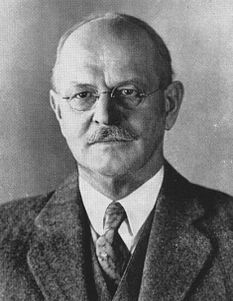
Frank Chapman

Whether or not the “Side Hunt and “Wren Hunt” shared any connections, it was a huge step forward for conservation when preeminent ornithologist Frank M. Chapman proposed a new holiday tradition. His radical idea was to count birds during the Christmas season rather than hunting and killing them.

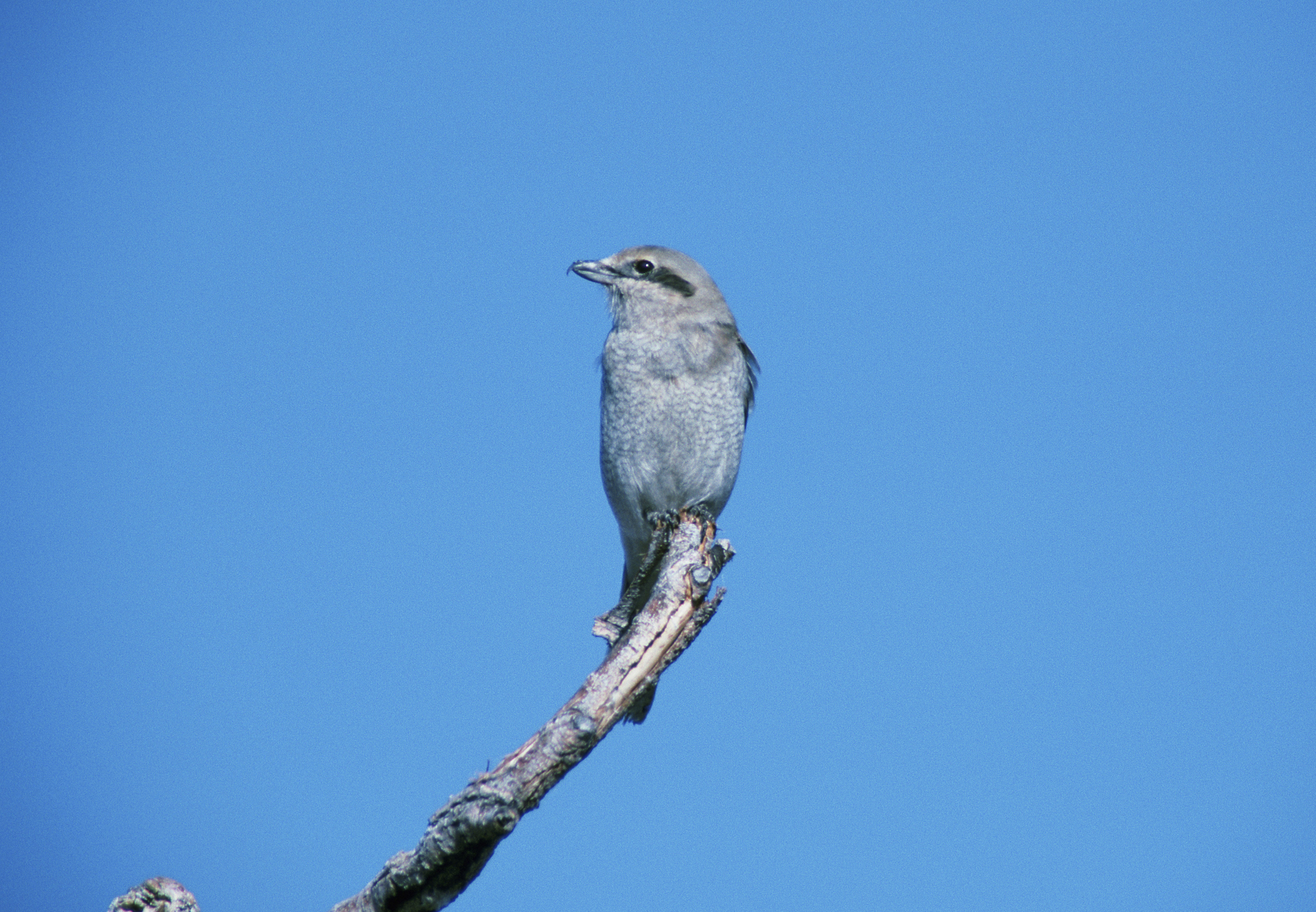
The Christmas Bird Count is now conducted each year on dates between Dec. 14 and Jan. 5. The first CBC took place in December of 1900 with 27 observers participating at 25 locations in the United States and Canada. Fifteen of the counts were conducted in the northeastern United States from Massachusetts to Philadelphia. Results from that first count in 1900 didn’t truly reflect the diversity of North America’s birds, but there were nonetheless interesting. The Greater Boston CBC boasted only one participant and only found 17 species. However, some of those species included such good birds as American tree sparrow, brown creeper, Northern shrike and Northern bobwhite.

Northern shrike perched on bare branch

Photo by Dave Menke/U.S. Fish & Wildlife Service • The Northern shrike, pictured, was one of the birds represented on one of the very first Christmas Bird Counts conducted in the United States.


These days the Christmas Bird Count is also conducted in almost 20 other nations around the world, although participants still largely hail from the United States and Canada. CBCs are still conducted under the auspices of the National Audubon Society. The CBC is one of the earliest examples of citizen science in action. People of different levels of experience can easily participate in a CBC and in so doing contribute to the scientific data available about bird populations in winter in the United States. Trends can be deduced from some of the fluctuations in populations of various bird species in different regions of the nation.

cbc-deer

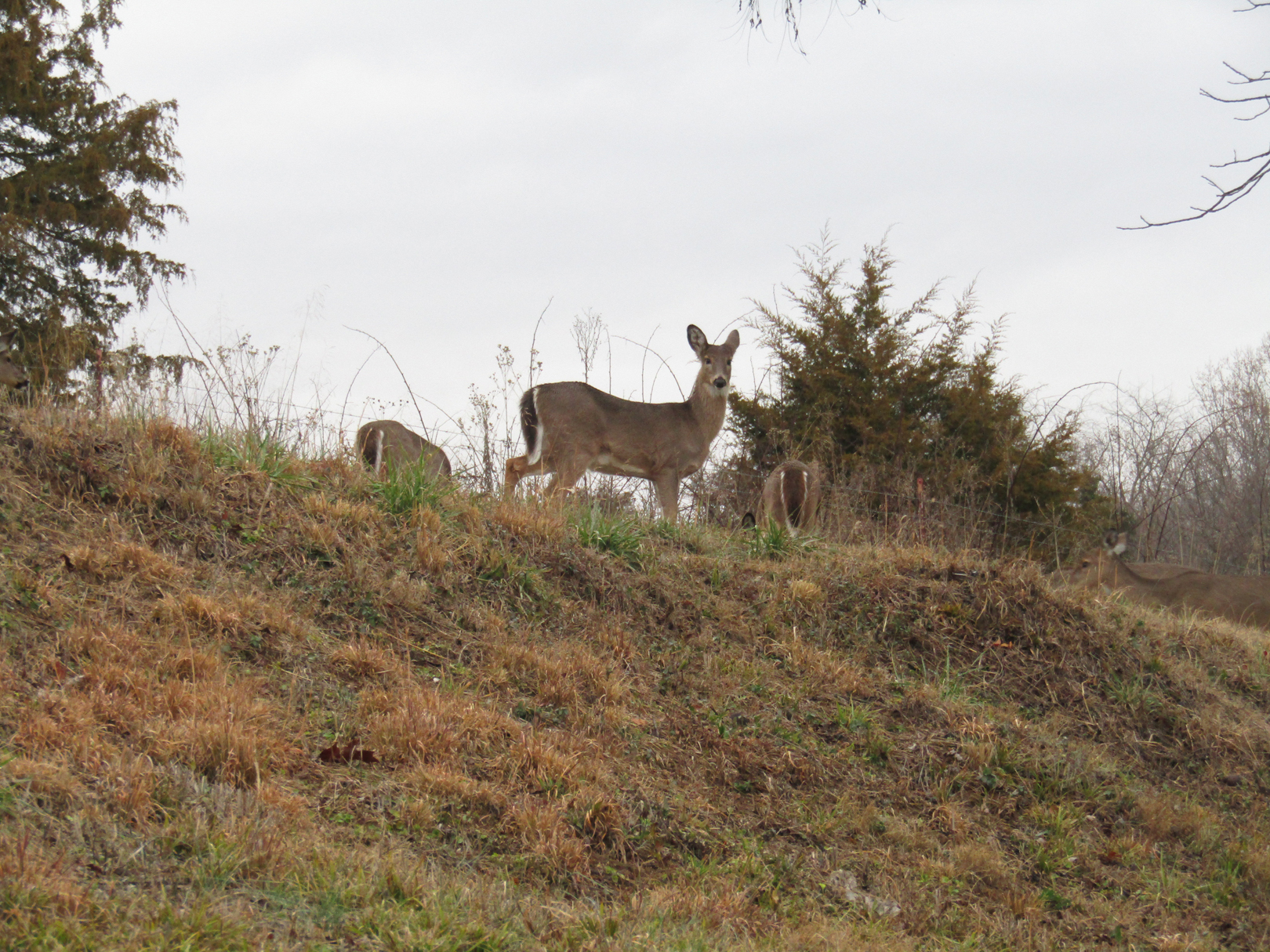
Photo by Bryan Stevens • Other wildlife, such as white-tailed deer, is often spotted while counting birds for the CBC.

We’ve come a long way since the days when birders used a gun to bring a bird up close and personal for inspection. There’s still competition, but these days birders are trying to see which count party can observe and identity the most species of birds. The only evidence we bring back from the field is an occasional photograph.

••••••

I had a mistake in a recent post on the history of feeding birds. Americans spend about $3 billion a year on bird feed. In my recent post, I erred in stating that the figure spent on bird seed was $3 million. When you think about it, Americans really do love their birds. The evidence is right there in how much money we spend to feed them. I hope readers of my weekly blog posts enjoyed a wonderful Christmas. My wish for 2017 is that everyone gets to see plenty of fun birds.

••••••

To learn more about birds and other topics from the natural world, friend Stevens on Facebook at https://www.facebook.com/ahoodedwarbler. He is always posting about local birds, wildlife, flowers, insects and much more.

Other regional Christmas Bird Counts post some good finds, including Say’s phoebe

Says_Phoebe

Photo by U.S. Fish & Wildlife Service                                         A Say’s phoebe, such as the individual pictured, was a remarkable find for the Blackford CBC in Virginia.

The Blackford Christmas Bird Count took place Jan. 2, 2016, with 65 species found. The highlight of the count was a Say’s Phoebe found by Laverne Hunter, Peggy Herbert, and Jane and Jerry Thornhill.

The Say’s phoebe, a member of the tyrant flycatcher family, is related to the Eastern phoebe. A common bird in the western United States, the Say’s phoebe typically resides in dry, desolate areas. This bird was named for early American naturalist Thomas Say. Several crustaceans and mollusks are also named in Say’s honor. Say was a descendant of other early American naturalists William Bartram and John Bartram.

One other phoebe — the black phoebe — nests in the United States, primarily in California and Oregon. The black phoebe also ranges throughout Central and South America.

Say’s phoebe is an exceptional find in the eastern United States and is definitely a stand-out bird for a Christmas Bird Count conducted in Virginia.

••••••
The Bristol Christmas Bird Count held Dec. 27, 2015, set a new record, but it wasn’t for the number of birds found.
A high temperature of 76 degrees represented the highest temperature ever recorded for a CBC. In fact, the count yielded fewer species than degrees on the thermometer. The 74 species found represented the lowest species total since 1991, according to count compiler Richard Lewis of Bristol, Tennessee. Lewis speculated that the high temperature is likely linked to the low number of species found on the recent CBC.

Marsh_hawk

Photo by U.S. Fish & Wildlife Service    Nine individual Northern harriers, such as the one pictured here, were good finds for the Bristol CBC.

The Bristol CBC has been conducted continuously since 1956. Lewis noted that the count was also conducted one other year, back in 1931. This year’s CBC marked his 35th year as the compiler.

Members and friends of the Bristol Bird Club conduct the annual Bristol CBC, which is the only seasonal bird population survey conducted by the club. Several other locations in southwest Virginia and northeast Tennessee also conduct their own CBCs.

According to Lewis, notable finds for the 2015 Bristol CBC included a common gallinule, Northern saw-whet owl, nine Northern harriers, and seven bald eagles. Other good species included gray catbird, red-headed woodpecker, eared grebe and pine warbler.

Canada_Geese

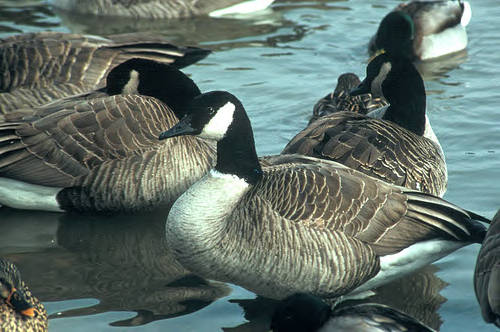
Photo by U.S. Fish & Wildlife Service            Canada Geese were a common bird for the Bristol CBC.


The most numerous bird on the count was the European starling with 8,982 individuals counted. Other common birds included American crow (857), Canada goose (612) and American robin (520). A total of 14,642 individual birds were counted.

The very first Christmas Bird Count, organized by ornithologist Frank Chapman, was held in December of 1900. For that first count, 27 observers looked for birds in 25 locations across the United States.

This annual survey of bird populations has evolved into a global undertaking. During the 113th count conducted in December-January of 2012–2013, 71,531 people participated in 2,369 locations in the United States, Canada and several other countries. This annual census provides valuable insights into trends in bird populations.

•••••

As counters participating in the recent Bristol CBC discovered, it hasn’t been a particularly exciting winter season for bird enthusiasts. Based on some communication with readers, I’m not alone in finding activity is down at my feeders.

FrogPhoto

Photo Courtesy of Sarah Smith                          The unseasonable mild December weather in the region produced unusual photo opportunities, such as this photo of a frog at an ornamental home at the Smith home in Abingdon, Virginia.

I received a recent email from Randy Smith of Abingdon, Virginia. I met Smith at last year’s birding festival at Hungry Mother State Park.

He sent me the email to share a couple of things, including photos of a real frog sitting on top of a ceramic frog at his goldfish fountain. What makes the photos remarkable is that they were taken the day after Christmas, which is usually a time of year when frogs have been absent already for a couple of months.

“Who would have imagined this much warm weather in December?” Smith wrote in his email. “I thought it was funny he was sitting on the artificial frog … perhaps seeking solace?”

Smith also had a bird-related question, which was basically an inquiry into whether I have noticed a downturn in birds at my feeders this fall/winter

He noted that he has been filling his thistle/nyger feeder only once a week or so, when in past winters he has usually re-filled it at least three to four times per week.

Even keeping the feeder stocked has produced almost no American goldfinches, one of the finch species attracted by nyger thistle seeds.

“The usual visitors are there — chickadees, nuthatches, titmice, woodpeckers,blue jays, cardinals — and a resident group of white-crowned sparrows that are fun to observe,” he wrote. “But overall, numbers and variety are way down. Any thoughts? Is it just the weather?”

I agreed completely with his assessment of bird activity.

This past December was an unusually warm winter month. I was still seeing dragonflies at my fish pond as late as the day after Christmas, which was coincidentally the same day Smith photographed the frog at his home.

I blame the warm weather on this decrease in bird-feeder activity. With such mild weather, birds don’t need to rely on our feeders to supplement their diet. The birds will probably return if and when the region ever experiences any sustained cold weather. So far, January has been slightly more typical in regard to temperatures, so perhaps some fun birds might start showing up at feeders soon.

••••••

At the time I was writing this week’s blog post, Winter Storm Jonas was making itself felt in the region. I will write about the spike in bird feeding as a result of the snowstorm in next week’s post.

•••••

To learn more about birds and other topics from the natural world, friend Stevens on Facebook at https://www.facebook.com/ahoodedwarbler. He is always posting about local birds, wildlife, flowers, insects and much more. If you have a question, wish to make a comment or share a sighting, email ahoodedwarbler@aol.com.

Chapter’s Roan Mountain Christmas Bird Count finds 52 species

Siskin-PairAtFeeders

An abundance of Pine Siskins on the slopes of Roan Mountain made this small finch the most numerous bird on the recent Roan Mountain CBC.

The 62nd Roan Mountain Christmas Bird Count was held Sunday, Dec 20, with nine observers in two parties. The yearly count is conducted by the Lee and Lois Herndon Chapter of Tennessee Ornithological Society, otherwise known as the Elizabethton Bird Club.


A total of 52 species was tallied, which is is above the recent 30-year average of 45.4 species. The all-time high was 55 species in 1987.
Highlights included: Ruffed Grouse, 1; Peregrine Falcon, 1; Red-breasted Nuthatch, 24; Gray Catbird, 1; Chipping Sparrow, 4; Purple Finch, 2; and Pine Siskin, 282.
The most numerous bird on the count was Pine Siskin, with a total of 282 individuals found, followed by Dark-eyed Junco, 172; American Crow, 93; and European Starling, 57.


11265198_10205657576911117_8122867075059637054_o

Usually a summer bird in the region, a single Gray Catbird was found during the recent Roan Mountain CBC.

Compared to the mild weather for most of December, cold temperatures moved in ahead of the counts for Elizabethton and Roan Mountain were held. As a result, near normal temperatures reigned on the days the counts were conducted. There was even about an inch of snow on top of Roan Mountain.

Female-Redbellied

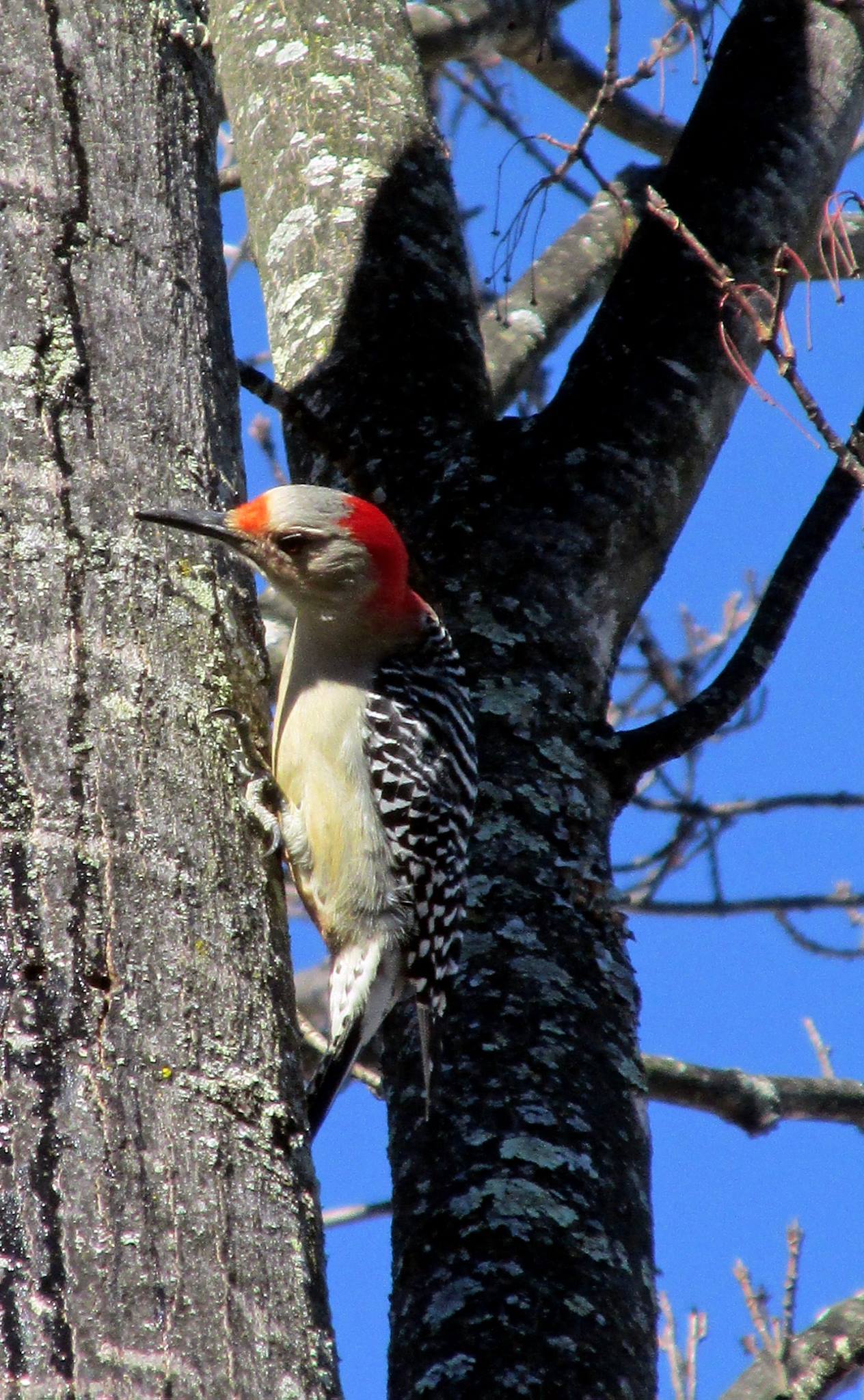
More common at low elevations, only a single Red-bellied Woodpecker was counted during the Roan Mountain CBC.

Species found on the Roan Mountain CBC follow:
Bufflehead, 11; Ruffed Grouse, 1, Wild Turkey, 1; Great Blue Heron, 1; Turkey Vulture, 1; Sharp-shinned Hawk, 1; Cooper’s Hawk, 1; Red-shouldered Hawk, 2; Red-tailed Hawk, 7; American Kestrel, 1; and Peregrine Falcon, 1.
Rock Pigeon, 23; Mourning Dove, 13; Eastern Screech-Owl, 1; and Barred Owl, 1.
Belted Kingfisher, 3; Red-bellied Woodpecker, 1; Yellow-bellied Sapsucker, 1; Downy Woodpecker, 7; Hairy Woodpecker, 2; and Pileated Woodpecker, 4.
Blue Jay 13; American Crow, 93; Common Raven, 15; Carolina Chickadee, 20, Tufted Titmouse, 13; Red-breasted Nuthatch, 24; White-breasted Nuthatch, 11; and Brown Creeper, 2.
Winter Wren, 6; Carolina Wren, 8; Golden-crowned Kinglet, 16; Eastern Bluebird, 5; American Robin, 19; Gray Catbird, 1; and Northern Mockingbird, 2.
European Starling, 57; Cedar Waxwing, 22; Eastern Towhee, 2; Chipping Sparrow, 4; Field Sparrow, 1; Song Sparrow, 43; Swamp Sparrow, 1; White-throated Sparrow, 6; and Dark-eyed Junco, 172.
Northern Cardinal, 15; House Finch, 2; Purple Finch, 2; Pine Siskin, 282; American Goldfinch, 14; and House Sparrow, 55.
••••••


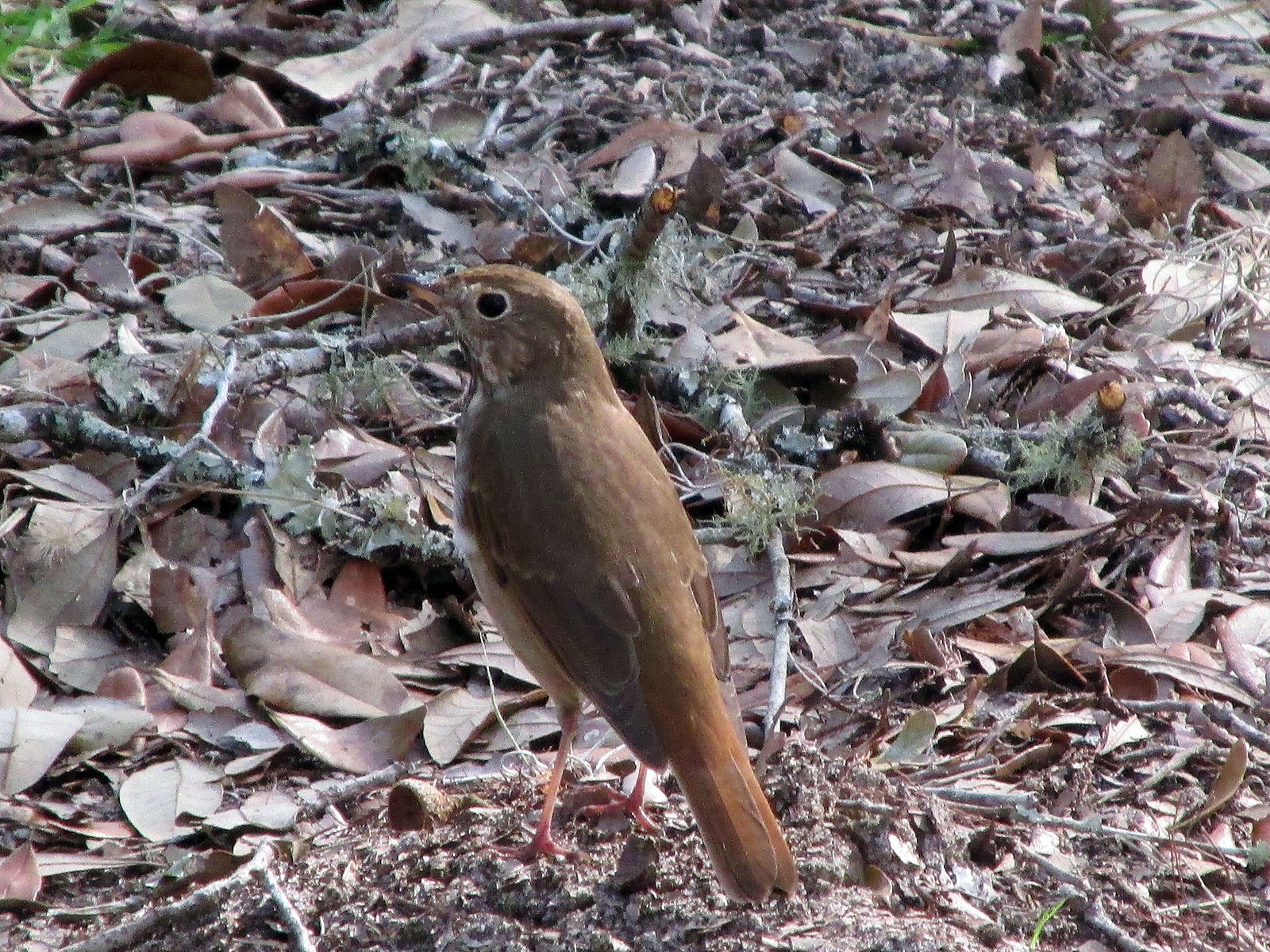
HermitThrush-April

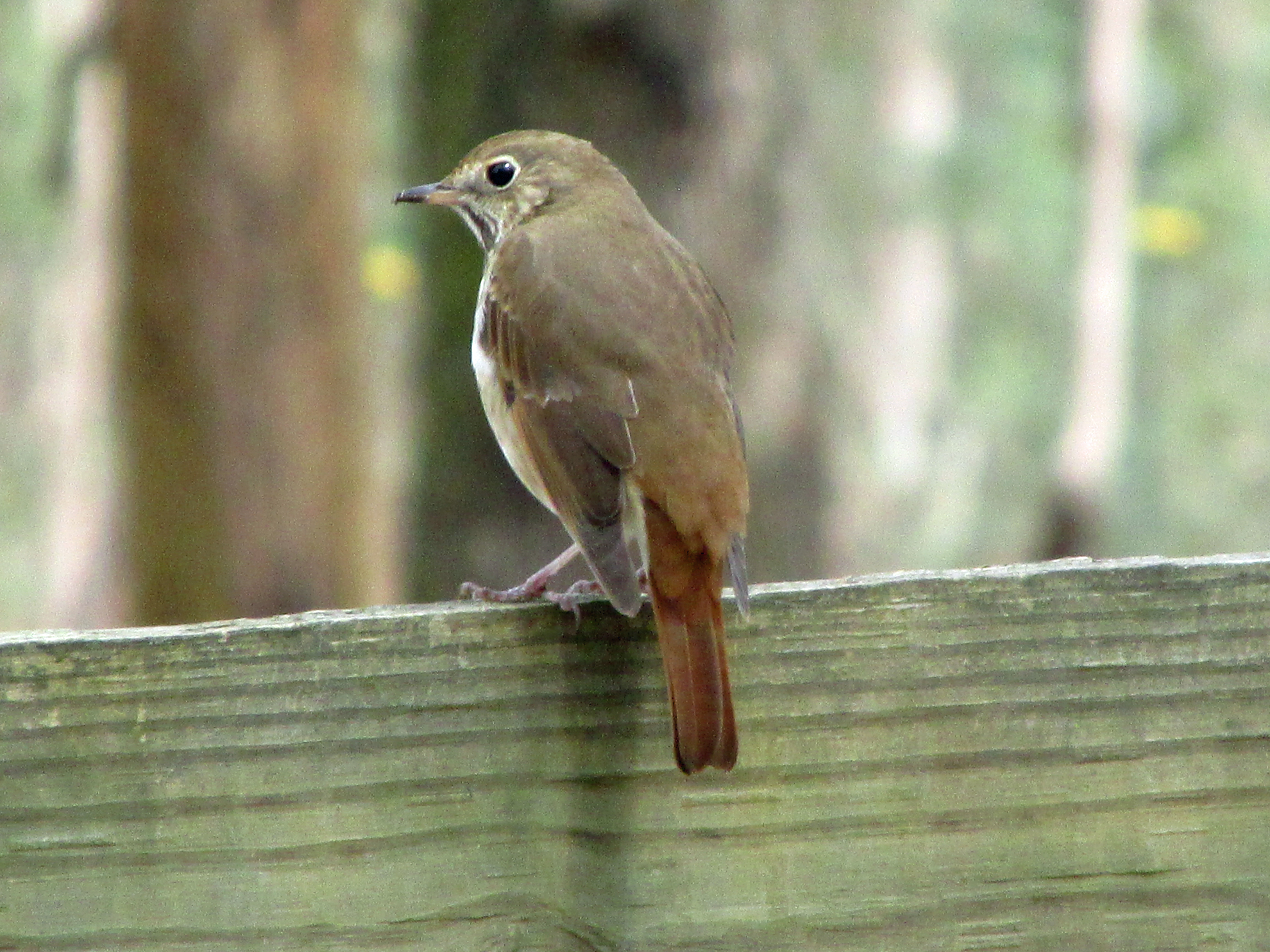
A Hermit Thrush along Simerly Creek was the last bird found on my personal quest for 100 birds in my yard in 2015. This individual was photographed this past March in South Carolina.

My own personal Big Yard Year ended on Dec. 31, 2015. I found my last bird species of the year — Hermit Thrush — lurking in a tangle of rhododendrons on a slope overlooking Simerly Creek. The thrush was the 90th bird I found in my yard in 2015, which brought my quest to an end still shy 10 species of reaching my goal of 100 species in a calendar year.
The Hermit Thrush is the only brown thrush likely to remain in Northeast Tennessee during the winter months. Others, like the Wood Thrush and Veery, winter in the American tropics and return to the United States and Canada each spring for the summer nesting season.
The Hermit Thrush is well known for its song, which consists of a series of clear, musical notes, each on a different pitch, consisting of a piping introductory note and a reedy tremolo. The birds don’t usually sing in winter, but they do produce a call note when disturbed or alarmed that is described as a low “chuck.”
In the summer, the Hermit Thrush feeds on a variety of insects and spiders, but this bird switches to a diet of fruit and berries during the winter months.
The well-known American poet Walt Whitman used a Hermit Thrush as a powerful symbol in his famous poem, “When Lilacs Last in the Dooryard Bloom’d.” Whitman introduces the bird in his poem with the lines, “In the swamp in secluded recesses/A shy and hidden bird is warbling a song/Solitary the thrush/The hermit withdrawn to himself, avoiding the settlements/ Sings by himself a song.”


Winterchickadee

Many birds, such as Carolina Chickadees, are almost daily visitors to my yard.

Overall, I am quite pleased with finding the 90 species in my yard. After all, it broke my old record. I can’t help but think on those species that I missed. Winter species like Yellow-bellied Sapsucker and Brown Creeper, which have been relatively rare in my yard, simply didn’t make an appearance in 2015. House Wren was one bird that I had really expected to find. For some reason, however, no House Wrens took up residence at my home in 2015. Other birds that occasionally make migration stops but didn’t visit last year included Vesper Sparrow, Blue-winged Warbler, Kentucky Warbler, and Canada Goose.
I saw most of my birds in January, ending the first month of the year with 26 species. I also saw 14 species in both April and September, which testified to the strength of my yard to attract migrant birds.


Peregrine_Falcon (1)

Photo by U.S. Fish and Wildlife Service This Peregrine Falcon is a captive bird, unlike the one found during the Roan Mountain CBC.

I haven’t decided if I am setting any birding goals for 2016. I may simply enjoy birds without any specific aims. However, the year is still young. If I decide otherwise, I will announce it on my weekly blog.

Elizabethton Christmas Bird Count tallies 73 species

Cardinal-Blur

A blur of red feather signals the arrival of a male Northern Cardinal at a feeder. A total of 123 cardinals were found on the recent Elizabethton CBC.

The 73rd consecutive Elizabethton Christmas Bird Count was held on Saturday, Dec. 19, with 24 observers in six parties plus one feeder watcher.  A total of 73 species was tallied, with an additional four count-week species. This is slightly above the recent 30-year average of 71.7 species. The all-time high for this CBC was 80 species in 2012.

Long-time count compiler Rick Knight noted that some of the highlights from this year’s Elizabethton CBC included: five Blue-winged Teal, which represented only the fourth time this duck has been found for this count, as well as  Northern Shoveler and Greater Scaup.

BaldEagle-Sunning

Bald Eagle was represented by five individual birds on the recent CBC conducted by members of the Elizabethton Bird Club.

Other highlights included Bald Eagle, Eurasian Collared-Dove, Red-breasted Nuthatch, American Pipit and Palm Warbler.

The 72 Chipping Sparrows found during the CBC represented the most individuals of this species ever tallied for this count.

A few winter finches have also arrived in the area, based on the Purple Finch and Pine Siskins detected during the CBC.

Red-breastedNutHatchYAHOO

A single Red-breasted Nuthatch was found, assuring that this species made it onto the annual survey of bird populations in Elizabethton, Tennessee.

The European Starling was the most common bird with a total of 1,707 individual starlings represented on the count. Other common birds included American Crow (987), Canada Goose (511) and American Robin (450).

The total for the 2015 Elizabethton CBC follows:

Canada Goose, 511; Mallard, 129; Blue-winged Teal, 5; Northern Shoveler, 12; Greater Scaup, 2; Lesser Scaup, 1; Bufflehead, 172; and Hooded Merganser, 10.

Wild Turkey, 30; Pied-billed Grebe, 15; Horned Grebe, 10; and Great Blue Heron, 13.

Black Vulture, 16; Turkey Vulture, 26; Sharp-shinned Hawk, 2; Cooper’s Hawk, 5; Bald Eagle, 5; Red-shouldered Hawk, 2; Red-tailed Hawk, 22; and American Kestrel, 18.

American Coot, 7; Killdeer, 5; Ring-billed Gull, 65; Rock Pigeon, 349; Eurasian Collared Dove, 7; and Mourning Dove, 114.

Eastern Screech-Owl, 7; Great Horned Owl, 4; Barred Owl, 1; Belted Kingfisher, 13; Red-bellied Woodpecker, 27; Yellow-bellied Sapsucker, 7; Downy Woodpecker, 23; Hairy Woodpecker, 3; Northern Flicker, 11; and Pileated Woodpecker, 10.

Eastern Phoebe, 7; Blue Jay, 76; American Crow, 987; Common Raven, 6; Carolina Chickadee, 111; and Tufted Titmouse, 110.

Red-breasted Nuthatch, 1; White-breasted Nuthatch, 31; Brown Creeper, 2; Winter Wren, 3; and Carolina Wren, 60.

IMG_8437

Five Hermit Thrushes were among the many species found during the Elizabethton CBC.

Golden-crowned Kinglet, 32; Ruby-crowned Kinglet, 2; Eastern Bluebird, 114; Hermit Thrush, 5; American Robin, 450; and Northern Mockingbird, 27.

European Starling, 1,707; American Pipit, 40; Cedar Waxwing, 116; Palm Warbler, 3; and Yellow-rumped Warbler, 106.

Eastern Towhee, 12; Chipping Sparrow, 72; Field Sparrow, 31; Fox Sparrow, 3; Song Sparrow, 104; Swamp Sparrow, 104; White-throated Sparrow, 78; and Dark-eyed Junco, 74.

Northern Cardinal, 123; Eastern Meadowlark, 4; House Finch, 51; Purple Finch, 1; Pine Siskin, 25; American Goldfinch, 101; and House Sparrow, 41.

•••••

Fall-Yellowthroat

A Common Yellowthroat is a rare bird in Northeast Tennessee during the winter months.

It was strange to walk outside in short sleeves this past Christmas. This weird winter weather has also led to some unexpected bird sightings. I saw my first-ever winter warbler (other than Yellow-rumped Warbler) at home ton Dec. 30. The warbler was a male Common Yellowthroat lurking in the cattails near the fish pond. Several years ago, I found a female Common Yellowthroat at Wilbur Lake on a Christmas Bird Count. In addition to the yellowthroat, I found a Swamp Sparrow in the cattails. I also had a flock of Dark-eyed Juncos (as opposed to just one bird) in the backyard that same day.

I am pleased to find that the winter birds are gradually arriving. Now that it looks like more typical winter temperatures might prevail for awhile, I expect activity to increase at my feeders.

•••••

To learn more about birds and other topics from the natural world, friend Stevens on Facebook at https://www.facebook.com/ahoodedwarbler. He is always posting about local birds, wildlife, flowers, insects and much more. If you have a question, wish to make a comment or share a sighting, email ahoodedwarbler@aol.com.

••••••

This week’s post is dedicated to Sassy, a one-of-a-kind cat that shared my life from the summer of 2002 until Dec. 26, 2015.Sassy

Annual Christmas Bird Counts offer some surprises

The Lee and Lois Herndon Chapter of Tennessee Ornithological Society held its 72nd consecutive Elizabethton Christmas Bird Count on Sunday,  Dec. 14. A total of 25 observers in six parties tallied 69 species. Inn addition, counters observed another three species during Count Week.

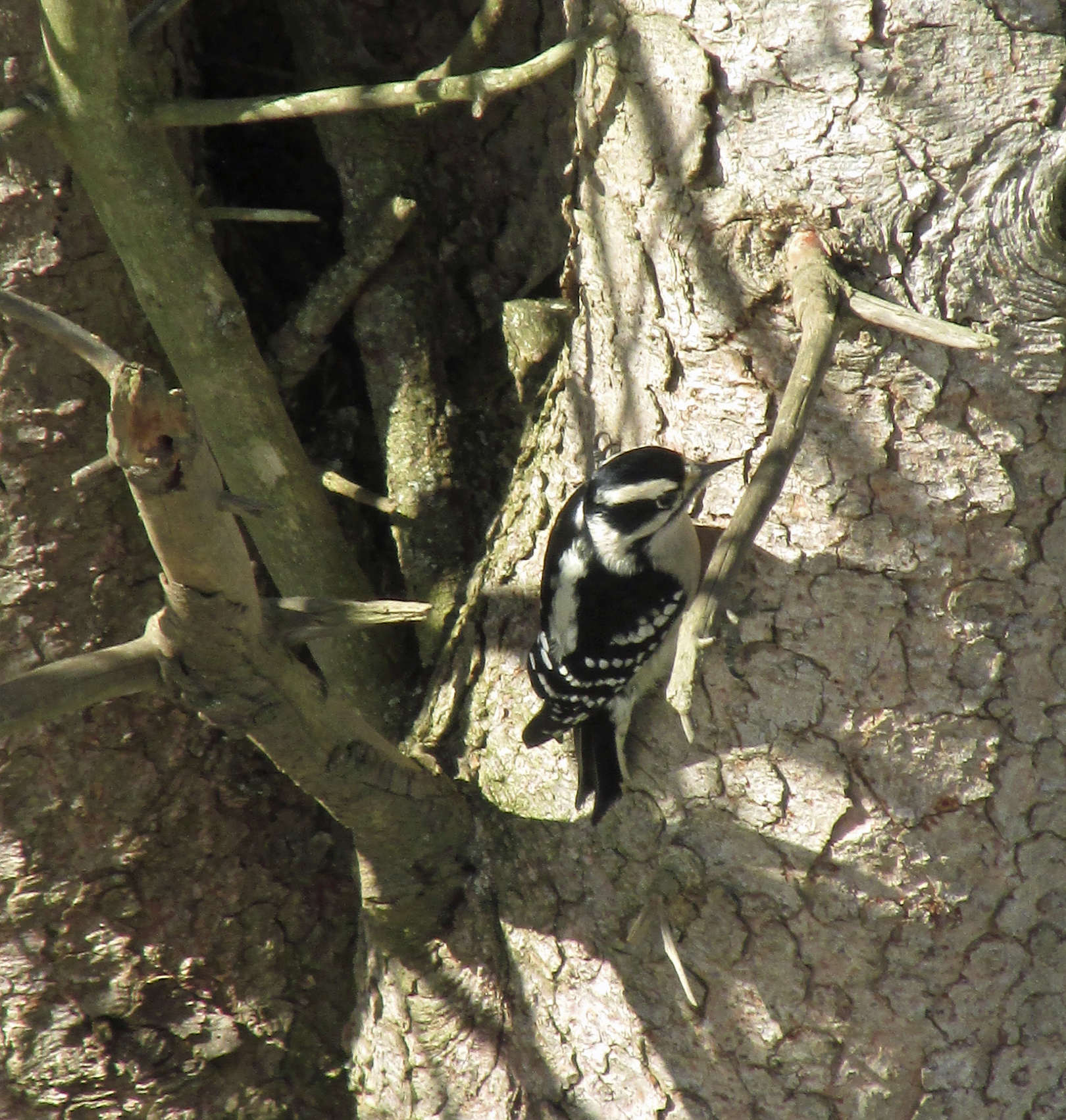
Female-Downy1

Photo by Bryan Stevens                              Downy Woodpecker, such as this female, were found on both the Elizabethton and Roan Mountain Christmas Bird Counts.

According to long-time count compiler Rick Knight, this year’s total was slightly below the recent 30-year average of 72 species. The all-time high for the Elizabethton CBC took place in 2012 when a total of 80 species was recorded.

Highlights from this year’s Elizabethton CBC included a Greater White-fronted Goose, American Woodcock and Palm Warbler. Other notable finds include five Purple Finches and 18 Pine Siskins. Notable absences included Red-breasted Nuthatch, Ruby-crowned Kinglet and Eastern Meadowlark.

Photo by Bryan Stevens

Photo by Bryan Stevens                                     A Greater White-fronted Goose and Canada Goose forage in a field during the Elizabethton Christmas Bird Count.

•••••

The 62nd Roan Mountain CBC took place Monday, Dec. 15. A total of eight observers in two parties found 53 species. This was above the recent 30-year average of 45 species and the most since 1995 when 54 species was recorded for this count.

According to Knight, an immature Northern Goshawk proved the highlight of this year’s Roan Mountain CBC. Other notable finds included Red-breasted Nuthatch, Purple Finch and Pine Siskin.

Knight also noted that Common Ravens were found on both counts. A total of 11 Common Ravens was found on the Elizabethton CBC with 24 Common Ravens found during the Roan Mountain CBC.

•••••

The 2,050 European Starlings reported on the Elizabethton CBC represented the most common species on this survey. Other common birds on the Elizabethton CBC included American Crow (725), Canada Goose (526) and Rock Pigeon (467).

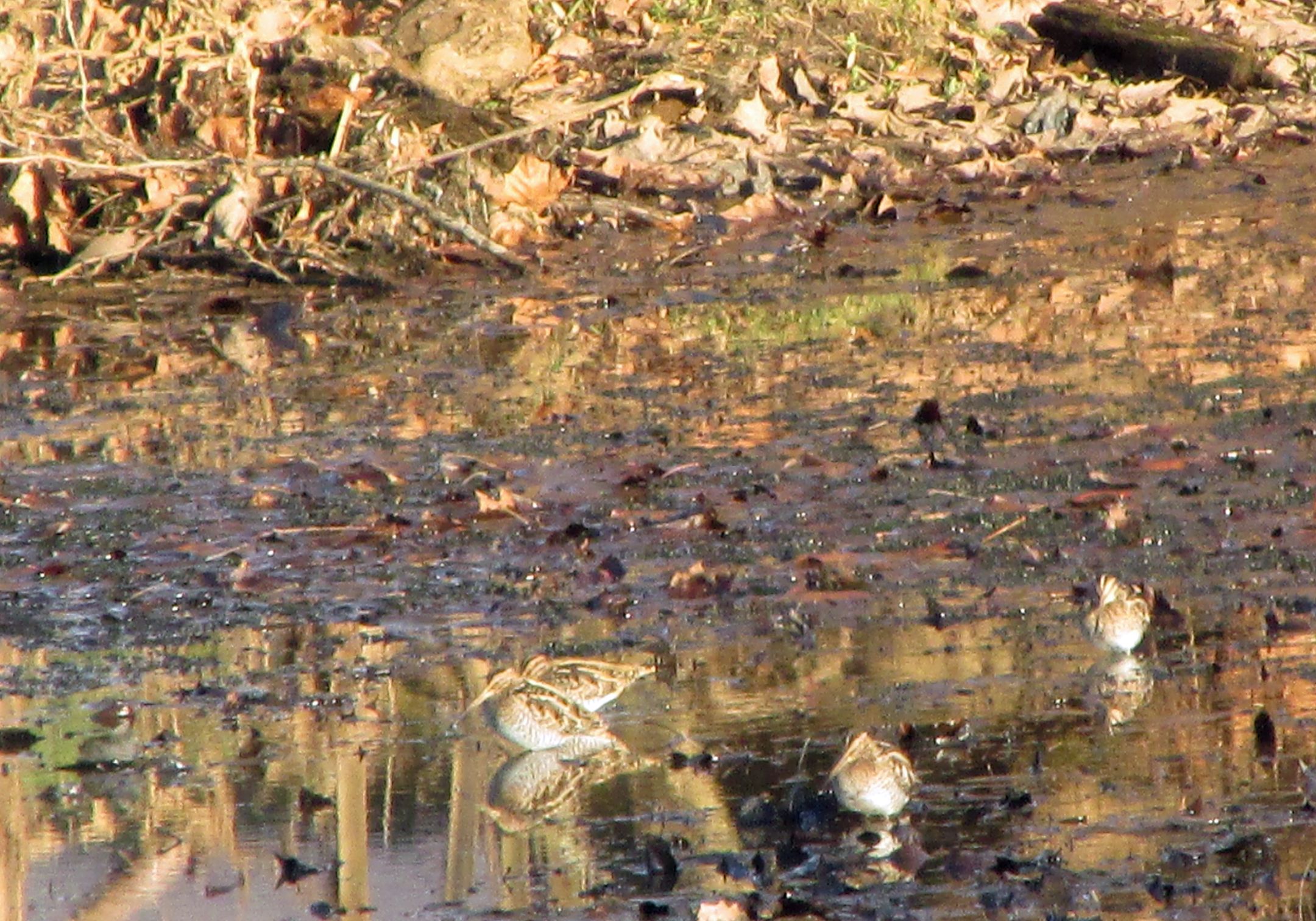
CBC-Snipes

Photo by Bryan Stevens                            Wilson’s Snipes were found along the Watauga River during the Elizabethton Christmas Bird Count.

The American Crow, with 146 individuals found, ranked as the most abundant species on the Roan Mountain CBC. Only 47 European Starlings were tallied for this count. Other common birds for the Roan Mountain CBC included Song Sparrow (80), Mourning Dove (46) and Carolina Chickadee (42).

••••••

The results for the Elizabethton CBC follows:

Greater White-fronted Goose, 1; Canada Goose, 526; Mallard, 302; Ring-necked Duck, 2; Bufflehead, 251; and Hooded Merganser, 12.

Wild Turkey, 106; Common Loon, 2; Pied-billed Grebe, 10; Horned Grebe, 8; and Great Blue Heron, 23.

Black Vulture, 6; Turkey Vulture, 6; Bald Eagle, 1; Sharp-shinned Hawk, 4; Cooper’s Hawk, 9; Red-tailed Hawk, 23; and American Kestrel, 12.

American Coot, 3; Killdeer, 3; Wilson’s Snipe, 7; American Woodcock, 1; and Ring-billed Gull, 36.

Rock Pigeon, 467; Mourning Dove, 282; Eastern Screech-Owl, 14; Great Horned Owl, 4; and Barred Owl, 1.

Belted Kingfisher, 17; Red-bellied Woodpecker, 46; Yellow-bellied Sapsucker, 10; Downy Woodpecker, 34; Hairy Woodpecker, 5; Northern Flicker, 42; and Pileated Woodpecker, 28.

Eastern Phoebe, 9; Blue Jay, 237; American Crow, 725; Common Raven, 11; Carolina Chickadee, 137; Tufted Titmouse, 74; White-breasted Nuthatch, 29; and Brown Creeper, 1.

Count-Thrush

Photo by Bryan Stevens                                        Hermit Thrushes were found during both the Elizabethton and Roan Mountain Christmas Bird Counts.

Carolina Wren, 121; Winter Wren, 8; Golden-crowned Kinglet, 17;  Eastern Bluebird, 140; Hermit Thrush, 9; and American Robin, 28.

Northern Mockingbird, 84; European Starling, 2,050; Cedar Waxwing, 27; Palm Warbler, 1; and Yellow-rumped Warbler, 73.

Eastern Towhee, 22; Chipping Sparrow, 12; Field Sparrow, 16; Fox Sparrow, 1; Song Sparrow, 168; Swamp Sparrow, 1; White-throated Sparrow, 115; White-crowned Sparrow, 23; and Dark-eyed Junco, 129.

Northern Cardinal, 231; Purple Finch, 5; House Finch, 33; Pine Siskin, 18; American Goldfinch, 107; and House Sparrow, 96.

••••••

The results for the Roan Mountain CBC follows:

Mallard, 3; Bufflehead, 12; Hooded Merganser, 4; Wild Turkey, 7; Pied-billed Grebe, 2; and Great Blue Heron, 3.

Northern Goshawk, 1; Turkey Vulture, 4; Sharp-shinned Hawk, 2; Cooper’s Hawk, 1; Red-shouldered Hawk, 1; Red-tailed Hawk, 7; and American Kestrel, 1.

Rock Pigeon, 3; Mourning Dove, 46; Eastern Screech-Owl, 1; Barred Owl, 3; and Belted Kingfisher, 2.

Red-bellied Woodpecker, 1; Yellow-bellied Sapsucker, 3; Downy Woodpecker, 13; Hairy Woodpecker, 3; Northern Flicker, 5; and Pileated Woodpecker, 7.

Eastern Phoebe, 2; Blue Jay, 22; American Crow, 146; and Common Raven, 24.

CBC-Bufflehead

Photo by Bryan Stevens                        Bufflehead was one of the few ducks found on both the Elizabethton and Roan Mountain Christmas Bird Counts.

Carolina Chickadee, 42; Tufted Titmouse, 29; Red-breasted Nuthatch, 1; White-breasted Nuthatch, 15; and Brown Creeper, 1.

Carolina Wren, 25; Winter Wren, 3; Golden-crowned Kinglet, 10; Eastern Bluebird, 16; Hermit Thrush, 1; and Northern Mockingbird, 6.

European Starling, 47; Eastern Towhee, 2; Field Sparrow, 15; Fox Sparrow, 3; Song Sparrow, 80; White-throated Sparrow, 8; White-crowned Sparrow, 5; and Dark-eyed Junco, 24.

Count-Coot

Photo by Bryan Stevens                         Common Coots were found at only one location on this year’s Elizabethton Christmas Bird Count.

Northern Cardinal, 16; Purple Finch, 2; House Finch, 4; Pine Siskin, 4; American Goldfinch 30; and House Sparrow, 31.

•••••

According to the website of the National Audubon Society, the annual Christmas Bird Count evolved from another holiday tradition. In the 1800s, people engaged in a holiday custom known as the Christmas “Side Hunt.” This event saw participants choose sides and go afield with their guns; whoever brought in the biggest pile of feathered (and furred) quarry won.

Conservation was in its beginning stages around the turn of the 20th century, and many observers and scientists were becoming concerned about declining bird populations. Beginning on Christmas Day 1900, ornithologist Frank M. Chapman, an early officer in the then budding Audubon Society, proposed a new holiday tradition — a “Christmas Bird Census” — that would count birds during the holidays rather than hunt them.

Frank Chapman organized the very first Christmas Bird Count back in

Frank Chapman organized the very first Christmas Bird Count back in 1900.
Thanks to Chapman’s inspiration and the enthusiasm of 27 dedicated birders, 25 Christmas Bird Counts were held that day. The locations ranged from Toronto, Ontario to Pacific Grove, California with most counts in or near the population centers of northeastern North America. Those original 27 Christmas Bird Counters tallied 89 species on all the counts combined. Some of the birds found included such common birds as Northern cardinal, dark-eyed junco, turkey vulture and killdeer. It also included some somewhat unusual species such as Townsend’s warbler, pine grosbeak, Anna’s hummingbird, greater prairie-chicken and white-headed woodpecker.