Category Archives: Our Fine Feathered Friends

Jonesborough couple hosting wintering hummingbird

I received a phone call in late November from Elizabethton resident Susan Peters, who informed me that one of her friends in a local hiking organization was hosting a hummingbird.

But hummingbirds are summer birds from the tropics, right? Doesn’t the cold weather present a shock to these visitors?

Actually, many hummingbirds are adapted to frigid conditions. Rufous Hummingbirds are quite capable of surviving freezing conditions, as long as they have access to a source of food. In spring, they migrate through California, before eventually spending the summer in the Pacific Northwest and Alaska.

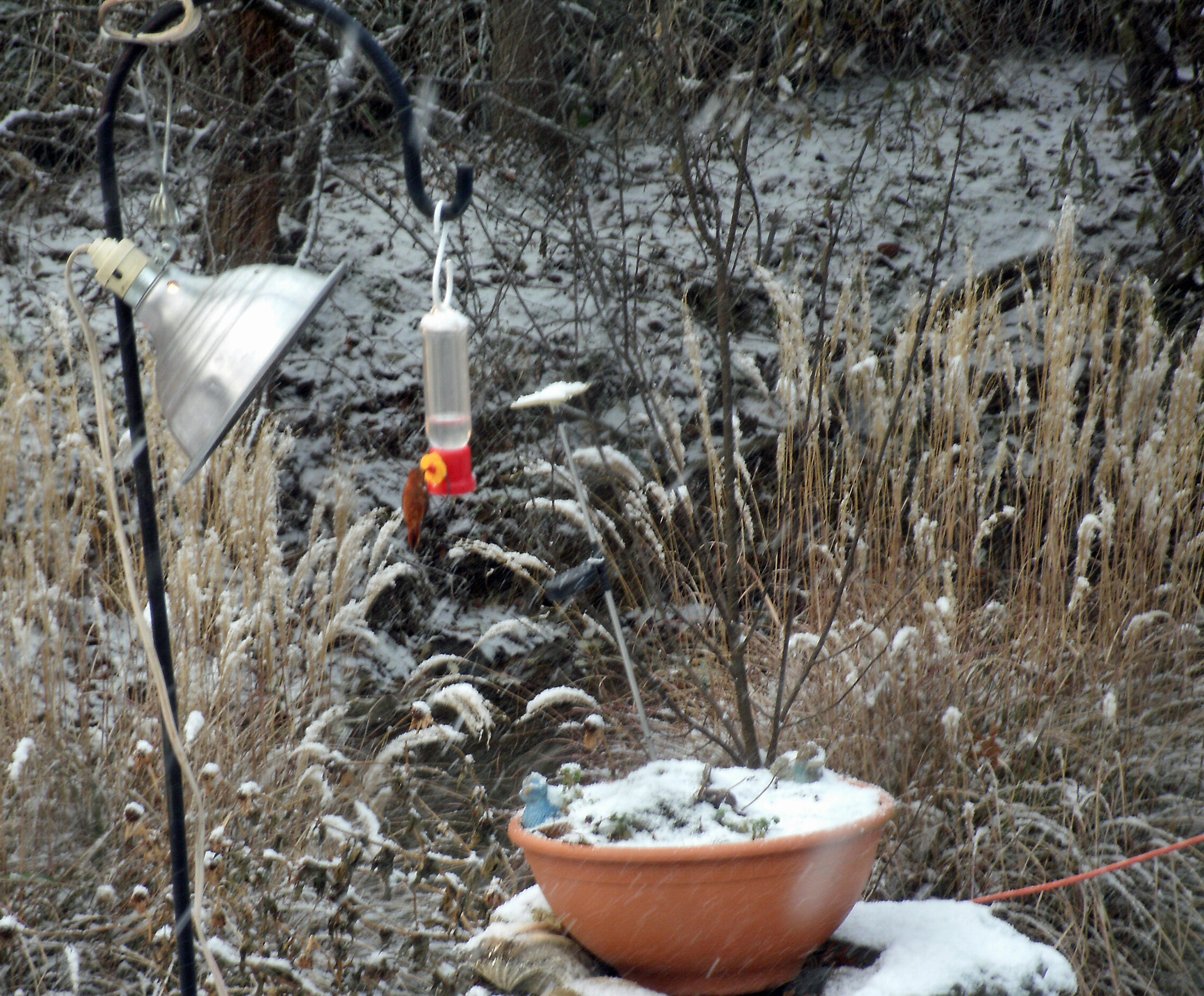
Photo courtesy of Faye Guinn Not even an occasional bout of snowy weather has deterred this hummingbird from visiting a feeder at the home of Howard and Faye Guinn.

Photo courtesy of Faye Guinn
Not even an occasional bout of snowy weather has deterred this hummingbird from visiting a feeder at the home of Howard and Faye Guinn. The brownish hummingbird is hovering in front of the feeder. Notice a male Northern Cardinal is present in the photo’s background.

The bird in question has been coming since Oct. 19 to a feeder at the home of Howard and Faye Guinn, who live near Jonesborough. Faye and I have corresponded by email about her hummingbird, which has already weathered a couple of snowstorms.

“I was delighted to have a late hummingbird but never expected him to stay this long,” Faye wrote.

When Susan contacted me, she said that the Guinns wanted to know if they should continue feeding the hummingbird or remove the feeder to encourage the bird to fly south.
GE DIGITAL CAMERA

Photo Courtesy of Faye Guinn                           A heat lamp positioned near the feeder keeps the sugar water solution from freezing during bouts of frigid weather.

I advised Faye in my email to continue to offer the sugar water, especially since other resources are scarce. These wintering hummingbirds are not entirely dependent on feeders, but they can make the difference during prolonged bouts of freezing weather. These hummingbirds will also sip from sap wells drilled into trees by Yellow-bellied Sapsuckers. Hummingbirds also feed on tiny insects.

“Thanks for letting me know to keep feeding because some friends have said I should stop and he would go, but they are not birders,” Faye responded to my suggestion. “I am only backyard birder but do know a little.

The hummingbird is somewhat camera shy and the photographs Faye has managed to get have been taken from inside her home.

“Any movement outside and he is gone,” she explained. “He comes and goes very quickly. His coming and going has no schedule but in the mornings he is soon there. He looks like he is beefing up so I expect he soon will go.”

She has gone to extra effort to provide for her visiting hummingbird.

“I take the feeders down — I have two so he has a choice — about two hours after dark on the nights it is to freeze and put it back out about 6:30 with a heat lamp,” she wrote.

So far, her efforts have kept the bird healthy and content.

“I never expected him to stay this long,” she said.

When she noticed the hummingbird for the first time on Oct. 19 she saw the bird at her Mexican sage plant. Her feeder was still available at the time, too.

Photo by U.S. Fish & Wildlife Service A male Ruby-throated Hummingbird hovers in front of the camera. Ruby-throated Hummingbirds typically depart the region by mid-October.

Photo by U.S. Fish & Wildlife Service
A male Ruby-throated Hummingbird hovers in front of the camera. Ruby-throated Hummingbirds typically depart the region by the middle of October.

Through the years, I have seen several of these seemingly out-of-place hummingbirds. Some of them remain at their host’s feeders for a brief stay of a few days or a couple of weeks, but some of these hummingbirds have extended their stay for several months, lingering throughout the winter months before eventually departing in February or March.

The big question is: are these hummingbirds truly lost and out of place? The answer, based on everything I have managed to learn, is that these hummingbirds are precisely where they want to be. For still unknown reasons, some of these western hummingbirds make a migration swing through the eastern United States.

The Rufous Hummingbird has basically become an expected winter visitor with a few reports being received each winter. I have observed Rufous Hummingbirds in many different locations, including Bristol, Blountville, Flag Pond, Elizabethton and Hampton. I have also observed Allen’s Hummingbirds in Mountain City and Johnson City. I know of records of these small birds from Erwin, Roan Mountain, Johnson City and many other locations throughout the region.

Photo by Ryan Hagerty/U.S. Fish & Wildlife Service A Ruby-throated Hummingbird is held with its wings spread during a study at the Bon Secour National Wildlife Refuge in Alabama.

Photo by Ryan Hagerty/U.S. Fish & Wildlife Service
A Ruby-throated Hummingbird is held with its wings spread during a study at the Bon Secour National Wildlife Refuge in Alabama.

Mark Armstong, who works at the Knoxville Zoo, has banded many of the western hummingbirds that migrate into the region on an annual basis.

I have continued to correspond with Faye, who confirmed that the bird has remained resident throughout November. As of Dec. 7, the hummingbird was still visiting the feeders at the Guinn residence.
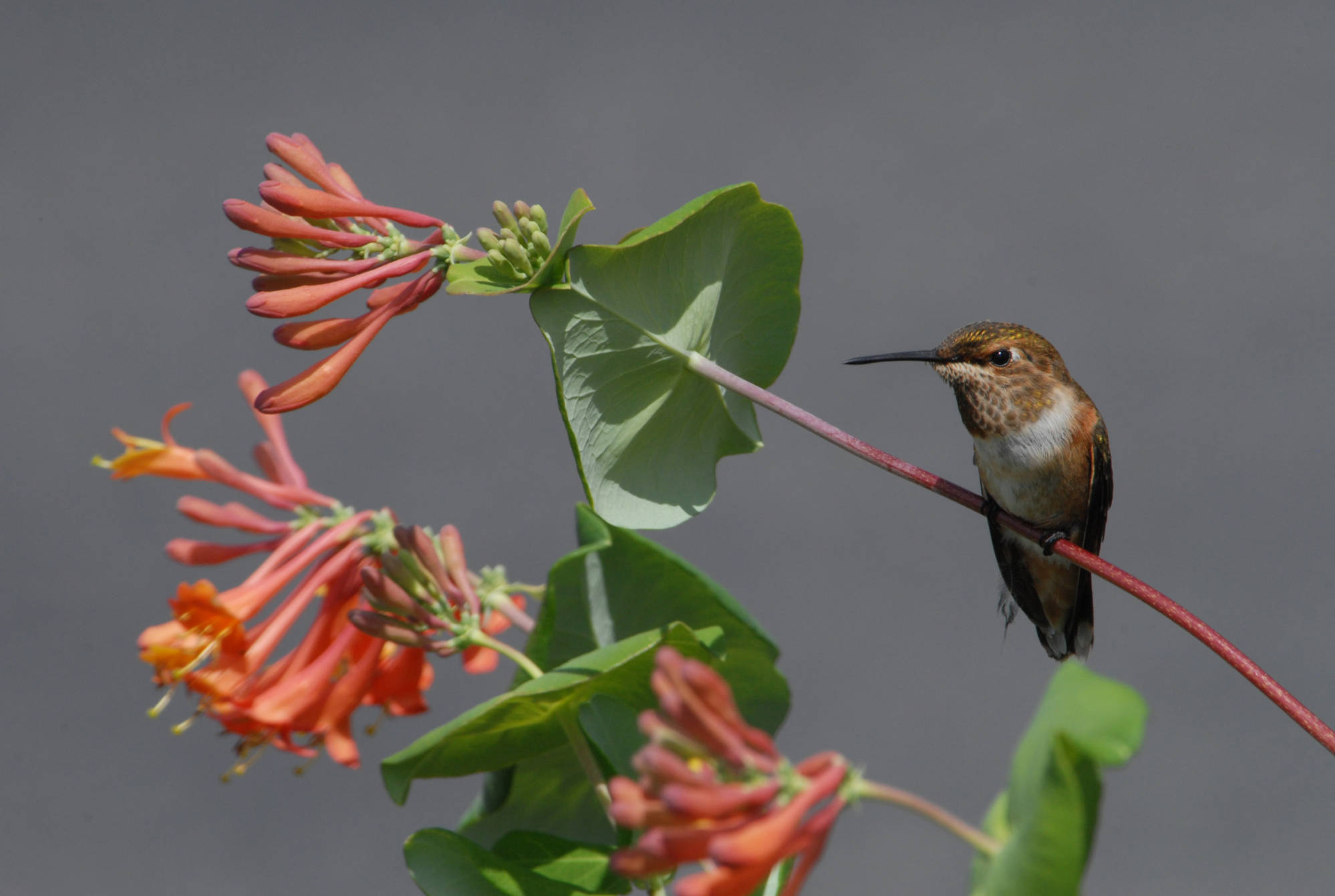
Photo by U.S. Fish & Wildlife Service A Rufous Hummingbird perches on a flowering vine.

Photo by U.S. Fish & Wildlife Service
A Rufous Hummingbird perches on a flowering vine. This hummingbird nests as far north as Alaska.
Kinglets are tiny in size, big in spirit

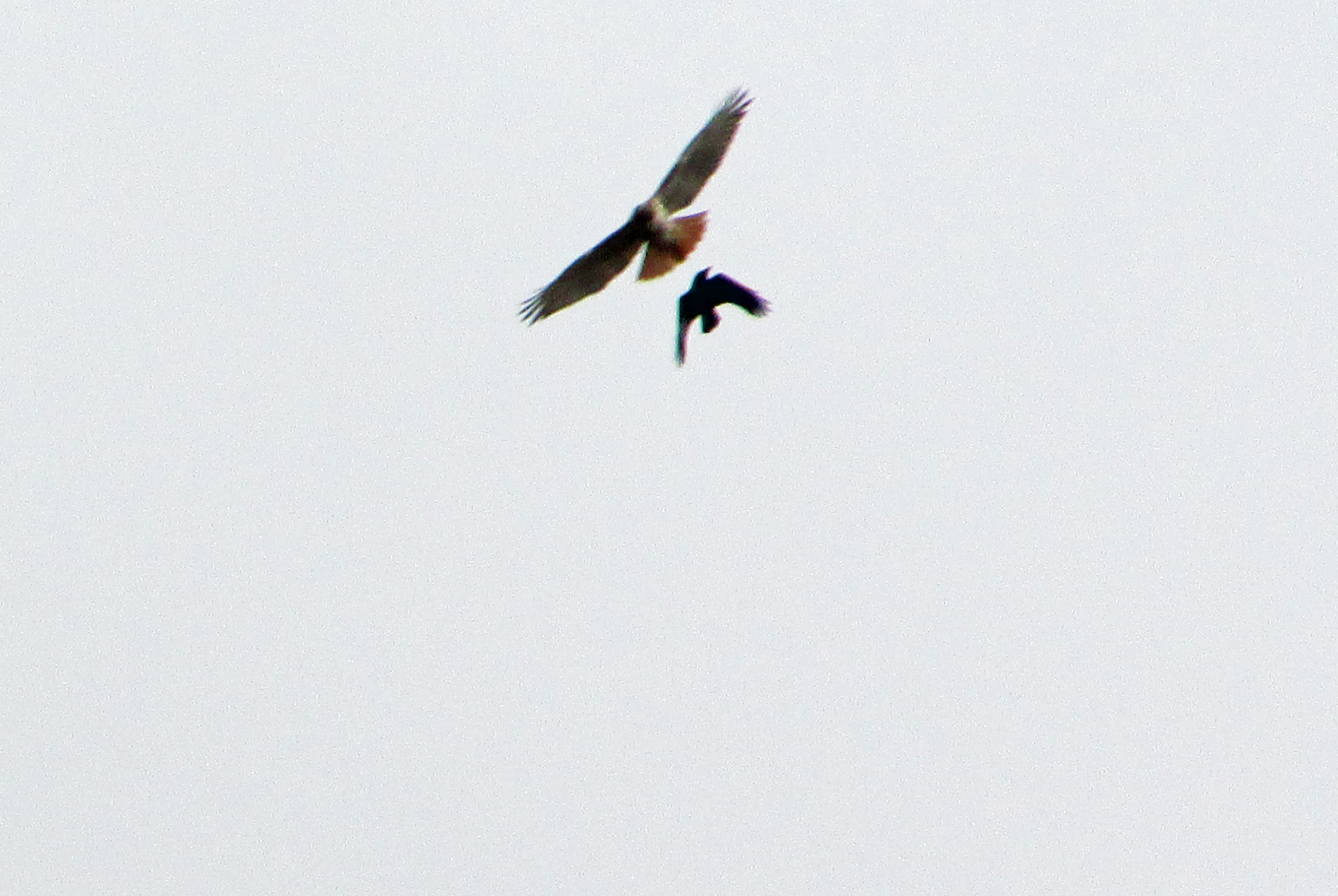
A flock of American Crows provided some drama on Sunday, Nov. 23. The crows, perhaps with good reason, didn’t appreciate finding a Red-tailed Hawk in their airspace. The flock spent around 20 minutes directing an aerial bombardment against the hawk, which finally got the hint and moved out of the territory claimed by the crows.

CrowChase

Photo by Bryan Stevens                                                           An American Crow mobs a Red-tailed Hawk that intruded into its territory.

I posted on Facebook about the incident, which prompted a response from Rita Schuettler. “I rarely know that a hawk is around until the crows up here start raising a ruckus,” Rita wrote. “It is fun to watch them chase the hawk all the way down the valley and outa here!”

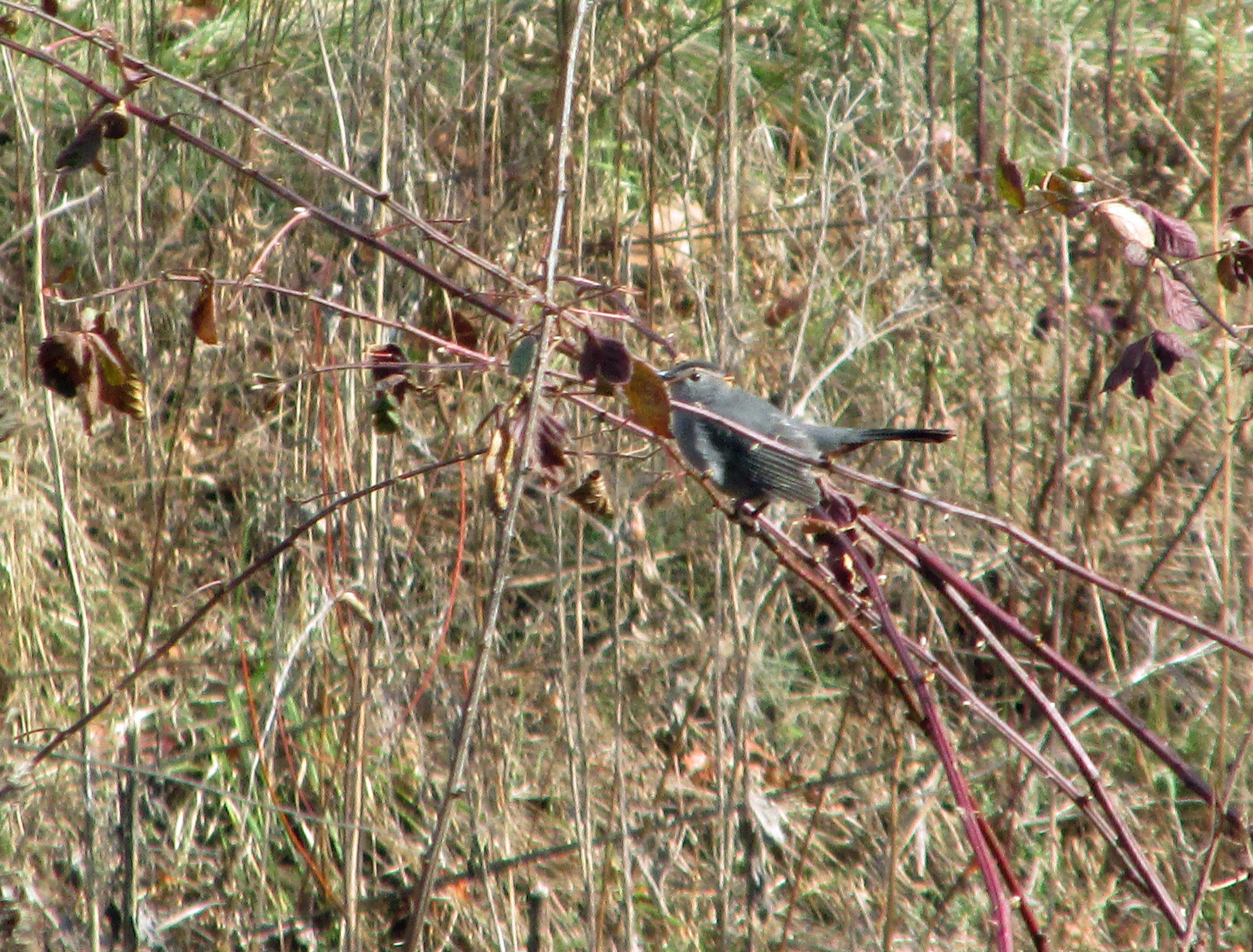
GrayCatbird-Nov22

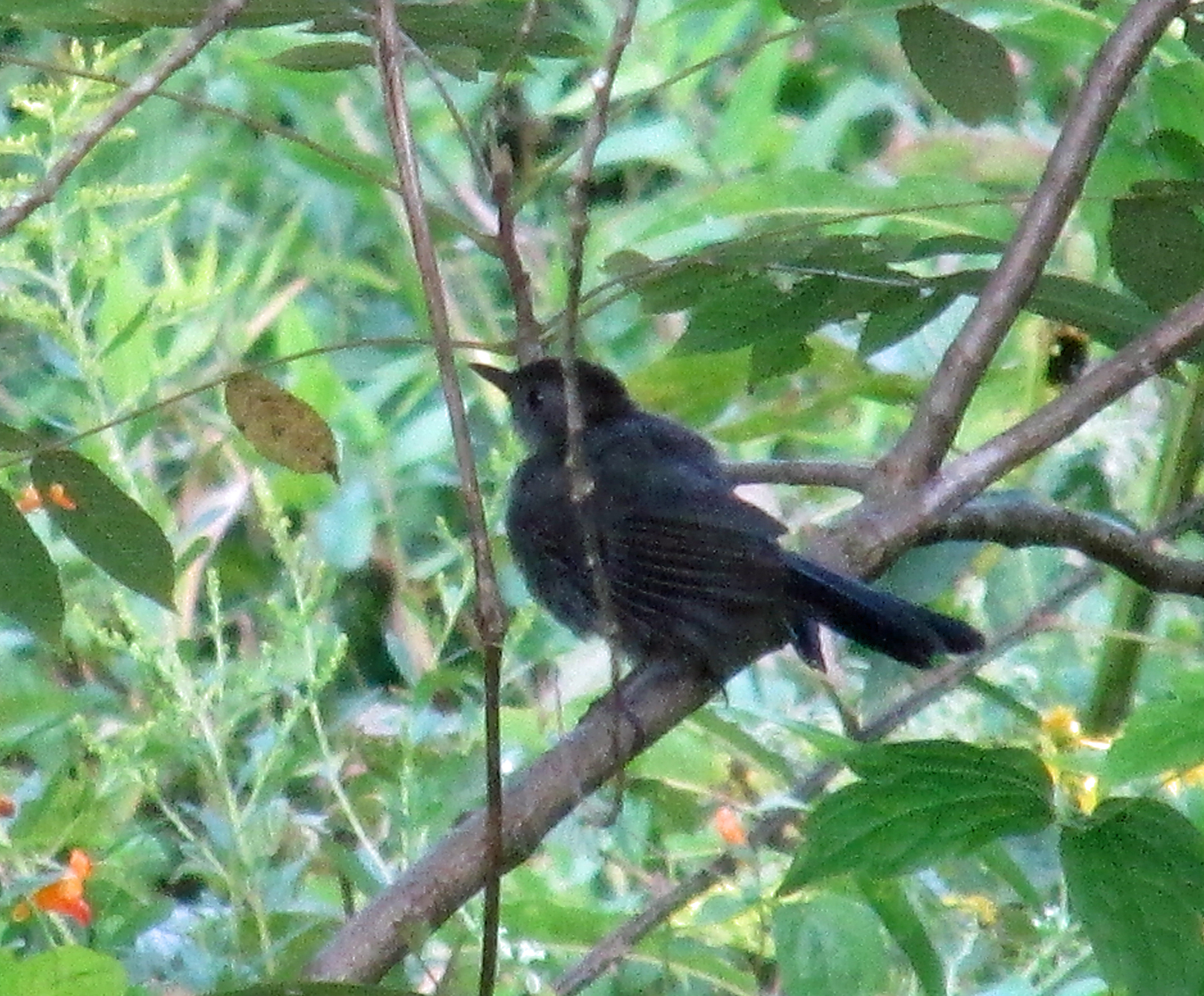
Photo by Bryan Stevens                                                   This Gray Catbird, photographed on Nov. 23, represents a fairly late record of this species in Northeast Tennessee. Most catbirds migrate out of the region each fall to spend the winter farther south.

In addition to the fun observation with the hawk and crows, I discovered an unseasonably late Gray Catbird in my yard. I actually heard the catbird’s namesake cat-like scold vocalizations before I saw the bird. Catbirds are common birds in my yard from spring to fall, but they usually depart in early October. I thought that was the case this year, too, but then this straggler showed up. The catbird has put in some other appearance since its initial appearance on Saturday, Nov. 22.

In recent years, catbirds have been found on several of the Christmas Bird Count conducted in Northeast Tennessee, so it’s a distinct possibility that a few of these birds have taken to spending part of the winter here rather than flying south.

•••••

With the recent cold weather, I’ve been seeing a few golden-crowned kinglets, as well as the closely related ruby-crowned kinglet, at my home.

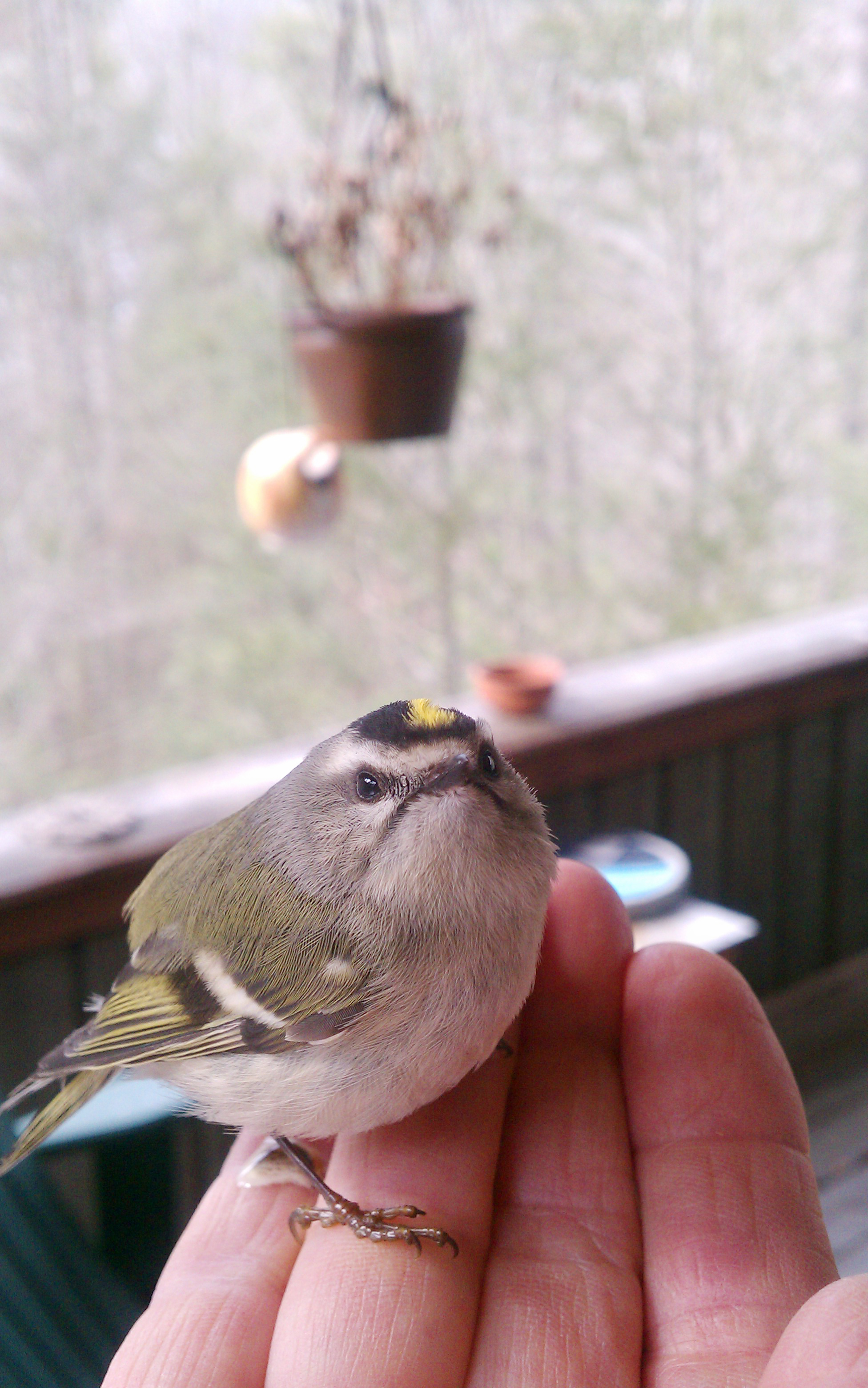
Jean-Golden-crownKinglet

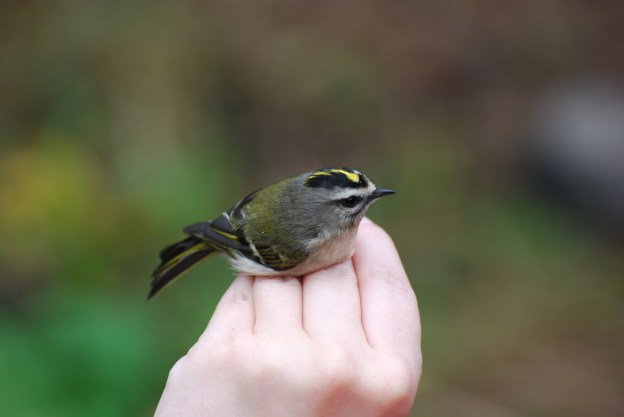
Photo Courtesy of Jean Potter                                      A Golden-crowned Kinglet is held securely during a bird-banding procedure. The crown of golden-yellow feather that gives the bird its name is clearly visible.

Both the golden-crowned and ruby-crowned kinglets are members of a family of tiny birds known collectively as kinglets and firecrests. They’re such tiny, energetic birds that they absolutely excel with the “cuteness” factor.

All kinglets are very tiny birds, as well as extremely active ones. They are also the only members of this family of birds found in North America. Four other species, however, are native to Europe, Asia and North Africa. The remaining species include goldcrest, common firecrest, Madeira firecrest and flamecrest, which is also known as the Taiwan firecrest.

Rubycrowned_Kinglet

Photo by U.S. Fish & Wildlife Service                              Only the male Ruby-crowned Kinglet shows the small patch of red feathers atop the head that gives this bird its common name.

Kinglets, as their name suggests, are tiny birds. In fact, about the only North American birds smaller than kinglets are some of the hummingbirds. The kinglets belong to the family, Regulidae, and the genus, Regulus. The family and genus names are derived from a Latin word, regulus, which means “rex,” or “king.” The name was apparently inspired by the colorful crown patches, often red, orange or gold, that resemble the royal “crowns” of kings.

Although similar in size and overall coloration, the ruby-crowned and golden-crowned kinglets are easily distinguished from each other. Side by side, the two species of North American kinglets are easy to identify. The golden-crowned kinglet has a striped facial pattern formed by bold black and white stripes. The ruby-crowned kinglet, on the other hand, has a bold white eye ring but no striping. The golden-crowned kinglet has an orange crown patch, while the ruby-crowned kinglet has a red crown patch that is, more often than not, kept concealed. Both sexes of the golden-crowned kinglet possess a yellow crown patch, but only the male ruby-crowned kinglet boasts a scarlet patch of feather atop the head.

Beth-Golden-crownKinglet

Photo Courtesy of Beth McPherson  This Golden-crowned Kinglet was in good hands as it recovered from striking a window.

Kinglets are active birds, foraging vigorously for small insects, and spiders. When foraging, both kinglet species have a habit of flicking their wings over the backs. Even if you can’t get a good look at the birds, this behavior helps contrast them from other small birds, including some warblers, wrens and the blue-gray gnatcatcher.

Golden-crowned kinglets are widespread in the region during the winter. During the summer months, head to the slopes of some of the region’s higher mountains to look for these tiny birds that nest at the higher elevations of the Southern Appalachians. Ruby-crowned kinglets can also be found in the region during the winter, but extreme cold weather will often force these less cold-hardy birds to eke out the winter months farther south.

Rubycrowned_Kinglet (1)

Photo by U.S. Fish & Wildlife Service  A Ruby-crowned Kinglet forages for insect prey in the branches of a small tree.

Kinglets don’t typically visit feeders, but they do tend to join mixed flocks with membership consisting of such species as tufted titmouse, Carolina chickadee and white-breasted nuthatch. When traveling with such flocks, kinglets may visit the space around feeders but rarely take seeds or other fare offered at feeders.

Kinglets are surprisingly tame at time and often exhibit as much curiosity about us as we display toward them. They’re very active birds, however, constantly moving from perch to perch. These bursts of hyperactivity can make them difficult to observe since they so rarely remain still. Although small in size, these birds more than compensate for it with a feisty spirit that does them well through the harsher weather of the winter months.

October Saturday Bird Walks at Sycamore Shoals producing interesting sightings

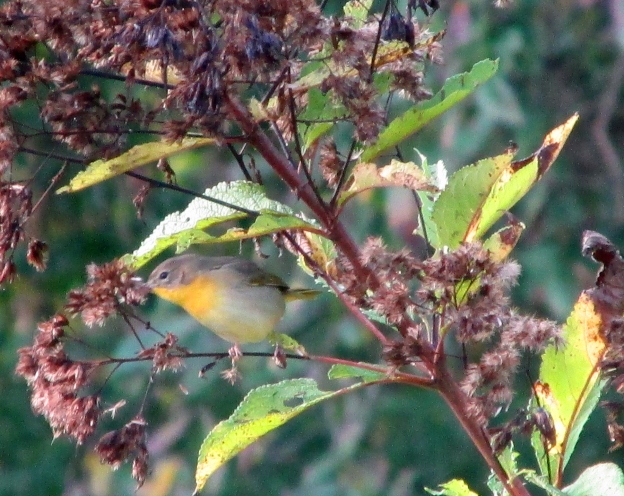
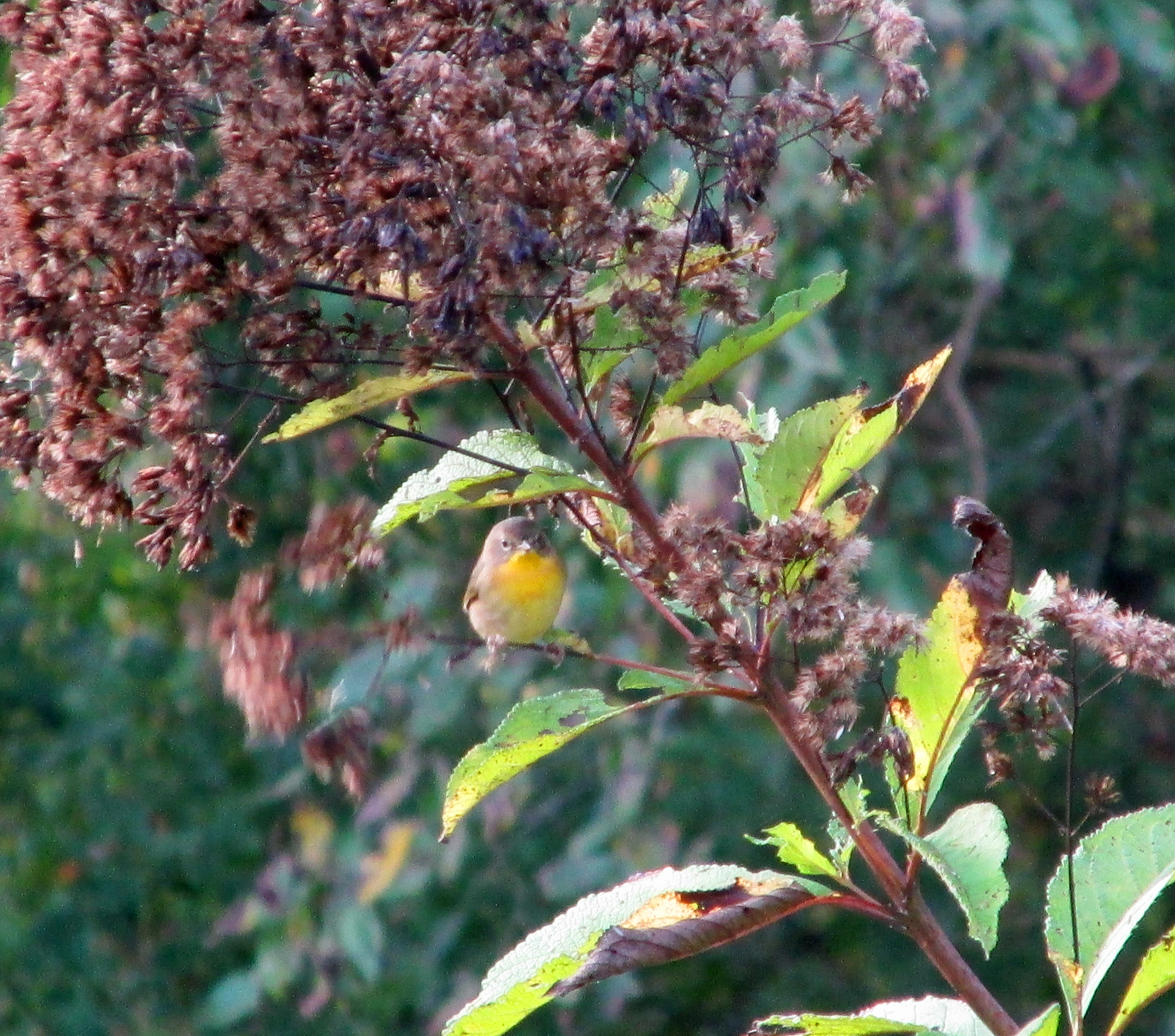
Yellowthroated

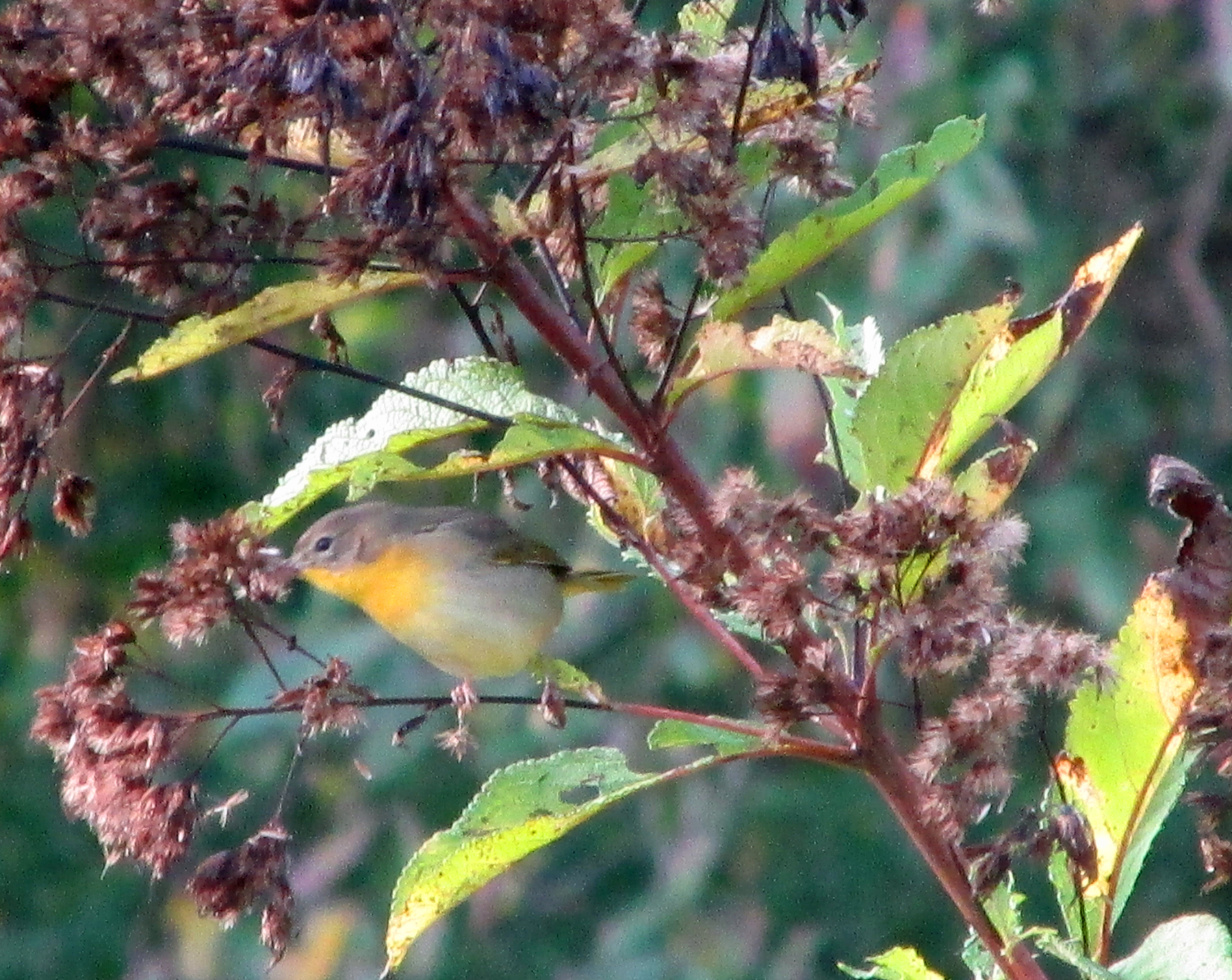
Photo by Bryan Stevens                                                                    A female Common Yellowthroat entertained bird walk attendees as she foraged among Joe-Pye Weed in the butterfly garden at Sycamore Shoals State Historic Park.

It’s funny how you can go most of the year without seeing a certain bird. Then, the drought ends and you enjoy a spike in the numbers of sighting within a short amount of time.

A female Common Yellowthroat became a highlight of the first of this year’s October bird walks at Sycamore Shoals State Historic Park, which was well attended with nine participants. The bird was foraging in the flower heads of Joe-Pye Weed in the butterfly garden at the park.

The Elizabethton Bird Club has offered these hikes for more than a decade at the park. Prior to conducting the walks at Sycamore Shoals, the club also led October hikes at Winged Deer Park in Johnson City and along the linear walking trail in Erwin.

BWteal-Flock

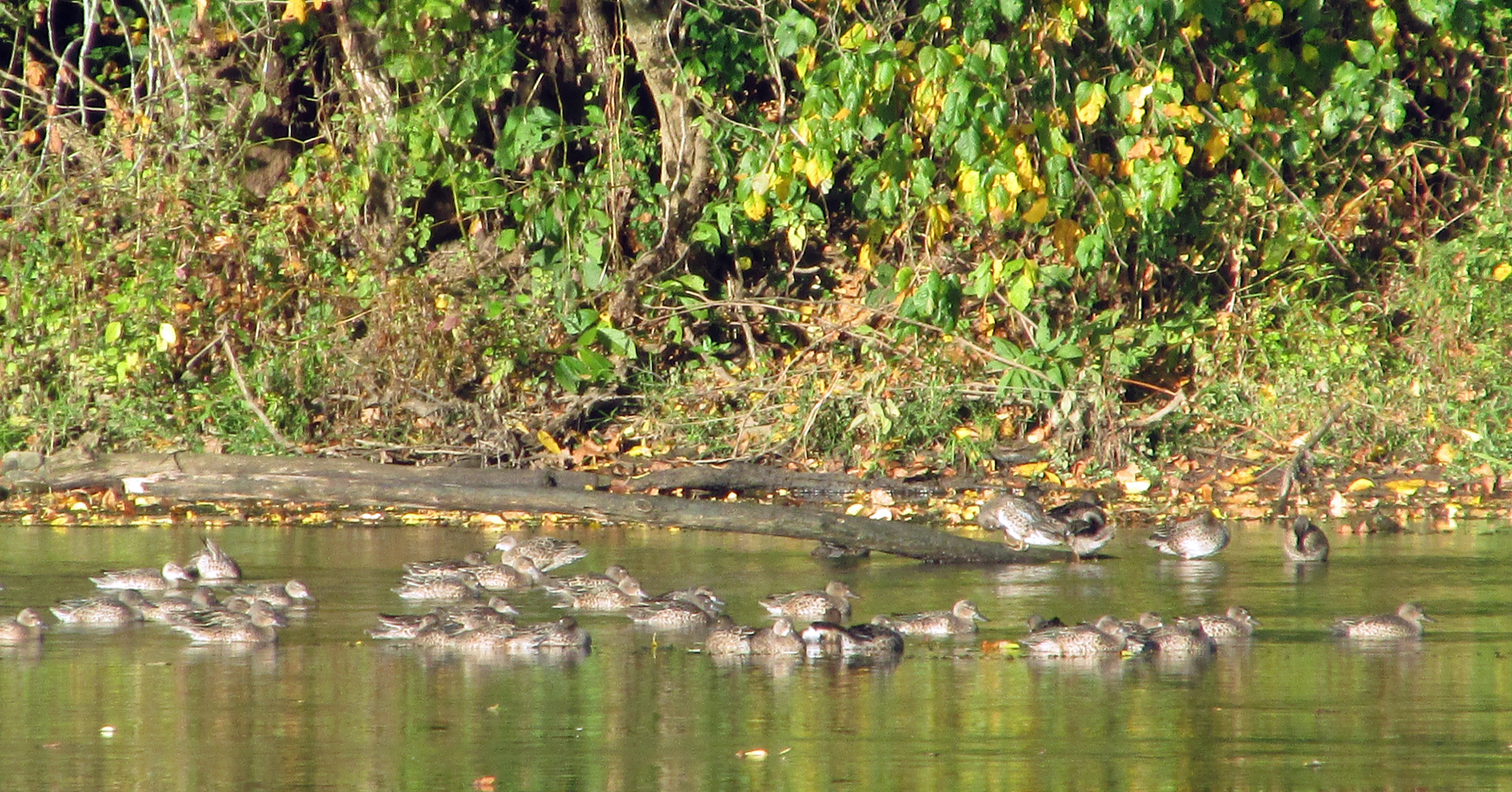
Photo by Bryan Stevens                                                 A portion of the flock of 104 Blue-winged Teal found on the first of this year’s October Saturday Bird Walks.

Tess Cumbie, a former resident of Buladean, N.C., came up with the idea for the walks back in the late 1990s.

The first of this year’s walks at Sycamore Shoals took place on Saturday, Oct. 4. A raft of 104 Blue-winged Teal on the Watauga River ranked as another highlight of that morning’s bird walk. Pied-billed Grebes, Mallards, Wood Ducks and Canada Geese were also present on the river.

1618145_10203999628743449_4835781711182007808_o

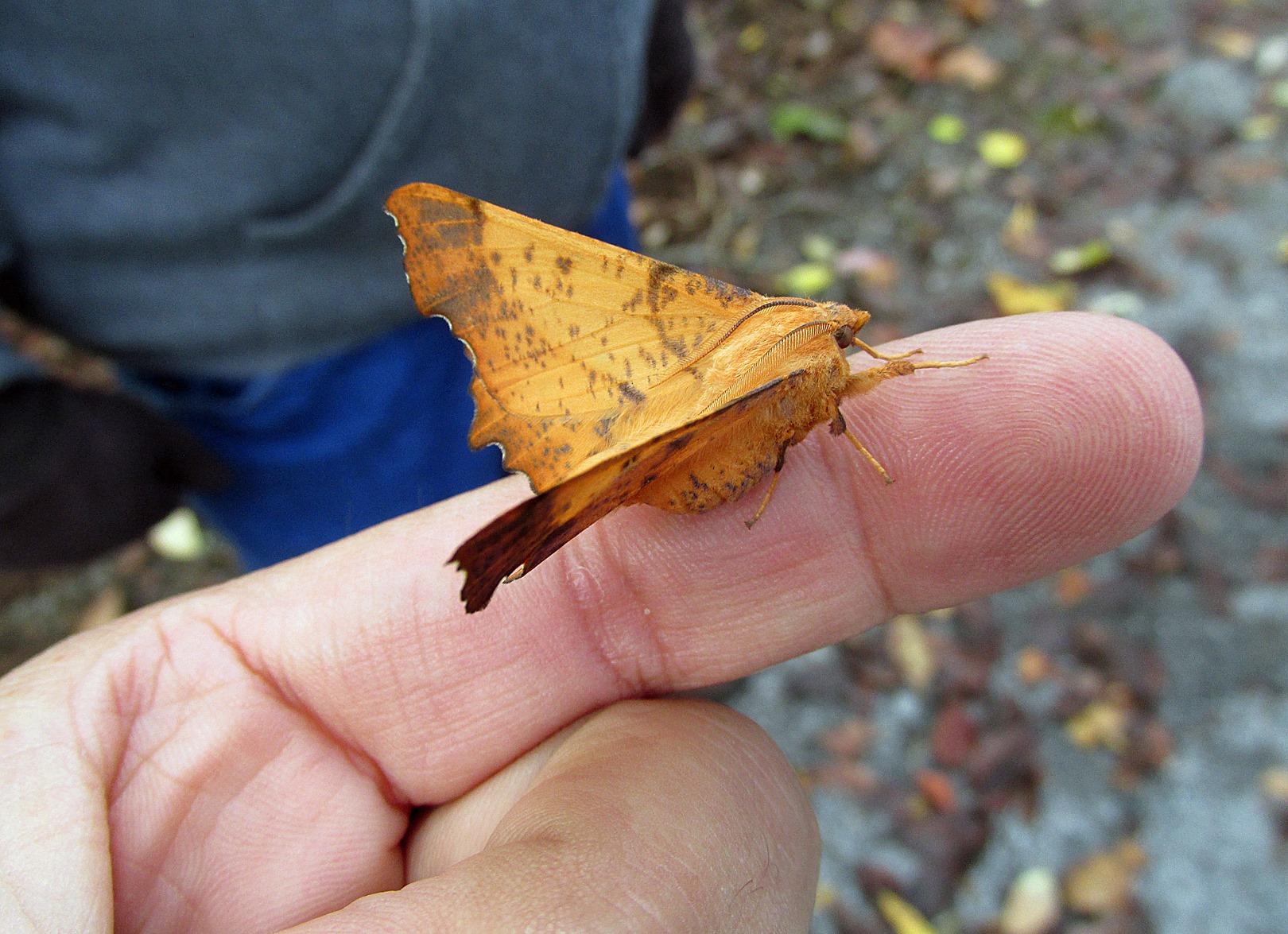
Photo by Bryan Stevens                                     A Maple Spanworm Moth warms itself during the chilly morning bird walk.

Other birds found included  Black Vulture, Turkey Vulture, Chimney Swift, Red-bellied Woodpecker, Yellow-bellied Sapsucker, Downy Woodpecker, Northern Flicker, Eastern Wood-Pewee, Blue Jay, American Crow, Carolina Chickadee, Tufted Titmouse, Carolina Wren, Eastern Bluebird, Swainson’s Thrush, American Robin, Gray Catbird,  European Starling, Cedar Waxwing, Magnolia Warbler,  Song Sparrow, Northern Cardinal, Rose-breasted Grosbeak, Indigo Bunting, Eastern Meadowlark, House Finch and American Goldfinch.

When not looking at birds, participants enjoyed diversions such as the Maple Spanworm Moth blending with the fallen leaves on the gravel walking trails. I had never seen this particular moth, which spent some time warming itself on one of my fingers.

Although well attended by participants from as far as Abingdon, Va., the weather that greeted us was quite frigid. The cold appeared to bother us more than it affected the birds.

••••••

A male Wood Duck landed, briefly, on the fish pond on the morning of Oct. 5. If I hadn’t been outdoors at the time, he might have stayed longer. When I moved, he flew. It’s the first visit here at home from a Wood Duck in several years. Coincidentally, the last visit also took place in early October.

Flower-bed

Photo by Bryan Stevens              This densely-planted flower bed on the ETSU campus provided cover for a migrating Common Yellowthroat.

••••••

I am beginning to find that the campus at East Tennessee State University can produce some fun bird sightings. After witnessing a Cooper’s Hawk nearly catch a squirrel from the top branches of a tall tree near Gilbreath Hall, I have been paying closer attention to those feathered friends that visit the campus.

During a Sunday evening stroll on Oct. 6, I found a Common Yellowthroat in a well-planted flower bed. So, I have added my first warbler to my ETSU list. I also saw a Red-bellied Woodpecker flying over the Culp Center during the same walk.

It also got me to thinking about how many Common Yellowthroats I have been seeing this fall.

When I posted about the sighting on Facebook, Cathy Myers commented and informed me that she had recently observed a Rose-breasted Grosbeak on the campus.

•••••••

Catbird

Photo by Bryan Stevens                                          Gray Catbirds, such as this one, have been found on the first of the Saturday Bird Walks this October at Sycamore Shoals.

At the second of the four Saturday Bird Walks scheduled this October, rain threatened to impede the stroll. Fortunately, the showers held off until after the walk on Oct. 11 concluded at about 9:30 a.m.

The second of the October Saturday Bird Walks produced several highlights, including a duel between an Osprey and an adult Bald Eagle over the Watauga River, as well as four species of warblers — Tennessee, Bay-breasted, Palm and Yellow-rumped — and other birds, including Chimney Swift, Mockingbird, Starling, Northern Flicker, Blue Jay, Carolina Wren, Mourning Dove, Eastern Bluebird, Mallard, Carolina Chickadee, Canada Goose, Goldfinch, Red-tailed Hawk, Red-bellied Woodpecker, Crow, Yellow-bellied Sapsucker, American Robin, Northern Cardinal, Song Sparrow and Downy Woodpecker.

Although we had fewer participants on this walk, we enjoyed better observations of the birds. One exciting moment involved the flock of irate Blue Jays gathered to scold a Red-tailed Hawk that had flown too close for comfort.

••••••

Two more Saturday Bird Walks remain during October. They will be held on Oct. 18 and Oct. 25. The public is welcome to these free strolls along the walking trails at Sycamore Shoals State Historic Park. Bring binoculars to increase your viewing enjoyment.

••••••

Common_Yellowthroat (1)

Photo by U.S. Fish & Wildlife Service                                                  A male Common Yellowthroat surveys his surroundings from a prominent perch.

The Common Yellowthroat is a warbler that is quite fond of weedy, damp habitats. Marshes and other wetlands are preferred habitat during the nesting season, although a few of these birds are also present in more dry habitats.

In migration, any weedy corner might attract one of these warblers. In fact, the one I found on the ETSU campus remained elusive in a raised concrete bed containing a thick planting of flowers and shrubs.

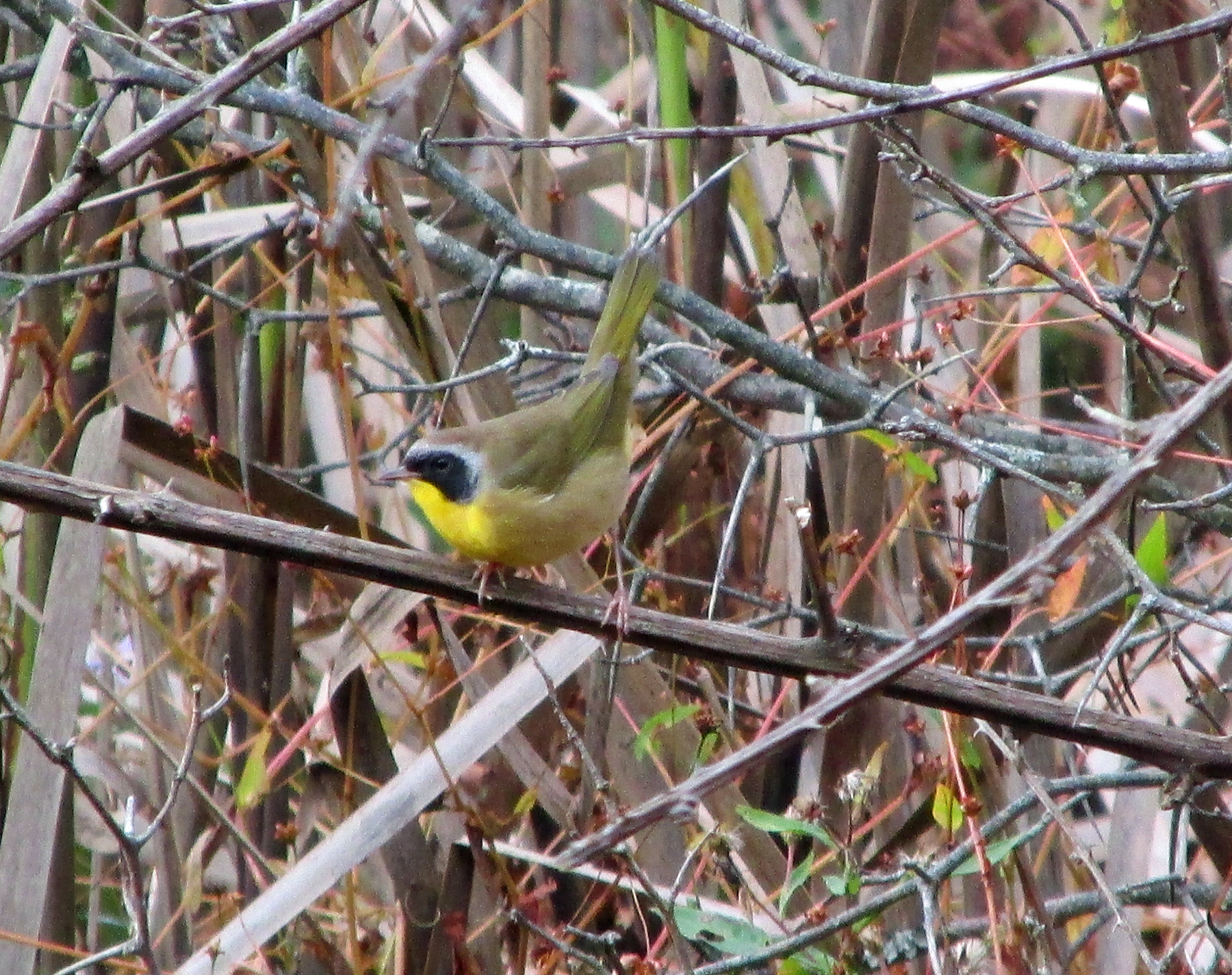
Photo by Bryan Stevens A male Common Yellowthroat visits an overgrown thicket during fall migration. Photo by Bryan Stevens A male Common Yellowthroat visits an overgrown thicket during fall migration.

Photo by Bryan Stevens
A male Common Yellowthroat visits an overgrown thicket during fall migration.

The Common Yellowthroat belongs to the genus of warblers known as Geothlypis, which also includes the related Bahama Yellowthroat, Hooded Yellowthroat, Masked Yellowthroat, Black-polled Yellowthroat and Gray-crowned Yellowthroat. These other species are found in Central and South America, as well as the Caribbean.

Recent classification of the Geothlypis warblers has led to the inclusion of three other warblers — MacGillivray’s, Mourning and Kentucky — being shuffled into this genus.

Although fond of skulking in deep vegetation, most Common Yellowthroats are curious birds and will allow brief glimpses. The males also betray their presence with a loud, easily recognized song that sounds very much like “Witchety, Witchety, Witchety, Witch.”

Yellowthroat-PyeWeeDForage

Photo by Bryan Stevens                                                    The female Common Yellowthroat lacks the male’s black face mask.

Male and female yellowthroats show a bright, yellow throat. Males also sport a black mask bordered with a silvery-white line, and the male’s throat is usually a brighter yellow. Although males will sing in the open during the nesting season, these birds usually prefer to remain hidden from view as they go about their daily routines.

••••••

To learn more about birds and other topics from the natural world, friend Stevens on Facebook at https://www.facebook.com/ahoodedwarbler. He is always posting about local birds, wildlife, flowers, insects and much more. If you have a question, wish to make a comment or share a sighting, email ahoodedwarbler@aol.com.

Photo by Bryan Stevens

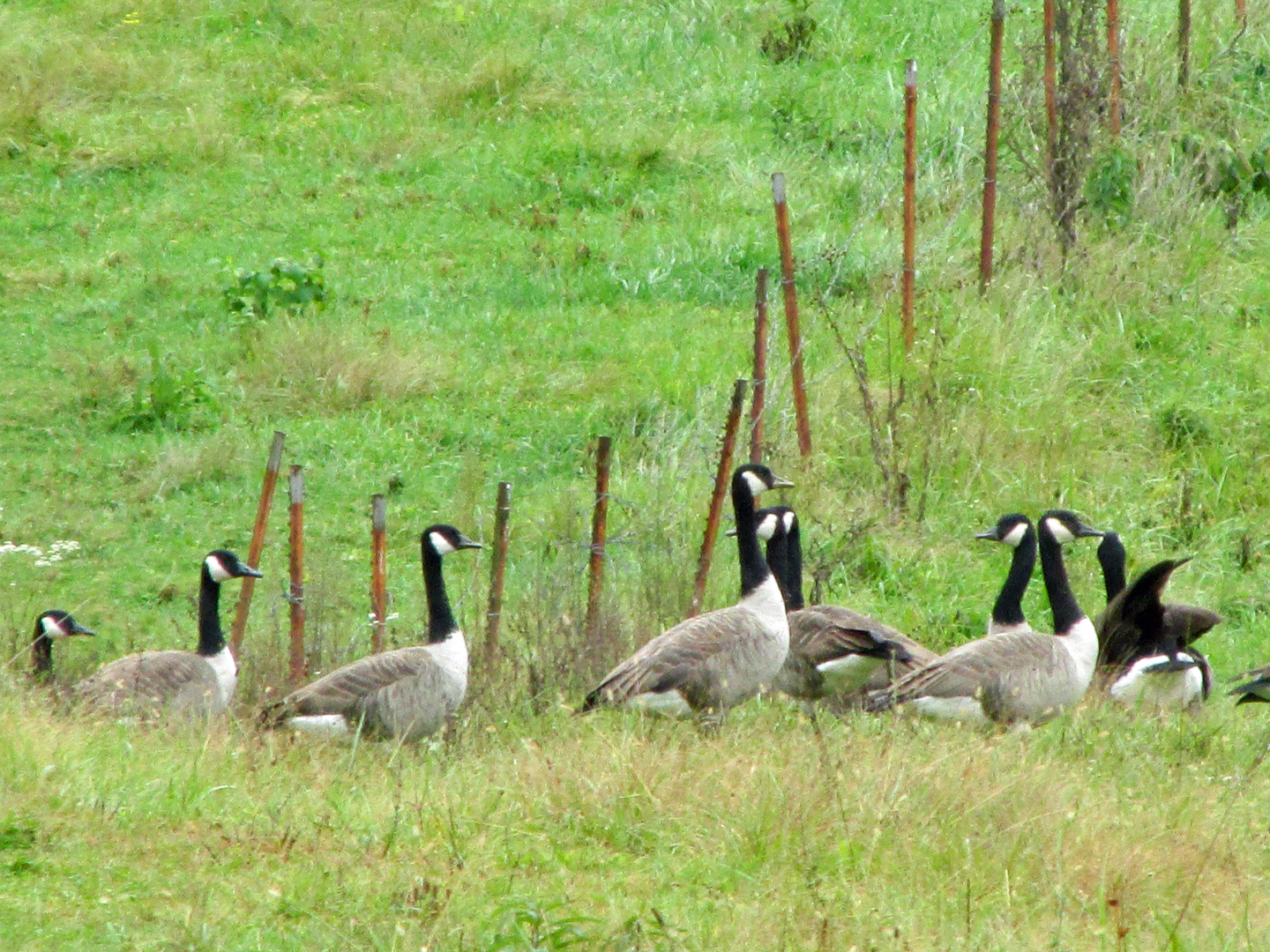
Photo by Bryan Stevens                                                                                                                            A flock of Canada Geese forage in a field near the Bell Cemetery in the Limestone Cove community of Unicoi County on a recent October afternoon.