Category Archives: Ruby-crowned Kinglet

Smallest of birds lead the spring migration charge

Photo by Bryan Stevens • Welcoming back hummingbirds also involves making sure that they remain healthy and safe while spending the next six months in our yards and gardens. Readers are also invited to share the time and date of their first spring hummingbird arrivals.


We’ve reached the middle of March. Some of our favorite birds are on their way back to spend the warmer months with us. I’ve always been impressed that our smallest birds — ruby-throated hummingbird, blue-grey gnatcatcher and ruby-crowned kinglets — lead the charge in returning to the region after an absence of several months.

Of course, a few larger birds also tend to arrive early. The most prominent of these is probably the broad-winged hawk. These medium-sized raptors usually arrive in late March and early April.

But it’s the noisy and bold brigade of tiny birds that will capture our attention. By the end of March, the blue-grey gnatcatcher will be back, buzzing its zee-zee notes as it flits about branches budding with new green leaves. These tiny birds seem to time their arrival to coincide with the emergence of some of the first greenery of the season.

In the first days of April, ruby-throated hummingbirds will return, checking to see whether the feeders or a stand of early spring flowers are still in place.

Ruby-crowned kinglets, which make a similar passage in the fall, will transit through the region again in the spring as they make their way north to breeding grounds in spruce-fir forests in the northern regions of the United States and Canada.

These are not the only small “early birds.” Some other pint-sized songbirds that arrive in early spring include Louisiana waterthrush and yellow-throated warbler.

There are 17 species of gnatcatchers. Most of these species reside in Central and South America. Some of the other species found in North America include California gnatcatcher and black-capped gnatcatcher.

Kinglets are very active birds. If warblers can be described as energetic, the kinglets are downright frenetic in their activities. The kinglets almost never pause for long, flitting from branch to branch in trees and shrubs as they constantly flick their wings over their backs. These bursts of hyperactivity can make them difficult to observe. Although small in size, these birds more than compensate for it with a feisty spirit that does them well through the harsh winter months.

Gnatcatchers are also constantly on the move, flicking their tails and darting through the branches of trees just starting to put out new green leaves. They glean caterpillars and small insects from the undersides of leaves to help fuel a demanding metabolism.

Photo Courtesy of Jean Potter • Blue-gray Gnatcatchers are tiny, energetic bundles of feathers.

Kinglets and gnatcatchers often join mixed flocks comprised of other species of birds, some of which are regular feeder visitors. Perhaps by observing their flock counterparts, some kinglets have learned to accept feeder fare such as suet, meal worms and chopped nuts. Away from feeders, kinglets mostly feed on a range of small insects and arachnids. Gnatcatchers are strictly eaters of insects, but while a feeder holds no attraction for them, their curious nature often makes these tiny birds quite approachable.

Normally, kinglets have a rather fleeting lifespan. They pay a price for their frantic, fast-paced lifestyles and can be considered old if they live three or four years. There are always exceptions. The oldest golden-crowned kinglet on record was six years and four months old. That individual, a male, was documented by a bird bander in 1976, according to the website All About Birds.

Likewise, gnatcatchers live brief lives. The oldest known blue-gray gnatcatcher was a male, and at least four years, two months old, when it was recaptured at a banding station in Pennsylvania and rereleased, according to the All About Birds website.

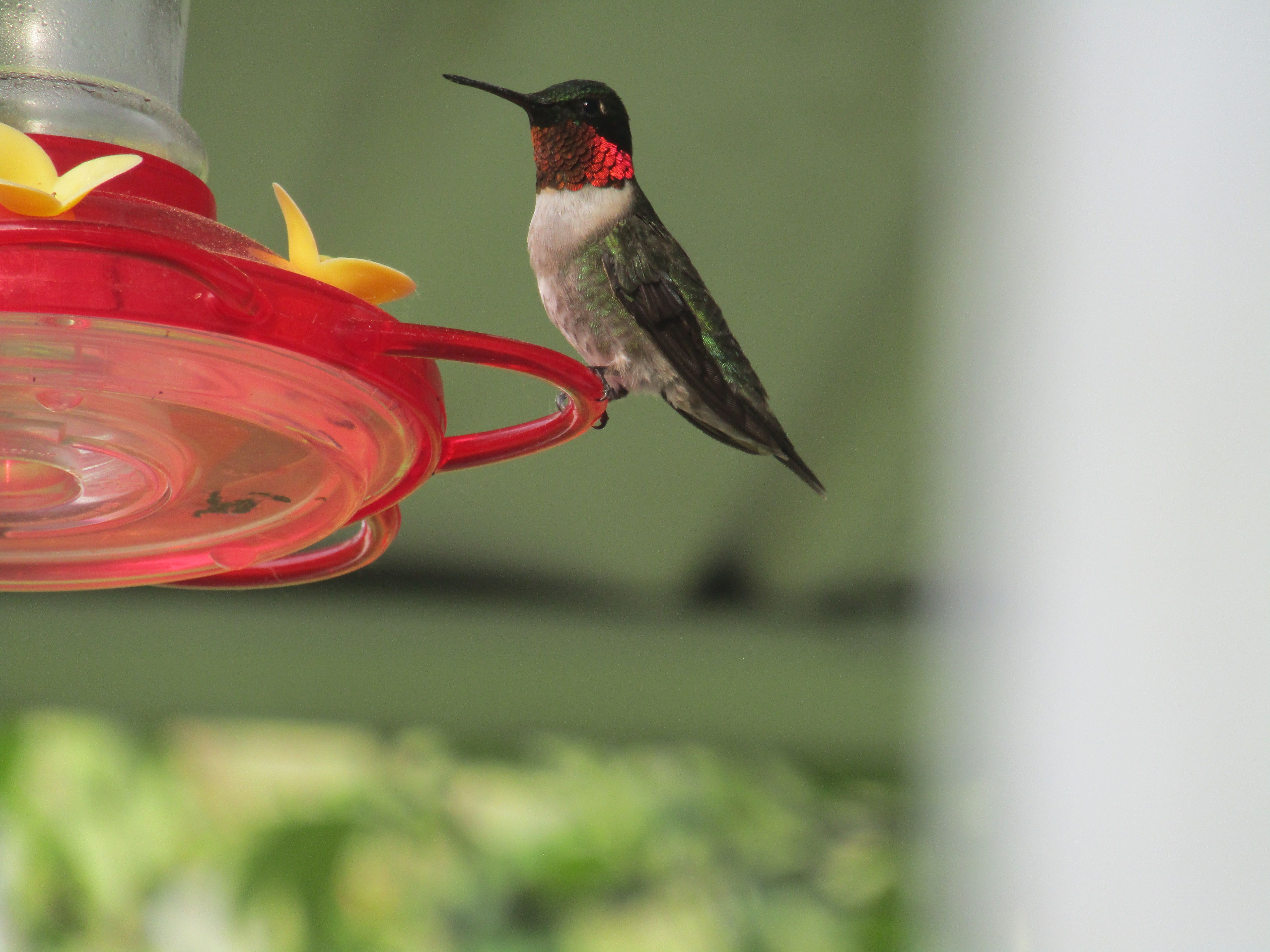
Of course, the smallest of the small is the ruby-throated hummingbird, which is officially the most diminutive of all birds found in the Eastern United States. This hummingbird is only 2.8 to 3.5 inches in length and weighs less than half an ounce.

The oldest known ruby-throated hummingbird, according to All About Birds, was a female, and at least 9 years, 2 months old when she was recaptured and rereleased in 2014 during banding operations in West Virginia.

The effort these tiny birds expend to return each year to entertain us during the warmer months is nothing short of extraordinary.

Information on the website for Perky Pet, which markets hummingbird feeders and other items for birds, describes the stages of spring migration. Once they respond to the urge to head north, most ruby-throated hummingbirds have reached Mexico’s Yucatan Peninsula by February.

The jungles of the Yucatan are rich with food and these tiny birds begin to feast on insects as they prepare for one of the toughest migrations for any bird. The majority of these hummingbirds will make a nonstop crossing of the Gulf of Mexico. This epic journey can take them 18 to 22 hours to complete. Some individuals cross the Gulf as early as February, but most of these little birds will wait to cross in March. A month or so later, the first wave of these migrants have usually reached Northeast Tennessee, Southwest Virginia and Western North Carolina.

•••

As always, I like to track the arrival dates of ruby-throated hummingbirds and appreciate readers sharing this information with me every spring. To share your first hummingbird sighting of spring, email me at ahoodedwarbler@aol.com. Please provide the date and time of the bird’s arrival. Other details, such as whether the bird is a male or female, is also appreciated.

•••

Bryan Stevens has written about birds and birding since 1995. Contact him at ahoodedwarbler@aol.com.

Ruby-crowned kinglets make their winter return

Photo by Steve Carson/Pixabay • Only male ruby-crowned kinglets show the red crown patch that gives the bird is common name.

White-breasted nuthatch or red-breasted nuthatch? Common yellowthroat or yellow-throated warbler? Greater yellowlegs or lesser yellowlegs? These and others are some of the identification questions new birders struggle to answer. The coming winter season provides the perfect opportunity for getting to know the region’s birds better if for no other reason than there are fewer species in residence.
Color, markings and behavior are some of the things to consider when trying to identify a new bird. Another consideration is size. In our region, if the bird’s tiny (even smaller than a chickadee, for instance) the possibilities narrow to two related species known as kinglets.

As their name suggests, kinglets are tiny birds. In fact, the only birds in the eastern half of North America that are smaller than kinglets are some of the hummingbirds. Most of the kinglets, known outside North America as “flamecrests” or “firecrests,” belong to the family, Regulidae, and the genus, Regulus. The family and genus names are derived from a Latin word, regulus, which means “rex,” or “king.” The name was apparently inspired by the colorful crown patches, often red, orange or gold, that resemble the royal “crowns” of kings.

Photo by USFWS • Ruby-crowned kinglets are winter visitors throughout the region.

The two North American species — ruby-crowned kinglet and golden-crowned kinglet — can both be found in the region in winter. The ruby-crowned kinglet typically arrives for the winter season in the first weeks of October. The golden-crowned kinglet usually arrives later in the season.

Four other species of kinglets can be found in North Africa, Europe and Asia. Experts recently removed the ruby-crowned kinglet from the genus Regulus and placed this species in a separate genus, Corthylio. The reclassification was based on size (the ruby-crowned kinglet is actually the largest member of this family) and differences in vocalizations.

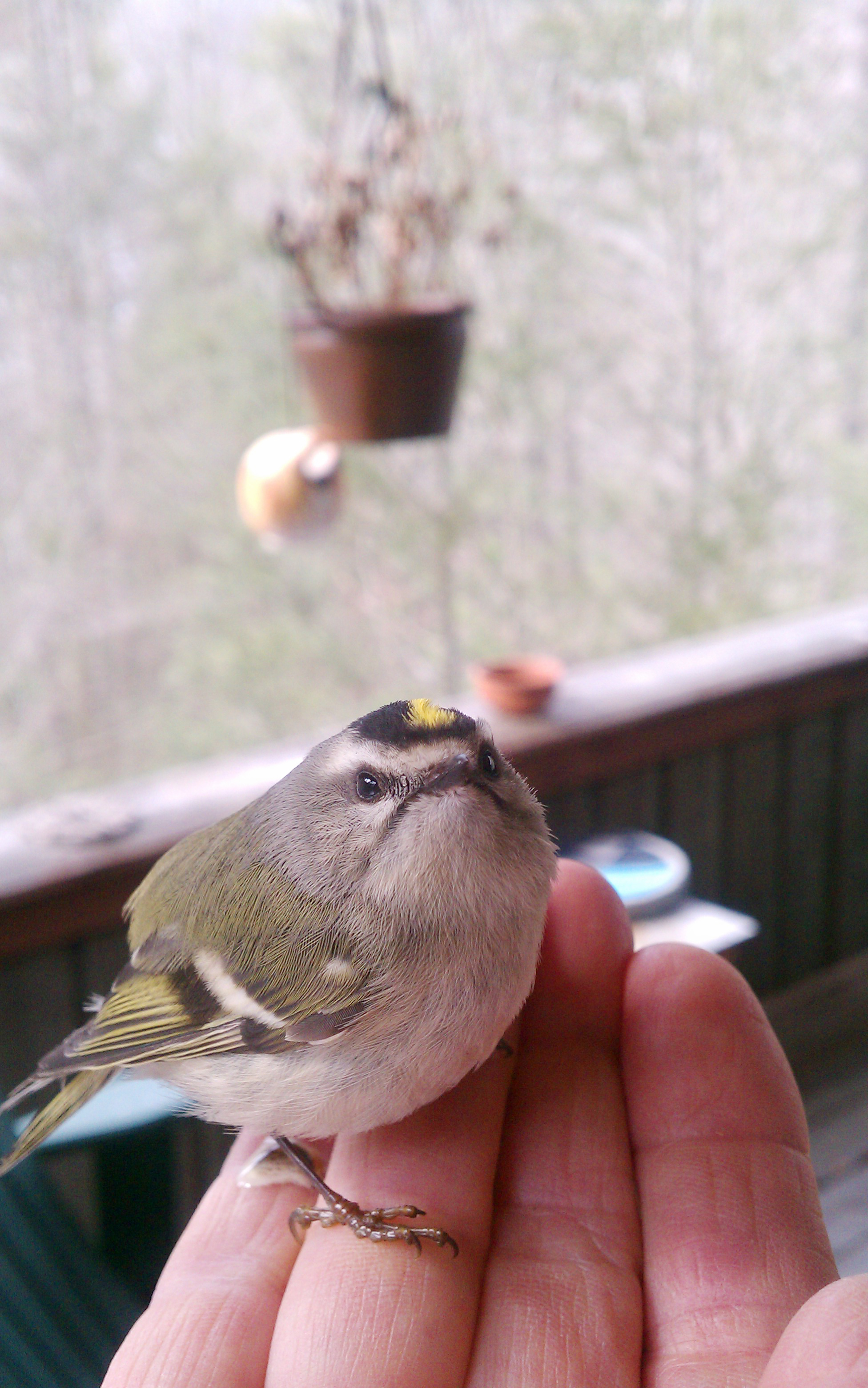
Circling back to the matter of identification, the two kinglets are easily distinguished from each other. Although roughly similar in size and overall coloration, the ruby-crowned and golden-crowned kinglets contrast enough that a snap identification is simple with a good look through binoculars. The golden-crowned kinglet has a striped facial pattern formed by bold black and white stripes. The ruby-crowned kinglet, on the other hand, has a bold white eye ring but no striping. The golden-crowned kinglet has an orange crown patch, while the ruby-crowned kinglet has a red crown patch that is, more often than not, kept concealed. Both sexes of the golden-crowned kinglet possess a yellow crown patch, but only the male ruby-crowned kinglet boasts a scarlet patch of feathers atop the head. Observers can expend a lot of energy trying to get a look at the crown patches, which are typically only displayed when the bird is agitated.

Kinglets are very active birds. If warblers can be described as energetic, the kinglets are downright frenetic in their activities. The kinglets almost never pause for long, flitting from branch to branch in trees and shrubs as they constantly flick their wings over their backs. These bursts of hyperactivity can make them difficult to observe. Although small in size, these birds more than compensate for it with a feisty spirit that does them well through the harsh winter months.

Kinglets often join mixed flocks comprised of other species of birds, some of which are regular feeder visitors. Perhaps by observing their flock counterparts, some kinglets have learned to accept feeder fare such as suet, mealworms and chopped nuts. Away from feeders, kinglets mostly feed on a range of small insects and arachnids. These tiny birds will also consume some fruit, such as the berries of poison oaks and dogwoods.

By learning the ruby-crowned kinglet’s call, which is a harsh, fast, two-parted scold that, to my ears, sounds like “Jit Jit,” birders can detect the presence of these tiny birds in thickets and other dense vegetation.

Normally, kinglets have a rather fleeting lifespan. These tiny birds can be considered old if they live three or four years. There are always exceptions. The oldest golden-crowned kinglet on record was six years and four months old. That individual, a male, was documented by a bird bander in 1976, according to the website All About Birds.
Overall, kinglets are trusting, tame birds and a welcome addition to any flocks visiting your yard and garden. These tiny feathered sprites are definitely worth getting to know.

Kinglets are energetic sprites among our feathered friends

Beth-Golden-crownKinglet

Photo by Elizabeth McPherson • This Golden-crowned Kinglet recovered after striking a window.

There are many different ways to become more familiar with the backyard birds at your own home. I’m fond of keeping a year list of all the bird species that travel through the yard and garden at my home. Keeping such a list is a great way to document the seasonal comings and goings of the bird life in your own neighborhood. You may be surprised at what you see.

Patricia Werth, a resident of Abingdon, Virginia, sent me an email to share the results of her year of counting birds in her yard.

“I told you at the beginning of 2016 I was going to list all the birds that come to my feeder or are in our yard,” she wrote. “I counted 29, but I just saw a very small bird that resembled the goldfinch, except smaller and more greenish on the back. Was that a warbler? I am not very good differentiating between sparrows, either.”

She was pleased with her 2016 results, but she wanted some suggestions for identifying the unknown bird. Based on her description of the bird’s small size and greenish coloration on the back, I suggested she do some online research into kinglets.

I received a second email from Patricia thanking me for the suggestion. “After looking up the kinglets, I do believe it was the female golden-crowned kinglet,” she wrote, adding that she was certain that she had seen her before.

Jean-Golden-crownKinglet

Photo by Jean Potter • This Golden-crowned Kinglet was captured and banded as part of an ornithological study.

The identification of the golden-crowned kinglet took her total to 30 species. “Seeing that they (kinglets) rarely eat seeds that was a real treat to have them visit,” Patricia wrote. “I believe I have heard them call, too, but thought it was a chickadee, as they are so vocal.”

Her year’s already off to a good start with goldfinches at her feeders. With the recent snowfall, she also saw her first dark-eyed junco of the year. When it comes to size, however, few of the birds that patronize our feeders are as diminutive in size as the kinglets.

rubycrownkinglet

Photo by U.S. Fish & Wildlife Service/Donna Dewhurst • The ruby-crowned kinglet, pictured, and golden-crowned kinglet are among North America’s smallest birds. Both species are occasional winter visitors in the region. The birds are named for bright crown patches that contrast with their overall drab appearance.

As their name suggests, kinglets are tiny birds. In fact, about the only North American birds smaller than kinglets are some of the hummingbirds. The kinglets, known outside North America as “flamecrests” or “firecrests,” belong to the family, Regulidae, and the genus, Regulus. The family and genus names are derived from a Latin word, regulus, which means “rex,” or “king.” The name was apparently inspired by the colorful crown patches, often red, orange or gold, that resemble the royal “crowns” of kings. In addition to the two North American species, four other species of kinglets can be found in North Africa, Europe and Asia.

john-james-audubon-ruby-crowned-kinglet-1-male-2-female-kalmia-augustifolia

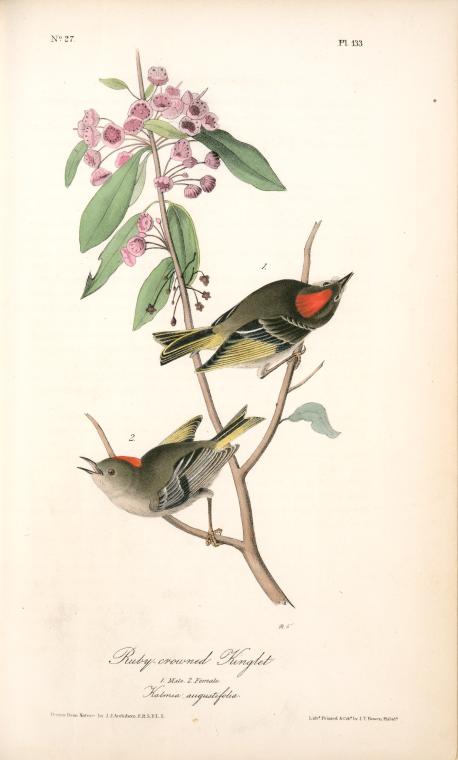
Early American naturalist and artist painted this pair of Ruby-crowned Kinglets.

Although similar in size and overall coloration, the ruby-crowned and golden-crowned kinglets are easily distinguished from each other. Side by side, the two species of North American kinglets are easy to identify. The golden-crowned kinglet has a striped facial pattern formed by bold black and white stripes. The ruby-crowned kinglet, on the other hand, has a bold white eye ring but no striping. The golden-crowned kinglet has an orange crown patch, while the ruby-crowned kinglet has a red crown patch that is, more often than not, kept concealed. Both sexes of the golden-crowned kinglet possess a yellow crown patch, but only the male ruby-crowned kinglet boasts a scarlet patch of feathers atop the head. Observers can expend a lot of energy trying to get a look at the crown patches, which are typically only displayed when the bird is agitated.

Kinglets are very active birds. If warblers can be described as energetic, the kinglets are downright frenetic in their activities. The kinglets almost never pause for long, flitting from branch to branch in trees and shrubs as they constantly flick their wings over their backs.  These bursts of hyperactivity can make them difficult to observe. Although small in size, these birds more than compensate for it with a feisty spirit that does them well through the harsh winter months.

cuviers_regulus

John James Audubon painted this depiction of a bird he referred to as Cuvier’s Kinglet in the early 1700s. No other person has ever encountered a bird matching this description.

Kinglets often join mixed flocks comprised of other species of birds, some of which are regular feeder visitors. Perhaps by observing their flock counterparts, some kinglets have learned to accept feeder fare such as suet, meal worms and chopped nuts. Away from feeders, kinglets mostly feed on a range of small insects and arachnids. These tiny birds will also consume some fruit, such as the berries of poison oaks and dogwoods.

Normally, kinglets have a rather fleeting lifespan. These tiny birds can be considered old if they live three or four years. There are always exceptions.  The oldest golden-crowned kinglet on record was six years and four months old. That individual, a male, was documented by a bird bander in 1976, according to the website All About Birds.

Overall, kinglets are trusting, tame birds and a welcome addition to any flocks visiting your yard and garden. These tiny feathered sprites are definitely worth getting to know.

•••••

The Bristol Bird Club will conduct a birding trip of Burke’s Garden, Virginia, on Saturday, Feb. 11. Red-headed woodpecker, a relative of the Northern flicker, is among the target birds. Other possible birds will include golden eagles, rough-legged hawks, horned larks and a pair of bald eagles on a nesting site located in the beautiful, bowl-like valley of Burke’s Garden.e80948b8-92fa-44d2-b107-d9223014aff0_d

Participants should plan to meet by 8 a.m. at the Hardee’s at 900 E. Fincastle St. in Tazewell, Virginia. Arrive early and enjoy breakfast. Attendees will carpool to Burke’s Garden. Those making the trip might also glimpse alpacas and a camel. Bring a bit of cash if you would like to enjoy a soup and sandwich lunch at the Amish Store. For more information on this trip, call Kevin Blaylock at (423) 943-5841.

I visited Burke’s Garden for the first time almost 20 years ago on one of these February field trips. It was quite the memorable birding experience and yielded me my first-ever sightings of rough-legged hawk and common goldeneye.