Tag Archives: Carter County Compass

Waterfowl also known as ‘summer duck’ in much of the South

WoodDuckStanding

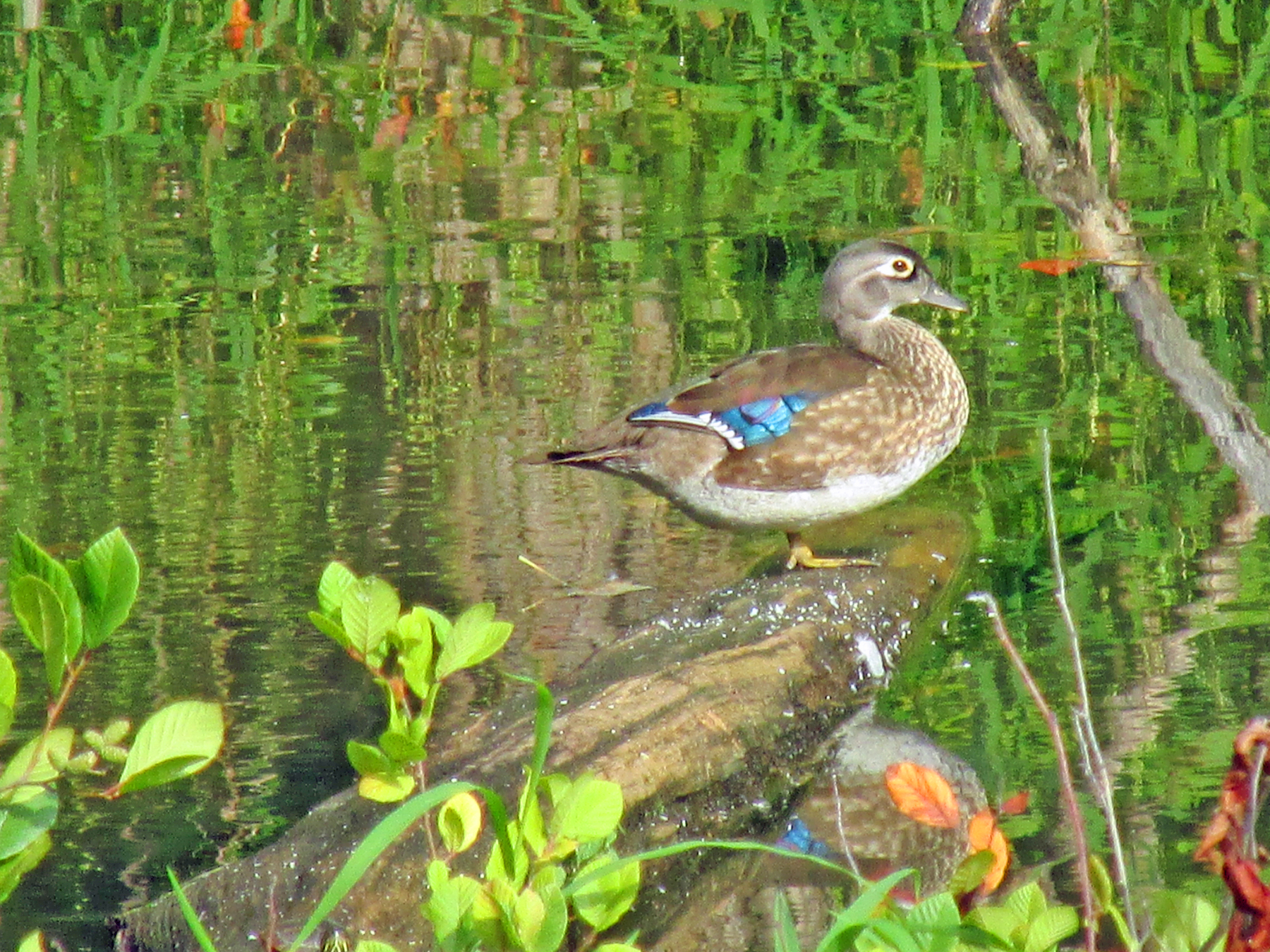
Photos by Bryan Stevens                                                       A Wood Duck perches on a log in a pond in Erwin, Tennessee.

A great many birds spend the spring and summer months in the region. Waterfowl, however, are usually scarce aside from the ubiquitous Canada geese and mallards found at ponds, local park, golf courses and many other locations. Waterfowl aren’t entirely absent, especially when you add the variety of domesticated waterfowl that are often found with the aforementioned geese and ducks.
WOod-Gloss

The wood duck is also known as the “summer duck” across much of the southeast, where it is the only wild nesting duck.

The small wood duck is a species of waterfowl that can be found, in suitable habitat, during the nesting season. Unlike Canada geese and mallards, which historically never nested in the region until recent decades, the wood duck is supposed to be present during the warmer months of the year. In many parts of their range, wood ducks are known as the “summer duck” since they are the only wild native nesting duck present during the season.

Another common name for this species is the Carolina duck, which refers to the southern stronghold of this species of waterfowl. Wood ducks are year-round residents across much of the southeastern United States, especially in suitable habitat such as small lakes, flooded woodlands, swamps and marshes.

WoodDuck-Mallards

A male Wood Duck is accompanied by two Mallards. The Wood Duck is considered one of North America’s most colorful ducks.

Like a handful of other North American waterfowl, the wood duck is a cavity-nesting bird. These ducks often occupy former nesting cavities created by woodpeckers, but they will also readily accept nesting boxes of suitable dimensions provided by human landlords. Because of their devotion to nesting in cavities, wood ducks have at least something in common with songbirds like Eastern bluebirds, tree swallows and house wrens, as well as larger birds such as American kestrels and Eastern screech-owls. Wood ducks aren’t the only waterfowl that nest in cavities. Buffleheads, hooded mergansers and common goldeneyes are also cavity-nesting ducks. None of those ducks, however, nest in the southeastern United States.
WoodDuck-March29

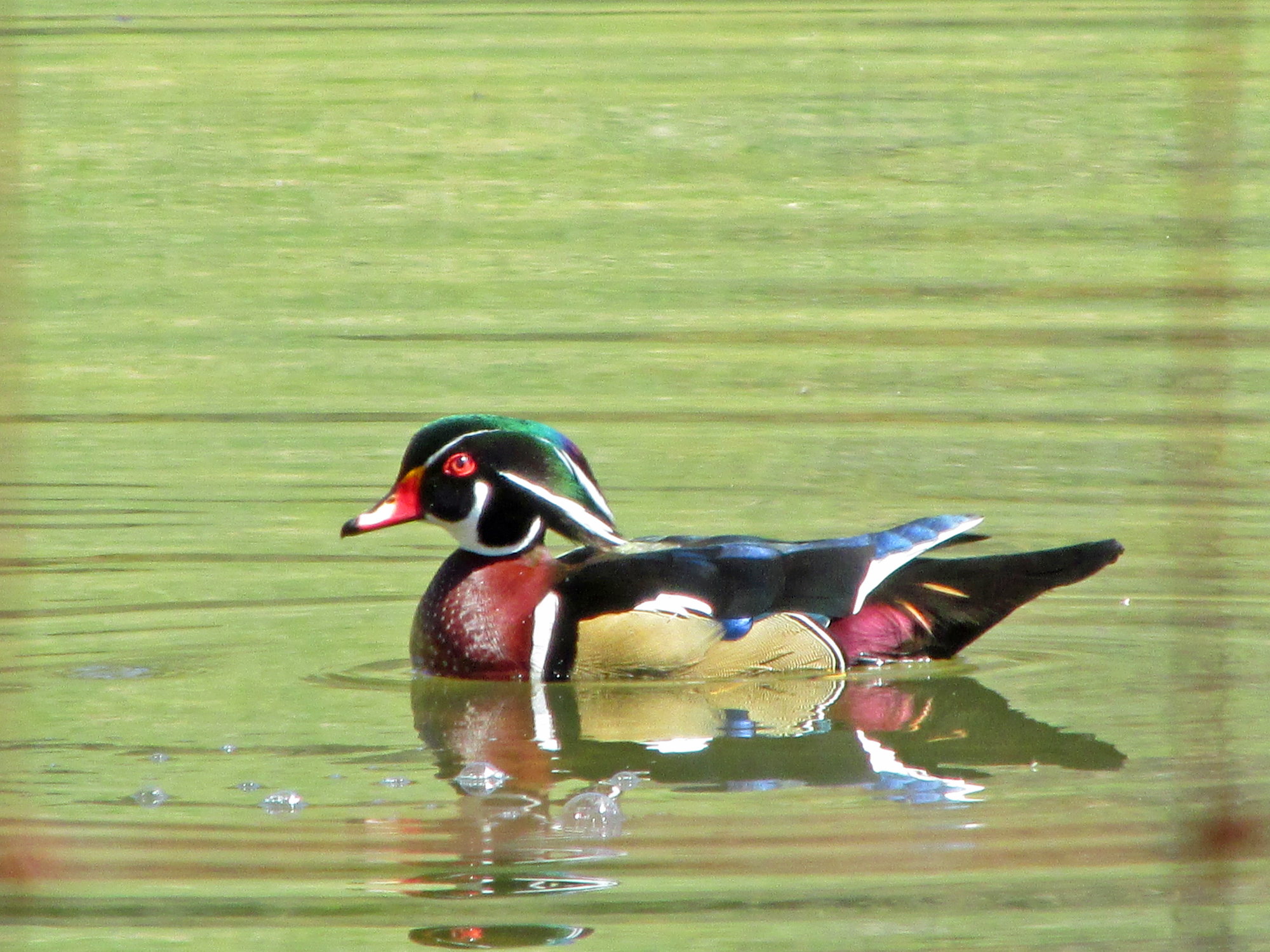
The male Wood Duck, such as this one on a pond in Hampton, Tennessee, is much more colorful than the female of the species.

Some wood duck nests can be located far above the ground, which poses a challenge for flightless young. Like most species of waterfowl, young wood ducks are born capable of immediately leaving the nest and being led by their mother to foraging areas. First, however, there’s that giant leap of faith that each of the ducklings must make. Nests are often built over water, so that first jump often ends in a splash-down. Some nests are built over land, but that doesn’t seem an obstacle. The ducklings make that leap without any difficulty. Just like the Abominable Snowmen in the old holiday favorite “Rudolph, The Red-nosed Reindeer,” wood duck babies bounce! Once the ducklings have departed their cozy nesting cavity, their mother will guard them from predators and lead them to prime foraging areas for a period of about two months.
summer_or_wood_duck_poster-r202a76c41b0943c6a2a73ee248ac00ca_wvy_8byvr_324

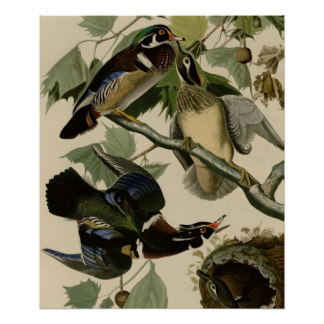
John James Audubon painted Wood Ducks to emphasize their comfort in perching in trees.

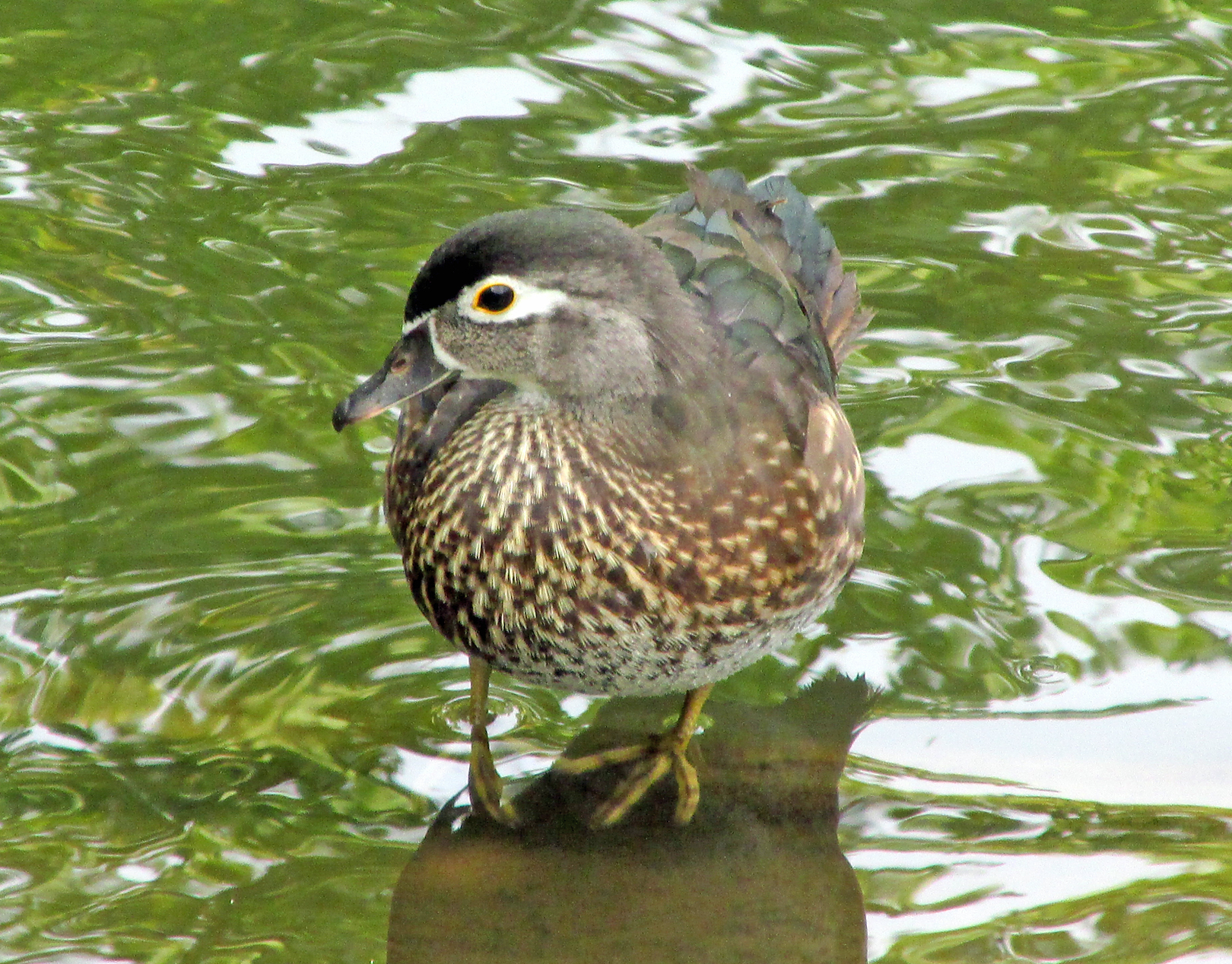
The wood duck belongs to the genus Aix. The only other species in the genus — the Mandarin duck —is native to East Asia. The two are classified as “perching ducks” by biologists. The males of both these species are among the most ornate ducks in the world. The male wood duck has red eyes and a dark-tipped red bill. The colors in a male’s plumage includes glossy, iridescent greens, purples and browns in dramatic patterns. The male also has a distinctive head crest. Female wood ducks also have crests, but their plumage is overall gray and brown with a teardrop-shaped white patch around the eyes, as well as a white chin and throat.
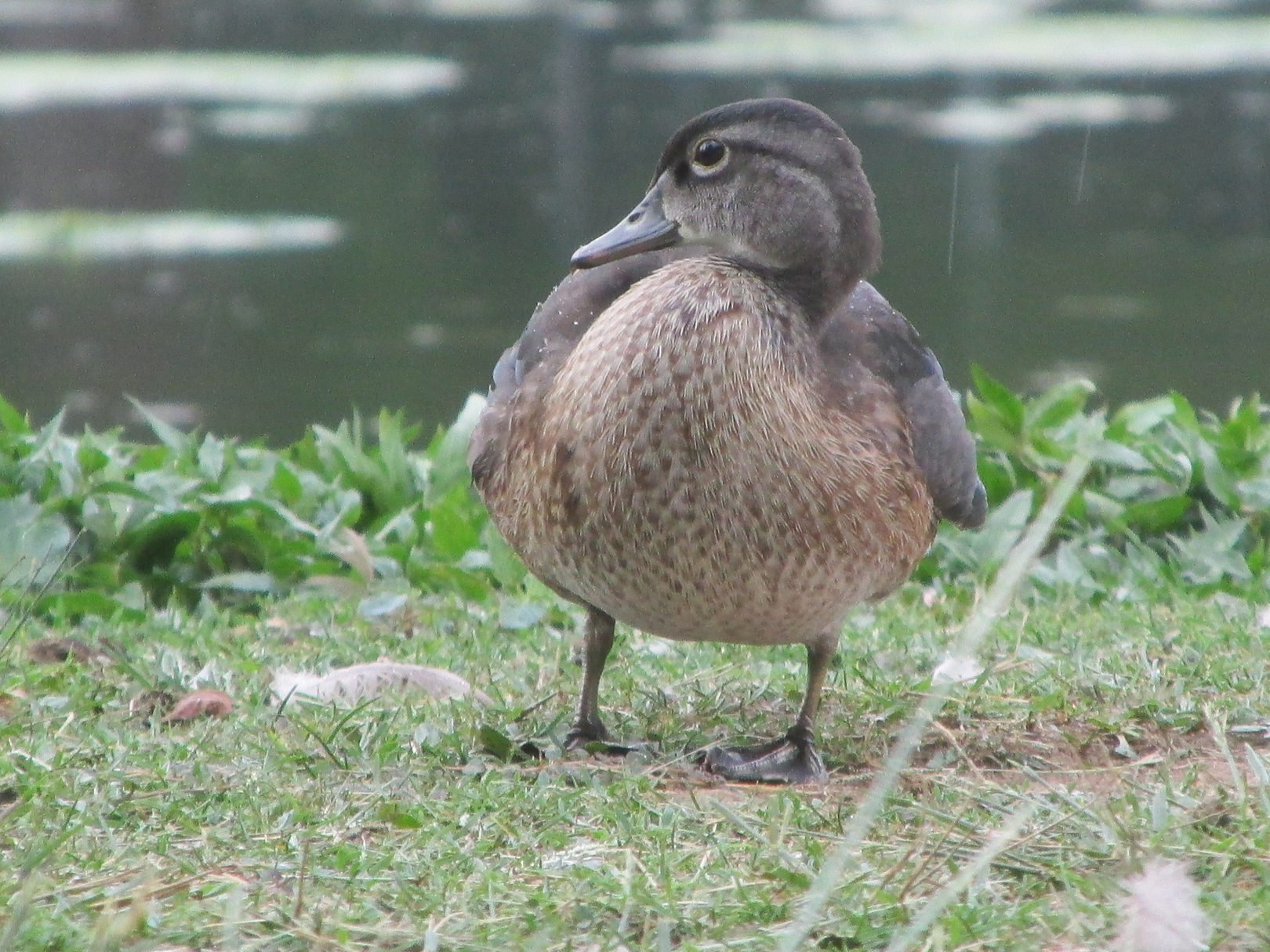
Wooder

A young Wood Duck perches by a pond’s edge in a small-town park.

The majority of a wood duck’s diet consists of vegetable matter. In autumn, I’ve observed these ducks foraging with enthusiasm for acorns. The wood duck, and ducklings in particular, also feed on some insects and other small invertebrates.

In his book, “Birds of Lake, Pond and Marsh,” author John Eastman noted that the wood duck was the most abundant of North American ducks during the 19th century. In the late 19th century, pressures from hunting and habitat destruction combined to dramatically lower the numbers of this exclusively North American duck. Eastman noted that the Federal Migratory Bird Treaty Act of 1918 is largely credited with saving the wood duck from possible extinction.
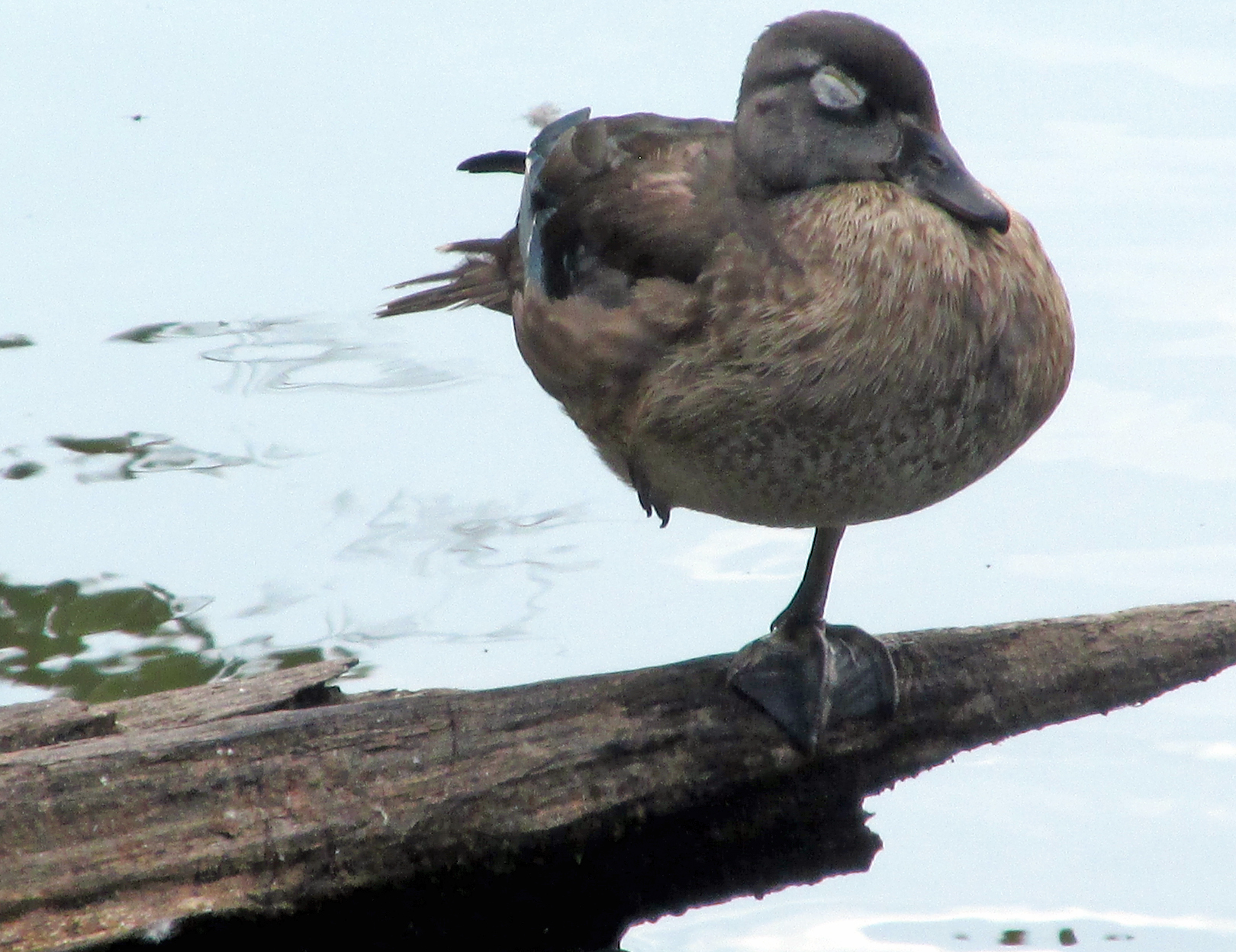
One-leggedWoodie

A napping Wood Duck perches on one leg upon a submerged log.

From 1918 to 1941, it was illegal to hunt wood ducks. Thanks to this temporary hunting ban and other conservation measures, the wood duck population recovered in dramatic fashion. Recent surveys all point to a species on the rebound with numbers of wood ducks rising for the past several decades.

The creek and the fish pond at my home have proven dependable magnets over the years for attracting visiting wood ducks. Most wood ducks in the southeastern United States do not migrate. Those that live farther north during the summer will migrate to areas as far south as Mexico in the fall. We’re fortunate to reside in a region where wood ducks are year-round resident waterfowl.
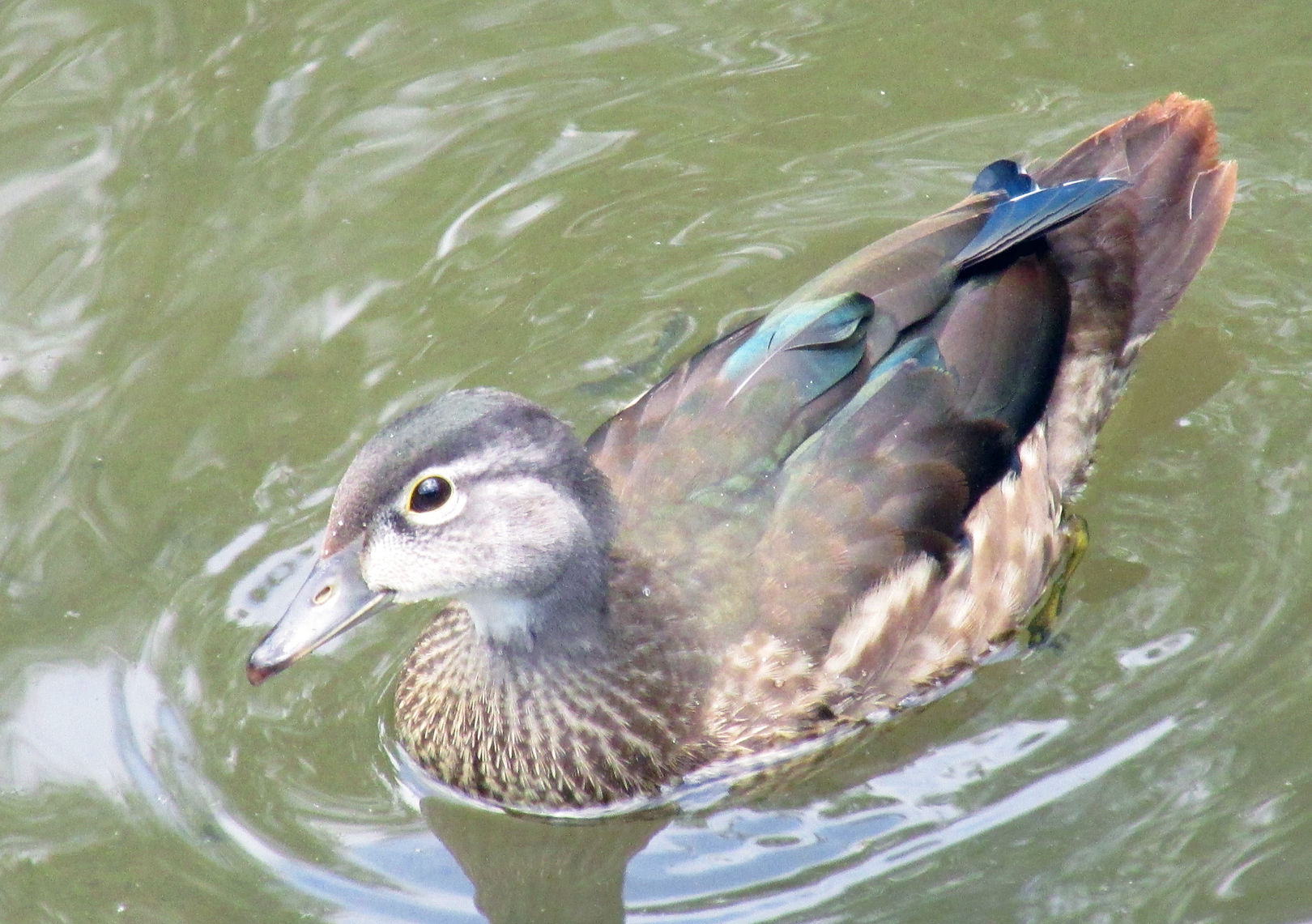
Woodie

A Wood Duck takes a late summer swim.
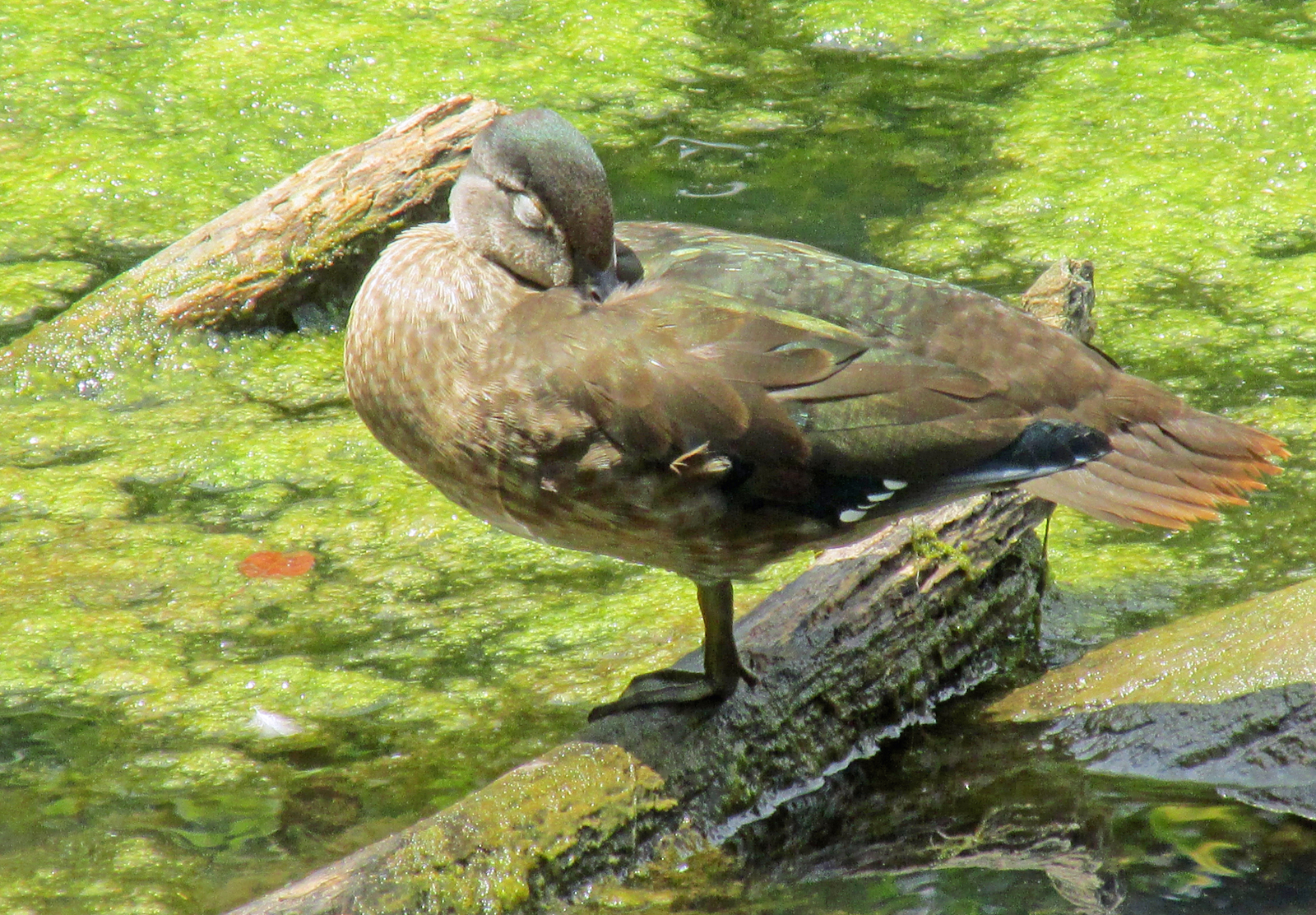
Woodie-Sleeping

Wood Ducks often have a favorite log where they rest and relax when not foraging for food.
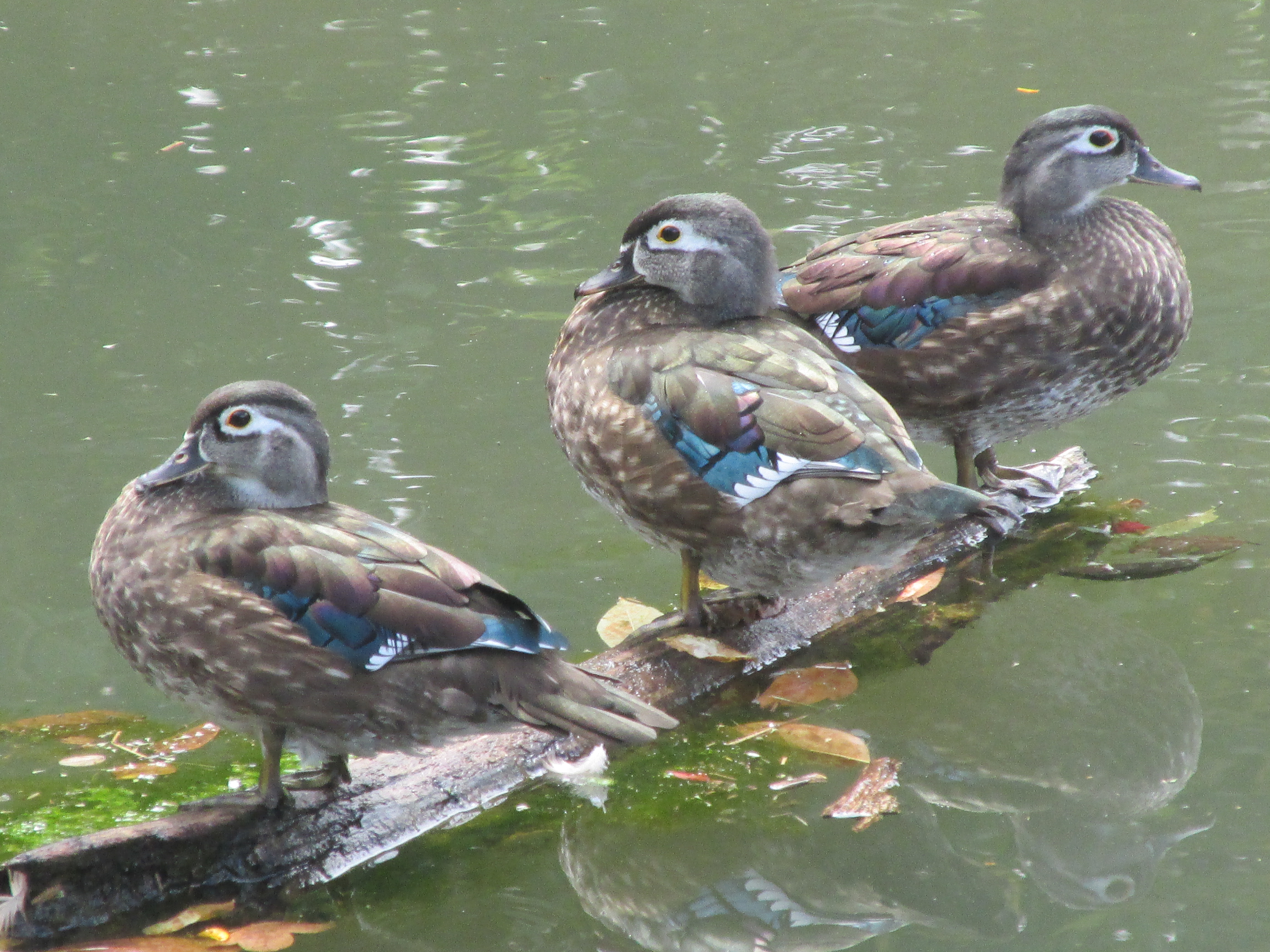
WoodDucks

A trio of Wood Ducks in their summer plumage.
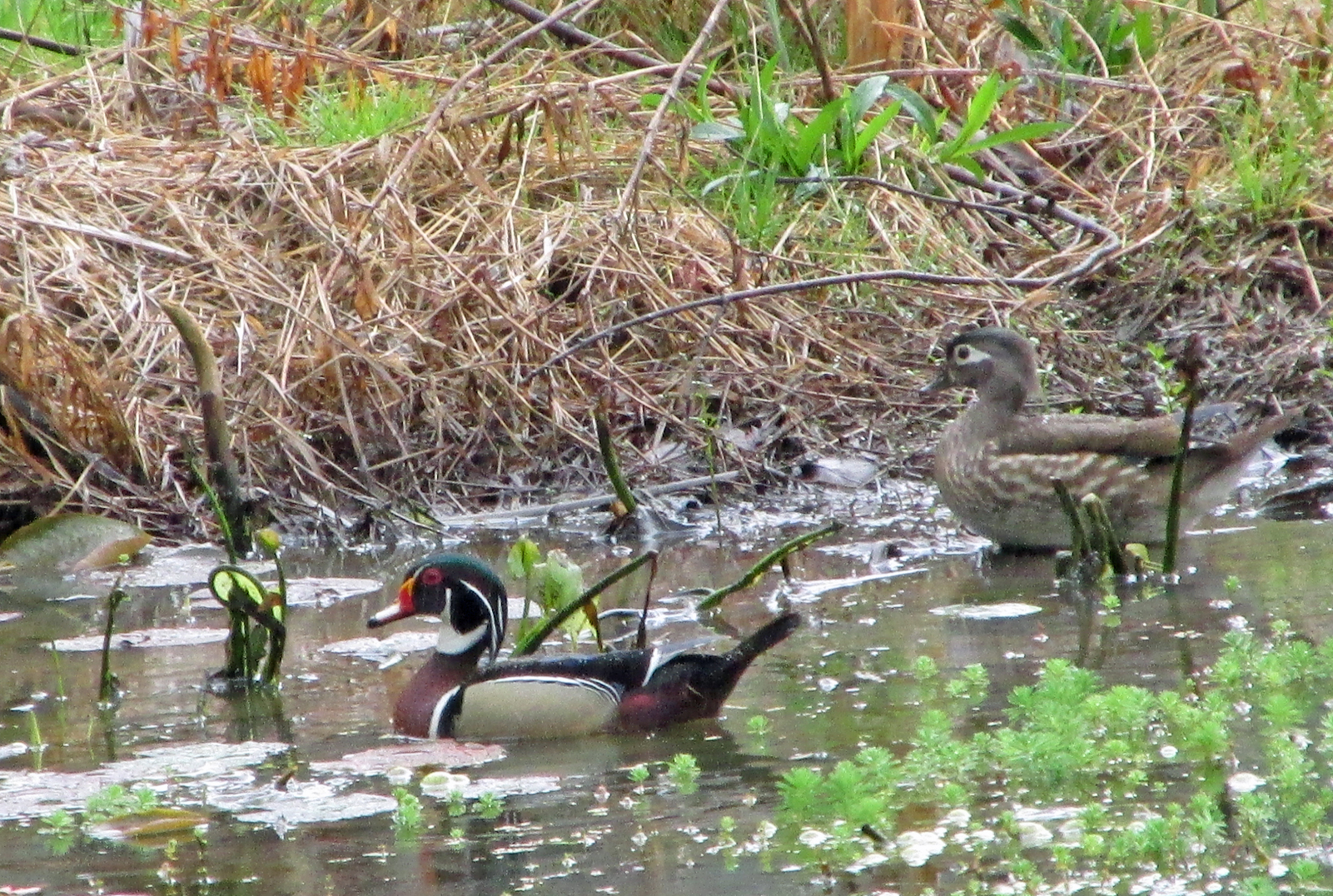
WoodDucks 2

A male and female Wood Duck makes a stop at a pond in Hampton, Tennessee, during spring migration.
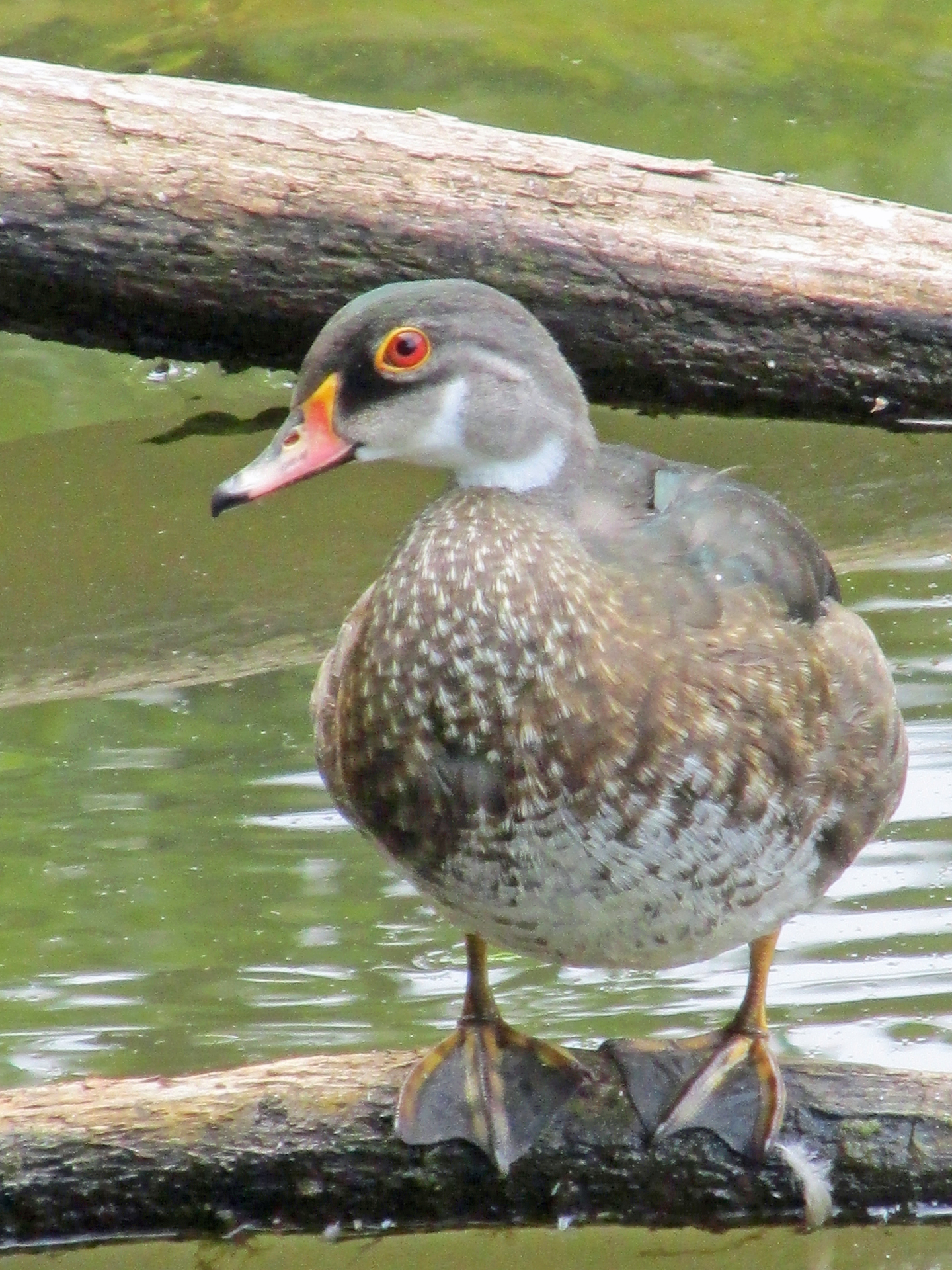
WoodDuck-Eclipse

The Wood Duck, a favorite species of waterfowl for many people, is also known as the “Summer Duck” throughout much of its range.
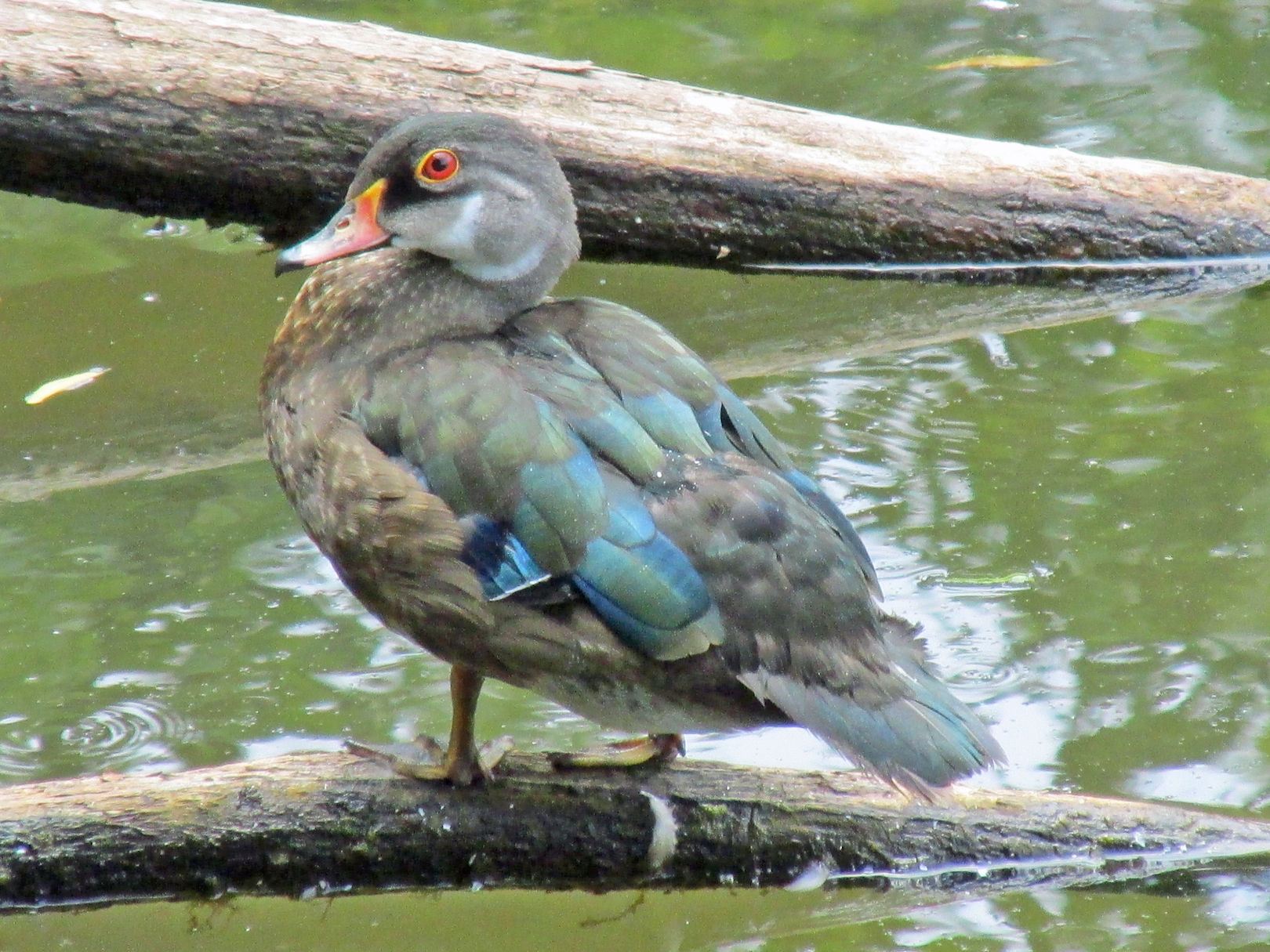
Wood-Duck-Maley

Wood Ducks molt their feathers during the summer months, giving them a less gaudy appearance for a brief time.
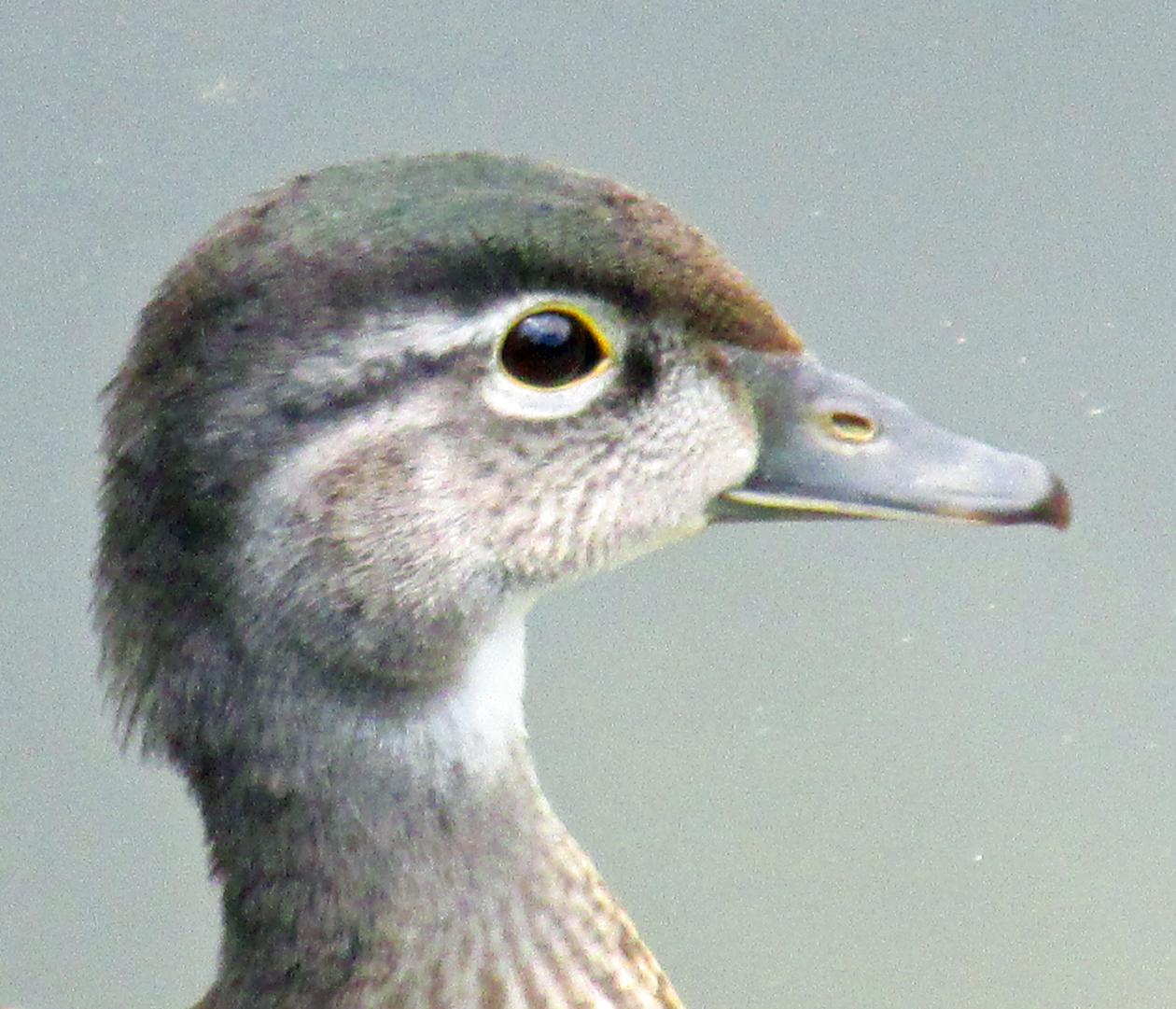
Woodie-Head

Young Wood Ducks will slowly acquire their adult plumage as summer advances to fall and winter.


Rescued insect turns out to be one of region’s largest moths


Polyphemus-Two

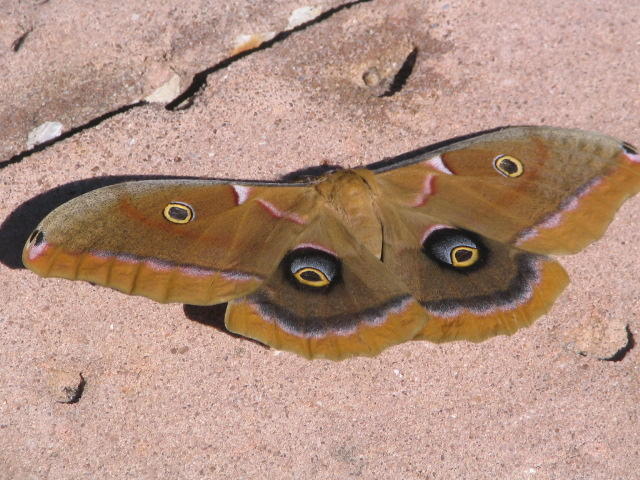
Photos by Bryan Stevens                                                                The Polyphemus Moth rode to safety in the inside of an automobile after being rescued from a busy parking lot.

My mom and I were heading toward the drive-thru at McDonald’s in Erwin when I saw something fluttering across the asphalt of the parking lot. The creature was brown and as big as a small bird — it even had wings! But, it wasn’t a bird. I realized that I was watching one of the largest of our native moths.

It was a little surprising to find the moth in the middle of a parking lot in the afternoon on a hot summer day. I pulled my vehicle into a parking space and captured the moth without too much difficulty. If left in the parking lot, the moth would likely have been run over. Although my mom agreed with the rescue — in theory — she wasn’t certain about sharing the car with a large, winged insect. After some persuasion, she accepted that the moth was absolutely harmless.

Specifically, the large insect was a Polyphemus Moth, which is one of the biggest moths in the United States. These large moths often attain a wingspan of five and a half inches.

Polyphemus-Four

The rescued Polyphemus Moth clings to the side of a McDonald’s paper bag.

Our rescued moth clung to the side of a McDonald’s paper bag that held one of the sandwiches in our order for the entire trip home. Once we arrived, I released the moth on a small oak-leaf hydrangea, took a few more photos and was pleased to see the large insect fly to freedom. I lost track of the moth once it landed in the thick branches of a yew tree. I was happy to secure the impressive moth a little more time to fly and perhaps even attract a mate.

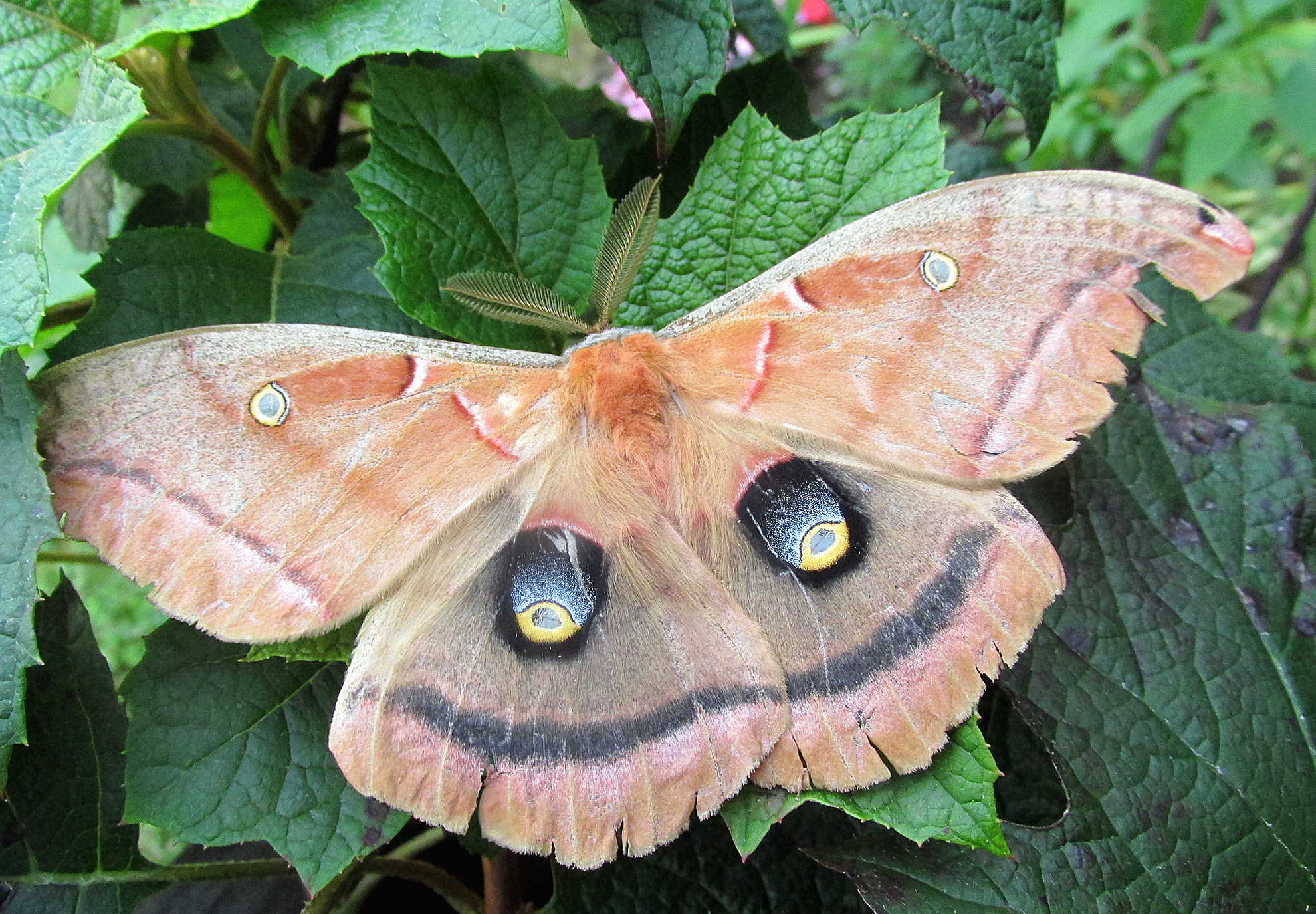
The brownish-yellow wings of the Polyphemus Moth show wavy, black and white lines. Each forewing is also decorated with a small, mostly yellow eyespot, as well as larger blue, black, and yellow eyespots on the hindwings. The underside of the moth’s wings look like dead leaves, which provides excellent protective camouflage.

The eyespots are important in warding off potential predators. When a Polyphemus Moth spreads its wings, the eyespots resemble the large eyes of owls and other predatory birds. This display may be more than enough to discourage many predators, which can include mice, squirrels and small birds.

Polyphemus-One

The rescued Polyphemus Moth rests on the leaves of an oak-leaf hydrangea. This large moth is a member of the family of “giant silkworm moths.”

Like most moths, they are usually nocturnal, which makes me wonder what happened to the moth I rescued to have it fluttering around on a sunny afternoon. After dark, bats are major predators on these large moths. Polyphemus Moths are usually found in forests, but they are also present in such habitats as marshes and parks.

Like all moths and butterflies, the Polyphemus Moth starts life as a caterpillar. Host plants fed upon by the caterpillars of this species include many trees and shrubs, including oaks, maples, pines, birches, American hornbeam, hawthorns, American beech, ash, witch hazel, black walnut, yellow poplar, black cherry, quaking aspen, elderberry, alders, sassafras, blueberries, grapes, willows, hickories, elms, chestnuts and American sycamore.

Polyphemus-Three

The rescued Polyphemus Moth got a ride to safety.

Polyphemus caterpillars grow rapidly as they feed on the leaves of any of these host plants. As they grow, they will molt their skin four times. After the final molt, the caterpillar will fold a leaf around itself to enclose and protect its silken cocoon.

Caterpillars that enter a cocoon early in the season will emerge during the summer months as moths. However, caterpillars that proceed to the cocoon stage of their life cycle in late summer or early fall will spend the winter months inside this silken enclosure. In such cases, adult moths will not emerge until the following spring, usually in May.

Adult Polyphemus Moths do not feed. Their only focus during the entirety of their short lives as moths are to find mates and reproduce. Female moths attract mates with pheromones, which are chemicals emitted by a creature that triggers a social response in members of the same species. Male moths even have specialized feathery antennae to help them detect the pheromones released by females.cyclop10c 2

The moth is named for Polyphemus, one of the prominent giant Cyclopes in Greek mythology. Captured by the enormous Cyclops, Greek hero Odysseus and his men blinded the giant’s one eye before escaping his cave.

n_a (31)

The Pandora sphinx moth, also called the Pandorus Sphinx Moth, is a North American moth in the Sphingidae family. It is a large, greenish gray moth, but it isn’t closely related to the “giant silkworm moths.”

The Polyphemus moth is a member of the family Saturniidae, also known as “the giant silk moths.” Other well known moths in this family include the Luna Moth, Imperial Moth, Promethea Moth, and Regal Moth.

••••••

In order to learn more about birds, birding and various other topics related to the natural world, friend Bryan Stevens on Facebook at https://www.facebook.com/ahoodedwarbler. He is always posting about local birds, wildlife, flowers, insects and much more. If you have a question, wish to make a comment or share a sighting, email him at ahoodedwarbler@aol.com.

n_a (30)

This Polyphemus Moth was photographed at Walt Disney World Resorts in Florida in 2007.

Bird nesting habits are incredibly varied

Chick_in_Nest

Photo by USF&WS                                                A hatchling bird in the safety of its nest.

For most of our birds, the nesting season is winding down. A few species, like Cedar Waxwing and American Goldfinch, are just now starting to think about nesting, but most birds have already finished with the work of ensuring a new generation of their species.

The majority of our common backyard birds build the traditional “cup-shaped” nest that is tucked away in a shrub or the fork of a tree. Birds that build nests in such a fashion include everything from Blue-grey Gnatcatchers and Scarlet Tanagers to Indigo Buntings and American Goldfinches.


IMG_4053

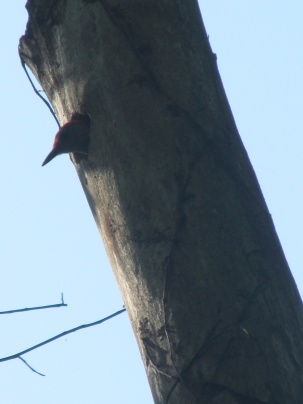
Photo by Bryan Stevens                                        A Red-bellied Woodpecker peeks from its nesting cavity.

Other birds, such as Eastern Bluebirds and Tree Swallows, accept human-provided nesting boxes. In the past, however, these birds relied on natural cavities, such as a rotten knothole in a tree’s trunk or a weathered fence post that had gone hollow.


The list of these cavity-nesting birds expands to also include Eastern Screech-owl and Great Crested Flycatcher as well as Carolina Chickadee and Tufted Titmouse.


Most of the birds I have mentioned so far cannot excavate their own nesting cavities. Some birds, however, are better equipped than others at excavating nesting chambers in everything from tree trunks to river banks. Pileated Woodpeckers, Downy Woodpeckers, Belted Kingfishers and Northern Flickers create their own nesting cavities.


Around the world, birds engage in a variety of nest-building strategies.


img707a 2

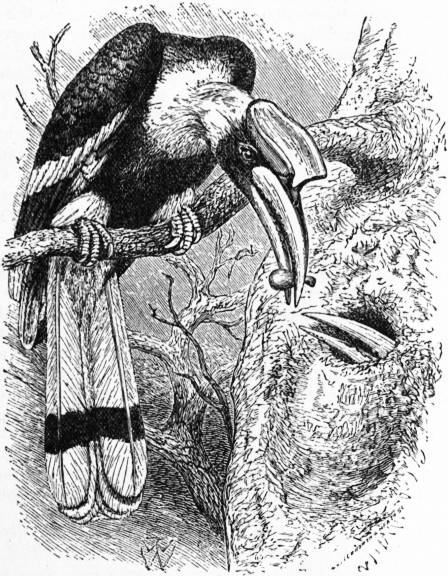
Male Great Hornbills seal their mates into a nesting chamber until their eggs hatch.

Cavity-nesting offers an added degree of protection compered to an exposed and vulnerable cup nest tucked in a hedge or dense shrub. Some birds have taken cavity-nesting practices to the extreme. For instance, the female Great Hornbill builds her nest in the hollow centers of large tree trunks, and the opening is sealed with a plaster made up mainly of mud, droppings and fruit pulp. She remains imprisoned in her nest until the chicks are semideveloped, relying on the male to bring her food. During this period the female undergoes a complete molt. The young squabs are devoid of feathers and appear very plump. She is fed by her mate through a slit in the seal. The clutch consists of one or two eggs she incubates for 38-40 days. Once the female emerges out of the nest, it is sealed again by the chicks. In some hornbill species, the young depart with their mother, and are tended outside of the former nesting cavity by both parents. The Great Hornbill resides in the forests of India, the Malay Peninsula and Sumatra, Indonesia. There are about 55 species in the hornbill family, which ranges through Africa, Asia and some of the islands of Melanesia.

Lipoaocellata 2

Megapodes lay eggs in large mounds, trusting environmental temperatures to incubate them.

Megapodes — also known as “incubator birds” or “moundbuilders” — do not incubate their eggs with their body heat as other birds do, but bury them. Their eggs are unique in having a large yolk, making up 50-70 percent of the weight of the egg. They are best known for building massive nest-mounds of decaying vegetation, which the male attends, adding or removing litter to regulate the internal heat while the eggs hatch. This method of incubation is something practiced by some reptiles, including crocodiles and alligators, but it is definitely unusual among birds. Once hatched, young birds are fully feathered and active, already able to fly and live without any care or assistance from their parents. Two of the better-known species, both from Australia, are the Malleefowl and the Australian Brush-turkey. There are about 20 species of birds classified as Megapodes, and they are concentrated in the Australasian region, including islands in the western Pacific, Australia, New Guinea and the islands of Indonesia. They also occur on the Andaman and Nicobar Islands in the Bay of Bengal.

White_Tern_with_Egg

Photo by USF&WS                                                              White Terns build no nest, merely laying their egg on a branch or, in this case, on a railing.

The White Tern is a small seabird found across the tropical oceans of the world. Although other terns build nests, the White Tern no longer bothers to construct even a rudimentary nest. Instead, the female lays a single egg on bare branches or in a small fork in a tree. Nothing else is added to the location where the egg is deposited. The behavior is not typical of other terns, which generally nest on the ground and construct the nest of such materials as shells and other seashore debris. Of course, both the eggs and chicks of White Terns are vulnerable to becoming dislodged by heavy winds. Newly-hatched chicks have well developed feet to hang on to their precarious nesting site with.

Laysan_albatross_nesting_on_Eastern_Island

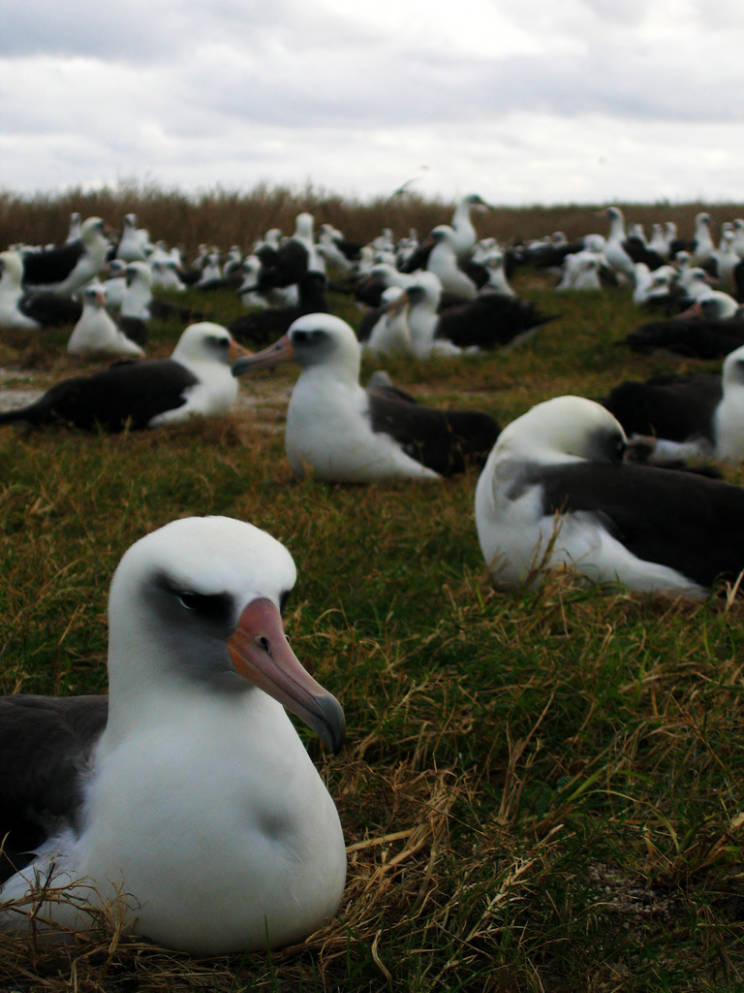
Photo by USF&WS              Albatrosses, such as these Laysan Albatrosses, nest in communal colonies. Other birds, such as the Sociable Weaver, also nest in communal conditions.

The sparrow-sized Sociable Weaver (Philetairus socius) of Africa enjoys company, which explains how such a small bird constructs a huge nest. Actually, many of these birds working together construct a huge structure — sometimes described as similar to a bale of hay — that hangs from sturdy trees and other tall structures. Such a “compound nest” is rather rare among birds. The communal nests built by Sociable Weavers can house 100 pairs of birds and are quite spectacular. They are also considered the largest bird-built structures in the world. Other birds also benefit from these huge structures, which are built mostly of grass and sticks. Other small birds may also nest or roost in the structure, and large birds, such as vultures, have been known to build their own nests on top of these compound nests. Other species of weavers also build communal nests, but their efforts are not quite as impressive as those constructed by the Sociable Weaver.

Albatross_Nest_Colony

Photo by USF&WS A colony of nesting albatrosses consists of individuals able to tolerate very defined senses of personal space.

The most unusual nest I’ve observed personally was that of a Killdeer built in the parking lot of a local mobile home dealership. The Killdeer is a type of plover, a family of birds belonging to the group known as shorebirds. The female Killdeer will locate a shallow depression on the ground that can be lined with grass, weeds, bark, shells or rocks to form a crude nest. The Killdeer will apparently make use of any material readily available to line their nests. The particular Killdeer nesting in the gravel parking lot of the mobile home dealership had collected discarded cigarette butts to line her nest, which contained the usual four eggs. Her efforts are a testament to the ingenuity of some of our feathered friends. As far as I know, her nest succeeded, and she and her mate reared four young Killdeer. I always joke when telling this story that the young birds may have been born with a nicotine addiction.

Birds, dragonflies have more than wings in common

flower-2

The plastic yellow guards are meant to exclude bees and other insects from your sugar water feeders for hummingbirds.

I’ve had some Facebook queries recently from fellow hummingbird enthusiasts hoping I can offer a solution to the problem of bees overwhelming their feeders.

Bees, as well as other insects, are attracted to sugar water. To complicate the problem, bees far outnumber hummingbirds and can quickly make themselves a nuisance. Although hummingbirds are brave enough to challenge one or two bees to a duel, these tiny birds usually shy away from feeders that have attracted swarms of these stinging insects.

Honeybee-Clump

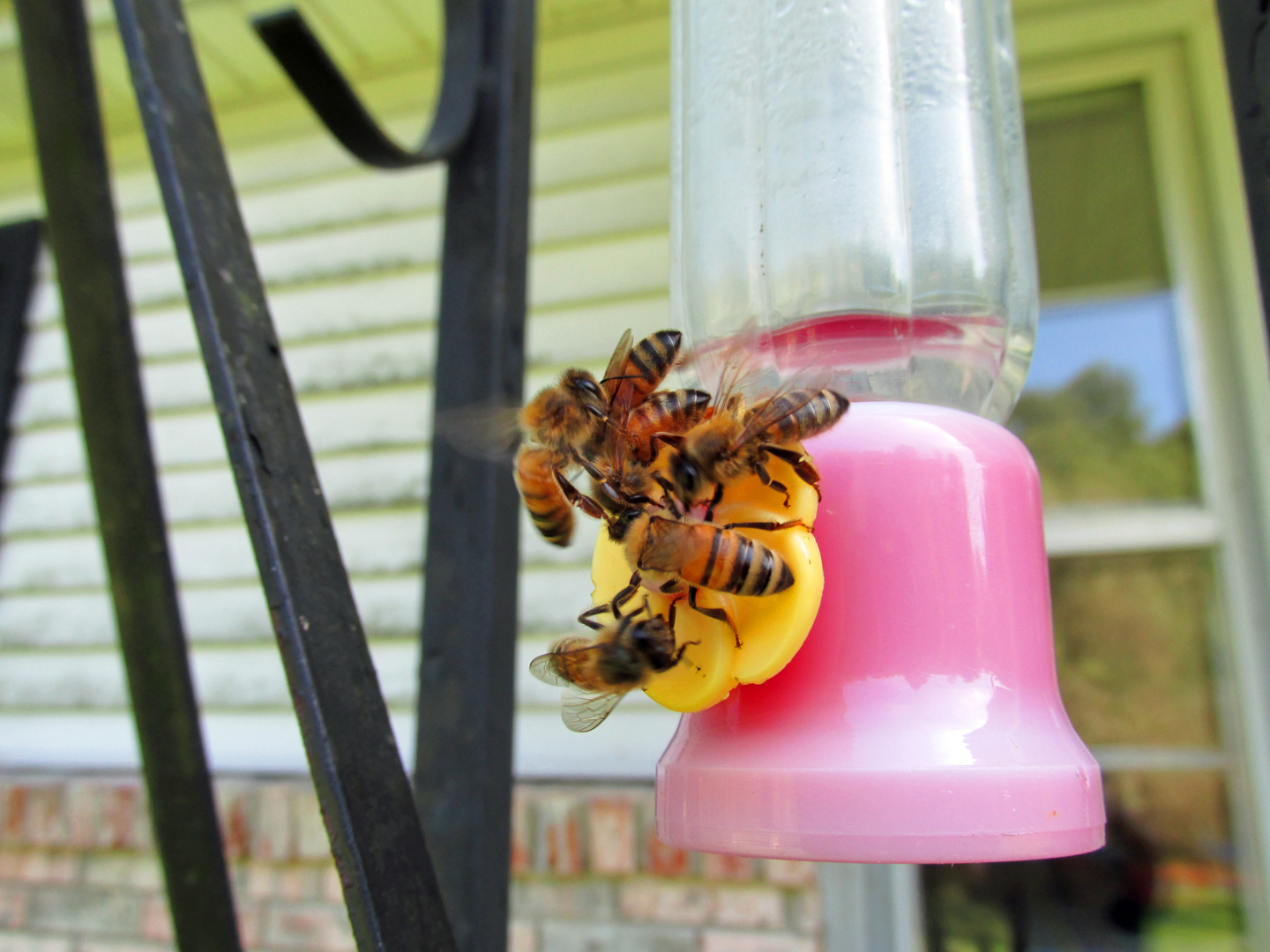
Honeybees can cause problems at feeders; however, methods for dealing with these important pollinators should always be non-lethal.

The most effective solution is to buy a feeder with bee guards, which are simply little plastic shields that allow access for hummingbird bills and tongues but ban bees from squeezing their bodies into a position to reach the nectar solution. Most hummingbird feeders are red, which is supposed to capitalize on the hummingbird attraction to that color, and the bee guards are usually fashioned from yellow plastic. Some of the guards are fashioned to look like tiny yellow flowers to make them more aesthetically pleasing.

Online research also offered a solution that could make everyone (people, hummers and bees) happy. Provide a bowl of sugar water for the bees. They will find it quickly. Gradually move the bowl away from your hummingbird feeders. If this works, both bees and birds can co-exist.

Remember that honeybees are an extremely valuable insect, so any solution to bees invading your hummingbird feeders should definitely be non-lethal.

••••••

DoubleDragon

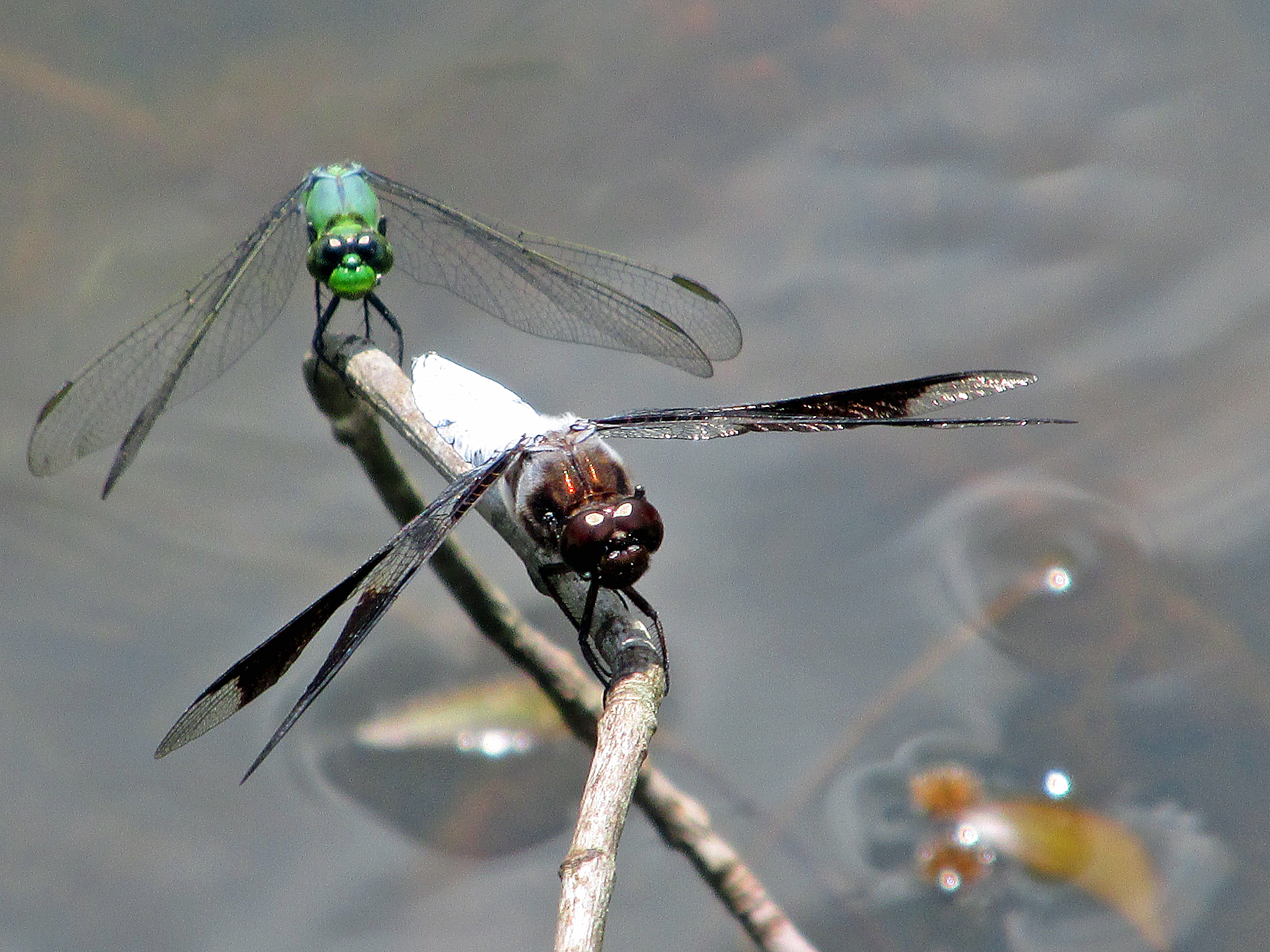
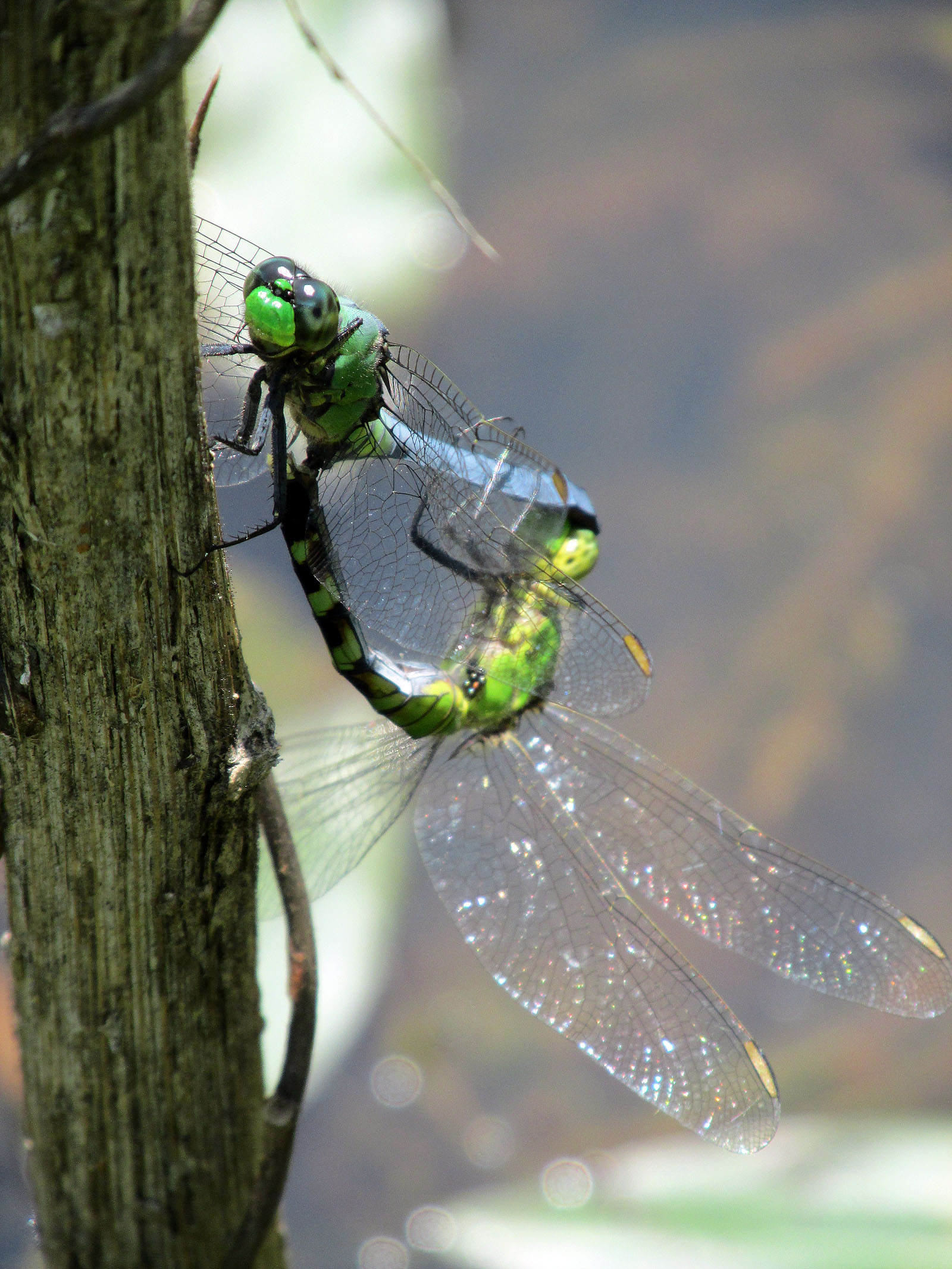
A couple of different dragonflies share a perch at water’s edge.

Since I am already discussing insects, I am taking a hiatus from the birds for one week to introduce readers to some “other things with wings.”

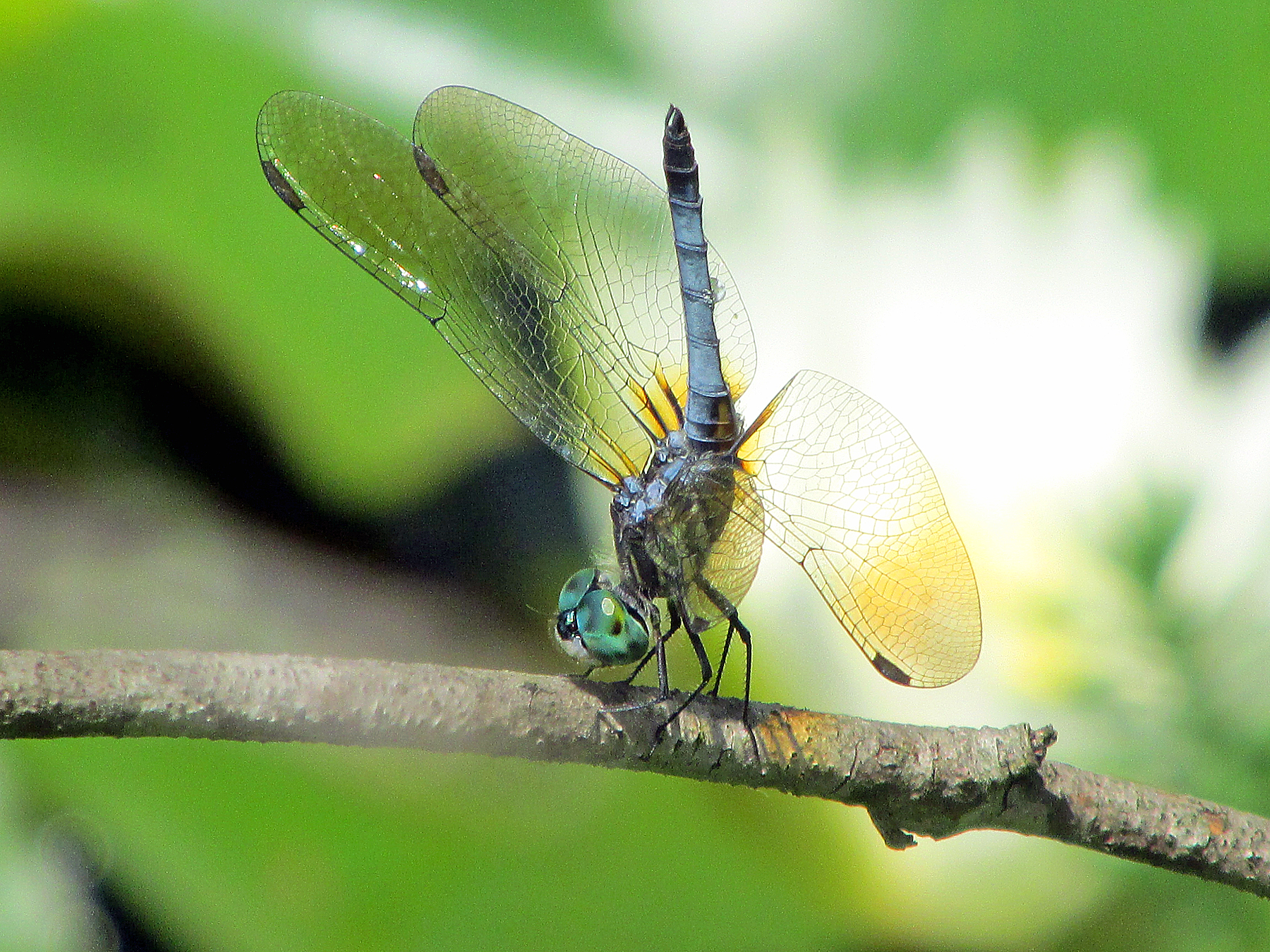
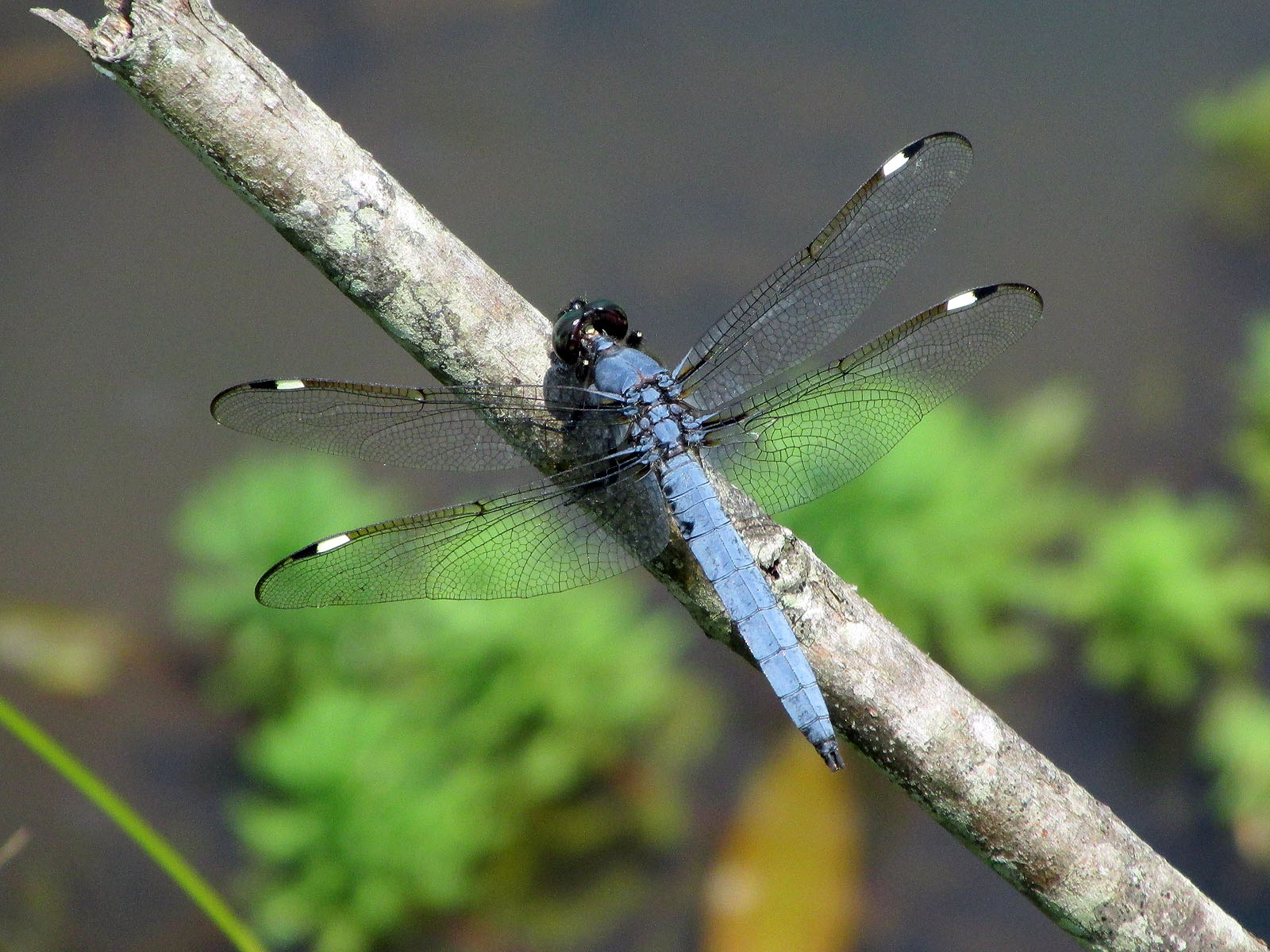
Specifically, I would discuss dragonflies and damselflies, otherwise known as “odes,” or members of the insect order of Odonata. Surprisingly, other than their wings, the odes and birds have a lot in common.

When birds are scarce during the heat of the day, I find that other winged creatures get active and can provide some fun observations. In late summer I spend a great deal of time focused on the dragonflies and damselflies that live along the creek and at the fish pond at my home. The “odonates” are insects with long brightly colored bodies, two pairs of membranous wings and large compound eyes.

BlueDasher-2015

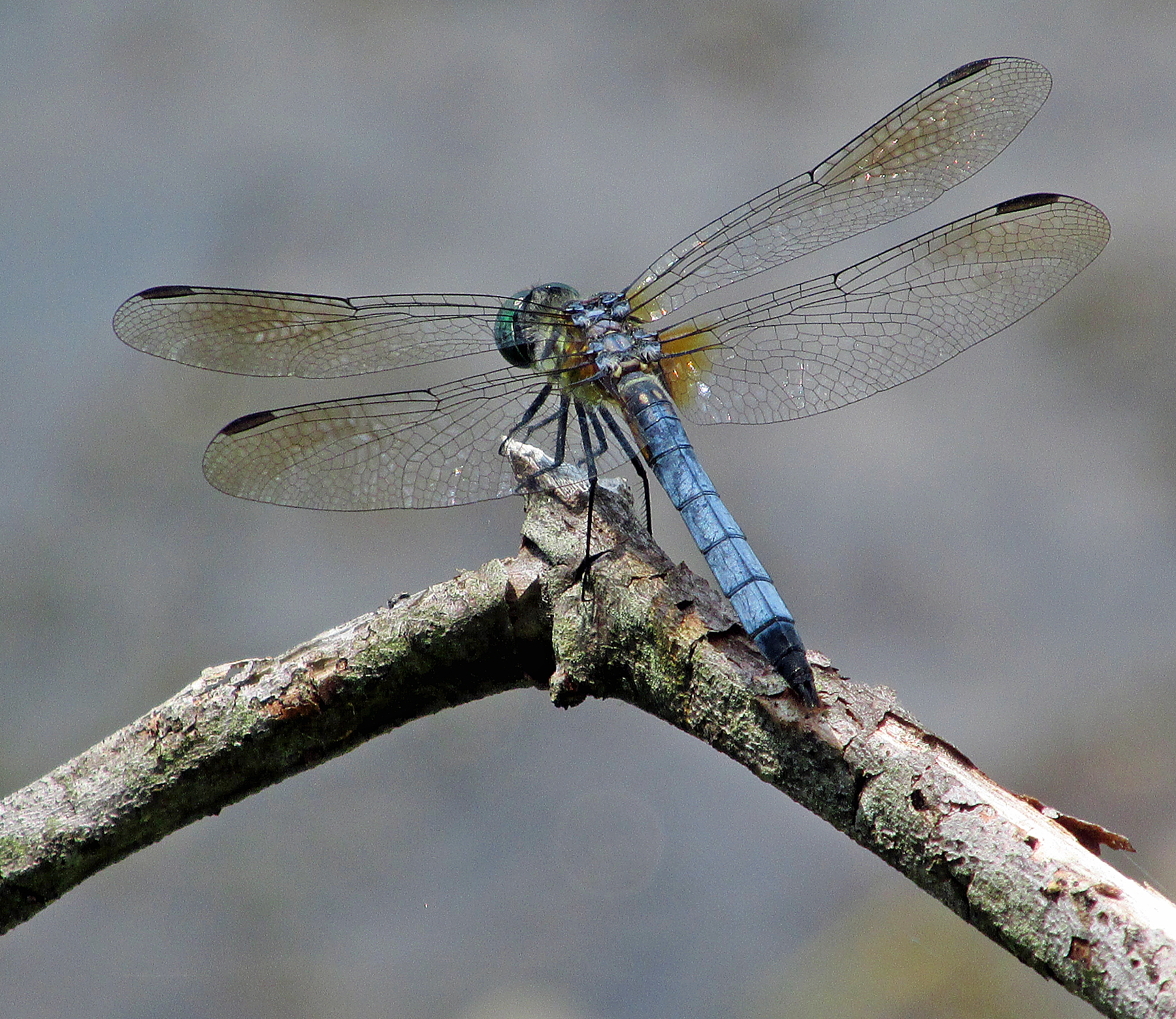
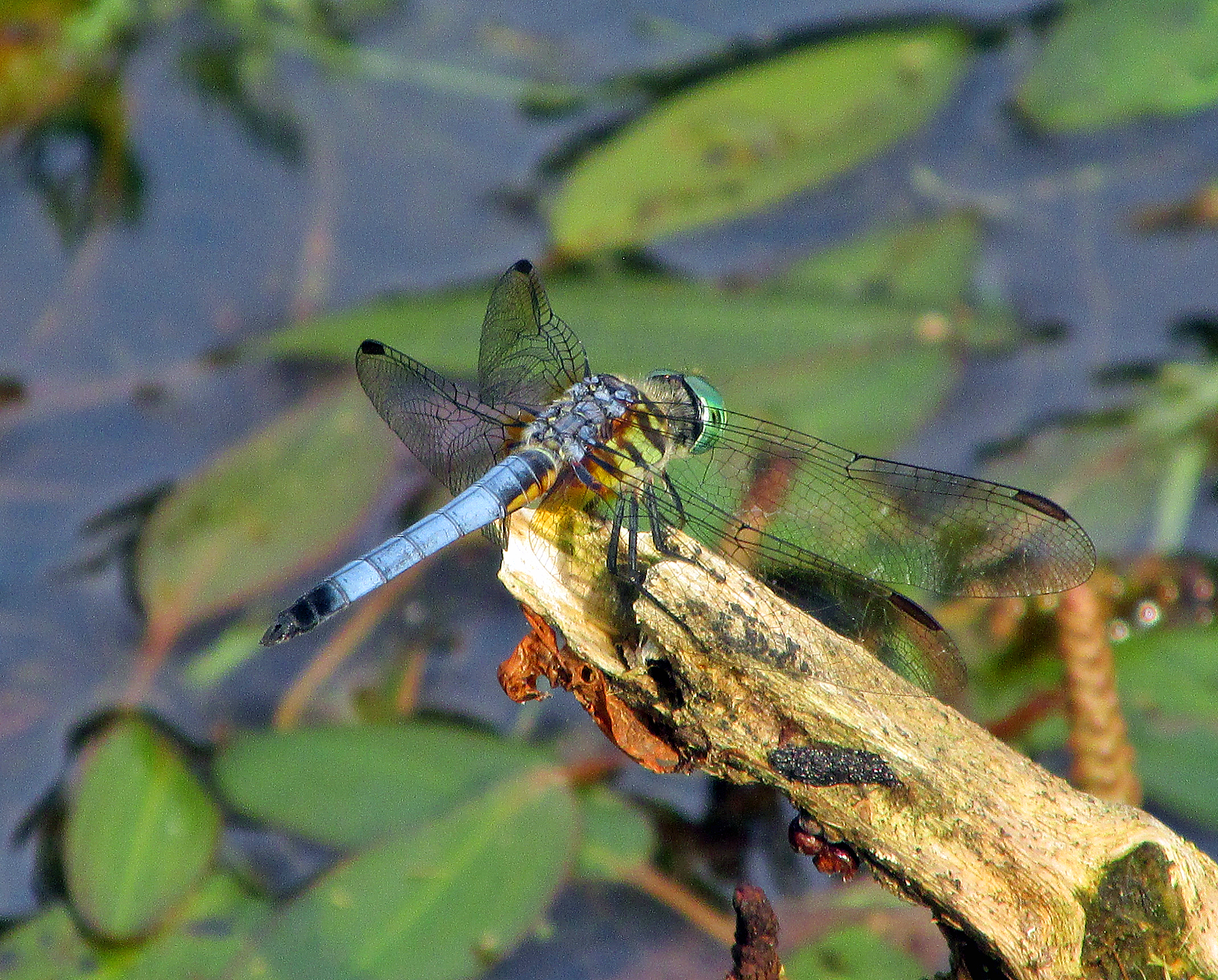
Blue Dasher chooses a prominent perch at a fish pond.

Some of the more prevalent dragonflies in the region include widow skimmer, common whitetail, Eastern pondhawk, Eastern amberwing and slaty skimmer. I also often find the ebony jewelwing, a species of damselfly, fluttering along the creek. These delicate-looking insects like to find a sunny perch near flowing water. I’ve noticed the ebony jewelwings for many years because they are particularly difficult to miss. They have dark wings and a tapering body that glistens with a metallic blue-green sheen.
Damselflies, which are closely related to dragonflies, are usually smaller and less swift. A dragonfly at rest keeps its wings extended horizontally like an airplane’s wings, but damselflies fold their wings over their backs.

All odes are predators, feeding on other insects, but they are harmless to humans. Despite an enduring myth, they cannot sting. They are capable of biting, but will not do so unless they are handled in a careless manner.

If you observe dragonflies long enough, you will start to notice they share one trait with hummingbirds: they are intolerant of any intrusion into their personal space. In the same manner that hummers constantly chase rivals away from a favorite perch or feeder, dragonflies along the edge of a pond are unceasing in chasing and harassing rivals.

BlueDasher-Balanced

Blue Dasher striking a pose. Despite superstitions about them, dragonflies are harmless. They can’t sting and don’t bite unless provoked.

Some cultures consider a dragonfly landing on a person a sign of good fortune. My sister-in-law would disagree. She has an intense, if irrational, fear of dragonflies. Perhaps she learned too much of the misinformation handed down in various human cultures about dragonflies.

Europeans have long linked dragonflies with sinister forces. Some common names for dragonflies, such as darners, come down from older names such as “devil’s darning needle.” Swedes call dragonflies “troll spindles” and Norwegians refer to them as “eye pokers.” Some cultures in South America call dragonflies “horse killers” and others refer to them as caballito del diablo, or the “devil’s little horse.” Some residents of the Southern United States refer to dragonflies as “snake doctors,” believing these insects can stitch and repair any injuries that a serpent suffers. It’s no wonder some people fear a harmless and rather beneficial insect.

CarolinaSaddlebags

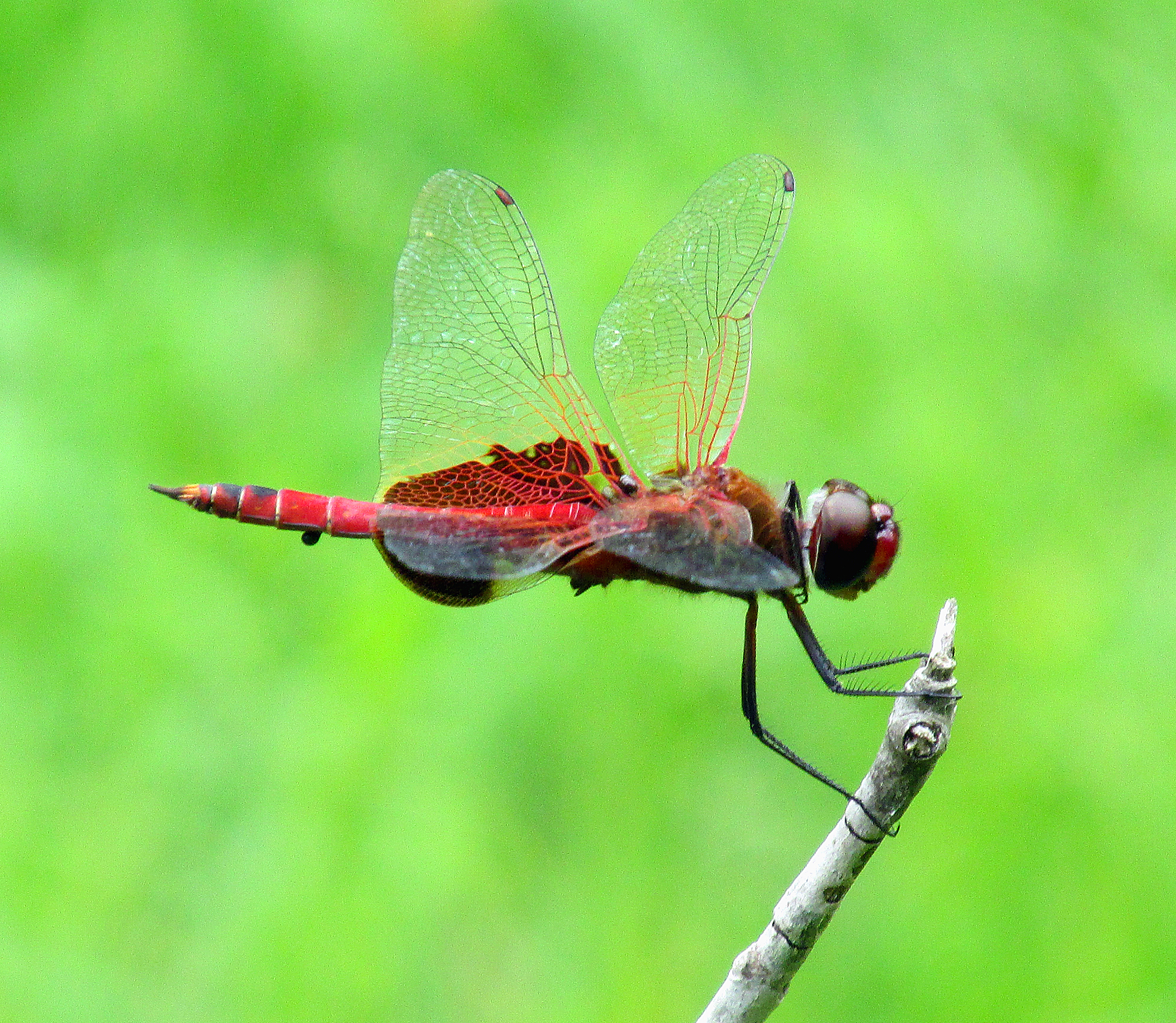
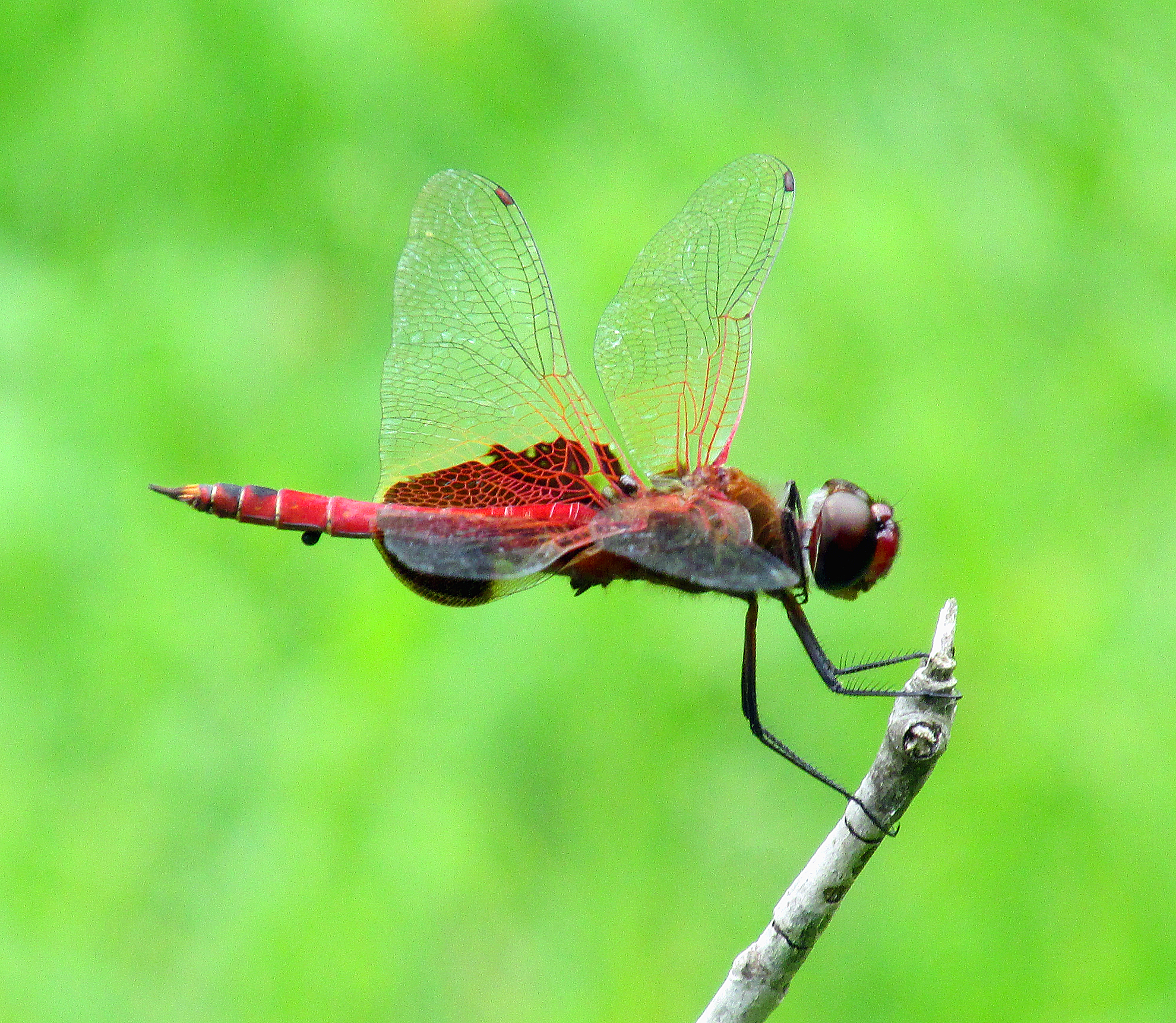
The Carolina Saddlebags, pictured, is one of the species of dragonflies known to migrate.

Native Americans as well as some Asian cultures have a more positive outlook on dragonflies. In Japan, dragonflies represent such concepts as strength, courage and joy. Dragonflies are often depicted in Zuni pottery, and the Navajo use the dragonfly as a symbol to represent “pure water,” which was an important resource for people living in very arid conditions. For both birds and dragonflies, water is also a crucial resource if they are to thrive.

The Hopi and Pueblo tribes also incorporate dragonflies into their art. Many Native Americans consider dragonflies a symbol of renewal. Many others see them as a symbol representing illusion and seeing through deception. I wonder if the use of the dragonfly as a renewal symbol evolved because of the life cycle of dragonflies.

Odes spend the first stage of life as aquatic larvae living below the surface of the water. Later, they emerge as adult dragonflies. During their time spent as larvae, or nymphs, they are voracious predators, tackling other aquatic organisms, including small fish. At the same time, these nymphs are important food sources for some larger fish. Nymphs may spend as long as three years living beneath the water, but adult dragonflies usually live only a few weeks or months.

BlueDasher-COlorful

Blue Dasher surveys its territory at a fish pond.

Adult dragonflies continue to consume prey, which is mostly other insects. Among the odes, there are no vegetarians. “Mosquito hawk” is another common name for them because they catch and eat mosquitoes. They also consume gnats, flies and other insects. So, along with birds such as swallows and nighthawks, the dragonflies help keep in check the numbers of many nuisance insects.

Some of the larger dragonflies are also reputed to attack and eat hummingbirds. I tried to find conclusive evidence, but the jury’s still out in my opinion. However, some of the larger species of praying mantis have been documented capturing and consuming hummingbirds, so it is not too far-fetched to believe some dragonflies might be capable of preying on hummers.

Like many birds, some dragonflies migrate. Species such as Carolina saddlebags, green darners and wandering gliders are known to migrate hundreds of miles.

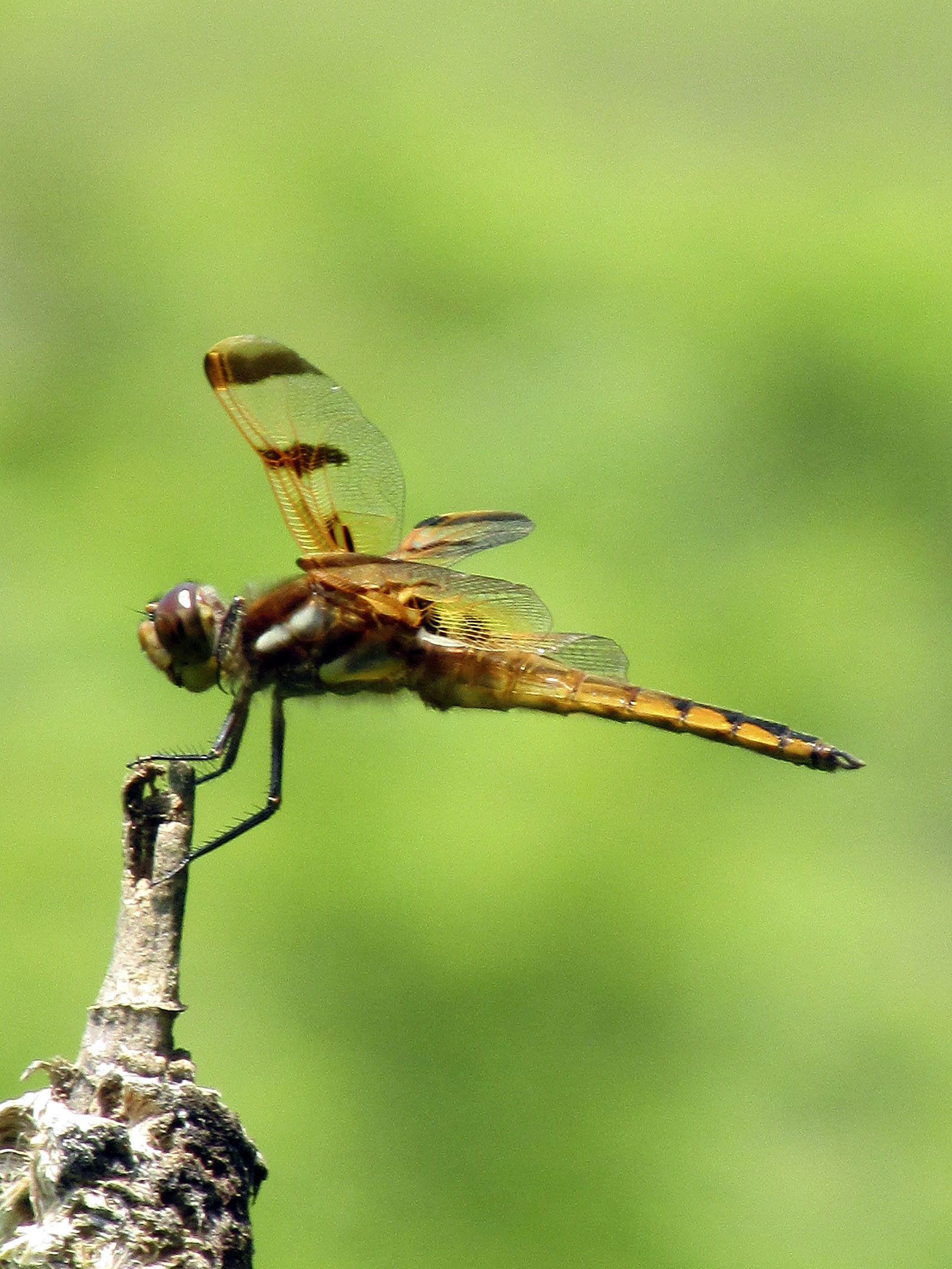
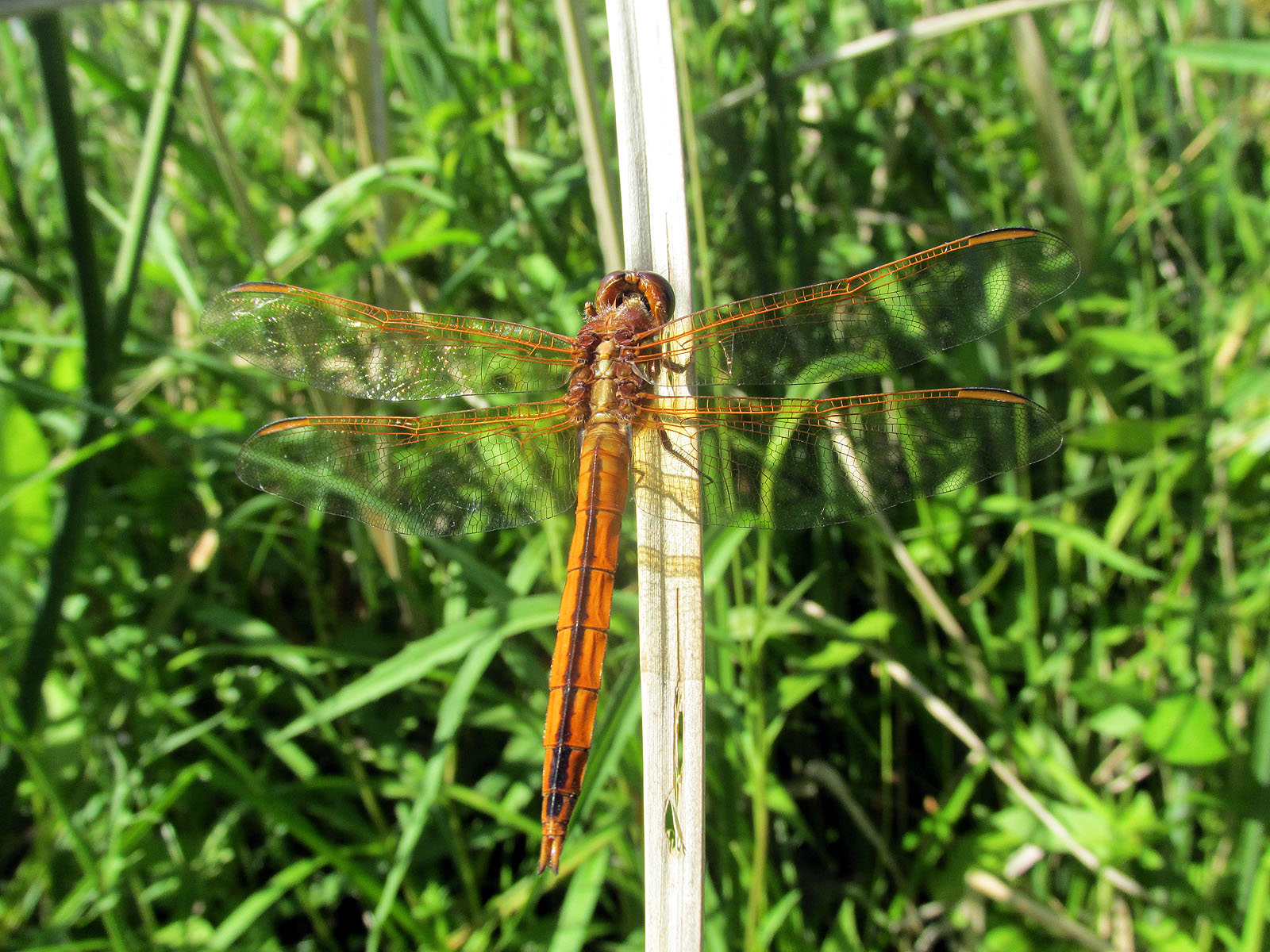
PaintedSkimmer-One

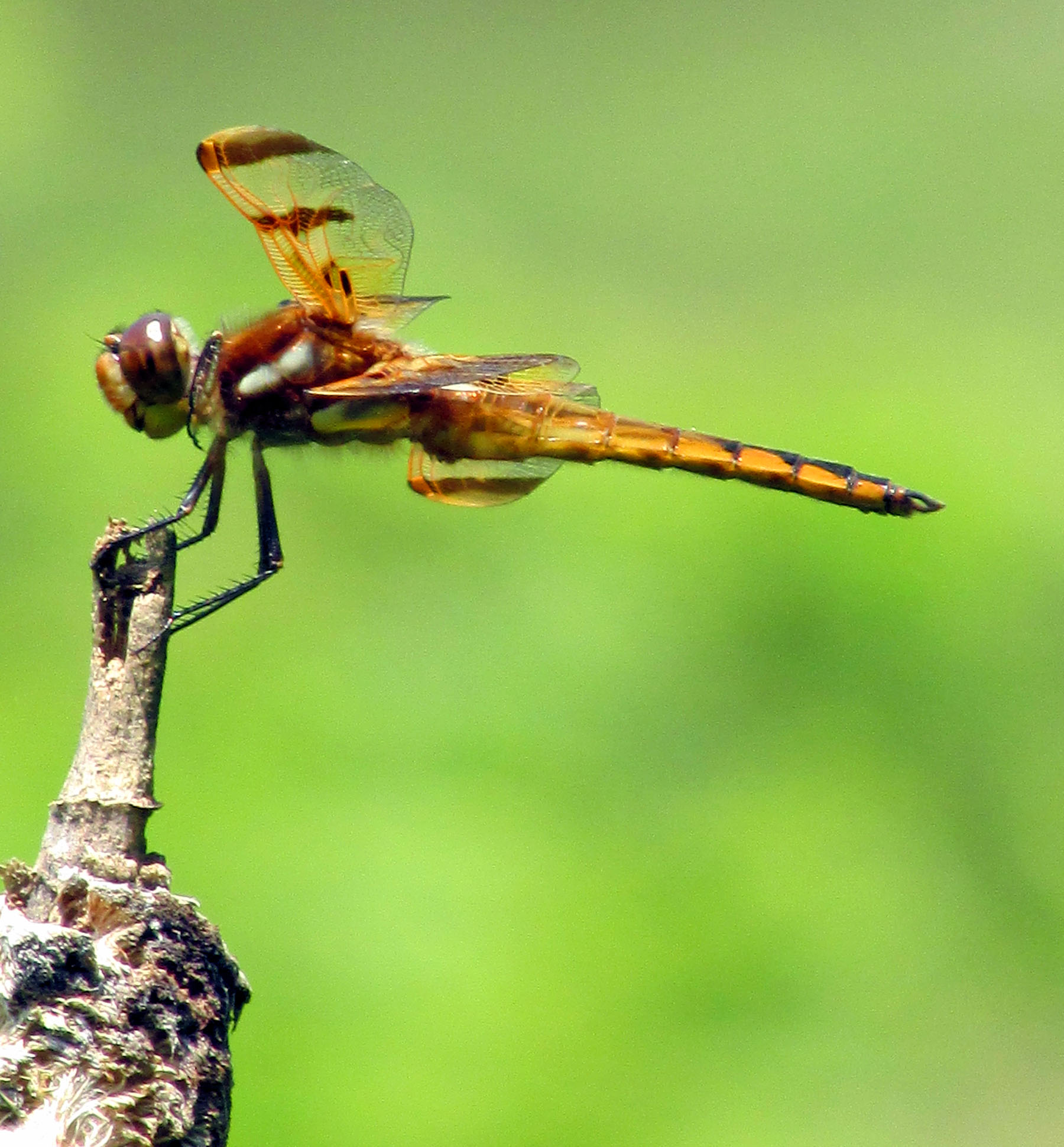
Painted Skimmer clasps a cattail.

In recent years, dragonfly-watching has emerged as a nature pastime to rival the watching of birds and butterflies. Why watch dragonflies? Well, in many ways, they are just as fascinating as birds and other wildlife.
Here’s some fun trivia about dragonflies:

• Odes have excellent eyesight. Their compound eyes have up to 30,000 facets, each of which is a separate light-sensing organ arranged to give nearly a 360 degree field of vision. Their vision also makes it difficult to sneak up on a dragonfly. I have learned this during my attempts to photograph them.

• Dragonflies are built for speed. Many experts credit dragonflies with the ability to fly at speeds between 19 to 38 miles per hour. They have also been documented traveling as much as 85 miles in a single day.

• Dragonflies can hover and fly backwards, a feat achieved by only hummingbirds among our winged friends with feathers.

• Dragonflies are ancient. They appeared 100 million years before dinosaurs and 150 million years before birds.

Pondhawk-Impatiens

Eastern Pondhawk perches on an impatiens bloom.

• The largest dragonfly to ever live was Meganeura monyi, which lived during the Carboniferous period about 300 million years ago. It resembled and was related to present-day dragonflies. With a wingspan of almost 26 inches, it is one of the largest known flying insect species.

• Worldwide, there are about 5,000 species of dragonflies, but only about 400 are found in North America.

Mid-summer brings more experiences with the natural world

As July advances, there’s plenty to experience with our friends with wings. It’s also good to remember not all those wings have feathers. Summer is a great time to observe a variety of interesting winged insects, including moths, butterflies, dragonflies and damselflies.

Mallard-Drakes

Photos by Bryan Stevens                A pair of Mallard drakes strike a pose along the walking trail through a wetlands in Erwin, TN. Mallard males lose their shiny green heads during the summer months, making them look quite different from the ducks we are used to seeing during the winter and spring.

CarolinaSaddlebags

A Carolina Saddlebags perches at a fish pond in Hampton, TN. This dragonfly, like many species of birds, is known to migrate.


Dove-Wing

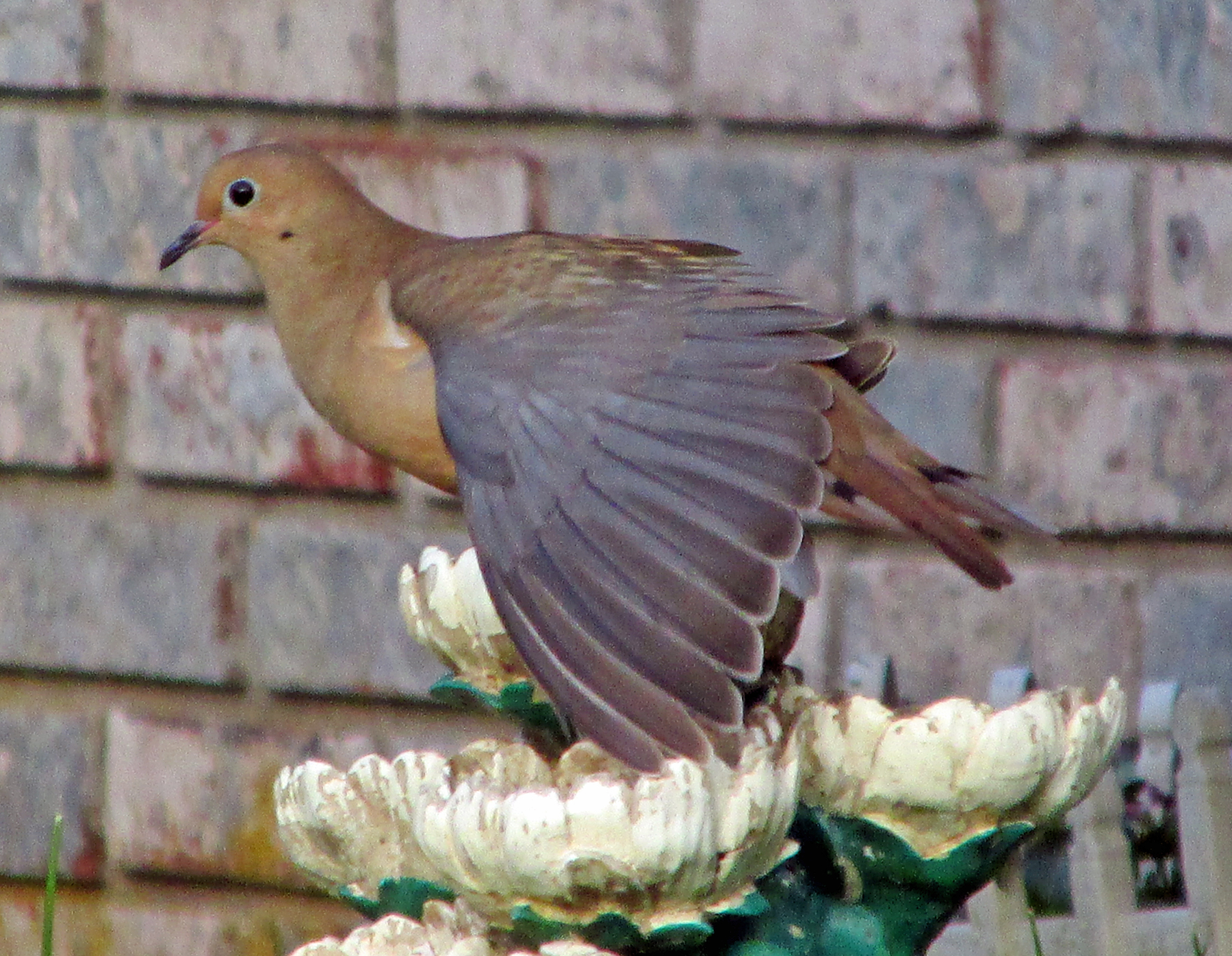
A Mourning Dove stretches it wing while perched at a feeder.

Amberwing-PondJuly

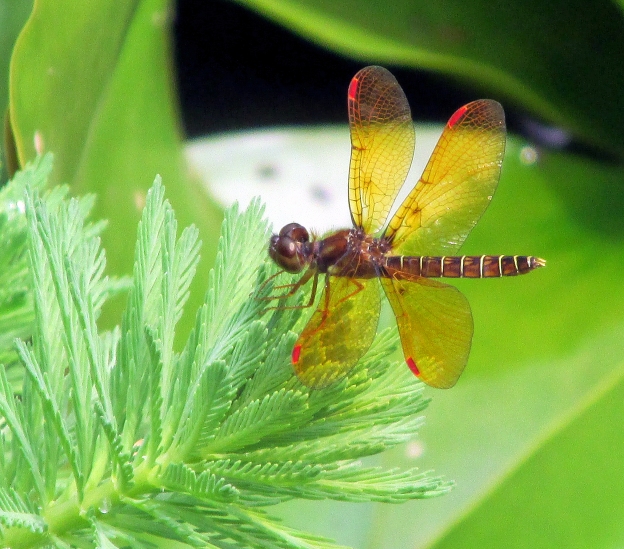
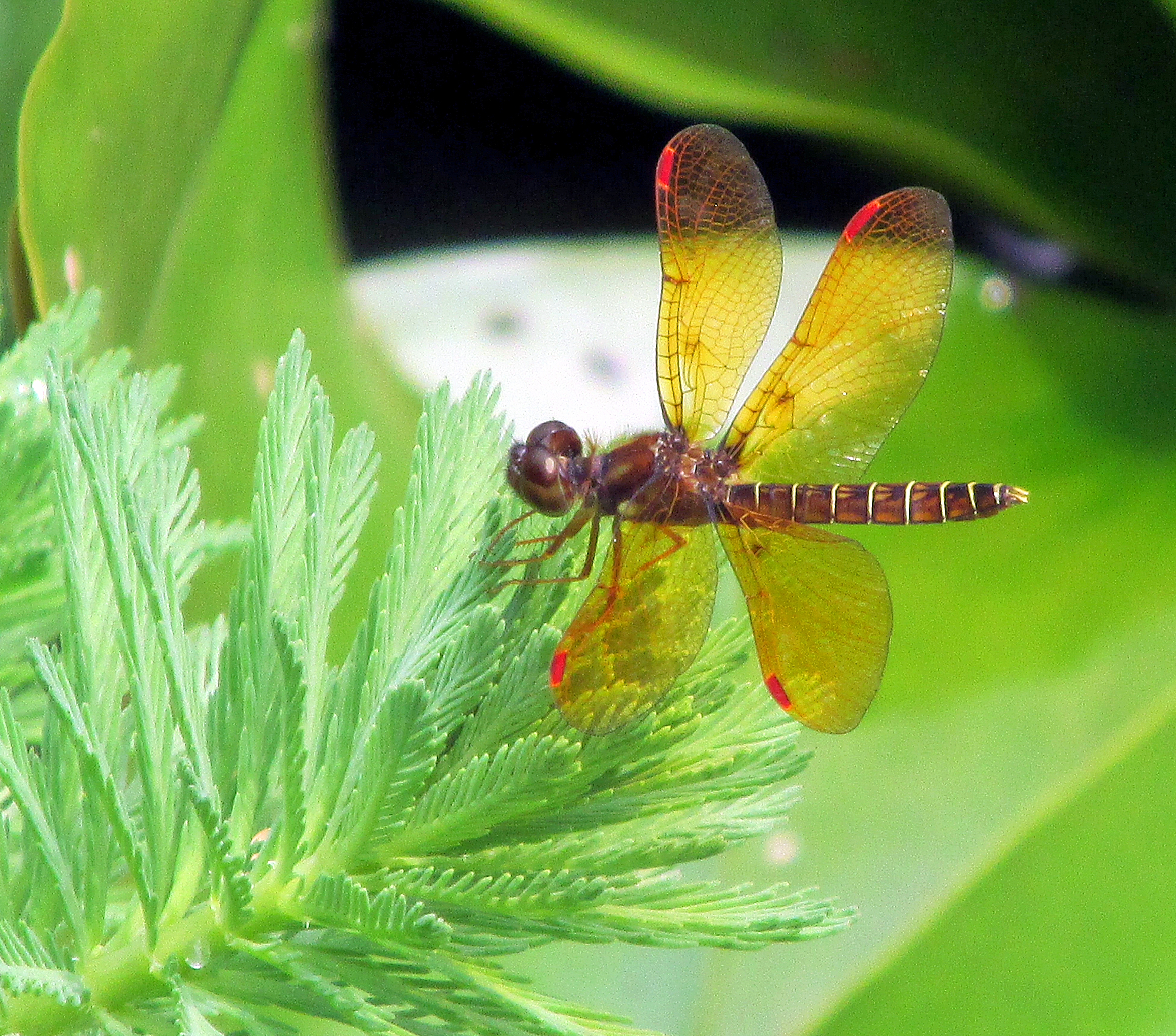
The Eastern Amberwing, one of our smaller dragonflies, begins to emerge in July. Don’t let this photo fool you. While it may look interested in munching on this plant, all dragonflies are predators, capturing and devouring other insects. They’re harmless to humans, however.

Above-BelowSurface

An Ebony Jewelwing perches on a branch above the water’s surface. Beneath the surface, a dace swims past the damselfly’s shadow.

Skipper-Glad

Many summer flowers are in bloom. This gladiola attracts a Silver-spotted Skimmer.

Polyphemus-One

Some of the larger moths, such as this Polyphemus Moth, fly during the height of the summer season.

Catbird-Bottle

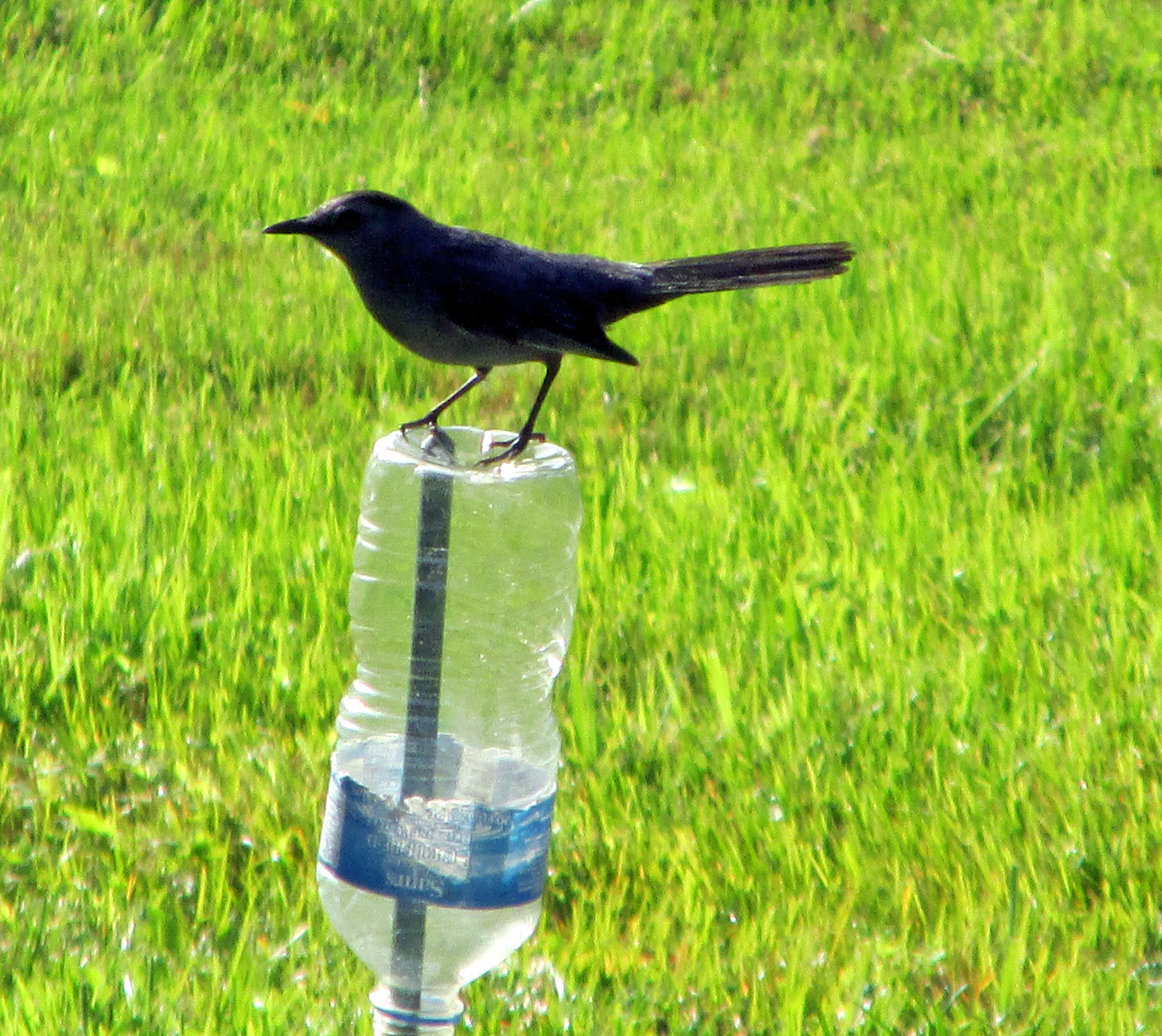
A Gray Catbird perches on a water bottle atop a garden post.

Cardinal-MorePlease

A male Northern Cardinal visits a feeder for some sunflower seeds during a break from feeding young.

IMG_2786

A Ruby-throated Hummingbird visits a feeder for a sip of sugar water. Summer also brings an abundance of natural nectar from various flowers.

Summer is a great time to get outside, enjoy the sunshine and let nature entertain and enlighten you. Enjoy!


Birds adopt many strategies for care of their young

One question that tends to pop up every June in my email or on Facebook concerns the presence of hummingbirds.  The status of hummingbirds at my own home since their arrival back in April has been somewhat sporadic. I think this has been noticed by some other people, too.

MommyHummer

Photo by Bryan Stevens                                                                  A female Ruby-throated Hummingbird visits a feeders. Female hummingbirds in our yards in June and July are probably nesting residents.

The hummingbirds were scarce in April and May. When June arrived, their numbers began to increase.

However, this pattern that I saw this year is usually just the opposite. The hummingbirds are usually abundant in early spring, taper off in June and July, and then increase again in August and September. Basically, I think their numbers just naturally fluctuate. Some years we have more of them than other years.

There are other possibilities to explain the absence of hummingbirds. It’s always possible that hummingbirds, adhering to the philosophy that “the grass is always greener” elsewhere have taken to exploring a neighbor’s yard and gardens.

Hummingbirds, like many of the songbirds that spend the summer season with us, keep busy this time of year with the task of raising offspring. That alone could explain a temporary lull in their numbers in our yards and gardens.

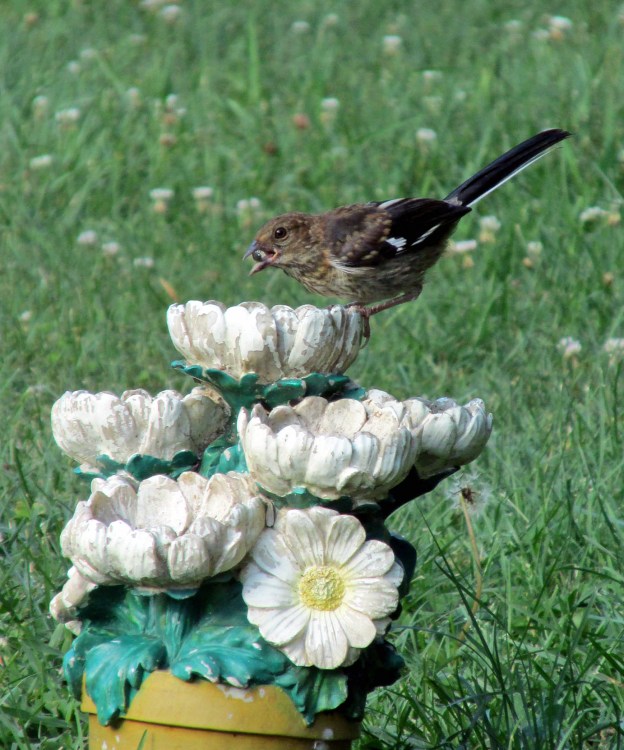
BabyTowhee

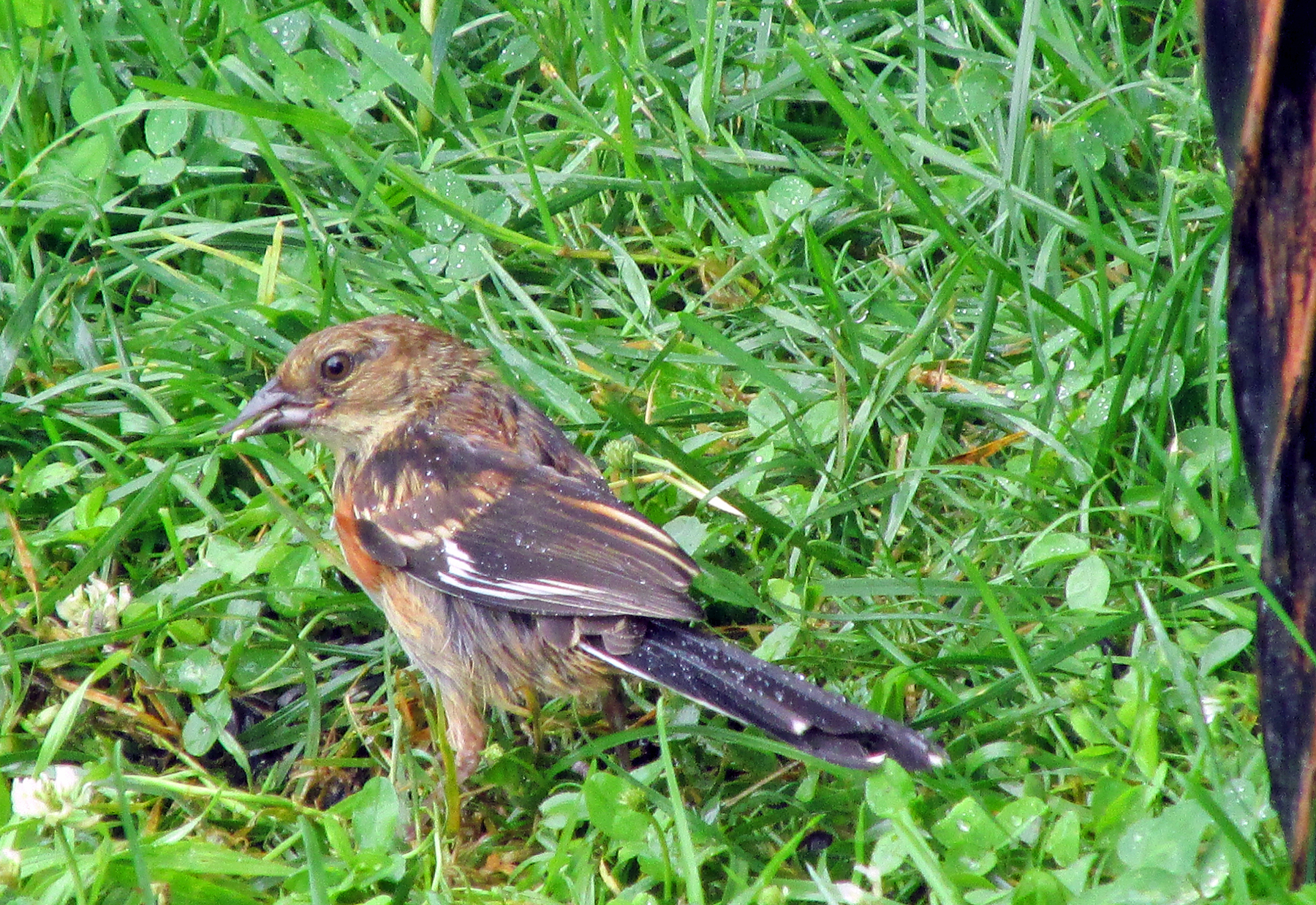
Photo by Bryan Stevens                                                A young Eastern Towhee, not long out of the nest, looks for sunflower seeds in the grass beneath a feeder.

Many species of birds attempt to nest two or even three times during the summer nesting season. So far this year, I’ve observed nesting activity by a wide variety of birds, including Northern cardinals, brown thrashers, Eastern towhees, Eastern bluebirds, tree swallows, song sparrows, white-breasted nuthatches, Carolina wrens and downy woodpeckers.

All birds, from tiny hummingbirds that are mere inches long to an ostrich that can stand more than nine feet tall, start out as eggs. Birds have developed a range of ways to protect and incubate eggs to ensure the continuance of the species.

For many birds, the strategy is to produce as many young as possible in a limited amount of time. The hooded warbler, which spends the winter months in Central America, will usually make multiple nesting attempts in a season. The female constructs a cup-shaped nest, which is a design common to many of our songbirds. She will lay three to five eggs in the nest. Incubation of the eggs is a duty usually performed solely by the female, but her mate helps by guarding the nest and surrounding territory. Both parents feed the young once they have hatched after about two weeks.

Not all birds share in the task of caring for helpless young. For instance, the male ruby-throated hummingbird shows not the slightest inclination to assist the female with the duties of rearing young. All ruby-throated hummingbirds are raised by single mothers. Male hummingbirds spend the summer sipping nectar, dueling with other male hummers and courting multiple females.

Hooded warbler pairs, as is the case with many songbirds, share the work of feeding and tending young. Many of these young birds spend very little time in the nest after hatching. Hooded warblers have typically left the nest within nine days of hatching, although parents continue to feed the young as they learn to fly and care for themselves.

BS-Phoebe-Baby

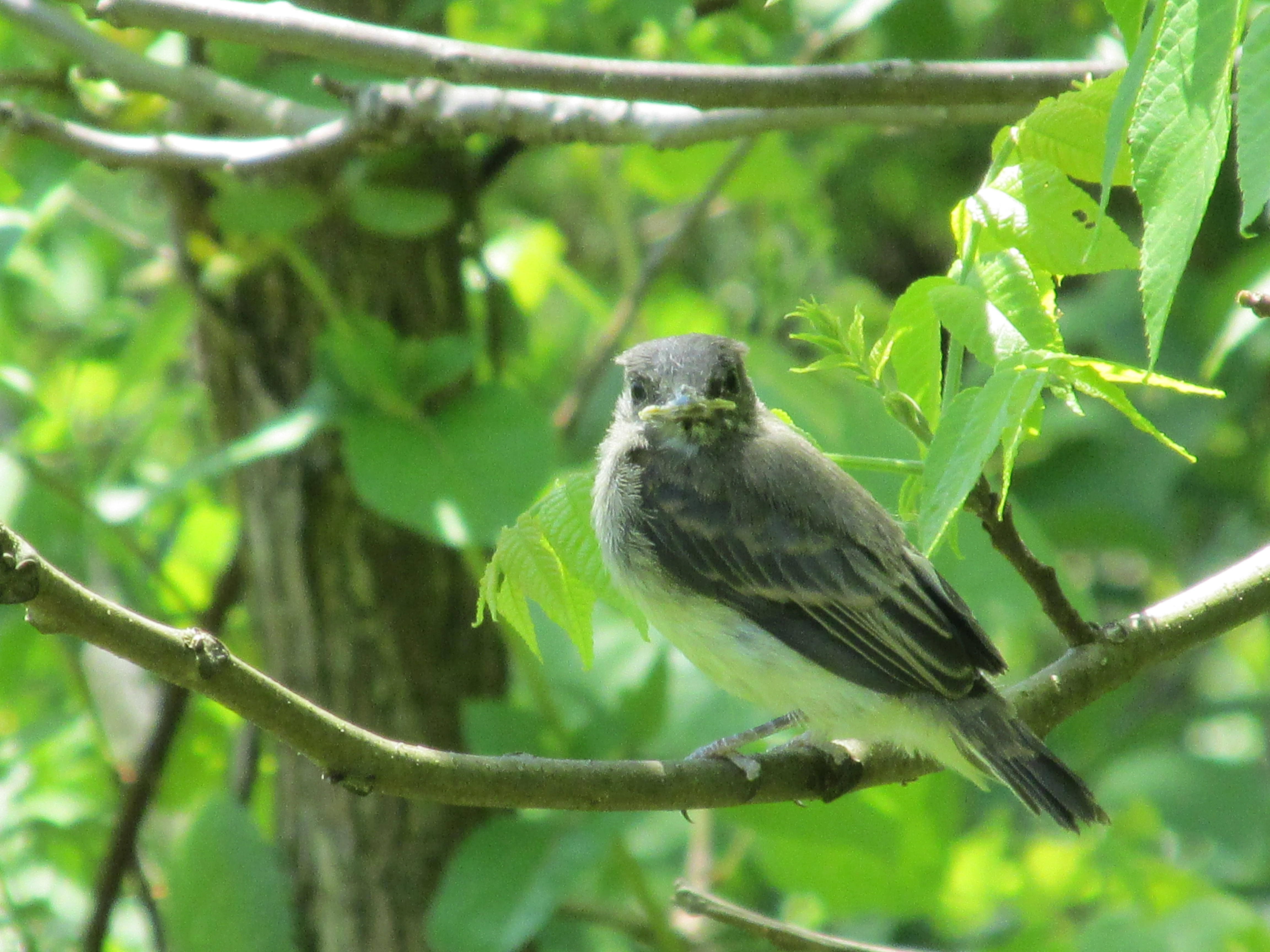
Photo by Bryan Stevens                                    An Eastern phoebe fledgling perches on a tree branch.

Some birds, such as Northern Cardinals, often delegate the duty to the male for caring for young that have fledged from the nest. As the male trains and continues to feed the maturing young, the female cardinal often begins the work of building a second nest, laying another clutch of eggs and incubating them. Time is scarce. By getting a jump-start on a second nest, the female cardinal, if successful, may produce eight to ten new cardinals in a single nesting season.

John-James-Audubon-Common-Cow-bird.-1.-Male.-2.-Female.-3.-Young

A painting of Brown-headed Cowbirds by John James Audubon.

Some birds, however, have bypassed the necessity of nesting altogether. If all hummingbirds are reared by females, then all young cowbirds are from foster homes, or nests. Female cowbirds slip their eggs into the nest of other unsuspecting songbirds. The hooded warbler is often a victim of this practice, which is known as “nest parasitism.” Some experts have conducted studies that indicate as many as 75 percent of hooded warblers in some areas are parents to cowbirds foisted on them.

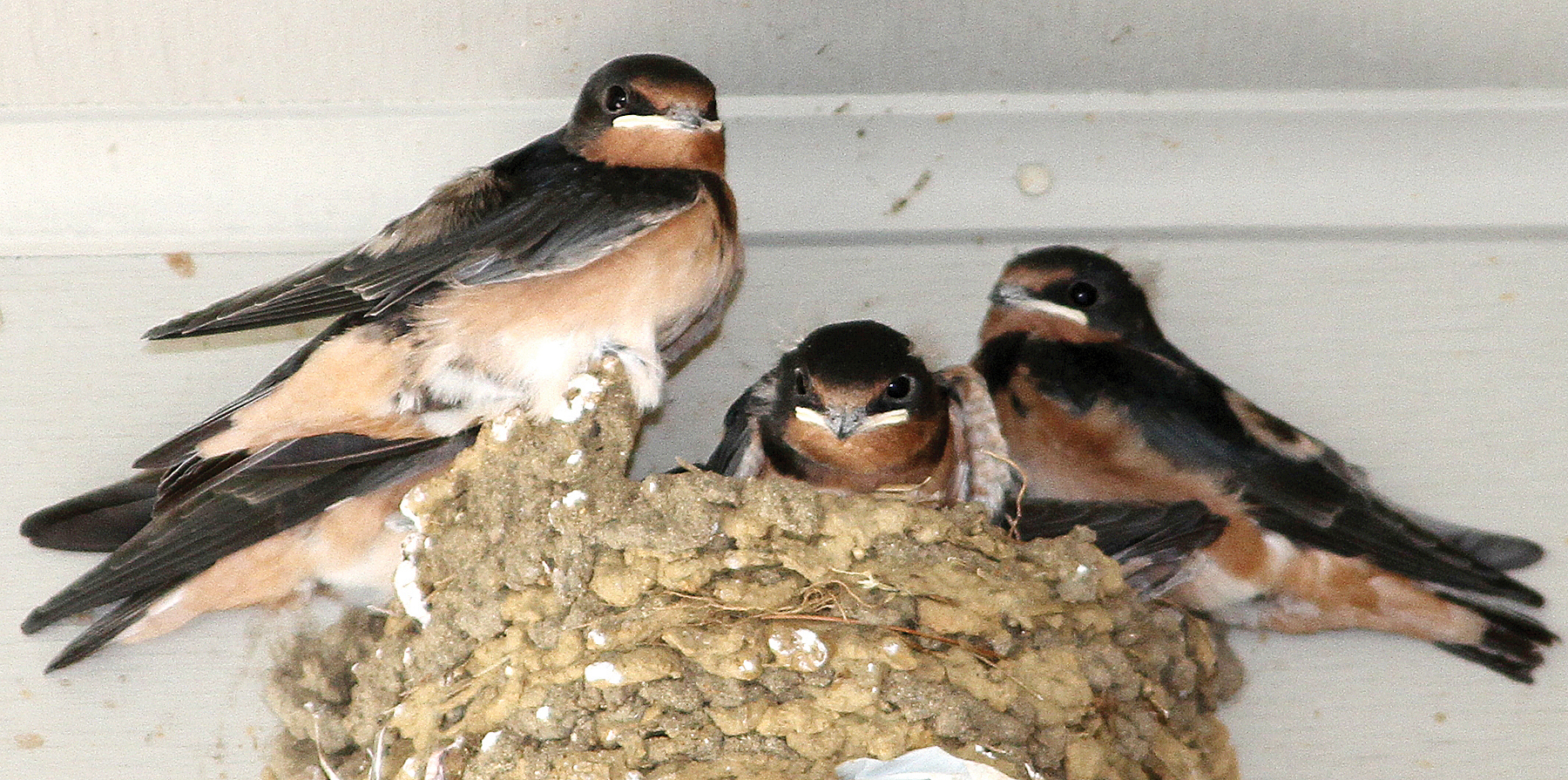
BarnSwallows.jpg

Photo by Bryan Stevens                                Young barn swallows in their nest await a delivery of food by their parents.

It’s not wise to condemn cowbirds for a behavior that would strike us as immoral. The peculiar reproduction strategy for the cowbird came about as a natural necessity. Cowbirds once followed the massive herds of bison across the North American continent, feeding on the insects and seeds displaced by the hooves of these huge animals. Since the bison herds stayed on the move, the cowbirds didn’t have the luxury of staying put for a couple of months to raise young.

The decimation of the bison herds could have proven a disaster for the cowbirds. That wasn’t the case, however, since these adaptable birds simply switched from following bison herd to doing the same with the enormous numbers of domestic cattle that inherited the range of the buffalo, or bison.

These are just a select few ways that birds succeed year after year in the never-ending effort to ensure the survival of the species for another generation. Many obstacles stand in their way. Any time you see birds bringing their babies to a feeder in your yard or a shrub in your garden, recognize this moment as a singular triumph for the labor and dedication our fine feathered friends have invested in this outcome.

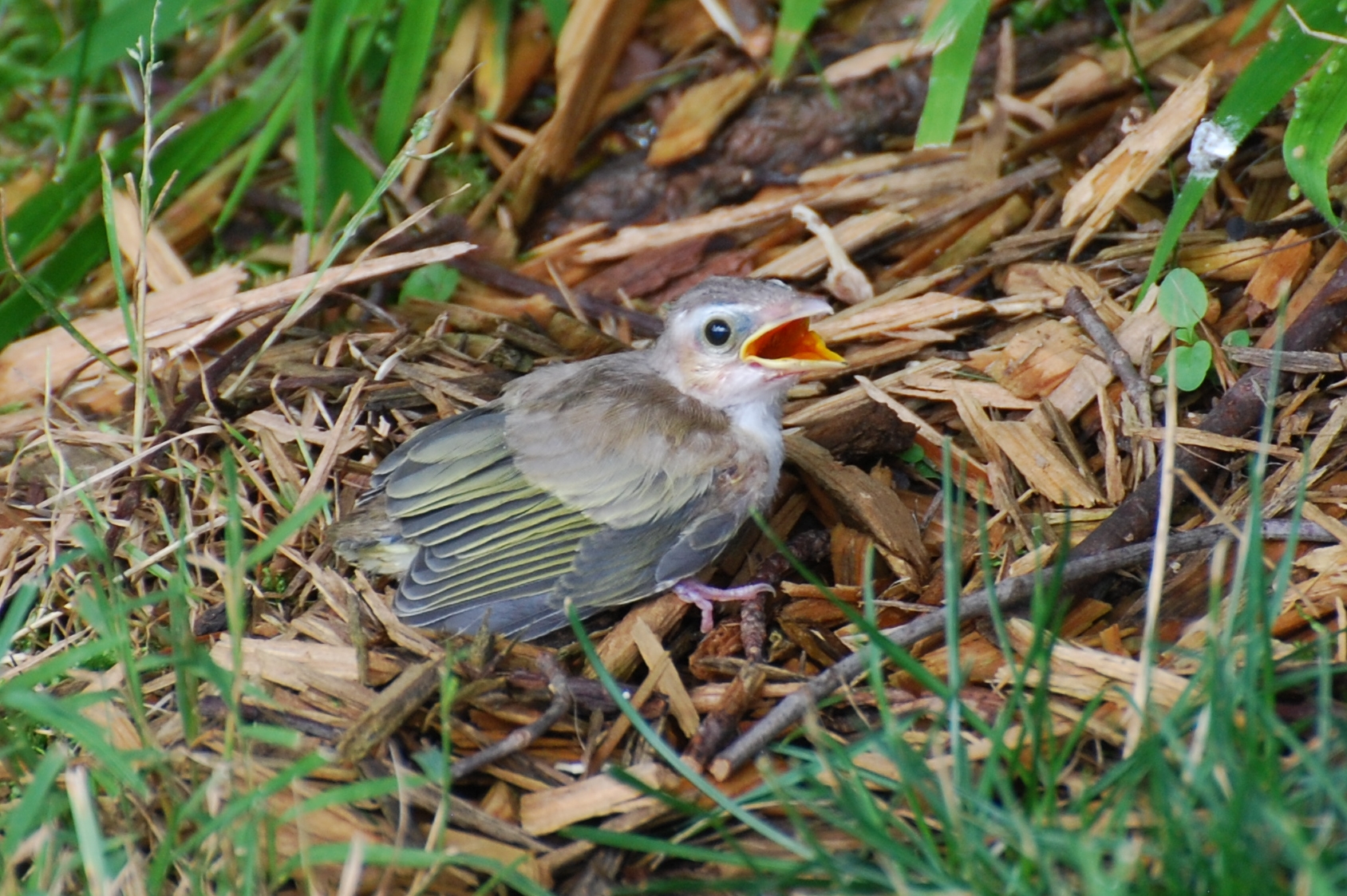
JP-RedEyedVireo-Fledgling

Photo Courtesy of Jean Potter                                                                                                                A young Red-eyed Vireo calls for food while concealed on the ground after leaving the nest. As is the case with most songbirds, parents continue to care for young even after they have left the nest.

Slowing your pace may bring birding benefits

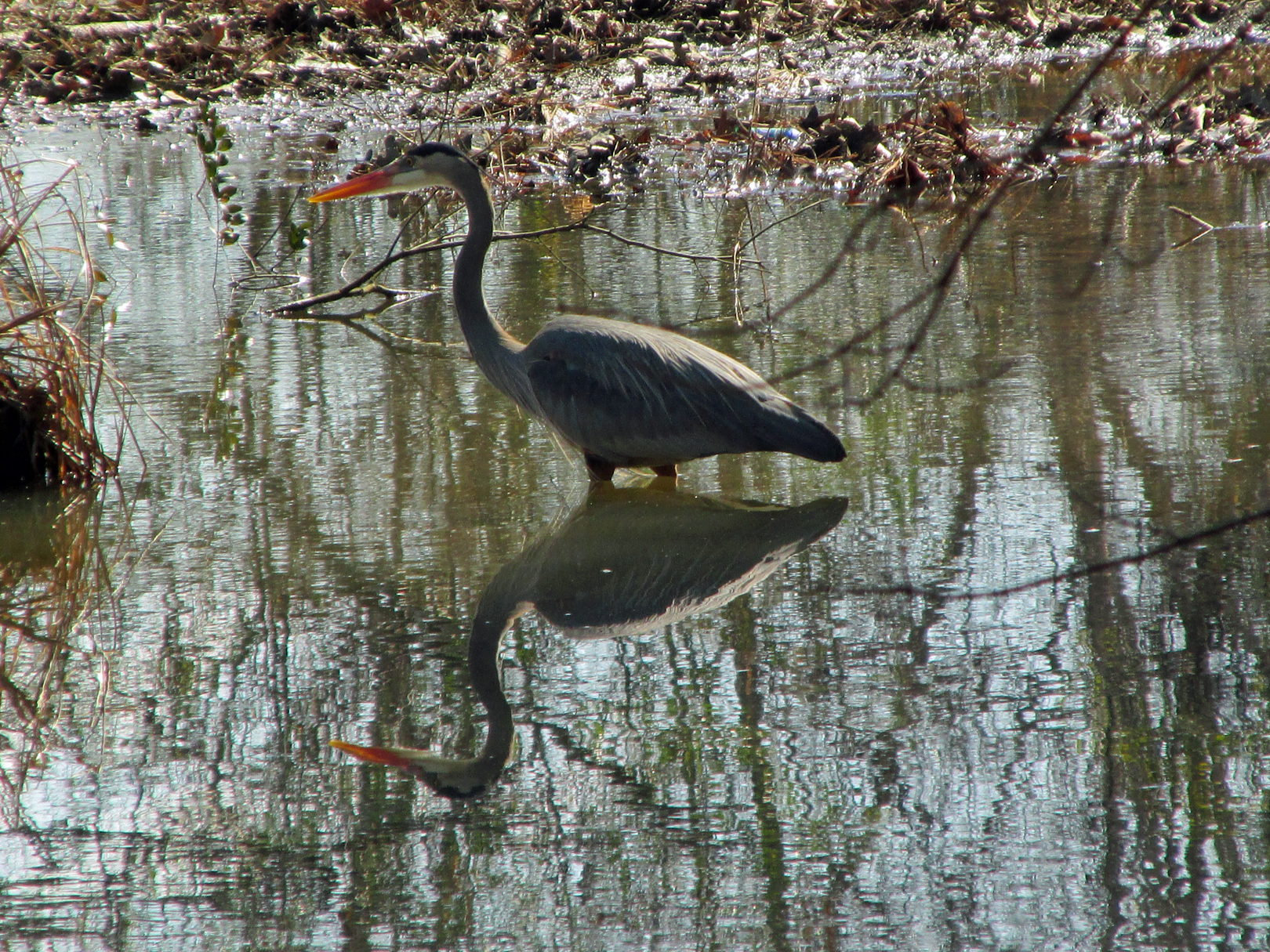
Heron-CandlerMurphy

Photos by Bryan Stevens                                                                    A Great Blue Heron wades in a pond along a woodland park trail.

I enjoyed a recent trip to Pawleys Island, South Carolina, which gave me an opportunity to see some birds rarely encountered here at home. By the end of my seven-day stay, I’d compiled a list of 93 species, most of them seen at Huntington Beach State Park and Brookgreen Gardens. If you ever get an opportunity to visit either of these attractions, I’d encourage you to take it. Even if you’re not a birding enthusiast, the park and gardens are fascinating destinations with a range of activities available to visitors.

For me, it was a week of snapping lots of digital photographs and trying to cover as much ground as possible. Under such circumstances, it’s easy to forget to take time to find a moment to stop and simply enjoy.

I had such a moment present itself while exploring a nature trail within the grounds of Brookgreen Gardens. After taking a couple of photos of a flower blooming in a wetland created from what was once a rice plantation, I filled up my camera’s memory card. I didn’t have a spare card with me. Of course, I was irritated with myself for forgetting to bring a back-up card.

I found a seat on a bench shaded by overhanging trees draped with the ever-present Spanish moss. The bench was positioned to look toward a quiet cove near a deck built over a creek for the purposes of nature observation. I had only been seated for about a moment when a great blue heron landed only a few yards away from me.

Heron_Face

A Great Blue Heron is a study in patience as the bird waits for a fish to get within striking distance.

The heron almost immediately noticed my presence. I hardly dared to breathe, let alone move, because I wanted to prolong this close proximity with the large wading bird. Keeping a watch on me, the heron shuffled along the water’s edge. Obviously, the hungry bird was reluctant to cede this prime fishing hole to me— or any other competing angler. As we both relaxed, I found myself fascinated with watching the bird’s careful, almost dainty, steps through the vegetation choking the edge of the deep creek. A few insects buzzed around my head, but I resisted the urge to slap at them.

I also tried to send positive thoughts to the bird. I formed messages in my head that could have come from a sci-fi movie of first contact, such as “I mean you no harm.” I also “informed” the bird I wanted nothing more than to observe, which was technically true since I no longer had the capacity to store any photos I might have taken.

Still wary, the bird began to divide its attention between me and any potential aquatic prey to be found in the water. That’s when I also began to communicate wishes for successful fishing.

I’m not particularly given to these sorts of whimsy, but I felt rewarded that the heron had been willing to trust me so far. I didn’t really need a camera to record for memory the large bird’s actions. On a couple of occasions, the heron stabbed its bill into the water lilies and other aquatic vegetation along the creek’s edge. It even caught a small fish that quickly disappeared down the bird’s long neck and into the waiting stomach.

Even in the shade, it was still rather warm. Welcome breezes would often blow, cooling me and ruffling a few of the heron’s feathers as it continued to explore.

If I had attempted to photograph the scene, the bird would have been frightened and departed. I might have gotten one photo, but the intimate observation would have ended prematurely. This almost happened despite my efforts to remain unobtrusive when I heard voices and realized a couple was walking the same trail.

It was, after all, a public trail open to all visitors at Brookgreen Gardens. I expected that their arrival would spook the bird. I was delighted to be wrong. The bird again shuffled to the far end of the small cove. The couple didn’t even notice the heron until they had almost drawn even with the bird’s position. They remarked on the bird, then continued their walk. I smiled at them as they passed and eventually moved out of sight.

The heron returned. I watched the bird for a few more minutes. Then, rising slowly, I turned and walked off in the same direction as the couple. By now, the heron had moved farther out to the mouth of the cove. In an experiment, I walked to the location where the bird had first landed. I counted out each step in my head. It took 20 steps to move from the bench to the place where the heron had landed on its initial arrival.

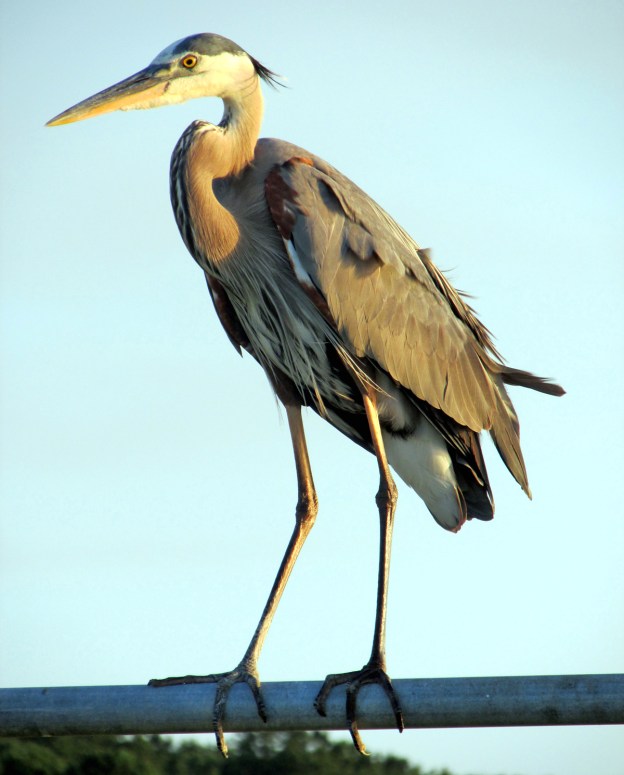
GreatBlueHeron-Serene

A Great Blue Heron perches along the causeway at Huntington Beach State Park in South Carolina.

I had been within 20 steps of the graceful, beautiful bird. I’d gotten to share its personal space for a short interval. Of course, the bird has probably grown accustomed to people since Brookgreen Gardens is a well-visited attraction. But even the most “tame” wild birds maintain an inviolable sense of personal space, so I still felt I’d accomplished something with the short interval I enjoyed in the company of the heron.

Keep in mind that everyone enjoys birds for different reasons. Just be sure to take the time every so often to actually get to know the birds that you’re using as a photography subject, adding to a checklist or offering tidbits at a feeder.

•••••
Bryan Stevens lives near Roan Mountain, Tennessee. To learn more about birds and other topics from the natural world, friend Stevens on Facebook at https://www.facebook.com/ahoodedwarbler. If you have a question, wish to make a comment or share a sighting, email ahoodedwarbler@aol.com.

Birding group conducts two summer bird counts in Northeast Tennessee

Robin-Hunter

Photos by Bryan Stevens                                      The American Robin, such as the individual pictured here, is a common breeding bird in the Northeast Tennessee counties of Carter and Unicoi.

The Lee and Lois Herndon Chapter of Tennessee Ornithological Society, also known as the Elizabethton Bird Club, recently held two summer bird counts.

Long-time compiler Rick Knight said that while additional counts in spring, fall and at Christmas provide data on seasonal bird populations, summer is the most important season for the majority of species.

“It’s breeding season,” he said. “It’s the only time their numbers can increase (not just shift locations).”

Knight noted that although Great Horned Owls have long since fledged and American Goldfinches likely have not begun nesting, most species are actively engaged in reproduction.

Thus, chapter members conduct a summer count to supplement other monitoring activities.  The Breeding Bird Atlas in Tennessee was run 1986-1991 and apparently won’t be repeated anytime soon. The Breeding Bird Survey is a localized survey that is very useful, but with biases (limited to roadsides, often misses some habitats).

“Not knocking either, just supplementing them,” Knight said of the motivation for the club’s conducting of two summer bird counts.

The  22nd annual Carter County summer count was held Saturday, June 13, with 16 observers in five parties. Participants found 116 species. This is slightly above the average of 113 species over the previous 21 years. Count totals during this span have ranged from 105 to 121 species.

Highlights included a female Common Merganser, which has been lingering since spring. It’s also the first June record for this duck in Northeast Tennessee.

Yellow-crowneds

Yellow-crowned Night-Herons nest in small numbers along the Watauga River in Carter County.

Other highlights include a non-breeding Common Loon and four Double-crested Cormorants near a new nesting site at Watauga Lake, as well as three Yellow-crowned Night-Herons, two Eurasian Collared-Doves and a single Yellow-bellied Sapsucker.

Other outstanding finds included three Alder Flycatchers, two Least Flycatchers, a Warbling Vireo and 15 Common Ravens.

Cliff Swallow, with 317 individuals found, was the most numerous swallow and is rapidly increasing its summer nesting population.

Other noteworthy finds, according to Knight, include 10 Red-breasted Nuthatches, three Brown Creepers, nine Winter Wrens, seven Golden-crowned Kinglets, four Hermit Thrushes and 21 species of warbler, as well as two Vesper Sparrows.

The total for the Carter County Summer Bird Count follows:

Canada Goose, 268; Wood Duck, 5; Mallard, 101; Common Merganser, 1; Wild Turkey, 9; Common Loon, 1; Double-crested Cormorant, 4; Great Blue Heron, 28; Yellow-crowned Night-Heron, 3; and Green Heron, 6.

Black Vulture, 2; Turkey Vulture, 31; Cooper’s Hawk, 2; Broad-winged Hawk, 6; Red-tailed Hawk, 6; American Kestrel, 1; Killdeer, 9; Rock Pigeon, 53; Eurasian Collared-Dove, 2; and Mourning Dove, 98.

Yellow-billed Cuckoo, 1; Eastern Screech-Owl, 1; Great Horned Owl, 1; Barred Owl, 3; Common Nighthawk, 3; Chuck-will’s-widow, 1; Whip-poor-will, 14.

Kingbird-Cove

An Eastern Kingbird perches on a fence post.

Chimney Swift, 85; Ruby-throated Hummingbird, 27; Belted Kingfisher, 10; Red-bellied Woodpecker, 18; Yellow-bellied Sapsucker, 1; Downy Woodpecker, 9; Hairy Woodpecker, 4; Northern Flicker, 8; and Pileated Woodpecker, 14.

Eastern Wood-pewee, 12; Acadian Flycatcher, 26; Alder Flycatcher, 3; Least Flycatcher, 2; Eastern Phoebe, 26; Great Crested Flycatcher, 1; and Eastern Kingbird, 15.

White-eyed Vireo, 3; Yellow-throated Vireo, 2; Blue-headed Vireo, 36; Warbling Vireo, 1; and Red-eyed Vireo, 137.

Blue Jay, 56; American Crow, 153; Common Raven, 15; Northern Rough-winged Swallow, 29; Purple Martin, 20; Tree Swallow, 58; Barn Swallow, 46; and Cliff Swallow, 317.

Bleubird-One

Eastern Bluebird peeks into the interior of a bird box.

Carolina Chickadee, 49; Tufted Titmouse, 52; Red-breasted Nuthatch, 10; White-breasted Nuthatch, 16; Brown Creeper, 3; House Wren, 36; Winter Wren, 9; and Carolina Wren, 66.

Blue-gray Gnatcatcher, 34; Golden-crowned Kinglet, 7; Eastern Bluebird, 24; Veery, 33; Hermit Thrush, 4; Wood Thrush, 40; American Robin, 350; Gray Catbird, 34; Northern Mockingbird, 30; Brown Thrasher, 13; European Starling, 180; and Cedar Waxwing, 57.

Ovenbird, 49; Worm-eating Warbler, 6; Louisiana Waterthrush, 10; Golden-winged Warbler, 4; Black-and-white Warbler, 23; Swainson’s Warbler, 3; Kentucky Warbler, 1; Common Yellowthroat, 27; Hooded Warbler, 84; American Redstart, 9; Northern Parula, 14; Magnolia Warbler, 2; Blackburnian Warbler, 1; Yellow Warbler, 7; Chestnut-sided Warbler, 29; Black-throated Blue Warbler, 43; Pine Warbler, 5; Yellow-throated Warbler, 8; Black-throated Green Warbler, 31; Canada Warbler, 27; and Yellow-breasted Chat, 5.

Indigo-Count

Indigo Buntings were common birds on both of the summer counts.

Eastern Towhee, 99; Chipping Sparrow, 53; Field Sparrow, 38; Vesper Sparrow, 2; Song Sparrow, 159; Dark-eyed Junco, 47; Scarlet Tanager, 26; Northern Cardinal, 89; Rose-breasted Grosbeak, 11; and Indigo Bunting, 183.

Red-winged Blackbird, 59; Eastern Meadowlark, 18; Common Grackle, 149; Brown-headed Cowbird, 76; Orchard Oriole, 3; and Baltimore Oriole, 1.

House Finch, 24; American Goldfinch, 72; and House Sparrow, 49.

•••••••

Last year the chapter began a new summer count to gather data on an under-birded area. The second annual Unicoi County summer count was held Saturday, June 6, with 15 observers in five parties. Participants found 110 species, down one from last year’s total of 111.

Hummer-BerryFeeder

Ruby-throated Hummingbird visits a feeder.

Highlights included a lingering Ring-necked Duck, two Ruffed Ruffed Grouse, a Bald Eagle, a Yellow-bellied Sapsucker and 10 Least Flycatchers. Other noteworthy birds included two Warbling Vireos, three Common Ravens, six Red-breasted Nuthatches, three Winter Wrens, five Golden-crowned Kinglets, and two Hermit Thrushes.

In additional, a total of 21 species of warblers were found, including two Golden-winged Warblers, three Swainson’s Warbler and eight Magnolia Warblers. Other highlights included 15 Red Crossbills and a single Pine Siskin.

The total for the Unicoi County Summer Bird Count follows:

Canada Goose, 66; Wood Duck, 37; Mallard, 48; Ring-necked Duck, 1; Ruffed Grouse, 2; Wild Turkey, 33; Great Blue Heron, 4; and Green Heron, 3.

Black Vulture, 4; Turkey Vulture, 24; Bald Eagle, 1; Sharp-shinned Hawk, 1; Broad-winged Hawk, 7; Red-tailed Hawk, 7; and American Kestrel, 2.

Catbird-Tail

A Gray Catbird retreats into a tangle of vegetation.

Killdeer, 11; Rock Pigeon, 78; Mourning Dove, 105; Eastern Screech Owl, 5; Great Horned Owl, 1; and Barred Owl, 3.

Chuck-will’s-widow, 4; Whip-poor-will, 5; Chimney Swift, 46; Ruby-throated Hummingbird, 11; Belted Kingfisher, 3; Red-bellied Woodpecker, 11; Yellow-bellied Sapsucker, 1; Downy Woodpecker, 20; Hairy Woodpecker, 5; Northern Flicker, 7; and Pileated Woodpecker, 16.

Eastern Wood-pewee, 16; Acadian Flycatcher, 38, Least Flycatcher, 10; Eastern Phoebe, 40; Great Crested Flycatcher, 1; and Eastern Kingbird, 15.

Crow-Waxwings

Red-winged Blackbirds mob an American Crow during the Unicoi Summer Bird Count.

Yellow-throated Vireo, 3; Blue-headed Vireo, 19; Warbling Vireo, 2; and Red-eyed Vireo, 153.

Blue Jay, 55; American Crow, 141; Common Raven, 3; Northern Rough-winged Swallow, 27; Purple Martin, 15; Tree Swallow, 71; Barn Swallow, 77; and Cliff Swallow, 32.

Carolina Chickadee, 55; Tufted Titmouse, 68, Red-breasted Nuthatch, 6; White-breasted Nuthatch, 12; Carolina Wren, 43; House Wren, 29; and Winter Wren, 3.

Blue-gray Gnatcatcher, 28; Golden-crowned Kinglet, 5; Eastern Bluebird, 57; Veery, 26; Hermit Thrush, 2; Wood Thrush, 37; American Robin, 296;  Gray Catbird, 27; Northern Mockingbird, 16; Brown Thrasher, 13; European Starling, 371; and Cedar Waxwing, 66.

Ovenbird, 67; Worm-eating Warbler, 9; Louisiana Waterthrush, 7; Golden-winged Warbler, 2; Black-and-white Warbler, 19; Swainson’s Warbler, 3; Kentucky Warbler, 2; Common Yellowthroat, 3; Hooded Warbler, 74; American Redstart, 10; Northern Parula, 15; Magnolia Warbler, 8; Blackburnian Warbler, 3; Yellow Warbler, 3; Chestnut-sided Warbler, 19; Black-throated Blue Warbler, 21; Yellow-throated Warbler, 8; Prairie Warbler, 5; Black-throated Green Warbler, 37; Canada Warbler, 17; and Yellow-breasted Chat, 6.

DaddyCardinal

Northern Cardinal visits a feeder for sunflower seeds.

Eastern Towhee, 85; Chipping Sparrow, 39; Field Sparrow, 7; Song Sparrow, 152; Dark-eyed Junco, 39; Scarlet Tanager, 31; Northern Cardinal, 78; Rose-breasted Grosbeak, 5; and Indigo Bunting, 152.

Red-winged Blackbird, 47; Eastern Meadowlark, 9; Common Grackle, 92; Brown-headed Cowbird, 20; Orchard Oriole, 4; and Baltimore Oriole, 1.

House Finch, 17; Red Crossbill, 15; Pine Siskin, 1; American Goldfinch, 96; and House Sparrow, 27.

••••••

Participants (on one or both counts) included Jim Anderson, Rob Armistead, Rob Biller, Monica Black, Rick Blanton, Jay and Deb Campbell, Ron Carrico, Glen Eller, Harry Lee Farthing, Jacki Hinshaw, Rick Knight, Richard Lewis, Joe McGuiness, Tom and Cathy McNeil, Charles Moore, Brookie and Jean Potter, Peter Range, Bryan Stevens, Peggy Stevens, Kim Stroud and Mary Anna Wheat.  In addition, an incidental observation was received from Adam Campbell.

Goldfinch-Female

An American Goldfinch perched near a feeder.

Amazing dragonflies share skies with birds, other winged things

I am on vacation in Atlanta, Georgia, this weekend, so here are some recent photos of dragonflies that I have taken so far this spring.

IMG_8908

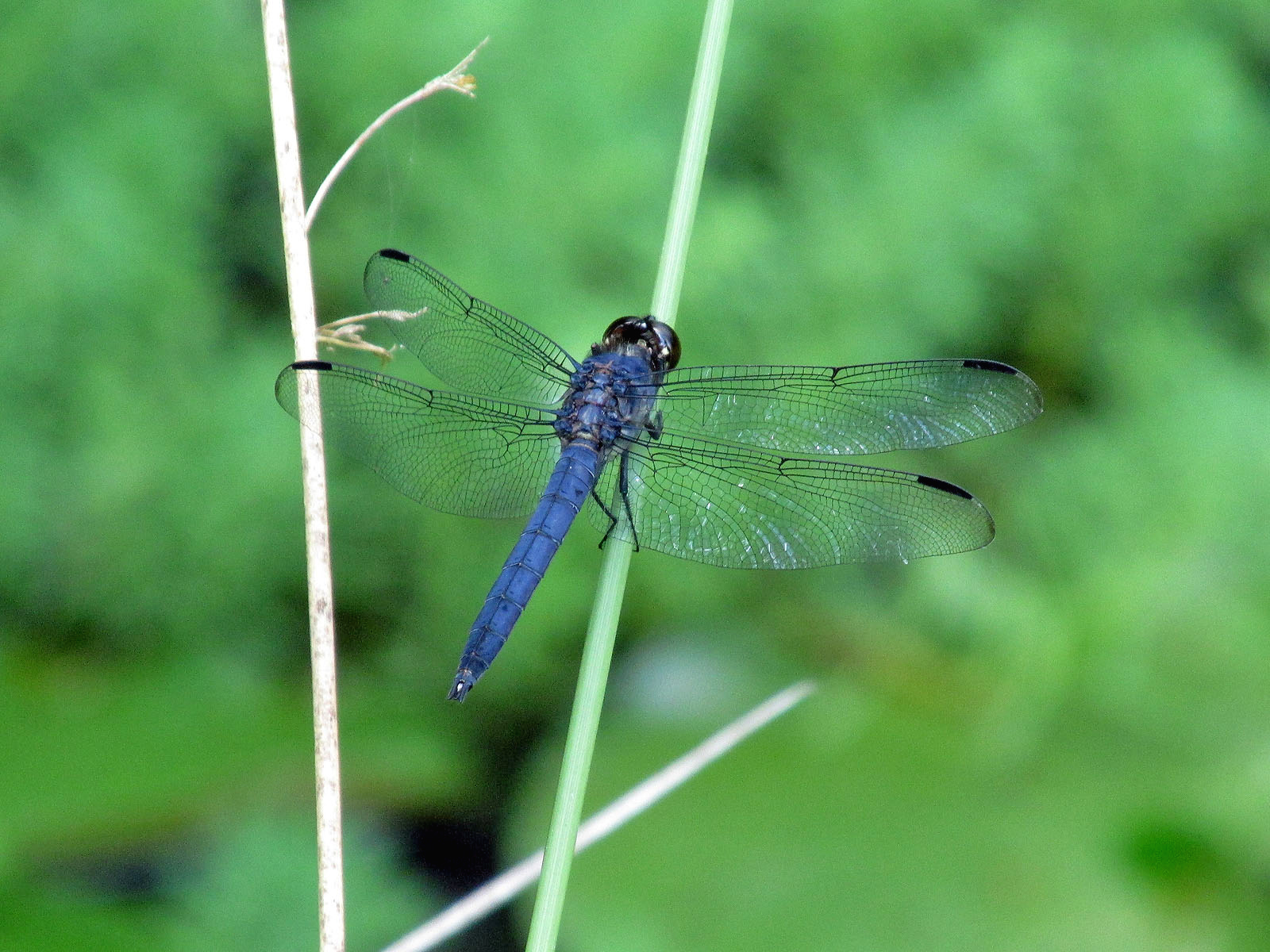
Slaty Skimmer selects a delicate perch at the water’s edge.

IMG_8903

This Painted Skimmer was a new visitor to the fish pond.

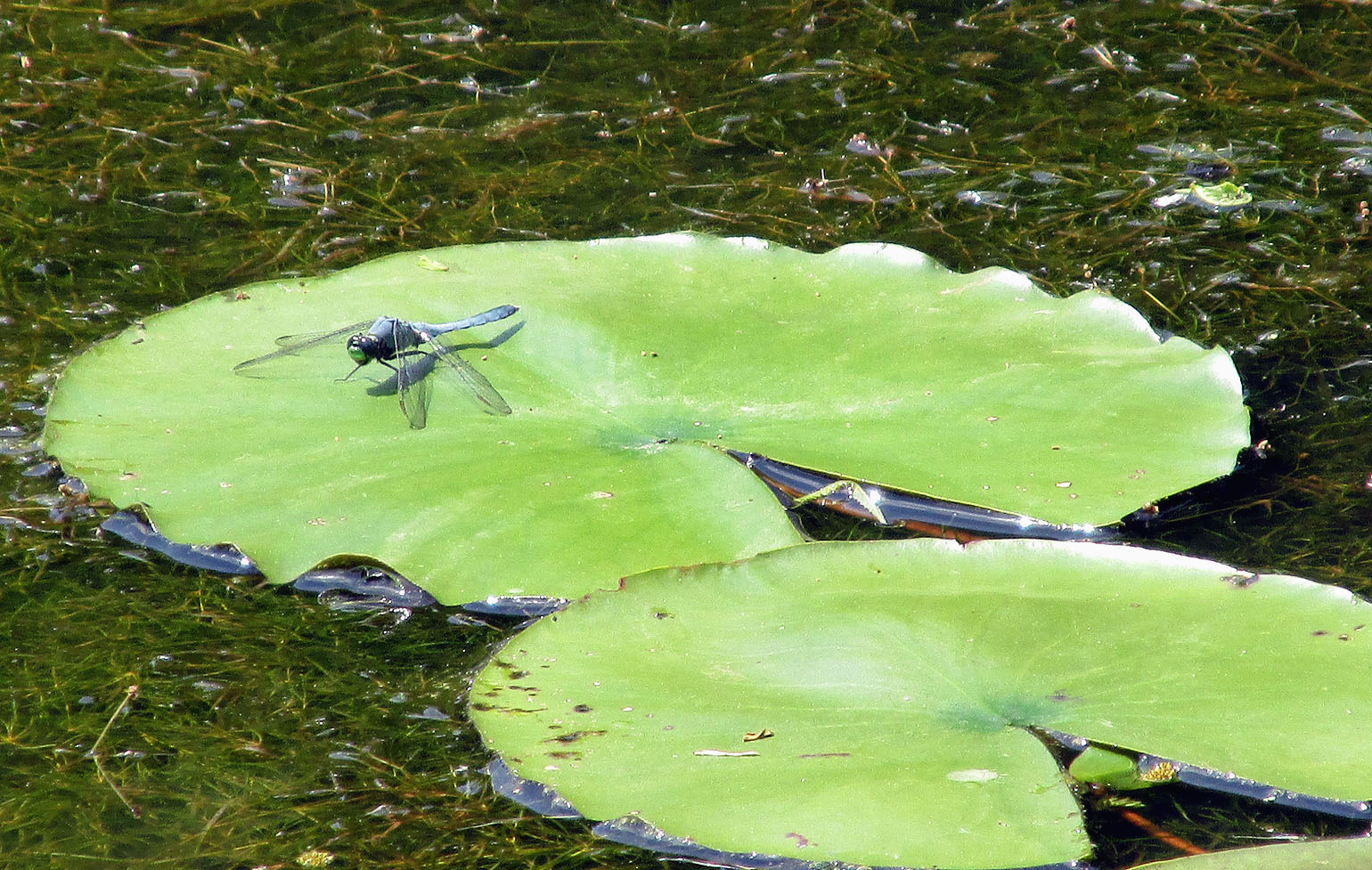
IMG_8320

Lily pads are popular resting spots and excellent for basking in the sun.

IMG_8175

Eastern Pond Hawk chooses a perch just above the water’s surface.

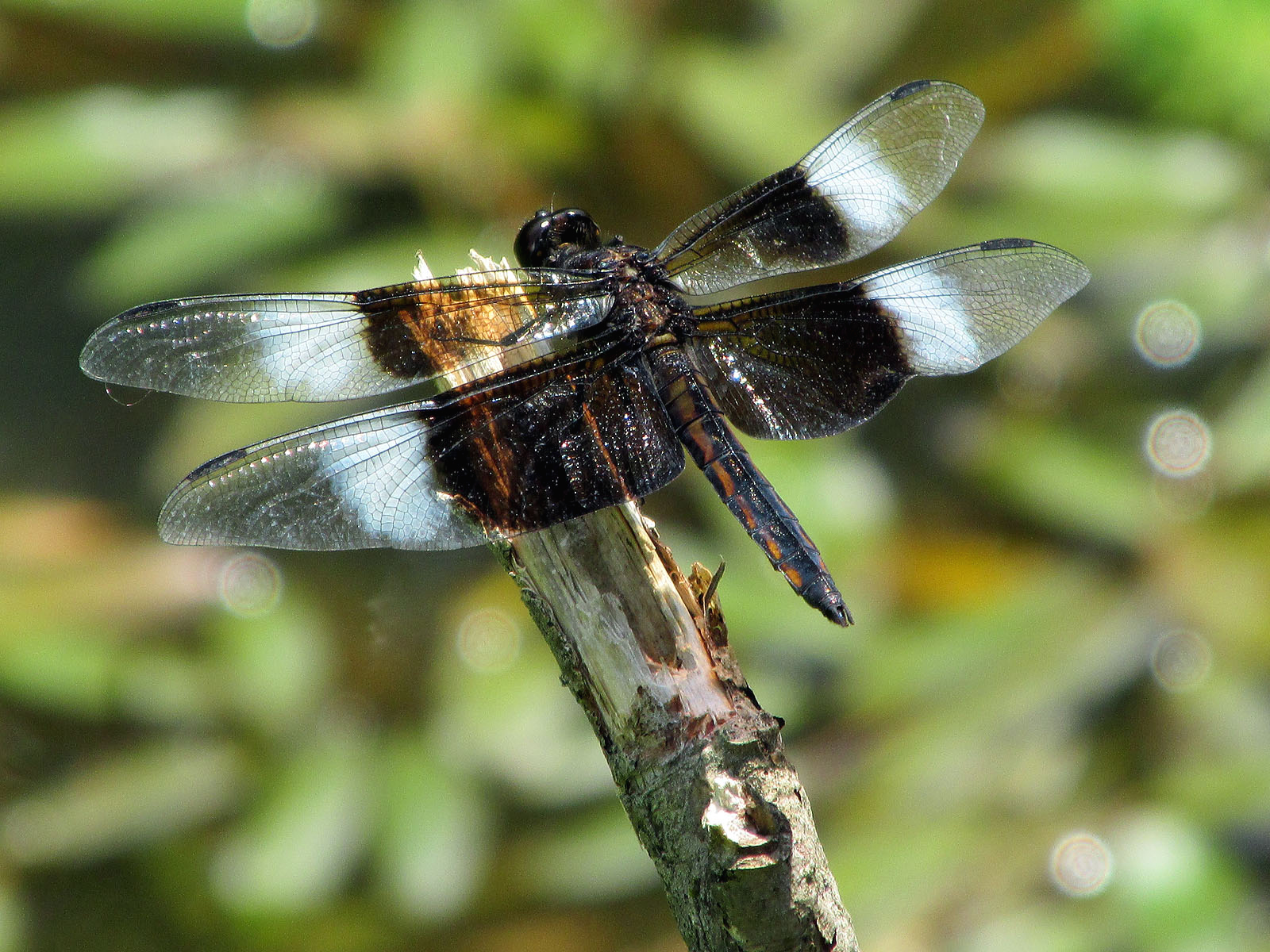
IMG_8169

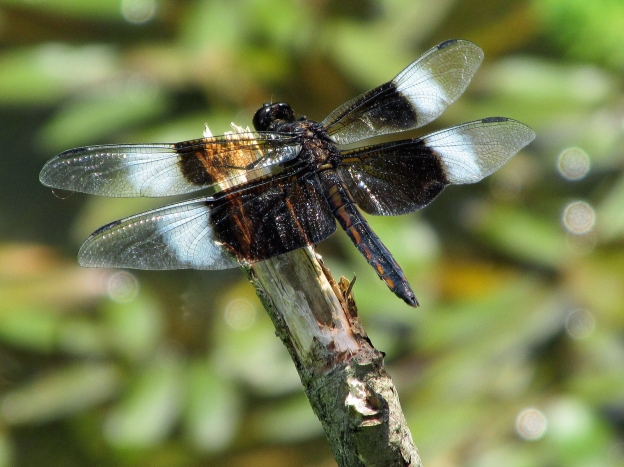
Widow Skimmers are one of the more vibrant dragonflies at the pond. They will often perch a good distance away from the water.

IMG_8147

Mating Eastern Pondhawks at the fish pond.

IMG_8130

Spangled Skimmer is an attractive dragonfly.

IMG_8012

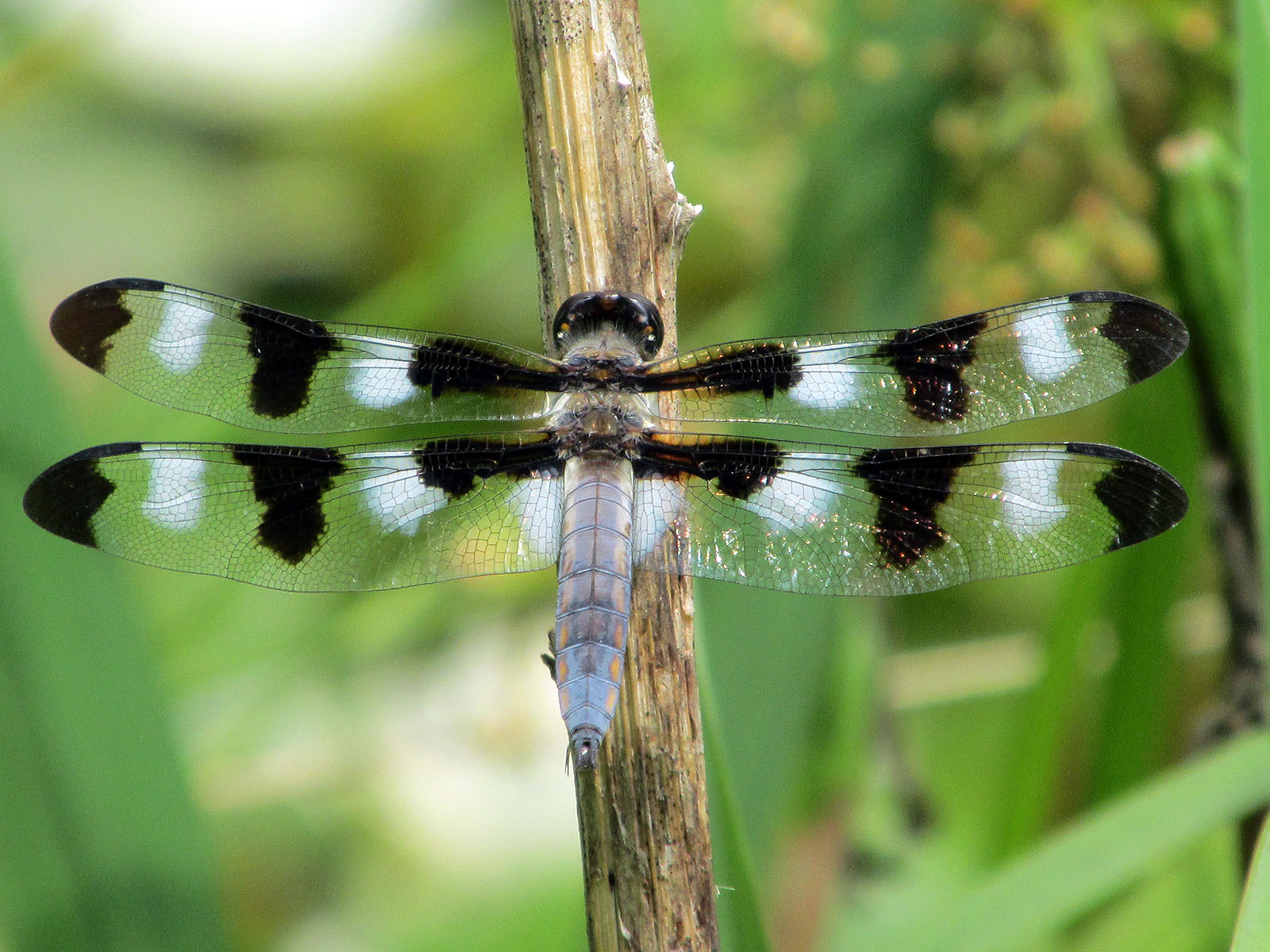
The aptly named 12-Spotted Skimmer is an unmistakable dragonfly.

IMG_7788

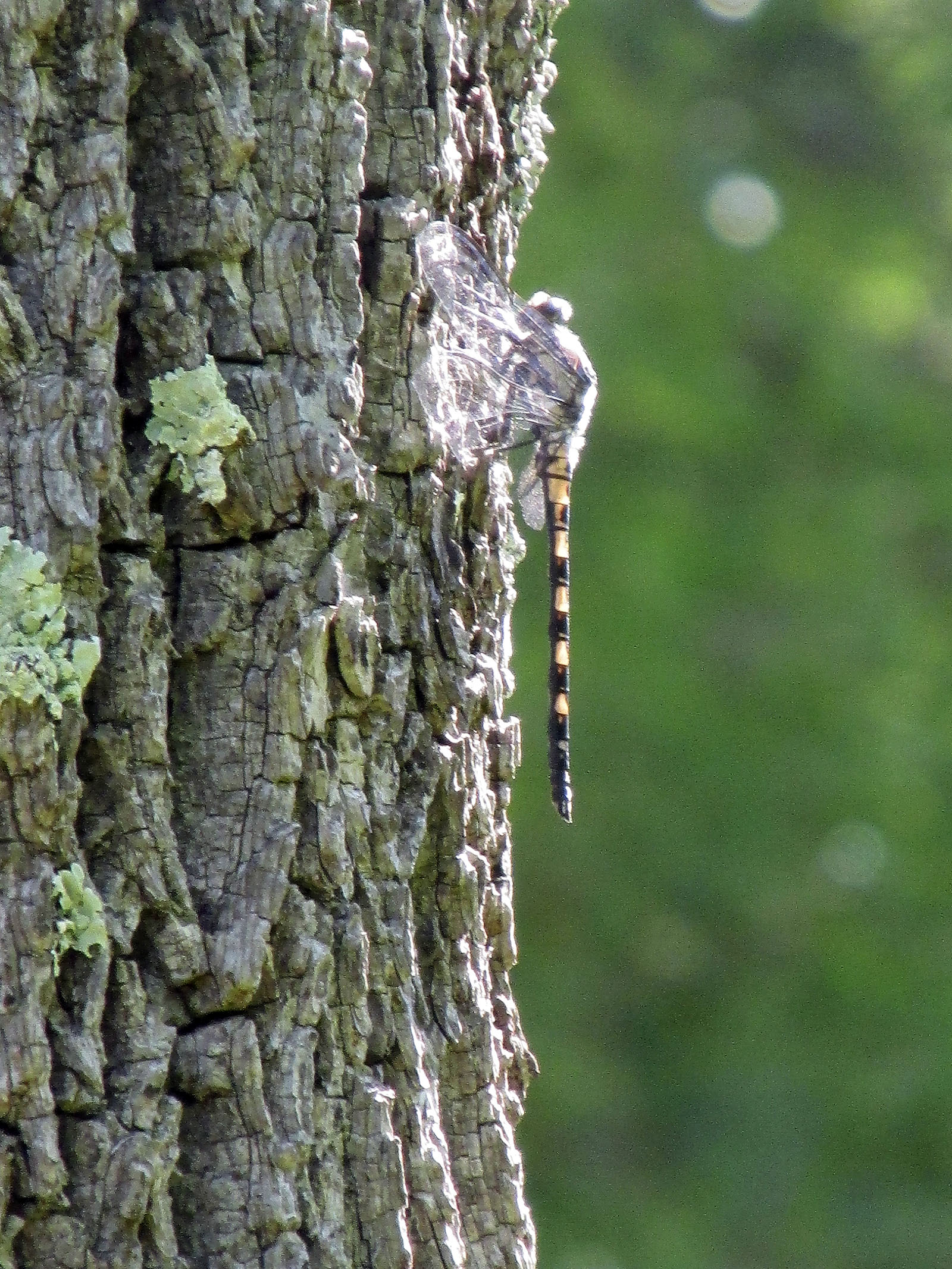
Some dragonflies prefer a more vertical perch.

IMG_7906

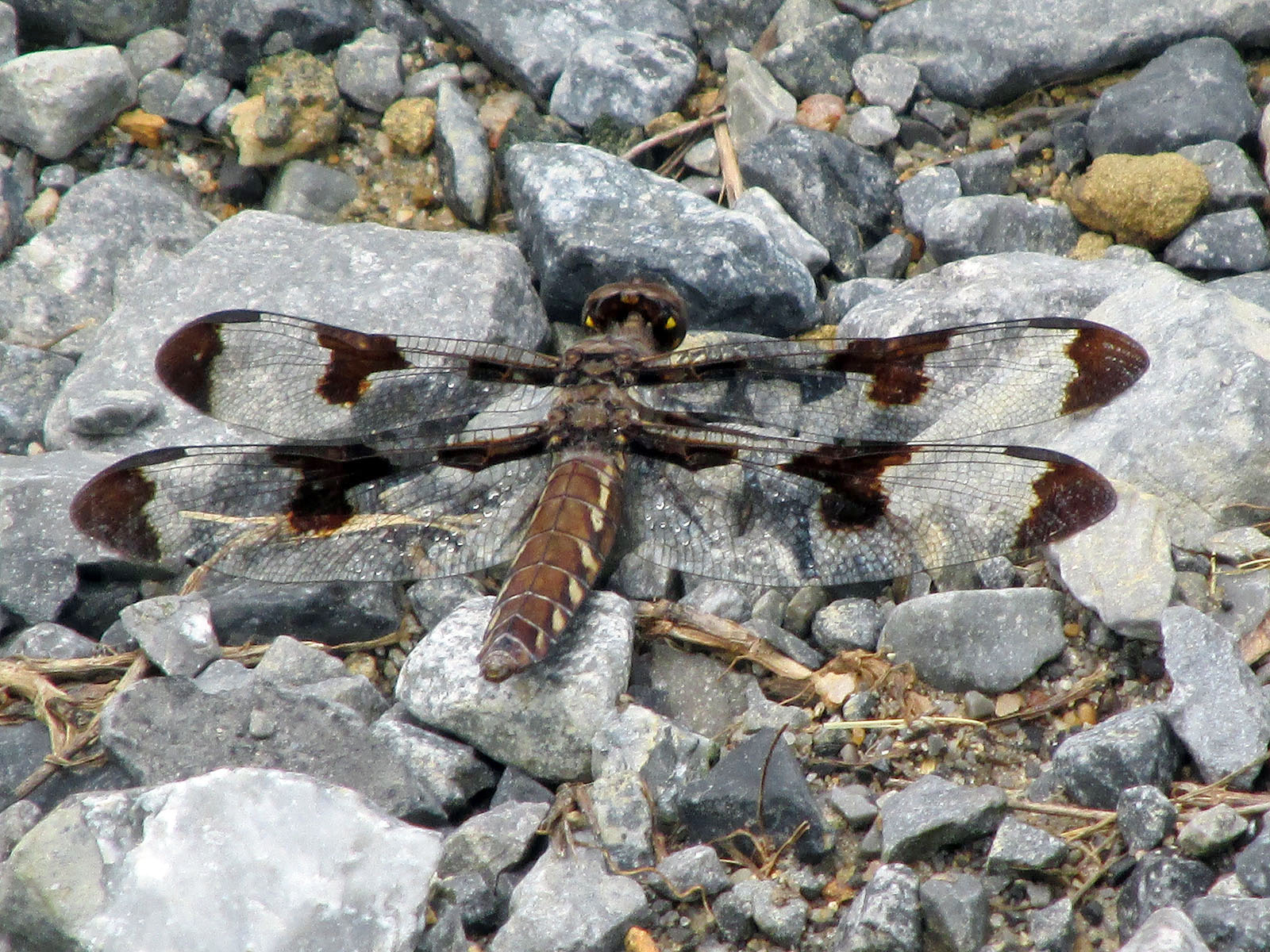
Female Common Whitetail Skimmer warms herself on the gravels heated by the sunshine.


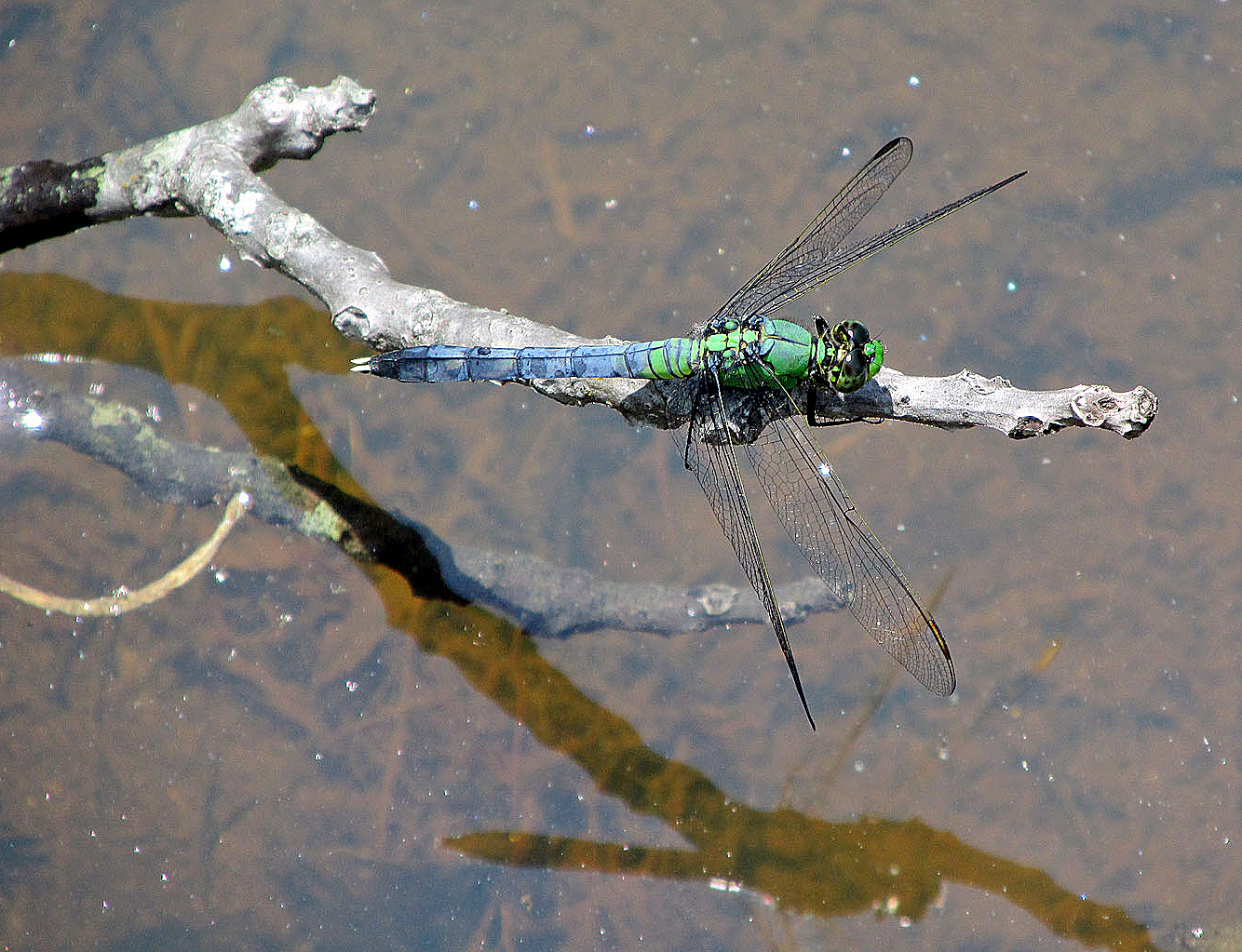
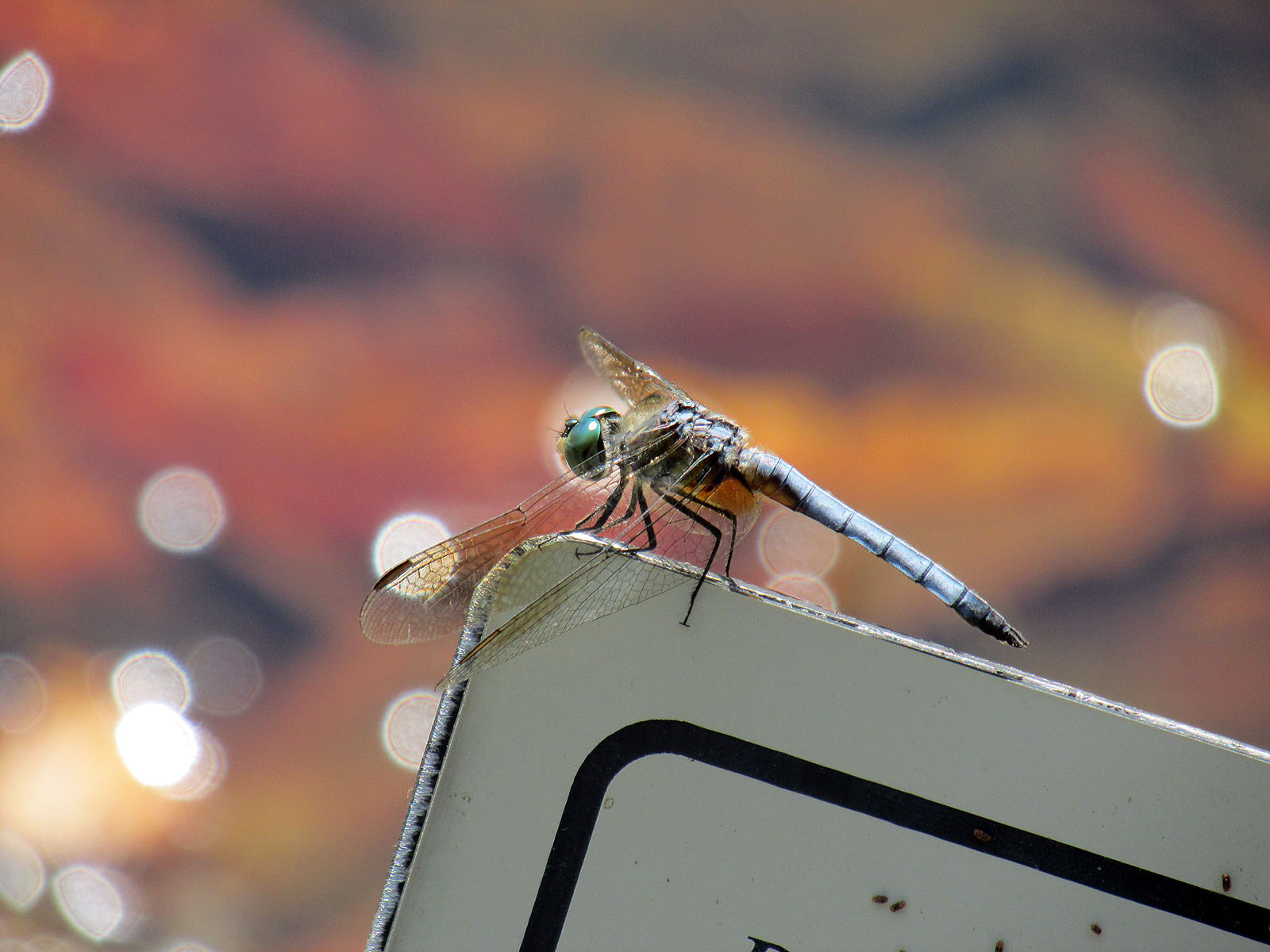
Blue Dasher photographed during a recent trip to South Carolina.

Blue Dasher photographed during a recent trip to South Carolina.

IMG_4995

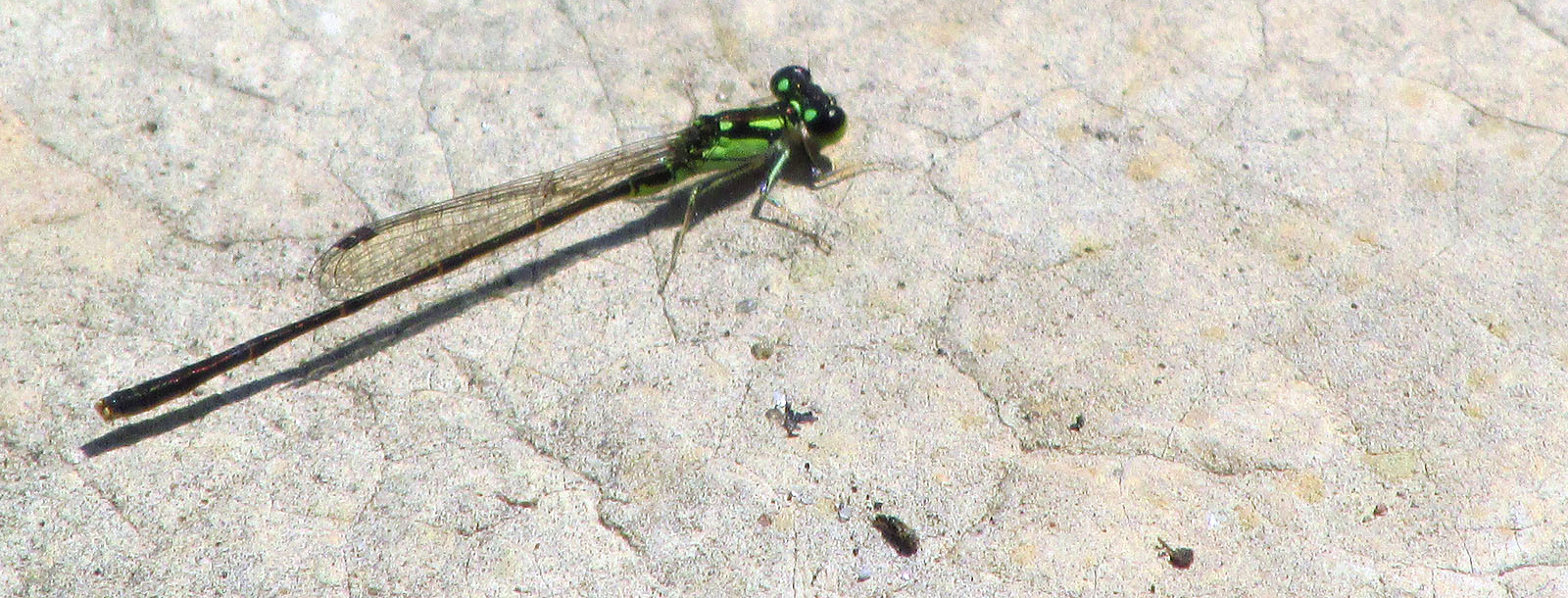
The Fragile Forktail is a common damselfly at the fish pond.

IMG_7696

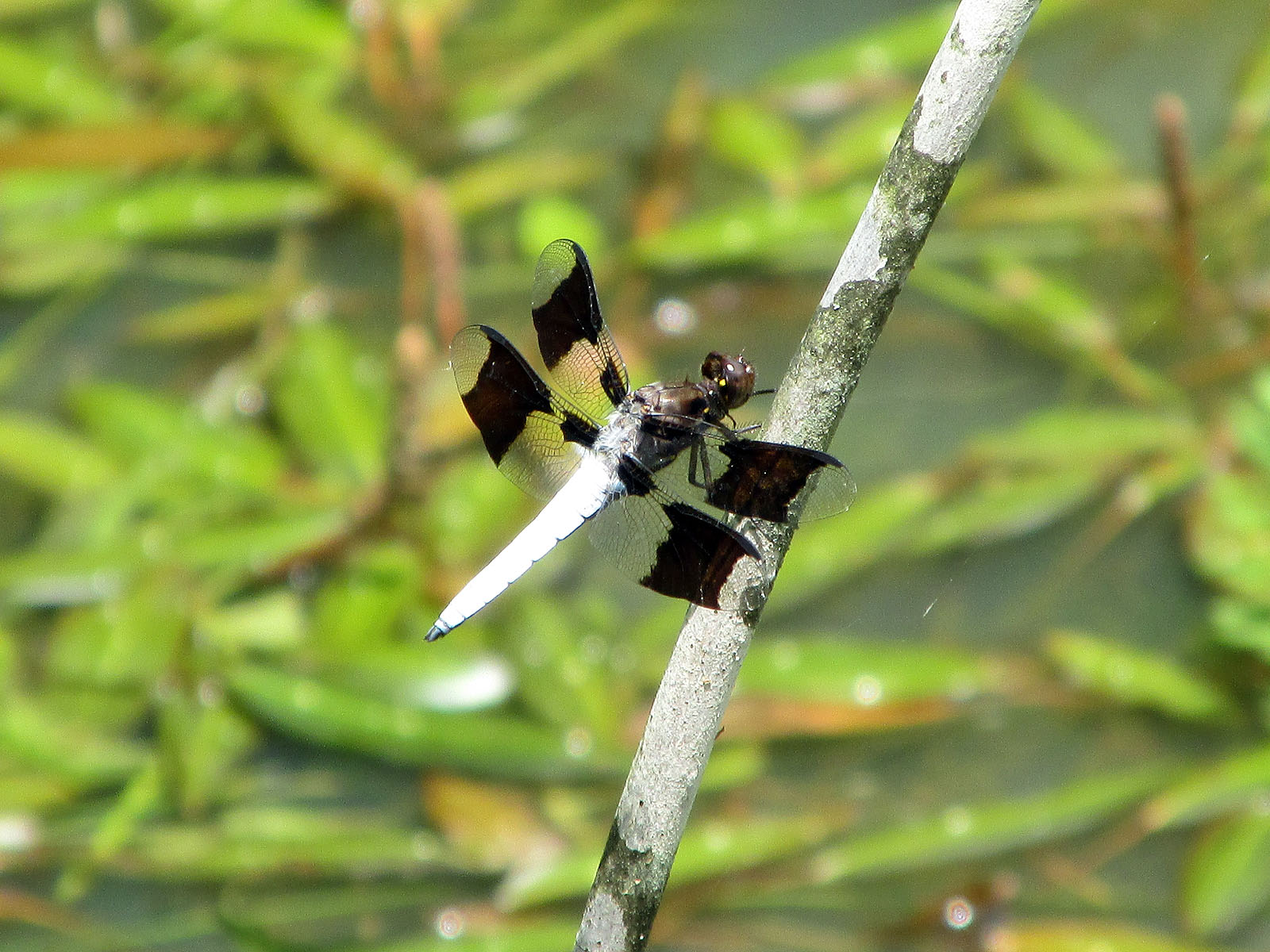
Common Whitetail Skimmer perched on a branch at the fish pond.

IMG_6220

Probably a Needham’s Skimmer photographed during a recent visit to Pawleys Island, South Carolina.


Yellow-breasted chat stands apart from other warblers

I’ve always been a warbler fan, celebrating every opportunity that comes my way for seeing these colorful, energetic feathered sprites. In early May I got to introduce some other bird enthusiasts to some of our warblers during a bird walk at Sycamore Shoals State Historic Park in Elizabethton, Tennessee. Yellow-breasted chat, one of the warblers observed during the morning stroll, always stands out from the rest of the flock.

????????????????????????????????????

Photo by Roy Knispel                                            Regarded as the world’s largest warbler, the yellow-breasted chat is a noisy oddball among this family of New World birds.

The Yellow-breasted Chat has long held a unique distinction among the New World wood-warblers as the largest member of this diverse family of neotropical birds. Some experts, however, have always questioned whether the Yellow-breasted Chat is truly a warbler. The jury, based on my research, is apparently still out. Personally, I hope the chat continues as a member of the warbler clan because what family doesn’t need its big, goofy oddball? If nothing else, the yellow-breasted chat is truly an the odd bird out among the little birds known as warblers that spend most of their time constantly on the move, flitting from branch to branch in hyperactive bursts of activity.

468551_10200729159303757_215796861_o

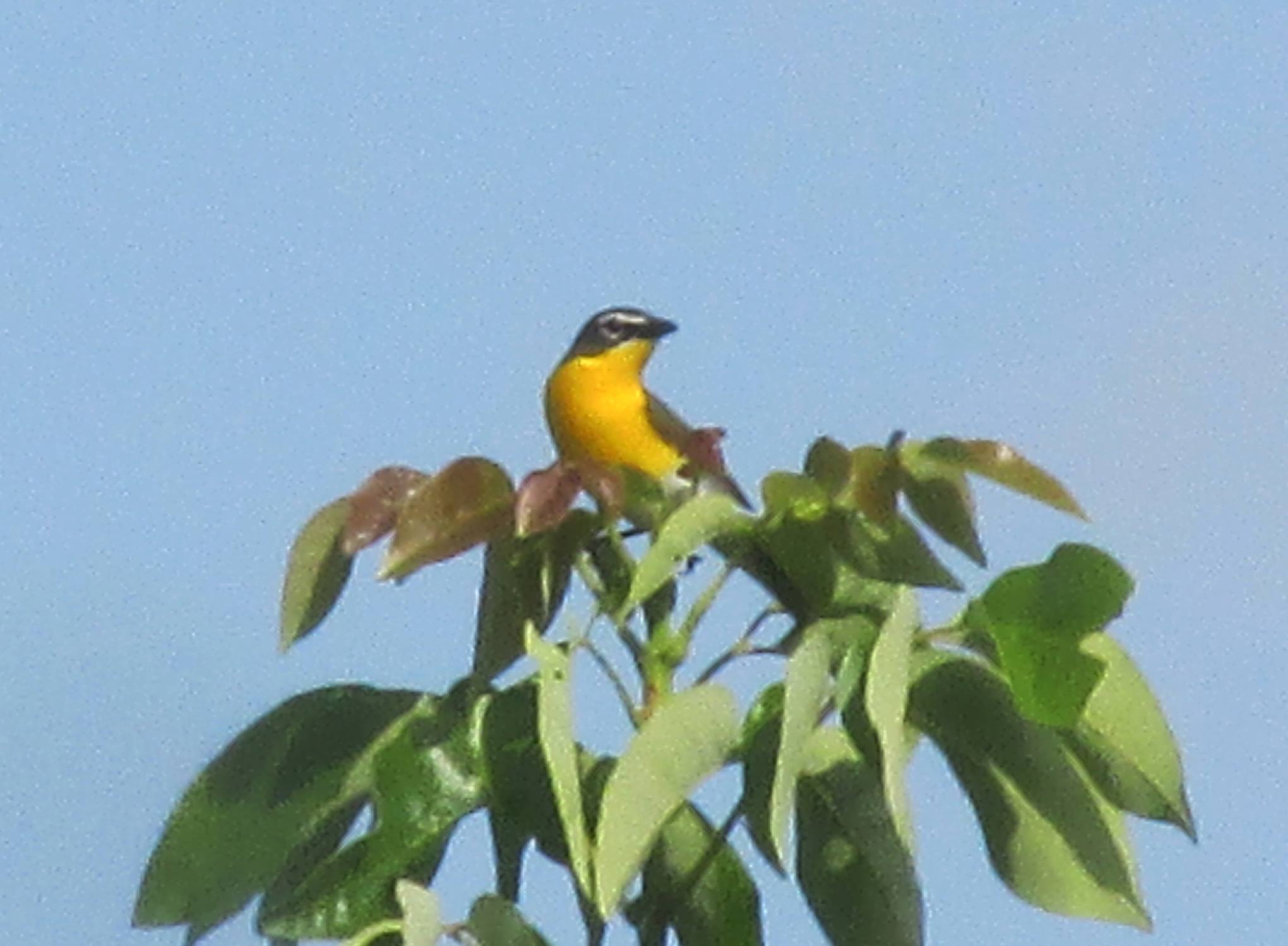
Photo by Bryan Stevens                                      A Yellow-breasted Chat perched atop a tree to survey its surroundings.

Yellow-breasted chats aren’t more sedate than other warblers, but they don’t dart about in the treetops in the same way as might a Northern parula or blackpoll warbler. During the spring ritual of attracting a mate, the males are obsessed with constant singing and performing. The performance portion of the program consists of awkward, drooping flights into the open before plunging back into thick cover. Males will also select an elevated perch in the open to proclaim their availability through song for any listening females.

There are many other ways they stand out on the warbler family tree. For instance, yellow-breasted chats are significantly bigger than all other warblers, reaching a length of 7.5 inches with a wingspan of almost 10 inches. The two sexes look alike, which is something else that separates them from many, but not all, warblers, which are generally known for the differences in appearance between males and females. The yellow-breasted chat has olive-green upperparts with white bellies and bright yellow throats and breasts. These chats also have long tails and heavy bills. A prominent characteristic is a spectacle-shaped white eye-ring.

Plate-137-Yellow-breasted-Chat-final 2

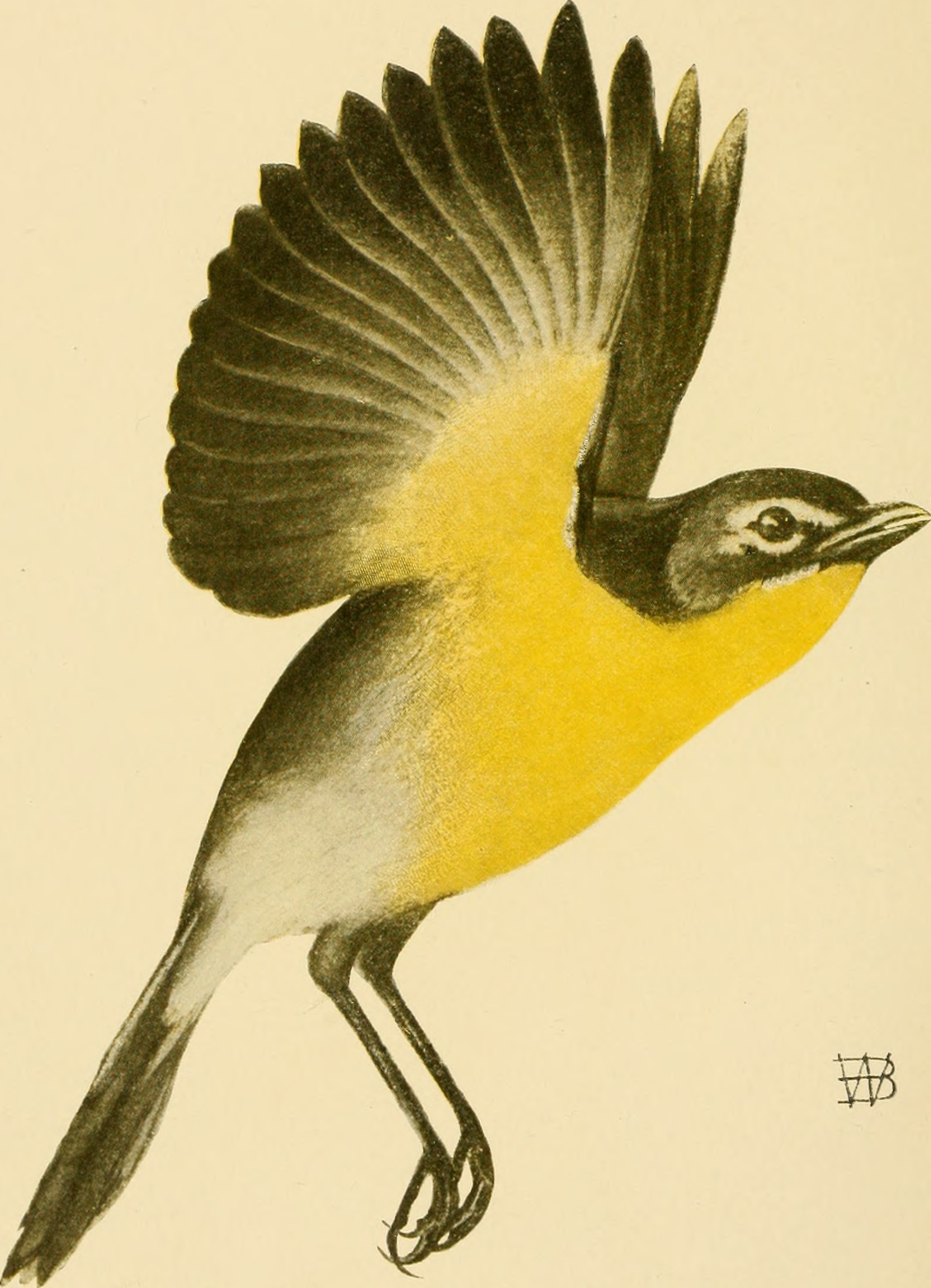
Early American naturalist and painter John James Audubon painted this family group of Yellow-breasted Chats.

I have observed yellow-breasted chats in many locations in the region, but during my early years birding this was a very elusive bird for me. It took me a couple of years to get my first satisfactory look at this interesting bird. Chats prefer habitats such as dense thickets and other underbrush, which offers remarkable concealment from prying eyes.

Chats are loud birds at most times, producing a variety of odd vocalizations, which means they are often heard before they are seen. The online Audubon Guide to North American Birds describes these sounds as “a bizarre series of hoots, whistles, and clucks, coming from the briar tangles” and labels them a reliable means for determining the presence of a yellow-breasted chat. By learning these vocalizations, you’ll increase the chances of finding one of these birds during time spent outdoors.

Thrasher-Shrub

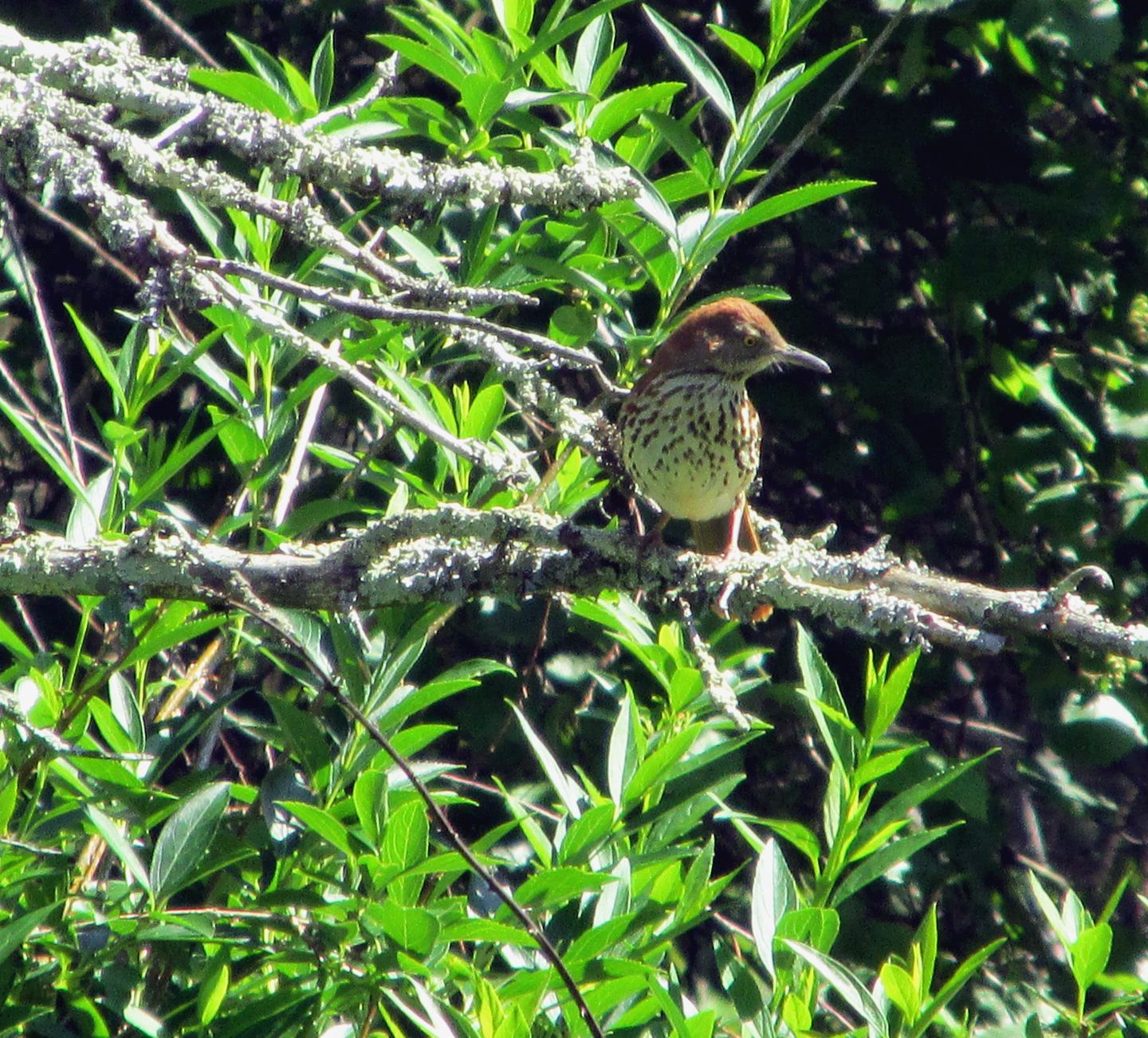
Photo by Bryan Stevens                              Along with such birds as Brown Thrashers, pictured, Yellow-breasted Chats prefer thickets and other brushy, dense habitats.

The chat’s habitat preferences and its repertoire of vocalizations makes it easy to associate these birds with others that share the same dense, brushy habitats and a penchant for making unusual vocalizations. Birds often found in proximity to chats include brown thrashers, gray catbirds, white-eyed vireos and Eastern towhees.

Habitat loss has resulted in a steady decline of yellow-breasted chats in some parts of their range. It is a widely distributed bird, spending the nesting season from southern Canada to Mexico. Most chats retreat to Mexico and Central America for the winter months. This chat mostly feeds on insects, supplementing its diet with berries that ripen during the summer months.

14568928678_8f77bbf7b6_o

The Yellow-breasted Chat is considered the world’s largest warbler.

Female chats usually lay three to four eggs, but both parents care for the young. Young chats are usually ready to leave the nest only eight days after hatching, but they will remain dependent on their parents for food for a couple of weeks. Chats usually nest twice each during the nesting season.

I’ve only observed a yellow-breasted chat on one occasion at my home. That individual, a fall migrant, was a delightful surprise. The yellow-breasted chat is usually a bird that I have to make an attempt to find. It’s worth the effort to gain a good look at this big, brash member of the warbler clan.

Three other chats, all birds of tropical regions, were moved out of the warbler clan in 2009 by the American Ornithologists’ Union. Experts now believe that the rose-breasted chat of South America, the gray-throated chat of Mexico, Guatemala and Belize and the red-breasted chat of the Pacific slope of Mexico are more closely related to cardinals and tanagers than warblers. The AOU, should it one day make that decision for the yellow-breasted chat, is likely to classify this oddball bird as a member of the Cardinalidae family of birds.

920921_10200729160063776_888323380_o

Photo by Bryan Stevens                                                                            Usually retiring and reclusive, the nesting season makes male Yellow-breasted Chats seek elevated perches for producing an array of unusual vocalizations.