Tag Archives: Carter County Compass

Worm-eating warbler less conspicuous member of family of bright, active migratory songbirds

worm-eating-warbler

Photo by U.S. Fish & Wildlife Service                The worm-eating warbler is one of the more nondescript warblers.

It’s September, which for me signals the autumn migration season of warblers and other neotropical birds. The warblers are a family of small songbirds that also happens to be the main reason I enjoy bird watching. Although warblers can be a challenge to observe and a puzzler to identify, they’re bundles of multi-colored feathers brimming with high-octane energy as they forage in treetops, along woodland edges, in weedy fields and around ponds and streams.

Like all migrating birds, warblers face numerous obstacles and hazards as they fly back south every fall after spending most of the spring and the entire summer spread across the United States and Canada for the season of nesting and raising young. Storms, such as the recent Hurricane Hermine, can be a hazard. Predatory raptors, like peregrine falcons and merlins, follow the migration routes and pick off various migrants. Even something as mundane as a window pane can bring a tragic halt to migration each year for thousands of our smaller songbirds.

worm-eating-2

Photo Courtesy of Dianna Lynne Tucker           This worm-eating warbler perched on a flower pot while recovering from an impact with a window.

I recently received an email from Chris Soto, a fellow member of the Lee and Lois Herndon Chapter of the Tennessee Ornithological Society. Her sister, Dianna Lynne Tucker, resides in Elizabethton, Tennessee, near Holston Mountain. Her home has a yard that is a magnet for a variety of songbirds. One of the birds passing through her yard had an unfortunate impact with a window. Chris and Dianna already suspected the identity of the bird, but they emailed me asking for help to confirm it. I concurred that the bird was a worm-eating warbler.

“After a brief rest, the bird recovered,” Chris noted in the email. I always like a story with a happy ending.

The scientific name for this warbler is interesting. The worm-eating warbler, or Helmitheros vermivorum, is in a genus of one. It’s the only species contained within the genus. Vermi means “of or relating to worms” while vorum is related to eating. Hence, vermivorum is quite literally an “eater of worms.” The worms in this warbler’s diet, however, are not earthworms. Instead this bird feeds on caterpillars, the larval form of moths and caterpillars. The worm-eating warbler has one unusual foraging method to look for caterpillars. This warbler will often cling to a cluster of dead leaves while probing into the tangle to seek out any concealed caterpillars, as well as small insects and spiders. All in all, the worm-eating warbler doesn’t feed any more exclusively on caterpillars than other warblers.

worm-eating-1

Photo Courtesy of Dianna Lynne Tucker         Like other songbirds, the migratory worm-eating warbler faces many perils during its annual fall migration.

This warbler’s non-musical song is a dry trill that compares with the songs of chipping sparrows and dark-eyed juncos. Since these other birds can be found in similar habitats, it can be a bit of a challenge for beginners to identify this warbler by sound alone. The worm-eating warbler isn’t one of the more colorful members of the family. It has a subtle beauty, however, with a plumage of brown and buff feathers. The most distinctive part of its appearance are the black stripes that run along the crown and a dark stripe through the eye. This warbler has a pinkish bill. Both males and females look alike.

abc-worm-eaterprogram

Photo Courtesy of Brian Rovira                        This worm-eating warbler recovered after striking a window at the home of Brian Rovira in Unicoi, Tennessee.

According to the website All About Birds, the oldest worm-eating warbler ever documented was a male that was at least eight years, one month old when he was recaptured and rereleased during banding operations in Connecticut. I’ve seen fewer of this particular warbler over the past ten years, but the overall population figures for this species have actually trended slightly upward. The worm-eating warbler’s population is concentrated in the southeastern United States. It favors deciduous woodland habitat with shaded banks, steep gullies and ravines. The habitat around my home must have changed enough that they are no longer a frequent visitor. The worm-eating warblers will migrate to Mexico and Central America this fall, electing to spend the winter months in warmer terrain.

1-brown-headed-worm-eating-warbler-john-james-audubon

Early American naturalist and painter John James Audubon painted the worm-eating warbler in company with some native butterflies.

Warblers and their active lifestyles can be a challenge for human observers. Nevertheless, it’s worth the effort to seek out these colorful, energetic and interesting songbirds. Many people like to look for returning spring warblers, but I’ve always found the fall season the best time to look for these birds. September is the month when the majority of these warblers will migrate through our region. Warblers ignore offerings of seeds at our feeders, but a bird bath, ornamental fountain, pond or stream is like a magnet drawing these migrants to stop, enjoy a cool drink and a vigorous splash in the inviting water.

Keep a pair of binoculars at hand and your eyes open. If you’d like to share your observations of migrants passing through your yard this fall, I’d love to hear from you.

•••••

Bryan Stevens lives near Roan Mountain, Tennessee. To learn more about birds and other topics from the natural world, friend Stevens on Facebook at https://www.facebook.com/ahoodedwarbler. He is always posting about local birds, wildlife, flowers, insects and much more. If you have a question, wish to make a comment or share a sighting, email ahoodedwarbler@aol.com.
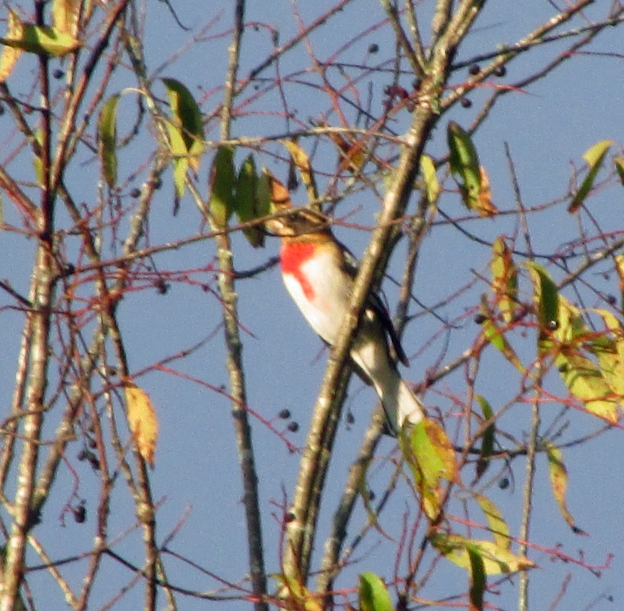
Grosbeaks in region include blue, rose-breasted representatives of family


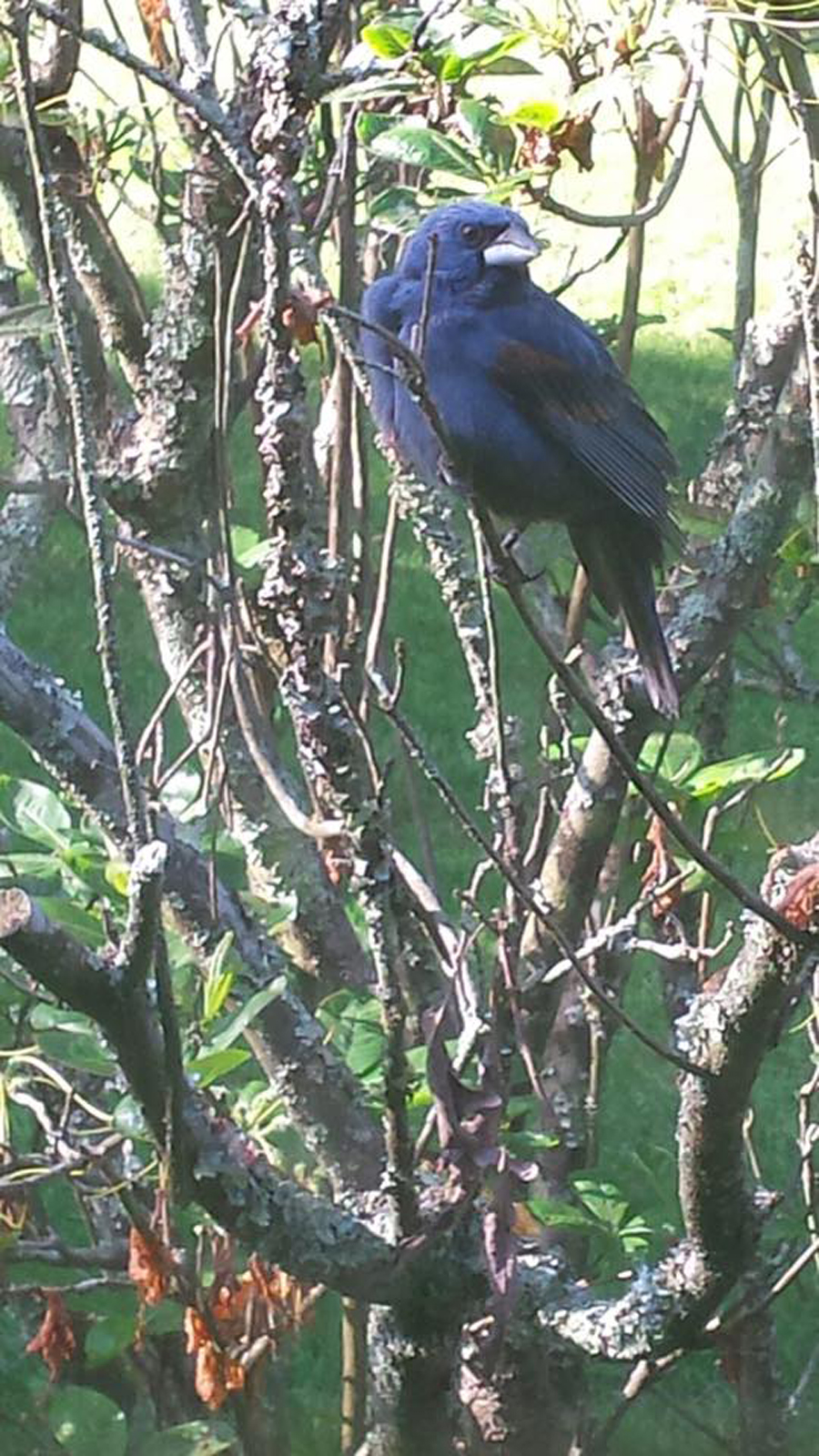
Daryl Herron, a real-life friend as well as a Facebook one, posted a photo of a bird on my page recently, seeking help with identifying the bird. His sister, Monica Cody, took the photo at her Kingsport home. The stunning bird depicted in the photo, as I happily reported back to Daryl, was a blue grosbeak. The grosbeak is an impressive bird, with males showing off an overall blue plumage save for some brown and black feathers in the wings.

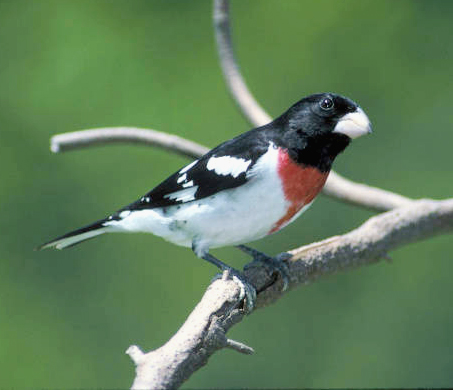
Photo by U.S. Fish & Wildlife Service/ David Brezinski Rose-breasted Grosbeaks will likely be among the colorful birds present for this year's rally.

Photo by U.S. Fish & Wildlife Service/ David Brezinski
Rose-breasted Grosbeaks will likely be among the colorful birds present for this year’s rally.

Blue grosbeaks are mostly southern birds with Tennessee, Kentucky and Virginia representing the northern tier of this bird’s range in the southeastern part of the country. Look for these chunky, blue birds in brushy fields or along hedgerows in fairly open country. They favor the same habitats as such birds as yellow-breasted chat, brown thrasher and loggerhead shrike.

BlueGrosbeak-CODY

Photo by Monica Cody                    This male blue grosbeak showed up near Monica Cody’s home in Kingsport, Tennessee. The blue grosbeak is an uncommon visitor in the region.

It’s a shame this bird isn’t more common in the region. Blue grosbeaks will visit feeders, but in more than 20 years of maintaining well-stocked feeders, I’ve managed to attract only one of these birds. If more common, it would surely be a favorite bird among the people offering free seed for their feathered friends.

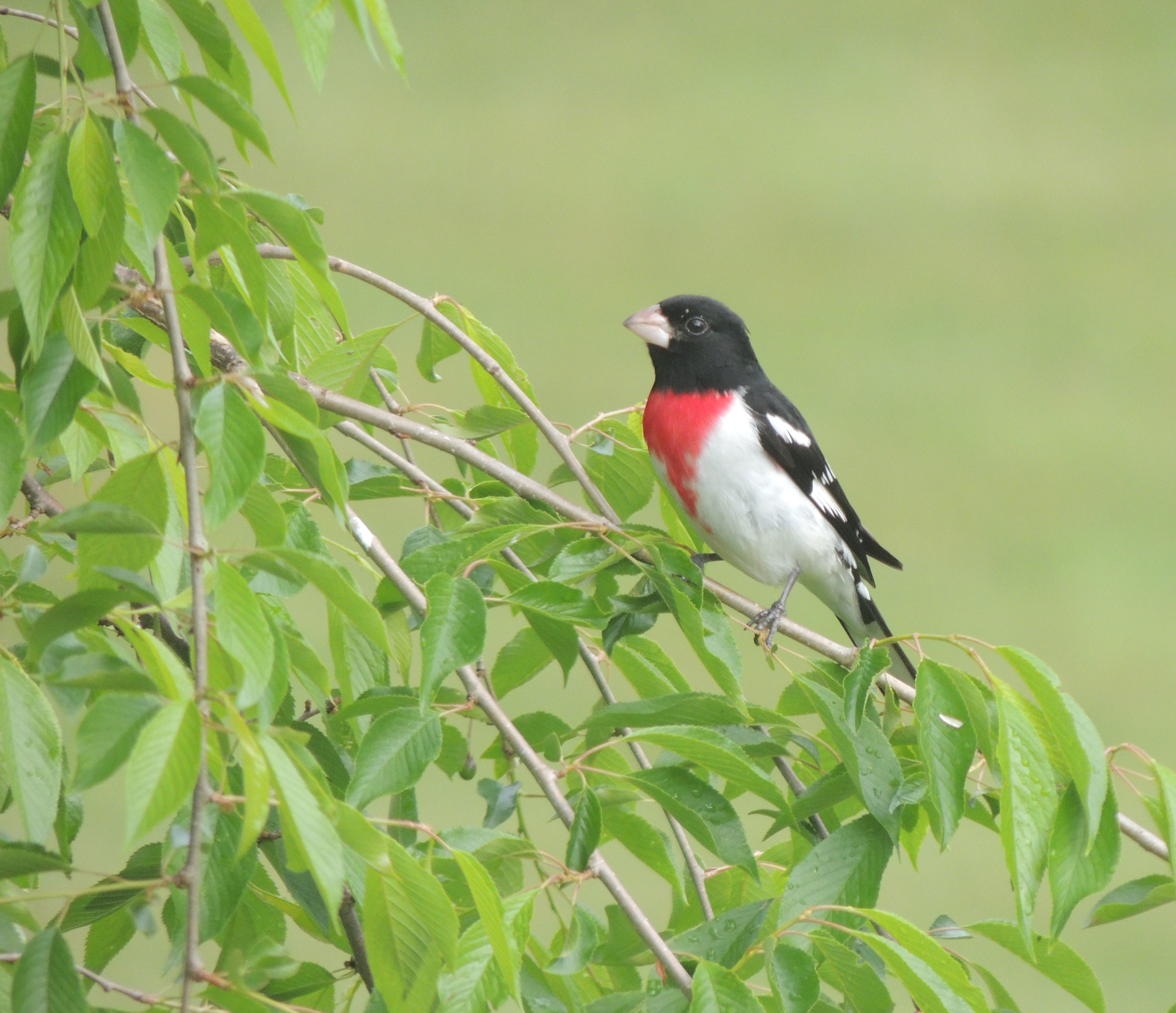
The blue grosbeak is related to the better-known rose-breasted grosbeak. Male rose-breasted grosbeaks are absolutely stunning, especially for people getting their first-ever glimpse of this bird. It’s the adult male with his vibrant black and white feathers and the large rosy-red splash of color across the breast that gives this bird its common name. Females are brown, streaked birds that are larger than but easily confused with some of our sparrows.

Among grosbeaks, both sexes have a massive bill, which they use to hull sunflower seeds at feeders or glean insects from leaves and branches. It’s the heavy, blunt bill for which the term “grosbeak” is derived. “Gros” is a German term for large or big, so grosbeak simply means a large-beaked bird. People who band birds to further the study of them will tell you that rose-breasted grosbeaks have a wicked bite and are capable of delivering quite a nip. Bird banders in the region frequently encounter rose-breasted grosbeaks in their mist nets — and some bear the scars to prove it.

Tammie-RBGrosbeak

Photo by Tammie Kroll                                      The male rose-breasted grosbeak is probably one of the least difficult songbirds to identify with his unmistakable plumage pattern.

The spring arrival of rose-breasted grosbeaks is usually a fleeting visit. Finding suitable arrangements, which can consist of well-stocked feeders and perhaps a convenient water source, the migrating birds may linger for several days. These birds nest at higher elevations, however, and are usually impatient to continue the journey to where they will spend the summer months tending to their young.

This spring, Tammie Kroll was one of the lucky people to receive visits from rose-breasted grosbeaks. Tammie emailed me to share a beautiful photo she took of the male grosbeak that visited her home in Washington County, Virginia, near Exit 13 off Interstate 81.

There’s good news for those who didn’t receive springtime visits from these pretty birds. The rose-breasted grosbeak is also a common fall migrant and can again be attracted to yards offering sources of food and water. While males usually don’t look quite as dramatic by August and September, they’re still sure to cause a stir when visiting a feeder.

RM-RBGrosbeak

Photo by Bryan Stevens                                         A rose-breasted grosbeak sings from a tree on Roan Mountain, Tennessee.


Plenty of rose-breasted grosbeaks pass through northeast Tennessee, southwestern Virginia and western North Carolina, and a few even decide to make their summer homes in the mountains in these regions. However, these birds spread out widely across the eastern half of the North American continent, ranging from northeastern British Columbia to Quebec and Nova Scotia in Canada. They also range south from New Jersey to Georgia. The rose-breasted grosbeak also reaches Colorado, Oklahoma and Kansas.

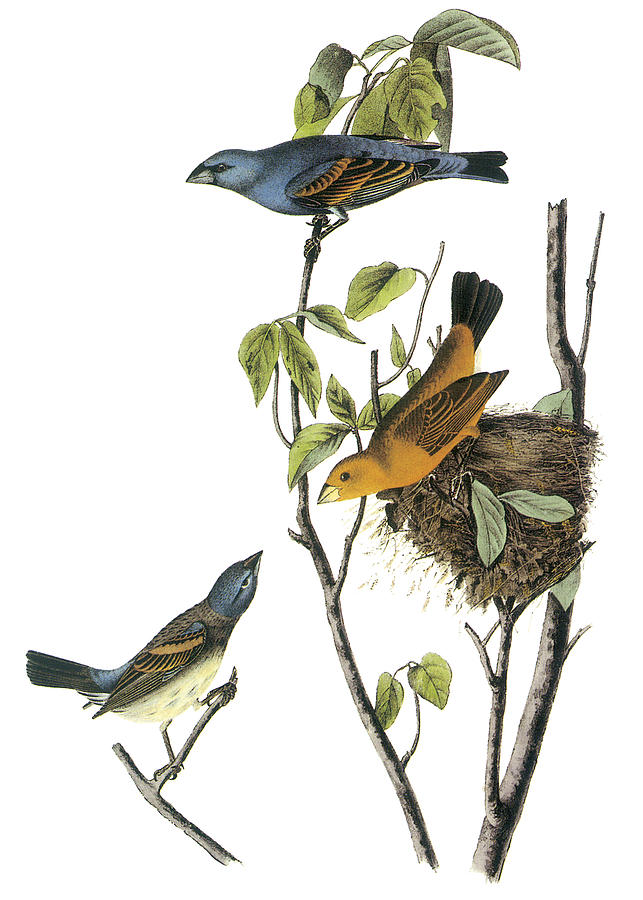
blue-grosbeak-john-james-audubon

John James Audubon painted this family of  blue grosbeaks.

For the most part, however, the rose-breasted grosbeak is replaced in the western United States by the closely related black-headed grosbeak. I saw several of these birds during a trip to Salt Lake City, Utah, back in 2006. Other grosbeaks in the United States include the evening grosbeak and pine grosbeak. In the American tropics other grosbeaks are found, including the descriptively named yellow-green grosbeak, crimson-collared grosbeak, ultramarine grosbeak and yellow-shouldered grosbeak.

•••••

Bryan Stevens lives near Roan Mountain, Tennessee. To learn more about birds and other topics from the natural world, friend Stevens on Facebook at https://www.facebook.com/ahoodedwarbler. He is always posting about local birds, wildlife, flowers, insects and much more. If you have a question, wish to make a comment or share a sighting, email ahoodedwarbler@aol.com.
Moths, songbirds share top billing for programs at this year’s Roan Mountain Fall Naturalists Rally

BALTIMORE-MOTH

Photo by Bryan Stevens                                       The Baltimore Snout Moth, or Baltimore Hypena, is a moth found in the Eastern part of the United States, west and south to Wisconsin, Missouri and Florida and Texas. The larvae feed on maple leaves, mainly red and silver maple.

For 54 years the annual Roan Mountain Fall Naturalists Rally has brought nature enthusiasts from near and far to the slopes of Roan on the weekend after Labor Day. The tradition continues this year Friday-Sunday, Sept. 9-11, with two area naturalists presenting evening program on moths and songbird behavior.


For this year’s rally, the program spotlight will shine on local moths and songbirds. As always, a variety  of walks, hikes, strolls and workshops will also be offered on Saturday and Sunday. Top naturalists volunteer their time and energy to make the event both enjoyable and educational for people of all ages.

Larry-McDaniel

Larry McDaniel and some goats in residence at the farm he owns with his wife, Janet Brown.

This fall rally continues to celebrate the natural world by providing two top speakers for this year’s event. Larry McDaniel, a naturalist at Steele Creek Park in Bristol, Tennessee and a long-time member of the Friends of Roan Mountain, will deliver the program on “Moths of Roan Mountain and Northeast Tennessee.” Dr. Steven Hopp, naturalist and teacher at Emory and Henry College in Virginia, will present a program titled “Beyond Birding: A Look at the Life History of Local Songbirds.”


shopp

Steven Hopp teaches at Emory and Henry College in Virginia.

Because of the continued support of the Friends of Roan Mountain, the seasonal rallies have the resources they need to prosper and grow and the FORM provides support for research and restoration projects on the Roan, as well as support for Roan Mountain State Park. Consider joining the Friends of Roan Mountain, if you are not a member. Members get free admission to all Naturalists Rally events and the organization’s newsletter, “Friends of Roan Mountain.” Gary Barrigar, director for the fall rally, said many thanks are due to Roan Mountain State Park’s staff for long-time support of the rallies, as well as the speakers and the trip leaders who donate their time and expertise.


HaploaMoth

Clymene Moth

Evening and lunch programs will take place in Roan Mountain State Park’s Conference Center and field trips will leave from the field located on the left before the cabins in the park. A variety of morning and afternoon field trips are planned on topics ranging from butterflies and salamanders to birds and wildflowers.

 
McDaniel, the Friday evening speaker, grew up in College Park, Maryland, where he spent a great deal of time exploring in the woods. It was there that he developed a lifelong love for nature. He started birding while in high school and has been going at it ever since. He spent 15 years living and birding in Florida. It was during those years that he started traveling all over North America to see birds. He moved to Bristol, Tennessee, in 1993 and started attending the Roan Mountain Naturalists Rallies within weeks of having moved to the area. Legendary Bristol birder Wallace Coffey introduced him to the area and the birding community where he has met and spent time in the field with many outstanding birders and naturalists. While working as a letter carrier in Bristol he began volunteering to lead bird walks in the area.


Large Maple Spanworm Moth

Large Maple Spanworm Moth

He eventually became involved with the Bristol and Elizabethton bird clubs and served several years as the president of the Bristol club. Like many birders, during the 1990s he branched out and began studying butterflies, dragonflies and damselflies, reptiles and amphibians, wildflowers and a little of just about everything. Soon he began leading bird hikes for the Roan rallies and before long became a board member of the Friends of Roan Mountain. In 2006, having retired from the Postal Service, he started working as a naturalist at Steele Creek Park, where he has been for ten years. He increased his interest of insects during this time and in 2008 he started studying and photographing moths. Local naturalist Don Holt helped to get him started in that endeavor.


10514455_10203509534131390_8664880627904952175_o

Hummingbird Moth

McDaniel, lives with his wife, Janet Brown, on a hobby farm near Johnson City, where they tend a menagerie of mini-farm animals. Larry and Janet met at a Roan Rally and in 2003 got married in Roan Mountain State Park.

 
His presentation will discuss many aspects of the natural history of moths and the growing trend of studying them. It will include many of his photographs of moths from Roan Mountain State Park and the Tri-Cities area. He has photographed about a thousand species of moths, but he promises he won’t include them all in the presentation.

 
Dr. Steven Hopp will be the feature Saturday evening speaker. Hopp is broadly trained in the life sciences, and received his Ph.D. in Animal Behavior from Indiana University. He moved to southwest Virginia in 1984 to teach at Emory and Henry College, and has been tied to this region ever since. He taught ornithology courses at the University of Arizona from 1994 to 2004, at which time he moved back to Virginia full time. He teaches courses in wildlife management and sustainable agriculture in the Environmental Studies program at Emory and Henry.


Blue-headedVireo

Blue-headed Vireo

Dr. Hopp has studied different species of vireos for over 25 years. His main interest is in their vocal behavior, but he has broadly studied their natural history including life history strategies, breeding ecology and behavior on their wintering grounds. More recently, he has become interested in Sustainable Agriculture, and is co-author of the national best-selling book, Animal Vegetable Miracle, with his wife, Barbara Kingsolver. The book is about local food systems and sustainable agriculture. He is founder and director of The Meadowview Farmers’ Guild, a community development project devoted to promoting local products, with an emphasis on agriculture. He serves on the board of Appalachian Sustainable Development. Hopp and his wife live in Meadowview, Virginia, on a mostly wooded farm with Icelandic Sheep and Dexter Cattle.

 
The evening programs are scheduled for 7:30 p.m. Prior to the programs, evening meals catered by City Market of Elizabethton, Tennessee, will also be served on Friday and Saturday, Sept. 9-10. Cost is $9.50 for adults and $5 for children 12 and under. A bag lunch is also available on Saturday for field trip participants for $6. Advance reservations are required for the meals and bag lunch.

Eight-spottedForesterMoth

Eight-spotted Forester Moth

For a brochure with information on making reservations, write to: Treasurer Nancy Barrigar, 708 Allen Ave., Elizabethton, TN 37643, or visit the organization’s website at http://www.friendsofroanmtn.org/Fall%20Rally%20Brochure%202016web.pdf for a downloadable PDF of the brochure. For more information about the fall rally, call Gary Barrigar at 543-7576 or email him at gbarrigar@friendsofroanmtn.org.

White-spottedSableMoth

White-spotted Sable Moth


Tremulous call of Eastern screech-owl baffles couple

Photo by Bryan Stevens An Eastern Screech-Owl at rest in a roosting hole in a large sycamore tree.

Photo by Bryan Stevens
An Eastern Screech-Owl at rest in a roosting hole in a large sycamore tree.

I received a recent email from Lewis Chapman seeking help in solving the identity of a nocturnal caller. Chapman and his wife moved to Laurel Bloomery in Johnson County, Tennessee, in late June.

“Shortly after we arrived we started hearing a strange night bird call that could best be described as an eerie winnowing,” he wrote in his email. After the couple conducted some Internet research into the mysterious after-hours vocalist, his wife suggested the caller might be a snipe.

As mentioned in previous columns, the snipe is a real bird despite its reputation as a mythical creature thanks to the rural tradition of the “snipe hunt.” While the calling bird at their home did remind them of a Wilson’s snipe, they were not convinced.

“Is this the right time of year to be hearing one in our area?” Lewis asked in his email. “Is there another bird that makes this kind of winnowing?” Both of his astute questions helped me narrow the possibilities.

In my reply, I did inform Lewis that the Wilson’s snipe, as well as the closely related American woodcock, make their home in the region. The summer season, however, isn’t the best time of year to hear either of these relatively elusive shorebirds. These birds are most vocal at the peak of their breeding season, which usually occurs much earlier in the year.

Screech-Owl-LUCY

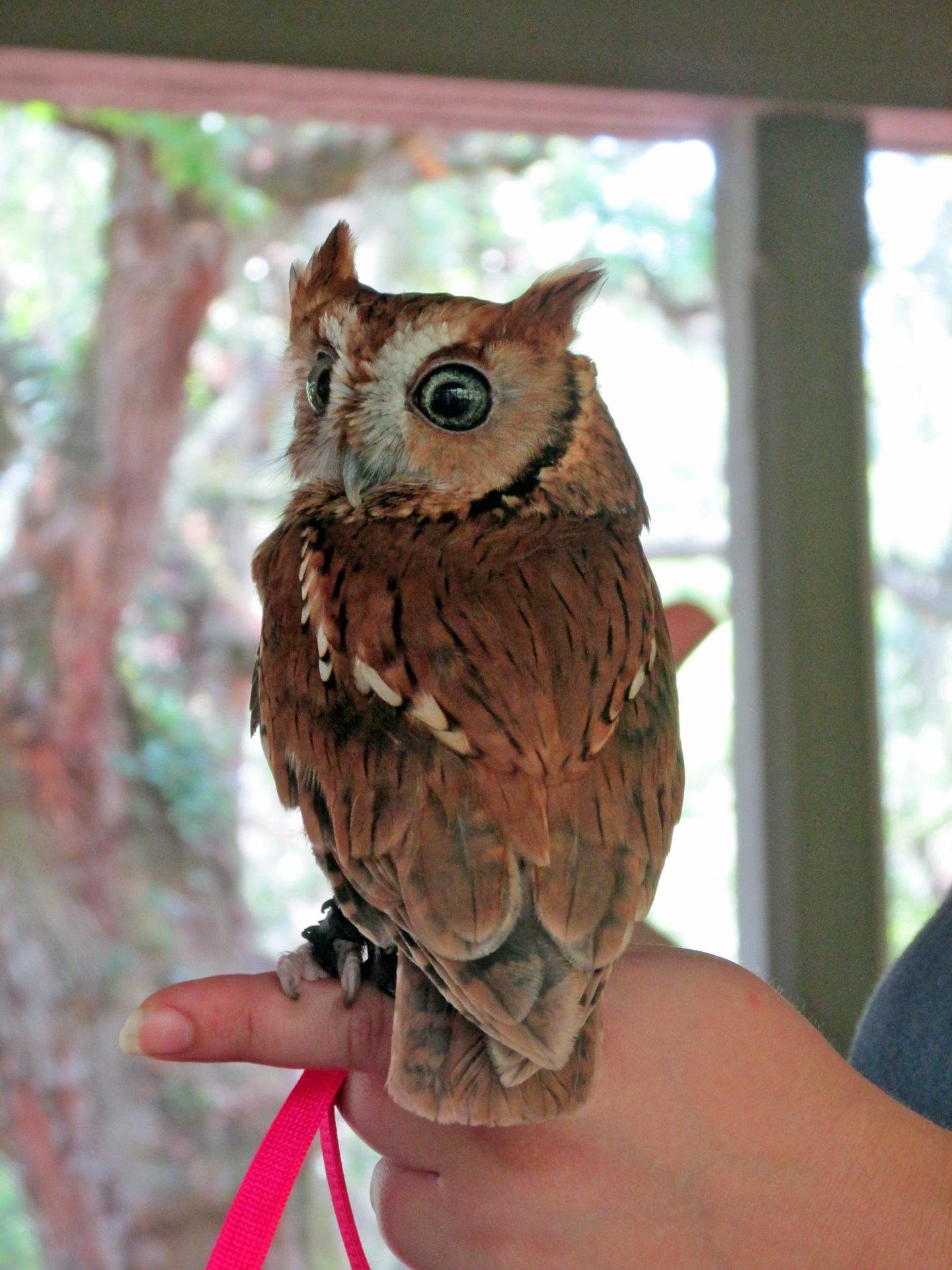
Photo by Bryan Stevens                     Lucy, an Eastern screech-owl, is part of an educational program at Brookgreen Gardens in South Carolina that teaches audiences some fascinating information about native wildlife. For instance, despite her small size, Lucy is an adult owl, not a baby.


It was his second question, especially the description of the “winnowing” sound, that got me thinking in an entirely different direction. It also helped that I’ve heard some of these small, nocturnal vocalists at my own home in recent weeks. I suggested that the Chapmans get online and look up the song and other vocalizations of the Eastern Screech-owl.

An adult Eastern screech-owl is usually only between six and nine inches in length. Many people upon first seeing a screech-owl assume it’s a baby owl. On a recent South Carolina trip I made several visits to Brookgreen Gardens near Pawleys Island. On several of these visits I attended the daily educational programs conducted by the zoo staff at the gardens that are designed to introduce visitors to various examples of native wildlife. The presenter usually introduced a couple of animals to the audience. On several occasions, the show featured birds of prey, including hawks and owls.

Two of the shows featured Lucy, an Eastern screech-owl, and people in the audience invariably asked if she was a baby owl. To their astonishment, they learned that Lucy was an adult screech-owl and unlikely to grow any bigger. There are larger owls in our region, including the great horned owl and barred owl. Lucy and her kin must avoid these much larger owls, which would have no hesitation at trying to make a meal of the much smaller owl.

Because of their small size, screech-owls prey on some comparatively small creatures, including insects, small rodents, amphibians and reptiles. The Eastern screech-owl is also a cavity-nesting bird and will accept bird boxes provided by humans so long as the box’s entrance hole is customized to their size.

Screech-Owl

Photo by Bryan Stevens                                      An Eastern Screech-owl perches among some hemlock branches.

The screech-owl is probably the owl most likely to encounter human beings. It’s an adaptable little feathered predator, fully as at home in the backyard and garden as it is in parks and woodlands. In addition to nesting in cavities, this owl roosts in them during the daytime hours. Look for roosting screech-owls in knotholes of trees or in unoccupied wood duck boxes. Although they come in two color phases — red and gray — both variations are quite capable of camouflage. When perched or roosting, these small owls blend remarkably with their surroundings.

The Eastern screech owl also produces a variety of odd wails and other vocalizations including a distinctive, trembling “whinny” call that is often made when the owl feels curious or alarmed. It’s a wavering, haunting call that is made after dark, most often at the hours closer to dawn and dusk. Imitating the call of a screech-owl or playing a recording is also a trick for getting some shy songbirds to show themselves. Screech-owls are unwelcome neighbors among songbirds, which will flock to this owl’s call and band together to “mob” the predator and try to convince it to depart the immediate area.

In addition to the Eastern screech-owl, the United States is also home to several other small owls, including Western screech-owl, Northern pygmy-owl, Northern saw-whet owl, flammulated owl and elf owl.

After I pointed to the screech-owl as the identity of the unseen caller at the Chapman home, I did receive another email from Lewis. My suggestion of the screech-owl proved correct. “It’s fun having the Eastern screech-owl in our woods,” he wrote back. “It has a beautiful call and most nights it does it for quite awhile.”

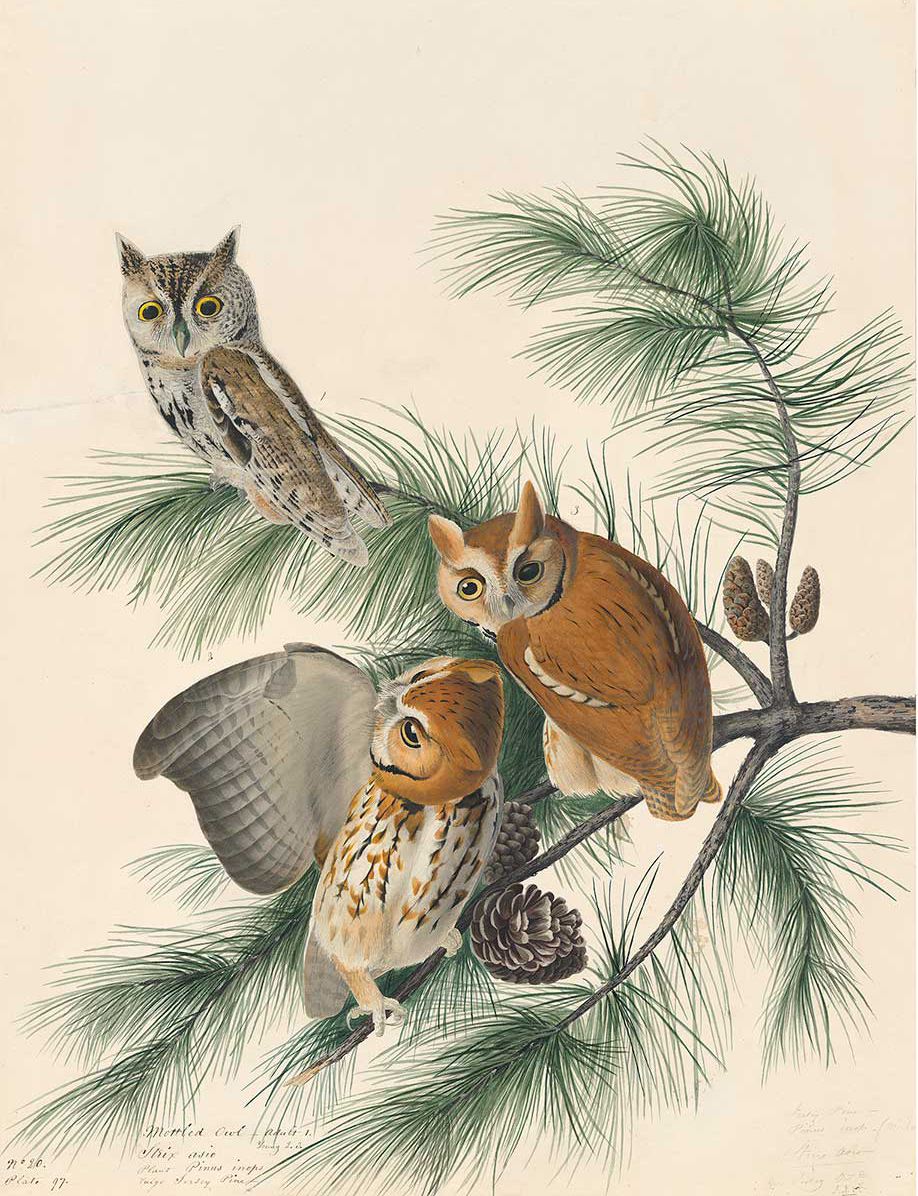
Audubon-Owls

Early naturalist and artist John James Audubon painted a family of Eastern Screech-owls.

Screech-owls do make good neighbors. Their prey preferences remove many nuisance insects and rodents from the habitat they share with humans as well as other wildlife. If you’re hearing an odd, winnowing call from the edge of the woods at your own home, there’s a good chance that you have one of these small owls as a neighbor.

Since moving to Laurel Bloomery, the Chapmans have already seen many great backyard birds, including indigo bunting, great crested flycatcher, ruby-throated hummingbird, house wren, black-and-white warbler, pileated woodpecker and chipping sparrow. Now they can also add Eastern screech-owl to the list. Who knows? They may some day also add a Wilson’s snipe to their yard list of birds.

•••••

To learn more about birds and other topics from the natural world, friend Stevens on Facebook at https://www.facebook.com/ahoodedwarbler. He is always posting about local birds, wildlife, flowers, insects and much more. If you have a question, wish to make a comment or share a sighting, email ahoodedwarbler@aol.com.
Family of brown thrushes excels at birdsong

WoodThrush-ONE

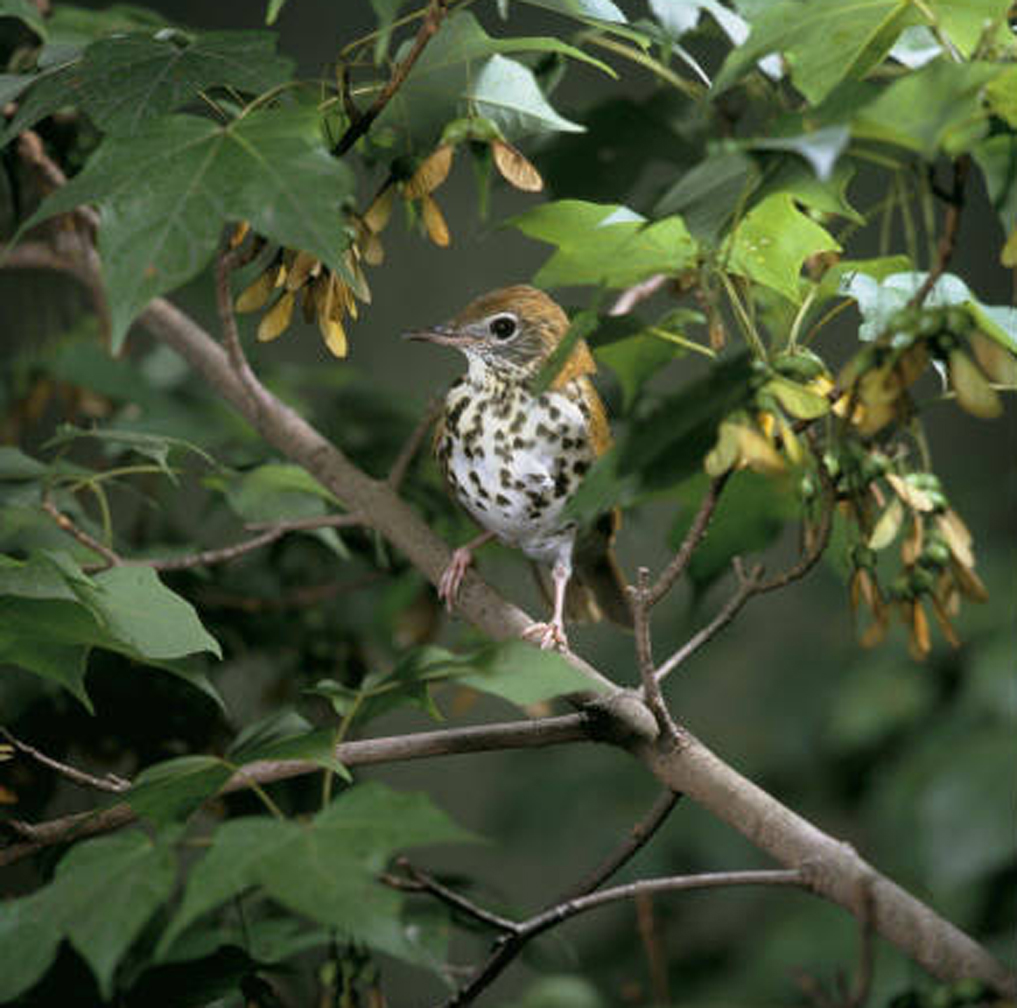
Photo by Jean Potter                                                        A wood thrush perches in the upper branches of a tree. This thrush’s flute-like notes produce a haunting song from shaded woodlands.

Kathy Shearer, who resides in Emory, Virginia, sent me a recent email asking for help with bird identification.
“My husband and I hear this lovely bird song in the evenings and early morning close to our house, which is in the woods at Emory,” she explained in her email. She also attached an audio recording of the mystery singer and asked me to listen to the file.


I did so, and from the very first of the flute-like notes, I recognized the singing bird as a wood thrush, one of the most talented avian songsters in North America.I’ve been hearing singing wood thrushes in the woods near my home during the evenings, often in the wake of some energetic but short-lived July thunderstorms.


WoodThrush-TWO

Photo by U.S. Fish & Wildlife Service                  The wood thrush is a shy, retiring bird that prefers to sing its melodic song from dense cover.

The wood thrush has a well-developed organ called a syrinx, which is the human equivalent of a larynx or voice box. For many songbirds, such as the thrushes, this specialized organ is more like a double voice box that permits the birds to produce two notes simultaneously while singing its song.

 
The wood thrush is one of the larger brown thrushes, which also includes such related birds as Swainson’s thrush, veery, gray-cheeked thrush and hermit thrush. Other less closely related members of the thrush family include the American robin, Eastern bluebird and Townsend’s solitaire.

 
The wood thrush is a fairly common bird in the region from April to October. Wood thrushes migrate south in the fall, dispersing to Mexico and Central America for the winter months.

 
The shy wood thrush does not usually venture too far from its preferred woodland habitat, but freshly disturbed soil in a garden will attract these birds as they seek out earthworms and insect larvae. Wood thrushes also feed on various fruits and berries, which means they can be attracted by plantings of suitable trees and shrubs.


Whitman_at_about_fifty

The poet Walt Whitman incorporated the hermit thrush and its melancholic song in his elegy to the assassinated President Abraham Lincoln.

The wood thrush, like many of its relatives, sings mainly in the early morning and again in the evening hours. Listening to the song of this bird from a comfortable seat on a deck or porch is a great way to conclude the day.

 
Naturalists often point to one of the wood thrush’s close kin — the hermit thrush — as the most gifted singer in this clan of gifted songsters. For discerning listeners, the hermit thrush’s flute-like notes are somewhat more melancholy, haunting and ethereal than even the enchanting notes of the wood thrush’s song.

 
The poet Walt Whitman employed a thrush as a symbol in his poem, “When Lilacs Last in the Dooryard Bloom’d,” a moving pastoral elegy in honor of the assassinated President Abraham Lincoln.

 
Whitman evidently knew his birds, and it’s not difficult to identify that he referred to the hermit thrush when he wove this songbird as a symbol into his stanzas honoring Lincoln.

 
“Sing on there in the swamp,” Whitman wrote in his poem. “O singer bashful and tender, I hear your notes, I hear your call. I hear, I come presently, I understand you…”

HermitThrush-One

Photo by Bryan Stevens The hermit thrush, pictured, and wood thrush are rivals for title of best singer among North America’s songbirds.

Whitman and many other Americans have been made fans of this gifted songbird. In fact, the citizens of Vermont even proclaimed the hermit thrush as their official state bird.
•••••
Bryan Stevens lives near Roan Mountain, Tennessee. To learn more about birds and other topics from the natural world, friend Stevens on Facebook at https://www.facebook.com/ahoodedwarbler. He is always posting about local birds, wildlife, flowers, insects and much more. If you have a question, wish to make a comment or share a sighting, email ahoodedwarbler@aol.com.

Making the acquaintance of a special ruffed grouse with lots of personality

Although I’ve seen many birds over the years, it’s not often that I’m introduced on a first-name basis with one. So, I’m happy to report that I’ve now made the acquaintance of Rufous, a resident of the woodlands around Flag Pond, a small community in Unicoi County, Tennessee.


Rufuous-Two (1)

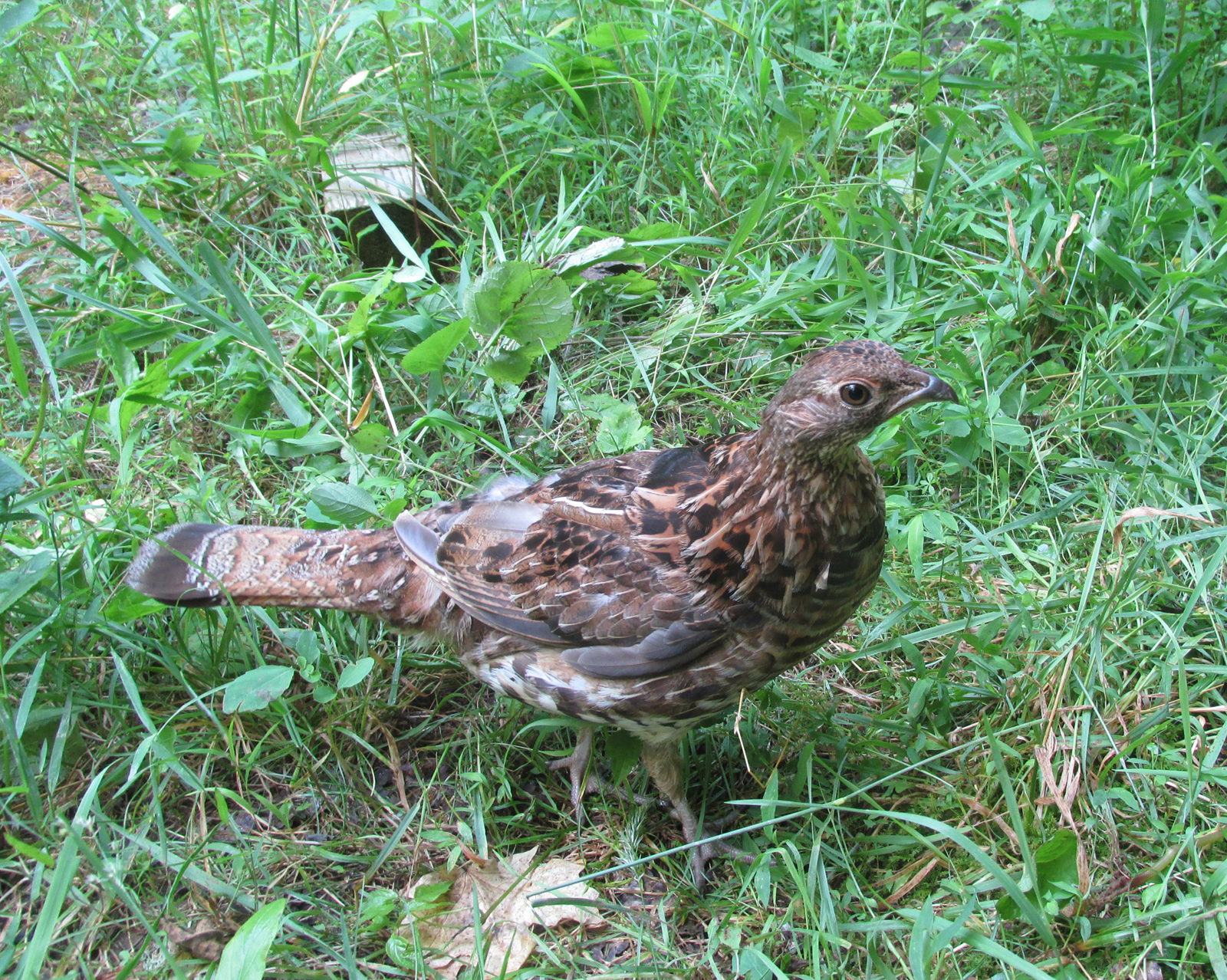
Photo by Bryan Stevens                               Rufous the ruffed grouse has been visiting the farm of Leon and Janice Rhodes for the past couple of years, apparently showing little fear of his human neighbors.

Rufous is a ruffed grouse that has been a fascinating and funny neighbor to Leon and Janice Rhodes for the past couple of years. I met Rufous on Saturday, June 25, at the Rhodes family farm. Brayden Paulk, a grandson of the couple, invited me to visit and attempt to meet Rufous.


This particular grouse is apparently a creature of habit, and Brayden suggested that a morning visit might be more conducive to my chances of getting to know Rufous.
I arrived around 9 a.m. and met Brayden and his grandfather. We went to a nearby barn, which apparently serves as a familiar meeting spot for Rufous and those people lucky enough to have gotten to know him over the past couple of years.
Rufous is only one member of a family of ruffed grouse in residence on the Rhodes property. In an email to me, Brayden told me that the mountain farm is a good place to see ruffed grouse. The 17-year-old doesn’t live in Tennessee, but he is a frequent visitor, spending time with his grandparents as often as possible. He and his family live in Oxford, Alabama. He also told me that his grandparents send him every one of my bird columns in the mail.

Brayden-Rufous

Photo by Bryan Stevens                Inside his grandfather’s barn, Brayden Paulk spends a moment with Rufous, a ruffed grouse with an abundance of charisma.

“I do happen to live in a great place for birds,” he informed me in an email. His home is located close to the Mountain Longleaf National Wildlife Refuge, which Brayden said is known for breeding blue-headed vireos, red-headed woodpeckers, and Swainson’s warblers.
“It has a lot of longleaf [pine] habitat, so I hope soon that red-cockaded woodpeckers might be reintroduced there, and establish a colony,” he added. The red-cockaded woodpecker is classified as an endangered species across much of the southeastern United States.
Brayden is a volunteer working in the Talladega National Forest in the foothills of the Appalachians on a study focused on the effects of controlled burns on cavity-nesting birds, such as red-cockaded woodpeckers.
He is an enthusiastic and, as I learned after meeting him, quite an accomplished birder. Warblers are his favorite family of birds, followed by ducks and sparrows.
“I enjoy where I live because I get to enjoy species such as the black-throated green warbler, blue-headed vireo and even red crossbill in the summer,” he said.
We have also exchanged emails in a discussion about why some of these birds, which are usually found in the boreal forests much farther north, stay much farther south along the spine of the Southern Appalachians.
His future plans are to major in Conservation Biology. “I hope to get a masters in ornithology from Cornell,” Brayden shared.

Rufous-Three

Photo by Bryan Stevens                               Leon Rhodes uses his cap to challenge Rufous to a friendly duel.

Of course, during our recent meeting, his focus was on arranging a meeting with Rufous, a bird with “a lot of personality.” Both Brayden and his grandfather cautioned that Rufous doesn’t follow a schedule. In other words, the meeting would take place only if Rufous was so inclined.

Although he has a very tame nature, Rufous is most definitely a wild bird.
Fortunately, I didn’t have to wait too long. Brayden was the first to detect the soft clucks as Rufous made his way cautiously toward the old barn. He emerged from the surrounding woodlands and walked into the barn where I was seated and waiting with Brayden and his grandfather.
Rufous immediately noticed my presence, identifying me as a stranger in the midst of some more familiar friends. He kept a wary eye turned on me during his visit. After a few moments of watching Rufous strut around the barn like he owned it — and perhaps he does in his own mind — I removed my camera from my pocket. I made sure that my actions didn’t alarm Rufous. When he didn’t object, I proceeded to take photos and videos of this very personable ruffed grouse.

Chick-Grouse

Photo by Bryan Stevens                              Rufous would have started out life much like this ruffed grouse chick, which was photographed on Holston Mountain in Carter County, Tennessee.

One of his favorite activities during these visits is to duel with a red baseball cap worn by Leon Rhodes. Whenever Brayden’s grandfather removed the cap and waved it in front of Rufous, the grouse became very focused. He channeled his attention almost exclusively on the cap until, with a startlingly swift attack. The entire sequence reminded me of a bull attacking a matador’s red cape.
For probably a half hour, Rufous put on quite a show, and I think Brayden and his grandfather were thrilled that the grouse proved so cooperative during my visit.

ruffed_grouse_audubon

Early American naturalist and painter John James Audubon painted these ruffed grouse as a familym unit.

After my visit with Rufous, I took Brayden for a brief birding trip to Rock Creek Recreation Area near Erwin, Tennessee. I was hopeful we might get to see a black-throated blue warbler, which has been an elusive warbler for Brayden. We did get some good birds at Rock Creek, including hooded warbler, Northern parula, blue-headed vireo, red-eyed vireo, black-throated green warbler and blue-gray gnatcatcher.
We didn’t, however, find a black-throated blue warbler. We didn’t give up, though, and proceeded to the Cherokee National Forest on Unaka Mountain. We made one very productive stop, finding a singing veery, a scarlet tanager and a dark-eyed junco. We also found more warblers, including black-and-white warbler, worm-eating warbler and black-throated green warbler. I’m happy to report we also found a male black-throated blue warbler. So, the productive morning resulted in my meeting with a grouse with a lot of personality and Brayden getting a new species for his life list of birds.
I don’t have any theory to explain Rufous and his acceptance of his human neighbors. I do believe birds, like humans, are individuals. Some of them have quirks that set them apart from others. Although he acts tame, Rufous is still a wild bird. Most ruffed grouse are extremely wary birds that go out of their way to avoid humans. Meeting a grouse that took humans in stride was a fascinating experience.

Grouse 2

Photo Courtesy of Jean Potter                          This photo shows the ruff of feathers that gives this grouse its common name.

The ruffed grouse is named for the male’s neck ruff. These feathers around the neck can be erected in mating displays, creating an impressive “collar.”  The ruffed grouse has served since 1931 as the state bird of Pennsylvania.

Many years ago, a ruffed grouse boldly walked into my front yard and then ventured onto the front porch. Only my timely intervention rescued the visiting grouse from a cat that belonged to my parents.
The unusual behavior of Rufous has persisted for two years. That, in my book, makes him a very unique grouse. I’ll always remember the day that I made his acquaintance.

Rufous-One

Photo by Bryan Stevens       Rufous proved to be a grouse with a unique personality.

••••••

To learn more about birds and other topics from the natural world, friend Stevens on Facebook at https://www.facebook.com/ahoodedwarbler. He is always posting about local birds, wildlife, flowers, insects and much more. If you have a question, wish to make a comment or share a sighting, email ahoodedwarbler@aol.com.
Unmistakable majesty of bald eagle imminently suitable for America’s official bird


Eagle-HEAD

Photo by U.S. Fish & Wildlife Service                  The Bald Eagle’s name originates with the adult bird’s all-white head that so contrasts with the dark body.

In addition to an abundance of red, white and blue decorations, the recent celebration of the Fourth of July likely featured various images and depictions of the bald eagle, which has served as the official bird of the United States of America since the latter decades of the 18th century.

During a trip last month to Pawleys Island, South Carolina, I saw a single bald eagle. I haven’t observed any bald eagles in the region so far this year, but I did monitor via nest cams the progress of a couple of eagle pairs as they raised their chicks. The resurgence of the once-endangered bald eagle in the lower 48 states has been a laudable accomplishment that all Americans should view with pride.

31_White-headed_Eagle

Artist and naturalist John James Audubon knew, as did Benjamin Franklin, that the Bald Eagle frequently scavenged its meals. Audubon’s painting of an eagle with a large catfish doesn’t clearly indicate whether the bird caught the fish or scavenged an already dead one.

I thought that readers would be better prepared to celebrate Independence Day with some interesting information on our national bird, the American bald eagle, which officially became the national emblem in 1782 when the great seal of the United States was adopted. Although Benjamin Franklin famously expressed reservations about making the bald eagle our national bird, in hindsight it’s clear that Americans made the right choice.

Despite elevating this native bird to such lofty status, we have not always been kind to the bald eagle. We allowed habitat destruction and toxic pesticides to bring this eagle to the brink of extinction. With well-deserved protection, however, the bald eagle rebounded, and the Department of Interior finally took the eagle off the threatened species list on June 28, 2007.

The bald eagle has been more frequently observed by birders in Northeast Tennessee in recent years. Some of the region’s rivers and lakes are good places to look for bald eagles, particularly in the fall and winter. A few lakes even regularly host nesting bald eagles. I’ve observed bald eagles in Tennessee, South Carolina, Florida and Virginia.

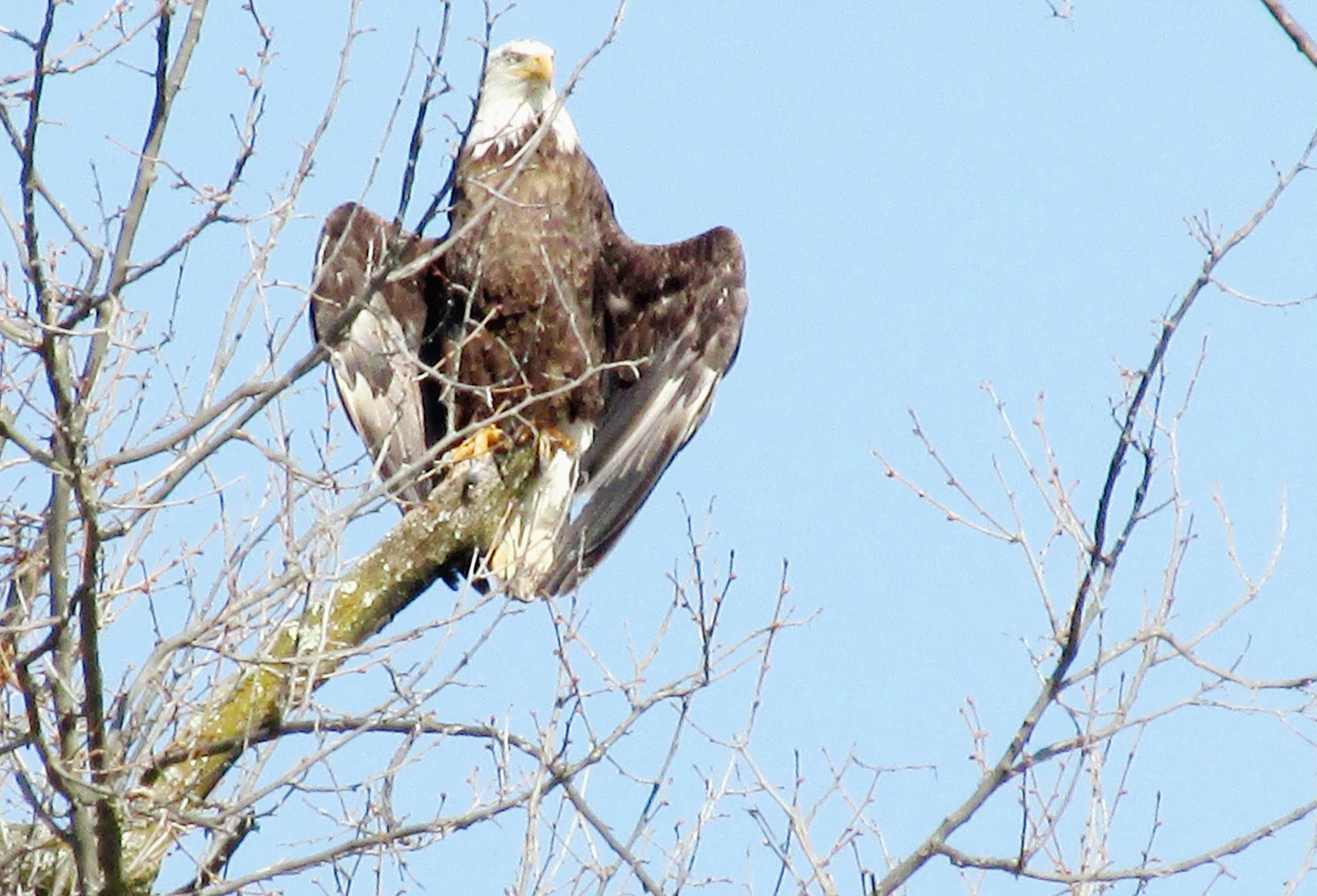
BaldEagle-Watauga

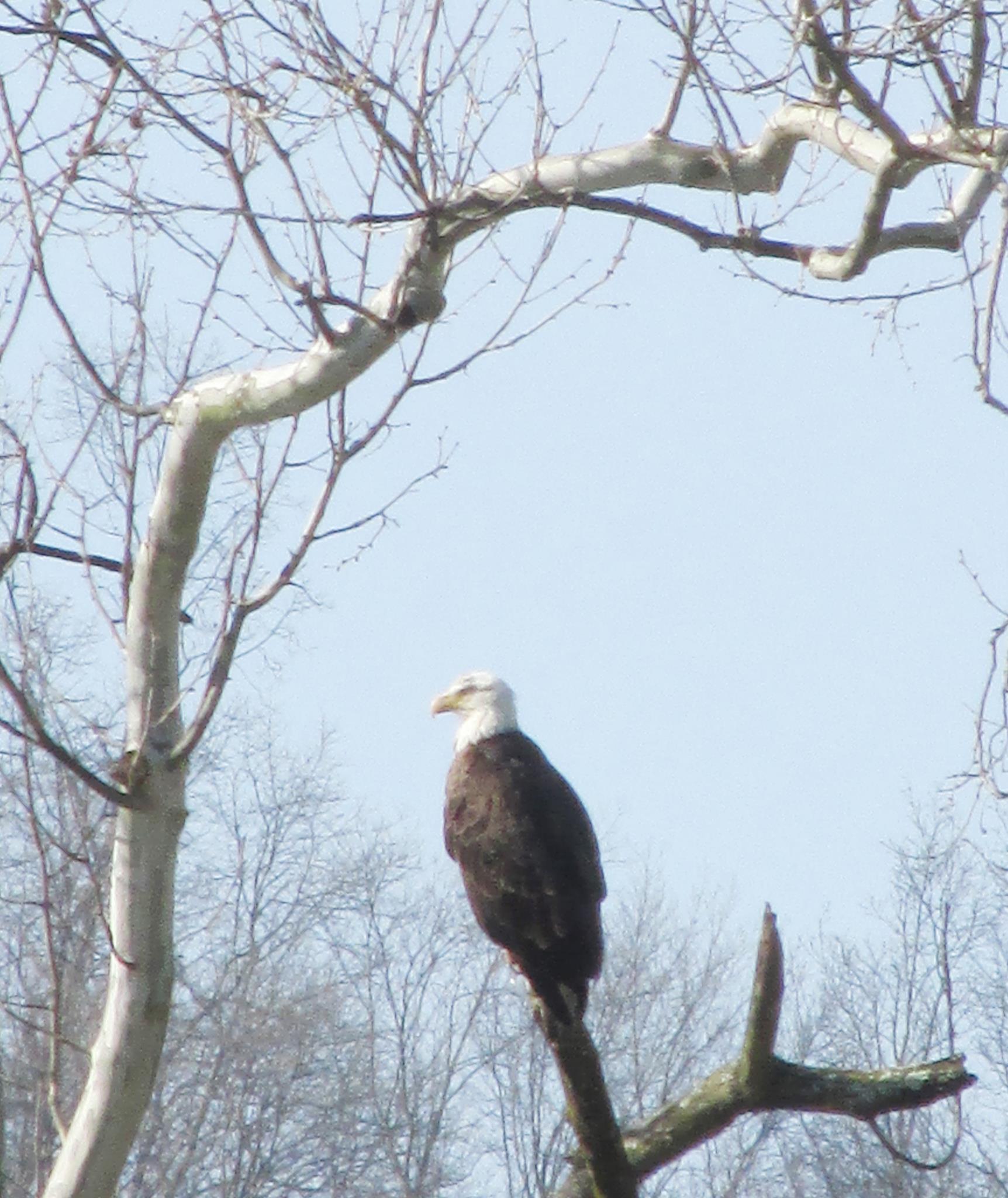
Photo by Bryan Stevens                            A Bald Eagle perched in a tree along the Watauga River in Elizabethton, Tennessee.

The bald eagle (Haliaeetus leucocephalus) is a member of a genus known as Haliaeetus, or sea eagles. There are seven other living species in the genus: the white-bellied sea eagle, Sanford’s sea eagle, African fish eagle, Madagascar fish eagle, Pallas’s fish eagle, white-tailed eagle and Steller’s sea eagle. The eagles are incredibly majestic birds and important symbols of the value of natural places and creatures.

Steller’s sea eagle is named for the German naturalist Georg Wilhelm Steller, who is renowned for his work as a pioneer in the natural history of Alaska. The 49th state to join the union is also the stronghold for the bald eagle. On occasion, Steller’s sea eagle has strayed into U.S. territory at Alaskan locations including the Pribilof Islands and Kodiak Island. Steller’s sea eagle is bigger than the bald eagle. In fact, it is the largest member of the Haliaeetus genus of eagles, making this bird one of the largest raptors in the entire world.

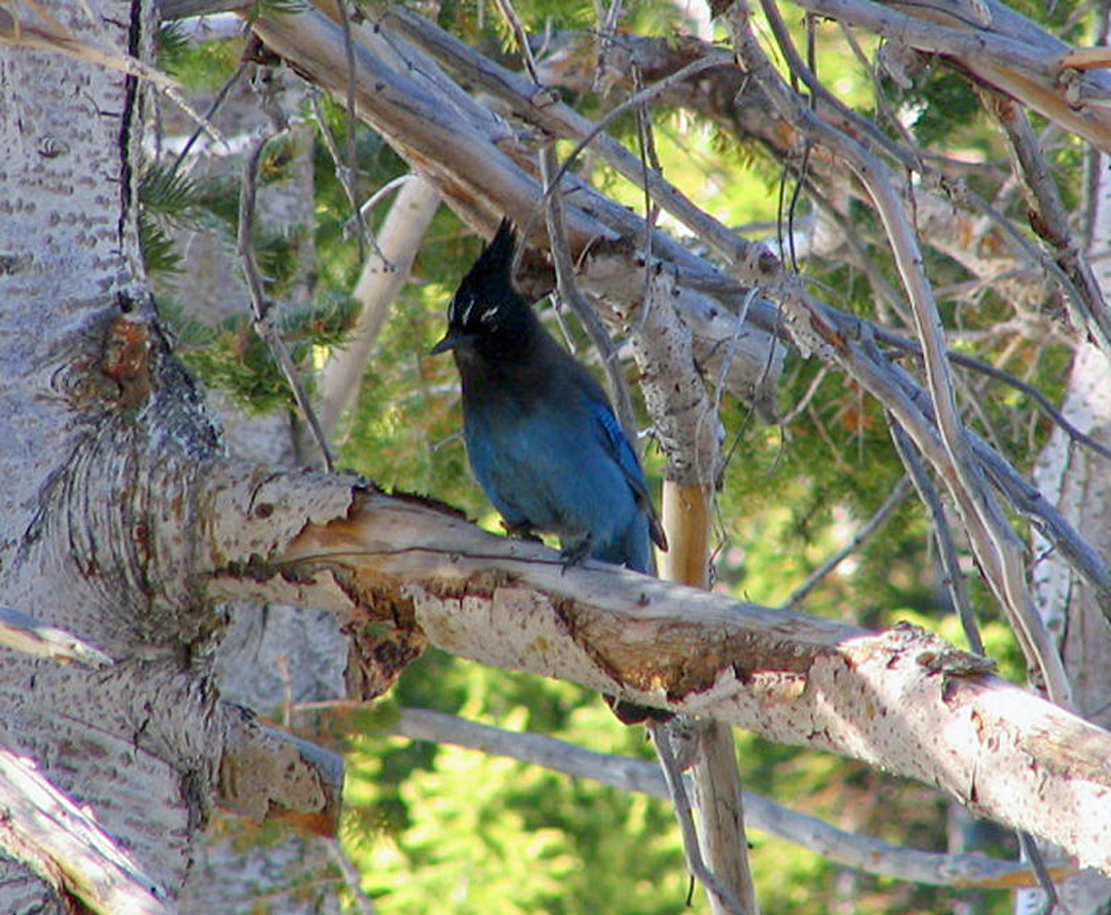
StellerJay1

Photo by Bryan Stevens                                    The Steller’s Jay is named in honor of German naturalist Georg Wilhelm Steller.

The naturalist for which the bird is named has also been honored by the naming of other creatures, including Steller’s sea lion and the now-extinct Steller’s sea cow, as well as several birds, including Steller’s jay and Steller’s eider. He was the first naturalist to describe several creatures native to Alaska, although two of these, the sea cow (a relative of the manatees) and the spectacled cormorant, are now extinct. The latter, which was the largest cormorant to ever live, is a particularly sad story. These cormorants were basically eaten into extinction, exploited as a food source by sailors and fur traders. The last spectacled cormorants perished around 1850 on a Russian island off the coast of the Kamchatka Peninsula.

Fortunately, we have proven a little more far-sighted in our treatment of the bald eagle, which was removed from the U.S. government’s list of endangered species on July 12, 1995, and transferred to the list of threatened species. In 2007, bald eagle numbers had rebounded enough in the Lower 48 states to also allow for the bald eagle to be removed from the list of threatened species.

The bald eagle, however, is not considered closely related to eagles in the genus Aquila, or “true eagles,” in which the golden eagle is included. North America’s other eagle is a very rare visitor to the region. The golden eagle is primarily a bird of the western United States while the bald eagle ranges widely across the United States as well as into Canada and Mexico. Other true eagles include the Spanish imperial eagle, tawny eagle and wedge-tailed eagle.

BaldEagle-Sunning

Photo by Bryan Stevens                                        A Bald Eagle basks in sunshine from a perch in a tree along the Watauga River.

Both male and female adult bald eagles have a blackish-brown back and breast; a white head, neck and tail; and yellow feet and bill. Juvenile bald eagles are a mixture of brown and white and reach full maturity in four to five years. The female bald eagle is 35 to 37 inches in length, slightly larger than the male, with a wingspan that ranges from 72 to 90 inches. Bald eagles weigh from 10 to 14 pounds. The bald eagle’s diet consists mostly of fish, some of which are scavenged, but these large raptors are also capable of preying on everything from muskrats and ducks to rabbits and snakes. The bald eagle will also feed on carrion.

Two-hundred and thirty-four years after it was declared an official emblem of the United States, the bald eagle has become an instantly recognizable American symbol. Long may the eagles fly.

•••••

Bryan Stevens lives near Roan Mountain, Tennessee. To learn more about birds and other topics from the natural world, friend him on Facebook at https://www.facebook.com/ahoodedwarbler. He is always posting about local birds, wildlife, flowers, insects and much more. If you have a question, wish to make a comment or share a sighting, email ahoodedwarbler@aol.com.

Elusive least bittern provides big addition to life list

I observed a new life bird during a recent trip to coastal South Carolina. Birders like to make additions to their life list, which is a compilation of all the species of birds observed over the years. I haven’t made any additions to my life list since 2013, so adding this new bird felt long overdue.

Least Bittern Painting by John James Audubon; Least Bittern Art Print for sale

These least bitterns were painted by early American naturalist and artist John James Audubon.

The new bird technically belongs to the group of long-legged waders — herons, egrets and a few other allied birds — often seen in South Carolina coastal areas. Most of these birds are often described as elegant, majestic or stately, but that’s not the case with this particular bird. My sighting also helped me cross a family of birds off my list. The least bittern I observed on June 11, 2016, in the marsh at Huntington Beach State Park near Pawleys Island, South Carolina, represented the final member of the heron family in the United States that I needed for my life list.

Least-Bittern-Photo

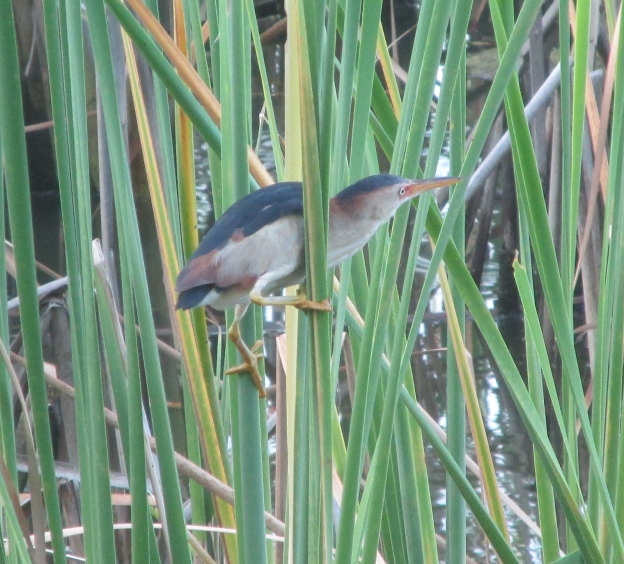
Photo by Bryan Stevens                                            Least bitterns, the smallest member of the heron family in North America, possess special adaptations for life in marshes and wetlands.

Some life birds on my list are rare birds that have unaccountably strayed into the region while others are birds I deliberately set out to find during visits to area where they are prevalent. I wasn’t actively looking to add any life birds to my list during my recent South Carolina visit, so the least bittern also represented a very pleasant surprise.

The least bittern has been found in wetlands in southwest Virginia and northeast Tennessee, but I’ve never been in the right place at the right time to find this bird closer to home. I have seen a few American bitterns, which are a larger relative of this diminutive member of the heron clan. I didn’t have the same degree of difficult adding an American bittern to my list. Years ago, while birding with Reece Jamerson, an American bittern emerged from vegetation at the edge of a ditch in a flooded pasture and proceeded to put on quite the show. To my eternal regret, that sighting predated my habit of always carrying a camera with me while birding.

American_Bittern

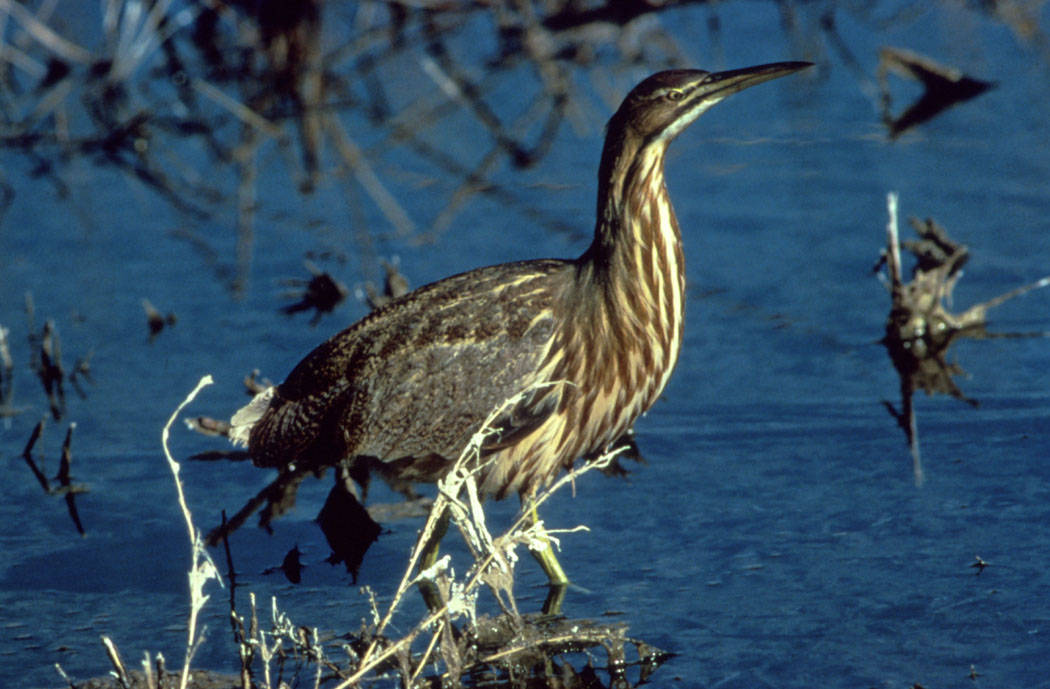
Photo by U.S. Fish & Wildlife Service/Gary Zahm     The American bittern, a larger relative of the least bittern, has a habit of freezing into place when spotted in the open, trusting that it will blend into the background. The trick doesn’t always work.

The least bittern is the smallest of North America’s herons and is one of the smallest of the world’s herons. Although it achieves a body length of 11 to 14 inches, this bird weighs only about three-and-a-half ounces. If you’re wondering how birds can achieve this lightness of being, remember that they’re comprised mostly of hollow bones and feathers. By way of comparison, the chipmunks so fond of raiding our bird feeders weigh a couple more ounces than the heaviest least bittern. The dwarf bittern of Africa and the black-backed bittern of Australia rival our native least bittern for the title of world’s smallest heron. In flight, the least bittern’s wings can unfurl as much as 18 inches.

One ironic twist is that I saw a least bittern a few days prior to what I am listing as the official date of observation for this life list addition. When I visited Huntington Beach State Park on June 5 upon first arriving I was walking the marsh causeway when a small heron flew into a dense area of vegetation. I got only an instant’s glimpse of a small heron that I was convinced was a least bittern. However, with such a short duration for the sighting, I chose not to count that sighting. When I observed the species again a few days later, however, that boosted my confidence in my call on that first sighting.

????????????????????????????????????

Photo by Jean Potter                                            This Least Bittern was photographed in a wetland in Texas.

The wetlands at the park provide perfect habitat for nesting least bitterns. The least bittern is not a rare bird, but its lifestyle makes it an exceptionally difficult bird to observe. This bird acquired its reputation for elusiveness almost as soon as it was first encountered by European settlers. Early ornithologists agree that the least bittern is a master at concealment. Several of them write about the ability of these tiny herons to blend with the reeds and other vegetation in their wetland abodes. John James Audubon, the early naturalist and famous painter of North America’s birds, is credited with discovering that the least bittern possesses the ability to compress its body in order to facilitate its passage through a space no more than an inch wide.

Wild-NightHeron-Adult

Photo by Bryan Stevens                                    This Black-crowned night-heron was also found and photographed at Huntington Beach State Park in South Carolina, close to the location where the least bittern was observed.

These birds usually shun flight. Their preferred mode of getting through the dense vegetation of the marsh is to straddle reeds and cattails as they climb the vegetation. While some marsh birds, such as clapper rails, are fairly vocal, the least bittern’s elusive manner extends even to its vocalizations. The least bittern is rarely heard outside of the nesting season, although a startled bird may produce an excited cackling. The least bittern I observed was completely silent as it slowly merged back into the dense cattails of the marsh.

In appearance, the least bittern is a distinctive bird with a dark crown patch, a rusty-orange neck and sides, a white chin patch and an orange and white striped throat. Its eyes and bill are yellow. The legs are green in the front and yellow in the back. Males and females are similar in appearance with males looking slightly more vibrant.

American_Bittern-2 copy

Photo by U.S. Fish & Wildlife Service/Sallie Gentry                 The American bittern, which is also a member of the heron family in North America, is larger and slightly more frequently observed than its smaller relative.

A female least bittern will lay between five and seven eggs, but a range of threats face her hatchlings. Crows and raptors, marsh mammals and alligators and other reptiles are potential predators. An unlikely peril is posed by the small marsh wren, which will puncture the eggs of least bitterns and other wetland birds nesting in its territory.

Incidentally, the previous bird added to my life list back was a black-legged kittiwake observed on Oct. 29, 2013, at Holston Dam in Sullivan County, Tennessee.

•••••

Wild-NightHeron-Young

Photo by Bryan Stevens This young Black-crowned Night-heron does a good job blending with its surroundings.

To learn more about birds and other topics from the natural world, friend Stevens on Facebook at https://www.facebook.com/ahoodedwarbler. He is always posting about local birds, wildlife, flowers, insects and much more. If you have a question, wish to make a comment or share a sighting, email ahoodedwarbler@aol.com.

South Carolina trip provides excellent viewing opportunities to observe one of nation’s most colorful birds

PaintedBunting-Male (1)

Photos by Bryan Stevens                                                          A male Painted Bunting feeds on millet seed at a feeder at Huntington Beach State Park in South Carolina.

I enjoyed a recent excursion to coastal South Carolina, which provided me a change to look for birds at such locations as Huntington Beach State Park and Brookgreen Gardens. These two attractions are two of my favorite places to bird when I get an opportunity to a stay at Pawleys Island in South Carolina.

PaintedBunting-Feeder

The male Painted Bunting is one of the most colorful birds in North America.

Southwest Virginia, Northeast Tennessee and Western North Carolina share some colorful species of birds, including rose-breasted grosbeak, Baltimore oriole, scarlet tanager and indigo bunting. The vibrant blue plumage of a male indigo bunting makes it one of the most coveted birds at feeders. One of my earliest bird memories is one that recalls summer sightings of “blue birds,” or indigo buntings, perched in the same blue spruce tree with “yellow birds,” or American goldfinches. It’s very likely that such memorable childhood sightings set me on the path to becoming a birding and nature enthusiast.

It’s fun to speculate that I might have traveled that path even sooner if I’d observed in that blue spruce one of the relatives of the indigo bunting. The painted bunting, which I saw frequently during my South Carolina vacation, is often described as one of the most colorful birds in the United States. A male painted bunting’s plumage is an almost shocking blend of blue, green, yellow and red feathers, which make males appear almost too tropical for a bird that makes its home for part of the year in the United States. The color pattern for the male painted bunting consists of a blue head, a red eye-ring, red underparts and a green backs. Females and immature birds are a uniform, bright lemon-green overall, with a pale eye-ring. Two years are required for a male painted bunting to acquire the vibrant plumage that has given the bird its common name.

Painted-Perch

It’s easy to see how the male painted bunting acquired its reputation as one of North America’s most colorful birds.

The painted bunting is a specialty bird of the southern United States, as well as some locations in the southwestern United States, including southern Arizona and New Mexico. A thriving population exists along the Atlantic Coast in South Carolina, Georgia and Florida. These colorful birds also occur in Louisiana, Texas, Arkansas and Oklahoma. Some other common names for this bird include painted finch and rainbow bunting. Early French colonists to the New World named this songbird “Nonpareil,” which means “without equal.” That neatly sums up the amazing appearance of this bird.

Bird feeders help this bird overcome its shyness in the presence of humans. Huntington Beach State Park in South Carolina maintains several feeders filled with millet, which is a small seed favored by buntings, as well as some sparrows and finches. The feeders located at the park’s Nature Center are a popular destination for people hoping to get a good look at a painted bunting. Of course, the buntings share the feeders with other birds, including chickadees, cardinals, house finches, brown-headed cowbirds and red-winged blackbirds.

Paintedbunting-FemaleTwo

Female and immature painted buntings are greenish-yellow birds that are eclipsed by the more vibrant adult males.

Away from feeders, however, it can be difficult to find painted buntings. Males sing from elevated perches in spring and early summer, which can simplify the effort of locating them. The greenish females blend well with their surroundings and can be a much bigger challenge to observe. Once I learned to recognize the male’s song, finding painted buntings away from feeders became easier.
Before federal protections were put into place, painted buntings were often captured and caged as exotic pets. Although such practices are now illegal in the United States, these birds are still captured in some Central American locations for sale as a pet caged bird. I’ve always believed that it’s much more enjoyable to observe any bird free to fly, sing and live out its life in the wild.

Female-PaintedBuntinge

A female Painted Bunting decides to visit a hummingbird feeder.

The population of painted buntings has declined, particularly on barrier islands off the coasts of Georgia and South Carolina. Destruction of habitat has been a major factor, but these birds are also victimized by brown-headed cowbirds. The female cowbirds slip their own eggs into the nests of unsuspecting birds, which often raise the young cowbirds even at the expense of their own young.

Painted buntings do show up in some unexpected places, but there are only a few records for the region. In November of 2015, a male painted bunting showed up at Prospect Park in Brooklyn, New York, of all places. That particular bird lingered until Jan. 3, 2016, before it was last seen prior to a cold front moving into New York. The surest way to see a painted bunting is to visit some of its strongholds along the southern Atlantic Coast or the other regions in the United States where this technicolor dream of a bird ranges.

IndigoBunt

Indigo Buntings are fairly common songbirds in much of the eastern United States.

Until then, enjoy the painted bunting’s much more common, at least in this region, relative. The indigo bunting usually returns to the region in April and lingers into early October. Indigo buntings are also fond of visiting feeders for offerings of millet or sunflower seed.

Besides indigo buntings, other related birds include the lazuli bunting, varied bunting and blue bunting. Other birds named bunting, but not as closely related, include the snow bunting and the lark bunting. The term “bunting” when used with a bird basically refers to various seed-eating birds with stubby, cone-shaped bills.

13179389_10207987541958787_6482701987005342322_n

The Lazuli Bunting takes the place of Indigo Buntings in the western half of the United States. This male was photographed in Utah.

Perhaps some day in the future I’ll glimpse a migrant painted bunting that has strayed off course and has ended up in southwest Virginia or northeast Tennessee. Until that hypothetical day, I’ll continue to look for this dazzling bird any time I am in the Low Country of South Carolina. In addition, I’ll simply enjoy the electric blue plumage of the adult male indigo buntings that visit my feeders almost daily during the summer months.

••••••

Bryan Stevens lives near Roan Mountain, Tennessee. To learn more about birds and other topics from the natural world, friend him on Facebook at https://www.facebook.com/ahoodedwarbler. He is always posting about local birds, wildlife, flowers, insects and much more.

13308508_10208193039736103_5797206863247911756_o

This male Painted Bunting visits feeders at Huntington Beach State Park in South Carolina.

Field guides crucial components to improving your bird knowledge

Earlier this spring, I received an email from Jill Henderson, who resides in Saltville, Virginia, asking for some advice on obtaining a good field guide to help enhance her knowledge of the region’s birds.

“I appreciate your expertise and thank you for helping me learn about the many different types of birds that we have here in southwest Virginia,” Jill wrote in her email. “Can you recommend a good field guide/reference book for a novice bird watcher?”

Photo-FieldGuides

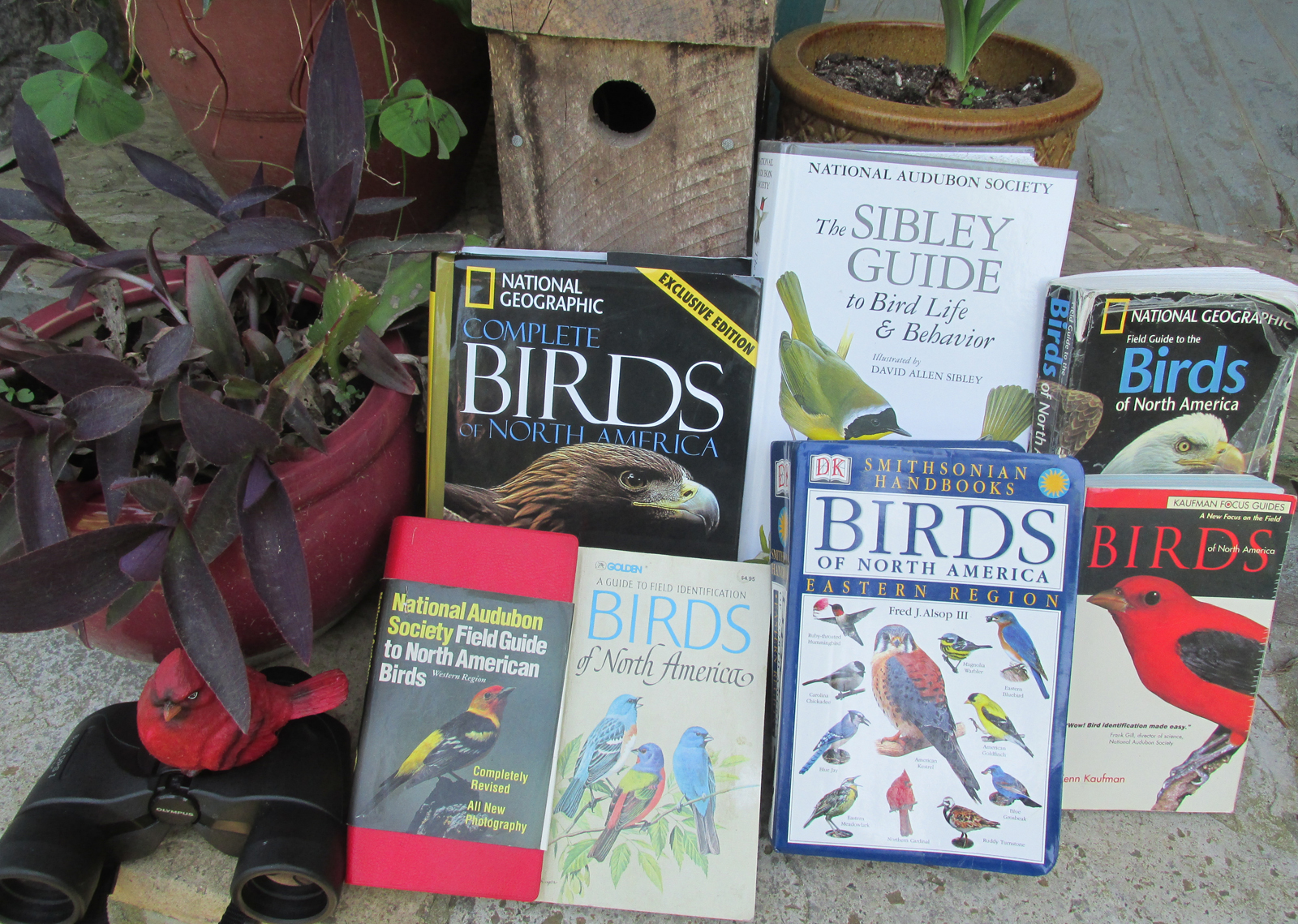
Photo by Bryan Stevens                                                                  A variety of birding field guides are available to help beginners hone their identification skills. Peruse and choose the guide that works best for you.

I provided Jill with some information about field guides especially valuable for beginning birdwatchers.

In my own experience, I look for three things in a field guide: detailed illustrations, convenient size and complete listings of birds likely to be encountered. I prefer field guides with paintings/illustrations of birds rather than book featuring photographs. It’s a personal preference, of course, but I believe a good painting beats a photograph for capturing and conveying the important details to look for when trying to identify a bird.

With those criteria in mind, some of my favorite guides are David Sibley’s The Sibley Field Guide to Birds of Eastern North America; The National Geographic Field Guide to the Birds of North America by Jon L. Dunn and Jonathan Alderfer; and A Field Guide to the Birds of Eastern and Central North America by the late Roger Tory Peterson. The latter is a classic among bird texts and helped kick off birdwatching for the average individual. The Sibley and National Geographic field guides are more modern takes on a field reference guide to assist in bird identification.9780307370020-us 2

All these books have counterparts featuring Western species of birds. Sibley also has a large guide (too large to easily take into the field) that has both Eastern and Western species in it.

I also suggested to Jill that before she makes a purchase, she should thumb through the pages of some of the guides available at a local book store or, even better, borrow a copy from a library. It’s always good to get some hands-on time with these books in order to decide which guide fits your own personal preferences. For instance, some people may prefer a guide with photographs. I’ve always liked painted illustrations better than photos. However, I own some field guides that rely on photos. I often use these guides as secondary references to consult for confirmation of a particularly puzzling identification. Among the best photo field guides available are the Kaufman Field Guide to Birds of North America by Kenn Kaufman and the Stokes Field Guide to Birds Eastern Region by Donald and Lillian Stokes.517doMN-H7L._SX333_BO1,204,203,200_

Overall, field guides are a valuable investment and crucial for individuals looking to expand their knowledge of birds. Best of all, most field guides are not expensive. Most guides cost around $20. It’s sometimes possible to pick up a good guide at a store specializing in used books for an even more modest price.

One thing to keep in mind is that we’re living in a technology-driven age. Some tech-savvy birders have begun to rely on electronic guides on mobile devices for use in the field while birding. I’m a little more old-fashioned and still prefer a portable book while looking for birds.1071890

Not all guides are dedicated to using visual cues to identify birds. Once beginners have mastered some of the visual means of identifying birds, they will perhaps want to advance to some of the excellent “birding by ear” guides to help develop the ability to match bird songs with the birds that produce these audio clues to their identities. There are literally dozens of marvelous field guides.

Although birding helped kick off the demand for nature field guides, the industry has branched out in the past couple of decades. It’s easy to obtain extensive and informative field guides on a variety of subjects, ranging from butterflies and moths to dragonflies, wildflowers, trees, reptiles, fish, mammals and much more.81a1885b-80a6-4e50-a941-f0079f122a97_1000

Jill sent me her email with the query about field guides about the time the first ruby-throated hummingbirds were returning to the region, and she shared a story about her efforts to attract hummingbirds that was sidetracked by an unwelcome visitor.

“Also, as an avid hummingbird watcher, I was so excited to prepare and hang two feeders,” she wrote. “However, the only thing attracted to them at this point has been a local bear who proceeded one night to tear down and destroy both feeders!”

Jill said that the offending bear left paw prints on her porch and sticky, red remnants of hummingbird food on the side of her house underneath the garage sconce light (also destroyed by the bruin), which he mistook for a third feeder.

“Oh well, I will try again with the feeders here soon,” she added. The incident did prompt her to change her strategy. This time, she wrote, she planned to locate the feeders a little farther from her house.

I sympathized with her about the bear’s attack on her feeders, and shared an account of an incident that befell one of my feeders. A bear mangled one of my peanut feeders this past winter, bending the mesh tube into a pretzel shape.

I added a postscript to my email reply to Jill, prompted by learning where she lives.

“I love the wetlands in Saltville,” I wrote to her. “Great habitats for birds!”

Through the years, I have observed some interesting birds in the Saltville wetlands, including surf scoter, Caspian tern, great egret and spotted sandpiper. During those visits, I always had a trusted field guide with me for consultation.e34fe1ca-5b5d-4c45-956c-41ff096610d0_1.58baeab0e8cc1f26ab894e3cbcf9f22d

••••••

To learn more about birds and other topics from the natural world, friend Stevens on Facebook at https://www.facebook.com/ahoodedwarbler. He is always posting about local birds, wildlife, flowers, insects and much more. If you have a question, wish to make a comment or share a sighting, email ahoodedwarbler@aol.com.