Tag Archives: Snowy Owl

Celebrating 30 years of birds, birding and birders

Photo by Bryan Stevens A burrowing owl perches on a sign at Antelope Island State Park in Utah in May 2006.

For the past 29 years, I’ve published my first bird column as close to the anniversary date of its initial publication as possible.

I’m not doing that this year. Instead, in a celebration of writing “Feathered Friends” on a weekly basis for the past 30 years, I am devoting this week’s column to personal reflection.

Has it truly been 30 years? It’s the question I’ve asked myself as the date on the calendar approached, marking 30 years since I began writing my weekly “Feathered Friends” column. The column made its debut in the Elizabethton Star’s Sunday lifestyles section, but since that debut on Nov. 5, 1995, the column has appeared in most of the newspapers in the region, plus a couple in North Carolina.

The column ran from 1999 to 2003 in the Herald & Tribune in Jonesborough and began running in The Erwin Record in 2003. It has mostly run each week in Unicoi County’s weekly newspaper since that time. The column began another run in the Elizabethton Star from 2008 to 2014, followed by a run in the Bristol Herald Courier, as well as in Six Rivers Media publications such as The Tomahawk in Mountain City, as well as Johnson City Press and Kingsport Times.

The column went online via WordPress in 2014 and is still posted weekly on Sundays at ourfinefeatheredfriends.com. I’m still staggered by the fact I’ve been writing this column on a weekly basis for 30 years. Readers have followed my accomplishments in birding, including detailed columns every time I’ve added a new species to my life list.
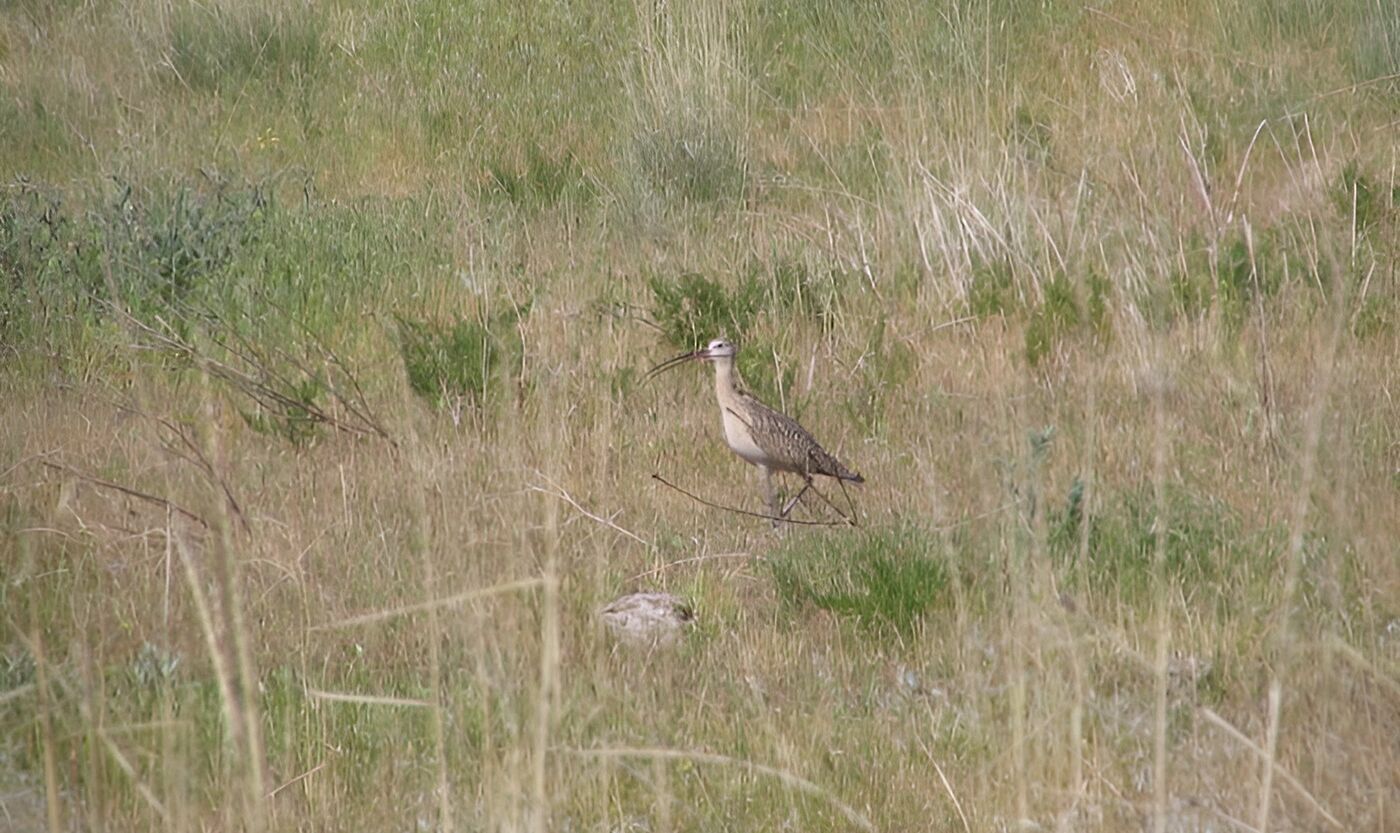
Photo by Bryan Stevens A long-billed curlew calls in a grassland at Utah’s Antelope Island State Park in May 2006.

Those special columns have included birds such as burrowing owl, long-billed curlew, roseate spoonbill, black-necked stilt, Nelson’s sparrow, black rail, swallow-tailed kite, Mississippi kite, grey-cheeked thrush, limpkin, least bittern, American bittern, painted bunting, lazuli bunting, golden eagle, American dipper, Townsend’s solitaire, mourning warbler, clay-colored sparrow, black-headed grosbeak, Western tanager, Northern saw-whet owl, bananaquit and many other memorable species. Just this past summer I added scissor-tailed flycatcher when I observed a female of this species nesting in Jonesborough.

I’ve added several hummingbirds to my list over the years, including Cuban emerald and Bahama woodstar from a trip to the Bahamas in 2000, and black-chinned hummingbird and broad-winged hummingbird from a trip to Utah. I saw a far out-of-range green-breasted mango in Charlotte, North Carolina, and traveled to Nashville to see a Calliope hummingbird, which is also the smallest of North American birds. In Northeast Tennessee, I’ve seen numerous rufous hummingbirds and a couple of Allen’s hummingbirds, both of which are western species with a perplexing habit of migration through the region and showing up in unlikely locations.
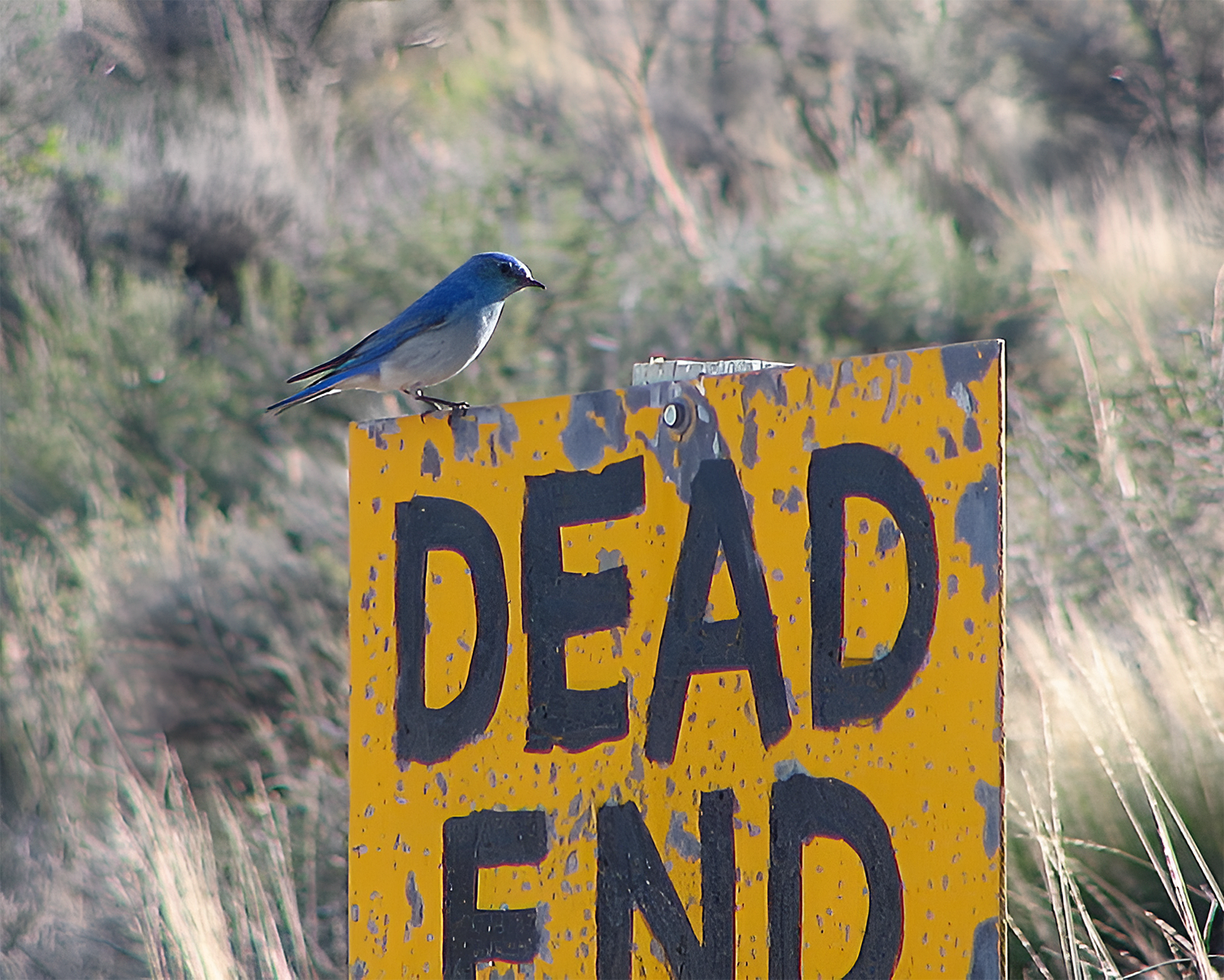
Photo by Bryan Stevens A mountain bluebird at Sweetwater Trailer Park and Campground at Garden City, Utah, on the shores of Bear Lake. Despite the sign, this location was certainly no “dead end” when it came to birding.

Even more than the birds, however, are the people I’ve met through this weekly column. I’ve been able to share stories about birding with people like Howard Langridge, Reece Jamerson, Gilbert Derouen and Wallace Coffey. They’re all gone now, but I have my memories of our time together looking for and finding some memorable birds.

I’ve met people like Brookie and Jean Potter, Tess Cumbie, Gary Wallace, Barbara Lake, Rick Knight, Joe McGuinness, Charles Moore, Fred Alsop, Allan Trently, Brenda Richards, Chris Soto, Rob Biller and Brayden Paulk. I’ve left out names because in all honesty there are too many to list. I’ve shared stories about Tom and Cathy McNeil, a couple who have chased rare birds such as buff-breasted sandpiper, snowy owl and hurricane-displaced American flamingos.

I’ve had adventures. I got stuck in mud at Musick’s Campground with Howard Langridge at Holston Lake as Hurricane Frances passed through the region in 2004, but we got a sooty tern!

Photo by Bryan Stevens A least bittern slips through marsh vegetation at Huntington Beach State Park in South Carolina.

While birding with Reece Jamerson at Austin Springs on Boone Lake, an American bittern walked up to us from a flooded ditch, absolutely fearless, and got so close we didn’t even need binoculars. Of course, we also hadn’t brought cameras.

I stood in freezing conditions for hours with dozens of birders in 2009 Springfield, Tennessee, scanning a field littered with plastic and other debris hoping for a glimpse of a reported snowy owl. Just as everyone was ready to give up hope, the owl, present all along, transformed from a white plastic bag into a fully feathered owl. It even made a short flight as if to reward everyone for their patience.

Visiting Antelope Island State Park in the middle of the Great Salt Lake in May 2006 with David Thometz and his parents, we saw many birds, the highlight being a long-billed curlew. We were driving on a road bordering a huge expanse of grassland facing the Great Salt Lake. I remarked that this looked like great habitat — I had done my homework in advance – for long-billed curlews. The words had barely left my mouth when we heard some whistled notes and saw my first-ever (and, to date, only) long-billed curlew. Even better, I managed to get a photo of the bird. We also saw thousands of horned grebes, as well as a photogenic burrowing owl, Western meadowlarks, chukars, lark sparrows and many other interesting species. Later during that same trip while traveling through Logan Canyon near Salt Lake City, I was mesmerized by an American dipper and then some Townsend’s solitaires that crowded into the scene.

Photo by Bryan Stevens A painted bunting visits feeders at Huntington Beach State Park.

On a November visit to Boone Dam with Wallace Coffey, we scanned a flock of gulls on a sandbar. When these white birds suddenly dispersed, one larger white bird that stayed behind became my first-ever sighting of a snow goose. I think Wallace’s excitement that I had gotten a life bird was even greater than my own.

Of course, my birding memories go farther back than these 30 years I’ve been writing this column. I remember the yellow birds (American goldfinches), the red birds (Northern cardinals) and blue birds (Indigo buntings) that visited each summer of my childhood. I can still hear the nocturnal serenades of whip-poor-wills that called from the woodlands while I saw on the front porch with my paternal grandparents at their home. The headlights of passing vehicles would silence them momentarily, but then one would begin calling again, and soon others rejoined the chorus. When lighting bugs added their visuals to the audio, we had all the makings of a perfect evening in the pre-Internet era.

To offer perspective, my column got its start with a feature on dark-eyed juncos, also known as “snowbirds.” With the recent dip in temperatures, I have a feeling it won’t be long before we start seeing these winter visitors.

I’ve got some plans for digging up some vintage columns as I celebrate 30 years of writing this column during 2026. There may be some other special surprises. Stay tuned and thanks to all who have read these columns over the years.

Photo by Bryan Stevens
Two Black-necked Stilts forage along the causeway wetland at Huntington Beach State Park.

 

Tennessee and neighboring states hosting exceptional rare birds this winter

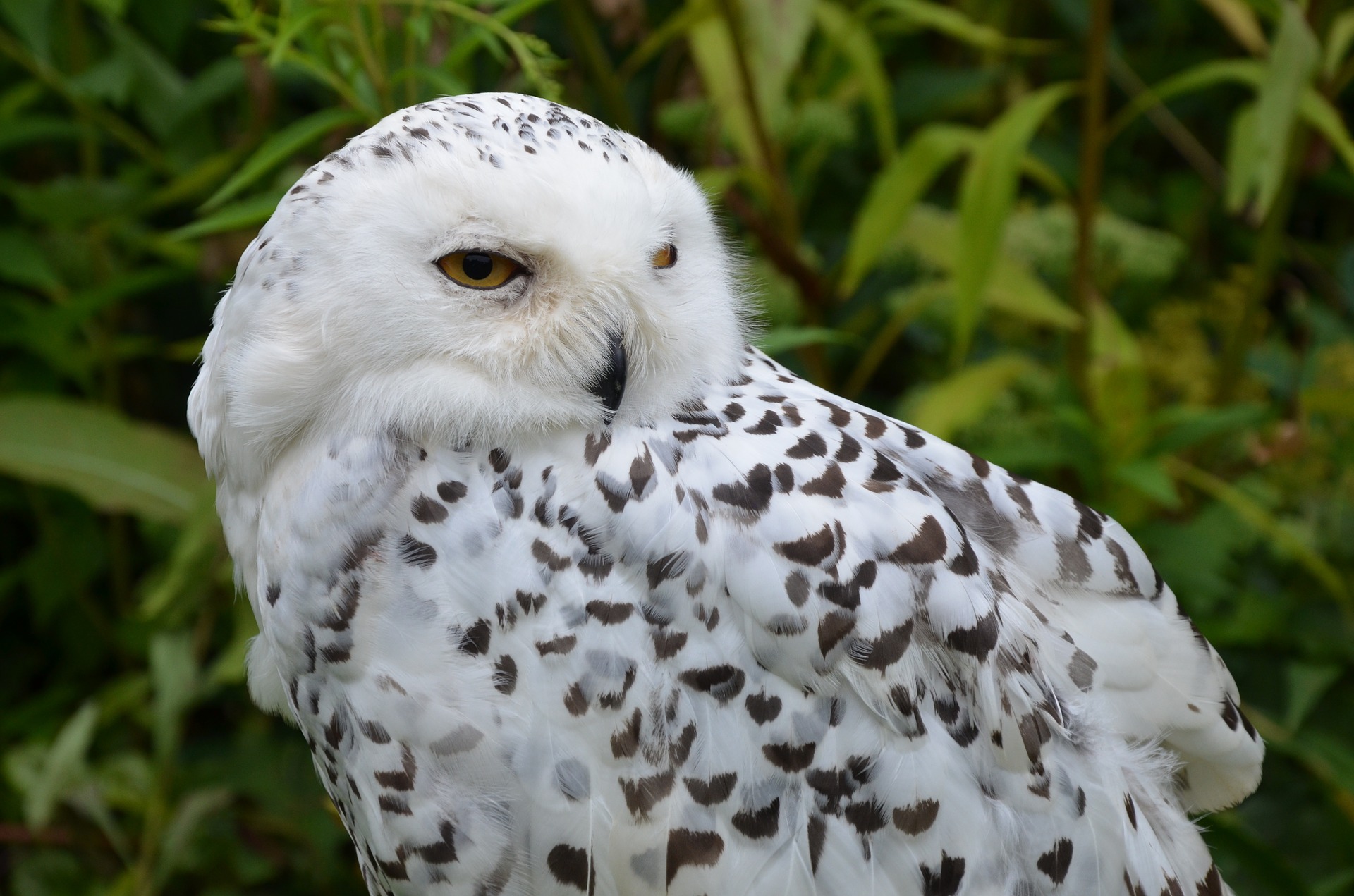
Photo by LoneWombatMedia from Pixabay • Among the unusual avian visitors to the Volunteer State this winter has been a snowy owl that has delighted observers in Chattanooga. Snowy owls, such as the individual pictured, are more commonly found on the tundra regions of the Arctic.

Birds have wings. Birds can fly. Birds confound our expectations.

Perhaps the mobility of birds is part of the human fascination with them. An unexpected bird can pop up at any time at almost any place. In fact, with 2021 less than a month old, the Volunteer State has already hosted some absolutely incredible birds.

For example, birder Evan Kidd found a Pacific Slope Flycatcher in Maryville on Jan. 7. 

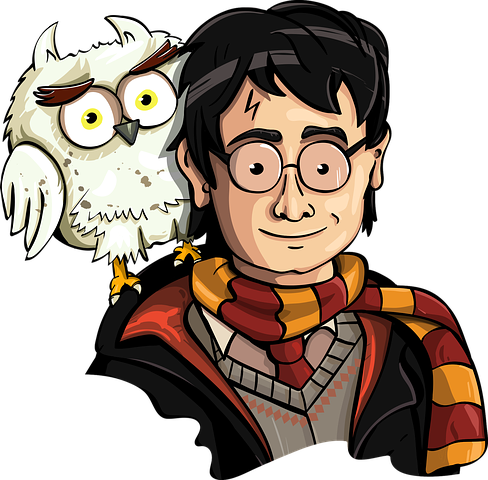
A couple of weeks later, a snowy owl, which is a bird most people have only become acquainted with in the pages of J.K. Rowlings Harry Potter novels, made an appearance on Zephyr Lane near Lake Chickamauga in Chattanooga. 

Chattanoogas been a real hot spot so far this year. In addition to the snowy owl, Chattanoogas hosted such unlikely visitors as white-throated swift and Bullocks oriole. 

All of these birds quickly achieved celebrity status and attracted birders from near and far hoping for a glimpse of these rarities to Tennessee. 

Birder Michael Todd posted on Facebook on Jan. 13 about his own observation of the white-throated swift. This particular sighting came with a bit of an unnerving twist for all the people who had flocked to see the swift.

Luckily, the swift narrowly avoided being a snack for a marauding merlin that tried its best to have some swift for lunch today, Todd revealed in his Facebook post. 

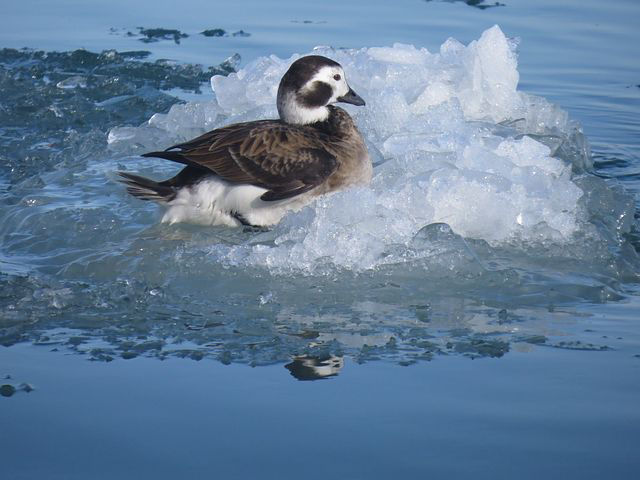
Closer to home, a long-tailed duck has been hanging out with buffleheads and other ducks at the weir dam at Osceola Recreation Area in Bristol. 

Ray Miller from Pixabay • Long-tailed ducks, such as this individual, favor colder waters, but they occasionally venture into Tennessee.

The winter invasion of evening grosbeaks, a finch that usually inhabits the forests of Canada and the northern United States, continued into 2021 as well.

What brings birds to locations far beyond their typical range? Obviously, their wings and the associated power of flight makes it possible for birds to travel surprising distances.

But on a more down-to-earth level, some of these birds such as the snowy owl and evening grosbeaks have ventured far south of their normal ranges because their usual food sources are scarce. Climate change may be exacerbating those scarcities. On occasion, a major weather phenomenon like hurricanes or other strong storms will force birds into unfamiliar territory. And whos to say that an occasional bird doesnt succumb to the temptation of wanderlust and decide to explore greener pastures? Or maybe some of these birds are simply stubborn, lost, and reluctant to ask for directions.

The reasons an unexpected bird might grace any given location are myriad. Whats easily explained is the excitement that they can generate. Back in the winter of 2009 I traveled with some friends to Spring Hill, Tennessee, in the hope of getting a look at a snowy owl. After several hours staking out some large fields with dozens of other birders on property owned by General Motors at the time, we got our owl. Incidentally, that particular owl got the nickname Chevy due to its association with the GM production facilities in Spring Hill. The moment that owl unfurled its wing and made a short but majestic flight over the field remains a birding thrill of a lifetime. 

Making the moment even more memorable was the fact that I got to see my first (and so far only) snowy owl in my home state of Tennessee instead of traveling to the edge of the Arctic tundra during the summer to look for this awesome owl on its native turf. Its not that I would say no to a tundra tour, but it hasnt been in the cards yet.

I have a short list of some other exceptional birds that have made their way to Tennessee rather than forcing me to venture across the country and around the globe to see. I observed monk parakeets and a green-breasted mango hummingbird in North Carolina, as well as a harlequin duck and Virginias warbler along Netherland Inn Drive in Kingsport from the greenbelt that meanders along the Holston River. Earlier this year while birding alone, I felt a moment of thats different when a raptor took flight over the parking lot at Sycamore Shoals State Historic Park in Elizabethton and materialized as a Mississippi kite once I got my binoculars on it. 

I think its part of the reason some birders are addicted to the chase. Theres nothing wrong with the cardinals and sparrows in the backyard, but a rare bird can truly generate a powerful jolt of excitement. 

Photo by Edbo23/Pixabay.com • During the winter months, a yellow-rumped warbler is a dull bird in mostly brown and gray plumage except for the rump patch of bright yellow feathers that provides the bird its common name. Although not a rare bird, these common resident make winter days more lively for observers.

Technology, including social media and GPS, has helped pinpoint these rarities when they stray into unfamiliar terrain. For instance, the snowy owl near Chattanooga is hardly the only one of its kind straying south of the Arctic this winter. These owls have made a major push south with individuals spotted in Lee, Illinois; Cumberland, Pennsylvania; Wood, Ohio; and Clinton, Iowa. A snowy owl has even been spending the winter on Ocracoke Island along the Outer Banks of North Carolina. Theres even dramatic photographs online of the owl against the backdrop of the famous Cape Hatteras Lighthouse. 

Whats the best way to spot a rare bird? Keep your eyes open and learn to recognize the birds that arent part of the familiar local flocks. One word of warning: Looking for those rarities can become addictive.

Cardinal has rivals when it comes to depiction on Christmas cards

Although many articles have been penned about the demise of the Christmas card, I still receive plenty of these paper greetings each holiday season. My friends and acquaintances, knowing me well, I suppose, often select cards featuring a variety of birds. Regardless of rising postal costs and hectic schedules during a busy season, the Christmas card appears to be an enduring tradition.

Northern_cardinal

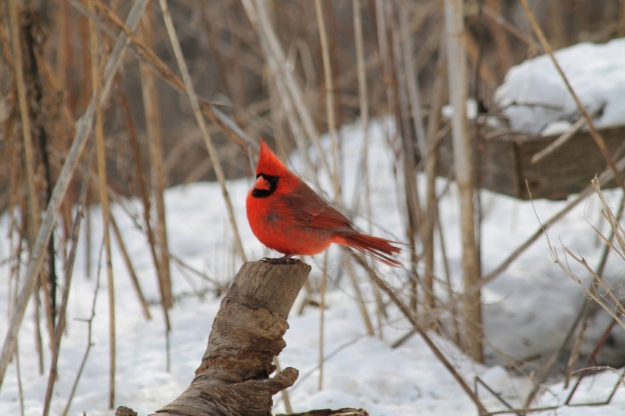
Photo by Nathan Rathbun/USFWS • An observation of a bright red male Northern cardinal is sure to put some cheer into the holidays.

Many of the cards I have received this year and in past holiday seasons have featured the Northern cardinal, which has long been one of my favorite birds. During the winter months, particularly during the holiday season, the Northern cardinal seems to take on even more significance. Anyone who received many Christmas cards this year will probably confirm that the cardinal often appears on them. The origins of the cardinal’s affiliation with the holiday of Christmas are a bit murky. After all, the Northern cardinal is a North American bird that would have been unknown in Europe until the 1600s, when the first explorers and settlers arrived from Europe.

Chinstrap5-HR

Photo by Jeff Keller/National Science Foundation • Chinstrap penguins (Pygoscelis antarctica) are also known as the bearded penguin and the ringed penguin. They reach about two feet tall and weigh less than 10 pounds. Chinstraps form strong bonds with their mates and will wait long periods for their mates to return to the breeding ground each year, rather than take a new mate.

The cardinal is hardly the only species of wildlife, let alone bird, that has become closely associated with the holiday. Everything from polar bears and seals to doves and penguins are also popular motifs for designers who craft Christmas cards. In recent years, I’ve even seen other birds — owls, chickadees, and even sandpipers — begin to decorate cards.

Often, when we think of the birds of the winter season, our thoughts focus on some of the less-than-colorful feeder visitors — the brown sparrows and wrens, the black and white chickadees and the drab American goldfinches that are such a contrast in winter to their vibrant summer appearance. The Northern Cardinal, especially the brilliant red male, stands out against a winter backdrop of snow white, deep green or drab gray. Could there be a better bird to brighten a Christmas card?

Well, as it turns out, there are other birds beyond the picture-perfect Northern cardinal that are worthy of gracing the front of Christmas cards. As previously mentioned, penguins are popular featured birds on many a Christmas card. Thanks to major motion pictures like Happy Feet (2006) and Mr. Popper’s Penguins (2011), as well as documentaries like 2005’s March of the Penguins, these dapper birds have enjoyed an enhanced profile in recent years and earned a place on our Christmas cards.

Emperor_Penguins

Photo by Kelly Falkner/National Science Foundation • Two emperor penguins greet each other near Ross Island in Antarctica. Emperors are the largest of all penguins, reaching nearly four feet tall.

Of course, there’s not one single “penguin” species. There are about 20 different penguin species, ranging in size from the emperor penguin, which weighs 75 pounds and stands three feet seven inches tall, to the little blue penguin, also whimsically known as the fairy penguin, which weighs 2.2 pounds and stands about 16 inches tall. Other species include the king penguin, yellow-eyed penguin and macaroni penguin.

While at first glance owls are an unlikely species for depiction on a Christmas card, I can understand why people have embraced these nocturnal birds. With their big eyes and a reputation that has improved as we are less likely to embrace superstitious myths, owls are a good choice for gracing the cover of a card. One species — the snowy owl — is a perfect bird to depict the wintry season. With its white plumage, contrasted with varying amounts of black or brown markings on the body and wings, this owl of the Far North is a good symbol for the Christmas season. It’s no surprise at all to find an image of a snowy owl staring with piercing yellow eyes from the front of a Christmas card. Other species of owls that I’ve seen featured on cards include barn owl, great horned owl, Northern saw-whet owl, and burrowing owl.

In real life, the snowy owl is a denizen of the treeless tundra regions of the Arctic. Some winters see these owls staging massive migrations that bring them south of the Canadian border. While they are more likely to spend the winter months in such Canada-bordering states as Minnesota, Michigan and Wisconsin, snowy owls have surprised and delighted birders by winging their way as far south as Tennessee, Virginia and North Carolina during some winters.

Snowy-OWL

Photo by Tom Koerner/USFWS • This snowy owl was photographed at Sand Lake National Wildlife Refuge in South Dakota. Some winters see great numbers of this owl surge out of the tundra to winter south of the Canadian border.

While owls and penguins are definite contenders, I’d wager that the Northern cardinal is the bird most often depicted on Christmas and other greeting cards. As further evidence to explain the popularity of the Northern cardinal, consider that it’s the official state bird of seven states — Virginia, North Carolina, West Virginia, Ohio, Illinois, Indiana, and Kentucky. Only the Northern mockingbird, which represents five states as official state bird, even comes close to the Northern Cardinal in this respect. Being designated an official state bird is also an honor that’s eluded any species of owl, let alone any of the world’s various penguins.

5-snowy-owl-john-james-audubon

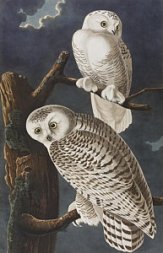
Snowy owl pair painted by John James Audubon.

Finally, one last thing works in favor of the Northern cardinal. Once the holidays are past, and the Christmas cards are packed away, there’s nothing like a glimpse of a Northern Cardinal to add some cheer to a bleak winter day.

•••••

Bryan Stevens lives near Roan Mountain, Tennessee. To learn more about birds and other topics from the natural world, friend Stevens on Facebook at https://www.facebook.com/ahoodedwarbler. If you have a question, wish to make a comment or share a sighting, email ahoodedwarbler@aol.com.

Crozier_Adelie_Penguin_Adult_looking-HR

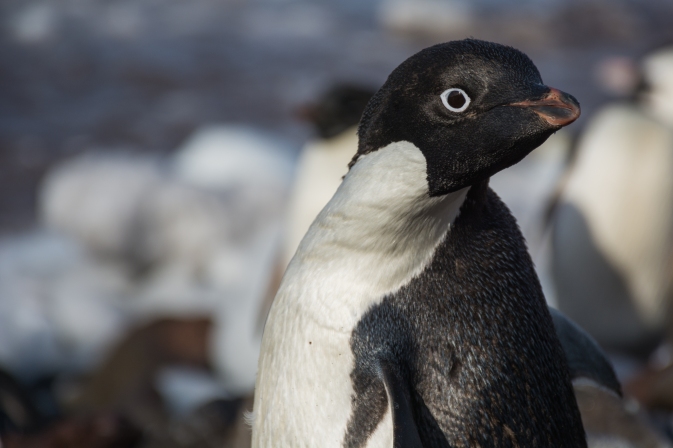
Photo by Mike Lucibella/National Science Foundation • An adult Adelie penguin turns its head. The Cape Crozier penguin colony is one of the largest known Adelie penguin colonies in the world, home to roughly half a million birds.


Owls perfectly suited to reign once the sun sets

It was a frosty morning on Simerly Creek on Oct. 20, and the sunrise had given a pink hue to some overhead clouds for a nice enhancement of the morning. From the wooded hollow across the road, I heard a very vocal Eastern Screech-Owl greeting the day with trembling wails. Although Eastern Screech-Owls are normally nocturnal, they can be most active within a couple of hours of both sunset and sunrise. Although I was headed to work, perhaps this particular owl was, in its own way, sending a message of “Good night and sleep tight.”

Photo by U.S. Fish and Wildlife Service The tiny Northern Saw-whet Owl nests on several of the region's higher mountains.

Photo by U.S. Fish and Wildlife Service
The tiny Northern Saw-whet Owl nests on several of the region’s higher mountains.

The calling owl also reminded me that we’ll celebrate Halloween later this week. It’s the one night of the year that we become acutely aware of things that go bump in the night. Of course, what you must also take into consideration are those nocturnal birds that glide through the darkness on nearly silent wings.

Ghouls and goblins can be dismissed as mere apparitions of the imagination. Some real-life feathered phantoms, however, do roam the darkness, perhaps even in your own backyard. Chances are, you have more likely heard them rather than to have seen them.

If you do happen to hear anything slightly unusual this coming Halloween night, listen carefully. It’s a safe bet that the sound — whether it’s a deep, resonant hoot or a trembling wail — might just be produced by an owl.
Several species of owls reside in Southwest Virginia and Northeast Tennessee, including Eastern screech-owl, barred owl, barn owl and great horned owl. A fifth owl, the tiny Northern saw-whet owl, can be found at some high-elevation locations. A few other owls have made sporadic appearances in the region, including long-eared owl, short-eared owl and even snowy owl.

Photo by Bryan Stevens An Eastern Screech-Owl perches in the branches of an Eastern hemlock.

Photo by Bryan Stevens
An Eastern Screech-Owl perches in the branches of an Eastern hemlock.

The most common — and two of my favorites — are the large great horned owl and the small Eastern screech-owl.

The great horned owl is widespread in the Americas and is one of the more frequently encountered owls in the region. A fearsome nocturnal predator, the great horned owl has rightly earned the name “Tiger of the Night.”

1602056_10202525845179781_102132457_o

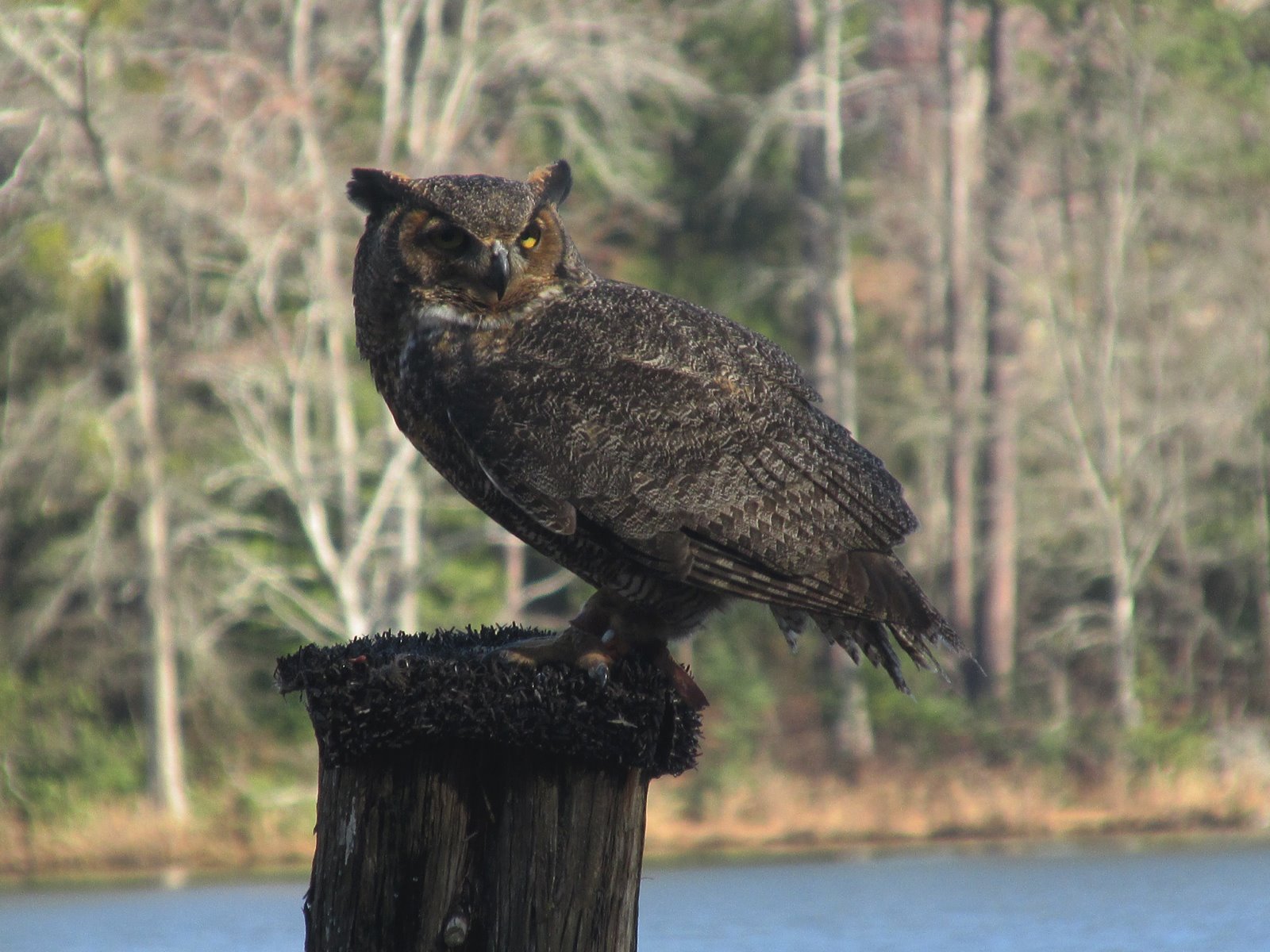
Photo by Bryan Stevens A Great Horned Owl surveys the audience during a raptor show at Callaway Gardens in Pine Mountain, Ga.

Although rabbits are its most common prey, this large owl is not a finicky predator. This owl has been known to capture and consume everything from armadillos and muskrats to great blue herons and young American alligators. They will also prey on various amphibians, fish, crustaceans and even insects. The great horned owl is also known to prey on smaller owls, which includes almost all of the other owls found in the region.
All owls are extremely beneficial predators. The tiny Eastern screech-owl feeds on mice, insects, lizards, crayfish and the occasional bird. If not for owls and other predators, prey species — whether rodents or insects — would multiply beyond the means of the environment to support them. Anyone facing the problem of mice and rats seeking an easier living inside a human home can appreciate the role played by predatory owls.
Although the Eastern screech-owl’s only about 10 inches long, it has a wingspan of 20 to 24 inches. By comparison, the great horned owl is about 25 inches long with an equally impressive wingspan of between three and five feet. The structure of an owl’s feathers are what enables these winged predators to fly silently through the shadows.

Otus_asio_audubon

Early naturalist John James Audubon painted this family of Eastern Screech-Owls.

Many species of owls have proven capable of thriving even in the face of human alteration of the environment. Both the great horned owl and the Eastern screech-owl are known to hunt in both rural and urban areas. They also can make a home in a suburban park. In fact, the great horned owl has proven extremely adaptable and can be found in such varied habitats as forests, swamps and deserts.
For the average person the term “owl” is representative of what is actually an extremely diverse family of birds. Worldwide, there are about 220 species of owls varying in size and habits.
In North America owls range in size from such tiny species as the sparrow-sized elf owl of the southwestern United States to the continent-ranging great horned owl. Humans have come up with some descriptive names for various owls around the world. A sampling of these names includes fearful owl, pharaoh eagle-owl, collared owlet, pearl-spotted owlet, least pygmy-owl, red-chested owlet, buff-fronted owl, Stygian owl, vermiculated fishing-owl, black-and-white owl, bare-legged owl, maned owl, bearded screech-owl, spectacled owl and golden-masked owl.
Most people become aware of the presence of an owl by hearing its call. Not all owls, however, produce a “who who” call. For instance, the Eastern screech-owl’s calls are haunting, shivering wails. The deep hoots of a great horned owl are incredibly impressive. The barred owl boasts quite a vocabulary of calls, including hoots, cackles and chilling screams.

Photo by Bryan Stevens A Barred Owl rests on a perch during an educational raptor program offered at Callaway Gardens in Pine Mountain, Ga.

Photo by Bryan Stevens
A Barred Owl rests on a perch during an educational raptor program offered at Callaway Gardens in Pine Mountain, Ga.

I’ve seen great horned owls in Tennessee, Virginia, South Carolina and Utah in environments ranging from woodlands to coastal wetlands. This owl is one of the first birds to nest each year, starting as early as late January and early February.

Owls, according to Linda Spencer, author of “Knock on Wood: A Serendipitous Selection of Superstitions,” have inspired a mixed bag of superstitions ever since humans stood up. Owls have long been associated with the forces of both good and evil. The “hoot” or call of an owl is believed by people of many cultures to foretell death. There are some interesting ways to counter the ominous hoot of an owl, according to Spencer. Means of warding off the evil owl power include putting irons in your fire, throwing salt, pepper and vinegar on the fire, tying a knot or taking one’s clothes off, turning them inside out and putting them back on.

According to Laura Martin, author of “The Folklore of Birds,” one of the earliest human drawings depicting owls dates back to the early Paleolithic period. The scene is of a family of snowy owls painted on a cave wall in France.

13922

Owls have also entered the culture as symbols of wisdom and goodness. The wise old owl, Martin writes, dates back to the time of King Arthur. Martin also notes that the sorcerer Merlin was always shown with an owl on his shoulder. She also explains that during the Middle Ages owls became symbols of learning and intelligence. Martin also reveals that Greeks didn’t fear owls as did the Romans. In fact, the owl was the sacred mascot of the Greek goddess of wisdom, Athena.
She also delves into owl lore in Japan, where pictures and figures of owls are placed in homes to ward off famine or epidemics. There is some logic to this practice since owls can help prevent such disasters by keeping rodents in check. As well as being carriers of disease, rodents can deplete stores of grain.

Photo by Bryan Stevens A Burrowing Owl photographed in 2006 at Antelope Island State Park in Utah.

Photo by Bryan Stevens
A Burrowing Owl photographed in 2006 at Antelope Island State Park in Utah.

The main fascination humans hold for owls rests in their mystery. Owls, as mainly nocturnal creatures, rarely cross paths with us.

Owls have many adaptations that help them stake out their claim on the night hours. Owls possess large eyes with binocular vision and extremely accurate depth perception — which also make them seem more expressive to human observers.
Owls cannot completely rotate their heads, but they come close. Owls are flexible enough to be able to turn their heads in a 270-degree arc, or three-quarters of the way around.
Owls have keen hearing to go with their excellent eyesight. In fact, owls don’t even need to see their prey to capture it. Tests with barn owls in total darkness have shown that they are capable of catching mice by hearing alone. An owl’s prominent facial disk directs sounds toward their ears. The “ear tufts” on the great horned owl and some other relatives are ornamental feathers, and not actual ears.
There’s one more owl-related myth I forgot to mention. There’s a Chinese belief that owls snatch the souls of unwary people — just something you should know if you are out and about after dark on Halloween night.

Photo by Bryan Stevens An Eastern Screech-Owl at rest in a roosting hole in a large sycamore tree.

Photo by Bryan Stevens
An Eastern Screech-Owl at rest in a roosting hole in a large sycamore tree.