Tag Archives: nature

Annual spring rally returns to Roan Mountain April 28-30

Larry McDaniel and James Neves, the co-directors one of the region’s longest-running nature events, are excited about the activities they have to offer for the 59th annual Roan Mountain Spring Naturalists Rally. Continuing the tradition of the 58 preceding rallies, this year’s rally will offer a great assortment of programs, hikes and activities which celebrate the unique beauty and natural diversity of this environmental treasure that is Roan Mountain.
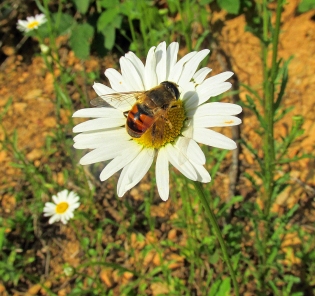
DaisyAndBee

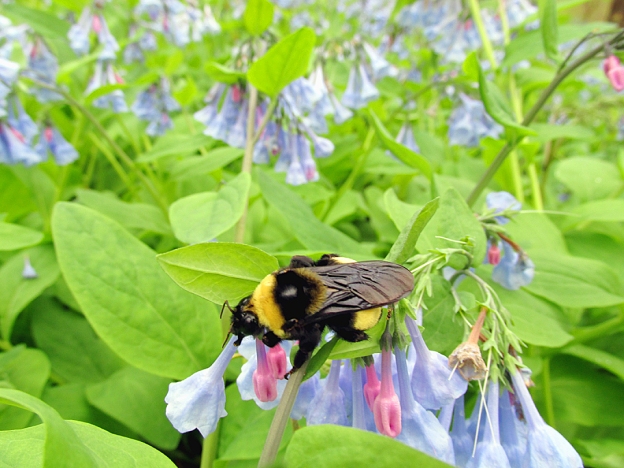
Photo by Bryan Stevens • Flowers and pollinating insects just go together.

Scheduled for Friday-Sunday, April 28-30, this year’s event is open to nature enthusiasts of all skill levels from casual interest to advanced study. There is something for everyone. Bring friends and family and invite the neighbors to take part. The headquarters and hub of activities for the rally is the Conference Center at Roan Mountain State Park. Registration, meals, programs, and exhibits will be centered there. Most of the field trips will meet at the field adjacent to the cabin area entrance. Participants will see signs in the field for the various field trips. Onsite registration is available at the field. For most of the field trips participants will carpool from the field to nearby trailheads. Organizers strongly encourage carpooling, which will help participants make new friends and lower fossil fuel emissions.

This year’s evening programs will focus on native bees, as well as mountains sports and recreation.

“Bees for Birders: Discovering Native Bee Watching Through Binoculars” will be presented by Sam Droege at 7:30 p.m. on Friday, April 28. Droege, a native of Hyattsville, Maryland, received an undergraduate degree at the University of Maryland and a master’s degree at the State University of New York – Syracuse. Most of his career has been spent at the USGS Patuxent Wildlife Research Center. He has coordinated the North American Breeding Bird Survey Program, developed the North American Amphibian Monitoring Program, the Bioblitz, Cricket Crawl, and Frogwatch USA programs and works on the design and evaluation of monitoring programs. Currently he is developing an inventory and monitoring program for native bees along with online identification guides for North American bees at http://www.discoverlife.org, and reviving the North American Bird Phenology Program (https://www.pwrc.usgs.gov/bpp/).

photo

Sam Droege

Diversity is a hallmark of the natural world. For instance, Droege points out that east of the Mississippi there are about 800 species of native bees. This is more species than the total species of birds and butterflies combined. Bees are also more abundant and easier to find. Flowers are their habitat and different species favor different types and groups of plants. So, why aren’t we watching them? Lack of information on how to watch them is the answer. With a pair of butterfly binoculars and a new free identification guide, anyone can begin to be a bee watcher, “beeder”, bee head, or simply a broader naturalist.

David Ramsey will present the evening program at 7:30 p.m. on Saturday, Aprilm 29. He will speak about “Wild Times: Conservation Through Mountain Sports and Recreation.” Ramsey is an outdoor photographer, writer and conservationist born and raised in Unicoi County. He has spent most of the past 30 years exploring and photographing these southern Appalachian Mountains and sharing his photography and passion for the mountains with thousands of people. During that time, his photography has been published extensively — locally, regionally and nationally. Throughout his life, Ramsey has been in

Dave-Ramsey

David Ramsey

spired by other photographer-conservationists, from Elliot Porter, Galen Rowell and Robert Glenn Ketchum to the region’s own Edward Schell. In 2011, he was selected as National Hero of Conservation by Field and Stream Magazine for his leadership in the effort to save the 10,000-acre Rocky Fork Watershed, part of which is now a Tennessee State Park. In 2012 he was chosen as a National Conservationist of the Year finalist by Budweiser and the National Fish and Wildlife Foundation. Ramsey is also a former Stanley A. Murray Volunteer of the Year for Southern Appalachian Highlands Conservancy. Ramsey is at work on finishing a book about the fight to preserve Rocky Fork and working to have the northeast Tennessee region recognized as a major outdoor recreation destination.

The Friends of Roan Mountain organization was created by people who cherish the natural beauty and cultural history of Roan Mountain. Members of the group sponsor interpretive and educational activities including Spring, Fall, and Winter Naturalists Rallies and a summer Xtreme Roan  Adventures Kid’s Nature Rally. Members also support the environmental mission of Roan Mountain State Park including environmental studies, conservation, and restoration. Membership supports these worthy projects and entitles members to free participation in all activities of the Spring, Fall, and Winter Rallies for that year, as well as the group’s newsletters.

TroutLilies-2017

Photo by Bryan Stevens • Wildflowers, like trout lilies, are abundant during the spring rally.

In addition to the evening programs, a variety of hikes, workshops and other events are planned for all three days of the rally. There is an extra cost for meals, which require advance registration. For more information or a brochure of the specific events, including a reservation form for all activities, including the Friday and Saturday evening meals, visit http://www.friendsofroanmtn.org/Spring%20Rally%20Brochure%20web%202017%20.pdf

Information is also available by contacting the co-directors for the Rally. Call Larry McDaniel at 423-773-9234 or email him at larrycmcd@hotmail.com. Call James Neves at 706-224-3355 or email him at jamesneves@gmail.com.

IndigoBunt

Photo by Bryan Stevens • Newly-arrived migrant birds, like indigo buntings, should be present during the rally.

Woodcocks, snipe among the more oddball members of a diverse shorebird clan

Photo by Leah Hawthorn/U.S. Fish & Wildlife Service • An American woodcock probes for food among fallen leaves on the woodland floor.

March is traditionally a month of erratic weather, characterized by blustery winds and occasional drenching rainstorms. While the month is also a signal to get ready for the return of migrant songbirds, they are hardly the only birds on the wing each spring. Birds from waterfowl to raptors migrate through the region in March, April and May, but the real migratory champs are the shorebirds.

Known for migrating incredible distances, the shorebirds are often referred to as “wind birds,” a romantic allusion to their habit of taking wing for the epic journeys that astound scientists and birders alike. Among the far-flung family are birds known as sandpipers and plovers, as well as whimbrels, willets, tattlers and turnstones.
Still, among the general public, as well as some birders, the shorebirds are a much misunderstood group of birds. For example, most people could hardly be blamed for believing that shorebirds are inhabitants of only the beach and shore. In fact, some species are at home in an array of habitats, ranging from woodlands and prairies to the Arctic tundra and mudflats. Some are notoriously elusive, their camouflage and low-key behavior allowing them to escape casual notice at most times.
In late winter and early spring, a true oddball among the shorebirds begins courting. The American woodcock, also known by such whimsical names as “bog sucker” and “timberdoodle,” is a shorebird that has completely abandoned the shore in favor of woodlands and fields. Beginning as early as February, American woodcocks in the region conduct nightly courtship displays, starting at dusk, that combines aerial acrobatics with an assortment of unusual acoustical flourishes. Any wet field adjacent to a wooded area could offer a stage for these evening displays, but unless you know where to look and make an effort to do so, the American woodcock might as well remain a phantom of the night.
John-James-Audubon-American-Woodcock.-1.-Male.-2.-Female.3.-Young-in-Autumn

John James Audubon, an early American naturalist and artist, painted this scene of American woodcocks feeding in damp earth.

These mating rituals provide almost the only time that this bird makes itself visible to us. It’s only during this brief window that opens into their lives that we can be assured a glimpse. Even then, our peek at woodcocks often consists of a fuzzy twilight escapade as the bird flings itself heavenward only to make a spiraling descent a few seconds later. The displays begin with a distinct vocalization, a type of “pent,” that also has the quality of sounding like some sort of mechanical buzzer.
Once the displays conclude for the season, the birds assume nesting duties, usually unobserved by humans. The rest of the year, almost nothing but blind, sheer luck would allow a birder to stumble across an American woodcock. It’s almost as if they disappear after these spring flights of fancy.

For the most part, the “wind birds” leave lives in habitats that keep them separate from humans. On occasion, however, one of these shorebirds pays an unexpected visit to members of the public. Tom and Helen Stetler, residents of Elizabethton, Tennessee, shared an account of one such visit in a recent email.

Snipe-Stetler

Photo by Tom Stetler • A Wilson’s snipe visits the yard at the home of Tom and Helen Stetler in Elizabethton, Tennessee.

“We had a visit from a very unusual bird today,” Tom wrote in the email. “It was a woodcock. It stayed quite a while this morning.”
He estimated that the bird stayed in their yard for about 15 to 20 minutes.  “I kept trying to get a good picture of its long bill and finally did,” he said, enclosing a photo of the visiting bird with his email.
He credited his wife, Helen, with having spotted the bird. After seeing the bird, Helen called to her husband to come have a look “at this bird with a very long beak!”
After I examined the photo, I noticed that the unusual visitor was actually not a woodcock but a closely related bird known as a Wilson’s snipe. The confusion of the two birds is quite understandable. The snipe and the woodcock bear a superficial resemblance to each other.

The American woodcock belongs to the genus of Scolopax, a Latin term for this group of eight oddball shorebirds. Other members of the genus include the Eurasian woodcock, the New Guinea woodcock and the Sulawesi woodcock.

Snipe-One

Photo by Bryan Stevens • The Wilson’s snipe is remarkably capable of blending with its surroundings.

Wilson’s snipe, which is closely related to the woodcock, inspired the term “snipe hunt.” Regarded as lessons in futility, these hunts are not seeking some mythical quarry, although some people mistakenly believe there’s no such bird as a snipe. In fact, there are several species of snipes, although only one — Wilson’s snipe — can be found in much of the United States. Some of the world’s other 25 species of snipe include Jack snipe, wood snipe, pintail snipe, noble snipe and imperial snipe.
Any wet field or pasture may conceal hidden snipes during the spring. A few sometimes spend the winter in the region. Flushing a snipe from a tangle of grass right at your feet as you walk through a wet field always works to get the heart pumping faster. Snipe also stage spring mating displays that are not quite as elaborate as those of the woodcock. I suspect that recent heavy rains made the yard at the Stetler home similar enough to a flooded field to attract the visiting snipe.

While both the Wilson’s snipe and American woodcock are elusive birds able to easily conceal themselves from view, other shorebirds definitely stand out in a crowd. For example, the gangly black-necked stilt and the spindly American avocet are surely two of the most striking, almost comical shorebirds in North America.

poster-amerikanische-waldschnepfe-1295823

The American woodcock is also known by such whimsical common names as bogsucker and timberdoodle.

In addition, members of the shorebird family vary greatly in size. North America’s smallest shorebird, appropriately enough, is the least sandpiper, a tiny shorebird less than six inches in length and weighing barely an ounce. The least sandpiper breeds widely across northern Canada and Alaska and winters across the southern United States and Mexico.
The largest shorebird — depending on how “largest” is defined — is either the Far Eastern curlew or the beach thick-knee. The Far Eastern Curlew is a large shorebird most similar in appearance to North America’s long-billed curlew, but slightly larger. This bird definitely has the longest bill of any shorebird and ranks as the world’s largest member of the sandpiper clan. The Far Eastern curlew is 25 inches in body length, although the Eurasian curlew is almost the same size. If it comes down to weight, the heaviest shorebird is the beach thick-knee, a bird native to Australia and the islands of Southeast Asia and India. This unusual shorebird can weigh as much as 2.2 pounds, but is only 22 inches long. The Far Eastern curlew, in comparison, weighs a mere 27 ounces.
In the coming weeks, check the edges of ponds, the banks of rivers and shorelines of lakes for migrating shorebirds. Don’t forget to keep an eye on your yard, too. Spring migration is always full of surprises.
••••••
Bryan Stevens lives near Roan Mountain, Tennessee. To ask a question, share an observation or make a comment, email him at ahoodedwarbler@aol.com.

Other things with wings

Photo by Bryan Stevens

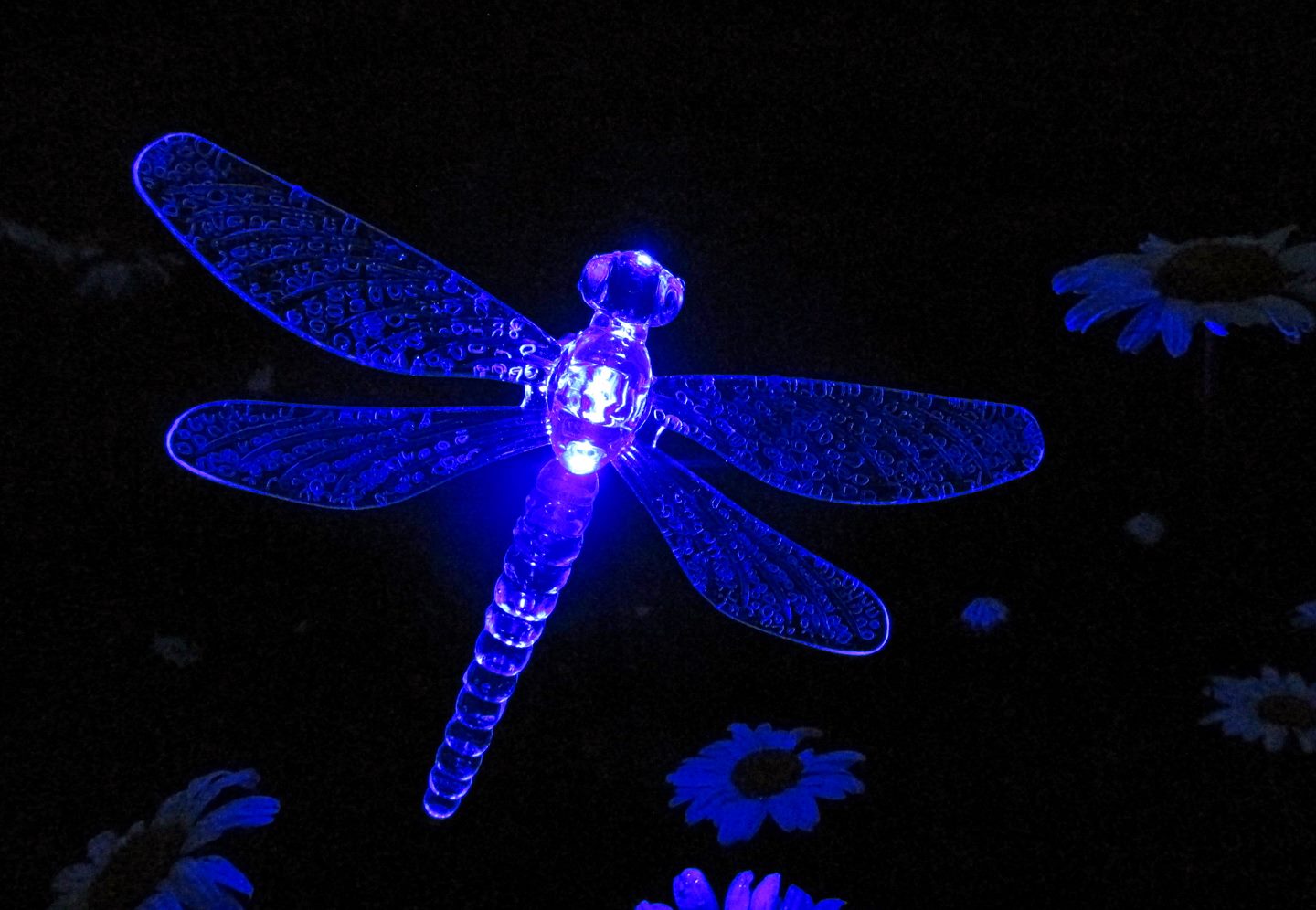
Photo by Bryan Stevens                             Don’t believe all you hear. Dragonflies and damselflies are harmless to humans. They can’t sting. They can’t sew your lips shut. People have invented many scary names for these winged insects, including “snake killer,” “water witch” and “devil’s darning needle.” Don’t be fooled by the bad press and all the myths. Dragonflies and their kin are some of the world’s most beneficial insects. Pictured, a decorative and illuminating dragonfly owned by a fan of these valuable insects.

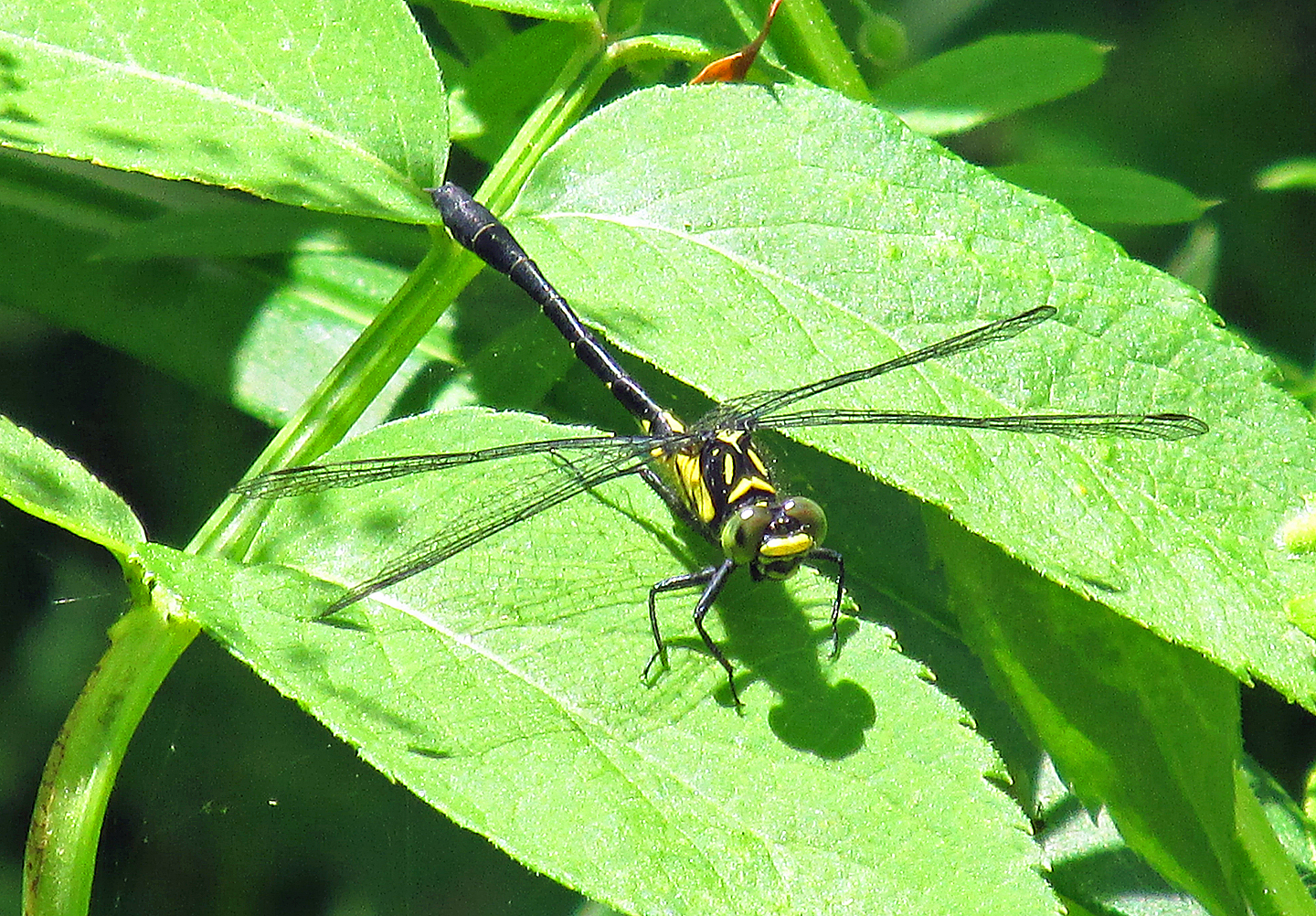
I’m taking a hiatus from the birds for one week to bring you some other things with wings in the form of a pictorial essay of dragonflies and damselflies, otherwise known as “odes,” or members of the insect order of Odonata.

I hope you enjoy this diversion. I know I’ve had much fun this spring photographing the odes at the fish pond at my home on Simerly Creek Road in Hampton. I’ve also visited some other locations to find and photograph them, including Erwin Fishery Park in Unicoi County.


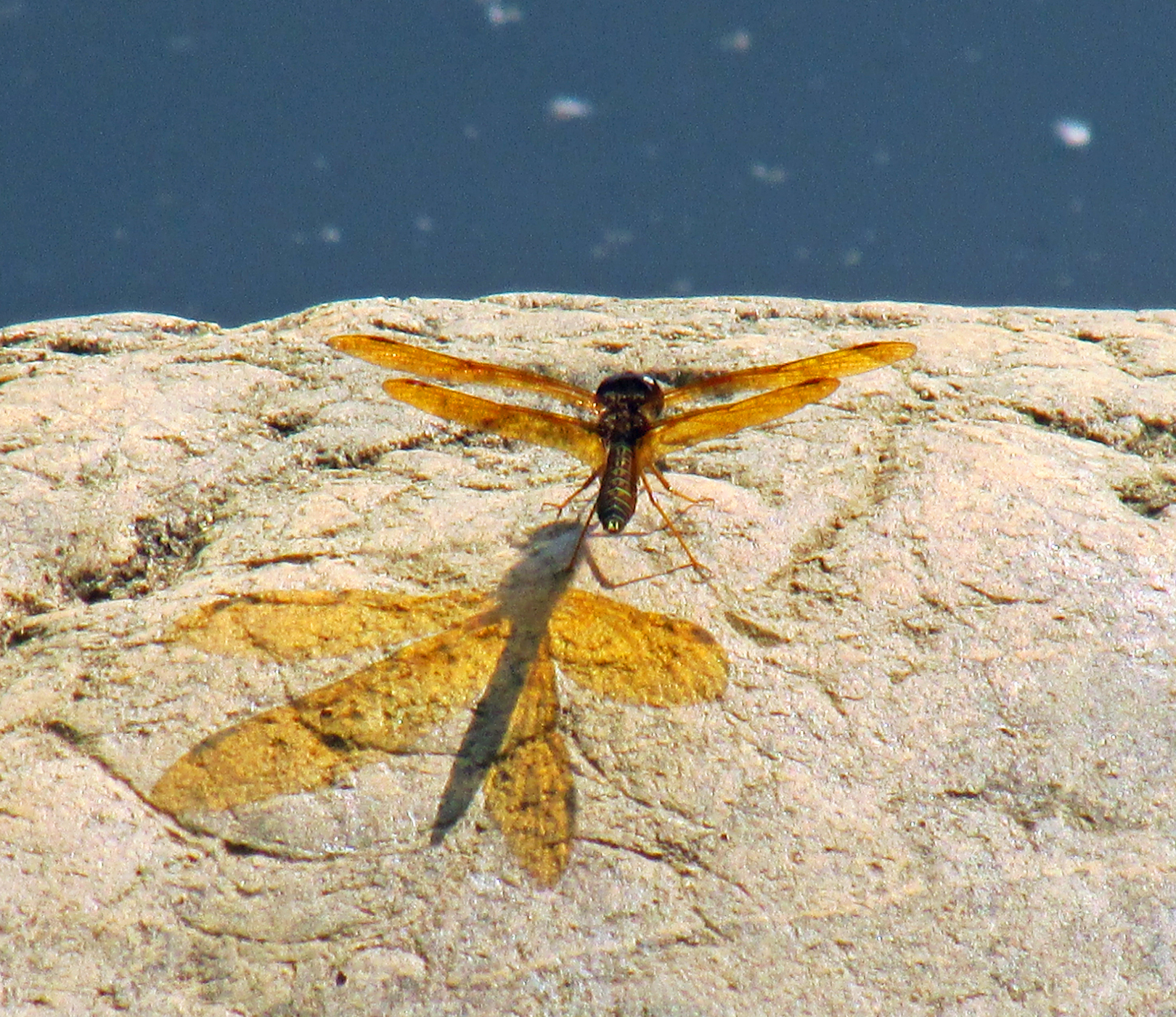
Photo by Bryan Stevens An Eastern Amberwing casts an amber shadow on this rock at the edge of a pond in Erwin, Tennessee.

Photo by Bryan Stevens
An Eastern Amberwing casts an amber shadow on this rock at the edge of a pond in Erwin, Tennessee. This is one of the smaller dragonflies in the Southern Appalachians. The largest dragonfly to ever live was Meganeura monyi, which lived during the Carboniferous period about 300 million years ago. It resembled and was related to present-day dragonflies. With a wingspan of almost 26 inches, it is one of the largest known flying insect species. Like modern dragonflies, Meganeura monyi was predatory and fed on other insects.

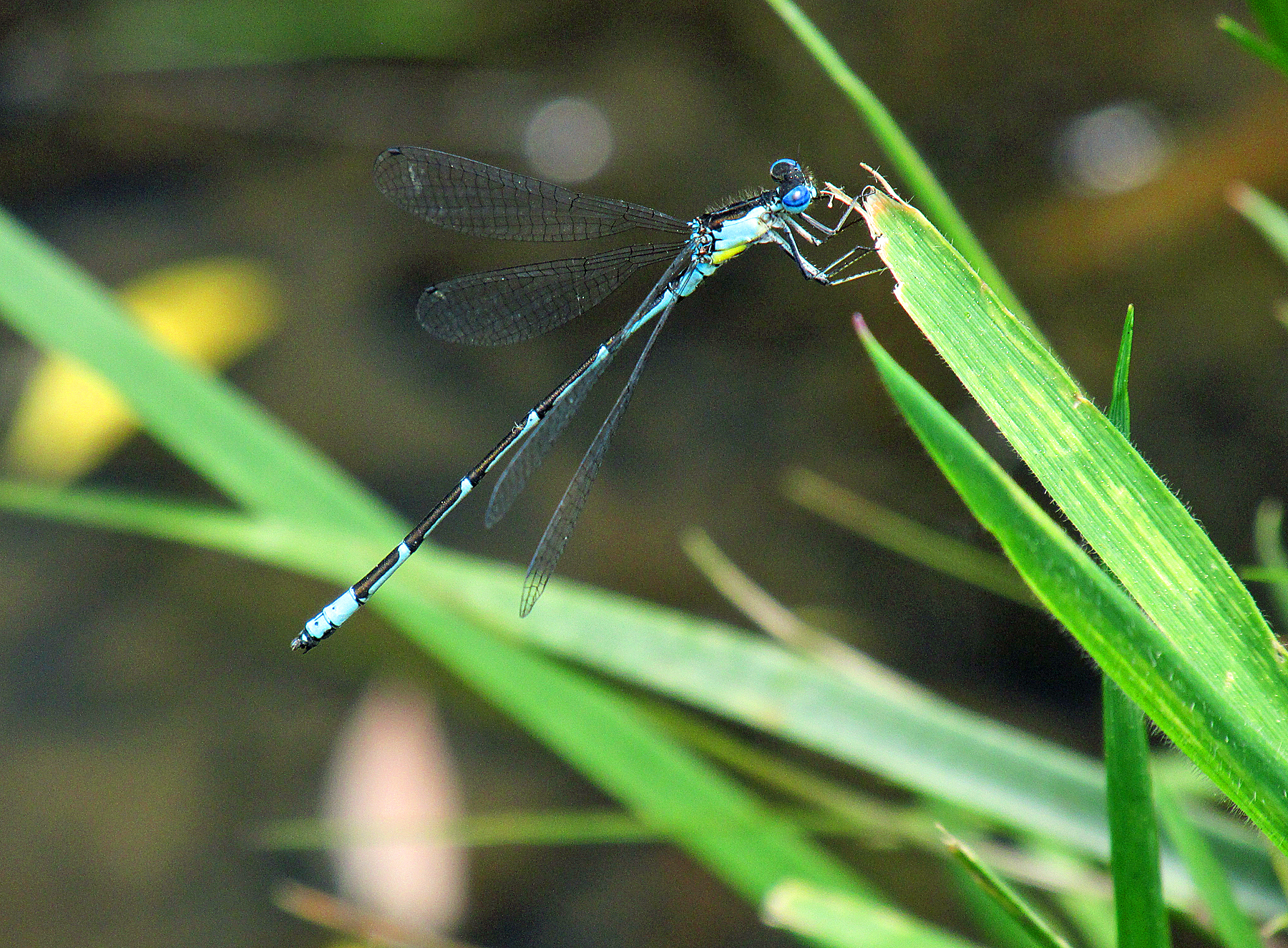
Photo by Bryan Stevens The Aurora Damselfly is a study in simple elegance.

Photo by Bryan Stevens
The Aurora Damselfly is a study in simple elegance. Damselflies are typically weaker flyers than dragonflies.

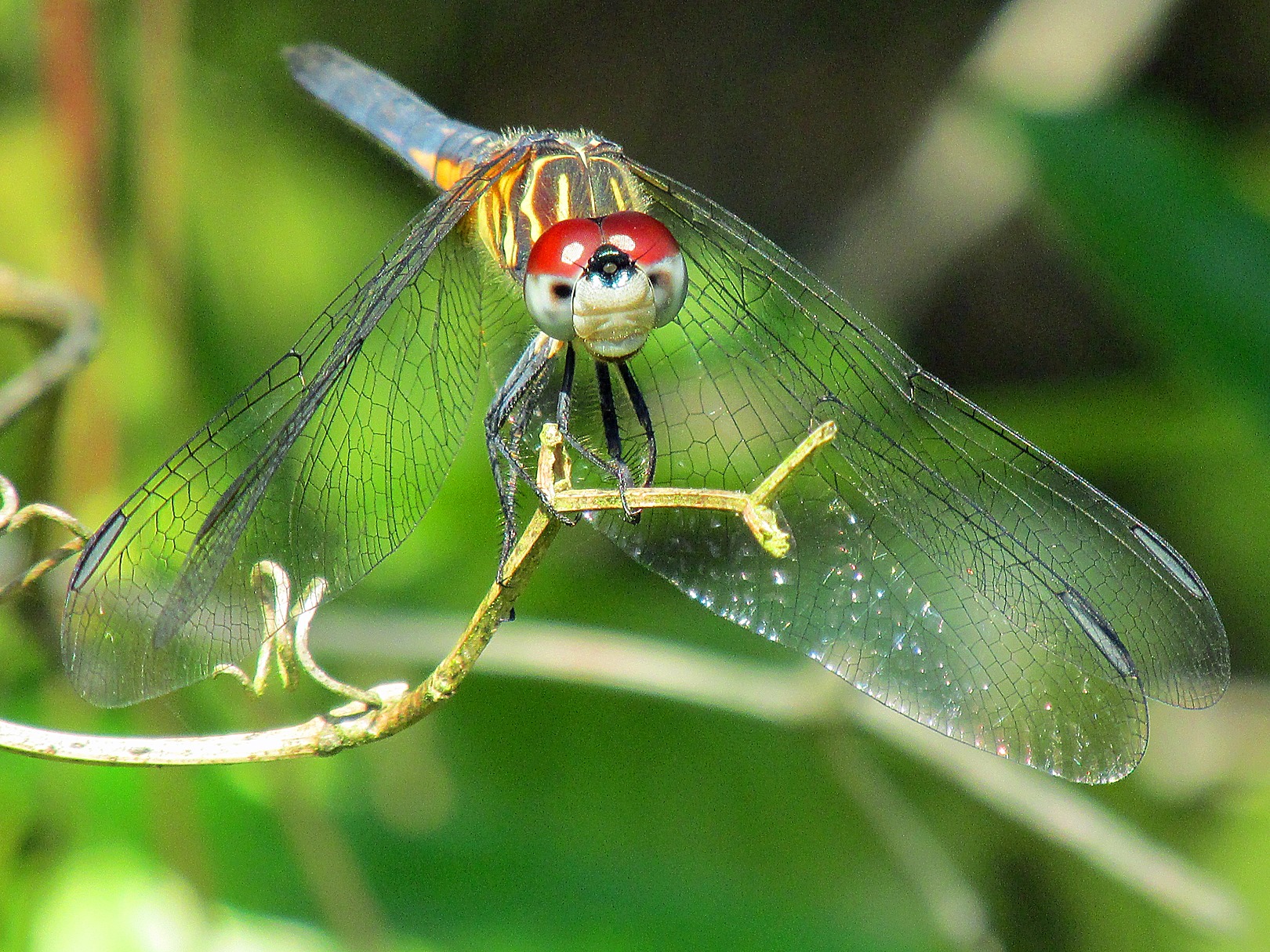
Photo by Bryan Stevens A glimpse through the vegetation at one of the pond's most voracious predators. Dragonflies consume many other species of insects, including some that are considered pests. Pictured is a female Blue Dasher.

Photo by Bryan Stevens
A glimpse through the vegetation at one of the pond’s most voracious predators. Dragonflies consume many other species of insects, including some that are considered pests. Pictured is a female Blue Dasher.

Photo by Bryan Stevens

Photo by Bryan Stevens                                                                                                              Dragonflies and damselflies have been around longer than birds. Scientists estimate that these insects have been flying our skies for 300 million years.

Photo by Bryan Stevens

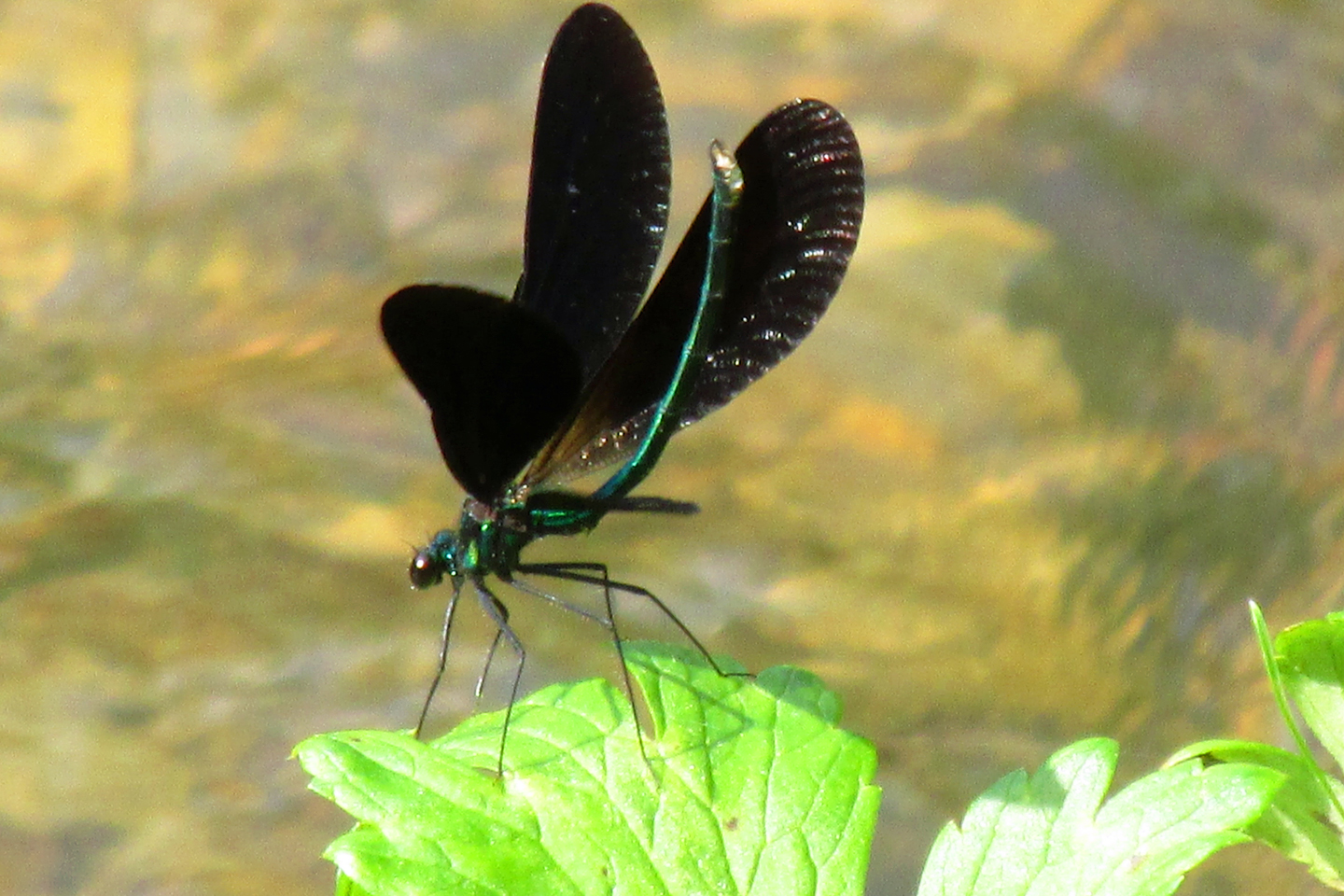
Photo by Bryan Stevens                                                                                                         Pictured, a male Ebony Jewelwing displays along the edge of Simerly Creek. Most, but not all, damselflies are fairly small. Megaloprepus caerulatus, which belongs to the Forest Giant family of damselflies, is the world’s largest damselfly. This damselfly inhabits rain forests in Central and South America. It has the greatest wingspan — 7.5 inches for large males — of any living damselfly or dragonfly.

Photo by Bryan Stevens

Photo by Bryan Stevens                                                                                                              What big eyes they have! Not surprisingly, it’s the better to see you with that has pushed the evolution of the dragonfly eye. A dragonfly’s head is comprised almost entirely of two large, compound eyes. Pictured, a Blue Dasher.

Photo by Bryan Stevens

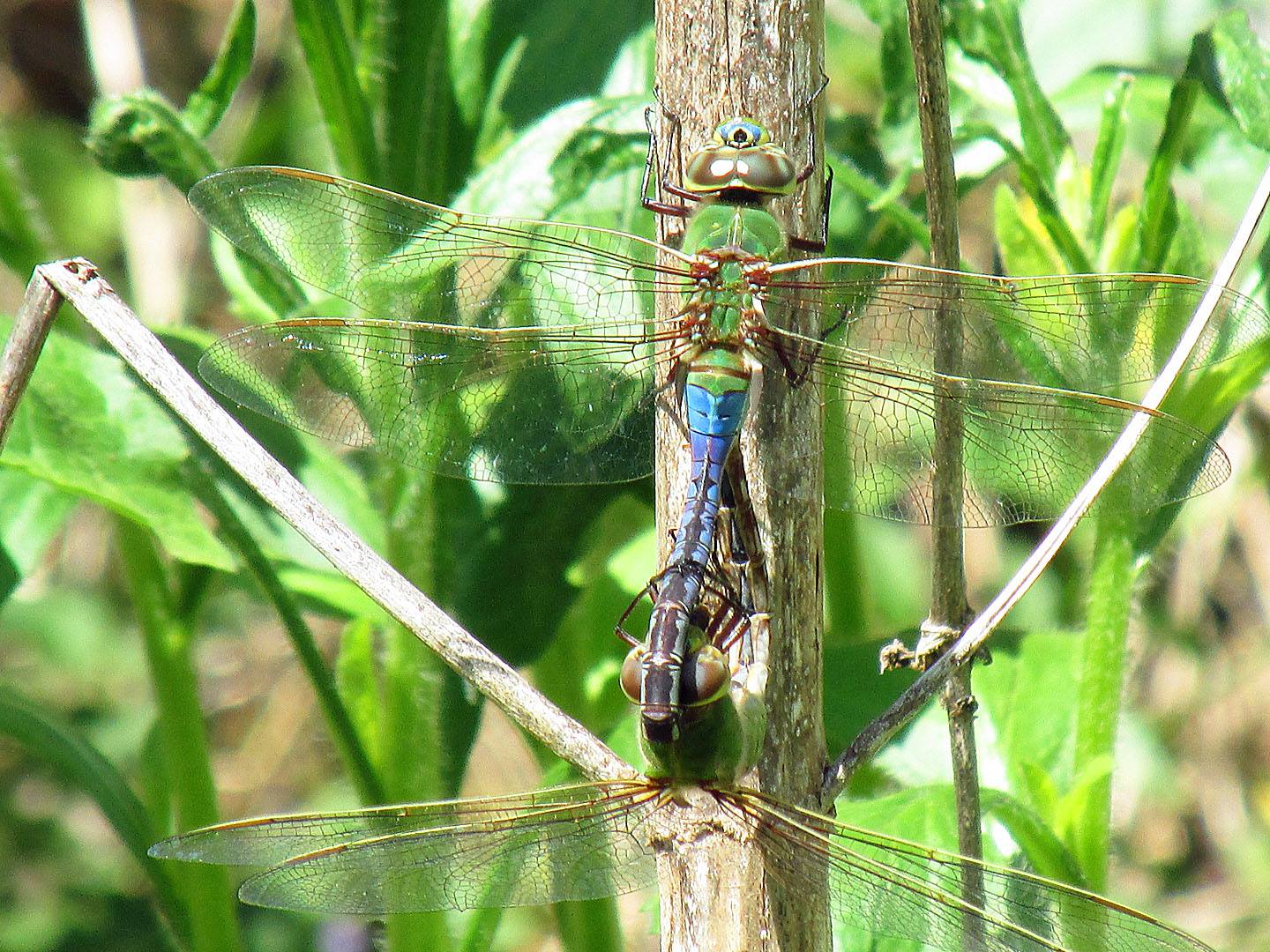
Photo by Bryan Stevens                                                                                                        Common Green Darners photographed in early May on Holston Mountain in Elizabethton. At least 5,000 species of dragonflies and damselflies have been documented by scientists. There are probably more yet to be discovered.

Photo by Bryan Stevens

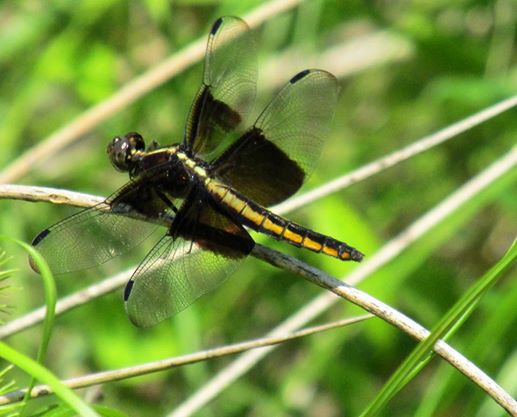
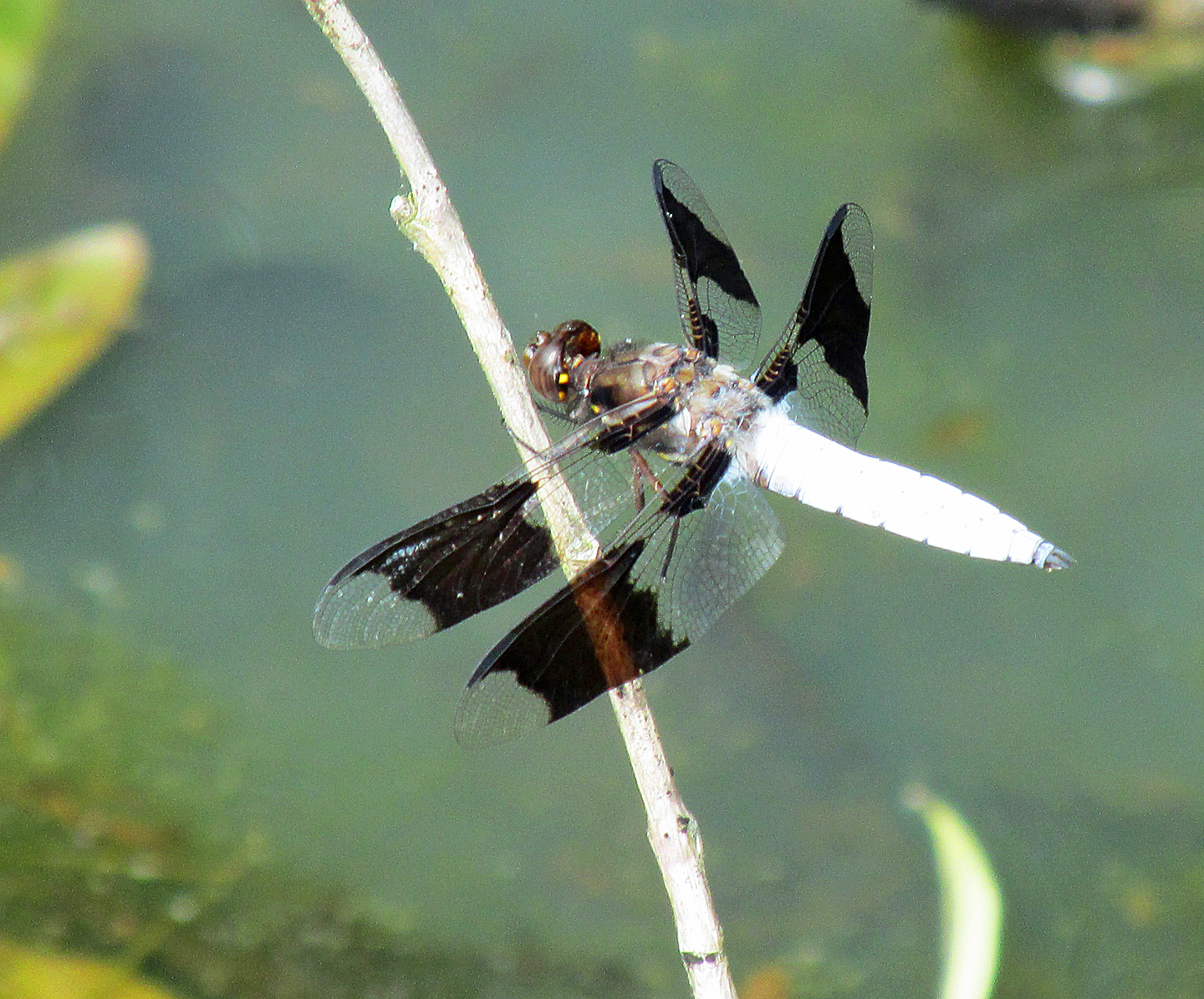
Photo by Bryan Stevens                                                                                     There are no vegetarian dragonflies. Adult dragonflies feed on other insects that they catch in flight. Larval dragonflies, called nymphs, are aggressive underwater predators that feed on almost anything they can catch, including tadpoles, small fish, other aquatic insects and even each other. If mosquitoes are a nuisance, be sure to welcome dragonflies. They’re a major predator of mosquitoes. Pictured, a Widow Skimmer perches at the edge of a pond, resting until her next flight to prey on other insects.

Like birds, some species of dragonflies migrate. They may also form swarms — the equivalent of a flock of birds — as they stage their migratory flights.

Photo by Bryan Stevens

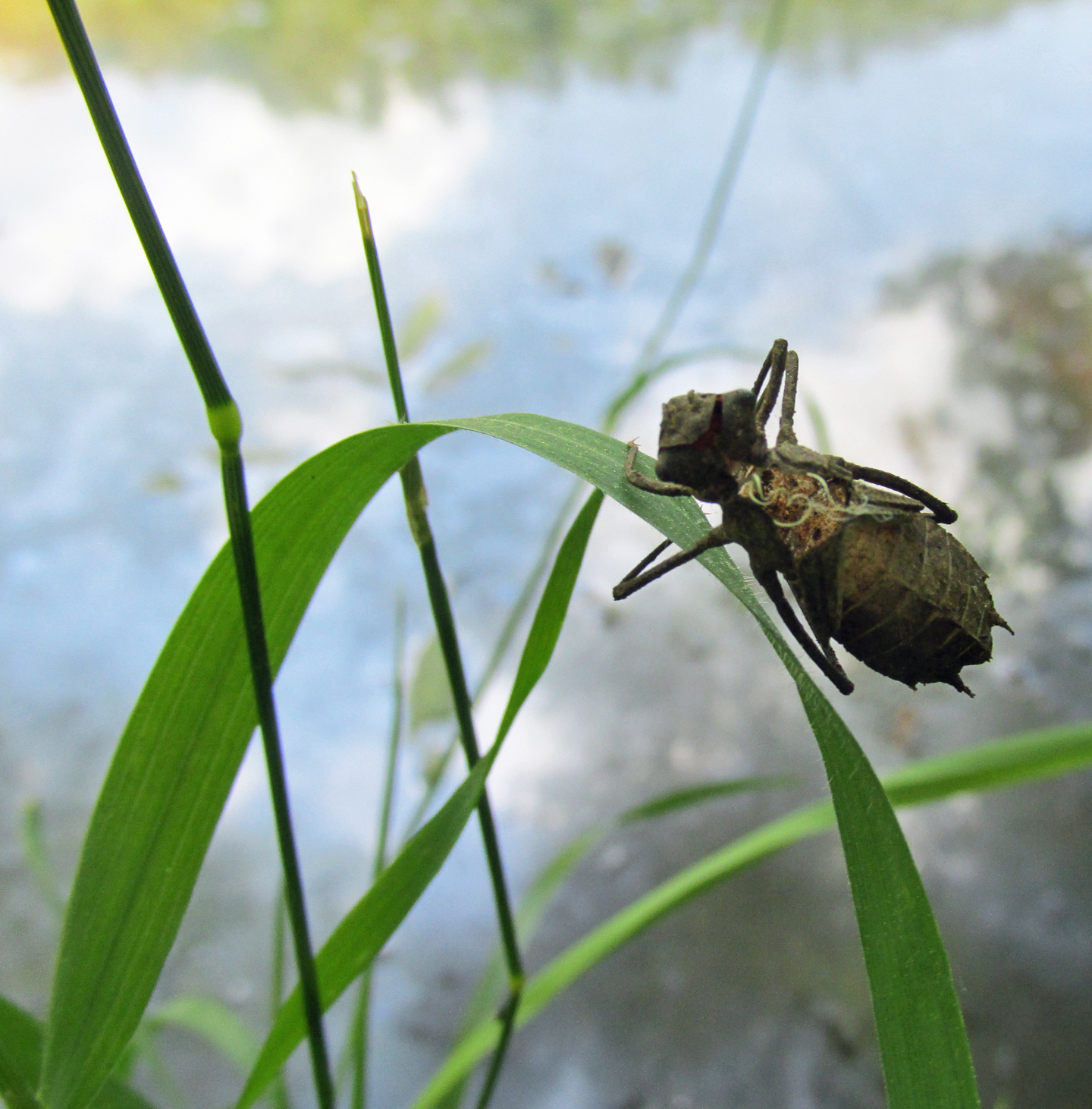
Photo by Bryan Stevens                                                                                                        This empty shell once housed a voracious dragonfly nymph until it emerged as an adult dragonfly.

Photo by Bryan Stevens

Photo by Bryan Stevens                                                                                                                     A Common Whitetail perches by a pond’s edge.

For more information on dragonflies in the Volunteer State, please visit http://www.pbase.com/rconnorsnaturephoto/tennessee_odonata to learn more.


Small goose’s March visit stirs birding excitement


If you’re wondering where March went, you’re not alone. As it turned out, weather-wise, this March has veered from one extreme to another. I have enjoyed the days of sunshine and short sleeves more than the days with snow or rain. Of course, even the rain has been welcome since it helped many of our early spring flowers unfurl their petals once the sun returned.

Birding has been productive this past month, and I have been pleased to see some of our usual summer birds returning for the year. My most exciting observation this past month, however, would have to be the Ross’s Goose found at the Great Lakes pond on the campus of Northeast State Community College in Elizabethton.

Photo by Bryan Stevens  A Ross's Goose, foreground, is shown with two Canada Geese. The photo makes plain the small size of the Ross's Goose.

Photo by Bryan Stevens
A Ross’s Goose, foreground, is shown with two Canada Geese. The photo makes plain the small size of the Ross’s Goose.

I saw the goose at the pond on March 11, but some fellow birders alerted me to the bird’s presence. The goose also lingered at the pond and around the nearby Watauga River for several days after I saw it.

The common name of this goose honors Bernard R. Ross, who was associated with the Hudson’s Bay Company in Canada’s Northwest Territories.

Here’s a quick history lesson. Hudson’s Bay Company is the oldest commercial corporation in North America. The company has been in continuous operation for more than 340 years, which ranks it as one of the oldest in the world. The company began as a fur-trading enterprise thanks to an English royal charter in back in 1670 during the reign of King Charles II. These days, Hudson’s Bay Company owns and operates retail stores throughout Canada and the United States.

In addition to his trade in furs, Ross collected specimens for the Smithsonian Institution in Washington, D.C. Ross is responsible for giving the goose that now bears his name one of its early common names – the Horned Wavy Goose of Hearne. I wonder why that never caught on?

He repeatedly insisted that this small goose was a species distinct from the related and larger Lesser Snow Goose and Greater Snow Goose. His vouching for this small white goose eventually convinced other experts that this bird was indeed its own species.

Ross was born in Ireland in 1827. He died in Toronto, Ontario, in 1874. He was described by other prominent early naturalists as “enthusiastic” and “a careful observer” in the employ of Hudson’s Bay Company. When John Cassin gave the Ross’s Goose its first scientific name of Anser rossii in 1861, he paid tribute to the Hudson’s Bay Company’s Ross.

Ornithologist John Cassin named the Ross's Goose in 1861 in honor of Bernard Ross, who helped convince scientists that this small goose of the Arctic tundra was a true species.

Ornithologist John Cassin named the Ross’s Goose in 1861 in honor of Bernard Ross, who helped convince scientists that this small goose of the Arctic tundra was a true species.

Cassin was a famous American ornithologist and curator at the Philadelphia Academy of Natural Sciences. I suppose the fact he died of poisoning due to his handling of bird skins preserved with arsenic must be considered rather gruesomely ironic. Despite a death that resulted indirectly from his enthusiasm for birds, Cassin has also been immortalized by having several species named in his honor. Cassin’s Finch, Cassin’s Kingbird, Cassin’s Auklet, Cassin’s Vireo and Cassin’s Sparrow all bear his name.

The Ross’s Goose has a “cuteness” factor working in its favor. For a goose, it is rather small. It could best be described as a Snow Goose in miniature. In fact, it isn’t much larger than such ducks as Mallards and is considered the smallest of North America’s geese.

The Ross’s Goose has also acquired some other common names, including “Galoot” and “Scabby-nosed Wavey.” This latter name was inspired by the bird’s bill, which is covered with rough bumps around the base. I have to admit that “Scabby-nosed Wavey” is a name likely to stick in the memory. Today, the Ross’s Goose’s scientific name is Chen rossii.

This bird’s other claim to fame is that it’s nesting territory wasn’t discovered by scientists until 1938, more than 70 years after this goose was first described by men such as Ross and Cassin. It turns out that the Ross’s Goose nests in the Arctic on tundra, marshes and ponds. Today, this breeding range is protected as  the Queen Maud Gulf Migratory Bird Sanctuary and is the summer home to most of the world population of this small goose. During the winter months, these geese favor shallow lakes, fresh-water marshes, flooded fields and other agricultural lands.

According to the Ducks Unlimited website, the California Central Valley is currently the main wintering area for the Ross’s Goose. Increasing numbers of these geese, however, now winter in Arkansas, Louisiana, New Mexico, Texas and the north-central highlands of Mexico.

Photo by Bryan Stevens The visiting Ross's Goose takes a swim on the large pond at Northeast State Community College in Elizabethton.

Photo by Bryan Stevens
The visiting Ross’s Goose takes a swim on the large pond at Northeast State Community College in Elizabethton.

Winter and migratory visits by these geese to Northeast Tennessee are still rather rare. According to the book “Birds of Northeast Tennessee” by Rick Knight, the Ross’s Goose made its first recorded appearance in the region in 1998. Over the next decade, only 11 observations were documented for this goose. Since 2008, a few more sightings have been added to this records, including the recent one at the Great Lakes pond. This body of water has become a magnet for other unusual waterfowl, including Greater White-fronted Goose, Snow Goose, Red-necked Grebe and Canvasback.

•••••

I finally saw some Purple Finches at my feeders at home on Simerly Creek Road in Hampton on March 29.

Purple_finch

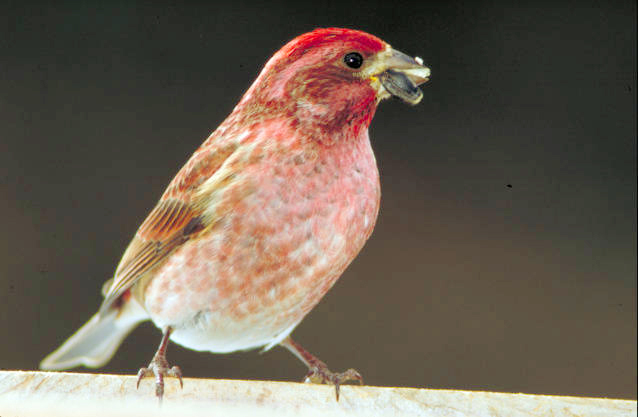
Photo by U.S. Fish and Wildlife Service/Thomas G. Barnes A male Purple Finch, if observed carefully, can be reliably distinguished from the familiar House Finch.

Steve Ward from Atlanta, Ga., posted a question to my Facebook page after I posted some photographs of male Purple Finches. Steve wanted to know how to best distinguish Purple Finches from House Finches.

The Birds Unlimited Blog has a great entry, complete with illustrations, dealing with the confusion that can arise when trying to distinguish House Finch, Purple Finch and their western relative, Cassin’s Finch. Learn more by visiting http://blog.wbu.com/category/birds/house-finch/ 

I did offer Steve a few tips in a reply I posted on Facebook. I’ve never really had trouble identifying Purple Finches from House Finches. This is one of those easily confused bird combinations that I don’t get confused about.

There are some clues to look for if you get a visit by either of these species at your feeders. Purple Finches, in my opinion, have more distinctive facial patterns. The males also seem more infused with the wine-red or raspberry-purple coloration that give the species its common name. I think the Purple Finch also has a slightly heavier bill. It’s probably easier to tell them apart if you happen to have them visiting your feeders at the same time.

I think female Purple Finches are even easier to contrast from female House Finches. Most female Houses are extremely drab and lack the distinct facial pattern that is so evident in a female Purple.

•••••

By the way, I love that writing this blog allows me to interact with people here in Northeast Tennessee, as well as in such locations as in Georgia, South Carolina and even in other countries. I love hearing from readers. Just post comments on my blog at ourfinefeatheredfriends.wordpress.com. You can also reach me on Facebook or send email to ahoodedwarbler@aol.com. Please share the link to my blog with others who might be interested in the topic of birds, birding or nature in Northeast Tennessee.