Category Archives: Christmas birds

Christmas gift ideas that are strictly for the birds

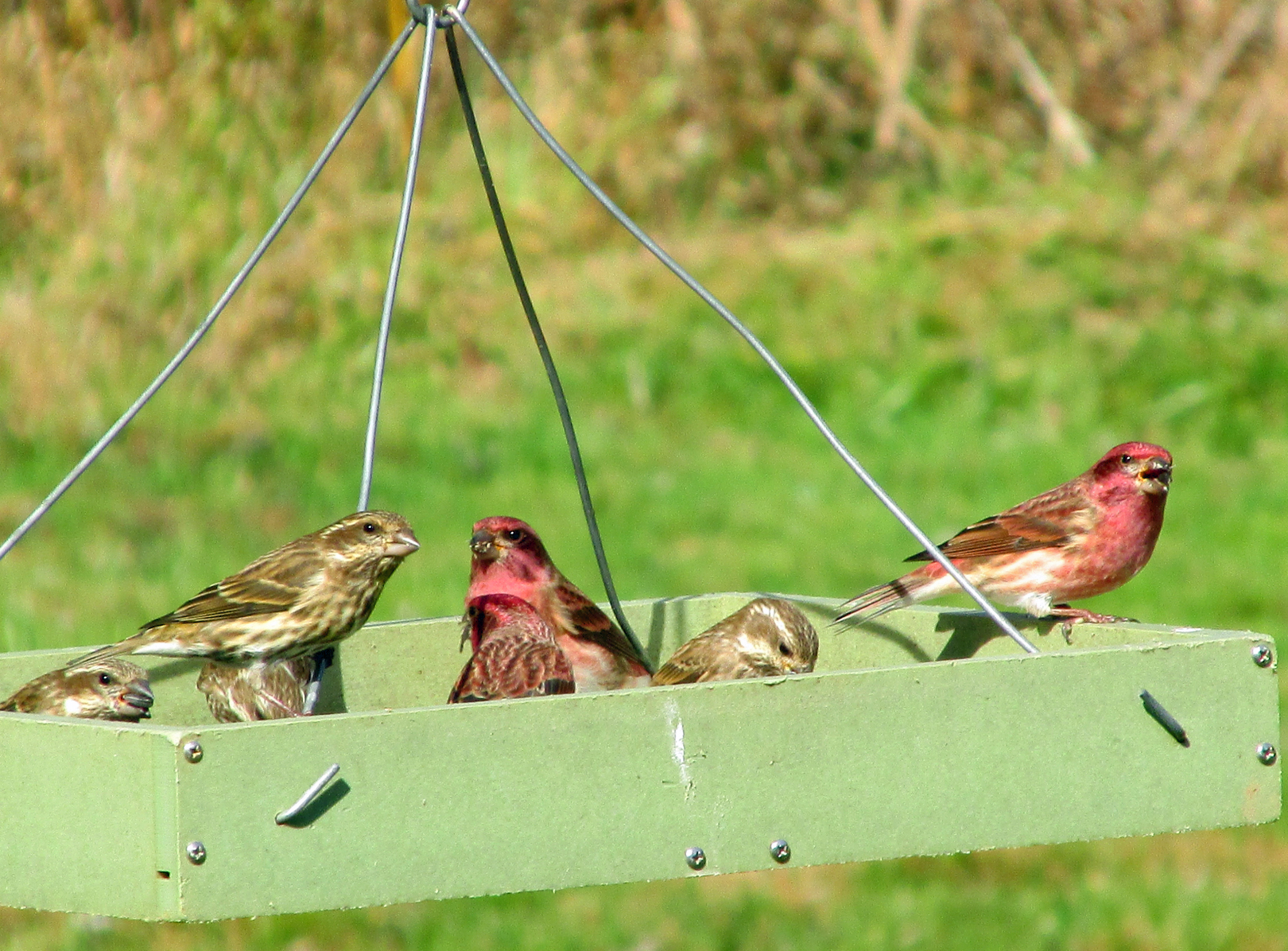
BRYAN STEVENS/SIX RIVERS MEDIA Photo by Bryan Stevens • A flock of purple finches visits a feeder. Bird feeders, which come in a variety of shapes and sizes, make great Christmas gifts for bird enthusiasts.

It’s been a tradition of mine to offer a column of last-minute gift suggestions for bird enthusiasts in the weeks leading up to Christmas.

This year I thought I’d share some discoveries I made while browsing for ideas to provide to family members for the requisite wish list of suggestions for Christmas gifts for yours truly. Needless to say, all of these finds made it to the top of my 2025 list.

Photo by karosieben/Pixabay Gift ideas for the bird lover on your Christmas list are abundant.

BOOKS

Two book titles caught my eye: “The Field Guide to Dumb Birds of North America” and “Human Watching: A Field Guide to Humans for Birds — By Birds.”

From the titles alone, you may have guessed these are offerings leaning heavily on the humor interwoven into the pastime of birding.

Author Matt Kracht, the writer behind “The Field Guide to Dumb Birds of North America,” is also the man behind related titled such as “The Field Guide to Dumb Birds of the Whole Stupid World” and “A Dumb Birds Field Guide to the Worst Birds Ever.”

“Human Watching: A Field Guide to Humans for Birds — By Birds” puts things into perspective for birders.

His latest title received 4.6 out of 5 stars at Amazon. According to a summary at the Amazon website, Kracht’s latest book is perfect for “those who have a disdain for birds, or for bird lovers with a sense of humor.” The book is further described as “a snarky illustrated handbook” that is “equal parts profane, funny, and — let’s face it — true.”

As for “Human Watching,” the cover alone sparks curiosity. The book features the following:

• 20 vibrant full-color images: Full-page color portraits of the adorable (and judgmental) googly-eyed clay birds

• 20 Witty Observations: Short, hilarious “field notes” that can be enjoyed in a single sitting or flipped through casually

• Glossy cover: A shiny, durable finish that looks great on a coffee table or bookshelf

• A “To/From” Dedication Page: Integrated directly into the front to make this an instant gift, no separate card required.

BIRD CAMS

For some time I’ve been aware of smart bird feeders/cameras that people can purchase for their own backyard. There are also types that monitor bird boxes with an attached camera feed. Barbara Lake, a friend and longtime reader, introduced me to this concept many years ago with a camera feed that brought the secrets of the interiors of her bluebird boxes to her own television. I don’t know if these are new, but there are also apparently now hummingbird feeders that come with a camera. Many of these offerings are operated on solar power. Some can capture photos as well as video. I found several that are available for about $40.

MAGICAL MUGS

I actually got one of these a few years ago for Christmas. An ordinary coffee mug decorated with silhouettes of birds becomes emblazoned with full-color images of different birds as soon as the mug is filled with hot coffee — or some other hot beverage of choice. It’s a novelty gift, but a clever one that’s also available for under $20.

APPAREL & ATTIRE

Pithy slogans about birds, birders and birding can adorn anything from T-shirts and socks to oven mitts and towels, as well as baseball caps, tote bags and throw pillows. Many of these are affordable enough to be treated as stocking stuffers. Some of the slogans that really nailed the essence of birders included “I Watch Birds And I Know Things,” “Not All Who Wander Are Lost: Some Are Just Looking For Cool Birds” and “The Fellowship of the Wing.”

•••

On a more serious note, there are many helpful and useful birding gifts available if that’s more your style.
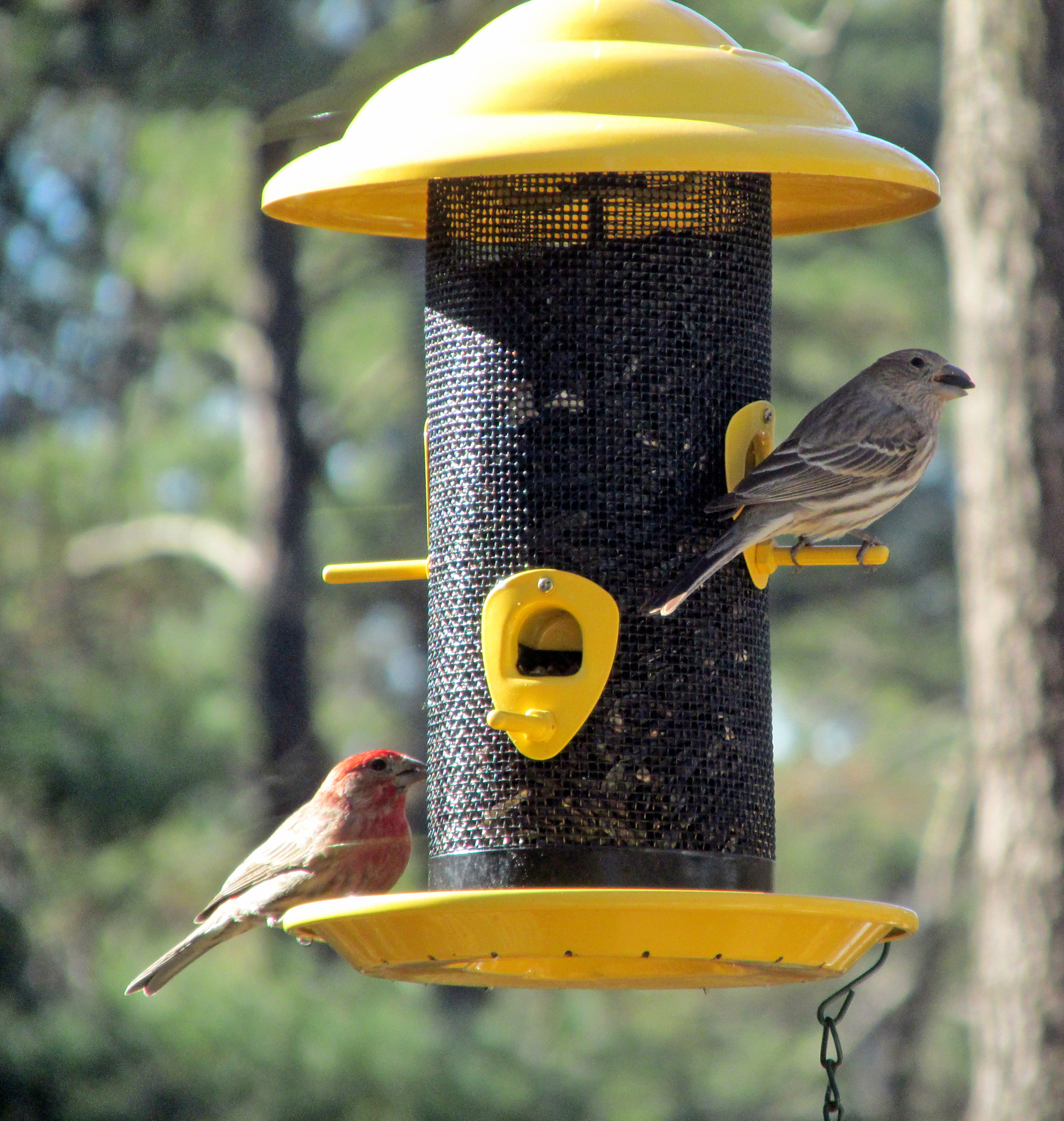
Photo by Bryan Stevens • Add a bag of sunflower seed to a gift of a bird feeder and the recipients are set to start enjoying birds immediately.

BIRD FEEDERS

One of the best ways to bring birds closer is to put up a feeder. For that reason, a Christmas present of a bird feeder will never be remiss. Whether shopping online or in garden centers or department stores, there’s no shortage of feeders for purchase. Bird feeding brings hours of entertainment to human hosts for only the cost of a sack of sunflower seed.

The most successful feeder that I’ve used in recent years is a type of hanging tray manufactured by such brands as Woodlink and PerkyPet and available on Amazon.com and other retail outlets for about $20. The one at my home is made from recycled plastic. Cardinals, sparrows, finches, and even the shy Eastern towhees love this open-air feeder. The mesh bottom of the feeder allows for good drainage.

There are so many designs, from extremely practical to awesomely whimsical, that choosing a feeder as a gift isn’t at all difficult. The birds and that friend on your list will thank you for the gift of a feeder. If you’re feeling in the giving spirit, throw in a bag of black oil sunflower seed to help get the recipient’s feeder off to a great start.

365 DAYS OF BIRDS

The Lee and Lois Herndon Chapter of Tennessee Ornithological Society (Elizabethton Bird Club) produces a calendar as part of a long-standing holiday fund-raising effort. The 2026 calendar’s cover features a stunning photograph of a black-throated blue warbler. The inside pages feature dozens more full-color photographs and an informative and educational grid. These calendars sell for $15 plus $2.50 if shipping is needed. All sales help the club fund birding programs, public park feeders, conservation efforts and other activities in upper Northeast Tennessee. To obtain a calendar, email me at ahoodedwarbler@aol.com.

•••

Bryan Stevens has written about birds, birders and birding since 1995. To ask a question, share a sighting or make a comment, email him at ahoodedwarbler@aol.com.
Club posts 82nd annual Elizabethton Christmas Bird Count results

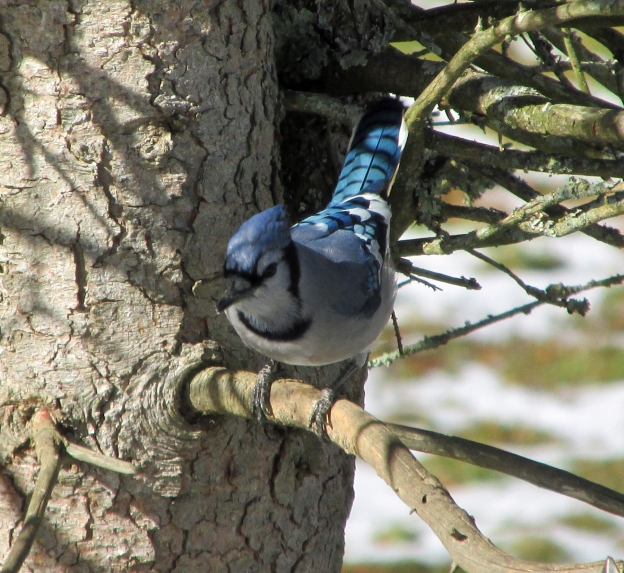
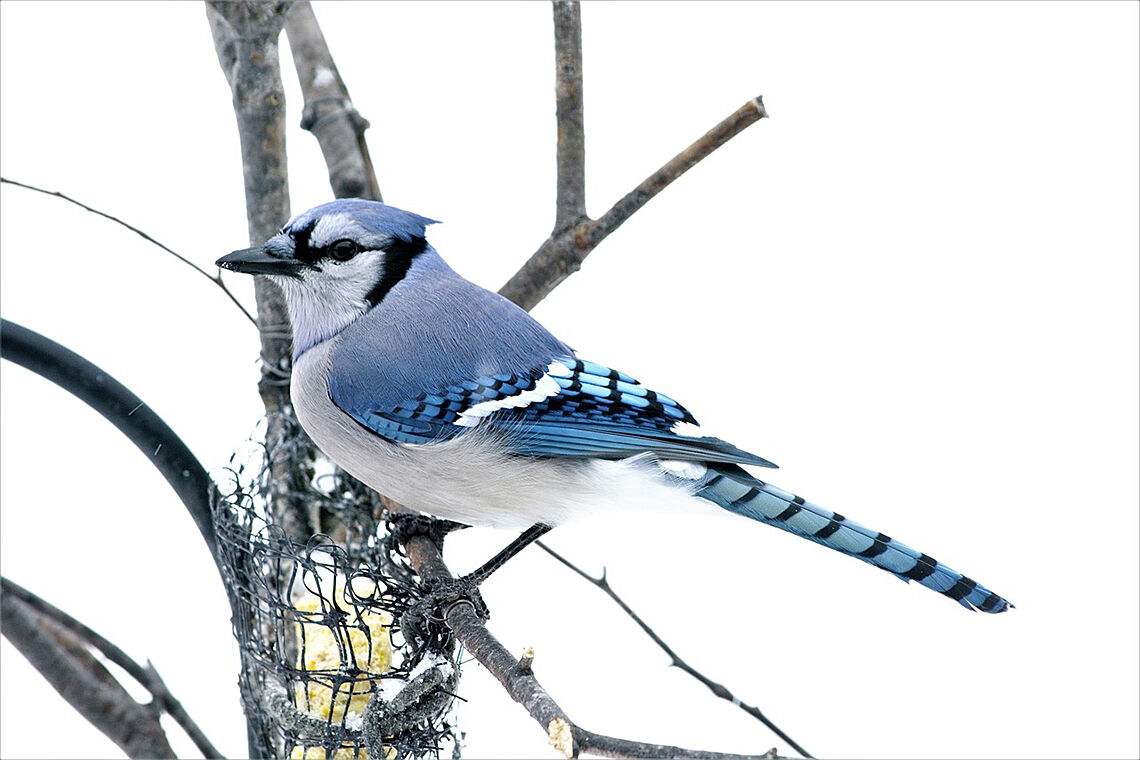
Photo by Scott/Pixabay • A blue jay perches at a suet feeder.

The 82nd Elizabethton Christmas Bird Count was held Saturday, Dec. 14, with 24 observers in six parties.

Unfortunately, I had to miss the count for the first time in almost a decade due to having contracted my first cold since 2019. I keep track of these things, especially when they interrupt the holiday season.

According to compiler Rick Knight, this year’s CBC tallied 71 species, with an additional three species seen during “count week,” which is defined as three days before or after count day. The three species found during count week were American wigeon, killdeer and pine warbler.
The total was just below the recent 40-year average of 72 species. The all-time high was 85 species recorded in 2017.

Here’s the list:
Canada goose, 302; wood duck, 2; American wigeon, 1; mallard, 65; green-winged teal, 2; ring-necked duck, 5; bufflehead, 143; hooded merganser, 3; red-breasted merganser, 1; and common merganser, 4.
Wild turkey, 26; pied-billed grebe, 10; rock pigeon 106; Eurasian collared-dove, 2; mourning dove, 108; killdeer, 1; Wilson’s snipe, 1; ring-billed gull, 9; double-crested cormorant, 1; great blue heron, 9; black vulture, 18; and turkey vulture, 21.Cooper’s hawk, 5; bald eagle, 6; red-shouldered hawk, 2; red-tailed hawk, 15; Easter screech-owl, 6; great horned owl, 1; and barred owl, 2.
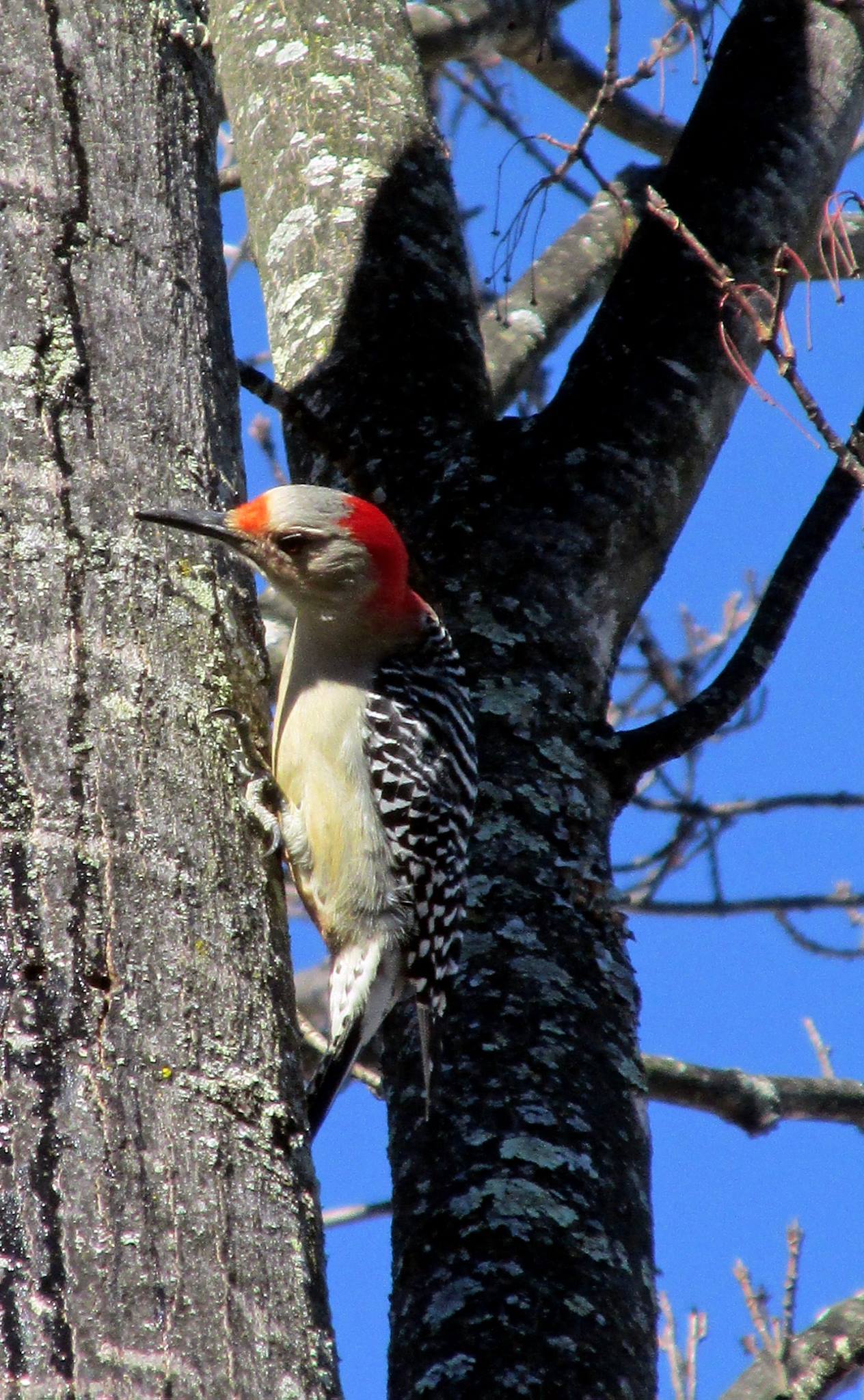
Belted kingfisher, 12; red-bellied woodpecker, 30; yellow-bellied sapsucker, 8; downy woodpecker, 26; hairy woodpecker, 2; Northern flicker, 32; and pileated woodpecker, 19.
American kestrel, 16; Eastern phoebe, 13; blue jay, 107; American crow, 339; fish crow, 1; and common raven, 10.
Carolina chickadee, 102; tufted titmouse, 77; ruby-crowned kinglet, 11; golden-crowned kinglet, 17; cedar waxwing, 103; red-breasted nuthatch, 8; white-breasted nuthatch, 27; and brown creeper, 10.

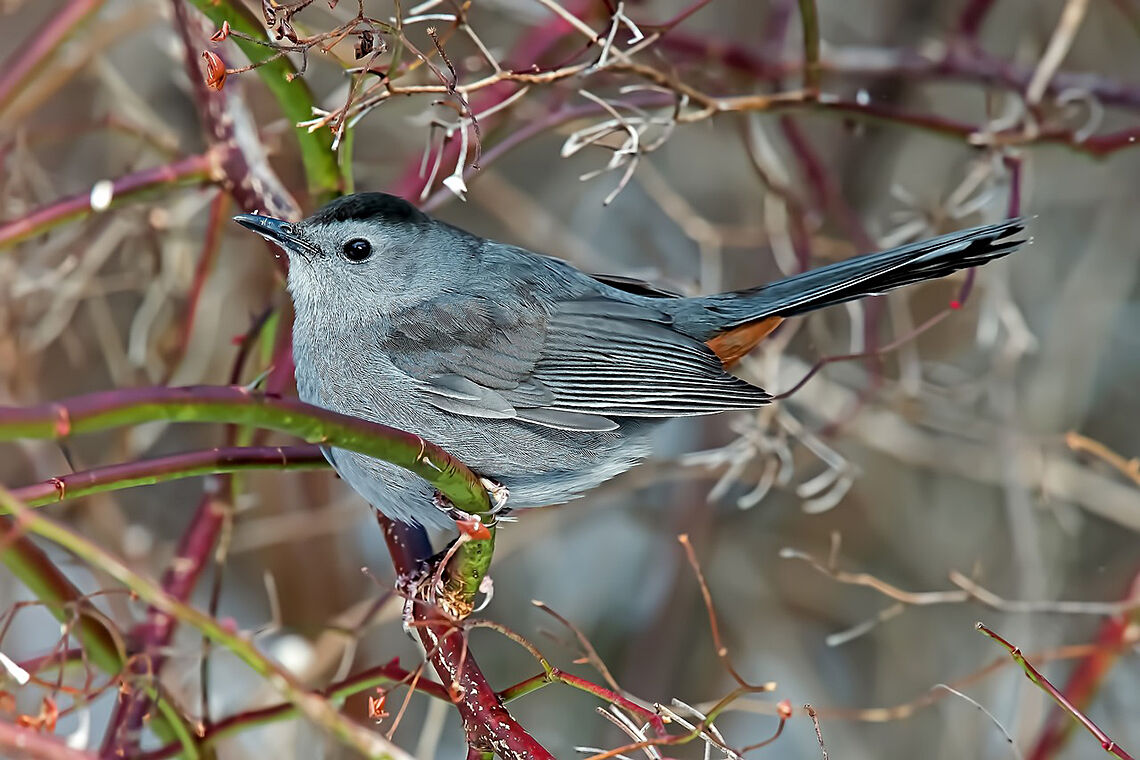
Hans Toom/Pixabay • A gray catbird found on this year’s Elizabethton Christmas Bird Count represents a somewhat unusual winter sighting for the species.

Carolina wren, 104; winter wren, 9; gray catbird, 1; Northern mockingbird, 55; European starling, 369; Eastern bluebird, 108; hermit thrush, 11; and American robin, 181.
House sparrow, 34; house finch, 73; purple finch, 2; American goldfinch, 34; chipping sparrow, 18; field sparrow, 9; dark-eyed junco, 151; white-throated sparrow, 56; song sparrow, 125; swamp sparrow, 7; Eastern towhee, 10.
Eastern meadowlark, 11; orange-crowned warbler, 1; pine warbler, yellow-rumped warbler, 98; and Northern cardinal, 118.

Knight noted that highlights from the count included fish crow, gray catbird and orange-crowned warbler.

Other notable species include red-breasted and common mergansers and Eurasian collared-dove.

There are always some notable misses. This year the count failed to find horned grebe, sharp-shinned hawk, fox sparrow and white-crowned sparrow.

The first Christmas Bird Counts were conducted on Christmas Day (Dec. 25) in 1900. The annual census arose from a proposal made by famed ornithologist Frank M. Chapman. According to Audubon.org, these yearly counts, conducted throughout the country, have provided a wealth of data over the past century.

Observations made due to CBCs have helped Audubon researchers, conservation biologists, wildlife agencies and other interested individuals to study the long-term health and status of bird populations across North America. When combined with other surveys such as the Breeding Bird Survey, the data provides a picture of how the continent’s bird populations have changed in time and space over the past hundred years.

The concept of the Christmas Bird Count, according to the website for the National Audubon Society, arose from a less than bird-friendly custom prevalent at the turn of the 20th century. So-called sportsmen would conduct a “Side Hunt,” a rather blood-thirsty Christmas custom that saw hunters competing to see who could score the largest amount of feathered and furred corpses.

The annual holiday bird survey may even have arisen from an earlier custom with roots in Europe that came to the United States of America with early colonists. The “Side Hunt” has some similarity to a peculiar celebration in Ireland and other European countries known as “Wren Day” or “Hunt the Wren Day.” The event was conducted the day after Christmas, the date of Dec. 26 being consigned as Saint Stephen’s Day. By the 20th century, the hunt consisted of tracking down a fake wren carried atop a decorated pole. Crowds would parade through towns in masks and colorful attire. These groups were referred to as “wren boys.”

Whether or not the “Side Hunt and “Wren Hunt” shared any connections, it was a huge step forward for conservation when Chapman, the preeminent ornithologist of his day, proposed a new holiday tradition. His radical idea was to count birds during the Christmas season rather than hunting and killing them.

I think other bird lovers will join me in celebrating Chapman’s wonderful idea, which has continued strong for the past 125 years.

•••

I’ve written about birds and birding since 1995. To share a sighting, ask a question or make a comment, email me at ahoodedwarbler@aol.com.

Three species of owls — great horned (pictured), Eastern screech and barred — were tallied on this year’s CBC.


Cardinals provide a great symbol for Christmas season

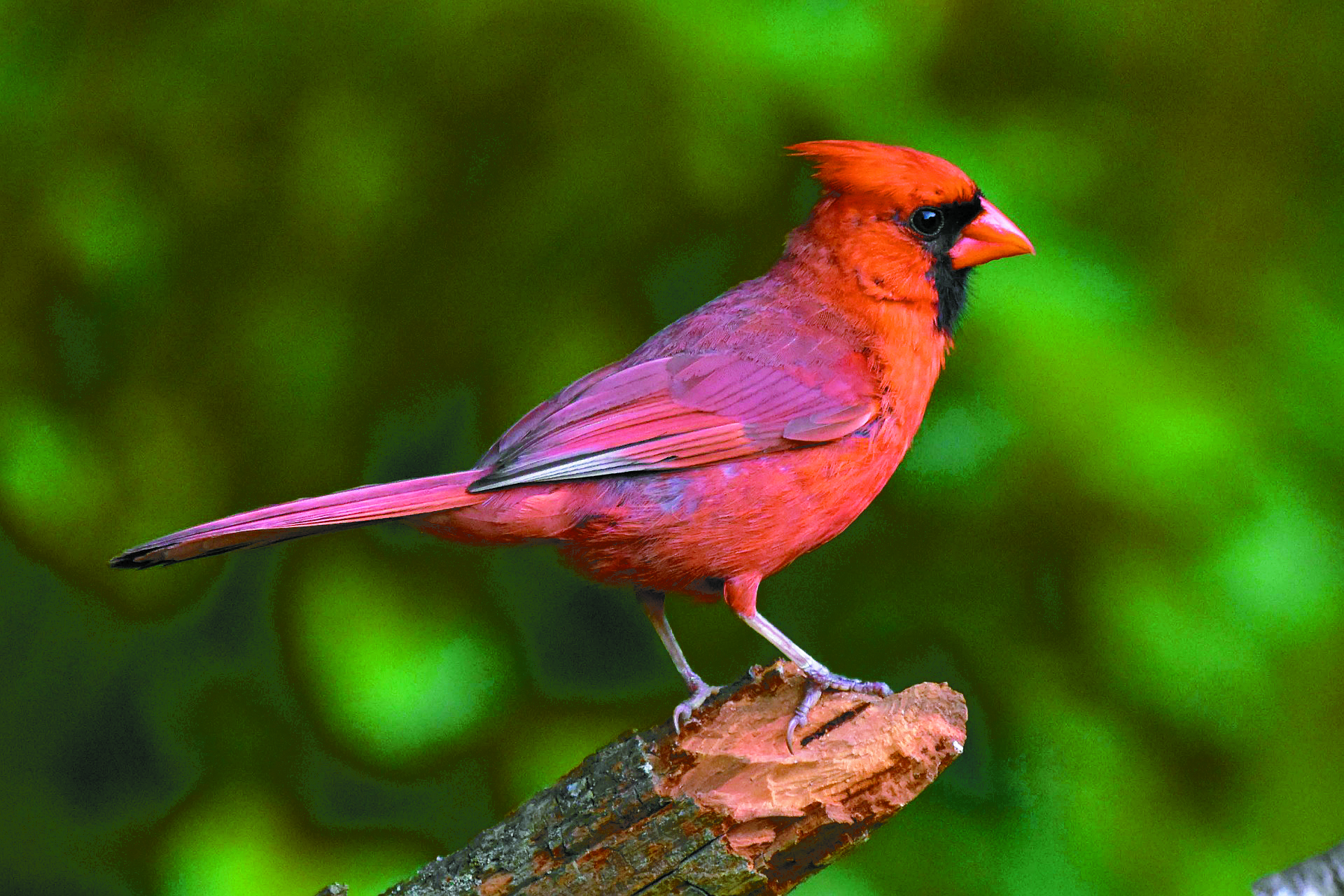
Photo by Jack Bulmer/Pixabay • A male Northern cardinal is a cheerful feathered ambassador on even a dreary day. While fairly commonplace, cardinals are worth getting to know and are easily attracted with sunflower seed.

Christmas 2022 is almost upon us. As is my usual custom, I want to share my enthusiasm for the Northern cardinal, one of my favorite birds. One male cardinal around my home as become very accustomed to my presence. He has even learned my routine and knows when to anticipate my daily stocking of the feeders with sunflower seeds.

At first, he kept an eye on my actions from a safe distance, but he gradually grew bolder. Soon, he began to land on the feeder before I even had my back turned and was heading back inside the house. His familiarity also bred impatience. He began to detect my routine. Once I get home from work in the evening, I head first to the mailbox. More often than not, I glimpse a flash of red feathers near the feeders while retrieving the most recent postal deliveries. My dependable cardinal always makes me smile. The bird has learned that a meal is imminent once I have completed this one chore.

If I don’t immediately return to the feeders with sunflower seeds, he will wait until I emerge from the house. He isn’t quite so brave that he will stay perched on the feeder as I replenish the supply, but he has definitely learned that his human friend is the source of all the free seeds.

I have always enjoyed watching cardinals. The beauty of both male and female cardinals is undeniable. They’re usually nervous, twitchy birds, so it has been fun watching this particular male cardinal grow accepting of my presence.
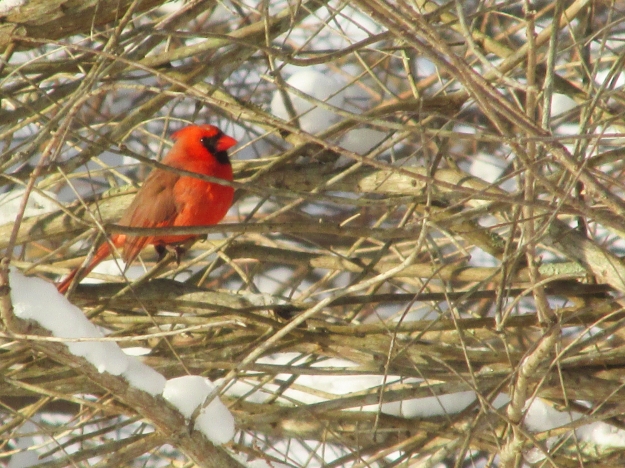
The Northern cardinal, especially the brilliant red male, stands out against a winter backdrop of snow white, deep green or drab gray. Over the years, the cardinal has also become associated with the Christmas season. How many Christmas cards have you received this holiday season with a cardinal featured in the artwork? I’d wager that at least a few cards in any assortment of holiday greetings will feature the likeness of a Northern cardinal.

There is a possible reason that male cardinals try to outshine each other when it comes to their bright red plumage. According to the website Tennessee Watchable Wildlife, brighter red male cardinals are able to hold territories that have denser vegetation, feed young at higher rates and have greater reproductive success than males with feathers of a duller hue.

The Northern cardinal belongs to a genus of birds known as Cardinalis in the family Cardinalidae. There are only two other species in this genus, and they range across North America and into northern South America. The two relatives are the pyrrhuloxia, or Cardinalis sinuatus, of the southwestern United States, and the Vermilion cardinal, or phoeniceus, a bird found in Colombia and Venezuela.
The Northern cardinal is a native and abundant bird. Cardinals are a widespread species, ranging westward to the Dakotas and south to the Gulf Coast and Texas. The southeastern United States was once the stronghold of the cardinal population. In the past century, however, cardinals have expanded their range into New England and Canada.

The cardinal accepts a wide variety of food at feeders. Sunflower seed is probably their favorite, but they will also sample safflower seed, cracked corn, peanuts, millet, bakery scraps and even suet. While we may get the idea that cardinals feed largely on seed, that is a misconception based on our observation of the birds at our feeders. Cardinals away from our feeders eat insects and fruit, including the berries of mulberry, holly, pokeberry, elderberry, Russian olive, dogwood and sumac.
The cardinal uses its large beak to efficiently hull sunflower seeds or deal with other foods foraged in field and forest away from our feeders. The large, heavy beak hints at the cardinal’s kinship with birds such as tanagers and grosbeaks. In fact, some of America’s early naturalists referred to the bird as “cardinal grosbeak.” Other common names include the apt “redbird” moniker and “Virginia nightingale.”

Even once the holidays are past, there’s nothing like a glimpse of a Northern cardinal to add some cheer to a bleak winter day. It’s not surprising that such a popular bird has also become associated with many trappings of the Christmas season.
“You see cardinals on greeting cards, stationery, paper plates, paper napkins and tablecloths, doormats, light switch plates, candles, candle holders, coffee mugs, plates, glasses, Christmas tree ornaments and lights, bookmarks, mailboxes, Christmas jewelry,” writes June Osborne in “The Cardinal,” a book about this popular bird.

“And the list goes on,” Osborne writes. “Cardinals have become an integral part of the way that many people celebrate the holiday season.”

I can be included among such people. My Christmas decorations include an assortment of cardinal figurines and ornaments. There are other birds — doves and penguins for example — associated with the holiday season, but for me the holidays magnify the importance of one of my favorite birds. The cardinal, in its festive red plumage, appears made to order for a symbol of the holiday season.


Northern cardinals serve as wonderful Christmas ambassadors

Photo by Jack Bulmer/Pixabay • With sunlight shining on this male Northern cardinal’s wing, the bird looks even more splendid. These beloved birds have been made the official birds for seven U.S. states, a recognition not surpassed by any other North American bird.

Christmas 2021 is almost upon us. If you’ve not finished your holiday shopping, you’d best get moving.

As is my usual custom, I want to share my enthusiasm for the Northern cardinal, one of my favorite birds and a deserving bird to serve as a symbol for the Christmas season.

I have enjoyed watching as cardinals visit my feeders in recent weeks. The beauty of both male and female cardinals is undeniable, but it’s their behavior that’s worth a second look. Nervous, twitchy birds, they are always anxiously surveying their surroundings even as they linger on a feeder long enough to hull a sunflower kernel from its shell. It’s almost as if they know their bright plumage stands out in a drab winter landscape dominated by shades of gray.

One particular male cardinal over the past few months has grown accepting of my close presence. When I stock my feeders with sunflower seed, he barely gives me time to get back to the front porch before he is landing on the feeder to enjoy a meal of seeds. It’s great to see that these beautiful birds can be acclimated to be less timid.

The Northern cardinal, especially the brilliant red male, stands out against a winter backdrop of snow white, deep green or drab gray. Over the years, the cardinal has also become associated with the Christmas season. How many Christmas cards have you received this holiday season with a cardinal featured in the artwork? I’d wager that at least a few cards in any assortment of holiday greetings will feature the likeness of a Northern cardinal.

Photo by Skeeze/Pixabay.com • A male Northern cardinal lands on a snowy perch. Cardinals are perfect symbols for the Christmas season with their bright red plumage.

The Northern cardinal belongs to a genus of birds known as Cardinalis in the family Cardinalidae. There are only two other species in this genus, and they range across North America and into northern South America.

The two relatives are the pyrrhuloxia, or Cardinalis sinuatus, of the southwestern United States, and the Vermilion cardinal, or phoeniceus, a bird found in Colombia and Venezuela. Two other South American birds — red-crested cardinal and yellow-billed cardinal — are more closely related to tanagers than to our familiar Northern cardinal. Both the Northern cardinal and red-crested cardinal have been introduced into the state of Hawaii, so two non-native birds from different parts of the globe are now resident in the Aloha State.

The Northern cardinal is a native and abundant bird. Cardinals are a widespread species, ranging westward to the Dakotas and south to the Gulf Coast and Texas. The southeastern United States was once the stronghold of the cardinal population. In the past century, however, cardinals have expanded their range into New England and Canada.

The cardinal accepts a wide variety of food at feeders. Sunflower seed is probably their favorite, but they will also sample safflower seed, cracked corn, peanuts, millet, bakery scraps and even suet. While we may get the idea that cardinals feed largely on seed, that is a misconception based on our observation of the birds at our feeders. Cardinals away from our feeders eat insects and fruit, including the berries of mulberry, holly, pokeberry, elderberry, Russian olive, dogwood and sumac.

The cardinal uses its large beak to efficiently hull sunflower seeds or deal with other foods foraged in field and forest away from our feeders. The large, heavy beak hints at the cardinal’s kinship with birds such as tanagers and grosbeaks. In fact, some of America’s early naturalists referred to the bird as “cardinal grosbeak.” Other common names include the apt “redbird” moniker and “Virginia nightingale.”

Even once the holidays are past, there’s nothing like a glimpse of a Northern cardinal to add some cheer to a bleak winter day. People can also choose to further the cause of science by taking part in studies such as Project FeederWatch, a nationwide survey of bird populations focused on birds coming to feeders maintained by project participants. In the 2015-16 winter season, 1,373 individuals participated in Project FeederWatch in the southeastern United States. The most common birds reported by observers were Northern cardinal, Carolina chickadee, mourning dove, American goldfinch and tufted titmouse. Finishing out the Top 10 feeder birds in this section of the nation were Carolina wren, house finch, blue jay, red-bellied woodpecker and downy woodpecker. Almost 98 percent of participants reported Northern cardinals at their feeders, which means the cardinal has become an almost universal feeder visitor in the southeast.

It’s not surprising that such a popular bird has also become associated with many trappings of the Christmas season.

“You see cardinals on greeting cards, stationery, paper plates, paper napkins and tablecloths, doormats, light switch plates, candles, candle holders, coffee mugs, plates, glasses, Christmas tree ornaments and lights, bookmarks, mailboxes, Christmas jewelry,” writes June Osborne in her book The Cardinal. “And the list goes on. Cardinals have become an integral part of the way that many people celebrate the holiday season.”

I can be included among such people. My Christmas decorations include an assortment of cardinal figurines and ornaments. There are other birds — doves and penguins for example — associated with the holiday season, but for me the holidays magnify the importance of one of my favorite birds. The cardinal, in its festive red plumage, appears made to order for a symbol of the holiday season.

Photo by Bryan Stevens • Northern cardinal seems much less descriptive of this popular bird than such common names as Virginia nightingale and Kentucky redbird.

Here’s some more cardinal trivia:

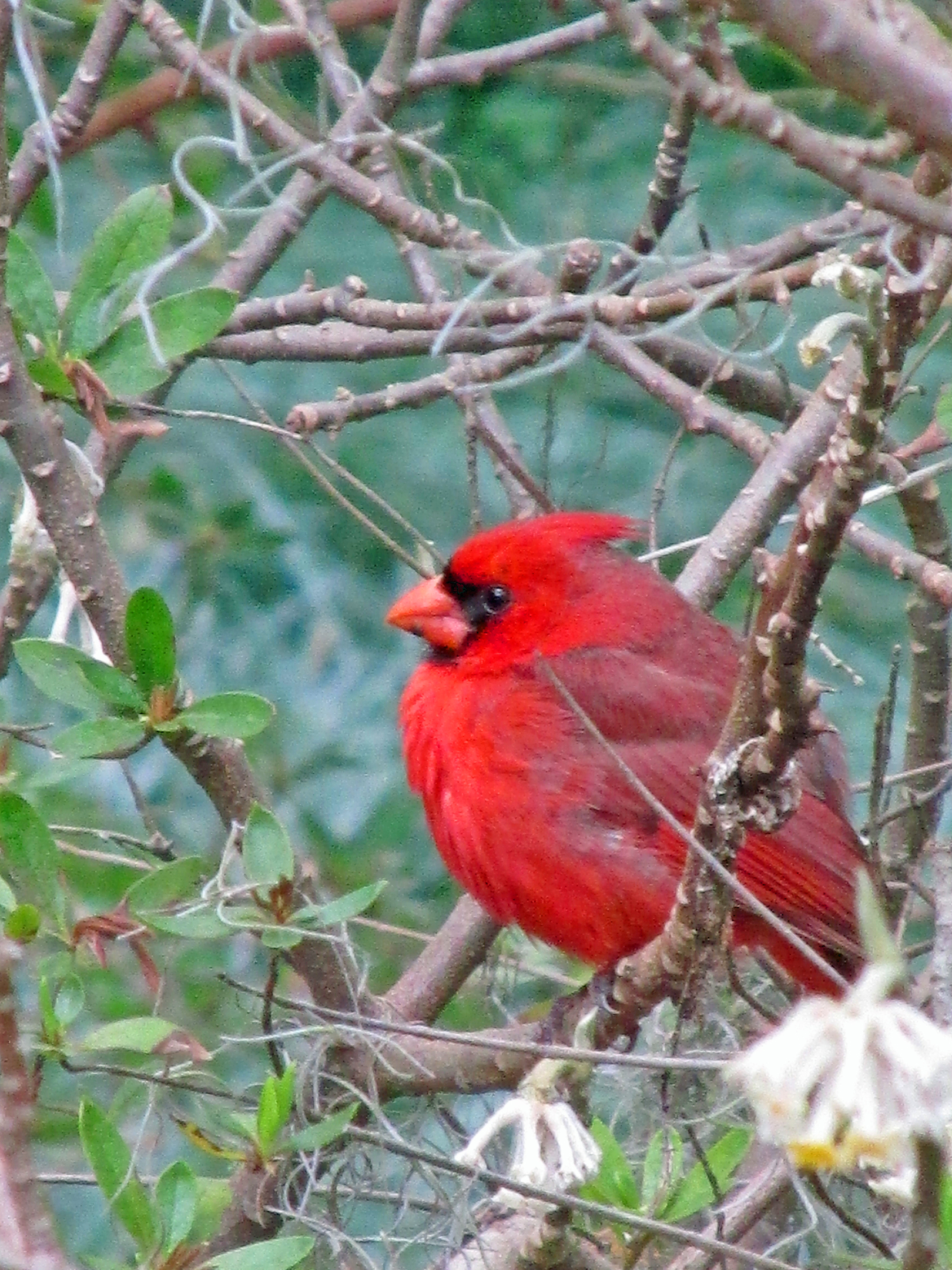
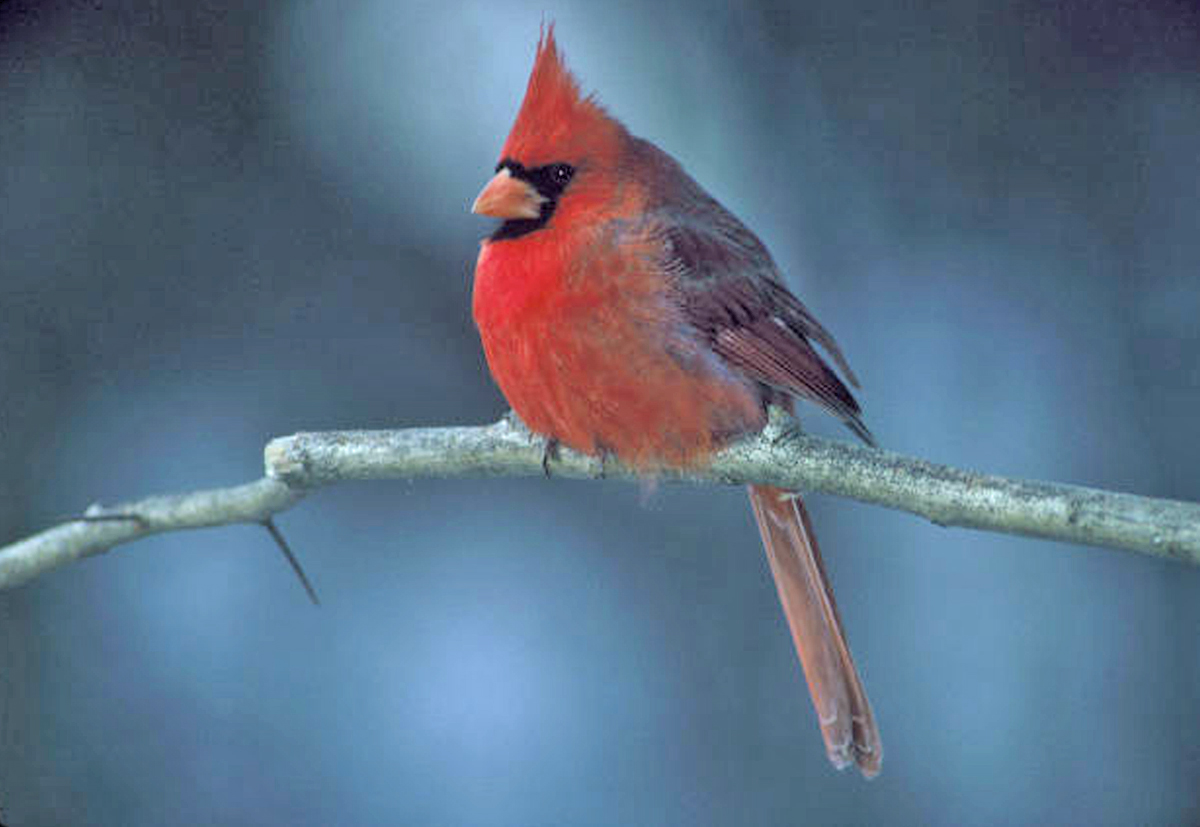
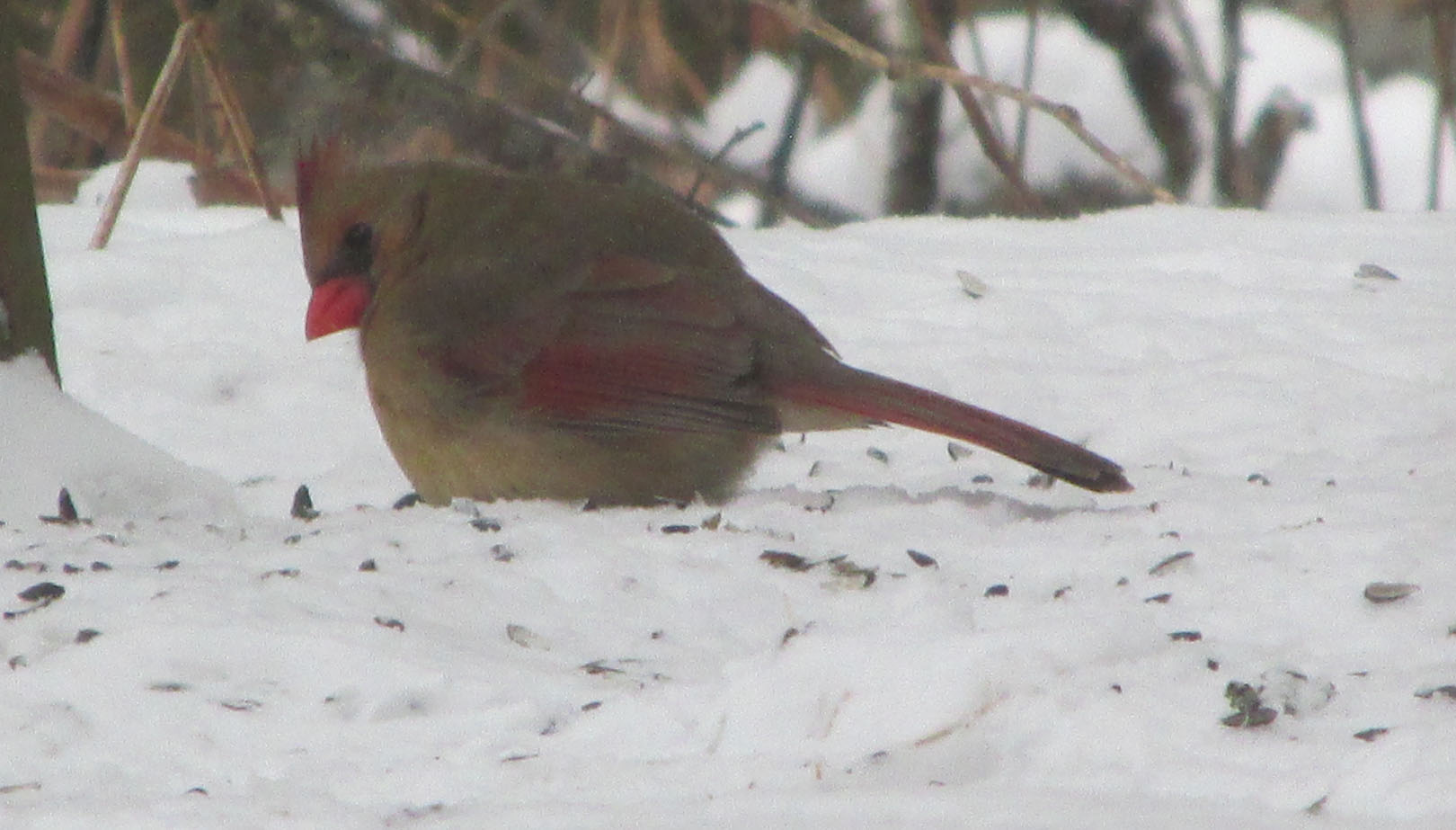
• Cardinals differ in appearance based on gender. The male boasts crimson plumage, a crest, a black face and orange bill. The female, although less colorful, is also crested. Female cardinals are soft brown in color, with varying degrees of a reddish or rosy tinge in their feathers, particularly in their wings.

The cardinal is a beloved bird. As testimony to the popularity of the Northern cardinal, just consider the fact that it’s the official state bird of seven states: North Carolina, West Virginia, Ohio, Illinois, Indiana, Kentucky and Virginia. Only the Northern mockingbird, which represents five states as official state bird, even comes close to the Northern cardinal in this respect.

• The cardinal’s preference for dense cover makes them likely neighbors for such birds as Carolina wrens, Eastern towhees and brown thrashers.

• The oldest recorded Northern Cardinal was a female, and she was 15 years, nine months old when she was found in Pennsylvania, according to the website, All About Birds.

• An uncommon genetic variation sometimes produces a cardinal with yellow or orange feathers instead of the typical red. The scientific name for the condition that produces yellow cardinals is known as xanthochroism.

• Nests are built by the female cardinal, but her mate delivers food as she incubates her clutch of eggs, which usually numbers three or four.

Photo by Bryan Stevens
Cardinals are common visitors to backyard feeders.

77th Elizabethton Christmas Bird Count yields 63 species

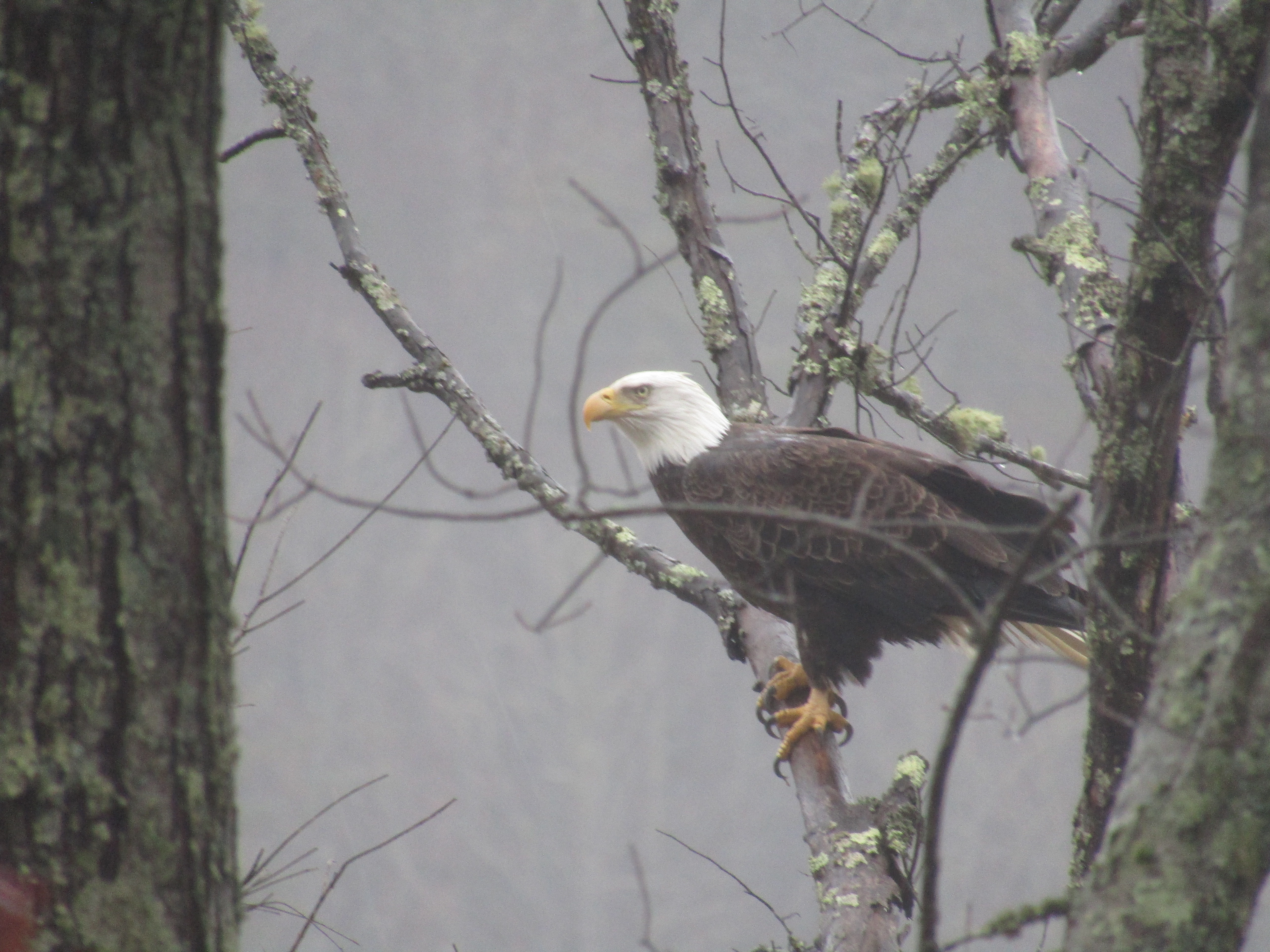
Photo by Bryan Stevens • This adult bald eagle was one of several counted on this year’s Christmas Bird Count.

The 77th consecutive Elizabethton Christmas Bird Count was held by members and friends of the Elizabethton Bird Club on Saturday, Dec. 14. Participants in the long-running CBC tallied a total of 63 species of birds, which was down considerably from the recent average of 73 species. The all-time high for this count consisted of 85 species and was established two years ago with the 2018 Elizabethton CBC.

The temperature lingered in the 40s all day with light rain. The low species total, as well as low individual numbers, was likely due to the lousy weather, according to long-time count compiler Rick Knight.

Knight noted some count highlights, including single representatives of ruffed grouse, pine warbler and red-headed woodpecker. In addition, 75 wild turkeys, 181 Eastern bluebirds, and 449 cedar waxwings demonstrated that some birds were far from scarce.

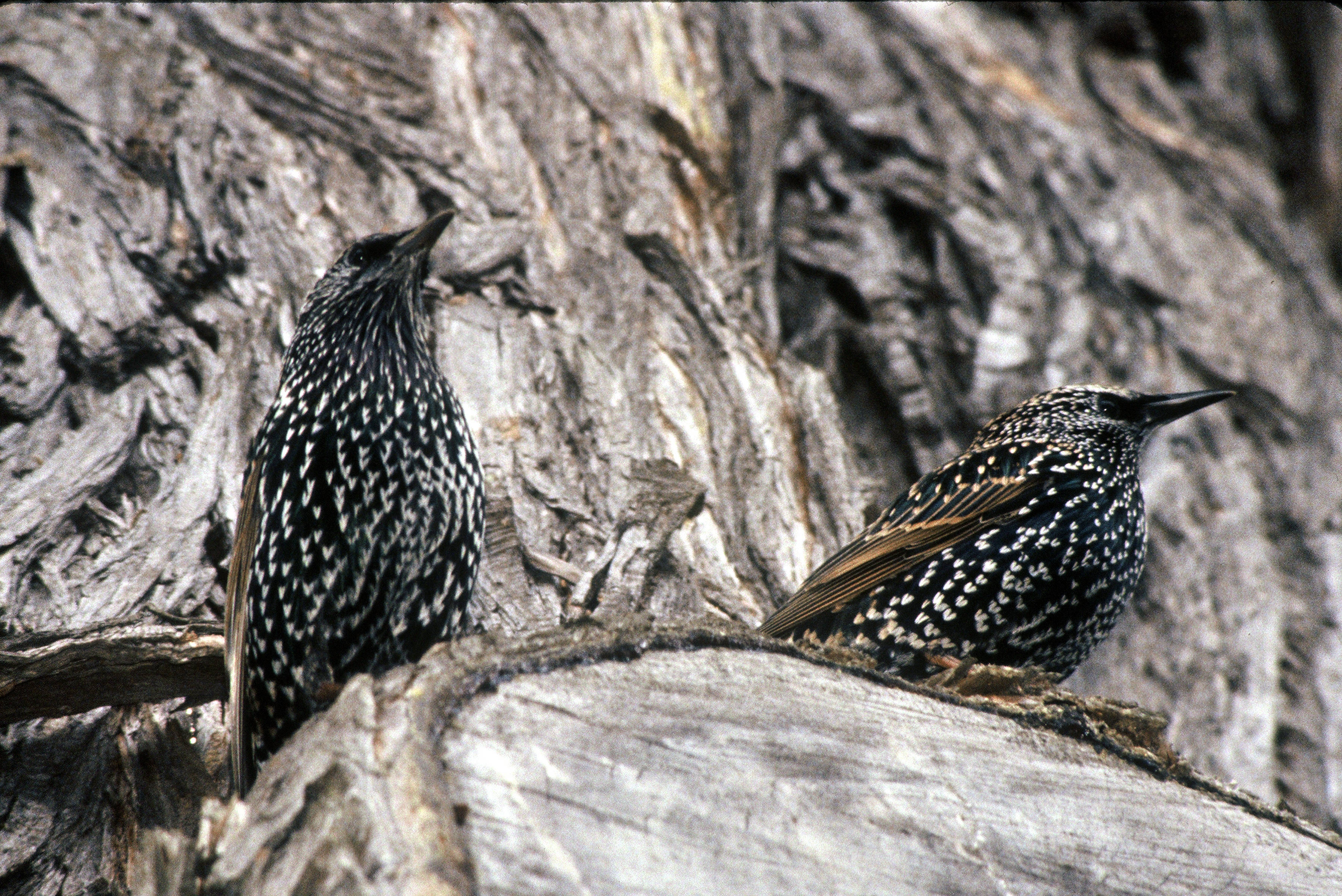
The 1,015 individuals counted made the European starling the most abundant bird on this year’s CBC, followed by cedar waxwing (449), American robin (371) and Canada goose (319).

Photo by U.S. Fish & Wildlife Service • The European Starling ranked as the most common species on the count.

Notable misses included almost all the ducks — only three species being found. Knight noted that duck numbers have been low so far this season.

Counters also missed finding killdeer, Wilson’s snipe, Eurasian collar-dove, red-breasted nuthatch, brown thrasher, Eastern meadowlark, white-crowned sparrow and fox sparrow. A single Eastern screech-owl represented the only owl species found on the count.

My own count area consisted of territory around Watauga Lake and the town of Butler. Accompanying me on this count were Brookie and Jean Potter, David and Connie Irick, Eric Middlemas, Brenda Richards and Chris Soto.

Highlights of our day counting birds in mid-December included numerous sightings of bald eagles and a welcome and restorative lunch at Dry Hill General Store and Deli in Butler. We also enjoyed our observations of a common loon, horned grebe, and several species of raptors.

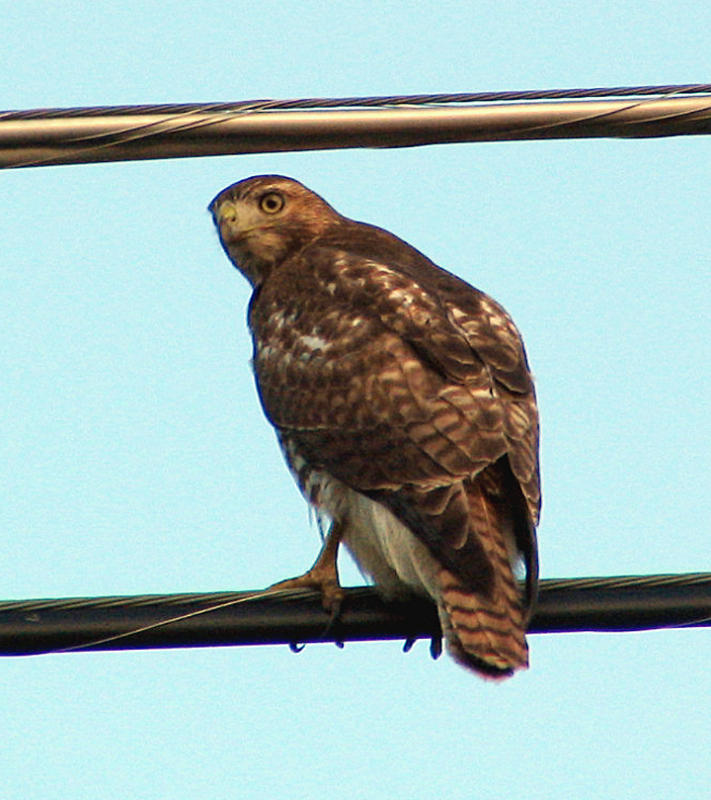
Photo by Bryan Stevens • Nine red-tailed hawks made it onto this year’s Elizabethton Christmas Bird Count.

Here’s the final total for the 2019 Elizabethton CBC:

Canada goose, 319; mallard, 268; ring-necked duck, 4; bufflehead, 107; ruffed grouse, 1; and wild turkey, 75.

Common loon, 1; pied-billed grebe, 4; horned grebe, 1; double-crested cormorant, 4; and great blue heron, 18.

Black vulture, 4; turkey vulture, 38; sharp-shinned hawk, 4; Cooper’s hawk, 1; bald eagle, 6; and red-tailed hawk, 9.

Ring-billed gull, 20; rock pigeon, 246; mourning dove, 200; Eastern screech-owl, 1; and belted kingfisher, 11.

Red-headed woodpecker, 1; red-bellied woodpecker, 10; yellow-bellied sapsucker, 10; downy woodpecker, 21; hairy woodpecker, 2; Northern flicker, 27; and pileated woodpecker, 7.

American kestrel, 8; Eastern phoebe, 7; blue jay, 164; American crow, 299; and common raven, 1.

Carolina chickadee, 133; Tufted titmouse, 61; white-breasted nuthatch, 29; brown creeper, 1; winter wren, 5; and Carolina wren, 94.

Golden-crowned kinglet, 15; ruby-crowned kinglet, 1; Eastern bluebird, 181; American robin, 371; Northern mockingbird, 57; European starling, 1,015; and cedar waxwing, 449.

Pine warbler, 1; yellow-rumped warbler, 61; Eastern towhee, 17; chipping sparrow, 16; field sparrow, 28; Savannah sparrow, 5; song sparrow, 125; swamp sparrow, 1; white-throated sparrow, 40; and dark-eyed junco, 45.

Northern cardinal, 124; brown-headed cowbird, 1; house finch, 72; American goldfinch, 63; and house sparrow, 29.

Photo by Jean Potter • Two species of warbler — pine warbler, pictured here, and yellow-rumped warbler — made this year’s Elizabethton CBC.

Roan Mountain CBC finds 49 species

The Elizabethton Bird Club conducts a second CBC for Roan Mountain in Carter County, Tennessee. The 67th Roan Mountain CBC was held the following day, Sunday, Dec. 15, with eight observers in two parties. The skies had cleared from the previous day. Participants counting at elevations above 4,500 feet found an inch of fresh snow.

Knight noted that a good cone crop is present in the spruce-fir forest. The count tallied 49 species, which is three above the recent 30 year average. The all-time high on this count was 55 species found in 1987. Lower species totals on this count are due to harsher climate in higher elevations, less diversity of habitats, and lower number of observers and parties.

Some highlights included 26 Canada geese. On most CBCs, Canada geese would not be considered extraordinary, but Knight noted there are few records on the Roan Mountain CBC for this goose.  Other highlights included 11 American black ducks, two red-breasted nuthatches and a single purple finch. A single American kestrel, which is also represented by only a few records on this count, was found. The counters found 27 common ravens, which meant that this corvid species outnumbered its relative the blue jay, which tallied only 21 individuals.

Knight suggested that a few notable misses for this count included sharp-shinned hawk, brown creeper and fox sparrow.

The Roan Mountain CBC total follows:

Canada goose, 26; American black duck, 11; buffledhead, 17; hooded merganser, 1; wild turkey, 2; pied-billed grebe, 2; and great blue heron, 1.

Turkey vulture, 3; Cooper’s hawk, 2; red-shouldered hawk, 2; and red-tailed hawk, 2.

Rock pigeon, 14; mourning dove, 34; belted kingfisher, 1; red-bellied woodpecker, 4; yellow-bellied sapsucker, 3; downy woodpecker, 14; hairy woodpecker, 1; and pileated woodpecker, 2.

American kestrel, 1; Eastern phoebe, 4; blue jay, 21; American crow, 96; and common raven, 27.

Carolina chickadee, 46; tufted titmouse, 31; red-breasted nuthatch, 2; white-breasted nuthatch, 12; winter wren, 1; and Carolina wren, 21.

Golden-crowned kinglet, 9; Eastern bluebird, 18; American robin, 126; Northern mockingbird, 1; European starling, 33; and cedar waxwing, 12.

Yellow-rumped warbler, 1; Eastern towhee, 17; field sparrow, 3; song sparrow, 68; white-throated sparrow, 11; and dark-eyed junco, 62.

Northern cardinal, 19; house finch, 2; purple finch, 1; red crossbill, 10; pine siskin, 1; and American goldfinch, 6.

Cardinals do their part to make the winter season brighter

Photo by Skeeze/Pixabay.com • A male Northern cardinal lands on a snowy perch. Cardinals are perfect symbols for the Christmas season with their bright red plumage.

The shopping days before Christmas are getting fewer, so I hope everyone has had time to find gifts for everyone on their lists. My own sincere wish to readers is that everyone gets to enjoy a great holiday that just might also include watching some birds.

Often, when we think of the birds of the winter season, our thoughts focus on some of the less-than-colorful feeder visitors — the brown sparrows and wrens, the black and white chickadees, the drab American goldfinches that look so unlike their summer appearance.

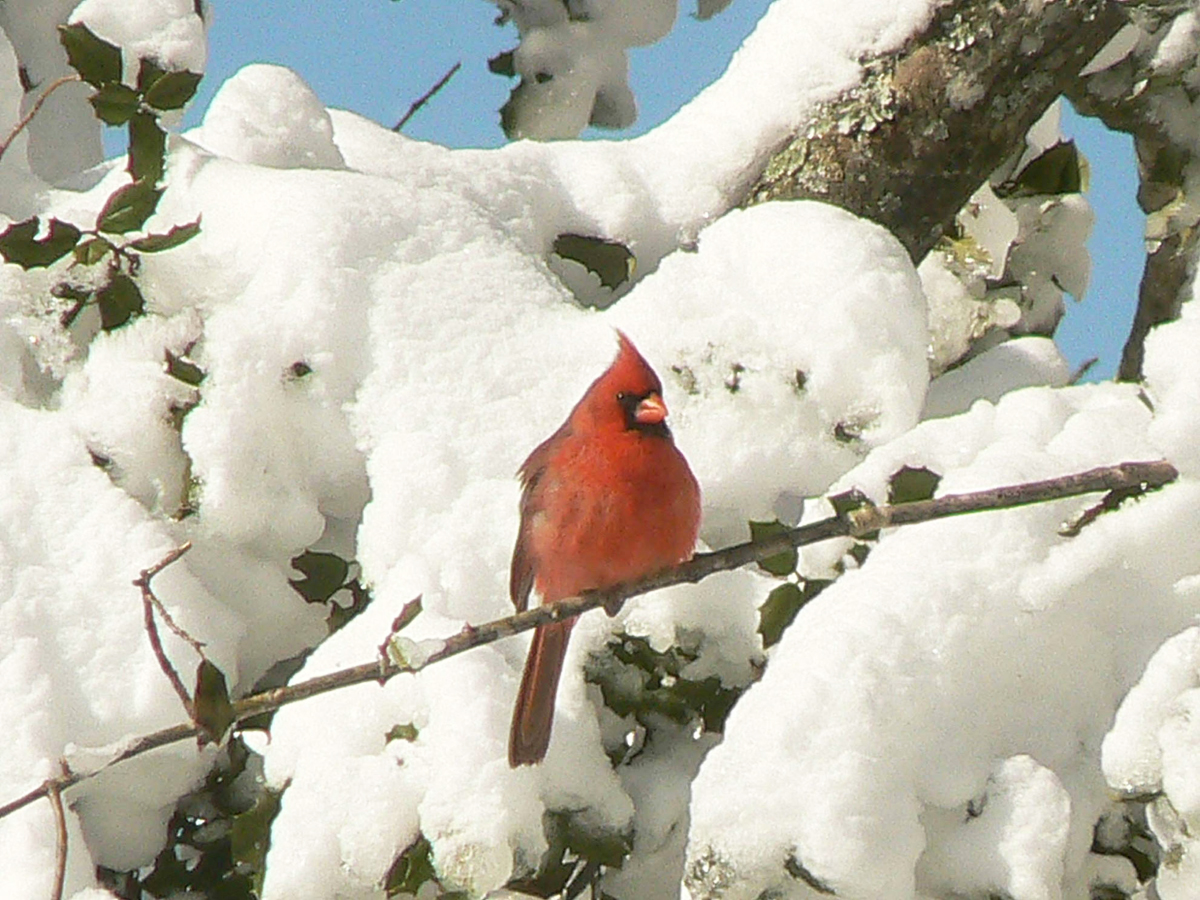
There’s one bird, however, that makes an impression in any season. The Northern cardinal, especially the brilliant red male, stands out against a winter backdrop of snow white, deep green or drab gray.

Photo by Bryan Stevens • Northern cardinal seems much less descriptive of this popular bird than such common names as Virginia nightingale and Kentucky redbird.

Over the years, the Northern cardinal has also become associated with the Christmas season. How many Christmas cards have you received this holiday season with a cardinal featured in the artwork? I’d wager that at least a few cards in any assortment of holiday greetings will feature the likeness of a bright red cardinal.

Cardinals, also known by such common names as redbird and Virginia nightingale, are easily recognized backyard birds. I never tire of observing these colorful birds. Cardinals are easily lured to any backyard with plentiful cover to provide a sense of security and a generous buffet of sunflower seed.

Photo by Bryan Stevens • Even the female Northern cardinal offers a subtle beauty not quite as showy as the male.

Cardinals accept a wide variety of food at feeders. Sunflower seed is probably their favorite, but they will also sample cracked corn, peanuts, millet, bakery scraps and even suet. The cardinal is also one of only a few birds that I have noticed will consistently feed on safflower seed.

While we may get the idea that cardinals feed largely on seed, that is a misconception based on our observation of the birds at our feeders. When away from our feeders, cardinals feed on insects and fruit, including the berries of mulberry, holly, pokeberry, elderberry, Russian olive, dogwood and sumac.

There’s no difficulty in identifying a cardinal. The male boasts crimson plumage, a crest, a black face and orange bill. The female, although less colorful, is also crested. Female cardinals are soft brown in color, with varying degrees of a reddish tinge in their feathers, particularly in their wings. Immature cardinals resemble females except young cardinals have dark bills.

Cardinals are a widespread species, ranging westward to the Dakotas and south to the Gulf Coast and Texas. The southeastern United States was once the stronghold of the cardinal population. In the past century, however, cardinals have expanded their range into New England and Canada. These birds have even been introduced to Hawaii.

Photo by U.S. Fish and Wildlife Service • A male cardinal looks splendid against a snowy background.

At feeders, cardinals mingle with a variety of other birds. Their preference for dense, tangled habitat is one they share with such birds as brown thrashers, Eastern towhees, Carolina wrens and song sparrows. In general, however, cardinals directly associate only with their own kind. Cardinals will form loose flocks during the winter, but these flocks are never as cohesive as those of such flocking birds as American goldfinches. Cardinals are more often observed in pairs. For such a bright bird, the male cardinal can be surprisingly difficult to detect as he hides in thick brush that conceals his presence. Cardinals are nervous birds, however, and usually betray their presence with easily recognized chip notes.

It’s not surprising that such a popular bird has also become associated with many trappings of the Christmas season.

“You see cardinals on greeting cards, stationery, paper plates, paper napkins and tablecloths, doormats, light switch plates, candles, candle holders, coffee mugs, plates, glasses, Christmas tree ornaments and lights, bookmarks, mailboxes, Christmas jewelry,” writes June Osborne in her book The Cardinal. “And the list goes on. Cardinals have become an integral part of the way that many people celebrate the holiday season.”

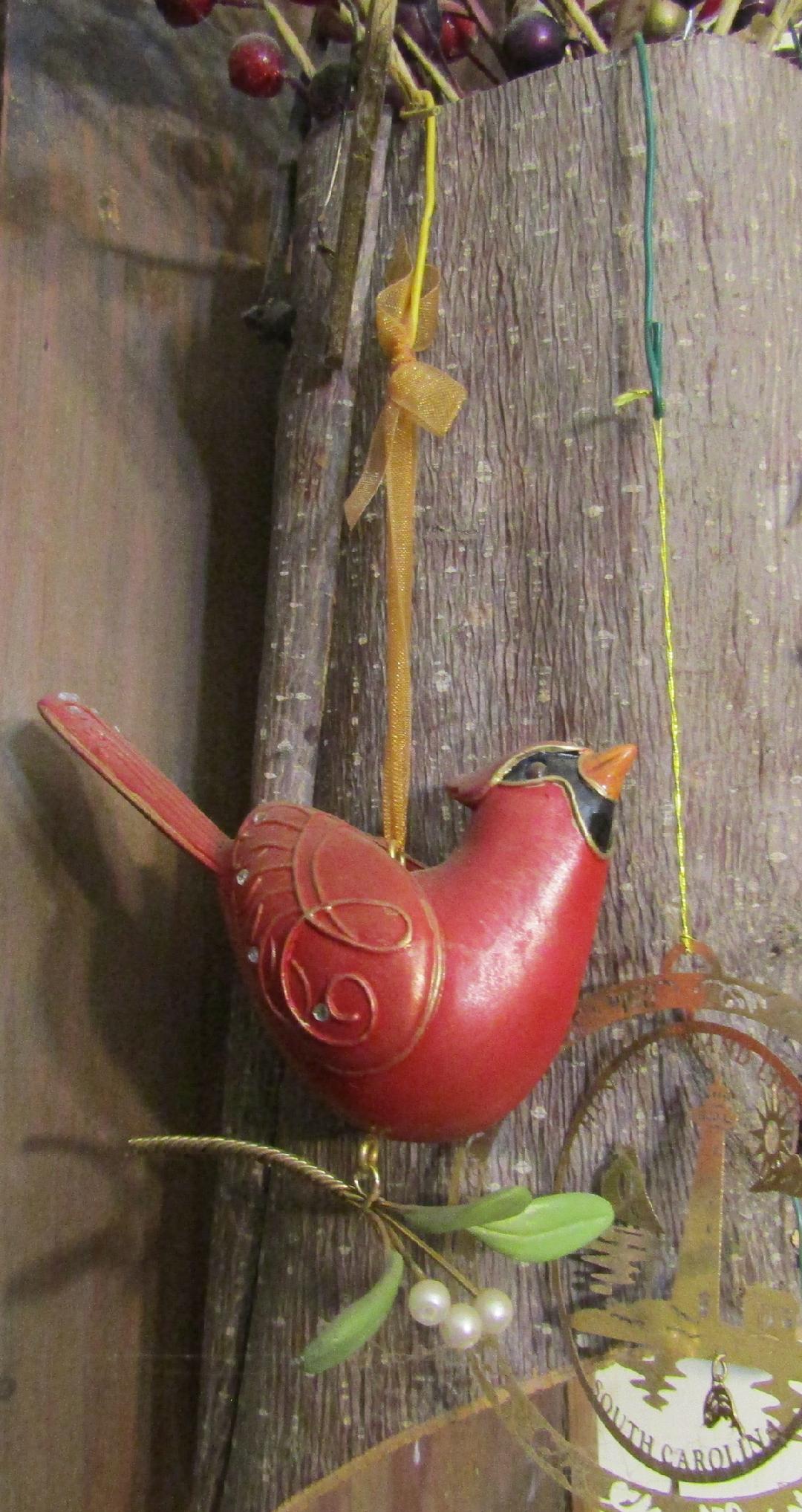
Photo by Bryan Stevens • Northern cardinals are a favorite for makers of Christmas ornaments.

I can be included among such people. My Christmas decorations include an assortment of cardinal figurines and ornaments. There are other birds — doves and penguins for example — associated with the holiday season, but for me the holidays magnify the importance of one of my favorite birds. The cardinal, in its festive red plumage, appears made to order for a symbol of the holiday season.

There’s additional evidence to put forward as testimony to the popularity of the Northern cardinal. It’s the official state bird of seven states: Virginia, North Carolina, West Virginia, Ohio, Illinois, Indiana and Kentucky. Only the Northern mockingbird, which represents five states as official state bird, even comes close to the Northern cardinal in this respect.

Even once the holidays are past, there’s nothing like a glimpse of a Northern cardinal to add some cheer to a bleak winter day.

Christmas Bird Count makes for fun outing during the holiday season

carolinawren-snow

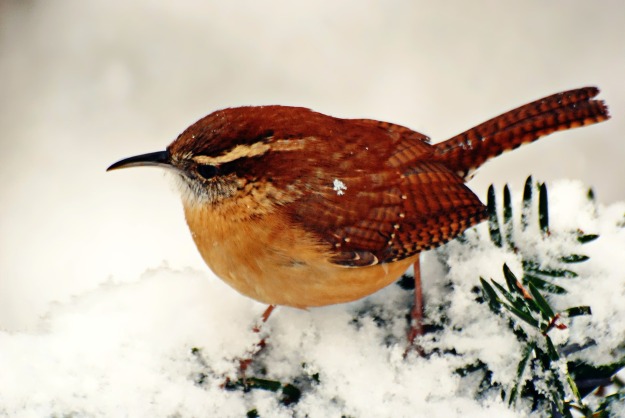
Photo by RetyiRetyi/Pixabay.com • Carolina wrens are small, inquisitive and hardy songbirds. The recent Elizabethton Christmas Bird Count found a record number of this wren during its annual survey of bird populations.

I participated in the 76th consecutive Elizabethton Christmas Bird Count, which was held Saturday, Dec. 15. This annual count is one of the oldest Christmas Bird Counts in the region, as well as in Tennessee.

I was one of twenty-eight observers in six parties. Together, we tallied 77 species, which is above the recent 30-year average of 72 species. The all-time high was set last year when 85 species were counted on this annual survey.

Osprey-LYNNValley

Photo by Bryan Stevens • An osprey perches in a tree along the Watauga River in Elizabethton, Tennessee. These fish-eating raptors are rare in winter in Northeast Tennessee.

Two species — osprey and orange-crowned warbler — were found on this CBC for the first time. Longtime count compiler Rick Knight observed that one noticeable difference between last year’s count and the 2018 Elizabethton CBC was the number of ducks. Last year’s CBC yielded 13 species, but only six species of ducks were found this year.

Knight also noted that a record number — 139 — of Carolina wrens was spotted by CBC participants.

A single bald eagle was found, but it was enough to continue a recent trend. This eagle has appeared for 19 of the last 20 on the Elizabethton CBC. Counts more than 20 years ago rarely produced any bald eagles.

A single red-shouldered hawk represented a good find since this hawk has only been found on six of the previous 25 years. A single merlin represented an even more exceptional find for this CBC. Merlin has been represented only two times in the last 25 years for this particular count.

Red-shoulderHawk

Photo by Bryan Stevens • This captive red-shouldered hawk was rehabilitated after suffering an injury and now works in an educational program at Brookgreen Gardens in South Carolina to teach the public about raptors, other birds, and various types of wildlife.

Knight noted that two shorebirds — killdeer and Wilson’s snipe — have experienced a steady decline in making this annual count. This year’s count produced only a single killdeer and snipe.

Knight speculated that low numbers of cedar waxwings and American robins on this year’s CBC probably indicates a poor wild fruit crop. These two species depend heavily on fruit to supplement their diet during the winter months.

Chipping sparrow has now been found for 15 straight years, but had only previously been reported six times in the first 50 years of the history of the Elizabethton CBC.

Without fail, some species manage to evade counters. According to Knight, some of the conspicuous misses this year included ruffed grouse, common loon and barred owl.

Mom-Grouse

Photo by Bryan Stevens • Although found during counts held in other seasons, no ruffed grouse was found on the 2018 Elizabethton Christmas Bird Count.

The Elizabethton Bird Club has been holding its annual Christmas count in Elizabethton, Tennessee, since 1942. The tradition of the Christmas Bird Count dates back much farther and originates from a less than bird-friendly custom. According to the National Audubon Society’s website, so-called sportsmen in the late 19th century would conduct a “Side Hunt,” a rather blood-thirsty Christmas custom that saw hunters competing to see who could score the largest amount of feathered and furred corpses.

The annual holiday bird survey may even have arisen from an earlier custom with roots in Europe that came to the United States of America with early colonists. The “Side Hunt” has some similarity to a peculiar celebration in Ireland and other European countries known as “Wren Day” or “Hunt the Wren Day.” The event was conducted the day after Christmas, the date of Dec. 26 being consigned as Saint Stephen’s Day. By the 20th century, the hunt consisted of tracking down a fake wren carried atop a decorated pole. Crowds would parade through towns in masks and colorful attire. These groups were referred to as “wren boys.”

Whether or not the “Side Hunt and “Wren Hunt” shared any connections, it was a huge step forward for conservation when preeminent ornithologist Frank M. Chapman proposed a new holiday tradition. His radical idea was to count birds during the Christmas season rather than hunting and killing them

chapman

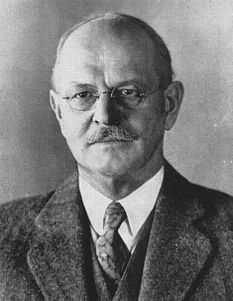
Frank M. Chapman

The Christmas Bird Count is now conducted each year on dates between Dec. 14 and Jan. 5. The first CBC took place in December of 1900 with 27 observers participating at 25 locations in the United States and Canada. Fifteen of the counts were conducted in the northeastern United States from Massachusetts to Philadelphia. Results from that first count in 1900 didn’t truly reflect the diversity of North America’s birds, but they were nonetheless interesting. The Greater Boston CBC boasted only one participant and only found 17 species. However, some of those species included such good birds as American tree sparrow, brown creeper, Northern shrike and Northern bobwhite.

For me, the Christmas Bird Count is a fun holiday outing with friends. There’s also satisfaction in knowing the results gathered from these nationwide counts will also contribute to the body of citizen science that helps experts determine the status of our feathered friends.

For a complete tally of this year’s Elizabethton Christmas Bird Count, please see the online sidebar to this week’s column at HeraldCourier.com.
Elizabethton Christmas Bird Count

Canada goose, 459; wood duck, 1; American wigeon, 1; American black duck, 1; mallard, 150; bufflehead, 182; and hooded merganser, 11.

Wild turkey, 57; pied-billed grebe, 16; horned grebe, 11; double-crested cormorant, 1; and great blue heron, 29.

Black vulture, 5; turkey vulture, 19; osprey, 1; sharp-shinned hawk, 1; Cooper’s hawk, 4; bald eagle, 1; red-shouldered hawk, 1; and red-tailed hawk, 17.

Snipe-One

Photo by Bryan Stevens • Wilson’s snipe are not often found in the winter in Northeast Tennessee.

American coot, 1; killdeer, 1; Wilson’s snipe, 1; and ring-billed gull, 14.

Rock pigeon, 296; Eurasian collared-dove, 4; mourning dove, 126; Eastern screech-owl, 4; and great horned owl, 2.

Belted kingfisher, 21; red-bellied woodpecker, 26; yellow-bellied sapsucker, 11; downy woodpecker, 30; hairy woodpecker, 4; Northern flicker, 25; and pileated woodpecker, 20.

American kestrel, 16; merlin, 1; Eastern phoebe, 11; blue jay, 128; American crow, 291; and common raven, 10.

Carolina chickadee, 80; tufted titmouse, 72; red-breasted nuthatch, 1; white-breasted nuthatch, 29; and brown creeper, 10.

Winter wren, 4; Carolina wren, 139; golden-crowned kinglet, 38; and ruby-crowned kinglet, 15.

Eastern bluebird, 122; hermit thrush, 7; American robin, 17; brown thrasher, 1; and Northern mockingbird, 50.

mockingbird-nov11

Photo by Bryan Stevens • The Northern Mockingbird has been the official state bird for Tennessee since 1933.

European starling, 592; cedar waxwing, 30; orange-crowned warbler, 1; palm warbler, 1; and yellow-rumped warbler, 32.

Eastern towhee, 22; chipping sparrow, 29; field sparrow, 34; Savannah sparrow, 4; fox sparrow, 3; song sparrow, 129; swamp sparrow, 8; white-throated sparrow, 70; white-crowned sparrow, 20; and dark-eyed junco, 66.

Northern cardinal, 159; red-winged blackbird, 25; Eastern meadowlark, 4; house finch, 34; American goldfinch, 46; and house sparrow, 8.

Cardinal-Enclosed

Photo by Bryan Stevens • A total of 159 Northern cardinals made this species a common bird on the recent Elizabethton CBC.

Gift suggestions for the bird-lovers on your Christmas shopping list

Although some people like to get an early start on holiday shopping, I’m certain some, like myself, are still in the process of checking those lists. If you’re looking for some ideas for bird and nature enthusiasts on your list, I’ll make a few modest suggestions that could result in making the season merry and bright.

Photo-FieldGuides

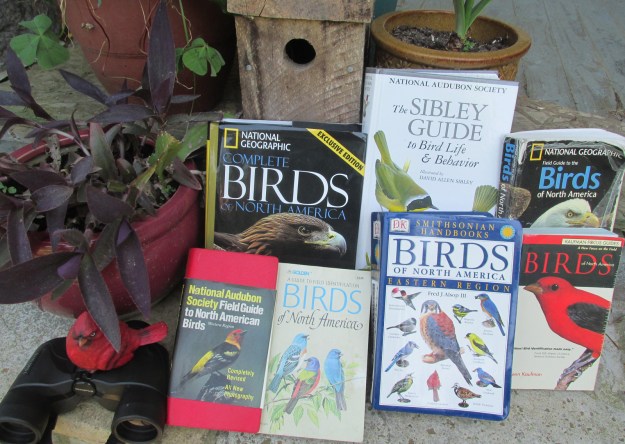
Photo by Bryan Stevens • Field guides are an essential tool for bird identification.

Field guides
If you’ve enjoyed watching the birds that congregate at your feeders or noticing the visitors to your yard and gardens, but you’ve also become curious about the identities of all your feathered visitors, it might be time for a helpful and informative field guide. I prefer field guides illustrated with paintings rather than photographs, but I have a varied collection of guides. I started a long time ago with the Golden Guide to Birds. It’s a classic and still a great guide to help interest children in the birds around them.
Some of the guides I recommend and use myself these days are National Geographic Field Guide to the Birds of North America, The Sibley Field Guide to Birds of Eastern North America, and Peterson Field Guide to Birds of Eastern and Central North America. Any of these field guides should be easily found online or in stores at a cost of under $20.
If you have already acquired a good basic field guide, perhaps you’re ready for more specialized field guides that focus on particular families of birds or on the behavior of backyard birds.
For the warblers, there are several field guides available, including the Stokes Field Guide to Warblers, A Field Guide to Warblers of North America (Peterson Field Guides), and the Warbler Guide.
For a handy guide to identify some of the birds seen on beach and coastal vacations, consider such titles as Stokes Beginner’s Guide to Shorebirds and Shorebirds: An Identification Guide to the Waders of the World, and National Audubon Society Pocket Guide to Familiar Birds of Sea and Shore.
For fans of hawks and allied raptors, several guides exist including A Field Guide to Hawks of North America (Peterson Field Guides), Birds of Prey: Hawks, Eagles, Falcons, and Vultures of North America, and Hawks from Every Angle: How to Identify Raptors In Flight.
In short, there’s a field guide for every family and grouping of birds. With expertly rendered illustrations or photographs, brief and concise text, and helpful range maps, nothing beats a good field guide forYea, improving one’s ability to identify birds. I recommend thumbing through the pages of a good guide over trying to randomly use Google to search online for a bird glimpsed for a brief time.

bird-Feeder

Photo by Pixabay.com • A well-stocked feeder is a first step toward attracting more birds to your yard.

Feeders
Bird feeders come in an astounding variety of shapes and sizes. Nothing will do more to bring birds into our daily lives than maintaining a well-stocked feeder. Be certain to include a bag of sunflower seeds so that your gift will allow the recipient to immediately begin to enjoy the parade of birds sure to flock to the feeder.

Bluebird-2

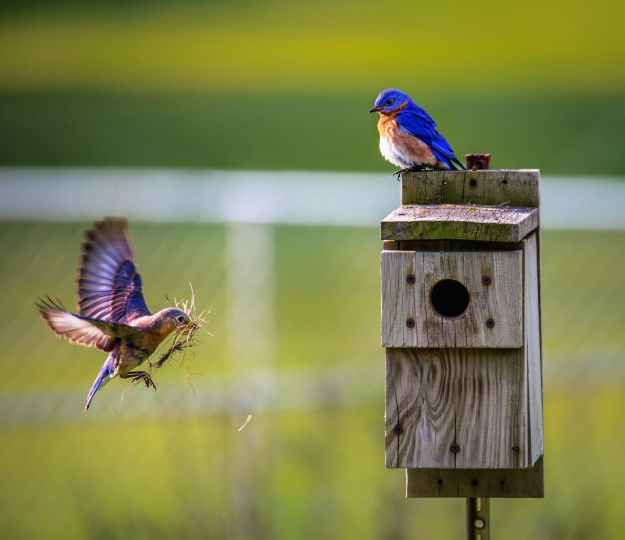
Photo by Bryan Stevens • Birds, like this Eastern bluebird, appreciate nest boxes.

Houses
It’s never too early to start thinking about spring and the return of many of our favorite birds. To bring more birds into our lives, it doesn’t hurt to encourage them by providing man-made nesting and roosting boxes. Many of our favorite birds — Eastern bluebird, tree swallow, tufted titmouse, white-breasted nuthatch — are cavity-nesting species but will just as readily raise their young in nesting boxes as in a hole in a tree. With boxes customized to their own particular needs, other birds such as Eastern screech-owl, wood duck and great crested flycatcher will also make use of bird boxes. Many gardening centers, produce stands, feed stores and other shopping outlets sell bird boxes of various designs, shapes and sizes. If you’re shopping for a bluebird box, be certain that the recipient’s yard is a spacious one. Bluebirds feel more comfortable in open surroundings. If the yard is more overgrown and woodsy, consider a box tailored more for a woodland bird like a chickadee or a nuthatch.

binoculars-2164526_1920

Photo by Pixabay.com • A good pair of binoculars will bring birds much closer.

Binoculars
Unless requested, don’t buy binoculars for an adult. Most birders would prefer to pick out their own pair to use to make up-close and personal bird observations. An inexpensive pair, however, could be perfect for fostering in a child an interest in birds and nature. If you have grandchildren, children, or even nephews and nieces, a beginner’s pair of binoculars could make a life-altering gift that lets the recipient view the world in a whole new light.

CalendarCover

Calendars
Birds have always been a popular photography subject for calendars. There’s an almost endless variety of bird calendars, but I’m partial to one produced by the Lee and Lois Herndon Chapter of Tennessee Ornithological Society, of which I am a member. This annual fundraising endeavor features some exceptional bird photography from club members. This year’s calendar features full-color photographs of some of the region’s most colorful and engaging birds. The club sells the calendars for $15 each. For an additional $2 shipping fee, calendars can be sent to any address in the United States. All proceeds are used to support birding opportunities and bird-related causes.
The calendar also features an informative calendar grid with highlights for major holidays as well as important bird-related dates. The calendar’s pages feature more than 80 full-color photographs of area birds, including common favorites and some not-so-common visitors. The front cover features a dazzling photograph of a male rose-breasted grosbeak. If you’re interested in obtaining a calendar, email ahoodedwarbler@aol.com or look up Elizabethton Bird Club on Facebook.


Hummingbird-Ornament

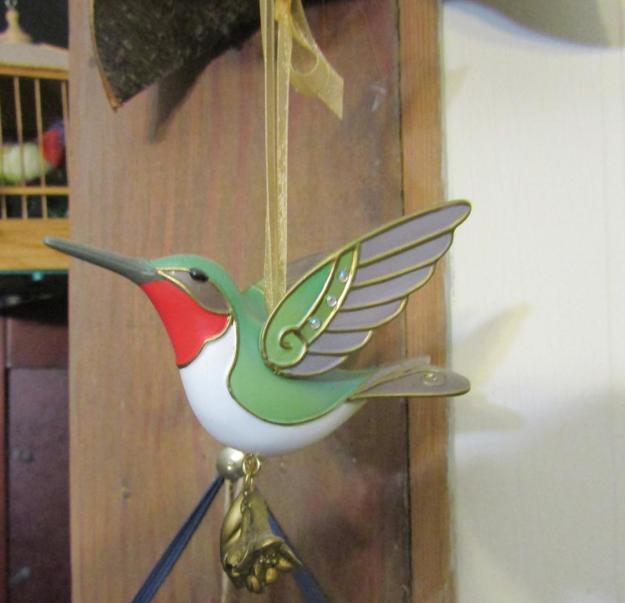
Photo by Bryan Stevens • A bird-related Christmas ornament makes a nice gift.

Ornaments

The branches of my Christmas tree are always weighted heavily with a variety of bird-related Christmas ornaments. Holiday tinsel and baubles make the season look a lot like Christmas if they feature some of our favorite birds such as cardinals, chickadees, hummingbirds, penguins, doves, geese, eagles or any of the other popular species of birds. Choose a fun and unique bird ornament for the enthusiast on your Christmas list.

animals avian beaks birdhouse

Photo by Kevin Blanzy on Pexels.com

Long-running bird counts find some surprises

woodduck-head

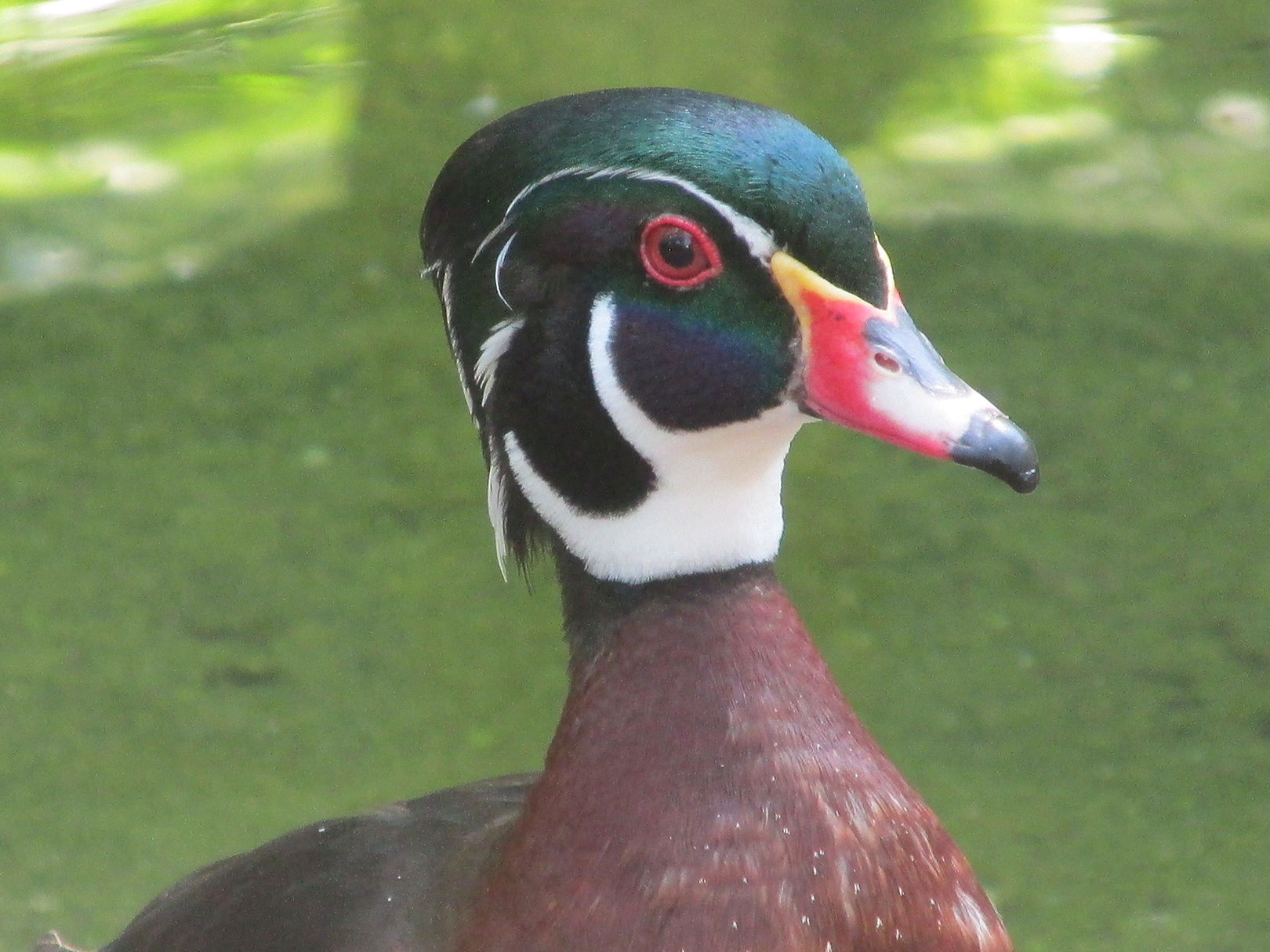
Photo by Bryan Stevens • Abundant waterfowl, such as this Wood Duck, helped push the 2016 Elizabethton Christmas Bird Count to tie a previous record.

The annual Christmas Bird Counts conducted by the Lee and Lois Herndon Chapter of Tennessee Ornithological Society found some good birds.

The 74th consecutive Elizabethton CBC was held on Saturday, Dec. 17. Twenty-four observers in six parties, plus one feeder-watcher, participated. Conditions were generally favorable and featured mild temperatures (35-66 degrees) on a mostly cloudy day with windy conditions, especially in the higher elevations.

I spent the morning and early afternoon counting birds with Chris Soto and Charles Moore along the Watauga River in Elizabethton. We also received some assistance from Michelle Sparks.

cbc-femaletowhee

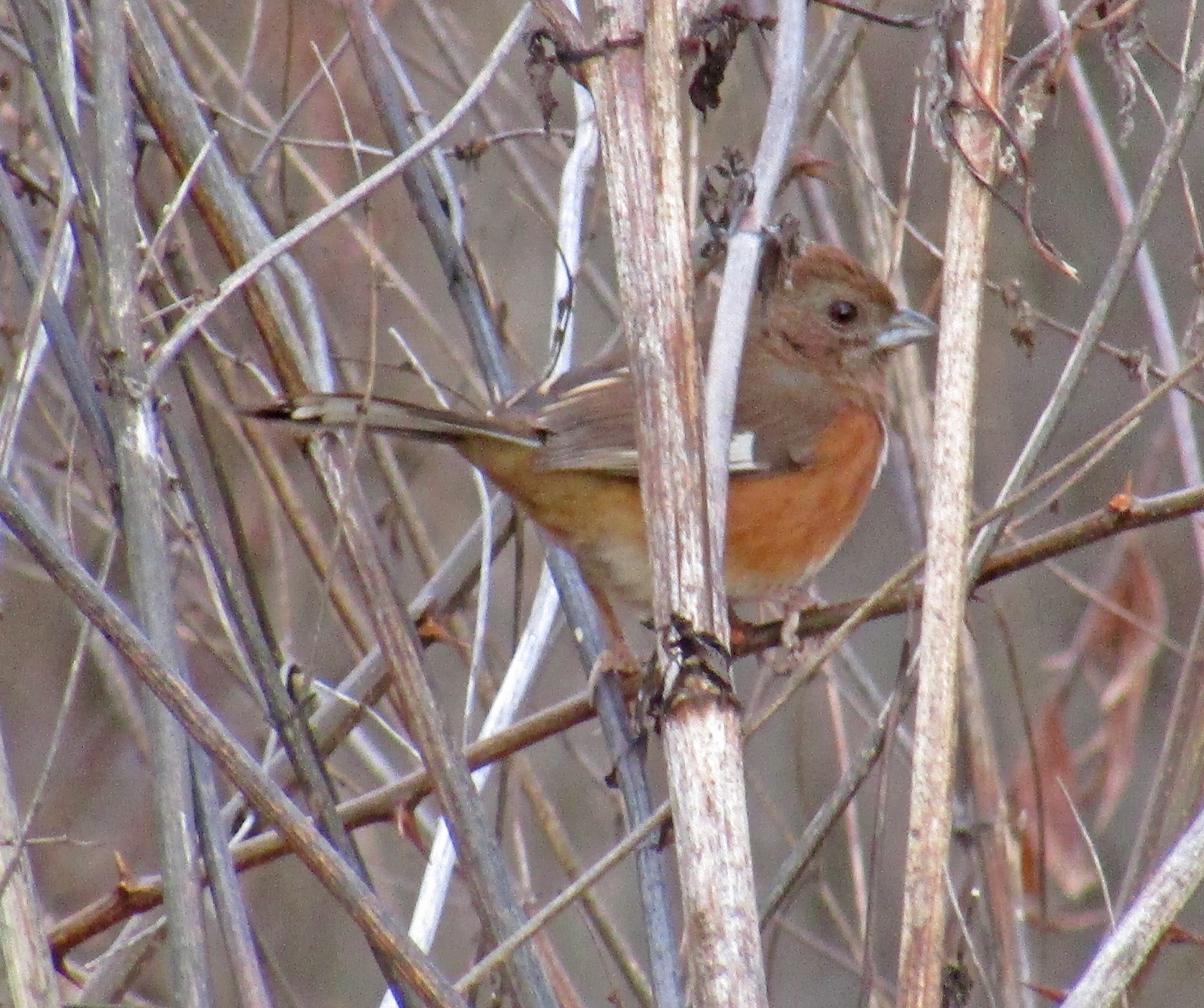
Photo by Bryan Stevens • This female Eastern Towhee was one of several towhees found on the 2016 Elizabethton CBC.

A total of 80 species were tallied, tying the all-time high for this count set in 2012.  By comparison, the average over the last 30 years has been 72 species, according to the count’s long-time compiler, Rick Knight.

Knight said that highlights from the count included:

• 12 species of ducks (plus four more in count week) were counted on this year’s CBC. In particular, wigeon, shoveler, green-winged teal, both scaup and red-breasted merganser are scarce on this count, but all were found this year.

• Double-crested Cormorant was found for just the seventh time on this CBC, with six of those times since 2004.

• This CBC marked just the third time in the last 24 years and 10th ever on this CBC that Red-headed Woodpecker has made the count.

• The seven Red-breasted Nuthatches reported represented an above average number for this species.

• This was only the third time for Pine Warbler on this CBC in the last 50 years and the three Pine Warblers found this year represent a high count for this CBC.

• A single Savannah Sparrow was the first on this CBC in 16 years. There’s not much accessible habitat for this sparrow within the count area.

• Nine Purple Finches on this CBC marked the most found since 1987.

heron-cold

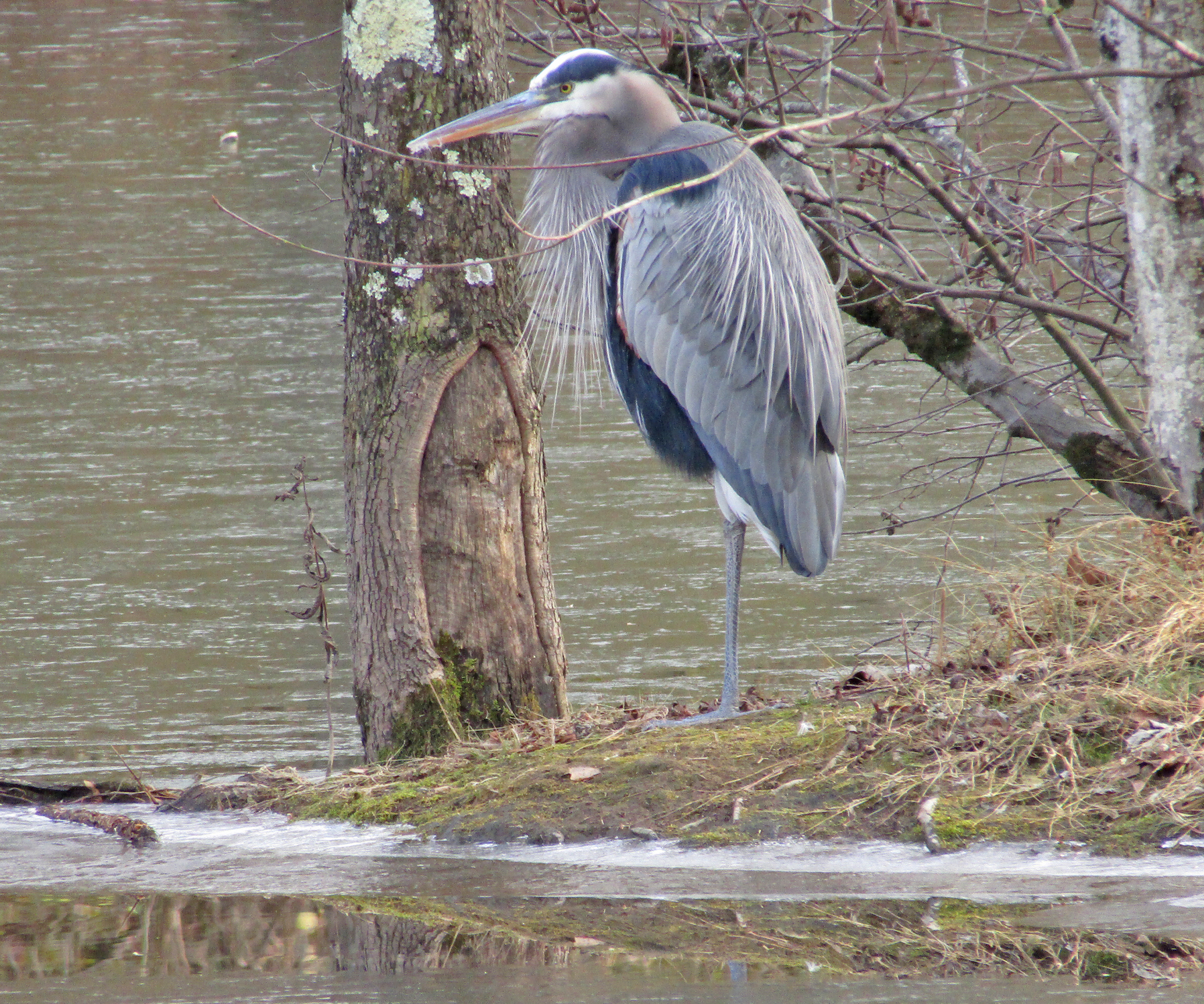
Photo by Bryan Stevens • The 26 Great Blue Herons found during the Elizabethton CBC almost tied the old record.

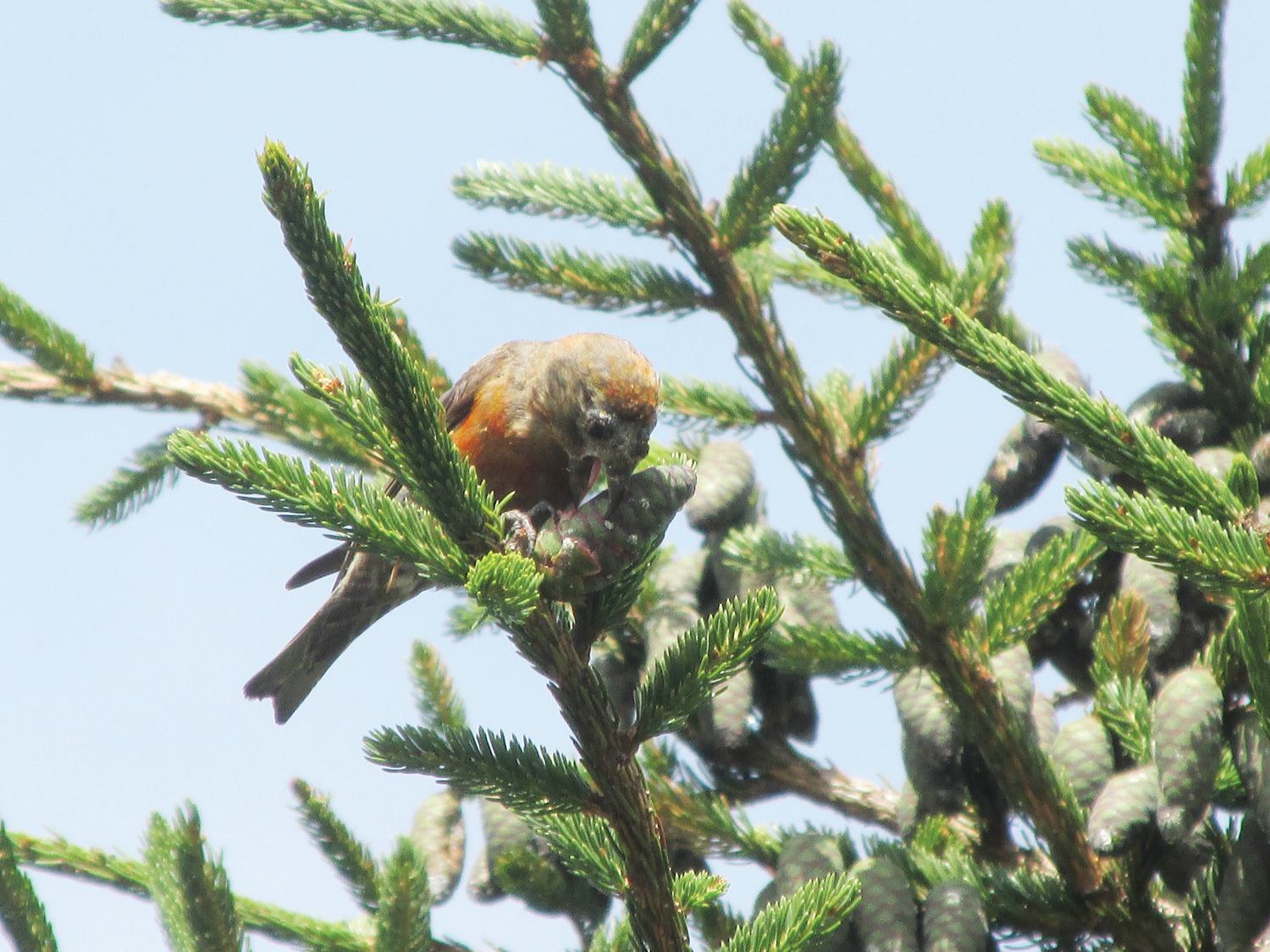
• Red Crossbills on this year’s CBC marked only the fourth occurrence on this CBC in the last 30 years.

Nevertheless, the Elizabethton CBC had some notable misses, including Brown Creeper, White-crowned Sparrow and Pine Siskin.

Some species are showing rather obvious trends on this CBC, according to Knight.

• The 114 Wild Turkeys found are the second most found in the  last 24 years. Prior to that date, no turkeys had been found on this CBC.

• Great Blue Herons continue to increase. The 26 individuals found represent the second most ever reported on this CBC.

• The four Bald Eagles found meant that this large raptor has been found for 17 of last 18 years, but only three times before that.

• Only three Killdeers were found, which reflects a continuing decline on this CBC likely due to habitat loss and degradation.

red-bellied-bryan

Photo by Bryan Stevens • The 47 Red-bellied Woodpeckers on the 2016 Elizabethton CBC set an all-time high for this species.

• The eleven Eurasian Collared-Doves found means that this dove has been found five of the last eight years.

• The 21 Belted Kingfishers found tied for second highest total ever for this species.

• The 47 Red-bellied Woodpeckers found set a new high count for this species, which has shown a steady increase in the foothills and lower mountains. CBCs conducted in the 1970s in Elizabethton had only single-digit counts for this woodpecker.

• Common Raven, with 13 found on this year’s CBC, has been found yearly since 1974, but none had appeared on this count prior to that date.

• Eastern Bluebird numbers continued to rise yearly. The 177 bluebirds this year represent the third-highest count for this species.

• Numbers for Field Sparrow, Song Sparrow and White-throated Sparrow showed the fewest of these three species since 1996, 1974 and 1969, respectively. These low sparrow numbers may be due to drought this year, which meant fewer seeds to feed these sparrows.

The total for the Elizabethton CBC follows:

nuthatch-grabandgo

Photo by Bryan Stevens • Feeder visitors, like this White-breasted Nuthatch, were abundant birds on both Christmas Bird Counts.

Canada Goose, 426; Wood Duck, 1; Gadwall, 10; American Wigeon, 2; American Black Duck, 1; Mallard, 205; Northern Shoveler, 2; Green-winged Teal, 3; Ring-necked Duck, 1; Greater Scaup, 2; Lesser Scaup, 1; Bufflehead, 256; and Red-breasted Merganser, 4.

Ruffed Grouse, 1; Wild Turkey, 114; Common Loon, 3; Pied-billed Grebe, 10; Horned Grebe, 21; Double-crested Cormorant, 4; and Great Blue Heron, 26.

Black Vulture, 10; Turkey Vulture, 2; Sharp-shinned Hawk, 4; Cooper’s Hawk, 8; Bald Eagle, 4; and Red-tailed Hawk, 13.

American Coot, 33; Killdeer, 3; Wilson’s Snipe, 4; Ring-billed Gull, 3; Rock Pigeon, 487; Eurasian Collared-Dove, 11; and Mourning Dove, 246.

Eastern Screech-owl, 2; Great Horned Owl, 1; Barred Owl, 2; Belted Kingfisher, 21; Red-headed Woodpecker, 2; Red-bellied Woodpecker, 45; Yellow-bellied Sapsucker, 7; Downy Woodpecker, 23; Hairy Woodpecker, 7; Northern Flicker, 15; and Pileated Woodpecker, 24.

American Kestrel, 13; Eastern Phoebe, 10; Blue Jay, 209; American Crow, 541; and Common Raven, 13.

crows-dec-21

Photo by Bryan Stevens • American Crows are abundant birds on these two CBCs.

Carolina Chickadee, 114; Tufted Titmouse, 102; Red-breasted Nuthatch, 7; White-breasted Nuthatch, 41; Winter Wren, 8; Carolina Wren, 85.

Golden-crowned Kinglet, 19; Ruby-crowned Kinglet, 3; Eastern Bluebird, 175; Hermit Thrush, 4; American Robin, 105; and Northern Mockingbird, 40.

European Starling, 809; Cedar Waxwing, 272; Pine Warbler, 3; and Yellow-rumped Warbler, 58.

Eastern Towhee, 25; Chipping Sparrow, 29; Field Sparrow, 7; Savannah Sparrow, 1; Fox Sparrow, 1; Song Sparrow, 70; Swamp Sparrow, 2; White-throated Sparrow, 57; and Dark-eyed Junco, 135.

Northern Cardinal, 92; House Finch, 74; Purple Finch, 5; Red Crossbill, 7; American Goldfinch, 101; and House Sparrow, 17.

••••••

The 64th Roan Mountain CBC was held on Wednesday, Dec. 21, with six participants in two parties. Conditions were generally favorable: mild temperatures (21-53 degrees) were coupled with clear skies and no significant winds.

amblackduck

Photo by Bryan Stevens • These American Black Ducks were found at Ripshin Lake during the Roan Mountain CBC.

A total of 42 species were tallied, slightly below the recent 30-year average of 46. The all-time high was 55 species back in 1987. Despite the decent weather, birds were hard to find. I counted with Brooke and Jean Potter in the town of Roan Mountain and on Ripshin Mountain.

Highlights included 12 American Black Ducks, a single Red-breasted Nuthatch, a solitary Ruby-crowned Kinglet and two Purple Finches. Notable misses for this count included Ruffed Grouse, Hairy Woodpecker, Northern Flicker, Brown Creeper, American Robin, Cedar Waxwing, Eastern Towhee and Pine Siskin.

The total for the Roan Mountain CBC follows:

Canada Goose, 5; American Black Duck, 12;  Bufflehead, 6; Wild Turkey, 8; Pied-billed Grebe, 1; and Great Blue Heron, 1.

Turkey Vulture, 1; Cooper’s Hawk, 1; Red-tailed Hawk, 6; Rock Pigeon, 25; Mourning Dove, 66; Barred Owl, 2; and Belted Kingfisher, 1.

rthawk-three

Photo by Bryan Stevens • Red-tailed Hawks are a fairly common winter raptor in the region.

Red-bellied Woodpecker, 6; Yellow-bellied Sapsucker, 1; Downy Woodpecker, 7; and Pileated Woodpecker, 2.

Eastern Phoebe, 1; Blue Jay, 22; American Crow, 170; and Common Raven, 9.

Carolina Chickadee, 24; Tufted Titmouse, 17; Red-breasted Nuthatch, 1; White-breasted Nuthatch, 6; Winter Wren, 2; and Carolina Wren, 18.

Golden-crowned Kinglet, 7; Ruby-crowned Kinglet, 1; Eastern Bluebird, 6; Northern Mockingbird, 3; and European Starling, 78.

Field Sparrow, 10; Fox Sparrow, 2; Song Sparrow, 55; White-throated Sparrow, 8; Dark-eyed Junco, 68; and Northern Cardinal, 12.

House Finch, 6; Purple Finch, 2; American Goldfinch, 17; and House Sparrow, 24.


Cardinals provide perfect symbol for Christmas holiday

cardinal-brookgreen

Photo by Bryan Stevens • Male Northern cardinals are among the most showy of North American birds.

Often, when people think of the birds of the winter season, their thoughts focus on some of the less-than-colorful feeder visitors — the brown sparrows and wrens, the black and white chickadees, the drab American goldfinches so unlike their summer appearance of bright yellow and black.

There’s one bird, however, that stands out in any season. The Northern cardinal, especially the brilliant red male, stands out against a winter backdrop of snow white, deep green or drab gray. Over the years, the cardinal has also become associated with the Christmas season. How many Christmas cards have you received this holiday season with a cardinal featured in the artwork? I’d wager that at least a few cards in any assortment of holiday greetings will feature the likeness of a Northern cardinal.

cardinal-2

Photo by U.S. Fish & Wildlife Service • Male Northern cardinals are welcome birds in a bleak winter landscape.

There’s some more evidence to put forward as testimony to the popularity of the Northern Cardinal. It’s the official state bird of seven states: North Carolina, West Virginia, Ohio, Illinois, Indiana, Kentucky and Virginia. Only the Northern mockingbird, which represents five states as official state bird, even comes close to the Northern cardinal in this respect.

The Northern cardinal belongs to a genus of birds known as Cardinalis in the family Cardinalidae. There are only two other species in this genus, and they range across North America and into northern South America.

The two relatives are the pyrrhuloxia, or Cardinalis sinuatus, of the southwestern United States, and the Vermilion cardinal, or phoeniceus, a bird found in Colombia and Venezuela. Two other South American birds — red-crested cardinal and yellow-billed cardinal — are more closely related to tanagers than to our familiar Northern cardinal. Both the Northern cardinal and red-crested cardinal have been introduced into the state of Hawaii, so two non-native birds from different parts of the globe are now resident in the Aloha State.

bs-cardinalinsnow

Photo by Bryan Stevens • A female Northern cardinal visits a feeder for a meal of black oil sunflower seeds.

The Northern cardinal is a native and abundant bird. Cardinals are a widespread species, ranging westward to the Dakotas and south to the Gulf Coast and Texas. The southeastern United States was once the stronghold of the cardinal population. In the past century, however, cardinals have expanded their range into New England and Canada.

The cardinal accepts a wide variety of food at feeders. Sunflower seed is probably their favorite, but they will also sample safflower seed, cracked corn, peanuts, millet, bakery scraps and even suet. While we may get the idea that cardinals feed largely on seed, that is a misconception based on our observation of the birds at our feeders. Cardinals away from our feeders eat insects and fruit, including the berries of mulberry, holly, pokeberry, elderberry, Russian olive, dogwood and sumac.

froze-femcardinal

Photo by Bryan Stevens • Female cardinals scans the snow’s surface for seeds dropped by other birds.

Even once the holidays are past, there’s nothing like a glimpse of a Northern cardinal to add some cheer to a bleak winter day. People can also choose to further the cause of science by taking part in studies such as Project FeederWatch, a nationwide survey of bird populations focused on birds coming to feeders maintained by project participants.

In the 2015-16 winter season, 1,373 individuals participated in Project FeederWatch in the southeastern United States. The most common birds reported by observers were Northern cardinal, Carolina chickadee, mourning dove, American goldfinch and tufted titmouse. Finishing out the Top 10 feeder birds in this section of the nation were Carolina wren, house finch, blue jay, red-bellied woodpecker and downy woodpecker. Almost 98 percent of participants reported Northern cardinals at their feeders, which means the cardinal has become an almost universal feeder visitor in the southeast.

The roots of Project FeederWatch extend back to 1976 Ontario, Canada, when Dr. Erica Dunn with Canada’s Long Point Bird Observatory established the Ontario Bird Feeder Survey. After a successful 10-year run, its organizers realized that only a continental survey could accurately monitor the large-scale movements of birds. Therefore, Long Point Bird Observatory decided to expand the survey to cover all of North America.

The expansion launched in the winter of 1987-88, when more than 4,000 people enrolled. FeederWatchers represented every state in the U.S. except Hawaii, as well as most Canadian provinces. Project FeederWatch continues to be a cooperative research project of the Cornell Lab of Ornithology and Bird Studies Canada (formerly the Long Point Bird Observatory) on an annual basis. To learn more, visit http://feederwatch.org/

il_fullxfull.56973554

Early naturalist and artist John James Audubon painted this pair of Northern Cardinals.

It’s not surprising that such a popular bird has also become associated with many trappings of the Christmas season.

“You see cardinals on greeting cards, stationery, paper plates, paper napkins and tablecloths, doormats, light switch plates, candles, candle holders, coffee mugs, plates, glasses, Christmas tree ornaments and lights, bookmarks, mailboxes, Christmas jewelry,” writes June Osborne in her book The Cardinal. “And the list goes on. Cardinals have become an integral part of the way that many people celebrate the holiday season.”

cardinals-dec18

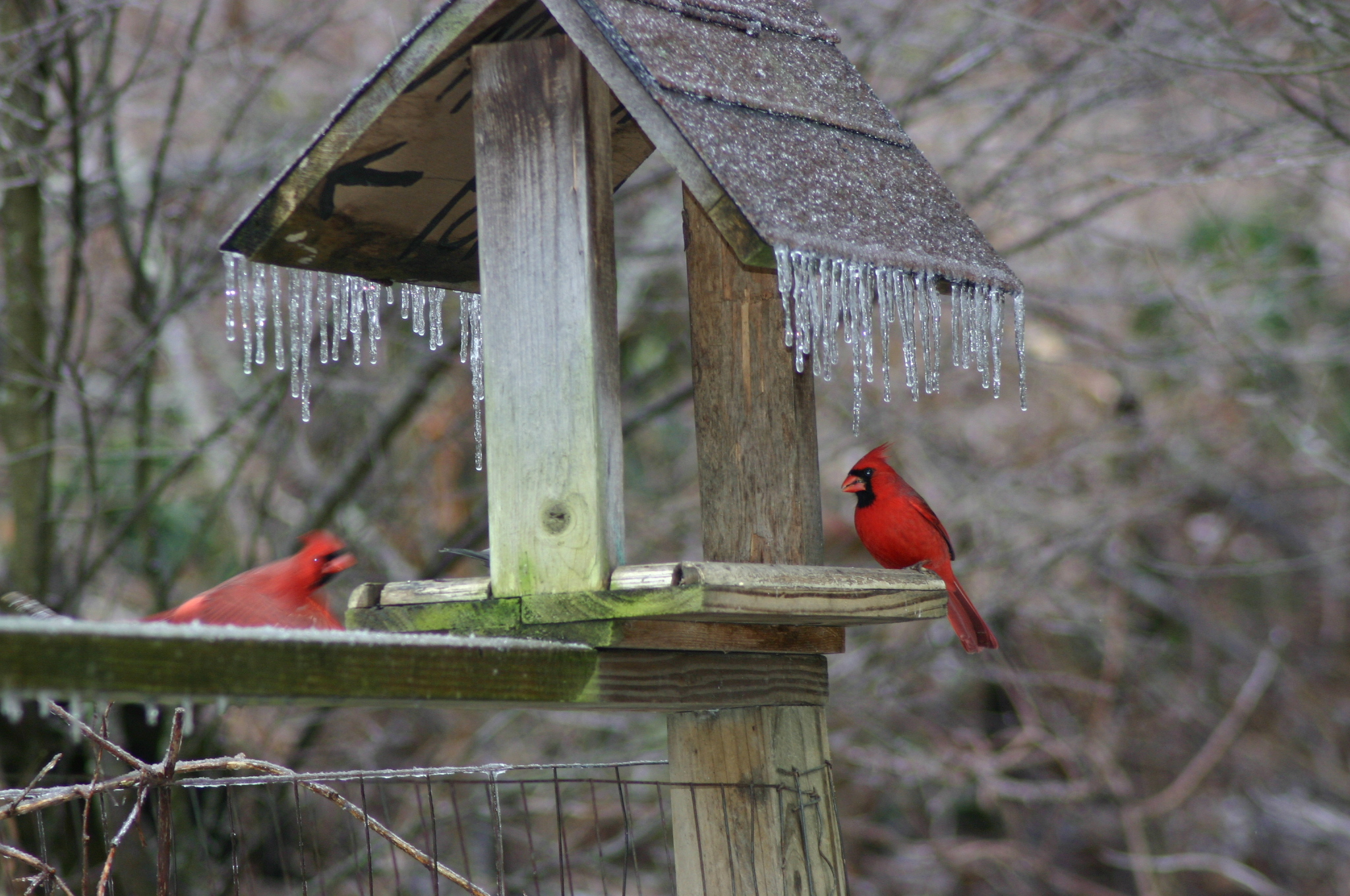
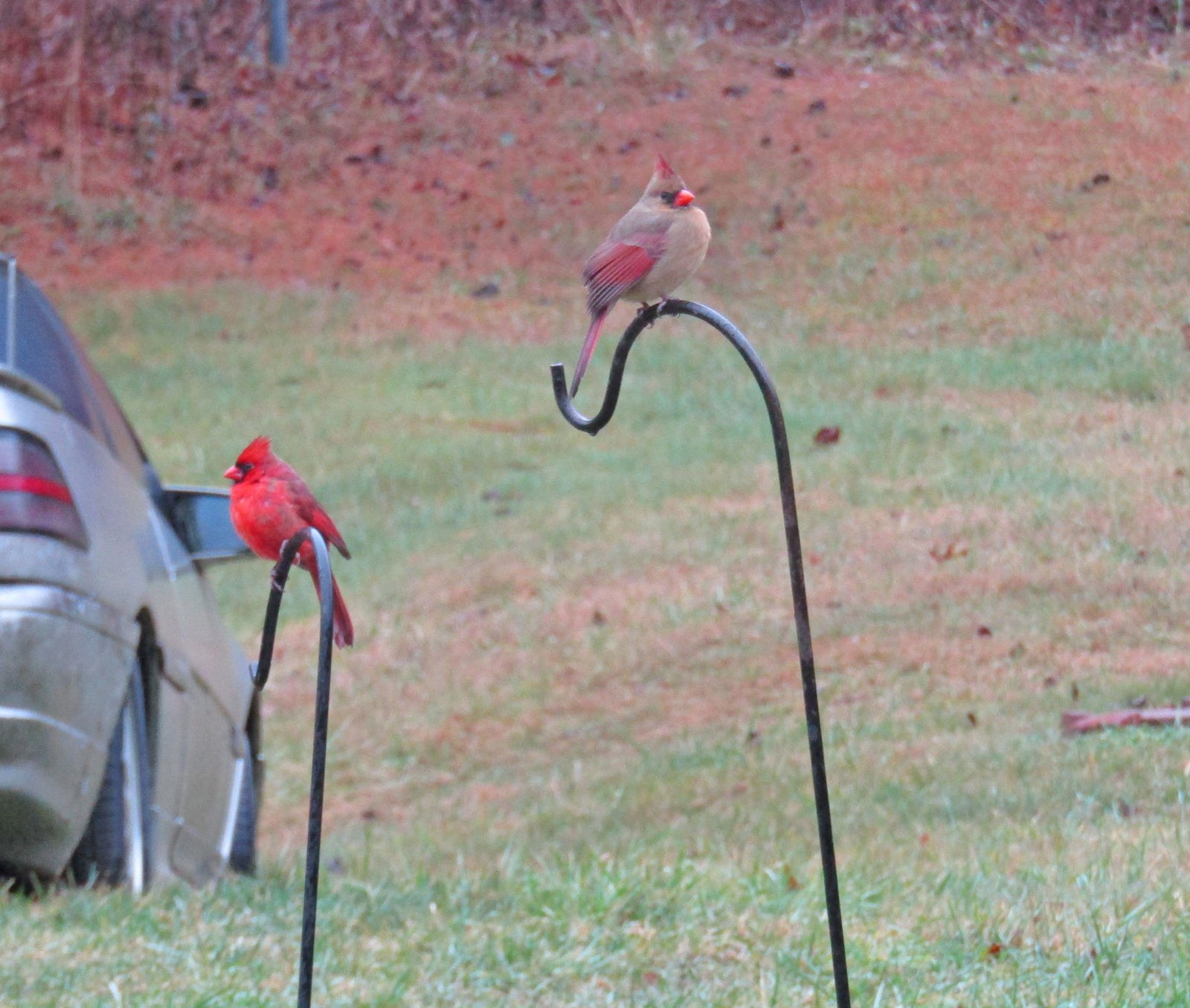
Photo by Bryan Stevens • A pair of Northern Cardinals claim perches near a feeder.

I can be included among such people. My Christmas decorations include an assortment of cardinal figurines and ornaments. There are other birds — doves and penguins for example — associated with the holiday season, but for me the holidays magnify the importance of one of my favorite birds. The cardinal, in its festive red plumage, appears made to order for a symbol of the holiday season.

Here’s some additional cardinal trivia to increase your knowledge of this fascinating bird:

• Cardinals are also known by such common names as redbird and Virginia nightingale.

• Cardinals differ in appearance based on gender. The male boasts crimson plumage, a crest, a black face and orange bill. The female, although less colorful, is also crested. Female cardinals are soft brown in color, with varying degrees of a reddish tinge in their feathers, particularly in their wings.

• The cardinal’s preference for dense cover makes them likely neighbors for such birds as Carolina wrens and brown thrashers.

• The oldest recorded Northern Cardinal was a female, and she was 15 years, nine months old when she was found in Pennsylvania, according to the website, All About Birds.