Tag Archives: Bryan Stevens

Birding group conducts two summer bird counts in Northeast Tennessee

Robin-Hunter

Photos by Bryan Stevens                                      The American Robin, such as the individual pictured here, is a common breeding bird in the Northeast Tennessee counties of Carter and Unicoi.

The Lee and Lois Herndon Chapter of Tennessee Ornithological Society, also known as the Elizabethton Bird Club, recently held two summer bird counts.

Long-time compiler Rick Knight said that while additional counts in spring, fall and at Christmas provide data on seasonal bird populations, summer is the most important season for the majority of species.

“It’s breeding season,” he said. “It’s the only time their numbers can increase (not just shift locations).”

Knight noted that although Great Horned Owls have long since fledged and American Goldfinches likely have not begun nesting, most species are actively engaged in reproduction.

Thus, chapter members conduct a summer count to supplement other monitoring activities.  The Breeding Bird Atlas in Tennessee was run 1986-1991 and apparently won’t be repeated anytime soon. The Breeding Bird Survey is a localized survey that is very useful, but with biases (limited to roadsides, often misses some habitats).

“Not knocking either, just supplementing them,” Knight said of the motivation for the club’s conducting of two summer bird counts.

The  22nd annual Carter County summer count was held Saturday, June 13, with 16 observers in five parties. Participants found 116 species. This is slightly above the average of 113 species over the previous 21 years. Count totals during this span have ranged from 105 to 121 species.

Highlights included a female Common Merganser, which has been lingering since spring. It’s also the first June record for this duck in Northeast Tennessee.

Yellow-crowneds

Yellow-crowned Night-Herons nest in small numbers along the Watauga River in Carter County.

Other highlights include a non-breeding Common Loon and four Double-crested Cormorants near a new nesting site at Watauga Lake, as well as three Yellow-crowned Night-Herons, two Eurasian Collared-Doves and a single Yellow-bellied Sapsucker.

Other outstanding finds included three Alder Flycatchers, two Least Flycatchers, a Warbling Vireo and 15 Common Ravens.

Cliff Swallow, with 317 individuals found, was the most numerous swallow and is rapidly increasing its summer nesting population.

Other noteworthy finds, according to Knight, include 10 Red-breasted Nuthatches, three Brown Creepers, nine Winter Wrens, seven Golden-crowned Kinglets, four Hermit Thrushes and 21 species of warbler, as well as two Vesper Sparrows.

The total for the Carter County Summer Bird Count follows:

Canada Goose, 268; Wood Duck, 5; Mallard, 101; Common Merganser, 1; Wild Turkey, 9; Common Loon, 1; Double-crested Cormorant, 4; Great Blue Heron, 28; Yellow-crowned Night-Heron, 3; and Green Heron, 6.

Black Vulture, 2; Turkey Vulture, 31; Cooper’s Hawk, 2; Broad-winged Hawk, 6; Red-tailed Hawk, 6; American Kestrel, 1; Killdeer, 9; Rock Pigeon, 53; Eurasian Collared-Dove, 2; and Mourning Dove, 98.

Yellow-billed Cuckoo, 1; Eastern Screech-Owl, 1; Great Horned Owl, 1; Barred Owl, 3; Common Nighthawk, 3; Chuck-will’s-widow, 1; Whip-poor-will, 14.

Kingbird-Cove

An Eastern Kingbird perches on a fence post.

Chimney Swift, 85; Ruby-throated Hummingbird, 27; Belted Kingfisher, 10; Red-bellied Woodpecker, 18; Yellow-bellied Sapsucker, 1; Downy Woodpecker, 9; Hairy Woodpecker, 4; Northern Flicker, 8; and Pileated Woodpecker, 14.

Eastern Wood-pewee, 12; Acadian Flycatcher, 26; Alder Flycatcher, 3; Least Flycatcher, 2; Eastern Phoebe, 26; Great Crested Flycatcher, 1; and Eastern Kingbird, 15.

White-eyed Vireo, 3; Yellow-throated Vireo, 2; Blue-headed Vireo, 36; Warbling Vireo, 1; and Red-eyed Vireo, 137.

Blue Jay, 56; American Crow, 153; Common Raven, 15; Northern Rough-winged Swallow, 29; Purple Martin, 20; Tree Swallow, 58; Barn Swallow, 46; and Cliff Swallow, 317.

Bleubird-One

Eastern Bluebird peeks into the interior of a bird box.

Carolina Chickadee, 49; Tufted Titmouse, 52; Red-breasted Nuthatch, 10; White-breasted Nuthatch, 16; Brown Creeper, 3; House Wren, 36; Winter Wren, 9; and Carolina Wren, 66.

Blue-gray Gnatcatcher, 34; Golden-crowned Kinglet, 7; Eastern Bluebird, 24; Veery, 33; Hermit Thrush, 4; Wood Thrush, 40; American Robin, 350; Gray Catbird, 34; Northern Mockingbird, 30; Brown Thrasher, 13; European Starling, 180; and Cedar Waxwing, 57.

Ovenbird, 49; Worm-eating Warbler, 6; Louisiana Waterthrush, 10; Golden-winged Warbler, 4; Black-and-white Warbler, 23; Swainson’s Warbler, 3; Kentucky Warbler, 1; Common Yellowthroat, 27; Hooded Warbler, 84; American Redstart, 9; Northern Parula, 14; Magnolia Warbler, 2; Blackburnian Warbler, 1; Yellow Warbler, 7; Chestnut-sided Warbler, 29; Black-throated Blue Warbler, 43; Pine Warbler, 5; Yellow-throated Warbler, 8; Black-throated Green Warbler, 31; Canada Warbler, 27; and Yellow-breasted Chat, 5.

Indigo-Count

Indigo Buntings were common birds on both of the summer counts.

Eastern Towhee, 99; Chipping Sparrow, 53; Field Sparrow, 38; Vesper Sparrow, 2; Song Sparrow, 159; Dark-eyed Junco, 47; Scarlet Tanager, 26; Northern Cardinal, 89; Rose-breasted Grosbeak, 11; and Indigo Bunting, 183.

Red-winged Blackbird, 59; Eastern Meadowlark, 18; Common Grackle, 149; Brown-headed Cowbird, 76; Orchard Oriole, 3; and Baltimore Oriole, 1.

House Finch, 24; American Goldfinch, 72; and House Sparrow, 49.

•••••••

Last year the chapter began a new summer count to gather data on an under-birded area. The second annual Unicoi County summer count was held Saturday, June 6, with 15 observers in five parties. Participants found 110 species, down one from last year’s total of 111.
Hummer-BerryFeeder

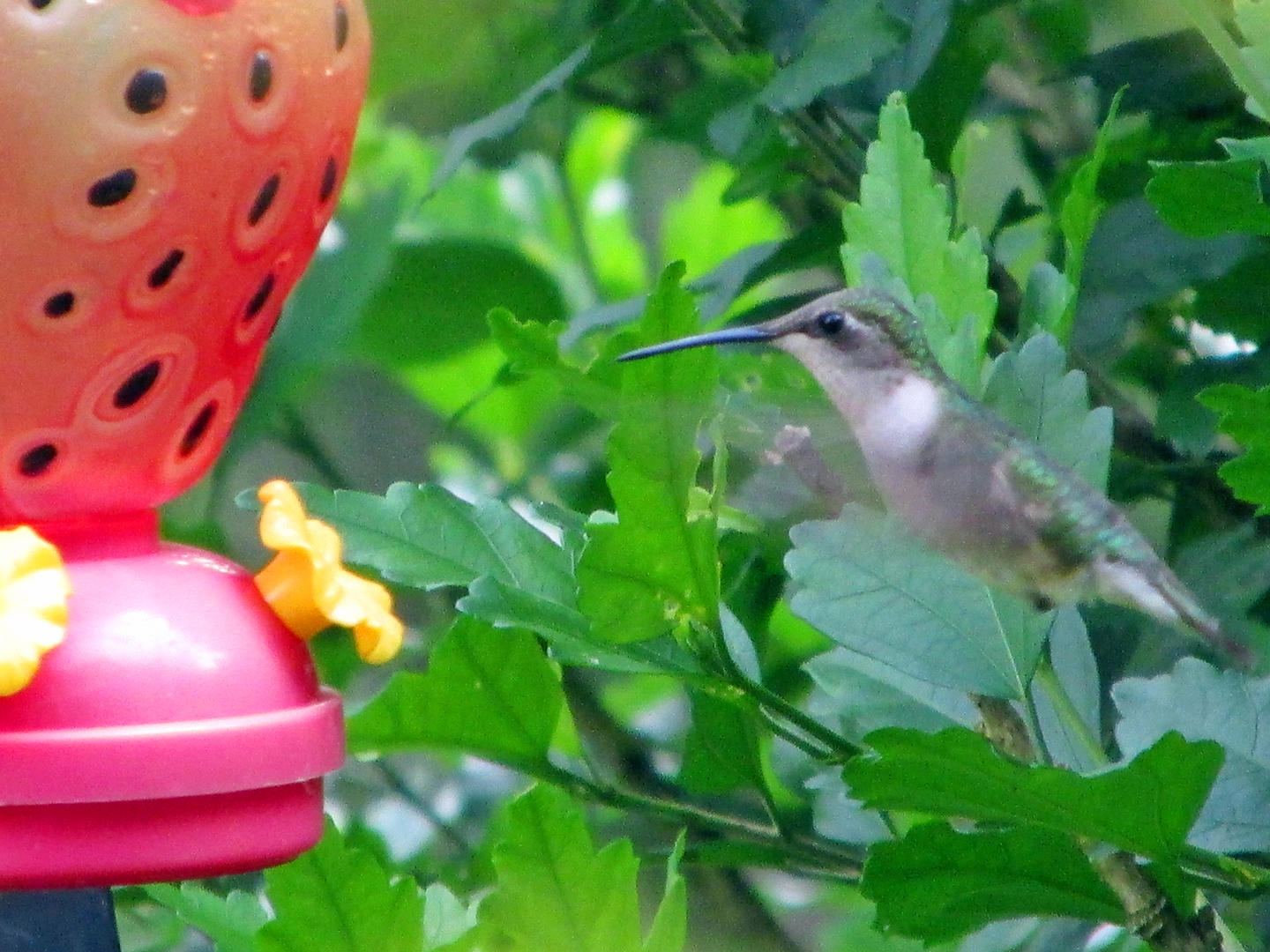
Ruby-throated Hummingbird visits a feeder.

Highlights included a lingering Ring-necked Duck, two Ruffed Ruffed Grouse, a Bald Eagle, a Yellow-bellied Sapsucker and 10 Least Flycatchers. Other noteworthy birds included two Warbling Vireos, three Common Ravens, six Red-breasted Nuthatches, three Winter Wrens, five Golden-crowned Kinglets, and two Hermit Thrushes.

In additional, a total of 21 species of warblers were found, including two Golden-winged Warblers, three Swainson’s Warbler and eight Magnolia Warblers. Other highlights included 15 Red Crossbills and a single Pine Siskin.

The total for the Unicoi County Summer Bird Count follows:

Canada Goose, 66; Wood Duck, 37; Mallard, 48; Ring-necked Duck, 1; Ruffed Grouse, 2; Wild Turkey, 33; Great Blue Heron, 4; and Green Heron, 3.

Black Vulture, 4; Turkey Vulture, 24; Bald Eagle, 1; Sharp-shinned Hawk, 1; Broad-winged Hawk, 7; Red-tailed Hawk, 7; and American Kestrel, 2.

Catbird-Tail

A Gray Catbird retreats into a tangle of vegetation.

Killdeer, 11; Rock Pigeon, 78; Mourning Dove, 105; Eastern Screech Owl, 5; Great Horned Owl, 1; and Barred Owl, 3.

Chuck-will’s-widow, 4; Whip-poor-will, 5; Chimney Swift, 46; Ruby-throated Hummingbird, 11; Belted Kingfisher, 3; Red-bellied Woodpecker, 11; Yellow-bellied Sapsucker, 1; Downy Woodpecker, 20; Hairy Woodpecker, 5; Northern Flicker, 7; and Pileated Woodpecker, 16.

Eastern Wood-pewee, 16; Acadian Flycatcher, 38, Least Flycatcher, 10; Eastern Phoebe, 40; Great Crested Flycatcher, 1; and Eastern Kingbird, 15.
Crow-Waxwings

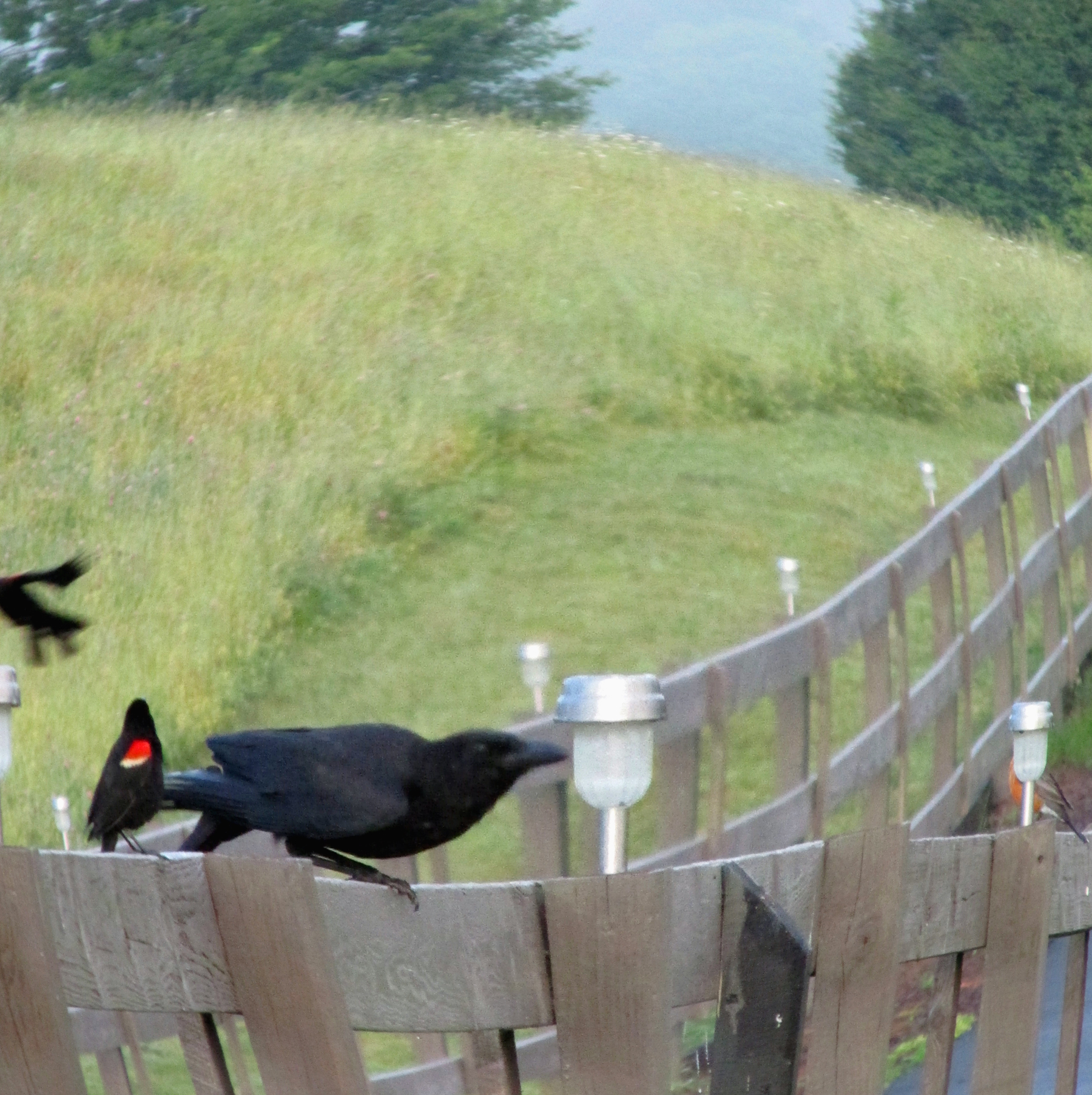
Red-winged Blackbirds mob an American Crow during the Unicoi Summer Bird Count.

Yellow-throated Vireo, 3; Blue-headed Vireo, 19; Warbling Vireo, 2; and Red-eyed Vireo, 153.

Blue Jay, 55; American Crow, 141; Common Raven, 3; Northern Rough-winged Swallow, 27; Purple Martin, 15; Tree Swallow, 71; Barn Swallow, 77; and Cliff Swallow, 32.

Carolina Chickadee, 55; Tufted Titmouse, 68, Red-breasted Nuthatch, 6; White-breasted Nuthatch, 12; Carolina Wren, 43; House Wren, 29; and Winter Wren, 3.

Blue-gray Gnatcatcher, 28; Golden-crowned Kinglet, 5; Eastern Bluebird, 57; Veery, 26; Hermit Thrush, 2; Wood Thrush, 37; American Robin, 296;  Gray Catbird, 27; Northern Mockingbird, 16; Brown Thrasher, 13; European Starling, 371; and Cedar Waxwing, 66.

Ovenbird, 67; Worm-eating Warbler, 9; Louisiana Waterthrush, 7; Golden-winged Warbler, 2; Black-and-white Warbler, 19; Swainson’s Warbler, 3; Kentucky Warbler, 2; Common Yellowthroat, 3; Hooded Warbler, 74; American Redstart, 10; Northern Parula, 15; Magnolia Warbler, 8; Blackburnian Warbler, 3; Yellow Warbler, 3; Chestnut-sided Warbler, 19; Black-throated Blue Warbler, 21; Yellow-throated Warbler, 8; Prairie Warbler, 5; Black-throated Green Warbler, 37; Canada Warbler, 17; and Yellow-breasted Chat, 6.

DaddyCardinal

Northern Cardinal visits a feeder for sunflower seeds.

Eastern Towhee, 85; Chipping Sparrow, 39; Field Sparrow, 7; Song Sparrow, 152; Dark-eyed Junco, 39; Scarlet Tanager, 31; Northern Cardinal, 78; Rose-breasted Grosbeak, 5; and Indigo Bunting, 152.

Red-winged Blackbird, 47; Eastern Meadowlark, 9; Common Grackle, 92; Brown-headed Cowbird, 20; Orchard Oriole, 4; and Baltimore Oriole, 1.

House Finch, 17; Red Crossbill, 15; Pine Siskin, 1; American Goldfinch, 96; and House Sparrow, 27.

••••••

Participants (on one or both counts) included Jim Anderson, Rob Armistead, Rob Biller, Monica Black, Rick Blanton, Jay and Deb Campbell, Ron Carrico, Glen Eller, Harry Lee Farthing, Jacki Hinshaw, Rick Knight, Richard Lewis, Joe McGuiness, Tom and Cathy McNeil, Charles Moore, Brookie and Jean Potter, Peter Range, Bryan Stevens, Peggy Stevens, Kim Stroud and Mary Anna Wheat.  In addition, an incidental observation was received from Adam Campbell.

Goldfinch-Female

An American Goldfinch perched near a feeder.
Early March in Coastal South Carolina in Photos

TriColor-Surprise

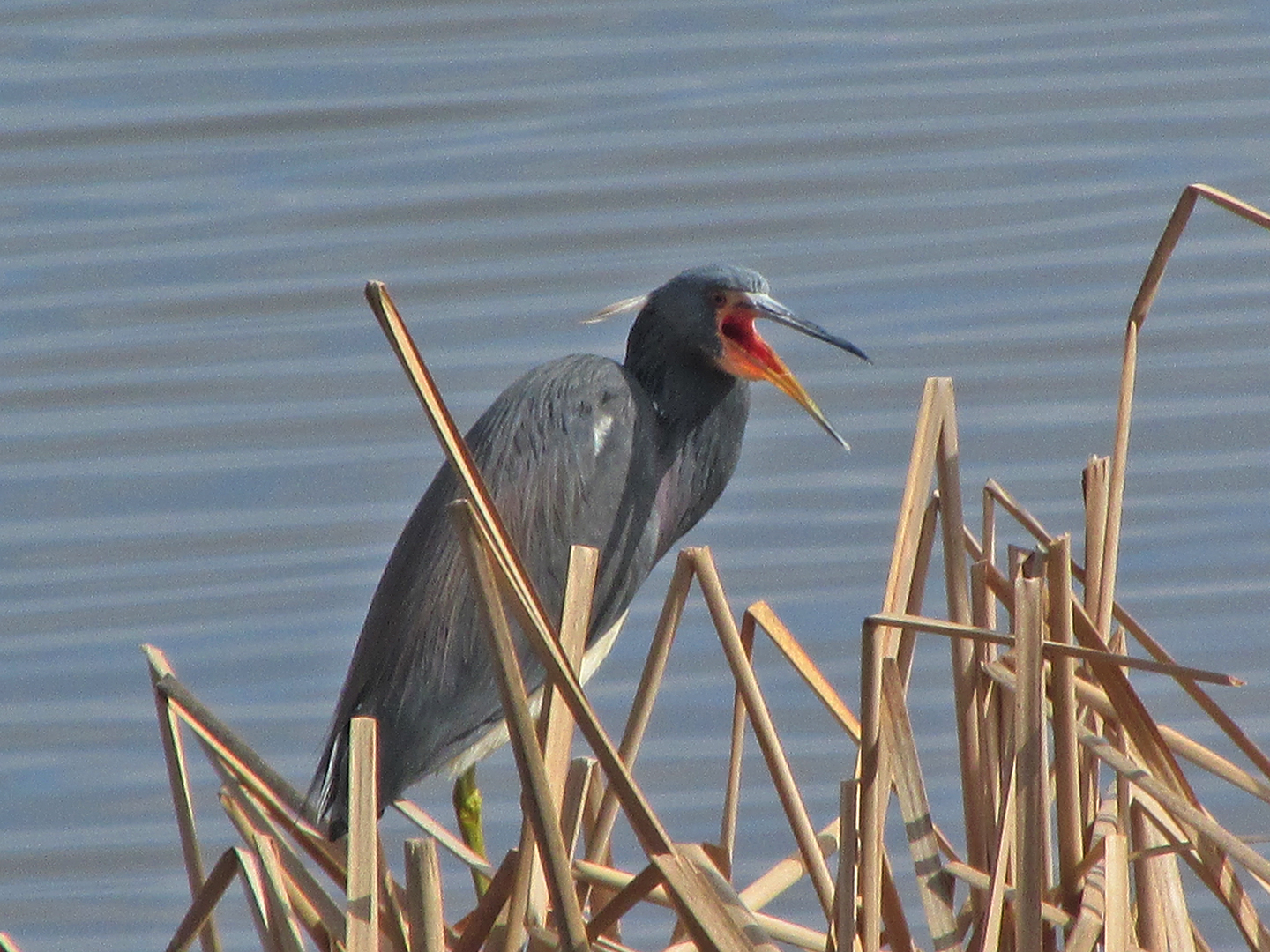
A Tri-Colored Heron gapes in the Carolina sunshine. These members of the heron/egret clan are coming into their nuptial plumage for the upcoming nesting season. During a seven-day state in Pawleys Island, S.C., I observed 100 species of birds, more than I could likely expect to find back in Northeast Tennessee at this time of the year.

Scaup

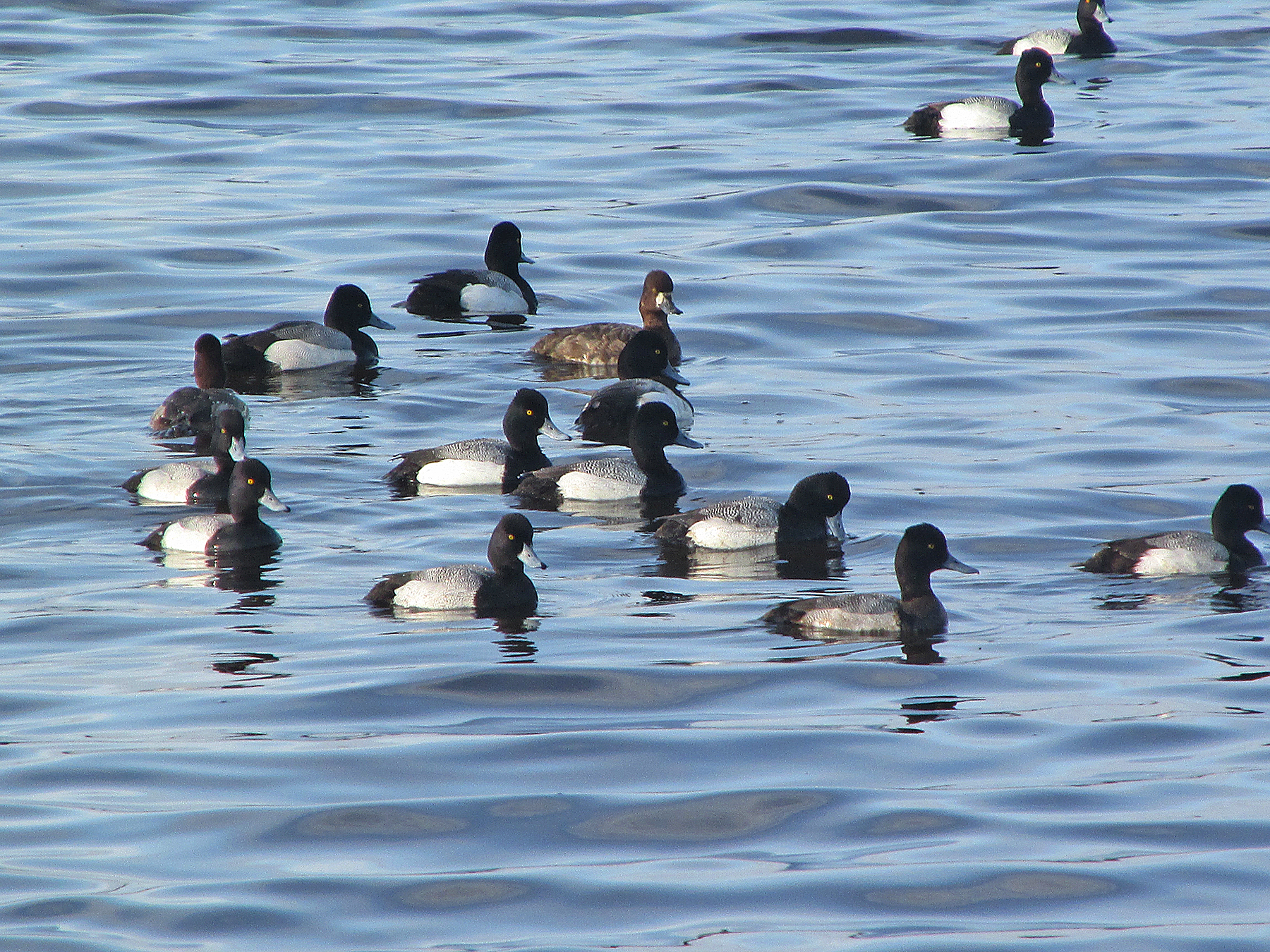
A raft of Lesser Scaup refresh in a shallow pond at Huntington Beach State Park in South Carolina. In early March, this diving duck was one of the most common in the park.


Egreta

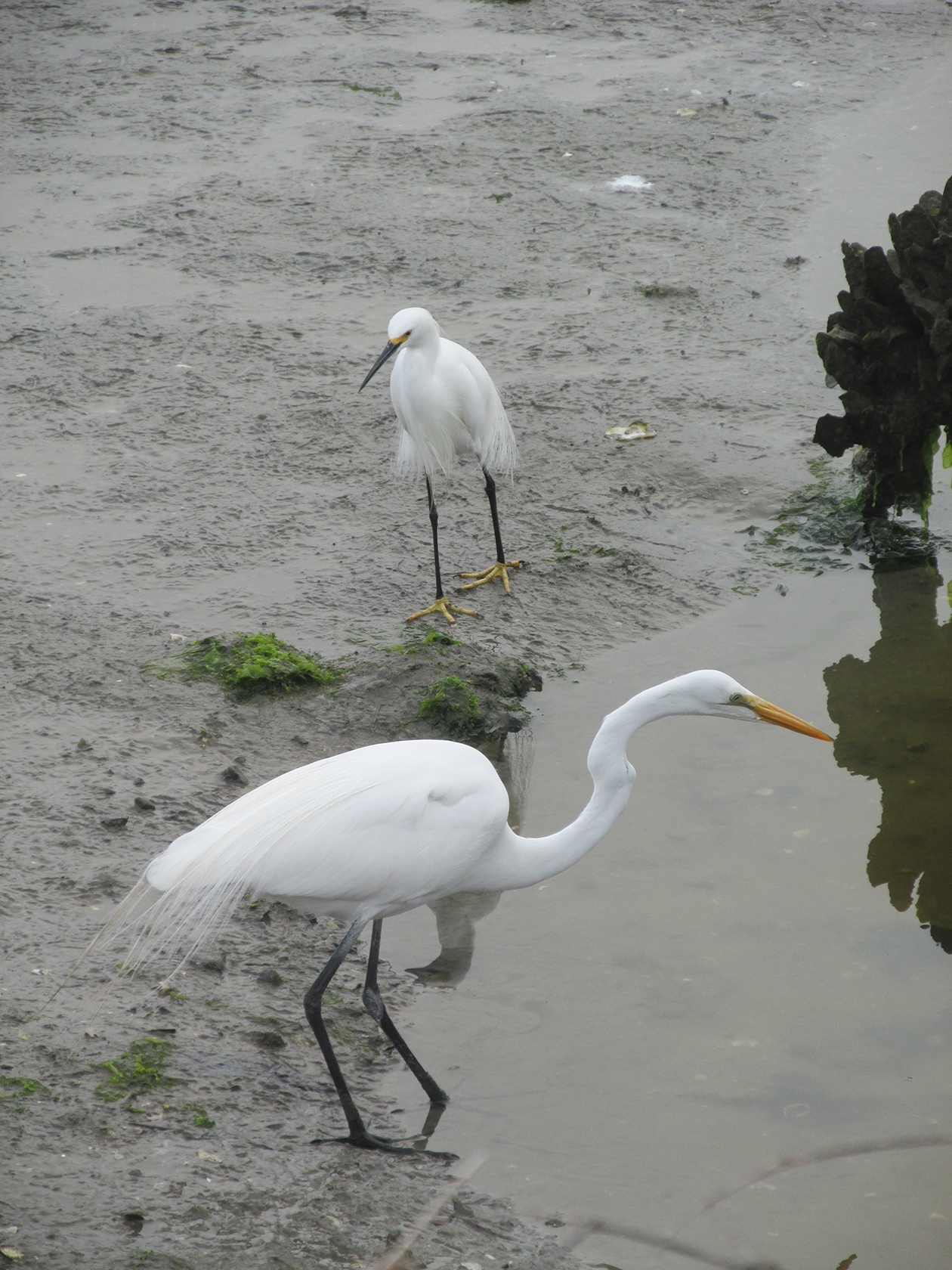
A Snowy Egret and Great Egret fish along the causeway at Huntington Beach State Park.

Yellowlegs

A Greater Yellowlegs forages in a tidal marsh pool during a migratory stop at Huntington Beach State Park. March is the month when many shorebirds start making their way as far north as the Arctic tundra for a brief albeit productive nesting season.

Coot-2

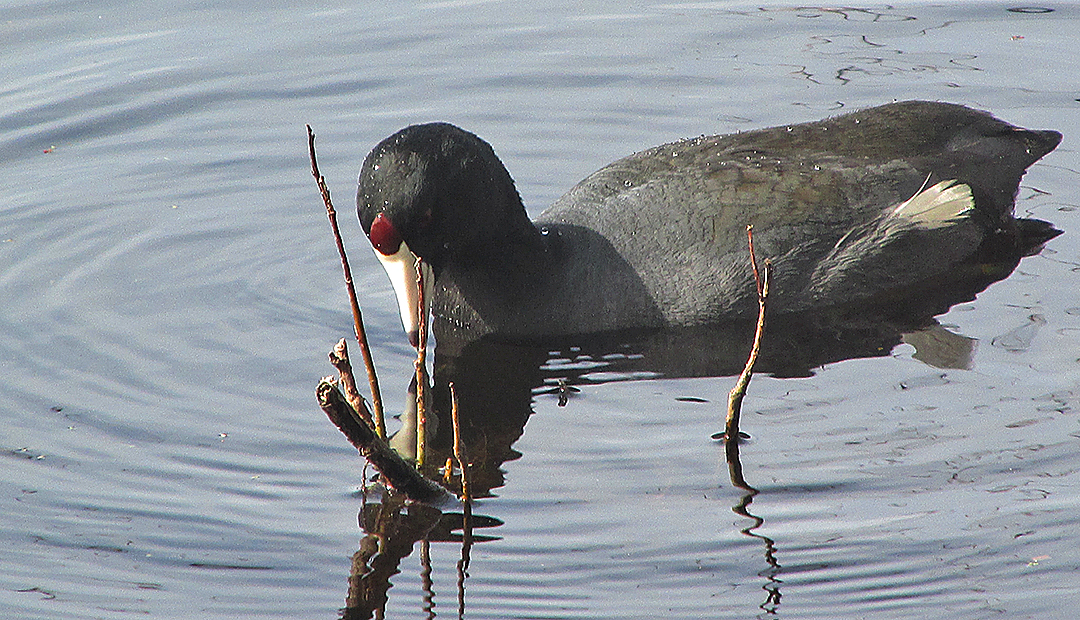
The American Coot is a common species of waterfowl in coastal South Carolina in March.

CommonGallinule

Common Gallinule, formerly known as the Common Moorhen, is fond of some of the flooded woodlands within Huntington Beach State Park.

Dowitchers

Short-billed Dowitchers make a feeding stop at Huntington Beach State Park. These birds were part of a flock that numbers close to 100 birds.

Osprey-Brook

The Osprey, also known as the Fish Eagle or Fish Hawk, is a common sight in the Carolina Low Country.

GreatBlue-Egret

A Great Blue Heron and Great Egret compete for prime fishing turf.

Hermit-Two

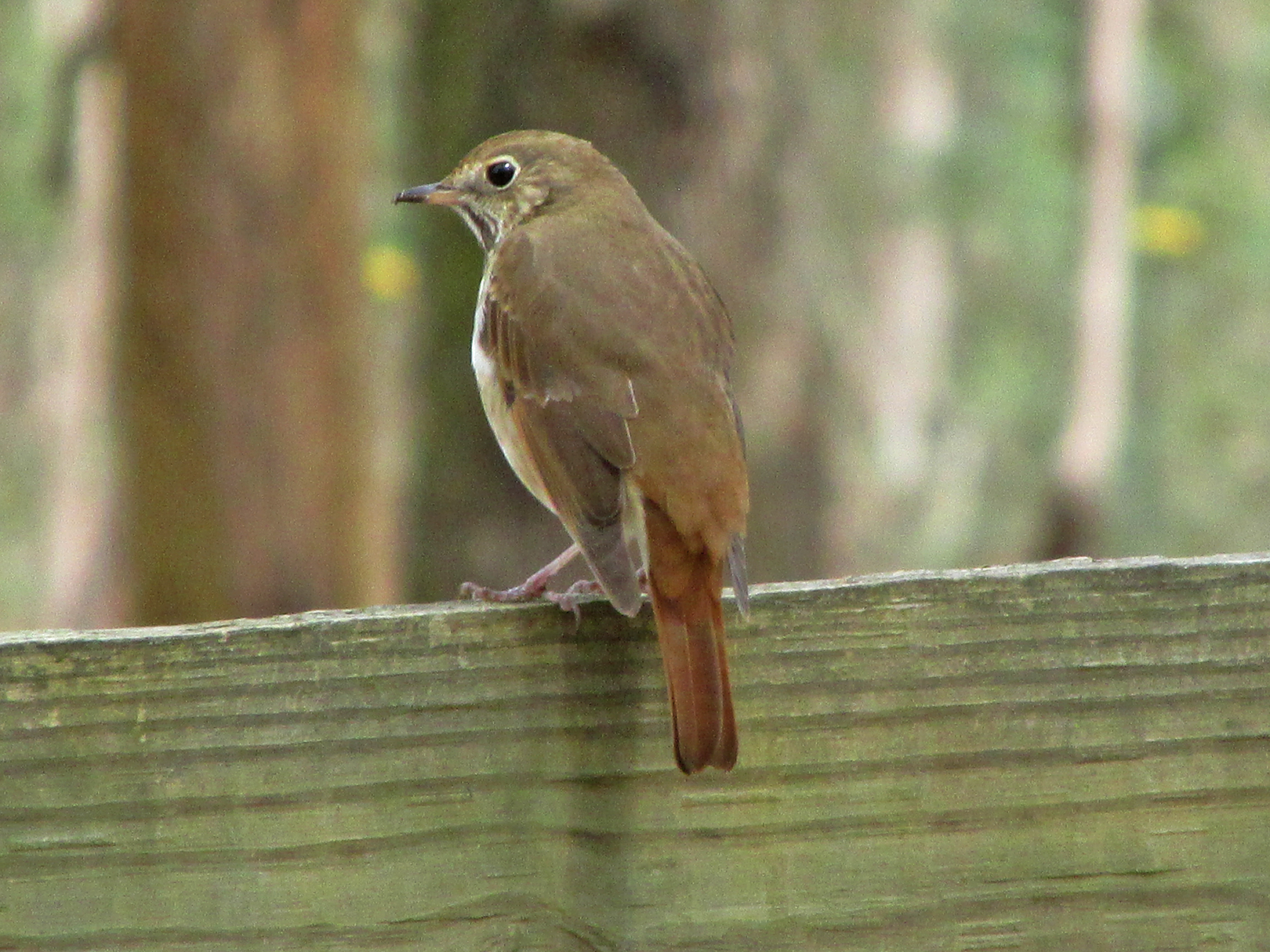
Winter songbirds, such as this Hermit Thrush at Brookgreen Gardens, will soon give way to returning summer nesting birds, such as warblers, vireos and other thrushes.

Snipe-1

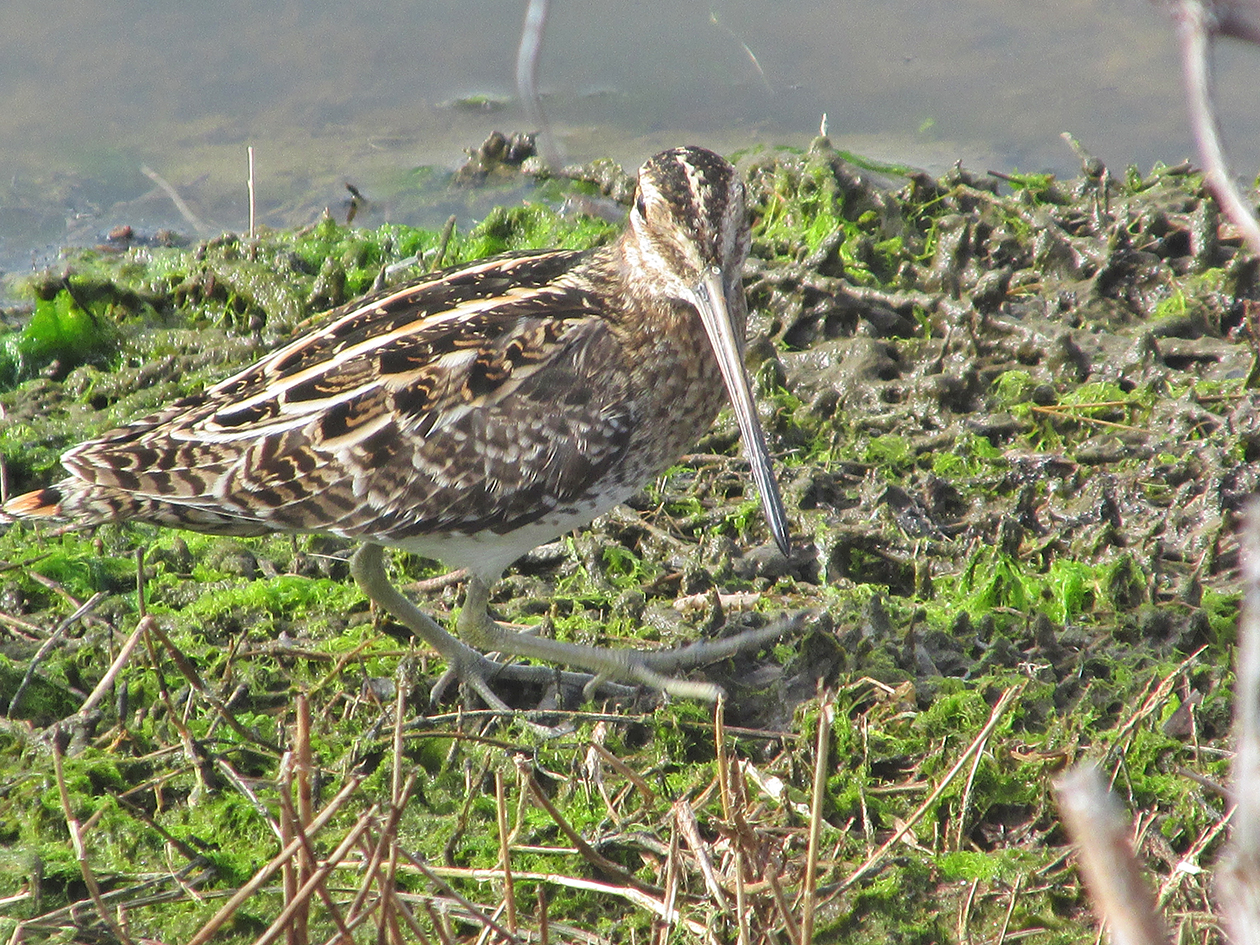
Didn’t think snipes were real? Well, the object of the mythical snipe hunt is very much a real creature. Pictured is a Wilson’s Snipe along the causeway at Huntington Beach State Park.

Sand-Dollar

Redwing-2

Red-winged Blackbirds and their loud calls are again ringing from the wetlands in the South Carolina Low Country.

Pelican=Reflected

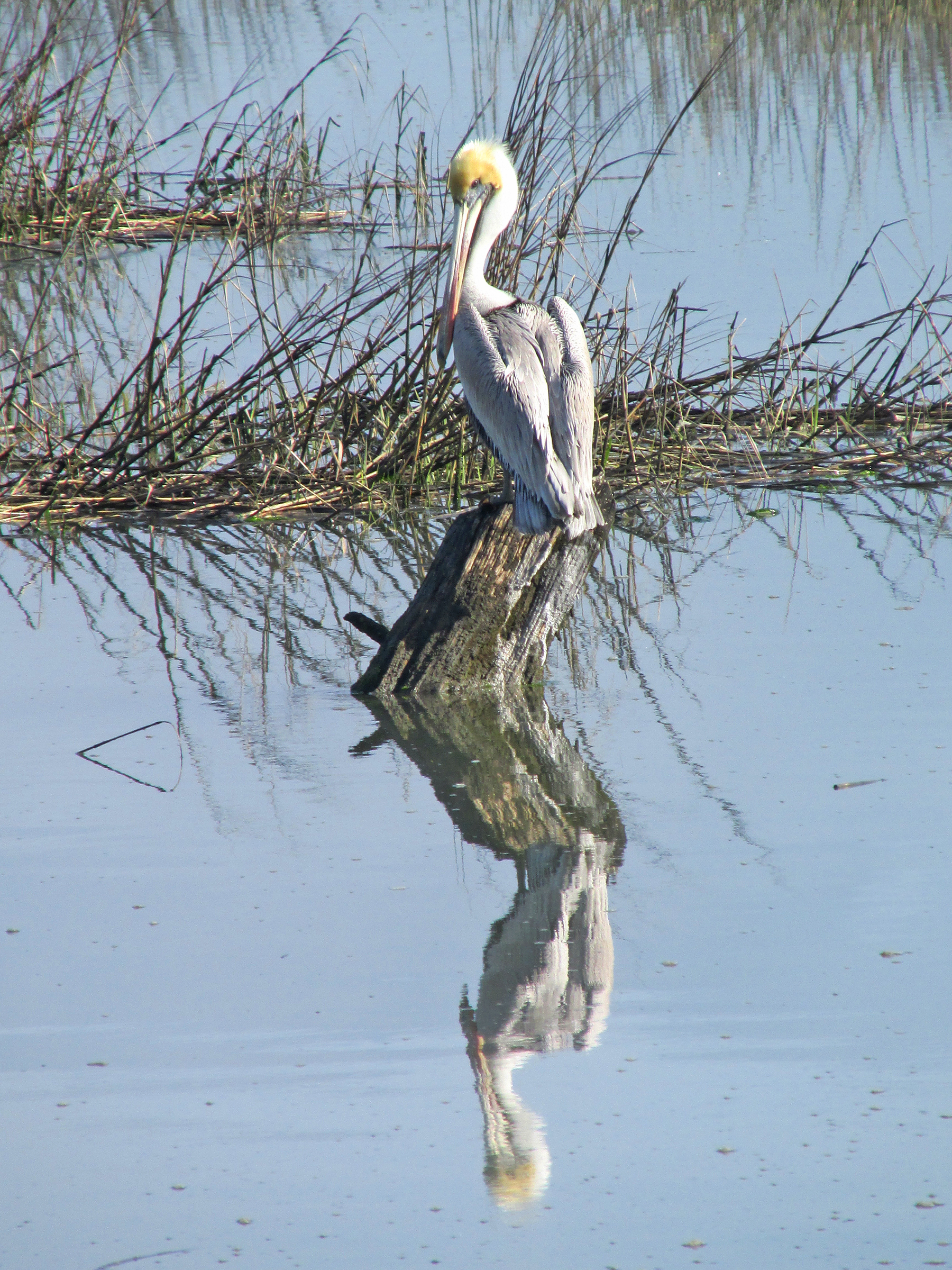
Brown Pelican perches in the marsh at Huntington Beach State Park.

Sculpture-Extra

Brookgreen Gardens is renowned for its display of sculptures. For Eastern Bluebirds, such as this pair, the works of art are simply convenient perches.

Grackles

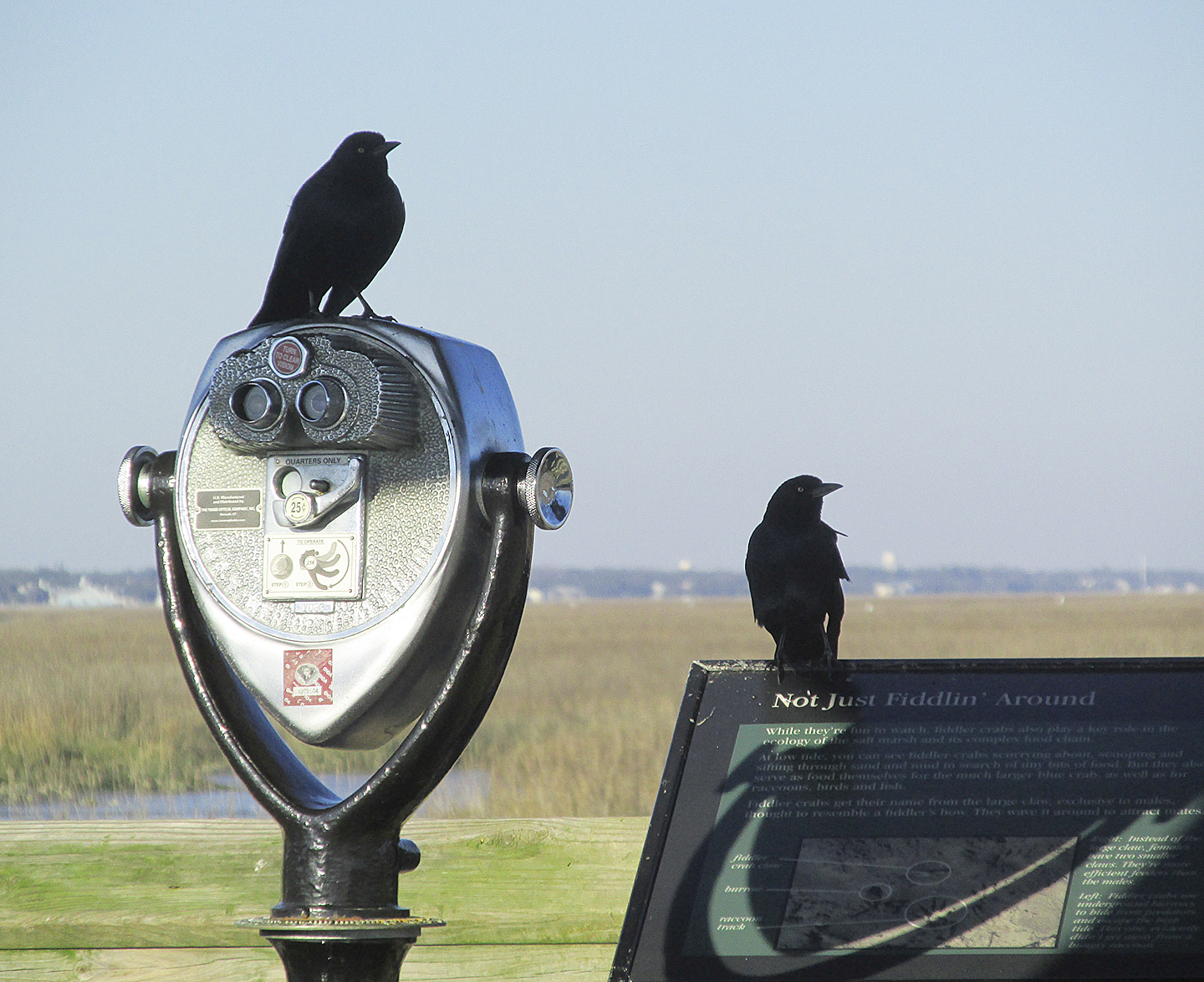
Boat-tailed Grackles perch on a scope and sign at Huntington Beach State Park.

WhitePelican

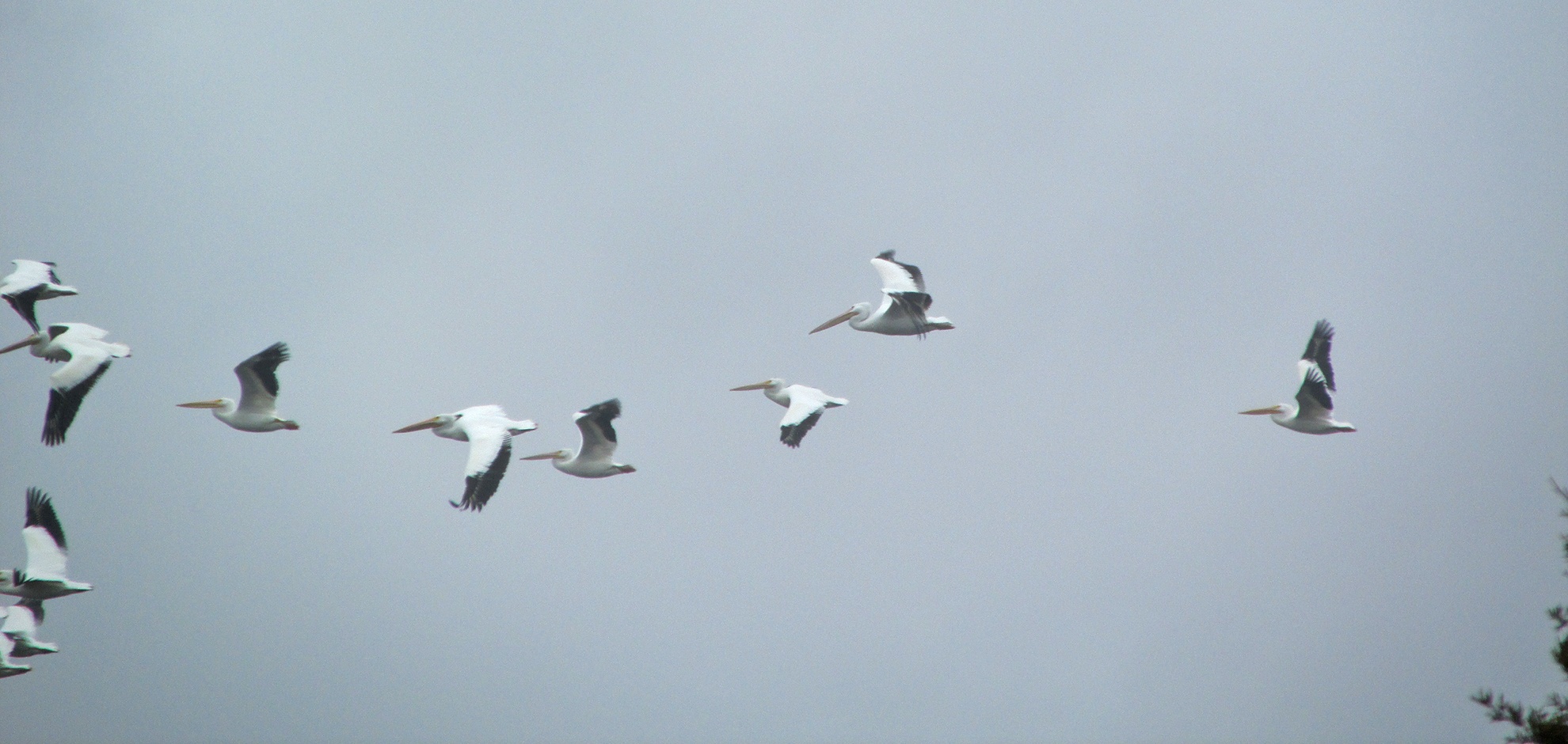
Birding in the transitional period between seasons can also bring unexpected surprises, such as a sighting of White Pelicans at Huntington Beach State Park.

Turkeys-3

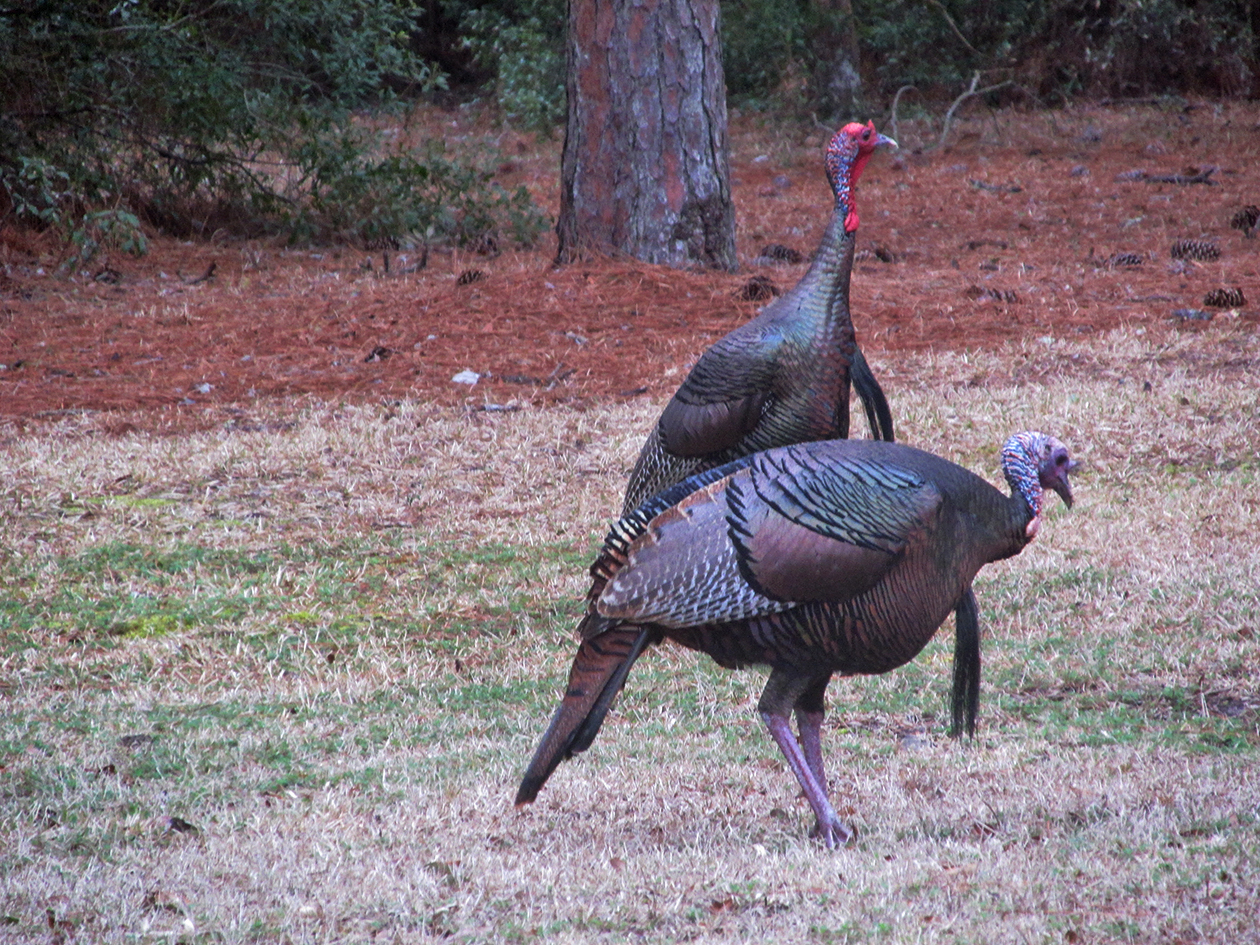
Wild Turkeys stroll the grounds of Brookgreen Gardens.

Grebess-Surf

Horned Grebes ride the rough surf near the jetty at Huntington Beach State Park.

Sunset

I hope you enjoyed these photos from my recent trip. See you next week back in Northeast Tennessee, just in time for the start of spring migration.


Bob Sargent leaves behind legacy of decades of hummingbird research

n_a (18)

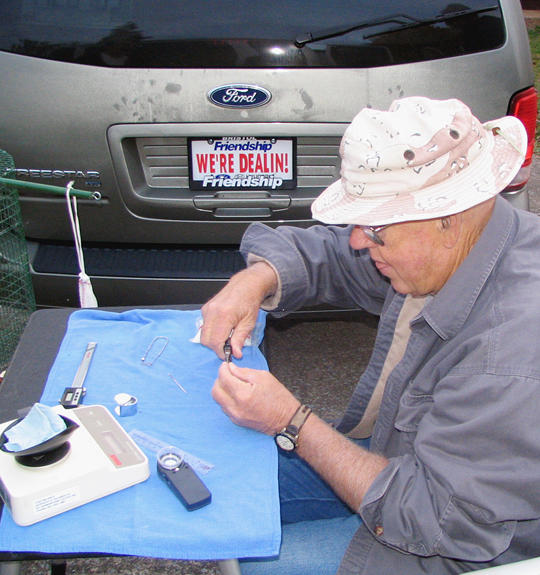
Photo by Bryan Stevens                                                                                                        Bob Sargent works diligently to band a Rufous Hummingbird at the home of Gary and Brenda Wallace in Elizabethton, Tenn.

I was saddened to learn of the recent passing of Bob Sargent. With his wife, Martha, Bob was the co-founder of the The Hummer/Bird Study Group. This non-profit organization founded by the Sargents was based in their hometown of Clay, Alabama, and dedicated to the study and preservation of hummingbirds and other neotropical migrants.

Their research programs with hummingbirds and migrating songbirds got underway back in 1987. The HBSG was formed in 1994. The Sargents have described the HBSG as a child born of the necessity to support their continuing research.

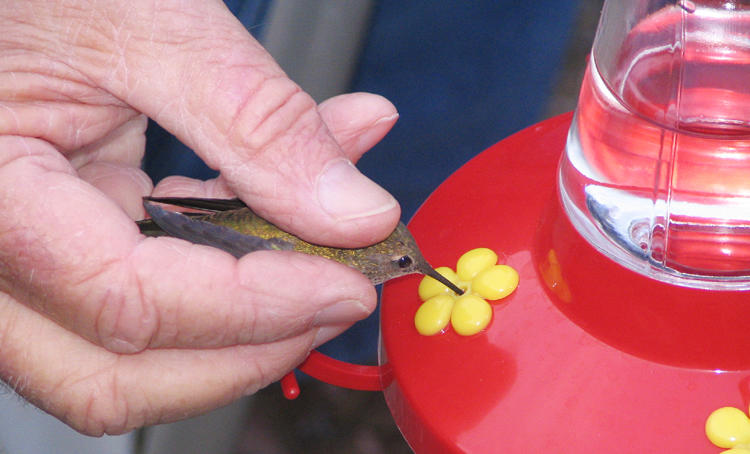
 Photo by Bryan Stevens                                                                                                          A Rufous Hummingbird gets a sip of sugar water midway through the banding process.


Photo by Bryan Stevens                                                                                  A Rufous Hummingbird gets a sip of sugar water midway through the banding process.

It was also a way to reward those who contributed financially to that effort. In the early days the Sargents’ savings account paid the expenses incurred by the HBSG. Many friends and bird conservationists contributed financially to the cause, and the Sargents wanted these donations to be tax-deductible.

The Sargent also became ambassadors in the promotion of hummingbirds. Their specialty became those species of western hummingbirds that have been gradually shifting their migration routes and wintering grounds to include forays into the eastern half of the United States.

n_a (16)

Photo by Bryan Stevens                                                                                            Martha Sargent takes a photo as her husband, Bob, lets Brenda Wallace hold a Rufous Hummingbird ready to be released after the banding process.

In the late 1990s, the Sargents presented a well-attended program sponsored by the Bristol Bird Club. That was the first occasion I had to meet this energetic and dedicated couple. I wrote about the fascinating program in my bird column and shared with readers Bob’s emphasis on keeping sugar water feeders available during the winter months. It was an eye-opening program that tuned me into the phenomenon of wintering hummingbirds.

Not too long after that column ran, I received a call from Bennette Rowan, an artist and Johnson City resident, in November of 1997. She had one of those western hummingbirds at her feeder. After she got in touch with me, the Sargents were also alerted. The couple arrived in Johnson City on Dec. 3, 1997, to band and identify the bird. To the surprise and delight of everyone present, the bird turned out to be an Allen’s hummingbird — the first of its kind ever found in Northeast Tennessee and only the fourth for the entire state. Bennette, who had orginally named her bird “Rusty,” modified the name to Rusty-Allen. The bird remained at her home until Dec. 16 of that year.

n_a (17)

Photo by Bryan Stevens                                                                                                       From left: Bob Sargent, Brenda Wallace, Martha Sargent and Gary Wallace pose for a photo after the Sargents successfully banded a Rufous Hummingbird at the Elizabethton home of the Wallaces.

A few years later I got to watch the Sargents band another hummingbird at the home of Brenda and Gary Wallace in Elizabethton. On that occasion, I also photographed the couple as they went expertly about the precise job of capturing, documenting, identifying and banding the hummingbird. It turned out to be a female Rufous hummingbird.

As more of these reports arrived every late fall and early winter, the Sargents became overwhelmed and could not respond to each and every case. They began to bring other hummingbird banders under their wing, so to speak. Individuals such as Chris Sloan and Mark Armstrong became principally involved with the documentation and banding of hummingbirds found within the Volunteer State.

I feel extremely fortunate to have known Bob Sargent, who died Sept. 7, 2014, at the age of 77.  An electrician by trade, he leaves a lasting legacy of more than a quarter-century of research into the mysteries of some of our tiniest birds.

Several birders across Tennessee posted tributes to Bob on the TN-Birds list-serve forum.

Cyndi Routledge of Montgomery County described him as a “dear friend and mentor” who “positively impacted my life in infinite ways as he did with endless others. He leaves a legacy of hummingbird banders and hummingbird lovers across the United States and even beyond its borders.”

She also made a suggestion to those reading her post.

“And perhaps at some point today, go outside, sit near your hummingbird feeders, listen for the hums and chirps of those tiny miracles and give thanks for Bob, for his life and for those birds,” she wrote in her post.

Jud Johnston of Waynesboro, Tennessee, commented on Bob’s death. “A great loss for birders and birding in the Southeast,” Jud wrote.

In the years since I saw that program, presented in such educational and entertaining fashion by Bob and Martha Sargent, hardly a year has gone by when a reader hasn’t alerted me to the presence of one of those “brown hummingbirds” that show up at their feeders when the Ruby-throated Hummingbirds have already flown south for the winter season.

In the next couple of weeks, the Ruby-throated Hummingbirds that have made our spring, summer and fall so delightful will once again disappear. They’ll return in about six to seven months, but our lives will be a bleaker without them.

This is where things can get interesting. Don’t take down your feeders. Keep a supply of sugar water available as “bait” to attract any Rufous Hummingbirds, or even Allen’s or Black-chinned Hummingbirds that might decide to spend late fall and early winter with you.

So, be very attentive to any hummingbird that arrives at your feeders in late October or early November. Most Ruby-throated Hummingbirds depart the region in early October. Many of these winter-visiting hummingbirds show a great amount of brown plumage instead of the usual green. Any of these conditions may indicate you’ve been gifted with a rare visit from one of these exceptional little birds. If you are so fortunate, please send me an email at ahoodedwarbler@aol.com.

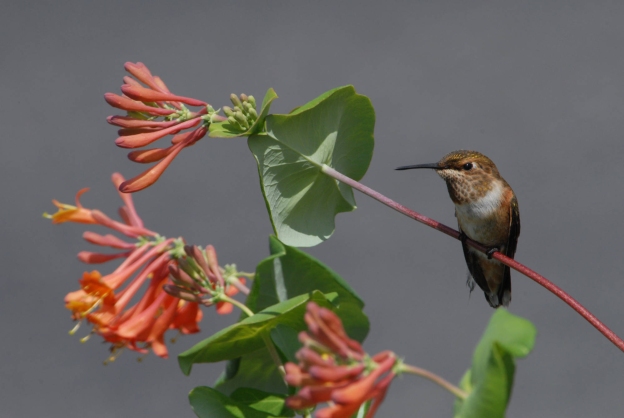
Photo by U.S. Fish & Wildlife Service/Dave Menke The Rufous Hummingbird is increasingly becoming a migrant/winter resident  in the eastern United States.

Photo by U.S. Fish & Wildlife Service/Dave Menke
The Rufous Hummingbird is increasingly becoming a migrant/winter resident in the eastern United States.

Kingfishers are world-class anglers

1622507_10202822806683633_5738404313137626778_o

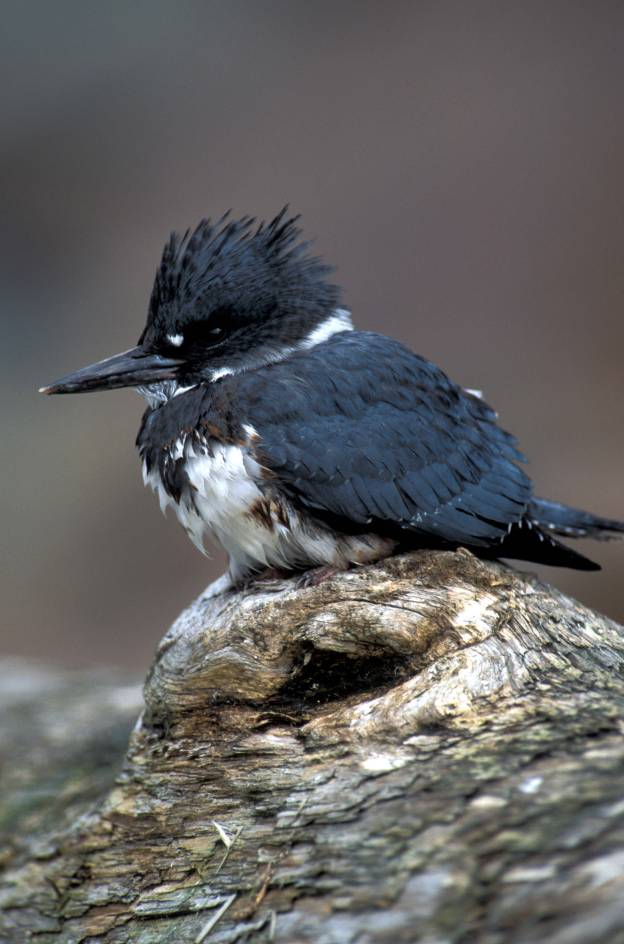
Photo by Bryan Stevens                                                                                                       A perched Belted Kingfisher rests between attempts to catch fish along the waterfront at Winged Deer Park in Johnson City.

Fishing is a favorite pastime for many people, who like nothing better than to spend a lazy summer afternoon trying their luck at their favorite fishing spot.

There’s also an angling counterpart among our feathered friends. The Belted Kingfisher’s nature as an angler rules out this bird visiting feeders in the backyard, but that doesn’t mean you’re unlikely to see this bird. With a little strategic effort, an observation of a Belted Kingfisher is fairly easy to obtain, especially during the summer months. If you live near a stream, pond, river or other body of water, you have probably been fortunate enough to observe a Belted Kingfisher as it completes its daily routine.

If you are a fishing enthusiast yourself, you’ve likely shared some favorite fishing holes with this bird. The Belted Kingfisher is patient in its pursuit of fish. The birds prefer to perch on an exposed branch or a wire that overlooks a body of water that offers ample fishing opportunities. The Belted Kingfisher, however, is capable of hovering in place in order to spot and then capture its prey in an impressive plunge and lunge into the water.

Most of my observations of hunting kingfishers have involved the birds in their ambush approach to fishing — perching and diving on the unsuspecting fish. I have on a few occasions, however, also observed kingfishers as they hover over the water in a quest for a meal.

The Belted Kingfisher, like most of its kin, looks to have a head and bill that are slightly too large for the rest of the body. It’s the long, heavy bill that the Belted Kingfisher uses to snatch fish from their watery homes.

A walnut tree with some dead branches overlooking my family’s fish pond is a favorite perching site for visiting Belted Kingfishers. A few Belted Kingfishers become regular visitors almost every spring and summer. In past years, I’ve been delighted by pairs of kingfishers that have brought as many as six of their offspring to hunt around the edges of the pond and creek near my home.

When a Belted Kingfisher does manage to capture a fish — not always a certainty, despite their great skill — the bird will usually fly to a perch where they will beat the fish unconscious before swallowing it. I remember one particular kingfisher that liked to catch fish in the creek and then fly to the corner of the metal garage roof where the bird proceeded to beat senseless the unlucky fish.

Worldwide, there are about 90 species of kingfishers that range in size from the 16-inch-long Laughing Kookaburra of Australia to the tiny African Dwarf Kingfisher, which at four inches in length is smaller than most sparrows. This family of birds is divided into three groupings, the river kingfishers, the tree kingfishers and the water kingfishers.

Despite the name “kingfisher,” not all kingfishers exist on a diet of fish. Some members of the kingfisher family instead prey on other quarry, such as snakes, lizards and insects.

Some interesting common names have been used to identify the world’s kingfishers, including Half-collared Kingfisher, Shining Blue Kingfisher, Blue-eared Kingfisher, Azure Kingfisher, Indigo-banded Kingfisher, Silvery Kingfisher, Malachite Kingfisher, White-bellied Kingfisher, Cerulean Kingfisher, Rufous-backed Kingfisher, Spangled Kookaburra, Rufous-bellied Kookaburra, Shovel-billed Kookaburra, Lilac Kingfisher, Brown-winged Kingfisher, Stork-billed Kingfisher, Great-billed Kingfisher, Striped Kingfisher, Lazuli Kingfisher, Ultramarine Kingfisher, Cinnamon-banded Kingfisher, Sacred Kingfisher, Mewing Kingfisher, Chattering Kingfisher, Glittering Kingfisher, Red-breasted Paradise Kingfisher, Pied Kingfisher and Green-and-rufous Kingfisher.

Kingfishers comprise a cosmopolitan family of birds with species present on every continent except Antarctica.

kingfisher

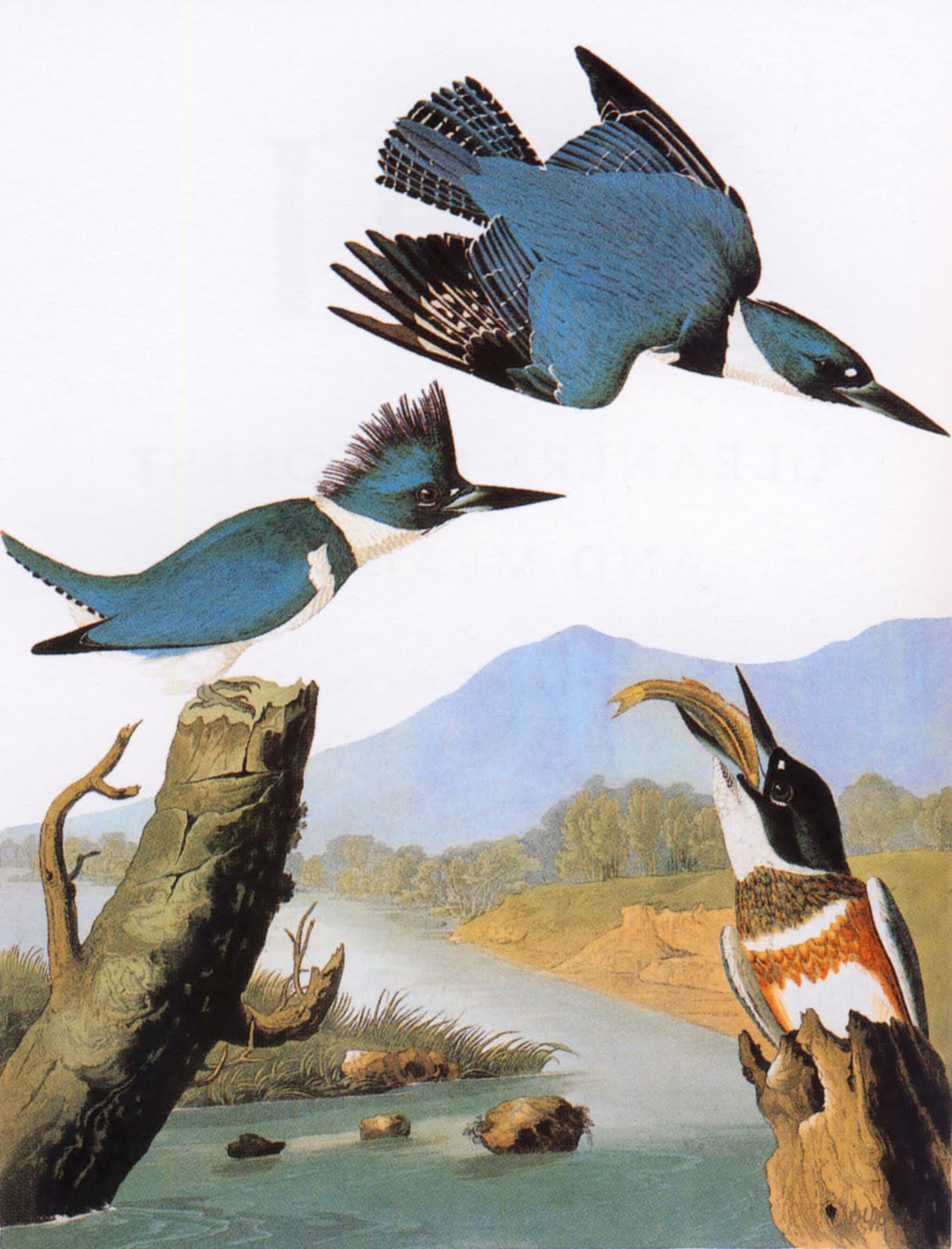
A depiction of Belted KingfisherS painted by John James Audubon.

The three North American kingfishers, however, are exclusively fish-eaters. The Belted Kingfisher, with a range that spans most of the United States, is the only kingfisher encountered by most Americans.

Two others, the Ringed Kingfisher and the Green Kingfisher, are found in Texas and occasionally in other locations near the Mexican border. The Ringed Kingfisher is similar in appearance to the Belted Kingfisher, but is somewhat larger with a rufous-colored belly. The little Green Kingfisher, not quite nine inches long, has the typical kingfisher appearance, but is green rather than blue on its upperparts.

With the Belted Kingfisher, only the female sports a ring of rufous coloration across her breast. She is an exception to the rule that most male birds are more vividly colored than their female companions.

In her book The Folklore of Birds, Laura C. Martin writes that in some accounts the kingfisher, not the dove, was the second bird Noah released from the ark after the Biblical flood. Instead of looking for land, the kingfisher flew too high and the sun scorched the bird’s feathers. After his setback with the raven and now the kingfisher, Noah made the kingfisher remain on the ark’s deck to catch its food from the water.

Halcyon days, a term meaning a period of peaceful quiet, is derived from Greek legend. According to the legend, the god Zeus restrained the storms during the period when the kingfishers nest. The scientific name for the Belted Kingfisher is Megaceryle alcyon, a variation on the term “halcyon.”

2782284667_afa8c0651e_o

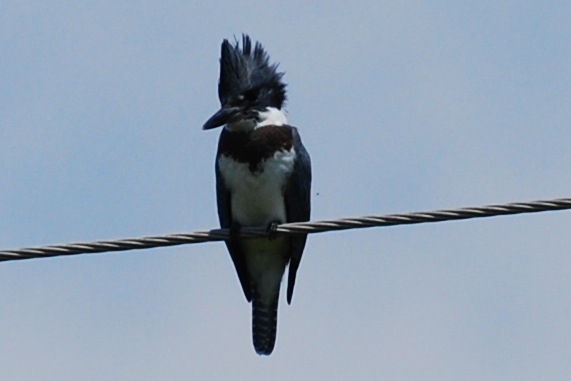
Photo Courtesy of Jean Potter                                                                                                          Belted Kingfisher sits on a wire to scan for fish.

Belted Kingfishers nest by excavating a cavity in a dirt bank, usually near water. The tunnel slopes upward from the entrance, and may extend as far as eight feet into the bank.

Again in Martin’s book, there is an account of a Cherokee legend about how the kingfisher acquired its angling lifestyle. The poor bird wanted to be a waterbird, but lacked the equipment to make a living at fishing. The other animals convened a council and, in pity for the kingfisher’s plight, endowed the bird with its spear-like bill. Since that time, the bird has been known as “king of the fishers.”

The “king of the fishers” is indeed to be envied by human anglers. Although not successful in every attempt, the Belted Kingfisher is certainly exceptional in its pursuit of fish. According to John Eastman in his book, Birds of Lake, Pond and Marsh, the Belted Kingfisher typically captures about 10 fish per day.

If you want to observe this bird for yourself, stake out a pond or section of river. You’re not likely to have to wait for long before you are rewarded with an observation. In my experience, however, the Belted Kingfisher is somewhat shy and wary of humans, so observe from a respectful distance or you’re likely to scare off the bird, which will depart giving its rattling call that sounds so much like the sound of annoyance on its part.