Tag Archives: Elizabethton Star

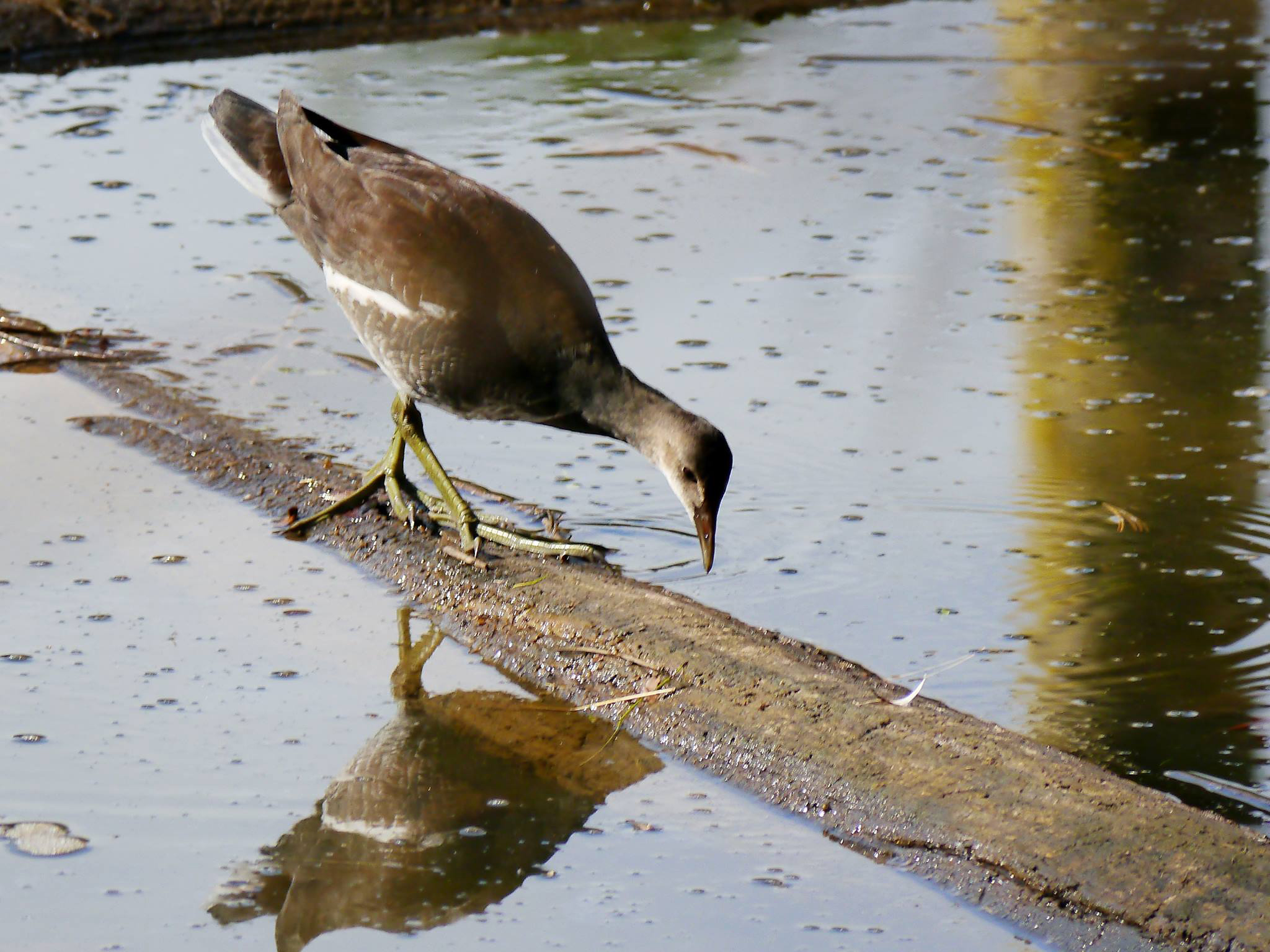
Common gallinule unexpected sighting at Bristol birding hot spot

Gallinule-One

Photo by Sue Farthing                                        This common gallinule was found at Osceola Island Recreation Area.

Ducks and other waterfowl are beginning to arrive in the region. Those enjoying a walk on the trails at Bristol’s Osceola Island Recreation Area during the mild weather in the first week of November might have spied a rather unusual bird among some of the ducks.
 

Gallinule-Two

Photo by Sue Farthing                                      The common gallinule found at Osceola Island Recreation Area treads carefully on a fallen log

The Osceola Island Recreation Area is located about a mile from the base of Holston Dam and is one of my favorite birding areas. Through the years I’ve observed some interesting birds in the woods through which the trails wind, as well as in the waterways surrounding the island. Some of the more interesting birds that have made appearances at this location include white-winged scoter, harlequin duck, canvasback, bald eagle, American woodcock and pileated woodpecker.


Gallinule-Three

Photo by Sue Farthing                            A nearly submerged log provides a pathway for a common gallinule found at Osceola Island Recreation Area in early November.


The most recent visitor to cause excitement among area birders was a common gallinule. For a non-birder, this gallinule looks similar to some of the ducks that frequent the waterways around Osceola Island — similar, that is, if the duck in question had suddenly grown long legs and acquired a bill more suited for a chicken than a duck.


16581932674_45e2633dc5_b

Photo by Jean Potter                                            This Common Gallinule was photographed in South Carolina, a more likely home for this bird than wandering near Holston Dam in Bristol.

The common gallinule is a bird more at home in the swamps of South Carolina or Florida, where it may occur in conjunction with a close relative, the purple gallinule. In 2011, the American Ornithologists’ Union re-classified this bird, which had been long referred to as common moorhen, to its present name. There is still a common moorhen, but this bird is now relegated to wetlands across Europe.
The common gallinule has a dark plumage of brown, black and gray. Its long legs are greenish-yellow in coloration. A reddish “shield” at the base of its bill gives this bird an easily recognized field mark to assist birders with identification. “Waterhen” and “marsh hen” are other common names for the gallinules, and is an apt description for the largely aquatic habitats preferred by these birds.

Gallinule-My

Photo by Bryan Stevens                                       This common gallinule was photographed in a South Carolina swamp at Huntington Beach State Park.


The common gallinule’s stronghold is actually in Mexico, Central America and much of South America, but the species wanders extensively in the eastern United States, especially after the summer nesting season.
Gallinules and moorhens comprise an extensive, cosmopolitan family of birds known as the rails, or in scientific terms, the Rallidae. The family also includes birds such as coots and crakes. Not only have many members of the family colonized remote islands, they also occur on every world continent except for Antarctica.

Common_Moorhen_at_Squaw_Creek_National_Wildlife_Refuge

Photo by U.S. Fish & Wildlife Service                   A Common Gallinule wades in a wetland at Squaw Creek National Wildlife Refuge is a National Wildlife Refuge in northwestern Missouri.

I’ve observed common gallinules in South Carolina and Florida. It is particularly common around the Disney resorts near Orlando in the Sunshine State. These birds have adapted well to co-exist with human activity. Birds I have observed in South Carolina have tended to be more shy and retiring.


07616

John James Audubon painted the Common Gallinule in its preferred wetland setting.


When I observed this bird among a group of mallards and American wigeons near the weir dam at Osceola Island Recreation Area on Nov. 6, the sighting marked my first time seeing this species in Tennessee. Sightings at Osceola Island Recreation Area have now added two new species of birds to those on my list of birds from the Volunteer State. The first — a harlequin duck — took place back in 2000.

To give an idea of the rarity of this bird in the region, the book, “The Birds of Northeast Tennessee,” by Rick Knight, lists only about 10 confirmed sightings in the region. The last sighting of a common gallinule before the one in question took place before 1992.

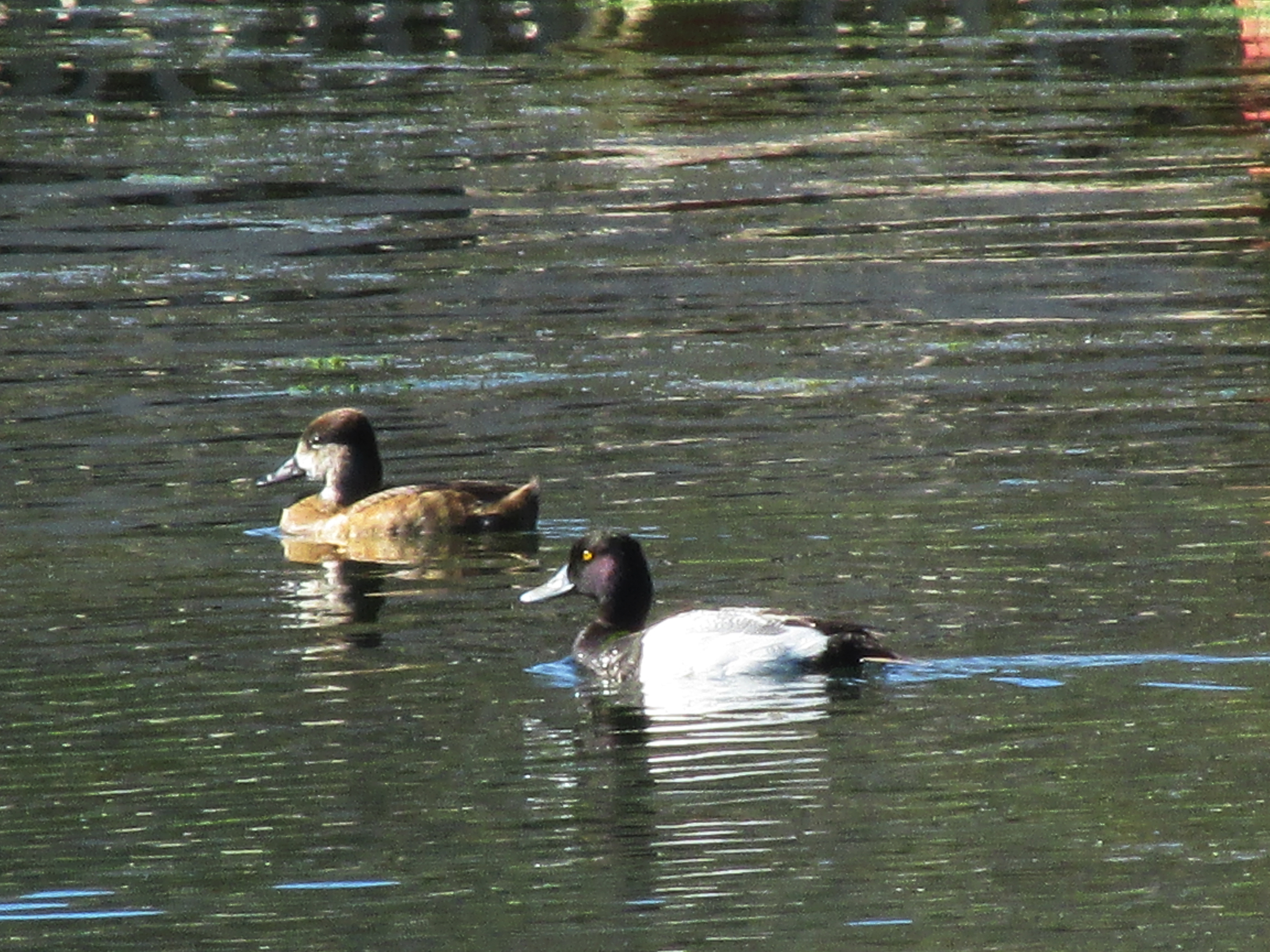
This location is a great place to search for wintering ducks. Some of the species that are likely to be present during the season include bufflehead, gadwall, redhead, green-winged teal and ring-necked duck.


Gallinula_galeata_-_Hawaii,_USA-8c

Photo by Pat McGrath/http://creativecommons.org/licenses/by-sa/2.0/                         The endangered Hawaiian Gallinule remains in need of human help to ensure its continued survival.

The common gallinule at Osceola Island Recreation Area was discovered by Johnson City birder Rick Knight on Nov. 2. Many other birders flocked to the weir dam to get a look at this rather rare visitor to Northeast Tennessee. After the bird continued to linger, I decided to travel to the weir dam on Nov. 6. During the visit, which I made with my mother, we also saw an American black duck, eight great blue herons and dozens of yellow-rumped warblers.


We found the common gallinule wading among tree stumps and fallen logs near the shore of the main waterway between the road and the island. We knew the bird was present, thanks to a tip from Ron Carrico, a Bristol birder, who was present with his camera to try for photos of the rare visitor. He had seen the bird shortly before our arrival and suggested we try to find it from the other side of the river since it had moved out of viewing range from along the walking trail.


Gallinule-Four

Photo by Sue Farthing            This Common Gallinule was an unexpected visitor to a public area near the South Holston Dam in Bristol.

Other gallinules are found around the world, including the African swamphen, azure gallinule and the endangered Hawaiian gallinule. This bird likely evolved from some migrant common gallinules that long ago strayed to the Hawaiian islands. This bird probably numbers fewer than 800 individuals in the state of Hawaii.

••••••


To learn more about birds and other topics from the natural world, friend Stevens on Facebook at https://www.facebook.com/ahoodedwarbler. He is always posting about local birds, wildlife, flowers, insects and much more. If you have a question, wish to make a comment or share a sighting, email ahoodedwarbler@aol.com.
Ring-necked-Pair

Photo by Bryan Stevens                                      Ring-necked Ducks, such as this pair, are more expected visitors to Osceola Island Recreation Area during the winter months.


With my apologies to WKRP’s Arthur Carlson, wild turkeys can fly

the_humanity

Newsman Les Nessman (Richard Sanders) of the fictional radio station, WKRP, broadcasts from the Pinedale Shopping Mall during the infamous “Turkey Drop” promotion.

As Americans, we all have our holiday traditions. Many of us will come together this week to celebrate Thanksgiving with lavish meals shared with family and friends. I will carve out a half-hour niche to watch one of my favorite holiday sitcom episodes.

Turkey_two

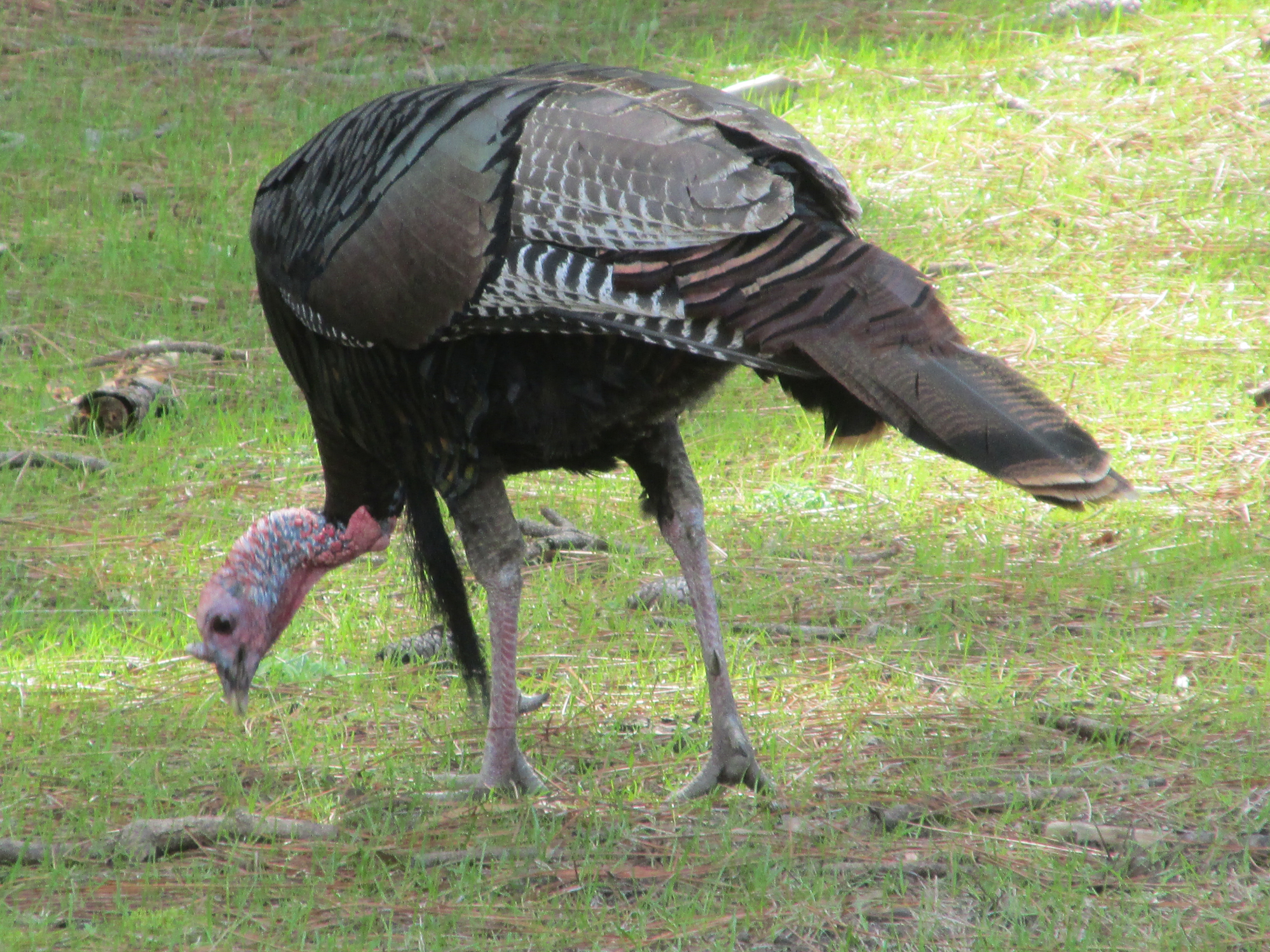
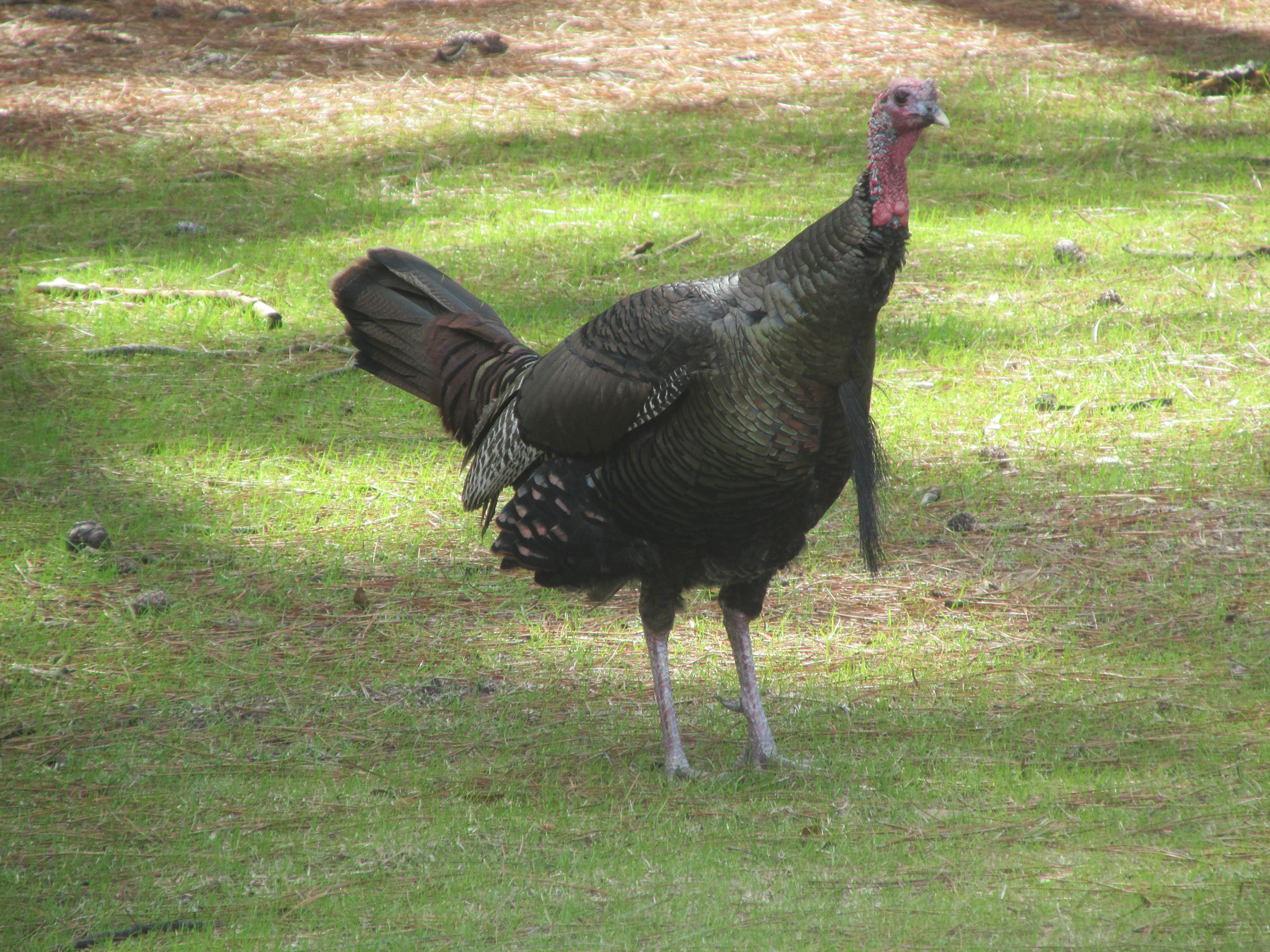
Photo by Bryan Stevens                            Wild turkeys are slender, swift and fully capable of flight.

Not surprisingly, there’s an element linked to birds in the episode, which is often cited as one of the most ingenious sitcom episodes in the history of television. The episode is “Turkeys Away” from the first season of WKRP in Cincinnati, a sitcom that aired from 1978 to 1982 and revolved around the antics of the staff of a down-and-out radio station. The “Turkeys Away” episode originally aired Oct. 30, 1978, early in the first season of the series. I especially like that every member of the ensemble cast was woven into the storyline for this classic Thanksgiving episode.

Turkey-One

Photo by Bryan Stevens                                              Wild turkeys are well equipped to survive in the wild, unlike their domesticated kin.

Winter-Turkeys

Photo by Bryan Stevens                                                  A flock of Wild turkeys forage for food hidden beneath a light snow cover.

In the event there are readers who haven’t seen the episode, I’ll try to avoid any blatant spoilers. The action involves a radio promotion that, in hindsight, was destined for disaster. The episode unfolds at the perfect pace, finally culminating in a hilarious series of scenes as the promotion backfires in spectacular fashion. I’ve memorized most of the lines of dialogue, but I still enjoy hearing them delivered by the talented actors Richard Sanders, Loni Anderson, Howard Hesseman and the late Gordon Jump. It’s Jump that gets the pivotal line with his perfectly delivered, “As God is my witness, I thought turkeys could fly!”

It’s that classic line that provides my segue into the subject of this week’s column, which is America’s wild turkey. I sometimes wonder if my favorite episode of WKRP, which aired nearly 40 years ago, has had some influence in persuading many people that turkeys cannot fly. It’s a widely held misconception that the wild turkey cannot fly. The turkey is perfectly capable of flying at speeds up to 55 miles per hour, but they often prefer to walk and run over the ground. They’re good sprinters, in fact, and can reach a running speed of 25 miles per hour.

6_Wild_Turkey

A wild turkey hen accompanies her poults to forage for food.

On the other hand, the domesticated barnyard turkey is a fowl of a completely different kind than its wild cousin. Although the wild turkey — the largest of North America’s game birds — can weigh as much as 37 pounds, it’s the domestic turkey that holds the record as a heavyweight. The largest domestic turkey on record tipped the scales at 86 pounds. That bird certainly could have provided an ample banquet for your Thanksgiving meal. Domestic turkeys are bred to be big, which as a result means they are incapable of flight and are also poor runners. Of course, these domestic kin of the wild turkeys don’t face a gauntlet of predators.

Wild turkeys face various perils at all points in their life cycles, from eggs to newly-hatched young to adult birds. Turkey eggs are a favorite food of such wild animals as raccoons, skunks, opossums and some snakes. Young turkeys, known as poults, are often the prey of domestic dogs and cats, as well as a range of raptors, as well as birds such as crows and ravens. Larger predators — bobcats, cougars, coyotes, foxes and eagles — prey on adult turkeys.

I remember the first time that I observed wild turkeys in flight. I was driving near Persimmon Ridge Park in Jonesborough, Tennessee, when about a dozen large, dark birds flew across the road just above the roof of my vehicle. I was definitely perplexed as my mind worked to figure out the identity of these birds. I had almost settled on vultures, although the flight pattern had been all wrong, when I saw that some of these flyers had landed in a field adjacent to the road. On the ground, they were easily recognized as wild turkeys.

Turkey_strut

Photo by Robert Burton/U.S. Fish & Wildlife Service                                    The wild turkey gobbler puts on an elaborate display to impress hens.

I was prepared when I encountered another flock at Boone Lake in Sullivan County, Tennessee. I surprised the flock, which was trapped between me and the lake. After a moment of hesitancy, the members of the flock flew across the cove. Landing on the other side, they apparently felt secure to have a gulf of water between them and me. I was impressed by the fact that such large birds can look powerful and even somewhat graceful during a short burst of flight.

The wild turkey’s scientific name is Meleagris gallopavo. The wild bird is exclusively resident in North America, but domesticated turkeys are now raised around the globe. The wild turkey has only one close relative, the ocellated turkey, or Meleagris ocellata, which ranges throughout the Yucatán Peninsula in Mexico as well as the northern parts of Belize and Guatemala. The extent of this fowl’s range is only about 50,000 square miles while the wild turkey ranges throughout the United States, as well as Canada and Mexico.

Ocellated-turkey-US-Fish-and-Wildlife-Service-600-px-tiny-Jan-2013

Photo by U.S. Fish & Wildlife Service The Ocellated Turkey ranges throughout Mexico and Central America.

Few birds have featured so prominently in the history of the United States as the wild turkey. In fact, the turkey came close to being named the official bird of the United States. Benjamin Franklin, who proposed the turkey as the official United States bird, was distraught when the bald eagle was chosen over the turkey. Franklin wrote to his daughter, referring to the eagle’s “bad moral character,” saying, “I wish the bald eagle had not been chosen as the Representative of our country! The turkey is a much more respectable bird, and withal a true original native of America.” George Washington, the nation’s first president, also shared Franklin’s opinion, and pointed out the bald eagle’s lifestyle as a carrion eater. Even if not as our national symbol, the wild turkey is still deserving of respect. This bird, found only in North America, is a survivor of first-rate caliber.

Franklin

Benjamin Franklin supported the Wild Turkey as the nation’s official bird.

It’s simply too bad that Jump’s character in WKRP, bumbling but amiable station manager Arthur Carlson, lacked some crucial knowledge about the differences between wild turkeys and their domestic relatives. If he had gathered a flock of wild turkeys instead of directing his sales manager to acquire domestic fowl, his radio promotion might not have been such a stupendous flop. Of course, we would then have never had this classic episode of comedic television, and I wouldn’t have my familiar Thanksgiving ritual to enjoy annually.

•••••

wkrp-in-cincinnati-the-complete-first-season-20070426114009951

The talented cast of the vintage television sitcom, WKRP in Cincinnati.

Bryan Stevens lives near Roan Mountain, Tennessee. To learn more about birds and other topics from the natural world, friend Stevens on Facebook at https://www.facebook.com/ahoodedwarbler. He is always posting about local birds, wildlife, flowers, insects and much more. If you have a question, wish to make a comment or share a sighting, email ahoodedwarbler@aol.com.

A-WildTurkeysinSnow

Photo by Bryan Stevens                                                                                      The wild turkey is a tough, wary and hardy fowl.

Departures, new arrivals signal approach of winter

October represented a transitional time for the region’s birds. Many of our summer birds have now departed for wintering grounds, which means we won’t be seeing them again until April or May of 2016.

Hummer-Oct17

The last Ruby-throated Hummingbird of 2015.

I saw hummingbirds daily in my yard during October through the 17th day of the month, when I saw only a single bird at the feeders. The following day no hummingbirds appeared in the yard.
I am still hanging sugar water feeders in the unlikely chance I might attract a visit from one of the Selasphorus hummingbirds, a genus of these tiny birds that spends the nesting season in the western United States. A few of these species appear to migrate through the southeastern United States each fall and early winter. Rufous hummingbird is the species most likely to make an appearance, but other species — Allen’s hummingbird and black-chinned hummingbird — are a possibility.

Rufous-BettyKirby-Three-Program

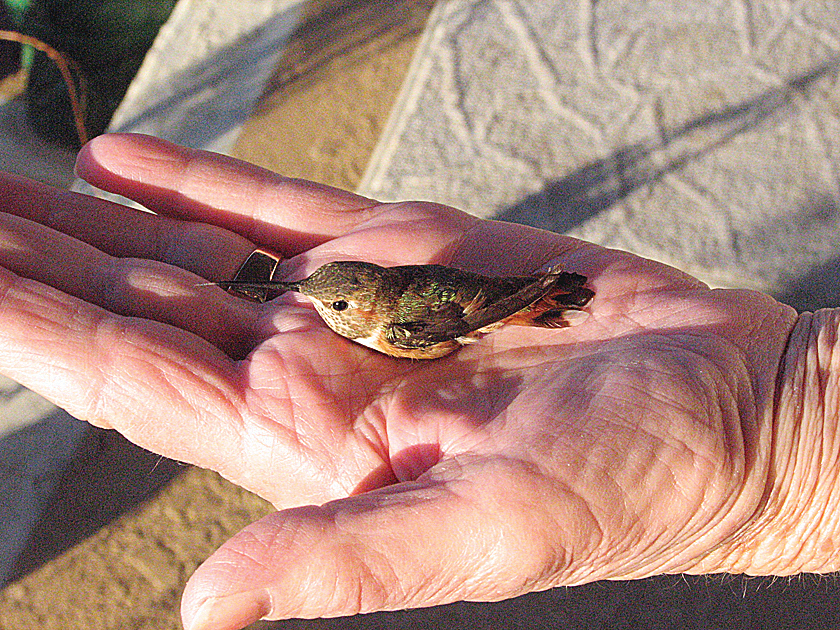
A Rufous Hummingbird I observed being banded several years ago in Hampton, Tennessee.

These “winter” hummingbirds are easy to recognize. Their plumage is more brown than green, making them quite distinguishable from the usual ruby-throated hummingbird, which is not usually present in the region after the end of October.
•••••
Most of the warblers have also departed. I saw a couple of common yellowthroats on Oct. 10, but they represented the last gasp of warbler migration. Most of the warblers winter in Central America or the Caribbean, although a few travel only as far as Florida.


Yellow-Rump-Frippy

The Yellow-rumped Warbler is one of the few warblers that remains in the region for the winter months.

Of course, there’s always an exception to the rule. The aptly-named yellow-rumped warbler is a winter resident throughout much of Virginia and Tennessee. I had a couple of yellow-rumped warblers in the yard on Oct. 25. The winter diet of this warbler includes the berries of poison ivy, so the bird helps with the spread of this noxious plant.
••••••
I often think of October as the season for sparrows, and this year proved no exception. Three different species marked their return during October.
Of all the birds associated with winter weather, few are as symbolic as the dark-eyed junco, or “snow bird.” The junco occurs in several geographic variations.
John V. Dennis, author of “A Complete Guide to Bird Feeding,” captures the essence of the junco in the following description: “Driving winds and swirling snow do not daunt this plucky bird. The coldest winter days see the junco as lively as ever and with a joie de vivre that bolsters our sagging spirits.” The dark-eyed junco’s scientific name, hyemalis, is New Latin for “wintry,” an apt description of this bird.
Most people look forward to the spring return of some of our brilliant birds — warblers, tanagers and orioles — and I must admit that I also enjoy the arrival of these birds. The junco, in comparison to some of these species, is not in the same league. Nevertheless, the junco is handsome in its slate gray and white plumage, giving rise to the old saying “dark skies above, snow below.”
The first junco showed up this year on Halloween. Sheila Boyd, a Facebook friend who lives in Marion, North Carolina, sent me a message to let me know she saw her first juncos on Oct. 29.


Swamp_Sparrow

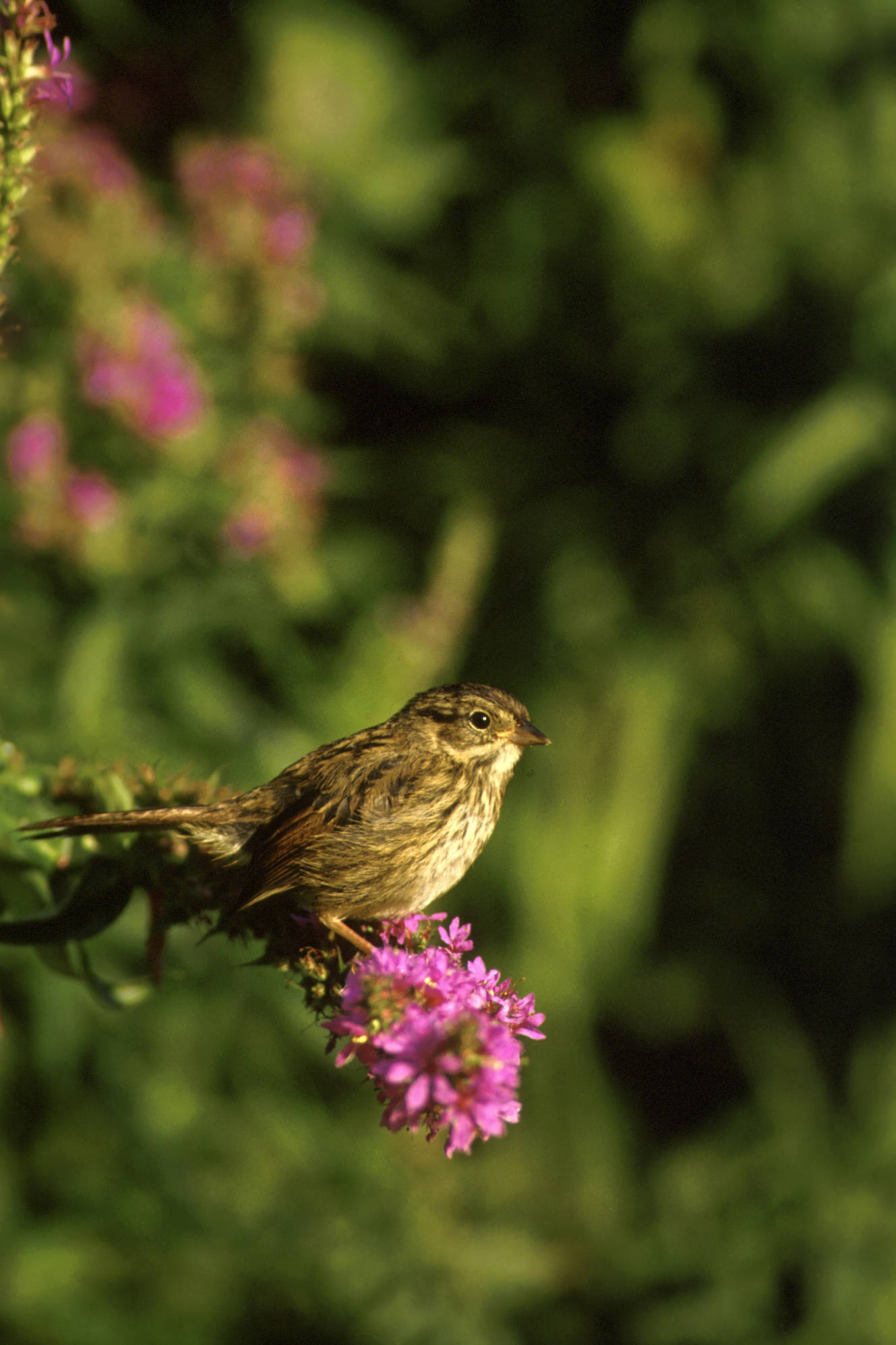
The Swamp Sparrow is most often found in wetland habitats.

My junco sighting on Oct. 31 followed observations earlier in the month of some other wintering sparrows. I have allowed a stand of cattails to grow unmolested on my property, and now my action is paying dividends. I’ve seen numerous swamp sparrows in my small cattail marsh, beginning with one that I saw on Oct. 11.
The cattails also persuaded a marsh wren to pay a visit on Oct. 4. Marsh wrens and swamp sparrows are not the only birds fond of cattails. These plants also attract birds as diverse as rails and snipes, as well as red-winged blackbirds, common yellowthroats and various waterfowls.
White-throated sparrows showed up on Oct. 15, which is fairly typical for this winter resident. The numbers of this attractive sparrow have been increasing since that date.


White-throated_Sparrow-27527

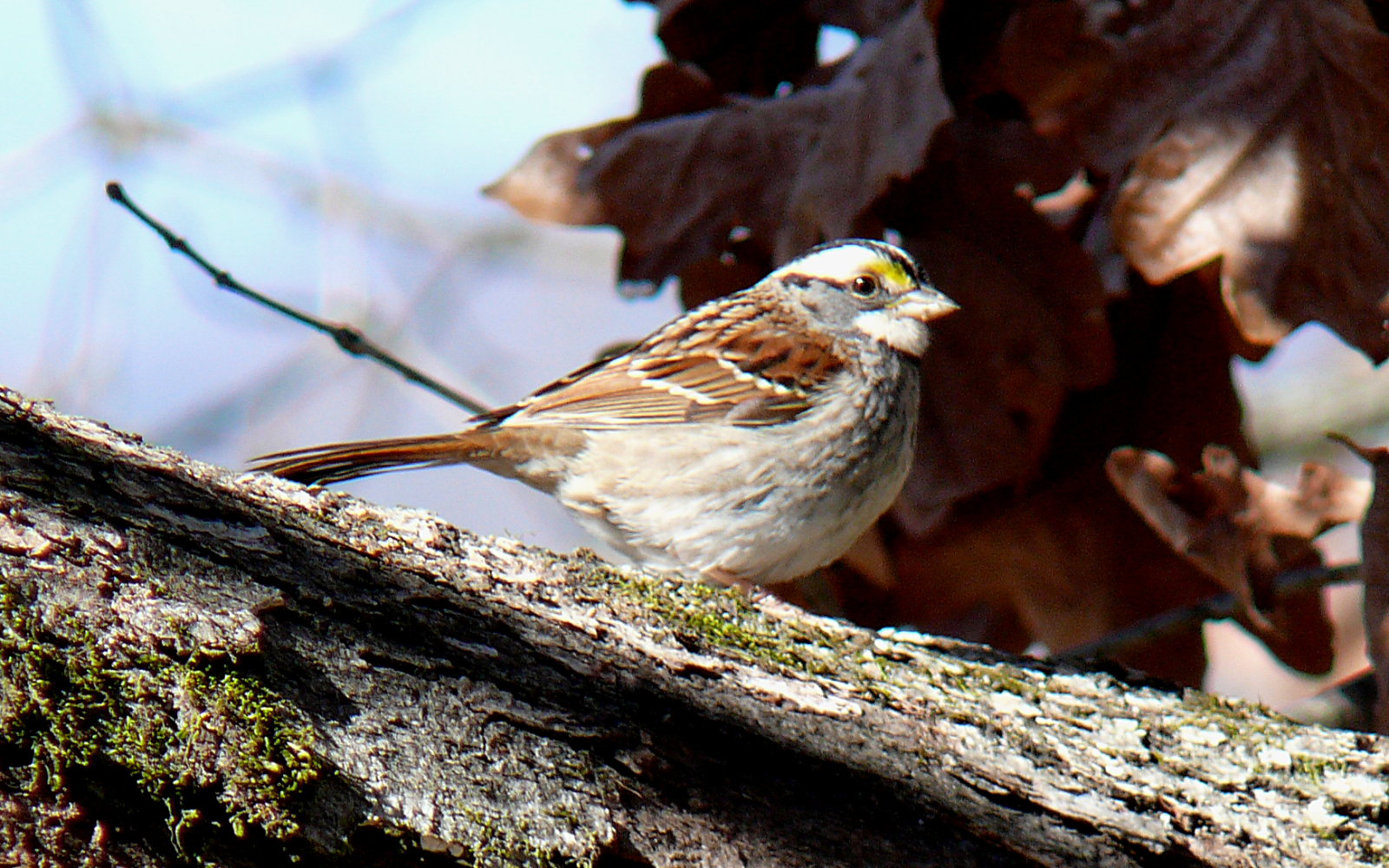
Photo by Ken Thomas                                            A White-throated Sparrow shows off its namesake white throat.

While I have learned to associate this bird with winter’s arrival, some Native American tribes connected the white-throated sparrow with the annual return of spring. According to Laura C. Martin, author of “The Folklore of Birds,” the Blackfoot Indians called the white-throated sparrows “summer-bringers.” The members of this tribe believed that the message of the sparrow’s song was “the leaves are budding and summer is coming.”
The song of the white-throated sparrow has also earned distinctive translations among the residents of Canada and the United States. Those translations can be described as “Oh sweet Canada, Canada, Canada” or “Old Sam Peabody, Peabody, Peabody.”
While the shy swamp sparrows usually maintain a reclusive presence in the cattails, white-throated sparrows and dark-eyed juncos are regular visitors at my feeders once they arrive. Both the junco and the white-throated sparrow prefer to feed on the ground beneath the feeders. A few other sparrows will visit feeders, including song sparrow, field sparrow, chipping sparrow and white-crowned sparrow.


SongSparrow-Cattailss

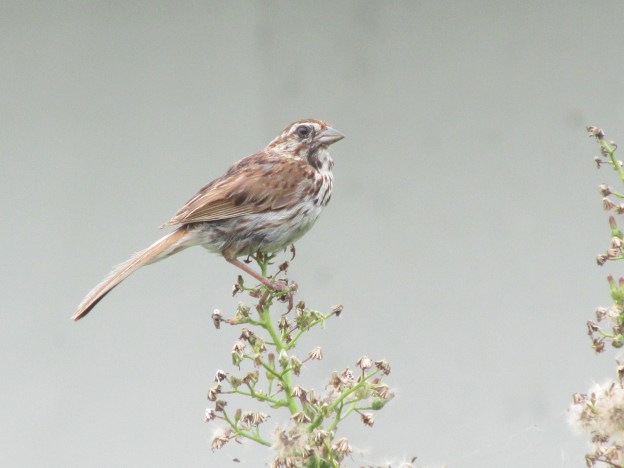
A Song Sparrow perches on a dry cattail stalk.

Of course, the real entertainment from our sparrows comes from their frequent visits to our backyard feeders. When these birds flock to a feeder and began a furious period of eating, I don’t even have to glance skyward or tune in the television weather forecast. I know what they know. Bad weather is on the way!


With our winter birds beginning to arrive, I’d love to hear what readers are seeing at their own feeders. Send me an email at ahoodedwarbler@aol.com to ask questions, share observations or makes a comment.

Weekly musing on birds reaches 20th anniversary milestone

Junco

Photo by Ken Thomas                                      The Dark-eyed Junco, also known by the affectionate name of “snow bird,” is a widespread winter resident in backyards offering feeding stations.

I wrote my first “Feathered Friends” column on Sunday, Nov. 5, 1995, which means this weekly column marked its 20th anniversary this past week.


This weekly column has appeared over the last 20 years in a total of six different newspapers.


“Feathered Friends” has been appearing in The Erwin Record since October of 2003. As “For the Birds,” the column has appeared in the Bristol Herald Courier since June of 2014. The column has also been a great conduit for getting to know other people interested in our “feathered friends.” I always enjoy hearing from readers, and I hope to continue to do so in the coming years as well.
That first column I wrote back in 1995 focused on one of the region’s most prevalent winter residents— the Dark-eyed Junco. Here, with some revisions I have made through the years, is that first column.
…..

Best-Ever-Backyard-Birding-Tips-9781594868313.jpg300_

The book, “A Complete Guide to Bird Feeding,” is a classic for those interested in birds and advice on how to feed them and attract them to our yards.

Of all the birds associated with winter weather, few are as symbolic as the Dark-eyed Junco, or “snow bird.” The junco occurs in several geographic variations.
John V. Dennis, author of “A Complete Guide to Bird Feeding,” captures the essence of the junco in the following description: “Driving winds and swirling snow do not daunt this plucky bird. The coldest winter days see the junco as lively as ever and with a joie de vivre that bolsters our sagging spirits.” The Dark-eyed Junco’s scientific name, hyemalis, is New Latin for “wintry,” an apt description of this bird.

Junco-Ground

Photo by Ken Thomas Dark-eyed Juncos prefer to feed on the ground beneath feeders.

Most people look forward to the spring return of some of our brilliant birds — warblers, tanagers and orioles — and I must admit that I also enjoy the arrival of these birds. The junco, in comparison to some of these species, is not in the same league.


Nevertheless, the junco is handsome in its slate gray and white plumage, giving rise to the old saying “dark skies above, snow below.”
Just as neotropical migrants make long distance journeys twice a year, the junco is also a migrating species. But in Appalachia, the junco is a special type of migrant. Most people think of birds as “going south for the winter.” In a basic sense this is true. But some juncos do not undertake a long horizontal (the scientific term) migration from north to south. Instead, these birds merely move from high elevations, such as the spruce fir peaks, to the lower elevations. This type of migration is known as vertical migration. Other juncos, such as those that spend their breeding season in northern locales, do make a southern migration and, at times, even mix with the vertical migrants.
Juncos are usually in residence around my home by early November. Once they make themselves at home I can expect to play host to them until at least late April or early May of the following year. So, for at least six months, the snow bird is one of the most common and delightful feeder visitors a bird enthusiast could want.


Snow_Bird_(Audubon)

John James Audubon, an early American naturalist and painter, painted these Dark-eyed Juncos.

Juncos flock to feeders where they are rather mild-mannered — except among themselves. There are definite pecking orders in a junco flock, and females are usually on the lower tiers of the hierarchy. Females can sometimes be distinguished from males because of their paler gray or even brown upper plumage.
Since juncos are primarily ground feeders they tend to shun hanging feeders. But one winter I observed a junco that had mastered perching on a hanging “pine cone” feeder to enjoy a suet and peanut butter mixture.
Dark-eyed Juncos often are content to glean the scraps other birds knock to the ground. Juncos are widespread. They visit feeders across North America. The junco is the most common species of bird to visit feeding stations. They will sample a variety of fare, but prefer such seeds as millet, cracked corn or black oil sunflower.
There’s something about winter that makes a junco’s dark and light garb an appropriate and even striking choice, particularly against a backdrop of newly fallen snow.

Bryan Junco

Photo by Bryan Stevens                          This Dark-eyed Junco arrived in Hampton, Tennessee, on Oct. 31, making it the first junco of the 2015-2016 winter season in the author’s yard.

Of course, the real entertainment from juncos come from their frequent visits to our backyard feeders. When these birds flock to a feeder and began a furious period of eating, I don’t even have to glance skyward or tune in the television weather forecast. I know what they know. Bad weather is on the way!

•••••

The first junco at my home this fall showed up this year on Halloween. Sheila Boyd, a Facebook friend who lives in Marion, North Carolina, sent me a message to let me know she saw her first juncos on Oct. 29.
My junco sighting on Oct. 31 followed observations earlier in the month of some other wintering sparrows.

Great horned owls reign as ‘tigers of the night’

Great_Horned_Owl

Photo by U.S. Fish & Wildlife Service/Dave Menke                          A Great Horned Owl surveys its woodland domain.

As I sit at my desk on Halloween night to make this blog post, I’ve just come indoors after listening to the resident pair of great horned owls. For much of October, I’ve been treated to dusk serenades by this pair of owls that have taken up residence in the woodlands around my home.

These large owls begin producing their low, deep hoots about a half hour before dusk and continue throughout the night. Activity usually increases again an hour or so before sunrise. The call of this owl has been described as a deep, stuttering series of four to five hoots. It should come as no surprise that “hoot owl” is a common nickname for the very vocal great horned owl.
In addition to great horned owls, several other species of owls reside in the region, including Eastern screech-owl, barred owl, and barn owl. A fifth owl, the tiny Northern saw-whet owl, can be found at some high-elevation locations. A few other owls have made sporadic appearances in the region, including long-eared owl and short-eared owl.

Painting by Louis Agassiz Fuertes depicting a great horned owl with one of its primary prey species, a snowshoe hare.

Painting by Louis Agassiz Fuertes depicting a great horned owl with one of its primary prey species, a snowshoe hare.

I’ve heard some experts suggest that the smaller Eastern screech-owl will try to avoid the territory of its much larger relative. That does strike me as a sensible precaution, but I’ve been hearing the wailing, trembling calls of screech owls in addition to the hoots of the great horned owls. Perhaps they’ve struck up an uneasy truce.

The great horned owl is widespread in the Americas and is one of the more frequently encountered owls in the region. A fearsome nocturnal predator, the great horned owl has rightly earned this bird another nickname — “Tiger of the Night.”

Although rabbits are its most common prey, this large owl is not a finicky predator. The great horned owl has been known to capture and consume everything from armadillos and muskrats to geese and young American alligators. They will also prey on various amphibians, fish, crustaceans and even insects. The great horned owl is also known to prey on smaller owls, which includes almost all of the other owls found in the region.

GreatHornedOwl 2

Photo by Bryan Stevens                                                                This Great Horned Owl is a non-releasable bird that is part of a raptor program at Callaway Gardens in Pine Mountain, Georgia.

All owls are extremely beneficial predators, and the great horned owl is no exception. If not for owls and other predators, prey species — whether rodents or insects — would multiply beyond the means of the environment to support them. Anyone facing the problem of mice and rats seeking an easier living inside a human home can appreciate the role played by predatory owls.

The great horned owl, known scientifically as Bubo virginianus, is an exceptional bird for many reasons. The great horned owl is about 25 inches long with an equally impressive wingspan of between three and five feet. The structure of an owl’s feathers are what enables these winged predators to fly silently through the shadows. Its eyes are extremely large, even for an owl, in relation to the size of the owl’s brain as well as overall body size. This owl’s eyes are just slightly smaller than the eyes of a human being and rank proportionately among the largest eyes of all terrestrial vertebrates. Great horned owls, and other owls in the Bubo genus, are know for their formidable talons. Once these talons close on prey, the owl is capable of exerting a pressure of about 300 pounds per square inch.

il_fullxfull.174608809

Early American naturalist and artist John James Audubon painted this part of Great Horned Owls.

In common with many hawks, the female great horned owl is larger than her male counterpart. These owls begin nesting early in the year, usually in February and March. Nest-building activity in January, however, is not unheard of. Great horned owls often take possession of a previous year’s nest built by such birds as red-tailed hawks, bald eagle nests, crows and herons. Some great horned owls will simply claim a cliff ledge for a nesting site.

Early naturalists in North America were duly impressed by the great horned owl. John James Audubon, the early American painter best known for his “Birds of America,” studied this owl around his frontier home in Kentucky. He also wrote about the great horned owl in a journal he kept during a boat trip on the Ohio and Mississippi rivers in 1820-21.

For the average person the term “owl” is representative of what is actually an extremely diverse family of birds. Worldwide, there are about 220 species of owls varying in size and habits.

The genus of Bubo owls consists of some large, powerful species, including Eurasian eagle-owl, one of the largest species of owl in the world, as well as snowy owl, pharaoh eagle-owl, spot-bellied eagle-owl and the lesser horned owl of South America.

John Heinz National Wildlife Refuge, PA Photo: Susan Rachlin USFWS

Photo by U.S. Fish & Wildlife Service/Susan Rachlin                   A Great Horned Owl locks its fearsome stare onto something at  John Heinz National Wildlife Refuge, Pennsylvania.

Many species of owls have proven capable of thriving even in the face of human alteration of the environment. Both the great horned owl and the Eastern screech-owl are known to hunt in both rural and urban areas. They also can make a home in a suburban park. In fact, the great horned owl has proven extremely adaptable and can be found in such varied habitats as forests, swamps and deserts.

I’ve seen great horned owls in Tennessee, Virginia, South Carolina and Utah in environments ranging from coastal wetlands to arid grasslands and wooded mountain slopes. I can personally confirm how eerily silent these large, powerful winged predators are as they glide through the air. I was once shocked when a large great horned owl materialized as if from thin air as I stood at the edge of an extensive wetlands in Shady Valley, Tennessee. Not a single feather rustled as the owl flew over my head and soon disappeared like a silent shadow into the vast wetland.

••••••

Bryan Stevens lives near Roan Mountain, Tennessee. To learn more about birds and other topics from the natural world, friend Stevens on Facebook at https://www.facebook.com/ahoodedwarbler. He is always posting about local birds, wildlife, flowers, insects and much more. If you have a question, wish to make a comment or share a sighting, email ahoodedwarbler@aol.com.

Edgar Allan Poe’s raven much like the real-world bird

Raven

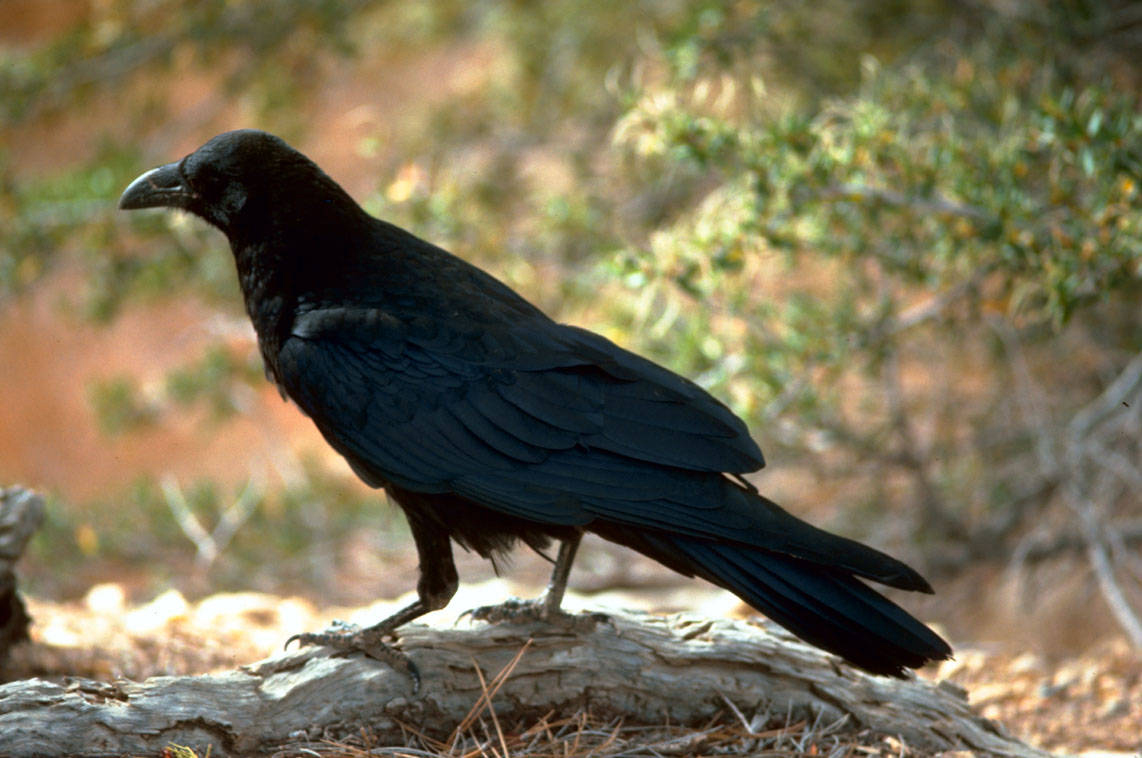
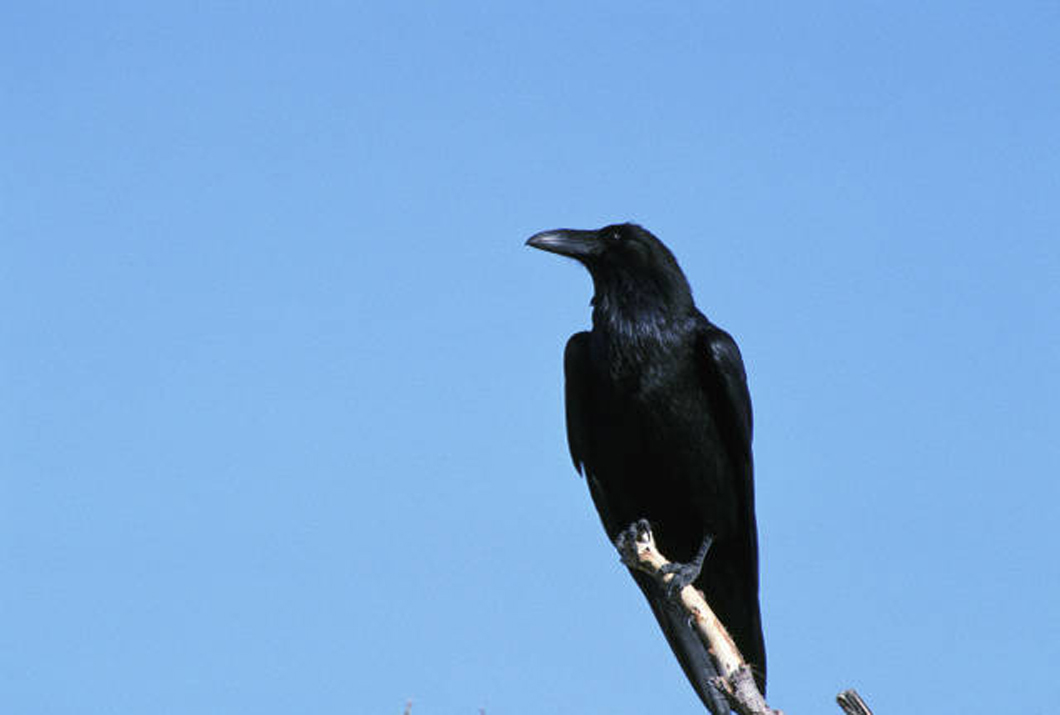
Photo by U.S. Fish & Wildlife Service                      A Common Raven turns a fallen log into a perch.

From the opening refrain of “once upon a midnight dreary” in his poem, “The Raven,” Edgar Allan Poe established a somber mood and also helped cement the dark reputation of one of North America’s most misunderstood birds.


The common raven seems an apt bird for this week’s column since we will be celebrating Halloween this coming Saturday. Poe’s poem offers a dramatic introduction to a bird that has once again become rather common in the region, particularly at higher elevations. This bird is well-known for nesting on inaccessible cliffs. However, this past year a pair of ravens chose a more unusual location when they built a nest beneath the grandstands at Bristol Motor Speedway. Ravens have nested annually at this location at least since the spring of 2013.

Poe’s well-known poem, first published in 1845, is often cited as evidence for Poe’s genius for rhyme and his ability to create a believable supernatural universe populated by dark forces and one particularly persistent raven.

url

Edgar Allan Poe, author of “The Raven.”

Poe describes the bird that provides the title of his famous poem with adjectives such as “grim, ungainly, ghastly, gaunt and ominous.” His raven also speaks, although it has the limited vocabulary of a single word, “Nevermore.”

How closely does the real common raven resemble the “bird of yore” in Poe’s classic poem?

Establishing the raven’s closest relatives is helpful. The raven is a member of the corvid family, which includes birds such as crows, magpies, nutcrackers and jackdaws. The common raven is the largest bird among the corvids. This bird can achieve a wingspan of almost four feet. The average raven weighs about two-and-a-half pounds. Large individuals have been recorded with a weight of slightly more than four pounds, making the raven a contender for the title of world’s largest songbird.

Plate-101-Raven-(610)-final

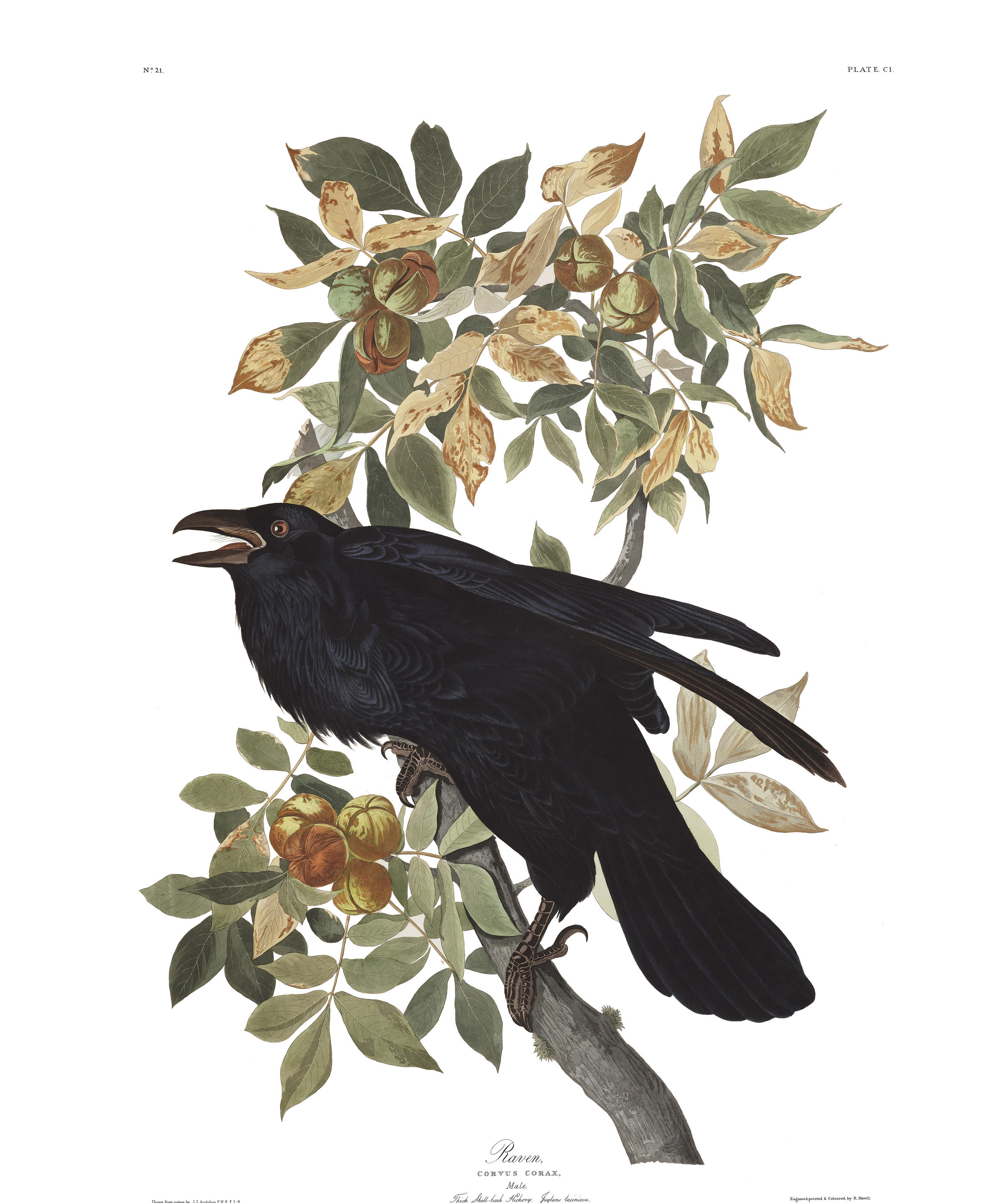
John James Audubon painted the Common Raven as part of his ground-breaking “Birds of America.”

It’s also an intelligent bird. Authors of a scientific study conducted about 10 years ago posited the claim that ravens and crows are just as intelligent as some of the great apes. Although parrots are more famous for the ability to mimic human speech, captive ravens have proven capable of learning more words than even the most impressive vocabulary-endowed parrots. So, Poe was not wide of the mark when he gave the gift of gab to the raven in his poem.

In the United States, the raven is quite common in Alaska. In the lower 48 states, raven populations are somewhat more sporadic. These large birds have established strongholds along the Appalachian Mountains and in the American Southwest. The raven is a cosmopolitan bird known to range from North America and Greenland to Europe and Asia, as well as North Africa and the Canary Islands.

The common raven is mainly a scavenger, but this bird is also an opportunistic predator and will prey on a wide variety of animals, including arthropods, amphibians, small mammals, birds, reptiles, and carrion. Ravens are attracted to carrion and are not finicky eaters. They adapt quickly and are known to even consume garbage.

Its black coloration has undoubtedly contributed to the raven’s sinister reputation and its affiliation with many dark superstitions. According to Laura C. Martin’s book, “The Folklore of Birds,” notes that the raven is “loathed throughout Europe as a symbol of impending death and war.” She explains that the raven probably acquired these connotations because these birds fed on battlefield corpses. As indicated earlier, the raven is not a picky eater.71GJJF6G3WL._UY250_

Martin also points out that legend maintains that England will remain a powerful nation as long as ravens live in the infamous Tower of London.

AV9UD00Z

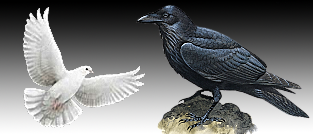
Noah release a raven prior to setting free a dove.

The Bible offers a rich source of tales involving ravens. The prophet Elijah, after falling afoul of a wicked king, went into hiding and was provided food by cooperative ravens. In the story of the Biblical flood, Noah first released a raven to determine if the waters had receded. When the raven didn’t return to the ark, Noah next released a dove. This bird later returned to the ark clutching an olive leaf, which proved that the flood waters had subsided.

Common_raven

Photo by U.S. Fish & Wildlife Service The Common Raven, like most other corvids, is known for intelligence.

Many cultures also consider the raven as a “bringer of magic,” and the bird is associated with many creation stories in Native American cultures. Unlike the European custom of designating black as an “evil” color, Native Americans teach that black can hold various meanings, including resting, healing and prophetic dreaming, but evil is not one of them.

Ravens and crows are similar, but ravens are much larger birds. In addition, ravens have wedge-shaped tails and crows have fan-shaped tails. The common raven also has a well-developed ruff of feathers on the throat, commonly called its “hackles.”
A “murder of crows” is a fairly well known collective noun for a flock of these birds. On the other hand, a group of ravens has many collective nouns, including a “bazaar,” “constable” and “rant” of ravens. For its alliteration, I am fond of “a rant of ravens” and think it’s a shame that Poe’s raven was apparently a solitary bird.

Other species of ravens found around the world include dwarf raven, thick-billed raven, fan-tailed raven, brown-necked raven, little raven and forest raven.

parable-raven-dove

Doves, by virtue of their light plumage, are often associated with good, while dark-feathered ravens are associated with darkness and evil.

If you hear the guttural, low caw of a raven this Halloween, beware of this bird’s long history of association with the darker niches of the world. Here’s one final tidbit regarding this bird from Martin’s book. Cherokee tribes believed that ravens would visit villages to seek out ill or dying people. In the absence of a village shaman to drive away the bird, the raven would invariably snatch the life of the ailing individual. It’s something I wanted to make you aware of in advance of the year’s most spooky holiday.

••••••

Bryan Stevens lives near Roan Mountain, Tennessee. To learn more about birds and other topics from the natural world, friend Stevens on Facebook at https://www.facebook.com/ahoodedwarbler. He is always posting about local birds, wildlife, flowers, insects and much more. If you have a question, wish to make a comment or share a sighting, email ahoodedwarbler@aol.com.

October brings bird walks and new arrivals

Phoebe-Cove

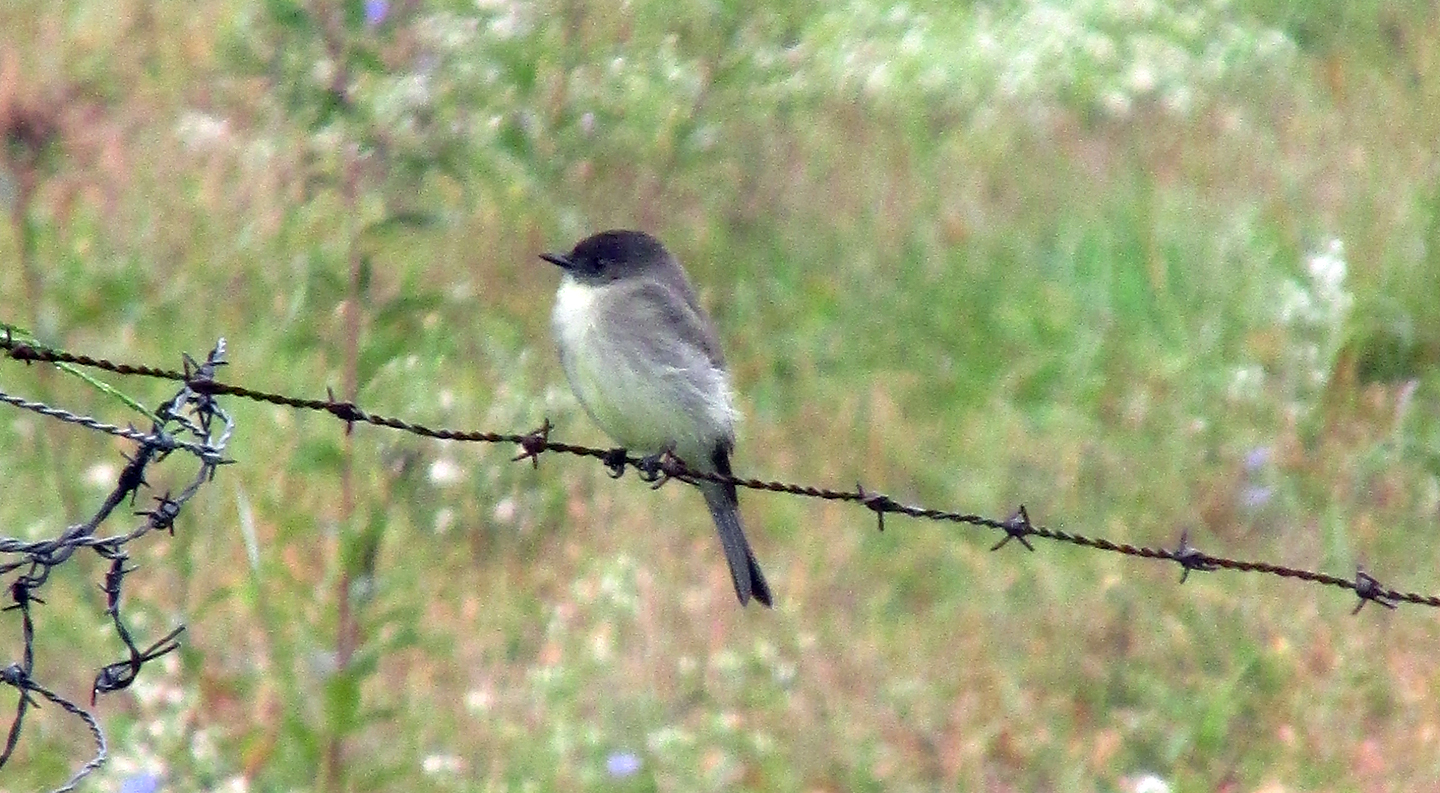
Photo by Bryan Stevens                                      An Eastern Phoebe perched on a barbed wire fence.

The end of October punctuates the annual spectacle of fall migration. By the end of the month, most of the summer residents — hummingbirds, vireos, tanagers, warblers —will have migrated out of the region to distant wintering grounds. In the waning days of October, winter residents — Brown Creepers, Winter Wrens, Dark-eyed Juncos, Hermit Thrushes and much more — take up residence in our yards, where they will keep a low profile during the fewer hours of daylight during the long winter months.

So far, I have already welcomed a Marsh Wren and Winter Wren to my yard, and I am looking forward to the arrival of winter sparrows.
I have once again been leading bird walks every Saturday in October at Sycamore Shoals State Historic Park in Elizabethton. There are still two walks — Oct. 24 and Oct. 31 — for interested persons to attend and try to get a look at some of the late-fall migrants passing through the region. The walks begin at 8 a.m. Bring binoculars to increase your viewing enjoyment.
Hummer-Awake

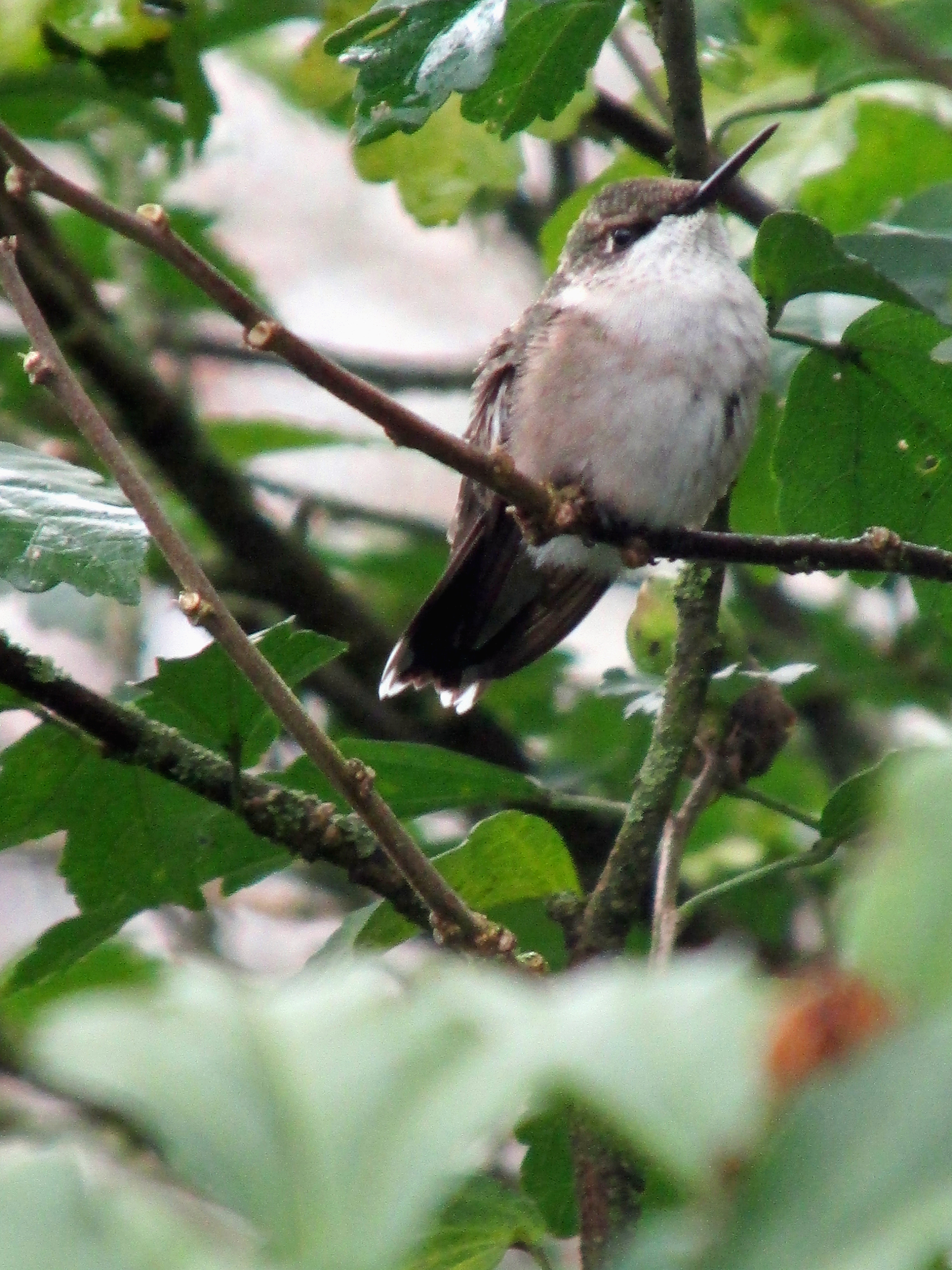
Photo by Bryan Stevens                One of the lingering Ruby-throated Hummingbirds perches in branches near a hanging feeder.

The first two walks were cancelled due to rain, but on a very chilly morning on Oct. 18 the first walk finally commenced. Five participants joined me for a morning stroll on the park trails and along the Watauga River. We saw Wood Ducks, Mallards and Canada Geese, as well as several flocks of Cedar Waxwings, along with Blue-headed Vireo, Yellow-rumped Warbler and several woodpeckers, including Downy, Red-bellied, Pileated, Northern Flicker and Yellow-bellied Sapsucker.

At home, the seasons are definitely shifting. Although a few Ruby-throated Hummingbirds lingered (as of Oct. 18), the first White-throated Sparrow put in an appearance on Oct. 14. Winter residents are gradually displacing departing summer visitors.

Last year’s bird walks at Sycamore Shoals produced some good birds, including a female Common Merganser that was discovered in the Watauga River. Other good finds have been found in past years.

On Sunday, Oct. 11, my mother and I enjoyed watching a female Common Merganser on the Watauga River.

MergAndOthers

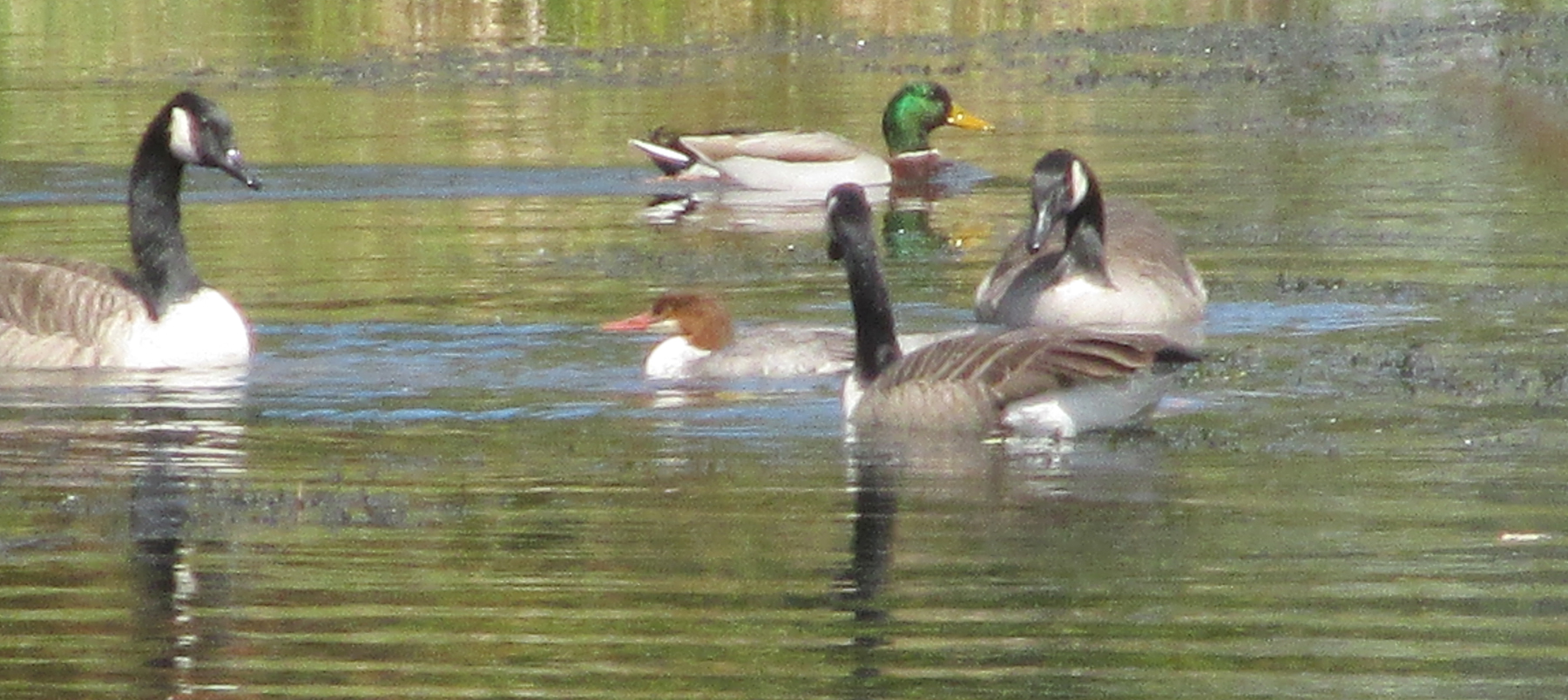
Photo by Bryan Stevens                                                                    A Common Merganser on the Watauga River associated with Canada Geese and Mallards.

In Europe, the Common Merganser is called a Goosander, probably a nod to its large size that makes this bird superficially more similar to geese than ducks. Early naturalists such as John James Audubon also provided this bird with a different name, referring to it as the “Buff-breasted Merganser.”

For many years, the Common Merganser was one of my target birds. Finally, more than 10 years ago, I saw my first Common Mergansers during a visit to Middlebrook Lake in Bristol with Reece Jamerson, Gil Derouen and the late Howard Langridge.

Despite the word “common” in its name, this merganser isn’t particularly common in Northeast Tennessee. Its relatives, Hooded Merganser and Red-breasted Merganser, are much more regular visitors to the region.

Common_Merganser (1)

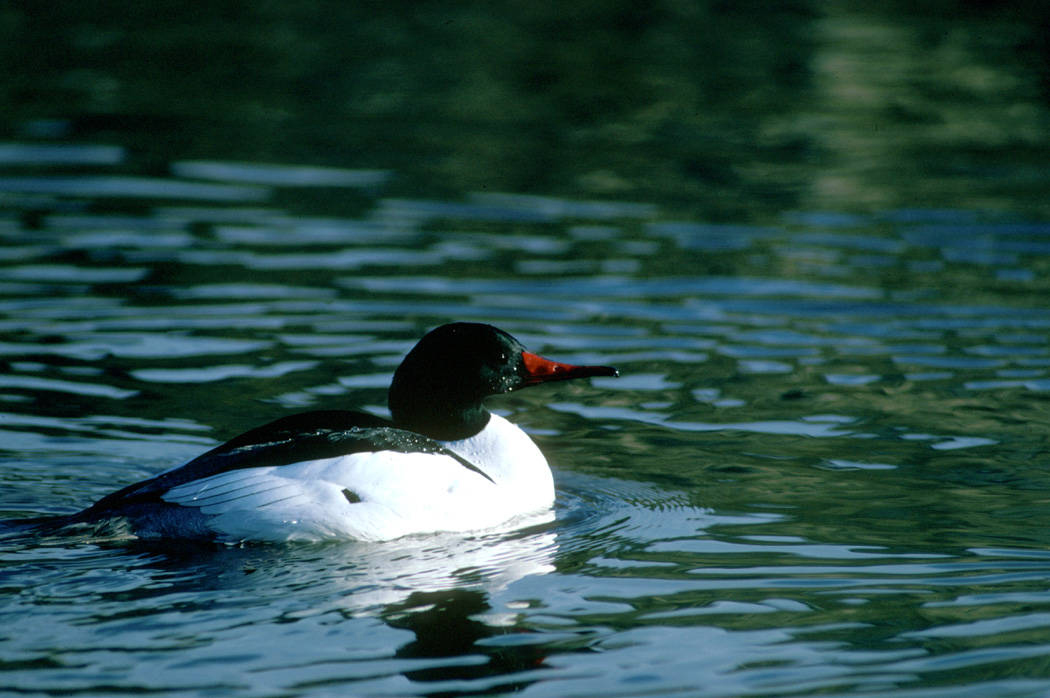
Photo by U.S. Fish & Wildlife Service                    A male Common Merganser takes a swim.

The Common Merganser, particularly the males, are easily identified. Apart from their large size, which is about 26 inches long for males, males of this duck have a dark green head and upper neck. The lower neck, breast and underparts are creamy-white with a varying amounts of a pink or reddish wash. The back is black, while the bill, legs and feet are red. Females are similar to female Red-breasted Mergansers but show a clearly defined white chin patch lacking in their close relative.

According to the website Ducks Unlimited, Common Mergansers breed from Alaska, the southern Yukon, Labrador and Newfoundland south to central California, Arizona, New Mexico, southern Chihuahua and east of the Rockies to Minnesota, Michigan, New York, New England and Nova Scotia.

They are also one of the biggest of North America’s cavity-nesting birds, utilizing natural cavities in trees, as well as man-made nesting boxes. They will also nest on the ground.

Common Mergansers feed mainly on fish, amphibians, crustaceans, mollusks and other aquatic organisms.

The last extensive population surveys of Common Mergansers took place during the 1970s, when the population in North America was estimated at 1.5 million birds.

May population surveys during 1970-’79, suggested a continental population of 1.5 million birds. Population tracking has been lacking in recent decades, but experts believe that Common Mergansers have a stable population.

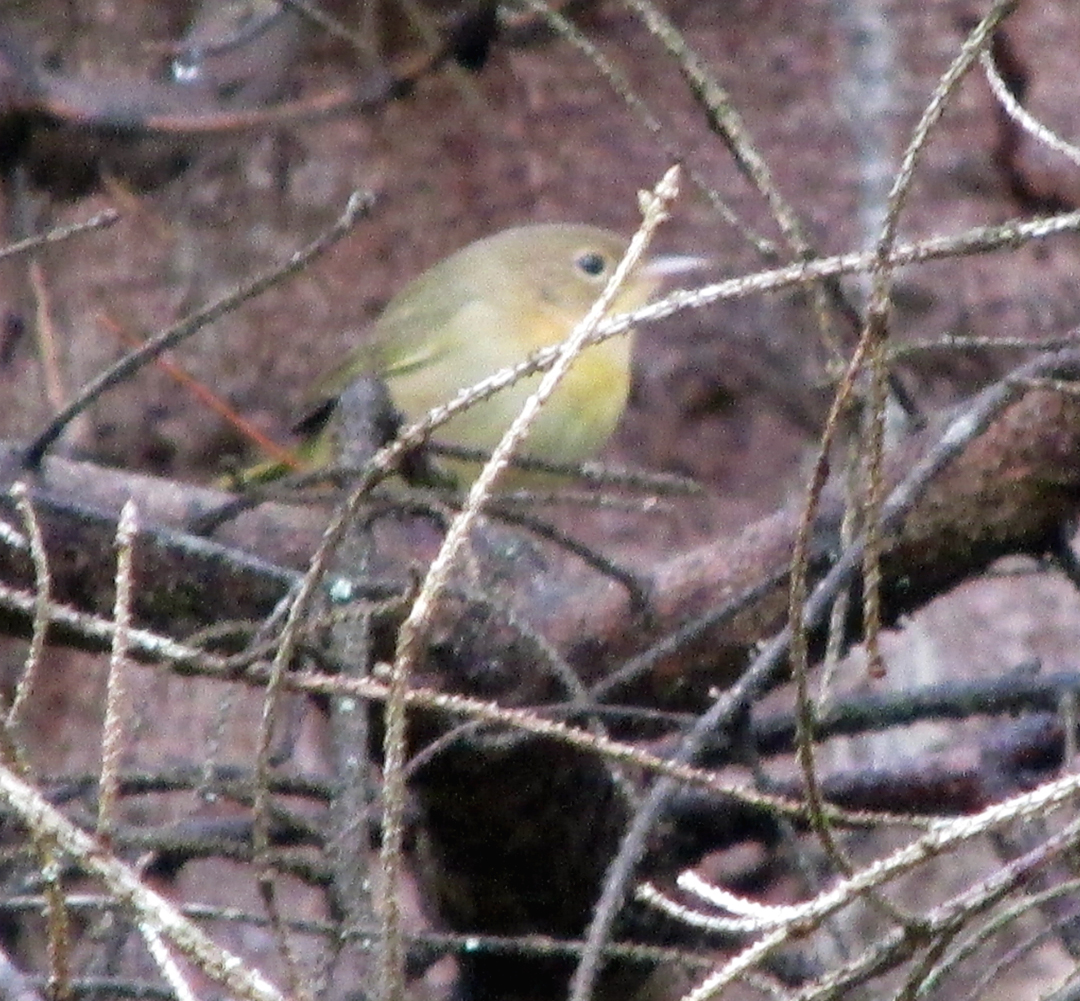
CommonYellowthroat

Photo by Bryan Stevens                                        A Common Yellowthroat hides in a tangle of brush during a migration stop.

When November arrives, I’ll be keeping watch for ducks making stops at the pond at Erwin Fishery Park or along the series of ponds located along the linear walking trail in Erwin. I’ll also make a journey to Wilbur Lake, one of my favorite destinations, to look for returning Buffleheads.

•••••

To learn more about birds and other topics from the natural world, “friend” Bryan on Facebook at https://www.facebook.com/ahoodedwarbler. He is always posting about local birds, wildlife, flowers, insects and much more. If you have a question, wish to make a comment or share a sighting, email ahoodedwarbler@aol.com.

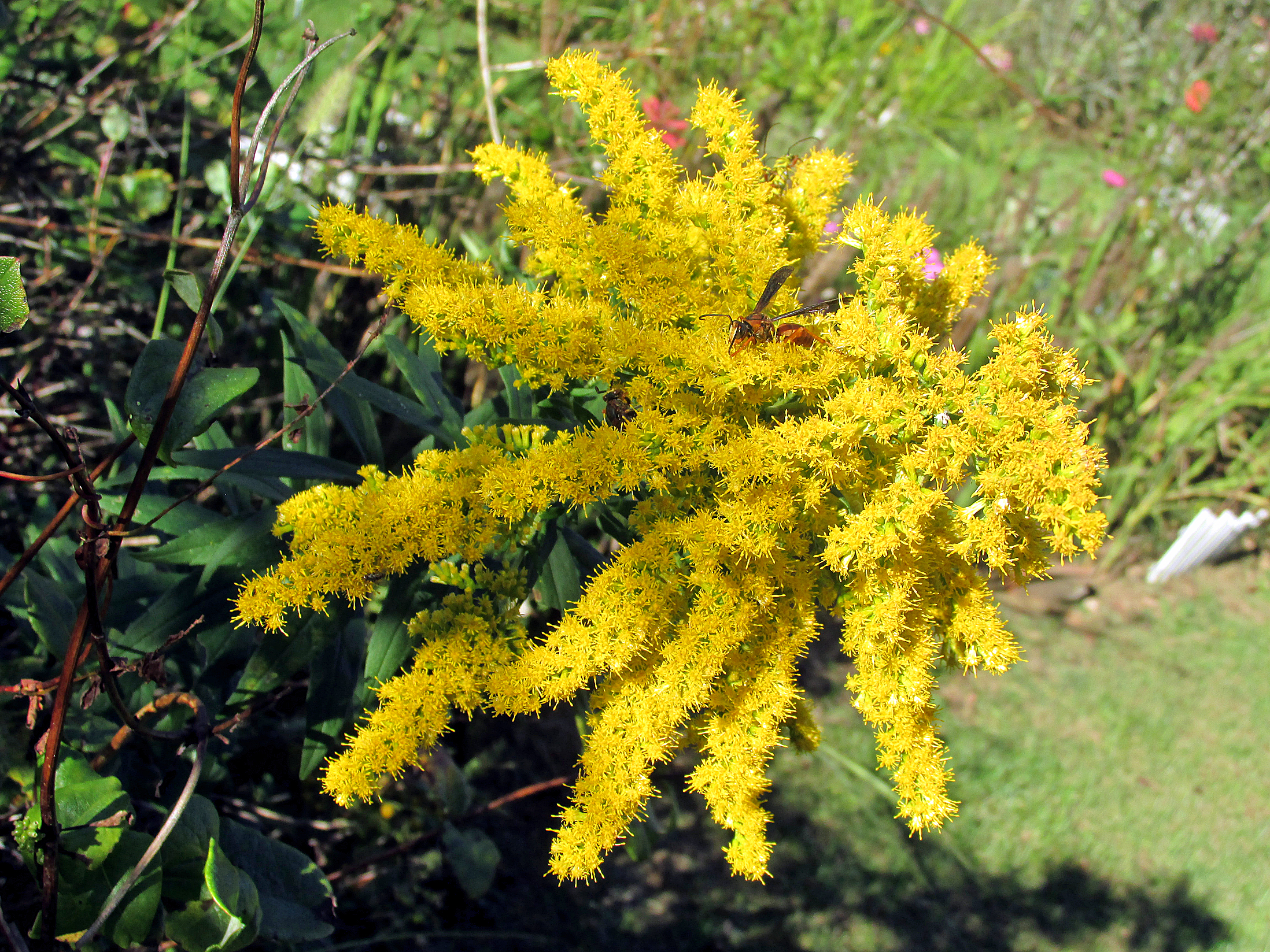
Goldenrod

Photo by Bryan Stevens                                                                                        Blooming Goldenrod looks splendid in fall sunshine.

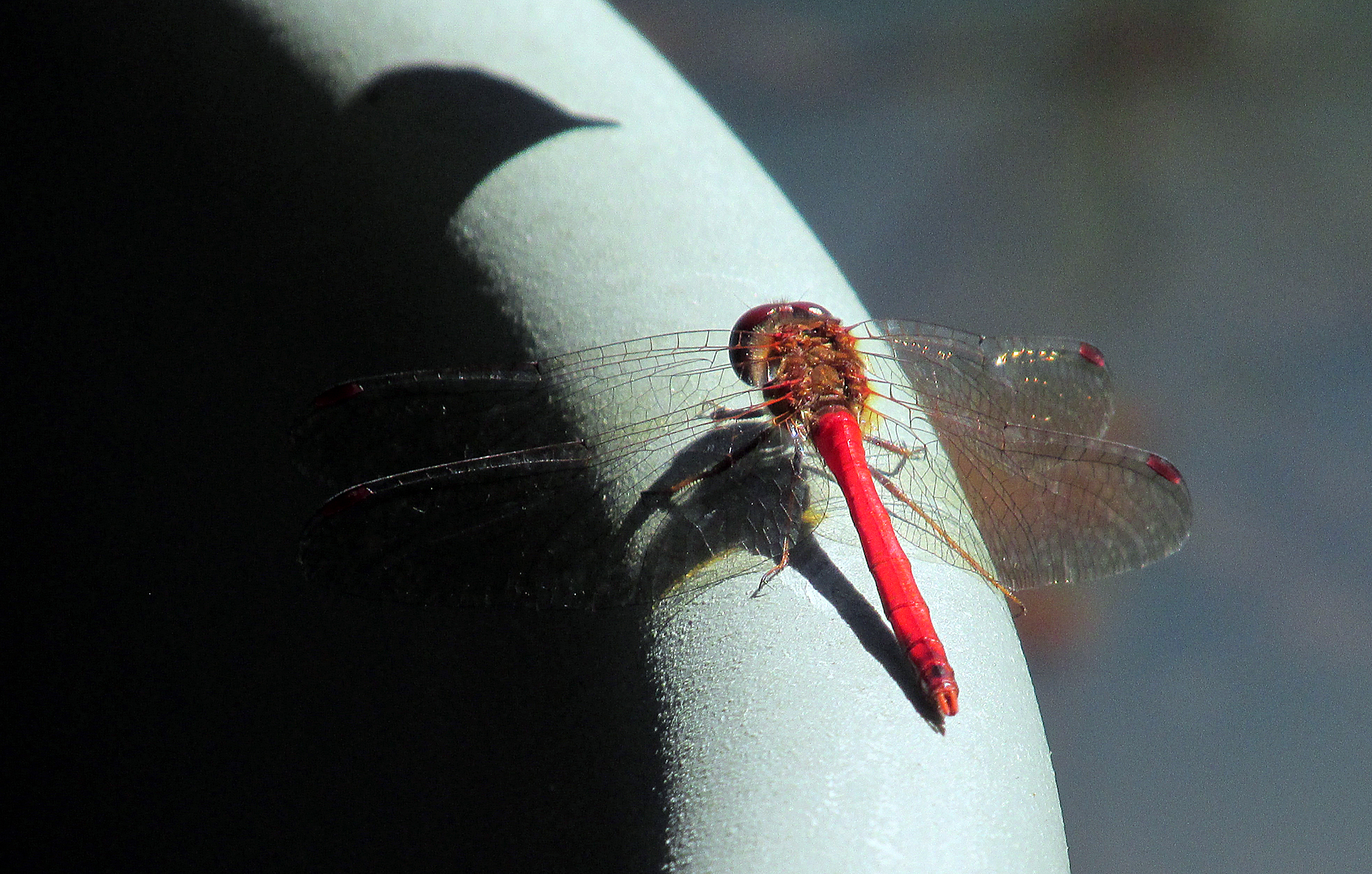
WeirdsHadow

Photo by Bryan Stevens                                      The Autumn Meadowhawk, pictured, and Shadow Darners are some of the final dragonflies flying around the fish pond as cooler weather arrives.

BRYAN-Ruby-crownedKinglet-Oct9

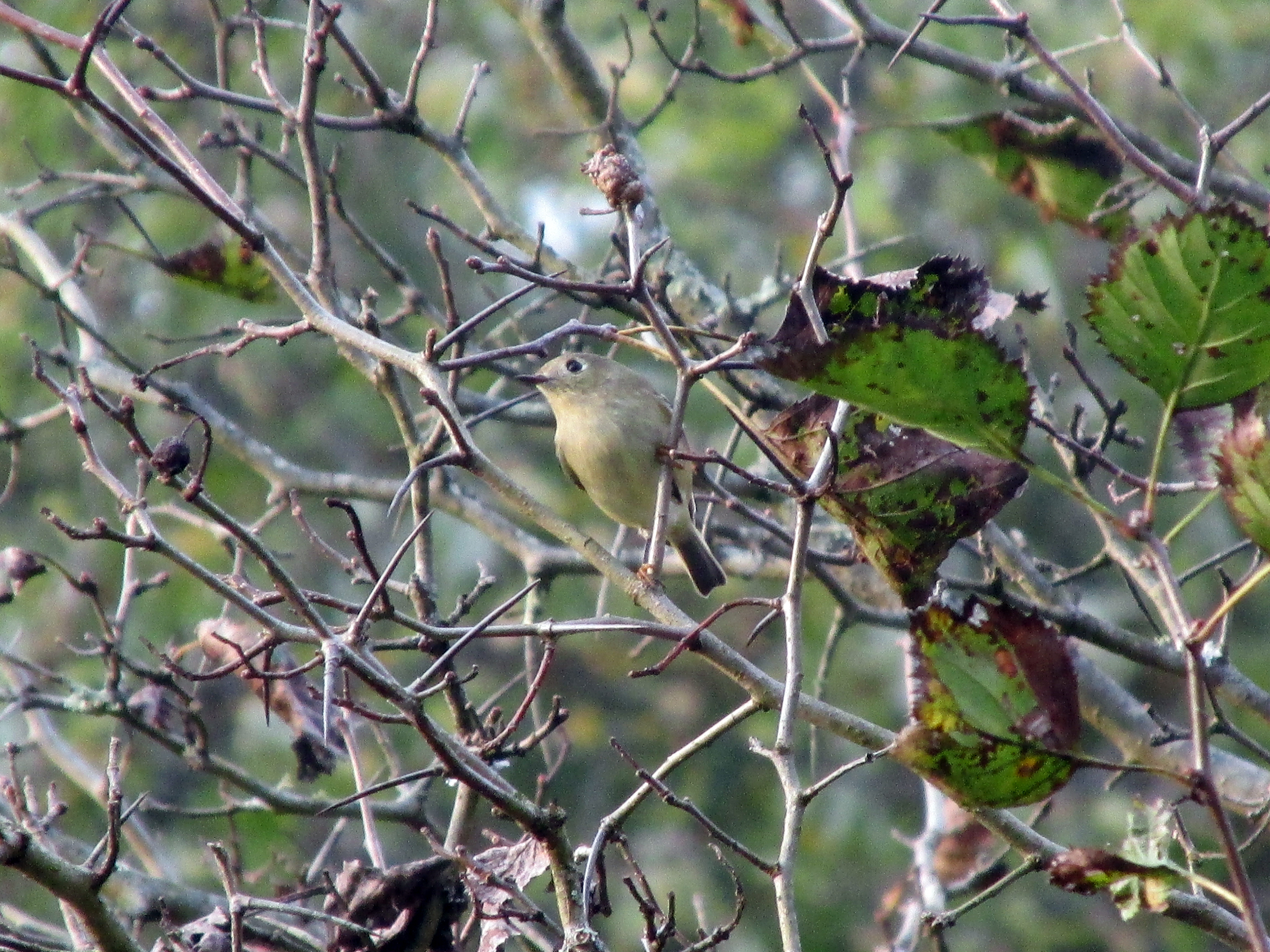
Photo by Bryan Stevens                                                    Some Ruby-crowned Kinglets, such as this individual, may overwinter in Northeast Tennessee.


Fall Bird Count finds above-average total of 129 species

Geese-Flock 2

Photo by Bryan Stevens                                                                   A flock of Canada Geese in a field near the Watauga River in Elizabethton on the day of the Fall Bird Count.

The 46th annual Elizabethton Fall Count was held on Saturday, Sept. 26.

 
A total of 37 observers in nine parties covered Carter County and parts of adjacent Johnson, Sullivan, Unicoi and Washington counties in this yearly count conducted by the Lee and Lois Herndon Chapter of Tennessee Ornithological Society, or the Elizabethton Bird Club. This year’s count included new territory around Kingsport that has not traditionally been a part of this annual fall survey.

 
A total of 129 species were found, which is slightly above the average of 125 over the last 30 years. The all-time high of 137 species was achieved in 1993.
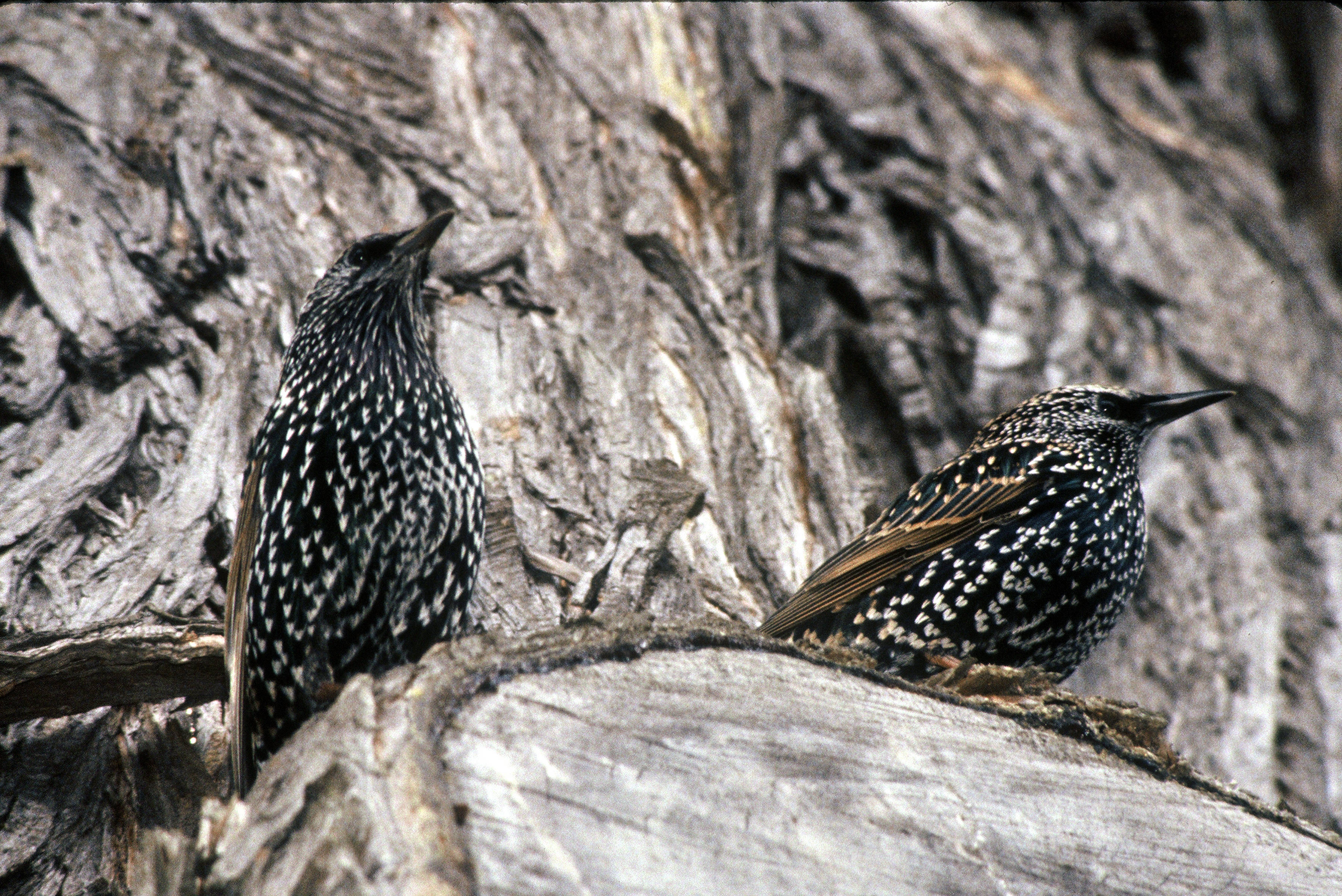
The most numerous bird on the count was the European Starling (1,347) followed closely by Canada Goose (1,182) and American Crow (896).


Dove-Wing

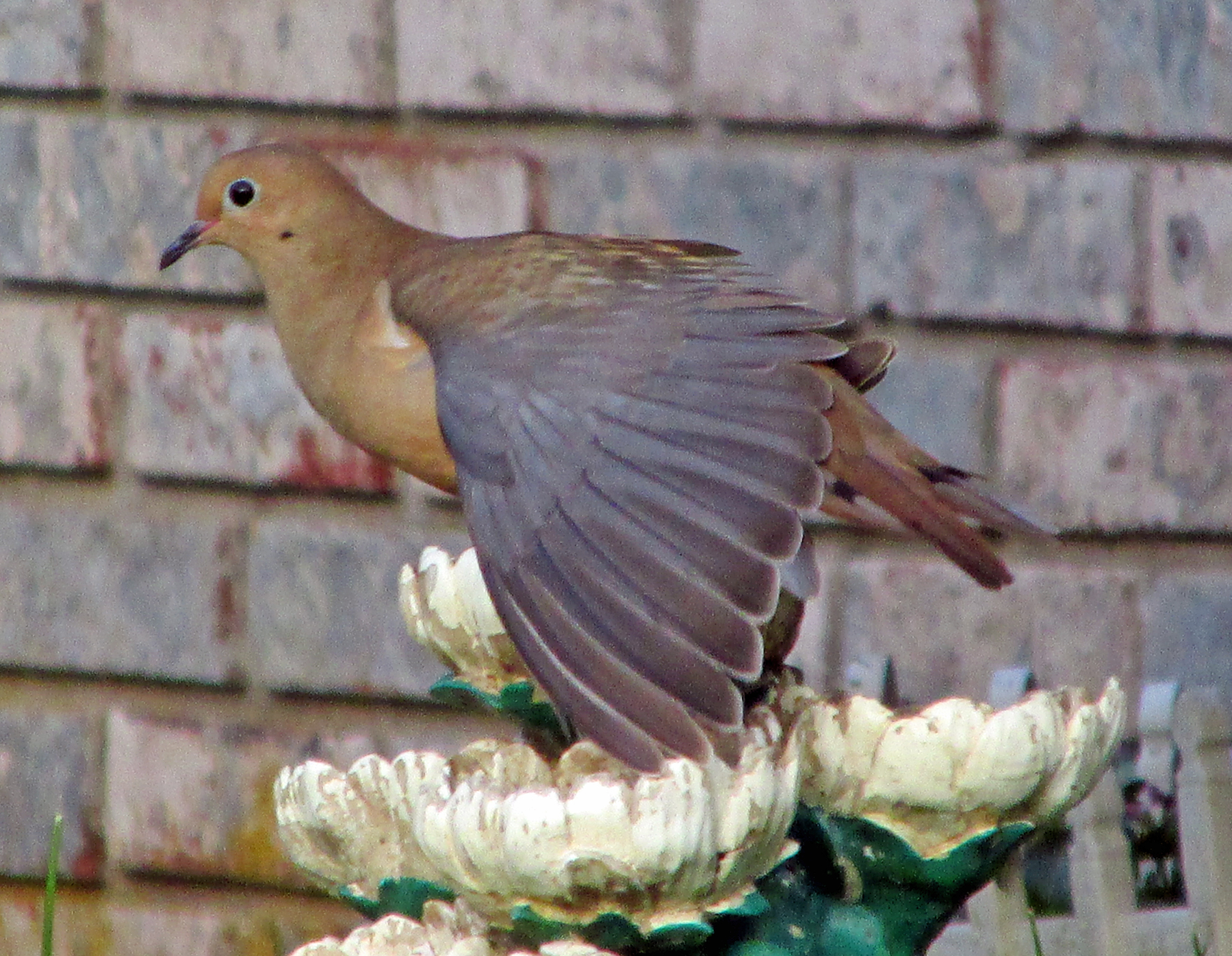
Photo by Bryan Stevens                              Mourning Doves were one of the more abundant birds on this year’s Fall Bird Count.

Other numerous birds included Mourning Dove (529), Chimney Swift (490), Blue Jay (432) and Rock Pigeon (375).

 
Of course, some birds were represented by only one individual, such as Northern Harrier, Great Egret, American Wigeon, Ruffed Grouse, Peregrine Falcon, Olive-sided Flycatcher, Eastern Kingbird, Worm-eating Warbler, Northern Waterthrush, Nashville Warbler and Yellow-breasted Chat.

Turkey-Flock

Photo by Bryan Stevens                                         A flock of Wild Turkeys near the Elizabethton Municipal Airport.

The total follows:
Canada Goose, 1,182; Wood Duck, 90; American Wigeon, 1; Mallard, 254; Blue-winged Teal, 13; Ruffed Grouse, 1; Wild Turkey, 161; Pied-billed Grebe, 9; and Double-crested Cormorant, 31.

 
Great Blue Heron, 39; Great Egret, 1; Green Heron, 7; Black-crowned Night-heron, 4; Black Vulture, 172; and Turkey Vulture, 189.
Osprey, 19; Northern Harrier, 1; Sharp-shinned Hawk, 5; Cooper’s Hawk, 10; Bald Eagle, 8; Red-shouldered Hawk, 3; and Red-tailed Hawk, 16.


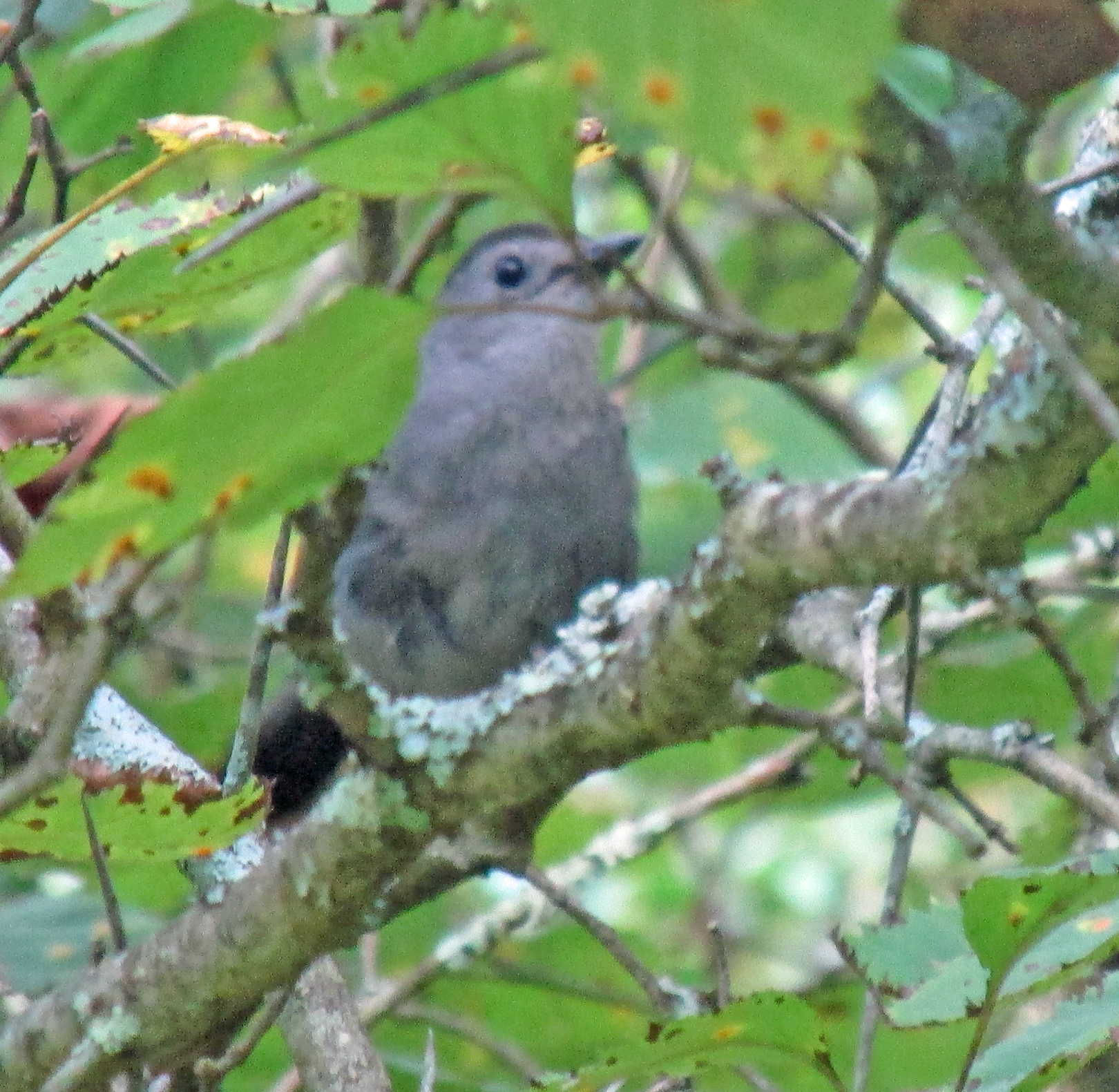
Photo by Bryan Stevens A curious Gray Catbird peeks from dense cover. Attendees at the fall rally can look for catbirds and other species at any of the offered bird hikes.

Photo by Bryan Stevens                                        A curious Gray Catbird peeks from dense cover.

Sora, 4; American Coot, 2; Killdeer, 87; Spotted Sandpiper, 3; Solitary Sandpiper, 5; Willet, 1; Sanderling, 2; Least Sandpiper, 1; and American Woodcock, 1.

 
Ring-billed Gull, 4; Forster’s Tern, 1; Rock Pigeon, 375; Eurasian Collared-Dove, 5; Mourning Dove, 529; and Black-billed Cuckoo, 1.

 
Eastern Screech-owl, 27; Great Horned Owl, 3; Barred Owl, 1; Northern Saw-whet Owl, 1; Chimney Swift, 490; Ruby-throated Hummingbird, 36; and Belted Kingfisher, 33.

 
Red-headed Woodpecker, 1; Red-bellied Woodpecker, 73; Yellow-bellied Sapsucker, 1; Downy Woodpecker, 53; Hairy Woodpecker, 7; Northern Flicker, 54; and Pileated Woodpecker, 28.


Photo by U.S. Fish & Wildlife Service The European Starling ranked as the most common species on the count.

Photo by U.S. Fish & Wildlife Service
The European Starling ranked as the most common species on the count.

American Kestrel, 24; Merlin, 2; Peregrine Falcon, 1; Olive-sided Flycatcher, 1; Eastern Wood-Pewee, 14; Acadian Flycatcher, 2; Eastern Phoebe, 71; and Eastern Kingbird, 1.

 
White-eyed Vireo, 3; Yellow-throated Vireo, 1; Blue-headed Vireo, 6; Red-eyed Vireo, 4; Blue Jay, 432; American Crow, 896; and Common Raven, 8.

 
Northern Rough-winged Swallow, 1; Tree Swallow, 231; Cliff Swallow, 2; Carolina Chickadee, 128; Tufted Titmouse, 111; Red-breasted Nuthatch, 1; and White-breasted Nuthatch, 43.

 
House Wren, 6; Marsh Wren, 1; Carolina Wren, 152; Blue-gray Gnatcatcher, 2; Golden-crowned Kinglet, 2; and Ruby-crowned Kinglet, 2.


NoWaterthrush

Photo by Bryan Stevens                                A total of 21 species of warblers, such as this Northern Waterthrush, were counted during the Fall Bird Count.

Eastern Bluebird, 230; Veery, 1; Gray-cheeked Thrush, 1; Swainson’s Thrush, 23; Wood Thrush, 12; American Robin, 312; Gray Catbird, 60; Brown Thrasher, 19; Northern Mockingbird, 76; European Starling, 1,347; and Cedar Waxwing, 132.

 
Ovenbird, 2; Worm-eating Warbler, 1; Northern Waterthrush, 1; Black-and-white Warbler, 6; Tennessee Warbler, 12; Nashville Warbler, 1; Common Yellowthroat, 25; Hooded Warbler, 4; American Redstart, 51; Cape May Warbler, 8; Northern Parula, 2; Magnolia Warbler, 24; Bay-breasted Warbler, 8; Blackburnian Warbler, 7; Chestnut-sided Warbler, 7; Black-throated Blue Warbler, 2; Palm Warbler, 54; Pine Warbler, 2; Yellow-throated Warbler, 1; Black-throated Green Warbler, 4; and Yellow-breasted Chat, 1.


Tanager-Sept18

Photo by Bryan Stevens                                  Scarlet Tanagers were still present in good numbers for the Fall Bird Count on Sept. 26.

Eastern Towhee, 59; Chipping Sparrow, 37; Field Sparrow, 14; Song Sparrow, 99; Dark-eyed Junco, 31; Scarlet Tanager, 16; Northern Cardinal, 188; Rose-breasted Grosbeak, 28; Blue Grosbeak, 1; and Indigo Bunting.


Red-winged Blackbird, 60; Eastern Meadowlark, 41; Common Grackle, 67; Brown-headed Cowbird, 15; Baltimore Oriole, 3; House Finch, 55; American Goldfinch, 188; and House Sparrow, 56.

Double-crested cormorants not unexpected visitors to region


Cormorant-Swimming

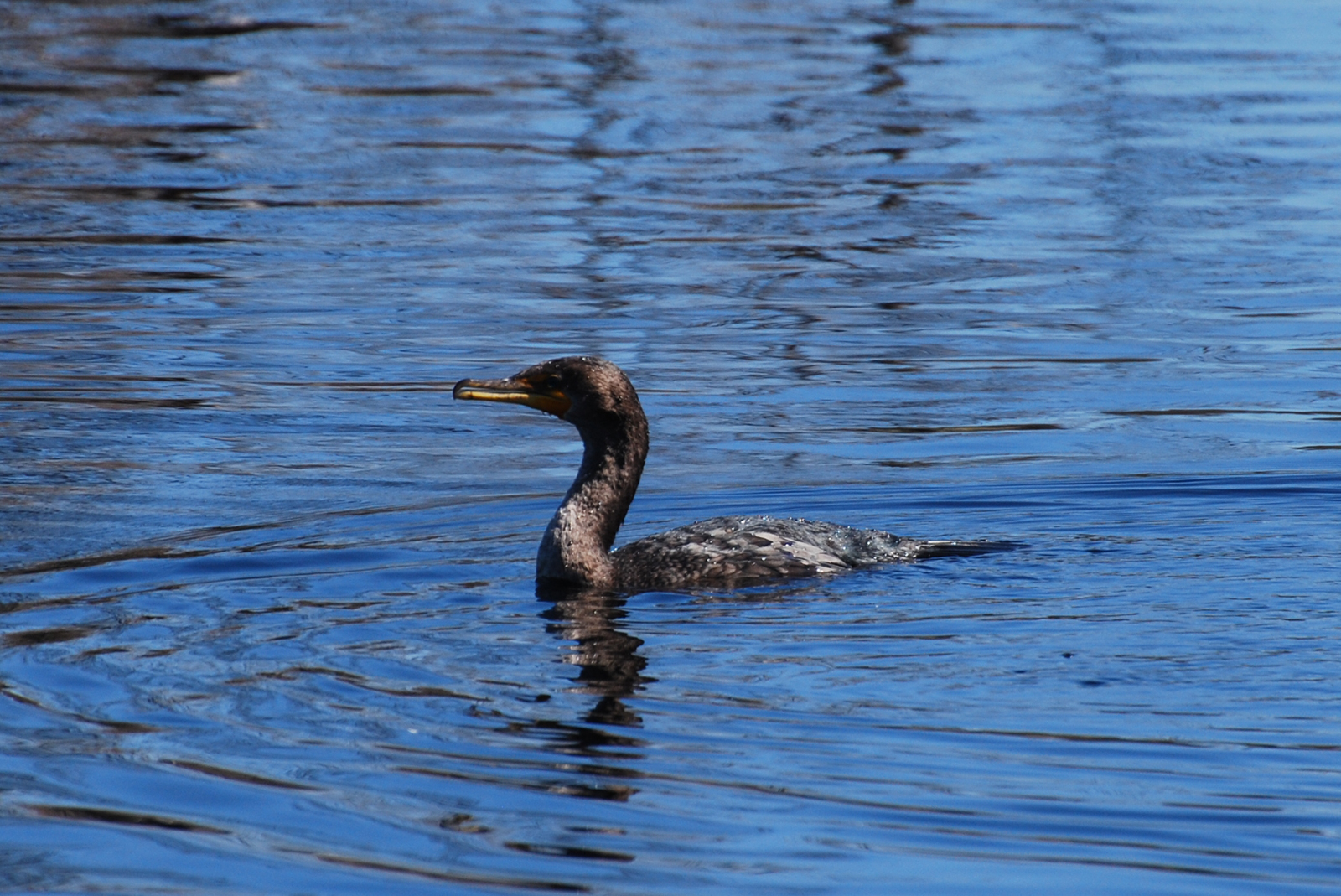
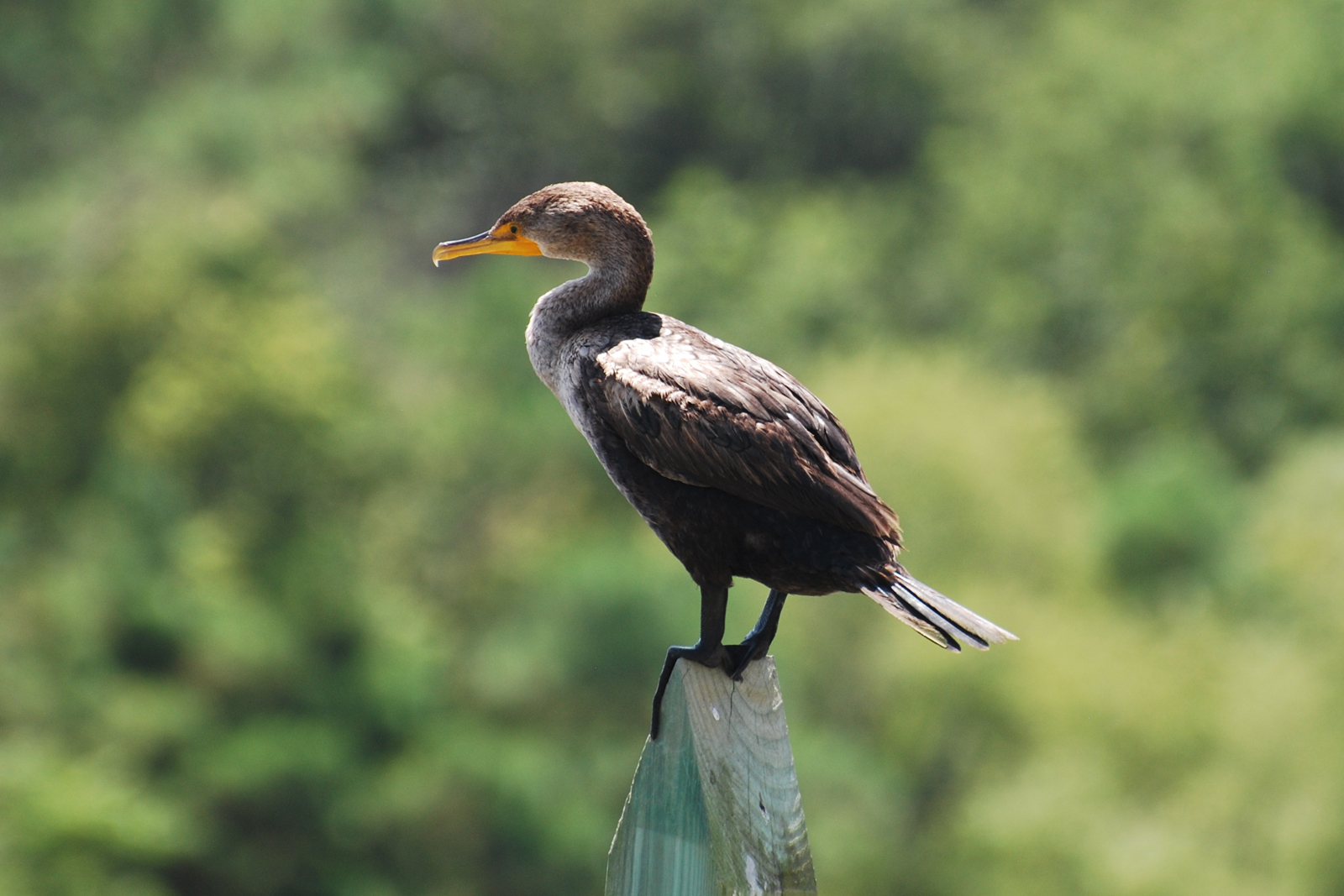
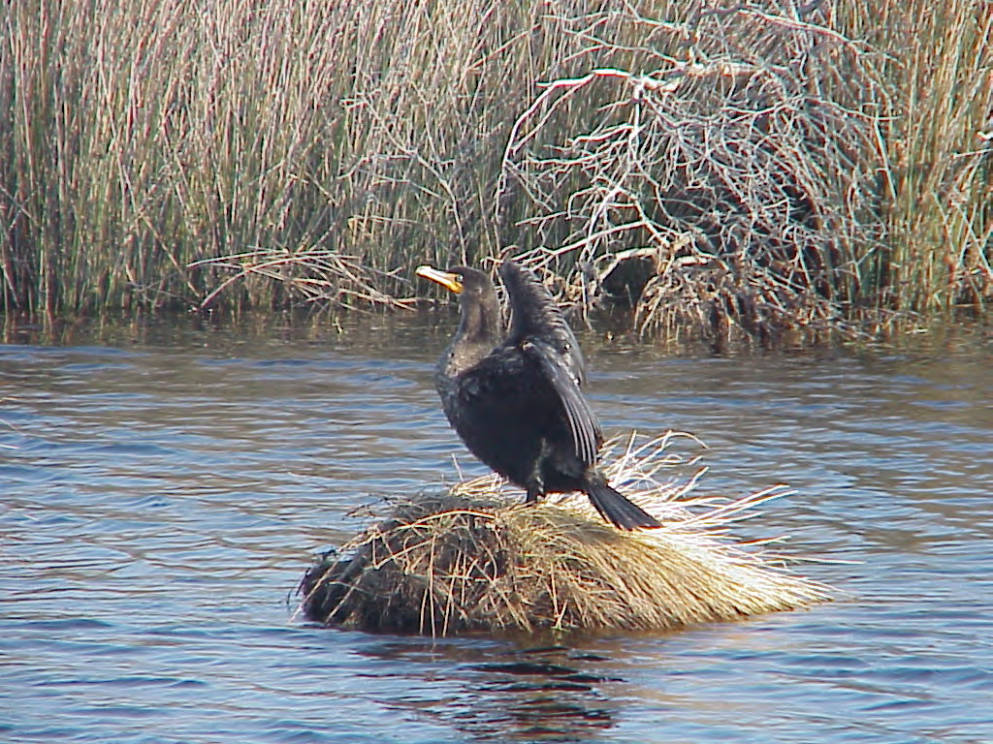
Photo courtesy of Jean Potter                                                          Double-crested cormorants are quite at home in the water, where they hunt for fish using their hooked bills.

In the waning days of summer and these early days of fall, I’ve been seeing a welcome diversity of birds, including warblers, flycatchers, tanagers and even some unusual waterfowl.

The ponds along the linear walking trails in Erwin are good locations for seeking migrating double-crested cormorants. These large, fish-eating birds also show up occasionally at the large pond at Erwin Fishery Park. Some people mistake these aquatic birds for anhingas, or “snake birds,” which are named for their habits of swimming with only their necks and heads above the surface of the water. The anhinga, a bird of southern wetlands and swamps, is not all that closely related to cormorants. These two species merely share a superficial appearance, differing mostly in the shape of their bills. Cormorants have a serrated, hooked bill good for grasping slippery fish while anhingas have a sharp bill similar to a herons that is useful for spearing fish.

DC-Cormorant

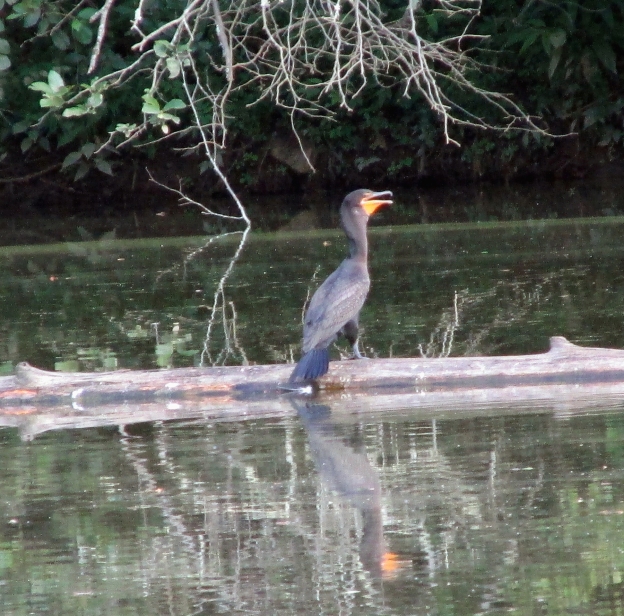
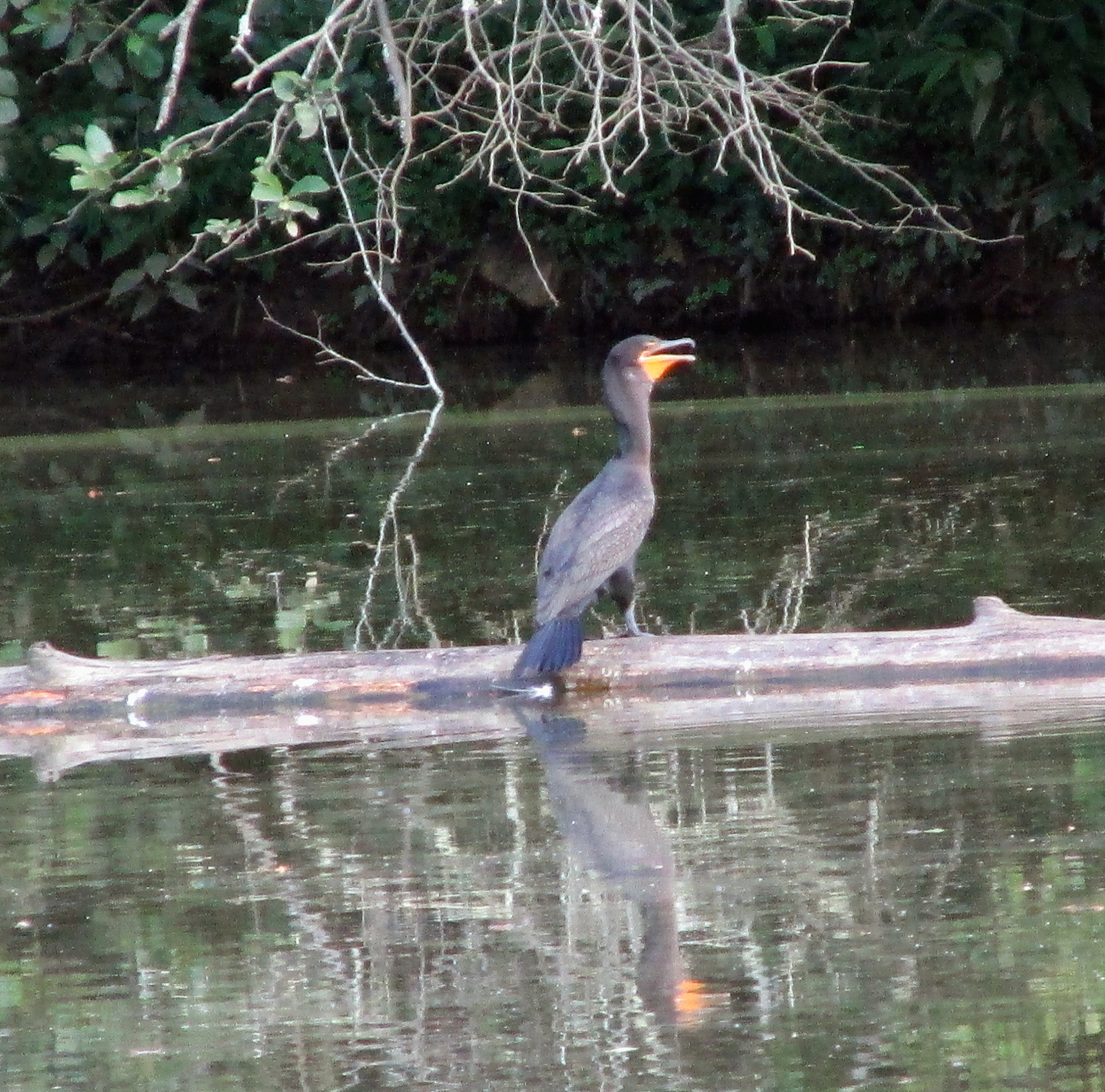
Photo by Bryan Stevens                                        A Double-crested Cormorant perches on a fallen log in a pond.

The double-crested cormorant is widely distributed across North America, ranging from the Aleutian Islands in Alaska down to Florida and Mexico. These fish-eating birds are also abundant on inland lakes across the United States.

The double-crested cormorant can reach a body length of almost three feet and is a dark bird. Adults have black plumage, but young birds are brownish or gray in coloration. The bird gets its common name from the double crest of black and white feathers displayed during the breeding season.

Cormorant-Perched

Photo Courtesy of Jean Potter                          The double-crested cormorant is a fish-eating bird perfectly adapted to its aquatic lifestyle.

Cormorants lead a mostly aquatic lifestyle. Unlike many types of waterfowl, such as ducks and geese, cormorants do not have waterproof feathers. After a dive into the water for a fish, all cormorants have to spend time out of the water to dry their feathers. Fish compose the majority of a cormorant’s diet, but these birds may also take an occasional amphibian or crustacean. While the double-crested cormorant can be found on local lakes and rivers at almost any time of the year, these birds are most often encountered during migration in the spring and fall. In recent years, instances of nesting have been increasing in the area. I have even observed double-crested cormorants at large ponds and small lakes at city parks.

DoubleCrested_Cormorant

Photo by U.S. Fish & Wildlife Service                    A double-crested cormorant takes time to dry its feathers after spending time in the water searching for fish.

Worldwide, there are about 40 different species of cormorants, which are also known by the common name “shag,” which refers to the crest of feathers evident on many of these waterfowl. Experts have not had an easy time defining relatives of the cormorants. Many experts include gannets, anhingas, pelicans and even penguins as possible close relatives of the cormorants.

The flightless cormorant, also known as the Galapagos cormorant, is native to the Galapagos Islands. It is a unique member of the cormorant family in that it is the only one that has lost the ability to fly. Other species of cormorants include spectacled cormorant, reed cormorant, white-breasted cormorant, king shag, red-footed shag, crowned cormorant and pygmy cormorant.

1863_17_252_DoublecrestedCormorant_OE

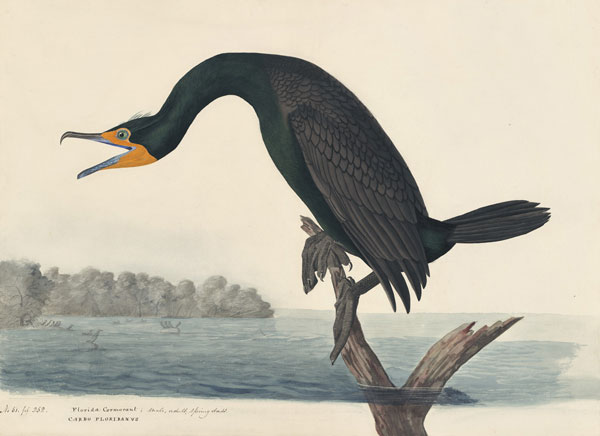
Early naturalist and artist John James Audubon painted this double-crested cormorant.

North America is home to a few other species of cormorants, but none are as widespread as the double-crested cormorant. Others include the great cormorant, pelagic cormorant, Brandt’s cormorant, red-faced Cormorant and the Neotropic cormorant, which is found along the southeast areas of Texas down into Mexico.

20090819-Cormorant_fishing_by_Eisen in Japan

A painting of humans using cormorants to catch fish.

In some parts of the world — Japan, China and Macedonia — humans have trained cormorants to capture fish for them. A cord or ring around the cormorant’s neck prevents the bird from swallowing anything other than small fish. Larger specimens captured by the cormorants are retrieved by the human angler.

In Japan, fishing with cormorants is a tradition dating back 1,300 years. Even today, Japanese cormorant fishermen are important as a tourist attraction. Elsewhere, fishing with cormorants has become less common as more modern means of catching fish have become readily available.

I don’t expect we will see people using cormorants to catch fish from Holston Lake, but you can probably visit the lake with at least a likelihood of seeing these unusual birds catch fish for their own consumption.

September brings more lawn chair birding opportunities

IMG_9403

Photos by Bryan Stevens                                                                        A Northern Waterthrush perches in a tree growing along Simerly Creek.

The following post represents my second compilation of Facebook posts about my annual lawn chair birding experiences. My mom and I have made lawn chair birding an annual tradition every fall. It’s a great way to enjoy the warblers and other migrants that stream through the yard in September and October. For the most part, you can even avoid the neck sprain that comes with long period of scanning the treetops for glimpses of energetic and evasive warblers.

Goldfinch-BABY

A young American Goldfinch perches on a twig.

Sept. 9
Some clouds and drizzle made for a very productive evening of lawn chair birding, bring a bonanza of warblers and other migrants. I added four new birds, all warblers, to my 2015 yard list. Bird No. 73 for the year was a Golden-winged Warbler. This makes two consecutive falls I have seen this warbler at home. Bird No. 74 turned out to be a dazzling male Prairie Warbler, as opposed to the more drab female Black-throated Blue Warbler that became Bird No. 75 for the year.

A Pine Warbler also made the list as Bird No. 76. Other warblers included Tennessee, Magnolia, Chestnut-sided, Cape May, Hooded, Black-and-white and Black-throated Green. The rest of the migrant parade consisted of Eastern Phoebe, Eastern Wood-pewee, Ruby-throated Hummingbird, Eastern Towhee, as well as the usual residents such as House Finch, American Goldfinch, White-breasted Nuthatch, Downy Woodpecker, Carolina Chickadee, Northern Cardinal and lots of Tufted Titmice. Most of the warblers refused to stay in place long enough for photos, but at one point the Pine Warbler actually landed on the roof of the house and allowed a few photos which provided nice documentation for a fun evening that ended when the rain began to come down harder.

PineWarbler

A Pine Warbler takes a break on the roof of the house.

Sept. 10
No new birds this evening during lawn chair birding with mom. That doesn’t mean we didn’t have some fun observations, including a baby Song Sparrow screaming his head off for a morsel from mom or dad. We also saw Indigo Buntings, Eastern Phoebe, Eastern Towhee, Scarlet Tanager, Ruby-throated Hummingbirds, as well as several warblers,including male Hooded, female American Redstart, young Chestnut-sided and a female Magnolia.

Waxwing-Sept11

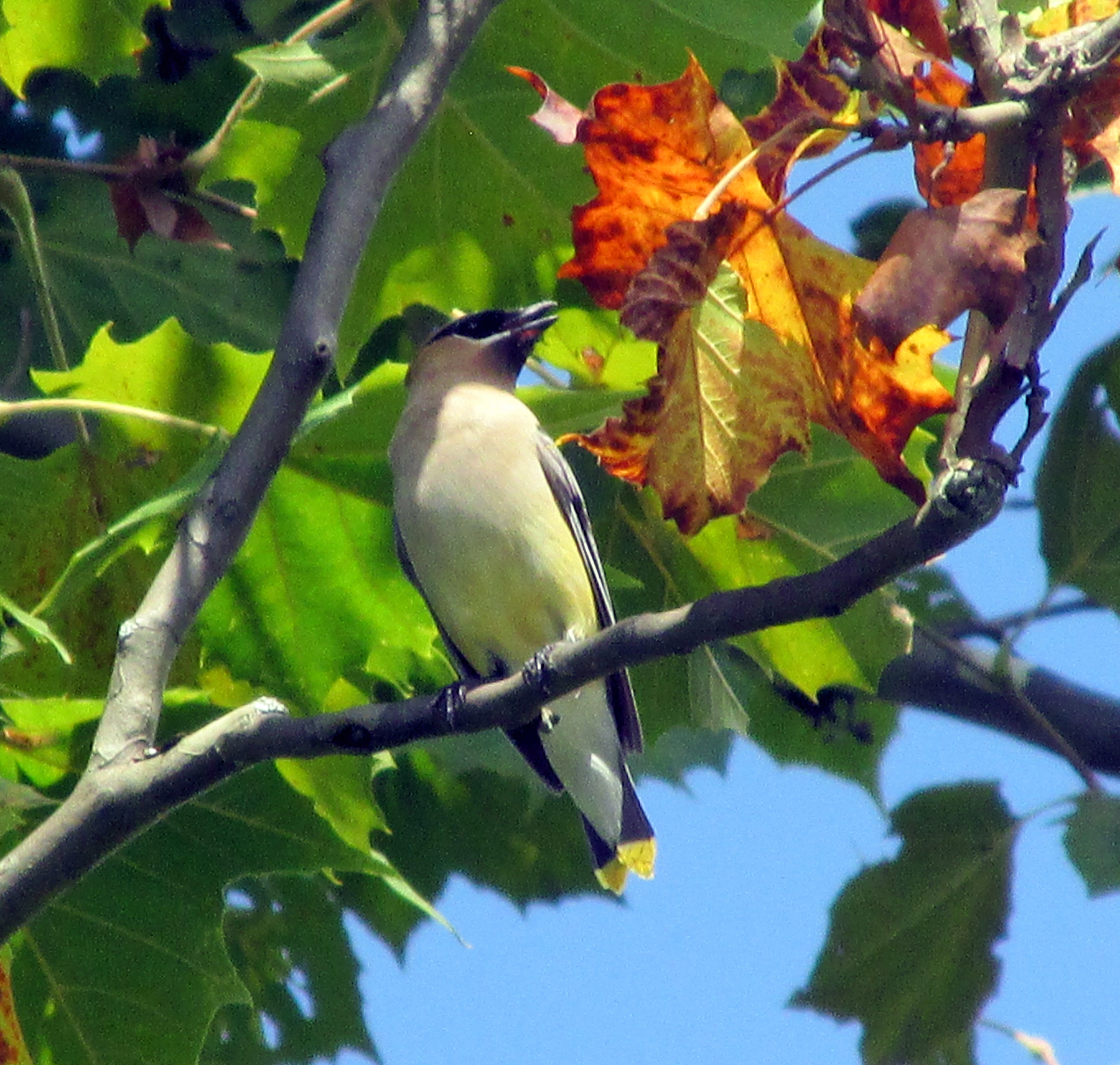
Cedar Waxwing at Erwin Fishery Park.

Sept. 11
Saw this Cedar Waxwing, part of a large flock, at Erwin Fishery Park on Friday afternoon.

Sept. 13
Warblers on Saturday evening included Black-throated Green, Tennessee and Magnolia, as well as an American Redstart. We also had a Broad-winged Hawk hanging around the fish pond. We startled him several times on Saturday. My mom and I extended birding to a visit to Limestone Cove and the Bell Cemetery, where we spotted a Red-tailed Hawk being mobbed by around 50 American Crows. No new yard birds, though.

Wrennie 2

A noisy Carolina Wren scolds from a Blue Spruce.

Sept. 16
Had a good day of migrants in the yard, including a lot of male warblers — Black-throated Green, Hooded, American Redstart — and some other migrants. Some young or female warblers included Cape May, Chestnut-sided, Tennessee and Magnolia. There was also a family of noisy young American Goldfinches hanging around. No new species this evening, but I managed this photo of a Carolina Wren to stay in practice.

YT-Vireo

A Yellow-throated Vireo makes a migration stop along Simerly Creek.

Sept. 18
“Yellow throats” was the evening’s theme for lawn chair birding. I added two new species to the yard list for the year. First came the Yellow-throated Vireo as Bird No. 77. Next came the young Common Yellowthroat for Bird No. 78. The day has also included observations of Scarlet Tanager, Indigo Bunting, Eastern Towhee, Magnolia Warbler, Black-throated Green Warbler, Tennessee Warbler, Eastern Phoebe, Brown Thrasher, Gray Catbird, Ruby-throated Hummingbird and noisy young American Goldfinches.

RT-Hummer_Sept21

Ruby-throated Hummingbirds continue to compete for their claims to the sugar water feeders.

Sept. 20
No new birds in the yard this evening, but lawn chair birding produced lots of good looks at warbler like Magnolia, Northern Parula, Tennessee, Black-throated Green Warbler, Hooded, Chestnut-sided and a adult male Cape May in very vibrant plumage. Other observations included Wood Thrush, Brown Thrasher, Gray Catbird, Eastern Wood-Pewee, Eastern Towhee, Chipping Sparrow, Ruby-throated Hummingbird and lots of the usual feeder birds. I managed a photo of the Eastern Wood-Pewee.

NoWaterthrush

A Northern Waterthrush in the branches of a hawthorn tree along Simerly Creek.

Sept. 21
An overcast day brought plenty of migrants for the show during multiple sessions of lawn chair birding with my mom. The new species for the yard in 2015 included a Northern Waterthrush, pictured, and Bay-breasted Warblers. The waterthrush becomes Bird No. 79 and the Bay-breasted Warblers represent Bird No. 80, helping me move into another stretch in my Big Yard Year. We also saw Brown Thrasher, Gray Catbirds, Magnolia Warbler, Hooded Warbler, Chestnut-sided Warbler, Cape May Warbler, Tennessee Warbler, American Redstart and Pine Warbler, as well as Yellow-throated Vireo and Red-eyed Vireo. Ruby-throated Hummingbirds are also active at the feeders. The usual birds are visiting the feeders for sunflower seeds.

Sept. 22
Before leaving for work this morning, I heard a duet by Great Horned Owls from the surrounding woodlands. It was an extremely foggy morning, which might have made a difference since the owls were calling about an hour after sunrise.

Tanager-Sept18

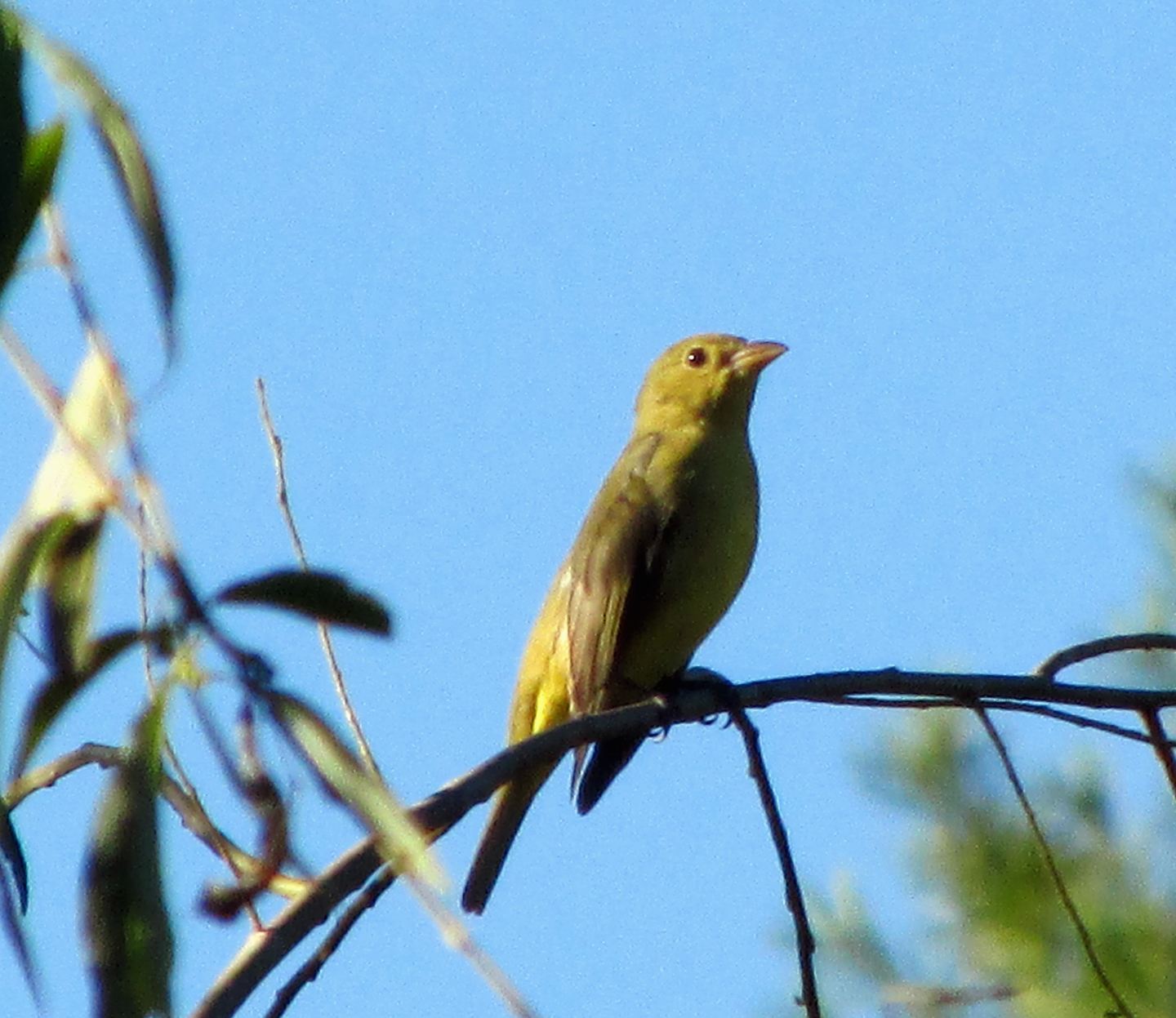
A Scarlet Tanager without the red feathers that provide the birds its common name.

Phoebe-Sept18

An Eastern Phoebe perches on top of a weed stalk.

Katydid-Zinnia

A katydid perched atop a zinnia bloom.