Tag Archives: migrating birds

Eastern screech-owls are ‘beautiful little hunters’

Courtesy of Carl Peters • An Eastern screech owl perches on a shepherd’s hook holding bird feeders in an Erwin yard.

I received an email from Susan Peters, an Elizabethton resident, along with a photo taken of a small owl by her brother, Erwin resident Carl Peters.

The photo was taken at a friend’s home in Erwin when the owl perched on a shepherd’s hook used for holding a hanging bird feeder.

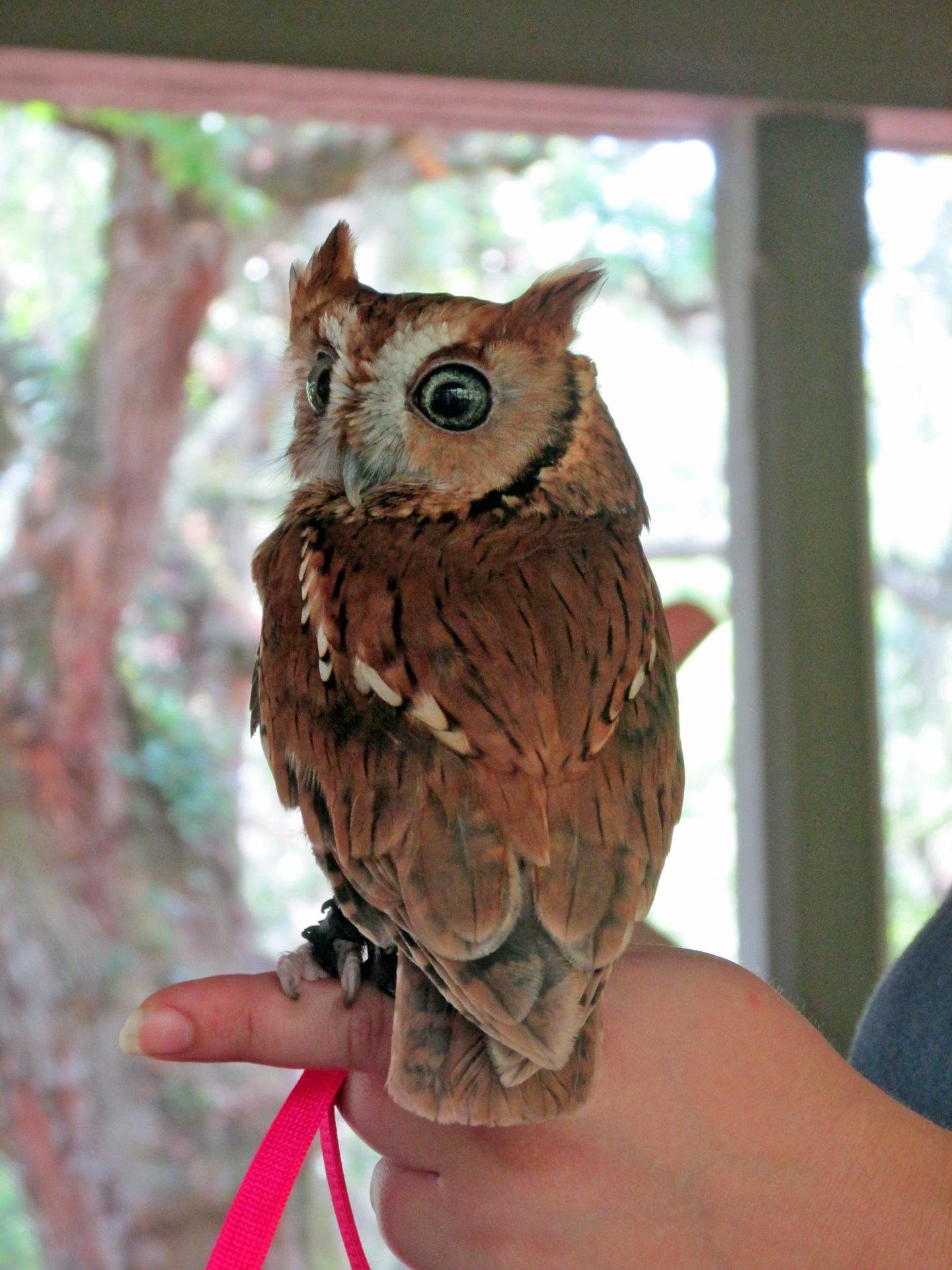
Photo by Bryan Stevens • Lucy, a rehabilitated owl living in captivity at Brookgreen Gardens in South Carolina, educates the public about her fellow owls.

“It’s a beautiful little hunter,” Susan remarked in her email, adding that she would love to have the owl identified. She speculated that the visitor might be a Northern saw-whet owl or boreal owl. The latter would have been far out of range. Saw-whet owl was a possibility considering these tiny owls are known to reside on Unaka Mountain, but a closer study pointed to the identity of the visitor being an Eastern screech-owl.

As Susan pointed out in her email, no ear tufts are prominently visible on the bird in the photo. But any number of reasons could explain the absence of the ear tufts. These tufts, which are actually feathers that the ow can control, help with camouflage or to signal an individual owl’s mood. They can raise their tufts if they want to appear larger and more intimidating or flatten them to blend in with a tree trunk, and they may also flatten them when agitated or in a state of attentiveness.

There’s not a lot in the photo for a size comparison with the bird, but it seemed more the size of a screech-owl than the slightly smaller saw-whet owl. I’ve seen both owls and the saw-whet always strikes me as more dainty than a screech-owl.

An adult Eastern screech-owl is about 10 inches long, which is about the same size as an American robin. The owl, however, is much more sturdily built than the robin. This owl’s wingspan is usually between 18 and 24 inches. Weight varies, but a heavy screech owl weighs only 6 to 8 ounces. That’s equivalent to a cup of water.

Eastern screech-owls come in two color variations, sometimes referred to as “morphs.” These are red or rufous and gray. There is a rare brown variation that may be a hybrid of a red owl and a gray owl. The highest percentage of red screech owls occurs in Tennessee, of all places, with an estimated 79 percent of owls in the Volunteer State being of the red variety. I’ve actually not seen a red morph in many years. My recent sightings have been of gray individuals. The owl in Carl’s photo appears to be a red morph.

Eastern screech-owls are effective predators, or as Susan described them, “beautiful little hunters,” but they mostly tackle small prey, such as house sparrows, mice and large insects.

Owls are more common than we think; we simply don’t encounter them often because of their nocturnal lifestyle. The Eastern screech-owl has proven very adaptable to living in close proximity to human beings.

Many myths have taken root about owls. Some of these are more grounded in reality than others.

Photo by Bryan Stevens
An Eastern Screech-Owl at rest in a roosting hole in a large sycamore tree.

A prevalent belief is that owls are wise. Of course, that’s a relative term. Is it meant they are wiser than other birds or wiser than human beings. According to the website for the International Owl Center, owls are probably seen as wise due to their large eyes, resolute posture and relatively silent behavior. The website acknowledges that owls are good at being owls, but they are stubborn birds when people attempt to train captive specimens to perform tasks.

Not all owls, despite persistent claims, are nocturnal. It’s true, according to the International Owl Center, that a large proportion of owls are nocturnal, meaning they are active at night.

But there are always exceptions. According to the International Owl Center, a few owls are diurnal, meaning they are active during the day, and some others are crepuscular, meaning they are most active at dawn and dusk.

There are approximately 230 to 250 species of owls. There’s some debate among the experts about the exact number. Here are some interesting common names for some of those species: Golden masked owl, ashy-faced owl, white-fronted scops owl, black-capped screech-owl, cinnamon screech owl, snowy owl, Eurasian eagle owl, spectacled owl, mottled wood owl, great grey owl, pearl-spotted owlet, little owl, barking owl, powerful owl, Tasmanian boobook, chocolate boobook, laughing owl, long-eared owl and short-eared owl.

I’ve been hearing two species of owl – Eastern screech-owl and great horned owl – at home this fall. That’s the other thing. You’re much more likely to hear an owl than see one. I don’t mind. It makes this little bird a bit more mysterious, and there’s something to be said to being able to put on an air of mystery.

•••

Share a sighting, ask a question or make a comment by emailing me at ahoodedwarbler@aol.com.

Photo by Bryan Stevens
An Eastern Screech-Owl perches in the branches of an Eastern hemlock.

Broad-winged hawk is region’s migratory raptor

COURTNEY CELLEY/USFWS • A broad-winged hawk perches with a snake in its talons.

I’ve been seeing a few birds that qualify as fall migrants, but there have been some other birds in the mix, such as red-shouldered hawk.

In the last five years or so, red-shouldered hawk has become a year-round resident. But I hadn’t seen or heard one of these hawk since early summer, so I’m not sure if this individual was a resident or simply one passing through during this time of flux for our feathered friends.

Migration by its nature stirs up birds, which may pop into some unexpected places for a pit-stop on their travel route.

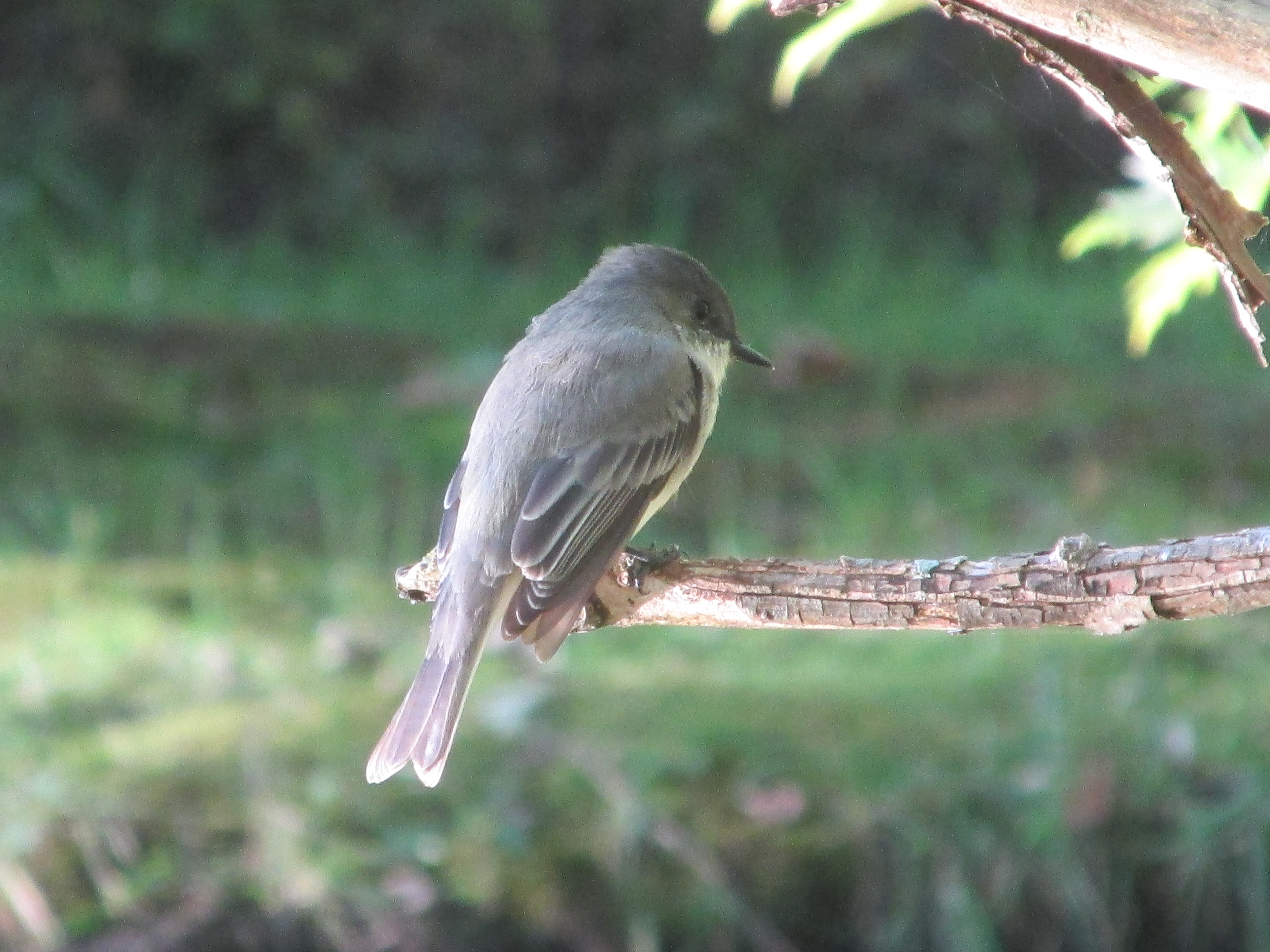
Other birds I’ve seen or heard recently include broad-winged hawk, Eastern wood-pewee, Northern waterthrush, hooded warbler, gray catbird, blue jay, American goldfinch, American crow, common raven, great blue heron and Eastern phoebe, as well as ruby-throated hummingbird and three woodpecker species: Downy, pileated and red-bellied.

The hawks, however, got my attention. The broad-winged hawk, known scientifically as Buteo platypterus, thrills onlookers every September by staging phenomenal migratory flights that can include hundreds or thousands of individual birds. The term “platypterus” translates from Greek as “wide winged.”

Outside of birding circles, however, the broad-winged hawk is not nearly as widely known for its migratory feats as, for example, the monarch butterfly or Eastern North America’s ruby-throated hummingbird. When time to migrate, these hawks form large flocks, which also include other raptor species. “Hawk watches” are held at some famous peaks. A Mendota Hawk Watch is conducted ever fall on Clinch Mountain near an abandoned fire tower close to Mendota, Virginia.

Larry McDaniel with the Bristol Bird Club reported that the watch this season has been productive.

“The Mendota Hawk Watch is going strong with good coverage and lots of raptors,” he wrote in a Facebook post on Sept. 19. “There have already been over 3.600 broad-wings reported and we are just now getting into the statistical peak. The show will be over by late September, so get up there while the birds are still flying.”

Other famous “hawk watch” locations in the eastern United States include Whitefish Point in Michigan and Hawk Ridge, Minnesota. Closer to home, I’ve seen sizeable flocks, or kettles, of broad-winged hawks, on occasion in the company of other raptors, on Holston Mountain and Roan Mountain.

The genus Buteo includes the broad-winged hawk’s larger kin, including red-tailed hawk, rough-legged hawk, red-shouldered hawk and ferruginous hawk. Outside the United States, raptors in the buteo genus are often known as “buzzards.” When the first European colonists came to the New World, they applied the term buzzard to both types of native vultures as well as the large raptors like Swainson’s hawk that reminded them of the ones back in Europe such as the common buzzard.

Some of the buteo species have adapted to life on islands, including the Galapagos hawk and the Hawaiian hawk. There’s an endangered sub-species of broad-winged hawk known as the Puerto Rican broad-winged hawk that resides in forests on the island of Puerto Rico.

Some of these hawks have quite descriptive names, including the white-throated hawk, gray-lined hawk, zone-tailed hawk and short-tailed hawk, as well as long-legged buzzard, jackal buzzard and red-necked buzzard.

The broad-winged hawk, like all of its kin, is a predatory bird. These medium-sized hawks prey primarily on rodents, amphibians and insects, but they will also capture and eat snakes. They take some time to prepare prey after making a capture. In the case of snakes and frogs, these hawks “skin” their victims.

Many of our hawks are resident throughout the year, but the broad-winged hawk only spends the spring and summer. Look for them now. They won’t return until late April and early May in 2026.

•••

Bryan Stevens has written about birds, birders and birding since 1995. Share a sighting, ask a question or make a comment by emailing him at ahoodedwarbler@aol.com.

Hummingbirds, other summer birds get ready to depart

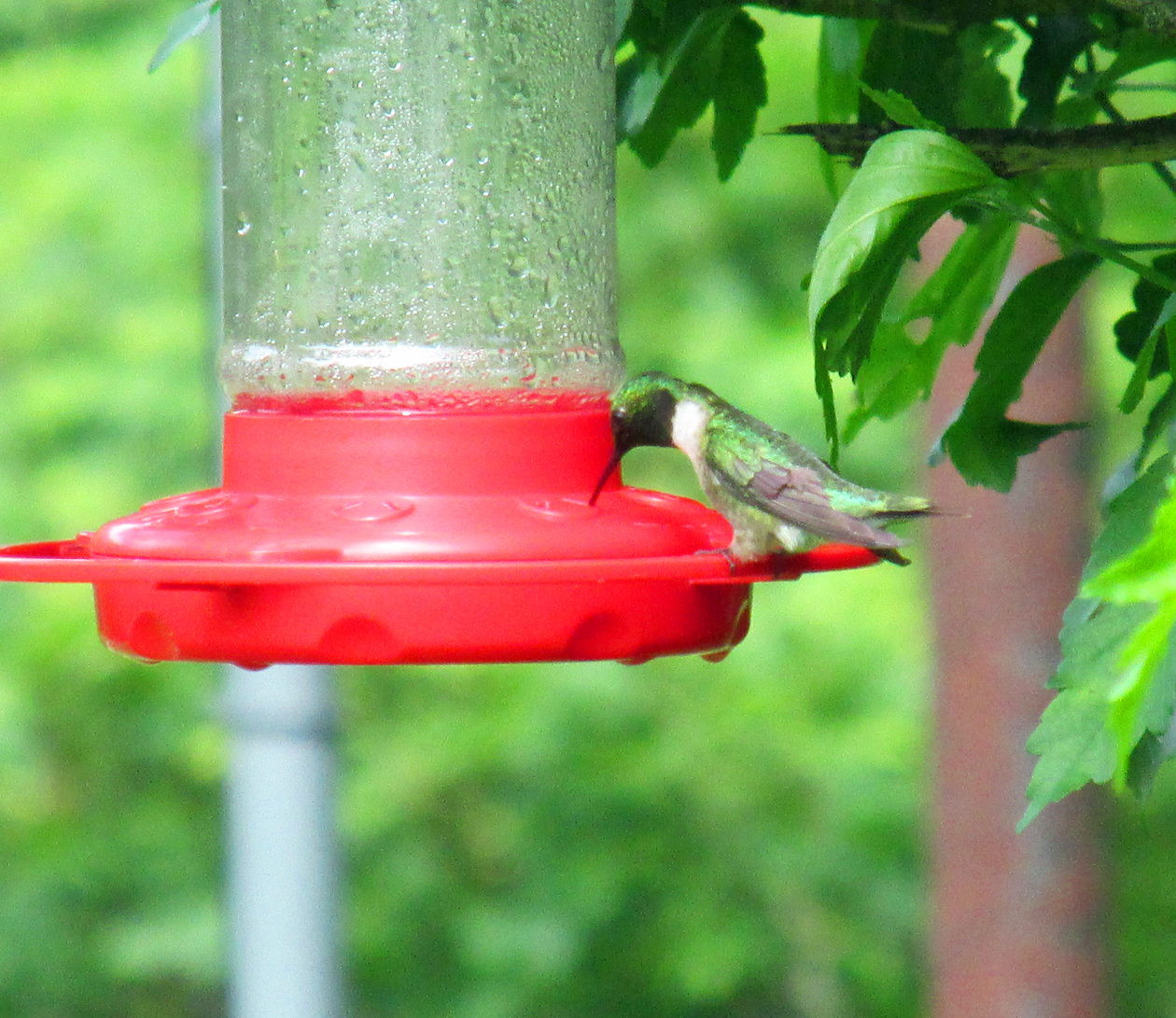
Photo by Bryan Stevens • A ruby-throated hummingbird visits a feeder for a sip of sugar water.

I always feel some reluctance and regret when I turn the calendar page from August to September.

I don’t have anything against fall – it’s my favorite season. But I know that our ruby-throated hummingbirds, which returned only five months ago in early April, will soon be departing.

It won’t be only the hummingbirds. Warblers, orioles, tanagers and other migrants will also fly south to spend the winter season somewhere more hospitable.

Most of the hummingbirds that visited our gardens over the summer are getting ready to migrate back to their winter homes in Central America.

I’m seeing only a few adult male hummingbirds with the namesake red throat. They are outnumbered by females and young hummingbirds that hatched in late spring and throughout the summer. It’s fun to watch young hummingbirds. They often have something to prove. In many ways, they’re even more feisty than adult birds.

Photo by Bryan Stevens • A male ruby-throated hummingbird perches at a feeder for a sip of sugar water.

In any given year, the numbers of hummingbirds passing thorough is going to fluctuate. Some years, these tiny flying gems will be present in good numbers on an almost daily basis. Other years, hummingbirds can become quite scarce.

I usually enjoy my best hummingbird numbers in the fall as these little birds begin their leisurely journey back south. Late August and the month of September is usually a great time to watch hummingbirds.

During August, the feeders at my home and my mother’s home saw a great deal of activity. Blooms of wildflowers and cultivated flowers also attracted them. Earlier in the summer the hummingbirds went gaga for the crocosmia blooms and the flowering bee balm. For the past month, the tube-shaped flowers of orange jewelweed has kept them coming back for more.

The New World is home to about 360 species of hummingbirds. We’ve expended many adjectives in finding names of them all. Sometimes, words fail. Mere adjectives are somewhat inadequate in providing common names for many of the world’s more hummingbirds, but that doesn’t keep us from trying to give descriptive names to each hummingbird species. For instance, we have the beautiful hummingbird of Mexico; the charming hummingbird of Costa Rica and Panama; the festive coquette of northwestern South America; and the magnificent hummingbird of the southwestern United States.

Photo by Bryan Stevens • A ruby-throated hummingbird sips from a sugar water feeder.

Other names are even more elaborate and occasionally outlandish, such as the white-tufted sunbeam of Peru; the violet-throated metaltail of Ecuador; the violet-throated starfrontlet of Peru and Bolivia; the hyacinth visorbearer of Brazil; and the rainbow-bearded thornbill of Colombia and Ecuador.

As for our own ruby-throated hummingbirds, wish them well as they begin that long trek back to their wintering grounds. For the young birds, this will be their first epic crossing of the Gulf of Mexico, something the species must do twice a year to get to and from their summer home in eastern North America.

•••

Bryan Stevens has written about birds, birding and birders since 1995.

Looking for fall migrating birds already underway

A male Wilson’s warbler perches in some branches. Many species of warbler migrate through the region each fall.

Summer’s waning. Just look at the calendar. We’re already approaching the midway point in August.

Birders track the transitions as one season merges into another, knowing that these are some of the best times to seek out birds. Fall migration doesn’t wait for a page to turn on a calendar. In fact, some birds are already on the move. I thought I’d devote this week’s column to some of the birds I hope to observe this fall as a mass migration draws many of our summer residents south toward warmer wintering grounds. In no particular order, here are some of the birds I’m hoping to see this autumn.

COMMON NIGHTHAWKS

The name common nighthawk is a misnomer. The species is not strictly nocturnal and it is certainly not a hawk. It’s actually a member of the nightjar family, which includes such birds as chuck-will’s-widow and whip-poor-will. The nighthawk doesn’t offer a serenade like these relatives, but it does produce a “pent” call that sounds much like an electric buzzer. It’s often the first indication of one of these birds swooping overhead. Nighthawks form impressive flocks, often numbering in the dozens or even hundreds. They are often active in evening hours, but I’ve seen large flocks of these migrating birds in mid-afternoon. August and September are the best time to look skyward to enjoy the spectacle of a large flock of swooping nighthawks as they pass overhead.

Photo by U.S. Fish and Wildlife Service
A Common Nighthawk finds a perch for a brief rest.


I didn’t host any of these colorful birds this spring, so I hope to get another opportunity this fall. The males in their vibrant black-and-white plumage and namesake breast patch of rosy-red feathers are slightly less colorful in the fall. I’ve actually had better luck in autumn hosting these birds at feeders. They love sunflower seeds, so keep your feeders stocked with their favorite foods to increase your chances. Females and young birds look different than adult males, but the heavy beak (the word “gros” is German for large) is a good indicator of their identity. Bird banders netting this species to document information for science can testify that these birds are also capable of a nasty nip at careless fingers with that stout bill.

Bryan Stevens • A pine warbler visits a suet feeder.

WARBLERS

These birds are undeniably at their most gorgeous during spring migration, but many species of warbler retain colorful plumage into the fall season. Young birds, often in a plumage entirely different than adult birds, are responsible for the term “confusing fall warblers.” I’ll be looking for the species that are harder to locate in the spring, including bay-breasted warbler, Cape May warbler, Blackburnian warbler and Tennessee warbler. I’ll also be hoping for a rarity such as cerulean warbler or mourning warbler. I will be sad when the parade of warblers produces a palm warbler or a yellow-romped warbler. These last two species are a sure sign that fall migration’s coming to a close for another season.

Photo by Bryan Stevens
A Great Egret resting on a spit of land in a lake at Murphy Candler Park in Brookhaven, Ga.

WADING BIRDS

Late summer and early fall can also be a fantastic time for scanning rivers, lakes and farm ponds for wading birds. Hurricanes in recent years have even forcibly relocated American flamingos to Tennessee and other unlikely locations. It’s slightly more reasonable to hope for something unexpected like a wood stork or roseate spoonbill. The more likely candidates for observing in the region are great egrets, tri-colored herons and snowy egrets. It’s also a last chance to view green herons before this small species retreats to warmer locations for the coming winter.

Bryan Stevens • A hermit thrush perches on a fence.

THRUSHES

These medium-sized songbirds are typically brown in plumage, often with spotted white breasts. They’re beautiful singers in spring and summer, but they’ve often cut back on their singing by fall. Nevertheless, they form large migrating flocks that will roam autumn woodlands to rest and refuel during short breaks from migrating. Swainson’s thrush is not difficult to find in the fall. This species is named in honor of 19th century artist and ornithologist William Swainson. Like most birders, I will be hoping for the more difficult species like Bicknell’s thrush and gray-cheeked thrush. Knowing their call notes can help alert you to their presence.

There will be a dazzling diversity of our feathered friends on the move this month. The seasonal phenomenon of migration extends into September and October. Pay attention to the visitors in your yards and gardens.

•••

Share sightings, ask questions or make comments by emailing me at ahoodedwarbler @aol.com.

Photo by Bryan Stevens • This migrating rose-breasted grosbeaks struck a window and spent some time recovering. Later, the bird flew safely back to a row of trees.

Regional spring bird count finds 148 species

Photo by Bryan Stevens • Ruby-throated hummingbirds have settled into a comfortable summer routine throughout the Northeast Tennessee region.

The 82nd consecutive spring bird count was held Saturday, May 3, with 44 observers in 15 parties. The survey tallied 148 species, which is slightly below the recent 30 year average of 150 species. The count is conducted by the Elizabehton Bird Club, which will also conduct two summer counts this month. One of these counts is held in Carter County and the other in Unicoi County.

The spring count is a regional survey that includes all Northeast Tennessee counties: Carter, Johnson, Sullivan, Unicoi and Washington.

Compiler Rick Knight shared some observations. Noteworthy sightings included common merganser, black-billed cuckoo, willow flycatcher, vesper sparrow and bobolink, as well as prothonotary and cerulean warblers. A total of 31 species of warblers made this year’s count. A record number (24) for Swainson’s warbler provided an indication that this species is locally abundant during the nesting season.

The 17 fish crows reported by six parties provided a good example of the local expansion of this species. The 17 common ravens, once not so common in the region, were reported by eight of the count parties.

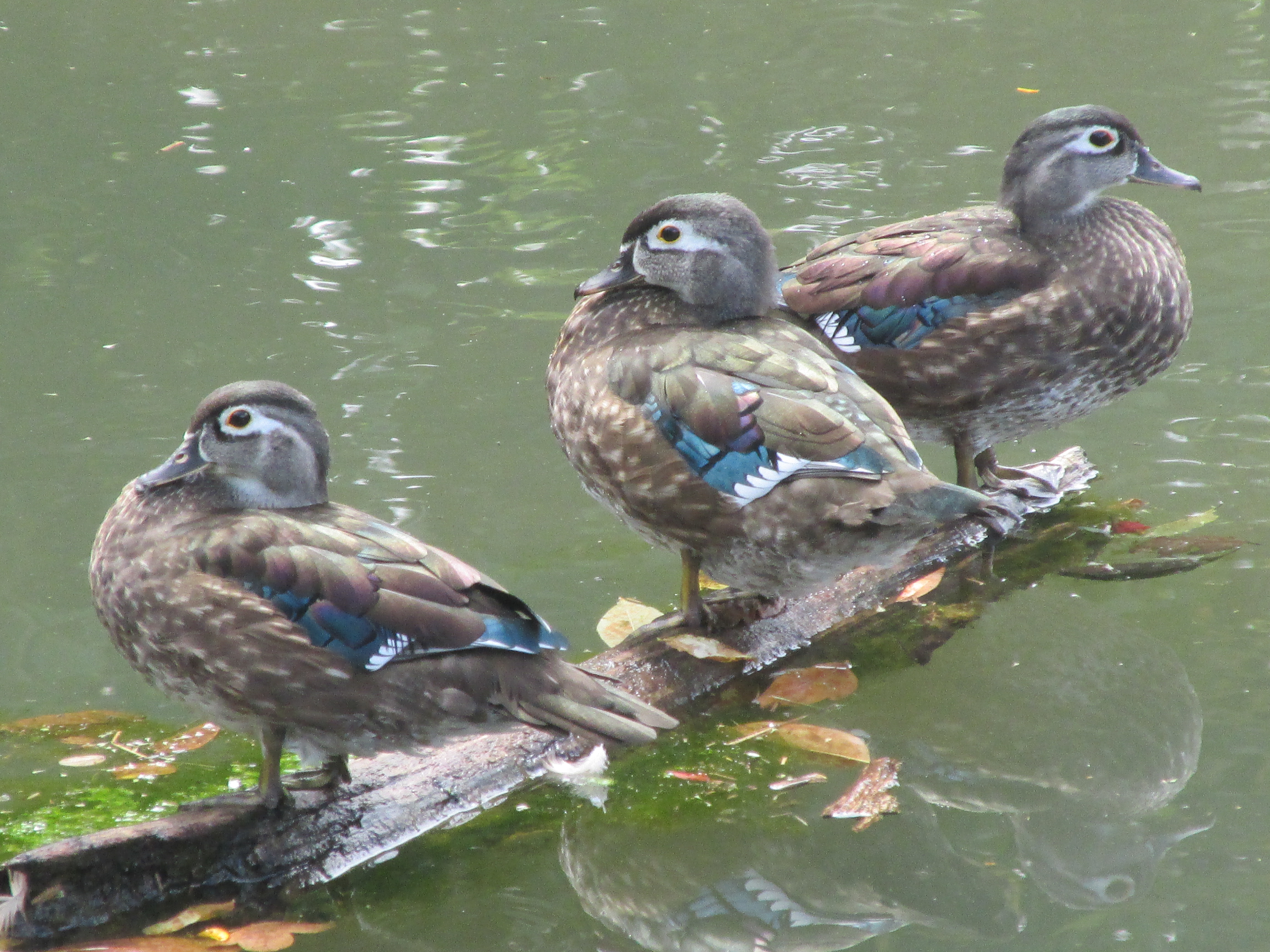
Photo by Bryan Stevens • Young wood ducks share a perch on a submerged log.

The list:

Canada goose, 208; wood duck, 31; blue-winged teal, 2; mallard, 86; and common merganser, 7.

Wild turkey, 16; ruffed grouse, 1; rock pigeon, 92; Eurasian collared-dove, 1; mourning dove, 176; yellow-billed cuckoo, 3; and black-billed cuckoo, 2.

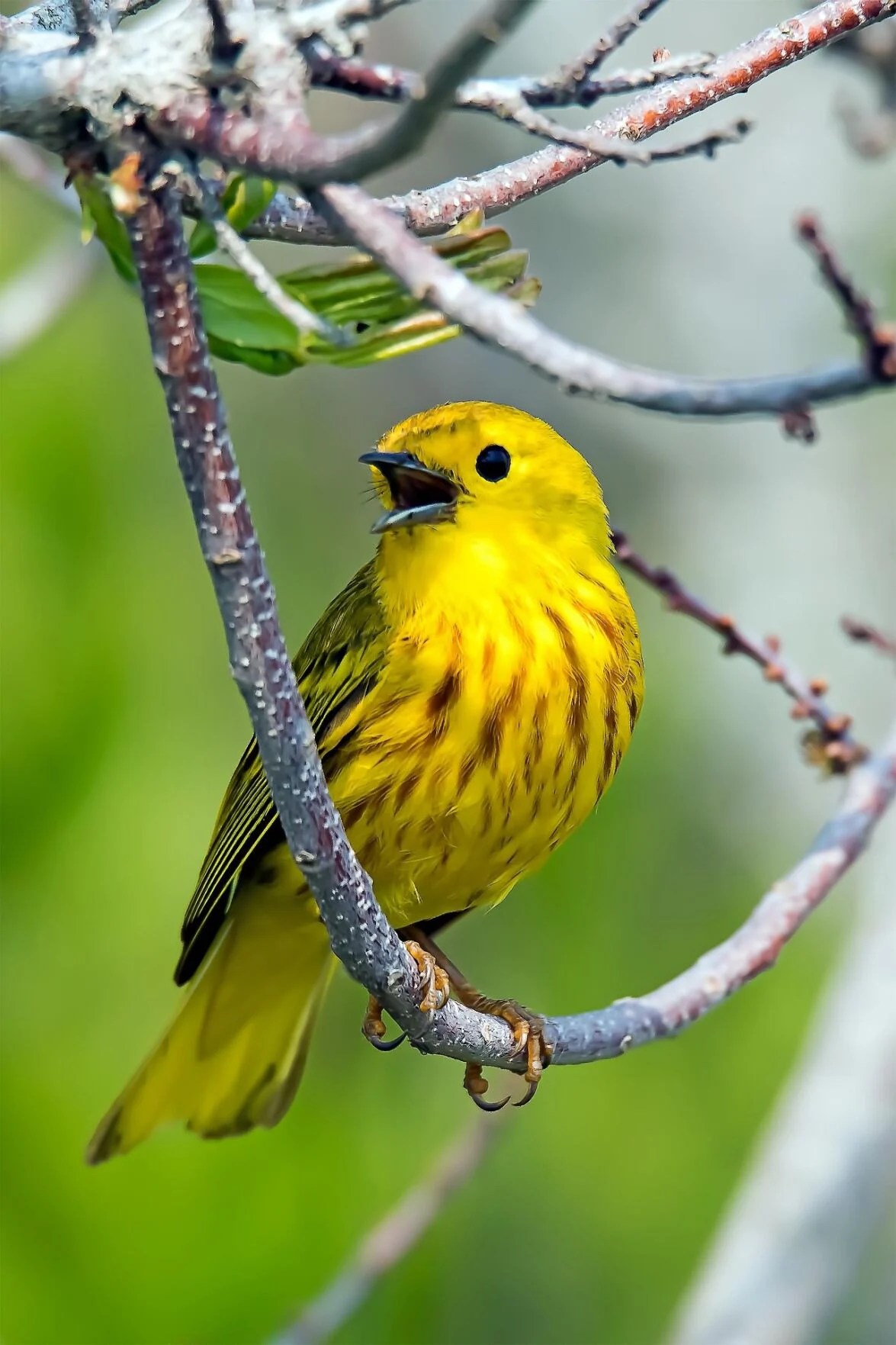
Photo by Hans Toom/Pixabay • A male yellow warbler is aptly named.

Chuck-will’s-widow, 9; Eastern whip-poor-will, 32; Chimney swift, 149; ruby-throated hummingbird, 18.

Killdeer, 32; least sandpiper, 16; pectoral sandpiper; 1; spotted sandpiper, 42; solitary sandpiper, 39; and lesser yellowlegs, 6.


Double-crested cormorant 28; green heron 8; great egret, 1; and great blue heron, 50.

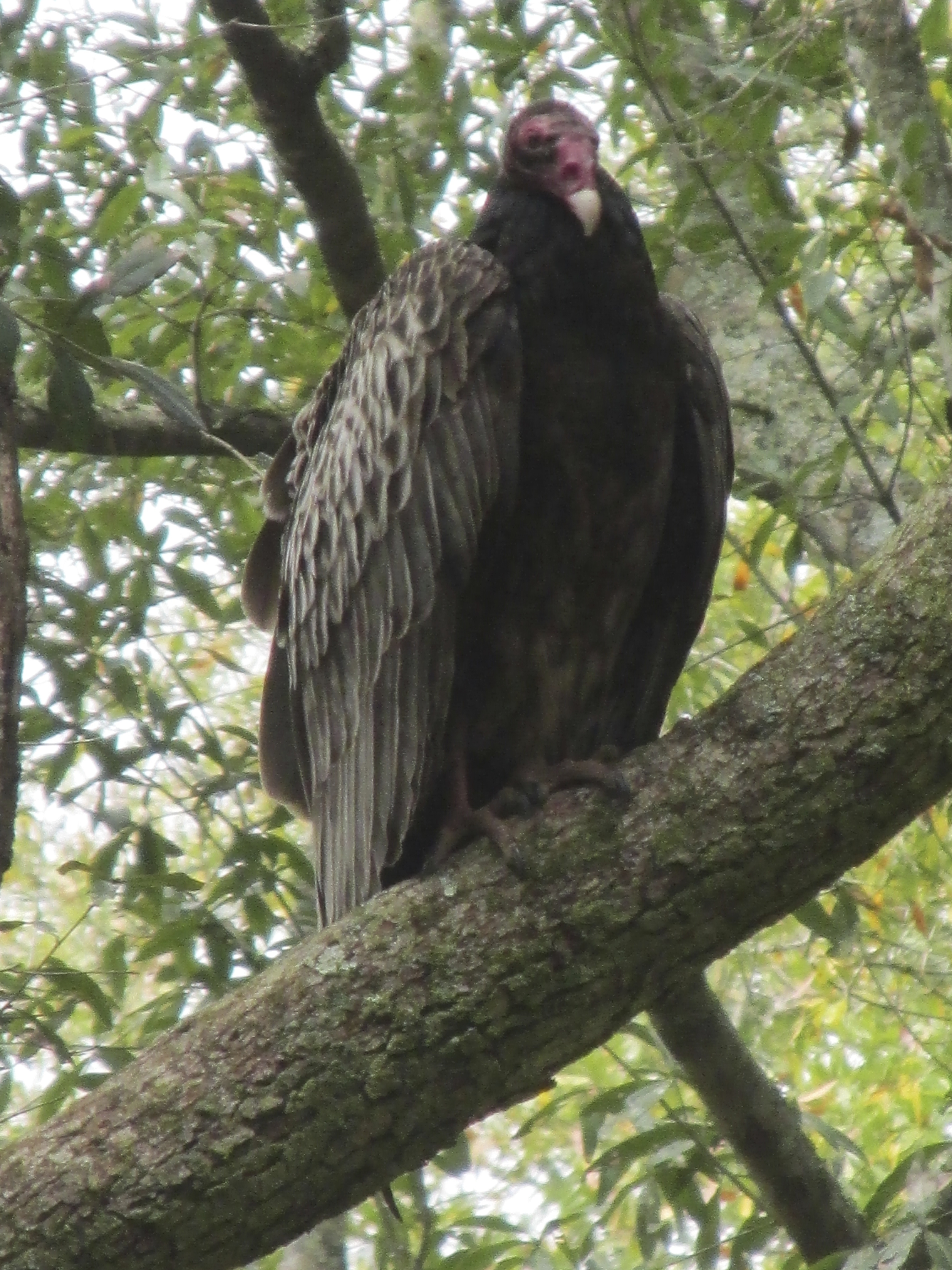
Black vulture, 38; turkey vulture, 96; osprey, 4; Cooper’s hawk, 6; bald eagle, 1; red-shouldered hawk, 4; broad-winged hawk, 7; red-tailed hawk, 14; Eastern screech owl, 15; great horned owl, 2; and barred owl, 4;

Belted kingfisher, 15; red-headed woodpecker, 2; red-bellied woodpecker, 68; yellow-bellied sapsucker, 7; downy woodpecker, 33; hairy woodpecker, 6; Northern flicker, 37; and pileated woodpecker, 36.

Photo by Bryan Stevens • Downy woodpeckers will visit feeders in any season.

American kestrel, 5; great crested flycatcher, 28; Eastern kingbird, 42; Eastern wood-pewee, 16; Acadian flycatcher, 27; willow flycatcher, 1; least flycatcher, 10; and Eastern phoebe, 64.

White-eyed vireo, 19; yellow-throated vireo, 12; blue-headed vireo, 42; warbling vireo, 10; and red-eyed vireo, 364.

Blue jay, 175; American crow, 218; fish crow, 17; and common raven,17.

Tree swallow, 107; Northern rough-winged swallow, 81; purple martin, 29; barn swallow, 144; and cliff swallow, 482.

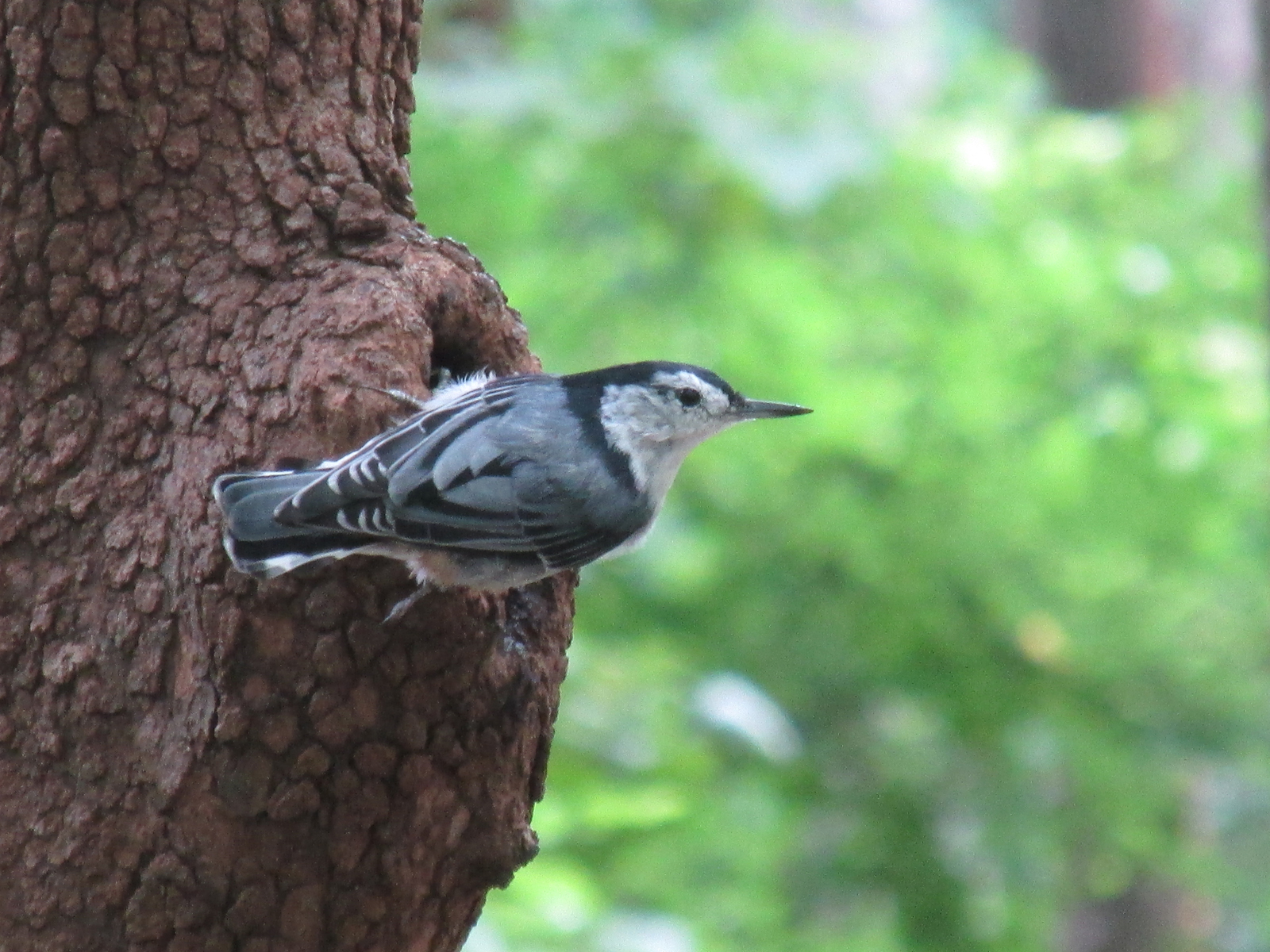
Carolina chickadee, 144; tufted titmouse, 189; ruby-crowned kinglet, 1; golden-crowned kinglet, 2; red-breasted nuthatch, 9; and white-breasted nuthatch, 26.

Brown creeper, 6; blue-gray gnatcatcher, 62; Carolina wren, 159; house wren, 39; and winter wren, 1.

Gray catbird, 68; brown thrasher, 43; Northern mockingbird, 97; cedar waxwing, 122; Eurasian starling, 539; Eastern bluebird, 97; veery, 15; Swainson’s thrush, 8; wood thrush, 116; and American robin, 654.

House sparrow, 55; house finch, 78; pine siskin, 7; and American goldfinch, 252.

Chipping sparrow, 139; field sparrow, 34; dark-eyed junco, 48; white-crowned sparrow, 3; white-throated sparrow, 4; vesper sparrow, 1; Savannah sparrow, 4; song sparrow, 287; swamp sparrow, 1; and Eastern towhee, 203.

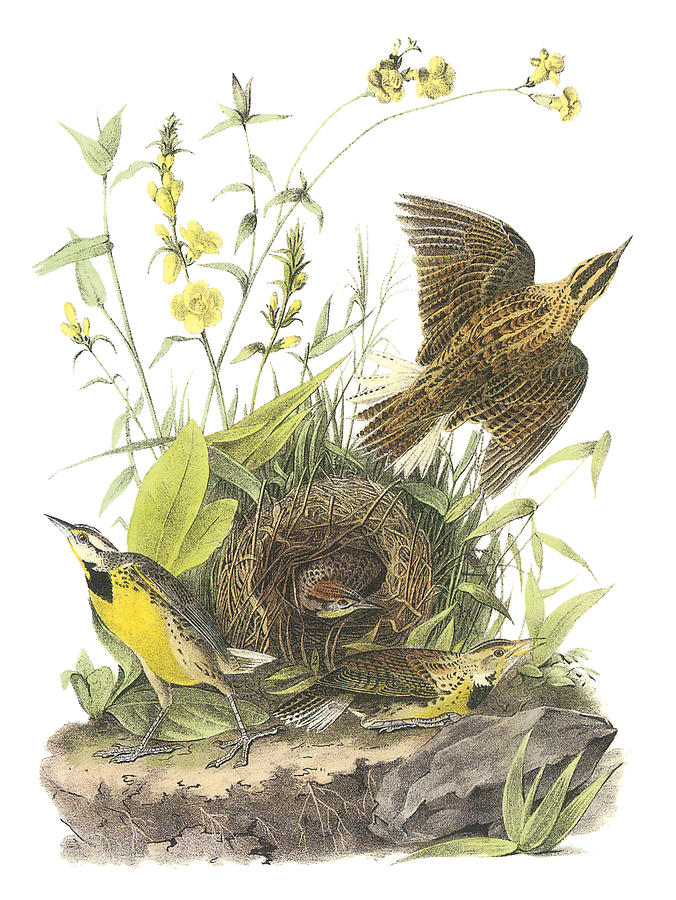
Early American naturalist and painter John James Audubon painting this scene depicting nesting meadowlarks.

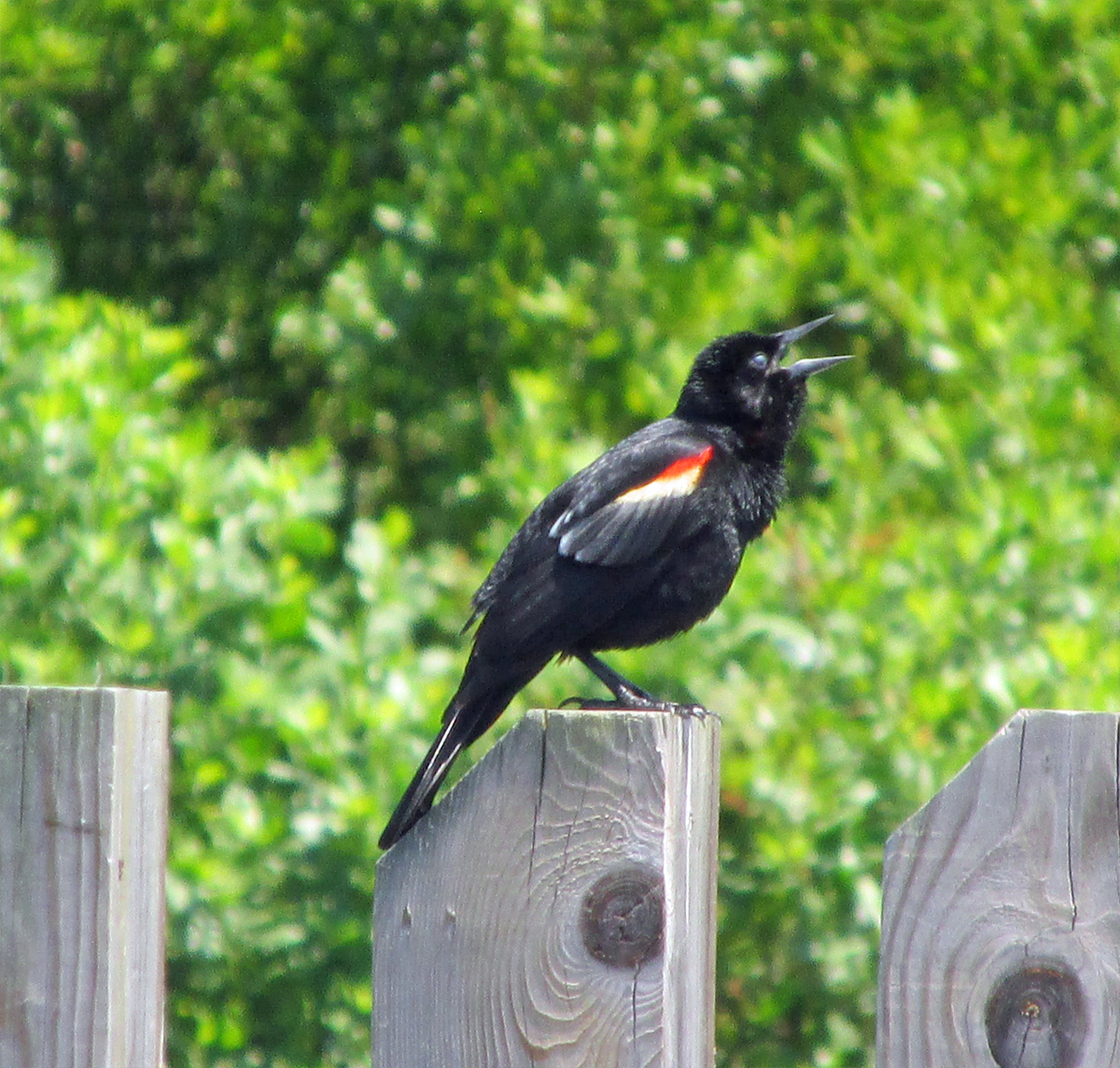
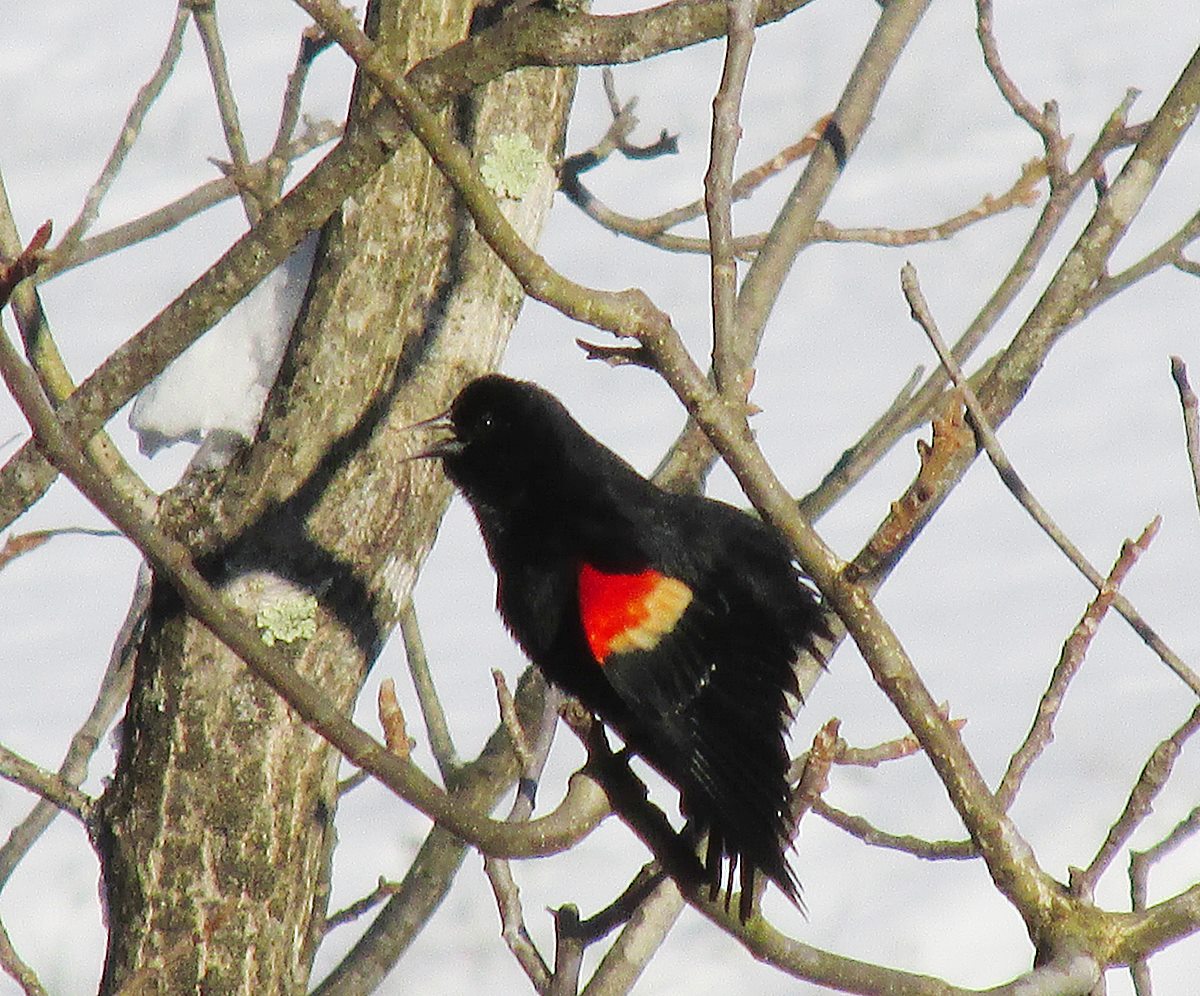
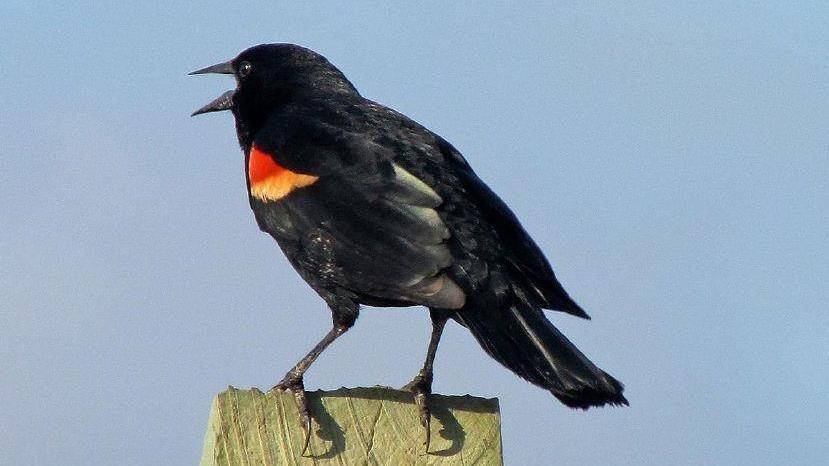
Yellow-breasted chat, 9; bobolink, 6; Eastern meadowlark, 108; orchard oriole, 28; Baltimore oriole, 26; red-winged blackbird, 211; brown-headed cowbird, 65; and common grackle, 195.

Ovenbird, 169; worm-eating warbler, 42; Louisiana waterthrush, 45; Northern waterthrush, 4; golden-winged warbler, 2; blue-winged warbler, 1; black-and-white warbler, 104; prothonotary warbler, 1; Swainson’s warbler, 24; Tennessee warbler, 13; Kentucky warbler, 4; common yellowthroat, 25; hooded warbler, 234; American Redstart 27; Cape May warbler, 14; cerulean warbler, 2; Northern parula, 88; magnolia warbler, 4; bay-breasted warbler, 6; Blackburnian warbler, 16; yellow warbler, 10; chestnut-sided warbler, 32; blackpoll warbler, 6; black-throated blue warbler, 97; palm warbler, 5; pine warbler, 7; yellow-rumped warbler, 17; yellow-throated warbler, 52; prairie warbler, 1; black-throated green warbler, 100; and Canada warbler, 50.

Summer tanager, 2; scarlet tanager, 92; Northern cardinal, 284; Rose-breasted grosbeak, 30; blue grosbeak, 11; indigo bunting, 164; and dickcissel, 1.

I counted with Chris Soto and Brookie and Jean Potter around Sycamore Shoals State Historic Park, on the greenbelt along the Watauga River and on Holston Mountain.

•••

To share a sighting, make a comment or ask a question, email me at ahoodedwarbler@aol.com.

Photo by Hans Toom/Pixabay • A male Blackburnian warbler looks splendid in the dappled sunlight that appears to make his orange throat patch almost glow.

Black-necked stilt a gangly member of the windbird clan

Beto/Pixabay. • A black-necked stilt wades through a wetland area.

I received an email from Brayden Paulk updating me on his new birding adventures since moving to Gulf Shores in Alabama. I wrote a few weeks ago about Brayden and his plans for a Global Big Day of birding.

“I wanted to give you an update on the Big Day,” he wrote, informing me that he has been undergoing a lot of training for a new job and has had lots of 10-plus hour days. But birding has been productive.

“I got down here and I’ve had lots of success,” he wrote. “Where I live there are black-bellied whistling ducks hanging out by the pond, and prothonotary warblers in the swamp behind the apartment,” he said.

Unfortunately, his new job needed him to work on the date of his Big Day.

“So I was not able to do my plans,” he wrote. “However, I did get to go out for a few hours that afternoon to a nearby sod farm. I picked up several good birds, including spotted sandpiper, solitary sandpiper and, most importantly, black-necked stilt.”

Brayden reported that he observed two stilts working the edge of a flooded corner of the field along with dozens of other shorebirds that were too small to identify in low light.

“I was glad that I could do my part to submit one checklist on the Big Day, even if I couldn’t do a 24-hour birding marathon like I had planned,” he added.

He added that his best birding day recently took place two days prior to his planned Global Big Day.

“I got to meet some folks from Alabama Audubon when they came to the Eco Center,” he said. “After the tour, I was invited to go do some sea watching with them at Gulf State Park.”

He noted that the three guys on the impromptu session included Scott Duncan, the director of Alabama Audubon, and two top birders in Baldwin County.

“They were very helpful and wonderful people,” Brayden shared. “While we were out birding, I picked up two lifers: Gull-billed tern and semipalmated sandpiper.”

Bryan Stevens • Black-necked skimmers take flights along the South Carolina coast.

He also reported that they saw lots of other cool coastal birds, such as black skimmer, least tern and osprey.

“The coolest species, though, were two red knots,” he said. “I had only seen them once before, but this was my first time seeing them in breeding plumage. I was very excited to see it, and get two lifers in one day!”

He is also anticipating some future birding.

“My friend Don has a rare shiny cowbird at his house a few miles away from me, as well as Inca doves.”

I enjoyed hearing about Brayden’s sightings of shorebirds, a family of birds also known with a little more creative flair as “wind birds.” They are so named because so many species are capable of incredible long-distance migrations. His success with the black-necked stilts reminded me of how this can be an elusive species for birders.

My last sighting of black-necked stilts took place more than a decade ago in May of 2014 during a South Carolina vacation. I observed three black-necked stilts at Huntington Beach State Park while walking on a marsh boardwalk near the park’s Nature Center. They flew toward the causeway, so I got into my car and drove there to try to re-locate them. I did find two of the stilts feeding along the causeway, but I never managed to re-locate the third bird.

Photo by Bryan Stevens
Two Black-necked Stilts forage along the causeway wetland at Huntington Beach State Park in 2014. 

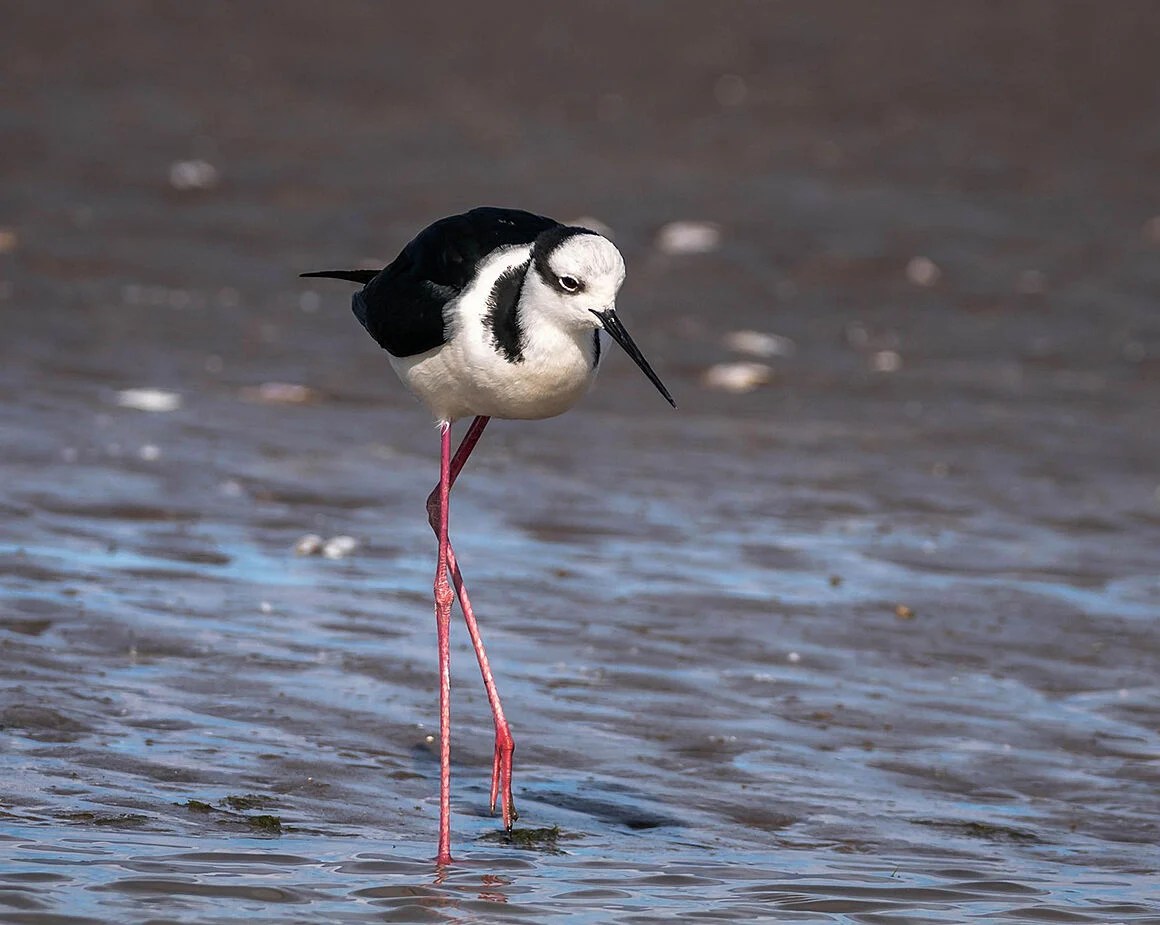
I watched the two stilts foraging for food in shallow water shared by egrets and alligators. The two birds, despite a somewhat gangly appearance, moved with elegantly efficient strides on their long pink legs.

I have seen this unusual shorebird in Tennessee only once on Oct. 13, 2004, at Austin Springs on Boone Lake in Washington County. The bird, first found by Rick Knight, drew many excited birders to the location for looks at this shorebird before it departed to continue its migration flight south.

As you might imagine, land-locked Tennessee is not an ideal location for finding shorebirds, but spring and fall migration brings a surprising variety of these birds through Northeast Tennessee. Black-necked stilts, however, are a rarity. I have also seen this species of shorebird on Fripp Island, South Carolina, as well as just outside of Wendover, Nevada, on a visit to the Bonneville Salt Flats.

The world of shorebirds has produced many look-alike species, including many of the small sandpipers often collectively labeled as “peeps” by birders. The black-necked stilt, however, is not at all likely to be confused with any other shorebird. It is a slender bird atop a pair of extremely long pink legs. It has a two-tone appearance with black upper parts and white underparts. The black and white dichotomy continues along the bird’s long neck and head. This bird also has a thin, needle-shaped bill that it uses to delicately pluck aquatic insects and other prey from water or mud. The black-necked stilt’s long pink legs are exceptional. In fact, this species has he second-longest legs in proportion to their bodies of any bird, exceeded only by flamingos, according to the website All About Birds.

The black-necked stilt is closely related to the American avocet, another long-legged shorebird. The two species are classified together in the family, recurvirostridae. There’s also a Hawaiian sub-species of the black-necked stilt known as the “aeʻo.”

•••

To share a sighting, make a comment or ask a question, email me at ahoodedwarbler@aol.com.

Seasonal snipe hunts can be productive

Photo by Bryan Stevens • A Wilson’s snipe forages on muddy ground in a wetland at Huntington Beach State Park in South Carolina.

Have you ever gone on a wild goose chase? Perhaps you have memories of being taken on a snipe hunt?

If so, I don’t need to tell you that our feathered friends have inspired a lot of unusual sayings and activities. The snipe hunt is widely regarded as a rite of passage. I’m not sure if these “hunts” are still organized on moonless nights to pull a playful prank on unsuspecting or naive adolescents. The gist of this practical joke is that these would-be snipe hunters are given a bag or sack to use in capturing the supposedly elusive, perhaps mythical snipe.

The “snipe hunt” has also come to symbolize a lesson in futility since the target of the hunt is never found despite some diligent efforts. It’s all harmless fun, but what bothers me is that the tradition of the snipe hunt reinforces the mistaken idea that this elusive creature is a make-believe bird.

That’s not the case! I know of what I speak, having seen plenty of snipes over the years. There are some things about this unusual bird that makes it understandable how this creature became the focus of the long-running tradition of the snipe hunt.

The Wilson’s snipe is one of North America’s more elusive birds. It’s an aberrant shorebird that doesn’t exactly fit the mold of the birds any coastal visitor has probably seen running along the surf’s edge on a beach.

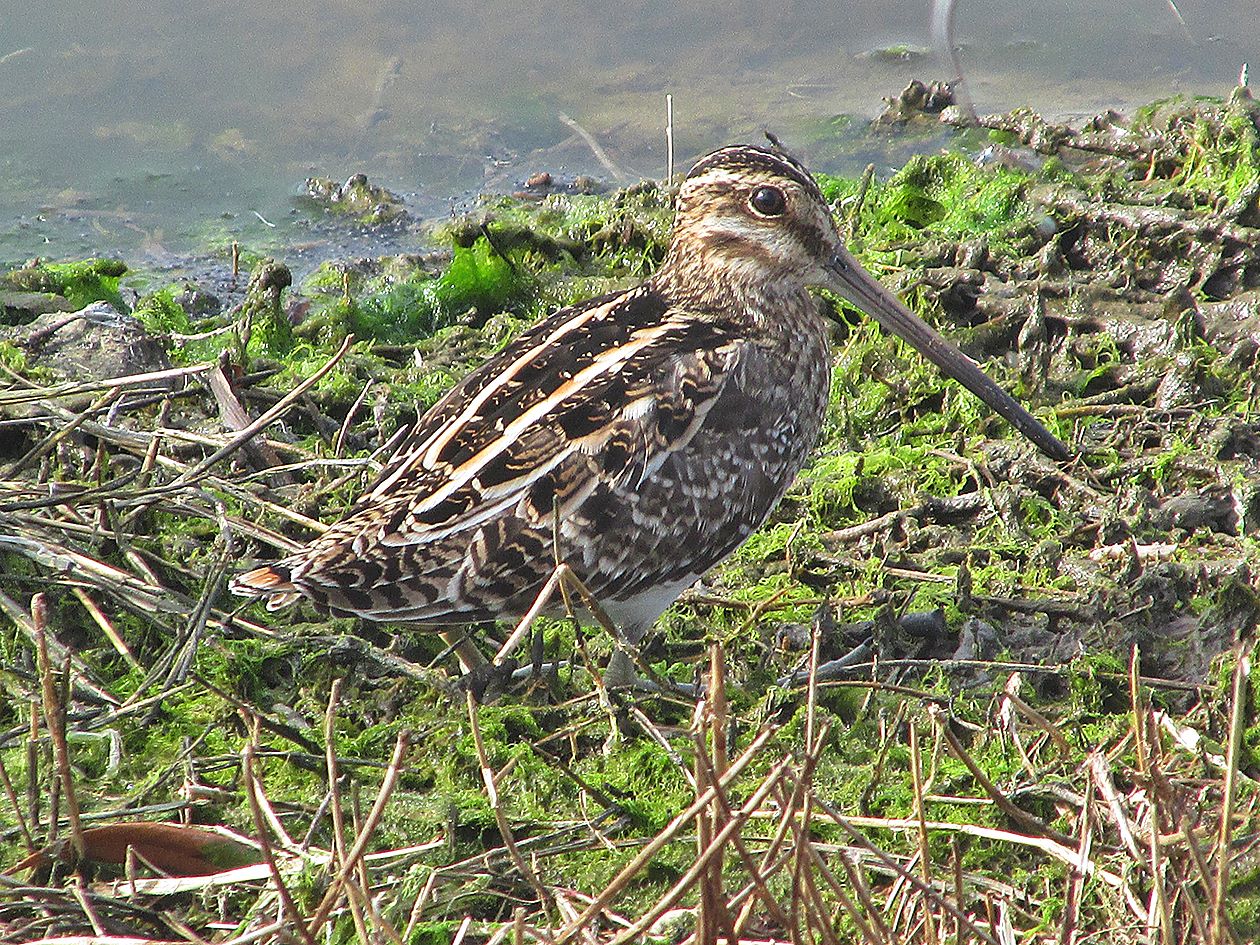
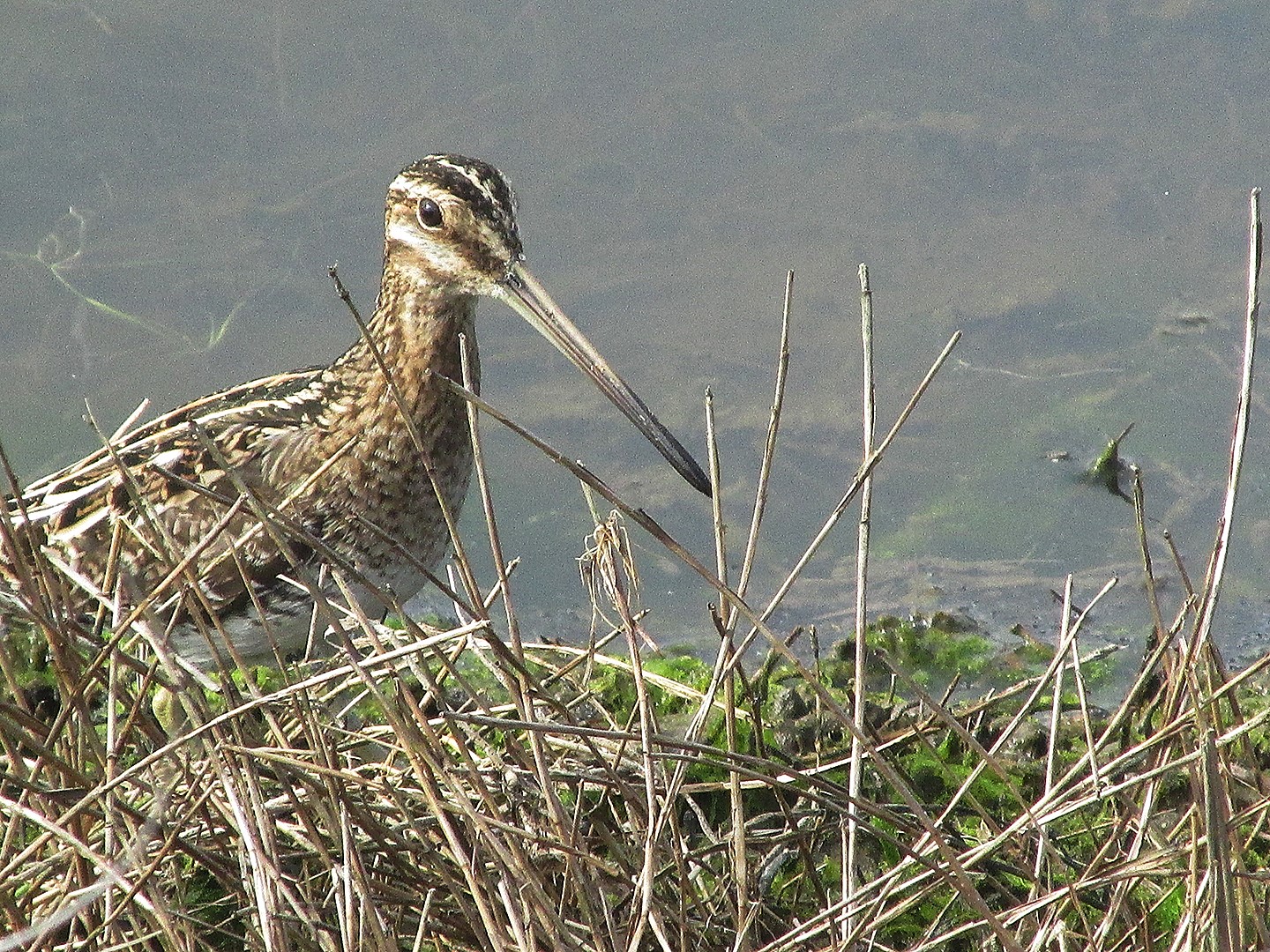
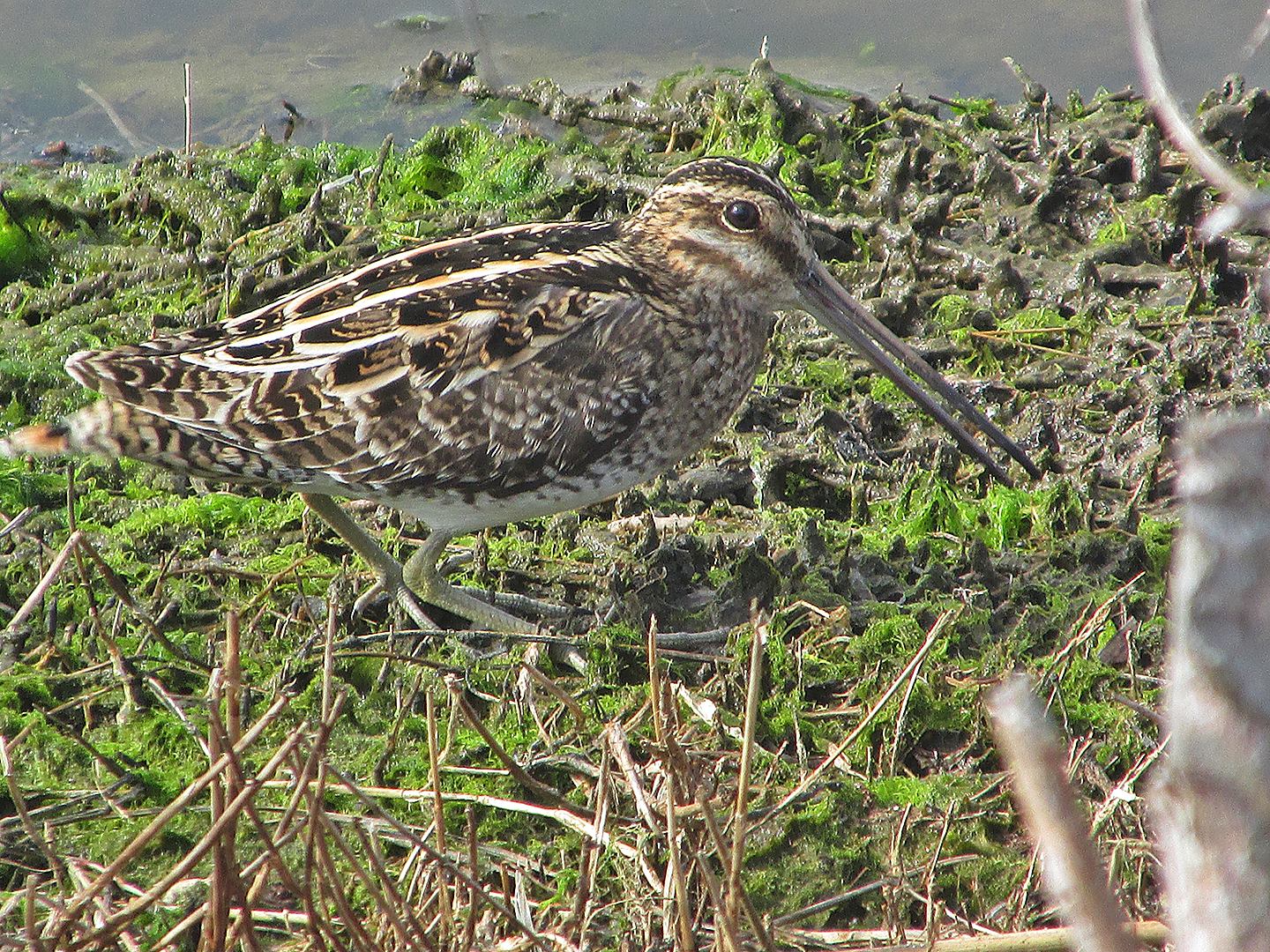
The snipe is an odd, gangly bird with long legs and an even more absurdly long bill. It’s also remarkably well camouflaged to blend with its preferred surroundings in flooded fields and wetland marshes. It is one of those shorebirds that usually makes its home far from beaches and the crash of the ocean’s surf.

So, to reiterate, there really is such a bird as a snipe. In fact, there are several species of snipes, although only one — Wilson’s snipe — can be found in Northeast Tennessee. Some of the world’s other 25 species of snipe include jack snipe, wood snipe, pintail snipe, noble snipe and imperial snipe. What makes the noble and imperial snipes worthy of such pretentious names isn’t quite clear.

Photo by Bryan Stevens • The Wilson’s snipe can blend well with wetland vegetation.

Any wet field or pasture may conceal hidden Wilson’s snipes during the spring. A few of these hardy shorebirds sometimes spend the winter in the region. Flushing a snipe from a tangle of grass right at your feet as you walk through a wet field always works to get the heart pumping faster.

The Wilson’s snipe uses its long bill to probe in the mud for prey, which can include earthworms, insects and other invertebrates.

Formerly known as the common snipe, the Wilson’s snipe nests in wetland habitats across Canada and the northern United States. The bird’s common name pays homage to Alexander Wilson, an early American ornithologist. In addition to his expertise on birds, Wilson was also a poet and an illustrator. He was born in Scotland in 1766, but he died at age 47 in 1813 in Philadelphia, Pennsylvania.

I’ve located Wilson’s snipes in all of the Northeastern Tennessee counties. I still hold the record for most snipes seen at one time. I was birding in Johnson County with the late Wallace Coffey when we encountered a flock consisting of 126 Wilson’s snipes overrunning Quarry Bog in Shady Valley.

I’ve also observed this snipe in coastal South Carolina, including a close-range observation while visiting Huntington Beach State Park. My South Carolina birding over the years has yielded observations of other shorebirds, including willet, greater yellowlegs, black-bellied plover, short-billed dowitcher and Wilson’s plover, yet another shorebird named in honor of Wilson.

Looking back through my records helped resurface a memory of a fun trip back in 2003 to look for snipe and its even odder relative, the American woodcock. On Tuesday, March 11, I traveled with Tess Cumbie, Reece Jamerson and Howard Langridge to Johnson County’s Shady Valley. Our first stop at Quarry Bog yielded lots of red-winged blackbirds, Eastern meadowlarks and song sparrows. We also flushed about a dozen or so snipe. Other birds seen during our visit included a great blue heron, swamp sparrow, three common grackles, a wood duck and a flock of American robins.

Photo by Bryan Stevens • Although only one species — Wilson’s snipe — can be found in Northeast Tennessee, there are 25 species of snipe found worldwide, including jack snipe, wood snipe, pintail snipe, noble snipe and imperial snipe.

We arrived at Orchard Bog to settle in before twilight with our hope for a show by the American woodcocks, also known by such names as bogsucker and timber doodle. Before the timberdoodles began their show, several wood ducks flew overhead and a flock of eight Canada geese splashed down in the bog. At least two American woodcocks began making their “peent” calls shortly before 7 p.m. Then one of the timberdoodles took to the air, giving a fine show in his display flight. The timberdoodles seemed to give anywhere between 18 to 34 “peent” calls before they would take to the air in a display that also let us hear the “twittering” feathers as they ascended and descended. When it got too dark to really see their flights, we left, but the timberdoodles were still “peenting” in the bog.

As spring advances in the region, many of these shorebirds will make migratory stops along the shores of lakes and rivers or by the edges of farm ponds. Look for snipes around puddles in flooded fields or even along the banks of small streams. The family of shorebirds is dazzling in its diversity, and they’re definitely worth seeking out.

•••

If you have a question, wish to make a comment or share a sighting, email ahoodedwarbler@aol.com.
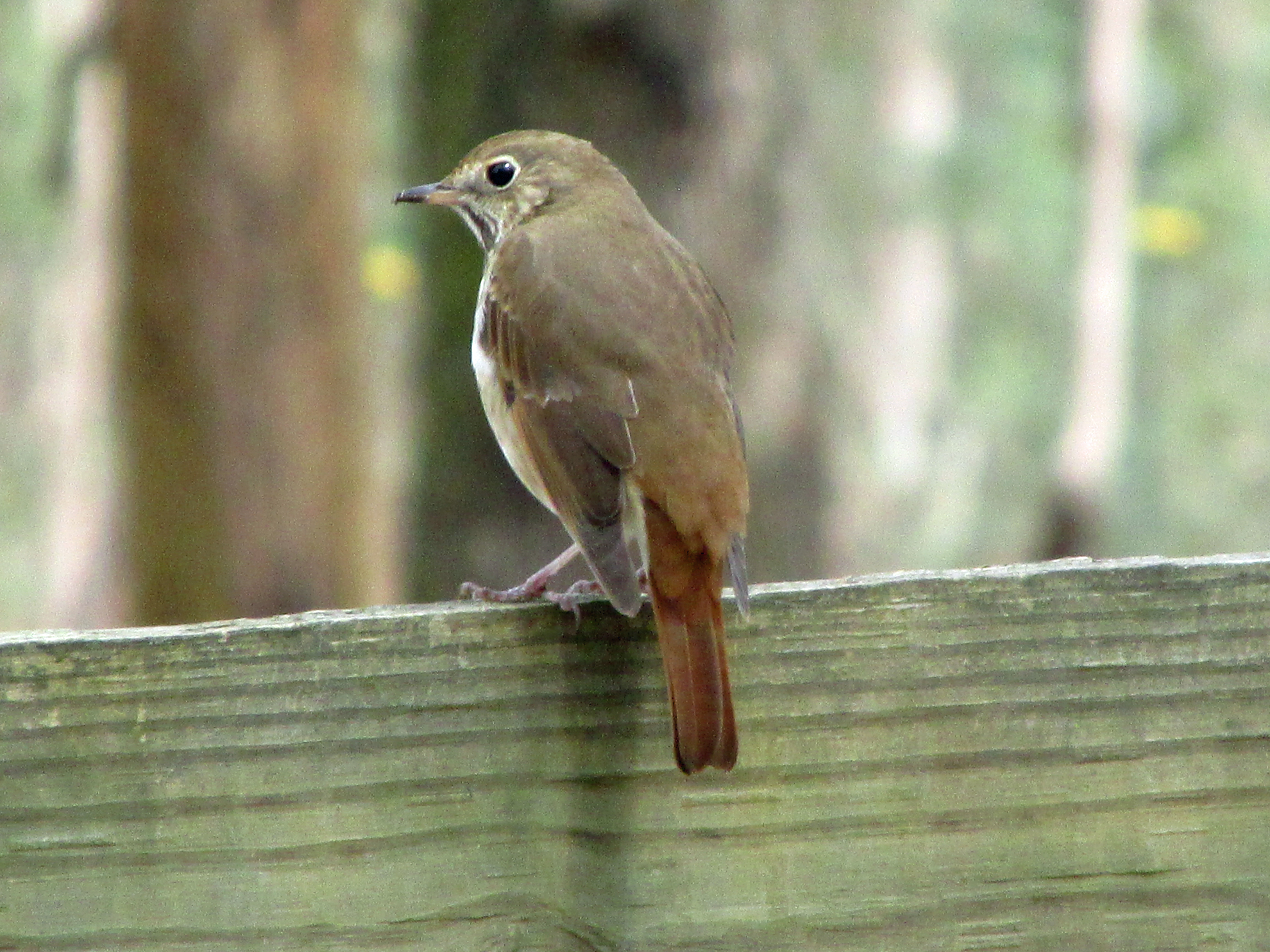
Photo by Bryan Stevens • Although not rare, Wilson’s snipes are not likely to be encountered unless people actively seek them out in their wetland habitats.

Birds make use of various strategies to attract and keep mates

Shauna Fletche/Pixabay • Some birds, like waxwings, like to present tasty treats to their potential mates.


With Valentine’s Day around the corner, it’s an opportune time to see how courtship is handled among our fine feathered friends. Most birds don’t bring a box of chocolates or a bouquet of roses when they take up courtship of a prospective mate, but birds have several equivalent behaviors that they employ to attract the attentions of the opposite sex. In honor of Valentine’s Day I thought a look at some of the more unusual courtship rituals of some of our feathered friends would be appropriate.

Aerial acrobatics designed to impress

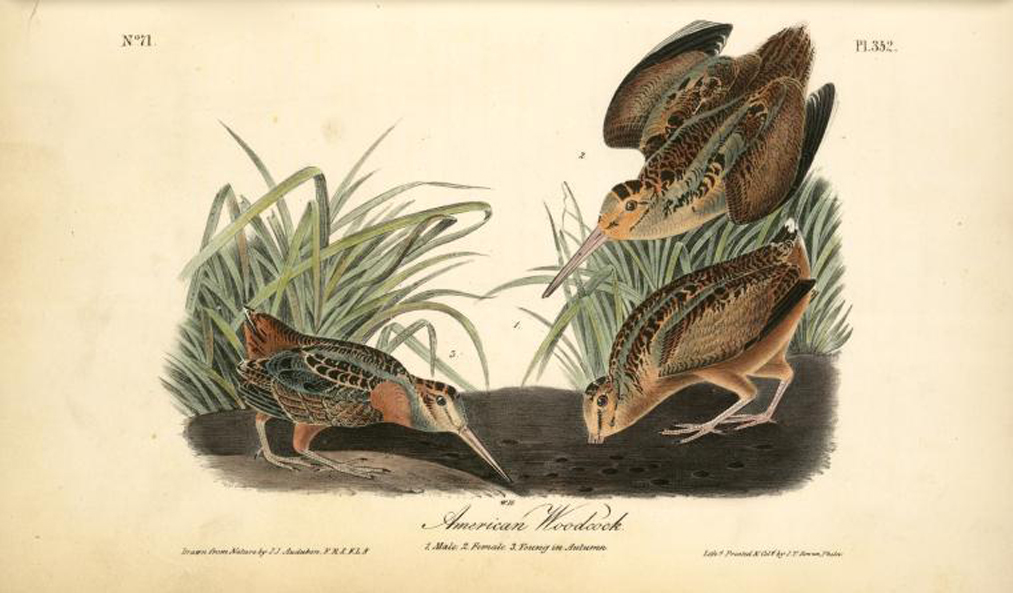
In late winter and early spring, a true oddball begins courting. The American woodcock, also known by such whimsical names as “bog sucker” and “timberdoodle,” is a shorebird that has completely abandoned the shore in favor of woodlands and fields. Beginning as early as February, American woodcocks in the region conduct nightly courtship displays, starting at dusk, that combine aerial acrobatics with an assortment of unusual acoustical flourishes. Any wet field adjacent to a wooded area could offer a stage for these evening displays, but unless you know where to look and make an effort to do so, the American woodcock might as well remain a phantom of the night.

These mating rituals provide almost the only time of the year during which this bird makes itself available for observation. It’s only during this brief window that opens into their lives that we can be assured a glimpse. Even then, our peeks at woodcocks often consist of a fuzzy twilight escapade as the bird flings itself heavenward only to make a spiraling descent a few seconds later. The displays begin with a distinct vocalization, a type of “pent,” that also has the quality of sounding like some sort of mechanical buzzer.

Once the displays conclude for the season, the birds assume nesting duties, usually unobserved by humans. The rest of the year, almost nothing but blind, sheer luck would allow a birder to stumble across an American woodcock. It’s almost as if they disappear after these spring flights of fancy.

Birds bearing gifts

Many birds present small trinkets to a prospective mate. For instance, many male penguins make a present of a stone or pebble to female penguins. There could be more than a simple bribe behind this gift. Female penguins don’t build elaborate nests. In fact, a scrape on the bare ground, perhaps encircled by a collection of pebbles, marks the extent of their nest construction. So, the perfect pebble could be the way to winning a female penguin’s heart.

The way to the heart is through the stomach

Observant birders may have witnessed a male Northern cardinal slip a female a morsel of food, such as a peanut or a shelled sunflower kernel. It’s a marked change for this bird. During the winter months, a male cardinal is more likely to chase a female away from a feeder rather than share food with her. However, as spring approaches, his behavior undergoes a change and he becomes content to feed next to a female cardinal, often slipping her some choice tidbits.

Sabine van Erp/Pixabay • Bow to your partner: Grey-crowned cranes perform an elaborate dance designed to strengthen their bond.

May I have this dance?

Many species of birds perform elaborate and ritualistic dance displays. Among birds known for tripping the light fantastic are flamingoes, cranes, grouse and grebes. Cranes are one of the oldest families of birds on earth. They’re also some of the most accomplished dancers in the animal kingdom. Pairs perform very ritualistic dances that, if the performers were human, would no doubt require the services of an accomplished choreographer. Cranes mate for life and the ritual of dancing is a way to strengthen the bonds between a mated pair. The ability to dance is, apparently, not instinctive. Young cranes must practice their dance moves, a process that can take years before they master the elaborate dance.

Dave Menke/U.S. Fish & Wildlife Service • A pair of Clark’s Grebes displays in a courtship ritual known as “rushing” or “weed dance.” Birds use a variety of strategies to attract and keep mates.

Synchronized swimming

While many birds dance to impress a mate or strengthen pair bonds, grebes perform a dance that takes place completely on the surface of the water. A pair will engage in this intricate performance, perfectly mirroring the moves of the other as they literally race across the surface of the water. These dances by grebes are also known as “rushing” or “weed dance.” It’s called as a weed dance because at the culmination of the ritual, the birds usually hold some type of aquatic plants in their bills while racing swiftly over the surface of the water. Pairs that perform well together stay together, building a nest and raising young.

Good housekeeping seal of approval

The tropical family of bowerbirds are famous for complex nests built by males and then decorated with bright and colorful objects to catch the eye of a potential mate. The nests of these birds are actually referred to as a “bower.” Usually constructed on the ground, the male will line the approachs to the bower with items such as shells, leaves, flowers, feathers, stones, berries, and even discarded garbage, including plastic scraps or bits of glass. Unusually odd items pressed into these decorative displays have included coins and spent rifle shells. This habit of male bowerbirds must rank as the ultimate in trying to impress a mate with shiny bling.

These are just a few of the inventive ways that birds go about attracting and keeping mates. Perhaps you can pick up some pointers from our feathered friends to ensure you have a great Valentine’s Day this year.

•••

If you have a question, wish to make a comment or share a sighting, email me at ahoodedwarbler@aol.com.

Elizabethton Bird Club announces speakers for fall programs

Brayden Paulk will speak to the Elizabethton Bird Club on Sept. 3 on the topic of microfishing.

The Lee and Lois Herndon Chapter of Tennessee Ornithological Society, also known as the Elizabethton Bird Club, will soon begin its schedule of monthly meetings for 2024-25.

The brief business meetings are always accompanied by an informative and entertaining program on birds, birding or other subjects from the natural world.

These programs are a great way to learn more about our feathered friends as well as other related subjects from the natural world. They are free, open to the public and hosted by a welcoming group of people.

Here’s the schedule for Fall 2024:

September

Brayden Paulk, a young naturalist with family ties in Unicoi County, will present the first program on Tuesday, Sept. 3, with a talk on “Microfishing,” which involves anglers focusing on a diverse array of tiny species of fish.

Paulk has also been working as a naturalist with Lamar Alexander Rocky Fork State Park this summer and fall. He gave a program a couple of years ago for the club on “Trash Fishing,” which explored other angling options other than the typical gamefish species. As both fishing and birding are among his interests, he will no doubt find a way to work something into his program about birds.

October

The guest speaker for the meeting on Tuesday, Oct. 1, will be Mark Stevens. A former publisher for The Erwin Record, he will present a program titled “Building a Birding Festival” that will focus on his development of the Hammock Coast Birding Festival in South Carolina. Stevens, who works as tourism director for the Georgetown County Chamber of Commerce, will be giving the program remotely from his home in South Carolina, but the hybrid meeting also offers a chance to attend in-person with other birding enthusiasts. The festival is organized by the South Carolina Hammock Coast, the marketing arm for the Georgetown County Chamber. The third annual Hammock Coast Birding Festival is scheduled for Feb. 6-9, 2025.

November

Vern Maddux, the treasurer for the club, will be the speaker on Tuesday, Nov. 5. Maddux is a world traveler when it comes to seeing birds and will present a program on one of his recent international birding adventures to South Georgia and Falklands. South Georgia is a mountainous barren island in the South Atlantic Ocean, 800 miles east-southeast of the remote South Atlantic archipelago that makes up the Falkland Islands. With rugged terrain and cliff-lined coasts, the hundreds of islands and islets in the Falklands are home to sheep farms and abundant birdlife.

December

In the busy month of December, yours truly will give the program. I will present a powerpoint presentation titled “What’s in a Name?” on North American birds named after people. Among our native birds, we have quail, woodpeckers, sparrows, finches, warblers, hawks and other birds are known by names of historical figures ranging from John James Audubon to William Clark and Meriwether Lewis.

My program will be held on Tuesday, Dec. 3. I will discuss the American Ornithological Society’s decision in 2023 to end what are known as eponyms, in which species names honor people. The renaming of dozens of species will be a gradual process.

The club’s 2025 schedule has not been completed, but will include a program by local naturalist Lewis Tester in the spring on dragonflies.

The public is always welcome to attend these programs. Programs begin at 7 p.m.

The club meets at the Elizabethton campus of Northeast State Community College in Room 135 when the school’s schedule permits. When school is not in session, meetings are held on Zoom or at other announced locations. To receive updates on the club’s schedule, events and activities, email elizabethtonbirtdingclub@gmail.com and ask to be placed on a free mailing list.

The Elizabethton Bird Club holds seasonal birds count in spring, summer, fall and winter. The club also organizes and sponsors regular field trips to destinations through Northeast Tennessee. These activities are also open to interested members of the public.

•••

To share a sighting, make a comment or ask a question, email me at ahoodedwarbler@aol.com.
More readers share their hummingbird arrival stories

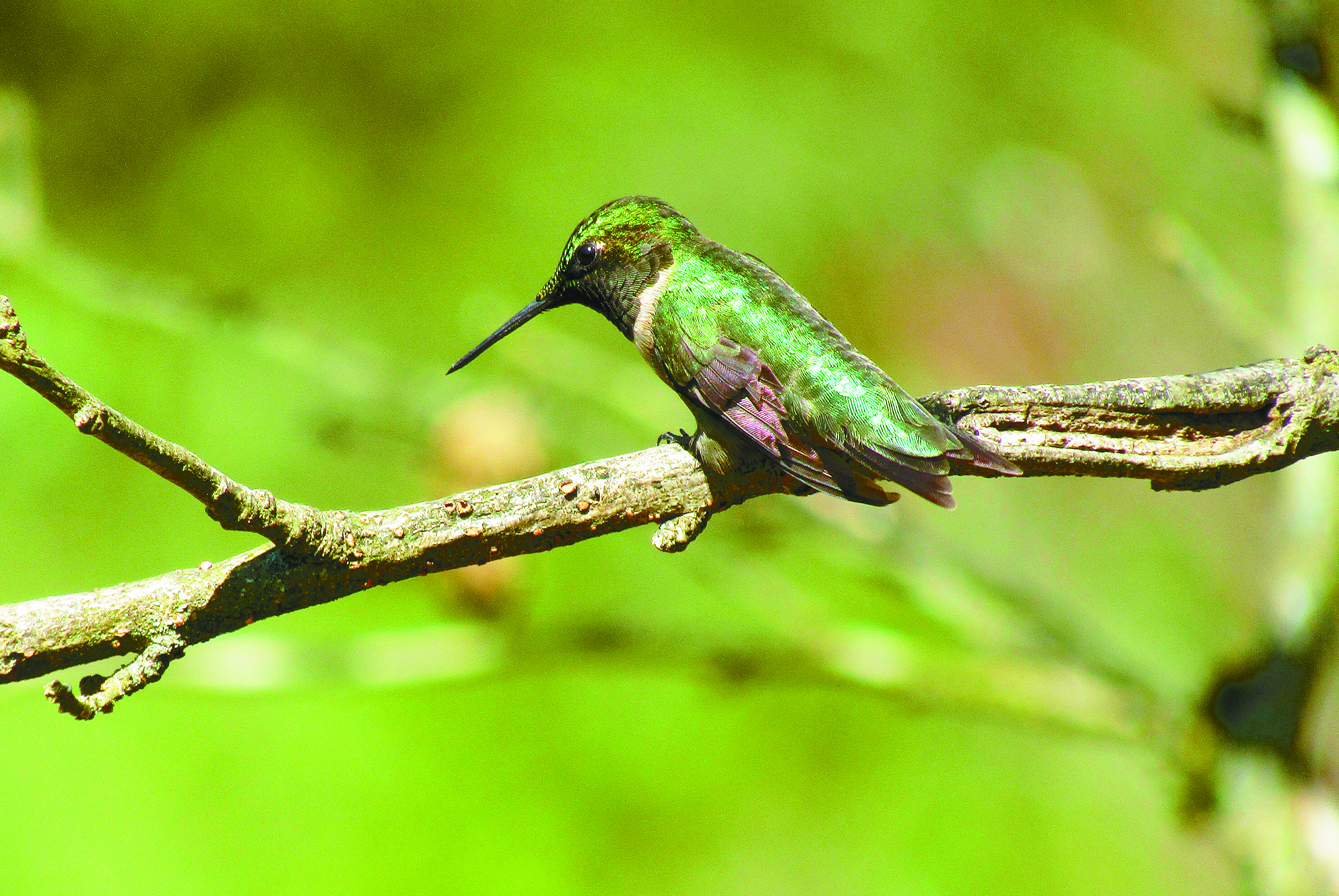
Photo by Bryan Stevens • A male ruby-throated hummingbird perches on a branch. These tiny birds returned to the region earlier this month.

Ruby-throated hummingbirds are back in the region for another season. This male takes a sip of nectar from the blooms of a potted plant.

I reported last week on a handful of people who saw the “early bird” ruby-throated hummingbirds making their return to local yards and gardens. Many more readers have contacted me this past week to share more hummingbird sightings.

For those who haven’t seen a hummingbird yet, just remain patient. They’re definitely arriving for another season with us. 

•••

Gina Kinney emailed me on behalf of her mom, Ginger Brackins, as she has done for several years, to share news of her mom’s hummingbird sighting.

“She said she saw her first hummingbird on Saturday, April 13, at around 5:30 p.m. in Erwin,” Ginger wrote.

•••

Only the male ruby-throated hummingbird shows the bright red throat patch.

“I put my feeder out on April 1 and took it down this morning (April 14) to clean it and put new feed in it,” wrote Joan Chipokas in an email. “About 30 minutes later, a male hummer came to the feeder. Didn’t see him again today, but I was busy so really wasn’t watching. Hopefully I’ll start seeing him on a regular basis and the female will show up too.”

Joan wrote that she lives on Suncrest Village Lane in Gray.

•••

Kingsport resident Ray Chandler reported a sighting of a first spring hummingbird on April 14 . “They are regular visitors to the feeders now,” he shared in an email.

•••

Lonnie Hale reported a first of spring hummingbird sighting in an email to me.

“We saw our first hummingbird yesterday (April 14),” Lonnie wrote. “I put the feeders out in the morning, bought four hanging baskets of flowers and BAM.”

Lonnie lives near Big Stone Gap, Virginia. “Love these little guys,” Lonnie added.

•••

April Fain in Unicoi also saw her first ruby-throated hummingbird of the season on April 14. “We had our first hummingbird this morning,” April wrote in a Facebook message to me. “I saw him three times.”

•••

Photo by Bryan Stevens • Despite a perceived disadvantage of size, ruby-throated hummingbirds are quite capable of thriving in a giant world.

Amy Tipton sent me a message on Facebook to report that her parents had observed their first spring hummingbird.

“The hummingbirds are back in Unicoi County,” she wrote. “My parents, Edison and Emma Jean Wallin, spotted their first one of the season this evening (April 14) at 6:30 at the feeder on their front porch in Limestone Cove. Mama just put her feeder out today.”

•••

“My first hummer just came in,” Karen and Bobby Andis of Kingsport reported via Facebook Messenger on April 14. “A small female…very hungry.”

I got a followup message the following day. “A male showed this morning,” they wrote.

•••

Erwin resident Donna Barnes Kilday shared a post on my Facebook page to report the arrival of her first hummingbird. “Saw my first hummingbird today,” she wrote on April 15.

•••

Priscilla Gutierrez shared in a Facebook comment that she saw her first hummingbird of spring on April 16.

•••

“I’ve had my feeder out for 2 weeks,” Virginia Martin commented on a Facebook post. Virginia, who resides in East Carters Valley in Scott County, added that she saw her first ruby-throated hummingbird on April 13 at 3:15 p.m.

“I believe they are a couple of days behind schedule for my area, possibly weather-related since we’ve had a spell of cooler temperatures and a few very windy storms recently,” she added.

Virginia noted that she has fed hummers for years, and use only the homemade sugar water in a common inexpensive feeder.

“It’s located just outside my dining area window, so I have literally a ‘bird’s eye’ view,” she wrote. “There’s a dogwood tree close by, and other good perching places for them to monitor and protect their territory.”

•••

Jan Bostrom sent me an email to share her first spring hummingbird sighting. She wrote, “I saw my first hummingbird yesterday (April 17) around 6 p.m.” Jan wrote that she been on the lookout because her neighbor saw her first hummingbird on April 15.

“I’m thrilled to be retired and to have time to enjoy God’s beauty around me,” Jan shared.

•••

I’ve finally joined the ranks of those who have welcomed hummingbirds back for another season.

The hummingbirds returned to my own home on April 17 at 7:15 p.m. I heard the telltale buzz of the bird’s wings before I spotted him. I stayed still and he zipped to my feeders for a quick sip. He returned a few times before dusk. When I posted my success on Facebook, several other people commented to let me know that hummingbirds had returned at their homes on April 17.

The following day I enjoyed watching two male ruby-throated hummingbirds in a prickly standoff about control of the front porch feeders.

•••

Vivian C. Tester in Bristol, Tennessee, posted a comment on one of my Facebook posts to let me know of her first spring sighting.

“Just saw my first hummingbird of spring,” she wrote on April 17.

•••

Rosalie Sisson in Jackson, Tennessee, commented on my Facebook page that she saw her first hummingbird of the season at about 6 Central time on April 17.

•••

Lauri Sneyd Garland in Unicoi, also on April 17, noted in a comment on my Facebook page she has been seeing hummingbirds for the last couple of days.

•••

Tina Jefferson Reese in Bristol, Tennessee, reported via a comment on my Facebook page that she also saw her first hummingbird on April 17.

•••

Linda C. Robinette wrote, “Ours fluttered in around 11:30 this morning (April 17),” in a comment on my Facebook page.

•••

Kaylynn Sanford Wilster at Boone Lake saw her first spring hummingbird on April 18. “Saw my first one yesterday,” she wrote on April 19 in a Facebook comment on a post of mine.

•••

Spring migration is in full swing. At least six different species of warblers have returned to the woodlands around my home. A broad-winged hawk has also returned to a favorite field less than a quarter of a mile from my home. Keep your eyes open for new arrivals. Chimney swifts have been zipping over the rooftops of downtown Erwin since April 17.

To share a sighting, make a comment or ask a question, email me at ahoodedwarbler@aol.com.