Tag Archives: Northeast Tennessee

South Carolina trip provides excellent viewing opportunities to observe one of nation’s most colorful birds

PaintedBunting-Male (1)

Photos by Bryan Stevens                                                          A male Painted Bunting feeds on millet seed at a feeder at Huntington Beach State Park in South Carolina.

I enjoyed a recent excursion to coastal South Carolina, which provided me a change to look for birds at such locations as Huntington Beach State Park and Brookgreen Gardens. These two attractions are two of my favorite places to bird when I get an opportunity to a stay at Pawleys Island in South Carolina.

PaintedBunting-Feeder

The male Painted Bunting is one of the most colorful birds in North America.

Southwest Virginia, Northeast Tennessee and Western North Carolina share some colorful species of birds, including rose-breasted grosbeak, Baltimore oriole, scarlet tanager and indigo bunting. The vibrant blue plumage of a male indigo bunting makes it one of the most coveted birds at feeders. One of my earliest bird memories is one that recalls summer sightings of “blue birds,” or indigo buntings, perched in the same blue spruce tree with “yellow birds,” or American goldfinches. It’s very likely that such memorable childhood sightings set me on the path to becoming a birding and nature enthusiast.

It’s fun to speculate that I might have traveled that path even sooner if I’d observed in that blue spruce one of the relatives of the indigo bunting. The painted bunting, which I saw frequently during my South Carolina vacation, is often described as one of the most colorful birds in the United States. A male painted bunting’s plumage is an almost shocking blend of blue, green, yellow and red feathers, which make males appear almost too tropical for a bird that makes its home for part of the year in the United States. The color pattern for the male painted bunting consists of a blue head, a red eye-ring, red underparts and a green backs. Females and immature birds are a uniform, bright lemon-green overall, with a pale eye-ring. Two years are required for a male painted bunting to acquire the vibrant plumage that has given the bird its common name.

Painted-Perch

It’s easy to see how the male painted bunting acquired its reputation as one of North America’s most colorful birds.

The painted bunting is a specialty bird of the southern United States, as well as some locations in the southwestern United States, including southern Arizona and New Mexico. A thriving population exists along the Atlantic Coast in South Carolina, Georgia and Florida. These colorful birds also occur in Louisiana, Texas, Arkansas and Oklahoma. Some other common names for this bird include painted finch and rainbow bunting. Early French colonists to the New World named this songbird “Nonpareil,” which means “without equal.” That neatly sums up the amazing appearance of this bird.

Bird feeders help this bird overcome its shyness in the presence of humans. Huntington Beach State Park in South Carolina maintains several feeders filled with millet, which is a small seed favored by buntings, as well as some sparrows and finches. The feeders located at the park’s Nature Center are a popular destination for people hoping to get a good look at a painted bunting. Of course, the buntings share the feeders with other birds, including chickadees, cardinals, house finches, brown-headed cowbirds and red-winged blackbirds.

Paintedbunting-FemaleTwo

Female and immature painted buntings are greenish-yellow birds that are eclipsed by the more vibrant adult males.

Away from feeders, however, it can be difficult to find painted buntings. Males sing from elevated perches in spring and early summer, which can simplify the effort of locating them. The greenish females blend well with their surroundings and can be a much bigger challenge to observe. Once I learned to recognize the male’s song, finding painted buntings away from feeders became easier.

Before federal protections were put into place, painted buntings were often captured and caged as exotic pets. Although such practices are now illegal in the United States, these birds are still captured in some Central American locations for sale as a pet caged bird. I’ve always believed that it’s much more enjoyable to observe any bird free to fly, sing and live out its life in the wild.

Female-PaintedBuntinge

A female Painted Bunting decides to visit a hummingbird feeder.

The population of painted buntings has declined, particularly on barrier islands off the coasts of Georgia and South Carolina. Destruction of habitat has been a major factor, but these birds are also victimized by brown-headed cowbirds. The female cowbirds slip their own eggs into the nests of unsuspecting birds, which often raise the young cowbirds even at the expense of their own young.

Painted buntings do show up in some unexpected places, but there are only a few records for the region. In November of 2015, a male painted bunting showed up at Prospect Park in Brooklyn, New York, of all places. That particular bird lingered until Jan. 3, 2016, before it was last seen prior to a cold front moving into New York. The surest way to see a painted bunting is to visit some of its strongholds along the southern Atlantic Coast or the other regions in the United States where this technicolor dream of a bird ranges.

IndigoBunt

Indigo Buntings are fairly common songbirds in much of the eastern United States.

Until then, enjoy the painted bunting’s much more common, at least in this region, relative. The indigo bunting usually returns to the region in April and lingers into early October. Indigo buntings are also fond of visiting feeders for offerings of millet or sunflower seed.

Besides indigo buntings, other related birds include the lazuli bunting, varied bunting and blue bunting. Other birds named bunting, but not as closely related, include the snow bunting and the lark bunting. The term “bunting” when used with a bird basically refers to various seed-eating birds with stubby, cone-shaped bills.

13179389_10207987541958787_6482701987005342322_n

The Lazuli Bunting takes the place of Indigo Buntings in the western half of the United States. This male was photographed in Utah.

Perhaps some day in the future I’ll glimpse a migrant painted bunting that has strayed off course and has ended up in southwest Virginia or northeast Tennessee. Until that hypothetical day, I’ll continue to look for this dazzling bird any time I am in the Low Country of South Carolina. In addition, I’ll simply enjoy the electric blue plumage of the adult male indigo buntings that visit my feeders almost daily during the summer months.

••••••

Bryan Stevens lives near Roan Mountain, Tennessee. To learn more about birds and other topics from the natural world, friend him on Facebook at https://www.facebook.com/ahoodedwarbler. He is always posting about local birds, wildlife, flowers, insects and much more.

13308508_10208193039736103_5797206863247911756_o

This male Painted Bunting visits feeders at Huntington Beach State Park in South Carolina.
Field guides crucial components to improving your bird knowledge

Earlier this spring, I received an email from Jill Henderson, who resides in Saltville, Virginia, asking for some advice on obtaining a good field guide to help enhance her knowledge of the region’s birds.

“I appreciate your expertise and thank you for helping me learn about the many different types of birds that we have here in southwest Virginia,” Jill wrote in her email. “Can you recommend a good field guide/reference book for a novice bird watcher?”

Photo-FieldGuides

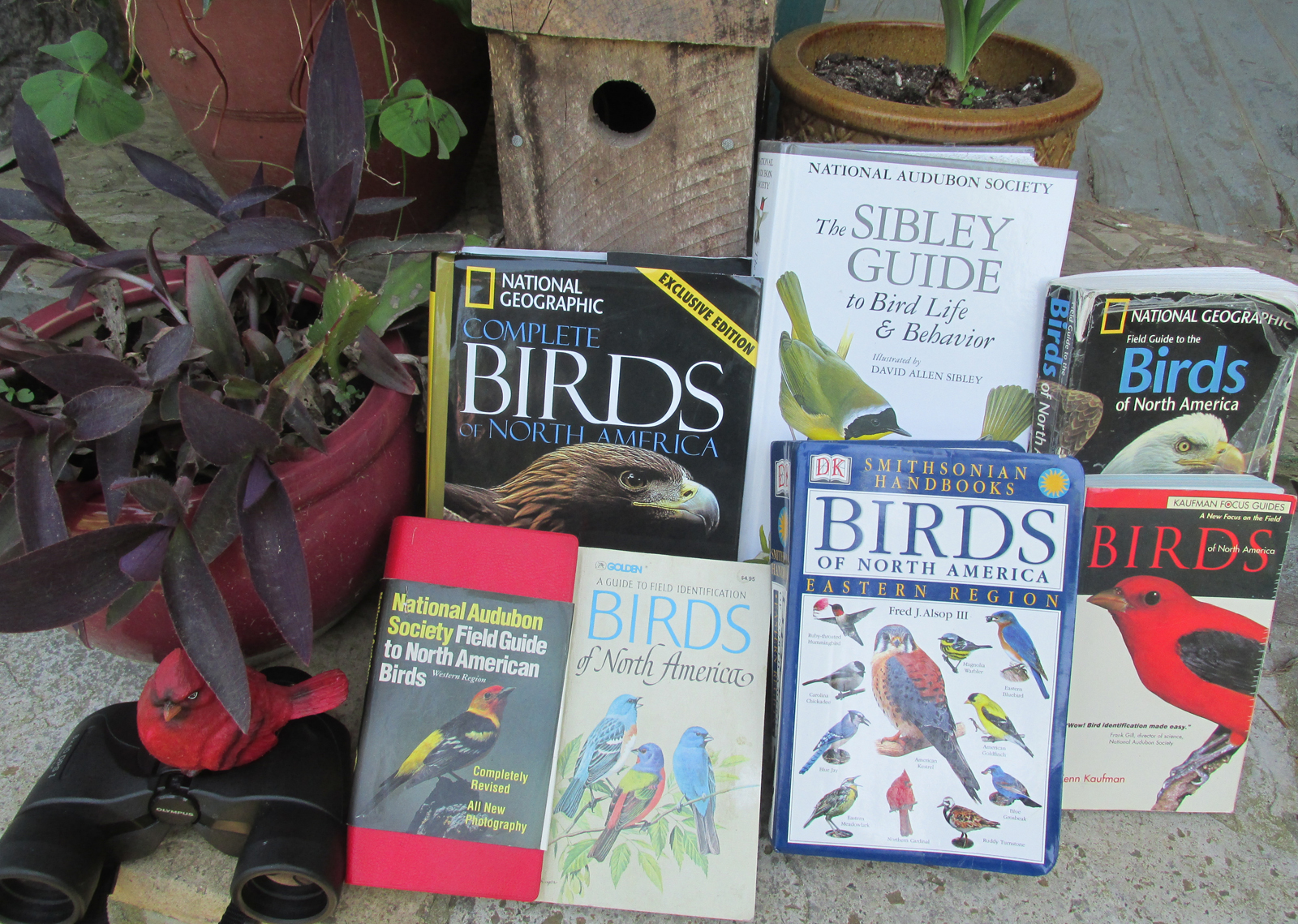
Photo by Bryan Stevens                                                                  A variety of birding field guides are available to help beginners hone their identification skills. Peruse and choose the guide that works best for you.

I provided Jill with some information about field guides especially valuable for beginning birdwatchers.

In my own experience, I look for three things in a field guide: detailed illustrations, convenient size and complete listings of birds likely to be encountered. I prefer field guides with paintings/illustrations of birds rather than book featuring photographs. It’s a personal preference, of course, but I believe a good painting beats a photograph for capturing and conveying the important details to look for when trying to identify a bird.

With those criteria in mind, some of my favorite guides are David Sibley’s The Sibley Field Guide to Birds of Eastern North America; The National Geographic Field Guide to the Birds of North America by Jon L. Dunn and Jonathan Alderfer; and A Field Guide to the Birds of Eastern and Central North America by the late Roger Tory Peterson. The latter is a classic among bird texts and helped kick off birdwatching for the average individual. The Sibley and National Geographic field guides are more modern takes on a field reference guide to assist in bird identification.9780307370020-us 2

All these books have counterparts featuring Western species of birds. Sibley also has a large guide (too large to easily take into the field) that has both Eastern and Western species in it.

I also suggested to Jill that before she makes a purchase, she should thumb through the pages of some of the guides available at a local book store or, even better, borrow a copy from a library. It’s always good to get some hands-on time with these books in order to decide which guide fits your own personal preferences. For instance, some people may prefer a guide with photographs. I’ve always liked painted illustrations better than photos. However, I own some field guides that rely on photos. I often use these guides as secondary references to consult for confirmation of a particularly puzzling identification. Among the best photo field guides available are the Kaufman Field Guide to Birds of North America by Kenn Kaufman and the Stokes Field Guide to Birds Eastern Region by Donald and Lillian Stokes.517doMN-H7L._SX333_BO1,204,203,200_

Overall, field guides are a valuable investment and crucial for individuals looking to expand their knowledge of birds. Best of all, most field guides are not expensive. Most guides cost around $20. It’s sometimes possible to pick up a good guide at a store specializing in used books for an even more modest price.

One thing to keep in mind is that we’re living in a technology-driven age. Some tech-savvy birders have begun to rely on electronic guides on mobile devices for use in the field while birding. I’m a little more old-fashioned and still prefer a portable book while looking for birds.1071890

Not all guides are dedicated to using visual cues to identify birds. Once beginners have mastered some of the visual means of identifying birds, they will perhaps want to advance to some of the excellent “birding by ear” guides to help develop the ability to match bird songs with the birds that produce these audio clues to their identities. There are literally dozens of marvelous field guides.

Although birding helped kick off the demand for nature field guides, the industry has branched out in the past couple of decades. It’s easy to obtain extensive and informative field guides on a variety of subjects, ranging from butterflies and moths to dragonflies, wildflowers, trees, reptiles, fish, mammals and much more.81a1885b-80a6-4e50-a941-f0079f122a97_1000

Jill sent me her email with the query about field guides about the time the first ruby-throated hummingbirds were returning to the region, and she shared a story about her efforts to attract hummingbirds that was sidetracked by an unwelcome visitor.

“Also, as an avid hummingbird watcher, I was so excited to prepare and hang two feeders,” she wrote. “However, the only thing attracted to them at this point has been a local bear who proceeded one night to tear down and destroy both feeders!”

Jill said that the offending bear left paw prints on her porch and sticky, red remnants of hummingbird food on the side of her house underneath the garage sconce light (also destroyed by the bruin), which he mistook for a third feeder.

“Oh well, I will try again with the feeders here soon,” she added. The incident did prompt her to change her strategy. This time, she wrote, she planned to locate the feeders a little farther from her house.

I sympathized with her about the bear’s attack on her feeders, and shared an account of an incident that befell one of my feeders. A bear mangled one of my peanut feeders this past winter, bending the mesh tube into a pretzel shape.

I added a postscript to my email reply to Jill, prompted by learning where she lives.

“I love the wetlands in Saltville,” I wrote to her. “Great habitats for birds!”

Through the years, I have observed some interesting birds in the Saltville wetlands, including surf scoter, Caspian tern, great egret and spotted sandpiper. During those visits, I always had a trusted field guide with me for consultation.e34fe1ca-5b5d-4c45-956c-41ff096610d0_1.58baeab0e8cc1f26ab894e3cbcf9f22d

••••••

To learn more about birds and other topics from the natural world, friend Stevens on Facebook at https://www.facebook.com/ahoodedwarbler. He is always posting about local birds, wildlife, flowers, insects and much more. If you have a question, wish to make a comment or share a sighting, email ahoodedwarbler@aol.com.

Regional spring bird count sets several new records

IndigoBunt

Photo by Bryan Stevens                                  Newly-arrived migrant birds such as Indigo Bunting were well represented on the 73rd annual Elizabethton Spring Bird Count.

The 73rd consecutive Elizabethton Spring Bird Count, which was held Saturday, April 30, set numerous records for this long-running survey of the region’s birds. The 59 observers in 13 parties (both representing record highs for participation) enjoyed favorable weather over the coverage area, which included Carter County and parts of adjacent Johnson, Sullivan, Unicoi and Washington Counties.


Rose-breastedGrosbeak

Photo Courtesy of Jean Potter                              A total of 166 species of birds, including Rose-breasted Grosbeak, pictured, helped participants in the Elizabethton Spring Bird Count, establish a new record high for this annual survey. The old record of 161 species was set back in 2005.

Long-time count compiler Rick Knight announced that the annual count tallied 166 species, eclipsing the previous record of 161 set in 2005. By comparison, the average number over the last 30 years has been 147 species.

Highlights for this year’s Spring Bird Count included American Golden-Plover and Fish Crow, which were new to this annual survey of birds in the region.

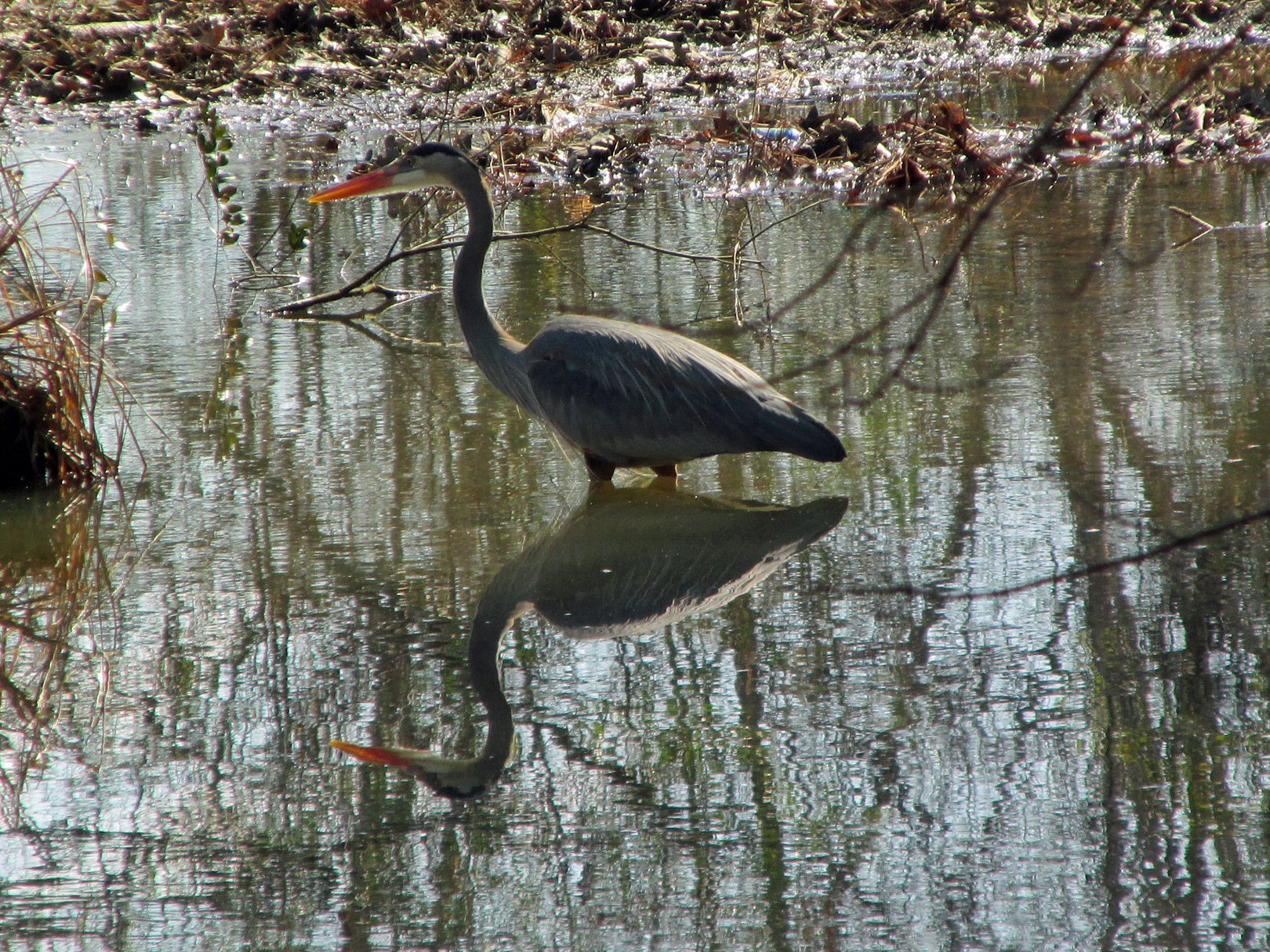
Heron-CandlerMurphy

Photo by Bryan Stevens                           The presence of several nesting colonies of Great Blue Herons could help explain a new record-high for this species on this year’s count.

Other notable find included Hooded Merganser (a hen with two young), a lingering pair of Common Mergansers, Virginia Rail, Black-billed Cuckoo, Northern Saw-whet Owl, Peregrine Falcon, Sedge Wren and Cerulean Warbler.

Amazingly, given the long history of this count, 21 species occurred in record high numbers this year. Knight said the increased number of observers and parties certainly contributed to this.

Sora-Jean

Photo Courtesy of Jean Potter                      Although the Sora is rarely found during this annual count, the four individuals found this year represented an all-time high for the species on this yearly survey.

The record highs were for the following species:  Canada Goose (653), Mallard (332), Wild Turkey (57), Great Blue Heron (107), Yellow-crowned Night-Heron (14), Black Vulture (152), Spotted Sandpiper (83), Barred Owl (12), Belted Kingfisher (30), Red-bellied Woodpecker (97), Warbling Vireo (20), Red-eyed Vireo (257), Ovenbird (244), Worm-eating Warbler (39), Yellow-throated Warbler (44), Eastern Towhee (222), Scarlet Tanager (82), and Baltimore Oriole (38). Three species — Orchard Oriole (42), Northern Saw-whet Owl (3) and Sora (4) — tied previous high counts.

Several of these good finds were made by observers counting in Unicoi County at such locations as Rock Creek Recreation Area and Unaka Mountain. The final total follows:

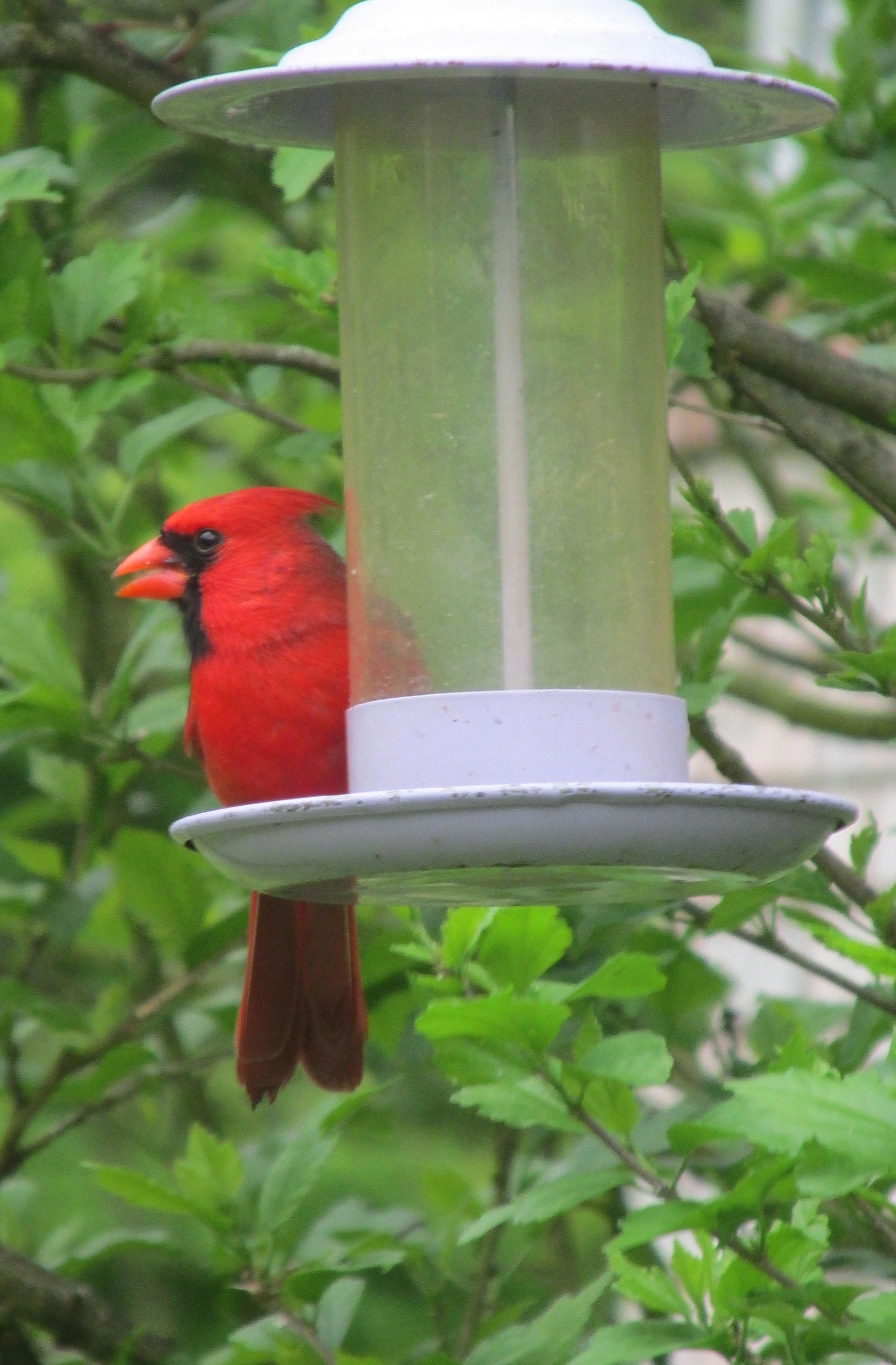
Cardinal_CloseCrop

Photo by Bryan Stevens Common backyard birds, such as Northern Cardinal, were among the record-high 166 species found.

Canada Goose,  653; Wood Duck, 85; American Wigeon, 2; Mallard, 332; Blue-winged Teal, 6; Bufflehead, 5; Hooded Merganser, 3; and Common Merganser, 2.
Northern Bobwhite, 1; Ruffed Grouse, 1; Wild Turkey, 57; Common Loon, 1; Pied-billed Grebe, 5; Horned Grebe, 1; and Double-crested Cormorant, 65.
Great Blue Heron, 107; Green Heron, 16; Black-crowned Night-heron, 1; Yellow-crowned Night-Heron, 14; Black Vulture,  152; and Turkey Vulture,  212.
Osprey,  15; Bald Eagle, 10; Sharp-shinned Hawk,  2; Cooper’s Hawk, 7; Broad-winged Hawk, 16; and Red-tailed Hawk,  38.
Virginia Rail,  1; Sora , 4; American Coot, 3; American Golden-Plover, 1; Killdeer,  46; Spotted Sandpiper,  83; Solitary Sandpiper,  34; Greater Yellowlegs,  2; Lesser Yellowlegs , 2; Least Sandpiper, 5; and Pectoral Sandpiper, 2.
Bonaparte’s Gull, 1; Ring-billed Gull, 7; Forster’s Tern, 7; Rock Pigeon, 166; Eurasian Collared-Dove,  3; Mourning Dove,  254; Yellow-billed Cuckoo,  9; and Black-billed Cuckoo, 1.
Eastern Screech-Owl, 10; Great Horned Owl,  6; Barred Owl,  12; Northern Saw-whet Owl, 3; Common Nighthawk, 1; Chuck-will’s-widow, 10; Eastern Whip-poor-will, 32; Chimney Swift , 209; Ruby-throated Hummingbird, 31; and Belted Kingfisher, 30.
Red-headed Woodpecker, 2; Red-bellied Woodpecker,  97; Yellow-bellied Sapsucker, 4; Downy Woodpecker,  37; Hairy Woodpecker, 10; Northern Flicker,  33; Pileated Woodpecker, 43; American Kestrel, 19; and Peregrine Falcon, 1.
Eastern Wood-Pewee,  7; Acadian Flycatcher, 12; Least Flycatcher, 6; Eastern Phoebe, 77; Great Crested Flycatcher, 15; and Eastern Kingbird, 57.
Loggerhead Shrike, 1; White-eyed Vireo, 12; Yellow-throated Vireo, 9; Blue-headed Vireo,  78; Warbling Vireo, 20; Red-eyed Vireo,  257; Blue Jay, 320; American Crow, 338; Fish Crow, 1; Common Raven,  and 14; Horned Lark,  2.
Purple Martin, 81; Tree Swallow, 426; Northern Rough-winged Swallow, 133; Barn Swallow, 217; and Cliff Swallow, 807.
Carolina Chickadee,  173; Tufted Titmouse, 166; Red-breasted Nuthatch, 16; White-breasted Nuthatch, 26; and Brown Creeper,  4.
House Wren,  45; Winter Wren, 4; Sedge Wren, 1; Carolina Wren,  129; Blue-gray Gnatcatcher,  97; Golden-crowned Kinglet, 5; and Ruby-crowned Kinglet, 4.

RedeyedVireo-Jean

Photo Courtesy of Jean Potter                        Vireos, such as this Red-eyed Vireo on a nest, were quite abundant. The numbers of Red-eyed Vireos and Warbling Vireos set all-time highs for the count.

Eastern Bluebird, 157; Veery, 13; Swainson’s Thrush,  2; Wood Thrush, 138; American Robin,  888; Gray Catbird, 55; Brown Thrasher, 45; Northern Mockingbird, 122; European Starling,  986; and Cedar Waxwing, 44.
Ovenbird, 244; Worm-eating Warbler, 39; Louisiana Waterthrush, 32; Golden-winged Warbler, 2; Black-and-white Warbler, 90; Swainson’s Warbler, 6; Nashville Warbler, 1; Kentucky Warbler, 5; Common Yellowthroat, 27; Hooded Warbler, 208; American Redstart, 21; Cape May Warbler, 4; Cerulean Warbler, 2; Northern Parula, 56; Magnolia Warbler, 3; Bay-breasted Warbler, 2; Blackburnian Warbler, 7; Yellow Warbler, 15; Chestnut-sided Warbler, 36; Blackpoll Warbler, 1; Black-throated Blue Warbler, 85; Palm Warbler, 8; Pine Warbler, 10; Yellow-rumped Warbler, 62; Yellow-throated Warbler, 44; Prairie Warbler, 5; Black-throated Green Warbler, 81; Canada Warbler, 44; and Yellow-breasted Chat, 8.
Eastern Towhee, 222; Chipping Sparrow, 126; Field Sparrow, 72; Savannah Sparrow, 1; Grasshopper Sparrow, 4; Song Sparrow, 276; Swamp Sparrow, 5; White-throated Sparrow, 13; White-crowned Sparrow, 11; and Dark-eyed Junco, 63.

Hairy_Male

Photo by Bryan Stevens While some species set record highs, only 10 Hairy Woodpeckers, like this male, were found by participants in the annual Elizabethton Spring Bird Count.

Summer Tanager, 1; Scarlet Tanager, 82; Northern Cardinal, 299; Rose-breasted Grosbeak, 30; Blue Grosbeak, 6; and Indigo Bunting, 126.
Bobolink, 1; Red-winged Blackbird,  480; Eastern Meadowlark, 142; Rusty Blackbird, 2; Common Grackle, 477; Brown-headed Cowbird, 91; Orchard Oriole, 42; and Baltimore Oriole, 38.
House Finch, 56; Pine Siskin, 59; American Goldfinch, 354; and House Sparrow, 80.
•••••

To learn more about birds and other topics from the natural world, friend Stevens on Facebook at https://www.facebook.com/ahoodedwarbler. He is always posting about local birds, wildlife, flowers, insects and much more. If you have a question, wish to make a comment or share a sighting, email ahoodedwarbler@aol.com.

Winter Rally returns to Roan Mountain on Saturday, Feb. 13

Turkeys-Hillside

Photo by Bryan Stevens                                                                    Flock of Wild Turkeys forage on a hillside near Hampton, Tennessee.

As January moves into February, I’ve been seeing more of the birds I’ve come to associate with the winter months.

Ringneckers-Redheaders

Photo by Bryan Stevens                  Ring-necked Ducks and Redheads visit a pond at Erwin Fishery Park in Erwin, Tennessee.

During afternoon drives I’ve observed flocks of wild turkeys in fields near my home. The largest of these flocks consisted of at least two dozen birds. In addition to the turkeys, I’ve been seeing waterfowl at various ponds at local park. Some of these observations have included ducks like Redheads, Ring-necked Ducks, American Wigeons, American Black Ducks and Buffleheads, as well as Pied-billed Grebes, Common Coots and Great Blue Heron. I also found a large flock of Ring-billed Gulls at a large pond near the Elizabethton campus of Northeast Tennessee Community College.

FOXIE

Photo by Bryan Stevens                A Fox Sparrow arrived at feeders during a recent snowstorm.

Recent snowfall has also changed the makeup of the flocks of birds coming to my feeders. A Fox Sparrow has joined the Eastern Towhees I’ve watched foraging on the ground beneath the feeders hanging from the branches of a blue spruce outside my bedroom window.

GullsGreatLakes

Photo by Bryan Stevens                                Ring-billed Gulls at a pond in Elizabethton, Tennessee.

More Purple Finches, in addition to American Goldfinches, have joined the ranks of birds crowding around my black oil sunflower-stocked feeders. Other recent visitors have included European Starlings (a winter rarity at my home) and a male Red-winged Blackbird, which linger for only one snowy day.

•••••••

u25017404-o112351545-53

David Ramsey

It’s time once again to join the fun for a winter celebration of the Roan Highlands on Saturday, Feb. 13, at the Roan Mountain State Park Conference Center. The event will celebrate Roan Mountain’s grassy balds, rare plants, birds, ancient geology and ongoing conservation efforts. The inclusive event is planned as for all ages, so be sure to bring the kids. Presentations are planned by David Ramsey and Gary Kauffman.

Ramsey is a well-known area conservationist, photographer, and tireless fighter for the protection of the 10,000-acre Rocky Fork tract — now a 2,000-acre Tennessee State Park surrounded by 7,600 acres of U.S. National Forest. Ramsey will present a program on photography being one of the most important items in the conservationist’s toolbox. A native of Unicoi, he was Field & Stream’s 2011 “National Hero of Conservation” and a Southern Appalachian Highlands Conservancy’s Stan Murray award winner. Ramsey, whose great-great-grandfather walked these forest paths, brings a generational love to contemporary times on Roan Mountain.

Gary_Kauffman,_US_Forest_Service,_collects_Georgia_aster_seeds_(8057079764)

Photo by U.S. Forest Service                              Gary Kauffman collects seeds for a project for the U.S. Forest Service.

Gary Kauffman is the botanist/ecologist for the National Forests in North Carolina, which covers 1.1 million acres across four forests, the Nantahala and Pisgah National Forests in the mountains, the Uwharrie National Forest in the Piedmont, and the Croatan National Forest in the Coastal Plain. He will speak on the Roan’s rare plants in the balds and forests and the threats of balsam and hemlock wooly adelgid, beech bark disease, and non-native invasive plants.

Since you’re bringing the kids along, be sure to let them know that Xtreme Roan Adventures will have a table set up for owl pellet dissection. Of course, several afternoon hikes are also on the schedule for this year’s Winter Rally.

12615688_10207221841416752_570003004117826680_o

Photo by Bryan Stevens                                                                           The annual Roan Mountain Winter Naturalists Rally returns on Saturday, Feb. 13.

During lunch, Amanda “AJ” Smithson, Seasonal Interpretive Ranger at Roan Mountain State Park, will present a program on forests and fields’ edible plants. Smithson is a graduate from UNC Wilmington and NC State with degrees in Natural Resource Management and GIS.
For more information, on this annual event, visit http://friendsofroanmtn.org/winter%20rally%202016%20brochure.pdf

Summer is the season of the swallow


No matter where you live, you probably don’t have to go far to see one of the members of the swallow family. These graceful, aerodynamic birds are quite familiar to most people. If you spend much time at all outdoors during the summer months, chances are you’ve observed some members of this family.

Overall, it’s been a good year for swallows. It’s usually not too difficult to find five of the six species that are known to make Northeast Tennessee and Southwest Virginia their home from spring to fall. In addition to barn and tree swallows, I have seen purple martins, cliff swallows and northern rough-winged swallows so far this year.

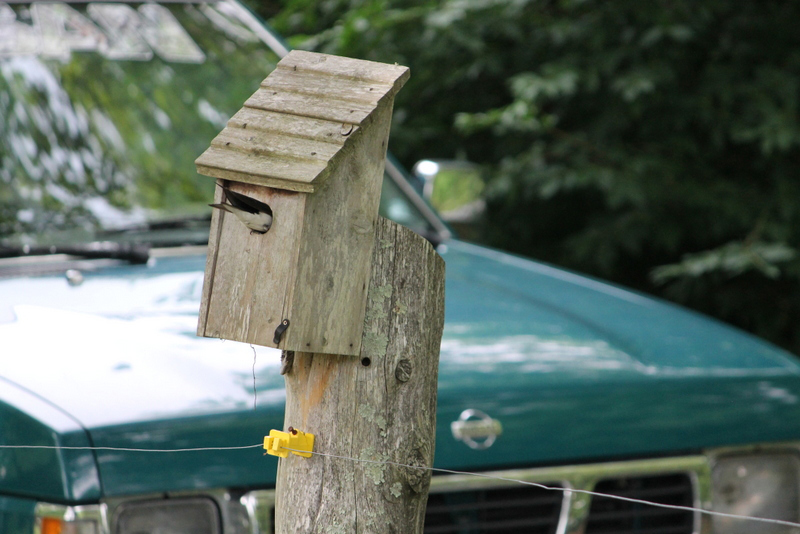
Photo courtesy of Mary Taylor Beierle A tree swallow peeks inside a nest box at the Beierle home.

Photo courtesy of Mary Taylor Beierle
 A tree swallow peeks inside a nest box at the Beierle home.

Barn swallow and tree swallow are the two members of the family that are probably best known to people. They have adapted to life in both suburban and rural areas, which brings them into frequent contact with people.

These days, the barn swallow is as apt to nest in a parking garage or on an apartment balcony as inside a barn in the countryside. Once young swallows leave the nest, parents will park them on a perch as they continue to feed the still dependent young. Adults fly over nearby fields, foraging for insects that they catch on the wing and deliver back to the waiting, always hungry, young birds.

A freshly mown field is a magnet for swallows. I don’t know how the word spreads so quickly among these birds, but I’ve observed dozens of these birds descending on fields soon after they have been mowed for hay. At times, the birds arrive while the mowing is still taking place, swooping after insects stirred up in the tractor’s wake.

I haven’t observed any bank swallows in the region this year, but these members of the swallow family are rather hit-or-miss in the region. Because of their specialized nesting needs, bank swallows are localized in their distribution and not as widespread as their kin.

Cliff swallows nest beneath many local bridges. These swallows, which at one time nested primarily on rocky cliffs, hence their name, now frequently nest under man-made structures. These swallows make their jug-shaped nests out of mud and clay. These nesting “jugs” are all located in clusters beneath bridges and other structures. It’s a wonder that the parents flying in with food are able to tell their nests apart from the nearby seemingly identical nests of their neighbors.

NRW-Swallow

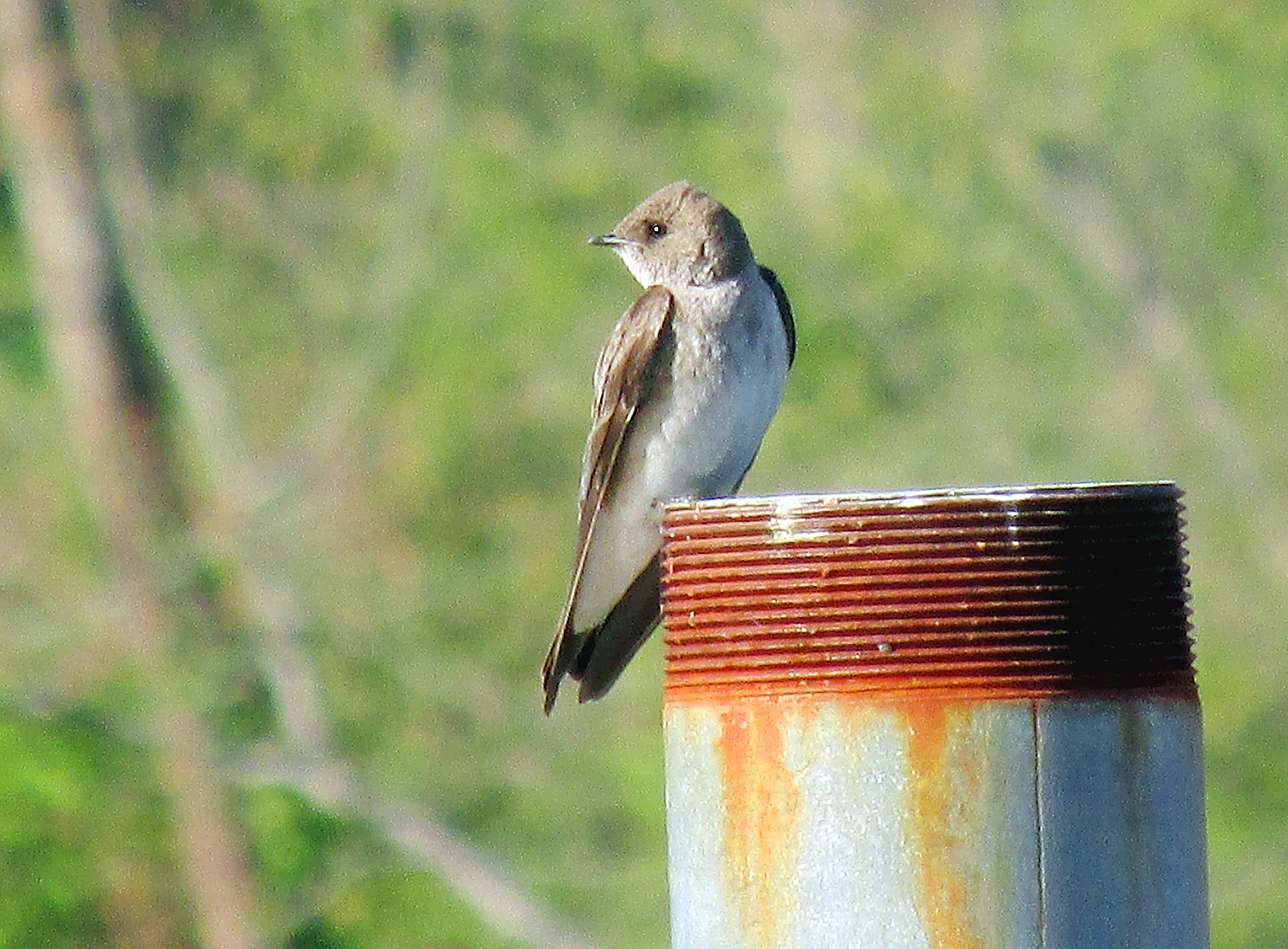
Photo by Bryan Stevens                                  For such a small bird, the Northern rough-winged Swallow has a long name.

Northern rough-winged swallows are opportunists when it comes to nesting. According to a profile written by Mark Johns with North Carolina Wesleyan College, this small swallow nests near rocky gorges, shale banks, stony road cuts, railroad embankments, gravel pits, eroded margins of streams and other exposed banks of clay, sand or gravel. They will also nest in old kingfisher burrows, protruding drainpipes, crevices in brick or stone structures such as dams, bridges or tunnels, gutters and culverts. Their nests are often built near open water.

The Northern rough-winged swallow ranks as one of the species with the longest common names in North America. It’s name consists of 26 letters and a hyphen, which ranks it one letter below both the Northern beardless-tyrannulet and a recently-created species — the saltmarsh sharp-tailed sparrow — which each have 27 letters and a hyphen. Formerly known as sharp-tailed sparrow, the species was renamed with “salt marsh” added to distinguish it from a relative, Nelson’s sparrow.

TreeSwallow-MaryBierlie

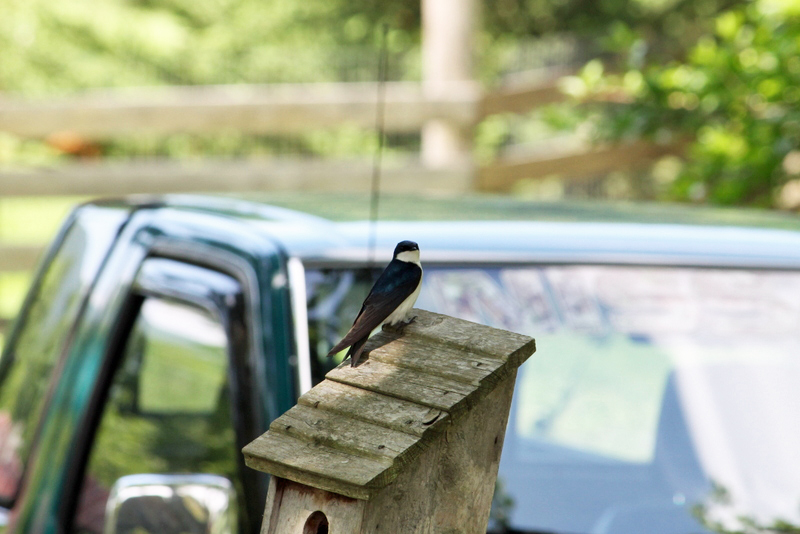
Photo courtesy of Mary Taylor Beierle                                      A male Tree Swallow surveys his territory from atop a nesting box.

Purple martins, which rank as the largest species in the swallow family in North America, are famous for nesting in large colonies. Nesting facilities range from groupings of natural or artificial gourds fashioned into a nesting chamber, as well as large, multi-level condominium dwellings tailored for the specific needs of this communal bird. A colony can consist of several dozen to several hundred pairs of these birds. Only the adult male purple martin shows the iridescent, dark blue-purple plumage that provides the species with its name.

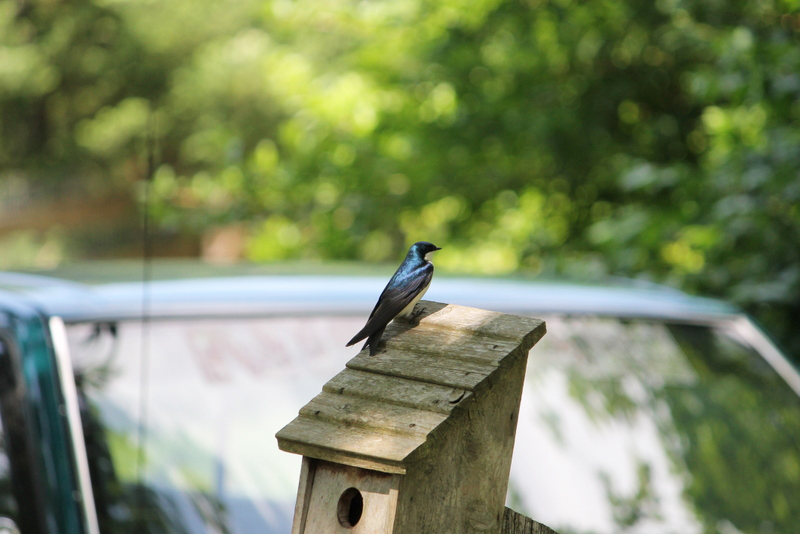
The tree swallow is my favorite, probably because a pair of these birds has nested in my yard for many years. Unlike other swallows, these cavity-nesting birds will readily accept nesting boxes. They compete with Eastern bluebirds for boxes, but the two species usually can work out a truce and settle down to nest in close proximity to each other. The iridescent blue-green male tree swallow, complete with white underparts and a forked tail, is a handsome bird and a welcome addition to the bird population in any yard or garden. Tree swallows enjoy water, so a nearby pond or creek is a boon for attracting these birds.

TreeSwallowPerched-Bierlie

Photo courtesy of Mary Taylor Beierle          Tree swallows readily accept human-provided nesting boxes. They also make delightful neighbors during the summer season.

While only a few swallows range into the United States and Canada, a total of 83 species of swallows can be found worldwide. Some of the common names for these different swallows (and martins) are quite descriptive. A sampling includes white-eyed river martin, square-tailed saw-wing, white-headed saw-wing, grey-rumped swallow, white-backed swallow, banded martin, violet-green swallow, golden swallow, brown-chested martin, brown-bellied swallow, pale-footed swallow, white-bibbed swallow, pearl-breasted swallow, greater striped swallow, mosque swallow, fairy martin and chestnut-collared swallow.

••••••

Several of the photos this week were provided by Mary Taylor Beierle, a resident of Stoney Creek in Carter County. Mary is also the author of the book, “Edmond The Daddy Turkey,” a delightful story about a male turkey who learns how to be a father.

Mary emailed me the photos with a brief note about her visiting swallows.  “I am thrilled to have them here as we had never seen them before,” she said. “Good thing I have several bird books so I could identify them.”

To learn more about Mary’s book, visit http://www.amazon.com/Edmond-Daddy-Turkey-Taylor-Beierle/dp/0985986123

10441231_838490356179548_1093306511537972714_n

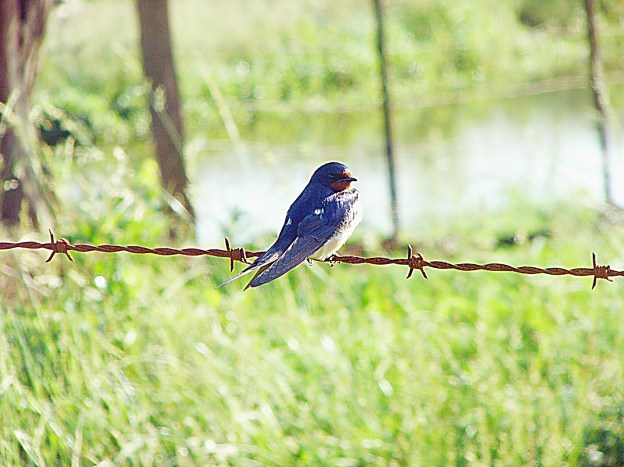
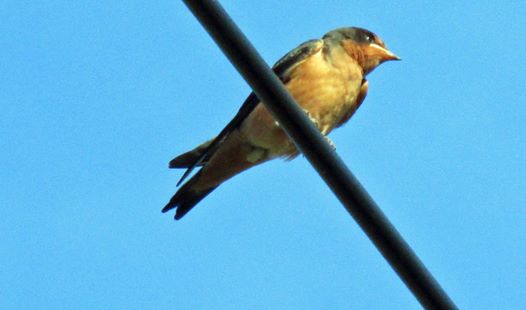
Photo by Bryan Stevens A Barn Swallow perches on a utility wire over a field.

What’s in a name? Long-tailed Ducks stage late winter invasion of Northeast Tennessee

Experts in ornithology are always changing the common and scientific names of many of our favorite birds. That’s why since I began birding I have had to adjust myself to accept the Eastern Towhee for the bird I first learned as a Rufous-sided Towhee – still a much more accurate and interesting name – and Blue-headed Vireo in place of Solitary Vireo. Blue-headed is more descriptive of the appearance of this bird, but as someone who can be a bit of a loner, I also appreciated the “solitary” moniker.

Name changes, however, rarely inspire the controversy that one did more than a decade ago when a duck formerly known as “Oldsquaw” had its name changed to “Long-tailed Duck.” In 2000, the American Ornithologists’ Union Committee on Classification and Nomenclature was petitioned to make the name change. Biologists with the U.S. Fish and Wildlife Service in Alaska requested that the English name, or common name, of Clangula hyemalis be changed from Oldsquaw to Long-tailed Duck, the name that had long been used for the species outside of North America. The biologists noted that the species was declining in numbers in Alaska and that their conservation management plans required the help and cooperation of Native Americans.  The biologists expressed concerns that the name Oldsquaw would offend the Native Americans they were trying to recruit to assist them with efforts to protect this particular duck.

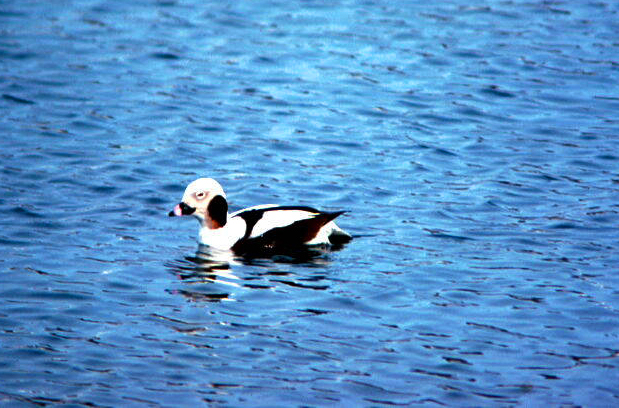
Photo by Bryan Stevens Six Long-tailed Ducks photographed last month on Holston Lake.

Photo by Bryan Stevens
Six Long-tailed Ducks photographed last month on Holston Lake.

It wasn’t the first request to change the name, but it was the one that convinced the members of the committee to approve the petition. The members did state a reluctance to consider political correctness alone as a reason for changing long-standing English names of birds. In essence, the committee was willing in this particular instance to adopt an alternative name already in use in much of the world.

How did this duck ever get saddled with the name “oldsquaw” in the first place? The name was apparently inspired by the rolling three-noted call made by (here’s irony for you) the male ducks. In flocks, drake Long-tailed Ducks are very sociable and excitable. They like to “talk” with each other. Somewhere, back in the early days of ornithology in North America, someone apparently felt these vocal ducks reminded them of “old squaws” engaged in gossip. When I think about it, I can see why the name did have some heavy baggage regarding racism and sexism.

Photo by U.S. Fish & Wildlife Service  The Long-tailed Duck, pictured here, was once known as the "Oldsquaw."

Photo by U.S. Fish & Wildlife Service
The Long-tailed Duck, pictured here, was once known as the “Oldsquaw.”

Long-tailed Ducks range the far northern regions of North America, Europe and Asia. In North America, these ducks breed in the high Arctic regions of Alaska and Canada. They winter in the Great Lakes and along both coasts as far south as northern California and the Carolinas. It was the fact that the severe cold this winter has frozen solid the Great Lakes that pushed Long-tailed Ducks south in almost unprecedented numbers. I am thankful for this unanticipated consequence of the severe cold snaps in January and February. After all, it allowed me to finally get an excellent look at Long-tailed Ducks 14 years after I first added this species to my life list.

I have a few birds checked on my life list that I have technically observed in the field without enjoying particularly satisfying observations of the birds. Often, such unsatisfactory observations stem from either a fleeting glimpse of a bird or a look at one from a great distance. For instance, I observed Buff-breasted Sandpipers only one time several years ago during a visit to Rankin Bottoms at Douglas Lake. My look at the distant sandpipers through a spotting scope gave me only a blurry image of the birds on mud flats shimmering with waves of August heat. That observation didn’t exactly burn itself with great clarity into my memories. That happens, although thankfully not too often. I usually just patiently await a second sighting of these listed birds and hope that the next encounter will offer a more memorable experience.

That’s what happened a couple of weeks ago when I took my mother, Peggy, to Holston Lake. We visited a boat launch on Highway 421 to scan for some visiting Long-tailed Ducks. My first sighting of Long-tailed Ducks dates back to 2000, when I compiled an admirable list of 220 species of birds in a single year in Northeast Tennessee. I saw several Long-tailed Ducks from the overlook at Boone Dam while birding with the late Howard Langridge. Even peering at the birds through Howard’s powerful Questar spotting scope, it was difficult for me to detect anything significant about the birds. They were little white and black dots bobbing up and down on the choppy waters of the lake. A cold, howling wind and snow flurries also made conditions less than perfect for observing anything at a distance. If my memory can be trusted, those Long-tailed Ducks were one of the last birds we found in 2000. I think we saw them in late November of that year.

Photo by U.S. Fish & Wildlife Service A female Long-tailed Duck is shown on her nest on the Alaskan tundra.

Photo by U.S. Fish & Wildlife Service
A female Long-tailed Duck is shown on her nest on the Alaskan tundra.

Since that time, I have followed up on the occasional report of a Long-tailed Duck. These rare visitors pop up at some dependable locations, such as Middlebrook Lake in Bristol and Musick’s Campground on South Holston Lake. By the time I have received posts about such sightings, the duck has inevitably flown the coop by the time of my arrival.

The six Long-tailed Ducks at Holston Lake, however, didn’t conform to the usual pattern of a quick visit by a single duck. In fact, they lingered for several days before I even motivated myself to make the long drive from Hampton to Holston Lake to look for them. When my mom and I arrived at the boat launch, we were astounded by the sheer number of Ring-billed Gulls present. There were hundreds of these medium-sized gulls flying over the lake and floating on the water. In addition, we also quickly detected several dozen Buffleheads as we scanned for Long-tailed Ducks. After about 20 minutes of finding only gulls and Buffleheads, I began to feel my luck hadn’t changed at all when it came to Long-tailed Ducks. I began taking photos of some of the cooperative Ring-billed Gulls. Once I had some snapshots of the rollicking gulls, I scanned the lake one more time with my binoculars. While looking in an area I had already scanned, I spotted six ducks that didn’t look at all like Buffleheads. When I got a good look, I realized I had found my target birds. I rushed back to my car and removed my spotting scope from the trunk. It took a few minutes to get the tripod steady. As soon as I focused the scope, I found myself enjoying a fantastic look at two adult male Long-tailed Ducks and four females or perhaps immature specimens.

These six Long-tailed Ducks were part of a massive and unusual movement of this species into Tennessee lakes and reservoirs this winter. Throughout February, it seemed that these ducks were popping up everywhere throughout the Volunteer State. Count yourself fortunate any time you spot a Long-tailed Duck. Of all the diving ducks in North America, it spends more of its time diving beneath the surface of the water than any of its relatives. Experts have determined that this duck spends at least two-thirds of its time diving for food. So, perhaps all those fruitless searches can be explained quite simply. I arrived when the ducks were hungry and not present above the surface!

Early North American naturalist John James Audubon painted the Long-tailed Duck in various life stages, including ducklings.

Early North American naturalist John James Audubon painted the Long-tailed Duck in various life stages, including ducklings.

I read one account about this duck that suggests the term “Long-tailed Duck” is sexist on the account that only the males possess the namesake long tail feathers that provide the inspiration for the common name. I don’t completely buy that argument. Many birds with descriptive names only describe the male bird. Think of the Black-throated Blue Warbler or the Scarlet Tanager, to name a couple. Anyone seeing female Black-throated Blue Warblers or Scarlet Tanagers would have a difficult time trying to match the bird’s name with what they are seeing. A drab brownish warbler and a greenish tanager don’t look at all like their male counterparts.

•••••

I spoke by phone this past week with Linda Powell, who lives on nearby Tiger Creek Road between Hampton and Roan Mountain. Linda called me to inform me that her neighbor found an unusual bird after it flew into a fence and was killed. She believed the bird might have been a duck, but she had never seen anything like it. As she described the bird to me, including its black coloration and large, green feet, I began to suspect that the unfortunate bird was probably an American Coot. She also noted that the bird’s bill was light in coloration, which was another indication of a coot. The habitat also seemed favorable for a migrating coot. Although there isn’t a pond in the pasture where the bird was found, there is a wet, marshy area that would probably have been sufficient to attract this bird. The coot was killed after it ran into a section of barbed wire fence. Unfortunately, it probably didn’t see the barbed wire until it was too late.

•••••

I made some first spring sightings of a couple of birds this past week. Three European Starlings made an appearance with a flock of American Robins on March 4. A few starlings are usually present from spring to early fall. At least they are never common and don’t extend their visit into the winter season. On March 3, when a light snow covered the ground at my home on Simerly Creek Road in Hampton, a female Red-winged Blackbird fed on the ground under my feeders. She was the first of her species to make an appearance this spring and is right on schedule.

•••••

Elizabethton resident Rita F. Schuettler‎ also spotted her first Red-winged Blackbird of spring coming to the feeders at 3:50 p.m. on Saturday, March 8. “I heard one last Saturday while working outside,” she added in her Facebook post announcing the sighting. “I heard this one also as I was reloading the feeders. After I was back in the house, he came in! Good to see him!”

•••••

I would love to hear from readers. Just post comments on my new blog at ourfinefeatheredfriends.wordpress.com. You can also reach me on Facebook or send email to ahoodedwarbler@aol.com. Please share the link to the blog with others who might be interested in the topic of birds and birding in Northeast Tennessee.