Category Archives: Elizabethton Star

Evening grosbeaks staging comeback after 20-year absence

I’ve a feeling that when we look back on the year 2020, we’re not going to have an abundance of happy memories. Fortunately, I have birds and birding to keep me sane during a year of often dismal news. If nothing else, I will always remember 2020 as the year the evening grosbeaks returned to the region after a 20-year absence.

Evening grosbeaks are large, gregarious, noisy, showy members of the finch family, which includes several more commonplace feeder visitors as house finches, American goldfinches, pine siskins, and purple finches. During the 1980s and 1990s, flocks of dozens, sometimes hundreds, of these birds descended on feeders in the region. I knew a man in the Piney Grove community of Hampton, Tennessee, who converted the metal lids of trash cans into makeshift feeders arranged around his deck to accommodate a flock of more than 100 evening grosbeaks. 
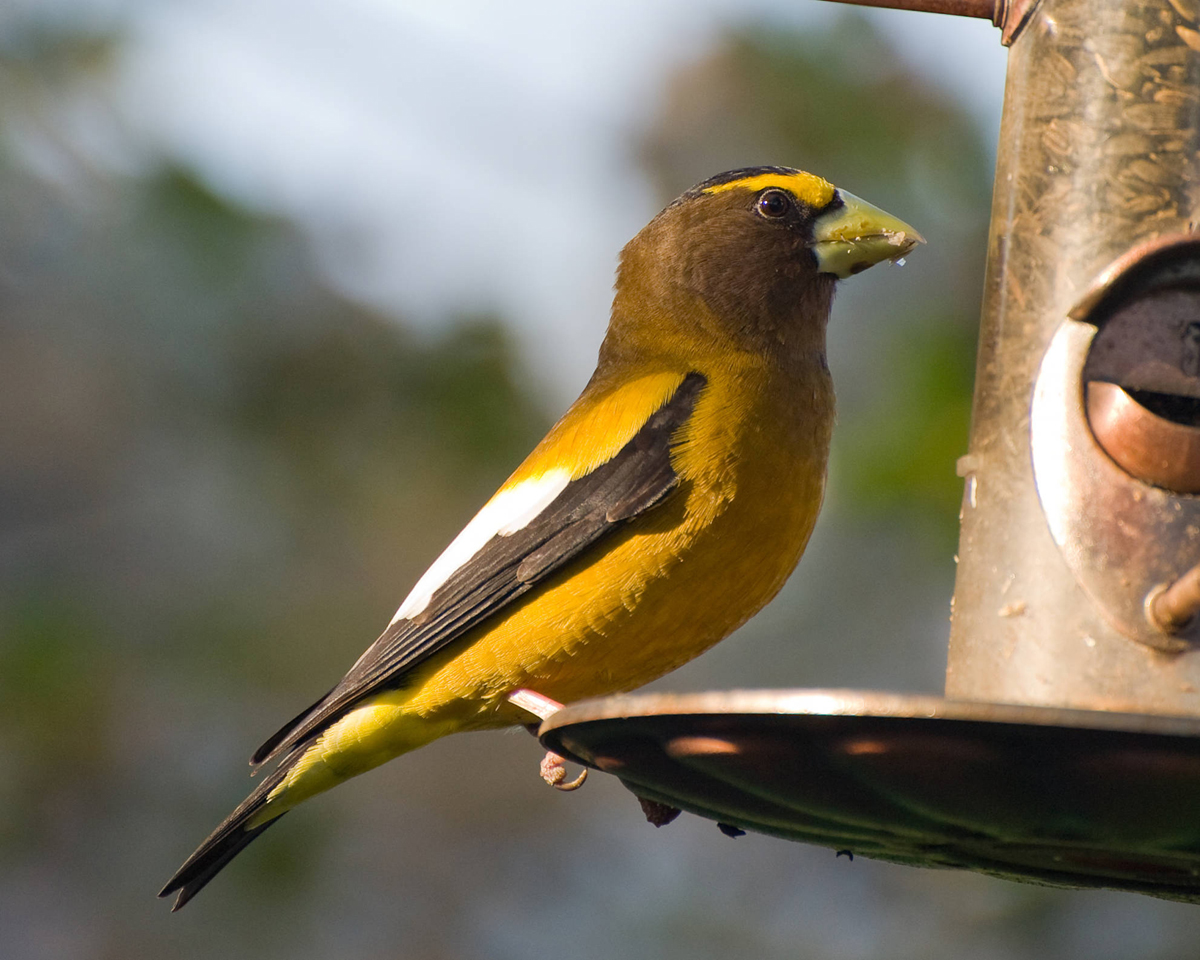
Photo by George Gentry/U.S. Fish & Wildlife Service • A male evening grosbeak perches on the side of a sunflower-stocked feeder.

Then, like a switch being flipped, the great flocks of grosbeaks ceased winter visits to the region after 2000. Birders needed a few years to realize that this bird was no longer to be expected as a fixture of the season. Different theories, none ever confirmed, were put forward to explain the sudden absence.

As years went on, I always held out hope at the start of the winter season that this could be the year they returned, only to be perennially disappointed. Then, in 2020, a year when I could hardly be blamed for anticipating a positive happening, I began to hear reports.

Flocks of evening grosbeaks were spotted in Virginia, North Carolina, and even farther afield in different parts of the Volunteer State. I dared to hope they would make it back to Northeast Tennessee. I even dreamed this might be the year I’d get them back at my feeders. 

On Saturday, Nov. 14, Judi Sawyer in Roan Mountain, Tennessee, posted on her Facebook page that a single evening grosbeak had visited her feeders. “Unfortunately, it flew away when I reached for my camera,” Judi said.

Photo Courtesy of Barbara Lake • Two male evening grosbeaks claim a feeder as a female Northern cardinal waits patiently in the background.

On Friday, Nov. 27, I received an email from Barbara Lake in Hampton, Tennessee. “I’m pretty sure we have a flock of evening grosbeaks visiting us,” Barbara wrote in her email.  “They are definitely in the cardinal/grosbeak family.” 

Barbara added that she and her husband, Jerry, had never before seen evening grosbeaks at their home.  “The colors remind me of the American goldfinch, but they’re bigger with a cardinal-type beak.”

She gave such an apt description that I really didn’t need to confirm her observation, but she helpfully provided a photograph of a couple of the grosbeaks at her feeder. “Are they just passing through, like the rose-breasted grosbeaks do?” Barbara asked.

In answer to Barbara’s question, the intent of this influx of evening grosbeaks is still to be determined. The Lakes live atop a high hill that provides a great lookout over the surrounding terrain. “Your home on the hill is probably a beacon for migrating birds,” I informed Barbara in a reply to her email.

Photo by Jean Potter • A male evening grosbeak enjoys black oil sunflower seed from a hanging feeder.

Friends Brookie and Jean Potter announced the arrival of grosbeaks at their home near Wilbur Lake in Elizabethton, Tennessee, on Jean’s Facebook page on Dec. 3.  “Five Evening Grosbeaks paid us a surprise visit this morning,” Jean wrote on her post.  “We’re ecstatic! This is life bird No. 461 for us and we were able to host it in our backyard.”

Jean also noted that the winter of 2020-21 is turning out to be an irruption year for some species of birds more often associated with Canada and the northern parts of the United States. These irruptive migrations, she noted, are motivated by a scarce food supply for some northern birds, resulting in them coming south. 

The small flock visited for only the afternoon, but the next day  a single grosbeak returned and fed briefly at the feeders at the Potter home.

I’ve only been feeding birds since the winter of 1993, so I started in time to enjoy the evening grosbeak boom of the 1990s. Over the years, an incredible diversity of species have visited my feeders. This winter season has already seen a drive south by several so-called winter finches, including pine siskin, common redpoll, red crossbills, and purple finches. Although not a finch, red-breasted nuthatches have been prevalent at feeders throughout the region for the past couple of months.  Back in October, pine siskins and purple finches began to visit my feeders. Their visits have since diminished considerably. I had hoped the recent snowfall might motivate them to return, but it didn’t happen.

I’ve never seen a common redpoll, although I spent several hours 20 years ago staking out a yard in Shady Valley, Tennessee, in an unsuccessful bid to observe a redpoll that had been a reliable visitor at a feeder in that small community. I have seen red crossbills, but my observations of these birds have always taken place during the summer months near Carver’s Gap in Roan Mountain and the Unaka Mountain in Unicoi County.

Photo by Alain Audet/Pixabay.com • A male evening grosbeak grips a perch on a cold day.

So, as the weather turns cold each year, hope springs eternal that perhaps this will be the winter that will bring some of these northern finches to my feeders, or at least to a feeder in the general area.

Photo by George Gentry/U.S. F&WS • Male evening grosbeaks brings some vibrant color to any place they choose to visit.

I am still waiting for an evening grosbeak to return to my home. I am happy reminiscing about the flocks of dozens of individuals that gathered at my feeders in the ’90s.

The evening grosbeak belongs to the genus Coccothraustes in the finch family. There are only two other species in the genus: the hawfinch of Europe and temperate Asia and the hooded grosbeak of Central America.

One word of advice in case evening grosbeaks show up at your own feeders: These are some of the most fun visitors you will ever host, but they have huge appetites. Be prepared to earmark more of your budget for purchasing sunflower seed, which is a favorite food of these always-hungry birds.

Rufous hummingbirds appear after other hummers depart for the winter

Photo by Bryan Stevens • A young rufous hummingbird approaches a feeder for a sip of sugar water. These hummingbirds, which are native to the western United States and Canada, have become regular visitors throughout the eastern United States in late fall and early winter.

Almost every year since beginning to write this column, I have penned articles about the phenomenon of wintering hummingbirds. With the official 2020-21 winter season approaching, I have already gotten word of hummingbirds making themselves at a couple of homes in the region, as well as from such far-flung locales as Ohio and New York.

Photo by U.S. Fish & Wildlife Service/Dave Menke • The rufous hummingbird is increasingly becoming a migrant/winter resident in the eastern United States.

Katherine Noblet, a former resident of Johnson City, Tennessee, is hosting a rufous hummingbird at her home in Mount Vernon, Ohio. The tiny bird was banded and identified on Nov. 16. The verdict? The tiny visitor is a first-year female rufous hummingbird.

Noblet, who also hosted rufous hummingbirds when she lived in Tennessee, has posted on Facebook about her most recent winter hummingbird. She noted that the hummingbird, which she has named Reba, first appeared on Nov. 14. Temperatures have dipped into the 20s during the bird’s stay.

“Why a few of these tiny creatures want to hang around this far north is a mystery, but she looks happy and healthy and cannot be existing on just sugar water,” Noblet noted in a Facebook post on Nov. 24. “I have to trust she knows what she is doing.”

Closer to home, some Roan Mountain residents have reported lingering hummingbirds.

Leslie and Kathie Storie, who reside on Heaton Creek in Roan Mountain, Tennessee, posted to Facebook on Oct. 29 about a visiting hummingbird.

Photo by Bryan Stevens • A rufous hummingbird grasps a briar as a perch for a moment’s rest from its frantic activities.

“We had a hummingbird on Heaton Creek about 6 o’clock today,” they noted in a post on my Facebook page.

Although they had already taken down their feeders, they reported still having pineapple sage and lantana in bloom in their yard. These flowers are favorites of hummingbirds and would no doubt help attract one of these tiny birds.

 

Judi Sawyer, also a resident of Roan Mountain, has hosted not one but two rufous hummingbirds this fall. She noticed the birds in early October. One of the two birds was banded and documented on Oct. 4. One of the birds evaded the bander’s traps, but the one that was banded was identified as an immature male rufous hummingbird.

I also received an email recently from Susan Jensen, a resident of Carmel, New York, about a lingering hummingbird at her feeders. She had found one of my online articles about wintering hummingbirds and contacted me for more information.

“We have had ruby-throated hummingbirds for many years and I have three feeders for them during the season,” Jensen said. “I always leave one up until I know for sure everyone has passed through to their winter location.”

In October, she reported a feeder visitor that looked like a strange ruby-throated hummingbird. She described the bird as bronze and rusty with a bit of green.

Photo by Bryan Stevens • Rufous hummingbirds have been extensively documented as wintering throughout the southeastern United States. This male rufous hummingbird was documented in Hampton, Tennessee, a couple of years ago.

“For about two weeks I thought it was a ruby-throated hummingbird until I realized it wasn’t,” Susan wrote in her email.

After a quick Google search, I emailed Susan and put her in touch with Robert Yunick of Schenectady, New York. On Friday, Nov. 20, he traveled to Susan’s home. He banded the bird, which he identified as juvenile female rufous hummingbird, confirming Susan’s thoughts on the bird’s identity. Susan shared a video of the banding process at this link:

https://share.icloud.com/photos/0wh7RBoUKoPsxXBvQi39coTCQ

“It has been here since Oct. 10,” she informed me in an email. She noted that the bird has endured at several freezing nights when the temperature dipped down to 20 degrees.

“I change the feeder every three days and, if it is frozen like it was this morning, I change it again,” she said. “We are now going to bring the feeder in at night and put it out early the next morning.”

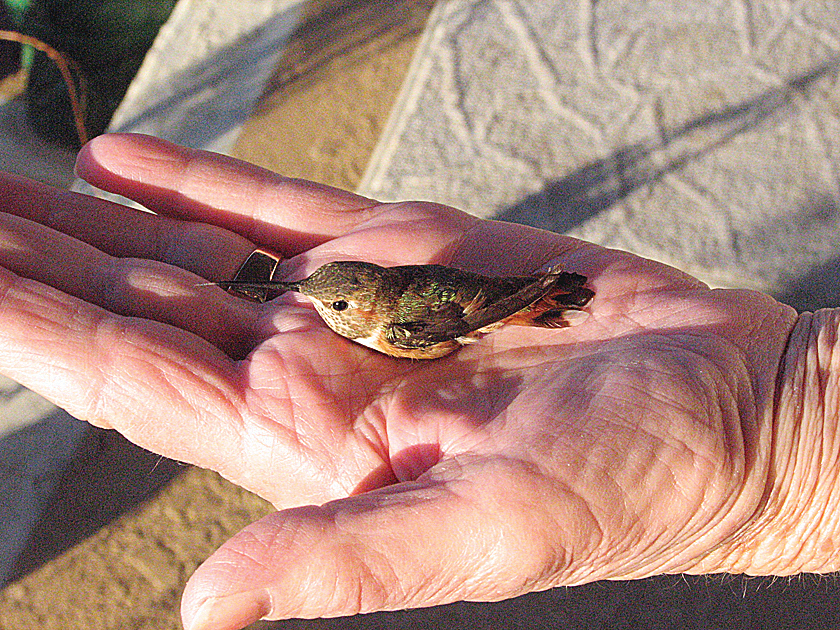
A rufous hummingbird hosts in a host’s hand after being banded and documented in Hampton, Tennessee, several years ago.

Susan enjoyed observing the banding process. “The whole process was surprising,” she wrote to me. “I had never witnessed anything like it.”

Susan said the visiting hummingbird got caught in the trap fairly quickly.

“Bob worked very quickly to measure and band her,” Susan added. “It took about 20 minutes and he fed her three times.”

At the conclusion of the process, she got to hold the tiny visitor. “I have held a hummingbird before, but it was still very special,” Susan said.

She also shared what she termed an “extra story” about hummingbirds.

“About three to four years ago, I was sitting on my deck, watching the babies (immature) hummingbirds buzz around later in the evening,” she said. “They chase each other, and do all kinds of acrobatics.”

During that evening’s antics, one of the hummingbirds flew right into the post used to hold Susan’s feeder.

“It knocked itself out, falling on the railing,” Susan explained. “I was stunned. I picked her up and proceeded to do everything wrong until my son came home. He looked up what to do, and we righted all the wrongs.”

They realized that the bird needed to be fed, so they took down the feeder and fed her twice.

“After that, she took off,” Susan noted. “It was amazing.”

Susan shared that she has been feeding the birds at her home in New York’s Hudson Valley for over 30 years.

“My parents got me interested,” she explained. “They took up bird watching when I was in high school and I have been bird watching ever since.”

Watching birds, she noted, is her all-time favorite thing. “Even when my husband and I are hiking we are always looking for something new,” she said. “It never gets old.”

Photo by Daniel Roberts/Pixabay.com • An adult male rufous hummingbird is a dazzling bird. Many of the winter rufous hummingbirds look much less vibrant.

Through the years, I have seen several of these seemingly out-of-place hummingbirds. Some of them remain at their host’s feeders for a brief stay of a few days or a couple of weeks, but some of these hummingbirds have extended their stay for several months, lingering throughout the winter months before eventually departing in February or March.

The big question concerns whether these hummingbirds are truly lost and out of place. The answer, based on everything I have managed to learn, is that these hummingbirds are precisely where they want to be. For still unknown reasons, some of these western hummingbirds make a migration swing through the eastern United States.

Many of the visiting winter hummingbirds turn out to be rufous hummingbirds, which is a species native to the western United States. The birds visiting at the homes of Katherine, Judi, and Susan all turned out to be rufous hummingbirds. It’s likely the visitor reported by the Storeys was also a rufous hummingbird.

In the summer months, the ruby-throated is the expected species of hummingbird in the eastern United States. In the winter months — not so much. However, in regions all across the Eastern United States, as well as along the Gulf Coast, a few ruby-throated hummingbirds are attempting to overwinter.

The rufous hummingbird has basically become an expected winter visitor each year in Southwest Virginia, East Tennessee, and western North Carolina. A few reports are received each winter. I have observed rufous hummingbirds in many different locations throughout East Tennessee and Southwest Virginia.

Winter hummingbirds, while always a delightful surprise for their hosts, no longer shock long-time birders. We’ve grown to expect them. If any readers are still hosting lingering hummingbirds at their feeders, I’d love to hear their stories. Email me at ahoodedwarbler@aol.com.

With apologies to Arthur Carlson, wild turkeys can fly

Photo by Pixabay.com
A couple of wild turkeys stroll through an autumn woodland. Although quite capable of flight, turkeys prefer to walk or run over the ground.

NOTE: I wrote this column back in November of 2015. With some revisions, here’s a timely column on one of the nation’s premier fowls.

As Americans, we all have our holiday traditions. Although this year’s pandemic may interfere with the annual lavish meals shared with family and friends, there is one tradition I will not forego. I will carve 30 minutes from my schedule to watch one of my favorite holiday sitcom episodes.

Photo by Bryan Stevens • A flock of Wild Turkeys make their way across a snowy field.

Not surprisingly, there’s an element linked to birds in the episode, which is often cited as one of the most ingenious sitcom episodes in the history of television. The episode is “Turkeys Away” from the first season of WKRP in Cincinnati, a sitcom that aired from 1978 to 1982 and revolved around the antics of the staff of a down-and-out radio station. The “Turkeys Away” episode originally aired Oct. 30, 1978, early in the first season of the series. I especially like that every member of the ensemble cast was woven into the storyline for this classic Thanksgiving episode.

In the event that there are readers who haven’t seen the episode, I’ll try to avoid any blatant spoilers. The action involves a radio promotion that, in hindsight, was destined for disaster. The episode unfolds at the perfect pace, finally culminating in a hilarious series of scenes as the promotion backfires in spectacular fashion. I’ve memorized most of the lines of dialogue, but I still enjoy hearing them delivered by the talented actors Richard Sanders, Loni Anderson, Howard Hesseman and the late Gordon Jump. It’s Jump who gets the pivotal line with his perfectly delivered, “As God is my witness, I thought turkeys could fly!”

The actors on WKRP in Cincinnati truly came together as an ensemble cast for the famous Thanksgiving episode.

It’s that classic line that provides my segue into the subject of this week’s column, which is America’s wild turkey. I sometimes wonder if my favorite episode of WKRP, which aired more than 40 years ago, has had some influence in persuading many people that turkeys cannot fly. It’s a widely held misconception that the wild turkey cannot fly. The turkey is perfectly capable of flying at speeds up to 55 miles per hour, but they often prefer to walk and run over the ground. They’re good sprinters, in fact, and can reach a running speed of 25 miles per hour. Turkeys can even swim!


On the other hand, the domesticated barnyard turkey is a fowl of a completely different kind than its wild cousin. Although the wild turkey — the largest of North America’s game birds — can weigh as much as 37 pounds, it’s the domestic turkey that holds the record as a heavyweight. The largest domestic turkey on record tipped the scales at 86 pounds. That bird certainly could have provided an ample banquet for your Thanksgiving meal. Domestic turkeys are bred to be big, which means they are incapable of flight and are also poor runners. Of course, these domestic kin of wild turkeys don’t face a gauntlet of predators.

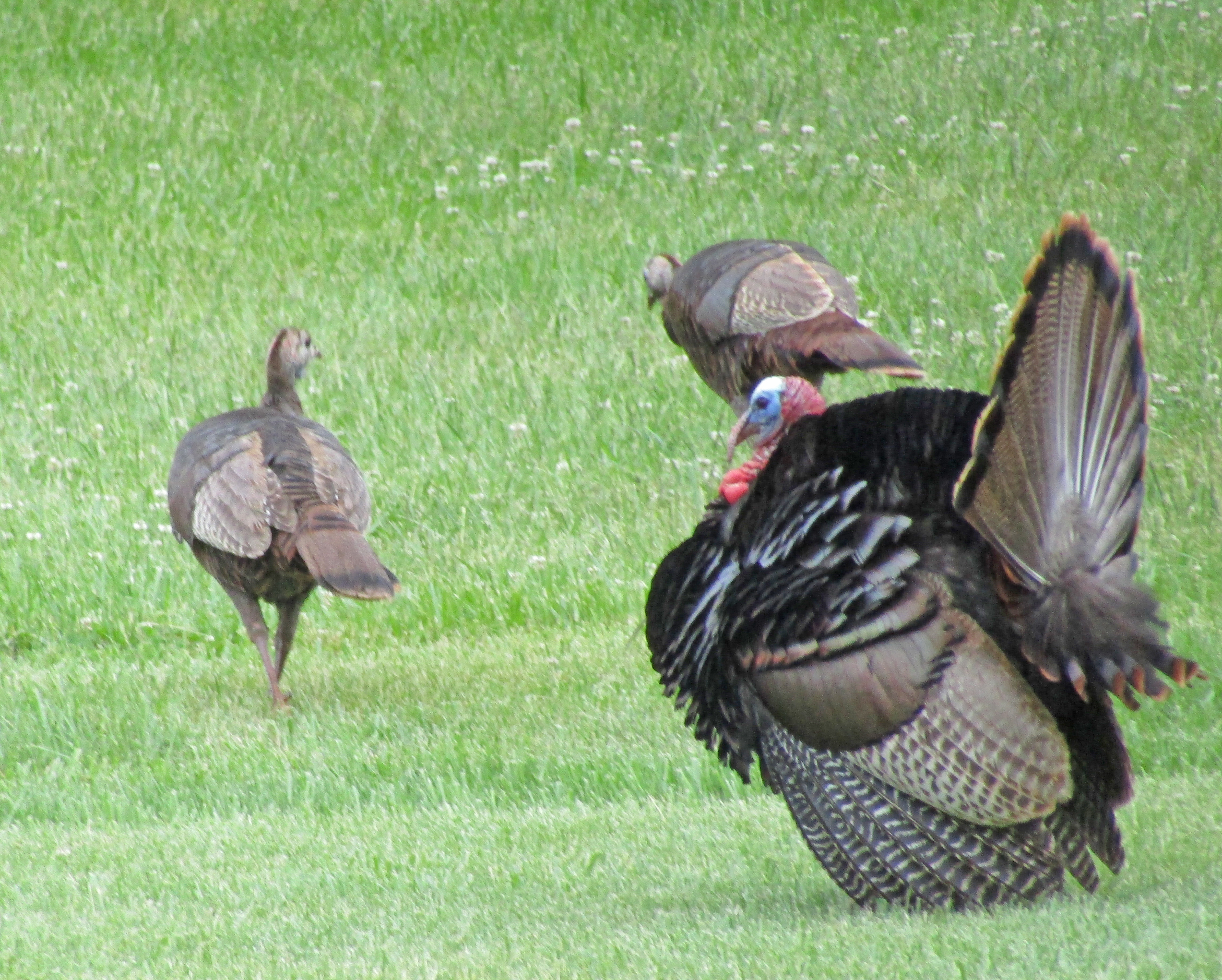
Photo by Bryan Stevens • A male gobbler seeks the attention of hens, but they seem more intent on foraging for food.

The wild turkey is a paradoxical fowl, fully capable of shifting from bravado to timidity to meet the situation. Strutting toms have no hesitancy about making themselves the center of attention when the reward is making a favorable impression on a bevy of hens. At other times, these same turkeys, both the performers and their audiences, adopt a more stealthy mode of life. Wild turkeys know that the world’s a dangerous place.

Wild turkeys face various perils at all points in their life cycles, from eggs to newly-hatched young to adult birds. Turkey eggs are a favorite food of such wild animals as raccoons, skunks, opossums and some snakes. Young turkeys, known as poults, are often the prey of domestic dogs and cats, a range of raptors, and other birds such as crows and ravens. Larger predators — bobcats, cougars, coyotes, foxes and eagles — prey on adult turkeys.
I remember the first time that I observed wild turkeys in flight. I was driving near Persimmon Ridge Park in Jonesborough, Tennessee, when about a dozen large, dark birds flew across the road just above the roof of my vehicle. I was definitely perplexed as my mind worked to figure out the identity of these birds. I had almost settled on vultures — although the flight pattern had been all wrong — when I saw that some of these flyers had landed in a field adjacent to the road. On the ground, they were easily recognized as wild turkeys.
The wild turkey’s scientific name is Meleagris gallopavo. The wild bird is exclusively resident in North America, but domesticated turkeys are now raised around the globe. The wild turkey has only one close relative, the ocellated turkey, or Meleagris ocellata, which ranges throughout the Yucatán Peninsula in Mexico as well as the northern parts of Belize and Guatemala. The extent of this fowl’s range is only about 50,000 square miles, while the wild turkey ranges throughout the United States, Canada and Mexico.


It’s simply too bad that Jump’s WKRP character, bumbling but amiable station manager Arthur Carlson, lacked some crucial knowledge about the differences between wild turkeys and their domestic relatives. If he had gathered a flock of wild turkeys instead of directing his sales manager to acquire domestic fowl, his radio promotion might not have been such a stupendous flop. Of course, we would then have never had this classic episode of comedic television and I wouldn’t have my familiar Thanksgiving ritual to enjoy annually.

Photo by Bryan Stevens
A decorative turkey pays homage to the real bird.

Common grackles part of November’s changing bird lineup


Photo by Bernell MacDonald/Pixabay.com • Common grackles are quite accomplished at foraging for food in a variety of habitats.

November is a month of transition. The birds of summer have all “flown the coop,” returning to warmer climes to the south in Central and South America, as well as the Caribbean. Of course, even as hummingbirds, warblers, tanagers, vireos, and others have fled North America in advance of winter’s imminent arrival, other birds are arriving to take their place.

Many of the newcomers don’t offer the vibrant plumage of a scarlet tanager or a rose-breasted grosbeak, but they make up for the lack of striking feathers by remaining quite faithful to our feeders during the bleak, short days of winter. A hermit thrush and a dark-eyed junco represented some first-of-autumn arrivals when they showed up Nov. 6, followed the next day by a swamp sparrow. In addition to the sparrow, three ravenous common grackles descended on my suet feeders that same day.

For many bird enthusiasts, the “common” in this particular bird’s name is particularly apt. Tending to form large, noisy flocks, common grackles can easily wear out even the most generous welcome. Perhaps because I live at a mid-elevation area, common grackles are extremely infrequent visitors to my yard. I can be a little more welcoming to a bird that I know is not likely to linger.

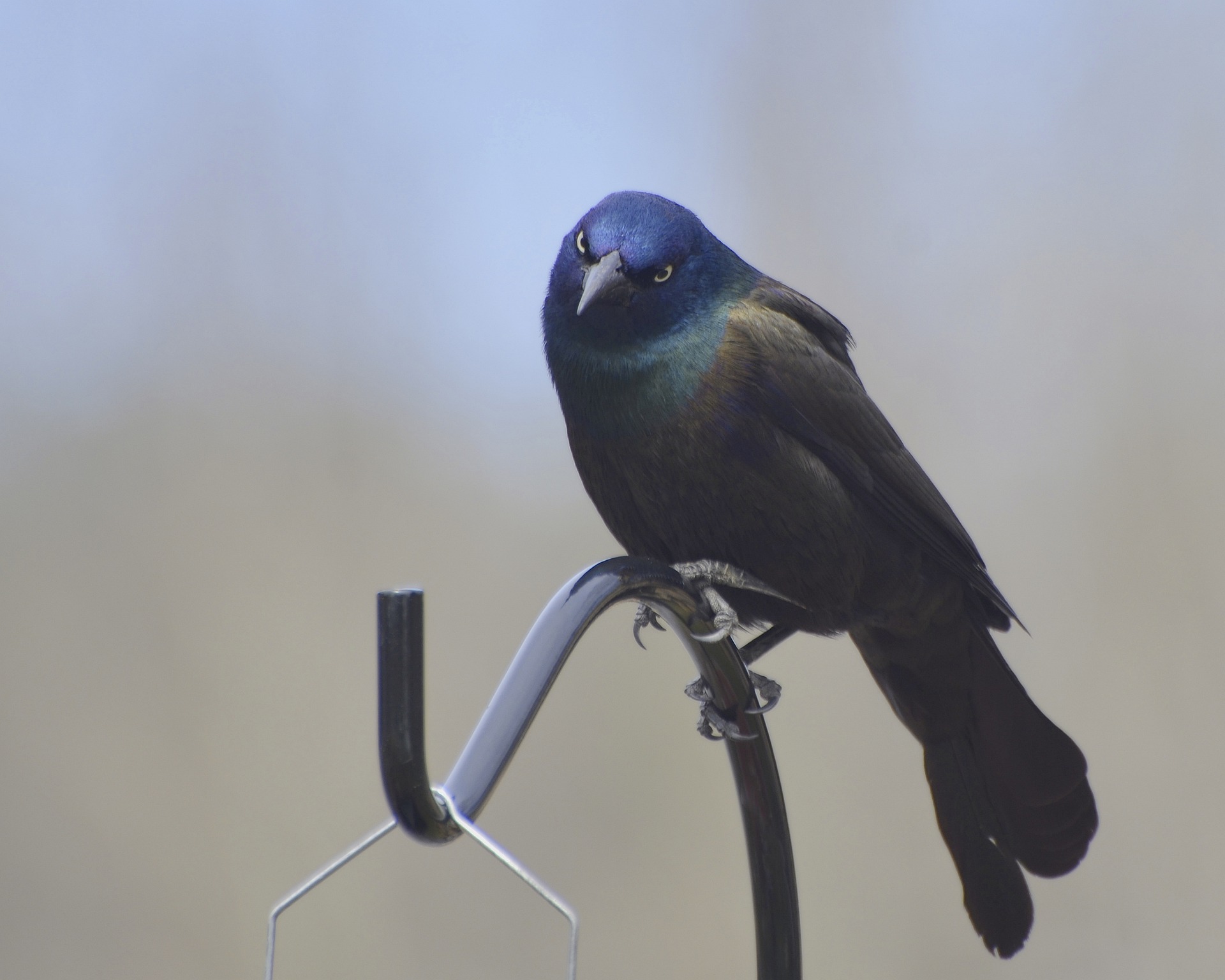
Photo by diapicard/Pixabay.com • A common grackle perches on a shepherd’s hook in a garden. These large birds, which are part of the blackbird family, form flocks and bring big appetites to feeders during migratory stops.

Nevertheless, that same evening these three grackles must have spread the word because a flock of about 30 of these birds arrived. If I needed a reminder, the flock provided a quick one. A handful of grackles isn’t too disruptive, but a large flock can quickly overwhelm and intimidate smaller feeder birds.

Even so, I remain inclusive in my embrace of all feathered friends. A much maligned bird if ever there was one, the common grackle is worth a second look. For those who are able to overlook the occasional bad habits of birds such as Northern mockingbirds, mourning doves, or even cantankerous ruby-throated hummingbirds, there may be hope for this large member of the diverse family of blackbirds, known by scientific types as a member of the family Icteridae. This grouping of New World species, also known as New World blackbirds, includes such members as orioles, meadowlarks, cowbirds, bobolinks, marshbirds, orependolas, caciques and, of course, blackbirds.
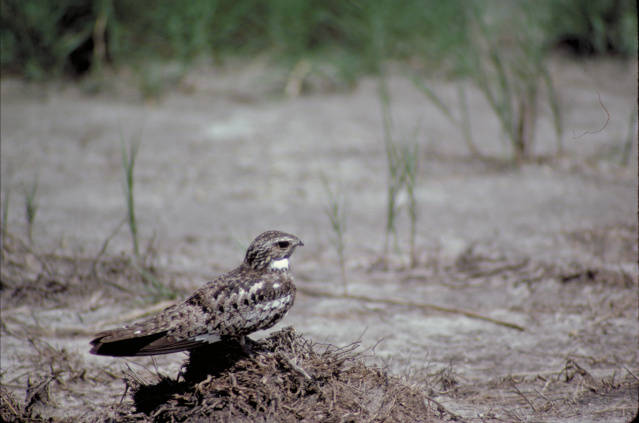
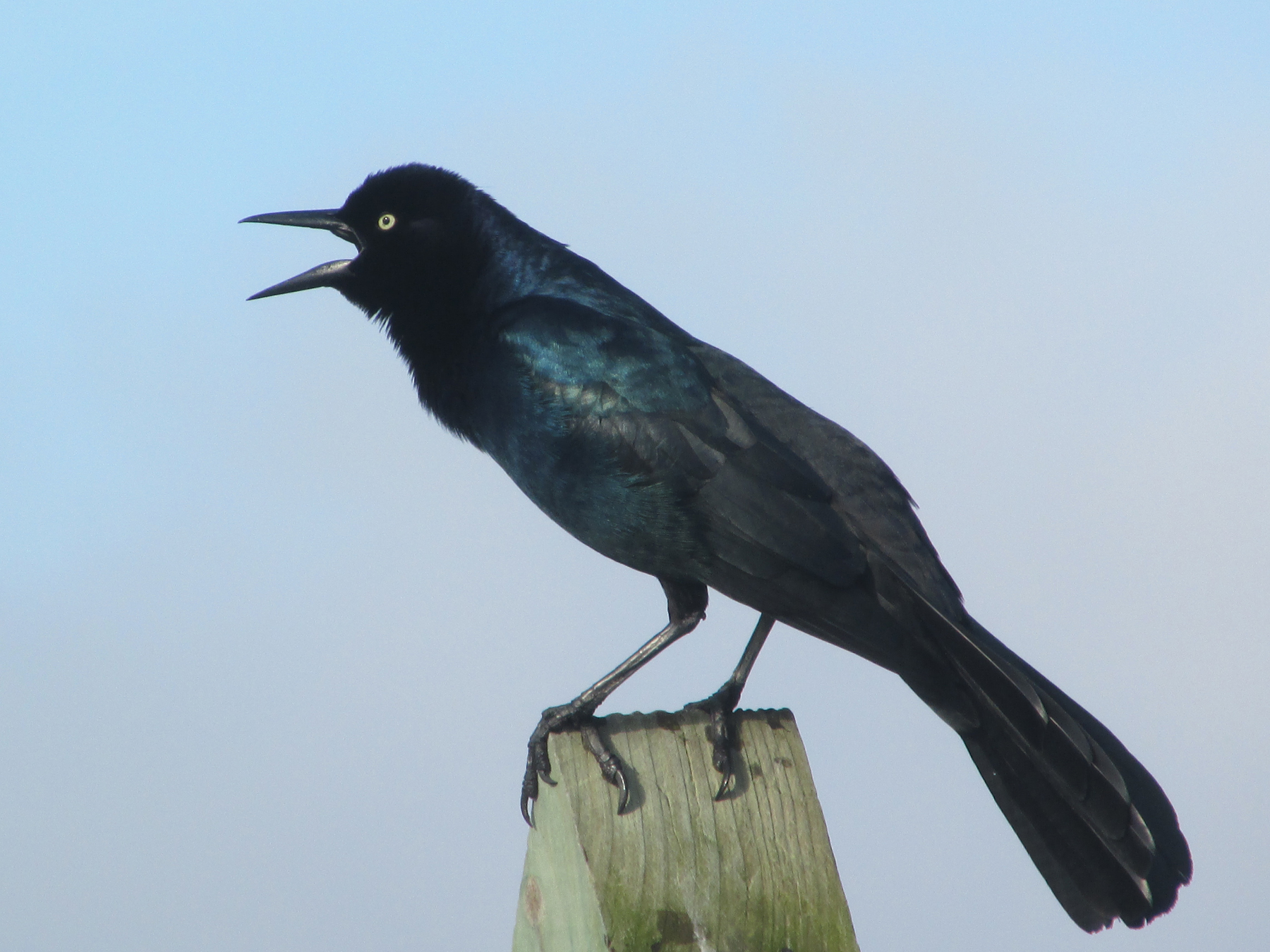
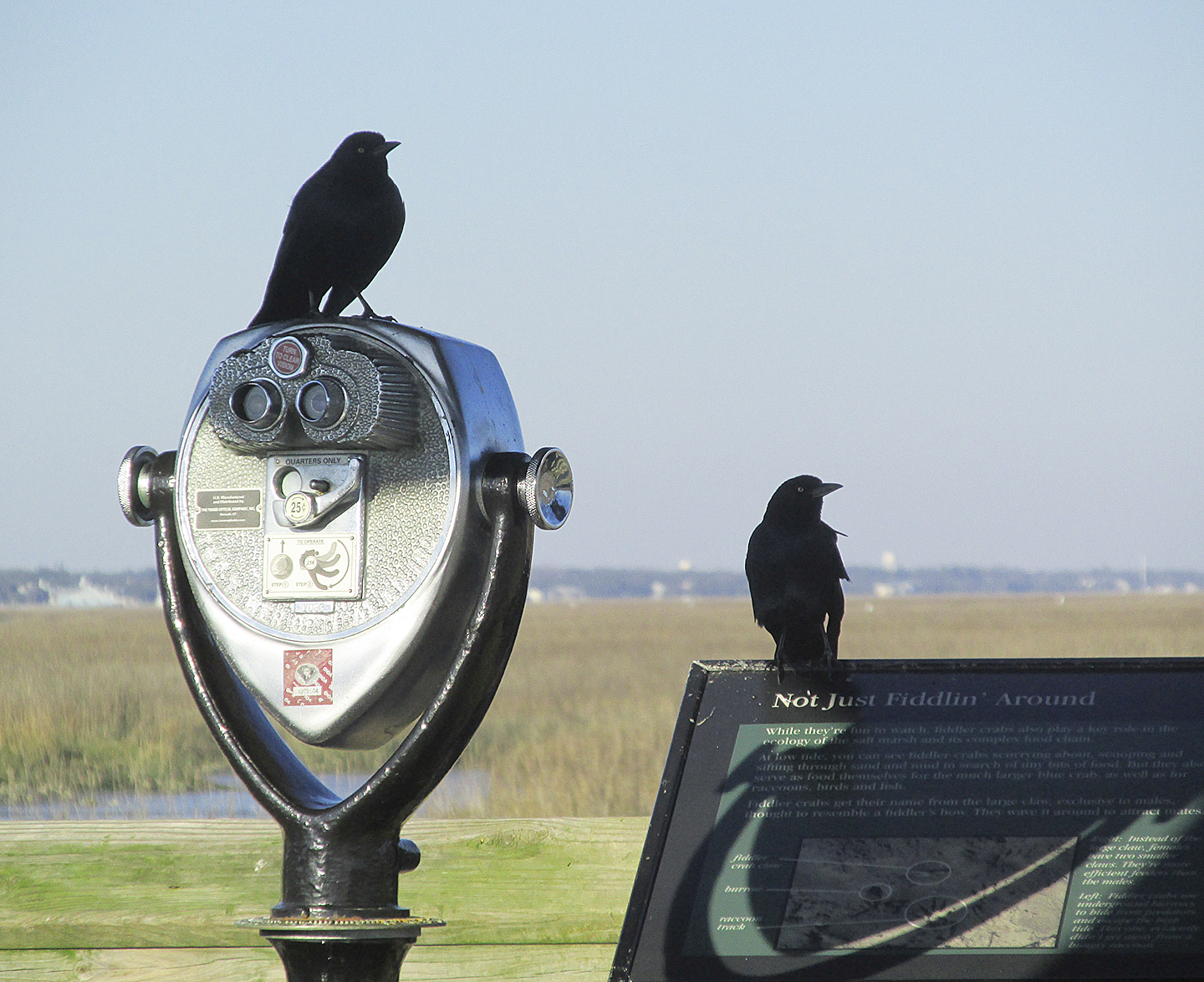
Photo by Bryan Stevens • A boat-tailed grackle sings, if the bird’s harsh, grating notes can be considered a song, from a perch in a wetland in South Carolina.

The common grackle is known by the scientific name Quiscalus quiscula. In the southeast, in particular along the coast and in wetland areas, a common and related species is the boat-tailed grackle. Other species of grackles found in the New World include the great-tailed grackle, Nicaraguan grackle, Great Antillean grackle and the Carib grackle. A little more distantly related are the South American species golden-tufted mountain grackle and the Colombian mountain grackle.

One species — the slender-billed grackle of Mexico — suffered extinction at the dawn of the 20th century. Reasons for this bird’s disappearance are not clearly understood, but habitat destruction of Mexican wetlands and hunting pressures have been theorized as causes. Like others of its kind, the slender-billed grackle may also have been persecuted as an agricultural pest.

Like many other birds dependent on wetlands, common grackles have experienced population declines in recent decades. Although it seems odd to refer to a bird with a population estimated at around 73 million individuals in North America as on the decline, common grackles have suffered an estimated population loss of about 60 percent from historic highs.

Male grackles stand out from other blackbirds due to their sheer size. Males can reach a length of 13 inches, although much of that can be measured in an exceptionally long tail. A grackle’s plumage has a black sheen that can shine with brilliant iridescence that tends to appear purple, green or blue when the sun shines just right on the feathers. Females tend to be smaller than males and are a muted black and brown. Both sexes have long, sturdy bills and yellow eyes.

Most rural residents don’t have to worry about common grackles overwhelming their feeders, but some people living in urban and suburban settings have found grackles to be difficult guests. The birds have bottomless appetites and are aggressive toward more desirable feeder birds. Fortunately, migrating flocks in the fall tend not to linger. After a brief visit, which can still deplete supplies of seed and suet cakes, the grackles continue migrating.
Grackles are usually one of the earliest birds to return each spring. In fact, it’s not at all unusual for these large birds to make their way back to the region as early as late February. I am usually glad to welcome them back since I know that their return is a strong indication that some more favored species are certain to follow in their wake and that winter’s grip is waning.

Are you seeing new arrivals in your yard or at your feeders? Let me know by emailing ahoodedwarbler@aol.com.

Photo by Bryan Stevens • Boat-tailed grackles perch on viewing equipment at an observation platform at Huntington Beach State Park in South Carolina.

Finches arrive ahead of winter in impressive numbers

I’d watched with some degree of envy after friends posted on social media about the arrival of purple finches and pine siskins earlier this fall. What was wrong with my yard?

Fortunately, I only needed to remain patient. People began reporting the arrival of these two species of winter finches at their feeders weeks ago all across Tennessee. The purple finches and pine siskins showed up, finally, at my home on Oct. 23.

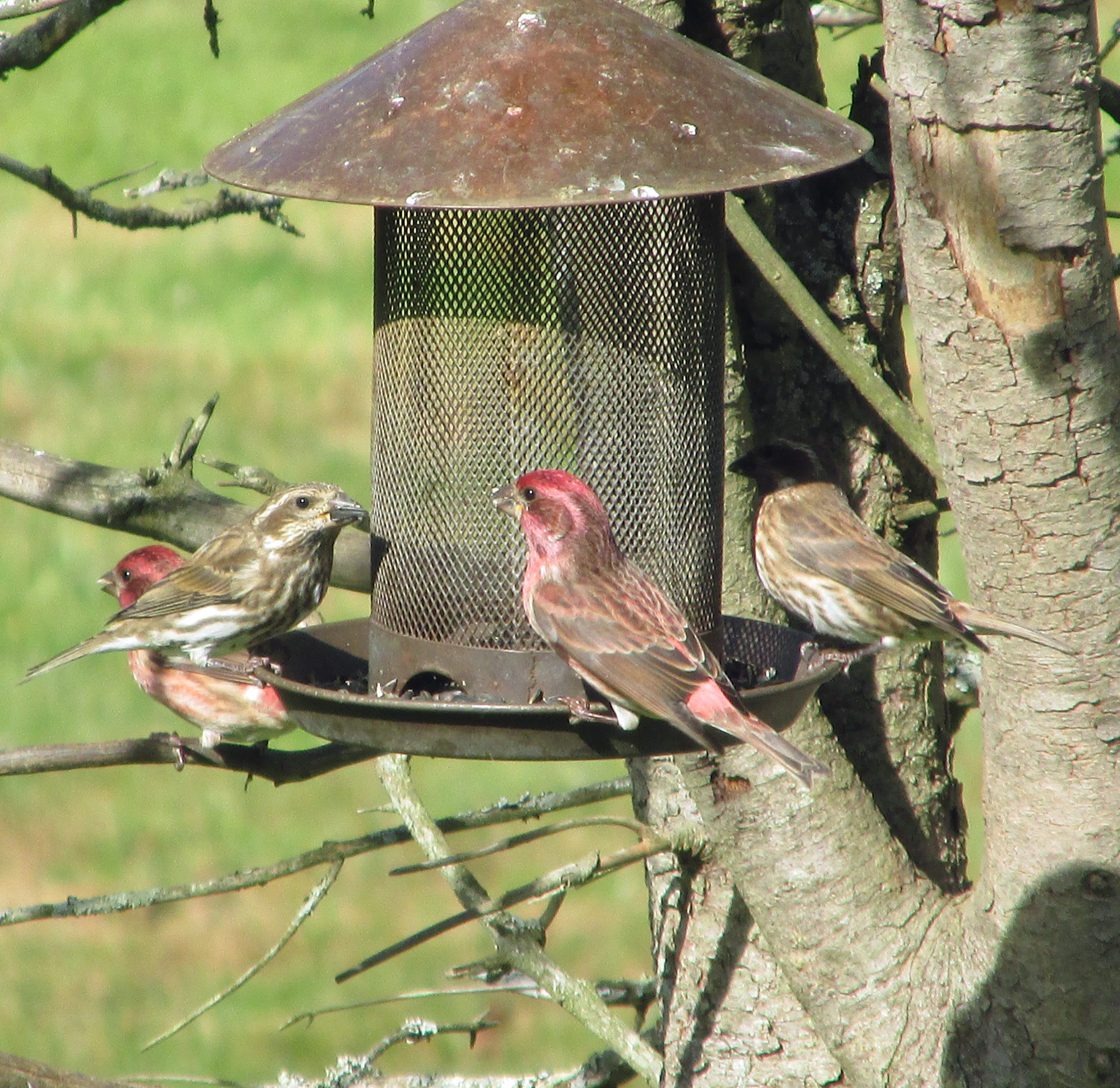
Photo by Bryan Stevens • Male and female purple finches share space at a feeder.

The pine siskin nests during the summer on the higher elevations of Roan Mountain. These small finches, which are related to the American goldfinch, are common winter feeder visitors some years and completely absent other years. This looks to be a year for siskin abundance. Andrew Del-Colle, Site Director and Editor for Audubon Magazine, posted a recent article about this autumn’s dramatic irruption of pine siskins.
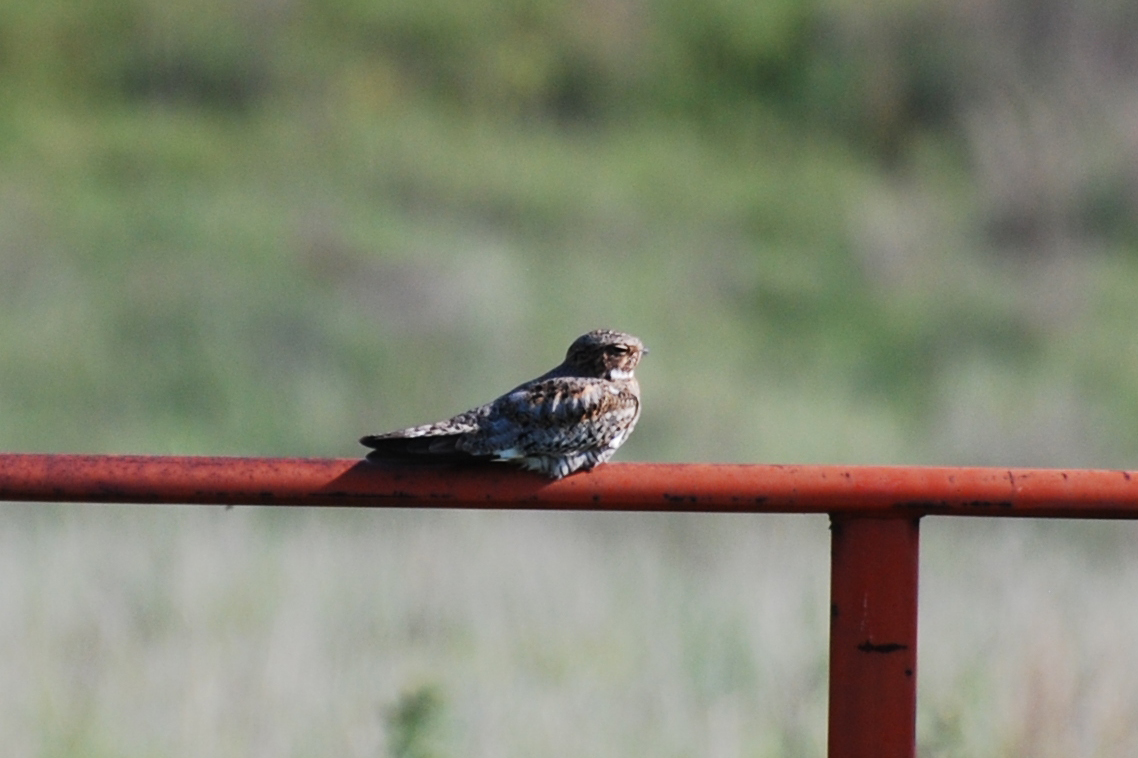
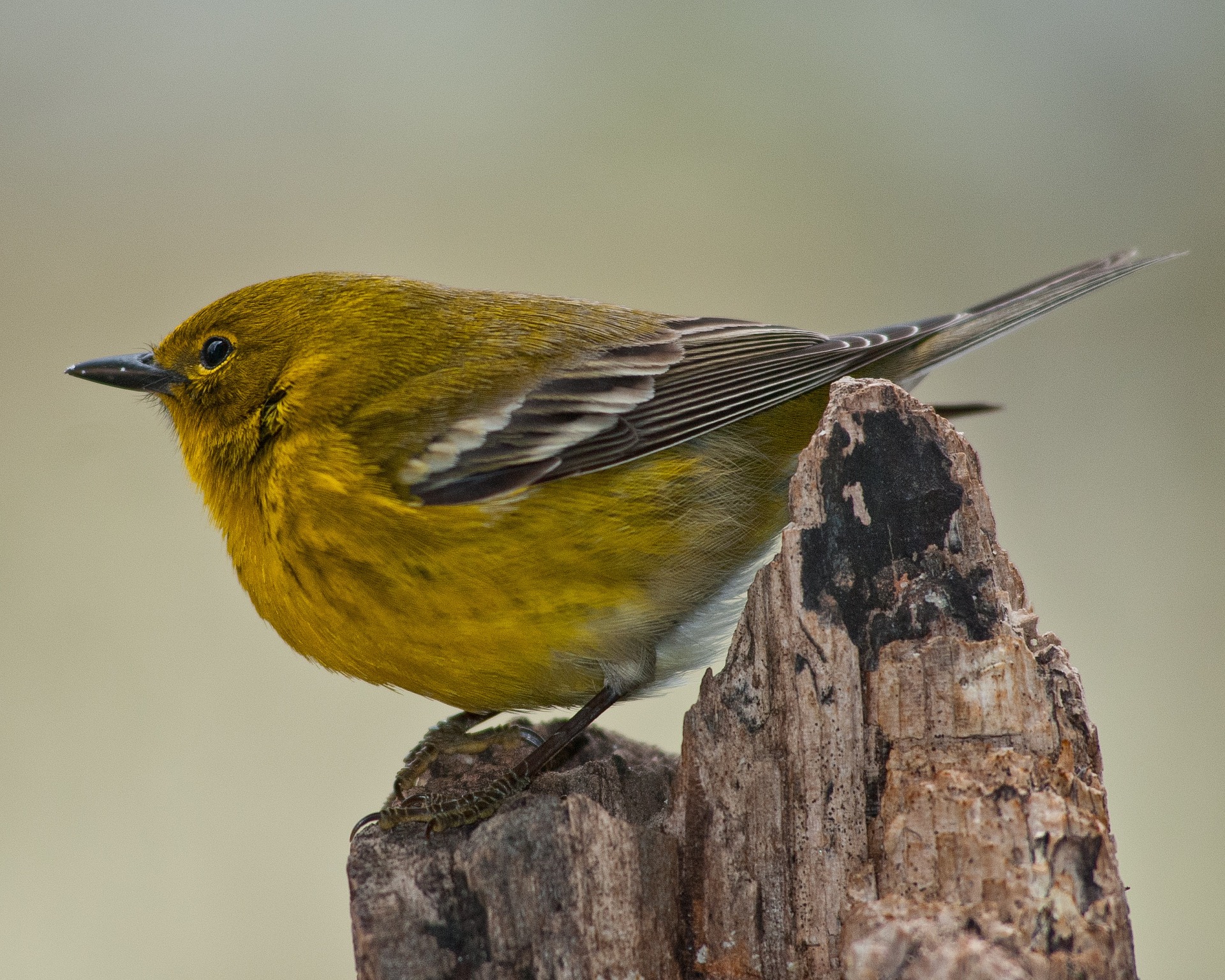
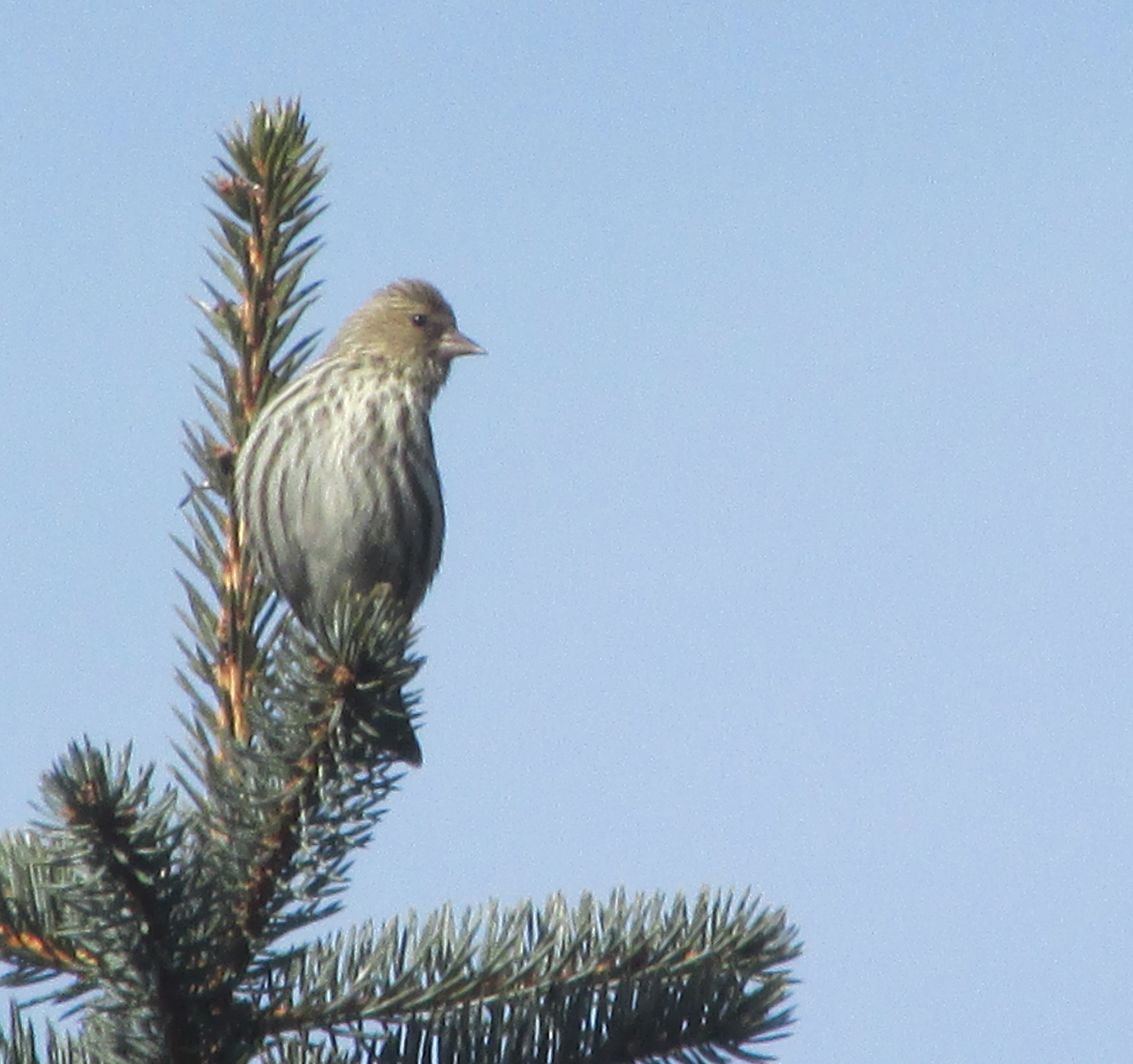
Photo by Bryan Stevens • A pine siskin in a spruce at Carver’s Gap on Roan Mountain.

Project FeederWatch, which has monitored North American bird population trends for decades, defines the term irruption as a sudden change in the population density of an organism. In the case of birds, irruptions refer to the movement of northern-wintering species to the south in years of low food availability. Other species that often stage winter irruptions include evening grosbeaks, red-breasted nuthatches and common redpolls. There’s also some indication that some of these other birds may make their way south this winter.

“If you’ve never seen a pine siskin, this is your year,” Del-Colle wrote. “In the past month, the birds have invaded the United States in search of food, inundating backyard feeders across the country. Without question, it’s one of the biggest irruption years in recorded history for the finches.”

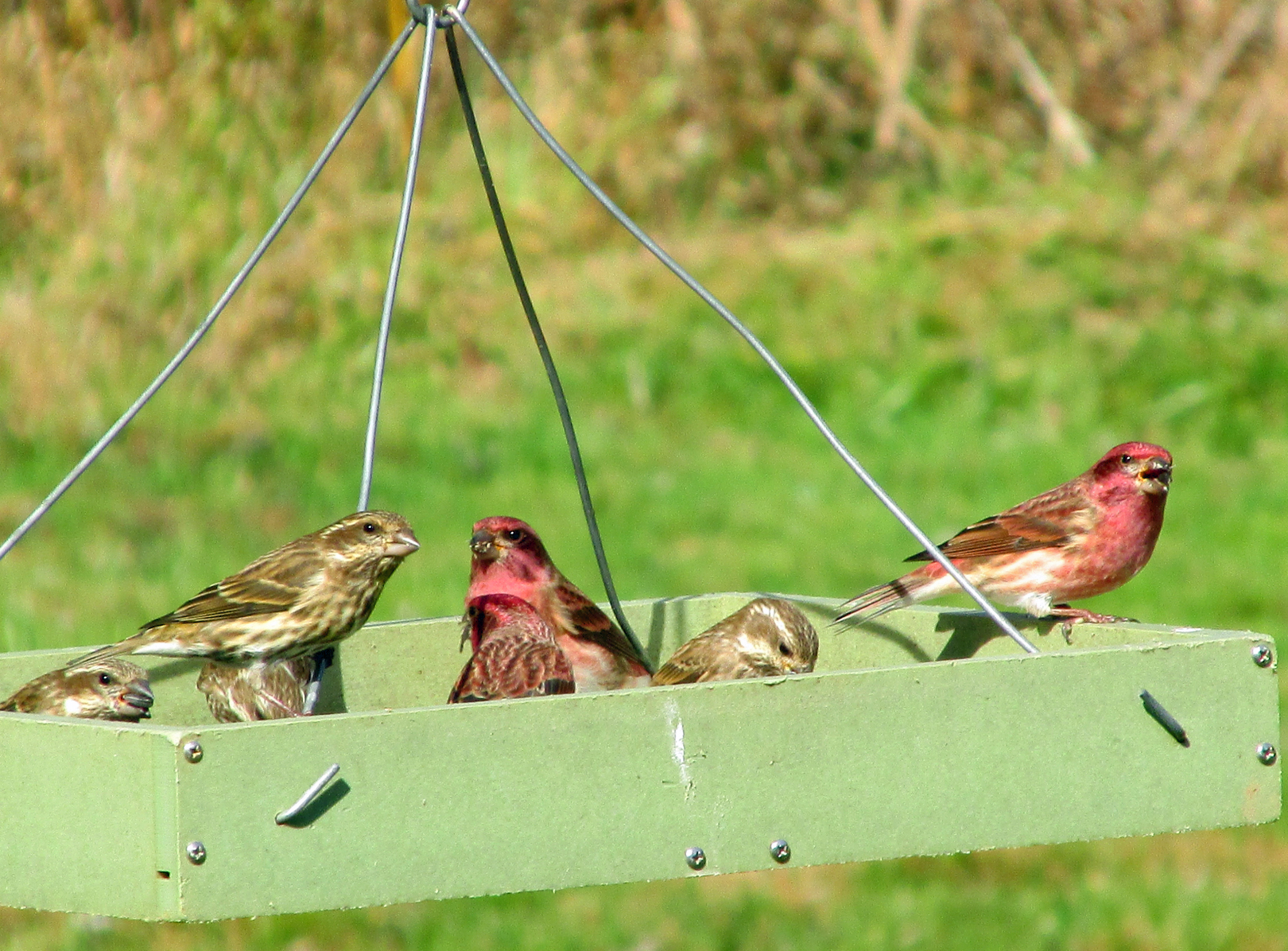
Photo by Bryan Stevens • Purple finches jostle for space in a feeder stocked with sunflower seeds.

The pine siskins at my home spend much of their time in weedy fields adjacent to my home and visit my feeders on a semi-regular basis. I suspect their feeder visitation will increase once some truly wintry weather arrives.

The purple finches that arrived on the same day do not rival the siskins in sheer numbers. Nevertheless, the purple finches have lingered, as well. The purple finch, which is a winter visitor to northeast Tennessee, southwest Virginia and western North Carolina, is apparently not as common as in the past. Experts have speculated that the decline in the numbers of purple finches each winter can be attributed, at least in part, to the closely related house finch. The house finch may simply be out-competing the purple finch for scarce natural resources.

Photo by Bryan Stevens • A male house finch perched on a cable. These finches are native to the western United States but became established in the eastern states thanks to the illicit pet trade.

The house finch is quite widespread across the United States. Originally, however, the house finch was a bird of the western part of the country, living in Mexico and the southwestern United States. About 1940, the house finch became established in the eastern United States. In violation of federal law, these small finches were being sold in New York City as pet birds described as “Hollywood Finches.” To avoid trouble with authorities, vendors and even some owners released their “Hollywood Finches” into the wild. Finding the area around New York City to their liking, house finches spread. Within a few decades, they were common birds throughout the eastern United States, including Tennessee, Virginia and North Carolina.

As the house finch claimed a new range, they inevitably encountered the related purple finch. During the winter, both finches are often present at feeders in the region. When both are available for observation, bird enthusiasts should take advantage of the opportunity to compare and contrast these birds. I have never had any difficulty distinguishing a purple finch from a house finch. The two species, at least in my eyes, are easily recognized. I can understand why some people might have trouble separating the two birds. The late Roger Tory Peterson once described the purple finch as a bird “dipped in raspberry juice.” Think about that imagery for a moment and you’ve got a good start to distinguishing a male purple finch from a male house finch. With some practice, observers will come to notice the subtle differences between a purple finch and a house finch.

These two finches belong to the genus Haemorhous, which can be roughly translated as “the color of blood.” The two species are also simply classified as American rosefinches. This grouping also includes a third species, Cassin’s finch, which occurs in the western United States. I have seen all three species, adding Cassin’s finch during a visit to Utah in 2006.

____________

Differentiating purple finches

from house finches can be a challenge

Let’s deal first with the males. Male purple finches are delicate pink-red (that raspberry coloration) on the head and breast, mixing with brown on the back and cloudy white on the belly. The red of a male purple finch is definitely a color I have not observed with many other birds. Even “red” birds such as male Northern cardinals and male scarlet tanagers do not show the same red color. Once you learn the way the red appears in the plumage of a male purple finch, you are on your way to telling this bird apart from its relative.

The red in the plumage of male house finches is surprisingly variable. In most cases, the heads, necks and shoulders of male birds are reddish and the red at times extends to the stomach and between the wings on the bird’s back. The intensity of the red changes with the seasons and is also derived from the berries and fruits in the bird’s diet. Pale yellow and bright orange are alternatives to the typical red plumage.

Look closely at the photograph of the purple finches accompanying this column. There’s a distinctive facial pattern evident on the birds. The strong facial markings include a whitish eye stripe and a dark line down the side of the throat. This pattern simply doesn’t exist with the male house finch. When I make a snap identification of these two birds, I always look for the facial pattern even before I study any other aspects of the appearance of the bird. In addition, purple finches have powerful, conical beaks and a tail that appears short and is clearly notched at the tip. Rounding out the description of a male house finch is the fact that they have a long, square-tipped brown tail and are brown or dull-brown across the back with some shading into gray on the wing feathers. The breast and stomach feathers may be streaked.

Females of both house finches and purple finches are dull brown birds that could easily be mistaken for sparrows. Again, the facial pattern is much more apparent on a female purple finch than on the related female house finch. In addition, I have always noticed that female purple finches are usually a darker shade of brown than the dull brown female house finches. Both male and female house finches are more slender than their more chunky-bodied counterparts.

______________

Although not closely related to our American birds, there is also a group known as rosefinches common to Europe and Asia. Some of these distant relatives include such descriptively named birds as scarlet finch, streaked rosefinch, red-mantled rosefinch, pink-browed rosefinch, long-tailed rosefinch, three-banded rosefinch and Himalayan beautiful rosefinch.

Purple finches occupy a variety of winter habitats, including fields, woodland edges, lawns and gardens. All it takes to lure these finches to feeders is a plentiful offering of sunflower seeds. If you are lucky enough to have both of these finches visiting your feeders, take time to study the differences. It takes some practice, but they can be distinguished quite confidently.


Twenty-five years ago this week, dark-eyed junco provided inspiration for first column

I wrote my first bird column on Sunday, Nov. 5, 1995, which means this weekly column is marking its 25th anniversary this week. This column has appeared over the last three decades in a total of six different newspapers, which I regard as a personal achievement, as well as an accomplishment for our feathered friends. It’s on their behalf that I pen these weekly efforts to promote conservation and good will toward all birds. I have also posted the column as a weekly blog posting since February of 2014 at ourfinefeatheredfriends.wordpress.com.

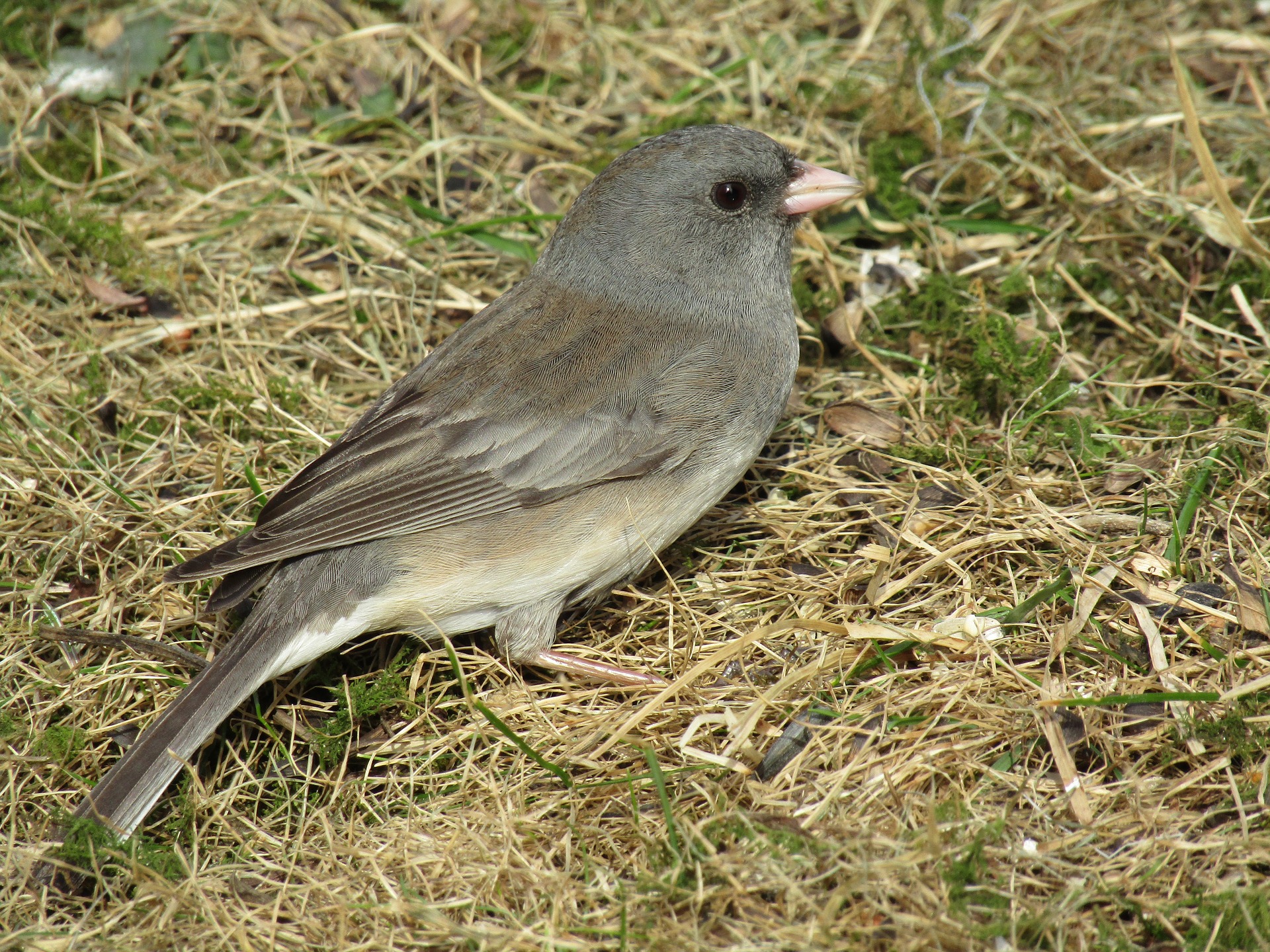
Photo by Steve McLeod/Pixabay.com • The dark-eyed junco is a fairly common winter resident in the region. Rather widespread, different races of the dark-eyed junco are found throughout the North American continent.

I’ve played detective, helping people identify everything from “rain crows,” or cuckoos, to Muscovy ducks and double-crested cormorants. I’ve observed unusual birds, including white pelican, brant and roseate spoonbill, in Northeast Tennessee and Southwest Virginia and spotlighted them in these columns. I still take delight in the kaleidoscopic parade of colorful warblers that pass through the region each spring and fall as well as the fast-paced duel of ruby-throated hummingbirds and the occasional rufous hummingbird straying through the region.At my home, I also provide sunflower seed and other supplemental food for the resident birds like Carolina chickadees, white-breasted nuthatches, song sparrows and downy woodpeckers.

Photo by Steve McLeod/Pixabay.com • The dark-eyed junco is a fairly common winter resident in the region. They are faithful feeder visitors during bouts of wintry weather.

Even as I write my silver anniversary column for “Feathered Friends,” local weather forecasters are predicting the winter’s first hard freeze. This prognostication of approaching winter weather is a perfect time to dust off this week’s column, which is a revision of the first bird column I ever wrote. This column focused on a common visitor to yards and feeders during the winter months. In fact, dark-eyed juncos should be returning to the region any day. Here, with some revisions I have made through the years, is that first column.

•••••

Of all the birds associated with winter weather, few are as symbolic as the dark-eyed junco, or “snow bird.” The junco occurs in several geographic variations.

John V. Dennis, author of “A Complete Guide to Bird Feeding,” captures the essence of the junco in the following description: “Driving winds and swirling snow do not daunt this plucky bird. The coldest winter days see the junco as lively as ever and with a joie de vivre that bolsters our sagging spirits.” The dark-eyed junco’s scientific name, hyemalis, is New Latin for “wintry,” an apt description of this bird.

Most people look forward to the spring return of some of our brilliant birds — warblers, tanagers and orioles — and I must admit that I also enjoy the arrival of these birds. The junco, in comparison to some of these species, is not in the same league. Nevertheless, the junco is handsome in its slate gray and white plumage, giving rise to the old saying “dark skies above, snow below.”

Photo by Bryan Stevens / A Dark-eyed Junco visits a hanging feeder.

Just as neotropical migrants make long distance journeys twice a year, the junco is also a migrating species. But in Appalachia, the junco is a special type of migrant. Most people think of birds as “going south for the winter.” In a basic sense this is true. But some juncos do not undertake a long horizontal (the scientific term) migration from north to south. Instead, these birds merely move from high elevations, such as the spruce fir peaks, to the lower elevations. This type of migration is known as vertical migration. Other juncos, such as those that spend their breeding season in northern locales, do make a southern migration and, at times, even mix with the vertical migrants.

During the summer months, a visit to higher elevations mountaintops is almost guaranteed to produce sightings of dark-eyed juncos. Juncos may nest as many three times in a season. A female junco usually lays three to six eggs for each nest, which she constructs without any assistance from her mate.

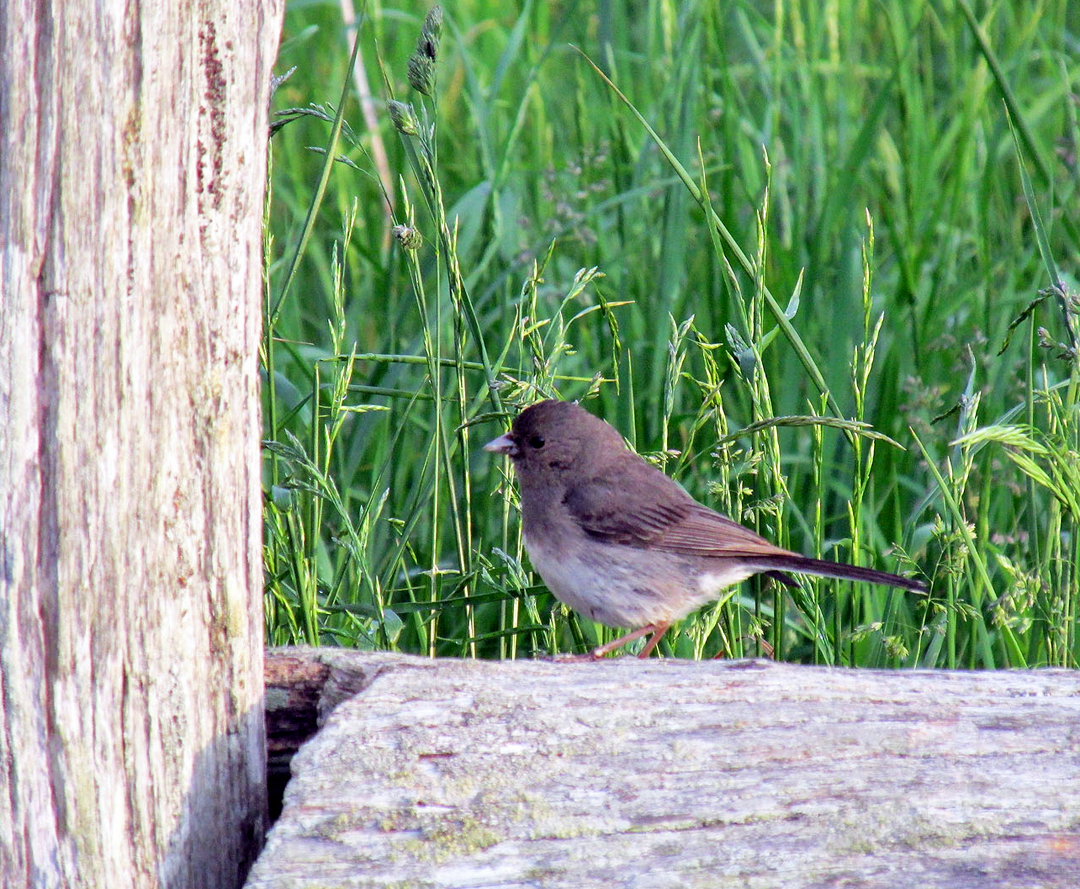
Photo by Bryan Stevens • Dark-eyed junco nests on high mountain slopes during the summer month. This dark-eyed junco was photographed at Carver’s Gap on Roan Mountain during the summer nesting season.

Juncos are usually in residence around my home by early November. Once they make themselves at home I can expect to play host to them until at least late April or early May of the following year. So, for at least six months, the snow bird is one of the most common and delightful feeder visitors a bird enthusiast could want.

 Juncos flock to feeders where they are rather mild-mannered — except among themselves. There are definite pecking orders in a junco flock, and females are usually on the lower tiers of the hierarchy. Females can sometimes be distinguished from males because of their paler gray or even brown upper plumage.

Since juncos are primarily ground feeders they tend to shun hanging feeders. But one winter I observed a junco that had mastered perching on a hanging “pine cone” feeder to enjoy a suet and peanut butter mixture.

Photo by Ken Thomas • A dark-eyed junco perches on some bare branches on a winter’s day.

Dark-eyed juncos often are content to glean the scraps other birds knock to the ground. Juncos are widespread. They visit feeders across North America. The junco is the most common species of bird to visit feeding stations. They will sample a variety of fare, but prefer such seeds as millet, cracked corn or black oil sunflower.

There’s something about winter that makes a junco’s dark and light garb an appropriate and even striking choice, particularly against a backdrop of newly fallen snow.

Of course, the real entertainment from juncos come from their frequent visits to our backyard feeders. When these birds flock to a feeder and began a furious period of eating, I don’t even have to glance skyward or tune in the television weather forecast. I know what they know. Bad weather is on the way!

•••••

If you’d like to share your first sighting this season of dark-eyed juncos as the temperatures get colder, email me at ahoodedwarbler@aol.com. As always, the column is also a line of communication with fellow bird enthusiasts. I’ve enjoyed sharing stories about birds with countless readers over the past 25 years. I can also be reached on Facebook at https://www.facebook.com/ahoodedwarbler. 


Legends of fearsome birds grounded in distant reality

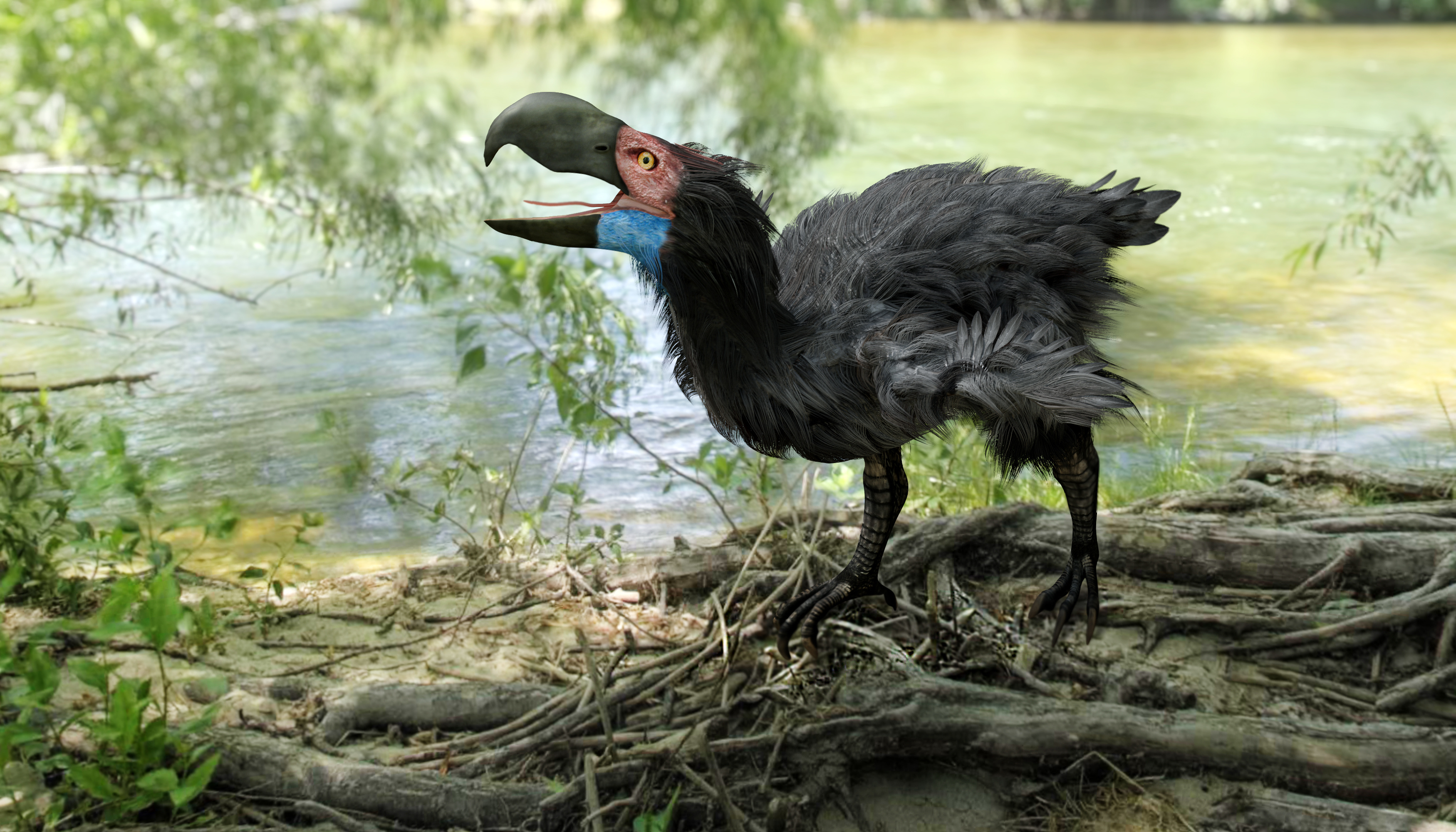
Illustration by Auntspray/Adobe Stock A lone gastornis walks by the edge of a river in this artist’s illustration of a member of an extinct avian family known as “Terror Birds.” These large flightless birds arose as apex predators in much of their domain.

Giant eagles, terror birds, and rocs! Oh my! While begging the pardon of the clever writers of 1939’s film “The Wizard of Oz,” I thought I’d focus on some of the more terrifying birds to ever roam the planet as we move closer to Halloween later this month.

Photo by Couleur/Pixabay.com • A white-tailed eagle is one of the world’s larger eagles, but even this large raptor would have been dwarfed by the now-extinct Haast’s eagle that once hunted giant moas in New Zealand.

Giant Eagles

In the not-so-distant past, an eagle in New Zealand achieved status as an apex feathered predator that specialized in preying on some of the largest birds to ever live.

Known as Haast’s eagle, this now-extinct raptor had a body size about 40 percent larger than even the largest of today’s eagles. Females probably reached a weight of 22 to 33 pounds. Males, as is the case with most living eagles today, were smaller than females but still probably weighed between 20 to 26 pounds. This gigantic eagle, however, possessed a relatively short wingspan of roughly 8 to 10 feet wide, which compares to that recorded for large specimens of golden eagle and Steller’s sea eagle.

This huge raptor was a major predator on the population of New Zealand moas, a large flightless and wingless bird somewhat reminiscent of modern ostriches. In direct comparison with the moas, these New Zealand eagles were almost puny. Some moas reached a height of 12 feet tall and a weight of more than 500 pounds. Despite their superior size and weight, however, moas simply lacked any defense against the huge razor-like talons and sharp beak of the Haast’s Eagle. An attack by such a well-equipped bird of prey must have been devastating to their prey. If Haast’s eagle was anything like many modern predators, it probably chose to hunt young, infirm or elderly moas rather than an adult moa in prime health.

Back in 2009, Associated Press writer Michael Casey speculated in an article on Haast’s eagle that this bird of prey might have included humans on the menu. Casey wrote that in recent years the scientific opinion on Haast’s eagle has evolved. Once thought to be a mere scavenger like vultures, most experts now think Haast’s eagle was a capable and efficient predator.

There is no direct evidence that the eagle, which went extinct about 500 years ago, ever dined on humans. Casey does mention the legend of the pouakai, which was a giant bird with a reputation for launching sudden attacks on people and fully capable of killing a small child.

If the Haast’s eagle did snatch a few unfortunate children, the Maori who colonized New Zealand about 750 years soon returned the favor. Both the moa and Haast’s eagle disappeared from New Zealand soon after humans arrived on the remote island.

Artist Charles Knight, famous for now outdated depictions of dinosaurs, illustrated his version of a “terror bird” back in 1901.

Terror Birds

Terror birds were prehistoric forebears to Haast’s eagle. More accurately known as Phorusrhacids, the “terror birds” were an extinct clade of large carnivorous flightless birds that were the largest species of apex predators in South America during the period of prehistory known as “The Age of Mammals.”

Unlike Haast’s eagle, which was fully capable of flight, the terror birds were flightless like the extinct moas and our modern ostriches, emus and cassowaries. The tallest of the terror birds stood 10 feet tall, but some members of the family were considerably smaller, reaching a height between two and three feet.

The larger species included birds such as Titanis walleri, Phorusrhacos ameghino and Kelenken guillermoi. With a skull more than 28 inches long, Kelenken possessed the largest head of any known bird. Some members of the diverse terror bird family even ranged into what is now the southern United States. Fossils of some of these ancient birds have been found in Florida and Texas. As the saying goes, everything’s bigger in Texas.

Mammals of various sizes provided a smorgasbord for the terror birds, which were more than capable of running down prey and dispatching it with a heavy, hooked beak. While it would be fascinating to still have terror birds roaming the globe, I have to admit that I prefer that the birds content themselves with sunflower seeds and suet cakes rather than considering whether I might make a nice addition to the menu.

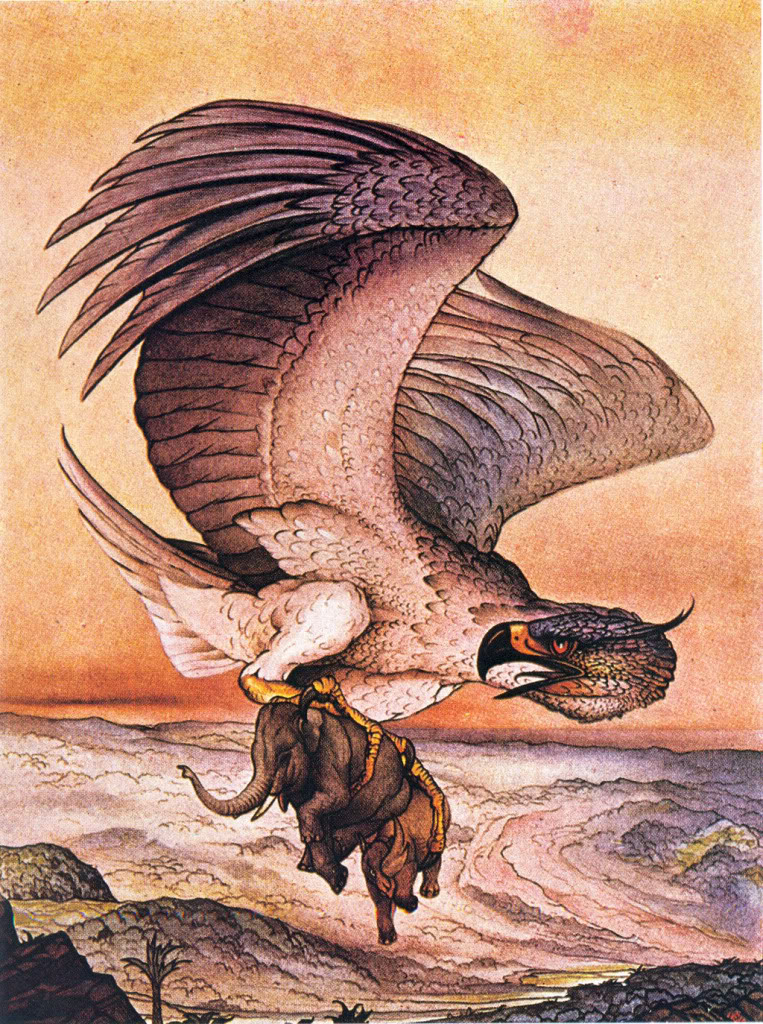
This color illustration by Charles Maurice Detmold depicts the legendary roc and its elephant prey.

Legend of the Roc

While descriptions of the mythical roc make this bird sound like a truly horrifying feathered terror, the actual creature behind the origins of this incredible beast was actually a placid herbivore.

The roc arose in the fabulous fables of the Middle East. The famous compilation of stories known as One Thousand and One Nights features accounts of the monstrous roc, a bird deemed capable of seizing and carrying off prey as large as a fully grown elephant.

In reality, discoveries of the eggs of a bird now known to science as the extinct Vorombe titan likely inspired the myth of the roc. Vorombe titan stood almost 10 feet tall and weighed 1,600 pounds. The largest living bird today is the common ostrich. Males ostriches can reach a height of 9 feet and weigh 250 pounds, which means Vorombe titan would have dwarfed modern ostriches.

Native to the island of Madagascar, Vorombe titan and its relatives went extinct about a thousand years ago. Explorers from Middle Eastern countries returned from the island of Madagascar with egg shells that provided strong evidence of a giant bird and led to the legend of the roc, or elephant bird. The eggs of this bird were indeed impressive. The eggs were 13 inches long and 3 feet, 3 inches in circumference. About 160 chicken eggs could have fit inside a Vorombe titan’s egg.

The family of birds known as kiwis are considered the closest living relatives of the giant moas.

Once thought to be related to ratites, which includes modern ostriches, emus and cassowaries, Vorombe titan’s closest living relatives are probably the kiwis, a family of flightless birds that still exists in New Zealand. Like the kiwi, Vorombe titan, or the legendary roc, was a gentle, near-sighted herbivore.

While the imaginative mind can spin interesting scenarios with these gone-but-not-forgotten monsters, I think I’ll confine my birding to warblers, hummingbirds and other backyard birds.


Two types of black-throated warblers number among New World bird family

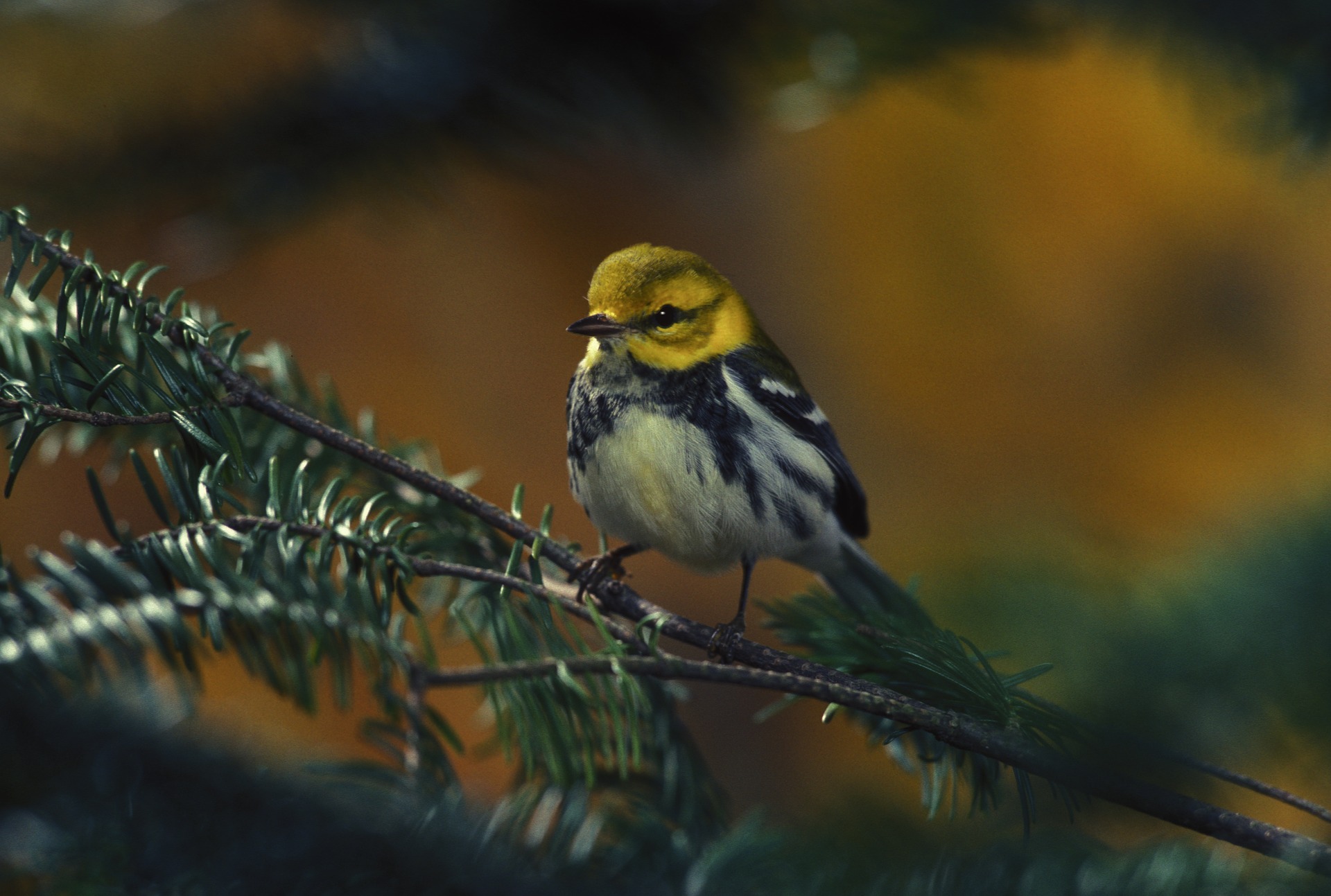
Photo by Skeeze/Pixabay.com The female black-throated green warbler lacks the male’s all-black throat, but she is a striking bird in her own right. Black-throated green warblers and the related black-throated blue warbler are common birds in the Southern Appalachians from April to October.

I’ve enjoyed some lawn chair birding on recent September evenings, delighting in my observations of birds ranging from flycatchers and catbirds to warblers, vireos and hummingbirds. I enjoy my casual study of the daily changes in the bird population present in my yard and adjacent woods. The parade of warblers hasn’t been as productive as in past autumns, but I have managed to spot and identify hooded warbler, American redstart, chestnut-sided warbler, magnolia warbler, Northern parula, and black-throated green warbler visitors.


The black-throated green appeared suddenly in a fast-paced burst of foraging in a cherry tree. Alongside birds such as an Eastern wood-pewee and red-eyed vireo, the warbler gleaned the leaves of the trees for concealed caterpillars. I watched the bird swallow with gusto several of the caterpillars so skillfully plucked with its thin, pointed bill.

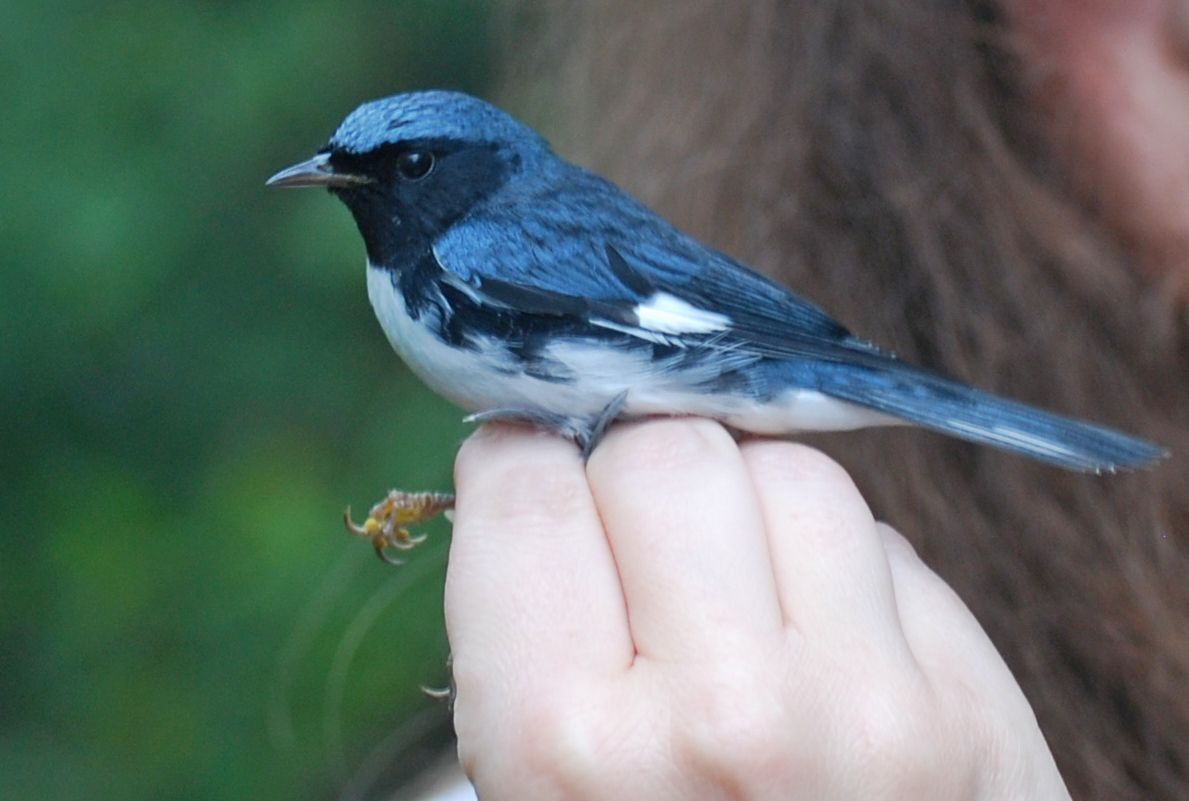
The black-throated green warbler and one other species, the black-throated blue warbler, share the appellation of “black-throated,” and rightfully so. Males in the spring look their best with a dark black throat in striking contrast to the rest of their plumage. The female black-throated green shows some black on the throat, but female black-throated blue warblers exhibit no black throat patch. In fact, black-throated blue males and females are extremely different in appearance. Scientists call such dramatic appearances differences “sexual dimorphism.” Among the warblers, this species provides the most striking example of sexual dimorphism of any of the warblers. The male and female do share one identifying mark — a white square near the outer edge of the middle of each wing. This square is usually more pronounced in the male, but it stands out enough that it helps distinguish the female black-throated blue from similar dull-plumaged birds such as vireos. 


German naturalist Johann Friedrich Gmelin described the black-throated blue warbler in 1789. I noted in last week’s column that Gmelin woefully misnamed such warblers as palm warbler and magnolia warbler. With the black-throated blue warbler, Gmelin did a better job. This bird’s scientific name name is the Latin term caerulescens, which translates into English as “turning blue.” The male is a stunning bird. Arguably, the black-throated blue warbler is one of the most distinctive members of the family of wood warblers. The adult male has a black face and cheeks, deep blue upperparts and a clean white underbelly. In contrast, the adult female is olive-brown above and light yellow below. 


When one’s binoculars first focus on a black-throated green warbler, the first impression is likely to be the black, yellow and white feathers in the bird’s plumage. The greenish-yellow coloration that gives this species part of its common name is mostly limited to the bird’s back, which is often not as evident when the bird’s being watched through binoculars.  
Both of the black-throated warblers nest in northeast Tennessee, western North Carolina, and southwestern Virginia. In the spring, the males of both these warblers are persistent singers from prominent perches in the green woodland canopy. Male black-throated greens contribute to the avian chorus by frequently singing a high-pitched song often described as a buzzy zee-zee-zee-zooo-zeet. Male black-throated blues produce a buzzy zee-zee-zeeee. 

The black-throated green warblers currently departing the region will likely travel as far as Mexico, Central America, the West Indies and southern Florida for the colder winter months. Black-throated blue warblers, on the other hand, migrate to the Caribbean for the winter, making their homes on Cuba, Jamaica, Hispaniola and Puerto Rico, as well as other islands. 
Nearly half of the world’s New World warblers spend the months between spring and fall in North America. The other half reside exclusively in Central and South Americas, as well as the Caribbean. Some of the more descriptively named individuals residing in the tropical areas south of North America include flame-throated warbler, crescent-chested warbler, arrowhead warbler, white-rimmed warbler, buff-rumped warbler, golden-bellied warbler, fan-tailed warbler, pink-headed warbler and pale-legged warbler. 


The warblers bring some exciting tropical flair into the hills and hollows of Southern Appalachia for several months every year. I miss them once they’re gone for the winter season, but the promise of their return keeps my spirits buoyed during the cold, darker months until spring. 

Nighthawks share the skies with many other migrants

Photo by Dr. Thomas G. Barnes/ USFWS • A common nighthawk perches on a low clump of vegetation during a rest period. Nighthawks are known for migrating in large flocks.

Autumn’s a chance for me to indulge my passion for warblers, with a few dozen species of these songbirds passing through the region in the span of a few weeks. They’re not the only migrating birds worth watching, however, as a recent Facebook post reminded me.

John Whinery, a fellow birder who resides in Fall Branch, Tennessee, reported some interesting observations Sept. 6 on Facebook.

“Been watching several hundred common nighthawks the last few nights fly down the valley next to the farm,” John wrote in his post. He also reported that he saw a female Northern harrier fly by at eye level about 20 feet from him as he watched the migrating nighthawks. The Northern harrier, once known as the “marsh hawk,” is one of many raptors known to migrate. 

Like such birds as warblers, vireos, thrushes, tanagers, flycatchers and hummingbirds, the common nighthawk, is a neotropical migrant. In addition, the common nighthawk has one of the longest migration routes of any North American bird. Twice a year, these birds migrate for distances ranging from 1,600 to 4,200 miles. Nighthawks that spend the spring and summer in Canada travel to southern South America for the winter months. 

With September advancing on the calendar, I have been keeping an eye on the treetops for passing warblers, vireos and tanagers, but I also remember to direct my gaze to the skies. Forgetting to look skyward could result in missing the passage of such varied migrants as chimney swifts, broad-winged hawks and common nighthawks.

So, what is a common nighthawk? First, this bird, despite what is implied by its name, is not a hawk. It’s also not strictly nocturnal. Particularly in the fall, nighthawks are active during daylight hours when engaged in catching winged insects. Outside of fall migration, these birds can often be observed over large parking lots or well-lit streets, snatching up insects swarming around the light poles.

The common nighthawk is one of three members of the nightjar family found in the region during the summer months. The other two nightjars are the whip-poor-will and chuck-will’s-widow, birds that produce their namesake vocalizations in the nocturnal hours. Both of these species migrate, but they don’t take the dramatic approach employed by nighthawks. Each fall, common nighthawks form large flocks, ranging in size from dozens to hundreds or even thousands of individuals, as they migrate south for the winter.

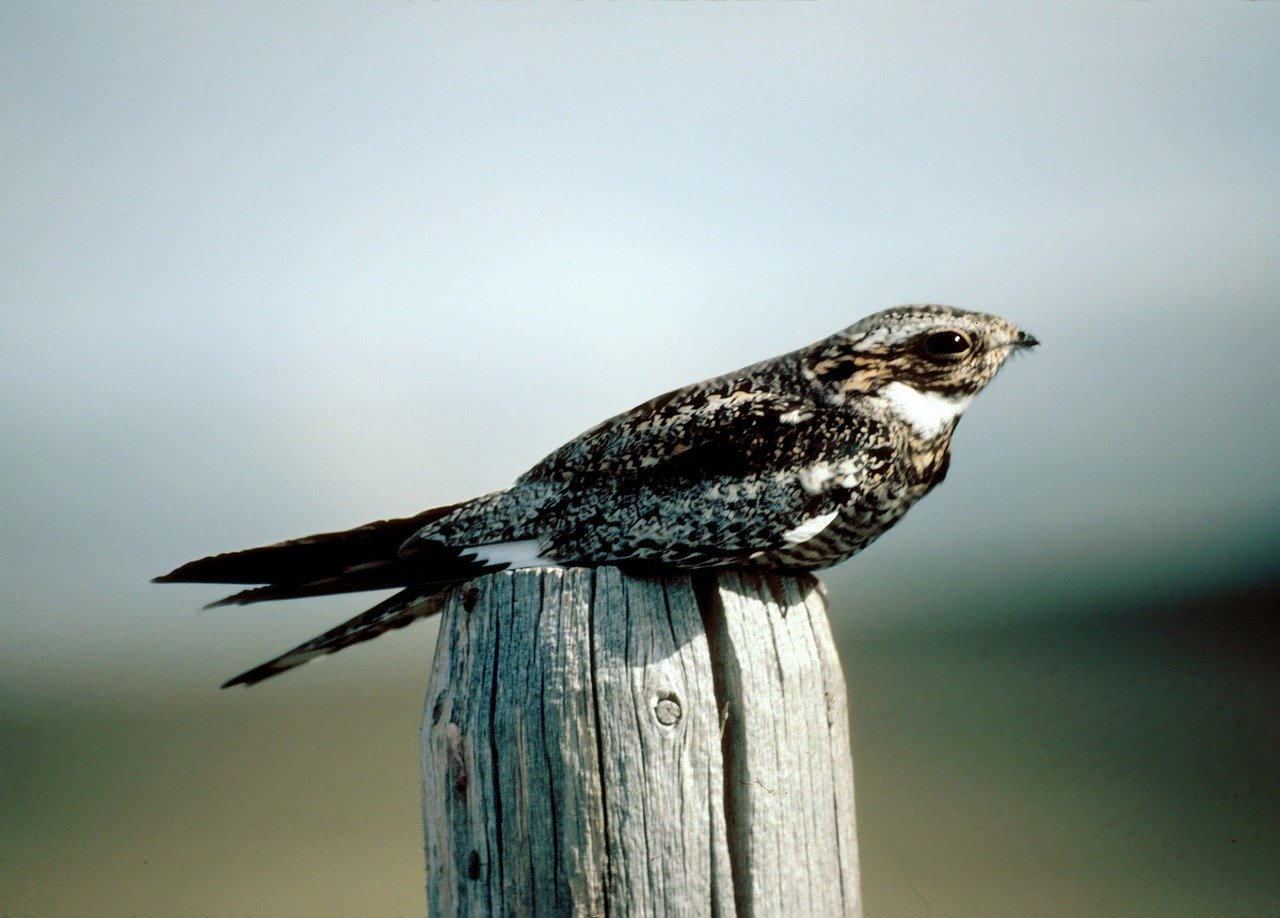
Photo by Skeeze/Pixabay.com • A common nighthawk chooses a perch atop a fence post for a survey of its surroundings.

Unlike whips and chucks, the common nighthawk isn’t active only after dark, which makes it much easier to observe these birds. They look somewhat like swifts and swallows but are much larger. They are brownish-gray birds with pointed wings and forked tails. They are easily identified by distinctive white patches on the underside of their wings.

The nightjar, or Caprimulgidae, family of birds is also sometimes known as “goatsuckers.” Apparently, in trying to explain the nocturnal tendencies of these birds, the Greeks came up with the imaginative but erroneous idea that birds like nighthawks liked to sneak into barns and have a meal of fresh goat’s milk. In reality, nighthawks feed almost exclusively on insects, including ants, wasps, beetles, caddisflies, moths, mayflies, flies, crickets, grasshoppers, and other insects. They capture much of their insect prey on the wing.

There are almost 80 species of nightjars in the world. Less than 10 occur in North America. Many of the common nighthawk’s relatives have been given descriptive names, such as long-trained nightjar, collared nightjar, spot-tailed nightjar, red-necked nightjar, golden nightjar, fiery-necked nightjar, swamp nightjar, pennant-winged nightjar, lyre-tailed nightjar, little nightjar, sickle-winged nightjar, rufous-bellied nighthawk, short-tailed nighthawk, sand-coloured nighthawk and least nighthawk.

So, keep looking skyward. The next flock of migrating common nighthawks may fly over your home. These flocks are usually on the move throughout September.  I’ve managed only three sightings of solitary nighthawks so far this migration season, which falls far short of the number John Whinery reported at his farm. 

I will keep watching the skies. Nighthawks can also appear almost magically, as if out of thin air. First, observers may see one of two birds, then several, followed quickly by dozens or sometimes hundreds as they wheel and cavort in the skies overhead with impressive grace and agility. I’ve seen flocks that would easily number more than 500 birds in locations throughout the region, although flocks often number only a couple of dozen birds. 

Photo by Jean Potter • A common nighthawk rests on a metal railing.

Warbler parade imminent as September advances

Photo by Mickey Estes/Pixabay.com • A pine warbler takes a brief rest on a perch during a break from foraging for insects.

I detected some signs of migration during a backyard lawn chair birding session on Thursday, Sept. 3. A croaking great blue heron circling the property, the shrill cries of cedar waxwings, scolding vireos, and the intermittent buzz of hummingbird wings all contributed to the background noise. 

The first warbler of the season, a quick blur of yellow and white, disappeared into the green and thus escaped identification. That’s the way of it: Sometimes, you identify the bird, but at other times it slips past without lingering enough for that moment of confidence. You have to love September, even if the birds are entirely ignorant of pages on a calendar. As summer wanes, the pace of migration has spiked. If that first warbler got away, I know others will follow behind it.

Some of them will have fanciful names like blue-winged warbler, black-throated blue warbler, Blackburnian warbler and American redstart. Each of the warblers exists as a sort of magnet to induce me to keep binoculars always close at hand.


The 50 or so species of warblers that make their home in the eastern parts of the United States and Canada during the spring and summer months are now winging their way south.  The blackpoll warbler, which holds the distinction for the longest migration of any species of New World warbler, will journey from the forests of Canada to spend the colder months in northern South America. Because of a peculiarity of this bird’s fall migratory habits, birders in Northeast Tennessee are far more likely to see this late-arriving warbler in May than in the autumn.

A few warblers — pine warbler, magnolia warbler and palm warbler — are named for trees for the simple reason that their European discoverers happened to first observe them in the branches of their namesake trees.

Photo by Bryan Stevens • A Palm Warbler forages along a chain-link fence.

For most of these warblers named to honor various trees,  their common names are, at best, a misnomer. Throughout most of its life, the palm warbler doesn’t even encounter palm trees. Johann Friedrich Gmelin, a German naturalist who lived from 1748 to 1804, saddled the palm warbler with its inappropriate name. Gmelin based his naming of the bird on the fact that a specimen had been collected on Hispaniola, an island in the Caribbean with an abundance of palm trees. Gmelin published several textbooks in the fields of chemistry, pharmaceutical science, mineralogy, and botany. He also had a hand in publishing a catalog of scientific names for various species, including some birds that had until that point never been given a species classification. Thanks to his efforts, the palm warbler has forever been linked with a type of tree that is, at best, entirely incidental to the bird’s life cycle.

The same is true for the Magnolia Warbler, which would have been more suitably named the spruce or fir Warbler, as the species is highly dependent on northern coniferous forests as nesting habitat. The pine warbler, at least, restores credibility to some of the early experts who have these tiny birds their common names. The pine warbler does indeed prefer stands of pine trees, showing particular favor for pitch pines.

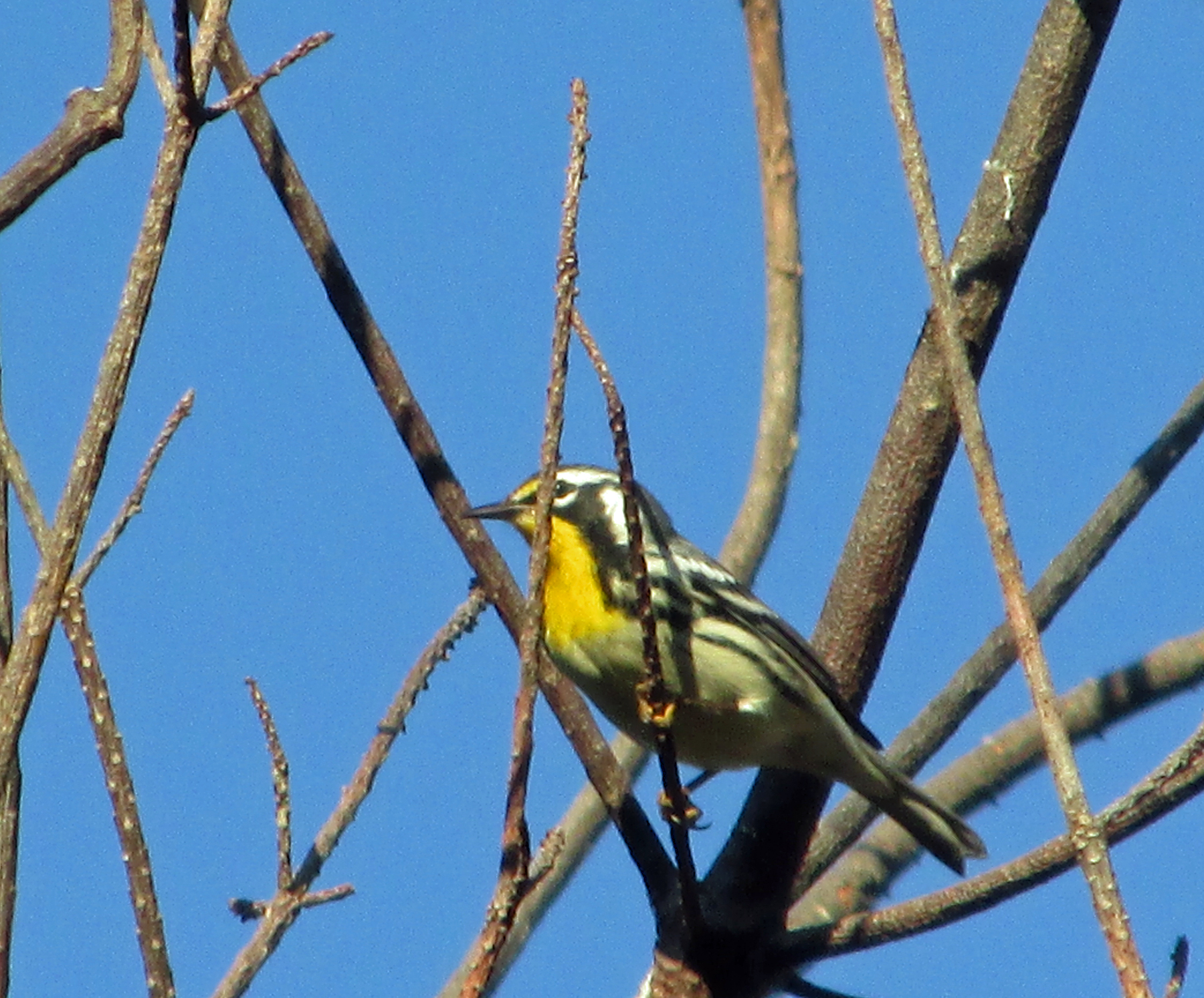
Photo by Bryan Stevens A Yellow-throated Warbler makes a migratory stop in my yard on the first day of September.

These three “tree warblers” are all fairly common fall migrants, making stops in gardens, backyards and woodland edges throughout Northeast Tennessee, southwest Virginia, and western North Carolina. They and their relatives will make the remaining weeks of September and early October an exciting time for warbler enthusiasts.