Tag Archives: birds

Birds adopt many strategies for care of their young

One question that tends to pop up every June in my email or on Facebook concerns the presence of hummingbirds.  The status of hummingbirds at my own home since their arrival back in April has been somewhat sporadic. I think this has been noticed by some other people, too.

MommyHummer

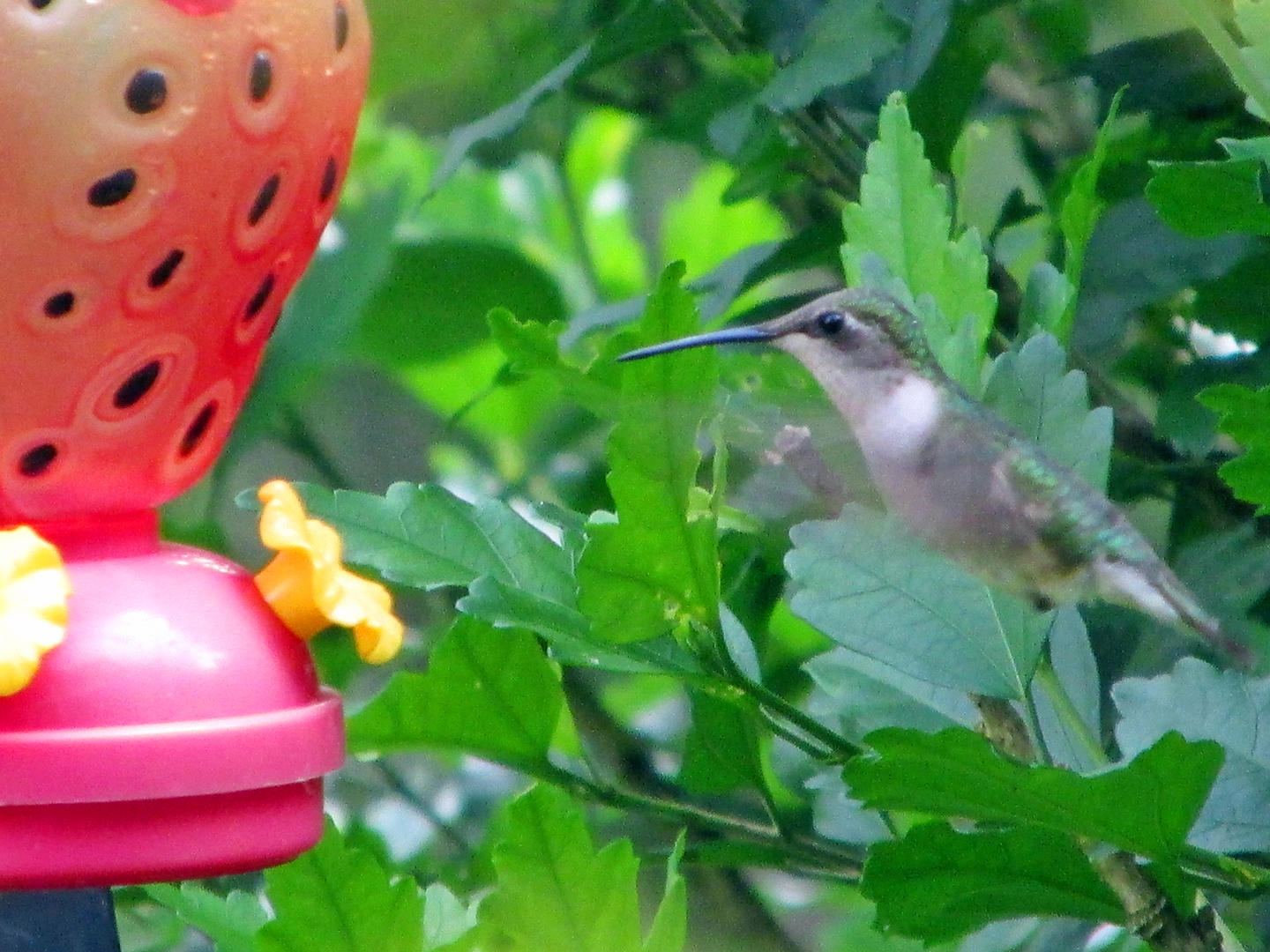
Photo by Bryan Stevens                                                                  A female Ruby-throated Hummingbird visits a feeders. Female hummingbirds in our yards in June and July are probably nesting residents.

The hummingbirds were scarce in April and May. When June arrived, their numbers began to increase.

However, this pattern that I saw this year is usually just the opposite. The hummingbirds are usually abundant in early spring, taper off in June and July, and then increase again in August and September. Basically, I think their numbers just naturally fluctuate. Some years we have more of them than other years.

There are other possibilities to explain the absence of hummingbirds. It’s always possible that hummingbirds, adhering to the philosophy that “the grass is always greener” elsewhere have taken to exploring a neighbor’s yard and gardens.

Hummingbirds, like many of the songbirds that spend the summer season with us, keep busy this time of year with the task of raising offspring. That alone could explain a temporary lull in their numbers in our yards and gardens.
BabyTowhee

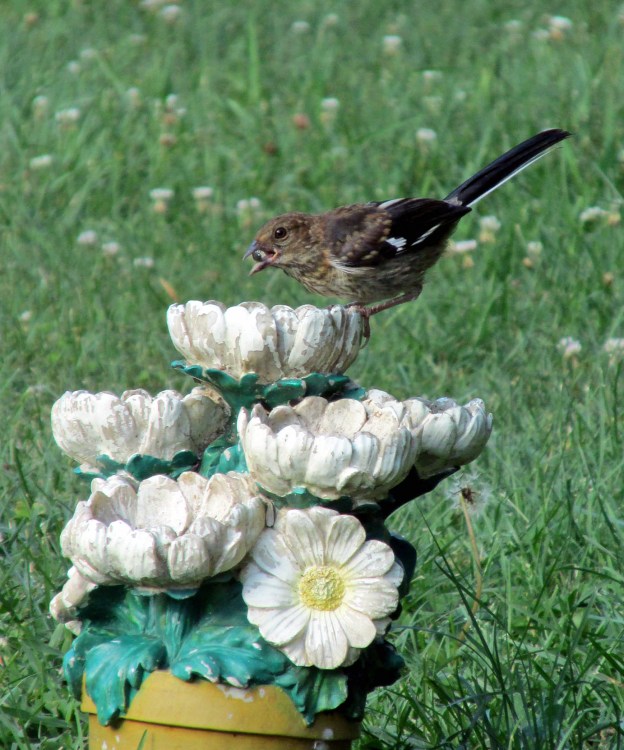
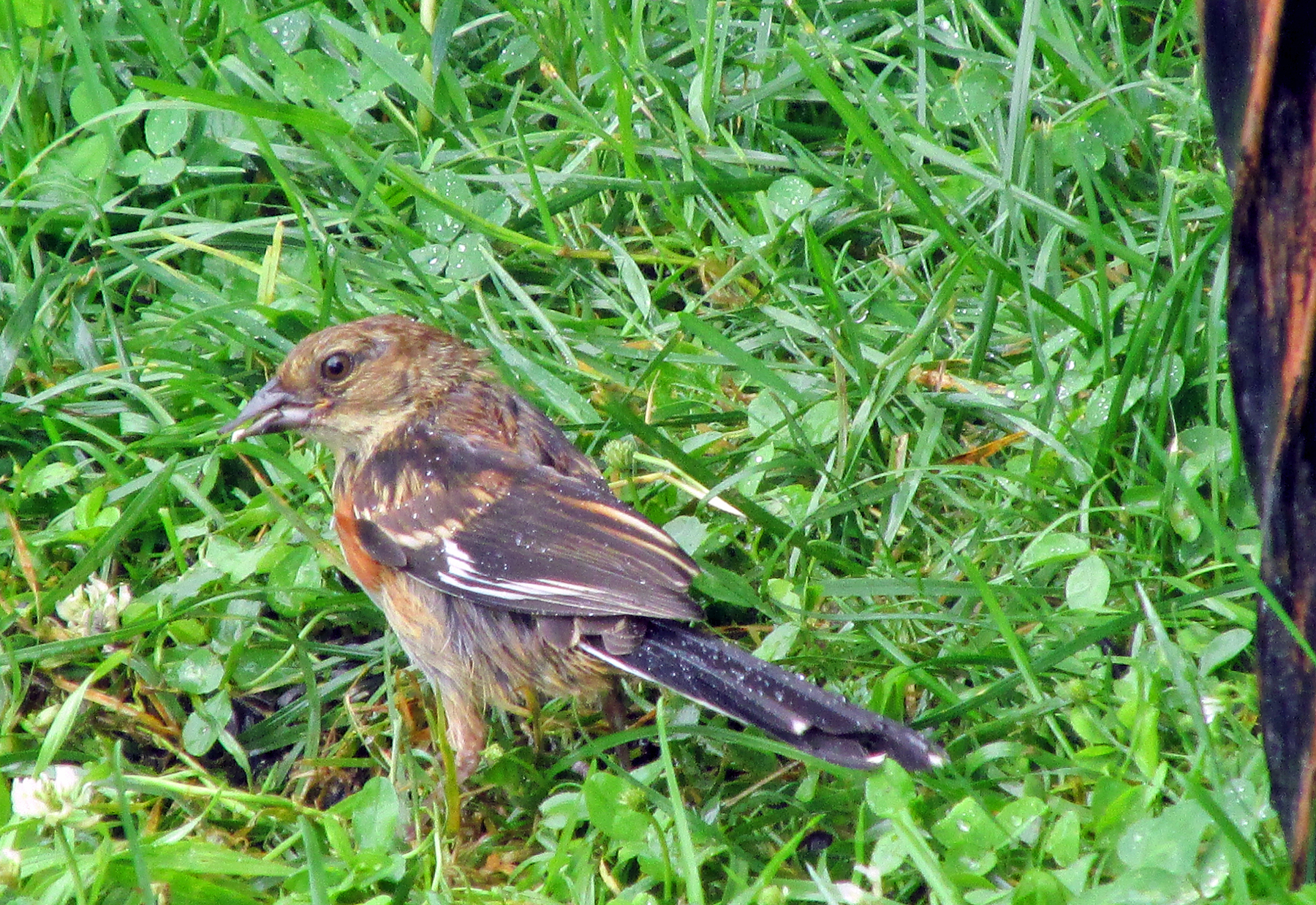
Photo by Bryan Stevens                                                A young Eastern Towhee, not long out of the nest, looks for sunflower seeds in the grass beneath a feeder.

Many species of birds attempt to nest two or even three times during the summer nesting season. So far this year, I’ve observed nesting activity by a wide variety of birds, including Northern cardinals, brown thrashers, Eastern towhees, Eastern bluebirds, tree swallows, song sparrows, white-breasted nuthatches, Carolina wrens and downy woodpeckers.

All birds, from tiny hummingbirds that are mere inches long to an ostrich that can stand more than nine feet tall, start out as eggs. Birds have developed a range of ways to protect and incubate eggs to ensure the continuance of the species.

For many birds, the strategy is to produce as many young as possible in a limited amount of time. The hooded warbler, which spends the winter months in Central America, will usually make multiple nesting attempts in a season. The female constructs a cup-shaped nest, which is a design common to many of our songbirds. She will lay three to five eggs in the nest. Incubation of the eggs is a duty usually performed solely by the female, but her mate helps by guarding the nest and surrounding territory. Both parents feed the young once they have hatched after about two weeks.

Not all birds share in the task of caring for helpless young. For instance, the male ruby-throated hummingbird shows not the slightest inclination to assist the female with the duties of rearing young. All ruby-throated hummingbirds are raised by single mothers. Male hummingbirds spend the summer sipping nectar, dueling with other male hummers and courting multiple females.

Hooded warbler pairs, as is the case with many songbirds, share the work of feeding and tending young. Many of these young birds spend very little time in the nest after hatching. Hooded warblers have typically left the nest within nine days of hatching, although parents continue to feed the young as they learn to fly and care for themselves.
BS-Phoebe-Baby

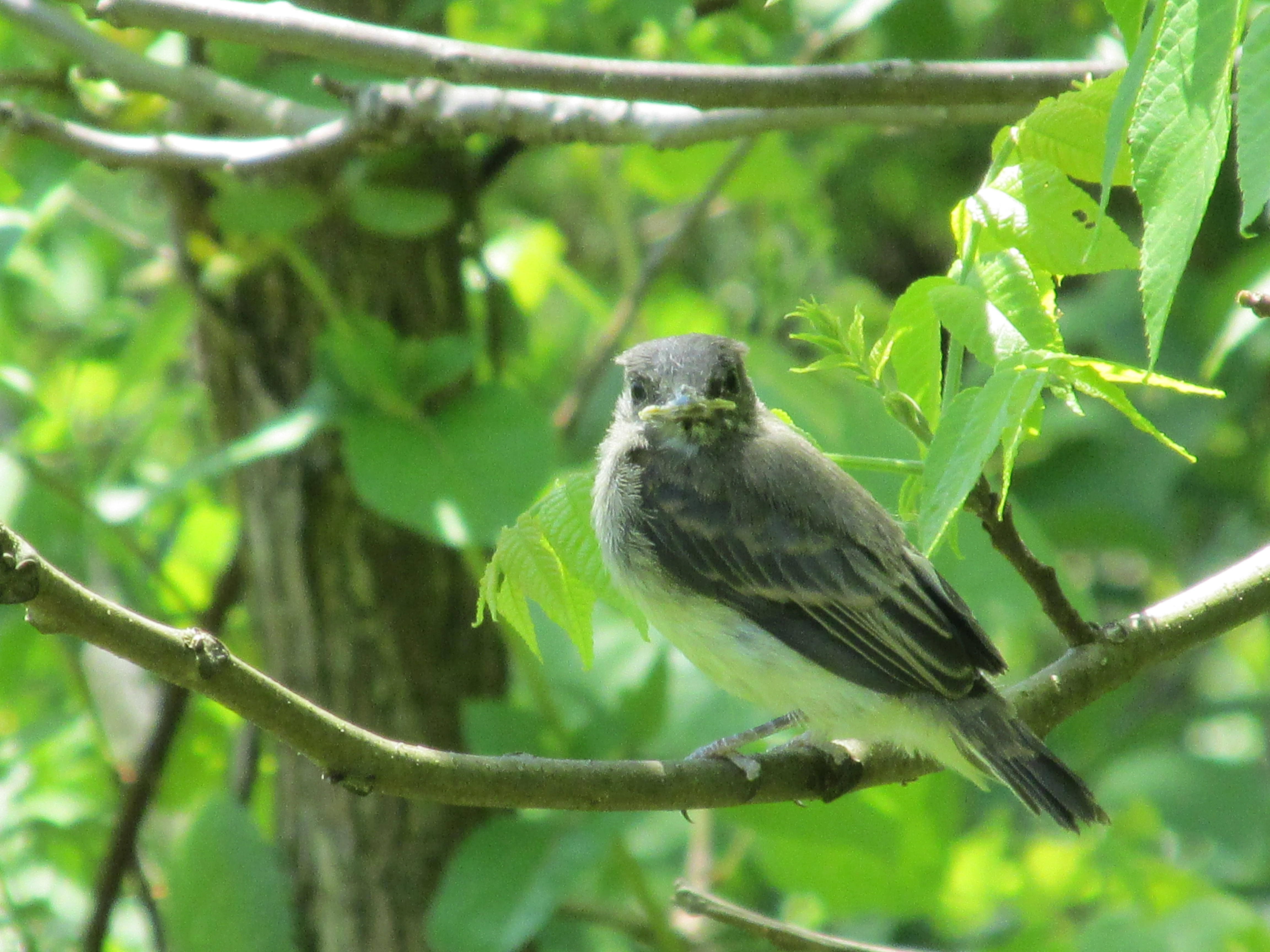
Photo by Bryan Stevens                                    An Eastern phoebe fledgling perches on a tree branch.

Some birds, such as Northern Cardinals, often delegate the duty to the male for caring for young that have fledged from the nest. As the male trains and continues to feed the maturing young, the female cardinal often begins the work of building a second nest, laying another clutch of eggs and incubating them. Time is scarce. By getting a jump-start on a second nest, the female cardinal, if successful, may produce eight to ten new cardinals in a single nesting season.

John-James-Audubon-Common-Cow-bird.-1.-Male.-2.-Female.-3.-Young

A painting of Brown-headed Cowbirds by John James Audubon.

Some birds, however, have bypassed the necessity of nesting altogether. If all hummingbirds are reared by females, then all young cowbirds are from foster homes, or nests. Female cowbirds slip their eggs into the nest of other unsuspecting songbirds. The hooded warbler is often a victim of this practice, which is known as “nest parasitism.” Some experts have conducted studies that indicate as many as 75 percent of hooded warblers in some areas are parents to cowbirds foisted on them.
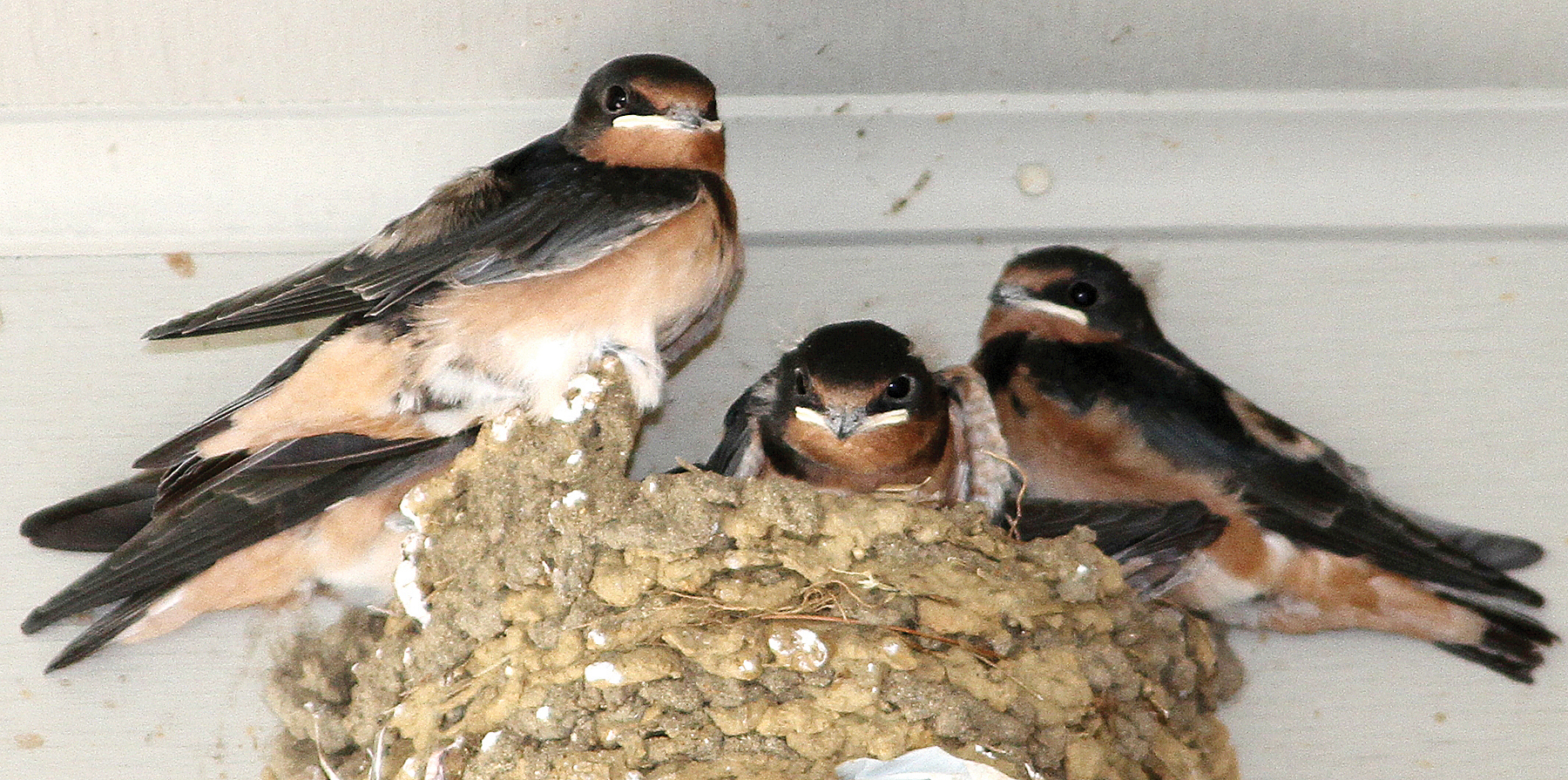
BarnSwallows.jpg

Photo by Bryan Stevens                                Young barn swallows in their nest await a delivery of food by their parents.

It’s not wise to condemn cowbirds for a behavior that would strike us as immoral. The peculiar reproduction strategy for the cowbird came about as a natural necessity. Cowbirds once followed the massive herds of bison across the North American continent, feeding on the insects and seeds displaced by the hooves of these huge animals. Since the bison herds stayed on the move, the cowbirds didn’t have the luxury of staying put for a couple of months to raise young.

The decimation of the bison herds could have proven a disaster for the cowbirds. That wasn’t the case, however, since these adaptable birds simply switched from following bison herd to doing the same with the enormous numbers of domestic cattle that inherited the range of the buffalo, or bison.

These are just a select few ways that birds succeed year after year in the never-ending effort to ensure the survival of the species for another generation. Many obstacles stand in their way. Any time you see birds bringing their babies to a feeder in your yard or a shrub in your garden, recognize this moment as a singular triumph for the labor and dedication our fine feathered friends have invested in this outcome.
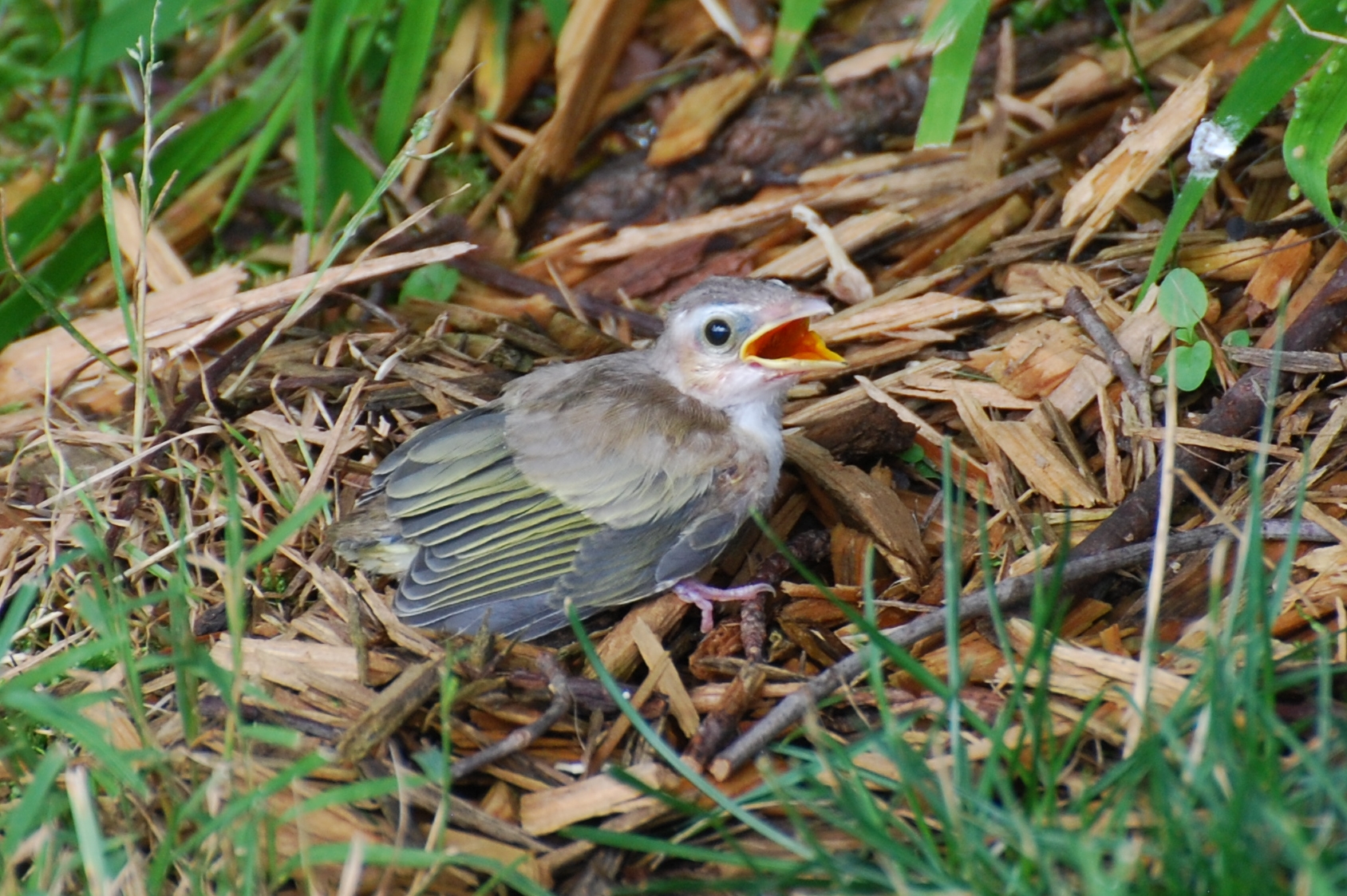
JP-RedEyedVireo-Fledgling

Photo Courtesy of Jean Potter                                                                                                                A young Red-eyed Vireo calls for food while concealed on the ground after leaving the nest. As is the case with most songbirds, parents continue to care for young even after they have left the nest.
Slowing your pace may bring birding benefits

Heron-CandlerMurphy

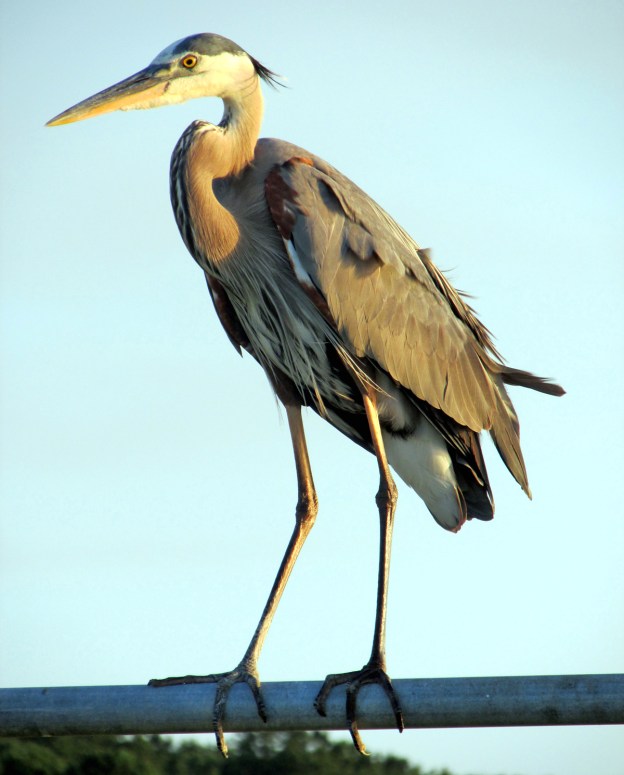
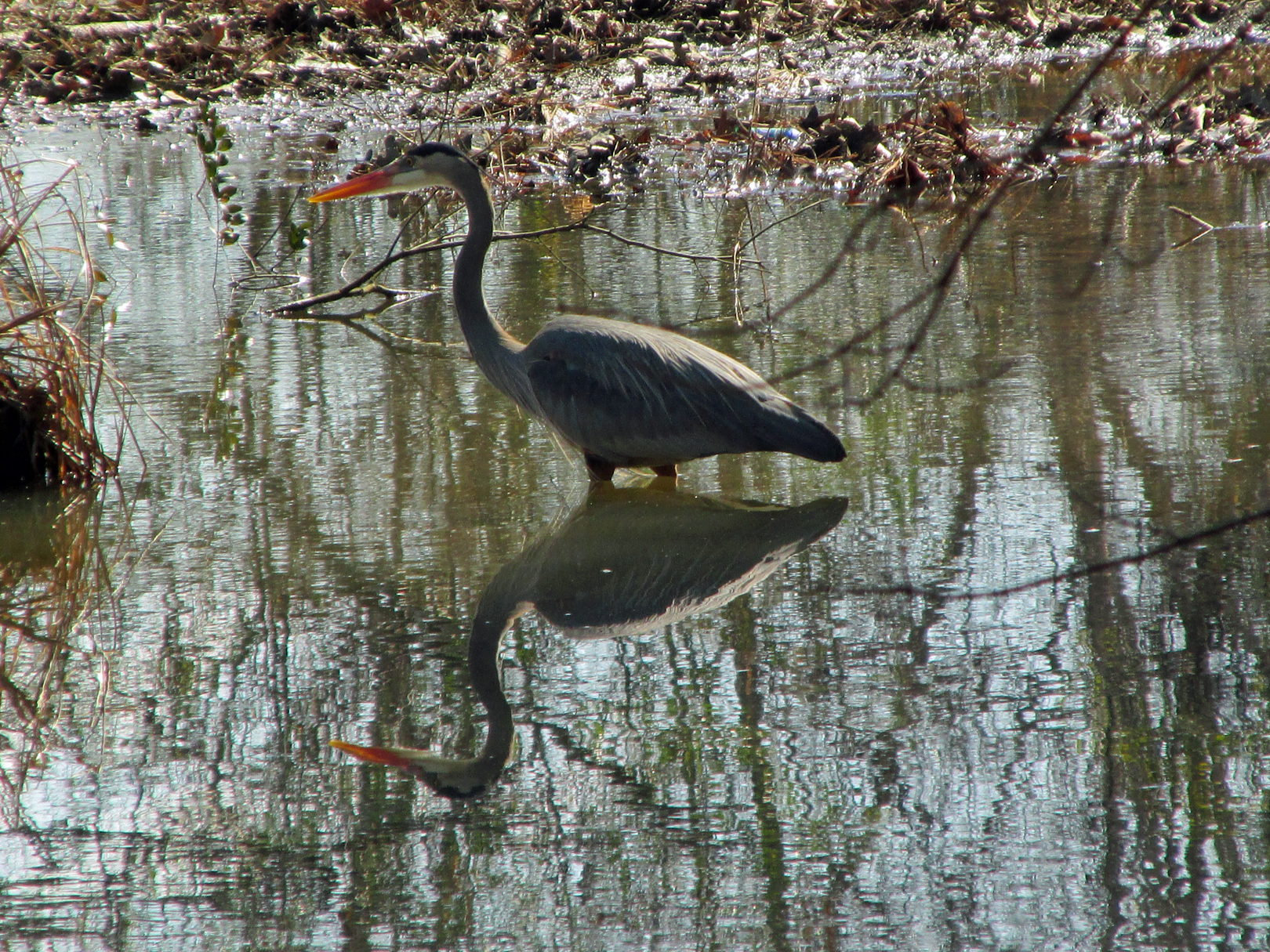
Photos by Bryan Stevens                                                                    A Great Blue Heron wades in a pond along a woodland park trail.

I enjoyed a recent trip to Pawleys Island, South Carolina, which gave me an opportunity to see some birds rarely encountered here at home. By the end of my seven-day stay, I’d compiled a list of 93 species, most of them seen at Huntington Beach State Park and Brookgreen Gardens. If you ever get an opportunity to visit either of these attractions, I’d encourage you to take it. Even if you’re not a birding enthusiast, the park and gardens are fascinating destinations with a range of activities available to visitors.

For me, it was a week of snapping lots of digital photographs and trying to cover as much ground as possible. Under such circumstances, it’s easy to forget to take time to find a moment to stop and simply enjoy.

I had such a moment present itself while exploring a nature trail within the grounds of Brookgreen Gardens. After taking a couple of photos of a flower blooming in a wetland created from what was once a rice plantation, I filled up my camera’s memory card. I didn’t have a spare card with me. Of course, I was irritated with myself for forgetting to bring a back-up card.

I found a seat on a bench shaded by overhanging trees draped with the ever-present Spanish moss. The bench was positioned to look toward a quiet cove near a deck built over a creek for the purposes of nature observation. I had only been seated for about a moment when a great blue heron landed only a few yards away from me.

Heron_Face

A Great Blue Heron is a study in patience as the bird waits for a fish to get within striking distance.

The heron almost immediately noticed my presence. I hardly dared to breathe, let alone move, because I wanted to prolong this close proximity with the large wading bird. Keeping a watch on me, the heron shuffled along the water’s edge. Obviously, the hungry bird was reluctant to cede this prime fishing hole to me— or any other competing angler. As we both relaxed, I found myself fascinated with watching the bird’s careful, almost dainty, steps through the vegetation choking the edge of the deep creek. A few insects buzzed around my head, but I resisted the urge to slap at them.

I also tried to send positive thoughts to the bird. I formed messages in my head that could have come from a sci-fi movie of first contact, such as “I mean you no harm.” I also “informed” the bird I wanted nothing more than to observe, which was technically true since I no longer had the capacity to store any photos I might have taken.

Still wary, the bird began to divide its attention between me and any potential aquatic prey to be found in the water. That’s when I also began to communicate wishes for successful fishing.

I’m not particularly given to these sorts of whimsy, but I felt rewarded that the heron had been willing to trust me so far. I didn’t really need a camera to record for memory the large bird’s actions. On a couple of occasions, the heron stabbed its bill into the water lilies and other aquatic vegetation along the creek’s edge. It even caught a small fish that quickly disappeared down the bird’s long neck and into the waiting stomach.

Even in the shade, it was still rather warm. Welcome breezes would often blow, cooling me and ruffling a few of the heron’s feathers as it continued to explore.

If I had attempted to photograph the scene, the bird would have been frightened and departed. I might have gotten one photo, but the intimate observation would have ended prematurely. This almost happened despite my efforts to remain unobtrusive when I heard voices and realized a couple was walking the same trail.

It was, after all, a public trail open to all visitors at Brookgreen Gardens. I expected that their arrival would spook the bird. I was delighted to be wrong. The bird again shuffled to the far end of the small cove. The couple didn’t even notice the heron until they had almost drawn even with the bird’s position. They remarked on the bird, then continued their walk. I smiled at them as they passed and eventually moved out of sight.

The heron returned. I watched the bird for a few more minutes. Then, rising slowly, I turned and walked off in the same direction as the couple. By now, the heron had moved farther out to the mouth of the cove. In an experiment, I walked to the location where the bird had first landed. I counted out each step in my head. It took 20 steps to move from the bench to the place where the heron had landed on its initial arrival.

GreatBlueHeron-Serene

A Great Blue Heron perches along the causeway at Huntington Beach State Park in South Carolina.

I had been within 20 steps of the graceful, beautiful bird. I’d gotten to share its personal space for a short interval. Of course, the bird has probably grown accustomed to people since Brookgreen Gardens is a well-visited attraction. But even the most “tame” wild birds maintain an inviolable sense of personal space, so I still felt I’d accomplished something with the short interval I enjoyed in the company of the heron.

Keep in mind that everyone enjoys birds for different reasons. Just be sure to take the time every so often to actually get to know the birds that you’re using as a photography subject, adding to a checklist or offering tidbits at a feeder.

•••••
Bryan Stevens lives near Roan Mountain, Tennessee. To learn more about birds and other topics from the natural world, friend Stevens on Facebook at https://www.facebook.com/ahoodedwarbler. If you have a question, wish to make a comment or share a sighting, email ahoodedwarbler@aol.com.

Birding group conducts two summer bird counts in Northeast Tennessee

Robin-Hunter

Photos by Bryan Stevens                                      The American Robin, such as the individual pictured here, is a common breeding bird in the Northeast Tennessee counties of Carter and Unicoi.

The Lee and Lois Herndon Chapter of Tennessee Ornithological Society, also known as the Elizabethton Bird Club, recently held two summer bird counts.

Long-time compiler Rick Knight said that while additional counts in spring, fall and at Christmas provide data on seasonal bird populations, summer is the most important season for the majority of species.

“It’s breeding season,” he said. “It’s the only time their numbers can increase (not just shift locations).”

Knight noted that although Great Horned Owls have long since fledged and American Goldfinches likely have not begun nesting, most species are actively engaged in reproduction.

Thus, chapter members conduct a summer count to supplement other monitoring activities.  The Breeding Bird Atlas in Tennessee was run 1986-1991 and apparently won’t be repeated anytime soon. The Breeding Bird Survey is a localized survey that is very useful, but with biases (limited to roadsides, often misses some habitats).

“Not knocking either, just supplementing them,” Knight said of the motivation for the club’s conducting of two summer bird counts.

The  22nd annual Carter County summer count was held Saturday, June 13, with 16 observers in five parties. Participants found 116 species. This is slightly above the average of 113 species over the previous 21 years. Count totals during this span have ranged from 105 to 121 species.

Highlights included a female Common Merganser, which has been lingering since spring. It’s also the first June record for this duck in Northeast Tennessee.

Yellow-crowneds

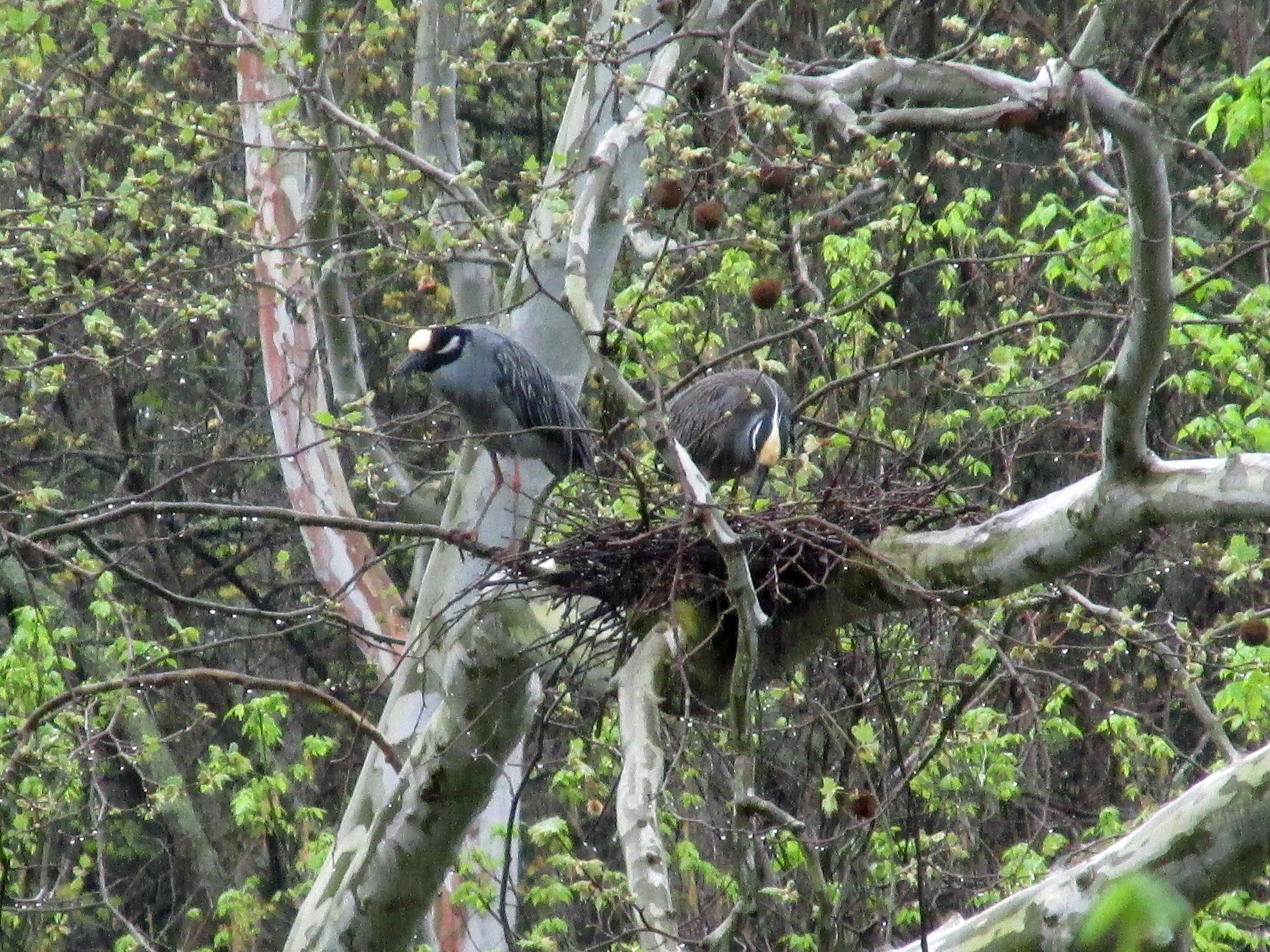
Yellow-crowned Night-Herons nest in small numbers along the Watauga River in Carter County.

Other highlights include a non-breeding Common Loon and four Double-crested Cormorants near a new nesting site at Watauga Lake, as well as three Yellow-crowned Night-Herons, two Eurasian Collared-Doves and a single Yellow-bellied Sapsucker.

Other outstanding finds included three Alder Flycatchers, two Least Flycatchers, a Warbling Vireo and 15 Common Ravens.

Cliff Swallow, with 317 individuals found, was the most numerous swallow and is rapidly increasing its summer nesting population.

Other noteworthy finds, according to Knight, include 10 Red-breasted Nuthatches, three Brown Creepers, nine Winter Wrens, seven Golden-crowned Kinglets, four Hermit Thrushes and 21 species of warbler, as well as two Vesper Sparrows.

The total for the Carter County Summer Bird Count follows:

Canada Goose, 268; Wood Duck, 5; Mallard, 101; Common Merganser, 1; Wild Turkey, 9; Common Loon, 1; Double-crested Cormorant, 4; Great Blue Heron, 28; Yellow-crowned Night-Heron, 3; and Green Heron, 6.

Black Vulture, 2; Turkey Vulture, 31; Cooper’s Hawk, 2; Broad-winged Hawk, 6; Red-tailed Hawk, 6; American Kestrel, 1; Killdeer, 9; Rock Pigeon, 53; Eurasian Collared-Dove, 2; and Mourning Dove, 98.

Yellow-billed Cuckoo, 1; Eastern Screech-Owl, 1; Great Horned Owl, 1; Barred Owl, 3; Common Nighthawk, 3; Chuck-will’s-widow, 1; Whip-poor-will, 14.

Kingbird-Cove

An Eastern Kingbird perches on a fence post.

Chimney Swift, 85; Ruby-throated Hummingbird, 27; Belted Kingfisher, 10; Red-bellied Woodpecker, 18; Yellow-bellied Sapsucker, 1; Downy Woodpecker, 9; Hairy Woodpecker, 4; Northern Flicker, 8; and Pileated Woodpecker, 14.

Eastern Wood-pewee, 12; Acadian Flycatcher, 26; Alder Flycatcher, 3; Least Flycatcher, 2; Eastern Phoebe, 26; Great Crested Flycatcher, 1; and Eastern Kingbird, 15.

White-eyed Vireo, 3; Yellow-throated Vireo, 2; Blue-headed Vireo, 36; Warbling Vireo, 1; and Red-eyed Vireo, 137.

Blue Jay, 56; American Crow, 153; Common Raven, 15; Northern Rough-winged Swallow, 29; Purple Martin, 20; Tree Swallow, 58; Barn Swallow, 46; and Cliff Swallow, 317.

Bleubird-One

Eastern Bluebird peeks into the interior of a bird box.

Carolina Chickadee, 49; Tufted Titmouse, 52; Red-breasted Nuthatch, 10; White-breasted Nuthatch, 16; Brown Creeper, 3; House Wren, 36; Winter Wren, 9; and Carolina Wren, 66.

Blue-gray Gnatcatcher, 34; Golden-crowned Kinglet, 7; Eastern Bluebird, 24; Veery, 33; Hermit Thrush, 4; Wood Thrush, 40; American Robin, 350; Gray Catbird, 34; Northern Mockingbird, 30; Brown Thrasher, 13; European Starling, 180; and Cedar Waxwing, 57.

Ovenbird, 49; Worm-eating Warbler, 6; Louisiana Waterthrush, 10; Golden-winged Warbler, 4; Black-and-white Warbler, 23; Swainson’s Warbler, 3; Kentucky Warbler, 1; Common Yellowthroat, 27; Hooded Warbler, 84; American Redstart, 9; Northern Parula, 14; Magnolia Warbler, 2; Blackburnian Warbler, 1; Yellow Warbler, 7; Chestnut-sided Warbler, 29; Black-throated Blue Warbler, 43; Pine Warbler, 5; Yellow-throated Warbler, 8; Black-throated Green Warbler, 31; Canada Warbler, 27; and Yellow-breasted Chat, 5.

Indigo-Count

Indigo Buntings were common birds on both of the summer counts.

Eastern Towhee, 99; Chipping Sparrow, 53; Field Sparrow, 38; Vesper Sparrow, 2; Song Sparrow, 159; Dark-eyed Junco, 47; Scarlet Tanager, 26; Northern Cardinal, 89; Rose-breasted Grosbeak, 11; and Indigo Bunting, 183.

Red-winged Blackbird, 59; Eastern Meadowlark, 18; Common Grackle, 149; Brown-headed Cowbird, 76; Orchard Oriole, 3; and Baltimore Oriole, 1.

House Finch, 24; American Goldfinch, 72; and House Sparrow, 49.

•••••••

Last year the chapter began a new summer count to gather data on an under-birded area. The second annual Unicoi County summer count was held Saturday, June 6, with 15 observers in five parties. Participants found 110 species, down one from last year’s total of 111.

Hummer-BerryFeeder

Ruby-throated Hummingbird visits a feeder.

Highlights included a lingering Ring-necked Duck, two Ruffed Ruffed Grouse, a Bald Eagle, a Yellow-bellied Sapsucker and 10 Least Flycatchers. Other noteworthy birds included two Warbling Vireos, three Common Ravens, six Red-breasted Nuthatches, three Winter Wrens, five Golden-crowned Kinglets, and two Hermit Thrushes.

In additional, a total of 21 species of warblers were found, including two Golden-winged Warblers, three Swainson’s Warbler and eight Magnolia Warblers. Other highlights included 15 Red Crossbills and a single Pine Siskin.

The total for the Unicoi County Summer Bird Count follows:

Canada Goose, 66; Wood Duck, 37; Mallard, 48; Ring-necked Duck, 1; Ruffed Grouse, 2; Wild Turkey, 33; Great Blue Heron, 4; and Green Heron, 3.

Black Vulture, 4; Turkey Vulture, 24; Bald Eagle, 1; Sharp-shinned Hawk, 1; Broad-winged Hawk, 7; Red-tailed Hawk, 7; and American Kestrel, 2.

Catbird-Tail

A Gray Catbird retreats into a tangle of vegetation.

Killdeer, 11; Rock Pigeon, 78; Mourning Dove, 105; Eastern Screech Owl, 5; Great Horned Owl, 1; and Barred Owl, 3.

Chuck-will’s-widow, 4; Whip-poor-will, 5; Chimney Swift, 46; Ruby-throated Hummingbird, 11; Belted Kingfisher, 3; Red-bellied Woodpecker, 11; Yellow-bellied Sapsucker, 1; Downy Woodpecker, 20; Hairy Woodpecker, 5; Northern Flicker, 7; and Pileated Woodpecker, 16.

Eastern Wood-pewee, 16; Acadian Flycatcher, 38, Least Flycatcher, 10; Eastern Phoebe, 40; Great Crested Flycatcher, 1; and Eastern Kingbird, 15.

Crow-Waxwings

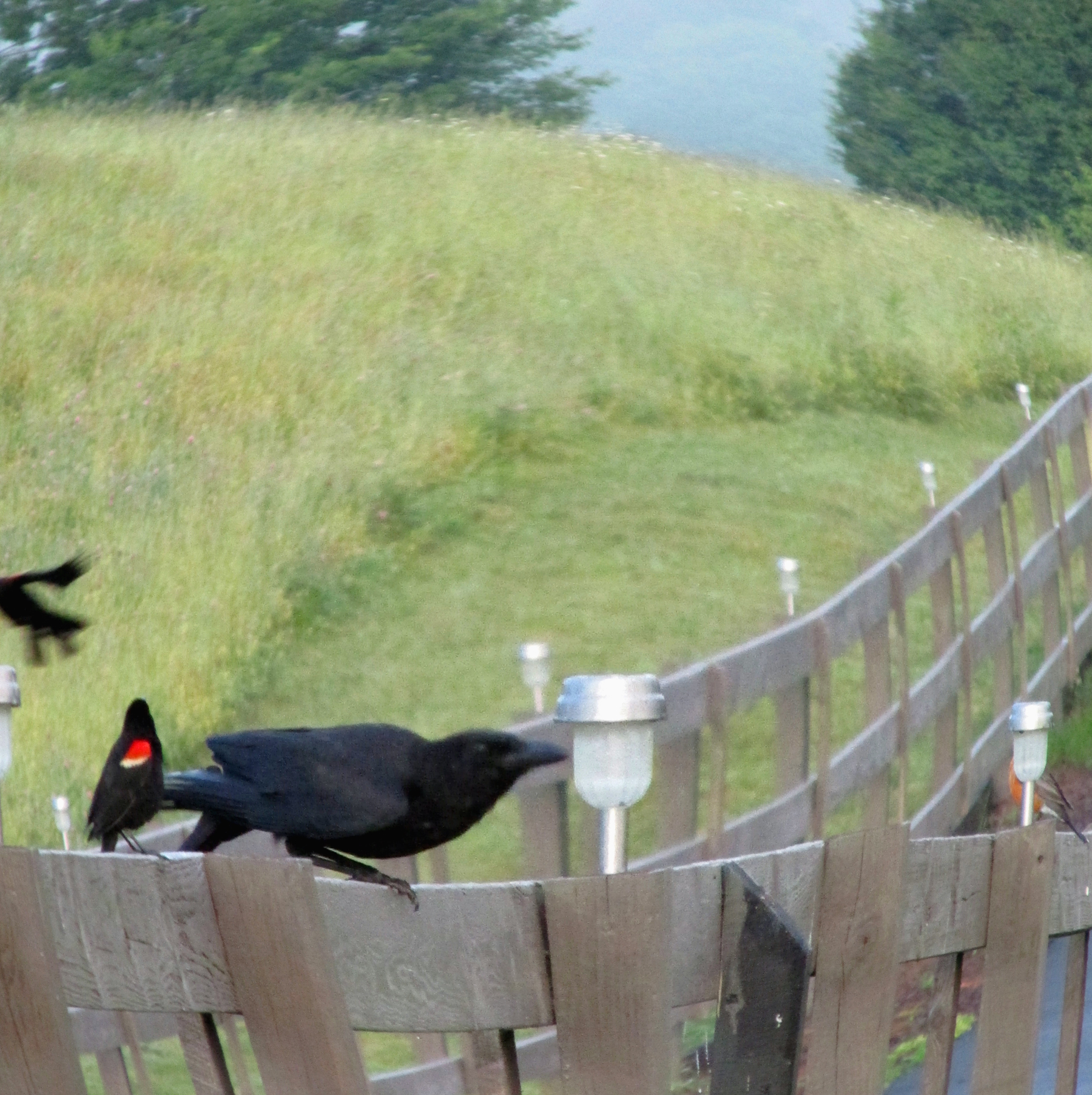
Red-winged Blackbirds mob an American Crow during the Unicoi Summer Bird Count.

Yellow-throated Vireo, 3; Blue-headed Vireo, 19; Warbling Vireo, 2; and Red-eyed Vireo, 153.

Blue Jay, 55; American Crow, 141; Common Raven, 3; Northern Rough-winged Swallow, 27; Purple Martin, 15; Tree Swallow, 71; Barn Swallow, 77; and Cliff Swallow, 32.

Carolina Chickadee, 55; Tufted Titmouse, 68, Red-breasted Nuthatch, 6; White-breasted Nuthatch, 12; Carolina Wren, 43; House Wren, 29; and Winter Wren, 3.

Blue-gray Gnatcatcher, 28; Golden-crowned Kinglet, 5; Eastern Bluebird, 57; Veery, 26; Hermit Thrush, 2; Wood Thrush, 37; American Robin, 296;  Gray Catbird, 27; Northern Mockingbird, 16; Brown Thrasher, 13; European Starling, 371; and Cedar Waxwing, 66.

Ovenbird, 67; Worm-eating Warbler, 9; Louisiana Waterthrush, 7; Golden-winged Warbler, 2; Black-and-white Warbler, 19; Swainson’s Warbler, 3; Kentucky Warbler, 2; Common Yellowthroat, 3; Hooded Warbler, 74; American Redstart, 10; Northern Parula, 15; Magnolia Warbler, 8; Blackburnian Warbler, 3; Yellow Warbler, 3; Chestnut-sided Warbler, 19; Black-throated Blue Warbler, 21; Yellow-throated Warbler, 8; Prairie Warbler, 5; Black-throated Green Warbler, 37; Canada Warbler, 17; and Yellow-breasted Chat, 6.

DaddyCardinal

Northern Cardinal visits a feeder for sunflower seeds.

Eastern Towhee, 85; Chipping Sparrow, 39; Field Sparrow, 7; Song Sparrow, 152; Dark-eyed Junco, 39; Scarlet Tanager, 31; Northern Cardinal, 78; Rose-breasted Grosbeak, 5; and Indigo Bunting, 152.

Red-winged Blackbird, 47; Eastern Meadowlark, 9; Common Grackle, 92; Brown-headed Cowbird, 20; Orchard Oriole, 4; and Baltimore Oriole, 1.

House Finch, 17; Red Crossbill, 15; Pine Siskin, 1; American Goldfinch, 96; and House Sparrow, 27.

••••••

Participants (on one or both counts) included Jim Anderson, Rob Armistead, Rob Biller, Monica Black, Rick Blanton, Jay and Deb Campbell, Ron Carrico, Glen Eller, Harry Lee Farthing, Jacki Hinshaw, Rick Knight, Richard Lewis, Joe McGuiness, Tom and Cathy McNeil, Charles Moore, Brookie and Jean Potter, Peter Range, Bryan Stevens, Peggy Stevens, Kim Stroud and Mary Anna Wheat.  In addition, an incidental observation was received from Adam Campbell.

Goldfinch-Female

An American Goldfinch perched near a feeder.

Amazing dragonflies share skies with birds, other winged things

I am on vacation in Atlanta, Georgia, this weekend, so here are some recent photos of dragonflies that I have taken so far this spring.

IMG_8908

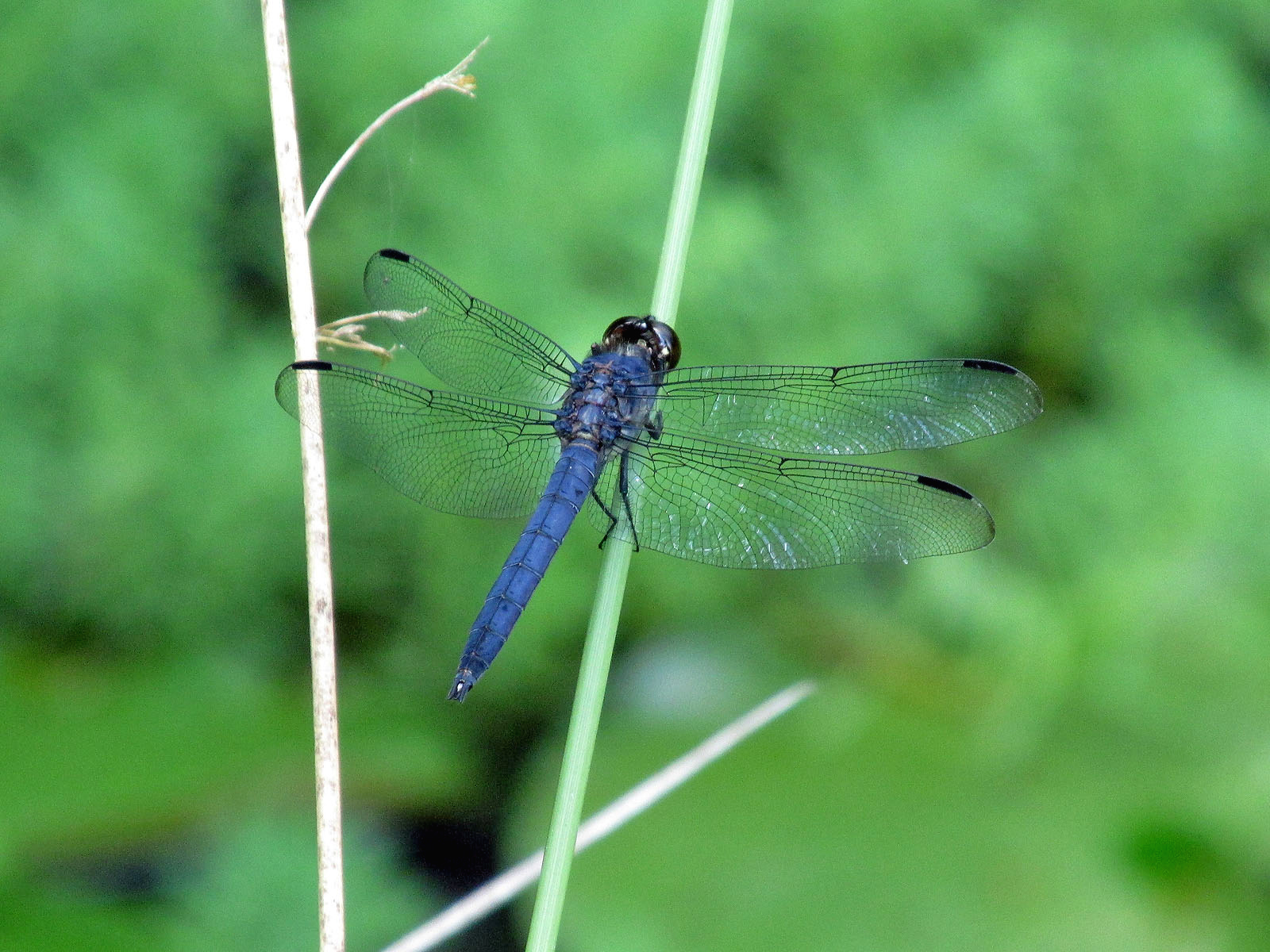
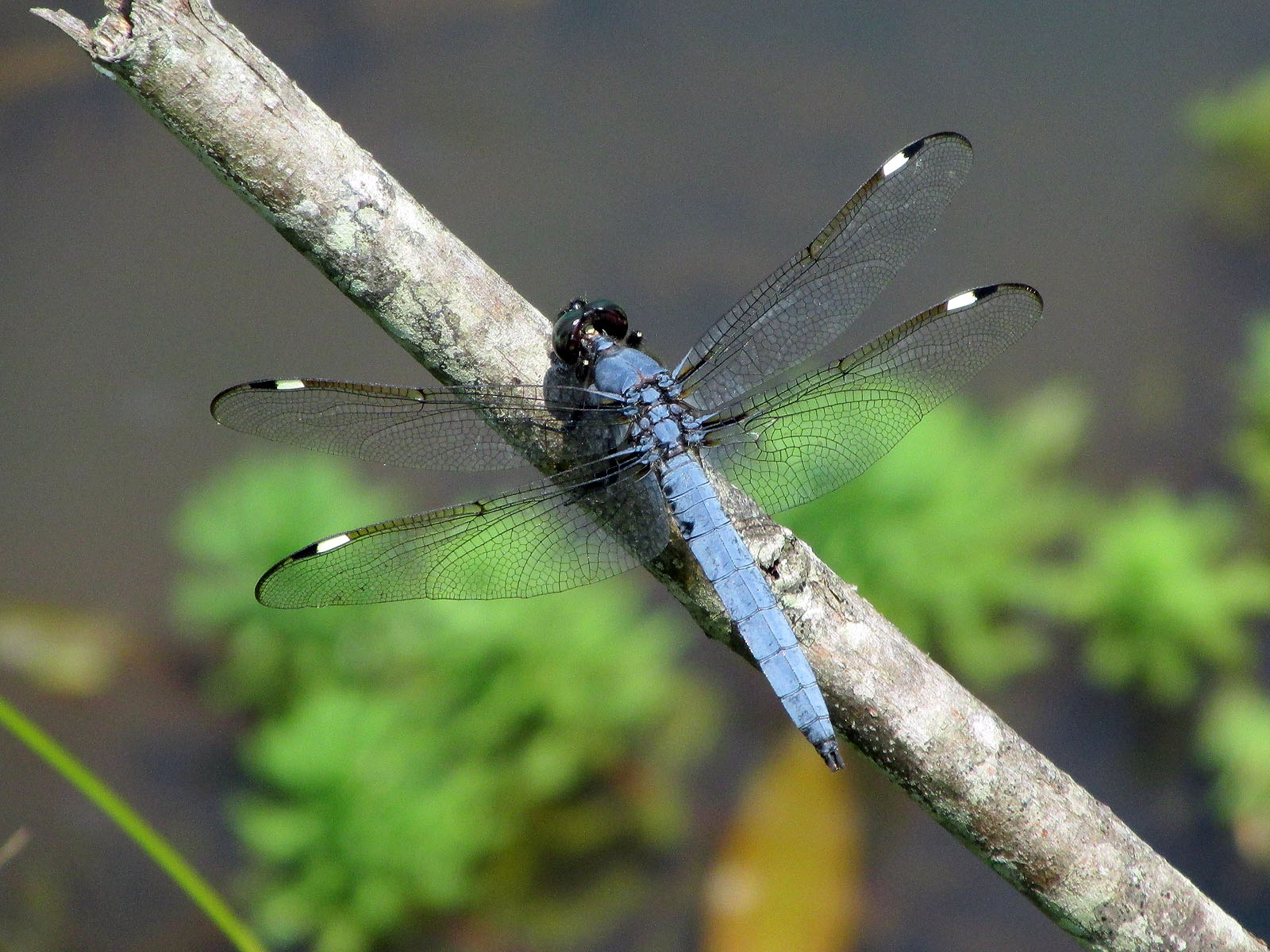
Slaty Skimmer selects a delicate perch at the water’s edge.

IMG_8903

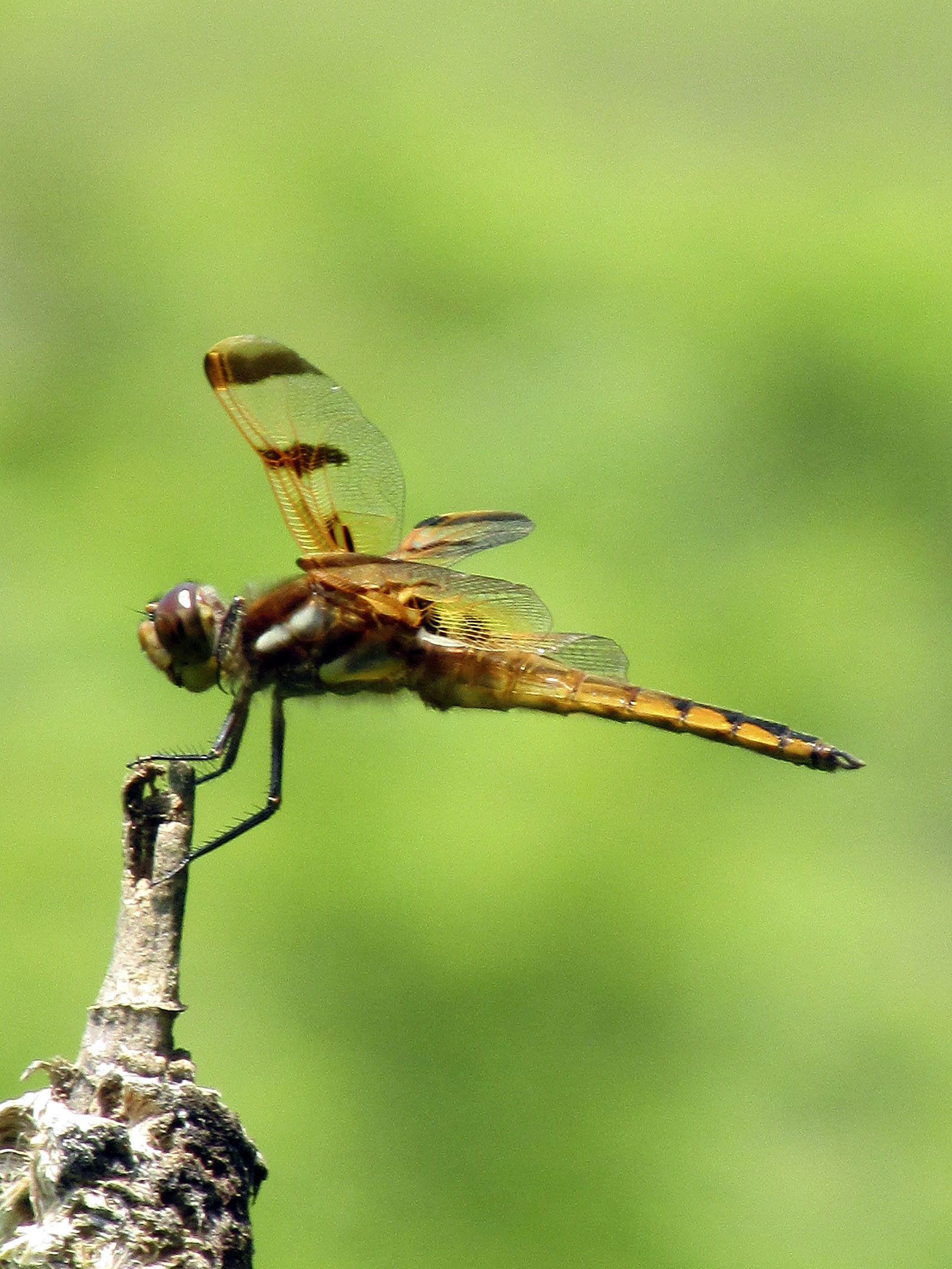
This Painted Skimmer was a new visitor to the fish pond.

IMG_8320

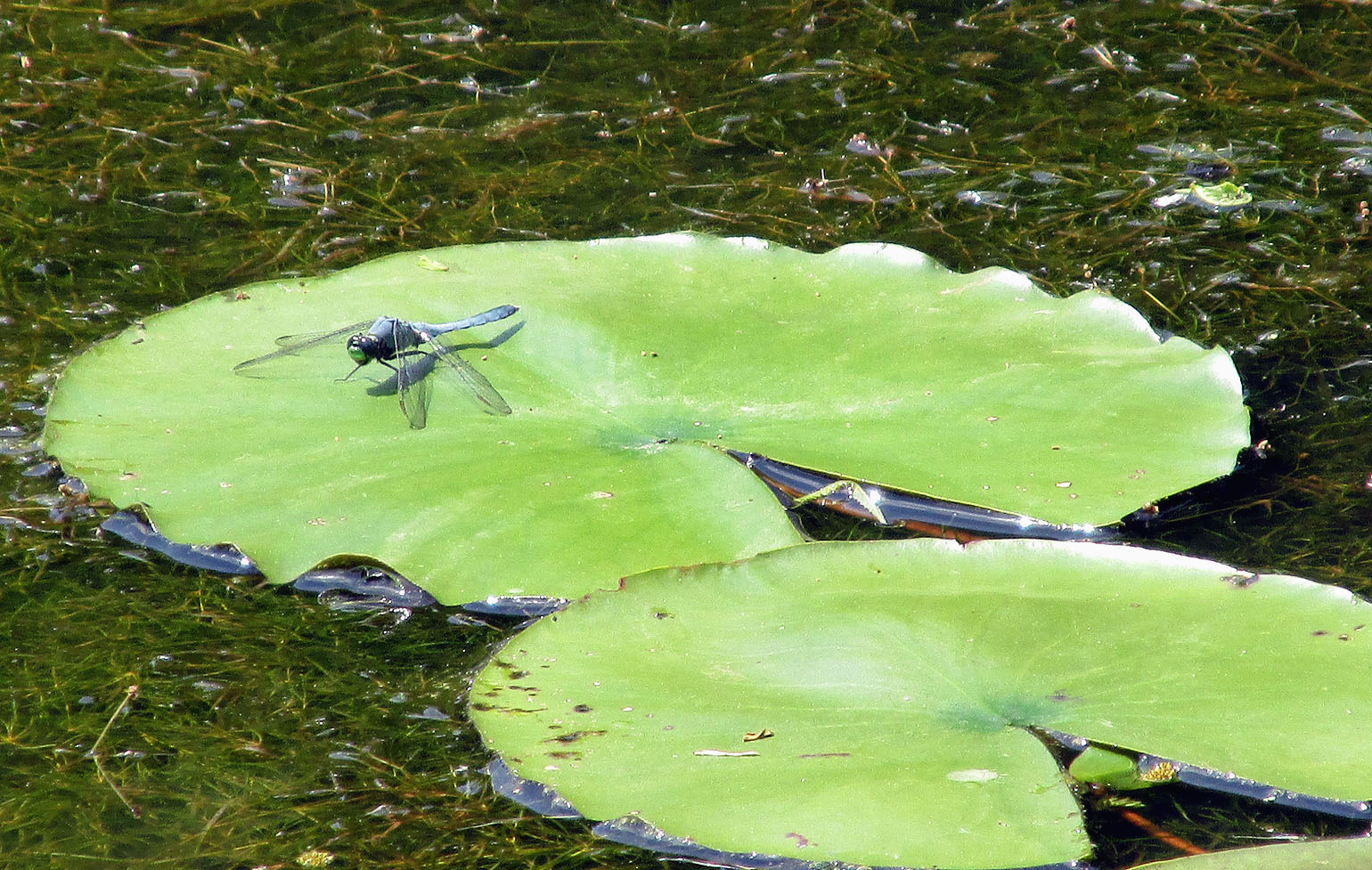
Lily pads are popular resting spots and excellent for basking in the sun.

IMG_8175

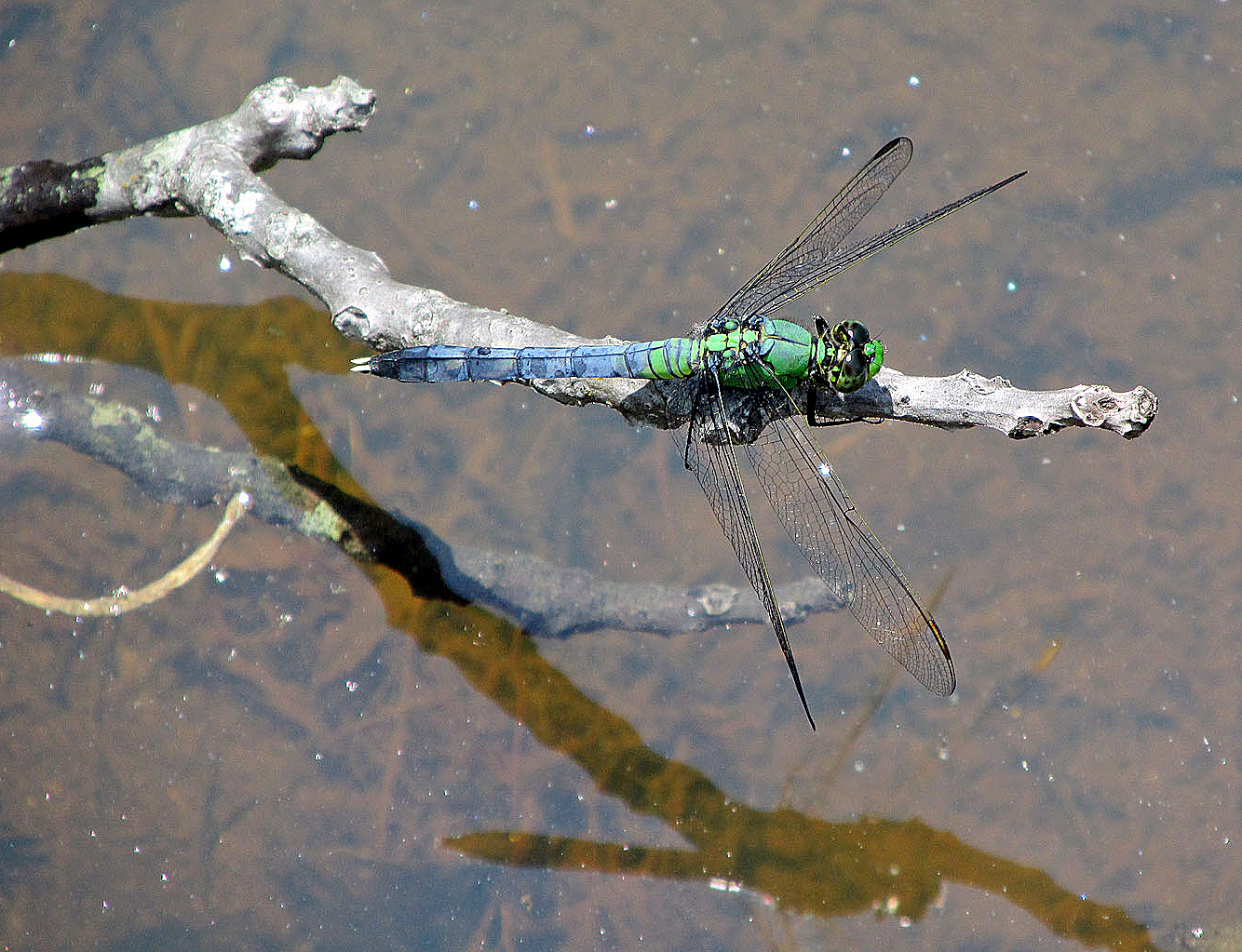
Eastern Pond Hawk chooses a perch just above the water’s surface.

IMG_8169

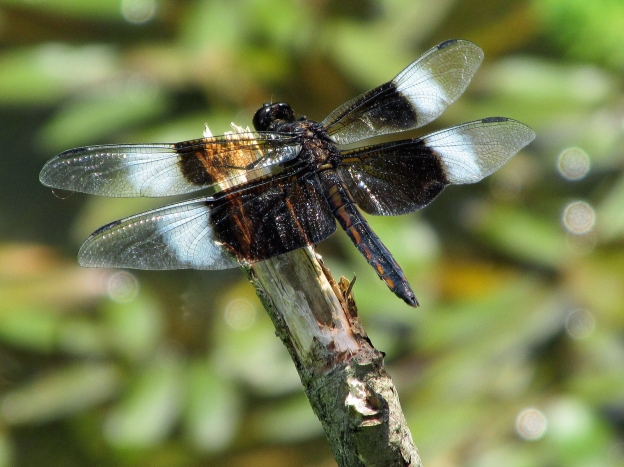
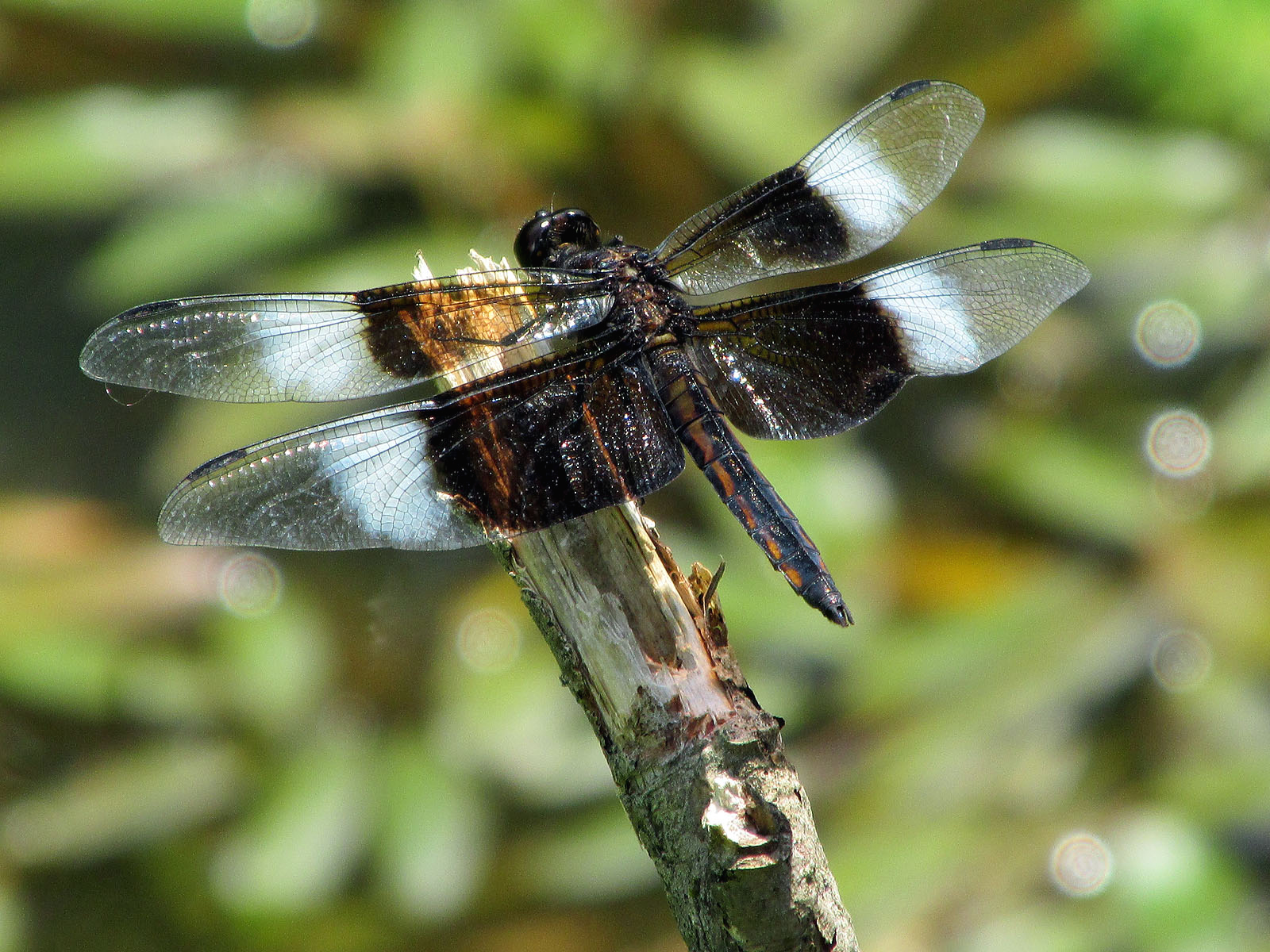
Widow Skimmers are one of the more vibrant dragonflies at the pond. They will often perch a good distance away from the water.

IMG_8147

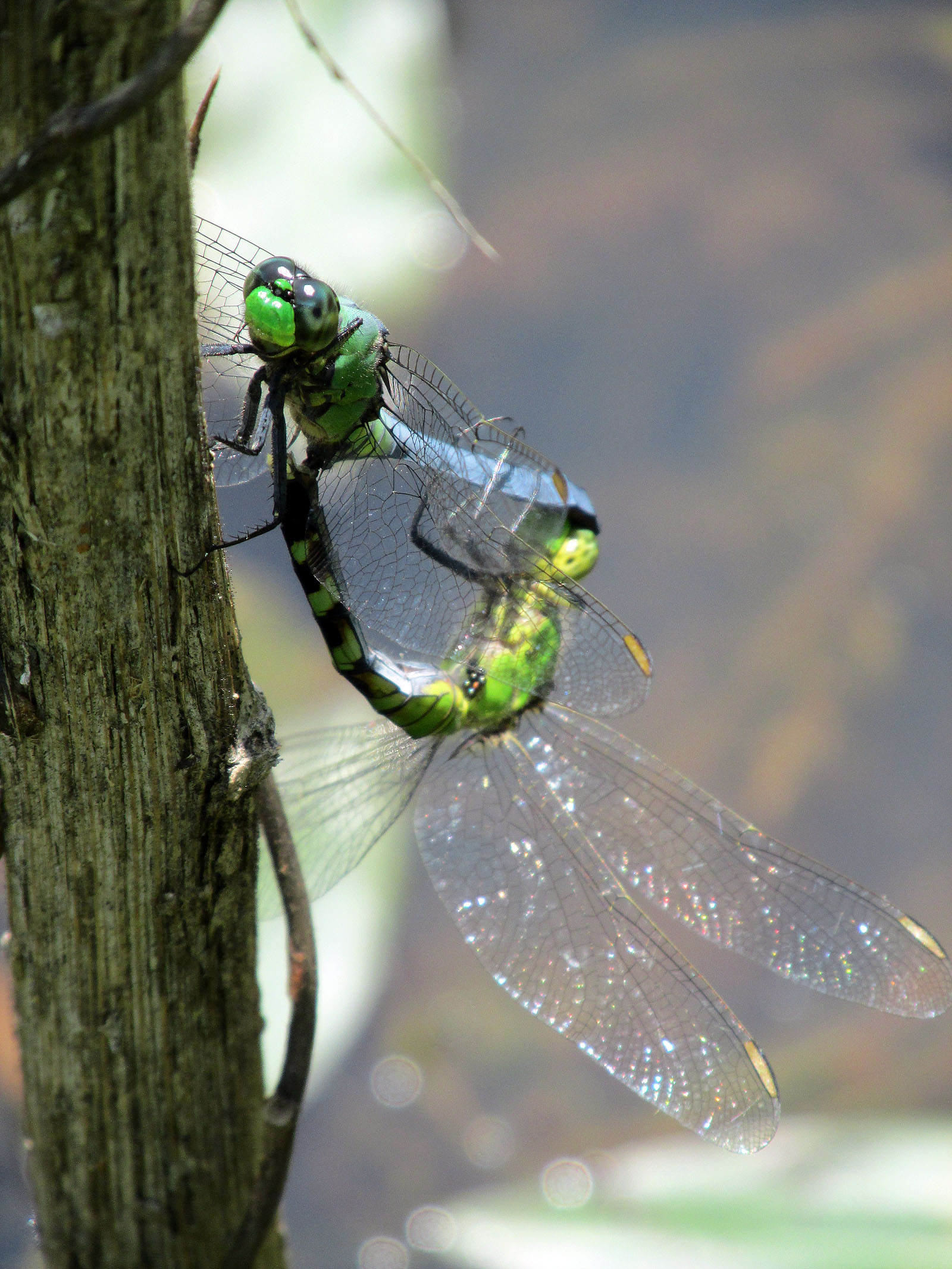
Mating Eastern Pondhawks at the fish pond.

IMG_8130

Spangled Skimmer is an attractive dragonfly.

IMG_8012

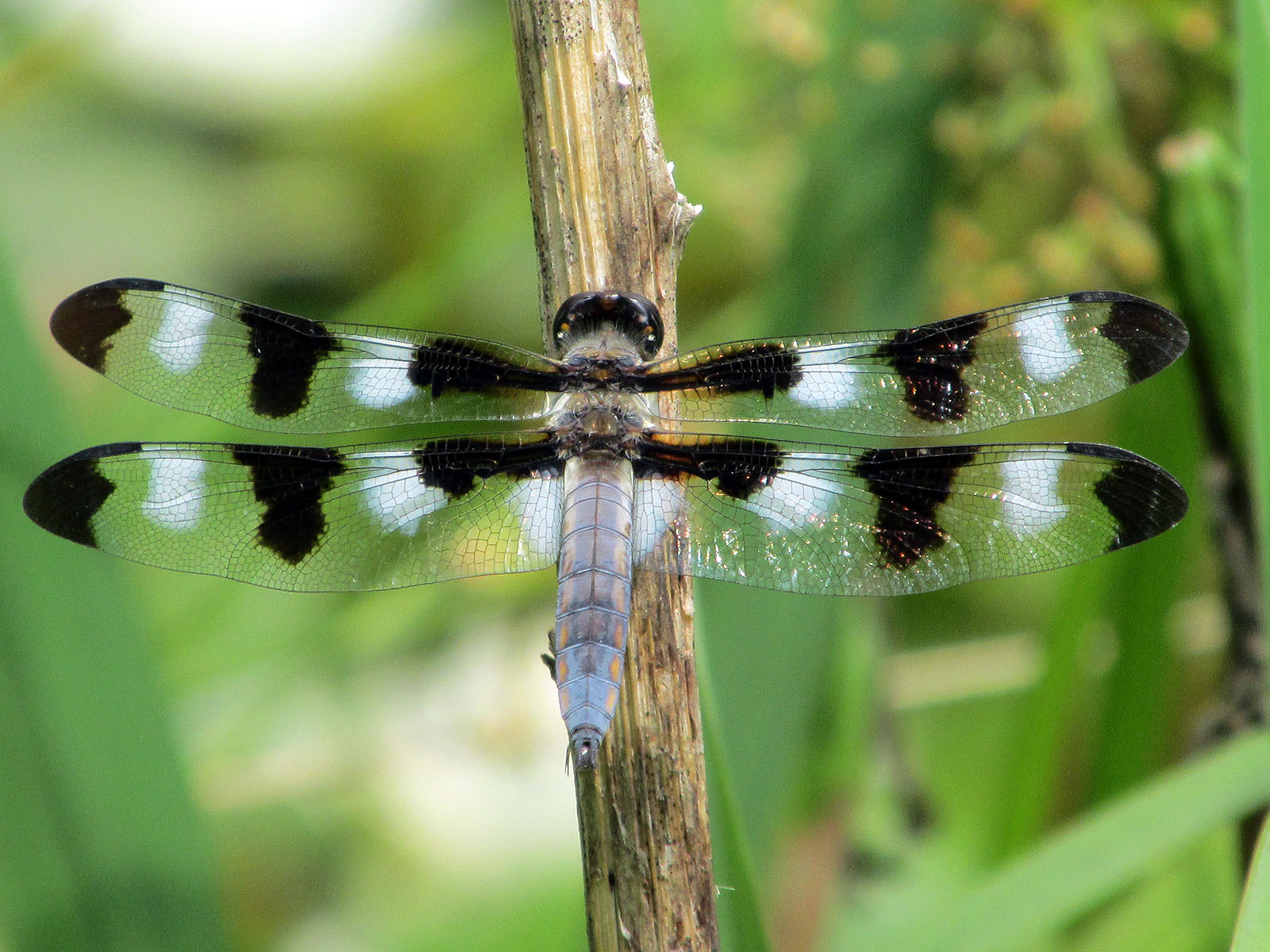
The aptly named 12-Spotted Skimmer is an unmistakable dragonfly.

IMG_7788

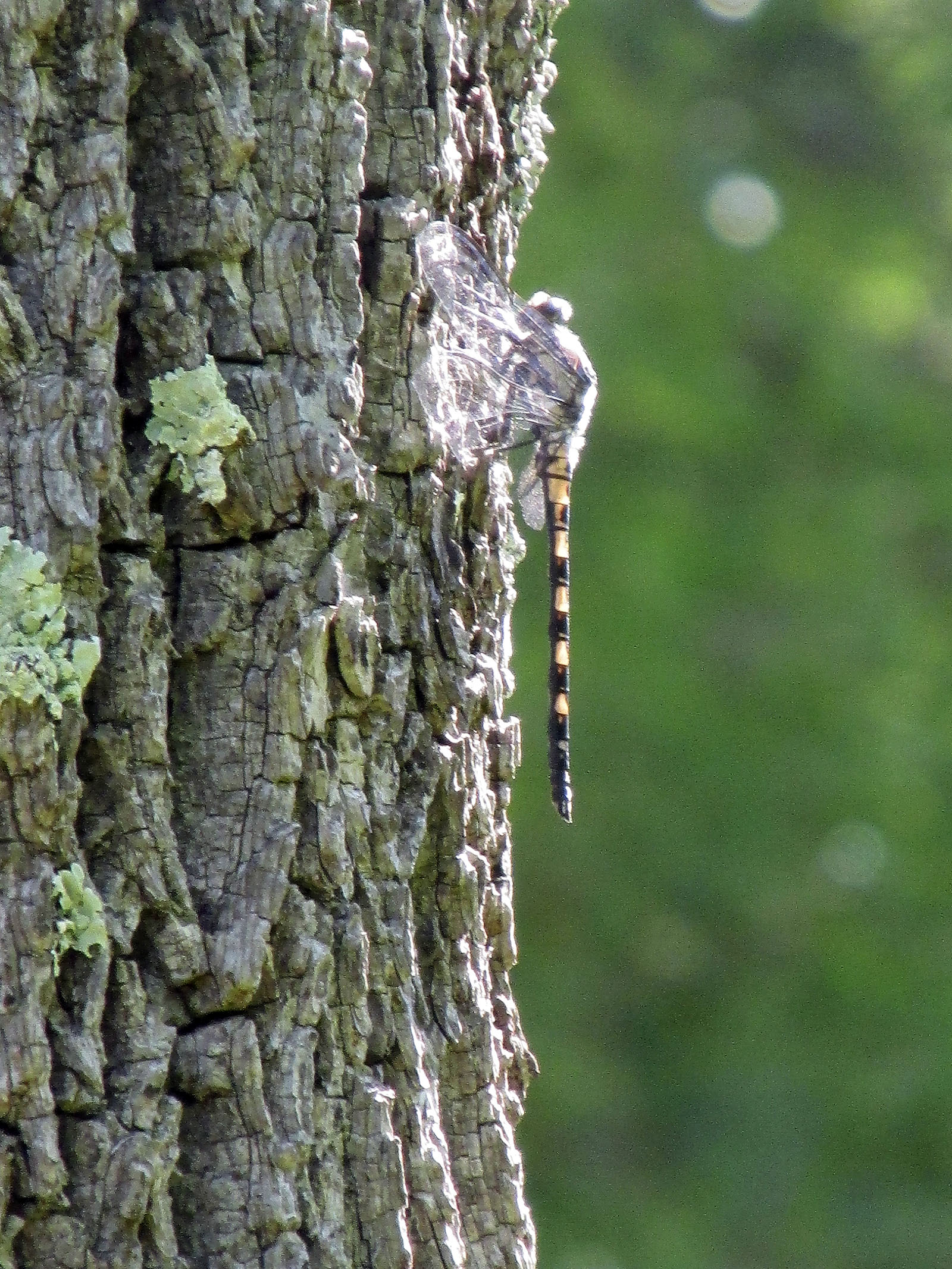
Some dragonflies prefer a more vertical perch.

IMG_7906

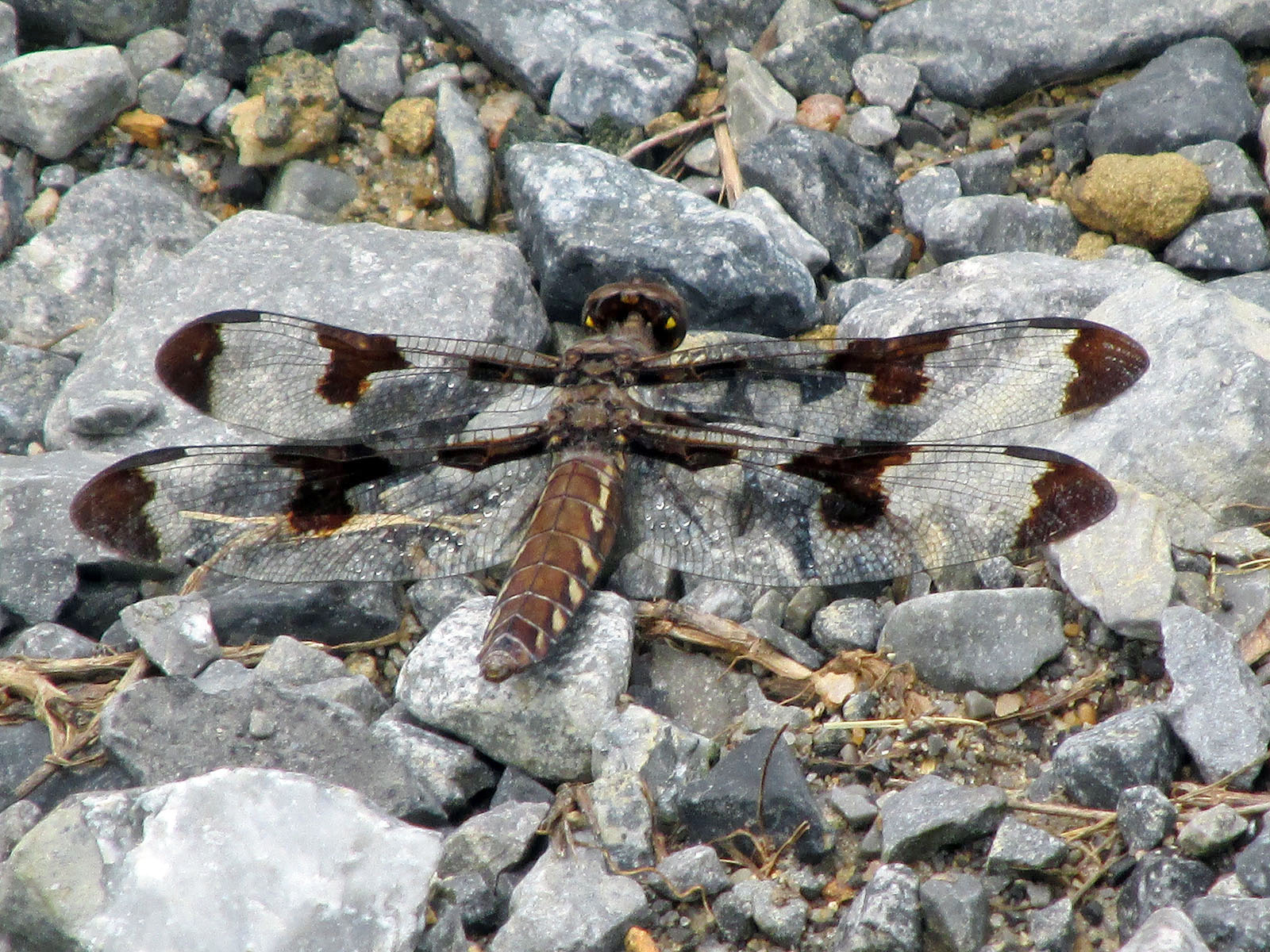
Female Common Whitetail Skimmer warms herself on the gravels heated by the sunshine.


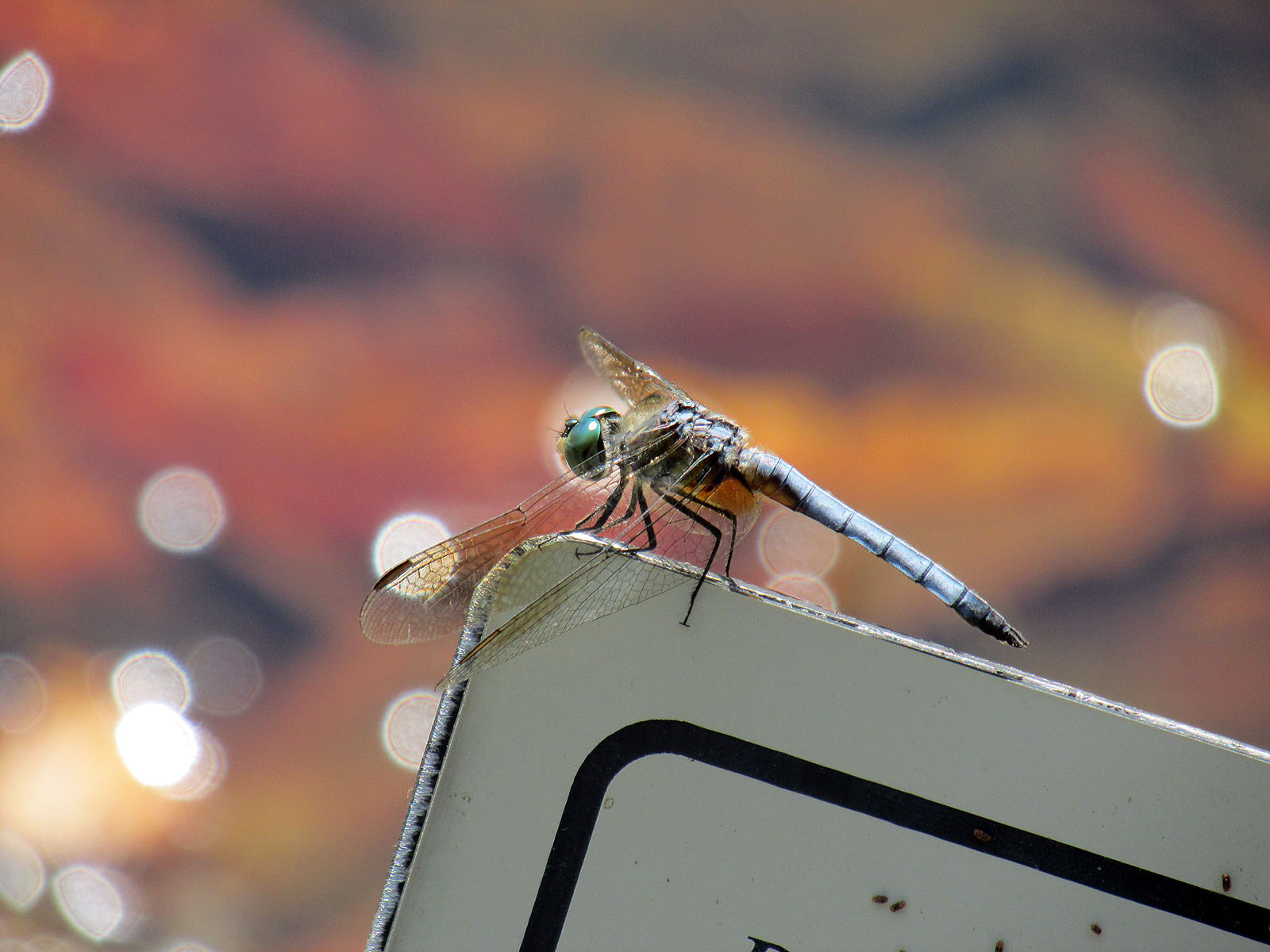
Blue Dasher photographed during a recent trip to South Carolina.

Blue Dasher photographed during a recent trip to South Carolina.

IMG_4995

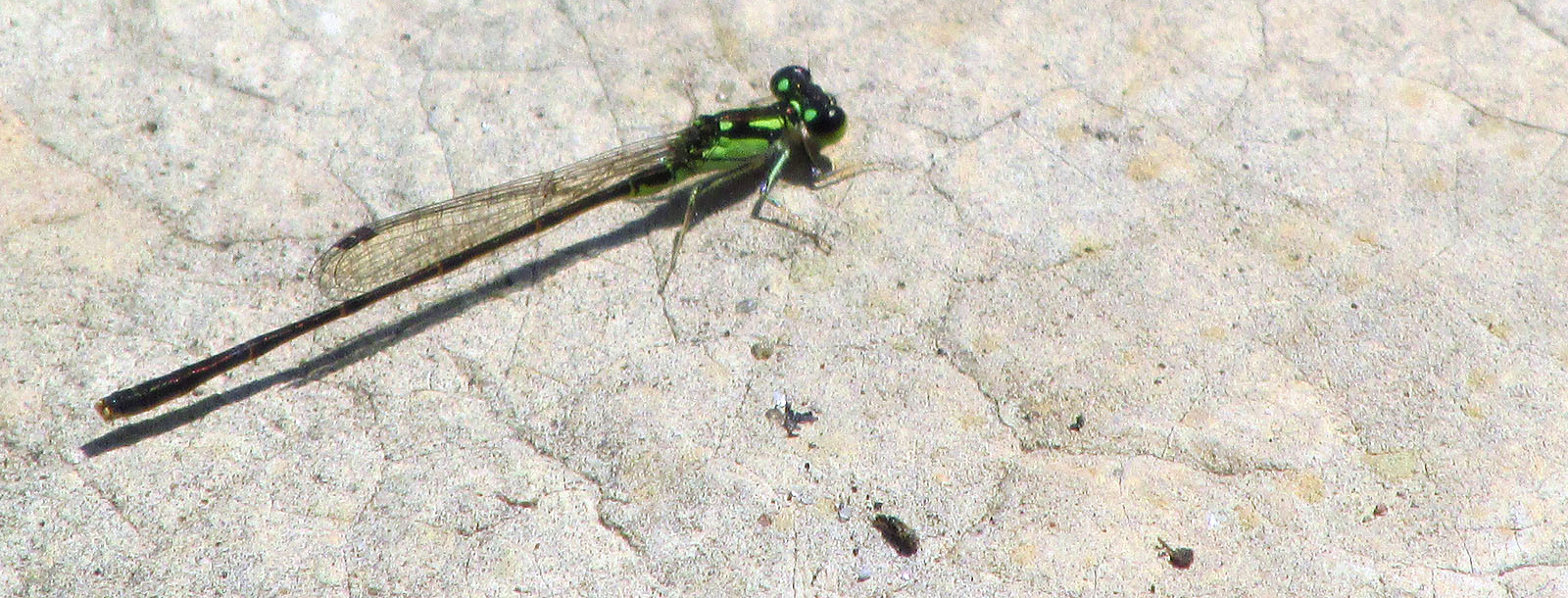
The Fragile Forktail is a common damselfly at the fish pond.

IMG_7696

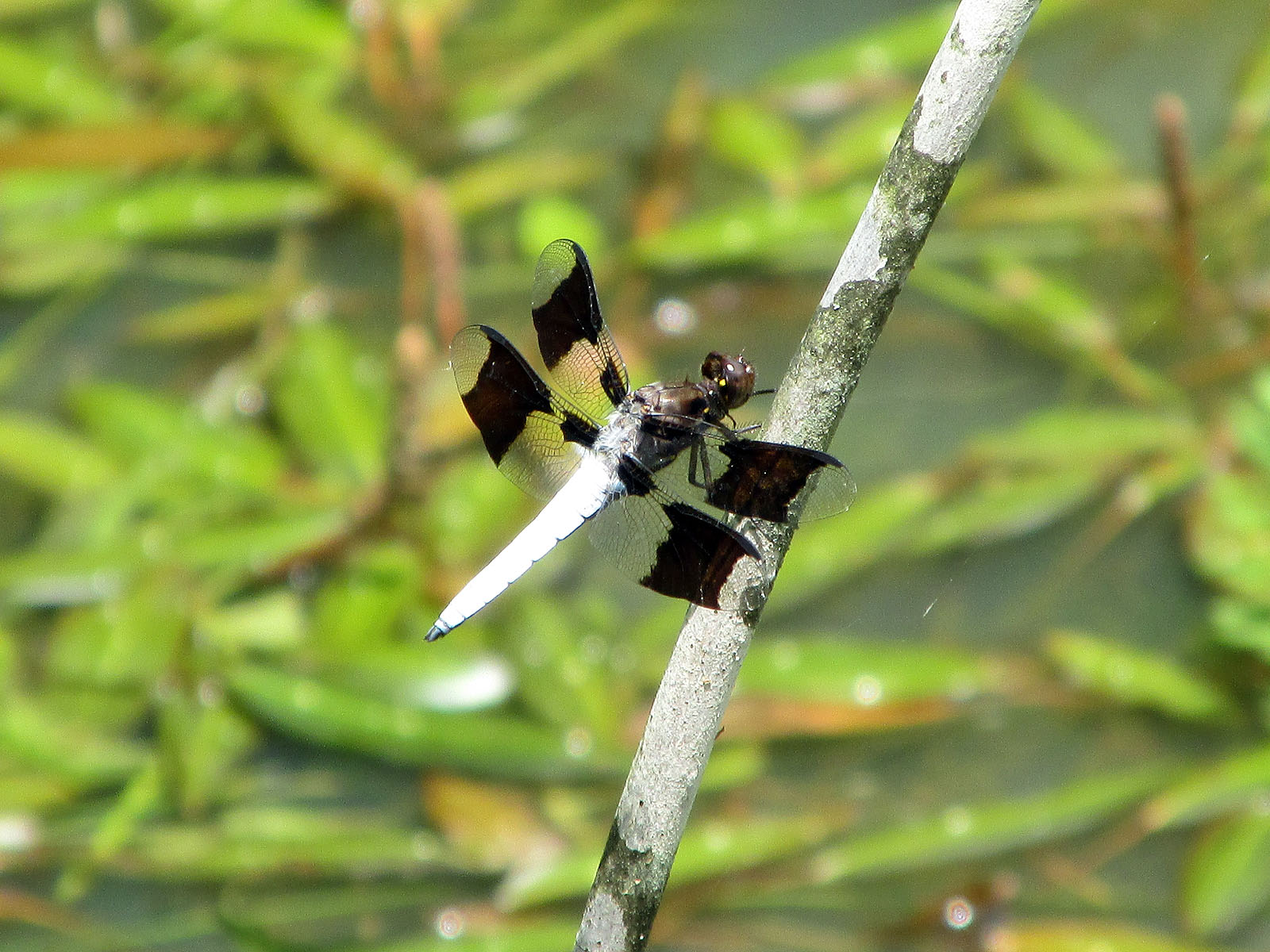
Common Whitetail Skimmer perched on a branch at the fish pond.

IMG_6220

Probably a Needham’s Skimmer photographed during a recent visit to Pawleys Island, South Carolina.


Yellow-breasted chat stands apart from other warblers

I’ve always been a warbler fan, celebrating every opportunity that comes my way for seeing these colorful, energetic feathered sprites. In early May I got to introduce some other bird enthusiasts to some of our warblers during a bird walk at Sycamore Shoals State Historic Park in Elizabethton, Tennessee. Yellow-breasted chat, one of the warblers observed during the morning stroll, always stands out from the rest of the flock.

????????????????????????????????????

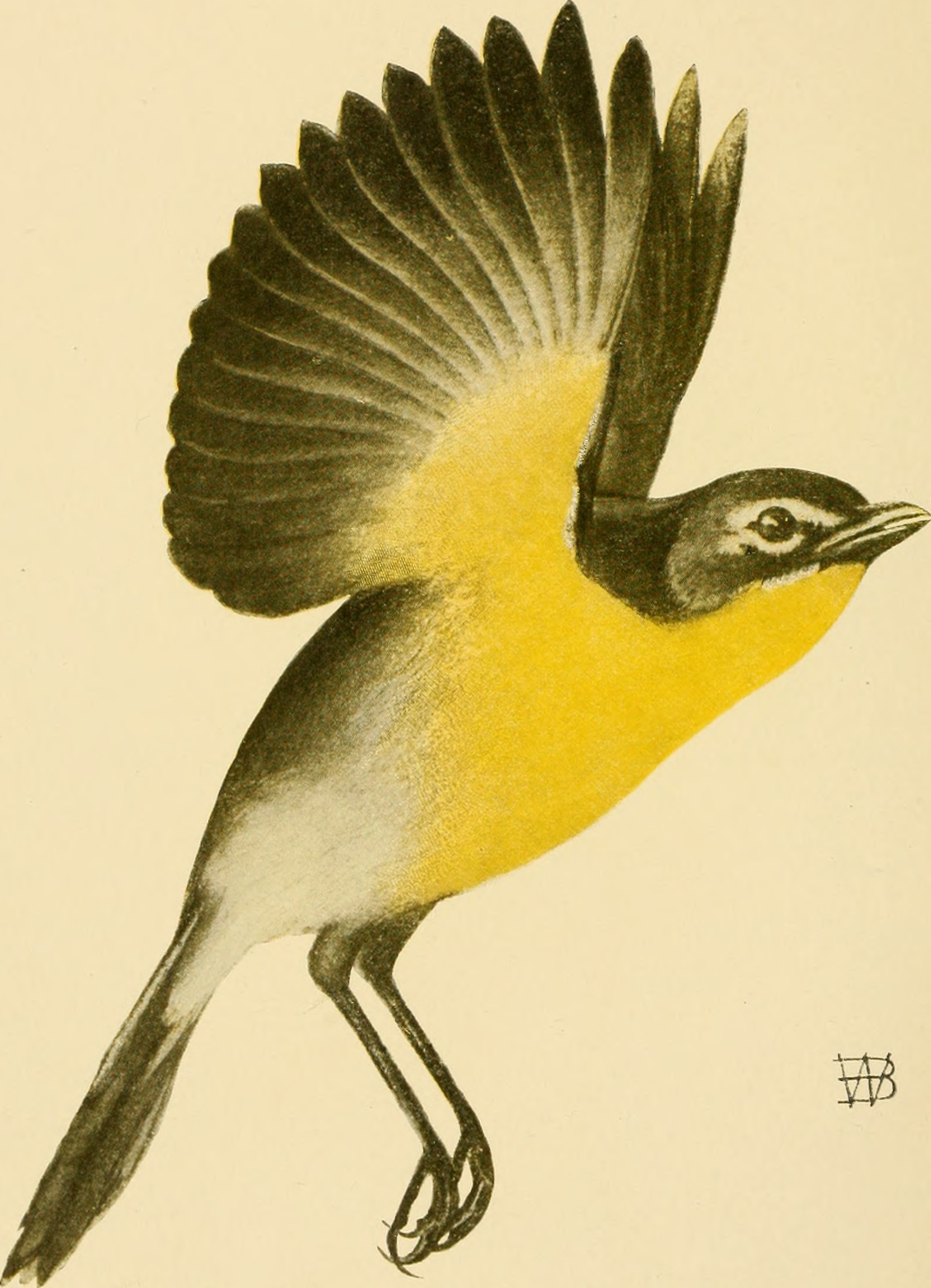
Photo by Roy Knispel                                            Regarded as the world’s largest warbler, the yellow-breasted chat is a noisy oddball among this family of New World birds.

The Yellow-breasted Chat has long held a unique distinction among the New World wood-warblers as the largest member of this diverse family of neotropical birds. Some experts, however, have always questioned whether the Yellow-breasted Chat is truly a warbler. The jury, based on my research, is apparently still out. Personally, I hope the chat continues as a member of the warbler clan because what family doesn’t need its big, goofy oddball? If nothing else, the yellow-breasted chat is truly an the odd bird out among the little birds known as warblers that spend most of their time constantly on the move, flitting from branch to branch in hyperactive bursts of activity.

468551_10200729159303757_215796861_o

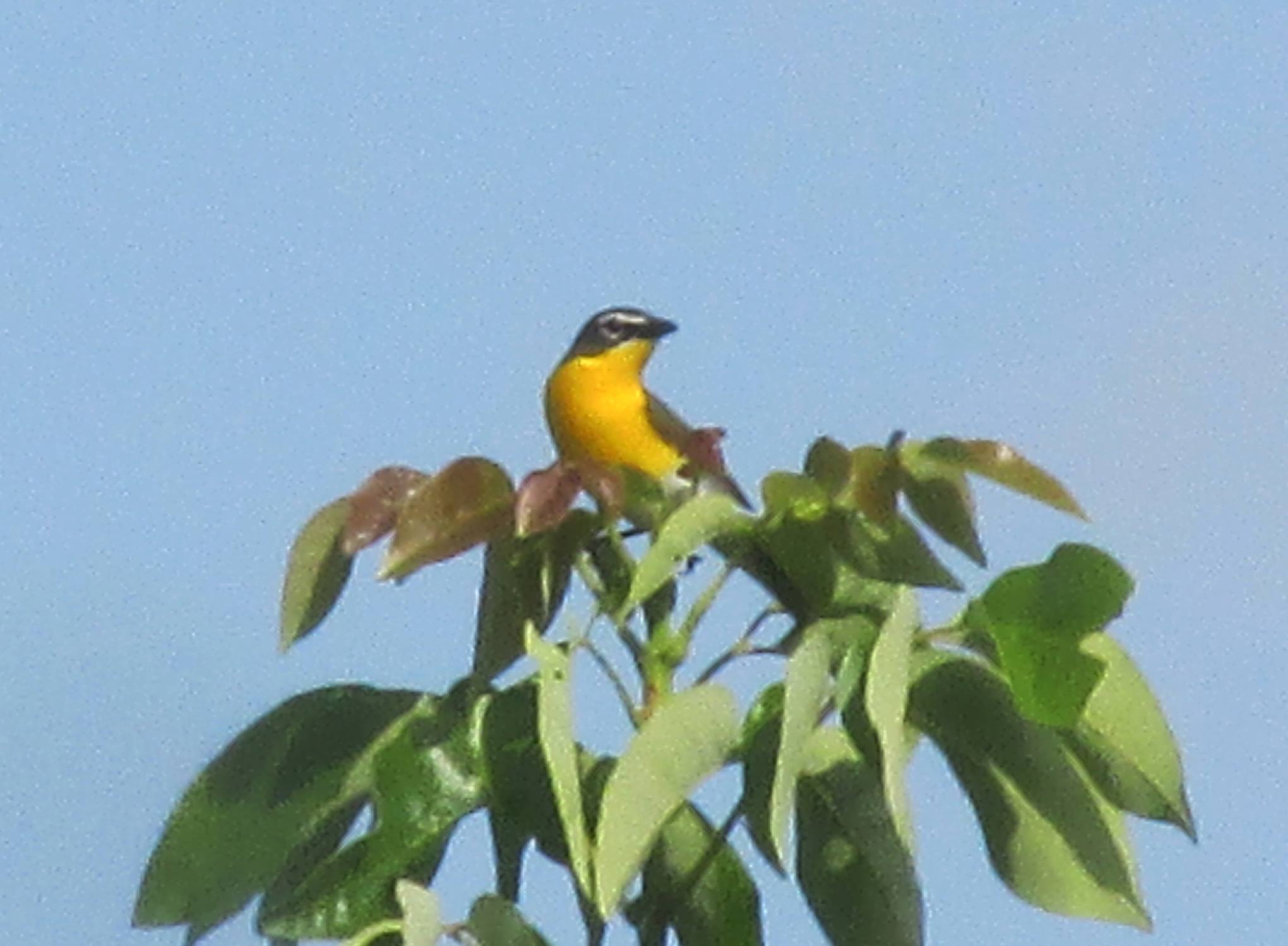
Photo by Bryan Stevens                                      A Yellow-breasted Chat perched atop a tree to survey its surroundings.

Yellow-breasted chats aren’t more sedate than other warblers, but they don’t dart about in the treetops in the same way as might a Northern parula or blackpoll warbler. During the spring ritual of attracting a mate, the males are obsessed with constant singing and performing. The performance portion of the program consists of awkward, drooping flights into the open before plunging back into thick cover. Males will also select an elevated perch in the open to proclaim their availability through song for any listening females.

There are many other ways they stand out on the warbler family tree. For instance, yellow-breasted chats are significantly bigger than all other warblers, reaching a length of 7.5 inches with a wingspan of almost 10 inches. The two sexes look alike, which is something else that separates them from many, but not all, warblers, which are generally known for the differences in appearance between males and females. The yellow-breasted chat has olive-green upperparts with white bellies and bright yellow throats and breasts. These chats also have long tails and heavy bills. A prominent characteristic is a spectacle-shaped white eye-ring.

Plate-137-Yellow-breasted-Chat-final 2

Early American naturalist and painter John James Audubon painted this family group of Yellow-breasted Chats.

I have observed yellow-breasted chats in many locations in the region, but during my early years birding this was a very elusive bird for me. It took me a couple of years to get my first satisfactory look at this interesting bird. Chats prefer habitats such as dense thickets and other underbrush, which offers remarkable concealment from prying eyes.

Chats are loud birds at most times, producing a variety of odd vocalizations, which means they are often heard before they are seen. The online Audubon Guide to North American Birds describes these sounds as “a bizarre series of hoots, whistles, and clucks, coming from the briar tangles” and labels them a reliable means for determining the presence of a yellow-breasted chat. By learning these vocalizations, you’ll increase the chances of finding one of these birds during time spent outdoors.

Thrasher-Shrub

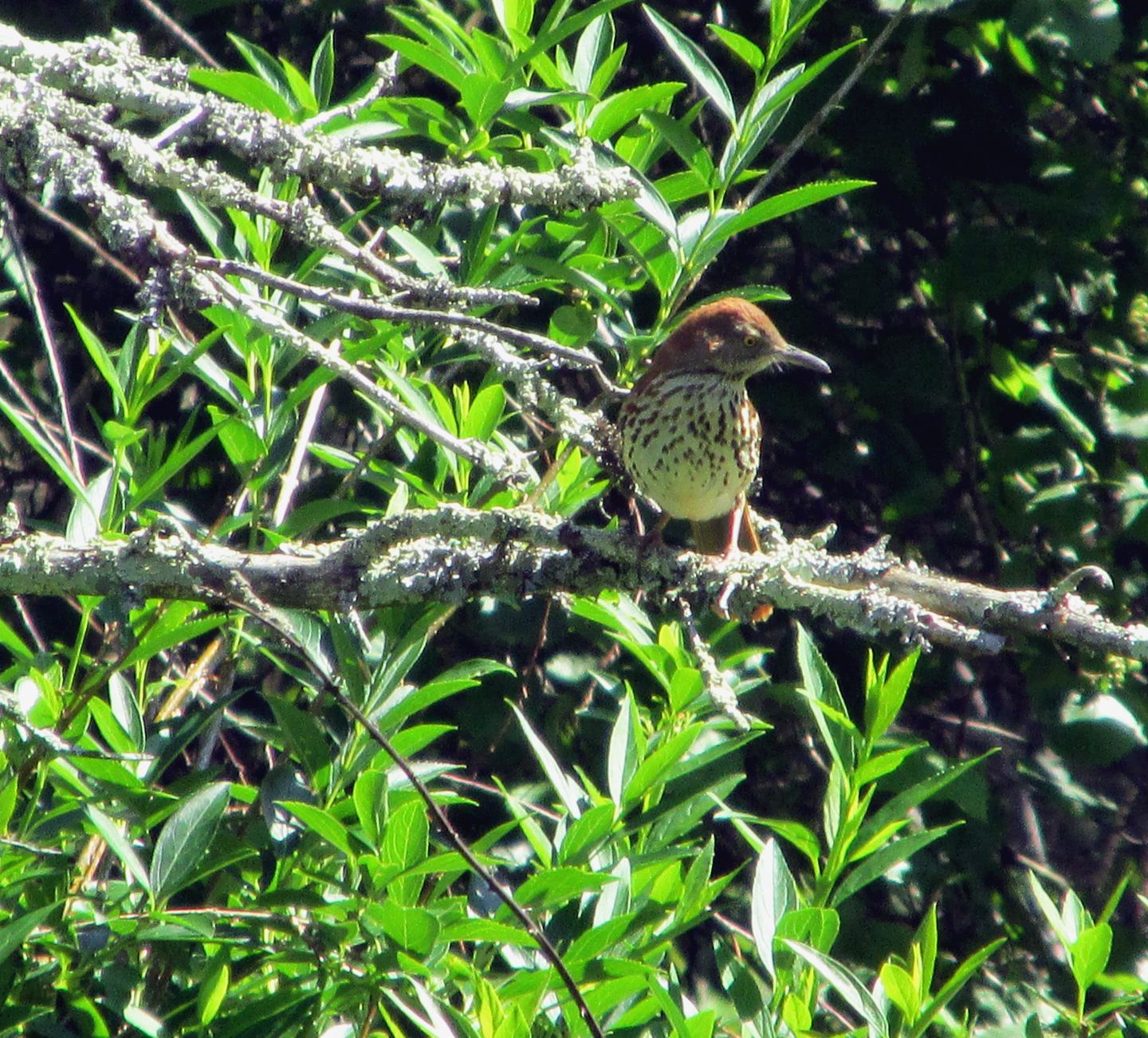
Photo by Bryan Stevens                              Along with such birds as Brown Thrashers, pictured, Yellow-breasted Chats prefer thickets and other brushy, dense habitats.

The chat’s habitat preferences and its repertoire of vocalizations makes it easy to associate these birds with others that share the same dense, brushy habitats and a penchant for making unusual vocalizations. Birds often found in proximity to chats include brown thrashers, gray catbirds, white-eyed vireos and Eastern towhees.

Habitat loss has resulted in a steady decline of yellow-breasted chats in some parts of their range. It is a widely distributed bird, spending the nesting season from southern Canada to Mexico. Most chats retreat to Mexico and Central America for the winter months. This chat mostly feeds on insects, supplementing its diet with berries that ripen during the summer months.

14568928678_8f77bbf7b6_o

The Yellow-breasted Chat is considered the world’s largest warbler.

Female chats usually lay three to four eggs, but both parents care for the young. Young chats are usually ready to leave the nest only eight days after hatching, but they will remain dependent on their parents for food for a couple of weeks. Chats usually nest twice each during the nesting season.

I’ve only observed a yellow-breasted chat on one occasion at my home. That individual, a fall migrant, was a delightful surprise. The yellow-breasted chat is usually a bird that I have to make an attempt to find. It’s worth the effort to gain a good look at this big, brash member of the warbler clan.

Three other chats, all birds of tropical regions, were moved out of the warbler clan in 2009 by the American Ornithologists’ Union. Experts now believe that the rose-breasted chat of South America, the gray-throated chat of Mexico, Guatemala and Belize and the red-breasted chat of the Pacific slope of Mexico are more closely related to cardinals and tanagers than warblers. The AOU, should it one day make that decision for the yellow-breasted chat, is likely to classify this oddball bird as a member of the Cardinalidae family of birds.

920921_10200729160063776_888323380_o

Photo by Bryan Stevens                                                                            Usually retiring and reclusive, the nesting season makes male Yellow-breasted Chats seek elevated perches for producing an array of unusual vocalizations.


Late-season Spring Bird Count finds 150 species

BG-Gnat-April25

Photo by Bryan Stevens                                                      Blue-gray Gnatcatchers, nesting birds during the summer season, showed up in good numbers for the Spring Bird Count.

The 72nd consecutive Elizabethton Spring Bird Count was conducted on Saturday, May 9, by members and friends of the Lee and Lois Herndon Chapter of Tennessee Ornithological Society.

This year’s count was held about two weeks later than usual, thus altering the occurrence or numbers of some species. Rick Knight, the long-time compiler for the count, noted that there were fewer wintering ducks and sparrows, but more of the late-arriving migrants, such as cuckoos, Empidonax flycatchers, orioles and certain warblers.

ScarTanager-Count

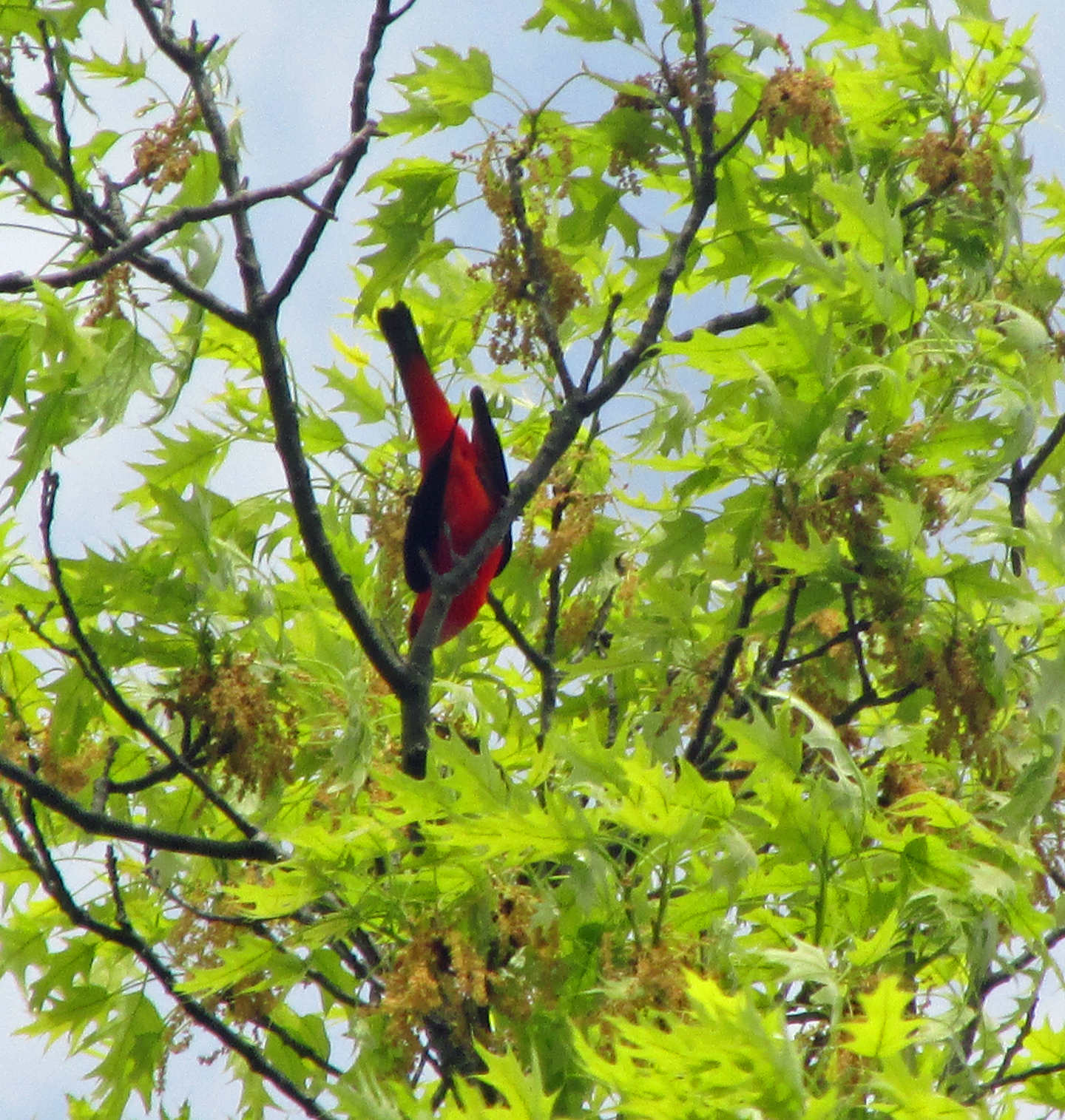
Photo by Bryan Stevens                                                 A male Scarlet Tanager engaged in a mating display in trees growing on the slopes of Holston Mountain.

A total of 43 observers in 10 parties covered Carter County and parts of adjacent Johnson, Sullivan, Unicoi and Washington counties. A total of 150 species was tallied, slightly above the average of 147 over the last 30 years. The all-time high count was 161 species in 2005. A total of 150 species or more has been reached 10 of last 12 years.

I began the morning by leading a bird walk at Sycamore Shoals State Historic Park in Elizabethton, adding the birds seen during the walk to the count total for my group. During the afternoon, my group visited Holston Mountain. I enjoyed seeing several Scarlet Tanagers, American Redstarts, Rose-breasted Grosbeaks and Chestnut-sided Warblers while on the mountain.

IMG_3169

Photo by Bryan Stevens                                      A male Baltimore Oriole sings from the top of a tree.

Nevertheless, there were some notable misses, including Osprey, which was absent for only the second time since 1964, as well as the third miss for Ruby-crowned Kinglet since 1981. Savannah Sparrow was missed for the first time since 1970 while Swamp Sparrow was missed for the fourth time since 1965.
The numbers found of some species set new records. For instance, the 87 Great Blue Herons found on the count was the most ever tallied for a spring count, as were the 77 Black Vultures. Other birds setting new high-count numbers included Chuck-will’s-widow (16), Acadian Flycatcher (48), Great Crested Flycatcher (23), Warbling Vireo (18), Orchard Oriole (42) and Baltimore Oriole (28).
Semipalmated Plover made it onto this year’s count for the first time since 1994. A Black Tern represented only the third occurrence of this species on this annual account.
Some new trends are also becoming evident thanks to data from the annual counts. The local population of Cliff Swallows has exploded in recent years with 1,016 individuals tallied this year. Eurasian Collared-Dove has been found for nine consecutive years. Bald Eagles are nesting more frequently in the area. A total of 12 eagles, including nestlings, were found during the count.


HousieFinch

Photo by Bryan Stevens                                                            Three dozen House Finches, such as this male, were found during the Spring Bird Count.

The total list of species and numbers found follows:
Canada Goose, 322; Wood Duck, 51; American Wigeon, 3; Mallard, 128; Blue-winged Teal, 4; Bufflehead, 3; Ruffed Grouse, 3; Wild Turkey, 27; Common Loon, 2; Double-crested Cormorant, 97; Great Blue Heron, 87; Green Heron, 17; and Yellow-crowned Night-heron, 6.
American Kestrel, 7; Black Vulture, 77; Turkey Vulture, 109; Sharp-shinned Hawk, 1; Cooper’s Hawk, 1; Bald Eagle, 12; Broad-winged Hawk, 17; and Red-tailed Hawk, 18.

Virginia Rail, 1; Sora, 2; American Coot, 1; Semipalmated Plover, 2; Killdeer, 41; Spotted Sandpiper, 55; Solitary Sandpiper, 17; and Least Sandpiper, 5.
Ring-billed Gull, 3; Black Tern, 1; Rock Pigeon, 88; Eurasian Collared-Dove, 3; Mourning Dove, 221; Yellow-billed Cuckoo, 12; and Black-billed Cuckoo, 1.
Barn Owl, 1; Eastern Screech-Owl, 9; Great Horned Owl, 2; Barred Owl, 4; Northern Saw-whet Owl, 1; Common Nighthawk, 2; Chuck-will’s-widow, 16; and Eastern Whip-poor-will, 32.


EBluebird-Spring

Photo by Bryan Stevens              A male Eastern Bluebird perches on a fence post.

Chimney Swift, 179; Ruby-throated Hummingbird, 22; Belted Kingfisher, 10; Red-headed Woodpecker, 2; Red-bellied Woodpecker, 69; Yellow-bellied Sapsucker, 5; Downy Woodpecker, 22; Hairy Woodpecker, 15; Northern Flicker, 18; and Pileated Woodpecker, 29.
Eastern Wood-Pewee, 36; Acadian Flycatcher, 48; Willow Flycatcher, 5; Least Flycatcher, 6; Eastern Phoebe, 54; Great Crested Flycatcher, 23; and Eastern Kingbird, 72.
Loggerhead Shrike, 2; White-eyed Vireo, 10; Yellow-throated Vireo, 12; Blue-headed Vireo, 45; Warbling Vireo, 18; and Red-eyed Vireo, 168.

Grosbeak_Roan

Photo by Bryan Stevens                                      A male Rose-breasted Grosbeak sings from the branches of a tall tree.

Blue Jay, 134; American Crow, 307; Common Raven, 12; Northern Rough-winged Swallow, 84; Purple Martin, 49; Tree Swallow, 174; Barn Swallow, 141; and Cliff Swallow, 1,016.
Carolina Chickadee, 81; Tufted Titmouse, 103; Red-breasted Nuthatch, 5; White-breasted Nuthatch, 21; Brown Creeper, 7; House Wren, 42; Winter Wren, 2; and Carolina Wren, 92.
Blue-gray Gnatcatcher, 69; Golden-crowned Kinglet, 9; Eastern Bluebird, 112; Veery, 22; Gray-cheeked Thrush, 1; Swainson’s Thrush, 2; Hermit Thrush, 2; Wood Thrush, 102; American Robin, 688; Gray Catbird, 65; Northern Mockingbird, 100; and Brown Thrasher, 49.
European Starling, 774; American Pipit, 1; and Cedar Waxwing, 302.
Ovenbird, 135; Worm-eating Warbler, 31; Louisiana Waterthrush, 16; Northern Waterthrush, 2; Golden-winged Warbler, 3; Black-and-white Warbler, 63; Swainson’s Warbler, 6; Kentucky Warbler, 2; Common Yellowthroat, 31; Hooded Warbler, 100; American Redstart, 13; Cape May Warbler, 3; Northern Parula, 29; Magnolia Warbler, 4; Blackburnian Warbler, 5; Yellow Warbler, 14; Chestnut-sided Warbler, 41; Blackpoll Warbler, 2; Black-throated Blue Warbler, 59; Palm Warbler, 1; Pine Warbler, 8; Yellow-rumped Warbler, 3; Yellow-throated Warbler, 31; Prairie Warbler, 5; Black-throated Green Warbler, 54; Canada Warbler, 48; and Yellow-breasted Chat, 7.


Rb-Wood-Nest

Photo by Bryan Stevens                      Year-round resident birds, such as this nesting Red-bellied Woodpecker, were part of the Spring Bird Count.

Eastern Towhee, 169; Chipping Sparrow, 96; Field Sparrow, 50; Grasshopper Sparrow, 3; Song Sparrow, 220; White-throated Sparrow, 1; White-crowned Sparrow, 2; and Dark-eyed Junco, 51.
Summer Tanager, 1; Scarlet Tanager, 71; Northern Cardinal, 203; Rose-breasted Grosbeak, 15; Blue Grosbeak, 7; Indigo Bunting, 174; Dickcissel, 1; Red-winged Blackbird, 269; Eastern Meadowlark, 120; Common Grackle, 233; Brown-headed Cowbird, 81; Orchard Oriole, 42; and Baltimore Oriole, 28.
House Finch, 36; Pine Siskin, 14; American Goldfinch, 155; and House Sparrow, 61.

Diversity of birds a plus for Hungry Mother State Park’s launch of birding festival

IMG_3203

Photo by Bryan Stevens                                                                 A singing male Orchard Oriole entertained festival attendees during a Saturday morning bird walk.

I’m just back from attending the first-ever Birding Festival at Hungry Mother State Park. It was a wonderful weekend filled with exciting observations of birds such as Baltimore Oriole, Orchard’s Oriole, Great Egret, Solitary Sandpiper, Spotted Sandpiper, Red-breasted Mergansers and even a pair of nesting Blue-gray Gnatcatchers.

IMG_3171

Photo by Bryan Stevens                                      “I think we’re safe,” said one Northern Rough-winged Swallow to the other. “Swallows don’t have arms.”

The park is located in Smyth County near the town of Marion, Virginia, and is accessible just off of Route 16 near interstate 81. The park offers visitors more than 2,000 acres of wooded mountainous terrain, a large lake, several miles of trails for hiking and biking, a conference center, camping, picnicking, a lakeside beach for swimming, and a discovery center to learn about the area.

The festival, which was held Friday-Sunday, May 1-3, meshed nicely with other recreational opportunities offered at HMSP. Tanya Hall, the Chief Ranger of Visitor Experience, noted that  Hungry Mother is one of the more popular parks in Virginia.

IMG_3721

Photo by Bryan Stevens                   A kayaker glides across Hungry Mother Lake.

“We have 18 miles of trails that you can either hike or bike and we have a 108-acre lake that has various species of fish available to catch,” Hall noted.

Sport fish in the lake including largemouth, smallmouth and spotted bass, as well as crappie, channel catfish, carp, sunfish, rock bass, muskellunge, and walleye.

The lake is also a favorite destination for swimmers, canoeists, kayakers and paddleboarders, which were all in evidence during this weekend’s events.

Hall said the park is also fortunate to have an “awesome interpretation department” that hosts numerous programs each day that are offered not only to camping and cabin guests, but also to the public.

IMG_3718

Photo by Bryan Stevens                                  The Hungry Mother State Park Restaurant, which offers lunch, dinner and a Sunday brunch.

Hall said the park also has one of the most unique names of all Virginia’s state parks. There’s also a unique legend tied to the name, which is associated with Molly’s Knob, the highest point in the park.

IMG_9078

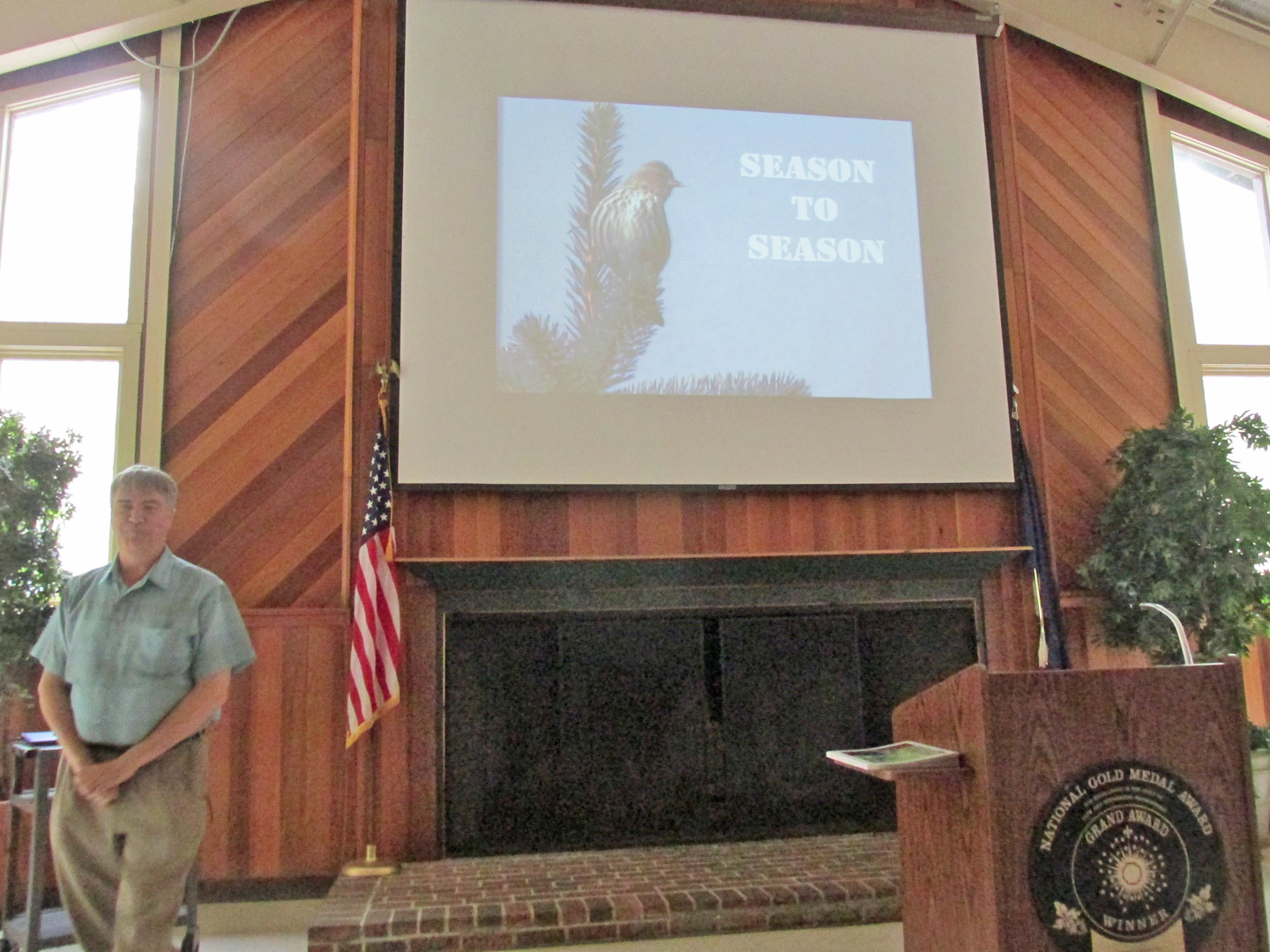
Photo by David Thometz                             Beginning my pictorial program, “Season to Season,” for the Friday evening audience at the Hungry Mother State Park Birding Festival.

According to local legend,  Indians destroyed several settlements on the New River south of the park, resulting in Molly Marley and her small child being taken to the raiders’ base north of the park. Molly and her child eventually escaped and wandered through the wilderness, surviving by eating berries. Molly finally collapsed and her child wandered down a creek until she found help. The only words she could impart to rescuers were “Hungry Mother.” Unfortunately, by the time a rescue party arrived at the foot of the mountain where she had collapsed, they found Molly dead. Today, the mountain is called Molly’s Knob and the stream is known as Hungry Mother Creek. So, when the park was developed in the 1930s, a dam was constructed to block the creek and form Hungry Mother Lake. The legend also provided the name for this very unique park.

IMG_9091

Photo by David Thometz                                                    Looking for Virginia Rails at the wetlands at Saltville.

I presented a program on birds and nature through all four of the seasons. I got to meet many people that I have corresponded with through Facebook and email. I also got to meet some interesting new people.

The festival also featured Richard Moncrief, who is the Birding and Nature Observation Market Manager for Carl Zeiss Sports Optics. Montcrief presented two programs on “Binocular Know How” and a very informative and entertaining “Birding Basics.” Some local Master Naturalists, including Melanie Smith and Randy Smith, gave programs on “Birding by Ear” and “Backyard Birding.”

Another highlight of the festival included an excursion to nearby Saltville to bird the wetlands in that historic southwest Virginia town.

I overheard plenty of discussion that the festival should become an annual event, and I certainly concur with that sentiment. I know I’d like to visit again next May.

IMG_9162

Photo by David Thometz                                                                                                                      Trying to get that perfect angle for a photo.

IMG_3169

Photo by Bryan Stevens                                                                                                                                A male Baltimore Oriole sings from the top of a tall tree.

IMG_9117

Photo by David Thometz                                                                                                                                  If you look in the right corner of this outdoor fireplace, you’ll find a Mallard hen that has chosen an unusual nesting location.

IMG_3206

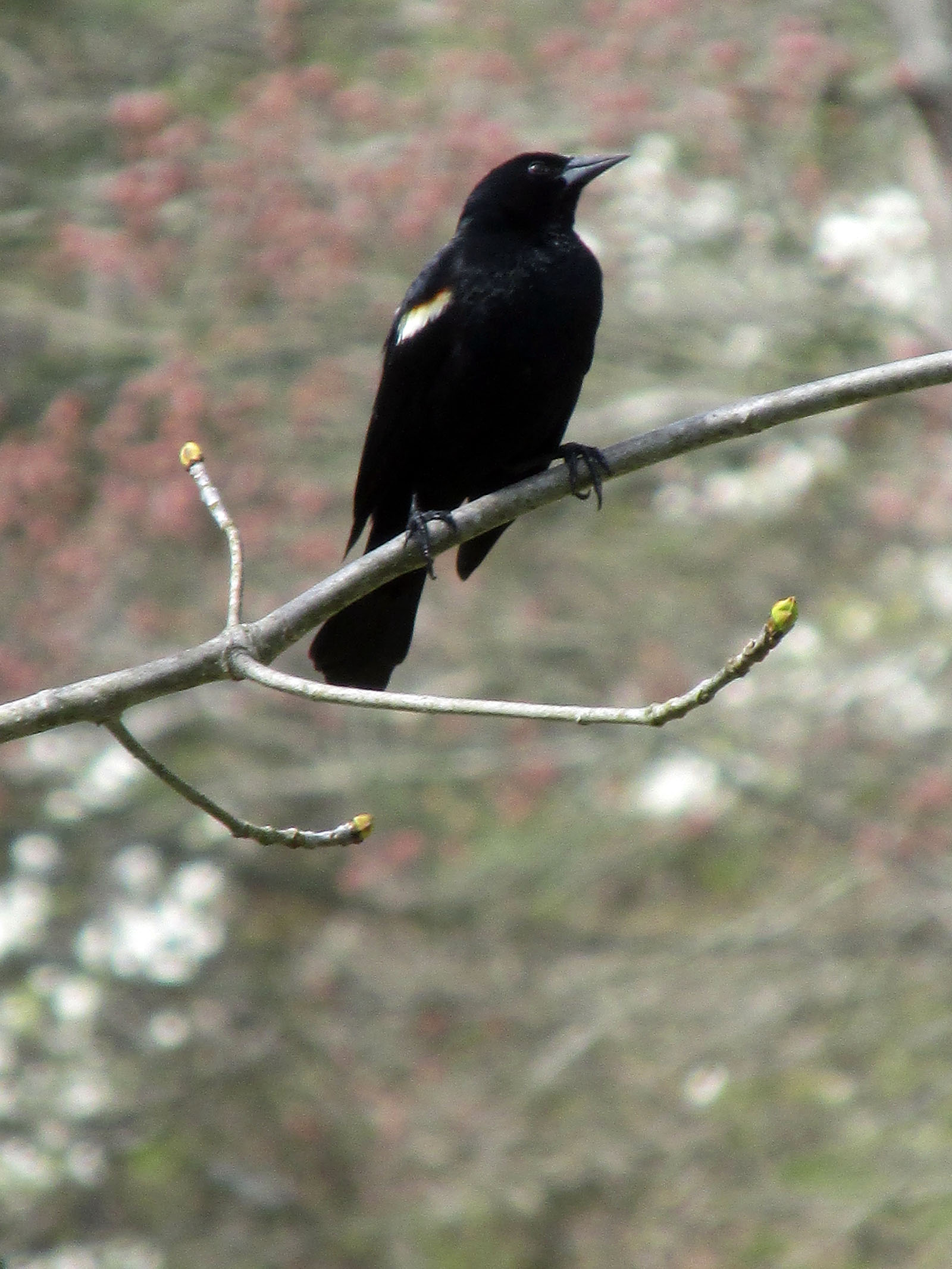
Photo by Bryan Stevens              Red-winged Blackbird

IMG_3162

Orchard Oriole


IMG_3307

Great Egret

IMG_3192

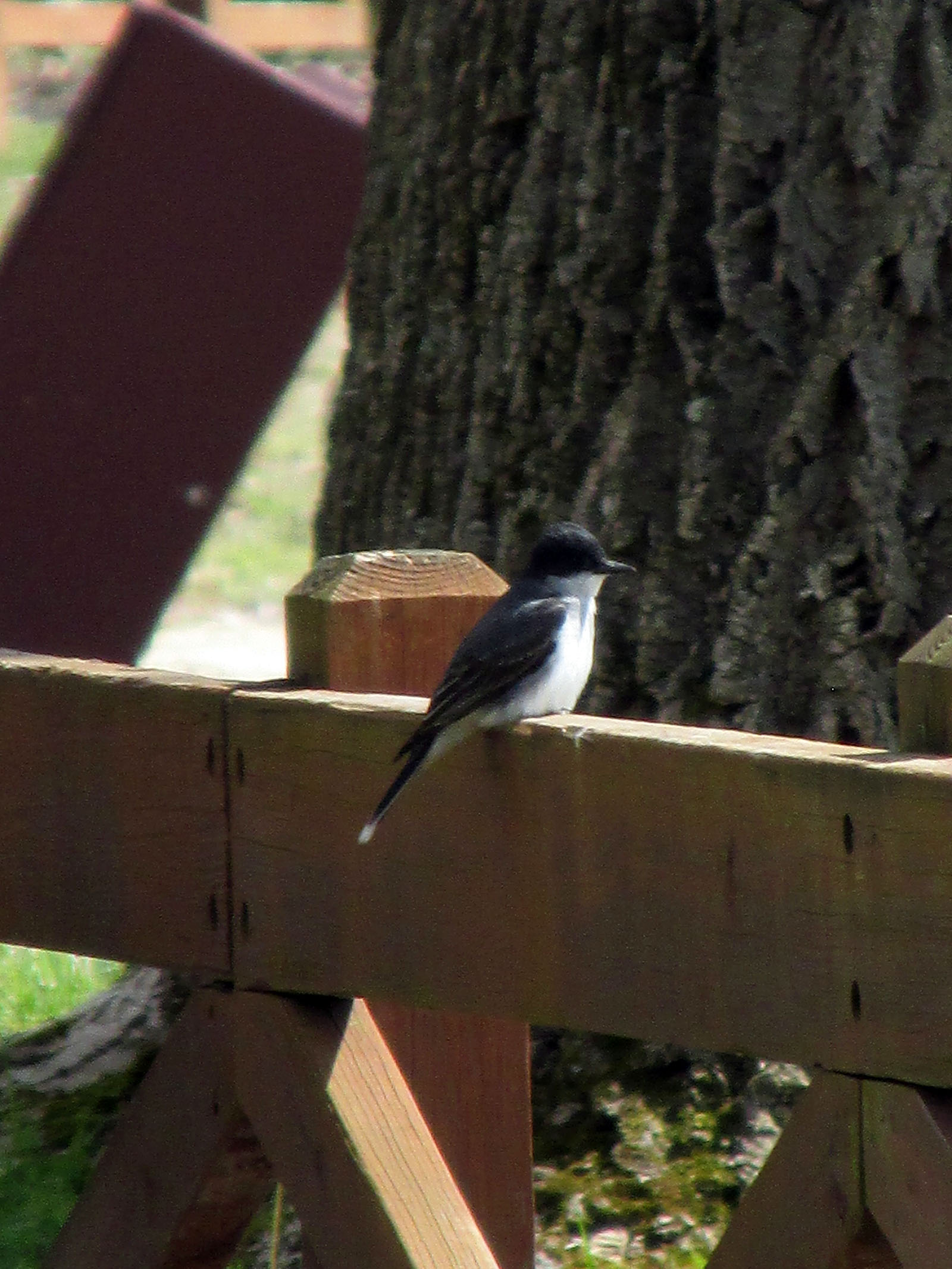
Eastern Kingbird

IMG_3133

Sign promoting activities during the Birding Festival.


More than halfway to my goal of 100 yard birds in 2015

Yellow-Crowns-April19

I would love to add Yellow-crowned Night-Heron to my yard list. Great Blue Herons, Black-crowned Night-Herons, Green Herons and Great Egrets have visited the creek and fish pond at my home, but I’ve never had a visit from a Yellow-crowned Night-Heron. I photographed this pair on a nest along the Watauga River on Blevins Road.

On April 19, a singing male Black-throated Green Warbler became the 50th bird species to make an appearance in my yard this year.

Back at the start of this year, I considered trying for another “big year” in the five-county area of Northeast Tennessee that consists of the counties of Carter, Johnson, Sullivan, Unicoi and Washington.

However, such an undertaking requires a lot of travel and expense, as well as an immense dedication of time. After a 2014 marked by many personal upsets, I didn’t feel capable of making an attempt. Considering I last undertook a “big year” effort back in 2013, I felt it was too soon for me to try this again.

BG-Gnat-April25

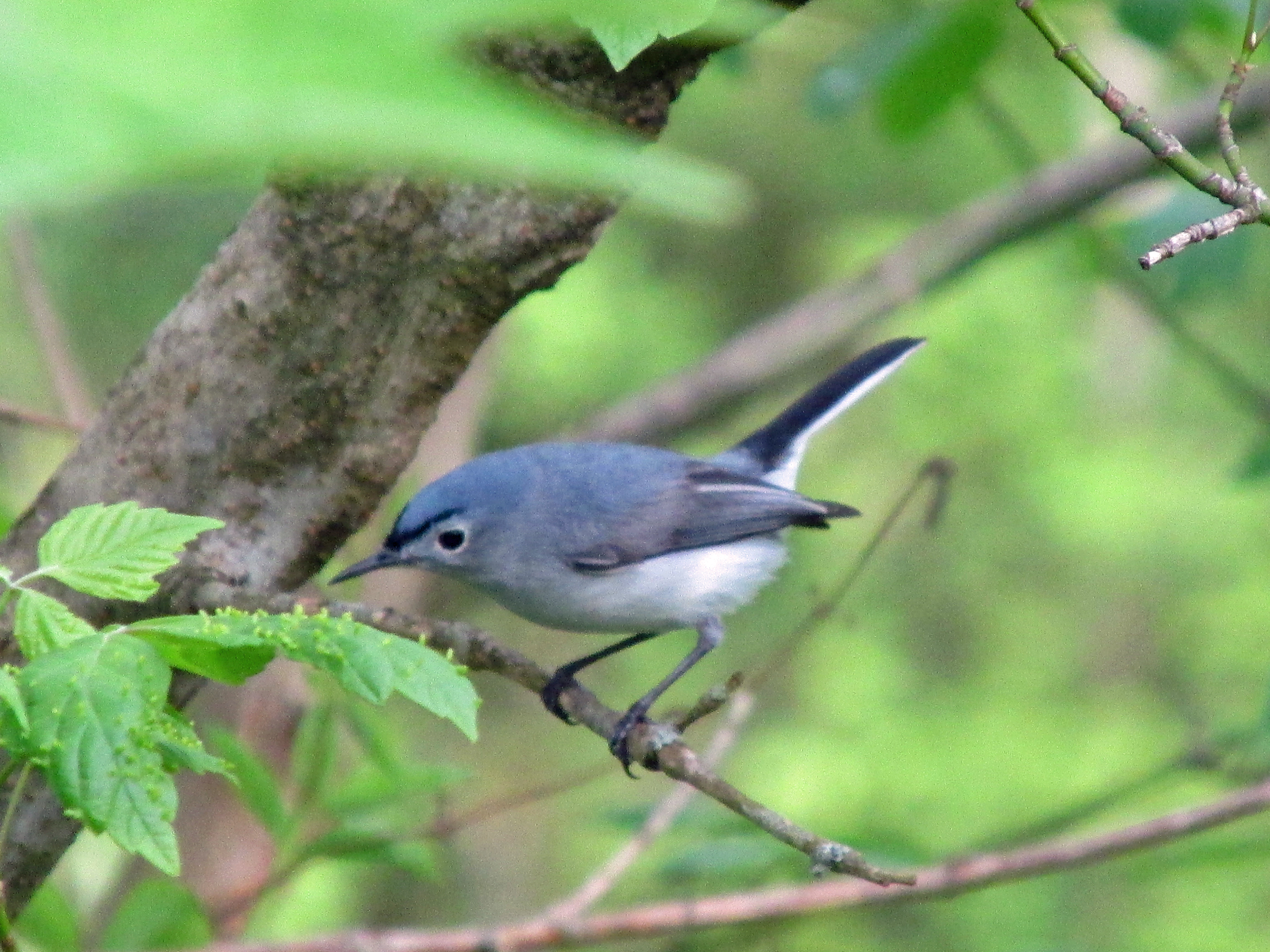
The Blue-gray Gnatcatcher, an early bird among spring migrants, arrived on Easter Sunday, April 5, this year. It was Bird No. 42 on my yard list for 2015.

Instead, I’ve focused my attention on the birds that come calling to my yard, fish pond, the creek and the surrounding woodlands. Over the years, I’ve enjoyed some amazing visitors from a variety of feathered friends.

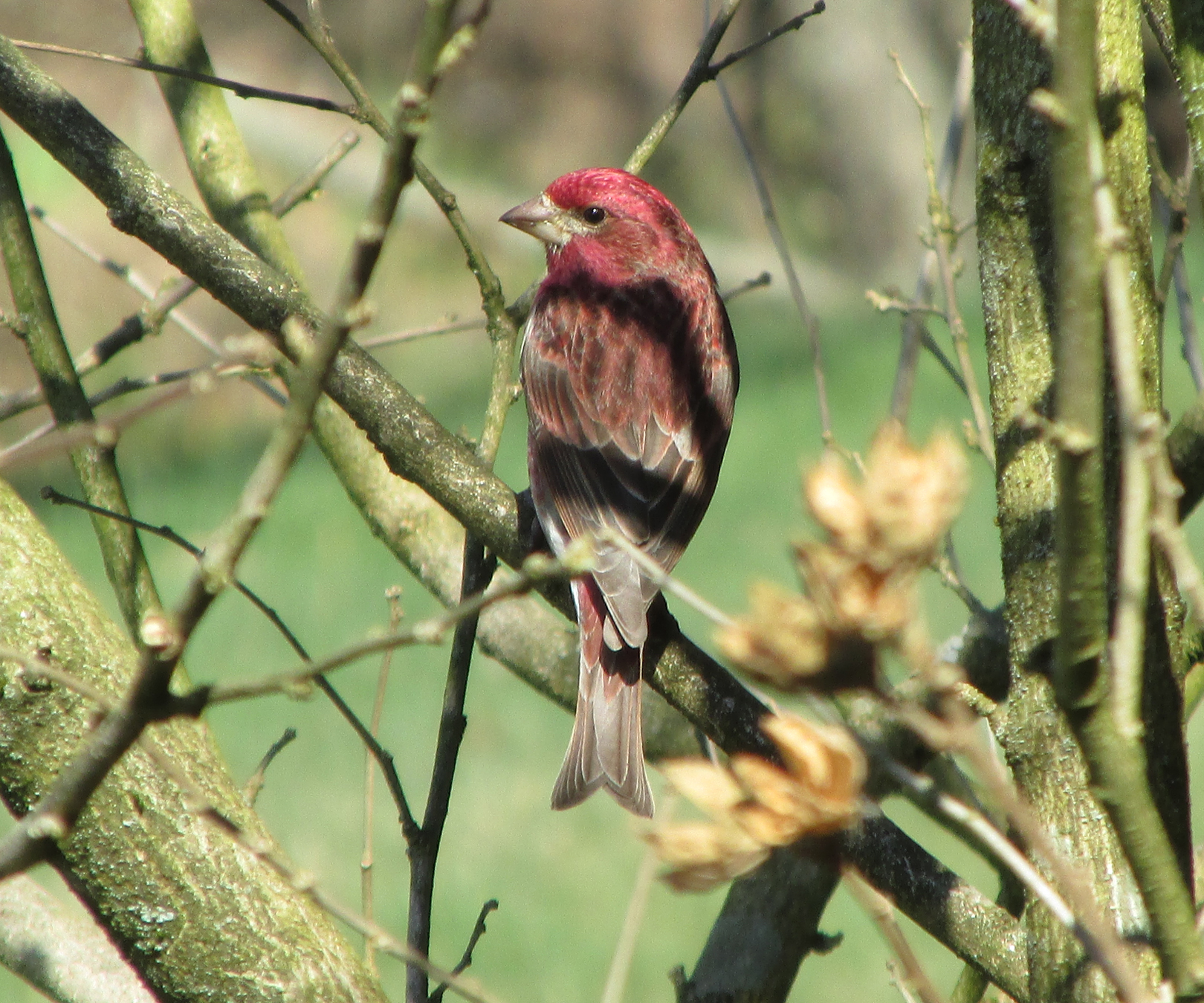
It was an amazing winter, with large flocks of Purple Finches and Pine Siskins at my feeders. In fact, these two species remain present even as the calendar moves closer to May. In fact, I saw a Pine Siskin at the feeders on Saturday, April 25.

Hoodie-April22

My favorite warbler, the Hooded Warbler, returned this spring on April 13. The males are currently singing daily from rhododendron thickets in the woodlands around my home.

As is usually the case here at my Simerly Creek home in Hampton, spring migration is proceeding at a slow pace. For some reason, the fall migration is a more “birdy” time. So, any bird I miss seeing this spring, I will hope to pick up while I continue looking for yard birds this autumn.

11174272_10205371493639214_6825911444318051913_o

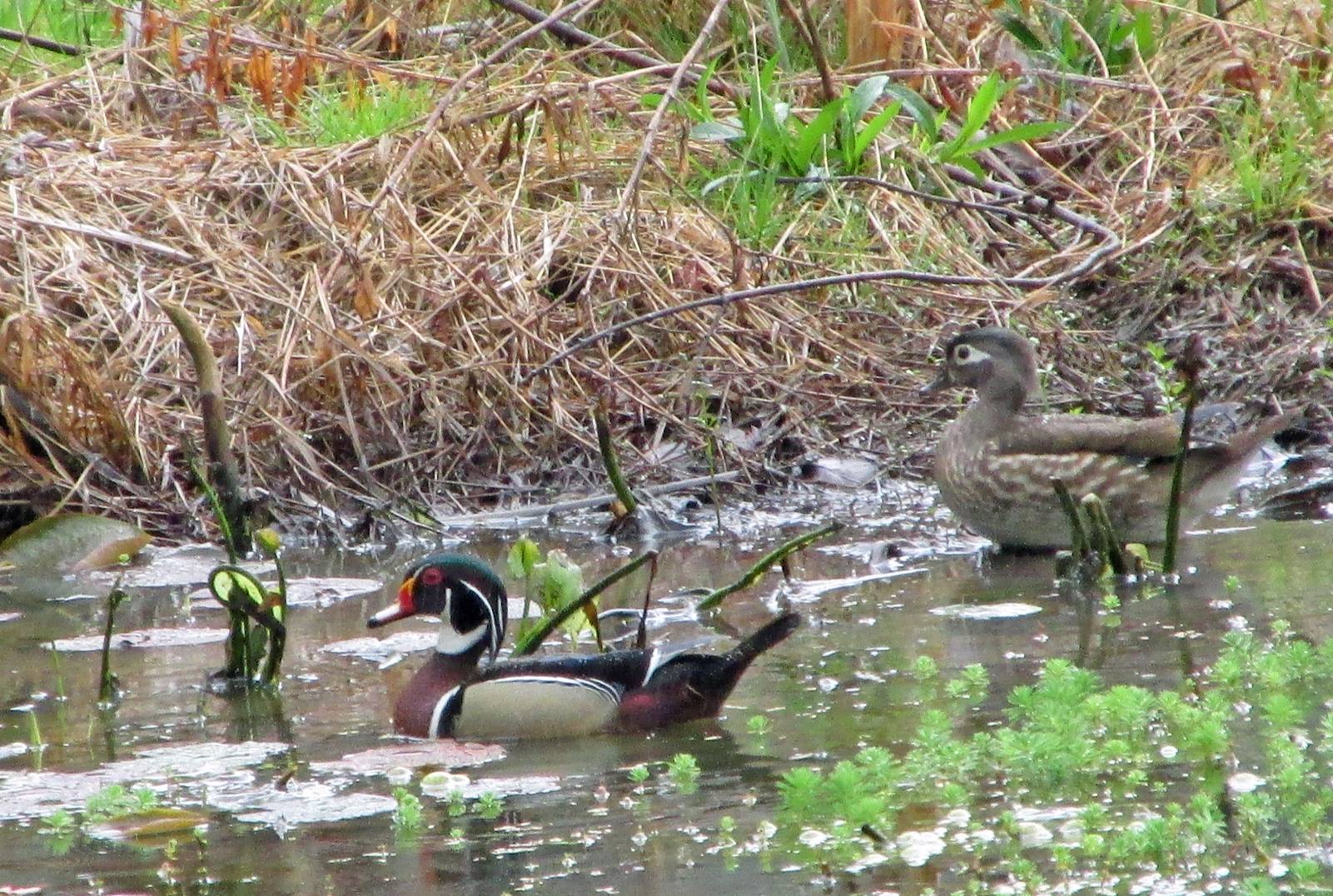
A pair of Wood Ducks visited the pond on a recent rainy morning. Until a decade ago, Wood Ducks were regular spring visitors. For some reason, they have become much more sporadic in their visits over the past 10 years.

Of course, there have been a few spring surprises, including a pair of Wood Ducks that showed up at the fish pond on a rainy morning on Sunday, April 19. Several of the resident warblers have also arrived, including Hooded Warbler, Black-and-white Warbler, Northern Parula, Black-throated Green Warbler and Ovenbird.

As of the time of my sitting down to post this blog entry, I’ve found 52 species in my yard so far this year.

The most recent sightings have been a Wood Thrush (No. 52) and a Northern Parula (No. 53) on my list. These two species showed up on April 20 and April 21, respectively.

Kingbird-ETSU

I have been birding for more than 20 years, but in that time I have only had one Eastern Kingbird visit my yard. Will the second kingbird pay a visit at some point in 2015?

So, wish me luck as I continue this more modest undertaking. Let’s call it a “Big Yard Year.” I am hopeful that I can find 100 species in my yard before Dec. 31. I’ll continue you update occasionally here on my weekly blog.


Looking forward to upcoming Birding Festival at Hungry Mother State Park

Spring-RobinBaby

Photo by Bryan Stevens                                  This fledgling American Robin was photographed last spring during a visit to Hungry Mother State Park.

If you’re as eager as I am to see some new arrivals among our “Feathered Friends” this spring, join me Friday-Sunday, May 1-3, at one of Southwest Virginia’s most popular parks for a full weekend of bird and nature-related events.

Hungry Mother State Park in Marion, Virginia, plans to spotlight many of those opportunities in a brand-new nature festival that organizers have dubbed the Hungry Mother State Park Birding Festival. I will also be taking part in the festival by giving a program on the region’s birds during the festival’s evening program on Friday, May 1, from 6 to 7:30 p.m.

HMSP-Canoes

Photo by Bryan Stevens Canoes await visitors to Hungry Mother State Park, which will hold its first-ever Birding Festival from May 1 to May 3.

The timing for the festival couldn’t be better. Many of our favorite birds have been returning to the region after spending the winter months in warmer climes as far afield as the Caribbean and Central and South America. If you’ve always wanted to learn more about such birds as warblers and tanagers or hummingbirds and vireos, plan to come out to this wonderful new event at one of the region’s most popular parks.

I discussed the upcoming festival with Tanya Hall, who works as the Chief Ranger of Visitor Experience, at HMSP. She informed me that the seed for the festival was planted when Hall and other park personnel heard about the possibility of obtaining grant funding to support the festival.

“Once we heard about the grant being offered, we approached the Friends of Hungry Mother State Park to see if they would want to apply for it, and of course they did,” Hall said.

She praised the work of the Friends group in supporting HMSP.

“We have a wonderfully supportive Friends group here,” she said. “They assist us in many activities with hands on projects throughout the park and they sponsor various events throughout the year.”

IMG_4435

Photo by Bryan Stevens                                                              Woodpeckers, such as this Red-bellied Woodpecker, will be among the birds participants will likely see during the three-day Birding Festival at Hungry Mother State Park.

She gave much of the credit for launching this year’s festival to Glenn Moorer, a Friend of HMSP, as well as a park retiree, who headed up the committee on writing the grant.

“He has a love for birds,” Hall explained.

A festival focused on birds seemed a natural fit. Hall, as well as Education Support Specialist Rachel Toward and dedicated HMSP volunteer Randy Smith all share a passion for birds.

“So, with all of us here with our affinity towards birds, birding was a shoe-in for one of the programs sponsored by this Public Lands Every Day Grant and Toyota,” Hall said. “We want to share our passion so others in the community have an opportunity to see just how special birds are.”

The planning for the festival has occupied several months.

“We have a weekend full of fun-filled bird activities,” Hall said. “We will be starting Friday with school field trips to the park.”

Dock

Photo Courtesy of Hungry Mother State Park Beautiful scenery will also be in the spotlight during the Birding Festival at Hungry Mother State Park.

Some of Friday’s school-related events will feature Dr. Steven Hopp with Emory and Henry College, who will be discussing and demonstrating the banding of birds. In addition, the Blue Ridge Discovery Center will be providing two field trips on Avian Adventures.

“On Saturday we will have hikes geared toward more experienced birders and also beginners,” Hall said. “We have kayaking bird tours and a Saltville Marsh Hike planned also.”

Throughout Saturday, various booths will be set up to distribute information on birds, as well as other activities and agencies, in the area. There will also be a children’s activity tent.

Purple-March30

Photo by Bryan Stevens                            Lingering Purple Finches could still be present by the time of Hungry Mother State Park’s Birding Festival.

Another event that Hall is certain many individuals will enjoy will be the live bird presentation, “Wings to Soar,” on Sunday afternoon.

“We have activities throughout the weekend geared to advanced birders and beginners,” Hall said. “By incorporating all ages and degrees of experience, we hope to instill a love of birds in beginners and offer a chance to advanced birders to share their skills with the rest of us and hopefully have the chance to network and meet new people in a hobby they love.”
The festival meshes nicely with other recreational opportunities offered at HMSP.

“Hungry Mother is one of the more popular parks in Virginia,” Hall said. “We have 18 miles of trails that you can either hike or bike and we have a 108-acre lake that has various species of fish available to catch. The lake is also a favorite destination for swimmers, canoeists, kayakers and paddleboarders.”

Hall said the park is also fortunate to have an “awesome interpretation department” that hosts numerous programs each day that are offered not only to camping and cabin guests, but also to the public.

Mallard-March28

Photo by Bryan Stevens                                                      A male Mallard enjoys a spring swim.

“You don’t have to be staying at Hungry Mother State Park to enjoy the activities we offer,” Hall noted. “We probably have the most unique name of all Virginia State parks, and we have a unique legend behind the name which is tied to Molly’s Knob, the highest point in the park.”

Several months ago, Hall also invited me to take part in the debut of the festival. I plan to present a PowerPoint presentation on birds, and perhaps a few other examples of nature’s diverse life, in a program that will spotlight birds throughout all four of the seasons.

Egretta

Photo by Bryan Stevens                                                                                When dealing with birds, surprises, such as a visit from a migrating Great Egret, are never off the table.

“Many of us know you through the articles you write for the Bristol Herald Courier,” she said. “We look forward to your articles each week, and we are looking forward to hearing your presentation and to seeing some of nature’s finest animals.”

I’m looking forward to sharing my program with attendees at the first-ever Hungry Mother State Park Birding Festival. It gives me a unique opportunity to meet some of the readers of my weekly column. If you attend, be sure to introduce yourself at some point.

The festival will also feature Richard Moncrief, who is the Birding and Nature Observation Market Manager for Carl Zeiss Sports Optics.

“He will be presenting two programs on Birding Basics and on Binocular Know How,” Hall said. “I know I am always wondering what the differences are between binoculars and which would be the best to buy for what I use them for.”

Some local Master Naturalists, including Melanie Smith and Randy Smith, will be giving programs on Birding by Ear and Backyard Birding.

“All in all, I believe there will be a little something for everyone to enjoy,” Hall said. “We are all so excited about this weekend and hope that everyone will come out and enjoy at least one program, because once you come, you’ll want to stay for another!”

Although she has been employed only a couple of years at HMSP, Hall loves her job and her new home.

“I started in this position as Chief Ranger of Visitor Experience this past November,” she said. “I was hired as the Education Support Specialist or the Interpreter in July of 2013. As an interpreter, we hope to forge a bond with the visitors and our natural resources we have here at Hungry Mother State Park.”

This is accomplished, Hall explained, by “interpreting” the natural, historical and cultural world for park visitors.

SongSparrow-Stick

Photo by Bryan Stevens                                      A Song Sparrow poses for a quick photograph at the water’s edge.

“I have worked in various other jobs; preschool teacher, recreation supervisor for the Blue Ridge Job Corps, and federal Park Ranger for the U.S Army Corps of Engineers,” she said. “I love working here at Hungry Mother with our Friends group, with all the guests that visit our park, and with a staff that truly cares about you and making your stay at a Virginia State Park the very best. I truly enjoy my job.”
All the festival’s programming is free and open to the public. The only fees associated with the festival will be the parking fee at the gate, which will be $3 on Friday and $4 on Saturday and Sunday.
A full schedule of activities can be found on virginiastateparks.gov under the Events tab for Hungry Mother State Park. For more information, call (276) 781-7400.

Early March in Coastal South Carolina in Photos

TriColor-Surprise

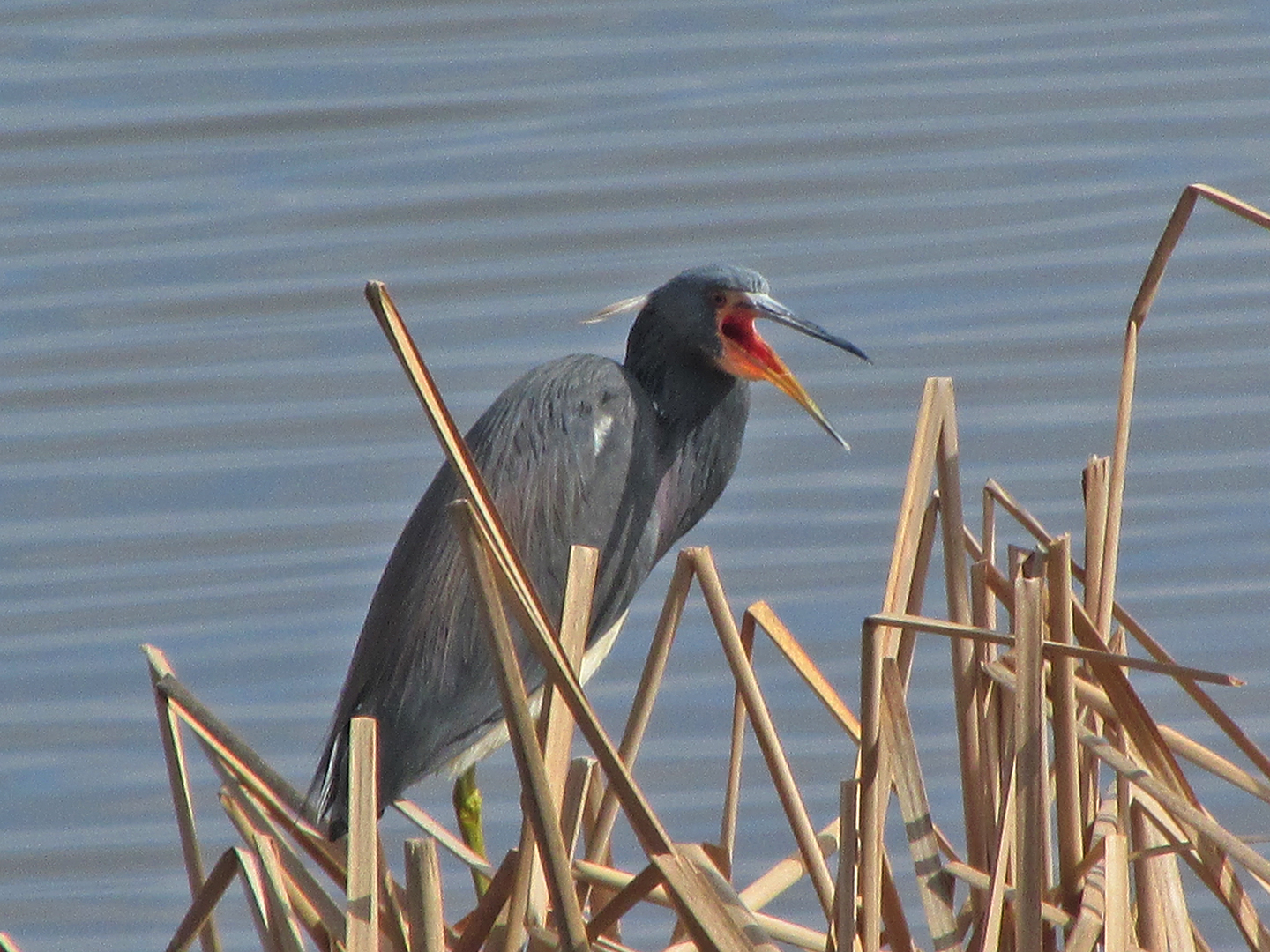
A Tri-Colored Heron gapes in the Carolina sunshine. These members of the heron/egret clan are coming into their nuptial plumage for the upcoming nesting season. During a seven-day state in Pawleys Island, S.C., I observed 100 species of birds, more than I could likely expect to find back in Northeast Tennessee at this time of the year.

Scaup

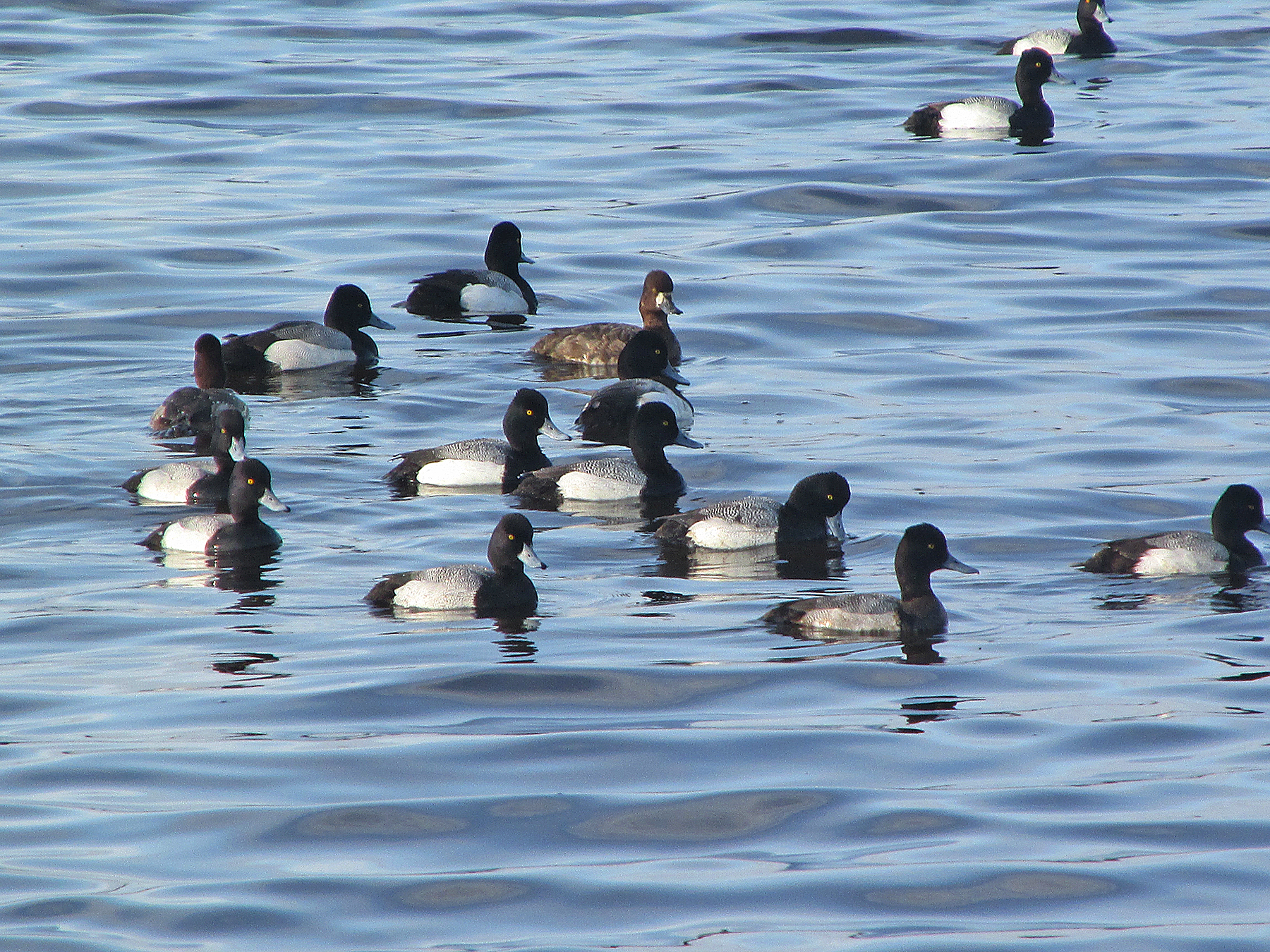
A raft of Lesser Scaup refresh in a shallow pond at Huntington Beach State Park in South Carolina. In early March, this diving duck was one of the most common in the park.


Egreta

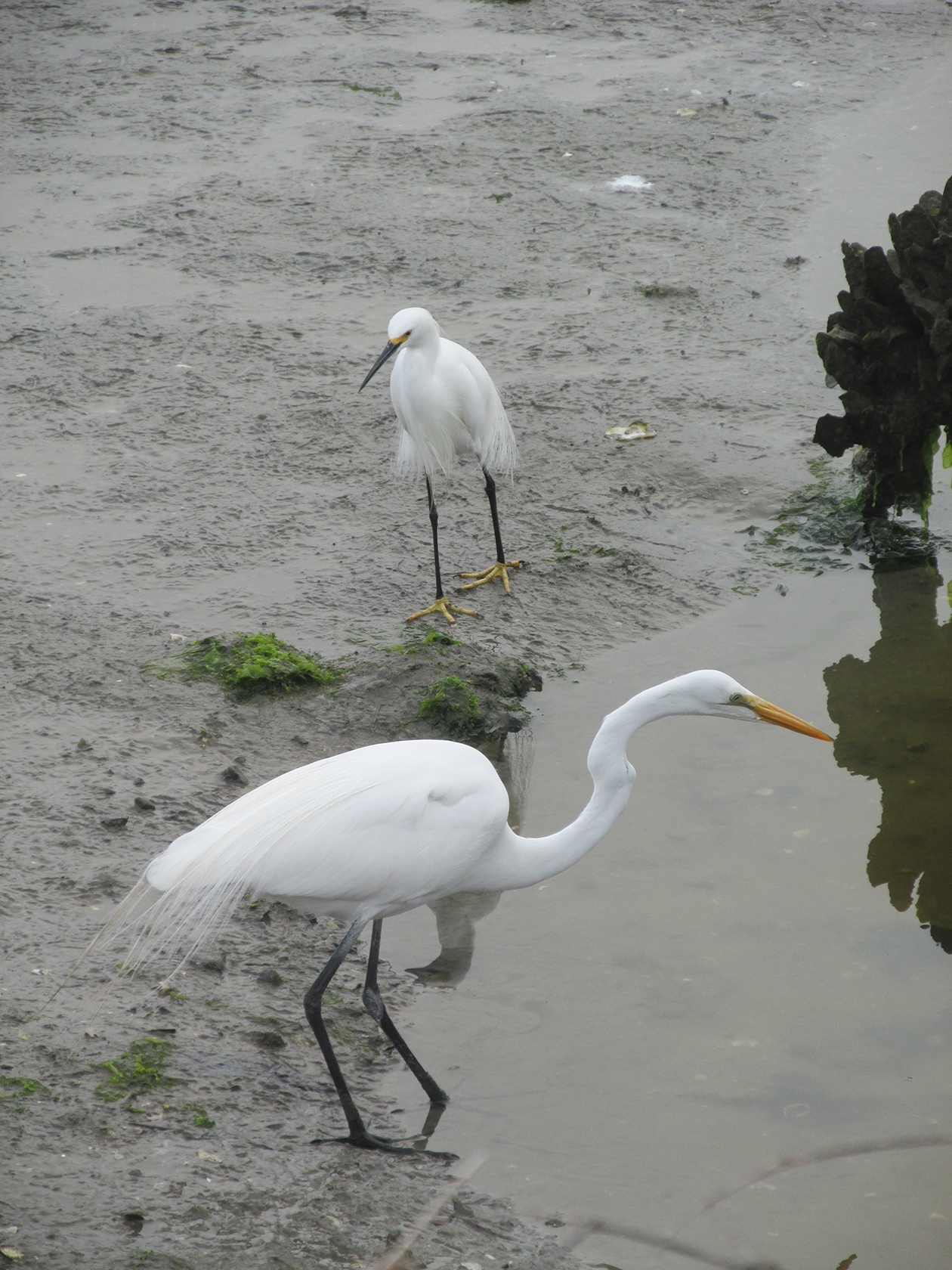
A Snowy Egret and Great Egret fish along the causeway at Huntington Beach State Park.

Yellowlegs

A Greater Yellowlegs forages in a tidal marsh pool during a migratory stop at Huntington Beach State Park. March is the month when many shorebirds start making their way as far north as the Arctic tundra for a brief albeit productive nesting season.

Coot-2

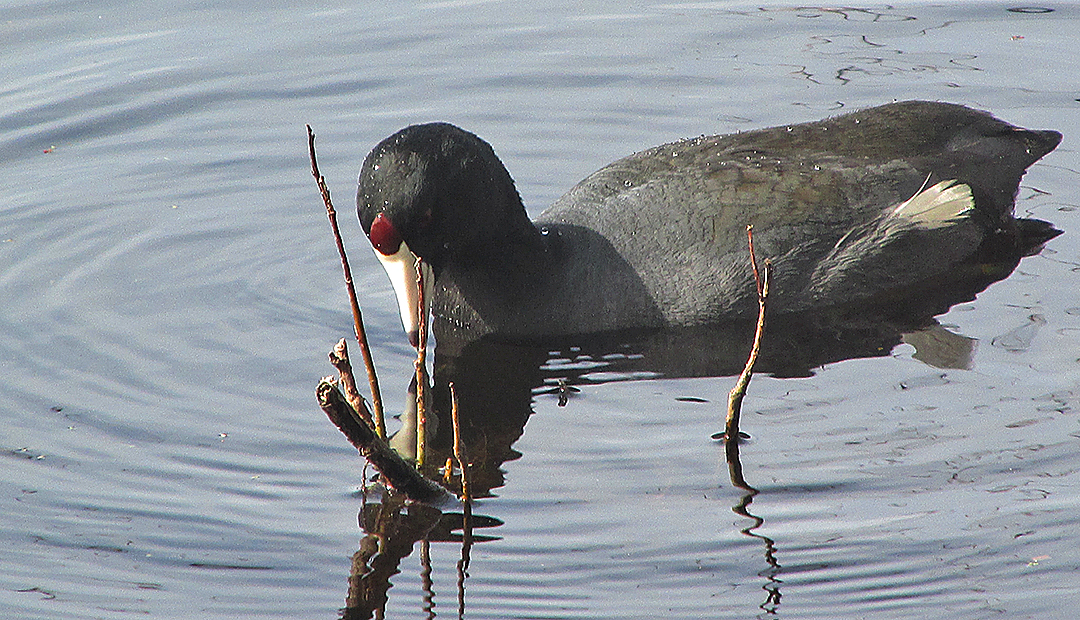
The American Coot is a common species of waterfowl in coastal South Carolina in March.

CommonGallinule

Common Gallinule, formerly known as the Common Moorhen, is fond of some of the flooded woodlands within Huntington Beach State Park.

Dowitchers

Short-billed Dowitchers make a feeding stop at Huntington Beach State Park. These birds were part of a flock that numbers close to 100 birds.

Osprey-Brook

The Osprey, also known as the Fish Eagle or Fish Hawk, is a common sight in the Carolina Low Country.

GreatBlue-Egret

A Great Blue Heron and Great Egret compete for prime fishing turf.

Hermit-Two

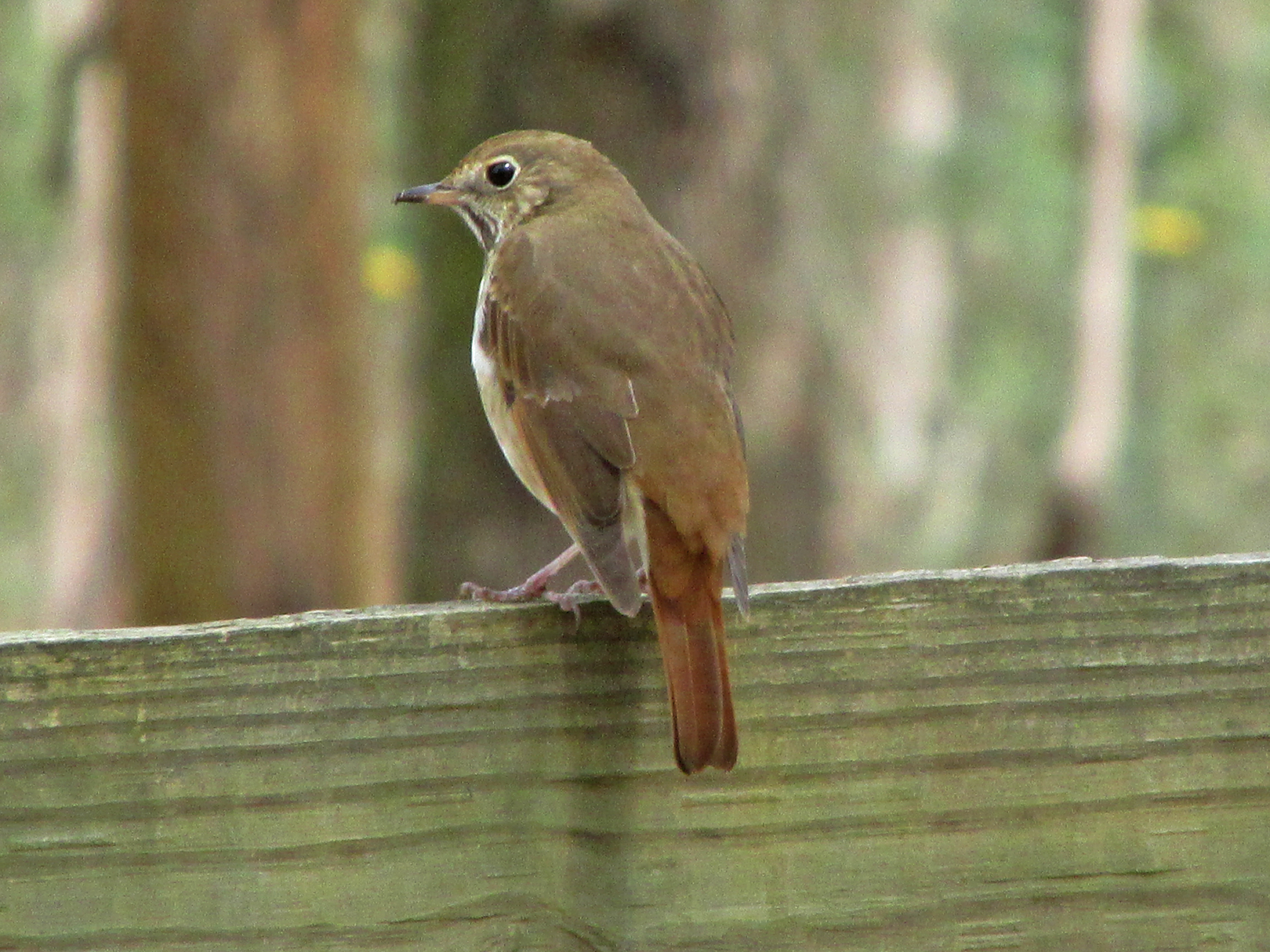
Winter songbirds, such as this Hermit Thrush at Brookgreen Gardens, will soon give way to returning summer nesting birds, such as warblers, vireos and other thrushes.

Snipe-1

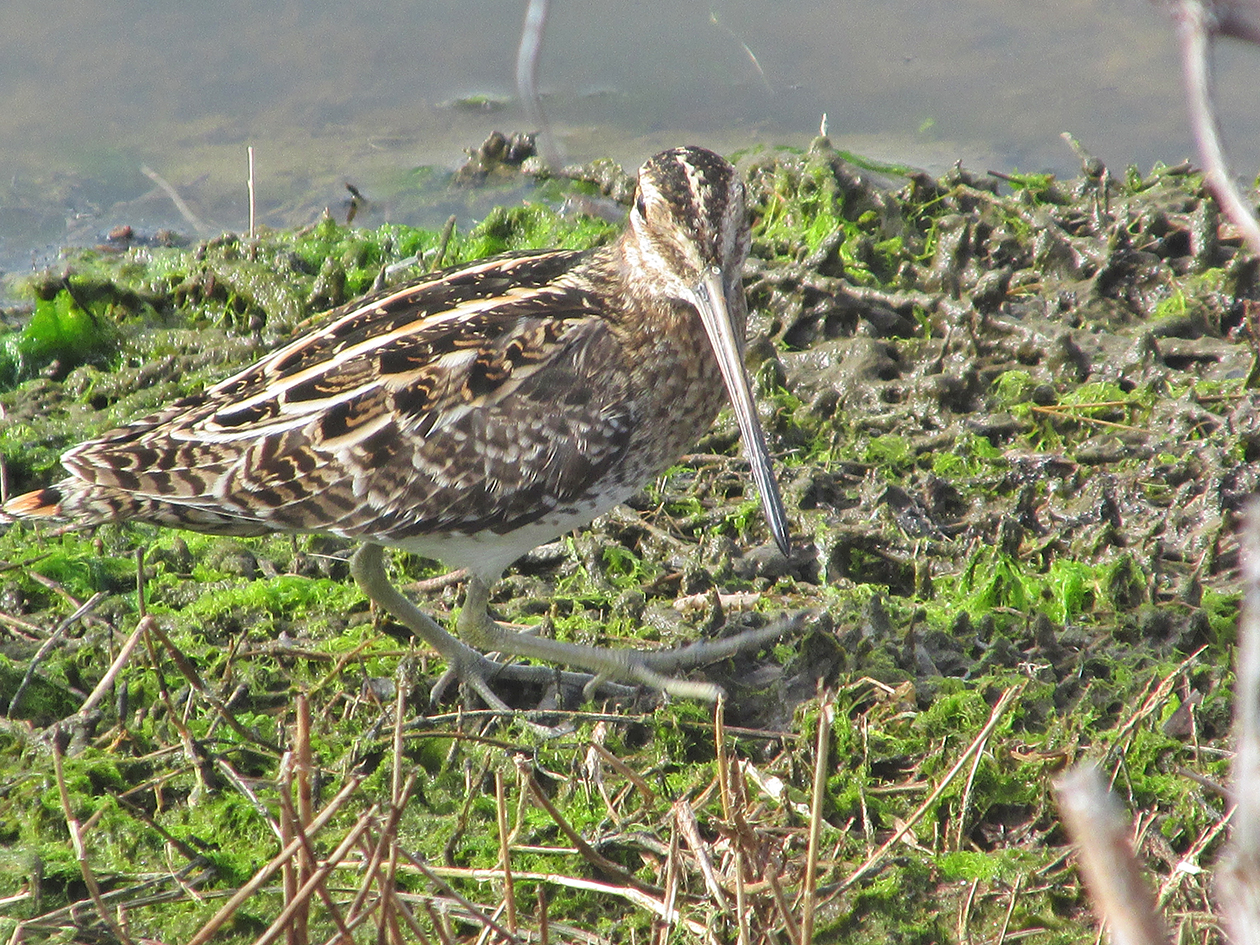
Didn’t think snipes were real? Well, the object of the mythical snipe hunt is very much a real creature. Pictured is a Wilson’s Snipe along the causeway at Huntington Beach State Park.

Sand-Dollar

Redwing-2

Red-winged Blackbirds and their loud calls are again ringing from the wetlands in the South Carolina Low Country.

Pelican=Reflected

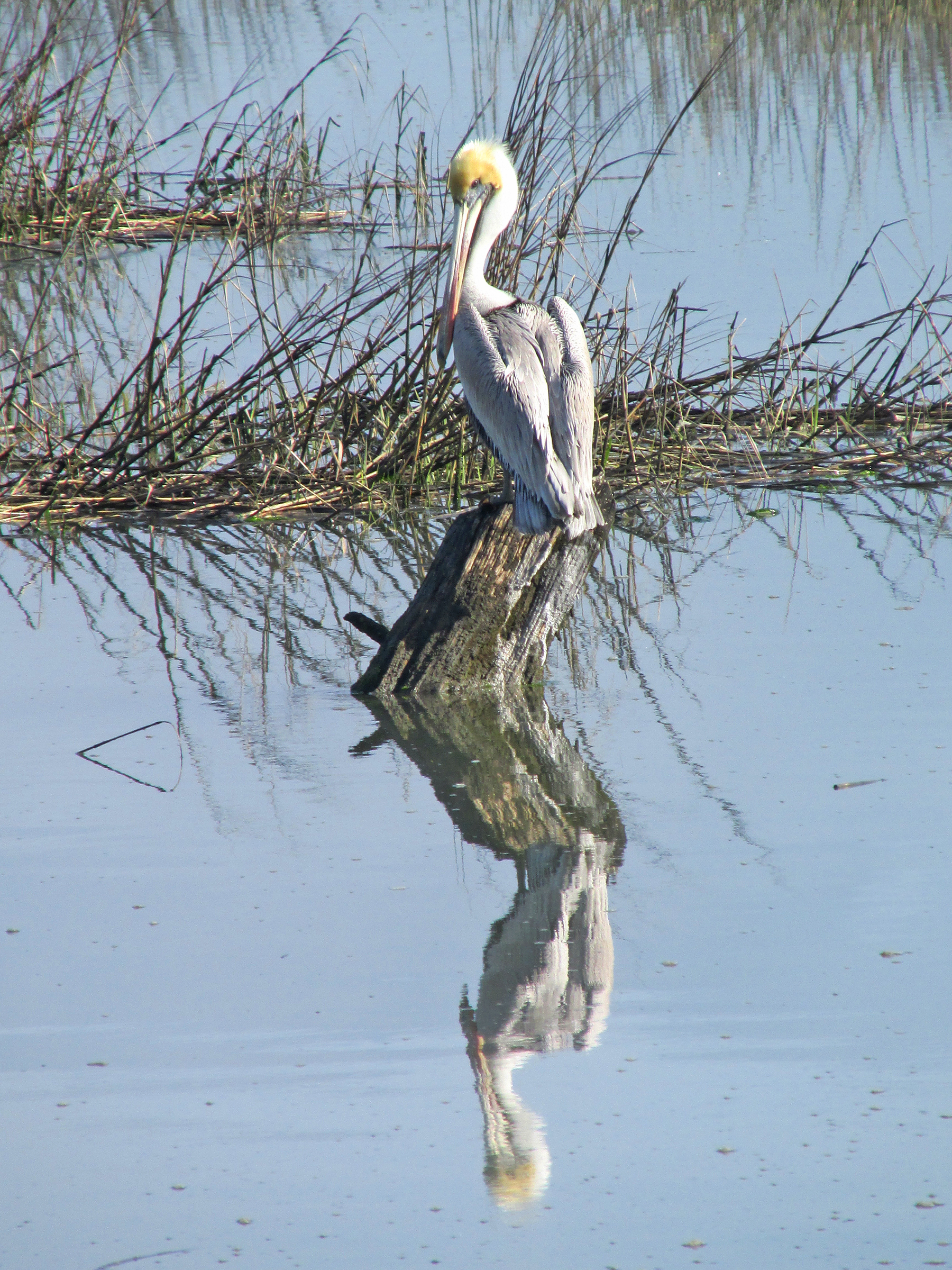
Brown Pelican perches in the marsh at Huntington Beach State Park.

Sculpture-Extra

Brookgreen Gardens is renowned for its display of sculptures. For Eastern Bluebirds, such as this pair, the works of art are simply convenient perches.

Grackles

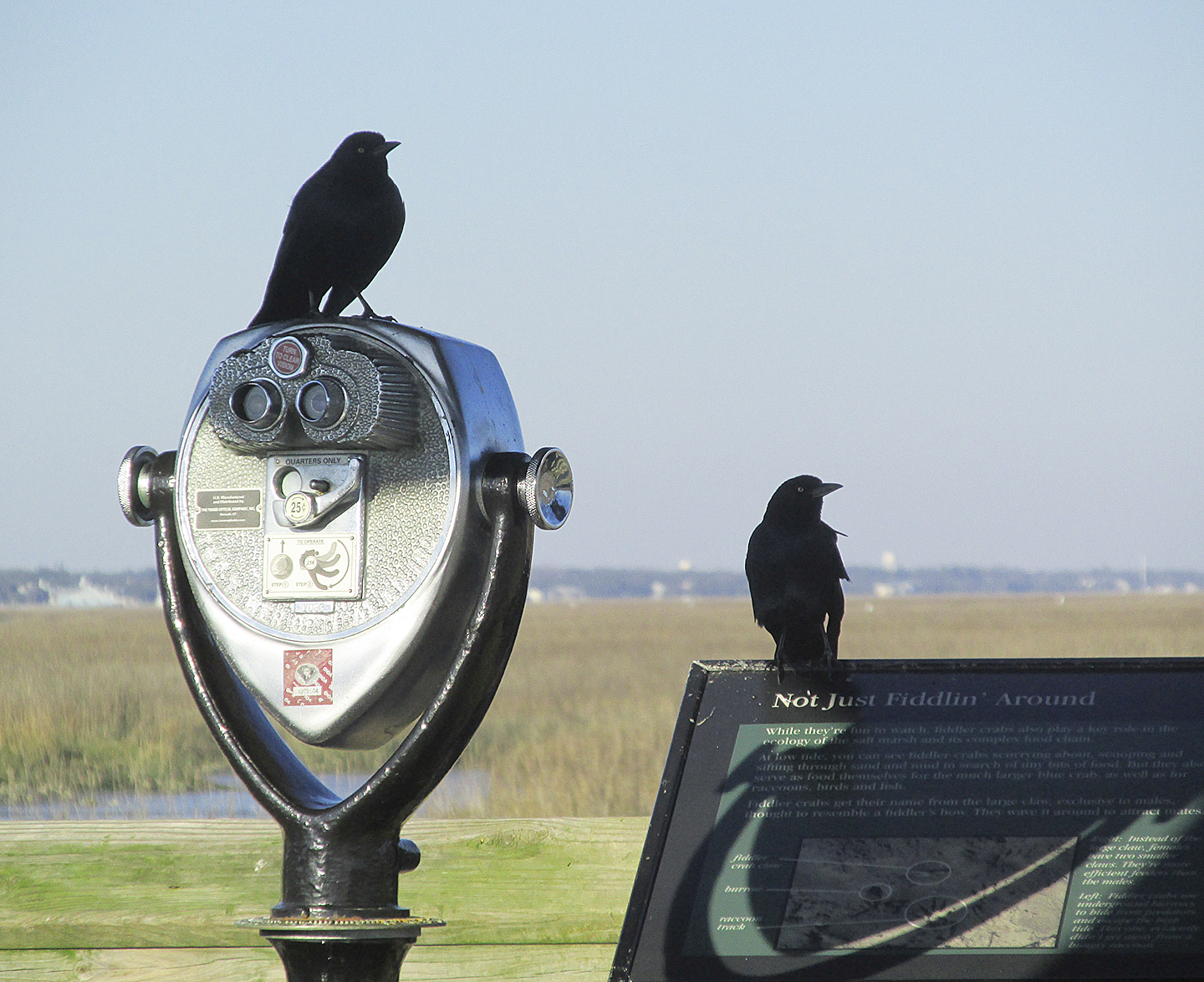
Boat-tailed Grackles perch on a scope and sign at Huntington Beach State Park.

WhitePelican

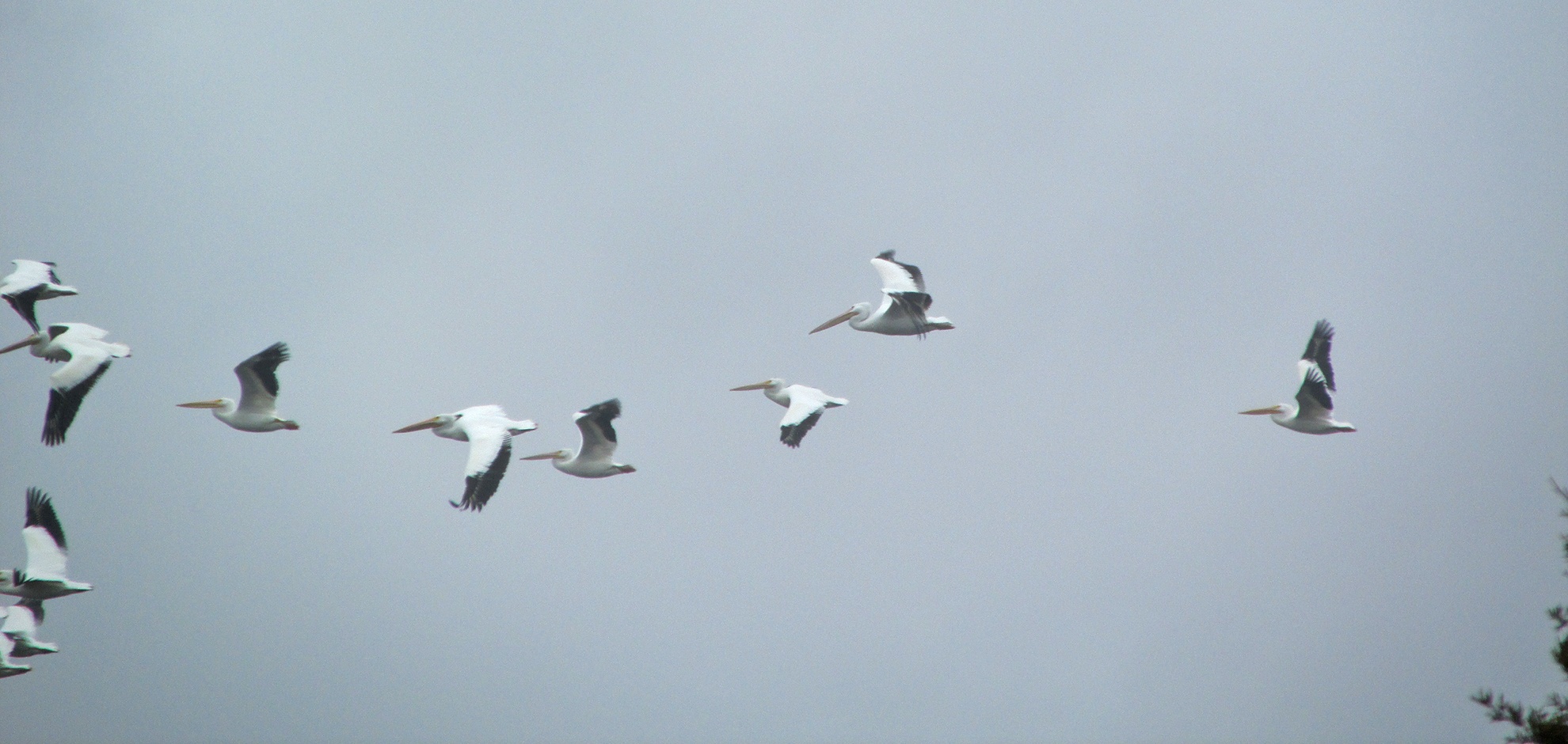
Birding in the transitional period between seasons can also bring unexpected surprises, such as a sighting of White Pelicans at Huntington Beach State Park.

Turkeys-3

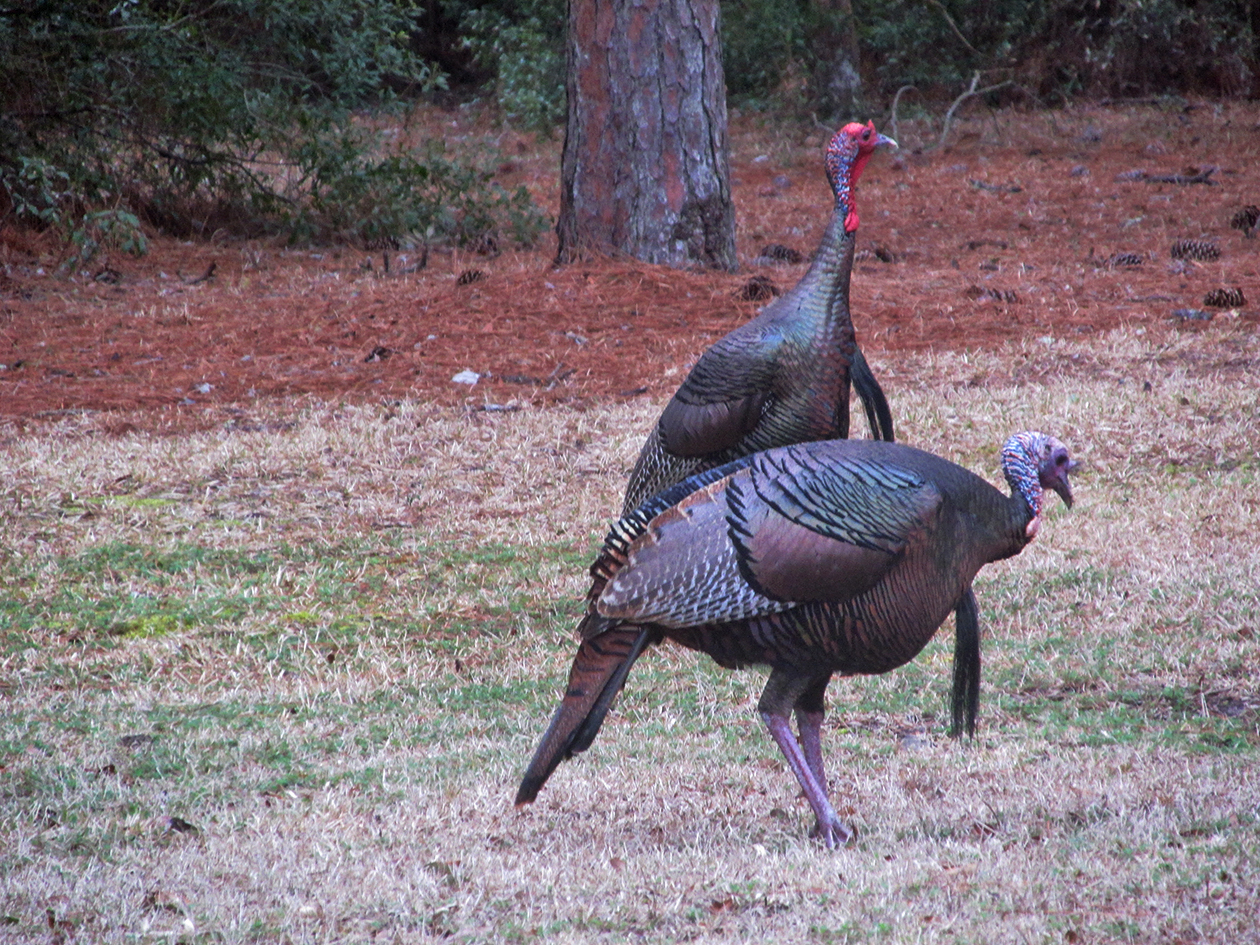
Wild Turkeys stroll the grounds of Brookgreen Gardens.

Grebess-Surf

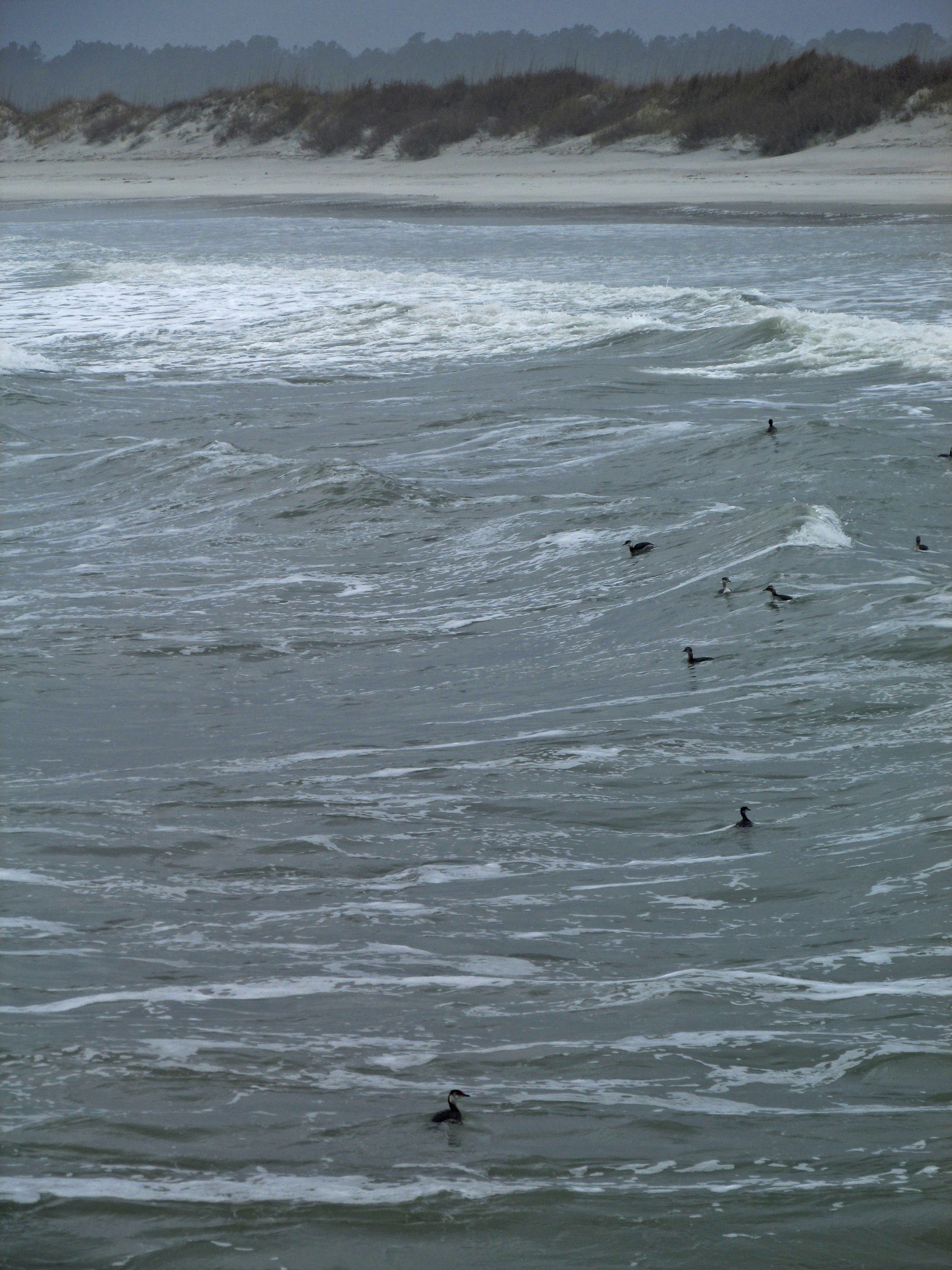
Horned Grebes ride the rough surf near the jetty at Huntington Beach State Park.

Sunset

I hope you enjoyed these photos from my recent trip. See you next week back in Northeast Tennessee, just in time for the start of spring migration.