
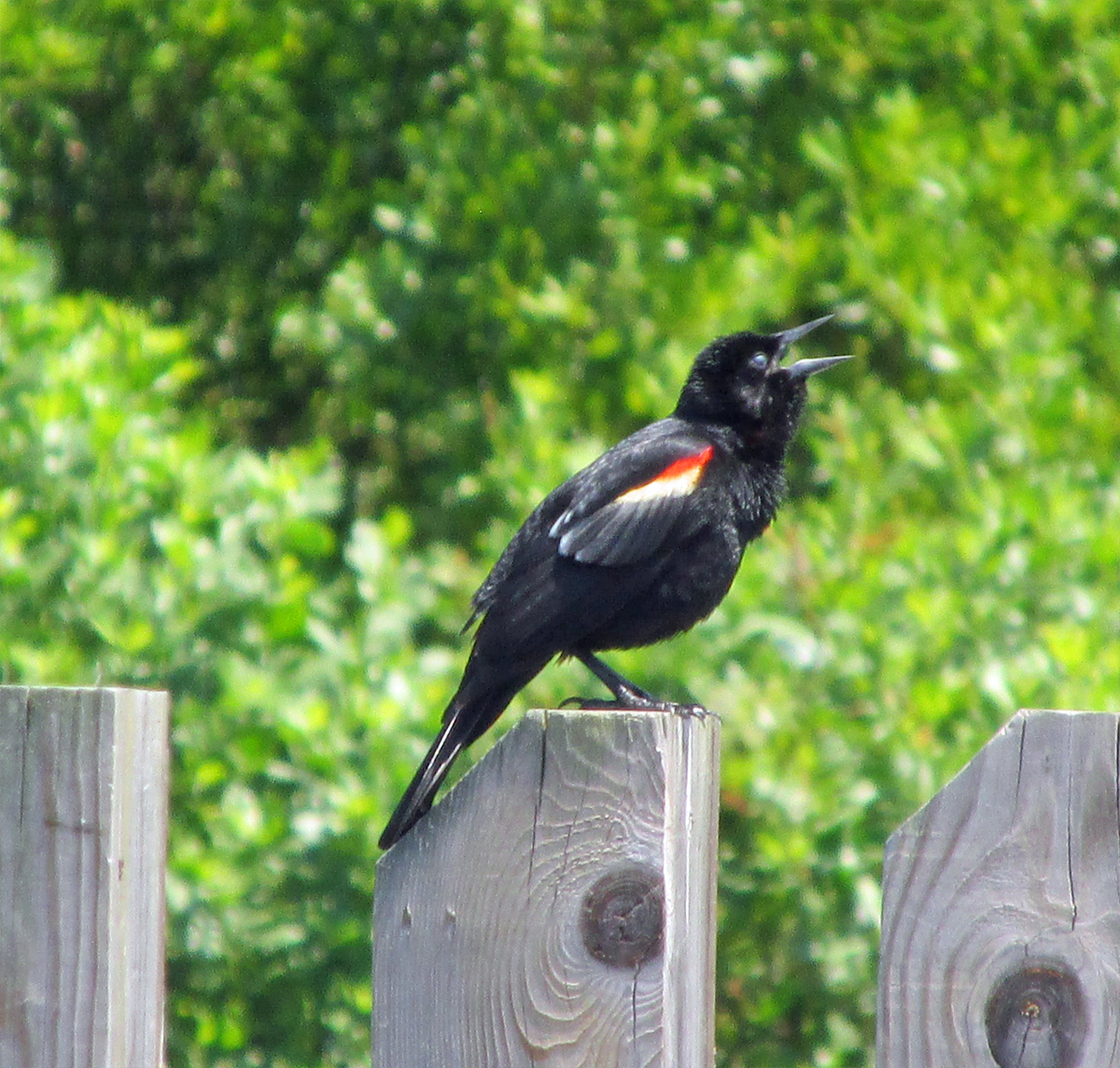
Photo by Bryan Stevens • A male red-winged blackbird sings to attract mates and ward off rivals.
February’s the shortest month, and it is more than halfway over. There are already signs that some birds are ready to embrace the shift in seasons as winter advances, albeit in fits and starts, toward spring.
On Feb.11, three mallards visited my fish pond. The presence of mallards at any pond is not all that surprising. The mallard is arguably the most recognized of North America’s native ducks. But these were wild birds, as indicated by their wary behavior and their ability to spring into strong flight when I surprised them quite by accident.
Spring migration begins as early as February and March. Eastern bluebirds, which for the most part are not migratory, are already checking out nesting boxes.
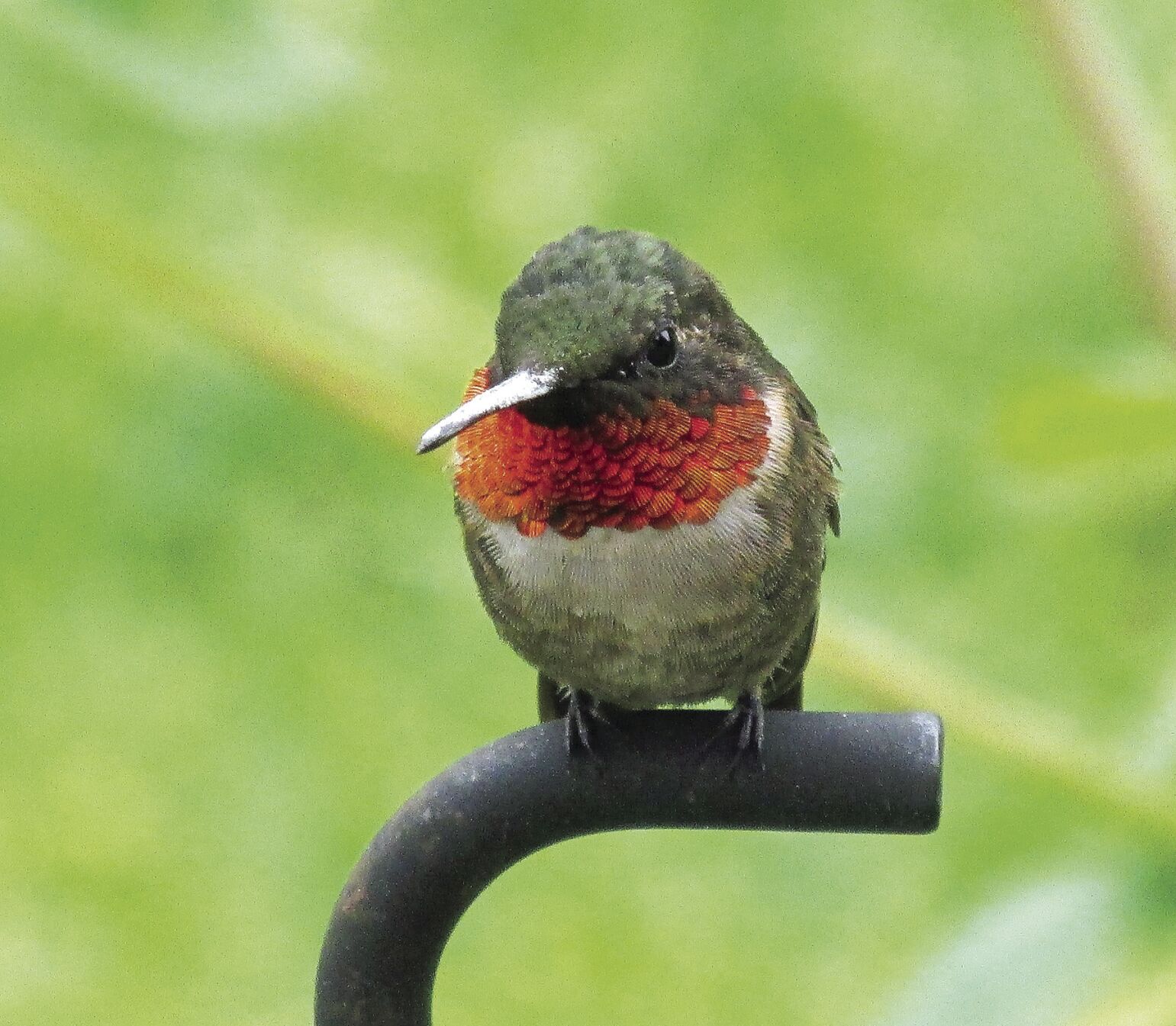
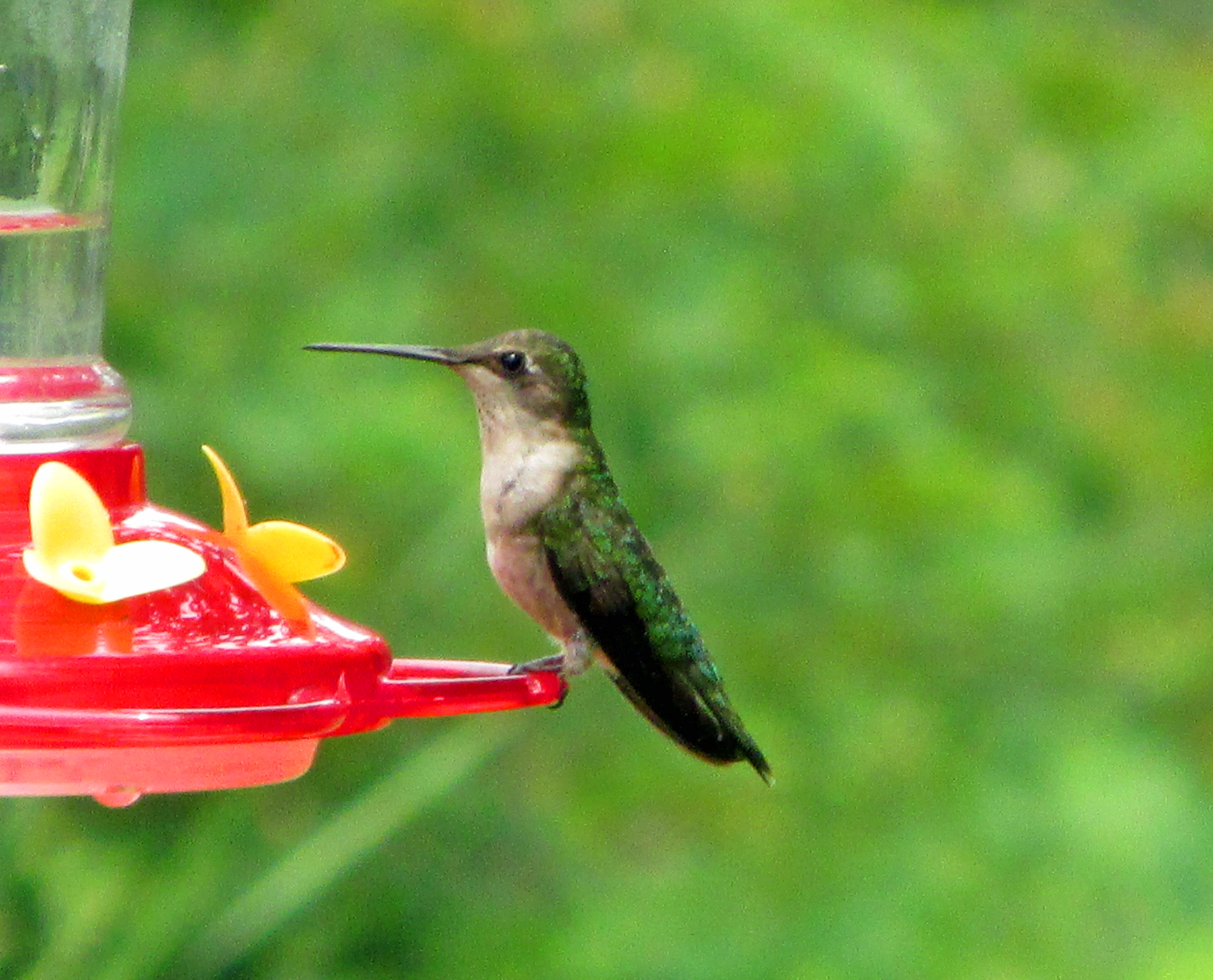
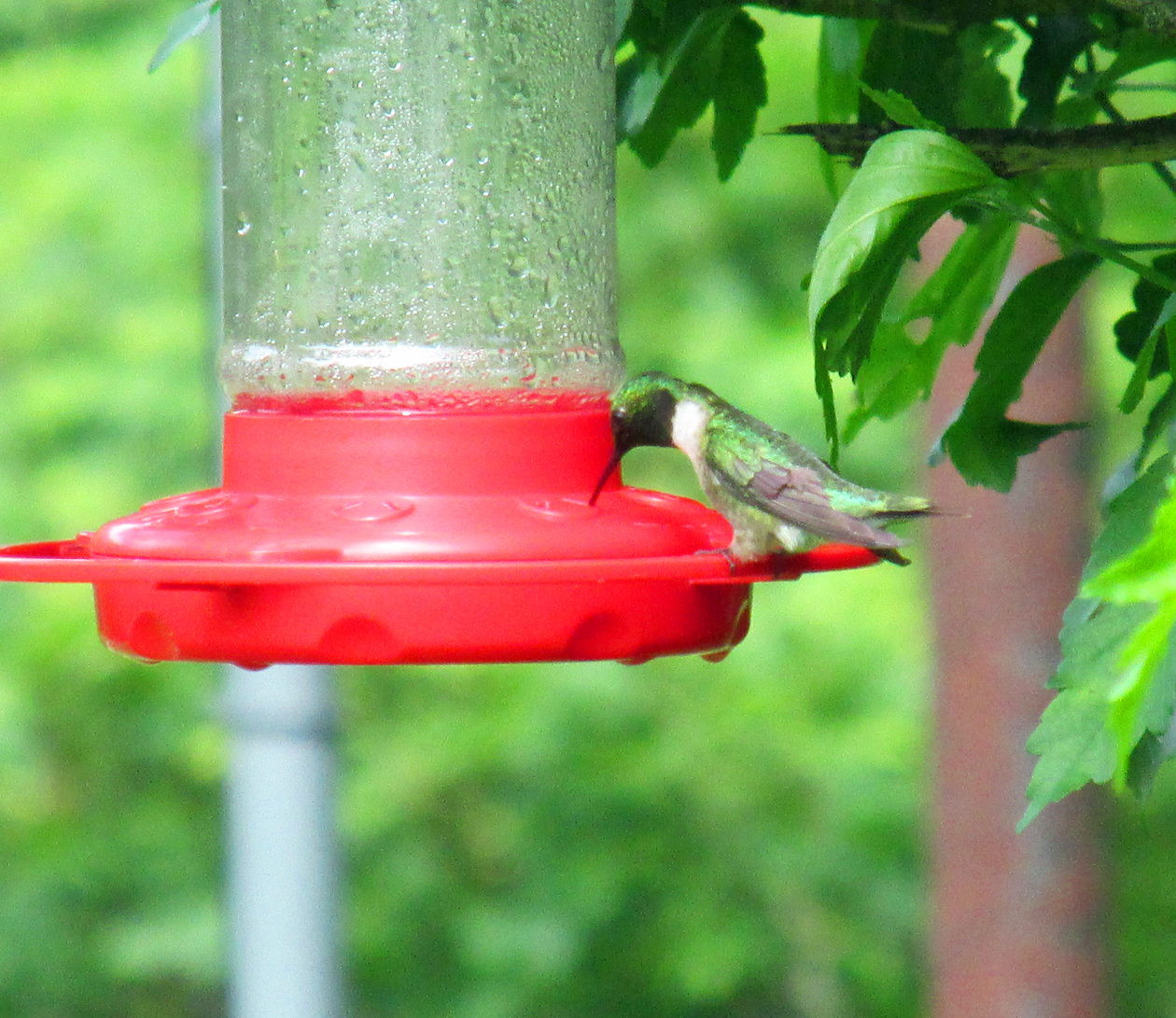
The months of March, April and May will bring an influx of migrants. Ruby-throated hummingbirds will soon make their annual crossing of the Gulf of Mexico. These tiny birds usually make landfall in the United States as early as February, but they don’t usually venture as far north as Northeast Tennessee, Western North Carolina and Southwest Virginia until early April.

Bryan Stevens • On Feb.11, three mallards visited my fish pond. I am hoping they are the start of more migrating birds arriving in the coming weeks.
Warblers, orioles, thrushes, flycatchers, tanagers and many other migrants also return in April and May. A variety of waterfowl, raptors and shorebirds pass through the region during these months, as well.
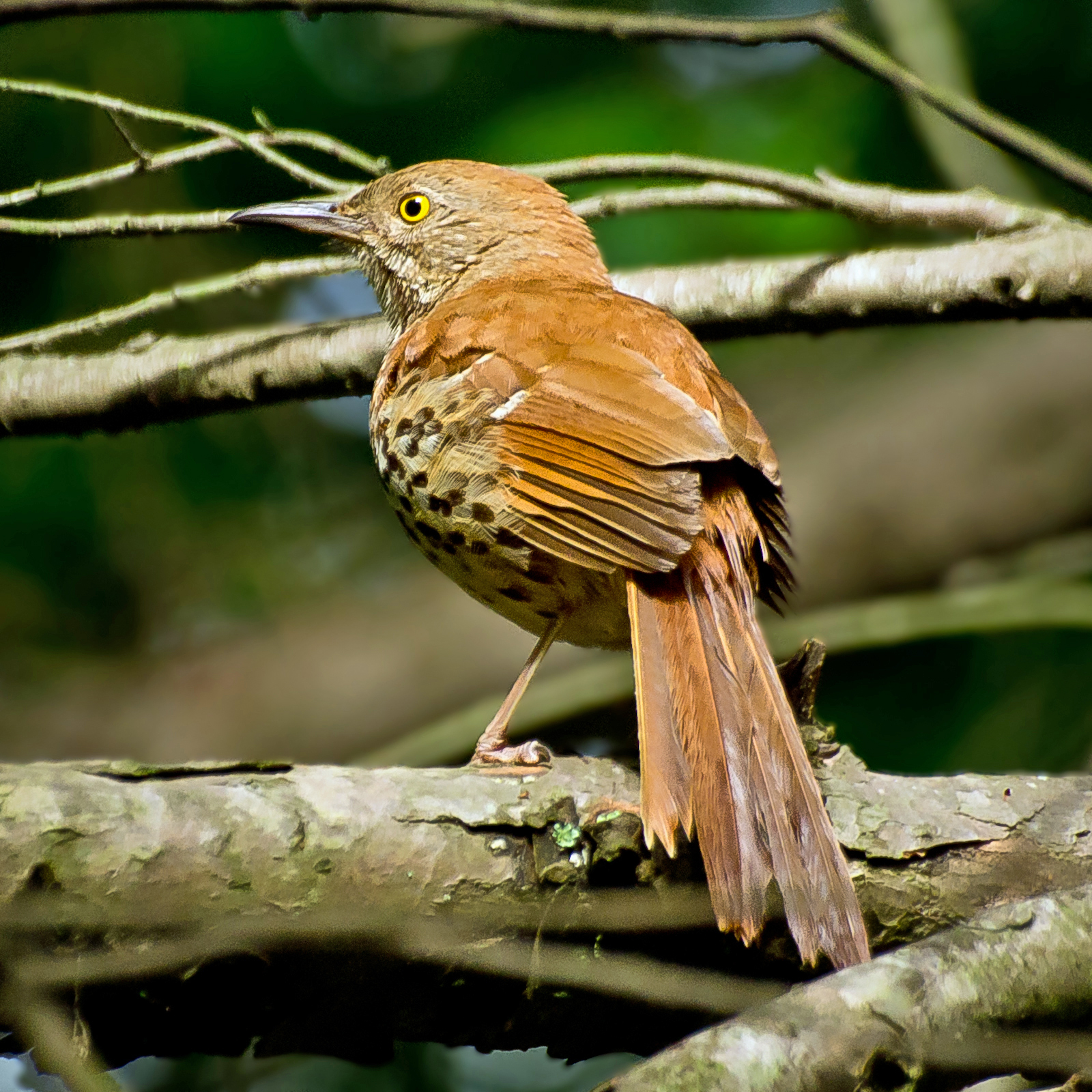
March brings the early birds, including species such as brown thrasher, blue-gray gnatcatcher and red-winged blackbird.
Red-winged blackbirds return with a venegeance in early March or sometimes in late February.
I’m ready to hear their loud, familiar “kon-ke-ree” sounds again from the tops of the cypress trees at the fish pond. It’s always a fun moment to welcome these birds back.
Red-winged blackbirds return yearly in early spring and begin to seek out nesting habitat in local wetland areas, such as the cattail marshes near my fish pond.
My first returning male red-winged blackbird arrived on the evening of March 3 in 2022. The first red-winged blackbird arrived on the morning of March 6 the following year. I heard his unmistakable song from inside my house.
The showy and loud red-winged blackbird males soon take up residence at my fish pond and adjacent stands of cattails after their return.
Male blackbirds arrive ahead of the females. They immediately search out prominent perches and begin singing every day in anticipation of an intended audience. Female blackbirds lag a week or so behind the males in returning to their familiar territory.
Any wet field or marsh, especially those offering a stand of cattails, is almost certain to attract red-winged blackbirds at this time of year. I’d almost wager on that certainty.
The blackbirds arriving in spring behave much differently than the quiet, furtive flocks that often make brief visits to feeders during late winter snowstorms.
“The kon-ke-ree song of the male red-winged blackbird is a sure indication that spring is on the way,” according to a profile located at the Tennessee Watchable Wildlife website.
At this time of year, the male red-winged blackbirds seek elevated perches to display and vocalize. Their loud antics are not designed solely to attract mates. Male red-winged blackbirds also sing to warn rival males from intruding into their territories.
The male red-winged blackbird is a very aptly named bird. Glossy black males sport red wing patches that are often trimmed with a narrow band of yellow feathers. By contrast, female red-winged blackbirds are mostly brown birds that could easily be mistaken for large sparrows. Both sexes have sharply pointed bills.
Red-winged blackbirds are fond of wetlands. Any marsh or even a damp field or flooded pasture is likely to attract a few resident red-winged blackbirds. Females choose nesting locations in cattails or other marsh vegetation. She usually lays three or four eggs. Although she does receive some help from the male, most of the responsibility for raising the young is left to her.
There is a reason that male red-winged blackbirds are not always quite as engaged as females in feeding and tending their young. Males are often polygynous, which means that males will often court multiple mates. His time is often occupied defending females and their respective nests from the advances of other male red-winged blackbirds.
According to the website All About Birds, male red-winged blackbirds spend much of the breeding season sitting on a high perch over their territories and singing almost without ceasing from dawn to dusk.
The website also notes that female blackbirds shirk the high profile of the males. They tend to skulk in wetland vegetation as they collect food or nest material.

Bryan Stevens • Female red-winged blackbirds lack the showy plumage of males. They look more like an overgrown sparrow.
Both males and females defend nests from intruders and predators. They take this duty quite seriously, as I know personally from being dive-bombed by parent blackbirds when I have gotten a little too close to their nests.
Other relatives of the red-winged blackbird in the United States include the tricolored blackbird found along the Pacific Coast and the yellow-headed blackbird resident in wetlands west of the Great Lakes. Rusty blackbird, common grackle and brown-headed cowbird are other species of blackbirds found in Tennessee, Virginia and North Carolina.
For birders, the weeks ahead are an exciting time. In spirit, I think others often join our excitement if for no other reason than to celebrate that spring is just around the corner. These “early bird” arrivals are merely the harbingers of the season.
Share a sighting, ask a question or make a comment by emailing me at ahoodedwarbler@aol.com.

Bryan Stevens • In fall, male red-winged blackbird are bereft of the striking glossy plumage of spring.










 Our Fine Feathered Friends