Category Archives: facebook

Despite its dark and misunderstood reputation, American crow one of nation’s success stories

Photo by Peter Pearsall/USFWS • American crows — large, intelligent, all-black birds with hoarse, cawing voices — are familiar over much of the continent. Crows are common sights in treetops, fields and roadsides and in habitats ranging from open woods and empty beaches to town centers.

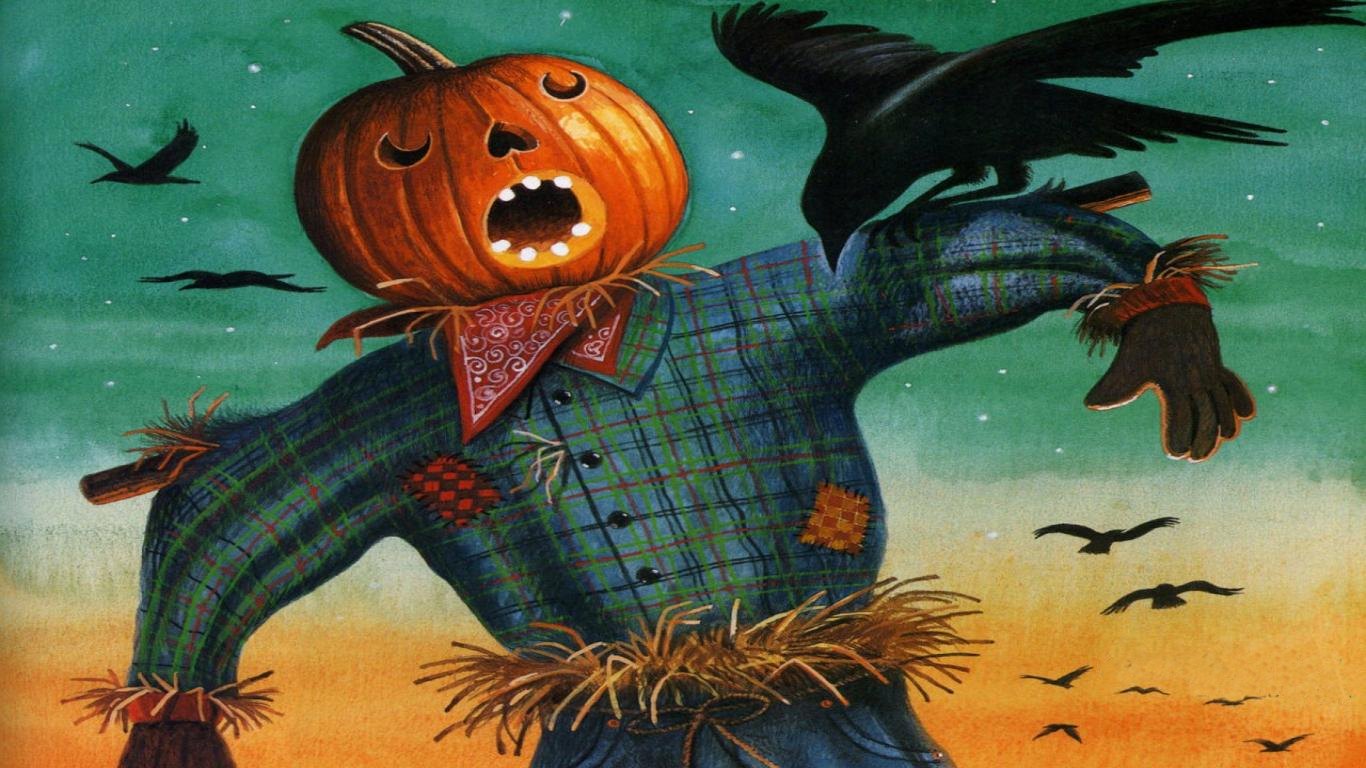
While seeking birds far afield, I have occasionally spotted some innovative scarecrows standing sentry in gardens and agricultural fields. I’m not sure if anyone still erects these human effigies for their original purpose of warding off crows and other feathered agricultural pests. These days, scarecrows likely serve an ornamental purpose and are often part of a yard’s whimsical Halloween or autumn decorations.

Regardless of the intention behind them, scarecrows have never been effective at driving crows away from human fields and crops. To put it simply, crows are too smart to get spooked by the human invention of the scarecrow. The bird with one of the smartest brains among all birds is more than a match for the brainless friend of Dorothy standing vigil in the proverbial cornfield.

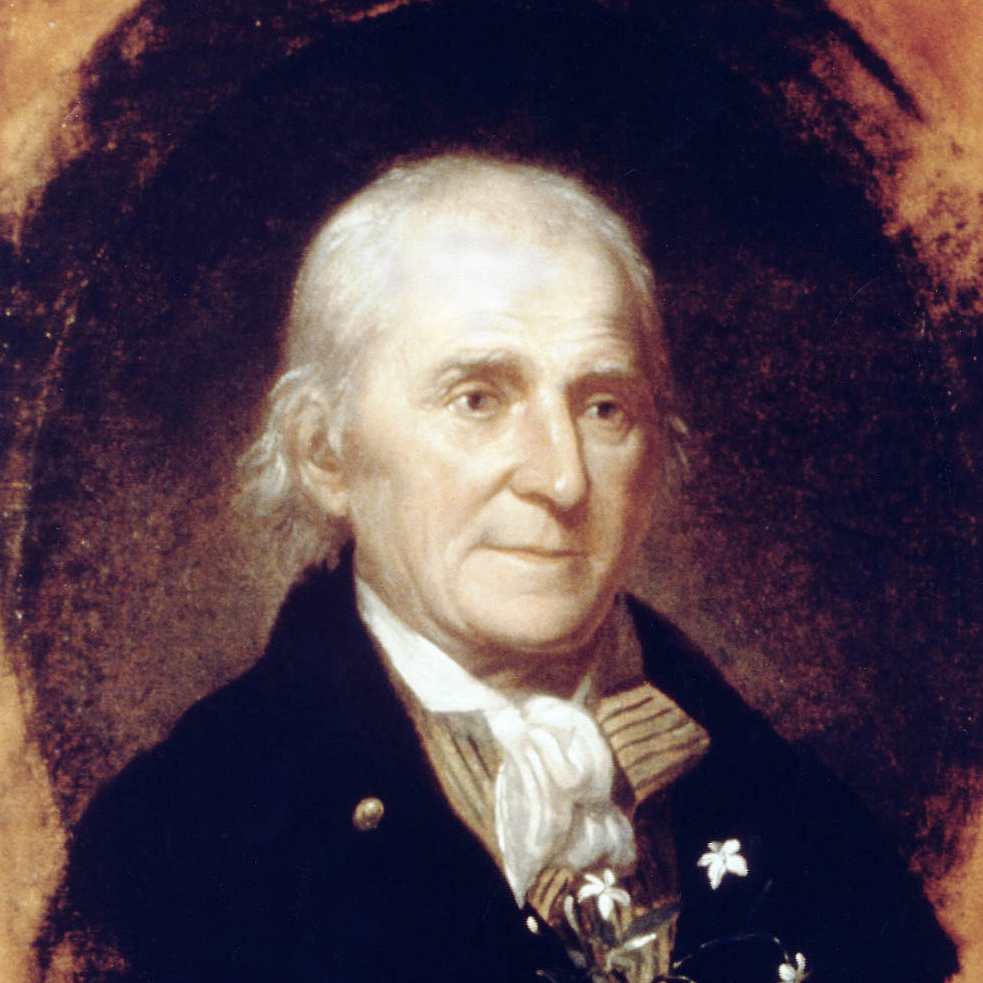
The intelligence of this bird has long been known. Early American naturalist William Bartram wrote about a crow named Tom in a highly entertaining essay titled “Anecdotes of an American Crow.” Bartram, who lived from 1739 to 1823, brought humorous observations and keen insight to his subject as he wrote about the joys — as well as tribulations — of living with Tom, a crow that enjoyed tormenting Bartram’s dog and purloining the writer’s spectacles and trying to hide them.

William Bartram

The essay demonstrates that almost as soon as Europeans arrived in North America, some of those with a bent toward the natural world recognized the intelligence and amazing adaptability of the American crow. As well as writing about the natural world, Bartram earned widespread acclaim for his drawings of botanical and ornithological subjects. Tom, the featured crow in Bartram’s brief essay, certainly exhibited intelligence of an impressive degree. Not only did the crow steal his owner’s eyeglasses, he foiled Bartram’s first attempt to reclaim them. The story makes very humorous reading. To read Bartram’s account, visit http://www.geocities.ws/jswortham/crow.

What else have crows done down through the ages to gain such a dark and much undeserved reputation? It probably doesn’t help matters that a flock of crows is known as a “murder.” Ancient Greeks considered crows as omens, which often foretold death and other disasters. The warrior goddess known as the Morrighan from Celtic mythology often appears in the form of a crow or raven. She is also often portrayed as being accompanied by a group of these black-plumaged birds. Many Native American tribes revere crows as communicators between worlds. Crows have been documented using tools and solving problems, which shows an uncanny ability to analyze and strategize. The early Celtic people also noted and admired these traits in crows.

Photo by Bryan Stevens / A trio of American crows forages on a grassy lawn.

Crows are very social birds, often forming family flocks. They may also form much larger flocks for the purpose of roosting. When nesting, this social behavior comes in useful for a mated pair. Offspring from previous successful nesting efforts often serve as helpers. In addition to gaining their own life experience on successful nesting and caring for chicks, these older siblings may protect the nest site from predators or even deliver food to fill hungry beaks and bellies.

While famous for their associations to humans and our agriculture, crows forage far beyond the cornfield for their food. Many crows scavenge road-killed wildlife, such as squirrels, opossums and rabbits. While they certainly don’t turn up their beaks at the notion of eating carrion, crows do so less often than birds such as turkey vultures, black vultures and the crow’s fellow corvid, the common raven.

Photo by Bryan Stevens / Wary American crows survey their surroundings.

The kinship to the raven is evident, but even moderately experienced birders rarely confuse these similar species. The raven is a large bird with a heavy beak, a distinctive profile and a wedge-shaped tail. In a direct comparison with a raven, a crow looks downright puny. Both are members of the corvid family, which consists of 120 species including jays, rooks, magpies and jackdaws. Some of the world’s other crows include the descriptively named little crow, hooded crow, carrion crow, collared crow, long-billed crow and violet crow. While most of the world’s crows are thriving, the Hawaiian crow, has been extinct in the wild since 2002, although the species still exists in captive-breeding programs in various zoos.

Thanks to its resourcefulness and intelligence, the crow is deserving of more respect and even admiration. The American crow is a uniquely American success story. Think more of Bartram’s story of Tom the crow and not the dark, misguided myths and legends about crows this Halloween. Long may the crows fly.

Early naturalist and artist John James Audubon painted this American crow.

‘Science’ article warns that people need to focus on the needs of disappearing birds

Photo by Pixabay.com • Birds are disappearing. Some populations have seen a dangerous decline. Loggerhead shrikes are declining across the continent, and the reasons are complicated but can ultimately be traced to human activity.

Imagine the sky growing dark and, looking up, you notice that the cause is not approaching storm clouds but a passage of birds — millions of individual birds, their wings darkening the skies as they pass overhead.

The early American naturalist and painter John James Audubon once described the passage of enormous flocks of passenger pigeons that blotted out the light “as by an eclipse” and described the noise of the multitude of wings “like thunder.” His observation of these flocks took place in 1813. A century later, the world’s last passenger pigeon, a species that had ranked as one of the continent’s most numerous birds, died in 1914 at the Cincinnati Zoo.

Photo by Bryan Stevens • Legislation like the Endangered Species Act can and does save birds like the Bald Eagle from possible extinction.

The passenger pigeon was the avian equivalent of the American bison, albeit with a more tragic outcome. Bison, also commonly called buffalo, still survive. As with the bison, we’ve had avian rescue success stories — whooping cranes, Kirtland’s warblers, bald eagles — with efforts to bring some birds back from the brink of extinction. At the same time, we’ve lost others, including the ivory-billed woodpecker, the eskimo curlew and Bachman’s warbler. Now a new study indicates that our birds may be under assault as never before.

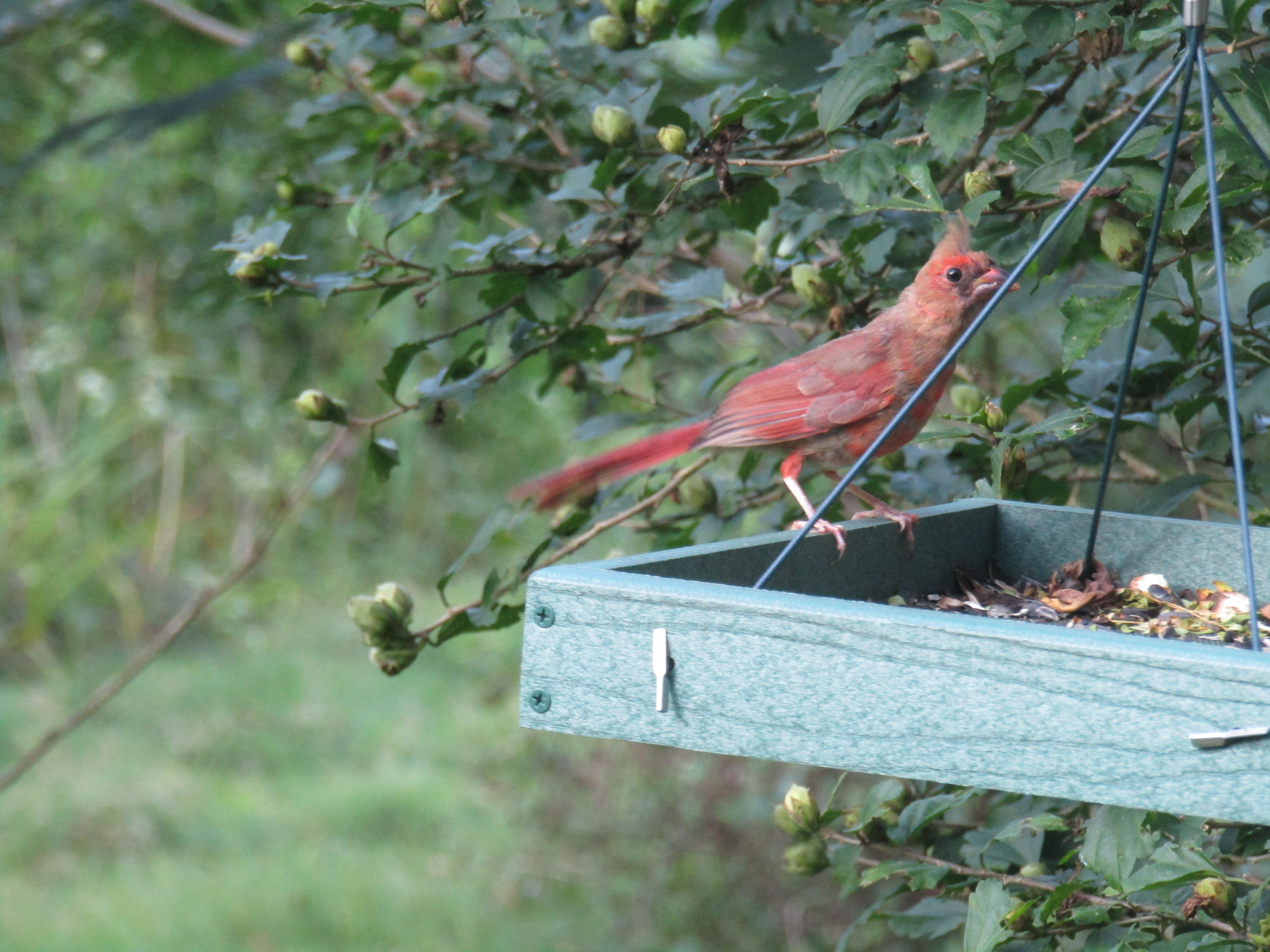
Photo by Bryan Stevens • A young Northern cardinal visits a feeder.

The journal Science dropped a bombshell article recently about declining bird numbers in North America. The article’s claim that nearly 3 billion — that’s billion with a “b” — fewer wild birds exist on the continent than in 1970 is a shocking figure, but the sad fact is that the article probably doesn’t come as a complete surprise to birders or even backyard bird enthusiasts. The evidence of our own eyes and ears confirms the details of the comprehensive study reported in the pages of Science. There are fewer birds, which has been becoming painfully clear over the past few decades.

I first got into birding in 1993. Now, 26 years later, I have noticed some of the declines in just the past quarter of a century. Every autumn, the variety and numbers of migrating warblers that visit my yard has gone down.

The new study in Science focuses on the drop in sheer numbers of birds. According to most experts, the bird population in the United States and Canada was probably around 10.1 billion individual birds nearly half a century ago. That number has fallen 29 percent to about 7.2 billion birds, an alarming loss of nearly 3 billion birds just in North America.

I have personally noticed signs of this dramatic loss. Let me share some personal anecdotes. These stories don’t serve as definitive proof, but they add to my unease about the state of our feathered friends.

For one thing, I no longer host large flocks of birds at my feeders during the winter. One would expect birds to mass in sizable flocks in the vicinity of feeders during a season when resources can be scarce. In the 1990s, I hosted flocks of pine siskins and evening grosbeaks that numbered in the hundreds and dozens, respectively. At times, large flocks of American goldfinches, purple finches and house finches flocked to my feeders, too. I haven’t seen an evening grosbeak since 2001. Pine siskins still visit, but I consider myself fortunate to host a flock that numbers a dozen or more.

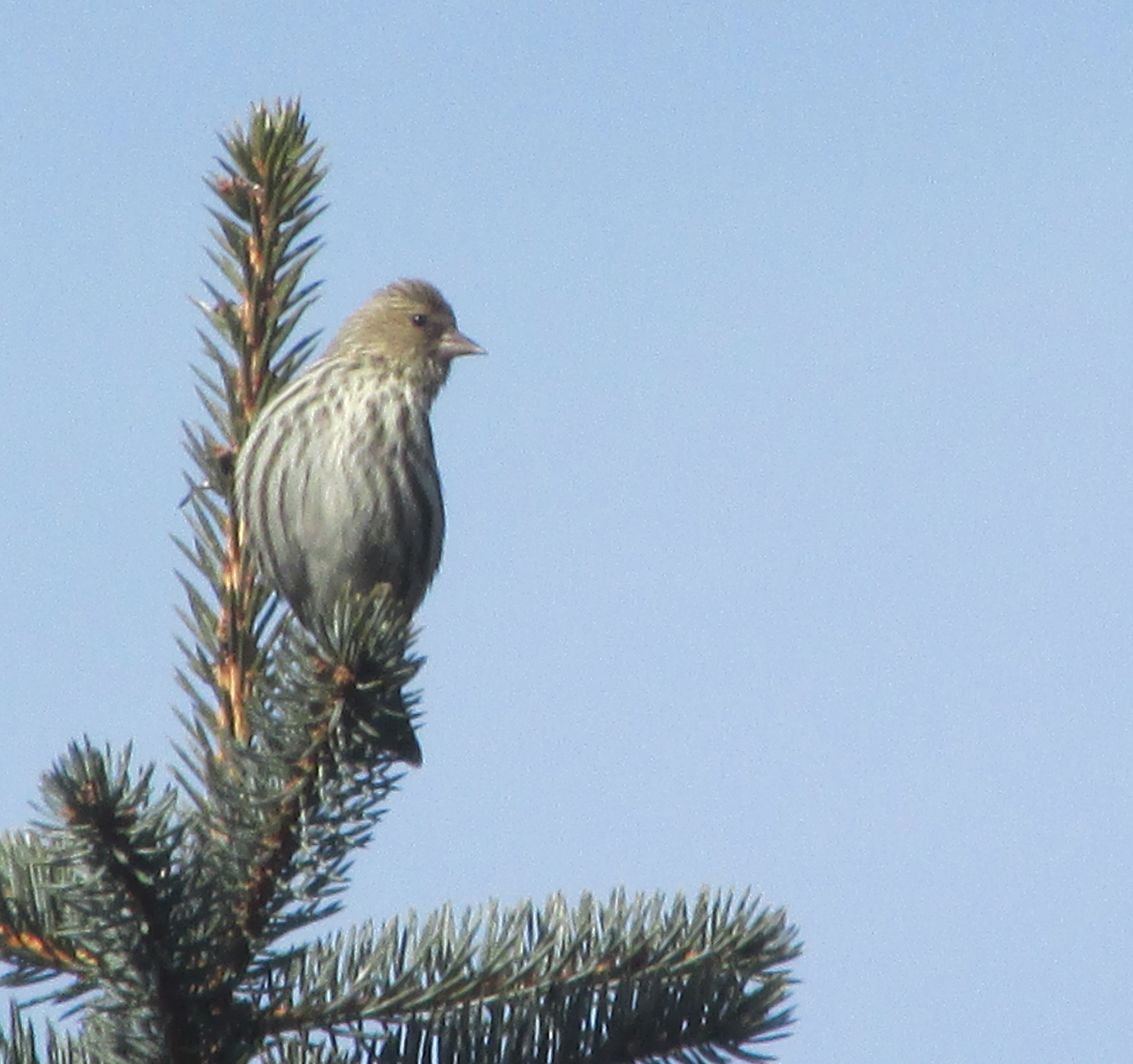
Photo by Bryan Stevens • A pine siskin in a spruce at Carver’s Gap on Roan Mountain.

The sights and sounds of summer have changed, too. Two of the most dependable summer songsters used to be Northern bobwhite by day and Eastern whip-poor-will after dark. I haven’t heard a whip-poor-will at home in more than 20 years. The last time I heard a Northern bobwhite was about a decade ago. I live in a rural area that used to be fairly agricultural. The disappearances of bobwhite quail and whip-poor-wills is reported throughout the ranges of these two species.

Of course, there are always exceptions. Some birds have grown even more common in recent decades. Regionally, look at birds like great blue herons, double-crested cormorants, and cliff swallows, which have also shown an increased presence.

What killed the passenger pigeon? People did. What’s caused the precipitous drop in bird numbers since the 1970s in North America? Once again, people must shoulder most of the blame. We have destroyed or altered habitats essential for birds to thrive. We’ve paid little attention to the signals from some of these kin of the proverbial “canary in the coal mine” that something’s wrong in nature.

Yet “hope is the thing with feathers,” as the poet Emily Dickinson phrased it, and the losses are a signal to pay attention, not to panic. Birds are amazingly resilient. Birds need only the same things as humans — food, shelter, water. Well, perhaps they need one more thing. Birds require a safe and welcoming space in which to unfurl their wings and fly.

The great flocks of passenger pigeons may be no more, but there’s no reason to think our remaining birds can’t continue to soar, so long as we provide them with their essential needs and offer them a degree of protection and compassion.

An artist sketched this scene of hunters firing on one of the last great flocks of passenger pigeons.

Birds are not the only fall migrants sharing the skies

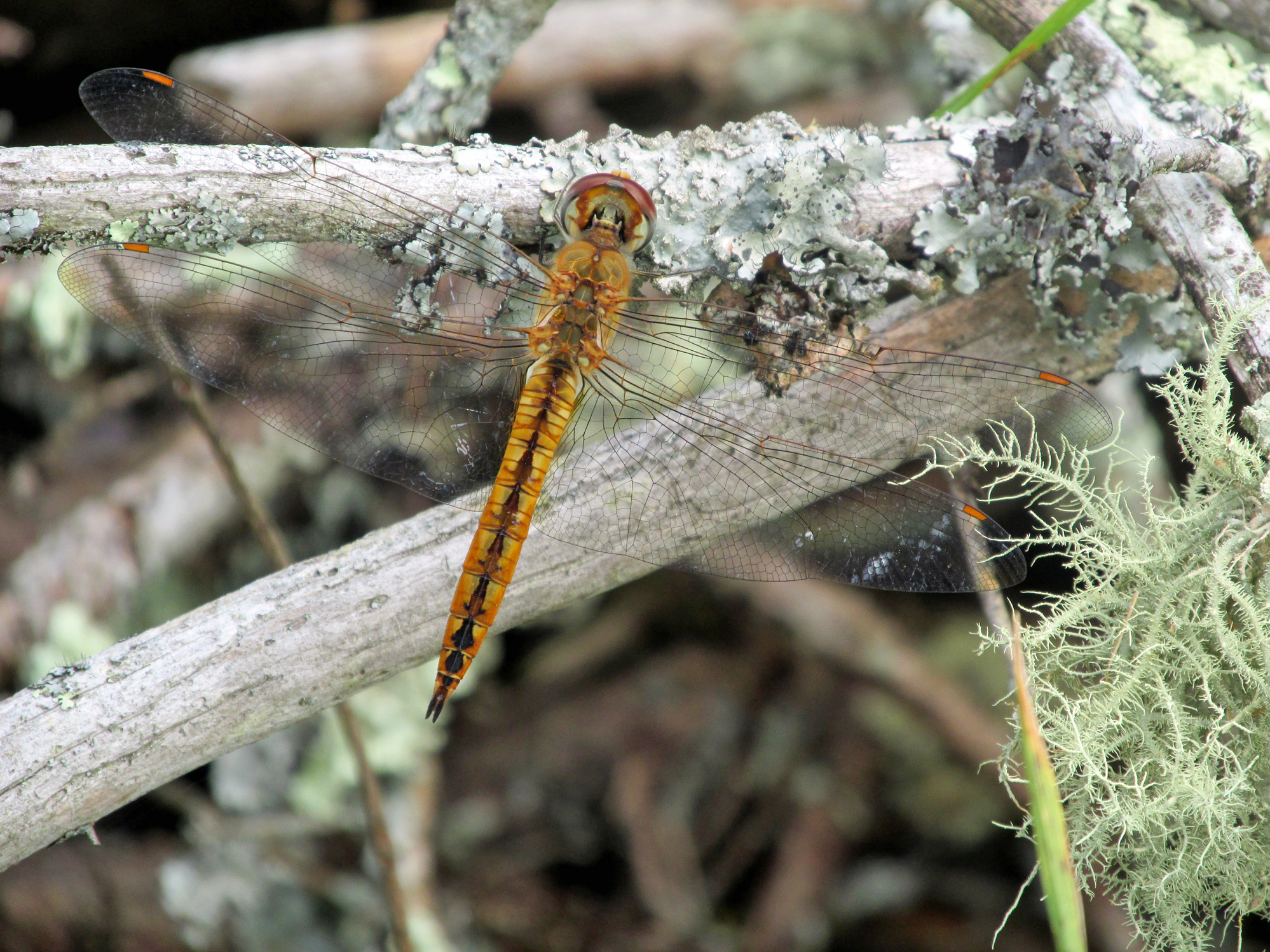
Photo by Bryan Stevens • Experts have documented long-distance migration flights by the Wandering Glider, a species of dragonfly.

Rhonda Eller of Chilhowie, Virginia, posted a question on my Facebook page about some dragonflies that appeared in her yard on Sept. 10.

“We have had a sudden breakout of dragonflies in our yard,” Rhonda explained. “We seldom see more than one or two at a time.”

Rhonda wondered if the dragonflies might have been drawn to her yard in pursuit of some sort of favorite insect prey. She also speculated that the recent dry conditions might have attracted the dragonflies.

I responded to her query by explaining that birds are not the only migrant in the skies at this time of year. Some dragonflies, just like birds, migrate. A species known as green darner is one that migrates. These darners are rather large, for a dragonfly, and travel in swarms. A couple of years ago I observed thousands of these dragonflies swarming over a municipal swimming pool and a nearby fish pond at a park in Erwin, Tennessee.

The WSLS Channel 10 television station out of Roanoke, Virginia, reported on swarms of dragonflies so large that they got picked up by local radar. Rhonda shared a link to the station’s story on my Facebook page.

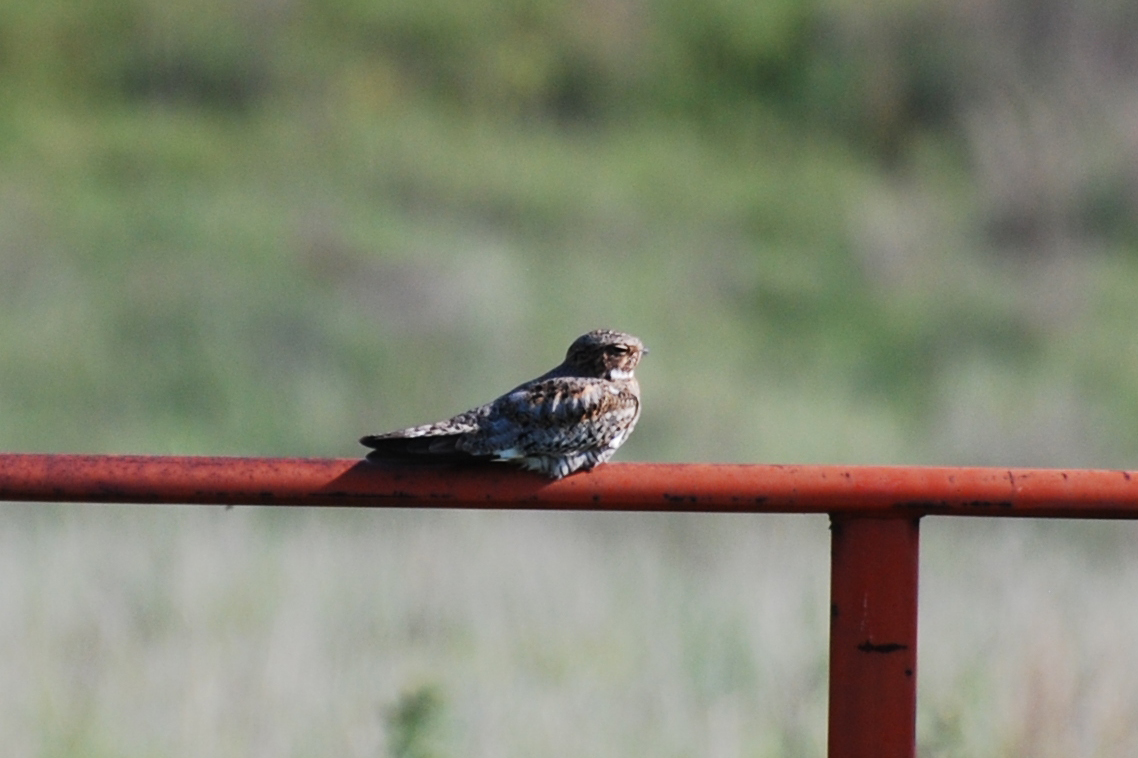
Photo by Jean Potter • A common nighthawk rests on a metal railing.

Of course, swarms of migrating insects are bound to get the attention of predatory birds. The same day that Rhonda experienced the influx of migrating dragonflies, I witnessed dozens of common nighthawks and chimney swifts swooping through the skies over my home. With a little more attention to detail, I also noticed the dragonflies sharing the skies with these birds.

I suspect that the nighthawks were feeding on the large darners while the swifts, which are much smaller birds, focused their foraging efforts on smaller winged insects. Tom McNeil, a neighbor and fellow member of the Elizabethton Bird Club, reported seeing nighthawks and swifts, too. Tom lives on the other side of a mountain ridge that separates our homes.

Tim Morris, a Facebook friend from Australia, noted in a comment on my post about the nighthawks that his country is home a bird known as the tawny frogmouth, a relative of the common nighthawk. Tim noted that frogmouths are big birds with camouflage markings that allow them to pretend to be dead tree boughs by day. “They feed not only on insects but mice and lizards, too,” he added.

Evidence of fall migration continued the next day when I detected a small wave of warblers foraging in trees at the edge of my yard. I saw five different species — American redstart, worm-eating warbler, Cape May warbler, Blackburnian warbler and Tennessee warbler — in the space of half an hour. Of the warblers in the flock, the Blackburnian and Cape May are some of the more vibrant ones.

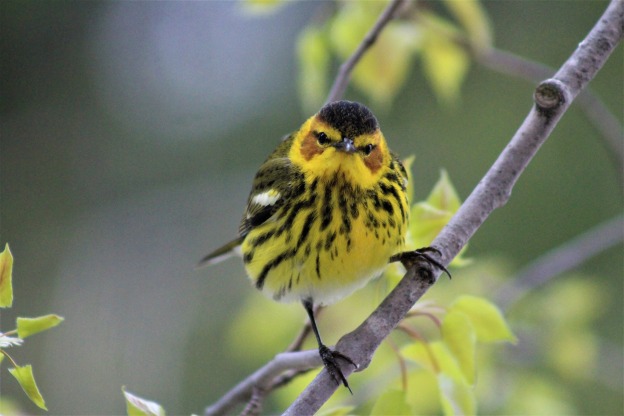
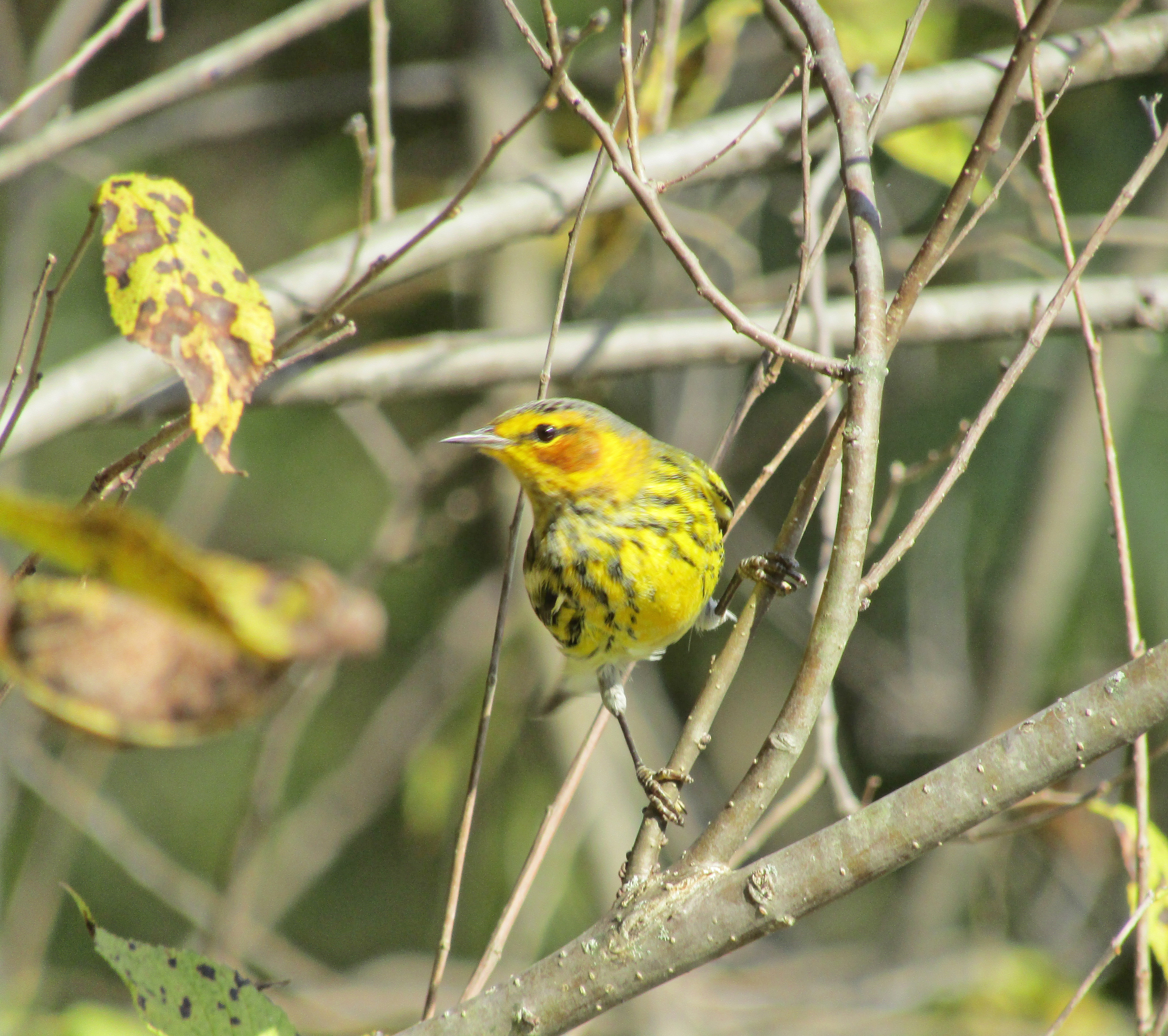
Photo by Bryan Stevens • While the Cape May warbler doesn’t breed locally, these warblers are fairly common spring and fall migrants in the region.

The Blackburnian warbler’s common name commemorates Anna Blackburne, an English naturalist who lived from 1726 to 1793. Her brother, Ashton, had immigrated to the United States, which made it possible for him to send his sister many specimens, especially birds. Their father, a salt merchant by trade, was also a well-respected amateur naturalist. In addition to the warbler that bears her name, Anna Blackburne also had a species of beetle named in her honor.

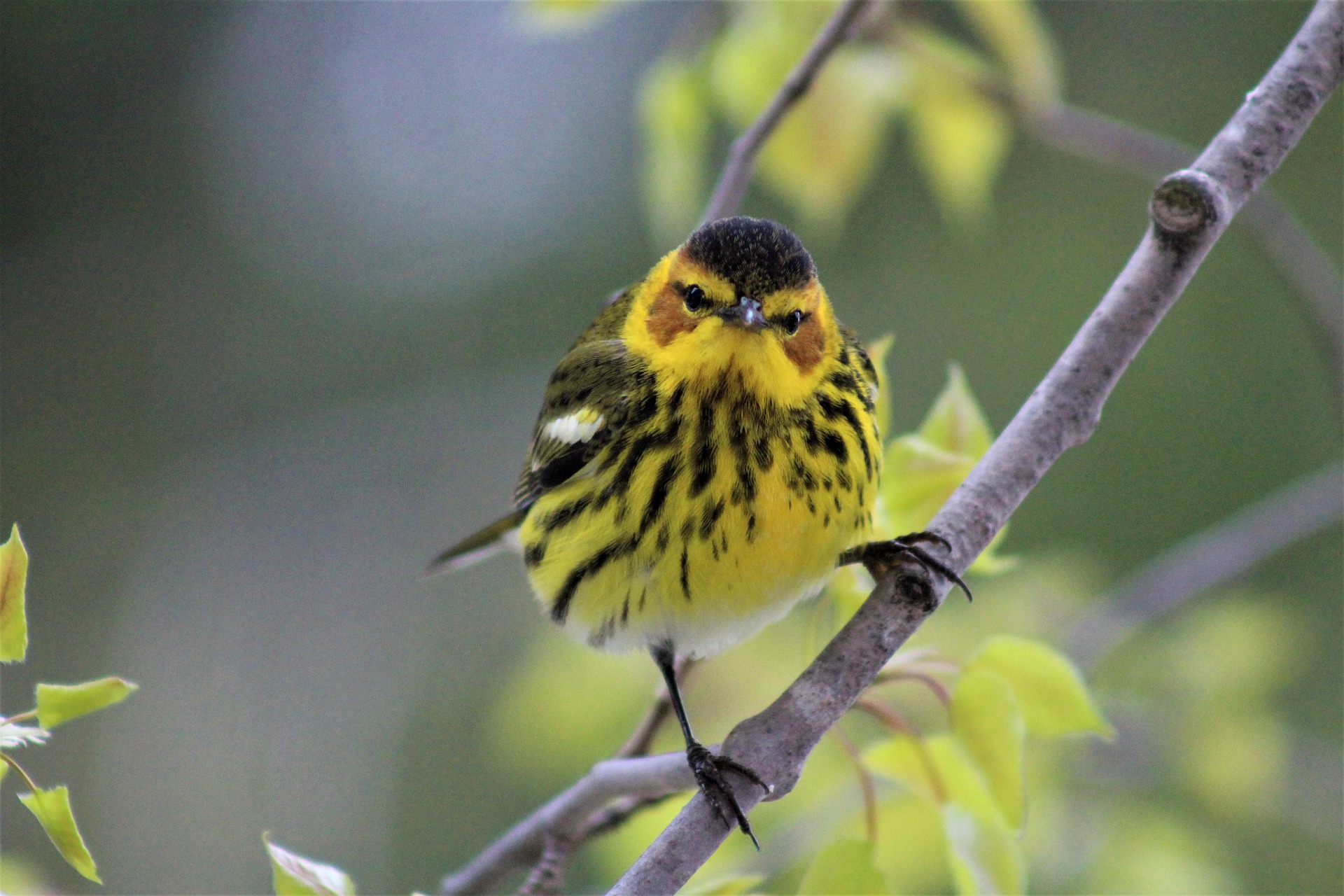
Both the Cape May and Tennessee warblers are named for the locations from which they were first collected. Neither of these small songbirds are closely affiliated with Cape May, New Jersey, or the Volunteer State. The Cape May warbler is also known as the “tiger warbler” for the dramatic black striping across its bright yellow breast. A green back and chestnut cheek patch make the Cape May warbler quite unlike any of its close kin. Even its scientific name — Setophaga tigrina — pays homage to the striped big cat. The term “setophaga” translates to “moth eater” and is a reference to this warbler’s intense fondness for the caterpillars known as spruce budworms that occasionally produce outbreaks in the northern spruce forests that serve as the nesting range for the Cape May warbler.


Photo by insitedesigns/Pixabay • A Cape May warbler peers from its perch on a tree branch.

According to the website, “All About Birds,” Cape May warblers have unusually shaped tongues that allow them to sip nectar from tropical flowers during the winter months spent in Central America and the Caribbean. Their unique tongues also make it possible for them to enjoy sips of sugar water from hummingbird feeders.

Whether its dragonflies, nighthawks, warblers or hummingbirds, plenty of birds and other flying creatures will be moving through the region for the next few weeks. Now’s the time to get outdoors and look for some of these migrants.

Photo by insitedesigns/Pixabay.com • The Cape May warbler migrates out of North America every fall to spend the winter in Central America and the Caribbean.

Think of the vireos as ‘Plain Janes’ of songbirds

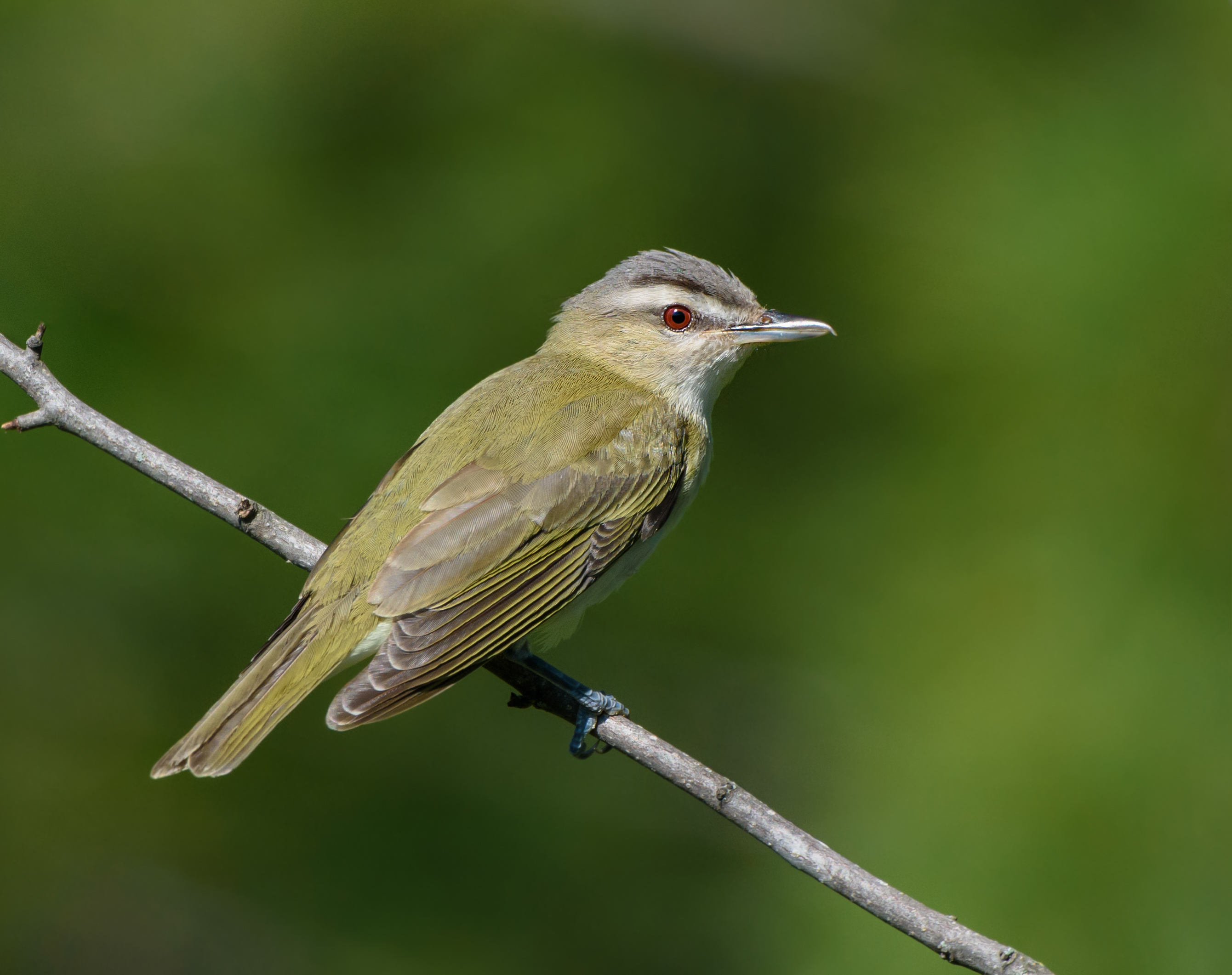
Photo by FotoRequest/Adobe Stock • A red-eyed vireo grasps a tree branch, a common pose for this bird that spends time concealed in the woodland canopy. The red eye can be difficult to detect unless lighting conditions are optimal for observers.

The start of migration appears to be more of a crawl than a sprint this fall, but I have picked up a few signs. For instance, I’ve been hearing the scolding sounds of red-eyed vireos from woodland edges for the past few weeks. A dedicated singer at most times, this vireo seems more likely to produce a harsh, scolding cry at this time of the year. Other hints of the steady advance of fall migration include flocks of common nighthawks and chimney swifts congregating in the skies over my home and the unmistakable croaking of common ravens from nearby ridges.

So far, I’ve seen only a few warblers, including black-throated blue warbler and hooded warbler. At a glance, vireos would appear related to the wood warblers. Research into DNA, however, has led many experts to contend that vireos are more closely related to crows and shrikes. Like the flycatcher and hummingbird families, the vireo family is exclusive to the New World. With a mere 50 species, vireos and their kin are vastly outnumbered by flycatchers and hummingbirds. The majority of vireos resides in the tropics, but about a dozen species nest in the United States.

In East Tennessee Southwest Virginia and Western North Carolina, vireos resident during the summer months include red-eyed vireo, white-eyed vireo, blue-headed vireo, yellow-throated vireo and warbling vireo. Most people are likely unaware of vireos. Although not uncommon, these birds are more frequently heard than seen. They spend much of their time in the forest canopy or in dense brush. When singing, they can remain at a perch, unmoving, for long periods of time.

Photo by Jean Potter • A red-eyed vireo sits on its carefully woven nest among a canopy of leaves.

The loud scolding calls of red-eyed vireos often heard this time of year are given apparently when the vireo is alarmed or irritated. This scolding vocalization is quite unlike the usual ones produced by this bird. First and foremost, the call is louder than one would think could be produced by a bird that is only about six inches long. During the summer season, the red-eyed vireo is also one of the most persistent of singing songbirds. Another common name for the red-eyed vireo is “preacher bird,” so called because of its tendency to unceasingly deliver its song.
The red-eyed vireo is still considered one of eastern North America’s most common summer breeding birds. At one time, the red-eyed vireo was probably the most common breeding bird in eastern woodlands. That, sadly, is no longer the case. Red-eyed vireos are olive-green above and clean white below. These birds show a distinctive head pattern consisting of a gray crown and white eyebrow stripe bordered above and below by black lines. Adults also have the red eyes that give this particular vireo its common name. The term “vireo,” originating in Latin, can be translated into English as “green bird.” It’s an apt description, as many of these small birds are primarily dull green in coloration. Consider the vireos the “Plain Janes” of songbirds.

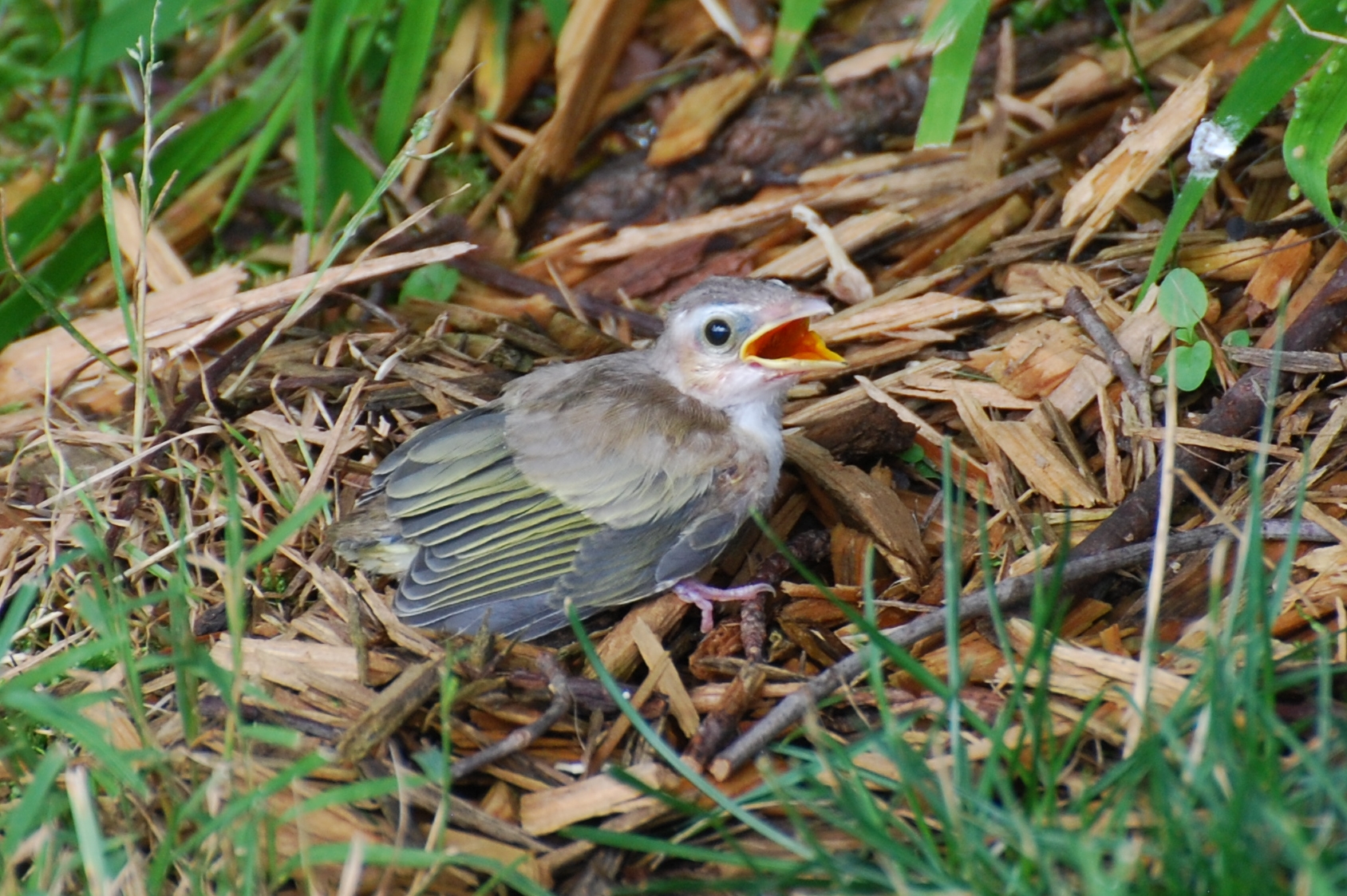
Photo by Jean Potter • A red-eyed vireo fledgling calls for a food delivery, which will arrive in the beak of one of the young bird’s parents.

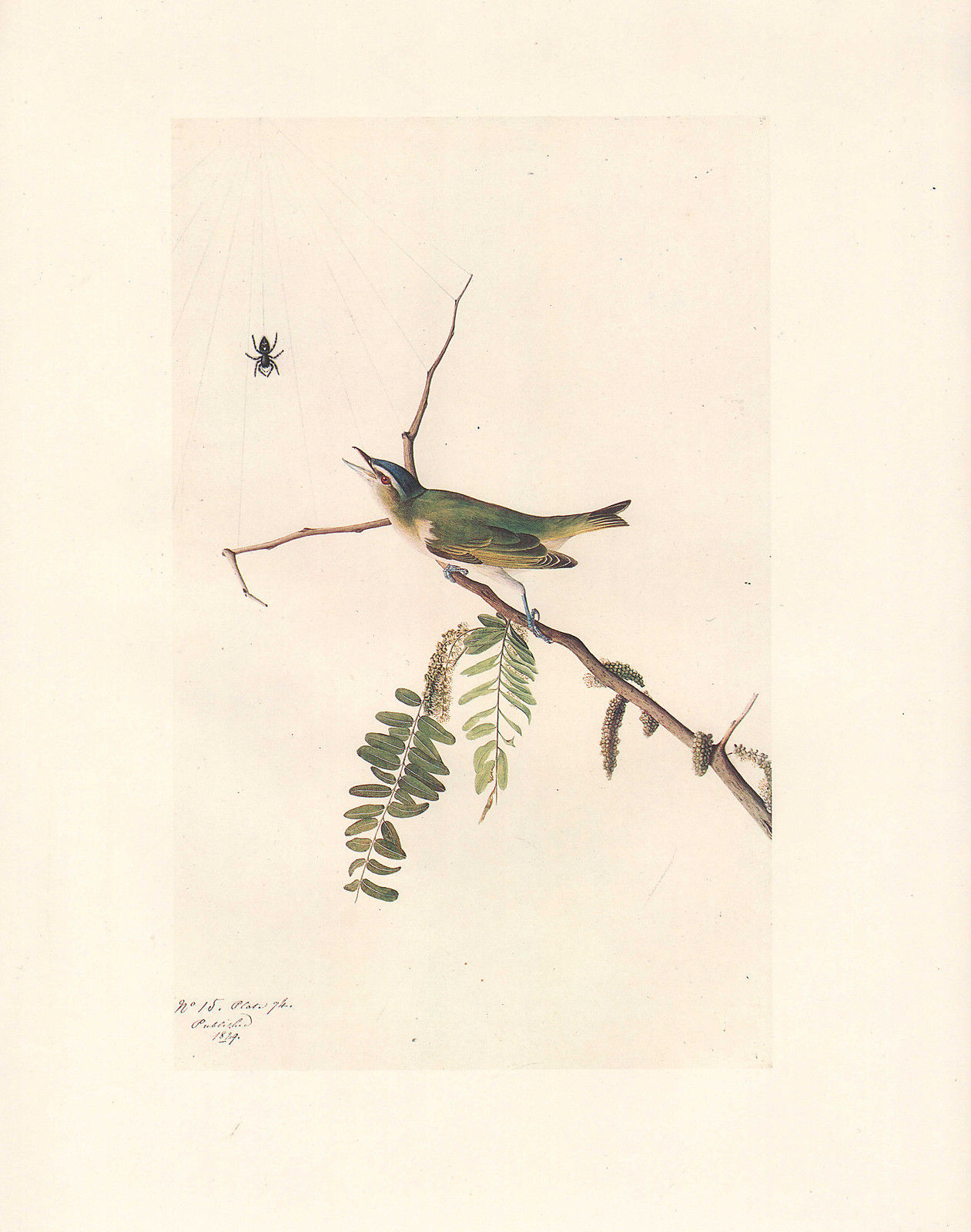
A red-eyed vireo painted by John James Audubon.

Other vireos that can be found in the United States, for at least part of the year, include Philadelphia vireo, plumbeous vireo and Cassin’s vireo. A specialty of Florida is the black-whiskered vireo, while the black-capped vireo is an endangered species found in Texas. Two others, Bell’s vireo and gray vireo, are identified as species of concern on the Audubon Watchlist.

Many species of vireo are also found in the islands of the Caribbean, including Jamaican vireo, Cuban vireo and Puerto Rican Vireo. The thick-billed vireo can be found in the Bahamas, which were recently pulverized by Hurricane Dorian. The thick-billed vireo is very similar to the white-eyed vireo, which is a summer resident in our region.

My only birding outside of the United States took place in the Bahamas 20 years ago. My highlights included two hummingbirds — Bahama woodstar and Cuban emerald — as well as bananaquits, black-faced grassquit, Western spindalis, Cuban pewee and other interesting species. I didn’t see a thick-billed vireo, but I did get my first-ever look at a Cape May warbler. I was visiting the Bahamas in January of 1999, which proved a fortunate time since many warblers migrate to these islands for the cold months. I’m hopeful that both people and birds on the islands Abaco and Grand Bahama and smaller islands most affected by the monster storm are able to recover soon.

Some of the more colorful common names for vireos include the dwarf vireo, golden vireo and yellow-winged vireo.  In Central and South America, the vireo family expands to include many birds with common names such as shrike-vireo, greenlet and peppershrike. Some of the varied species include lemon-chested greenlet, green shrike-vireo and the black-bellied peppershrike.

I still focus most of my birding efforts on warblers in the autumn, but vireos are always a pleasant diversion when the colorful warblers make themselves scarce.

Photo by Jean Potter • The blue-headed vireo prefers wooded habitats at higher elevations.

Hooded warbler and its kin bring tropical splash to area woodlands

Photo by Jean Potter • A male hooded warbler flits through the foliage of a rhododendron thicket.

I came away from a recent program on bird migration given by Kenn and Kimberly Kaufman learning a few new nuggets of information about warblers, which are one of my favorite bird families. The Kaufmans, well-known birders and activists on the behalf of birds, spoke Saturday, Aug. 31, on the topic of bird migration during the evening program at the Roan Mountain Fall Naturalists Rally. They confirmed some things I have always suspected to be true about fall migration in the region. For instance, warbler migration in the Southern Appalachians is indeed often more productive in the fall than in the spring. The Kaufmans also noted that fall migration takes place at a more leisurely pace for most of the migrating warblers. They even pointed out that some of the warblers, such as magnolia warbler and Tennessee warbler, which are uncommon fall migrants at their home in Ohio, are actually quite common in East Tennessee.

Hooded warblers nest in the woodlands around my home. So, from the time my favorite warbler returns in April until the last individual departs in October, I enjoy regular glimpses of this colorful and interesting bird. Like all warblers, the hooded warbler is quite energetic, dashing after tiny insects in the branches of shrubs and trees. Hooded warblers often forage close to the ground, which makes observing them easier.

Every time I behold a hooded warbler, I marvel at the bird’s exquisite appearance. The gold and green feathers seem to glow brightly in the dim light of the shadowy thickets of rhododendron they prefer to inhabit. The black hood and bib surrounding the male’s yellow face stands out by virtue of its stark contrast from the brighter feathers. Large coal-black eyes complete the effect. The appearance of the male bird provides this species with its common name. The female has an identical yellow-green coloration as the male, although she is slightly more drab. She lacks the black hood and bib, although older females may acquire some dark plumage on the head and around the face. Both sexes also show white tail feathers that they constantly fan and flick as they move about in thick vegetation and shrubbery.

Photo by Bryan Stevens  • Only males show the well-formed black hood and bib that gives the hooded warbler its common name.

I know that every migrant passing through my yard at this time of year is making its way southward, and it will likely be another five to six months before I again see any of my favorite songbirds. The hooded warbler will make itself at home in the forests of Mexico, as well as in Belize, Costa Rica and other Central American nations, throughout the winter season. Most hooded warblers begin returning to their winter haunts as early as mid-September, but lingering individuals continue to entertain birders in the United States throughout October.

Like many of the ruby-throated hummingbirds that make their home in the United States for the summer, the hooded warbler’s fall migration takes it across the vast open waters of the Gulf of Mexico, crossing to the Yucatan and then dispersing from there to various points in Central America. That birds as small as hummingbirds and warblers make this incredible migration twice yearly is one of nature’s most phenomenal feats of endurance. In their presentation, the Kaufmans explained that these tiny birds put on incredible fat reserves to help fuel their efforts.

The warblers, also known as wood-warblers, are an exclusively New World family of birds, numbering approximately 116 species. About 50 of these species of warblers make their home in the eastern United States and Canada for the spring and summer, departing in the fall and returning to tropical wintering grounds. Some of them are extremely bright and colorful birds. The hooded warbler would have to be included among the more brightly colored warblers.

Other colorful warblers that share similar tastes in range and habitat with the hooded warbler include the American redstart, black-throated blue warbler and black-throated green warbler.

While some of the neotropical migrants that venture into North America boast even brighter kin in the tropics, we need not feel cheated with the warblers that make their home in the United States for half of the year. Some of their relatives are beautiful birds, including the white-faced whitestart, golden-bellied warbler, three-striped warbler and rose-breasted chat, but few can really hold a candle to their relatives that venture north and brighten our lives.

The warblers are, in short, an incredible family of birds. I’ve seen all but a handful of the species that reside for part of the year in the eastern United States. I still want to see a Connecticut warbler and cerulean warbler, as well as the endangered Kirtland’s warbler of Michigan and the golden-cheeked warbler of Texas. I’ll miss the warblers once fall migration has run its course. For those months they are here, the warblers belong to us. They seem like “our” birds. They’re only on loan, though. Our winter birds will offer some compensation in their absence, but I’ll be impatiently awaiting that flash of gold from the recesses of a rhododendron thicket next April.

Photo by U.S. Fish & Wildlife Service • A female hooded warbler sits tightly on her eggs in the cup-shaped nest she has build within the concealing branches of a shrub.

Gray catbirds require some gentle coaxing to give up shy habits

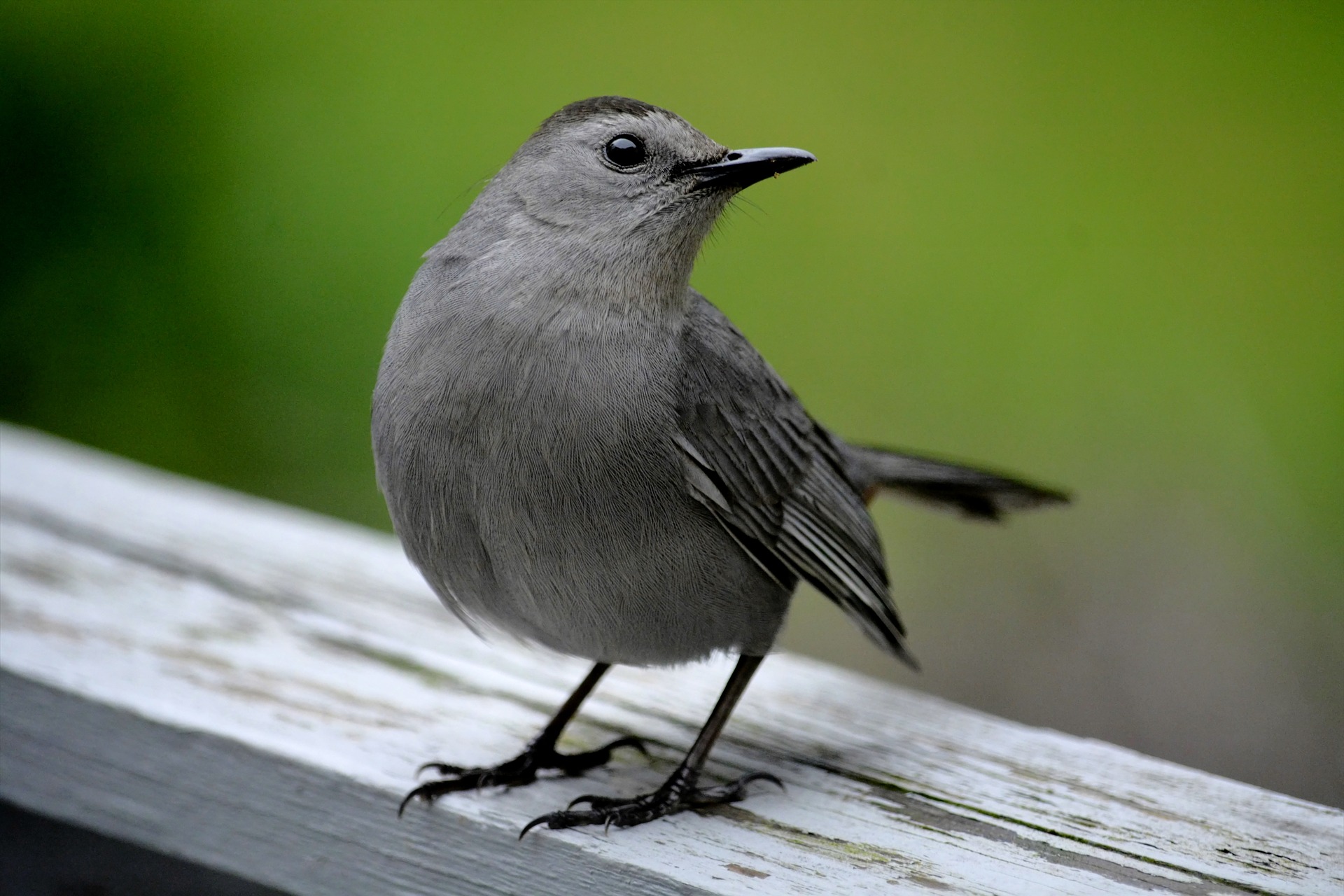
The gray catbird is a baffling bird with a personality that runs the gamut from introverted to extroverted, sometimes depending on the season and at other times seemingly just on a whim. With some gentle persuasion, however, people can gain a catbird’s trust and develop a fun friendship with these clever songbirds.

One summer, all I needed to do to win over the catbirds was to offer some less-than-perfect strawberries and blueberries. A few blemishes on the fruit didn’t bother the resident catbirds at all, and they soon became accustomed to receiving such treats.

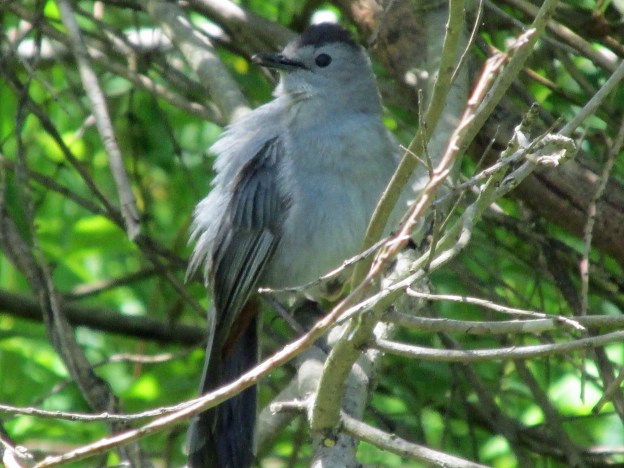
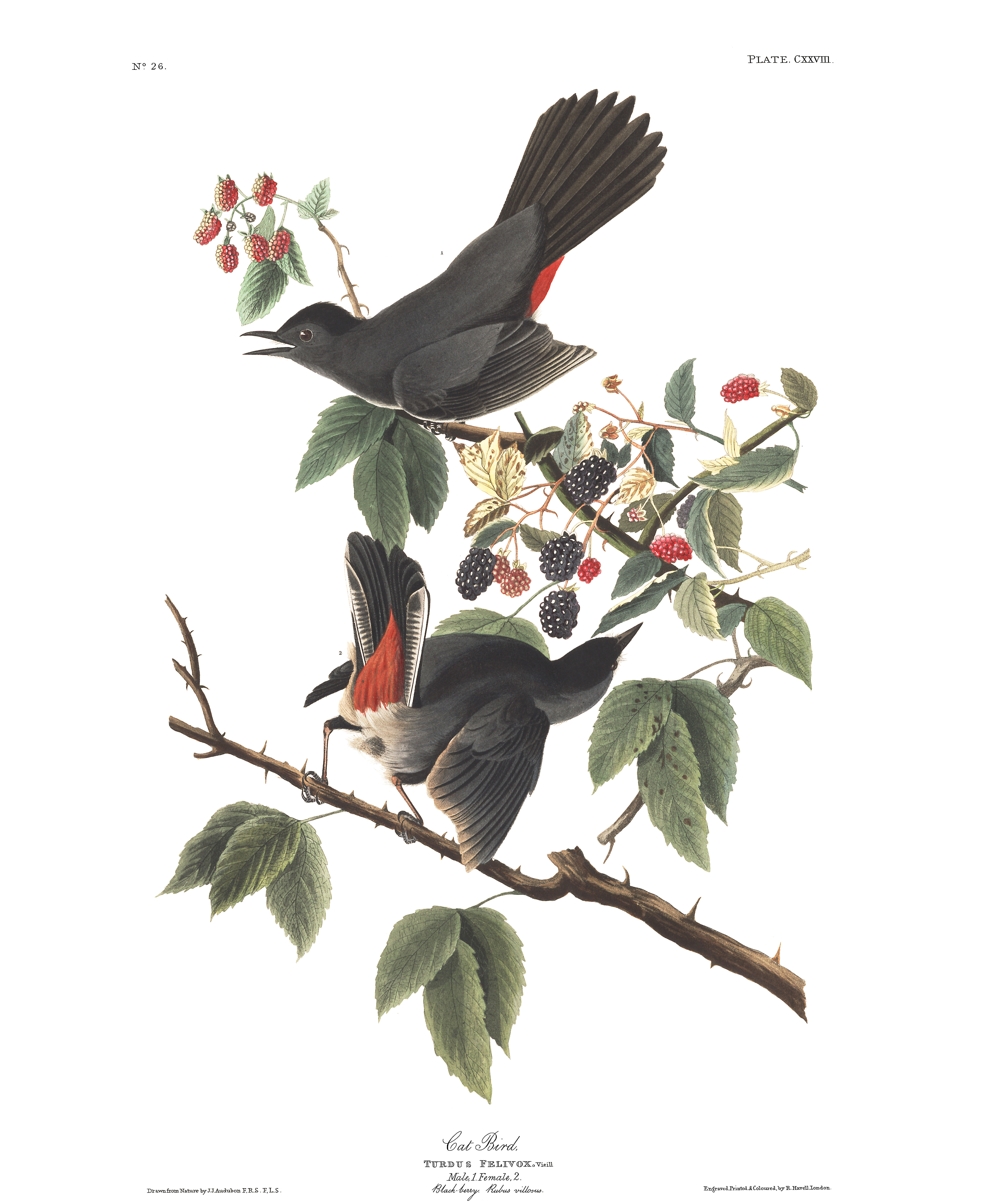
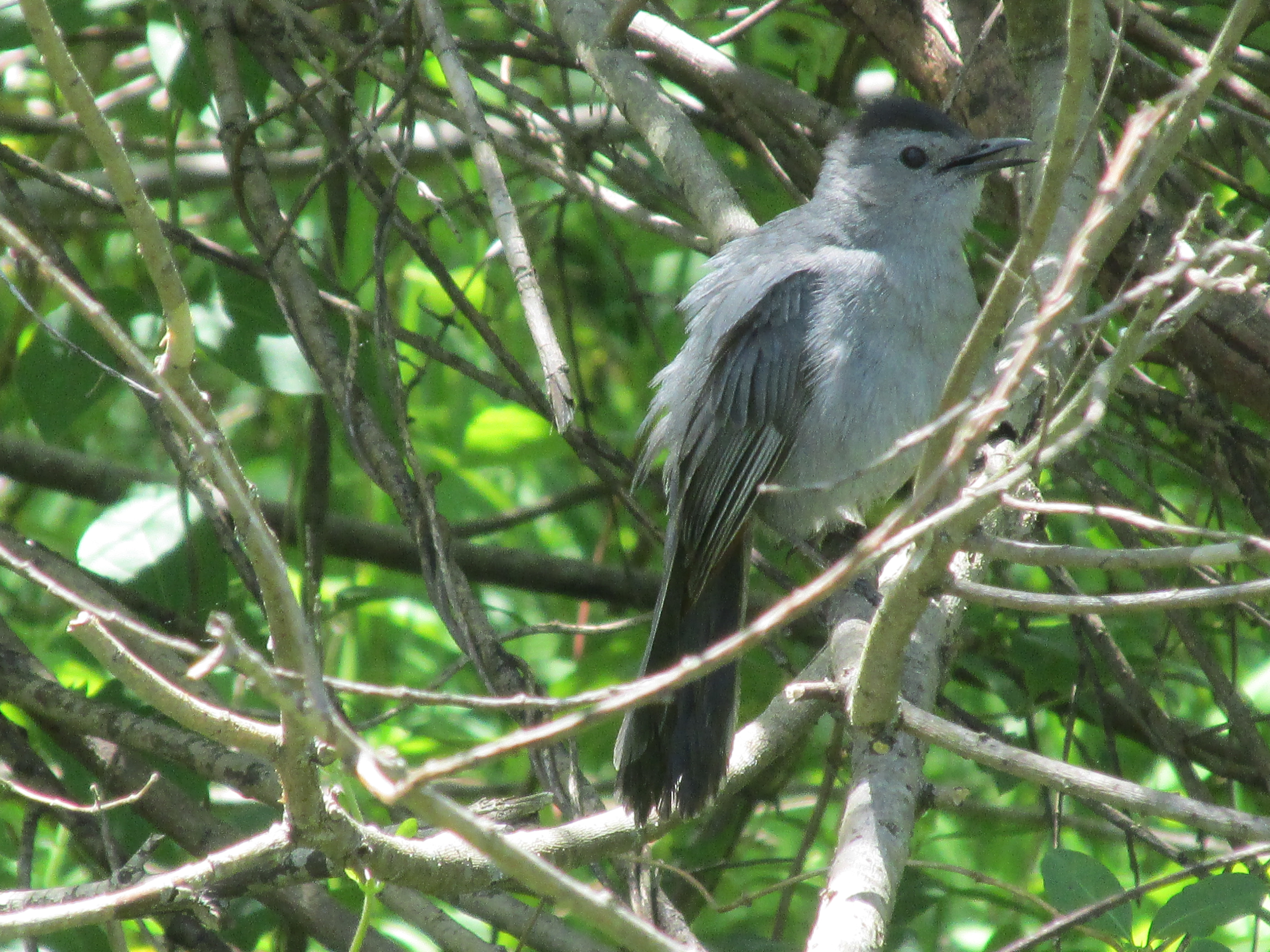
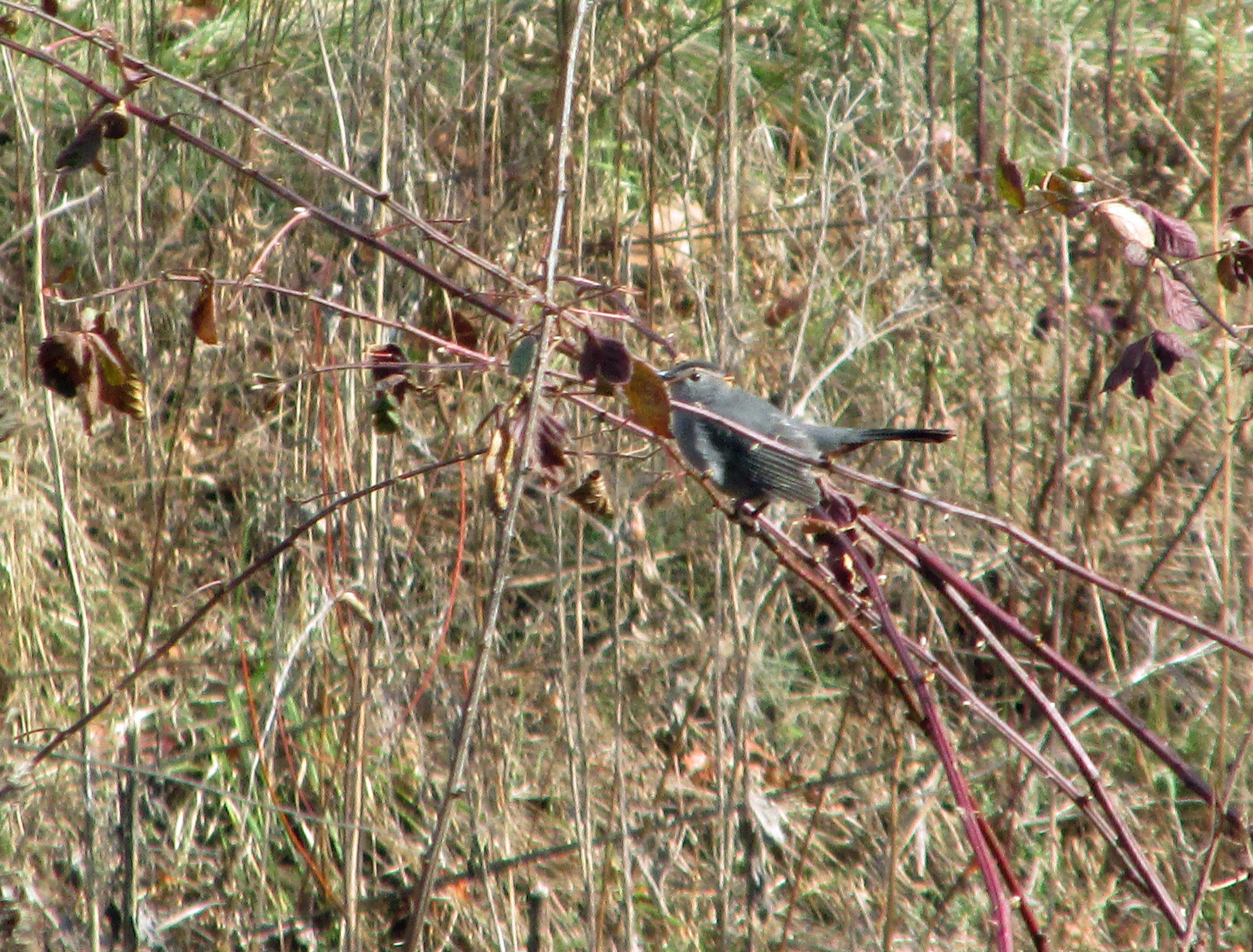
Your first introduction to the catbird is likely going to occur when you hear what sounds like an irritable feline hiding in a hedge, thicket or dense shrub. Upon closer examination, you may get a glimpse of a charcoal gray bird roughly the shape of a Northern mockingbird but smaller. A black cap and a patch of rusty-red feathers under the tail are the only exceptions to this bird’s overall gray plumage.

Photo by Bryan Stevens A curious Gray Catbird peeks from dense cover. Attendees at the fall rally can look for catbirds and other species at any of the offered bird hikes.

Catbirds are experts at concealing themselves from prying eyes. The gray plumage blends into the shadowy sections of the tangles and thickets where the bird likes to hide itself. However, even when gray catbirds are reluctant to be seen, they’re almost eager to be heard. The catbird is extremely vocal, with several calls and songs in its repertoire, including the rather faithful rendering of a fussy cat’s meow that provides this bird its common name.

They’re part of a family related to thrushes that are known as “mimic thrushes.” Besides its surprisingly accurate rendition of a feline, the catbird has several other common vocalizations. Despite their shy nature, they’re extremely curious. Imitating their calls or simply producing a squeaky sound will usually persuade the bird to move out of cover and search for the source of the noise.

Catbirds are part of the parade of returning birds each spring that includes species like rose-breasted grosbeaks, scarlet tanagers, Baltimore orioles and indigo buntings, but because they lack the brilliant plumages of these other birds their arrival would probably go unnoticed if not for the fact they are extremely noisy for the first few weeks they are back. Then they go silent again and remain quieter as they take up the serious business of raising young.

However, in a mood that appears to swing with the seasons, gray catbirds emerge again in late summer and early fall when they feast on such fruit as elderberries and wild cherries while making their whiny cacophony of calls from any tangle or thicket where they happen to be.

The catbird belongs to the genus Dumetella. The name is based upon the Latin term dūmus, which roughly translated means “thorny thicket.” Dumetella, in turn, means “dweller in the thornbushes” or “small bird of the thornbushes.” It’s a rather apt description for a bird fond of habitats often dominated by thorny vegetation. Older common names for the gray catbird included cat thrush and slate-colored mockingbird.

They are related to thrashers and mockingbirds, but scientists find them just different enough to warrant placing the gray catbird in its own genus. A relative known as the black catbird, which ranges throughout the Yucatan Peninsula of Mexico, as well as northern Guatemala and northern Belize, also belongs to a genus of its own. Both catbirds are classified as “mimic thrushes,” or Mimidae, of which there are about 30 species in the New World. There is a totally unrelated family of catbirds that ranges through Australia, Asia and parts of Africa.

The gray catbird is not as an accomplished mimic as some of its relatives, such as the Northern mockingbird. Males have motivation to constantly expand their repertoire, however, as doing so increases the likelihood of attracting a mate. They imitate other birds, but some have been recorded imitating frogs and other non-avian singers.

While not generally considered a bird to visit feeders, people have succeeded in attracting catbirds to feeders designed to offer grape jelly or orange slices. Planting fruit-bearing shrubs and trees is the best means of attracting these fascinating birds to your yard and garden.


Some birds stand out from the flock with their amazing migratory feats

Photo by jasonjdking/Pixabay.com • The bobolink is also known as the “rice bird” for its tendency to feed on cultivate grains such as rice. Even the bird’s scientific name, oryzivorus, means “rice eating” and refers to this bird’s appetite for many of the same grains consumed by humans. This small songbird also undertakes yearly migration flights equalling more than 12,400 miles.

The peak of fall migration is approaching. Birds of all species are winging their way southward ahead of the months of cold and scarcity. September and October are months of flux and transition. Like a bear fattening for hibernation, I gorge on sightings of warblers, hummingbirds, tanagers and other favorites, knowing that I won’t be seeing many of these birds again until next spring. Their memories will sustain me, as will my feeders, which will still bring plenty of colorful and entertaining birds into my yard even in times of snow and ice.
Bird migration at any season is a spectacle. Many of the birds that nested in mountain hollows or vegetation-choked wetlands will winter in Central and South America, the Caribbean or other distant but warmer destinations. The following snapshots of fall’s bird migration capture the phenomenon’s drama.

Bobolink
The bobolink is a small bird in the family of blackbirds, which includes grackles, orioles and cowbirds. Nesting across North America during the summer, bobolinks retreat to South America for the winter. These small birds undertake amazing migrations, making a round-trip of about 12,400 miles to regions south of the equator in Bolivia, Paraguay and Argentina each fall. Come spring, they make the trip again, but in a northerly direction.
According to the website All About Birds, migrating bobolinks orient themselves with the earth’s magnetic field. These small birds are able to accomplish this feat due to iron oxide in bristles of its nasal cavity and in tissues around the olfactory bulb and nerve. Bobolinks also use the stars scattered across the night sky to guide their migratory flights. Capable of living as long as nine years, a long-lived bobolink will rack up some serious miles simply migrating to its nesting grounds and back to its wintering habitat each year.

Bar-tailed godwit
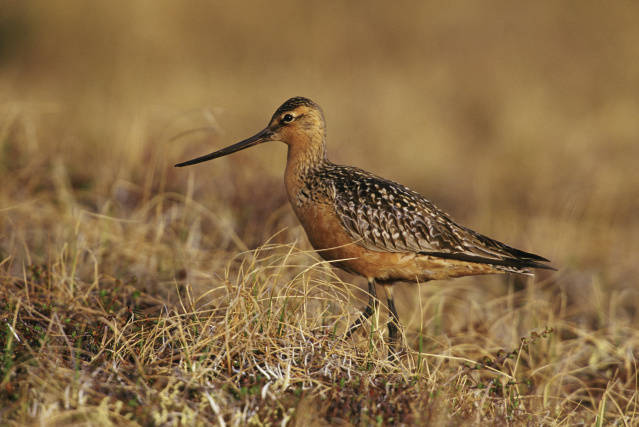
Shorebirds, which in North America can consist of birds ranging from turnstones and sandpipers to willets and avocets, are champion migrants. For instance, the bar-tailed godwit makes an impressive non-stop migratory flight. This shorebird nests in the United States only in parts of remote Alaska, but this godwit also ranges into Scandinavia and northern Asia. Some of these godwits make a nine-day, non-stop migratory flight that takes them from New Zealand to the Yellow Sea of China and beyond, a distance of almost 6,000 miles each way.
Needless to say, since the godwits make no stops along the way, they must also go without food for the duration of their journey. The female godwit is larger than the male, but she still weighs only 12 ounces. The long-billed, long-legged bird is about 17 inches in length from the tip of the bill to its tail. That a creature so small can make such a distant, arduous trip and be the none the worse for wear is truly inspiring.

Broad-winged hawk
Many North American raptors migrate, but the broad-winged hawk dislikes the lonely aspects of solitary travel. Instead, these hawks form large flocks during migration, and in autumn the majority of these raptors travel past human-staffed hawk migration observation points, which are dubbed “hawk watches,” during a brief and concentrated period of only a few weeks. Observing the phenomenon locally is possible at the Mendota Fire Tower Hawk Watch site atop Clinch Mountain at an abandoned fire tower near Mendota, Virginia.
Broad-winged hawks are part of the family Accipitridae, which includes 224 species of hawks, eagles, vultures and other birds of prey. Broad-winged hawks are truly long-distance migrants. Many hawks passing over Mendota may end their migration as far south as Brazil. These hawks travel in flocks that can consist of hundreds or thousands of individuals. The birds conserve energy by soaring on thermals and mountain updrafts.

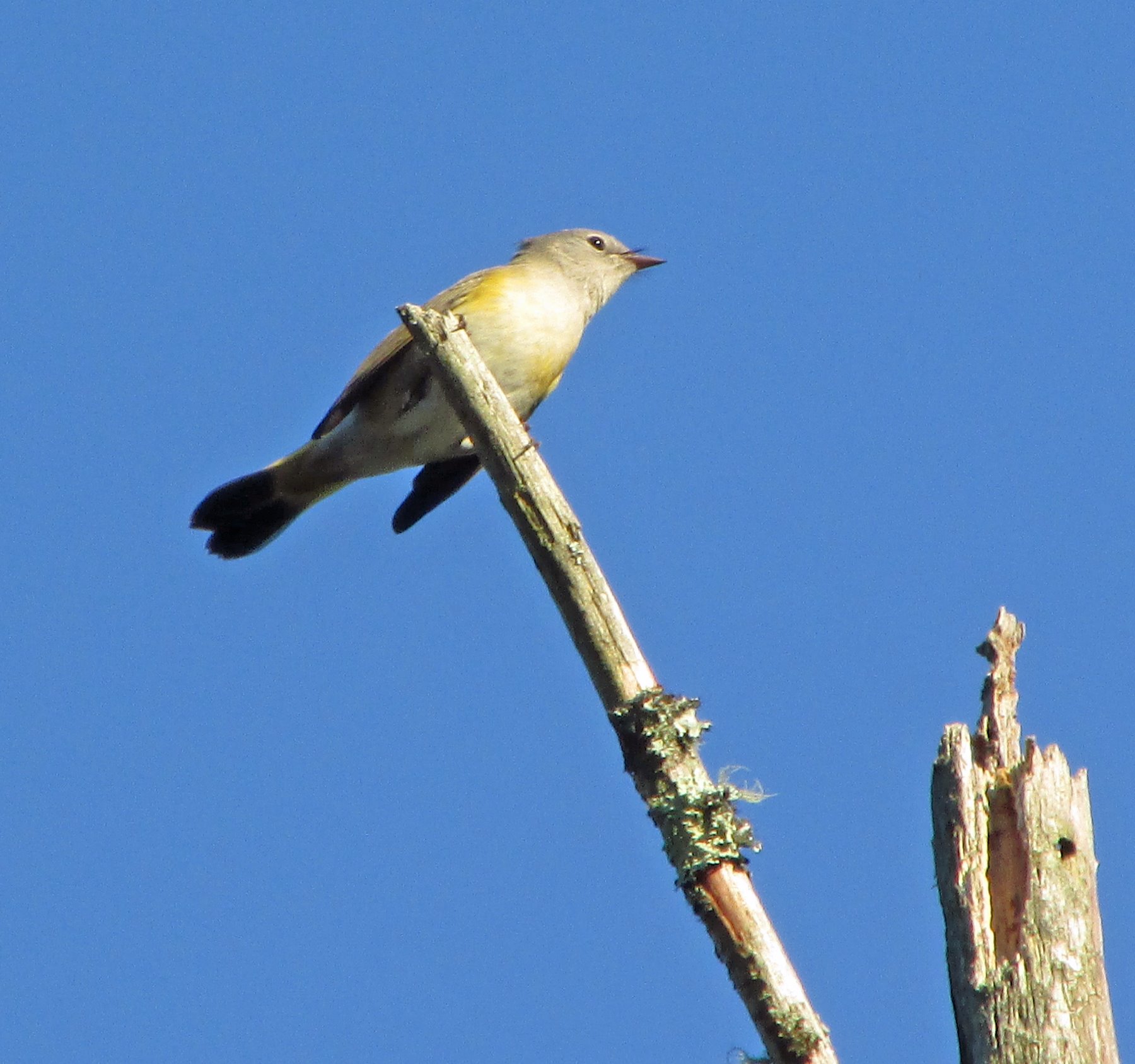
Photo by Bryan Stevens • Warblers, such as this American redstart, stage impressive migratory flights. The blackpoll warbler makes an incredibly arduous journey for a bird that is less than five inches long.

Blackpoll warbler
Most of the warblers that nest in North America retreat to Central and South America during the winter months. Few warblers, however, make as great a journey as the blackpoll warbler. Instead of migrating over land, this five-inch-long warbler undertakes a two-stage migration. The first half of the migration is a non-stop flight of about 1,500 miles. Every fall, these tiny birds fly over the ocean during this part of their migration, departing from Canada or the northern United States and not stopping until they reach various locations in the Caribbean. There they will spend some time recovering from the exhausting first half of their journey before they continue their way to such South American countries as Colombia and Venezuela. Once again, during the time they spend flying over open ocean, these tiny warblers do not feed.
* * * * *

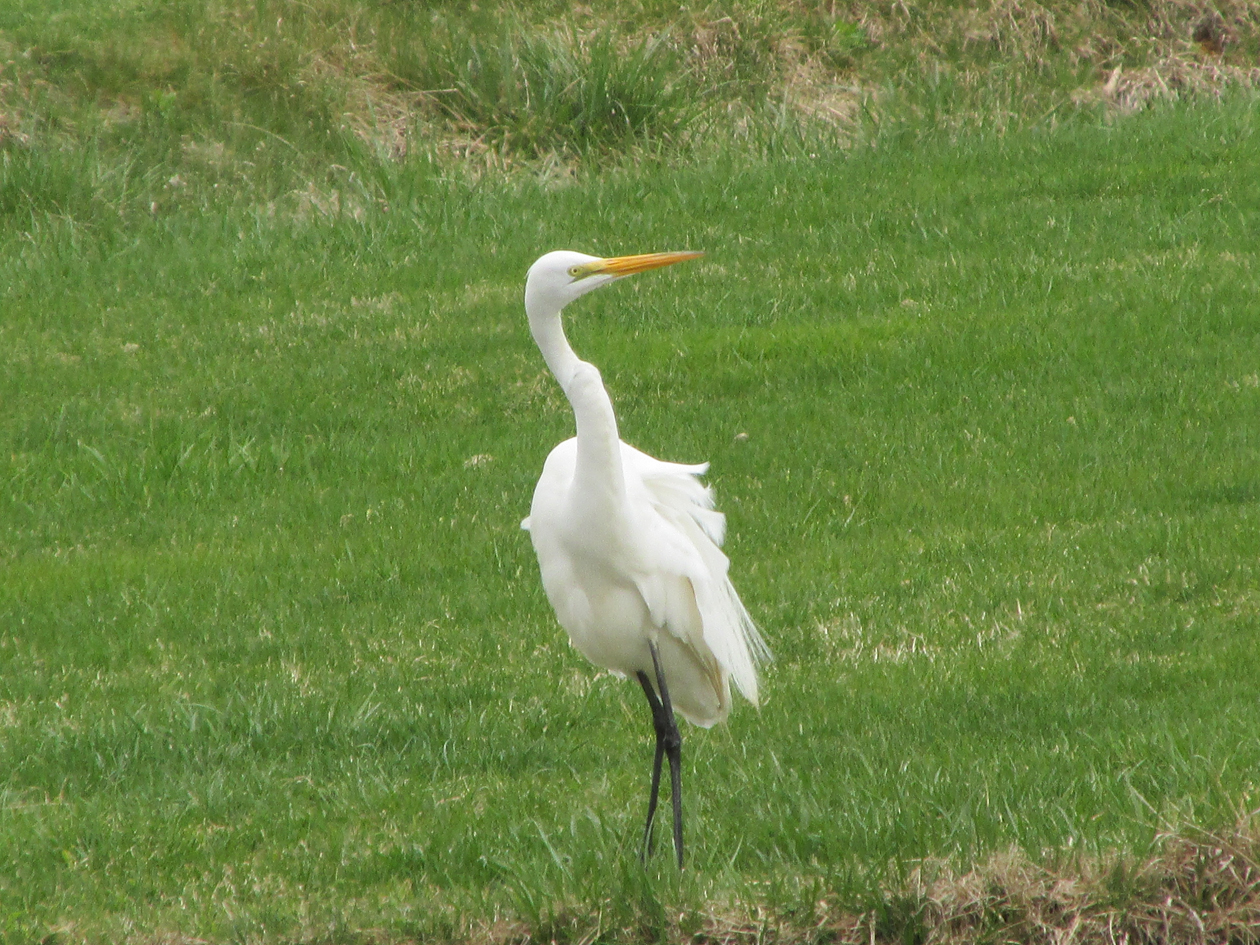
Photo by Bryan Stevens • A migrating Great Egret makes a stop at a golf course pond.

Wading birds topic for program
I’ll be presenting a program on herons, egrets and other wading birds at the September meeting of the Elizabethton Bird Club. The meeting will be held at 7 p.m. Tuesday, Sept. 6, at the Elizabethton campus of Northeast State Community College, 386 Highway 91. The meeting will be held on the second floor in Room 208. The free program is open to the public and will follow a brief business meeting.

Readers with questions are welcome to email me at ahoodedwarbler@aol.com or send a friend request on Facebook at facebook.com/ahoodedwarbler. I also love to receive comments and hear about bird observations.

Photo by Bryan Stevens • A spotted sandpiper and a solitary sandpiper rest at the edge of a pond during a migration rest stop.

Long-running Elizabethton Summer Bird Count finds 115 species

The Elizabethton Bird Club holds two summer bird counts to supplement other bird population monitoring efforts on the birdlife of Tennessee.

This count focuses exclusively on locations within Carter County and was held Saturday, June 9, with 16 observers in five parties plus two yard watchers. A total of 115 species was found, which is slightly above the average of 113 per count. The all-time high was 123 species in 2017. Several species restricted to the higher elevations of East Tennessee were found.

The count yielded some surprises and highlights, including the following:

A single Northern bobwhite represented a species that has been increasingly difficult to find in the area.

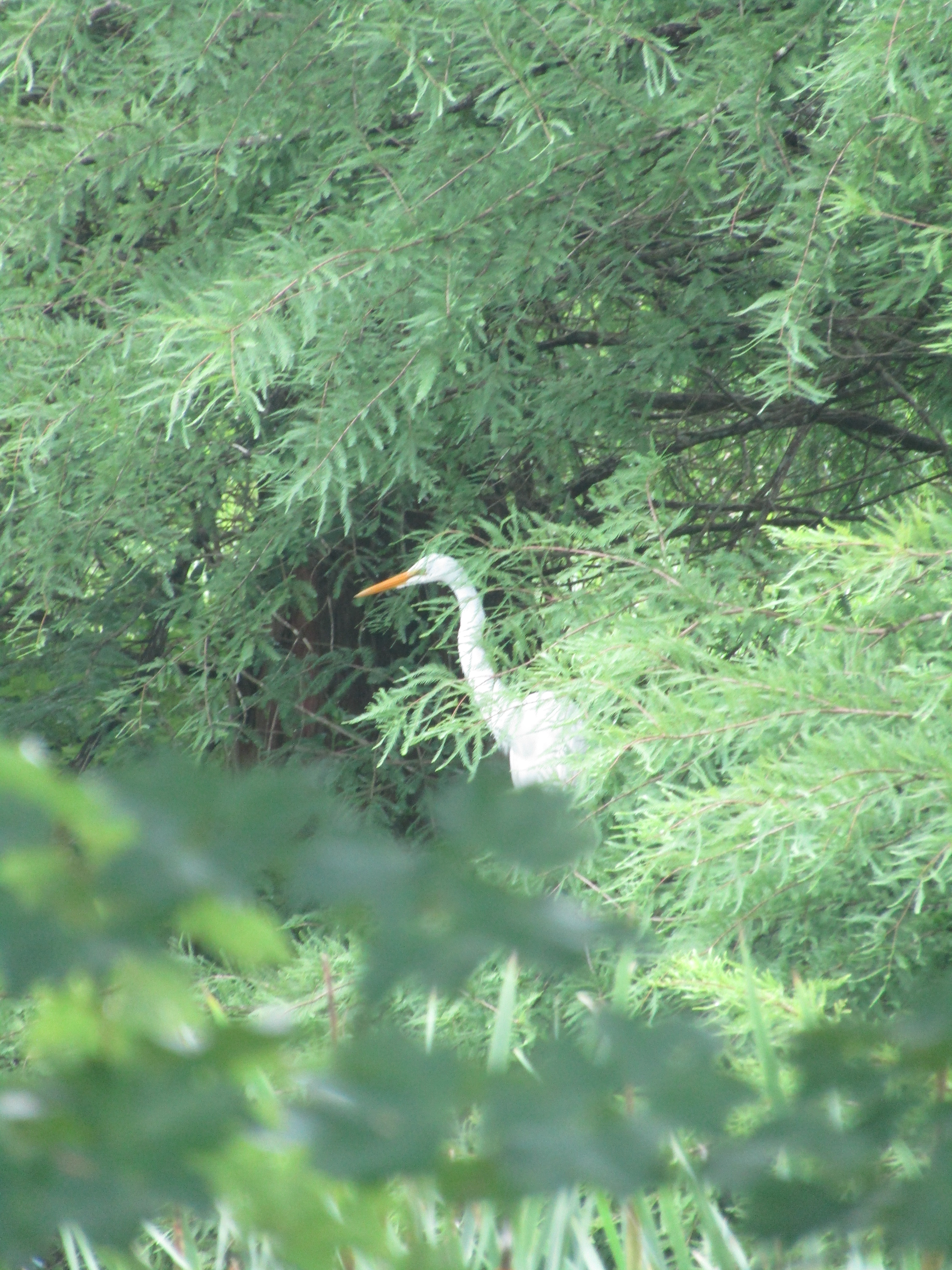
Photo by Bryan Stevens • Great egret, seen here among cypress trees, made the count for the first time this year.

A couple of birds made their debut appearance on this count, including great egret and fish crow, which is expanding its range rapidly in the region.

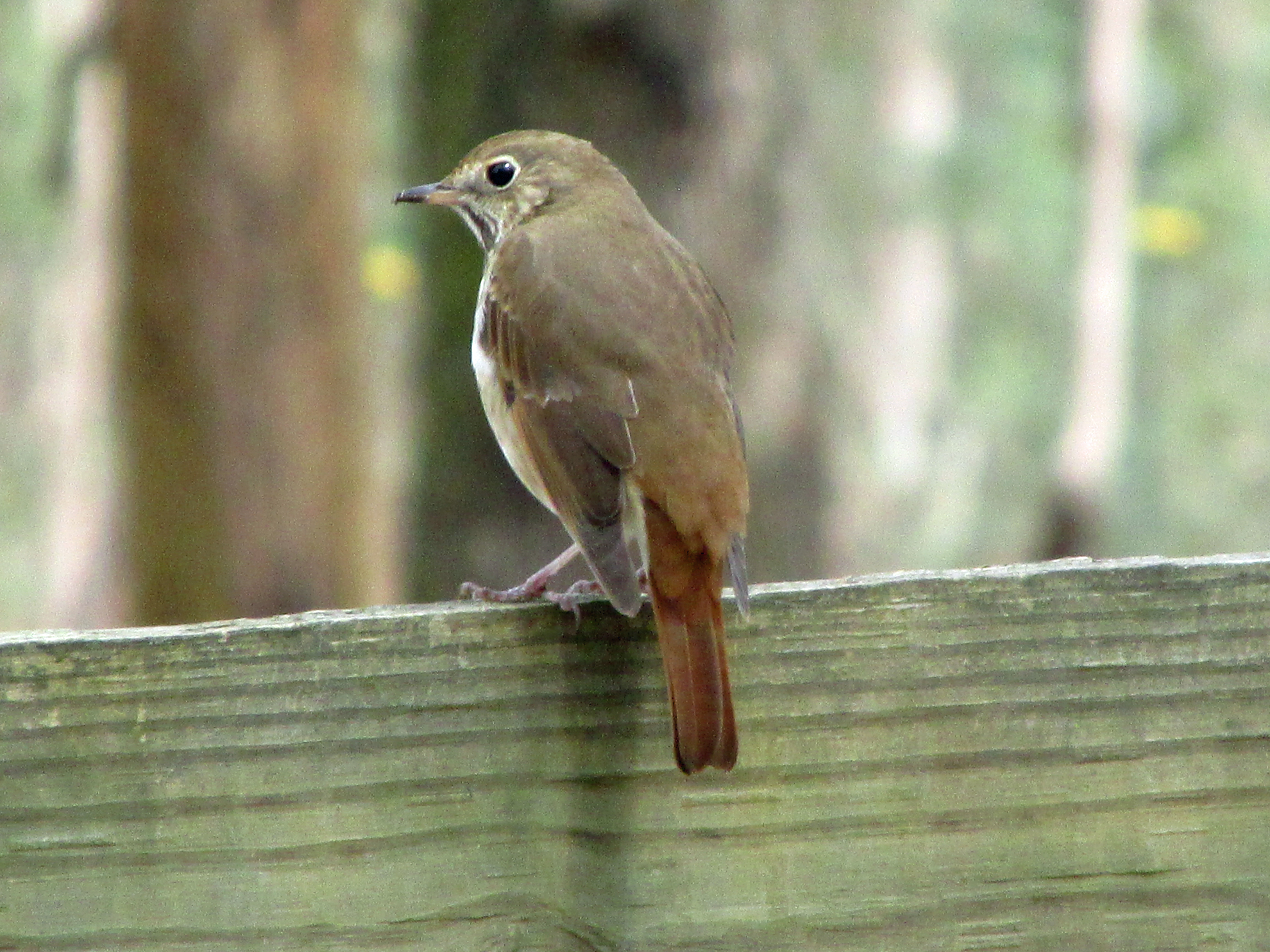
Other good finds included ruffed grouse, sharp-shinned hawk, American woodcock, Eurasian collared-dove, yellow-bellied sapsucker, alder flycatcher, least flycatcher, common raven, red-breasted nuthatch, brown creeper, winter wren, golden-crowned kinglet, hermit thrush, grasshopper sparrow, rose-breasted grosbeak, purple finch and pine siskin.

Photo by Bryan Stevens • Hermit thrush, pictured here, is an uncommon summer nesting bird at high elevations.

The count also found 20 species of warblers, including golden-winged, Swainson’s, magnolia, Blackburnian and yellow-rumped.

Of course, there are always unexpected misses. Birds usually found on summer counts but missed this year included green heron, yellow-crowned night-heron, bald eagle, great horned owl, white-eyed vireo, warbling vireo, purple martin, Kentucky warbler, prairie Warbler and vesper sparrow.

The count total follows:

Canada goose, 91; wood duck, 7; Mallard, 78; Northern bobwhite, 1; ruffed grouse, 2; wild turkey, 35; great blue heron, 42; and great egret, 1.

Black vulture, 2; turkey vulture, 58; sharp-shinned hawk, 1; Cooper’s hawk, 3; broad-winged hawk, 1; red-tailed hawk, 10; American kestrel, 1.

Killdeer, 4; American woodcock, 1; rock pigeon, 69; Eurasian collared-dove, 3; mourning dove, 171; and yellow-billed cuckoo, 3.

Eastern screech-owl, 2; barred owl, 1; chuck-will’s widow, 3; whip-poor-will, chimney swift, 46; ruby-throated hummingbird, 35; and belted kingfisher, 10.

Red-bellied woodpecker, 15; yellow-bellied sapsucker, 3; downy woodpecker, 15; hairy woodpecker, 1; Northern flicker, 9; and pileated woodpecker, 14.

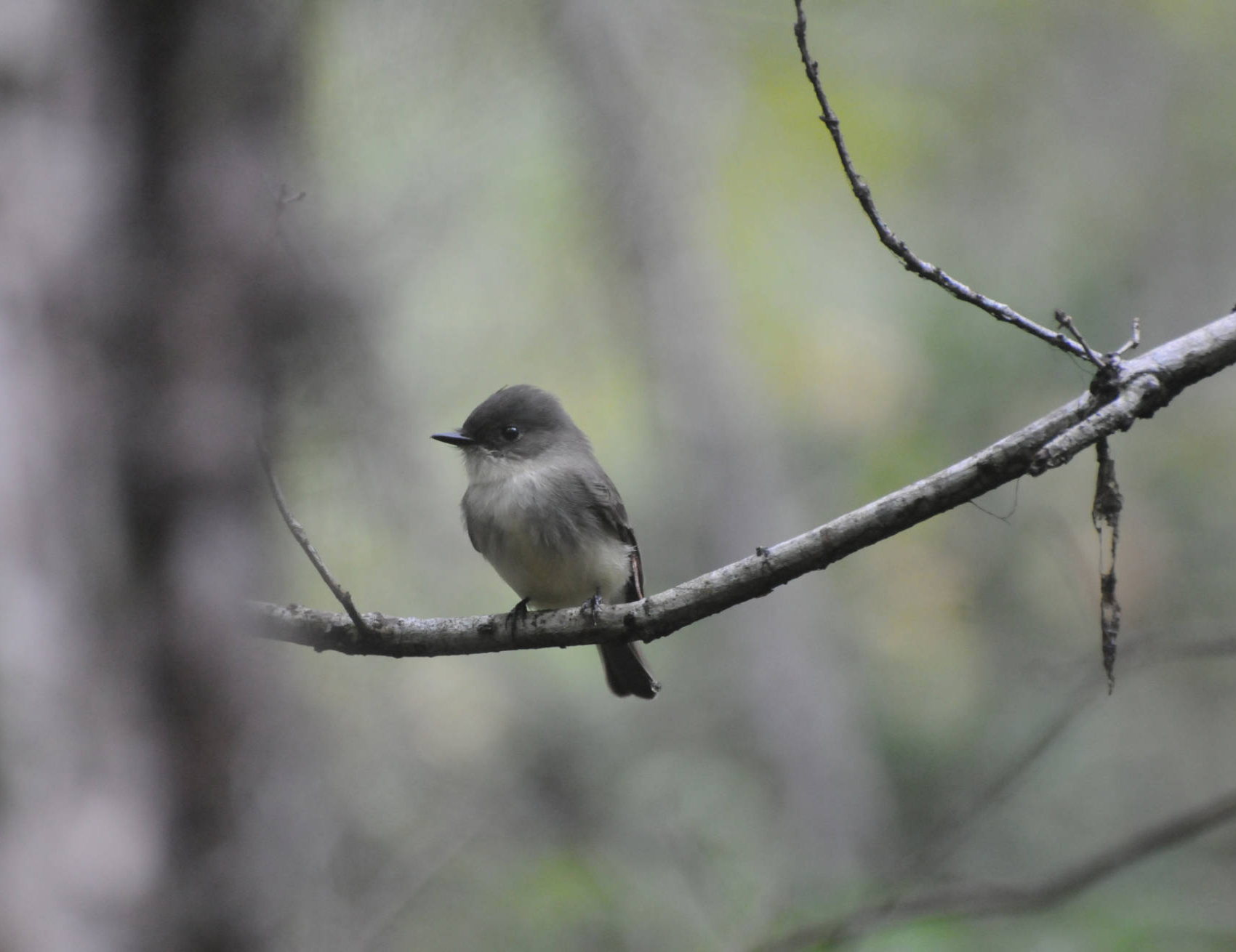
Eastern wood-pewee, 17; Acadian flycatcher, 21; alder flycatcher, 3; least flycatcher, 4; Eastern phoebe, 40; great crested flycatcher, 4; and Eastern kingbird, 15.

Photo by Bryan Stevens • Eastern phoebe is a common flycatcher in the region and abundant on summer counts.

Yellow-throated vireo, 2; blue-headed vireo, 44; red-eyed vireo, 105; blue jay, 66; American crow, 133; fish crow, 1; and common raven, 5.

Northern rough-winged swallow, 21; tree swallow, 123; barn swallow, 106; and cliff swallow, 313.

Carolina chickadee, 63; tufted titmouse, 71; red-breasted nuthatch, white-breasted nuthatch, 15; brown creeper, 3; house wren, 48; winter wren. 8; and Carolina wren, 54.

Blue-gray gnatcatcher, 17; golden-crowned kinglet, 23; Eastern bluebird, 71; veery, 41; hermit thrush, 1; wood thrush, 62; American robin, 245; gray catbird, 44; brown thrasher, 12; Northern mockingbird, 34; European starling, 358; and cedar waxwing, 54.

Overnbird, 47; worm-eating warbler, 6; Louisiana waterthrush, 11, golden-winged warbler, 6; black-and-white warbler, 32; Swainson’s warbler, 3; common yellowthroat, 20; hooded warbler, 76; American redstart, 14; Northern parula, 18; magnolia warbler, 6; Blackburnian warbler, 4; yellow warbler, 2; chestnut-sided warbler, 32; black-throated blue warbler, 39; pine warbler, 1; yellow-rumped warbler, 1; yellow-throated warbler, 7; black-throated green warbler, 29; Canada warbler, 11; and yellow-breasted chat, 3.

Eastern towhee, 73; chipping sparrow, 73; field sparrow, 43; grasshopper sparrow, 1; song sparrow, 151; and dark-eyed junco, 55.

Scarlet tanager, 18; Northern cardinal, 108; rose-breasted grosbeak, 11; blue grosbeak, 6; indigo bunting, 106.

Red-winged blackbird, 79; Eastern meadowlark, 1; common grackle, 74; brown-headed cowbird, 18, orchard oriole, 1; and Baltimore oriole, 1.

House finch, 43; purple finch, 2; pine siskin, 2; American goldfinch, 55; and house sparrow, 6.

Carter County’s Roan Mountain and Holston Mountain offer excellent high elevation habitat. Lower elevations along the Doe and Watauga Rivers also provide plenty of terrain for looking for a variety of birds.

Photo by Bryan Stevens • American goldfinches look their very best for the summer count.

Smallest of the nuthatches finds a niche at woman’s feeders

natdiglib_6802_extralarge

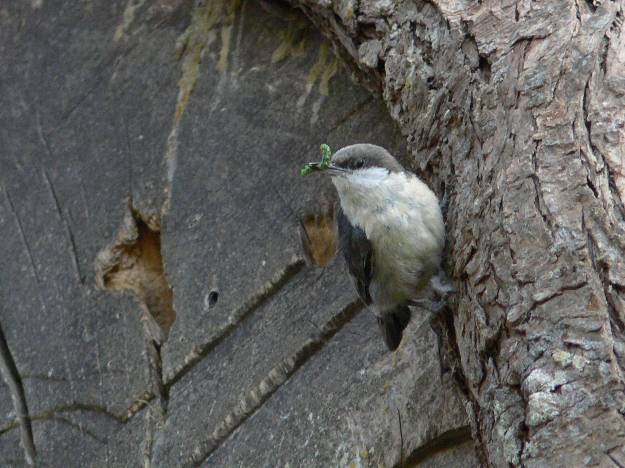
Photo by Lee Karmey/USFWS • A pygmy nuthatch captures a caterpillar.

Veronica Rausch contacted me by email to share a story of the nuthatches that frequent the feeders at her home in central Oregon.

“I have a small flock of pygmy nuthatches coming into the feeders next to my dining room window on a regular basis,” Veronica wrote, adding that the nuthatches began their visits about three weeks ago.

Veronica wrote that she lives in the pine forests of Central Oregon at an elevation of about 4,200 feet.

“The pygmy nuthatches are delightful little birds and share the feeders with the chickadees and juncos,” she wrote. “The bigger birds such as the Stellar’s jays and the woodpeckers will cause them to leave.”

Veronica has also enjoyed observing their unusual antics. “I saw one do a little dance on a branch by the suet feeder,” she described in her email. “Unfortunately, I wasn’t able to grab the camera fast enough! I hope they stick around.”

I replied to Veronica’s email, noting how I consider her fortunate to be hosting the smallest of North America’s nuthatches at her home. Admitting to some envy at her good fortune, I explained that I hope to some day add this species to my life list so I can check all of the continent’s nuthatches off my list of target birds.

Even by nuthatch standards, the pygmy nuthatch is a small bird. In appearance, this nuthatch shows buffy-white underparts contrasted with a brown head and a slate-gray back. They often breed in large extended family flocks, so the four individuals observed by Veronica might very well have been closely related to each other.
Nesting pygmy nuthatches are often assisted in their chores by “nest helpers,” which are close relatives that help the busy parents gather food and feed hungry young. These nest helpers also deliver food to females as they incubate eggs and will mount a spirited defense of a nest threatened by intruders. Their communal nature extends to nocturnal roosting when many individuals will huddle together to ensure their combined body heat helps them survive extremely cold nights.

So how small is the pygmy nuthatch? The adults are barely four inches long and weigh only a third of an ounce. A common fountain pen weighs more than this tiny nuthatch, which goes a long way towards explaining the bird’s scientific name, sitta pygmaea.

brown-headNuthatch

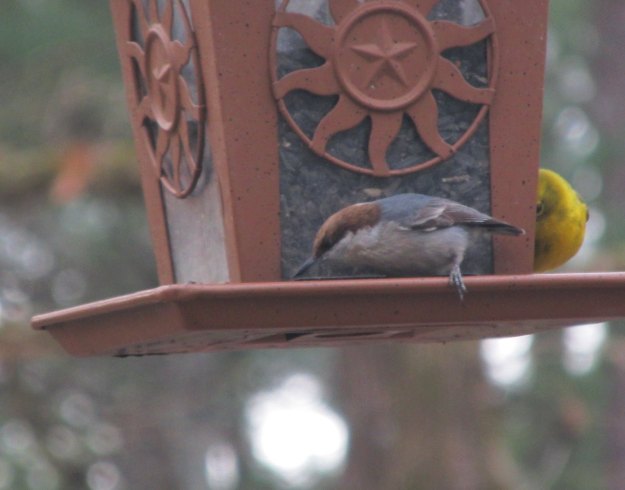
Photo by theSOARnet/Pixabay.com • The brown-headed nuthatch, the southeastern counterpart to the pygmy nuthatch that ranges throughout the Rocky Mountain states, is strongly associated with various types of pine trees.

Pygmy nuthatches are not at all likely to be found in the Mountain Empire or any adjacent areas, but there is another small nuthatch that is found in some extremely localized habitats in the region. The brown-headed nuthatch is a specialist of pine woodlands throughout the southeastern United States, favoring loblolly-shortleaf pines and longleaf-slash pines. This nuthatch requires standing dead trees for nesting and roosting. They forage for food, however, on live pines. The birds are more abundant in older pine stands.

I saw several brown-headed nuthatches during a recent stay on Fripp Island in South Carolina. I’ve also observed this small nuthatch during visits to Chattanooga, Tennessee, and Atlanta, Georgia, as well as various other locations in South Carolina. This nuthatch even occurs in the Mountain Empire region, most recently with four of these birds being found at Washington County Park on South Holston Lake near Bristol during the 2018 Christmas Bird Count conducted by the Bristol Bird Club.

These small birds will occasionally forage close to the ground, but they are often in the upper branches of pine trees. Their presence is often revealed by their call, which sounds amazingly like a squeeze toy. They produce their “squeaky toy” call persistently when agitated or curious. Brown-headed nuthatches often associate with mixed flocks in company with Carolina chickadees, tufted titmice, pine warblers and other small songbirds.

The power of flight gives most birds a perfectly valid reason to disregard the power of gravity. The family of tree-clinging birds known as nuthatches lives an even more topsy-turvy lifestyle than many other of their winged kin. Nuthatches prefer a headfirst stance, even “walking” upside down as they search for food in the nooks and crannies of tree trunks and branches.

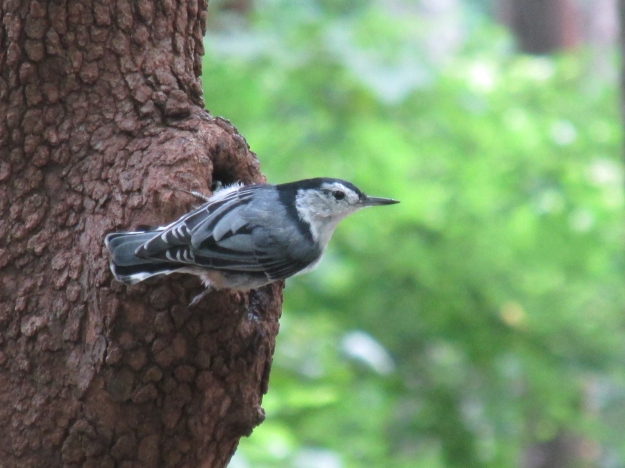
The United States is home to four species of nuthatches: white-breasted, red-breasted, brown-headed and pygmy. White-breasted nuthatches are probably the most familiar nuthatch to backyard birders in this area.

WB-Nuthatch

Photo by Bryan Stevens • A white-breasted nuthatch clings to the bark of a tree.

Because of their gravity-defying antics, the white-breasted nuthatch and other members of the family can provide hours of entertainment at our bird feeders. Individual white-breasted nuthatches will follow a single-minded path along the trunk of a tree or a branch on the way to a feeder. An individual nuthatch rarely varies from this path. It’s amusing to watch the jerky progress along the trunk as this bird prepares for a flight to a feeder holding sunflower seeds or a hanging wire basket of suet.

At my home, nuthatches typically remain aloof from the always-ongoing rivalry between the chickadees and titmice. The white-breasted nuthatch is also a no-nonsense visitor. Rarely distracted by disturbances among other birds, this nuthatch is content to grab a seed and go or hang on to the wire frame of a suet basket and peck off chunks of suet.

The more numerous titmice and chickadees give way when a white-breasted nuthatch claims a feeder. At times, however, among the frantic activity, a tufted titmouse or a Carolina chickadee will forget itself and fly to a position on a feeder already claimed by a nuthatch. If surprised enough to retreat to a nearby perch, the nuthatch will go through a rather comical little dance to express its displeasure. Wings spread out in a rigid pose, the bird will turn around in tight circles, showing definite resentment at being displaced by an offending chickadee or titmouse.

The stubby red-breasted nuthatch is another member of the family that occasionally finds its way to our yards. Smaller than the related white-breasted nuthatch and, as far as I can tell, complacent in the company of chickadees and titmice, the red-breasted nuthatch is always a welcome visitor. It has a tell-tale “yank yank” call that it produces when excited that sounds very much like little tin horns. The red-breasted nuthatch, perhaps because it spends so much of the year in more remote areas, can also be amazingly tame when it pays a winter visit.

Red-breastedNuthatch

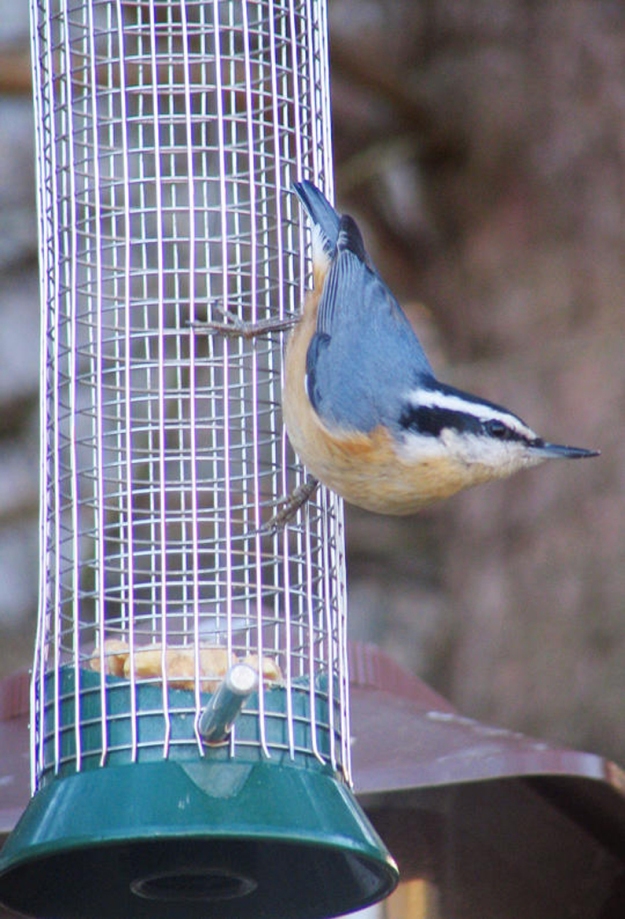
Photo by Bryan Stevens • A red-breasted nuthatch clings to the mesh of a feeding tube to get at the peanuts contained within.

Nuthatches can be attracted to feeders by offering peanuts, sunflower seeds and suet. They are also cavity-nesting birds, but are more reluctant about accepting a nesting box as a place to rear young. They will gladly accept an old woodpecker hole or other natural cavity in a tree.

I also want to complete my list of North American nuthatches by adding the fourth species — pygmy nuthatch — to my life list. I have made two trips to western North America, where this species ranges, but haven’t managed to find this bird. Both the pygmy and brown-headed are among the smallest members of the nuthatch family.

On the other end of the size scale is the appropriately named giant nuthatch, which reaches a length of almost eight inches. The giant nuthatch ranges through China, Thailand and Burma. This nuthatch is bigger than a downy woodpecker, one of our more common visitors at backyard feeders in our region.

Worldwide, there are about 25 species of nuthatches, some of which have surprisingly descriptive names for birds that spend most of their lives creeping in obscurity along the trunks and branches of trees. Some of the more creative common names for these little birds are inspired by locations around the globe, giving us species like Siberian nuthatch, Kashmir nuthatch, Burmese nuthatch, Bahama nuthatch, Algerian nuthatch, Indian nuthatch and Chinese nuthatch.

These birds are named “nuthatch” for the habit of some species to wedge a large seed in a crack and hack at it with their strong bills. I like to refer to them as “upside-down birds” because of their gravity-defying nature. It must give them an interesting perspective on the world around them.

Spring-Nuthatch

Photo by Bryan Stevens • In some areas, brown-headed nuthatches are feeder visitors. These small nuthatches are specialists that favor stands of loblolly pine.

High school senior looking out for interests of the region’s bluebirds

Bluebird-Pool

Photo by Bryan Stevens • A handsome male Eastern bluebird perches on a chain-link fence.

Observant people have probably noticed Eastern bluebirds already checking out possible nesting locations. These cavity-nesting birds begin scouting for possible nest sites in February and March. By April, female bluebirds may be incubating a clutch of eggs.

Although bluebirds will nest in natural cavities in trees, they respond readily to the availability of nesting boxes provided by human landlords. Many people are devoted to the cause of seeing that bluebirds — a favorite of many — continue to thrive in the face of certain challenges.

Bluebird-BeakFull

Photo by Adrianna Nelson • Bluebirds are skillful at foraging for insects.

Eighteen-year-old Adrianna Nelson is one such person. A senior at John S. Battle High School, Adrianna said she recently became involved with the Tennessee Bluebird Society as a way to become active with a conservation-related activity involving birds.

“I only recently got involved with TBS,” she said.

She began looking last summer for a way to contribute locally to the welfare of birds.

“I came across the TBS website,” she said. “They didn’t have a coordinator for Sullivan County, so I decided to fill the position.”

Nelson said she is interested in all birds but enjoys focusing on bluebirds and other cavity nesters to spread knowledge about their importance.

“TBS focuses on bluebirds,” she said.

Bluebird-FencePost

Photo by Bryan Stevens A male Eastern Bluebird inspects a nesting cavity in a wooden fence post. When such cavities are scarce, bluebirds readily build in nest boxes.

Bluebirds are like the “poster child” for the organization, Nelson noted, but she also pointed out that TBS also promotes the conservation of other native cavity nesters.

As county coordinator for TBS, her job primarily involves giving presentations to raise awareness about bluebirds and other cavity-nesting bird species.

“I have already presented to the Bristol Bird Club, and I plan to still give a few more presentations,” she said.

“I can also set up bluebird trails,” Nelson said. “I have not done any trails this year, but I have plans for next year. Part of my responsibilities is also to maintain trails and answer questions from the community.”


There are some good reasons for people to offer extra support to help bluebirds thrive.

“Eastern bluebirds are native cavity nesters,” Nelson said. “They are not strong enough to excavate their own cavities, so starlings and house sparrows can take over natural and man-made structures very quickly. It is important to promote the longevity of native species. Not only are they important, they are very beautiful.”

There are several things that people can do to make their yards and gardens more attractive to bluebirds.

“One of the most important is to make sure that there is proper habitat,” Nelson explained. “Bluebirds prefer open areas with some trees or other perches for spotting insects.”

Bluebird-withPineNeedles

Photo by Bryan Stevens • A female Eastern Bluebird gathers pine needles to use as nesting material. Bluebirds are a cavity-nesting species that will use natural or manmade cavities.

For those interested in attracting nesters, Nelson said that picking the right nest box and proper placement is important.

She helps maintain nesting boxes along a bluebird trail at Steele Creek Park in Bristol.

IMG_4196

Photo by Adrianna Nelson • Eastern bluebirds are a beautiful bird to welcome into the backyard.

In addition, providing plenty of water helps. “Bluebirds also like meal worms, but plants such as dogwoods, sumac, pokeweed, viburnum, and others can provide food, especially in the winter,” Nelson said.

Keeping predators away is crucial. According to Nelson, this can be achieved with simple actions such as keeping cats indoors.

“There are more details about bluebirds, boxes, nesting, predators, habitat and more online on the North American Bluebird Society website,” Nelson added.

Nelson shared some fascinating facts about bluebirds.

“They can spot insects from over 50 yards away,” she said.

EasternBluebird_Score

Photo by Bryan Stevens • Eastern Bluebirds are year-round residents in Northeast Tennessee.

Bluebirds are bigger than small songbirds like chickadees, wrens and warblers, yet they weigh only about one ounce.

Bluebirds are truly “early birds,” according to Nelson. “Eggs usually hatch within the first two hours after dawn,” she said.

There are no local meetings of the Tennessee Bluebird Society, but an annual meeting for TBS is held in November. The meeting is open to the public.

TBS and North American Bluebird Society members get quarterly journals and newsletters. There is also information on the websites of the two organizations for anyone interested in bluebirds.md19917207443

NABS was founded in 1978 by Dr. Lawrence Zeleny in order to promote the preservation of bluebirds, a cavity-nesting species in decline at that time. Zeleny, with the support of his wife, Olive, dedicated much of his life to providing nestboxes and managing bluebird trails. He promoted bluebird conservation through hundreds of talks and articles in many periodicals.

The Eastern bluebird has two close relatives — the Western bluebird and the mountain bluebird. These species belong to the genus, Sialia, which is counted among the world’s thrushes.The Western bluebird ranges throughout California, the southern Rocky Mountains, Arizona and New Mexico. The mountain bluebird is widespread in the western United States, as well. Two states — Idaho and Nevada — have bestowed official status on the mountain bluebird as their official state bird. The Eastern bluebird has also been honored with that designation by the states of Missouri and New York.

The Eastern bluebird suffered serious decline from 1940 into the 1960s, but it is now a common bird in the region. Rick Knight, author of The Birds of Northeast Tennessee, notes that nest boxes were instrumental in the recovery of the Eastern bluebird.

Nelson is continuing the work pioneered by others to conserve the Eastern bluebird. She lives in Bristol, Virginia, with her parents, Sandi and Shawn Nelson. She welcomes the public to contact her about bluebirds by emailing adriannan1@hotmail.com.

To learn more about the Tennessee Bluebird Society, visit http://www.tnbluebirdsociety.org. For more information on the North American Bluebird Society, visit wwwna.bluebirdsociety.org.

Bluebird-BabeInMimosa

Photo by Bryan Stevens A young Eastern Bluebird slowly gains independence after leaving the nest.