Category Archives: nature

Red-shouldered hawk makes a fascinating, if somewhat shy, guest

People who feed the birds soon get to know the feisty personalities from the retiring wallflowers when it comes to the visitors to their yards. Northern mockingbirds, male ruby-throated hummingbirds and American robins are usually counted among the more boisterous birds.

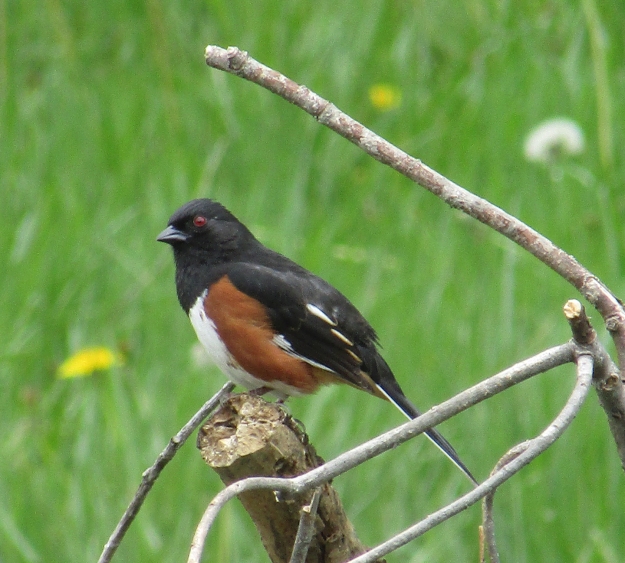
Then there are the birds that shrink from interaction and hang back on the fringes, including wood thrushes, Eastern towhees and the large but shy pileated woodpecker. The latter example just goes to show that size doesn’t always equate with an extroverted personality when it comes to birds.

Redshouldered_Hawk-LeeKarney

Photo by U.S. Fish and Wildlife Service/Lee Karney • Red-shouldered hawks prefer to perch and ambush prey. They drop on unsuspecting prey, which varies from reptiles and amphibians to rodents, that come within reach.

That’s certainly the case with a red-shouldered hawk that has taken up residence for the winter at my home. The hawk usually favors a stand of trees near the fish pond at my home when it visits the yard. The hawk made its initial appearances in December and then lingered into the new year. So far, the hawk has been a very shy guest. I’ve wanted to photograph the bird, but that’s difficult to do when it spooks and flies off the instant I step outside the door of my home. I’m not too disappointed because I know that raptors that are too comfortable around humans are at risk of running afoul of misinformed individuals who may regard all predatory birds as “bad.” The reality is that all hawks are valuable components of a healthy, working ecosystem with each species filling a certain niche.

According to a factsheet published by the New York State Department of Environmental Conservation, this raptor breeds in moist woodlands, riverine forests, the borders of swamps, open pine woods and similar habitats. Nesting almost always occurs near water, such as a swamp, river or pond.

Red-shoulderHawk

Photo by Bryan Stevens • This captive red-shouldered hawk was rehabilitated after suffering an injury and now works in an educational program at Brookgreen Gardens in South Carolina to teach the public about raptors, other birds, and various types of wildlife.


The red-shouldered hawk is an ambush predator. This raptor usually selects a favorable perch and remains still while scanning for possible prey. The hawk will drop rapidly onto any prey that wanders carelessly within range. In the summer, prey items largely consist of reptiles and amphibians, including snakes and frogs, as well as some insects and crayfish. Most of these creatures are scarce during the colder months of the year, which prompts these hawks to adopt a diet that focuses on rodents and the occasional songbird. Other than the altercations with the resident crows, I haven’t observed any encounters between the hawk at my home and any other birds — with one exception.

On a recent morning, the hawk was on its usual perch — a branch of a large willow adjacent to the fish pond — when seven Canada geese, another rare visitor to my home, suffered some sort of fright and took flight. The noisy geese flew directly over the willow, which spooked the raptor into taking flight in the opposite direction of the departing geese.
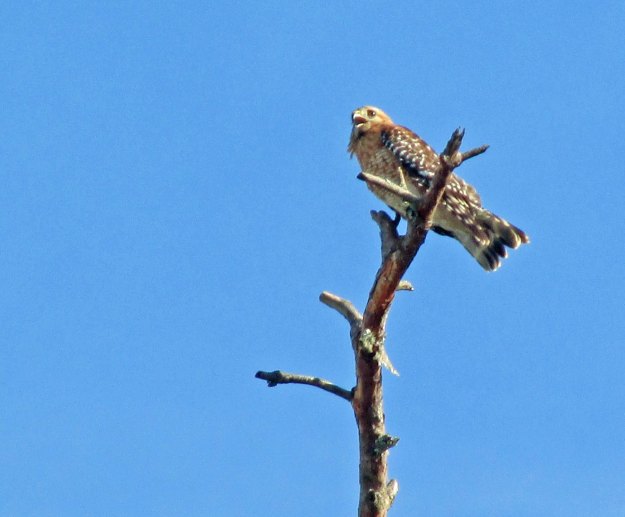
Red-shoulder-Pawleys 3

Photo by Bryan Stevens • A calling red-shouldered hawk perched in a dead tree on Pawleys Island in South Carolina.

The red-shouldered hawk produces a distinctive, piercing whistle that reminds me of the shrill call of a killdeer. The hawk at my house has been silent so far, perhaps not wishing to draw attention. The few times the local crows have noticed the hawk’s presence, they’ve flocked together to mob the unfortunate hawk. It’s also not the right time of year. During courtship and the subsequent nesting period, these hawks are vocal. At other times of the year, they are rarely heard. It’s also possible to mistakenly think you have heard one of these large hawks. Blue jays have apparently learned to imitate the “kee-yar” call of this hawk, often working a flawless rendition of the whistled notes of this large raptor.

In contrast to the related red-tailed hawk, the red-shouldered hawk soars less and prefers to perch hidden in the cover of trees. This hawk’s name comes from the reddish-brown shoulder patches in the bird’s wings. Adults show a tail marked with vivid bands of black and white that is quite distinctive.

The red-shouldered hawk belongs to the same genus of raptors as its larger relative, the red-tailed hawk. The genus, buteo, includes about two dozen large raptors that are often dominant avian predators in their respective habitats. The red-shouldered hawk is known by the scientific name Buteo lineatus.

red-shouldered-hawk-john-james-audubon

Early naturalist and artist John James Audubon painted this pair of red-shouldered hawk.

The red-shouldered hawk is less common in the region than some of the other raptors. This hawk’s stronghold is in Florida and other southern states like South Carolina and Georgia. I’ve seen many of these hawks on visits to both the Sunshine State and Palmetto State.

Some of the buteo species have adapted to life on islands, including the Galapagos hawk and the Hawaiian hawk. Some of these hawks have quite descriptive names, including the white-throated hawk, gray-lined hawk, zone-tailed hawk and short-tailed hawk. Outside the United States, raptors in the buteo genus are often known as buzzards. When the first European colonists came to the New World, they applied the term buzzard to both native vultures, as well as the large raptors like Swainson’s hawk and broad-winged hawk that reminded them of the ones back in Europe.

It’s been nice hosting this beautiful raptor, although the crows might disagree with me. A neighbor who lives close to me has had red-shouldered hawks spend the summer months on her property, so I’m hopeful that my visitor might even like the surroundings well enough to become a full-time resident.

•••••

Bryan Stevens lives near Roan Mountain, Tennessee. To learn more about birds and other topics from the natural world, friend him on Facebook at https://www.facebook.com/ahoodedwarbler. If you have a question, wish to make a comment or share a sighting, email ahoodedwarbler@aol.com.

Red-shouldered-Finally

Photo by Bryan Stevens • In a timely fashion, this red-shouldered hawk, which has avoided the camera for weeks, arrived on this rainy day in late January on the same date this post inspired by this bird was published.
What’s in a name? Vernacular designations for some birds lack imagination

I took part in a Christmas Bird Count last month. These annual mid-December surveys of bird populations are not quite as exciting as counts held during the spring or fall migration periods each year, but they can produce some interesting results. One exciting post-count activity after taking part in a CBC is getting together to compile the results tallied by the various participating groups and individuals. The results are usually compiled on field checklists for birds of Tennessee. These checklists, which are produced by the Tennessee Wildlife Resources Agency and the Tennessee Ornithological Society, feature a listing of the common name of every bird species likely to be encountered in the state.

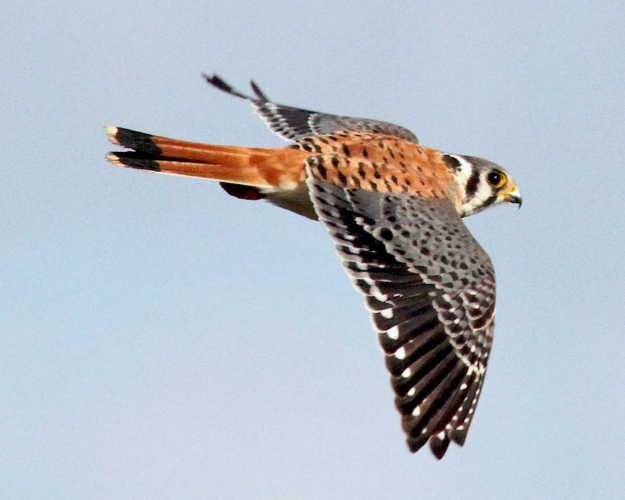
AmKestrel-Flight

Photo by USFWS/Robert Burton • An American kestrel in flight shows the aerodynamic design that earned this small falcon the common name of sparrow hawk.

The compiler generally reads out the various names on the checklist, which lists all the local birds, beginning with black-bellied whistling duck and ending with house sparrow, and the spokespersons for the various parties respond as each bird’s name is called with the number of birds seen for each species. Over the years, some of the common names of birds featured on the list have changed, as has the position on the list for some of the species. For instance, the American kestrel and other falcons are no longer listed on the card in a grouping with the other raptors found in the state. This doesn’t make much sense to me. But, as I understand it, the falcons have been re-classified for scientific reasons, changing their relationship with the other birds listed on the checklists.

The falcons are not the only birds demoted from the grouping of raptors. The two native vultures — turkey vulture and black vulture — are now listed with herons and ibises instead of raptors. The falcons are now listed between the groupings of woodpeckers and flycatchers.

MaleTowhee-PIC

Photo by Bryan Stevens • Former common name rufous-sided towhee became Eastern towhee, which is far less descriptive of the bird’s appearance.

At least no expert has suggested a name change for any of the falcons. I dislike name changes, especially when we lose a descriptive name for a mundane one. That’s how we got relatively bland names like Eastern towhee instead of rufous-sided towhee and Northern flicker in place of yellow-shafted flicker. In fact, the American kestrel was once known as the sparrow hawk. The merlin and peregrine falcon, larger relatives of the kestrel, were once known as the pigeon hawk and duck hawk, respectively.

Common names are also known as “vernacular” names. Vernacular can be defined as the language or dialect spoken by the ordinary people, which contrasts with the scientific names for species of birds that are usually only recognized by ornithologists or other experts. However, just like dialects, there can be a great deal of variety among common names for the same birds. Many of the common names for some of our favorite birds lack any vivid descriptiveness.

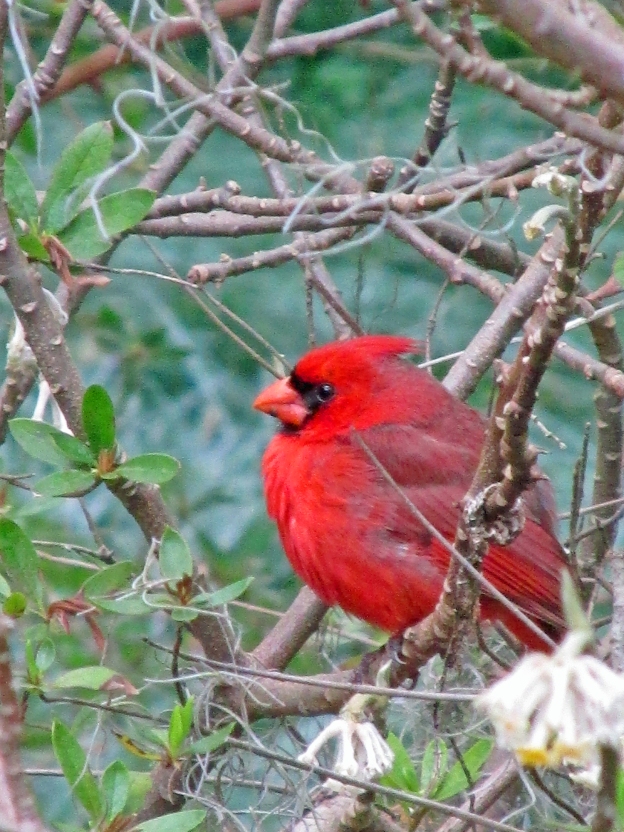
IMG_4080

Photo by Bryan Stevens • Northern cardinal seems much less descriptive of this popular bird than such common names as Virginia nightingale and cardinal grosbeak.

For instance, let’s take a look at the Northern cardinal, which has been known by such common names as cardinal bird, cardinal grosbeak, crested redbird, Kentucky cardinal, redbird, Virginia redbird and Virginia nightingale. The first thing that irritates me about the common name of this bird is that there is no Southern cardinal. So, why is this bird the “Northern” cardinal? The only other birds in the Cardinalis genus are the desert cardinal, also known as the pyrrhuloxia, and the vermilion cardinal. Both these relatives have arguably more interesting and descriptive names than their relative, which is a favorite of many birders and arguably better known to many people.

I can understand why Kentucky cardinal and Virginia redbird are not inclusive names since the Northern cardinal ranges far beyond the borders of these two states. On the other hand, cardinal grosbeak with its reference to the cardinal’s large beak, as well as crested redbird, are both more descriptive and creative than the rather nondescript Northern cardinal.

Of course, a literary great summed up the confusing attitude toward common names. “What’s in a name?” William Shakespeare had Juliet ponder. “That which we call a rose by any other name would smell as sweet.”800px-Title_page_William_Shakespeare's_First_Folio_1623

I think The Bard was on to something. Whether we call a cardinal a redbird or a Virginia nightingale, it’s song will sound as sweet to our ears. The appearance of one of these birds on a gloomy day will elevate our mood whether we know the bird as cardinal grosbeak, Kentucky cardinal or, in scientific terminology, Cardinalis cardinalis.


BRISTOL HUMMERS DEPART

As promised, here’s an update on the hummingbirds that proved dutiful daily visitors to a sugar water feeder at the Bristol home of Ralph Beamer through Halloween, Thanksgiving and Christmas.

Early in the new year, Ralph notified me that the hummingbirds departed ahead of 2018’s arrival.

“We had a surprise on New Year’s Day,” Ralph wrote in an email. “The hummingbirds were gone. I am glad they left ahead of the extreme cold we have had the last few days.”

Ralph noted that he had a wonderful time watching them for the past three months. He is hopeful they will come back in the future, but figured that is probably wishful thinking.

Actually, some of these winter hummingbirds, which often turn out to be rufous hummingbirds, have proven quite faithful to favorite locations. Bird banders have recaptured some individual hummingbirds year after year in the same yards. During the stay of his visitors, Ralph shared photographs and videos with me of their visits to his feeders. I enjoyed receiving his periodic updates about them.

I emailed Ralph back and told him that these hummingbirds seem to also have a knack for knowing when to leave and suggested he keep an eye out for them again next fall.

••••••

Bryan Stevens lives near Roan Mountain, Tennessee. To learn more about birds and other topics from the natural world, friend Stevens on Facebook at https://www.facebook.com/ahoodedwarbler. If you have a question, wish to make a comment or share a sighting, email ahoodedwarbler@aol.com.

Purple finches always welcome winter visitors when snow and cold drives them to feeders

Purple-March30

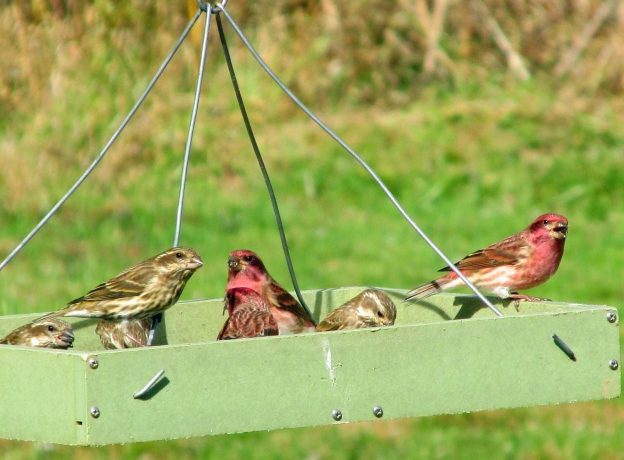
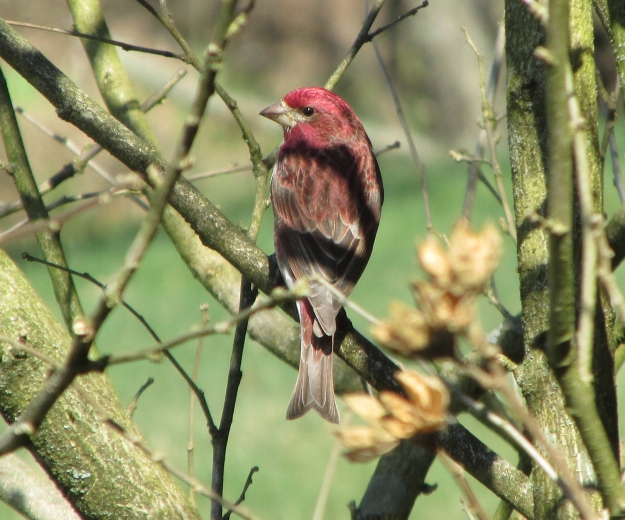
Photo by Bryan Stevens • Purple finches are mainly winter visitors in the region, although they may make appearances during their fall and spring migrations. Although similar to house finches, purple finches have their own unique appearance once observers become familiar with them. The notched tail, evident in this bird, is a good way to distinguish purple finches from very similar house finches.

The region experienced its first brush with wintry weather with the snowstorm that arrived Dec. 8. With a few inches of snow on the ground, some birds that had been ignoring my feeders decided to give them a second look. American goldfinches, dark-eyed juncos and a red-bellied woodpecker made frequent visits to the feeders over the weekend as more snow and cold temperatures put a temporary stop to the mild start of the 2017-2018 winter season.

So far, the feathered clientele at my feeders are the expected visitors, including Carolina chickadees, downy woodpeckers, song sparrows and white-breasted nuthatches. Some birds, such as pine siskin and purple finch, which can make feeder watching an exciting winter pastime, have not yet made an appearance. Both these species belong to a group of birds known in birding circles as “Northern finches” that also includes species like red crossbill, evening grosbeak and common redpoll.

Evening_Grosbeak

Photo by George Gentry/U.S. Fish & Wildlife Service • A male evening grosbeak perches on the side of a sunflower-stocked feeder.

The purple finch, which is a winter visitor to northeast Tennessee, southwest Virginia and western North Carolina is apparently not as common as in past years. Some experts have speculated that the decline in the numbers of purple finches each winter can be attributed, at least in part, to the closely related house finch. Today, the house finch is quite widespread, found across the United States. Originally, however, the house finch was a bird of the western part of the country, living in Mexico and the southwestern United States.

About 1940, the house finch became established in the eastern United States. In violation of federal law, these small finches were being sold in New York City as pet birds described as “Hollywood Finches.” To avoid trouble with authorities, vendors and even some owners released their “Hollywood Finches” into the wild. Finding the area around New York City to their liking, house finches spread. Within a few decades, they were common birds throughout the eastern United States, including Tennessee, Virginia and North Carolina. The house finch had also been introduced into Hawaii about 1870, and is still present today, along with many other species of birds not native to the island.

HousieFinch

Photo by Bryan Stevens • A male house finch perched on a cable. These finches are native to the western United States but became established in the eastern states thanks to the illicit pet trade.

As the house finch claimed a new range, they inevitably encountered the related purple finch. During the winter, both finches are often present at feeders in the region. When both are available for observation, bird enthusiasts should take advantage of the opportunity to compare and contrast these birds. Personally, I have never had any difficulty distinguishing a purple finch from a house finch. The two species, at least in my eyes, are easily recognized. I can understand why some people might have trouble separating the two birds. The late Roger Tory Peterson once described the purple finch as a bird “dipped in raspberry juice.” Think about that imagery for a moment and you’ve got a good start to distinguishing a male purple finch from a male house finch. Unfortunately, the description does nothing to distinguish females of the two species.

Let’s deal first with the males. Male purple finches are delicate pink-red (that raspberry coloration) on the head and breast, mixing with brown on the back and cloudy white on the belly. The red of a male purple finch is definitely a color I have not observed with many other birds. Even “red” birds such as male Northern cardinals and male scarlet tanagers do not show the same red color. Once you learn the way the red appears in the plumage of a male purple finch, you are on your way to telling this bird apart from its relative.

purple-finch-john-james-audubon

Early naturalist and artist John James Audubon painted this depiction of purple finches.

The red in the plumage of male house finches is surprisingly variable. In most cases, the heads, necks and shoulders of male birds are reddish and the red at times extends to the stomach and between the wings on the bird’s back. The intensity of the red changes with the seasons and is also derived from the berries and fruits in the bird’s diet. Pale yellow and bright orange are alternatives to the typical red plumage.

Look closely at the photograph of the purple finches accompanying this column. There’s a distinctive facial pattern evident on the birds. The strong facial markings include a whitish eye stripe and a dark line down the side of the throat. This pattern simply doesn’t exist with the male house finch. When I make a snap identification of these two birds, I always look for the facial pattern even before I study any other aspects of the appearance of the bird. In addition, purple finches have powerful, conical beaks and a tail that appears short and is clearly notched at the tip. Rounding out the description of a male house finch is the fact that they have a long, square-tipped brown tail and are brown or dull-brown across the back with some shading into gray on the wing feathers. The breast and stomach feathers may be streaked.

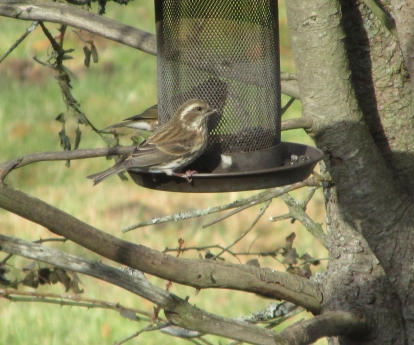
Females of both house finches and purple finches are dull brown birds that could easily be mistaken for sparrows. Again, the facial pattern is much more apparent on a female purple finch than on the related female house finch. In addition, I have always noticed that female purple finches are usually a darker shade of brown than the dull brown female house finches. Both male and female house finches are more slender than their more chunky-bodied counterparts.

PurpleFinches

Photo by Bryan Stevens • A study of the facial pattern of a female purple finch helps contrast her from similar female house finches. Again, the notched tail is also a good indication of the bird’s identity.

In the United States, another close relative of the house finch and purple finch is the Cassin’s finch of the western United States. Together, the three species make up a classification known as the American rosefinches. Formerly placed in the genus Carpodacus, these three birds are now in the genus known as Haemorhous. The new classification separates them from the Eurasian rosefinches, which includes more than two dozen species including scarlet finch, great rosefinch and crimson-browed finch.

Purple finches occupy a variety of winter habitats, including fields and woodland edges, as well as yards and gardens. All it takes to lure these finches to your feeder is a plentiful offering of sunflower seeds. If you are lucky enough to have both of these finches visiting your feeders, take time to study the differences. It takes some practice, but they can be distinguished quite confidently.

Merry Christmas to all my fellow bird enthusiasts! 

Winter wren one of the season’s low-profile visitors

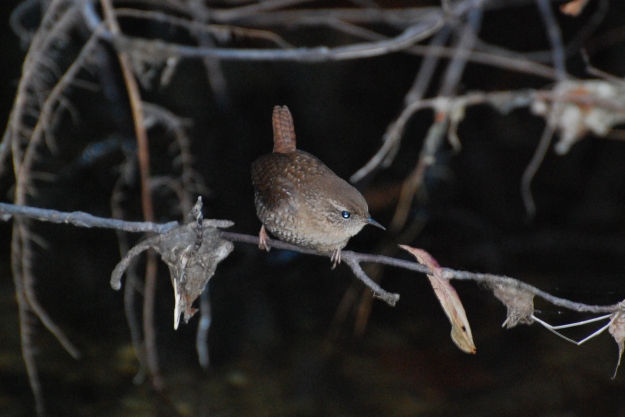
WinterWren

Photo by Jean Potter
What the winter wren lacks in size, it makes up for with its voice. A boisterous and exuberant singer during the spring nesting season,  winter wrens are also quick to scold intruders into their winter territories.


Of late, every time I step outside my front door I’ve incurred the ire of a winter wren that’s taken up residency in my yard. This wren is a tiny bird among a family of birds known for small size, but it makes its presence known in unmistakable terms.

For starters, the winter wren is a noisy bird. The one living at my home arrived in late November and immediately claimed a niche to call its own. Any intrusion is met with a scolding chatter as the wren scurries low to the ground to drop out of view. In fact, the winter wren’s a very terrestrial bird. Observers are just as likely to see one of these wrens run across the ground as they are to see it take flight. I’m hopeful he will remain as winter’s grip tightens for the next couple of months.

The website All About Birds, managed by The Cornell Lab of Ornithology, offers advice on making a wren-friendly yard. “Landscaping with native plants is a good way to provide habitat for Winter Wrens,” according to the website. Other steps to take could extend to creating brush piles and ensuring some sections of the yard offers dense vegetation. The website also notes that this wren is often found making its home near streams.

In the summer, the winter wren often nests atop some of the high-elevation mountains in the region, especially ones with abundant fir and spruce trees. Otherwise, it’s mostly a winter visitor in the region. Other wrens common to the region include the Carolina wren and the house wren. In suitable habitats, especially during fall and spring migration, two other wrens — marsh wren and sedge wren — are observed occasionally in the region. Other wrens native to the United States include the rock wren, canyon wren, cactus wren, Pacific wren and Bewick’s wren.

The world’s 88 species of wrens are, for the most part, the quintessential “little brown birds,” but that hasn’t kept them from acquiring some interesting and descriptive common names. Some examples include the tooth-billed wren, flutist wren, riverside wren, whiskered wren, happy wren, musician wren, timberline wren, speckle-breasted wren, white-breasted wood wren and giant wren. The last species on the list resides in Mexico and is indeed a “giant” among a family of tiny birds, reaching a length of almost nine inches and weighing all of 1.8 ounces.

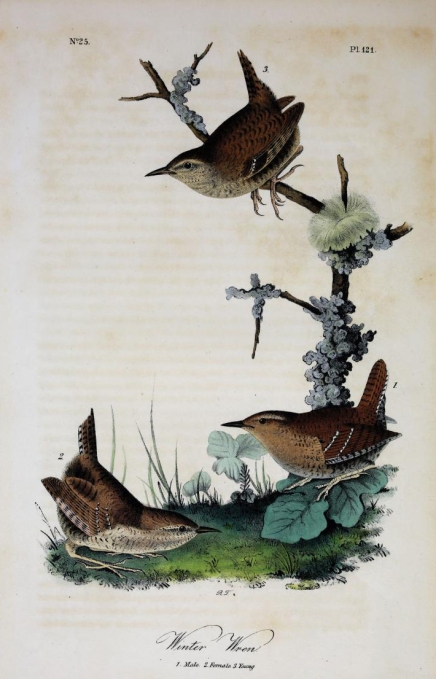
For the most part, wrens are birds of the New World. In fact, only the Eurasian wren represents the family in Europe, Asia and Africa. Experts recently split the winter wren into several different species, including the Pacific wren of the west coast of North America and the Eurasian wren of Europe, Asia and Africa.WinterWren_edited-1

Just as the winter wren thinks nothing of acting like a mouse when scurrying through leaf litter and over fallen logs in search of insect prey, this bird doesn’t hesitate to imitate mice by poking into shadowy holes in the ground or exploring the dark crevices of fallen logs. When winter temperatures drop sharply, many of these birds may cram themselves into a roosting hole to benefit from the communal heat from so many tiny feathered bodies in such close proximity. Winter wrens eat mostly insects and spiders, but in winter these birds will also eat some seeds and berries. Winter wrens rarely visit feeders, but a suet cake often attracts birds with similar dietary preferences, including kinglets and chickadees. A larger relative, the Carolina wren, is a common visitor to feeders.

In English and German lore, the winter wren was known as the “king of the birds.” Different tales provide varying explanations for how such a small bird earned such an inflated title. Ritual hunts were enacted in some European locations. These hunts, known as “wren hunts,” were conducted by “wren boys” who would parade through town on their quests. Wren Day fell on Dec. 26, which coincided with the holiday St. Stephen’s Day. Some myths blame the noisy bird for betraying the hiding place of Stephen, who was delivered up as a Christian martyr to his enemies due to the bird’s treachery. In some European cultures, various superstitions sprang up about wrens. For instance, in Scotland it is considered extremely unlucky to kill a wren.

Personally, I feel lucky to have the tiny winter wren spending time around my home and can guarantee no “wren hunts” will be staged here. At a time of year when feathered friends can be scarce, a winter wren is a welcome visitor.

••••••

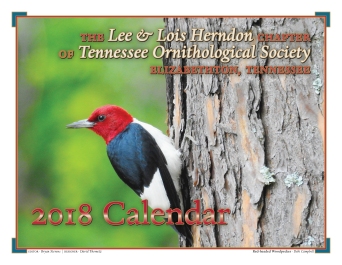
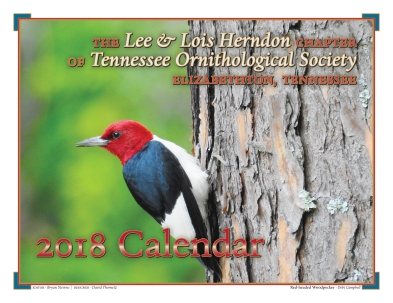
The Lee and Lois Herndon Chapter of Tennessee Ornithological Society produces an annual calendar featuring some exceptional bird photography from its members. This year’s calendar features full-color photographs of some colorful and engaging birds. The club sells the calendars for $15 each. All proceeds are used to support birding opportunities and bird-related causes. For instance, the club pays for bird seed to stock the feeders at Sycamore Shoals State Historic Park in Elizabethton, Tennessee. The club also regularly supports causes that benefit birds.HerndonCalendar2018(Cover)

The calendar also features an informative calendar grid with highlights for major holidays, as well as important bird-related dates. The calendar’s pages feature more than 80 full-color photographs of area birds, including common favorites, as well as a few more exotic birds. The front cover features a dazzling photograph of a red-headed woodpecker. The photo was taken by Debi Campbell, a resident of Bluff City, Tennessee, and current president of the Herndon chapter. If you’re interested in obtaining a calendar, contact ahoodedwarbler@aol.com by email. Calendars will also be available for purchase by cash or check only at the offices of the Bristol Herald Courier located at 320 Bob Morrison Blvd. in Bristol, Virginia.

If you’re interested in obtaining a calendar, contact ahoodedwarbler@aol.com by email. Calendars will also be available for purchase by cash or check only at the offices of the Bristol Herald Courier located at 320 Bob Morrison Blvd. in Bristol, Virginia.

•••••

Bryan Stevens lives near Roan Mountain, Tennessee. If you have a question, wish to make a comment or share a sighting, email ahoodedwarbler@aol.com.


Good intentions can have ill effects for ducks, geese, other waterfowl


Pattie Rowland contacted me on Facebook recently with a valid concern, especially now that the temperatures are turning a little cooler. People with good intentions often visit parks to feed the ducks and geese that reside at ponds and creeks.


“I see people with bags of bread thinking they are helping the ducks and geese,” she explained.

Despite the good intentions, Pattie, a resident of Erwin, Tennessee, has some concerns about the practice and requested that I help raise awareness about the possible unintended consequences.

While I’m not an expert, I applaud her attempt to raise the issue about what foods are nutritional and which are not when it comes to feeding wild or domesticated waterfowl. So, I did some research into the topic.

Dave McRuer, the director of Wildlife Medicine at the Wildlife Center of Virginia, wrote about the risks associated with feeding waterfowl in a 2015 article on the center’s website.

McRuer noted that wild ducks and geese feed on a variety of natural foods, such as wild grains and grasses, aquatic plants, and invertebrates. This varied diet provides the essentials waterfowl need to thrive.

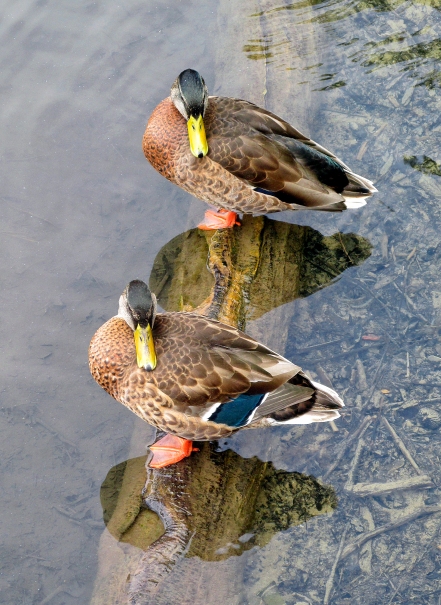
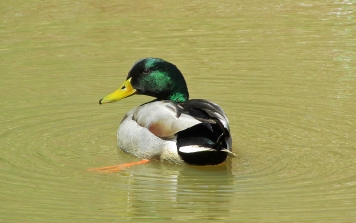
Mallard-Drakes

Photo by Bryan Stevens • Mallard drakes share a log during a period of relaxation. Mallards, Canada Geese, and some other waterfowl have voluntarily semi-domesticated themselves in exchange for an easy, but not always healthy, life based on human handouts.

On the other hand, McRuer warned about some of the foods commonly fed to waterfowl in public parks, such as bread, popcorn and corn, are typically low in protein and essential nutrients and minerals. Waterfowl feeding heavily on such fare are at risk for developing nutritional disorders.


His ultimate conclusion was that any benefits are far outweighed by risks when it comes to the feeding of waterfowl at public parks. His recommendation was to stop all forms of supplemental feeding.


He based his recommendation on more than nutritional concerns. Supplemental feeding can also lead to overcrowding, disease concerns, habitat degradation, and an unhealthy habituation to humans or animals associated with humans.


There are some alternatives to the quitting “cold turkey” option when it comes to feeding ducks and geese. Melissa Mayntz, a birder with more than 30 years of experience, penned an article for the website, The Spruce, recommending some foods that will not expose waterfowl to potential harm.


In an article titled “What to Feed Ducks,” Mayntz wrote that it is important to realize that waterfowl are capable of fending for themselves and do not require human handouts to survive, no matter what the season nor how much they seem to beg for treats. She did offer some tips on choosing nutritious treats to supplement the wild diet of park waterfowl.


Various grains, such as cracked corn, wheat, barley, oats, and rice can safely be offered as an occasional treat. In addition, she recommended grapes (sliced in half), chopped lettuce or other greens and vegetable trimmings or peels chopped into small, easily eaten pieces.

Mallard-March28

Photo by Bryan Stevens • A Mallard drake still shows some caution toward humans, arguing that this individual has not become dependent on human handouts.

Mayntz’s article basically echoes many of the warnings from the one by McRuer. Some of the foods commonly offered, such as bread, crackers, cereal and popcorn, offer very little nutritional value. In addition, bread and other similar foods are dangerous if they are moldy. Increasing the disk is the fact that any excess bread that isn’t eaten can quickly mold. Molded food can kill waterfowl, which is the last thing people would want to happen to these birds.


I agree with Mayntz in her conclusion, which admits that feeding waterfowl at local ponds and parks can be a fun experience in wildlife viewing for people of all ages. By avoiding potentially dangerous foods and restricting treats to items that actually provide nutritional value, birders can continue to enjoy this pastime without risking the lives of the birds they love so much.


As a general rule, I don’t feed the waterfowl at local parks. Many years ago I fed a flock of semi-domesticated mallards that took up residence at my fish pond. From a half dozen birds, the flock eventually grew to about two dozen ducks. The only food I fed them was cracked corn during the winter season. They foraged quite successfully for the rest of their food from the pond, the nearby creek and the fields. I’m convinced they helped control the numbers of pest insects during their stay. To this day, an occasional pair of mallards will visit on cold winter days. At times, they look at me like they’re expecting a handout and I wonder if they could be descendants of some of those mallards from the original flock.

Canada_Geese

Photo by Bryan Stevens • In some areas, Canada Geese have become so prevalent that they are considered pests. Human handouts to waterfowl are not always compatible with good health for the birds that receive them.


So, don’t let good intentions cause problems for any of our feathered friends. If you want to feed ducks at the local park, consider the healthy alternatives instead of providing bread. After all, people cannot live on bread alone, and neither can ducks.


•••••

Calendars make fun Christmas presents

The Lee and Lois Herndon Chapter of Tennessee Ornithological Society produces an annual calendar featuring some exceptional bird photography from its members. This year’s calendar features full-color photographs of some colorful and engaging birds. The club sells the calendars for $15 each. All proceeds are used to support birding opportunities and bird-related causes. For instance, the club pays for bird seed to stock the feeders at Sycamore Shoals State Historic Park in Elizabethton, Tennessee. The club also regularly supports causes that benefit birds.HerndonCalendar2018(Cover)

The calendar also features an informative calendar grid with highlights for major holidays, as well as important bird-related dates. The calendar’s pages feature more than 80 full-color photographs of area birds, including common favorites, as well as a few more exotic birds. The front cover features a dazzling photograph of a red-headed woodpecker. The photo was taken by Debi Campbell, a resident of Bluff City, Tennessee, and current president of the Herndon chapter. If you’re interested in obtaining a calendar, contact ahoodedwarbler@aol.com by email. Calendars will also be available for purchase by cash or check only at the offices of the Bristol Herald Courier located at 320 Bob Morrison Blvd. in Bristol, Virginia.

If you’re interested in obtaining a calendar, contact ahoodedwarbler@aol.com by email. Calendars will also be available for purchase by cash or check only at the offices of the Bristol Herald Courier located at 320 Bob Morrison Blvd. in Bristol, Virginia.


It’s not difficult to find reasons to admire America’s wild turkey

WildTurkey-TOM

Photo by Jean Potter • A male wild turkey struts his stuff while fanning his impressive tail feathers.

I’ve seen a few small flocks of wild turkeys this fall, although larger flocks have been elusive so far. As the fields and woods grow more stark as the cold season advances, I am confident I will start seeing more turkeys. I am even thinking of spending part of my upcoming Thanksgiving holiday looking for some of these very American birds.

The wild turkey has been venerated as an example of an American success story almost from the time the first Europeans settlers set foot on the continent of North America. Even prior to the arrival of Europeans, Native Americans hunted the wild turkey and also made a place for the bird in their myths and lore. Here are my top three reasons to celebrate the wild turkey, one of America’s most fascinating birds:

First, who doesn’t like to root for a contender? Many people have heard accounts of how the wild turkey was a candidate for America’s national bird. It’s a well-known example of historic trivia that the wild turkey had its supporters among the nation’s founding fathers, but was it ever seriously considered for the elevated status as America’s official bird? The answer’s not cut and dry.

96669-004-5F592F06

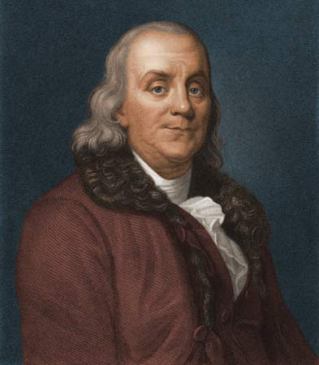
Ben Franklin wasn’t enthusiastic about the bald eagle as the national bird, but perhaps it’s best we don’t eat our national bird every Thanksgiving.

Benjamin Franklin, Thomas Jefferson and John Adams formed a committee assigned the task of designing an official seal for the new United States of America. As is often the case with government committees, the job of designing the seal took longer than expected. After three different committees came up with different designs, Pennsylvania lawyer named Thomas Barton eventually came up with one featuring a white eagle. Secretary of Congress Charles Thomson recommended replacing that eagle design with one depicting the native bald eagle. Eventually, the bald eagle received designation as the nation’s official bird.

Nevertheless, some of the committee members had second thoughts. Franklin later wrote a letter to his daughter that seemed to bemoan the choice of the bald eagle. He labeled the eagle “a bird of bad moral character” and lauded the wild turkey as a “bird of courage.”

Perhaps Franklin suffered some buyer’s remorse. “I wish the bald eagle had not been chosen as the representative of our country,” he wrote in his letter. “The turkey is a much more respectable bird.” He also noted that the turkey is a true and original American native. Of course, the bald eagle is also a bird unique to North America. So while there’s no direct evidence that Franklin did anything to actively promote the turkey as the nation’s official bird, he didn’t exactly provide a ringing endorsement of the bald eagle.

6_Wild_Turkey

Early naturalist and painter John James Audubon must have been very familiar with turkeys to have painted this lively scene of a hen and chicks.

Second, the wild turkey has a wide range of experience, both foreign and domestic, as a representative of the United States. While wild turkeys still roam through North America, to the tune of seven million individuals, their domesticated kin are farmed in huge numbers. Native tribes in the Americas began domesticating the wild turkey centuries ago. When early Spanish explorers conquered the Aztec empire in Mexico they found that turkeys were among the domesticated animals kept by the Aztecs. The Spaniards returned to Europe with domesticated turkeys around 1520. In the next few decades, domesticated turkeys spread into other European countries, arriving in England between 1525 and 1540.

OldDesignShop_GreetingsOfThanksgivingPC1 2

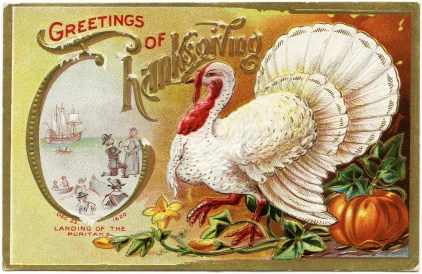
The first European colonists brought turkeys to the New World with them only to discover the ancestors of their domesticated fowl already existed in America.

In a strange twist of fate, colonists in New England and Virginia brought domestic turkeys with them to the New World in the early decades of the 1600s only to be surprised to find the native forests already populated by wild turkeys, which were the ancestors of their domesticated fowls. Today, that back-and-forth saga regarding the turkey continues. One of the most important customers for U.S turkey farmers is the nation of Mexico. Almost 70 percent of U.S. turkey exports go to Mexico.

Finally, the wild turkey has that “in-your-face” attitude that is so American and helps turkeys thrive no matter where they live. In recent decades, some turkeys have taken to suburban living. An article by Brian Handwerk on the National Geographic website puts the spotlight on these turkeys that have taken so readily to living in the ‘burbs.

Massachusetts and Connecticut, former strongholds of the first settlements by Europeans in the New World, are home to densely populated cities like Boston and Hartford. These days, however, turkeys demand their share of the pie, figuratively speaking, when it comes to prime real estate. All a turkey really needs is some cover, which is adequately provided by landscaped lawns in the suburbs, and a few trees that provide nightly roosts. As social birds, they roam in flocks that don’t particularly pay attention to property lines.

Turkey_two

Photo by Bryan Stevens • A wild turkey forages for food.

In addition, a wild turkey’s a fairly big bird. A male turkey, or tom, can weigh between 16 and 24 pounds. The females, or hens, are usually about half that size. Human-turkey conflicts occur most often in the spring when the boisterous toms are focused intently on besting rivals and impressing potential mates. Unfortunately, these hormone-addled tom turkeys sometimes mistake humans going about their daily lives as rivals.

Turkey Silhouette Clip Art Free 27 (1) 2In addition, many human residents of the suburbs have a tendency to offer food to wildlife ranging from squirrels and deer to perhaps a flock of resident turkeys. Providing food can make turkeys expectant and demanding. To put it mildly, a turkey can be a little intimidating. They’re not likely to harm a human being, but occasionally turkeys will also stand their ground, refuse to back down and even give chase to any human who crosses them. Sounds like a proud American, right?

Now, one last thing for which Americans can be thankful. We don’t chow down on bald eagles every Thanksgiving. It would be awful, wouldn’t it, to eat our national bird?

••••••

Bryan Stevens lives in Roan Mountain, Tennessee. If you have a question, wish to make a comment or share a sighting, email ahoodedwarbler@aol.com. He also welcomes friend requests on Facebook at https://www.facebook.com/ahoodedwarbler.