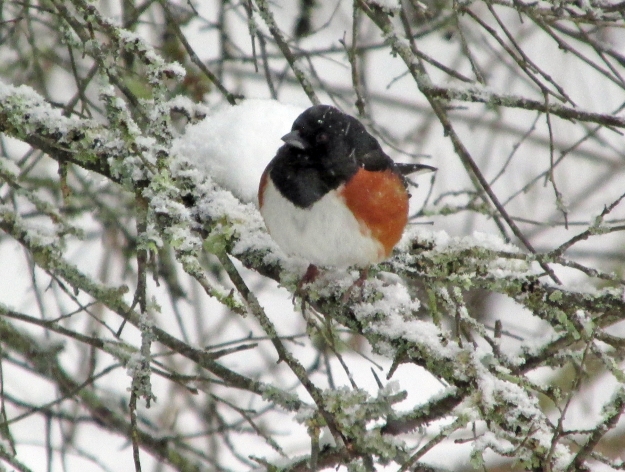
Category Archives: Birds and bad weather

Roan Mountain Christmas Bird Count finds 43 species plus another during ‘count week’

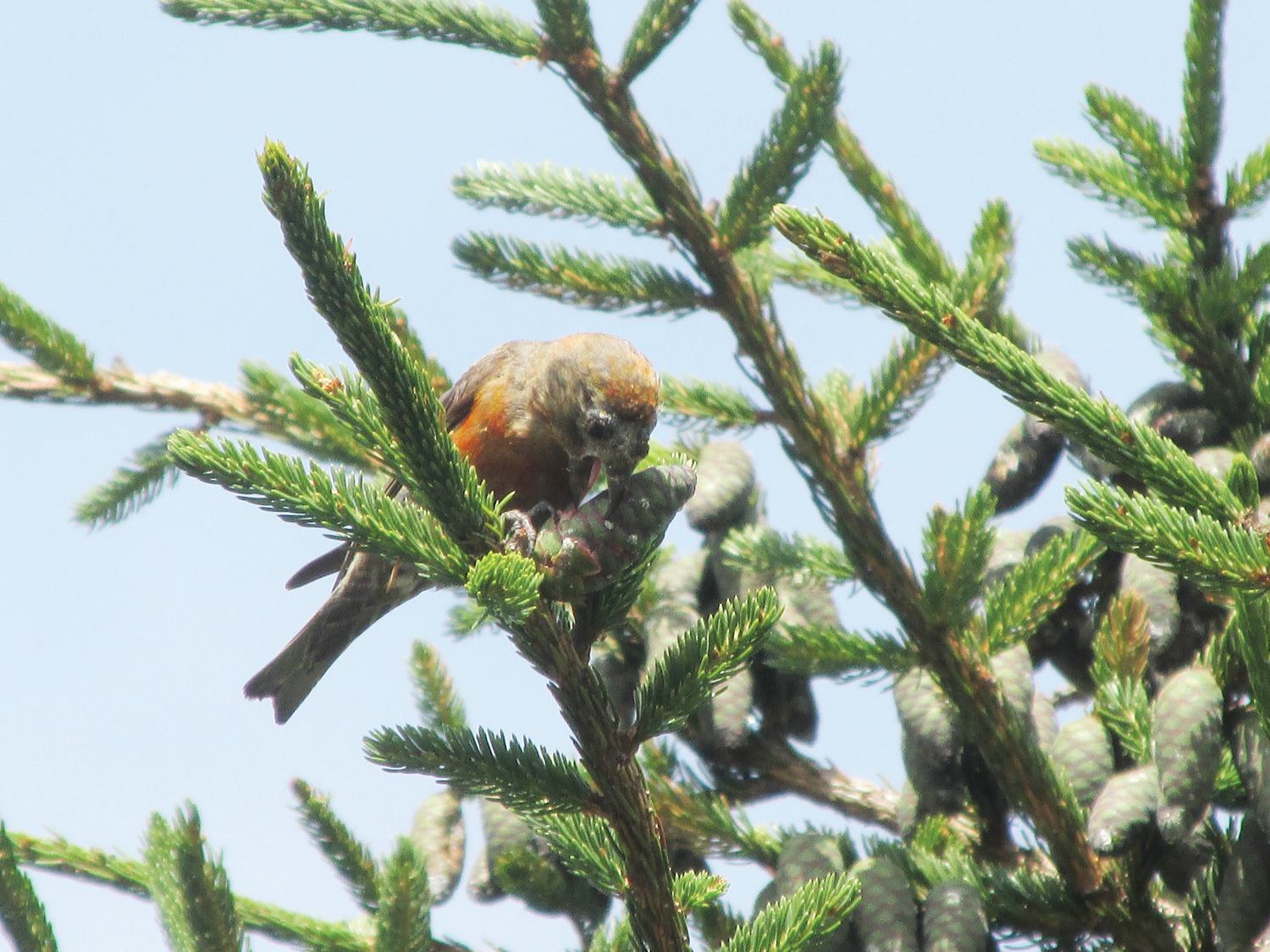
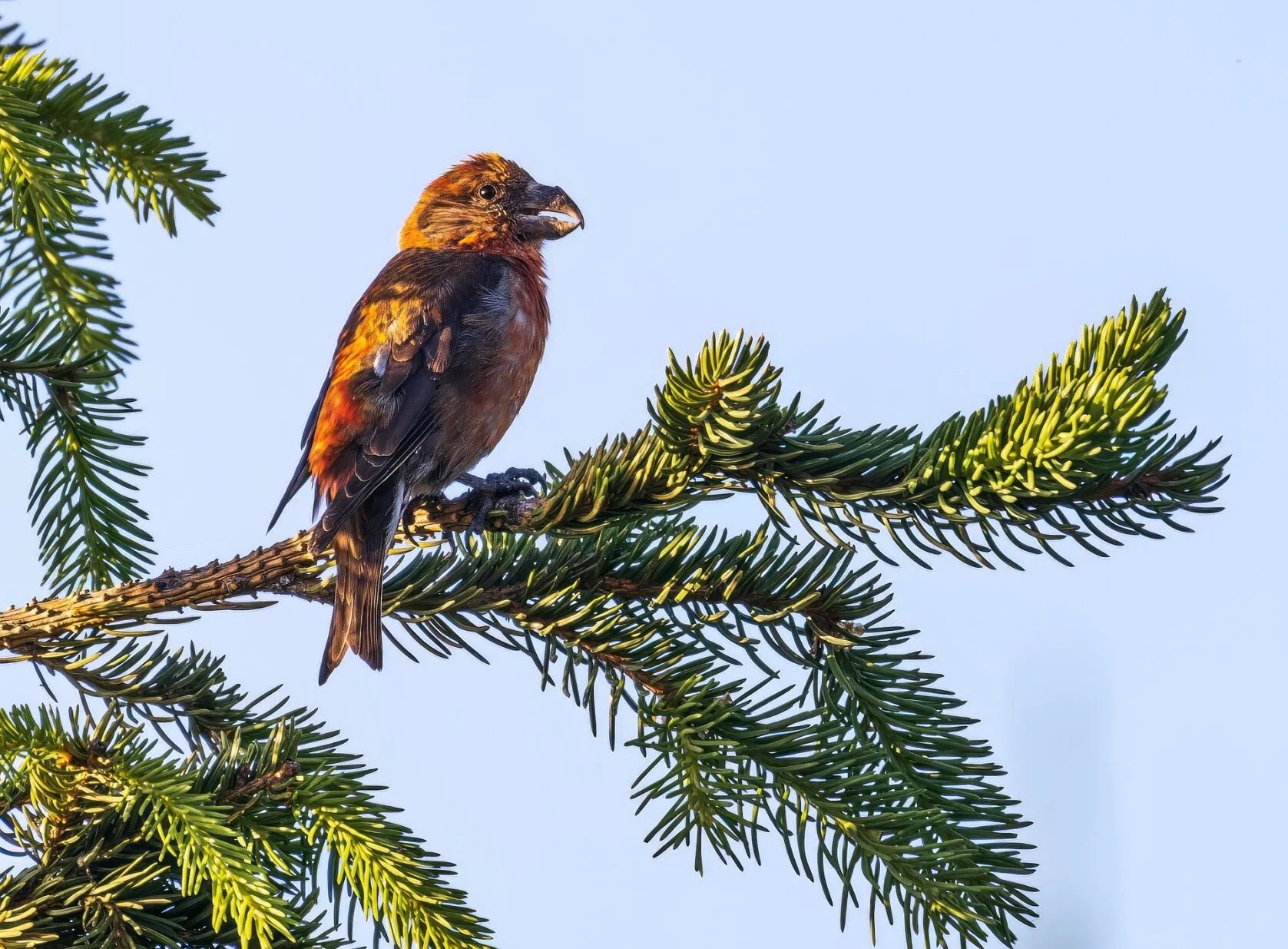
GYRLI1981/Pixabay • With its high elevation and unique habitats, Roan Mountain often produces good birds, such as red crossbills, for Christmas Bird Counts. Many of the species are difficult to find in other locations.

Unpredictable December weather makes the Roan Mountain Christmas Bird Count one of Tennessee’s most challenging surveys. This year was no exception, and the count had to postponed to a later date when a winter storm impacted the region.

The 73rd Roan Mountain Christmas Bird Count was eventually held Tuesday, Dec. 16, with six observers in two parties.

Count compiler Rick Knight noted that weather for this count was generally favorable (clear conditions and a temperature range from 17 to 46 degrees), but it was quite windy on top of the mountain making bird-finding difficult. At lower elevations, the winds were light. One to four inches of snow covered the ground, but roads were clear.

Participants tallied 43 species, plus one species added during the count week.

The list:

Canada goose, 30; American black duck, 17; wild turkey, 11; mourning dove, 17.

Sharp-shinned hawk, 1; Cooper’s hawk, 1; red-shouldered hawk, 2; and red-tailed hawk, 2.
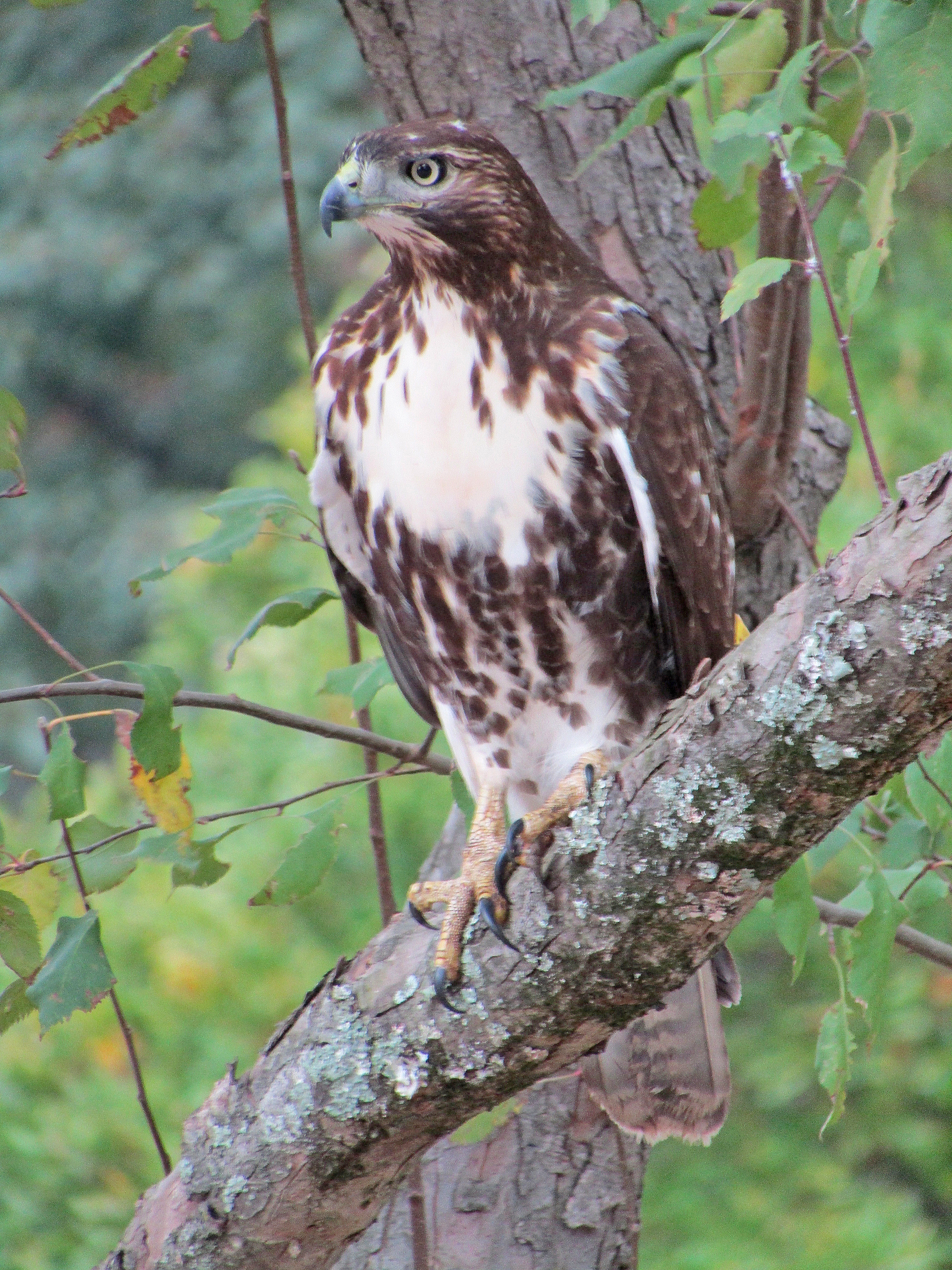
Photo by Bryan Stevens • Two red-tailed hawks made this year’s Roan Mountain CBC. 

Red-bellied woodpecker, 6; yellow-bellied sapsucker, 1; downy woodpecker, 4; hairy woodpecker,1; Northern flicker, 1: and pileated woodpecker, 3.

Eastern phoebe, 1; blue jay, 25; American crow, 120; and common raven, 8.

Carolina chickadee, 21; tufted titmouse, 24; golden-crowned kinglet, 6; red-breasted nuthatch, 3; white-breasted nuthatch, 14; brown creeper, 1; Carolina wren, 5; and winter wren, 2.

Northern mockingbird, 7; Eurasian starling, 23; Eastern bluebird, 8; and American robin, 2.

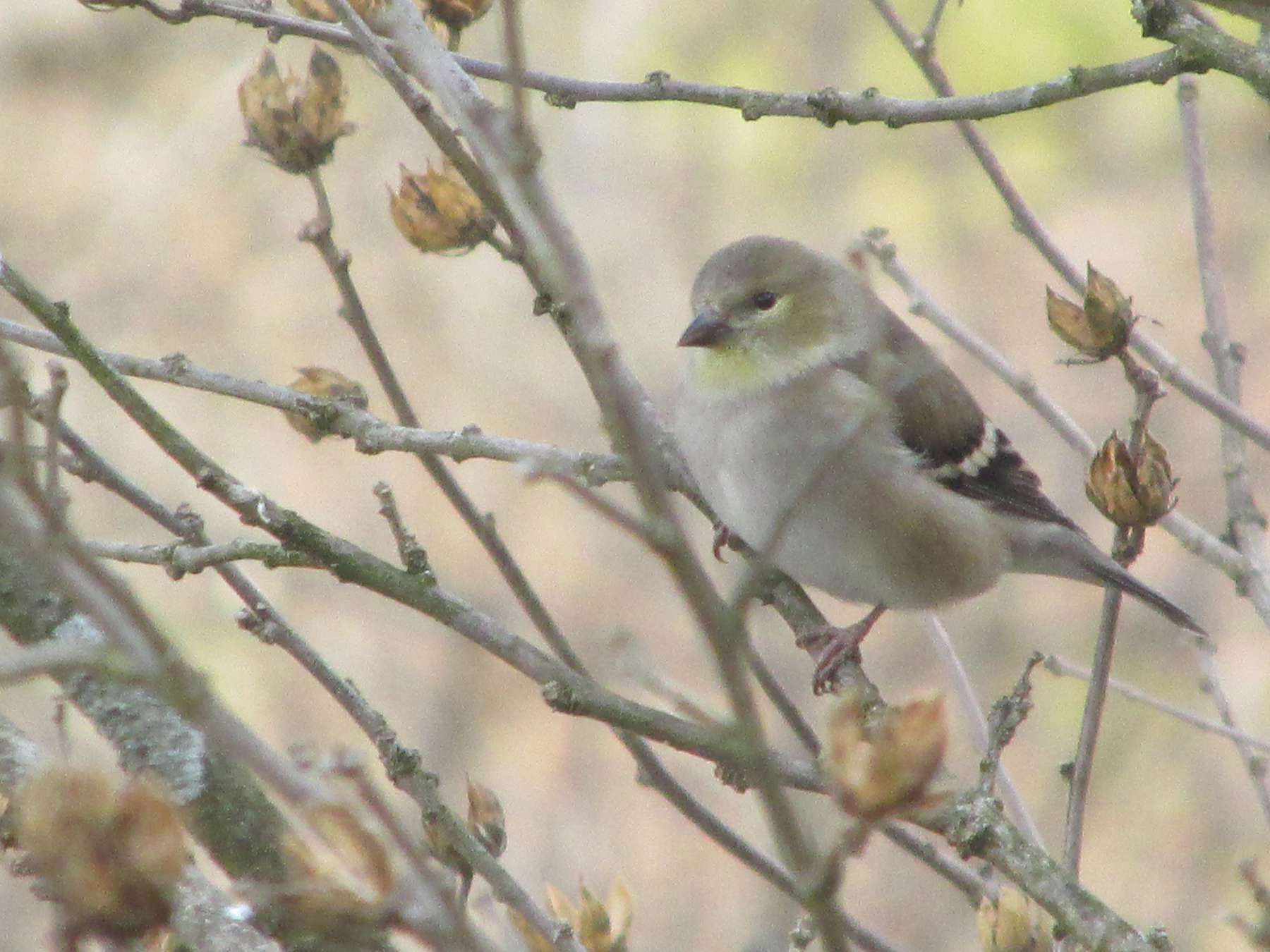
House sparrow, 5; house finch, 5; red crossbill, 2; pine siskin, 2; and American goldfinch, 119.

Field sparrow, 7; fox sparrow, 4; dark-eyed junco, 25, white-throated sparrow, 5; song sparrow, 35; Eastern towhee, 5; yellow-rumped warbler, 1; and Northern cardinal, 22.

In addition, a purple finch was found during the count week. CBC circles do accept birds seen during “Count Week, which is defined as the three days before and after the official count day, but they are recorded separately as count week birds and do not count towards the official count day totals. Their inclusion still provides important data.

The first Christmas Bird Counts were conducted on Christmas Day (Dec. 25) in 1900. The annual census arose from a proposal made by famed ornithologist Frank M. Chapman. According to Audubon.org, these yearly counts, conducted throughout the country, have provided a wealth of data over the past century.

Observations made due to CBCs have helped Audubon researchers, conservation biologists, wildlife agencies and other interested individuals to study the long-term health and status of bird populations across North America. When combined with other surveys such as the Breeding Bird Survey, the data provides a picture of how the continent’s bird populations have changed in time and space over the past hundred years.
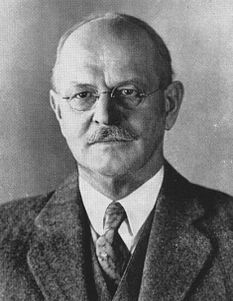
Frank W. Chapman

The concept of the Christmas Bird Count, according to the website for the National Audubon Society, arose from a less than bird-friendly custom prevalent at the turn of the 20th century. So-called sportsmen would conduct a “Side Hunt,” a rather blood-thirsty Christmas custom that saw hunters competing to see who could score the largest amount of feathered and furred corpses.

The annual holiday bird survey may even have arisen from an earlier custom with roots in Europe that came to the United States of America with early colonists. The “Side Hunt” has some similarity to a peculiar celebration in Ireland and other European countries known as “Wren Day” or “Hunt the Wren Day.” The event was conducted the day after Christmas, the date of Dec. 26 being consigned as Saint Stephen’s Day. By the 20th century, the hunt consisted of tracking down a fake wren carried atop a decorated pole. Crowds would parade through towns in masks and colorful attire. These groups were referred to as “wren boys.”

Whether or not the “Side Hunt and “Wren Hunt” shared any connections, it was a huge step forward for conservation when Chapman, the preeminent ornithologist of his day, proposed a new holiday tradition. His radical idea was to count birds during the Christmas season rather than hunting and killing them.

I will report on the total for the Elizabethton Christmas Bird Count in next week’s column.

•••

Bryan Stevens has written about birds, birders and birding since 1995. Email him at ahoodedwarbler@aol.com.
Christmas Bird Count produces grebes, other finds

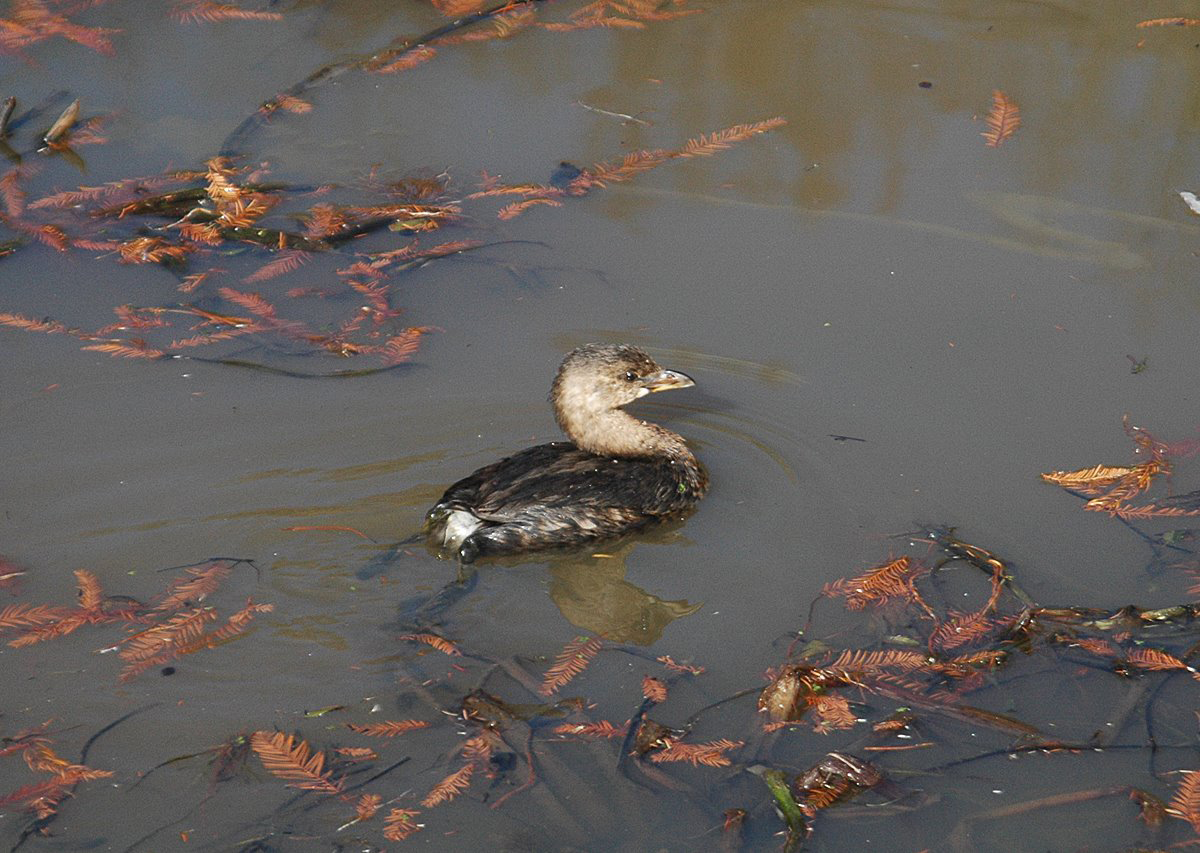
Photo by Bryan Stevens
The pied-billed grebe paddles through the water after it was rescued after a stranding on a lawn.

I took part in the Elizabethton Bird Club’s 83rd annual Elizabethton Christmas Bird Count on Dec. 20.

The count focuses on a circle within Carter County with Elizabethton serving as the center. Consider the circle as a pie sliced into six pieces. Different groups bird within those “slices” of terrain. The groups rotate each year to vary the participation. As a result, it had been six years since I last led the count effort for the Butler/Little Milligan area that includes a great deal of Watauga Lake.

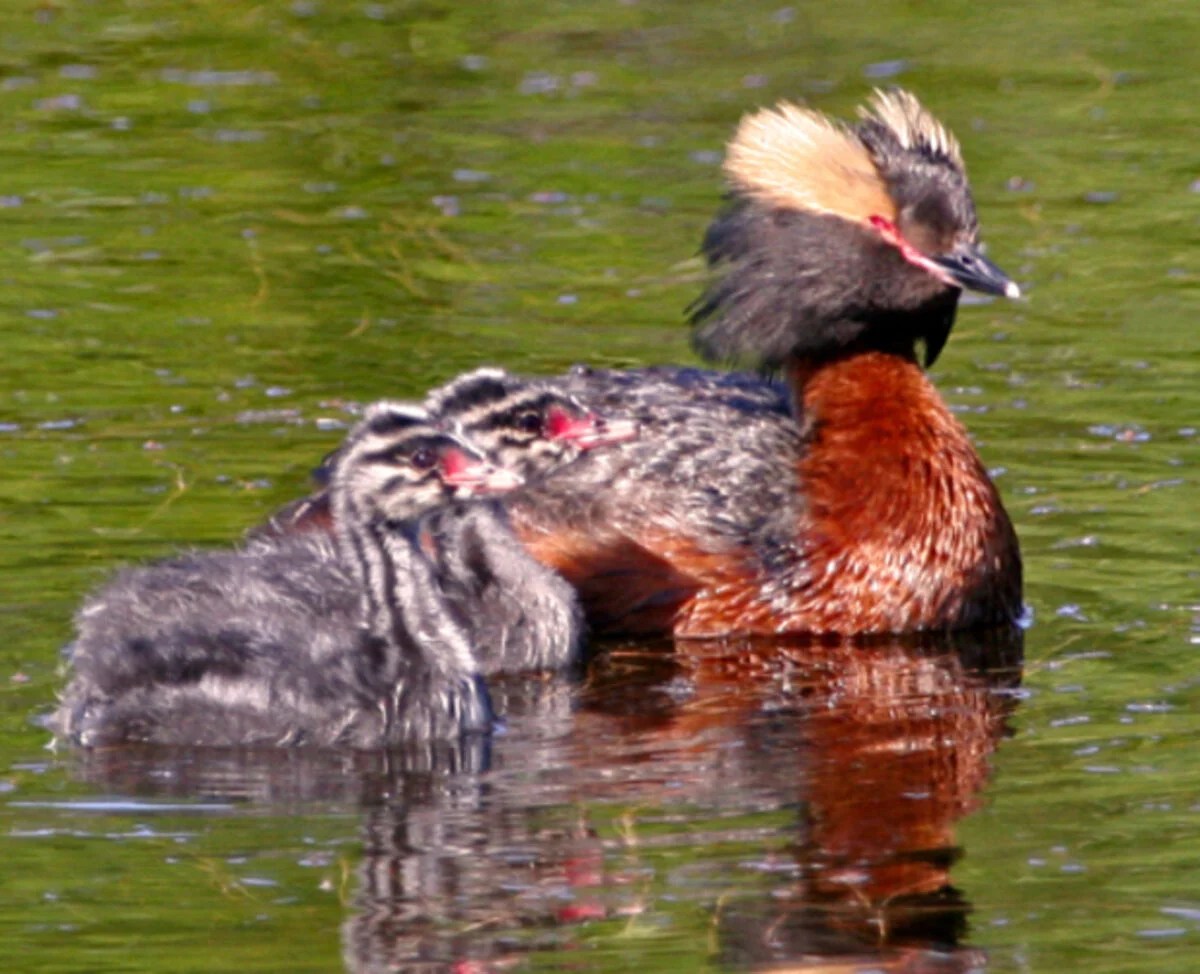
Donna Dewhurst/USFWS • A horned grebe parent tends chicks.

One of my favorite reasons for taking part in this particular count is the great mid-day lunch break at the Dry Run General Store and Deli in Butler. This marked my third time over the last 18 years having lunch at this great spot. The lunch break also gives the participants a chance to study the list of birds seen and calculate what other species can be added and where to best look for those species.

The counts conducted in areas with access to water have the potential for the most species, so it’s always a little more fun to bird around Watauga Lake or Wilbur Lake. The Watauga River in Elizabethton is also good.

We had good weather for this most recent count, but it was a slow effort to add birds to our list. Without a doubt, spring and fall bird counts are much more exciting than a Christmas Bird Count.

Below is the list for my group, which included Rob Armistead, Brookie and Jean Potter, David and Connie Irick and Chris Soto. This is only the list for Little Milligan and Butler. I hope to provide the complete list at a later date.

We found a total of 46 species:

Canada goose, 32; mallard, 7; greater scaup, 2; hooded Merganser, 4; wild turkey, 18; pied-billed grebe, 8; horned grebe, 14; rock pigeon, 52; mourning dove,1; ring-billed gull, 1; common loon, 1; and great blue heron, 2.

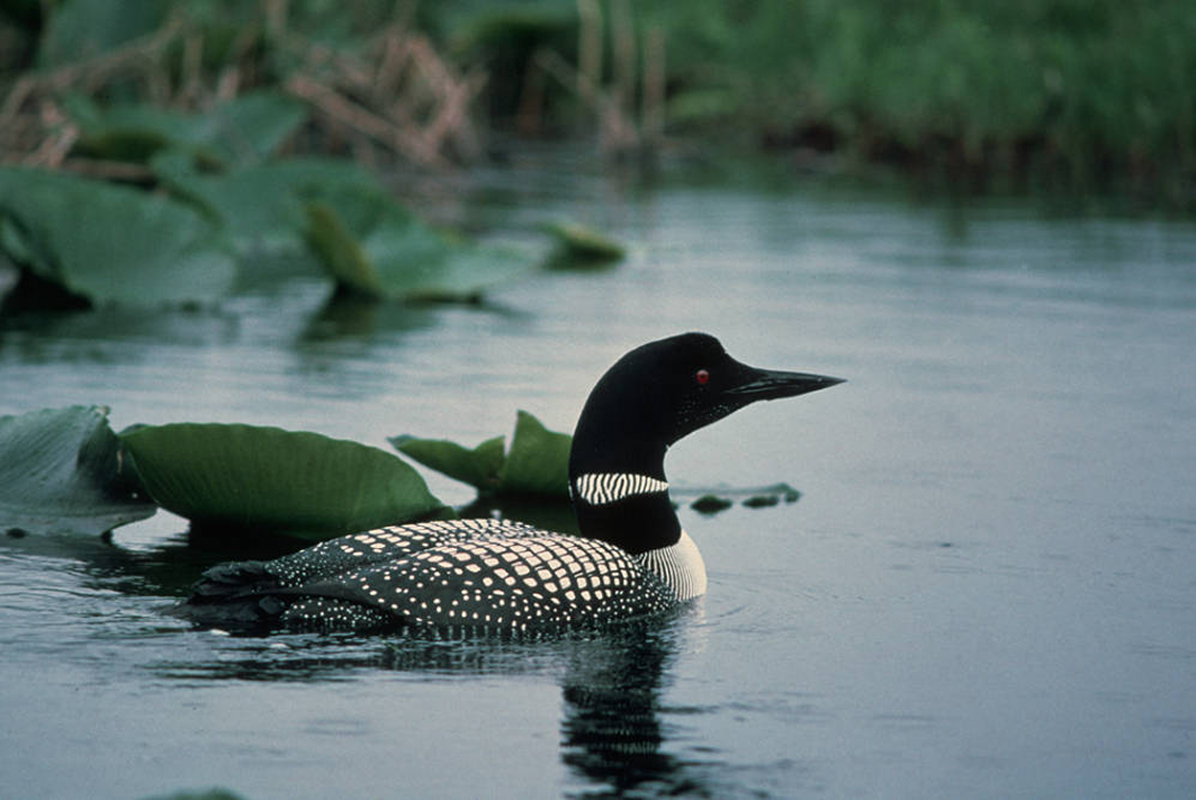
Photo by U.S. Fish & Wildlife Service • Common loons are quite at home in the air and on the water, but these birds are awkward if weather forces them to set down on land.

Red-tailed hawk, 3; belted kingfisher, 3; red-bellied woodpecker, 3; downy woodpecker, 2; Northern flicker, 1; pileated woodpecker, 3; American kestrel, 2; and Eastern phoebe, 1.

Blue jay: 14; American crow, 68; common raven, 2; Carolina chickadee, 2; tufted titmouse, 11; white-breasted nuthatch, 4; winter wren, 1; Carolina wren, 5; golden-crowned kinglet, 1; and ruby-crowned kinglet, 1.

Eastern bluebird, 14; hermit thrush, 1; American robin, 5; brown thrasher, 1; Northern mockingbird, 3; European starling, 43; and cedar waxwing, 2.

House finch, 2; American goldfinch, 25; dark-eyed junco, 5; white-throated sparrow, 8; song sparrow, 3; Eastern towhee, 3; Eastern meadowlark, 1; pine warbler, 1; and Northern cardinal, 7.

While birding in Little Milligan and Butler, we had plenty of views of Watauga Lake and opportunities for spotting birds often affiliated with water. The umbrella term of waterfowl can include such birds as ducks, geese, loons and grebes. We had representatives from all of these groups on our list. I was pleased to finally see some ducks and grebes this winter.

The grebes are a grouping of birds lumped together as waterfowl. Worldwide, there are 22 grebe species. This family also includes three extinct species — Alaotra grebe, Atitlán grebe and Colombian grebe.

Many people are unaware of the grebes. After all, they are oddball birds with not a lot in common with other waterfowl such as loons and ducks. In eastern Tennessee, southwestern Virginia and western North Carolina, the pied-billed grebe is the member of the grebe family most likely to come into contact with humans.

The pied-billed grebe’s scientific name, Podilymbus podiceps, can be roughly translated as “rear-footed diver.” The reference is to the fact that this grebe, as well as others of its kind, have their feet positioned so far back on their bodies that movement on land is difficult and awkward.

In winter, however, horned grebes can be somewhat abundant on area lakes. The common name of horned grebe refers to a yellow crest of feathers located above and behind the eyes, reminiscent of “horns” in the eyes of an imaginative observer. In winter these horns are absent and the colorful horned grebe of the nesting season is replaced by a bird in a dull white and dark gray plumage.

Grebes range in size from the least grebe, which weighs only about six ounces, to the great grebe, which can tip the scales at four pounds. North American grebes include red-necked grebe, horned grebe, eared grebe, Clark’s grebe and Western grebe. In extreme southern Texas, birders can find least grebes in suitable wetland habitats.

Other grebes found around the world include birds with such descriptive names as the great crested grebe, hooded grebe and silvery grebe.

Photo by Bryan Stevens • Brookie Potter spots a “bumble,” otherwise known as an abominable snowman, near Watauga Lake during the Christmas Bird Count.

With the exception of the least grebe, I’ve seen all of North America’s grebes. During visits to Utah in 2003 and 2006, I observed the sleek, long-necked Clark’s grebe and Western grebe. On a 2006 trip to Utah, I visited Antelope Island State Park and observed tens of thousands of eared grebes gathered on the Great Salt Lake for the nesting season. In Tennessee, one of the most reliable locations to find eared grebes is from viewing areas at Musick’s Campground on South Holston Lake, where a small number of these grebes have wintered for many years.

My Christmas Bird Count excursion proved a fun time with friends. We didn’t find a lot of birds, but we enjoyed finding the ones that we did see. Happy New Year to readers. I hope everyone finds some good birds in 2026.

•••

Bryan Stevens has written about birds, birding and birders since 1995.


Hungry robins emerge during deep freeze to feast on berries

Robins – by the hundreds – poured into downtown Erwin last week. Most of them ended up on perches around the parking lot between the Clinchfield Senior Adult Center and the rear of the offices of The Erwin Record.

Photo by Bryan Stevens • While American robins like fruit when its available, they also spend a lot of time feeding on earthworms and insects.


The newspaper’s office manager Ken Silvers alerted me to the presence of the “huge flock” of robins. He even joked that he felt like he had stepped into a scene from the movie “The Birds.” Their arrival had been preceded by several nights of single digit temperatures.

In a few weeks, robins will likely be making their annual spring resurgence, but their mid-January appearance in such numbers was somewhat surprising. The fact is that, although we don’t think of robins very much in winter, they are still very much present in the region. The same is true of waxwings and is particularly true about European starlings.

While downtown Erwin would not usually be an ideal location for robins, there was something present to attract them: Berry-producing ornamental holly trees.

In the colder months of the year, robins form large, loosely organized flocks, often taking up residence in wooded lots. After several days of frigid weather, the robins were likely desperate to exploit an available food source. The flock spent a couple of hours gorging on holly berries. Even later in the day a few dozen robins lingered around the shrubs, gleaning the remaining berries from the branches.

The American robin is a large bird in the thrush family, which in North America also includes such birds as Eastern bluebird, wood thrush and Townsend’s solitaire. It’s probably a bird that is well-known to birders and non-birders alike.


In the British Isles, the European robin is simply known as “robin” or “robin redbreast.” When the first English colonists arrived in New England and other parts of colonial-era North America, they took pleasure in finding that some of the birdlife in the New World resembled familiar birds from their homeland. The red-breasted American robin looked like the bird they knew in the Old World as “robin,” which motivated them to name the New World bird “robin,” as well.

Sharkolot/Pixabay • Early American colonists from Europe, familiar with the European robin of their homeland, saw the red breast feathers on the American robin and named the large thrush robin as well.

Other than the red breast, however, the two robins are not all that similar. The American robin is the larger of the two birds. Farther separating these two birds is the fact that the European robin is not a thrush but rather a member of the family of Old World flycatchers.

In some other ways, the two robins are similar. Both are fond of earthworms, spending a great deal of their time on the ground foraging for worms. They will also follow human gardeners at their work, waiting patiently for the followed person to disturb the soil with a spade or hoe and expose earthworms for the waiting bird. They are also rather tolerant of humans and have learned to make their own homes close to human dwellings.

Some of the British transplants to North America must have felt homesick for familiar things because several unsuccessful attempts were made to introduce the European robin to the United States and Canada. European robins introduced in New York and Oregon failed to gain a foothold, unlike the introduction of such alien birds as the house sparrow and European starling.

On a few occasions, migrating American robins have overflown their destinations and ended up in the United Kingdom. For instance, an American robin became a first for London birdwatchers when one was found in that nation’s capital city in March of 2006. Whether of the European or American persuasion, robins have long been a favorite of birdwatchers and nature enthusiasts.

In a few weeks we will have more American robins pouring into our lawns, our gardens and our parks. The American robin has always been a perennial harbinger of spring. But it’s not always necessary to wait until winter’s waning to enjoy observation of this popular songbird.

•••

Bryan Stevens has written about birds and birding since 1995. To ask a question, make a comment or share a sighting, email him at ahoodedwarbler@aol.com.

Tiffany/Pixabay • The American robin keeps a lower profile but is still present in the region during the winter months.

Column, which is turning 28 years old, began with a profile on juncos

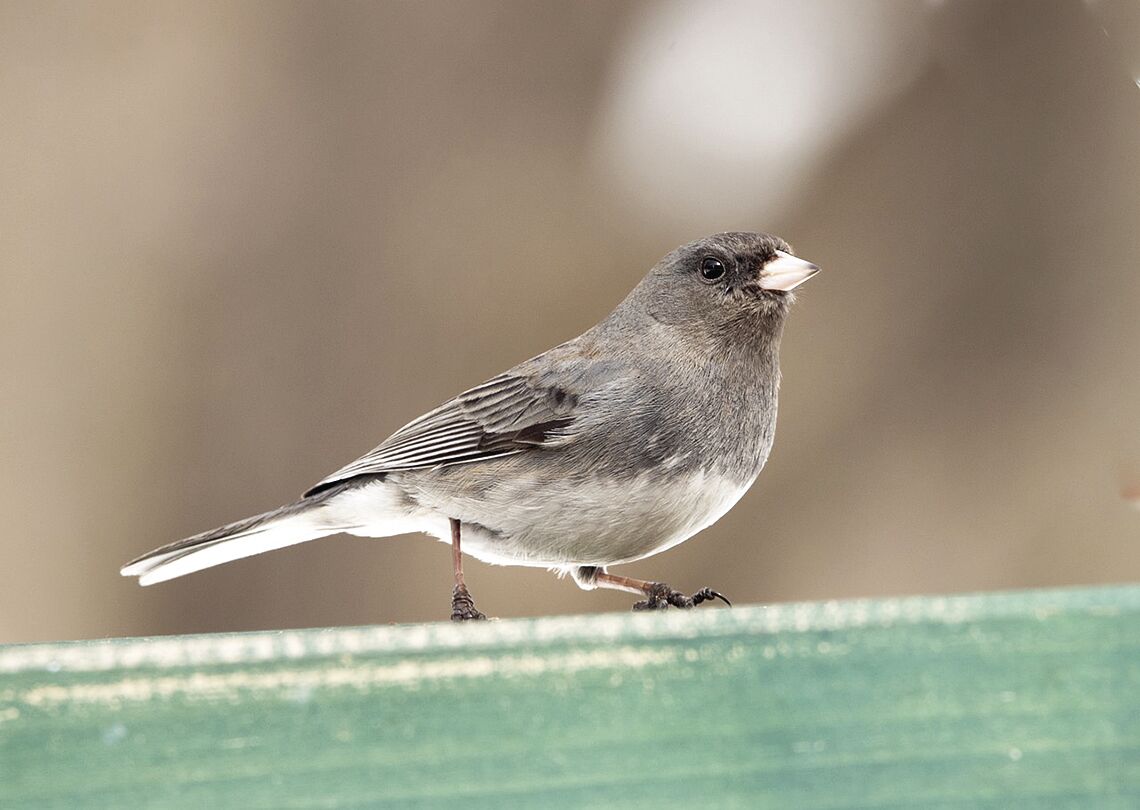
Photo by simardfrancois from Pixabay • The dark-eyed junco is a winter visitor at many bird feeders in the region, but this bird also nests every summer on some high elevation mountains in the region.

I wrote my first bird column on Sunday, Nov. 5, 1995, which means this weekly column is marking its 28th anniversary this week.

This column has appeared in a total of six different newspapers, which I regard as a personal achievement, as well as an accomplishment for our feathered friends. It’s on their behalf that I pen these weekly efforts to promote conservation and good will toward all birds. I have also posted the column as a weekly blog posting since February 2014 at http://www.ourfinefeatheredfriends.com.

I’ve played detective, helping people identify everything from “rain crows,” or cuckoos, to Muscovy ducks, chukars and double-crested cormorants. I’ve observed unusual birds, including white pelicans, brants and roseate spoonbills, in Northeast Tennessee, Southwest Virginia and Western North Carolina and spotlighted them in these columns.

While I’ve had some vision challenges this past year, I still take delight in the kaleidoscopic parade of colorful warblers that pass through the region each spring and fall as well as the fast-paced duel of ruby-throated hummingbirds and the occasional rufous hummingbirds straying through the region.

At my home, I also provide sunflower seed and other supplemental food for the resident birds like Carolina chickadees, white-breasted nuthatches, song sparrows and downy woodpeckers.

Even as I tweak my anniversary column for “Feathered Friends,” parts of the region just experienced the first heavy frost. This prognostication of approaching winter weather is a perfect time to dust off this week’s column, which is a revision of the first bird column I ever wrote. This column focused on a common visitor to yards and feeders during the winter months. In fact, dark-eyed juncos should be returning to the region any day. Here, with some revisions I have made through the years, is that first column.

Photo by Ken Thomas • A dark-eyed junco perches on some bare branches on a winter’s day.

•••

Of all the birds associated with winter weather, few are as symbolic as the dark-eyed junco, or “snow bird.” The junco occurs in several geographic variations.

John V. Dennis, author of “A Complete Guide to Bird Feeding,” captures the essence of the junco in the following description: “Driving winds and swirling snow do not daunt this plucky bird. The coldest winter days see the junco as lively as ever and with a joie de vivre that bolsters our sagging spirits.” The dark-eyed junco’s scientific name, hyemalis, is New Latin for “wintry,” an apt description of this bird.

Most people look forward to the spring return of some of our brilliant birds — warblers, tanagers and orioles — and I must admit that I also enjoy the arrival of these birds. The junco, in comparison to some of these species, is not in the same league. Nevertheless, the junco is handsome in its slate gray and white plumage, giving rise to the old saying “dark skies above, snow below.”

Just as neotropical migrants make long distance journeys twice a year, the junco is also a migrating species. But in Appalachia, the junco is a special type of migrant. Most people think of birds as “going south for the winter.” In a basic sense this is true. But some juncos do not undertake a long horizontal (the scientific term) migration from north to south. Instead, these birds merely move from high elevations, such as the spruce fir peaks, to the lower elevations. This type of migration is known as vertical migration. Other juncos, such as those that spend their breeding season in northern locales, do make a southern migration and, at times, even mix with the vertical migrants.

During the summer months, a visit to higher elevations mountaintops is almost guaranteed to produce sightings of dark-eyed juncos. Juncos may nest as many as three times in a season. A female junco usually lays three to six eggs for each nest, which she constructs without any assistance from her mate.

Juncos are usually in residence around my home by early November. Once they make themselves at home I can expect to play host to them until at least late April or early May of the following year. So, for at least six months, the snow bird is one of the most common and delightful feeder visitors a bird enthusiast could want.

Juncos flock to feeders where they are rather mild-mannered — except among themselves. There are definite pecking orders in a junco flock, and females are usually on the lower tiers of the hierarchy. Females can sometimes be distinguished from males because of their paler gray or even brown upper plumage.

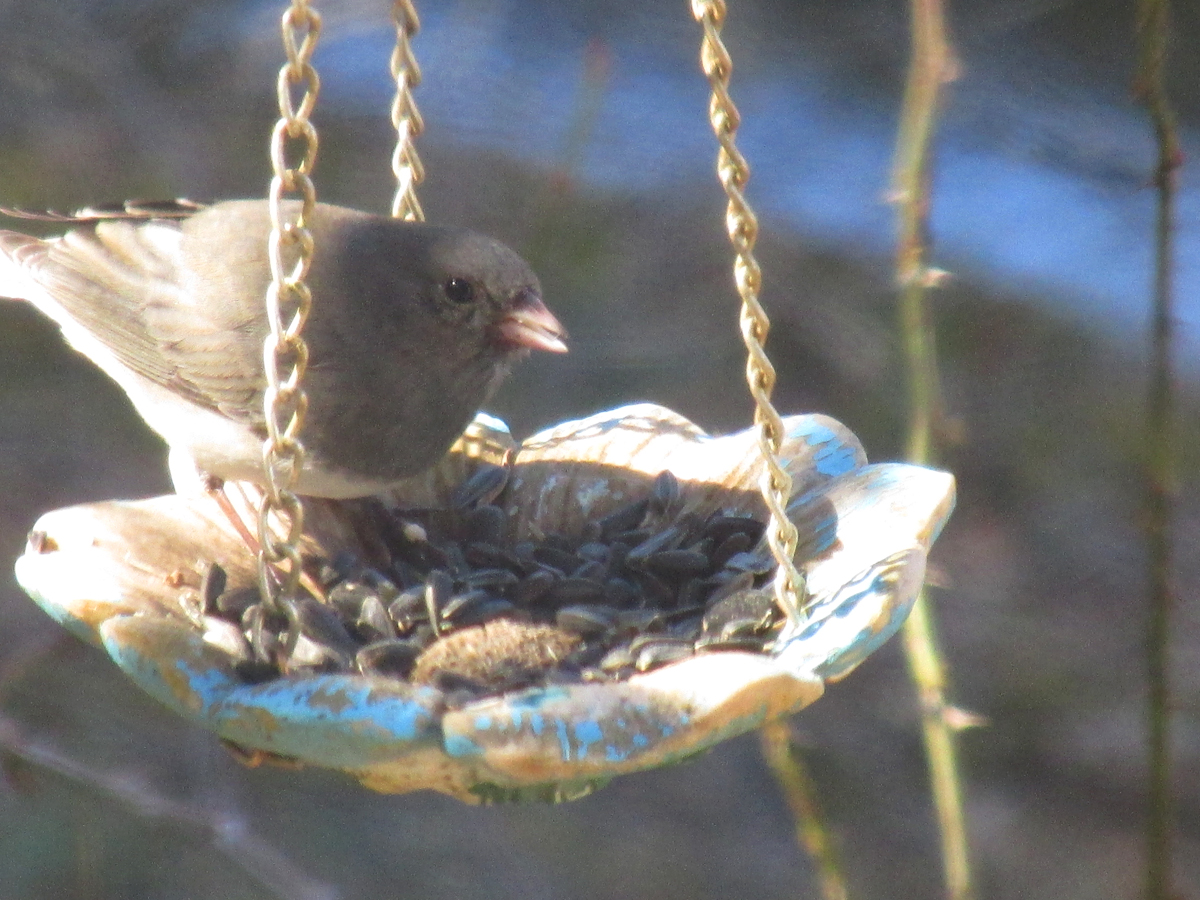
Since juncos are primarily ground feeders they tend to shun hanging feeders. But one winter I observed a junco that had mastered perching on a hanging “pine cone” feeder to enjoy a suet and peanut butter mixture.

Dark-eyed juncos often are content to glean the scraps other birds knock to the ground. Juncos are widespread. They visit feeders across North America. The junco is the most common species of bird to visit feeding stations. They will sample a variety of fare, but prefer such seeds as millet, cracked corn or black oil sunflower.

The juncos are a small branch of the sparrow clan. Some of the other juncos include the endangered Guadalupe junco, yellow-eyed junco, Baird’s junco and volcano junco. The last one on the list is endemic to the Talamancan montane forests of Costa Rica and western Panama. Baird’s junco is named for Spencer Fullerton Baird, an American ornithologist and naturalist.

Photo by Bryan Stevens • A dark-eyed junco visits a hanging feeder.

Baird served as secretary for the Smithsonian Institution from 1878 until his death in 1887. He greatly expanded the natural history collections of the Smithsonian from 6,000 specimens in 1850 to over two million by the time of his death.

I hope you’ve enjoyed this introduction to juncos. There’s something about winter that makes a junco’s dark and light garb an appropriate and even striking choice, particularly against a backdrop of newly fallen snow.

Of course, the real entertainment from juncos come from their frequent visits to our backyard feeders. When these birds flock to a feeder and began a furious period of eating, I don’t even have to glance skyward or tune in the television weather forecast. I know what they know. Bad weather is on the way!

••••

I’ve not seen the first junco of the season, but I did observe a close relative (white-throated sparrow) on the morning of Oct. 24 at my home.

If you’d like to share your first sighting this season of dark-eyed juncos, email me at ahoodedwarbler@aol.com. As always, the column is also a line of communication with fellow bird enthusiasts. I’ve enjoyed sharing stories about birds with countless readers over the past 28 years. I can also be reached on Facebook at https://www.facebook.com/ahoodedwarbler.
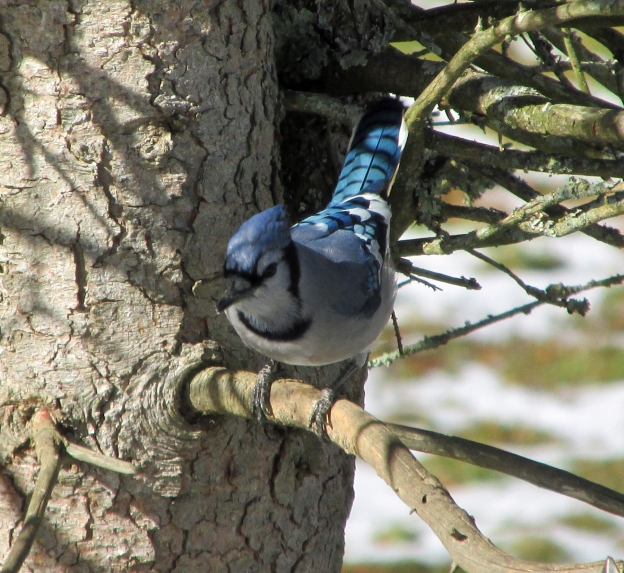
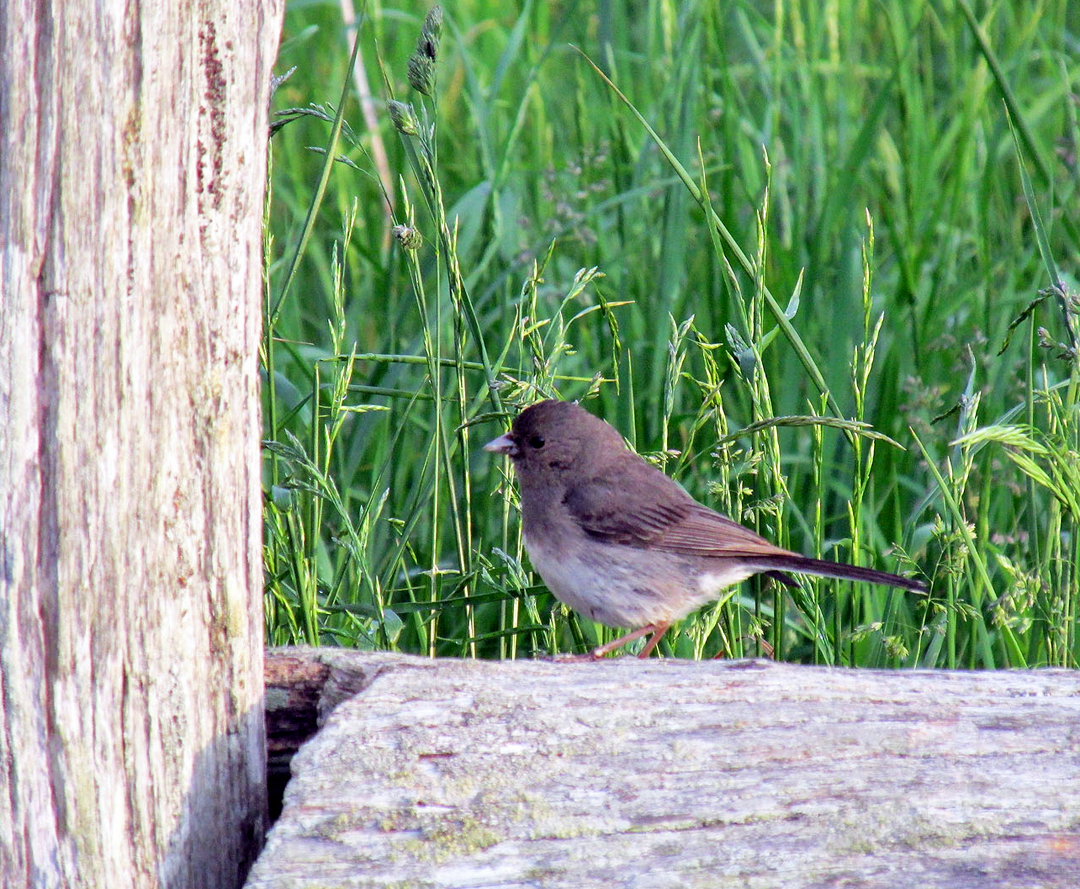
Photo by Bryan Stevens • Dark-eyed junco nests on high mountain slopes during the summer month. This dark-eyed junco was photographed at Carver’s Gap on Roan Mountain during the summer nesting season.

77th Elizabethton Christmas Bird Count yields 63 species

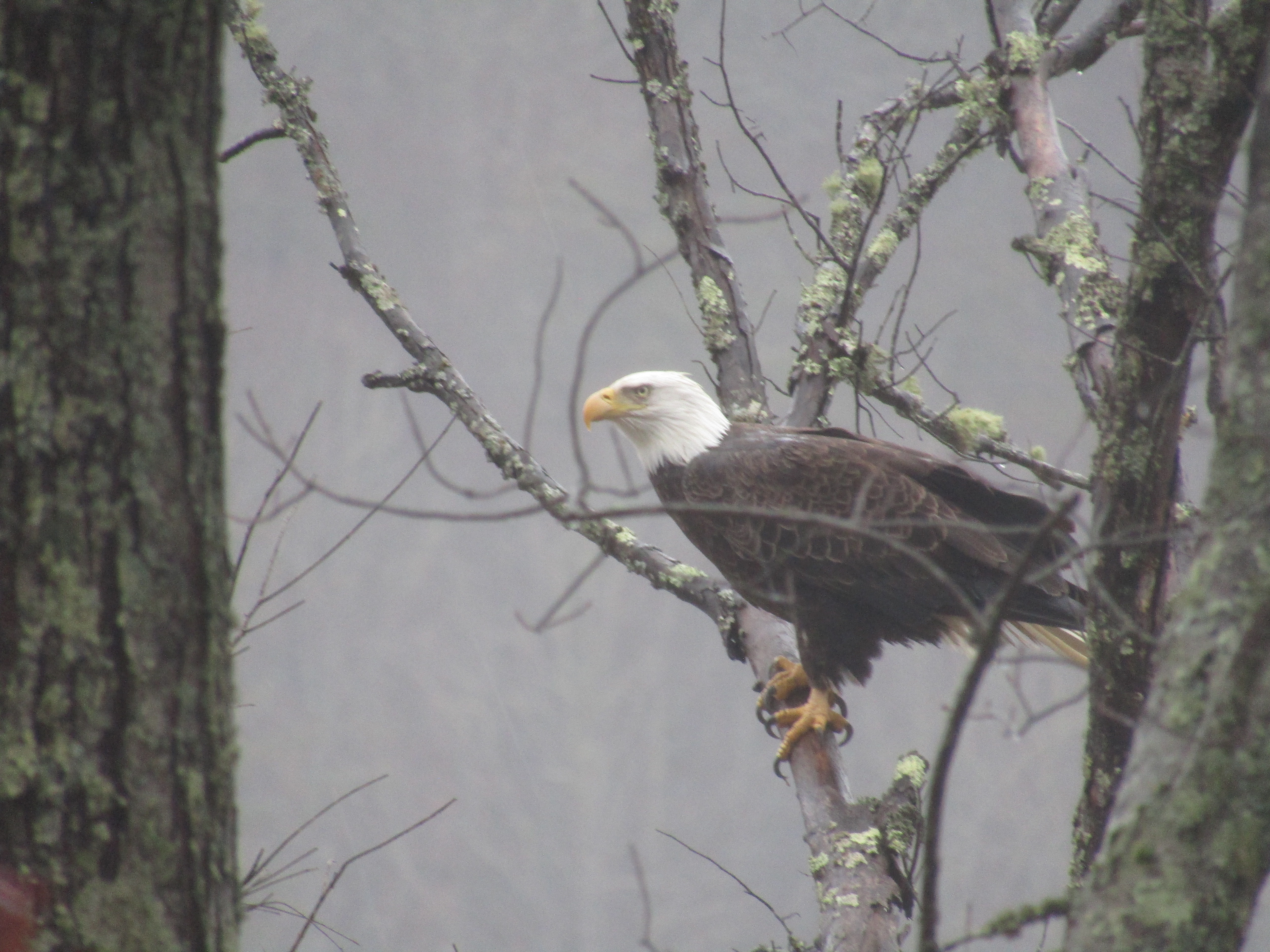
Photo by Bryan Stevens • This adult bald eagle was one of several counted on this year’s Christmas Bird Count.

The 77th consecutive Elizabethton Christmas Bird Count was held by members and friends of the Elizabethton Bird Club on Saturday, Dec. 14. Participants in the long-running CBC tallied a total of 63 species of birds, which was down considerably from the recent average of 73 species. The all-time high for this count consisted of 85 species and was established two years ago with the 2018 Elizabethton CBC.

The temperature lingered in the 40s all day with light rain. The low species total, as well as low individual numbers, was likely due to the lousy weather, according to long-time count compiler Rick Knight.

Knight noted some count highlights, including single representatives of ruffed grouse, pine warbler and red-headed woodpecker. In addition, 75 wild turkeys, 181 Eastern bluebirds, and 449 cedar waxwings demonstrated that some birds were far from scarce.

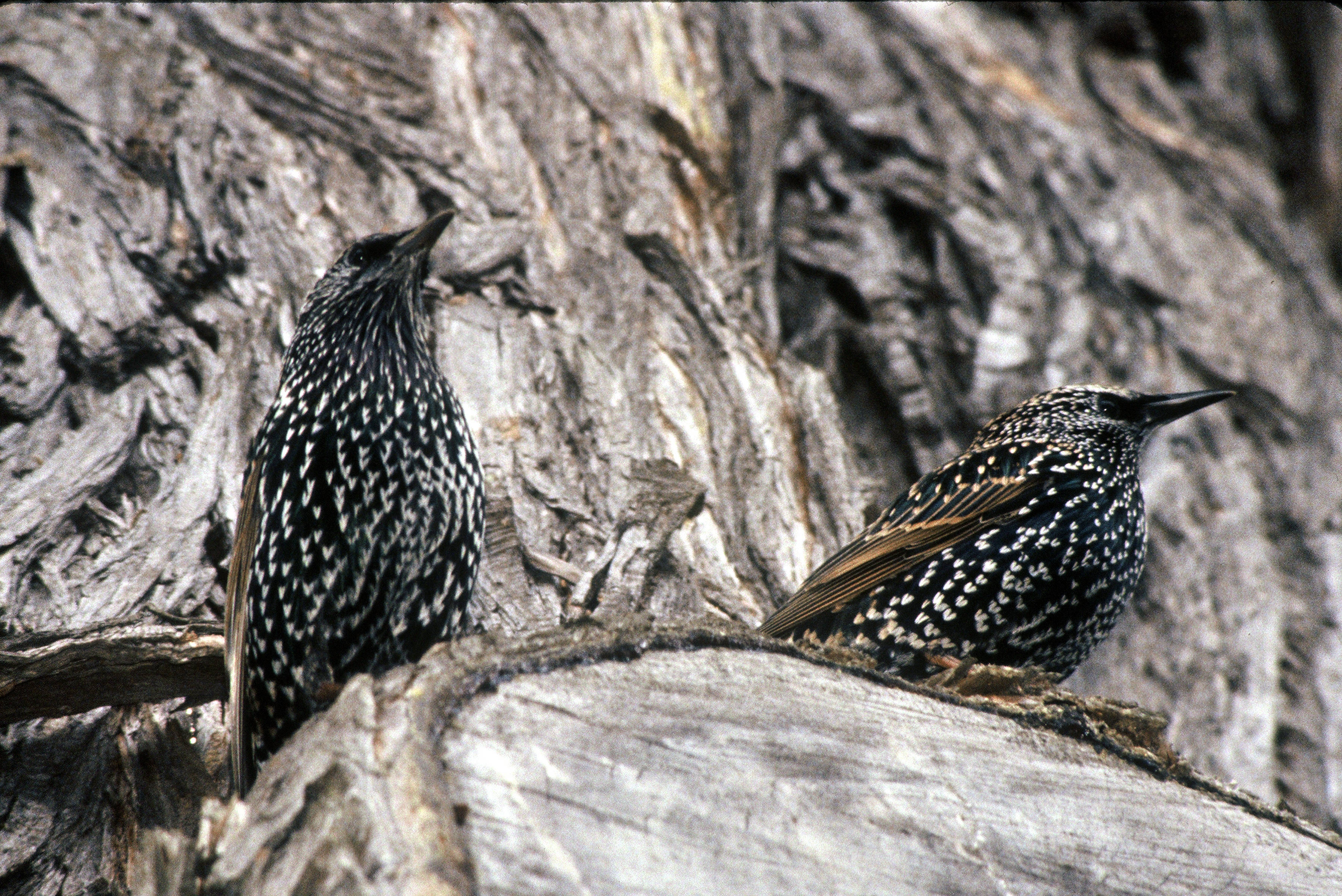
The 1,015 individuals counted made the European starling the most abundant bird on this year’s CBC, followed by cedar waxwing (449), American robin (371) and Canada goose (319).

Photo by U.S. Fish & Wildlife Service • The European Starling ranked as the most common species on the count.

Notable misses included almost all the ducks — only three species being found. Knight noted that duck numbers have been low so far this season.

Counters also missed finding killdeer, Wilson’s snipe, Eurasian collar-dove, red-breasted nuthatch, brown thrasher, Eastern meadowlark, white-crowned sparrow and fox sparrow. A single Eastern screech-owl represented the only owl species found on the count.

My own count area consisted of territory around Watauga Lake and the town of Butler. Accompanying me on this count were Brookie and Jean Potter, David and Connie Irick, Eric Middlemas, Brenda Richards and Chris Soto.

Highlights of our day counting birds in mid-December included numerous sightings of bald eagles and a welcome and restorative lunch at Dry Hill General Store and Deli in Butler. We also enjoyed our observations of a common loon, horned grebe, and several species of raptors.

Photo by Bryan Stevens • Nine red-tailed hawks made it onto this year’s Elizabethton Christmas Bird Count.

Here’s the final total for the 2019 Elizabethton CBC:

Canada goose, 319; mallard, 268; ring-necked duck, 4; bufflehead, 107; ruffed grouse, 1; and wild turkey, 75.

Common loon, 1; pied-billed grebe, 4; horned grebe, 1; double-crested cormorant, 4; and great blue heron, 18.

Black vulture, 4; turkey vulture, 38; sharp-shinned hawk, 4; Cooper’s hawk, 1; bald eagle, 6; and red-tailed hawk, 9.

Ring-billed gull, 20; rock pigeon, 246; mourning dove, 200; Eastern screech-owl, 1; and belted kingfisher, 11.

Red-headed woodpecker, 1; red-bellied woodpecker, 10; yellow-bellied sapsucker, 10; downy woodpecker, 21; hairy woodpecker, 2; Northern flicker, 27; and pileated woodpecker, 7.

American kestrel, 8; Eastern phoebe, 7; blue jay, 164; American crow, 299; and common raven, 1.

Carolina chickadee, 133; Tufted titmouse, 61; white-breasted nuthatch, 29; brown creeper, 1; winter wren, 5; and Carolina wren, 94.

Golden-crowned kinglet, 15; ruby-crowned kinglet, 1; Eastern bluebird, 181; American robin, 371; Northern mockingbird, 57; European starling, 1,015; and cedar waxwing, 449.

Pine warbler, 1; yellow-rumped warbler, 61; Eastern towhee, 17; chipping sparrow, 16; field sparrow, 28; Savannah sparrow, 5; song sparrow, 125; swamp sparrow, 1; white-throated sparrow, 40; and dark-eyed junco, 45.

Northern cardinal, 124; brown-headed cowbird, 1; house finch, 72; American goldfinch, 63; and house sparrow, 29.

Photo by Jean Potter • Two species of warbler — pine warbler, pictured here, and yellow-rumped warbler — made this year’s Elizabethton CBC.

Roan Mountain CBC finds 49 species

The Elizabethton Bird Club conducts a second CBC for Roan Mountain in Carter County, Tennessee. The 67th Roan Mountain CBC was held the following day, Sunday, Dec. 15, with eight observers in two parties. The skies had cleared from the previous day. Participants counting at elevations above 4,500 feet found an inch of fresh snow.

Knight noted that a good cone crop is present in the spruce-fir forest. The count tallied 49 species, which is three above the recent 30 year average. The all-time high on this count was 55 species found in 1987. Lower species totals on this count are due to harsher climate in higher elevations, less diversity of habitats, and lower number of observers and parties.

Some highlights included 26 Canada geese. On most CBCs, Canada geese would not be considered extraordinary, but Knight noted there are few records on the Roan Mountain CBC for this goose.  Other highlights included 11 American black ducks, two red-breasted nuthatches and a single purple finch. A single American kestrel, which is also represented by only a few records on this count, was found. The counters found 27 common ravens, which meant that this corvid species outnumbered its relative the blue jay, which tallied only 21 individuals.

Knight suggested that a few notable misses for this count included sharp-shinned hawk, brown creeper and fox sparrow.

The Roan Mountain CBC total follows:

Canada goose, 26; American black duck, 11; buffledhead, 17; hooded merganser, 1; wild turkey, 2; pied-billed grebe, 2; and great blue heron, 1.

Turkey vulture, 3; Cooper’s hawk, 2; red-shouldered hawk, 2; and red-tailed hawk, 2.

Rock pigeon, 14; mourning dove, 34; belted kingfisher, 1; red-bellied woodpecker, 4; yellow-bellied sapsucker, 3; downy woodpecker, 14; hairy woodpecker, 1; and pileated woodpecker, 2.

American kestrel, 1; Eastern phoebe, 4; blue jay, 21; American crow, 96; and common raven, 27.

Carolina chickadee, 46; tufted titmouse, 31; red-breasted nuthatch, 2; white-breasted nuthatch, 12; winter wren, 1; and Carolina wren, 21.

Golden-crowned kinglet, 9; Eastern bluebird, 18; American robin, 126; Northern mockingbird, 1; European starling, 33; and cedar waxwing, 12.

Yellow-rumped warbler, 1; Eastern towhee, 17; field sparrow, 3; song sparrow, 68; white-throated sparrow, 11; and dark-eyed junco, 62.

Northern cardinal, 19; house finch, 2; purple finch, 1; red crossbill, 10; pine siskin, 1; and American goldfinch, 6.

April brings flurry of spring migrants to region

Louisiana Waterthrush

Photo by Adobe Stock • Subtle plumage differences, as well as habitat, behavior and seasonal presence, are factors in distinguishing the Louisiana waterthrush, pictured, from the closely related Northern waterthrush. The Louisiana waterthrush nests along fast-moving streams in the area while the Northern waterthrush does not breed in the region.

I’m always happy for the arrival of April because I know the month hails the arrival of some of my favorite birds. The roughly 50 species of New World warblers that occur in the Eastern United States have captivated me from the time I first picked up a pair of binoculars. The warblers offer color, energy, complex songs and much more for the bird enthusiast to enjoy.

The month started out with my first sighting of a purple finch for the year. The finch must have been a harbinger of birds to come because in quick succession I observed many early migrants, including brown thrasher, blue-headed vireo, blue-gray gnatcatcher and chipping sparrow, as well as several warblers.

PurpleFinches

Photo by Bryan Stevens • A study of the facial pattern of a female purple finch helps contrast her from similar female house finches. Again, the notched tail is also a good indication of the bird’s identity.

The first warbler to arrive in the woods around my home this year was a singing male black-throated green warbler. Three others — black-and-white warbler, yellow-throated warbler and Louisiana waterthrush — followed quickly after my sighting of the black-throated green warbler.

The Louisiana waterthrush stood out among these early observations. This warbler is a specialist of creeks and streams, and my sighting took place near a roaring creek swollen by a rainy spring. This water-loving warbler also has a loud, ringing song that can still be hard to hear because of the fact the bird is usually near the background noise of rushing water.

B&WWarbler

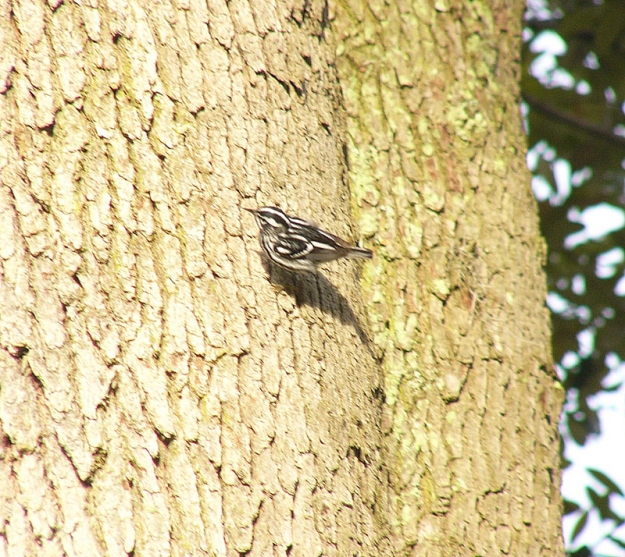
Photo by Bryan Stevens • A black-and-white warbler creeps over the bark of a pine in search of insect prey.


While many warblers have shown signs of decline in recent years, the Louisiana waterthrush appears to have bucked that trend. According to the website, “All About Birds,” Louisiana waterthrush populations were stable between 1966 and 2015, based on statistics from the North American Breeding Bird Survey. Partners in Flight, a network of organizations engaged in all aspects of avian conservation, estimates a global breeding population of 360,000, with almost all of those individuals spending at least part of the year in the United States. About a quarter of the population retreats into Mexico during the winter season. The rest winter in Florida and some of the Gulf Coast states, as well as the islands of the Caribbean.

While most songbirds are fortunate to survive two or three years in the wild, at least one Louisiana waterthrush lived to the age of at least 11 years and 11 months. The bird, a male, was seen in New Jersey in the wild and identified by a band on one of his legs. He had been banded in the same state, according to the website, “All About Birds.”

The waterthrushes are the only two species in the genus Parkesia, so named to honor American ornithologist Kenneth C. Parkes, who was for many years curator of birds at Carnegie Museum of Natural History. The common name of the Louisiana waterthrush is not a very apt one, as this bird does not have any special affinity for the state of Louisiana. Someone collected some of the early specimens of the Louisiana waterthrush in its namesake location, and the name has stuck through the years.

The only other warbler in the genus Parkesia is the Northern waterthrush which, unlike its relative, likes to live near quiet, sedate pools, ponds and bogs, not rushing streams.

Hummingbirds getting closer to region

Tommy and Virginia Curtis of Smithville, Tennessee, reported their first ruby-throated hummingbirds of the spring on the email group, “TN-Birds.” The hummingbird arrived on April 7.

“We had two male ruby-throated hummingbirds arrive late Sunday afternoon,” they wrote in their email. “That is a little later than the April 1 arrival times in the past.”

The two visitors had apparently agreed to co-exist.

“So far they are eating peacefully, and neither is attacking or dominating the one feeder,” the couple reported. “We keep wondering when the white-throated sparrows and dark-eyed juncos plan to leave, as we have had many of them all winter.”

white-throated-sparrow-942064_1920 (1)

Photo by Skeeze/Pixabay • A white-throated sparrow perches on a branch to sing its easily recognizable song. Many Americans translate the sparrow’s song as “Ol’ Sam Peabody, Peabody, Peabody.”

The couple also shared that they have been hosting a small flock of purple finches. “They normally don’t show up at our feeders unless there is snow on the ground, but we have enjoyed seeing them daily,” they wrote in their email.

Of course, the Curtises live in DeKalb County in Middle Tennessee. As of press time, I still haven’t received any reports of hummingbirds arriving in East Tennessee or Southwest Virginia. I’m confident these tiny winged gems will arrive soon. I hope to update on hummingbird arrivals in next week’s column.

Remember to share your hummingbird sighting by emailing me the date and time of the sighting to ahoodedwarbler@aol.com. I’m also on Facebook should anyone want to contact me through that social media platform.
RubyRed

Photo by Bryan Stevens • A male ruby-throated hummingbird perches near a feeder that he is ready to defend from all comers.


Tennessee warbler visits Volunteer State only a few weeks each year

2-tennessee-warbler-john-james-audubon

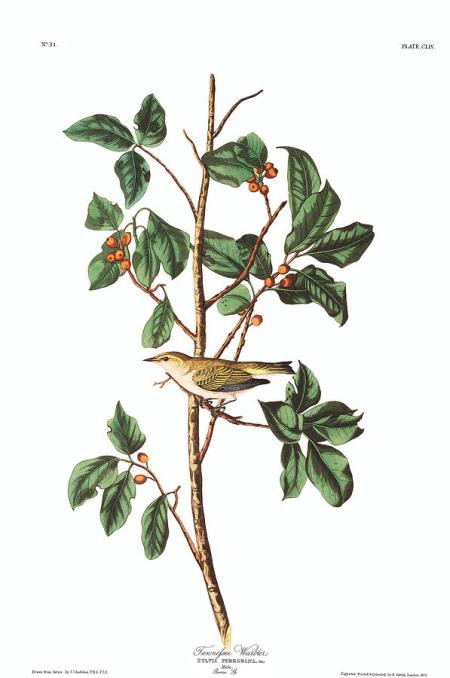
A Tennessee warbler as painted by early naturalist and painted John James Audubon. Because the first of these warblers was found in Tennessee, the bird was given a rather inappropriate name. At most, they spend a few weeks each year in the Volunteer State during migration.

This fall has been a good time to see warblers. Some of the more common ones I have noticed in the yard so far have included American redstart, chestnut-sided warbler and black-throated green warbler. Of course, these two species nest in the region during the summer.

One of fall’s first true migrants showed up on Sept. 17 when a rambunctious Tennessee warbler made its debut by chasing a male Northern cardinal from the blue spruce near the creek.

The pioneering American ornithologist Alexander Wilson gave the Tennessee warbler its name, which, unfortunately, is not an accurate moniker.

Here’s some trivia for you should you ever find yourself competing on the game show “Jeopardy” and the category is “Warblers.” Four of our warblers — Kentucky Warbler, Louisiana waterthrush, Connecticut warbler and Tennessee warbler — bear common names that honor states. The Kentucky warbler and Tennessee warbler are named for the states where they were first found and described by Wilson in 1811. Neither the Tennessee warbler or Kentucky warbler are particularly affiliated with the states for which they were named. In fact, the Tennessee warbler passes through the Volunteer State only for a few weeks each year during spring and fall migration. Its closest breeding range is in the boreal forests of Michigan, and these warblers spend the winter in Mexico or farther south. Wilson got lucky and found his Tennessee warbler along the Cumberland River during migration.

TennesseeWarblerByPaulSparks_AdobeStock

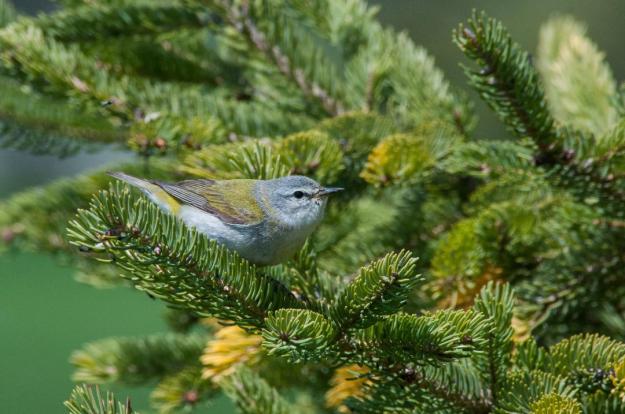
Tennessee Warbler Photo by Paul Spark/Adobe Stock • The Tennessee warbler, while named for the Volunteer State, spends very little time within Tennessee. These warblers migrate through the region each spring and fall but nest much farther north in the boreal forests.

Don’t blame Wilson too harshly for the mistake. Even after he “discovered” the first Tennessee warblers back in 1811, it would be almost another century before scientists finally located the bird’s nesting grounds in Canada in 1901. The remote and inaccessible nature of the the region helped prolong this mystery about the Tennessee warbler’s life cycle.

In almost 25 years of birding, I’ve never seen a Tennessee warbler during spring migration. I see many of these birds every autumn as they stage their fall migration through the Volunteer State to reach destinations farther south. The appearance of the Tennessee warbler varies greatly depending on the season. In autumn, most Tennessee warblers are greenish-yellow birds with whitish-gray underparts. In the spring, the basic green and white pattern remains evident, but both males and females sport a gray head and a black line that runs through the eye and along the side of the bird’s face. The plumage — at least in illustrations and photographs — is shown as more crisp and distinct with spring birds.

Some experts have floated the opinion that the Tennessee warbler should be named named “coffee warbler,” since wintering individuals are attracted to coffee plantations in Central America. According to the website, “Birds of North America,” recent studies demonstrate the importance of shade coffee plantations for Tennessee warblers during their time spent outside North America every winter. Other warblers, such as the black-throated blue warbler, are also closely associated with coffee plantations during the wintering season.

Some years find Tennessee warblers in great abundance, probably thanks to a feast of caterpillars infesting the spruce trees in the boreal forests where these warblers nest during the summer months. In years of famine when the caterpillars are less rampant in the forests the Tennessee warbler calls home, the birds raise fewer young, and the population grows less dramatically.

Tiny-MorningGlory

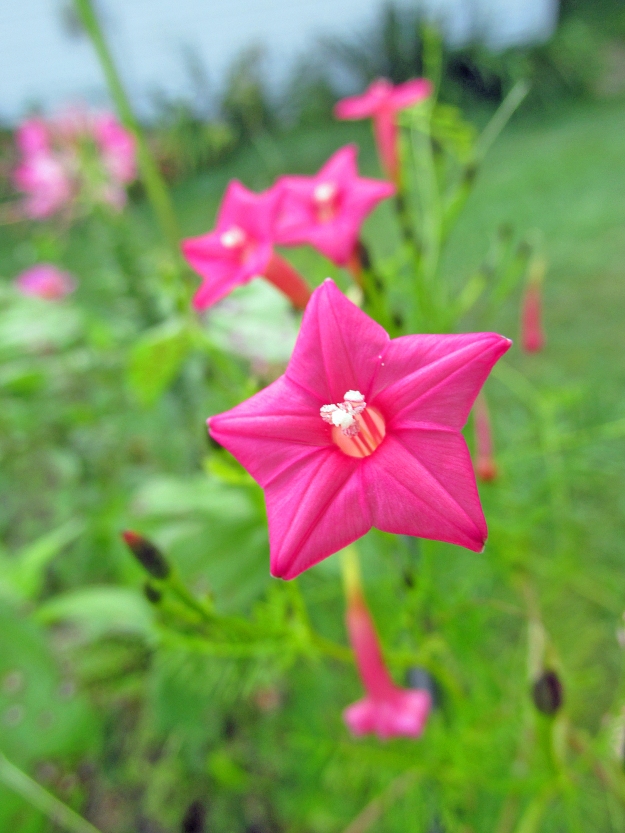
Photo by Bryan Stevens • Tennessee warblers are nectar thieves, punching holes in the sides of flowers to get nectar without contributing to the pollination process.

The Tennessee warbler is not strictly an eater of caterpillars and insects. This warbler has a bit of a sweet tooth — or should that be sweet beak? They visit flowers to partake of nectar; however, the Tennessee warbler is not a good example of an avian pollinator. Tennessee warblers cheat by poking holes in the flower with their bills to steal the nectar without having to let the flower’s pollen accumulate on their bills and heads. The Tennessee warbler will also come to sugar water feeders put out on their wintering grounds to attract hummingbirds. The Tennessee warbler also supplements its diet with fruit and berries.

Here’s something that might also come in handy in a test of your knowledge of trivia some day: Not only is the Tennessee warbler named for the state, but the capital city of Nashville also has its name linked another member — the Nashville warbler — of the warbler clan. Once again, Wilson provided a rather inaccurate name, as the bird in question is only a visitor to Nashville during a limited window of time each year.

While the briefly visiting Tennessee Warbler already pays tribute to our state with its common name, the Northern mockingbird was selected in 1933 as the official bird for Tennessee. This relative of the brown thrasher and gray catbird also serves as the state bird for Arkansas, Florida, Mississippi and Texas. At my home, Northern mockingbirds are usually evident only during the winter months. I haven’t seen one at home so far this year. Gray catbirds were scarce this summer, but a pair of brown thrashers provided much entertainment as they raised young in my yard and gardens.

mockingbird-nov11

Photo by Bryan Stevens • The Northern Mockingbird has been the official state bird for Tennessee since 1933.

For now, I think Tennesseans will probably stick with the mockingbird, rather than the Tennessee warbler, when it comes to offering one of our feathered friends the accolade of official state bird. That’s not to say we can’t enjoy observations of this warbler during its brief forays through the state. Don’t wait too long, though. The window of opportunity usually closes by mid-October.

Mother Nature’s whims can produce major impacts on birds

Sooty_tern_flying

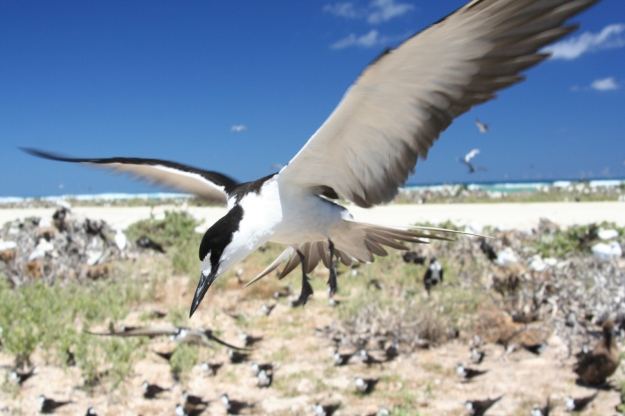
Photo by U.S. Fish and Wildlife Service/Duncan Wright The sooty tern, pictured, nests mainly in Hawaii, but some also nest on the islands of the Dry Tortugas, west of the Florida Keys. In 2004, Hurricane Frances blew one of these tropical birds to Holston Lake in Bristol. Severe storms also present devastating obstacles for other birds.

With Hurricane Florence dominating the headlines in recent weeks, it’s only natural to speculate on whether such storms can impact birds in a negative way.

According to a 2011 blog post made on the National Wildlife Federation website, hurricanes can be bad news for some birds. Naturally enough, sea birds and waterfowl are most exposed to the forces of a hurricane. Some birds will move inland to avoid the incoming storm. The birds that inhabit our yards and gardens will ride out the storm using special adaptations. Songbirds will automatically tighten their toes around their perches, riding out the winds of a hurricane by holding onto a branch with a death grip. It’s the same adaptation that lets them sleep on a branch without letting go and falling off during the night.

The blog points out that the news often covers the appearance of rare species after a major storm. Some of these birds transported to unusual locations are probably younger or weaker birds. Once transported far from their usual range by a hurricane, it can take weeks to return home — if they can find the right foods on their way back.

John-James-Audubon-Bachman_s-Swamp-Warbler.-1.-Male.-2.-Female.-Gordonia-pubescens.- (1)

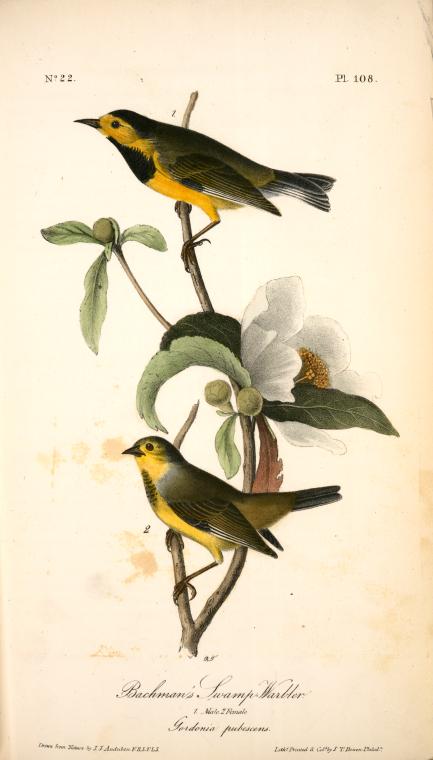
Early naturalist and accomplished artist John James Audubon painted Bachman’s warbler without ever seeing a living one. A friend sent him some skins of the warbler collected near Charleston, South Carolina. A hurricane may have contributed to the extinction of Bachman’s warbler.

In a worst case scenario, hurricanes may have dealt fatal blows to some bird species. For instance, a hurricane may have delivered the knock-out blow to a species of warbler that went extinct last century, according to the website, Field Guide to Extinct Birds. A hurricane that slammed into Cuba in the 1930s when most of the Bachman’s warbler population was wintering on the island might have wiped out enough of the population to make the survivors too rare and far-flung to find each other to breed. The warbler, sensitive to habitat destruction from logging and already in a steep decline, never seemed to recover. It was the ultimate example of keeping all of one’s eggs — or birds — in one unlucky basket.

Discovered in 1832 near Charleston, South Carolina, by the Reverend John Bachman, this warbler attracted little attention for the first half century after its discovery. Bachman sent some skins of the bird to his friend, the artist and early naturalist John James Audubon. Subsequently, Audubon painted this warbler by using those skins and Bachman’s description of the bird’s habits for inspiration. Ironically, considering he described the species for science, Audubon never actually laid eyes on an actual living Bachman’s warbler.

The last specimens of Bachman’s warbler were collected in Mississippi in the early 1940s. The last strongholds for breeding Bachman’s warblers in the United States were Fairfax County, Virginia, in the 1950s and South Carolina’s I’on Swamp in the early 1960s. The last photograph documenting a Bachman’s warbler was taken in 1954. in Charleston, South Carolina, bringing the story of this warbler full circle from its discovery in the same vicinity back in 1832. No Bachman’s warbler sightings have been confirmed since 1961, despite reports in the 1970s and 1980s, as well as reports made in the spring of 2000 and 2001 in the Congaree Swamp National Monument in Richland County, South Carolina. None of those sightings could be confirmed.

Like the ivory-billed woodpecker and Eskimo curlew, Bachman’s warbler is another bird likely to be labeled for the near future with the tag “likely extinct” associated with its name. Like the large woodpecker and the shorebird with a penchant for long-distance migration, the Bachman’s warbler went out with a whimper, not a bang, with most of its viable population snuffed out by an October hurricane just as the species returned to Cuba for the winter season.

Ruby-throat

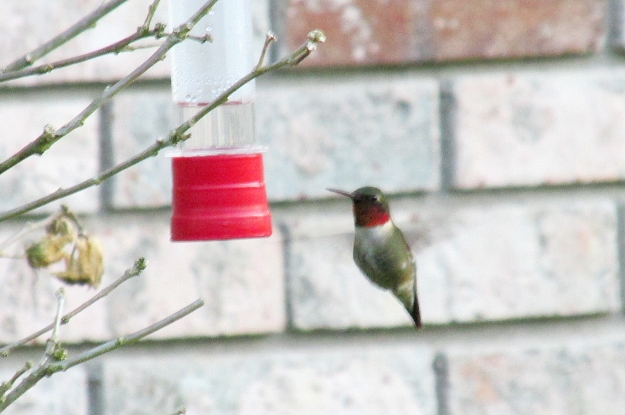
Photo by Bryan Stevens • Ruby-throated Hummingbirds make a non-stop crossing of the Gulf of Mexico. A hurricane in the Gulf during migration could have serious consequences for this small bird.

More recently, experts worried Hurricane Irma might have delivered a knockout blow to the population of another tiny species of warbler. The Barbuda warblers on the tiny Caribbean island of Barbuda were feared exterminated in the wake of Irma. When the storm hit the island in September of 2017, its path affected more than 90 percent of the island and nearly wiped out the available habitat for the warbler, which already had a Near Threatened status. After the passage of the storm, participants in searches for the warbler turned up sightings of the bird. Nevertheless, the population status and ability to fully recover remains uncertain.

Science keeps adding to its knowledge of how birds are affected by hurricanes and other storms. A 2017 study showed possible consequences for a seabird known as the sooty tern in relation to hurricanes.

The study, published in the peer-reviewed open-access journal PeerJ, is the first to map the birds’ annual migratory path and demonstrate how its timing and trajectory place them in the direct path of hurricanes moving into the Caribbean after forming over the Atlantic.

Climate change threatens to bring about more frequent and powerful hurricanes, which could be bad news for the terns. Migration is a stressful undertaking for birds. If they encounter a strong storm in a weakened state, the results could be catastrophic. The study revealed a strong relationship between the numbers and locations of bird deaths and the numbers and locations of hurricanes. The study also showed that it isn’t just monster storms with the potential to cause devastation. Tropical Storm Delia, a small storm in the Gulf of Mexico in 1973, killed a lot of sooty terns. Essentially, the terns were in the wrong place at the wrong time.

Shorebirds

Photo by Bryan Stevens • A mixed flock of Short-billed and Long-billed Dowitchers and a Ruddy Turnstone at Huntington Beach State Park in South Carolina. Hurricanes can interrupt the migrations of even these long-distance migrants.

Of course, the sooty tern is not a rare bird. About 80,000 or more of these terns are estimated to breed in the Dry Tortugas each year. That’s the entire point, however; Bachman’s warbler was also once considered a common bird.

All of these examples point to the resilience of birds, but there’s also a lesson to learn. We should never take any of our feathered friends for granted. While the winds and rains from a hurricane can decimate human lives, wildlife is not immune. Sadly, birds can weather many a storm, but sometimes they get swamped.


What’s in a name? Vernacular designations for some birds lack imagination

I took part in a Christmas Bird Count last month. These annual mid-December surveys of bird populations are not quite as exciting as counts held during the spring or fall migration periods each year, but they can produce some interesting results. One exciting post-count activity after taking part in a CBC is getting together to compile the results tallied by the various participating groups and individuals. The results are usually compiled on field checklists for birds of Tennessee. These checklists, which are produced by the Tennessee Wildlife Resources Agency and the Tennessee Ornithological Society, feature a listing of the common name of every bird species likely to be encountered in the state.

AmKestrel-Flight

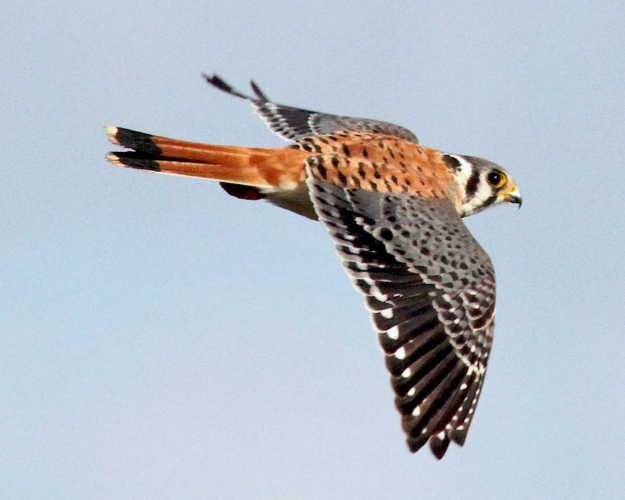
Photo by USFWS/Robert Burton • An American kestrel in flight shows the aerodynamic design that earned this small falcon the common name of sparrow hawk.

The compiler generally reads out the various names on the checklist, which lists all the local birds, beginning with black-bellied whistling duck and ending with house sparrow, and the spokespersons for the various parties respond as each bird’s name is called with the number of birds seen for each species. Over the years, some of the common names of birds featured on the list have changed, as has the position on the list for some of the species. For instance, the American kestrel and other falcons are no longer listed on the card in a grouping with the other raptors found in the state. This doesn’t make much sense to me. But, as I understand it, the falcons have been re-classified for scientific reasons, changing their relationship with the other birds listed on the checklists.

The falcons are not the only birds demoted from the grouping of raptors. The two native vultures — turkey vulture and black vulture — are now listed with herons and ibises instead of raptors. The falcons are now listed between the groupings of woodpeckers and flycatchers.

MaleTowhee-PIC

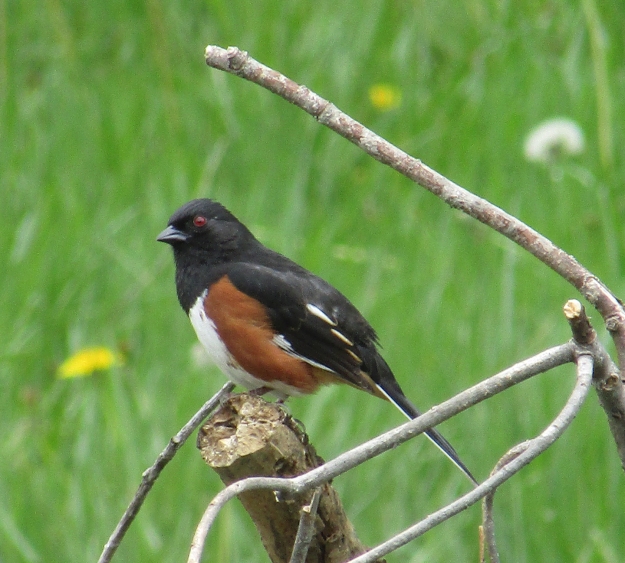
Photo by Bryan Stevens • Former common name rufous-sided towhee became Eastern towhee, which is far less descriptive of the bird’s appearance.

At least no expert has suggested a name change for any of the falcons. I dislike name changes, especially when we lose a descriptive name for a mundane one. That’s how we got relatively bland names like Eastern towhee instead of rufous-sided towhee and Northern flicker in place of yellow-shafted flicker. In fact, the American kestrel was once known as the sparrow hawk. The merlin and peregrine falcon, larger relatives of the kestrel, were once known as the pigeon hawk and duck hawk, respectively.

Common names are also known as “vernacular” names. Vernacular can be defined as the language or dialect spoken by the ordinary people, which contrasts with the scientific names for species of birds that are usually only recognized by ornithologists or other experts. However, just like dialects, there can be a great deal of variety among common names for the same birds. Many of the common names for some of our favorite birds lack any vivid descriptiveness.

IMG_4080

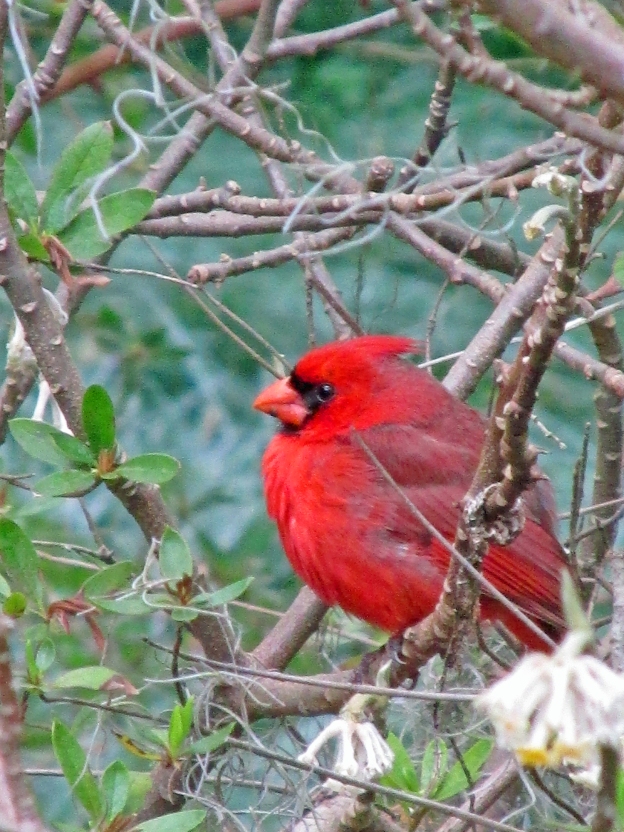
Photo by Bryan Stevens • Northern cardinal seems much less descriptive of this popular bird than such common names as Virginia nightingale and cardinal grosbeak.

For instance, let’s take a look at the Northern cardinal, which has been known by such common names as cardinal bird, cardinal grosbeak, crested redbird, Kentucky cardinal, redbird, Virginia redbird and Virginia nightingale. The first thing that irritates me about the common name of this bird is that there is no Southern cardinal. So, why is this bird the “Northern” cardinal? The only other birds in the Cardinalis genus are the desert cardinal, also known as the pyrrhuloxia, and the vermilion cardinal. Both these relatives have arguably more interesting and descriptive names than their relative, which is a favorite of many birders and arguably better known to many people.

I can understand why Kentucky cardinal and Virginia redbird are not inclusive names since the Northern cardinal ranges far beyond the borders of these two states. On the other hand, cardinal grosbeak with its reference to the cardinal’s large beak, as well as crested redbird, are both more descriptive and creative than the rather nondescript Northern cardinal.

Of course, a literary great summed up the confusing attitude toward common names. “What’s in a name?” William Shakespeare had Juliet ponder. “That which we call a rose by any other name would smell as sweet.”800px-Title_page_William_Shakespeare's_First_Folio_1623

I think The Bard was on to something. Whether we call a cardinal a redbird or a Virginia nightingale, it’s song will sound as sweet to our ears. The appearance of one of these birds on a gloomy day will elevate our mood whether we know the bird as cardinal grosbeak, Kentucky cardinal or, in scientific terminology, Cardinalis cardinalis.


BRISTOL HUMMERS DEPART

As promised, here’s an update on the hummingbirds that proved dutiful daily visitors to a sugar water feeder at the Bristol home of Ralph Beamer through Halloween, Thanksgiving and Christmas.

Early in the new year, Ralph notified me that the hummingbirds departed ahead of 2018’s arrival.

“We had a surprise on New Year’s Day,” Ralph wrote in an email. “The hummingbirds were gone. I am glad they left ahead of the extreme cold we have had the last few days.”

Ralph noted that he had a wonderful time watching them for the past three months. He is hopeful they will come back in the future, but figured that is probably wishful thinking.

Actually, some of these winter hummingbirds, which often turn out to be rufous hummingbirds, have proven quite faithful to favorite locations. Bird banders have recaptured some individual hummingbirds year after year in the same yards. During the stay of his visitors, Ralph shared photographs and videos with me of their visits to his feeders. I enjoyed receiving his periodic updates about them.

I emailed Ralph back and told him that these hummingbirds seem to also have a knack for knowing when to leave and suggested he keep an eye out for them again next fall.

••••••

Bryan Stevens lives near Roan Mountain, Tennessee. To learn more about birds and other topics from the natural world, friend Stevens on Facebook at https://www.facebook.com/ahoodedwarbler. If you have a question, wish to make a comment or share a sighting, email ahoodedwarbler@aol.com.

75 years strong, annual Elizabethton Christmas Bird Count breaks old records

GreaterWF-Goose

The 75th consecutive Elizabethton Christmas Bird Count held last month shattered records for this long-running survey. This year’s CBC was held on Saturday, Dec. 16, with 25 observers in six parties participating. The 85 species tallied established a new high for this count, shattering the old mark of 80 species set in 2012 and again in 2016. The average total over the last 30 years of the Elizabethton CBC is 72 species.

Participants included Fred Alsop, Jim Anderson, Jerry Bevins, Rob Biller, Rick Blanton, Kevin Brooks, Gil Derouen, Harry Lee Farthing, Dave Gardner, Carl Hacker, Jacki Hinshaw, David Irick, Rick Knight (compiler), Roy Knispel, Richard Lewis, Joe McGuiness, Charles Moore, Brookie and Jean Potter, Brenda Richards, Chris Soto, Amber Stanley, Bryan Stevens, Kim Stroud, and Scott Turner.

I took part in this CBC, as I have for many years, with fellow members and friends of the Elizabethton Bird Club. Participation in this annual survey has been a part of my holiday traditions for the past 20 years. The tradition of the CBC, however, goes much farther back.

According to the National Audubon Society’s website, the tradition of the Christmas Bird Count arose from a less than bird-friendly custom. By the turn of the 20th century, so-called sportsmen would conduct a “Side Hunt,” a rather bloodthirsty Christmas custom that saw hunters competing to see who could score the largest amount of feathered and furred corpses. It was a huge step forward for conservation when preeminent ornithologist Frank M. Chapman proposed a new holiday tradition. His radical idea was to count birds during the Christmas season rather than hunting and killing them.

chapman

Ornithologist Frank Chapman organized the very first Christmas Bird Count back   in December of 1900.

The Christmas Bird Count is now conducted each year on dates between Dec. 14 and Jan. 5. The first CBC took place in December of 1900 with 27 observers participating at 25 locations in the United States and Canada. Fifteen of the counts were conducted in the northeastern United States in an area ranging from Massachusetts to Philadelphia, Pennsylvania. Results from that first count in 1900 didn’t truly reflect the diversity of North America’s birds, but they were nonetheless interesting. The Greater Boston CBC consisted of only one participant and found only 17 species. However, some of those species included such good birds as American tree sparrow, brown creeper, Northern shrike and Northern bobwhite.

The Elizabethton Bird Club traditionally compiles the results from its two annual CBCs (Roan Mountain as well as Elizabethton) at its yearly Christmas party. This year when the tallies were added up, count participants were delighted to learn the count had set a new record with an amazing total of 85 species tallied, which is hard to come by in mid-December in Northeast Tennessee. An abundance of waterfowl helped push up the number of species found.

A few species are becoming more expected on this annual December count. For instance, greater white-fronted goose was found for the third time in the last five years. Before that, this goose had never been found on this count.

The bufflehead, the smallest of the diving ducks, set a new record with 293 individuals found. Four Northern Shovelers represented only the eight time this duck has appeared on the count. Greater Scaup were found for only the seventh time in the last 25 years. Ruddy Duck has now been found three times in the last 25 years, which matches the three occasions it was found prior to that time.

Bald eagles, thanks to locations like Watauga Lake and Wilbur Lake, are also becoming more common. Eagles have been found 20 of the last 25 years, but only once prior. Red-shouldered Hawk, which is uncommon in the region, was found for the sixth time in the last quarter-century.

Redshouldered_Hawk-LeeKarney

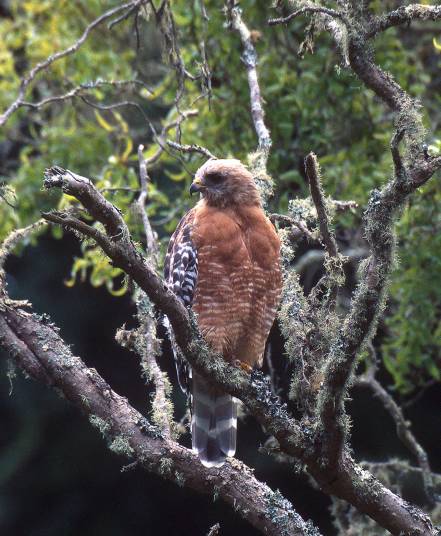
Photo by U.S. Fish & Wildlife Service/Lee Karney • A Red-shouldered Hawk perches in branches.

Eurasian Collared-Dove appears established in Elizabethton. This dove has been found six of the last nine years since it first made an appearance on the count.

All seven of the region’s woodpecker were found on this year’s CBC. The Red-headed Woodpecker has shown up on four counts in the last 25 years. This woodpecker was only found seven times in the years prior to 1992.

A Blue-headed Vireo spotted on this year’s count represented only the third time this species has been found. A flock of 75 American Pipits marked only the third time this species has been seen since 1992 on a CBC. Prior to that date, the species appeared only twice on an Elizabethton CBC.

Gray Catbird has been found five of the last 25 years, including this year, but only once prior to 1992. Palm Warbler, found only once prior to 1992, has now been found eight of the last 25 years. The single Pine Warbler seen means that this species has now been found four of the last 25 years, but only four times prior to 1992.

The European Starling with 1,335 individuals found on count day was easily the most common species on this year’s CBC. The 16 Dark-eyed Juncos, usually a relatively common species on the Elizabethton CBC, represented the fewest juncos ever found on this long-running survey.

Below is the complete species list:

Greater White-fronted Goose, 1; Canada Goose, 532; Wood Duck,1; Gadwall, 5; American Wigeon, 1; American Black Duck, 2; Mallard, 366; Northern Shoveler, 4; Green-winged Teal, 2; Ring-necked Duck, 14; Greater Scaup, 2; Lesser Scaup, 3; Bufflehead, 293; Hooded Merganser, 4; and Ruddy Duck, 1.

Ruddy-Hen

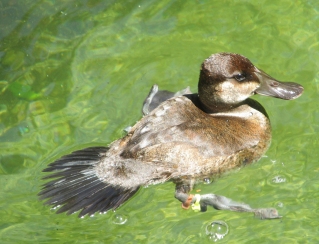
Photo by Bryan Stevens • A female Ruddy Duck.

Wild Turkey, 33; Common Loon, 2; Pied-billed Grebe, 14; Horned Grebe, 27; Great Blue Heron, 18; Black Vulture, 3; Turkey Vulture, 12; Bald Eagle, 3; Sharp-shinned Hawk, 1; Cooper’s Hawk, 2; Red-shouldered Hawk, 2; and Red-tailed Hawk, 25.

Killdeer,17; Ring-billed Gull, 27; Rock Pigeon, 305; Eurasian Collared-Dove, 1; Mourning Dove, 157; Eastern Screech-Owl, 12; Great Horned Owl, 2; Barred Owl, 1; and Belted Kingfisher, 10.

Red-headed Woodpecker, 1; Red-bellied Woodpecker, 33; Yellow-bellied Sapsucker, 8; Downy Woodpecker, 27; Hairy Woodpecker, 3; Northern Flicker, 26; and Pileated Woodpecker, 21.

American Kestrel, 16; Eastern Phoebe, 12; Blue-headed Vireo,1; Blue Jay, 162; American Crow, 223; and Common Raven, 4.

Red-breastedNutHatchYAHOO

Photo by Bryan Stevens • A Red-breasted Nuthatch at a feeder.

Carolina Chickadee, 117; Tufted Titmouse, 84; Red-breasted Nuthatch, 1; White-breasted Nuthatch, 25; Brown Creeper, 4; House Wren, 1; Winter Wren, 6; and Carolina Wren, 75.

Golden-crowned Kinglet, 41; Ruby-crowned Kinglet, 8; Eastern Bluebird, 111; Hermit Thrush, 11; Amercian Robin, 277; Gray Catbird, 1; Brown Thrasher, 1; and N. Mockingbird, 49.

Eurasian Starling, 1,335; American Pipit, 75; Cedar Waxwing, 154; Palm Warbler, 2; Pine Warbler, 1; and Yellow-rumped Warbler, 154.

Eastern Towhee, 22; Chipping Sparrow, 4; Field Sparrow, 8; Song Sparrow, 142; Swamp Sparrow, 5; White-throated Sparrow,102; Dark-eyed Junco, 16; and Northern Cardinal, 111.

Red-winged Blackbird, 1; Eastern Meadowlark, 1; Brown-headed Cowbird, 2; House Finch, 100; American Goldfinch, 90; and House Sparrow, 41.

The Audubon-sponsored CBC allows counts to also list birds not found on the count day that are seen during count week. This year participants found Redhead ducks, which were not present on count day. Notable misses this year include Ruffed Grouse, American Coot, Wilson’s Snipe, and White-crowned Sparrow.

Towhee-Feb12

Photo by Bryan Stevens • A male Eastern Towhee waits out a snowstorm.