Tag Archives: Hummingbirds

Waterfowl numbers help increase Elizabethton Christmas Bird Count total


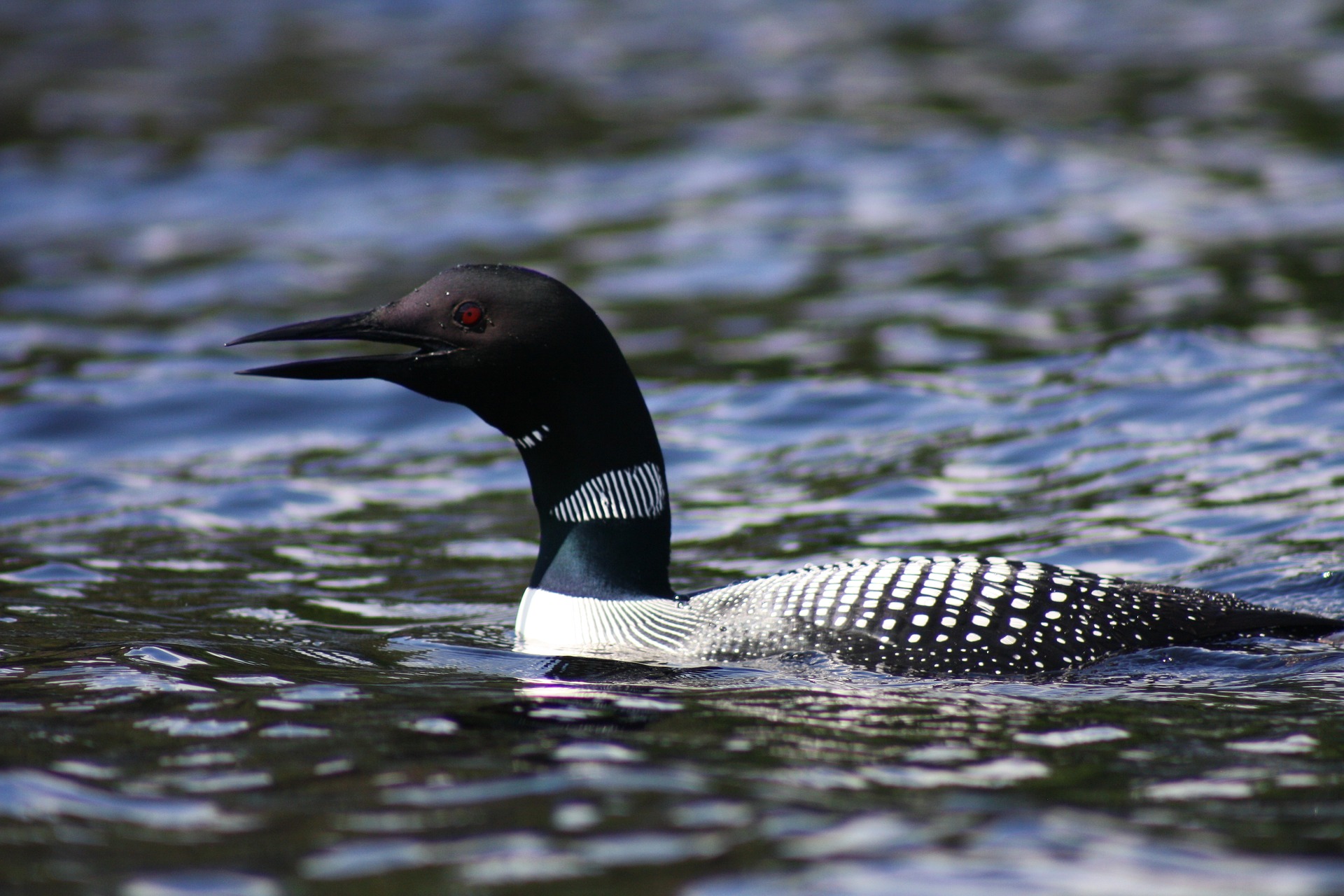
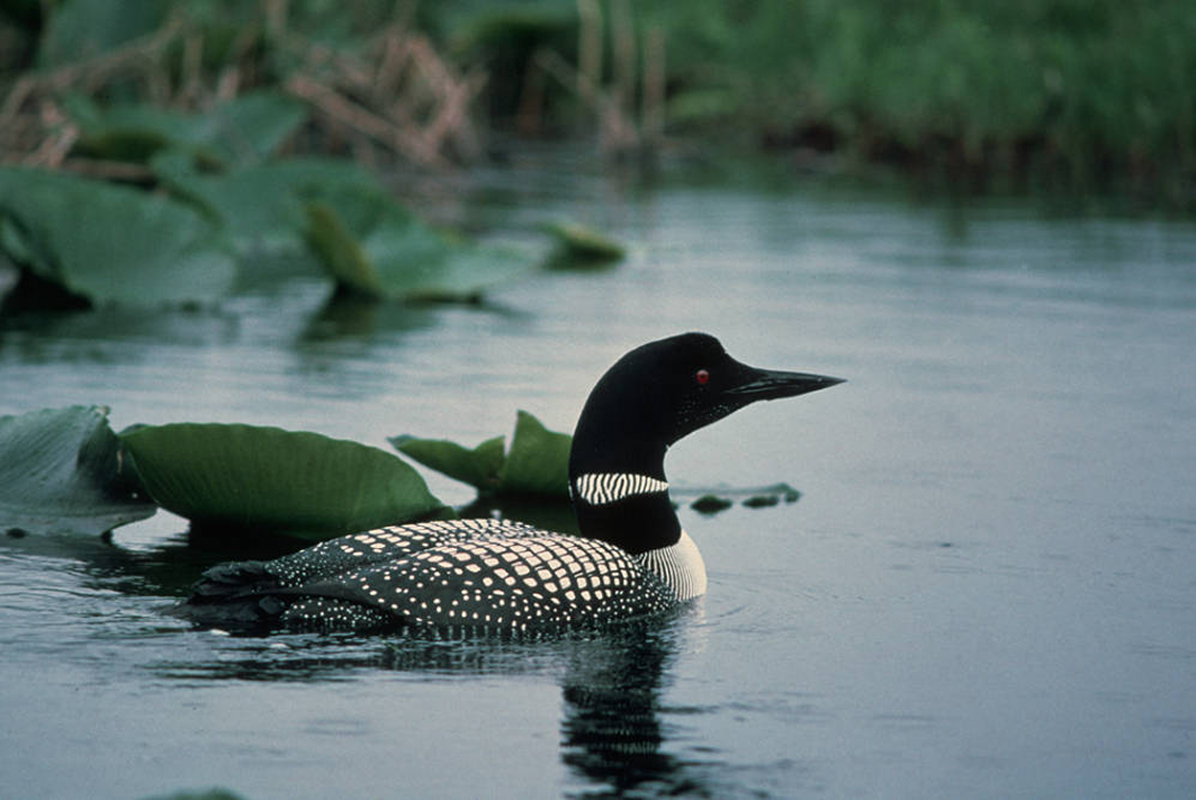
Photo by Krista-269/Pixabay.com • Common loons in summer breeding plumage are strikingly handsome birds that show much grace and agility in the water.

The 83rd consecutive Elizabethton Christmas Bird Count was held Saturday, Dec. 20, 2025. Twenty-four observers participated in seven parties found a total of 73 species, plus an additional species found during count week.

Compiler Rick Knight noted that the annual survey benefitted from good weather with a temperature range from 23 to 66 degrees coupled with clear and calm conditions.
The species total is right on the recent 30-year average for this CBC. The all-time high for the Elizabethton CBC was 85 species in 2017.

The list:
Canada goose, 372; mallard, 81; redhead, 3; ring-necked duck, 17; greater scaup, 2; lesser scaup, 1; bufflehead, 109; and hooded merganser, 26.

Wild turkey, 18; pied-billed grebe, 10; horned grebe, 14; rock pigeon, 208; mourning dove, 72; killdeer, 3; Wilson’s snipe, 7; ring-billed gull, 3; common loon, 1; and great blue heron, 11.

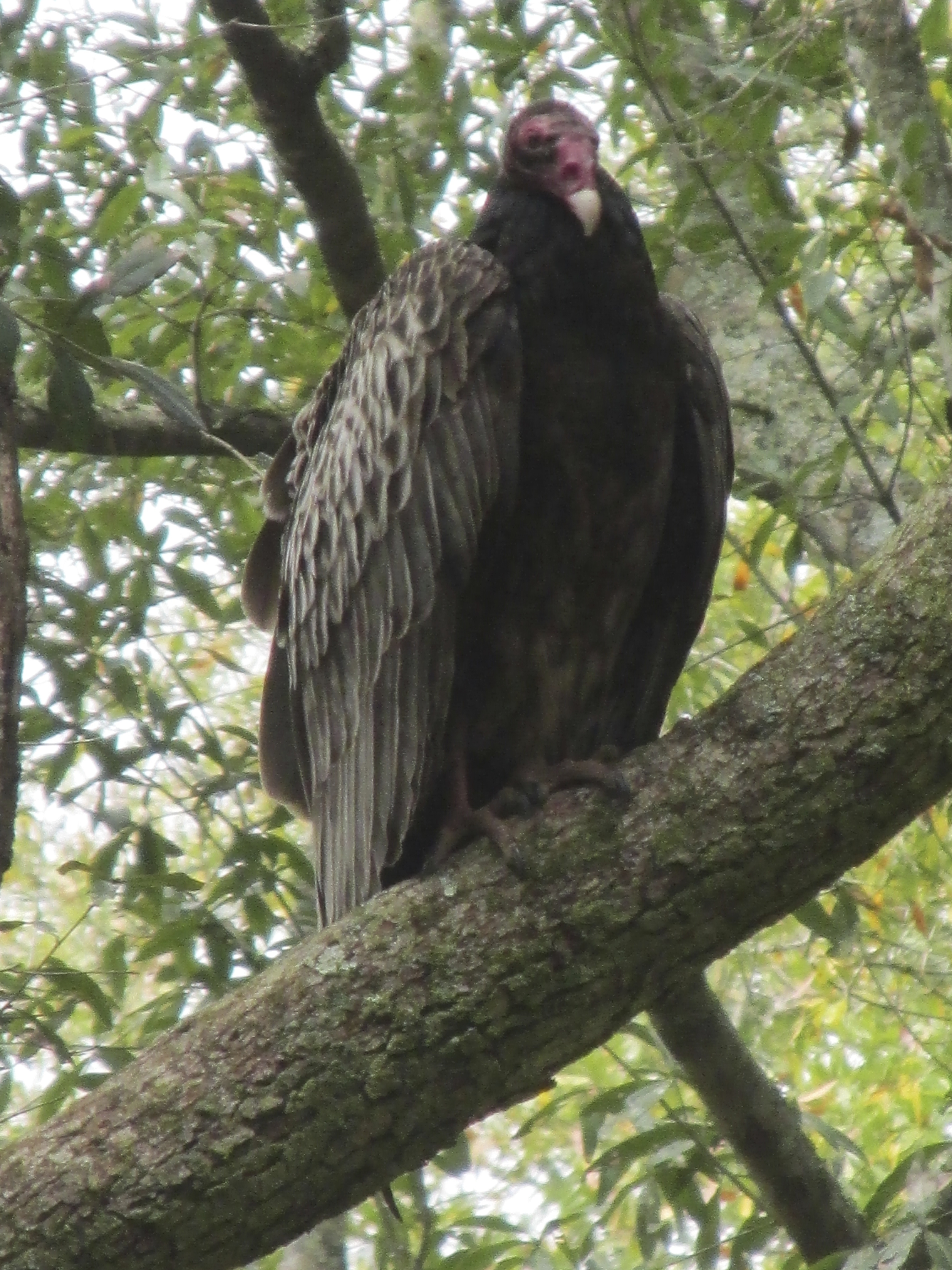
Black vulture, 26; turkey vulture, 131; sharp-shinned hawk, 1; Cooper’s hawk, 2; bald eagle, 4; red-shouldered hawk, 1; red-tailed hawk, 14; Eastern screech owl, 5; and great horned owl, 2.

Photo by Bryan Stevens
A flock of Wild Turkeys make their way across a snowy field.

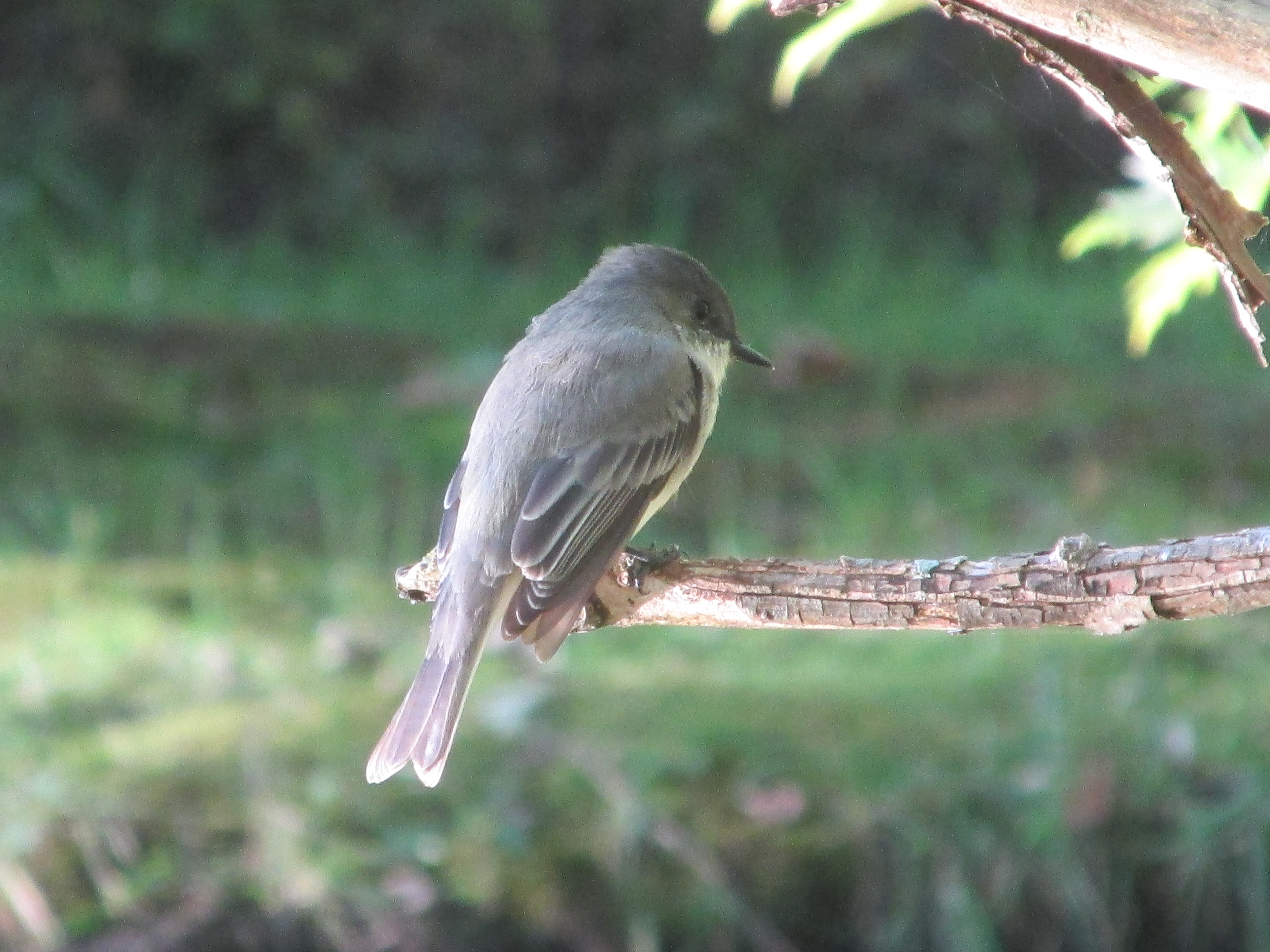
Belted kingfisher, 17; red-bellied woodpecker, 28; yellow-bellied sapsucker, 19; downy woodpecker, 15; hairy woodpecker, 4; Northern flicker, 27; pileated woodpecker, 15; American kestrel, 14; and Eastern phoebe, 13.

White-eyed vireo, 1; blue jay, 130; American crow, 343; common raven, 9; Carolina chickadee, 101; tufted titmouse, 66; ruby-crowned kinglet, 11; golden-crowned Kinglet, 24; and cedar waxwing, 18.

White-breasted nuthatch, 29; brown creeper, 1; Carolina wren, 74; and winter wren, 11.

Brown thrasher, 1; Northern mockingbird, 58; Eurasian starling, 1058; Eastern bluebird, 117; hermit thrush, 8; and American robin, 236.

Photo by Bryan Stevens • A white-breasted nuthatch grabs a sunflower seed.

House sparrow, 28; house finch, 135; purple finch, 4; American goldfinch, 74; and pine siskin. The siskin was listed as a count week find. Birds seen within the same count circle but outside of the specific count day are noted as “count week” birds and still tallied with the species found on the actual count day.

Chipping sparrow, 1; field sparrow, 20; fox sparrow, 1; dark-eyed junco, 24; white-throated sparrow, 87; Savannah sparrow, 1; song sparrow, 83; Swamp Sparrow, 3; and
Eastern towhee, 14.

Eastern meadowlark, 67; common grackle, 1; pine warbler, 3; yellow-rumped warbler, 55; and Northern cardinal, 102.

Knight singled out the white-eyed vireo as a species worthy of elaboration. The vireo was seen in Hampton at the watershed trail among a stand of pines. It was the third instance for this species on this particular CBC; white-eyed vireos were also seen in 1997 and 2001.

Notable misses, according to Knight, included barred owl, red-breasted nuthatch and white-crowned sparrow.

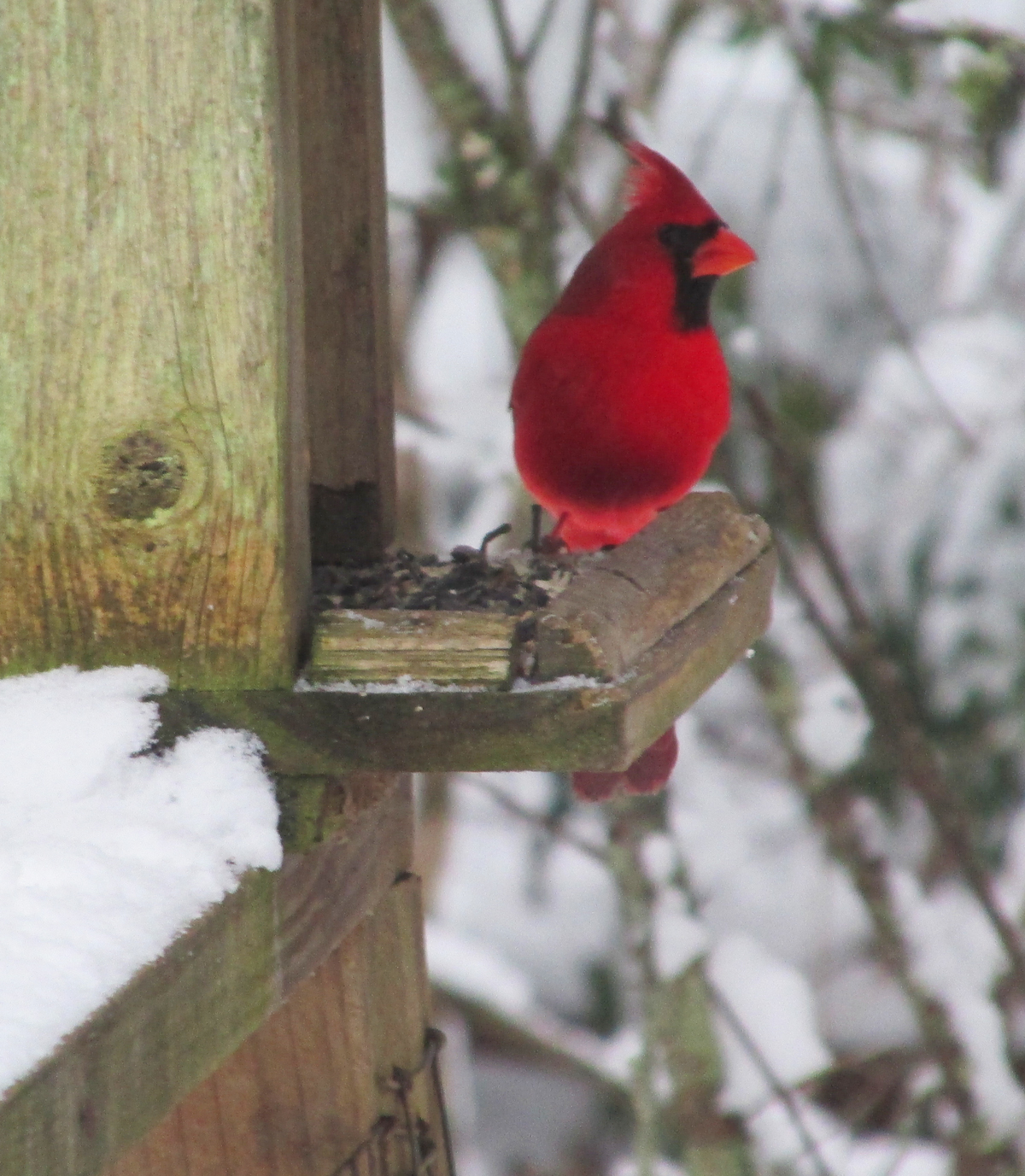
Photo by Bryan Stevens • A male Northern cardinal visits a feeder on a snowy afternoon.


Roan Mountain Christmas Bird Count finds 43 species plus another during ‘count week’

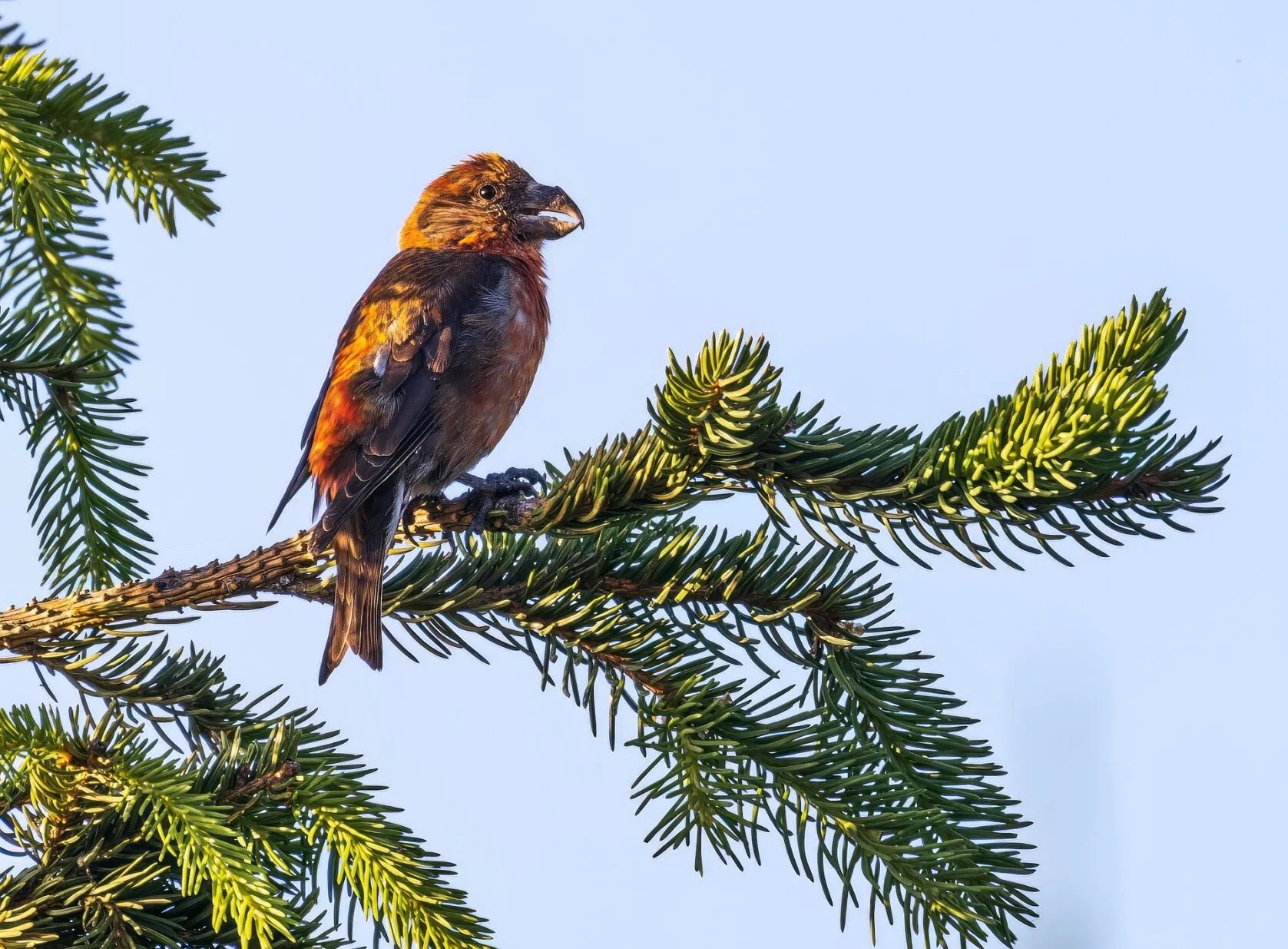
GYRLI1981/Pixabay • With its high elevation and unique habitats, Roan Mountain often produces good birds, such as red crossbills, for Christmas Bird Counts. Many of the species are difficult to find in other locations.

Unpredictable December weather makes the Roan Mountain Christmas Bird Count one of Tennessee’s most challenging surveys. This year was no exception, and the count had to postponed to a later date when a winter storm impacted the region.

The 73rd Roan Mountain Christmas Bird Count was eventually held Tuesday, Dec. 16, with six observers in two parties.

Count compiler Rick Knight noted that weather for this count was generally favorable (clear conditions and a temperature range from 17 to 46 degrees), but it was quite windy on top of the mountain making bird-finding difficult. At lower elevations, the winds were light. One to four inches of snow covered the ground, but roads were clear.

Participants tallied 43 species, plus one species added during the count week.

The list:

Canada goose, 30; American black duck, 17; wild turkey, 11; mourning dove, 17.

Sharp-shinned hawk, 1; Cooper’s hawk, 1; red-shouldered hawk, 2; and red-tailed hawk, 2.

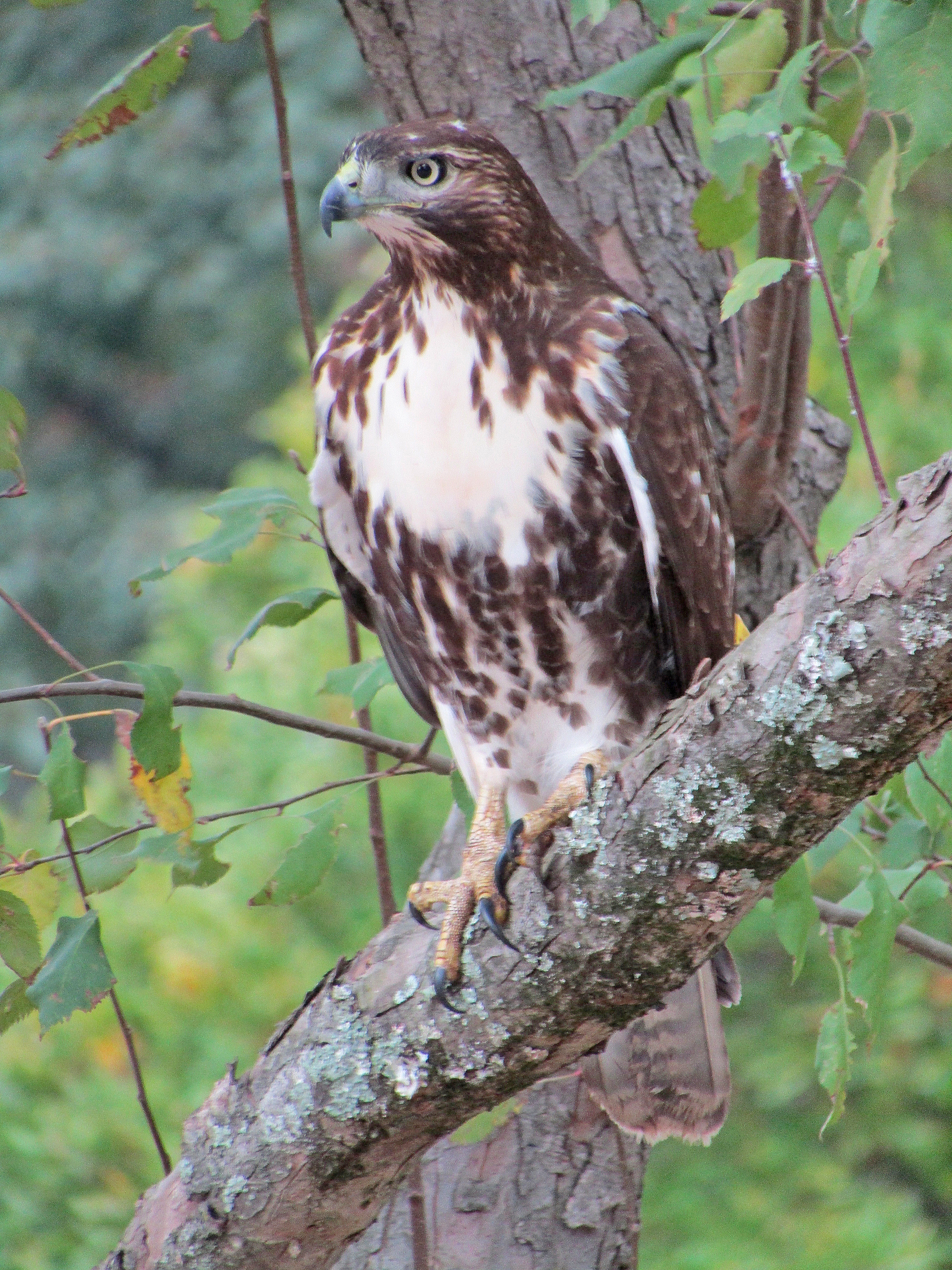
Photo by Bryan Stevens • Two red-tailed hawks made this year’s Roan Mountain CBC. 

Red-bellied woodpecker, 6; yellow-bellied sapsucker, 1; downy woodpecker, 4; hairy woodpecker,1; Northern flicker, 1: and pileated woodpecker, 3.

Eastern phoebe, 1; blue jay, 25; American crow, 120; and common raven, 8.

Carolina chickadee, 21; tufted titmouse, 24; golden-crowned kinglet, 6; red-breasted nuthatch, 3; white-breasted nuthatch, 14; brown creeper, 1; Carolina wren, 5; and winter wren, 2.

Northern mockingbird, 7; Eurasian starling, 23; Eastern bluebird, 8; and American robin, 2.

House sparrow, 5; house finch, 5; red crossbill, 2; pine siskin, 2; and American goldfinch, 119.

Field sparrow, 7; fox sparrow, 4; dark-eyed junco, 25, white-throated sparrow, 5; song sparrow, 35; Eastern towhee, 5; yellow-rumped warbler, 1; and Northern cardinal, 22.

In addition, a purple finch was found during the count week. CBC circles do accept birds seen during “Count Week, which is defined as the three days before and after the official count day, but they are recorded separately as count week birds and do not count towards the official count day totals. Their inclusion still provides important data.

The first Christmas Bird Counts were conducted on Christmas Day (Dec. 25) in 1900. The annual census arose from a proposal made by famed ornithologist Frank M. Chapman. According to Audubon.org, these yearly counts, conducted throughout the country, have provided a wealth of data over the past century.

Observations made due to CBCs have helped Audubon researchers, conservation biologists, wildlife agencies and other interested individuals to study the long-term health and status of bird populations across North America. When combined with other surveys such as the Breeding Bird Survey, the data provides a picture of how the continent’s bird populations have changed in time and space over the past hundred years.

Frank W. Chapman

The concept of the Christmas Bird Count, according to the website for the National Audubon Society, arose from a less than bird-friendly custom prevalent at the turn of the 20th century. So-called sportsmen would conduct a “Side Hunt,” a rather blood-thirsty Christmas custom that saw hunters competing to see who could score the largest amount of feathered and furred corpses.

The annual holiday bird survey may even have arisen from an earlier custom with roots in Europe that came to the United States of America with early colonists. The “Side Hunt” has some similarity to a peculiar celebration in Ireland and other European countries known as “Wren Day” or “Hunt the Wren Day.” The event was conducted the day after Christmas, the date of Dec. 26 being consigned as Saint Stephen’s Day. By the 20th century, the hunt consisted of tracking down a fake wren carried atop a decorated pole. Crowds would parade through towns in masks and colorful attire. These groups were referred to as “wren boys.”

Whether or not the “Side Hunt and “Wren Hunt” shared any connections, it was a huge step forward for conservation when Chapman, the preeminent ornithologist of his day, proposed a new holiday tradition. His radical idea was to count birds during the Christmas season rather than hunting and killing them.

I will report on the total for the Elizabethton Christmas Bird Count in next week’s column.

•••

Bryan Stevens has written about birds, birders and birding since 1995. Email him at ahoodedwarbler@aol.com.

Christmas Bird Count produces grebes, other finds

Photo by Bryan Stevens
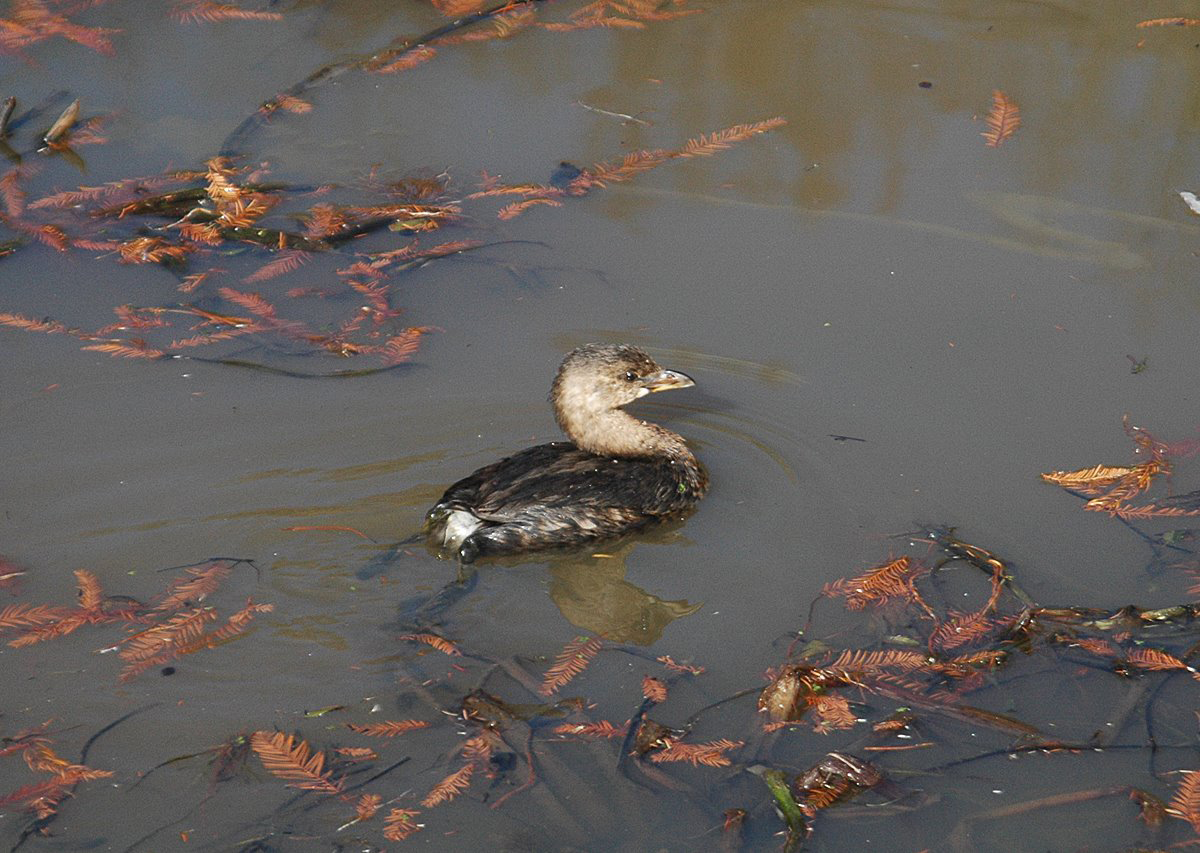
The pied-billed grebe paddles through the water after it was rescued after a stranding on a lawn.

I took part in the Elizabethton Bird Club’s 83rd annual Elizabethton Christmas Bird Count on Dec. 20.

The count focuses on a circle within Carter County with Elizabethton serving as the center. Consider the circle as a pie sliced into six pieces. Different groups bird within those “slices” of terrain. The groups rotate each year to vary the participation. As a result, it had been six years since I last led the count effort for the Butler/Little Milligan area that includes a great deal of Watauga Lake.

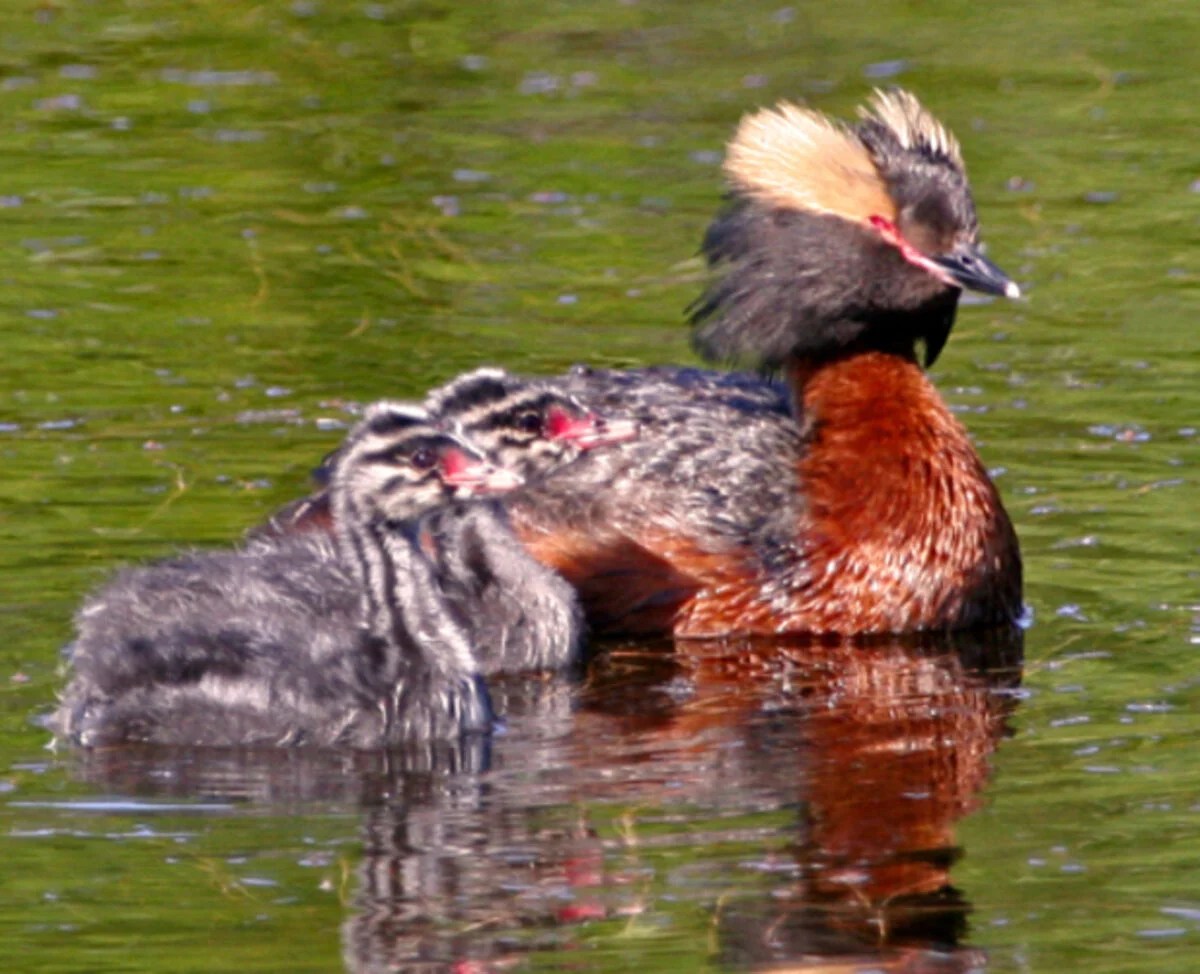
Donna Dewhurst/USFWS • A horned grebe parent tends chicks.

One of my favorite reasons for taking part in this particular count is the great mid-day lunch break at the Dry Run General Store and Deli in Butler. This marked my third time over the last 18 years having lunch at this great spot. The lunch break also gives the participants a chance to study the list of birds seen and calculate what other species can be added and where to best look for those species.

The counts conducted in areas with access to water have the potential for the most species, so it’s always a little more fun to bird around Watauga Lake or Wilbur Lake. The Watauga River in Elizabethton is also good.

We had good weather for this most recent count, but it was a slow effort to add birds to our list. Without a doubt, spring and fall bird counts are much more exciting than a Christmas Bird Count.

Below is the list for my group, which included Rob Armistead, Brookie and Jean Potter, David and Connie Irick and Chris Soto. This is only the list for Little Milligan and Butler. I hope to provide the complete list at a later date.

We found a total of 46 species:

Canada goose, 32; mallard, 7; greater scaup, 2; hooded Merganser, 4; wild turkey, 18; pied-billed grebe, 8; horned grebe, 14; rock pigeon, 52; mourning dove,1; ring-billed gull, 1; common loon, 1; and great blue heron, 2.

Photo by U.S. Fish & Wildlife Service • Common loons are quite at home in the air and on the water, but these birds are awkward if weather forces them to set down on land.

Red-tailed hawk, 3; belted kingfisher, 3; red-bellied woodpecker, 3; downy woodpecker, 2; Northern flicker, 1; pileated woodpecker, 3; American kestrel, 2; and Eastern phoebe, 1.

Blue jay: 14; American crow, 68; common raven, 2; Carolina chickadee, 2; tufted titmouse, 11; white-breasted nuthatch, 4; winter wren, 1; Carolina wren, 5; golden-crowned kinglet, 1; and ruby-crowned kinglet, 1.

Eastern bluebird, 14; hermit thrush, 1; American robin, 5; brown thrasher, 1; Northern mockingbird, 3; European starling, 43; and cedar waxwing, 2.

House finch, 2; American goldfinch, 25; dark-eyed junco, 5; white-throated sparrow, 8; song sparrow, 3; Eastern towhee, 3; Eastern meadowlark, 1; pine warbler, 1; and Northern cardinal, 7.

While birding in Little Milligan and Butler, we had plenty of views of Watauga Lake and opportunities for spotting birds often affiliated with water. The umbrella term of waterfowl can include such birds as ducks, geese, loons and grebes. We had representatives from all of these groups on our list. I was pleased to finally see some ducks and grebes this winter.

The grebes are a grouping of birds lumped together as waterfowl. Worldwide, there are 22 grebe species. This family also includes three extinct species — Alaotra grebe, Atitlán grebe and Colombian grebe.

Many people are unaware of the grebes. After all, they are oddball birds with not a lot in common with other waterfowl such as loons and ducks. In eastern Tennessee, southwestern Virginia and western North Carolina, the pied-billed grebe is the member of the grebe family most likely to come into contact with humans.

The pied-billed grebe’s scientific name, Podilymbus podiceps, can be roughly translated as “rear-footed diver.” The reference is to the fact that this grebe, as well as others of its kind, have their feet positioned so far back on their bodies that movement on land is difficult and awkward.

In winter, however, horned grebes can be somewhat abundant on area lakes. The common name of horned grebe refers to a yellow crest of feathers located above and behind the eyes, reminiscent of “horns” in the eyes of an imaginative observer. In winter these horns are absent and the colorful horned grebe of the nesting season is replaced by a bird in a dull white and dark gray plumage.

Grebes range in size from the least grebe, which weighs only about six ounces, to the great grebe, which can tip the scales at four pounds. North American grebes include red-necked grebe, horned grebe, eared grebe, Clark’s grebe and Western grebe. In extreme southern Texas, birders can find least grebes in suitable wetland habitats.

Other grebes found around the world include birds with such descriptive names as the great crested grebe, hooded grebe and silvery grebe.

Photo by Bryan Stevens • Brookie Potter spots a “bumble,” otherwise known as an abominable snowman, near Watauga Lake during the Christmas Bird Count.

With the exception of the least grebe, I’ve seen all of North America’s grebes. During visits to Utah in 2003 and 2006, I observed the sleek, long-necked Clark’s grebe and Western grebe. On a 2006 trip to Utah, I visited Antelope Island State Park and observed tens of thousands of eared grebes gathered on the Great Salt Lake for the nesting season. In Tennessee, one of the most reliable locations to find eared grebes is from viewing areas at Musick’s Campground on South Holston Lake, where a small number of these grebes have wintered for many years.

My Christmas Bird Count excursion proved a fun time with friends. We didn’t find a lot of birds, but we enjoyed finding the ones that we did see. Happy New Year to readers. I hope everyone finds some good birds in 2026.

•••

Bryan Stevens has written about birds, birding and birders since 1995.


Eastern screech-owls are ‘beautiful little hunters’

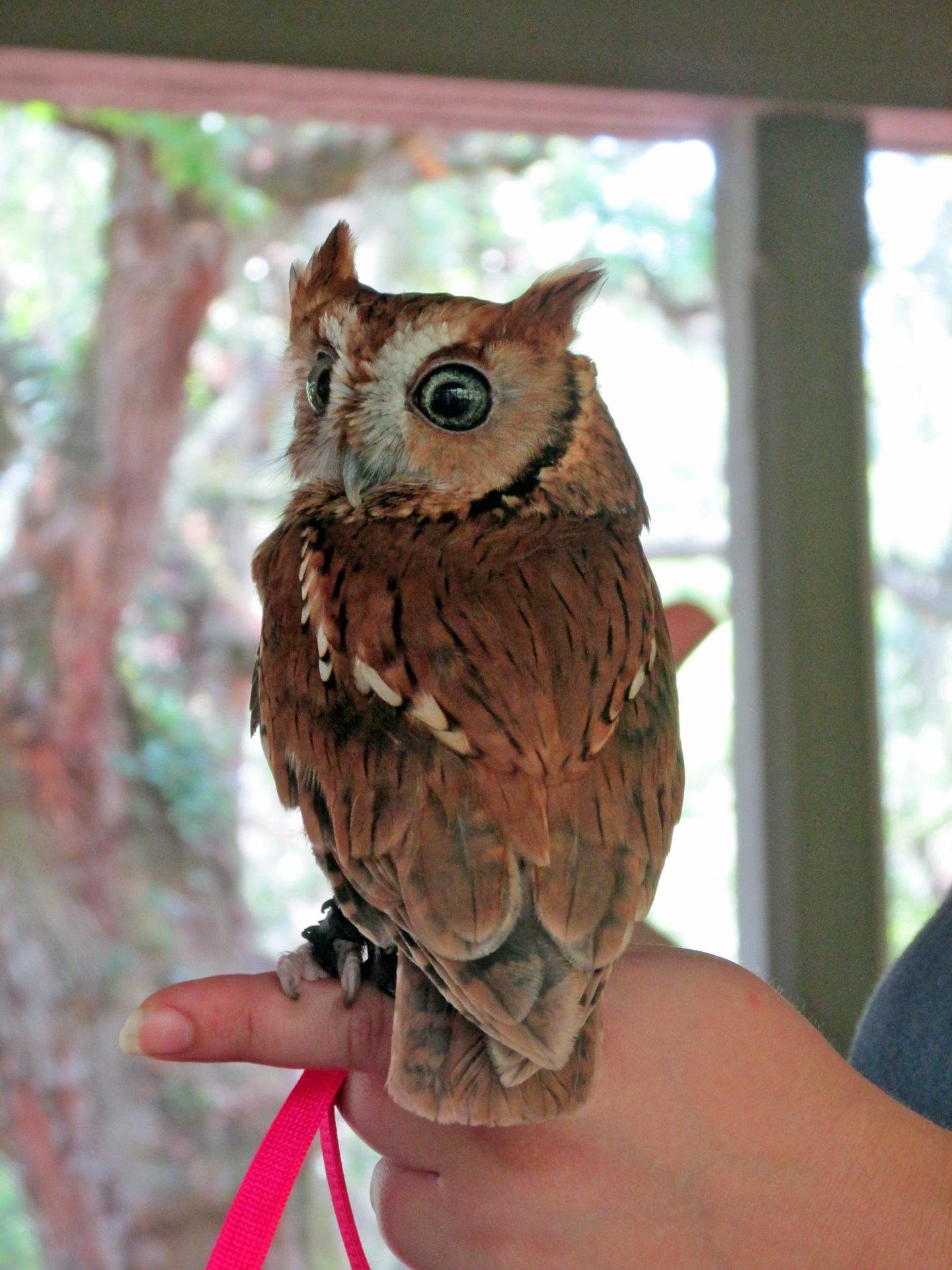
Courtesy of Carl Peters • An Eastern screech owl perches on a shepherd’s hook holding bird feeders in an Erwin yard.

I received an email from Susan Peters, an Elizabethton resident, along with a photo taken of a small owl by her brother, Erwin resident Carl Peters.

The photo was taken at a friend’s home in Erwin when the owl perched on a shepherd’s hook used for holding a hanging bird feeder.

Photo by Bryan Stevens • Lucy, a rehabilitated owl living in captivity at Brookgreen Gardens in South Carolina, educates the public about her fellow owls.

“It’s a beautiful little hunter,” Susan remarked in her email, adding that she would love to have the owl identified. She speculated that the visitor might be a Northern saw-whet owl or boreal owl. The latter would have been far out of range. Saw-whet owl was a possibility considering these tiny owls are known to reside on Unaka Mountain, but a closer study pointed to the identity of the visitor being an Eastern screech-owl.

As Susan pointed out in her email, no ear tufts are prominently visible on the bird in the photo. But any number of reasons could explain the absence of the ear tufts. These tufts, which are actually feathers that the ow can control, help with camouflage or to signal an individual owl’s mood. They can raise their tufts if they want to appear larger and more intimidating or flatten them to blend in with a tree trunk, and they may also flatten them when agitated or in a state of attentiveness.

There’s not a lot in the photo for a size comparison with the bird, but it seemed more the size of a screech-owl than the slightly smaller saw-whet owl. I’ve seen both owls and the saw-whet always strikes me as more dainty than a screech-owl.

An adult Eastern screech-owl is about 10 inches long, which is about the same size as an American robin. The owl, however, is much more sturdily built than the robin. This owl’s wingspan is usually between 18 and 24 inches. Weight varies, but a heavy screech owl weighs only 6 to 8 ounces. That’s equivalent to a cup of water.

Eastern screech-owls come in two color variations, sometimes referred to as “morphs.” These are red or rufous and gray. There is a rare brown variation that may be a hybrid of a red owl and a gray owl. The highest percentage of red screech owls occurs in Tennessee, of all places, with an estimated 79 percent of owls in the Volunteer State being of the red variety. I’ve actually not seen a red morph in many years. My recent sightings have been of gray individuals. The owl in Carl’s photo appears to be a red morph.

Eastern screech-owls are effective predators, or as Susan described them, “beautiful little hunters,” but they mostly tackle small prey, such as house sparrows, mice and large insects.

Owls are more common than we think; we simply don’t encounter them often because of their nocturnal lifestyle. The Eastern screech-owl has proven very adaptable to living in close proximity to human beings.

Many myths have taken root about owls. Some of these are more grounded in reality than others.

Photo by Bryan Stevens
An Eastern Screech-Owl at rest in a roosting hole in a large sycamore tree.

A prevalent belief is that owls are wise. Of course, that’s a relative term. Is it meant they are wiser than other birds or wiser than human beings. According to the website for the International Owl Center, owls are probably seen as wise due to their large eyes, resolute posture and relatively silent behavior. The website acknowledges that owls are good at being owls, but they are stubborn birds when people attempt to train captive specimens to perform tasks.

Not all owls, despite persistent claims, are nocturnal. It’s true, according to the International Owl Center, that a large proportion of owls are nocturnal, meaning they are active at night.

But there are always exceptions. According to the International Owl Center, a few owls are diurnal, meaning they are active during the day, and some others are crepuscular, meaning they are most active at dawn and dusk.

There are approximately 230 to 250 species of owls. There’s some debate among the experts about the exact number. Here are some interesting common names for some of those species: Golden masked owl, ashy-faced owl, white-fronted scops owl, black-capped screech-owl, cinnamon screech owl, snowy owl, Eurasian eagle owl, spectacled owl, mottled wood owl, great grey owl, pearl-spotted owlet, little owl, barking owl, powerful owl, Tasmanian boobook, chocolate boobook, laughing owl, long-eared owl and short-eared owl.

I’ve been hearing two species of owl – Eastern screech-owl and great horned owl – at home this fall. That’s the other thing. You’re much more likely to hear an owl than see one. I don’t mind. It makes this little bird a bit more mysterious, and there’s something to be said to being able to put on an air of mystery.

•••

Share a sighting, ask a question or make a comment by emailing me at ahoodedwarbler@aol.com.

Photo by Bryan Stevens
An Eastern Screech-Owl perches in the branches of an Eastern hemlock.

With apologies to Arthur Carlson, wild turkeys can fly

Larry Smith/USFWS • A trio of wild tom (male) turkeys parade with fanned tail feathers at Wichita Mountains Wildlife Refuge in Oklahoma. Toms are also known as gobblers.

NOTE: I wrote the original version of this column back in November 2015. With some revisions, here’s a timely column on one of the nation’s premier fowls.

As Americans, we all have our holiday traditions. I will carve 30 minutes from my schedule to watch one of my favorite holiday sitcom episodes.

Not surprisingly, there’s an element linked to birds in the episode, which is often cited as one of the most ingenious sitcom episodes in the history of television. The episode is “Turkeys Away” from the first season of WKRP in Cincinnati, a sitcom that aired from 1978 to 1982 and revolved around the antics of the staff of a down-and-out radio station. The episode originally aired Oct. 30, 1978, early in the first season of the series. I especially like that every member of the ensemble cast was woven into the storyline for this classic Thanksgiving episode. The series is such a favorite I own all the seasons on DVD.

Turkeys Away” aired during the first season of WKRP in Cincinnati, a sitcom broadcast from 1978 to 1982 that revolved around the antics of the staff of a down-and-out radio station.

In the event that there are readers who haven’t seen the episode, I’ll try to avoid any blatant spoilers. The action involves a radio promotion that, in hindsight, was destined for disaster. The episode unfolds at the perfect pace, finally culminating in a hilarious series of scenes as the promotion backfires in spectacular fashion. I’ve memorized most of the lines of dialogue, but I still enjoy hearing them delivered by the talented actors Richard Sanders, Loni Anderson, Howard Hesseman and Gordon Jump. Hesseman passed away in 2022 on Jan. 29 at age 81. Frank Bonner, the actor behind sleazy ad rep Herb Tarlek, died June 16, 2021, at age 79. Jump died Sept. 22, 2003, at age 71. Anderson died this year on Aug. 3, two days shy of her 80th birthday.

Anderson’s character, Jennifer Marlowe, delivers one of my favorite lines while on the phone trying to appease an official outraged by the station’s “turkey drop” stunt. “Mister mayor, many turkeys don’t make it through Thanksgiving,” she says into the phone as the station’s staff deals with fallout from the promotional catastrophe. The line perfectly showcases Anderson’s comic timing and in-character demeanor.

With Anderson’s death, the living cast members now consist of Gary Sandy, Jan Smithers, Richard Sanders and Tim Reid.

In the Thanksgiving episode it’s Jump who gets the pivotal line with his perfectly delivered, “As God is my witness, I thought turkeys could fly!”

That classic line provides my segue into the subject of this week’s column, which is America’s wild turkey. I sometimes wonder if my favorite episode of WKRP, which first aired 47 years ago, has had some influence in persuading many people that turkeys cannot fly. It’s a widely held misconception that the wild turkey cannot fly. The turkey is perfectly capable of flying at speeds up to 55 miles per hour, but they often prefer to walk and run over the ground. They’re good sprinters, in fact, and can reach a running speed of 25 miles per hour. Turkeys can even swim!

On the other hand, the domesticated barnyard turkey is a fowl of a completely different kind than its wild cousin. Although the wild turkey — the largest of North America’s game birds — can weigh as much as 37 pounds, it’s the domestic turkey that holds the record as a heavyweight. The largest domestic turkey on record tipped the scales at 86 pounds. That bird certainly could have provided an ample banquet for your Thanksgiving meal. Domestic turkeys are bred to be big, which means they are incapable of flight and are also poor runners. Of course, these domestic kin of wild turkeys don’t face a gauntlet of predators.

I remember the first time that I observed wild turkeys in flight. I was driving near Persimmon Ridge Park in Jonesborough, Tennessee, when about a dozen large, dark birds flew across the road just above the roof of my vehicle. I was definitely perplexed as my mind worked to figure out the identity of these birds. I had almost settled on vultures — although the flight pattern had been all wrong — when I saw that some of these flyers had landed in a field adjacent to the road. On the ground, they were easily recognized as wild turkeys.

In addition to watching my Thanksgiving episode of “WKRP in Cincinnati” I may also take a drive to see if I can’t spy some wild turkeys in the countryside. If they take flight, that would be a bonus!

•••

Bryan Stevens has written about birds, birders and birding since 1995. Email him at ahoodedwarbler @aol.com to share sightings, ask questions or make comments.

Bryan Stevens • Wild turkeys cross a snowy field.

Dark-eyed juncos deserving of affectionate ‘snowbirds’ nickname

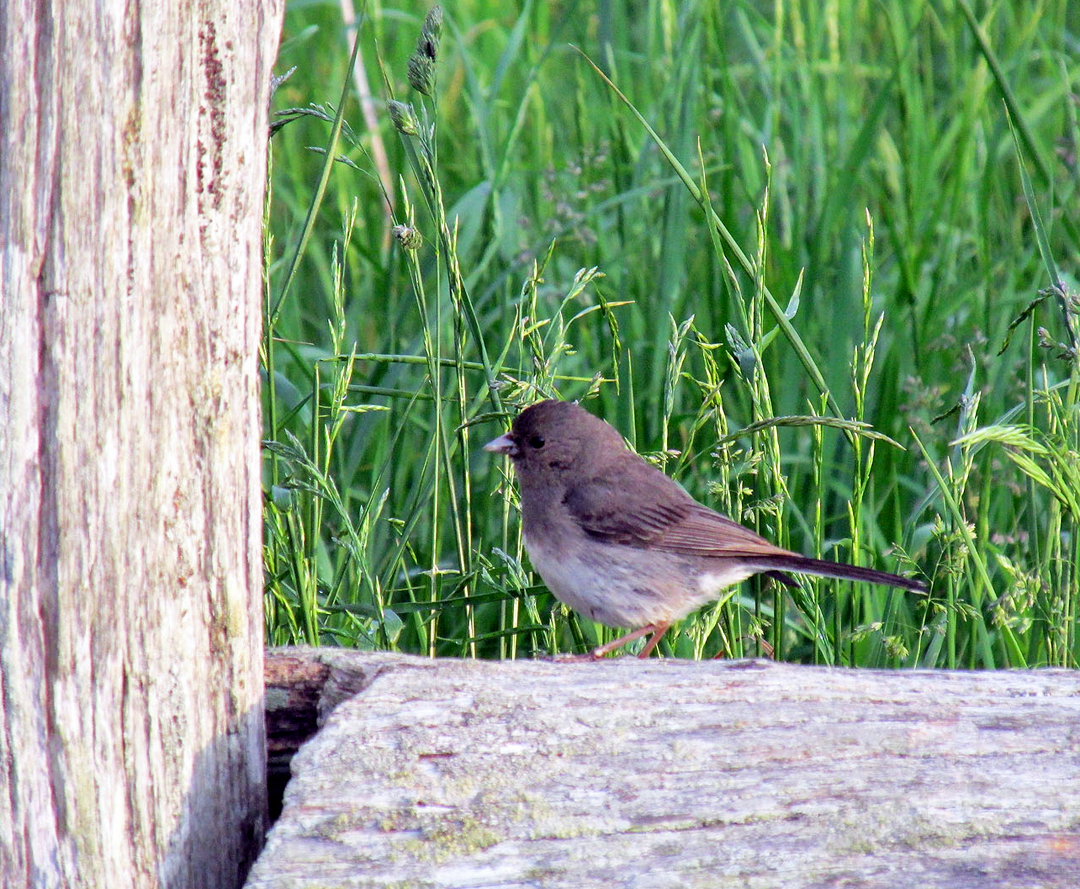
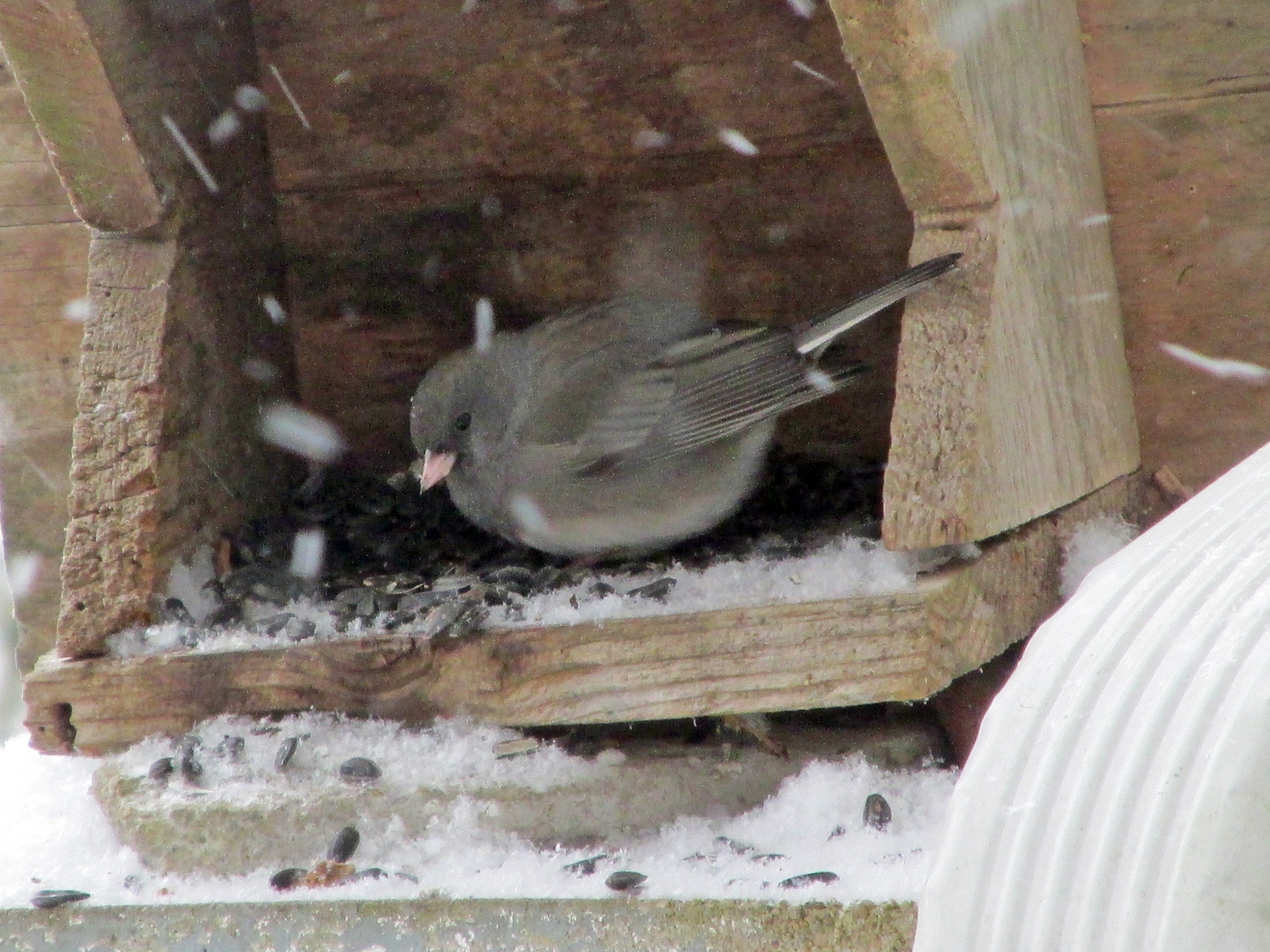
Photo by Bryan Stevens Dark-eyed juncos are winter residents in the region.

As I mentioned in last week’s column, I published my first “Feathered Friends” on Sunday, Nov. 5, 1995.

In celebration of that milestone, here’s that first column with a few revisions that have been added over the years.

•••

Of all the birds associated with winter weather, few are as symbolic as the dark-eyed junco, or “snow bird.” The junco occurs in several geographic variations.

The cover of the classic “A Complete Guide to Bird Feeding” by John V. Dennis.

John V. Dennis, author of “A Complete Guide to Bird Feeding,” captures the essence of the junco in the following description: “Driving winds and swirling snow do not daunt this plucky bird. The coldest winter days see the junco as lively as ever and with a joie de vivre that bolsters our sagging spirits.”

The dark-eyed junco’s scientific name, hyemalis, is New Latin for “wintry,” an apt description of this bird.

Most people look forward to the spring return of some of our brilliant birds — warblers, tanagers and orioles — and I must admit that I also enjoy the arrival of these birds. The junco, in comparison to some of these species, is not in the same league. Nevertheless, the junco is handsome in its slate gray and white plumage, giving rise to the old saying “dark skies above, snow below.”

Just as neotropical migrants make long distance journeys twice a year, the junco is also a migrating species. But in Appalachia, the junco is a special type of migrant. Most people think of birds as “going south for the winter.” In a basic sense this is true. But some juncos do not undertake a long horizontal (the scientific term) migration from north to south. Instead, these birds merely move from high elevations, such as the spruce fir peaks, to the lower elevations. This type of migration is known as vertical migration. Other juncos, such as those that spend their breeding season in northern locales, do make a southern migration and, at times, even mix with the vertical migrants.

Photo by Bryan Stevens • Dark-eyed junco nests on high mountain slopes during the summer month. This dark-eyed junco was photographed at Carver’s Gap on Roan Mountain during the summer nesting season.

During the summer months, a visit to higher elevations mountaintops is almost guaranteed to produce sightings of dark-eyed juncos. Juncos may nest as many as three times in a season. A female junco usually lays three to six eggs for each nest, which she constructs without any assistance from her mate.

Juncos are usually in residence around my home by early November. Once they make themselves at home I can expect to play host to them until at least late April or early May of the following year. So, for at least six months, the snow bird is one of the most common and delightful feeder visitors a bird enthusiast could want.

Juncos flock to feeders where they are rather mild-mannered — except among themselves. There are definite pecking orders in a junco flock, and females are usually on the lower tiers of the hierarchy. Females can sometimes be distinguished from males because of their paler gray or even brown upper plumage.

Since juncos are primarily ground feeders they tend to shun hanging feeders. But one winter I observed a junco that had mastered perching on a hanging “pine cone” feeder to enjoy a suet and peanut butter mixture.

Photo by Ken Thomas • A dark-eyed junco perches on some bare branches on a winter’s day.

Dark-eyed juncos, widespread across North America, readily visit feeder but are often content to glean the scraps other birds knock to the ground. The junco is the most common species of bird to visit feeding stations. They will sample a variety of fare, but prefer such seeds as millet, cracked corn or black oil sunflower.

The juncos are a small branch of the sparrow clan. Some of the other juncos include the endangered Guadalupe junco, yellow-eyed junco, Baird’s junco and volcano junco.

The last one on the list is endemic to the Talamancan montane forests of Costa Rica and western Panama.

The endangered Guadalupe junco is confined to an island. Recent efforts to eliminate feral goats and cats from the island have shown some positive results for this species.

Baird’s junco is named for Spencer Fullerton Baird, an American ornithologist and naturalist. Baird served as secretary for the Smithsonian Institution from 1878 until his death in 1887. He greatly expanded the natural history collections of the Smithsonian from 6,000 specimens in 1850 to over two million by the time of his death.

I hope you’ve enjoyed this introduction to juncos. There’s something about winter that makes a junco’s dark and light garb an appropriate and even striking choice, particularly against a backdrop of newly fallen snow.

Of course, the real entertainment value of juncos comes from their frequent visits to our backyard feeders. When these birds flock to a feeder and begin a frenzied bout of feeding, I don’t even have to glance skyward or tune in the television weather forecast. I know what they know. Bad weather is on the way!

••••

I’ve not seen the first junco of the season, but I have observed some other late-autumn migrants, including ruby-crowned kinglets and a swamp sparrow.

If you’d like to share your first sighting this season of dark-eyed juncos, email me at ahoodedwarbler@aol.com. As always, the column is also a line of communication with fellow bird enthusiasts. I’ve enjoyed sharing stories about birds with countless readers over the past 30 years. I can also be reached on Facebook at https://www.facebook.com/ahoodedwarbler.

Photo by Bryan Stevens Dark-eyed juncos embrace feeders when weather takes a turn for the worse.

Why do owls give a hoot? For many reasons

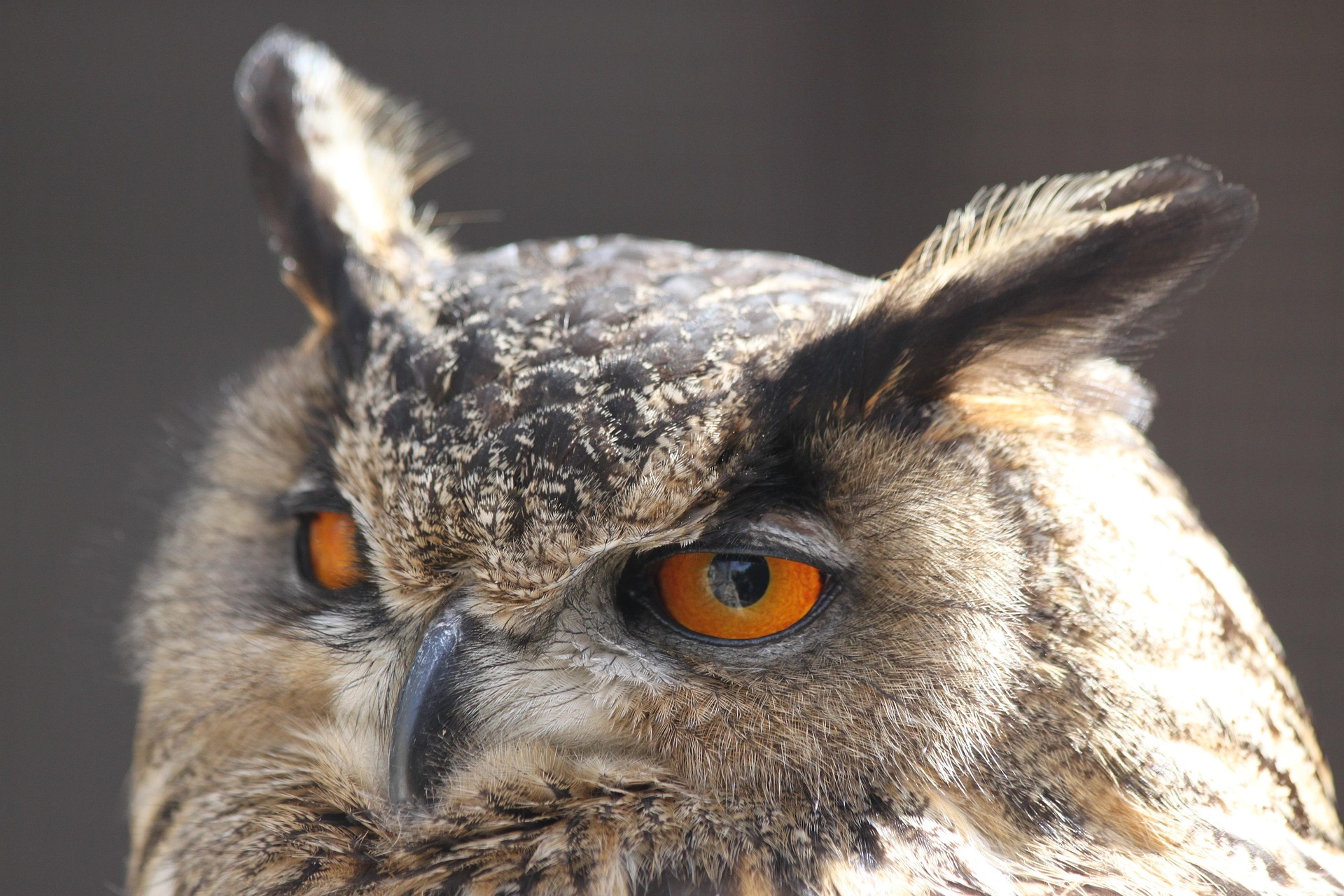
Dave Menke/USFWS Great horned owls, such as this individual, are effective predators after dark.

As September slid into October, the evening serenades began. At first, they consisted of a pair of Eastern screech-owls calling from the surrounding woodlands. On Oct. 2, the low hoots of a great horned owl joined the wailing calls of the two screech-owls.

I’ve gotten into the habit of 10-minute walks in the evening after dinner, and I posted about the owls on my Facebook account.

Several friends responded, including Tom McNeil, a fellow birders and an fellow alumna of Hampton High School.

“We’ve been hearing a pair (of great horned owls) hooting up on the ridge between you and us,” Tom wrote. “We also had a barred owl calling a few weeks ago, which was only the second time ever.”

Tom and his wife, Cathy, reside in the Piney Grove community of Hampton. As he indicated, only a steep mountain ridge separates his property from mine.

That ridge is a magnet for birds, ranging from pileated woodpeckers and wild turkeys to warblers, vireos, tanagers, flycatchers and many other songbirds. The bird population changes with the seasons, but there’s always a diversity of birds making their home on those wooded slopes.

Linda Cauley also responded to my Facebook post, sharing that she also had recently heard a great horned owl.

Larry A. Woodward/USFWS Eastern screech-owl chicks peer from the tree cavity that served as their first home.

Kaylynn Sanford Wilster has also been hearing a great horned owl. “First great horned owl I’ve had here in forever it seems like,” she wrote. “I think there’s just one but I’m not sure.”

Joanne Campbell commented on my post.

“We had a big hoot owl right outside our door last week,” Joanne wrote. “Closest I’ve ever been to one.”

I’d been surprised to hear screech-owls, which are considerably smaller than a great horned owl, calling at the same time as their larger kin. Great horned owls are not finicky and will dine on any smaller creature they can seize in their strong talons. I’d heard that smaller owls usually go silent in the presence of this large nocturnal predator.

Of course, the screech-owls were relatively close to my home while the great horned owl’s calls were notably distant. Perhaps they felt that enough space existed between them to ease any worries.

I also got to wondering why owls are so vocal. A little research came up with some answers.

First, it’s important to note that Eastern screech-owls produce different vocalizations for various purposes. One of my favorites is the “whinny,” a descending call that is, apparently, a territorial display to inform other owls that they have claimed a territory as their own.

At this time of the year, juvenile screech-owls are also striking out on their own away from parental care. These young owls deploy the whinny to establish their own territories. They will need a well-defined territory to ensure they can find enough prey during the lean, cold winter months.

The whinny itself is of short duration, lasting only a couple of seconds. Screech-owls also produce other sounds, which have been described as hoots, barks and squeal.

Another common screech-owl vocalization is an even-pitched trill, often called a “bounce song” or tremolo. I can do a decent job imitating this sound, and I’ve often stirred up songbirds by doing so. A flock will sometimes materialize as if from thin air, as the members of the flock scold and search for the owl. It’s a good way to draw some curious birds closer for observation.

Bryan Stevens Lucy, a rehabilitated owl, helps programmers at Brookgreen Gardens provide educational programs about owls to the public.

Great horned owls, or “hoot owls” as they are widely known, also produce their low, nocturnal calls for many of the same reasons as screech-owls do. These large owls hoot to communicate, with the most common reasons being to define and defend territory, locate and attract a mate during breeding season and stay in contact with their young. Hooting also helps them establish boundaries with other owls and signals their presence, making their calls particularly energetic and frequent in the autumn and winter months when territories are being set up.

Pairs of great horned owls will hoot together as part of their courtship to strengthen their bond. A female owl’s voice is notably higher in pitch than the male’s, according to the website All About Birds. I’m hoping I will soon hear the duet that Tom and Cathy are enjoying on the other side of the ridge. So far, I’ve only detected the one great horned owl. I have heard these mesmerizing duets in the past, however. Listening can produce shivers down the spine. Of course, that is also helped by the fact they most often hoot on evenings once the weather had become more chilly.

The days are shorter, nights are longer, so now is a great time to get familiar with the owls. It can be as easy as stepping onto the front porch and listening.

•••

Bryan Stevens has been writing about birds, birding and birders since 1995. To share a sighting, ask a question or make a comment, email him at ahoodedwarbler@aol.com.

Photo by Irene K-s/Pixabay.com
An Eastern screech owl keeps an eye on its surroundings.

Local couple comes to aid of injured hummingbird

Rex and Linda Mathes • Linda and Rex Mathes came to the aid of this injured hummingbird. Most ruby-throated hummingbirds, like other migratory birds, face many perils and obstacles during their migrations.

Erwin resident Linda Mathes emailed me recently to inquire about wildlife rehabilitators who might be able to help an injured ruby-throated hummingbird.

“We found a hummingbird in the backyard yesterday, alive, so brought into house and put in box,” Linda wrote. “We think its wing is damaged.”

Linda noted that she and her husband, Rex, also brought the hummingbird feeder inside.

“My husband picks it up and holds it up to feeder and it drinks,” Linda explained. “He does this several times a day.”

She added that the hummingbird regained enough strength to also sit on Rex’s finger.

“We were worried the bird would not have any nectar during the night,” she added.

The next morning, the bird still seemed fine other than for the injured wing.

“He is very perky,” Linda note. “He/she is a real fighter.”

I provided Linda with some suggestions on wildlife rehabilitaters, but she found one on her own with the help of a friend. Rex and Linda made a trip on Monday, Sept. 29, to deliver the hummingbird into the care of a licensed wildlife rehabilitation professional.

Bryan Stevens • Ruby-throated hummingbirds have usually departed from the region by early October.

“They gave me a patient number so I could call about the bird.”

When she called on the morning of Tuesday, Sept 30, she got a detailed report.

The vet had prescribed muscle relaxers for the hummingbird,” Linda said. “Her condition was listed as guarded but at least she might have a chance.”

As they were leaving the facility, someone brought in an injured chipmunk.

Linda added that there was no charge for caring for the bird but she planned to send a small donation.

I’m hopeful for the hummingbird’s recovery. Over the years, I’ve encountered several injured birds. Several of the birds stunned themselves after impacts with windows, an all-too-common hazard. Rose-breasted grosbeak and Swainson’s thrush have been among some of these. Most of the birds have recovered after a brief rest period in a shoe box covered with a towel. It’s always a relief when they can fly off under their own power.

Migration can be hazardous and arduous for our feathered friends. Birds face various hazards, including collisions with human-made structures like buildings and power lines, habitat loss and degradation, storms, disorienting light pollution and predation from other animals.

They also need to refuel to keep up their strength, and the lack of food along a migration route can deal the chances of their success a serious blow.

Even birds that cannot fly undertake migrations. For instance, flightless penguins swim hundreds or thousands of miles to reach preferred ranges for feeding or nesting. The Australian emu, a smaller relative of the ostrich, makes seasonal migrations on foot to ensure access to abundant food supplies at all seasons.

Ruby-throated hummingbirds make an awe-inspiring and non-stop crossing of the Gulf of Mexico every fall to reach their wintering grounds. Their flight across the waters of the Gulf can take these tiny birds 18 to 22 hours. Even more incredible, they make the trip in reverse in the spring when they return to their nesting grounds across the Eastern United States.

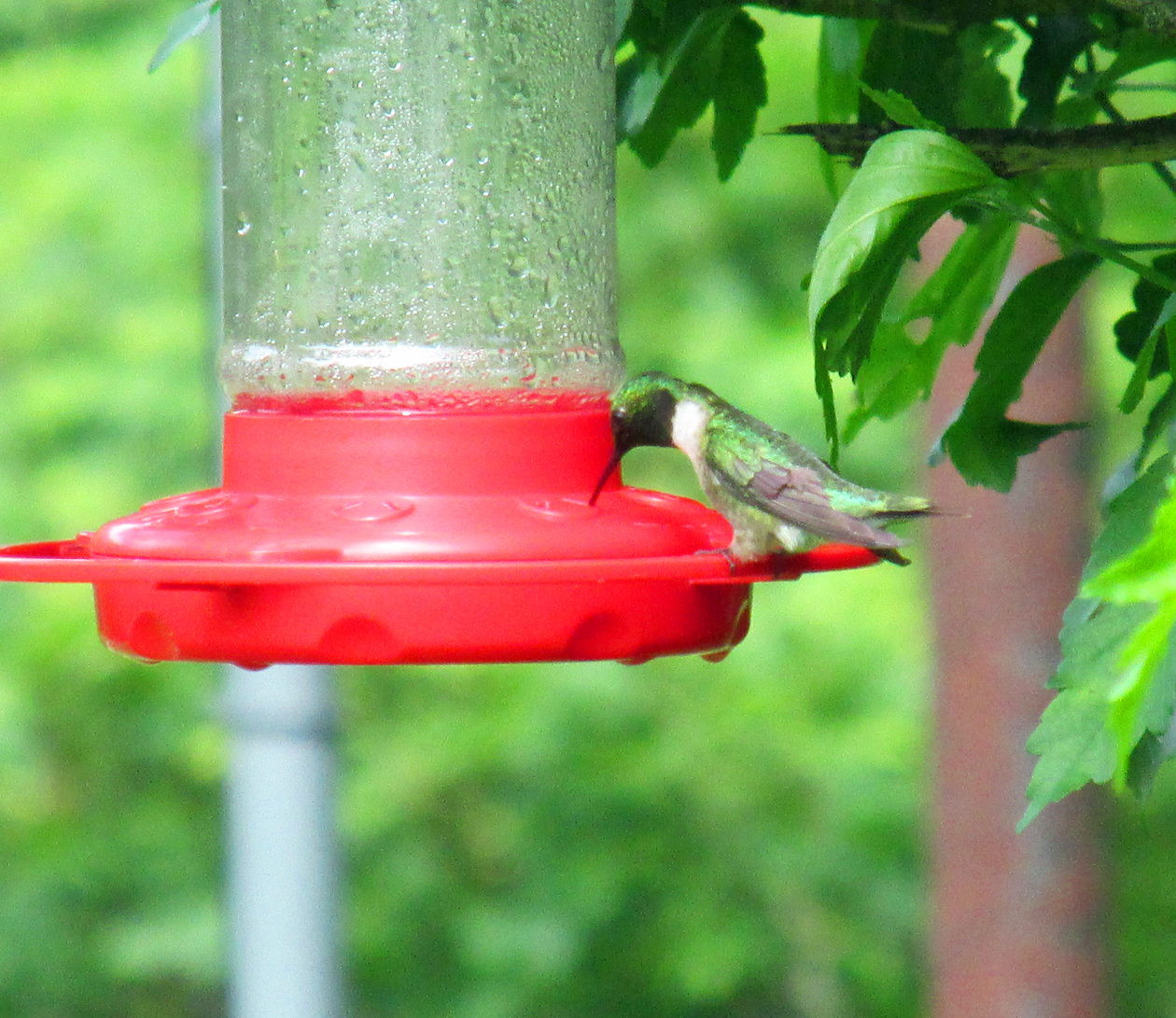
Photo by Bryan Stevens • A ruby-throated hummingbird visits a feeder for a sip of sugar water.

Ruby-throated hummingbirds lead relatively brief lives, which is understandable considering the perils they face and the incredible migrations they stage twice each year. The oldest known ruby-throated hummingbird was a female, according to the website All About Birds. She was at least 9 years, 2 months old when she was recaptured and rereleased in 2014 during banding operations in West Virginia.

The New World is home to about 360 species of hummingbirds. We’ve expended a lot of energy finding adjectives to provide names for all these hummingbirds. Sometimes, words fail. Mere adjectives are somewhat inadequate in providing common names for many of the world’s more hummingbirds, but that doesn’t keep us from trying to give descriptive names to each hummingbird species. For instance, we have the beautiful hummingbird of Mexico; the charming hummingbird of Costa Rica and Panama; the festive coquette of northwestern South America; and the magnificent hummingbird of the southwestern United States.

•••

To share a sighting, make a comment or ask a question, email me at ahoodedwarbler@aol.com.

Hummingbirds, other summer birds get ready to depart

Photo by Bryan Stevens • A ruby-throated hummingbird visits a feeder for a sip of sugar water.

I always feel some reluctance and regret when I turn the calendar page from August to September.

I don’t have anything against fall – it’s my favorite season. But I know that our ruby-throated hummingbirds, which returned only five months ago in early April, will soon be departing.

It won’t be only the hummingbirds. Warblers, orioles, tanagers and other migrants will also fly south to spend the winter season somewhere more hospitable.

Most of the hummingbirds that visited our gardens over the summer are getting ready to migrate back to their winter homes in Central America.

I’m seeing only a few adult male hummingbirds with the namesake red throat. They are outnumbered by females and young hummingbirds that hatched in late spring and throughout the summer. It’s fun to watch young hummingbirds. They often have something to prove. In many ways, they’re even more feisty than adult birds.

Photo by Bryan Stevens • A male ruby-throated hummingbird perches at a feeder for a sip of sugar water.

In any given year, the numbers of hummingbirds passing thorough is going to fluctuate. Some years, these tiny flying gems will be present in good numbers on an almost daily basis. Other years, hummingbirds can become quite scarce.

I usually enjoy my best hummingbird numbers in the fall as these little birds begin their leisurely journey back south. Late August and the month of September is usually a great time to watch hummingbirds.

During August, the feeders at my home and my mother’s home saw a great deal of activity. Blooms of wildflowers and cultivated flowers also attracted them. Earlier in the summer the hummingbirds went gaga for the crocosmia blooms and the flowering bee balm. For the past month, the tube-shaped flowers of orange jewelweed has kept them coming back for more.

The New World is home to about 360 species of hummingbirds. We’ve expended many adjectives in finding names of them all. Sometimes, words fail. Mere adjectives are somewhat inadequate in providing common names for many of the world’s more hummingbirds, but that doesn’t keep us from trying to give descriptive names to each hummingbird species. For instance, we have the beautiful hummingbird of Mexico; the charming hummingbird of Costa Rica and Panama; the festive coquette of northwestern South America; and the magnificent hummingbird of the southwestern United States.

Photo by Bryan Stevens • A ruby-throated hummingbird sips from a sugar water feeder.

Other names are even more elaborate and occasionally outlandish, such as the white-tufted sunbeam of Peru; the violet-throated metaltail of Ecuador; the violet-throated starfrontlet of Peru and Bolivia; the hyacinth visorbearer of Brazil; and the rainbow-bearded thornbill of Colombia and Ecuador.

As for our own ruby-throated hummingbirds, wish them well as they begin that long trek back to their wintering grounds. For the young birds, this will be their first epic crossing of the Gulf of Mexico, something the species must do twice a year to get to and from their summer home in eastern North America.

•••

Bryan Stevens has written about birds, birding and birders since 1995.

Late summer offers interesting birding opportunities for birders

Photo by Steven Arnold/Pixabay • A great blue heron attempts to get a handle on a snake in preparation for swallowing its serpentine prey.

A pair of Carolina wrens has taken advantage of what was meant to be the temporary storage of some boxes on the front porch to claim the interior of one of the cardboard containers as a nesting location.

In the latter days of summer, usually a lackluster period for birdwatching, there are still some interesting behaviors or actions on the part of our feathered friends to provide some points of interest.

Wrens already have a reputation for nesting in some unusual locations. My introduction to the Carolina wren took place in my childhood when a pair of these wrens nested in an old apron my grandmother used as a bag for her clothespins. Other unusual locations for wren nests that I have found over the years included the interior of a plastic shopping bag hanging from a nail in my garage and an attempt to nest in the exhaust vent for my clothes dryer. I’ve also seen them nest in hanging flower baskets.

Photo by Jean Potter • A Carolina wren creeps along a fence.

The world’s 88 species of wrens are, for the most part, the quintessential “little brown birds,” but that hasn’t kept them from acquiring some interesting and descriptive common names. Some examples include the tooth-billed wren, flutist wren, riverside wren, whiskered wren, happy wren, musician wren, timberline wren, speckle-breasted wren, white-breasted wood wren and giant wren. The last species on the list resides in Mexico and is indeed a “giant” among a family of tiny birds, reaching a length of almost nine inches and weighing all of 1.8 ounces.

I’ve also been monitoring a great blue heron lurking along the creek that flows past my home. A collapsed foot bridge (thanks to Helene) still spans the creek and provided, at least from the heron’s perspective, a means of concealment from my prying eyes when I stepped onto the front porch. The heron ducked under the bridge and slowly stepped downstream, out of sight and presumably what the bird thought would be out of mind. But I tricked the heron, stepping back inside the house and waiting for It to reappear. I stepped into view again and the heron, instead of taking flight, repeated its earlier actions, skirting beneath the bridge and wading downstream. I could probably have continued this game of peek-a-boo, but I felt that I had imposed on the heron long enough. The bird evidently desired to try its luck fishing upstream beneath a shady overhang of branches from trees growing along the creek banks. I stepped back inside, peeked out a window and watched the heron move in a slow, stately manner, but this time the bird headed up the creek.

All herons are skillful anglers, so I am confident that the bird probably managed to catch an unwary frog or fish. As the tallest heron in North America, the great blue heron boasts a diverse diet. These birds, armed with a dagger-shaped bill, excellent vision and quick reflexed, prey on rodents, amphibians, snakes, fish and even small alligators. Basically, a great blue heron will eat anything it can swallow.

Photo by Bryan Stevens • A great blue heron’s quick reflexed and dagger-like bill make it a formidable predator.

Other herons around the world with descriptive names include purple heron, white-bellied heron, black-headed heron, great-billed heron, whistling heron, pied heron and Goliath heron. The latter, as its name suggests, is a giant among herons.

There’s more to report on the birding front. Hummingbird numbers are on the rise again. After the usual summer lull, the resident ruby-throated hummingbirds have raised their profile, visiting daily at feeders as well as blooming flowers. Female hummingbirds have had time to raise their young. In fact, many of the hummingbirds visiting your yards and gardens at this time of year are probably birds born earlier in the season. In a couple of months these young birds will make their inaugural migration across the Gulf of Mexico to reach winter grounds in Central America. Until that time, hang a sugar water feeder, grab a lawn chain and enjoy the hours of no-cost entertainment provided by these feisty, flying gems.

So, although the summer doldrums do make birds scarce at times, just know that they’re still out there. In the meantime, nature offers plenty of other engaing wildlife. During the day, it’s fun to look for butterflies and dragonflies. After dark, there’s always moths and lightning bugs.

Keep in mind, it’s not always the visuals. For instance, the past couple of nights I’ve enjoyed listening to an Eastern screech-owl’s nocturnal serenade with its trembling wailing call that gives this small owl its name.

•••

Bryan Stevens has been writing about birds and birding since 1995. Email him at ahoodedwarbler@aol.com to share a sighting, make a comment or ask a question.

Photo by Bryan Stevens • A ruby-throated hummingbird visits a feeder for a sip of sugar water.