Tag Archives: migrating birds

American robins become more prominent with shifting of seasons


Robins-ETSU-Feb

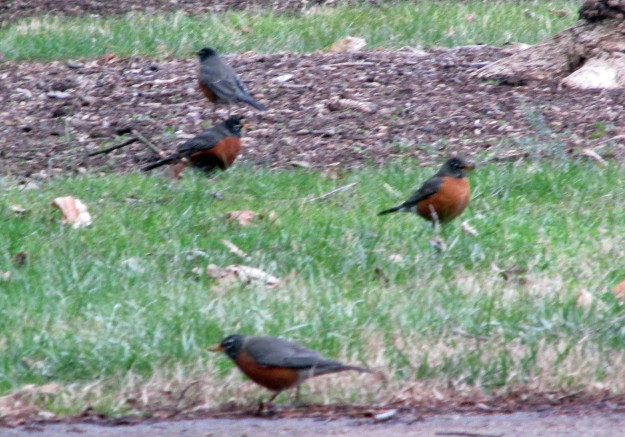
Photo by Bryan Stevens • Returning American robins, prominent in lawns and gardens during their annual spring migration, will soon turn their attention to nesting duties.

I don’t think I’m alone in doing what I can to speed along the process of spring’s arrival. I’ve heard from different people, all eager to share their observations of one of the sure signals — the arrival of flocks of American robins — of the shifting of the winter season to spring.

Bobby Howser phoned me to let me know of a large flock of American Robins he encountered at the Sullins College building in Bristol, Virginia.

He said the flock “swarmed like bees” into a tall holly tree. He was surprised to see so many robins in a single tree and asked if it was an unusual occurrence.
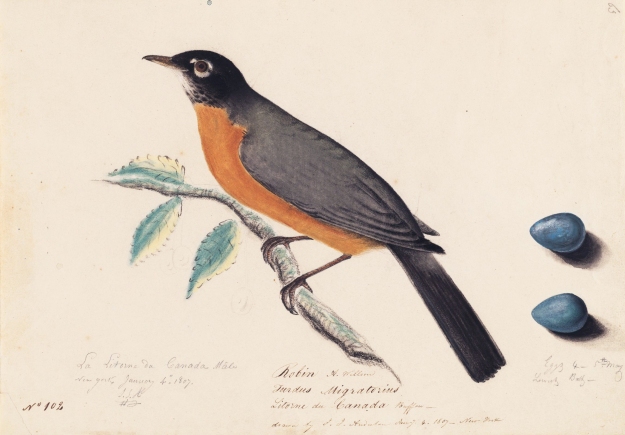
Houghton_MS_Am_21_(46)_-_John_James_Audubon,_robin 3

Early American naturalist and painter John James Audubon painted this American robin with a couple of the bird’s eggs.

Ernie Marburg in Abingdon, Virginia, emailed me about the same time.

“I just wanted to report that we have been inundated with a huge flock of mostly robins,” he wrote. He estimated that the flock contained 300 to 500 individuals.

“They ate all the red berries from my neighbor’s large holly tree yet appear to avoid other holly trees with many red berries just a short distance away,” Ernie wrote. The flock remained active in the tree from morning into early afternoon.

Not long after he first emailed me, Ernie contacted me again. “I wanted to give you an update on the robin invasion,” he wrote. “They have been here two additional mornings since I first reported to you. Their pattern is different now though. They are spaced apart and appear to be ground feeding individually.”

Robin-OnNest

Photo by Bryan Stevens • American robin sitting on its nest in the shelter of a side of a bridge spanning the Doe River in Elizabethton, Tennessee.

Ernie proposed a theory about the behavior of the robins.

“I think they followed the south to north weather pattern we had recently that provided significant rainfall,” he explained. “The rainfall, in turn, caused the ground to thaw and the earth worms to come to the surface thus providing a food source for the robins. In summary, the robins are following their food source.”

I responded to Ernie and congratulated him on what I thought was an excellent theory.

Ernie also wrote me that he had read an article some time ago that said robins would eat cooked elbow macaroni if put out for them.

“We did that, but not one robin ate the macaroni,” he said. “Moral of the story is, as you would expect, don’t believe everything you read.”

I’ve read similar suggestions of unusual items to try to tempt birds not prone to visit feeders. I told Ernie that I wasn’t too surprised that the robins ignored the macaroni. The observations of robin feeding habits made by Bobby and Ernie also correspond to the changing seasons. Holly trees retain their berries into late winter, which provide an abundant food source for robins, as well as other birds. As the temperatures begin to rise in early spring, the birds switch their diet in favor of earthworms. This protein-rich food source fuels the impressive migration made by robins each year.

Robin-Hunter

Photo by Bryan Stevens • An American robin scans for prey in the grass and clover of a lawn.

I posted on my Facebook page about the flocks of robins I’d observed, which resulted in several comments on my original post.

Johnny Mann, who lives in Bristol, Tennessee, shared on my Facebook page after I posted about seeing flocks of robins almost everywhere I have gone recently. He noted that he has been seeing Eastern bluebirds, which are a smaller relative of robins. He noted in his comment that the bluebirds are feeding on suet.

Jackie Lynn, who lives in Wytheville, Virginia, also posted a comment on my Facebook page. Jackie saw a large flock of robins feeding in a field, enjoying the worms brought to the surface by recent rains. “Dinner was served,” Jackie reported.

Several other people responded optimistically on my Facebook page, sharing the hope that the influx of robins does indeed signal the approach of spring.

The American robin is known by the scientific name Turdus migratorius, which can be translated as “migratory thrush.” Indeed, this well-known American bird is related to other thrushes, including the Eastern bluebird, wood thrush and veery. The relationship to other thrushes is quite visible in young birds, which display a spotted breast until they mature and acquire the familiar red breast associated with robins.

There are 82 other species in the genus, which ranges not only in the Americas, but Europe, Asia, Africa and Australia, as well. Some of the American robin’s fellow genus members include the olive thrush, the bare-eyed thrush, pale thrush, great thrush, black-billed thrush and cocoa thrush.

AmericanRobin

Photo by Bryan Stevens • While American robins like fruit when its available, they also spend a lot of time feeding on earthworms and insects.

When the first European settlers arrived in North America, the robin was still a bird living in the forests. Robins proved incredibly capable of adapting to the presence of humans. Soon enough, these once shy forest birds began to frequent lawns and city parks. The robin soon became one of America’s most popular songbirds. Three states — Connecticut, Michigan and Wisconsin — have conferred official state bird status on the American robin.

Robins begin nesting almost as soon as they return each spring. Nesting success in a previous season instills fidelity to the location where the birds nested, resulting in many robins returning to the same nesting area year after year. Although some robins invariably spent the entire winter season in the region, it is still a welcome sight to see migrating flocks of these birds in February and early March. The sudden resurgence of the American robin each spring is a reminder that another winter will soon be history. I know I’m always pleased to welcome them back.

•••••

Bryan Stevens lives near Roan Mountain, Tennessee. To learn more about birds and other topics from the natural world, friend him on Facebook at https://www.facebook.com/ahoodedwarbler. If you have a question, wish to make a comment or share a sighting, email ahoodedwarbler@aol.com.

american_robin

Early American naturalist and painter John James Audubon captured this family of American robins in one of his masterful paintings.

Winter weather events can adversely affect birds, too

Although the weather has been mild thus far this winter, that can change in the blink of an eye. Inclement weather affects humans, but it can also have adverse affects on birds. Snow, sleet, ice, wind and other forces can play havoc on the lives of our feather friends. Birds have many adaptations to help them deal with the worst the elements can throw at them, but sometimes events can overtake them.

LaplandLongspur-Auk

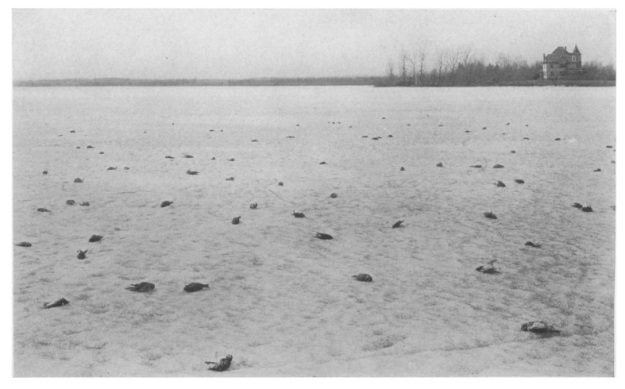
Bodies of the fallen Lapland longspurs are shown scattered on a frozen lake after a 1904 weather-related catastrophe overtook hundreds of thousands of migrating longspurs.

One such event took place on the night of March 13-14, 1904, when hundreds of thousands of one small songbird species perished as circumstances came together in a perfect storm. This infamous event in the annals of ornithology mystified residents living around the town of Worthington, Minnesota, when they awoke on the morning of March 14 to find thousands of dead birds strewn across the landscape. Birds fell onto everything from yards and gardens to street and rooftops, as well as numerous frozen lakes.

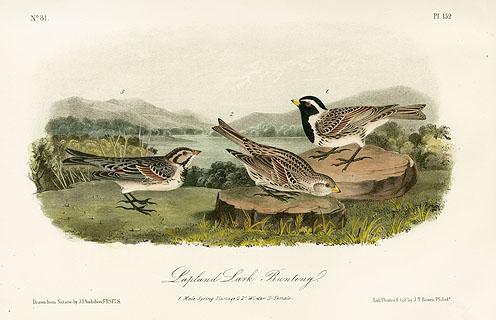
In an article in the ornithological publication The Auk, the affected songbird was identified as the Lapland longspur, a bird that nests in the Arctic tundra and spends winters on the expansive prairies and plains of the United States and Canada. The Lapland longspur, also known as the Lapland bunting, also ranges into Russia and the Northern Scandinavian countries of Europe. The term “longspur” refers to the long hind claws on this small songbird’s feet. Two other longspurs — Smith’s longspur and chestnut-collared longspur — are found in North America.

The Lapland longspur disaster on the night of March 13, 1904, originated with a massive migration flight taking these songbirds back to their tundra nesting grounds. The author of the Auk article speculated that the longspurs migrating northward encountered a winter storm in the darkness. Heavy snow accumulated on the feathers of the exhausted migrants, forcing them to crash to the ground by the hundreds of thousands across the terrain of southwestern Minnesota and northwestern Iowa. From the point of view of the disoriented birds, the lights from the towns dotted across the landscape added to the chaos and confusion. Many of the bird suffered blunt force traumas, including ruptured organs, crushed skulls, bone fractures and other such injuries incurred when falling to the ground from great heights.

The Auk article comes to a total of a million birds lost in a single night, although the author admits the toll could have been even higher. Although this is an immense figure, consider that a survey dating to 2004 estimated 8 million Lapland longspurs in Alaska alone during the nesting season.

aul152-871

Early naturalist and artist John James Audubon painted Lapland Longspurs or, as he knew them, Lapland Lark Buntings.

The 1904 disaster didn’t seem to dent the overall numbers of the Lapland longspur. The populations of many species of birds can survive such catastrophes, but other species already struggling could be adversely affected by such events. For example, in February of 2007 a flock of year-old whooping cranes was exterminated by severe storms that overwhelmed them in a shelter at the Chassahowitzka National Wildlife Refuge in Florida. A total of 18 young whooping cranes, part of a flock trained to follow an ultralight aircraft from their birthplace in Wisconsin to the refuge in Florida salt marshes, were killed during the storm. The loss of that many young birds also robs the endangered species of much needed vitality. As of February 2015, the total whooping crane population stood at 603 individuals, including 161 captive birds.

Weather disasters extract a toll on both humans and birds. Sometimes they may affect hundreds of thousands of individuals, although the consequences are often confined to smaller segments of a population.

In early May of 2013, dozens of common loons migrating through Wisconsin encountered an unseasonable ice storm. Many of the birds found ice forming on their feathers, weighting them down and causing emergency landings. Wildlife rehabilitation workers rescued more than 50 birds, but there were probably many other loons affected by the freak storm that were lost without a trace.

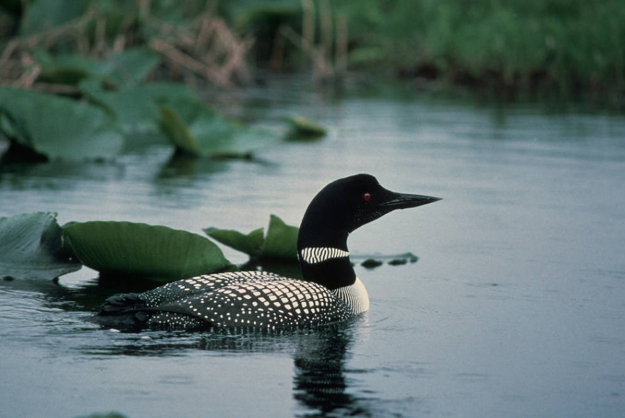
Common_Loon_on_Water

Photo by U.S. Fish & Wildlife Service • Common loons are quite at home in the air and on the water, but these birds are awkward if weather forces them to set down on land.

Loons crashing onto land or even small ponds are doomed. Agile and graceful in water because of strong legs and webbed feet, loons are almost incapable of movement on land. Landing on a small body of water is not much better since loons must run along a stretch of waters — sometimes for hundreds of yards — in order to get their relatively heavy bodies aloft.

Loons are not the only birds that sometimes face forced landings. In March of this year, a winter storm raged through most of the Northeastern United States. The wakes of these storms resulted in wildlife agencies in the region being flooded with reports of dead or injured American woodcocks in the region. Most of the reports were concentrated in and around New York City. Not only did the storm interrupt the migration flight of the woodcocks, but cold temperatures caused the ground to freeze, preventing the stranded birds from finding food.

The woodcock is an unusual shorebird, also known by such whimsical names as “bog sucker” and “timberdoodle,” that has completely abandoned the shore in favor of woodlands and fields. The American woodcock is not a rare bird, but the species is rarely seen due to its retiring habits and inaccessible habitats.

Closer to home, an unusual February event back in 2014 resulted in equally unusual numbers of red-necked grebes on area lakes, rivers, and ponds. This grebe, a rare visitor to the region, was apparently forced by weather conditions to make a stopover on bodies of water in the region. Reports of red-necked grebes persisted for about a week before they eventually departed to continue their flight to more favored locations.

Back in 2011, it wasn’t a winter storm that killed thousands of birds in Arkansas. The birds — red-winged blackbirds, European starlings, brown-headed cowbirds, and common grackles — shared a communal roost near the town of Beebe.

On New Year’s Eve, just as 2011 was dawning, about 5,000 of these birds died after crashing into trees, buildings and automobiles, according to a National Geographic News article by Charles Q. Choi. Apparently these birds were frightened into flight by the explosive booms from a professional fireworks display celebrating the arrival of a New Year. In the chaos after thousands of birds not suited for nocturnal flight took to the air, they began to impact various stationary objects and crash back to the ground.

Summer-Pelicans

Photo by Bryan Stevens • Brown pelicans fly in a line over the Atlantic Ocean on the South Carolina coast.

Incidentally, in the same article, mention was made of a 2010 incident when hundreds of pelicans washed up on the border between Washington and Oregon. The article blamed a cold front that caused ice to form on the feathers of the bodies and wings of the pelicans.

Birds, much like their human admirers, live in a world greatly affected by the vagaries of weather. All things considered, birds manage to ride out most of what Mother Nature throws their way. It’s one of their many admirable qualities.

Reader reports visit from rufous hummingbird

An email from Bristol resident Ralph Beamer offered a timely reminder about the need to keep a watchful eye on our sugar water feeders even as most of the ruby-throated hummingbirds depart the region.

“For the past week, I have had a red humming bird coming to the feeder,” Ralph explained in his email. He added that he had never seen a hummingbird like this recent visitor.

“Have you had any reports of a similar sighting?” Ralph asked.

Ralph is the first person to make such a report this fall, but sightings of a species of hummingbird other than the expected ruby-throated hummingbird are becoming more commonplace each year. Once the numbers of ruby-throated hummingbirds are reduced as these tiny birds migrate from the region, noticing an unusual hummingbird at a feeder becomes even easier.

In a reply to Ralph’s email, I sought more information on the hummingbird’s coloration. He confirmed that the bird’s feathers looked more reddish brown than bright red, which supports my belief that he has received a visit from a rufous hummingbird.Ruf-Drawing

I speak from personal experience. My yard has attracted rufous hummingbirds on a couple of occasions. In October of 2016 I received my most recent visit from a rufous hummingbird, which lingered into November and was banded by Mark Armstrong. A former curator of birds for the Knoxville Zoo, Armstrong has devoted several years to studying the phenomenon of rufous hummingbirds that appear to migrate on a regular basis through the eastern United States every fall and early winter. Mark’s efforts have largely focused on Tennessee reports of rufous hummingbirds, but other banders operating from the Gulf Coast to New England have confirmed rufous hummingbirds in their respective regions.

The possibility of attracting a rufous hummingbird is the reason I encourage others to keep a sugar water feeder available into October and November. Experts who have studied the matter note that the presence of a feeder will not encourage ruby-throated hummingbirds to linger. These tiny birds know instinctively when it’s time to depart. Without the attraction of a feeder, however, a visiting rufous hummingbird might reject any extended stay in your yard.

Selasphorus rufus, or the rufous hummingbird, is about the same size as the ruby-throated hummingbird. Both species reach a body length of a little more than three inches and weigh only a few grams. In fact, one of these small hummingbirds might weigh the equivalent of a dime. Female rufous hummingbirds are slightly bigger than males, so a well-fed female rufous hummingbird might weigh as much as a nickel. So, to get an accurate impression of this sort of size, simply think of these tiny birds as weighing less than some of the spare change in your pocket.

Although hummingbirds are not known for their longevity, the website for Tennessee Watchable Wildlife notes that the oldest rufous hummingbird on record reached an age of eight years and 11 months. For the most part, hummingbirds blaze like tiny comets and enjoy typically brief but fast-paced lives. Despite a prevalent impression, hummingbirds are not delicate creatures. For instance, the rufous hummingbird’s tolerance for cold allows it to survive temperatures that dip briefly below zero. This adaptation has allowed the rufous hummingbird to breed as far north as Alaska.

The Selasphorus genus of hummingbirds consists of the rufous and six other species. Of those species, the Allen’s hummingbird, broad-tailed hummingbird and calliope hummingbird are known to also migrate through the eastern United States although with less frequency than the rufous. The remaining Selaphorus hummers — scintillant hummingbird, glow-throated hummingbird and volcano hummingbird — range in the tropical regions of Costa Rica and Panama. Those rufous hummingbirds that don’t spend the fall and early winter in the southeastern United States choose to overwinter in the region of Mexico around the city of Acapulco. This majority of the rufous hummingbird population migrates north again in the spring to claim nesting territory that can range from the Rocky Mountains of the western United States, as well as the Pacific Coast states of California, Oregon and Washington, all the way north to southern Alaska, as well as British Columbia in Canada.

Those rufous hummingbirds that continue to migrate through the southeastern United States each autumn constitute more evidence that we still have a lot to learn about birds. Even an abundant species like the rufous hummingbird offers mysteries that curious humans can attempt to understand.

While I can’t guarantee hummingbirds, I want to remind readers of the bird walks at 8 a.m. each Saturday in October at Sycamore Shoals State Historic Park in Elizabethton, Tennessee. Remaining walks, which are free and open to the public, are scheduled for Oct. 21 and Oct. 28. Meet at the parking lot at the park’s visitors center. Bring binoculars to increase your viewing pleasure.

•••••

Bryan Stevens lives near Roan Mountain, Tennessee. To ask a question, make a comment or share a sighting, email him at ahoodedwarbler@aol.com.

October walks at state park will offer migrant-viewing opportunities

The autumn season is a great time to practice birdwatching skills. The temperatures are milder, some of the concealing leaves have dropped from the trees and many migrating birds are moving through the region. With those factors in mind, the Lee and Lois Herndon Chapter of Tennessee Ornithological Society, also known as the Elizabethton Bird Club, will conduct morning bird walks every Saturday in October at Sycamore Shoals State Historic Park in Elizabethton, Tennessee.


The walks will begin at 8 a.m. and participants are asked to meet in the parking lot in front of the park’s visitors center. The dates for this year’s walks are Oct. 7, Oct. 14, Oct. 21 and Oct. 28.

Participants are advised to bring binoculars to increase viewing enjoyment. Persons of any skill level are invited to take part in these walks along the park’s walking trails, which offer river, field and woodland habitats. Members of the Elizabethton Bird Club will happily answer questions and help new birders with identification of any birds encountered. Targeted species will include migrants such as warblers, tanagers, thrushes and flycatchers, as well as resident songbirds ranging from Northern cardinals and blue jays to Carolina chickadees and red-bellied woodpeckers.


I enjoy fall birding probably more than any other season. It’s always nice to welcome some of our favorites when they return in the spring, but autumn’s the most productive season (at least in my own experience) when it comes to seeing the greatest diversity of birds in a relatively brief period of time.
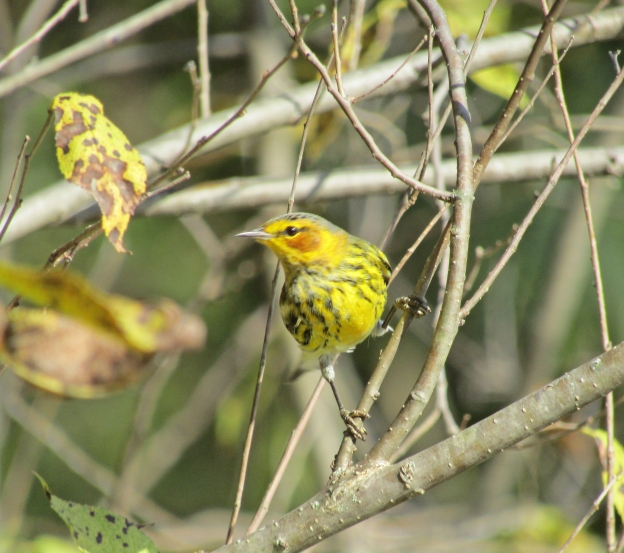
Birding in my yard during September produced sightings of several species of warblers, a family of birds that is always one of the anticipated highlights of the migration season. Migrants spotted in my yard this fall have included American redstart, Blackburnian warbler, Cape May warbler, Tennessee warbler, Northern parula, magnolia warbler, hooded warbler, black-and-white warbler, chestnut-sided warbler, black-throated blue warbler, black-throated green warbler and Northern waterthrush.

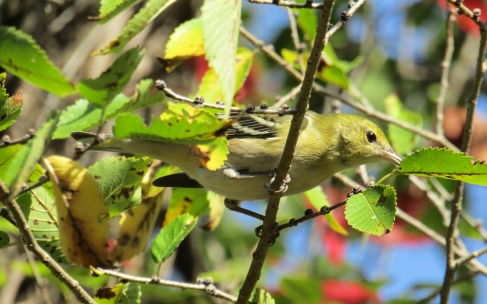
Bay-BreastedWarbler

Photo by Bryan Stevens • Warblers, like this bay-breasted warbler, are experts at remaining hidden in the leaves of trees. Their energetic movements make warblers difficult to follow through binoculars. In addition, bay-breasted warblers are among those species described as “confusing fall warblers,” because their autumn appearance is a dramatic departure from the look they had in the spring.


The warblers are the warmth-chasing retirees of the bird world. Like their human counterparts with summer homes in the mountains to escape the worst of summer’s scorching temperatures, warblers retreat southward every fall, spreading into the southern United States, the Caribbean, and Central and South America for the winter months.


Of course, warblers are not the only neotropical birds to employ this technique of nesting and raising young in the northern latitudes during the summer only to return south for the winter. Tanagers, vireos, flycatchers and some other families do the same, but not with the same niche-exploiting diversity of the warblers. As a family, the warblers boast 114 species. Not quite half of the species make some part of North America their summer home, which leaves the rest of the more sedentary family members living year-round in the American tropics.

Pewee-Sept19

Photo by Bryan Stevens • An Eastern Wood-Pewee perches during a migration stop in the yard.


Warblers pose a worthy challenge for birders. It takes practice to chase their movements in binoculars as they flit among the upper branches of tall trees. They are, for the most part, a family of almost frantically active birds that rarely pause for long while foraging for food, which mostly consists of various insects or insect larvae. Warblers migrating through the region during the autumn season bring another challenge to the table. Many warblers wear completely different plumages in spring and fall, which requires some mental adjustments when trying to match a binoculars view of a warbler to its illustration in a field guide. Known as the “confusing fall warblers,” these tricky cases prompt some novice birders to throw up their arms in defeat. I know because I once felt like that myself. As with all worthwhile pursuits, practice makes perfect.


Come out and join me and other bird club members at one of the Saturday strolls at Sycamore Shoals State Historic Park, which is located at 1651 W. Elk Ave., Elizabethton, Tennessee. We’ll chase some warblers through the treetops. We may not identify every single one, but we’ll have a fun time in the attempt.


•••••

Bryan Stevens lives near Roan Mountain, Tennessee. To ask a question, make a comment or share a sighting, email him at ahoodedwarbler@aol.com.

There’s change in the air…

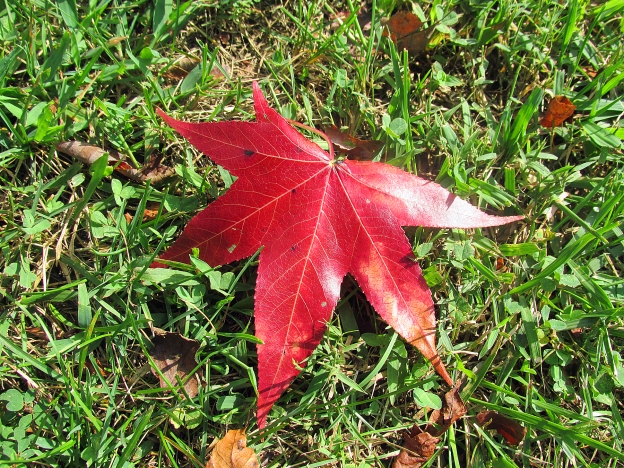
With every passing day, autumn is creeping closer. The calendar indicates that the first official day of fall is Sept. 23, but the rest of the world around us doesn’t wait for us to turn the page.

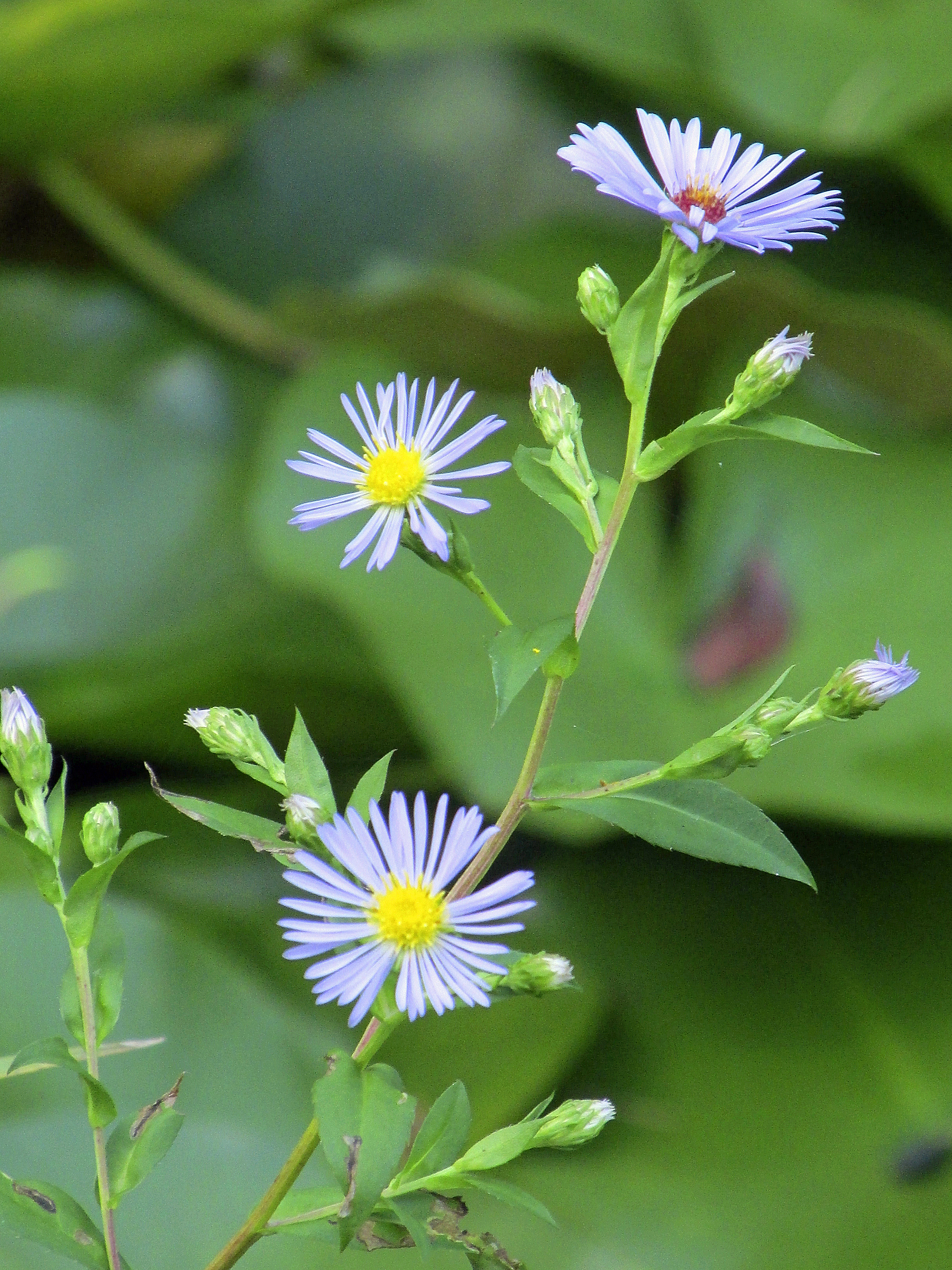
Photo by Bryan Stevens Asters, which come in a variety of colors, are usually a late-blooming wildflower.

Photo by Bryan Stevens
Asters, which come in a variety of colors, are usually a late-blooming wildflower.

Fall is upon us, which is apparent in a myriad of subtle signs, from the blooms of new wildflowers to the last surge of the season’s butterflies and dragonflies.

Of course, there’s also the migration of our feathered friends.


The dazzling birds of spring, such as Scarlet Tanagers and Rose-breasted Grosbeaks, are winging their way through our backyards again.

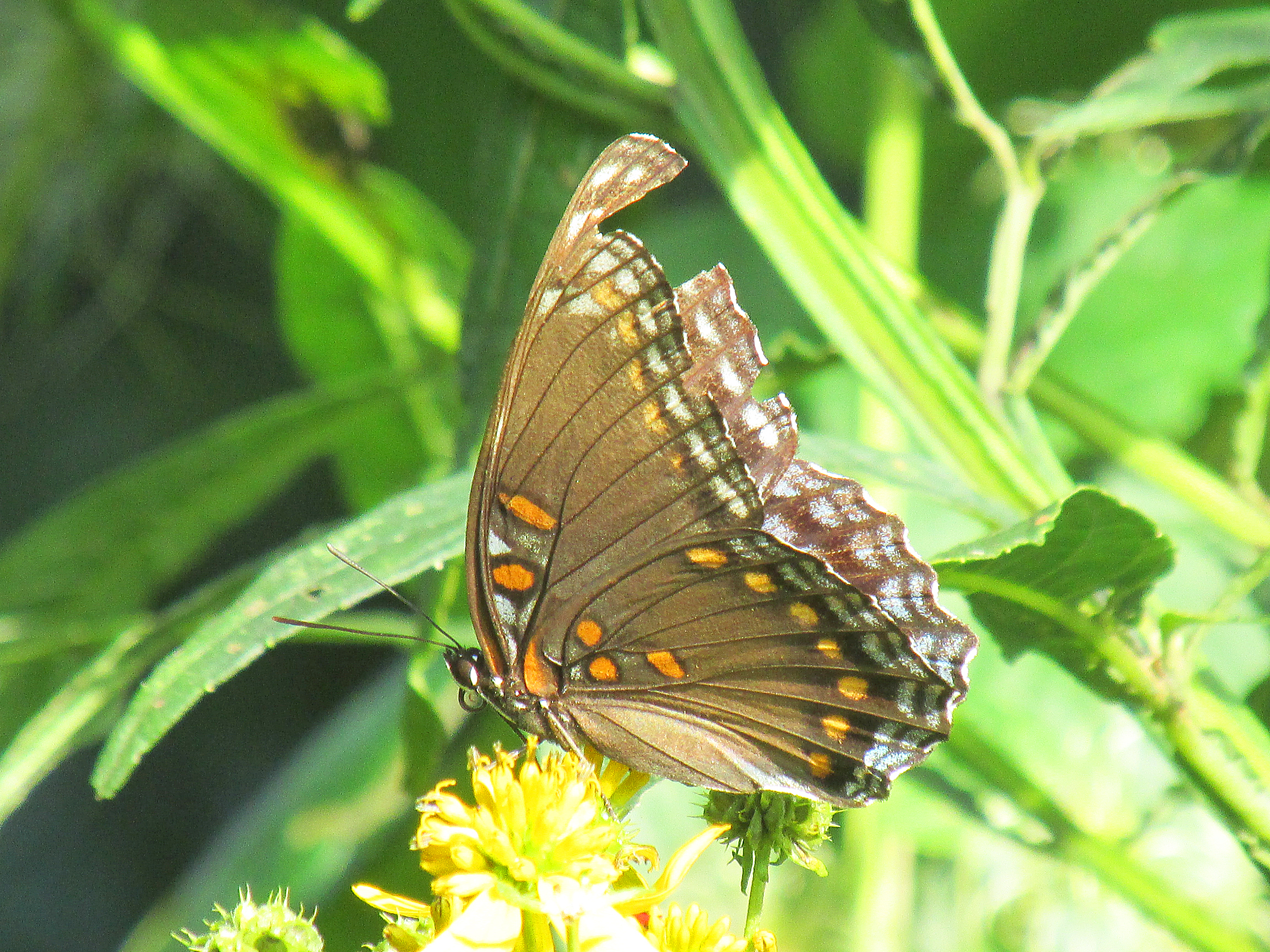
Photo by Bryan Stevens  Many butterflies, such as this swallowtail, look rather tattered this far into the season.

Photo by Bryan Stevens
Many butterflies, such as this swallowtail, look rather tattered this far into the season.

Many of these visitors have adopted a more subdued appearance as they stage their earlier migration flights in reverse. Then, there are fall warblers, sometimes also known by birders as “confusing fall warblers” since not only do observers have to distinguish between differences in male and female plumages, but also must contend with immature birds that resemble neither of their parents.


Want to learn how to quickly identify some of these so-called “confusing” warblers you may see flitting through the treetops this fall? Simply visit

http://dl.allaboutbirds.org/download_the_warbler_guide_quickfinders?utm_campaign=Warrbler-Campaign&utm_source=facebook&utm_campaign=Warbler-Campaign&utm_source=adwords&gclid=Cj0KEQjw-dSgBRDb0oOl9MzxqMEBEiQAkHqy-YYJxjOHJaXTUB4yRx0CewNowVY0m5PyD9K46roYfJkaAkuO8P8HAQ

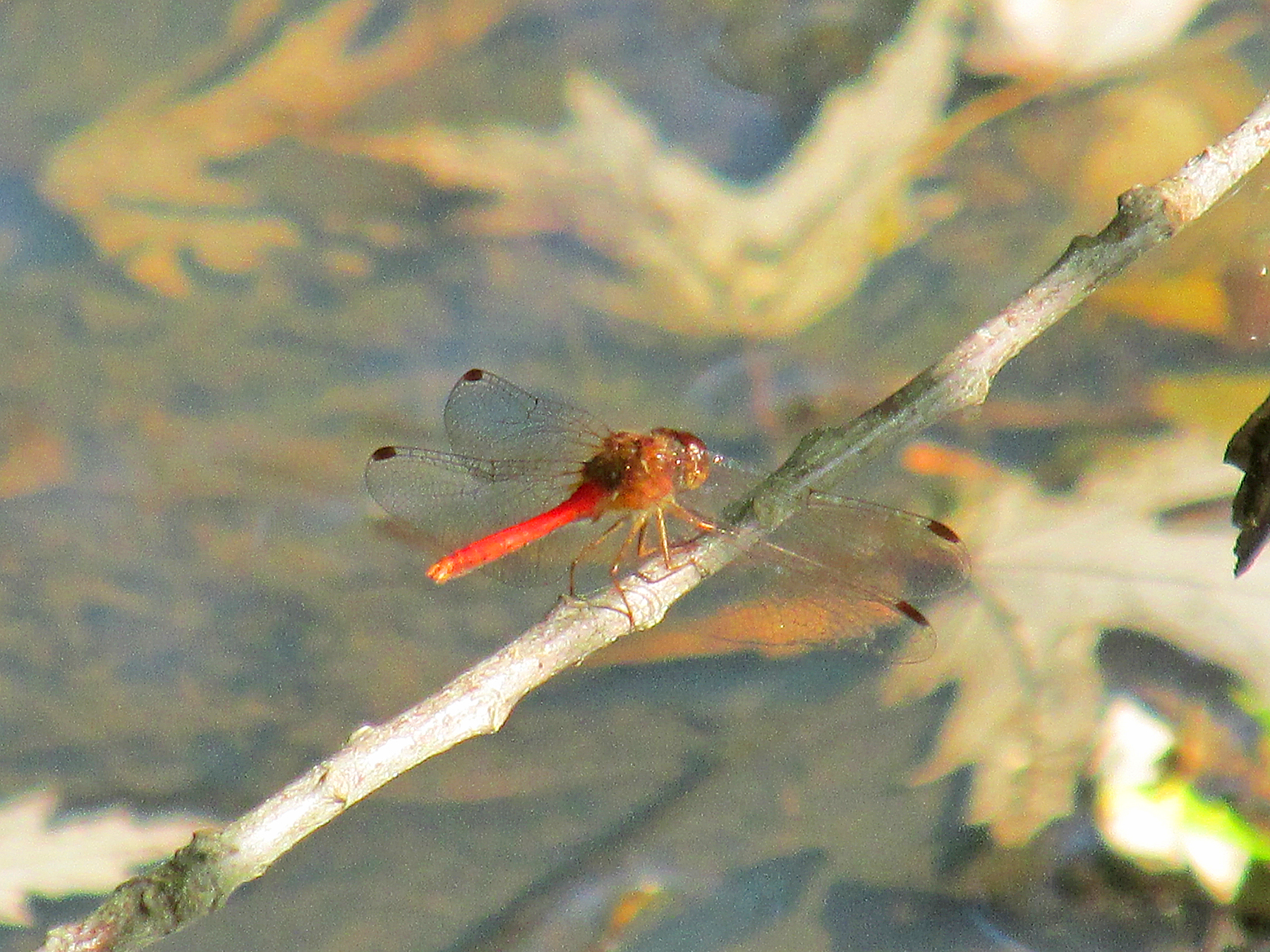
Along the edges of ponds, the final dragonflies of the season have begun to emerge. Autumn Meadowhawks and Blue-faced Meadowhawks have both made appearance at my fish pond along Simerly Creek Road.  Other dragonflies have been scarce, and the damselflies have almost disappeared. I am still seeing a few Eastern Pondhawks, Blue Dashers, Eastern Amberwings and even a Fawn Darner.

Photo by Bryan Stevens The aptly-named Autumn Meadowhawk is one of the last dragonflies to emerge each year.

Photo by Bryan Stevens
The aptly-named Autumn Meadowhawk is one of the last dragonflies to emerge each year.

During a visit to Erwin Fishery Park on Sept. 12, I was amazed to observe thousands of dragonflies — basically, a swarm of these incredible winged insects — hawking for smaller winged insects in the air above the now-closed swimming pool at the municipal park.

Most of the individuals in this incredible swarm looked like Green Darners, but I think a few other species had also joined the feeding frenzy. Green Darners, incidentally, are known for gathering in large flocks, just like birds, and staging their own migratory flights.

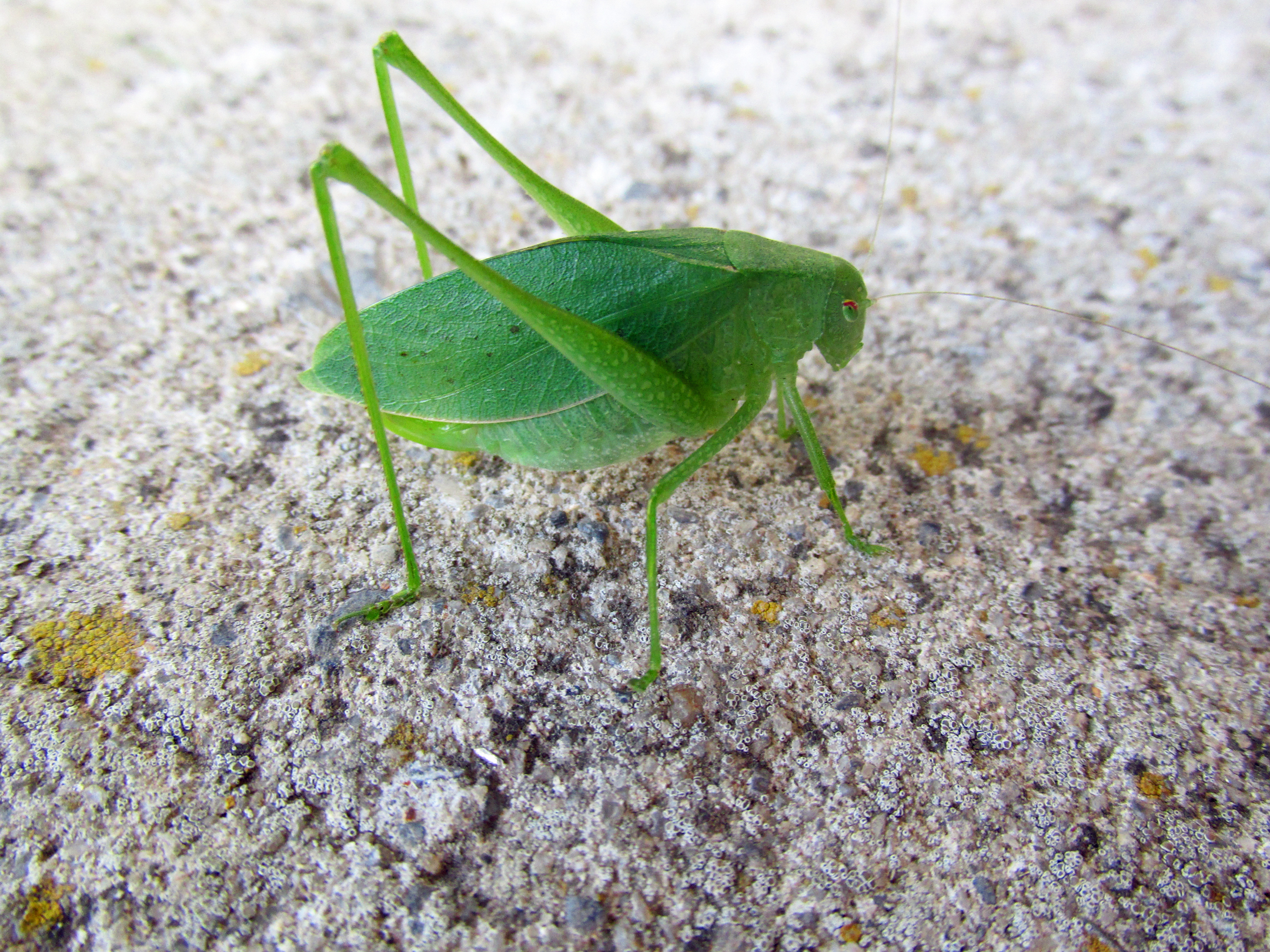
Photo by Bryan Stevens Katydids, some resembling nothing so much as a green leaf, are becoming more prominent as summer transitions into fall.

Photo by Bryan Stevens
Katydids, some resembling nothing so much as a green leaf, are becoming more prominent as summer transitions into fall.

Speaking of insects, I’ve also been hearing Katydids. A recent post of a Katydid photo on my Facebook page prompted responses that brought up the old superstition that the first frost will take place several weeks after the Katydids begin their nocturnal serenades.

I always look forward to September, but it always seems to be an extremely busy month for me. This year’s no exception, but I am determined to carve out some time to enjoy this month of transition.

Join me in paying closer attention to the world around you this month. There are new birds to see almost every day if you simply take the time to look. If the birds are absent, look with even more attention to detail and you’re sure to be rewarded with some other remarkable observations.

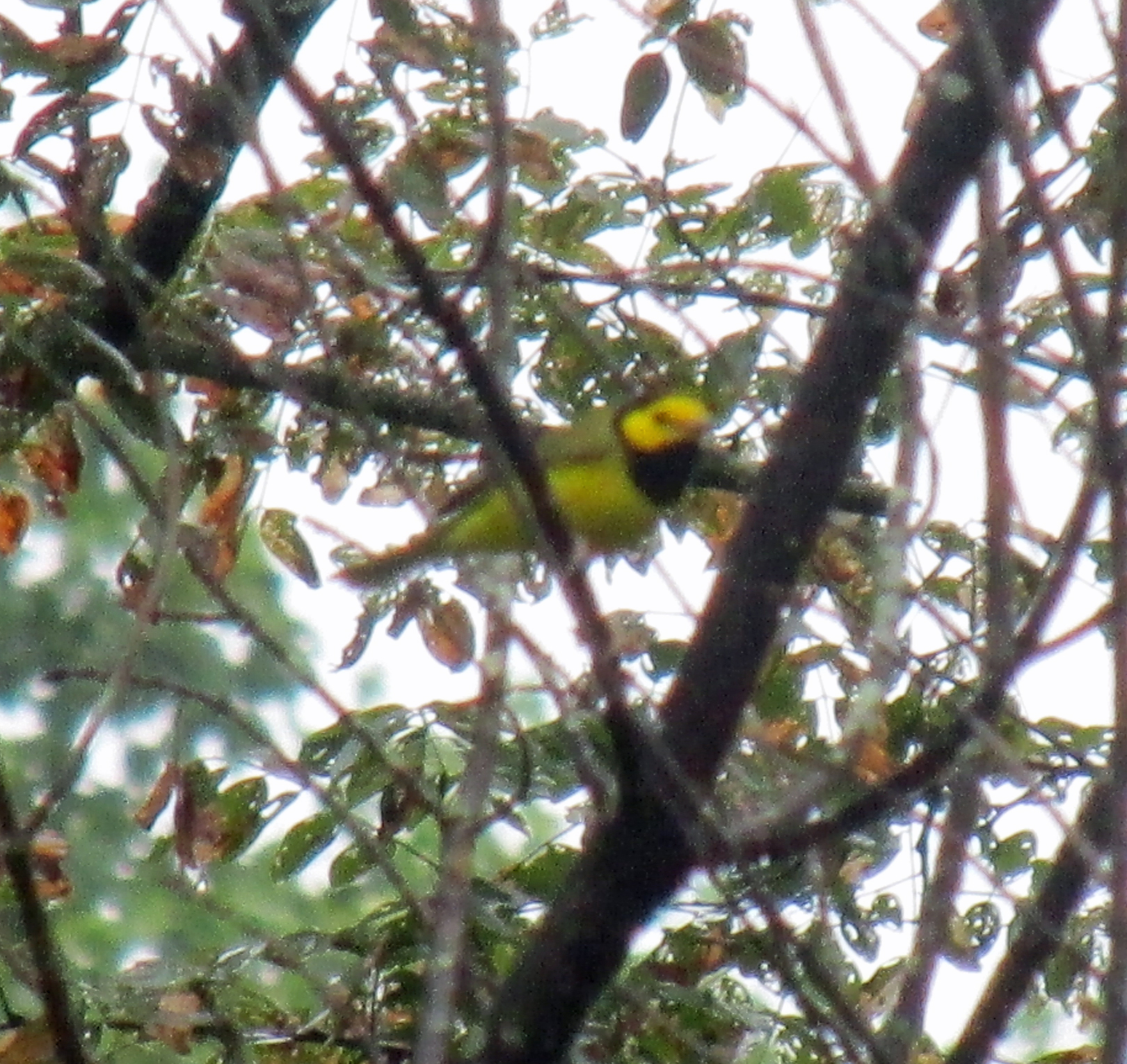
Photo by Bryan Stevens A male Hooded Warbler makes a quick journey through the back yard.

Photo by Bryan Stevens
A male Hooded Warbler makes a quick journey through the back yard.

Photo by Bryan Stevens

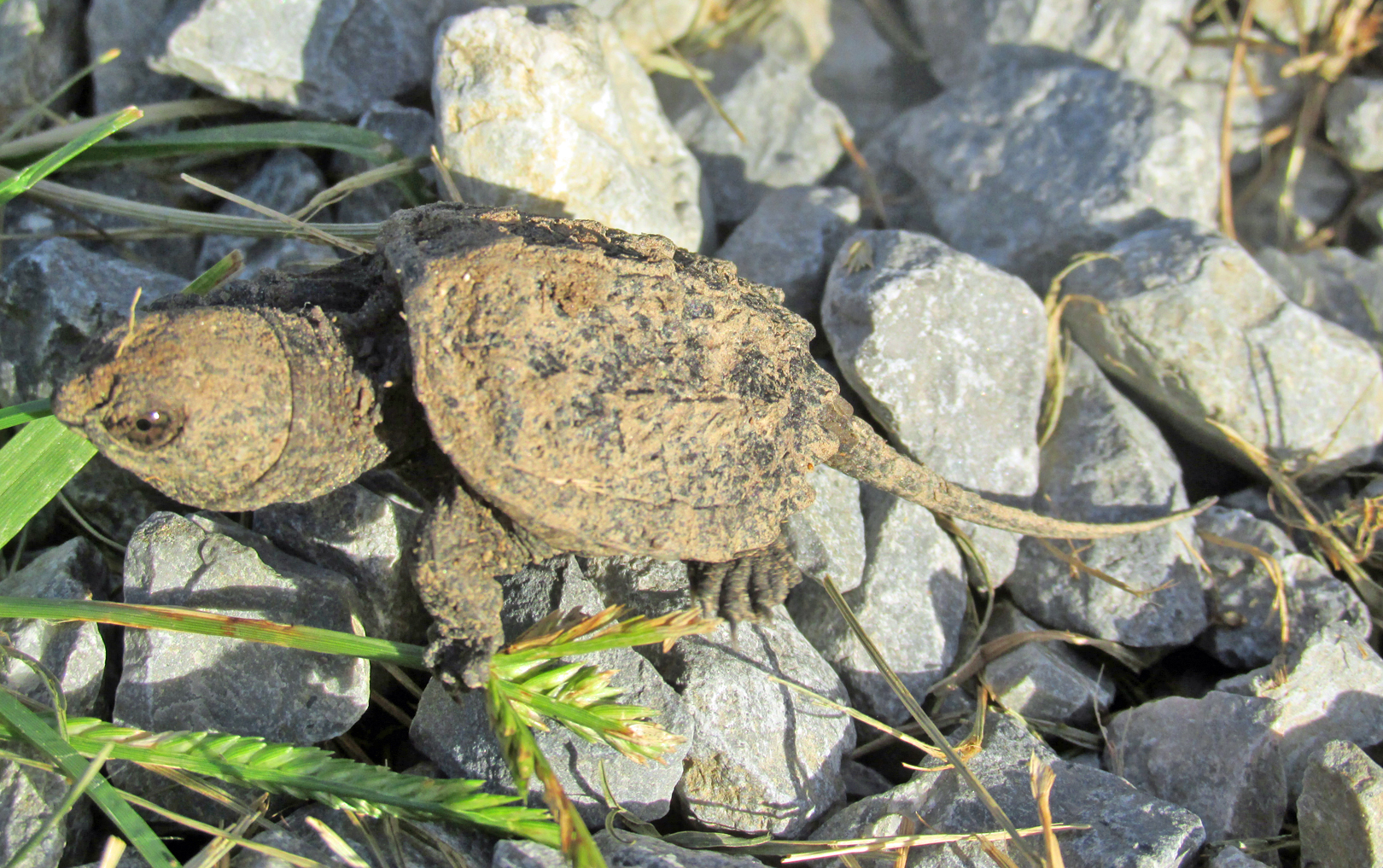
Photo by Bryan Stevens A newly-hatched Snapping Turtle will have a few weeks to grow before burrowing down to hibernate through the long, cold winter season.