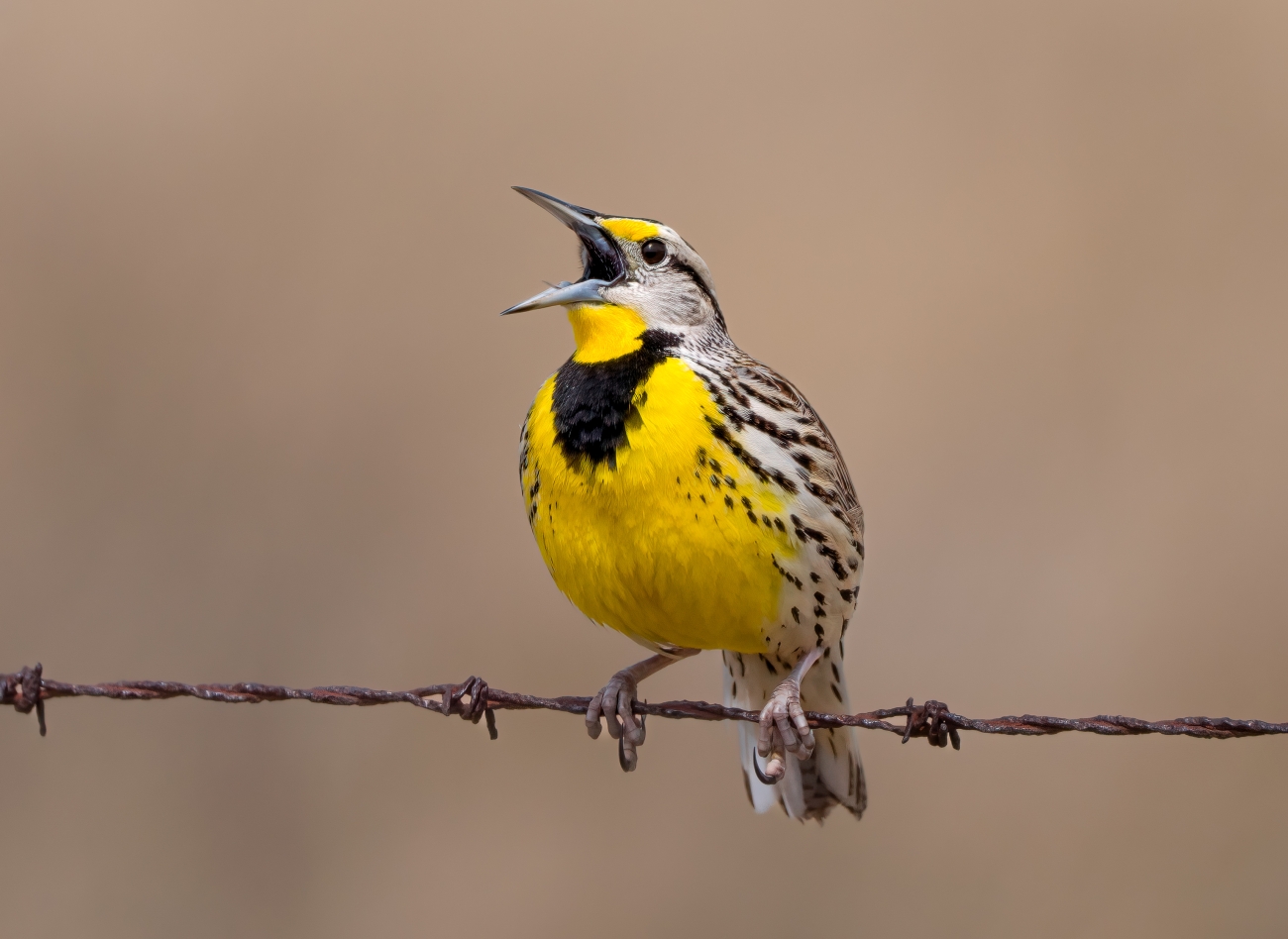
Jake Bonello/USFWS • An Eastern meadowlark sings from a perch on a barb wire fence. Count participants found 10 meadowlarks in Unicoi County.
Members and friends of the Elizabethton Bird Club conducted its 13th Unicoi County Summer Count on Saturday, June 13, with 16 observers. Participants tallied 102 species, which is slightly below the average of 108 species. The all-time high was 112 species in 2016.
I counted in the Limestone Cove community to the Iron Mountain Gap along Highway 107. My count partners Brookie and Jean Potter covered Sciota Road during the early morning hours and got many great nocturnal species. Some of my best birds included blue grosbeak, yellow warbler, common nighthawk, yellow-bellied sapsucker and a singing dark-eyed junco.
Taking part in this count is almost like counting in my backyard since I can drive from my home to Limestone Cove in under 10 minutes.
The list:
Canada goose, 33; mallard, 33; and wild turkey 11
Mourning dove, 40; rock pigeon, 18; common nighthawk, 1; chuck-will’s-widow, 1; Eastern whip-poor-will, 14; chimney swift, 35; and ruby-throated hummingbird, 4
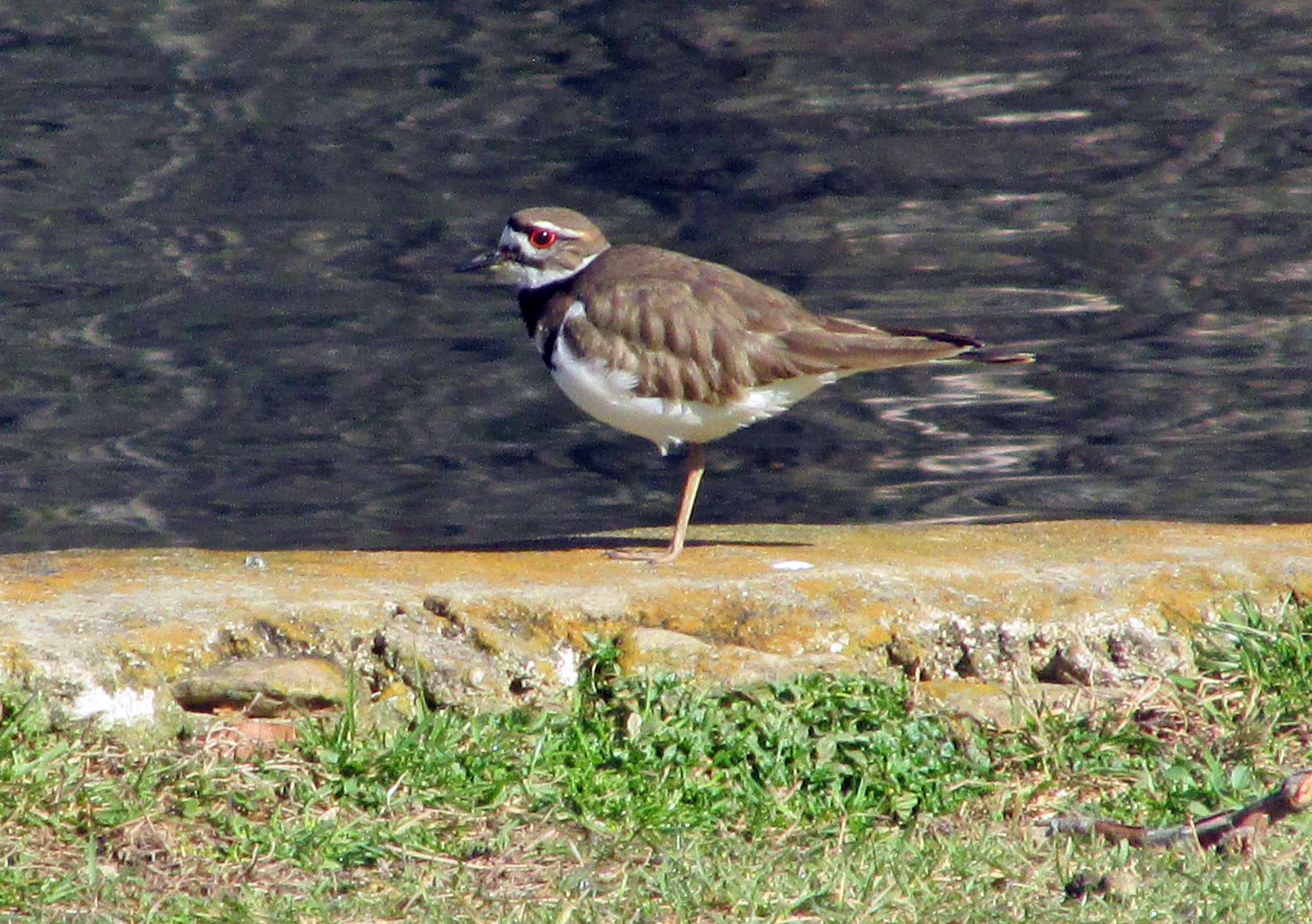
Photo by Bryan Stevens • A total of 10 killdeer made the count tally.
Killdeer, 10; double-crested cormorant, 2; great blue heron, 6;
black vulture, 7; turkey vulture, 19; red-shouldered hawk, 2; broad-winged hawk, 8; red-tailed hawk, 3; Eastern screech owl, 5; barred owl, 3; and Northern saw-whet owl, 1
Belted kingfisher, 5; red-bellied woodpecker, 14; yellow-bellied sapsucker, 6; downy woodpecker, 15; hairy woodpecker, 8; Northern flicker, 3; and pileated woodpecker, 12
Great crested flycatcher, 2; Eastern kingbird, 8; Eastern wood-pewee, 12; Acadian flycatcher, 51; least flycatcher, 3; and Eastern phoebe, 35
White-eyed vireo, 2; blue-headed vireo, 39; warbling vireo, 2; red-eyed vireo, 128; blue jay, 61; American crow, 130; fish crow, 3; and common raven, 5
Carolina chickadee, 69; tufted titmouse, 72; tree swallow, 27; Northern rough-winged swallow, 12; purple martin, 6; barn swallow, 40; and cliff swallow, 226.
Cedar waxwing, 22; red-breasted nuthatch, 9; white-breasted nuthatch, 20; brown creeper, 1; blue-gray gnatcatcher, 21; Carolina wren, 65; house wren, 15; and winter wren, 1
Gray catbird, 22; brown thrasher, 8; Northern mockingbird, 13; European starling, 162; Eastern bluebird, 23; veery 22; wood thrush, 38; and American robin, 162

Photo by Bryan Stevens • An American robin scans for prey in the grass and clover of a lawn. Robins were numerous on the count, represented by 162 individuals.
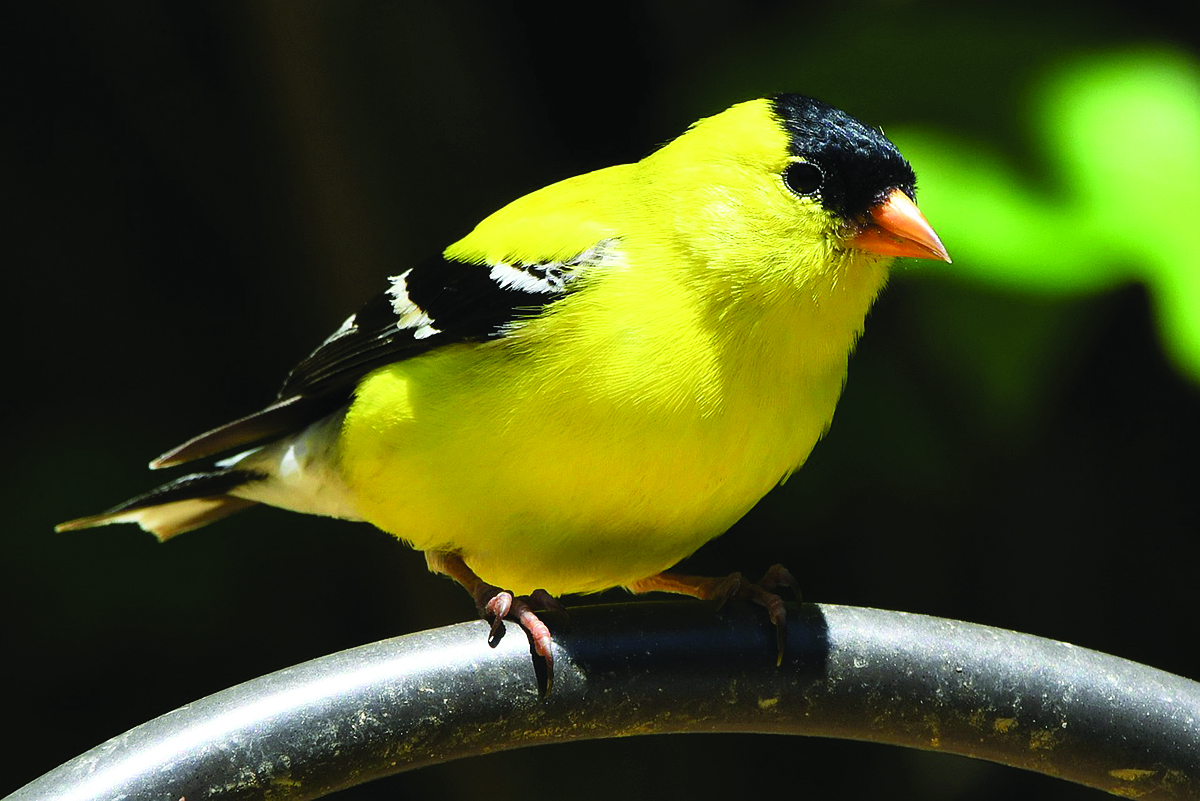
House sparrow, 16; house finch, 29; American goldfinch, 51; chipping sparrow, 32; field sparrow, 2; dark-eyed junco, 19; song sparrow, 88; Eastern towhee, 33; and yellow-breasted chat, 2
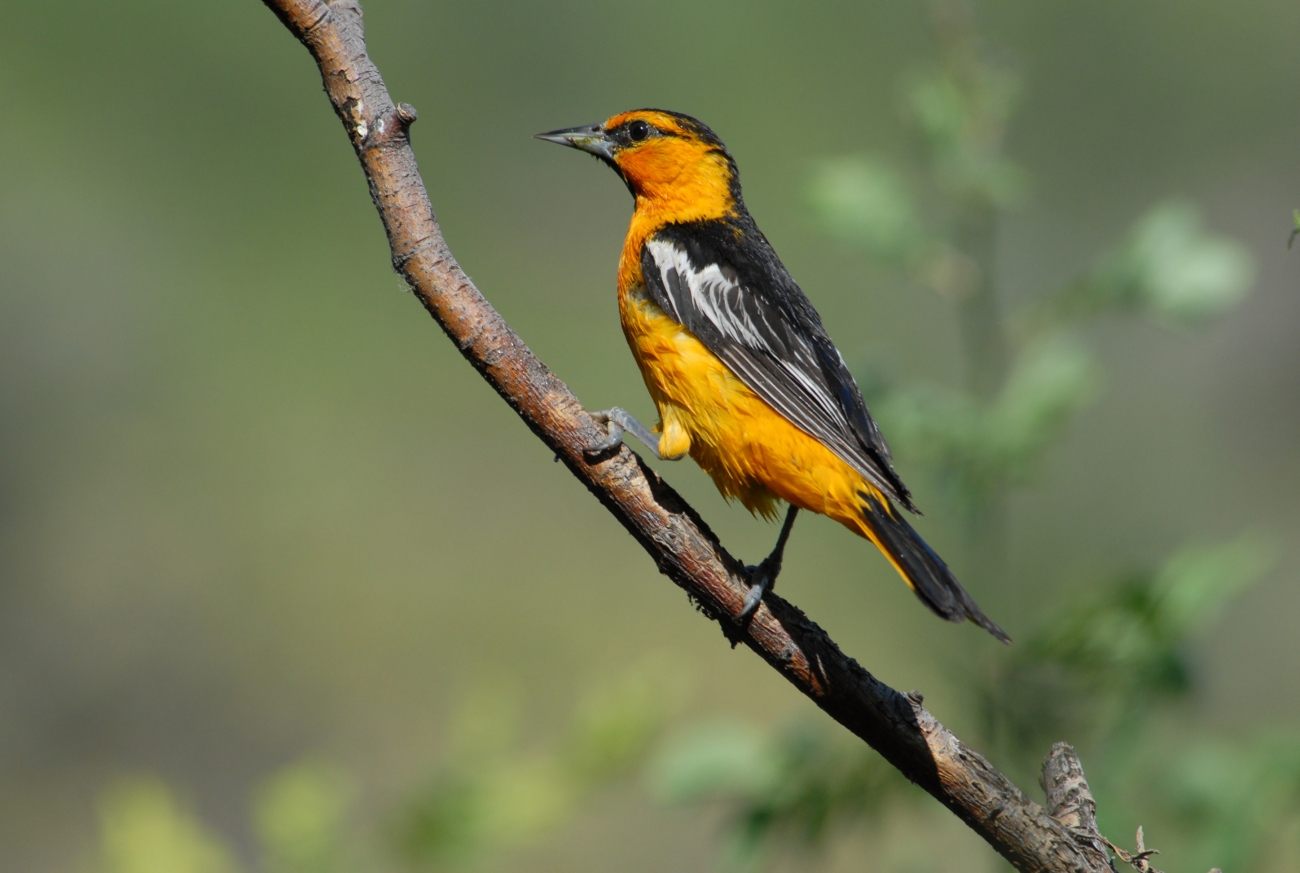
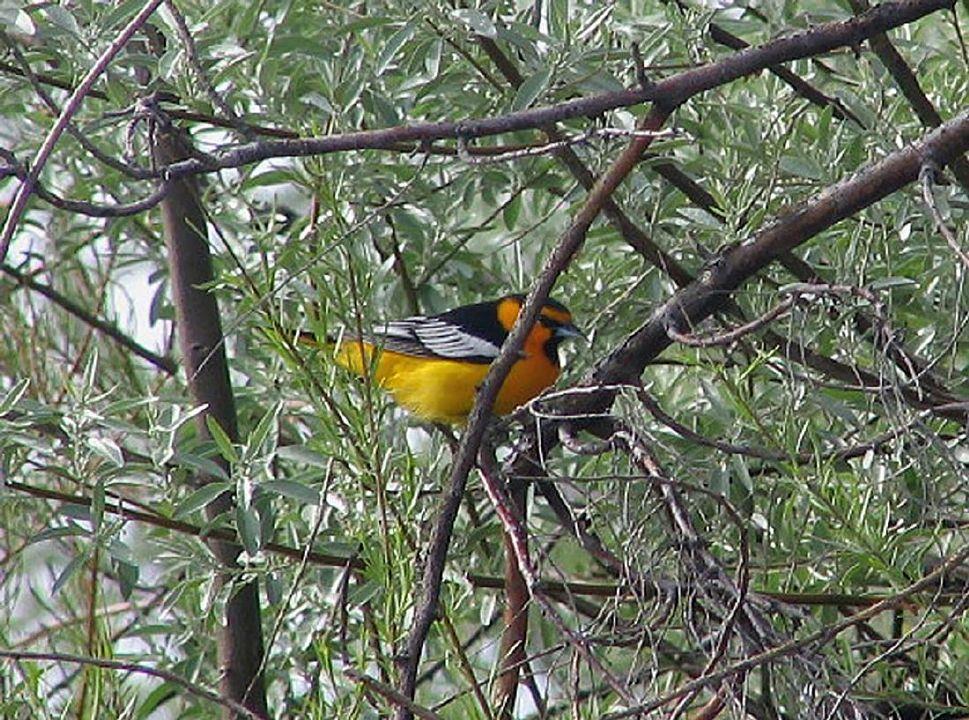
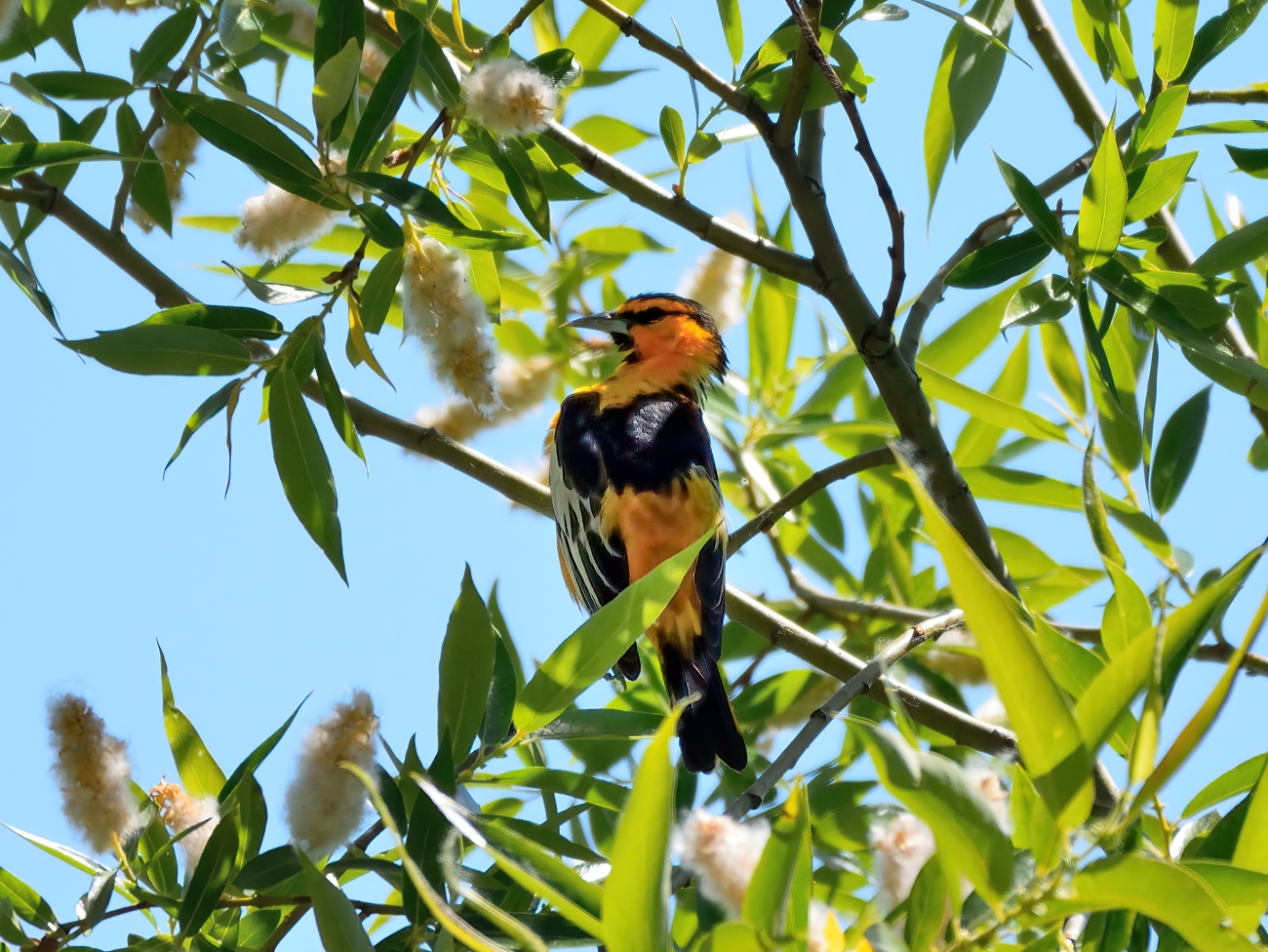
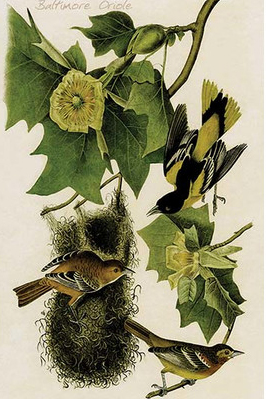
Eastern meadowlark, 10; orchard oriole, 1; Baltimore oriole, 1; red-winged blackbird, 28; brown-headed cowbird, 8; and common grackle, 42
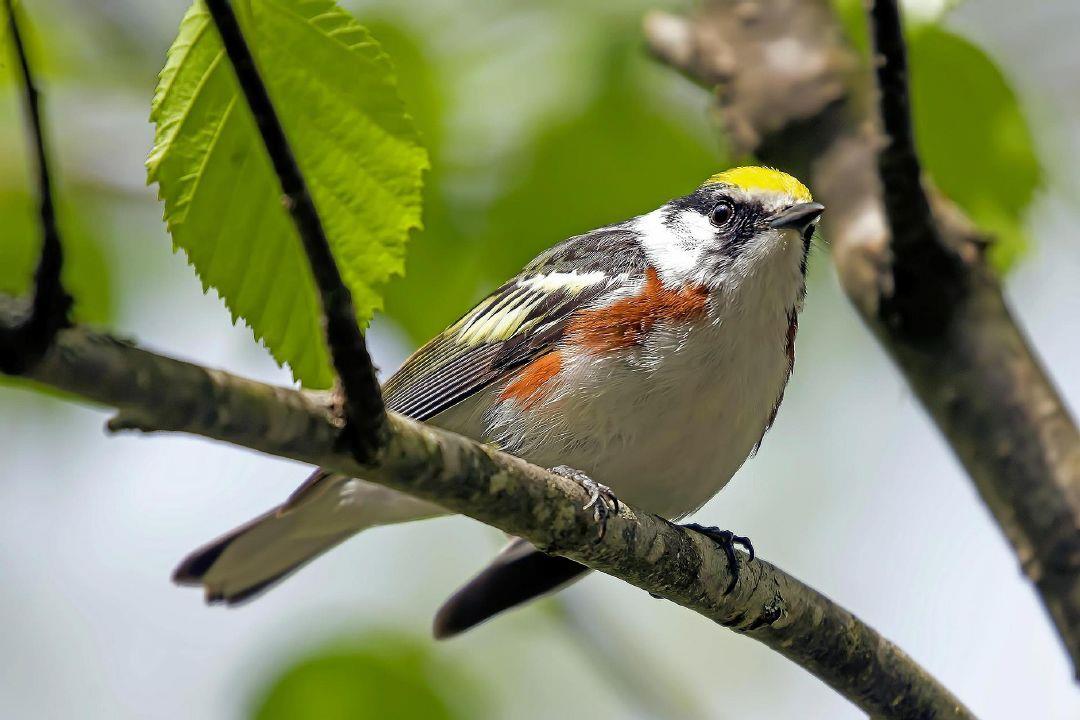
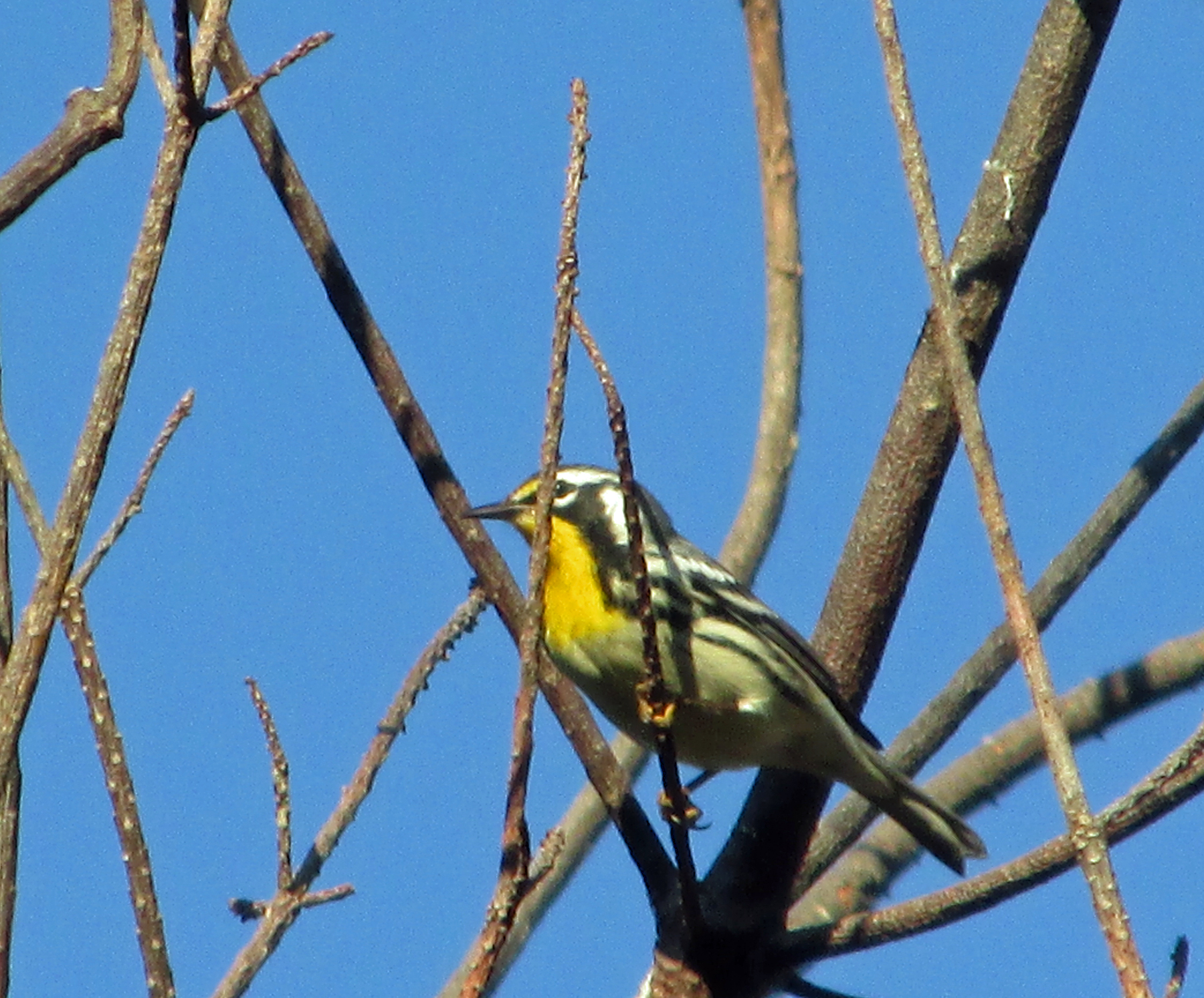
Ovenbird, 42; worm-eating warbler, 18; Louisiana waterthrush, 14; black-and-white warbler, 25; Swainson’s warbler, 18; Kentucky warbler, 1; common yellowthroat, 3; hooded warbler, 78; Northern parula, 36; magnolia warbler, 1; Blackburnian warbler, 2; yellow warbler, 2; chestnut-sided warbler, 5; black-throated blue warbler, 32; yellow-throated warbler, 27; black-throated green warbler, 58; and Canada warbler, 11
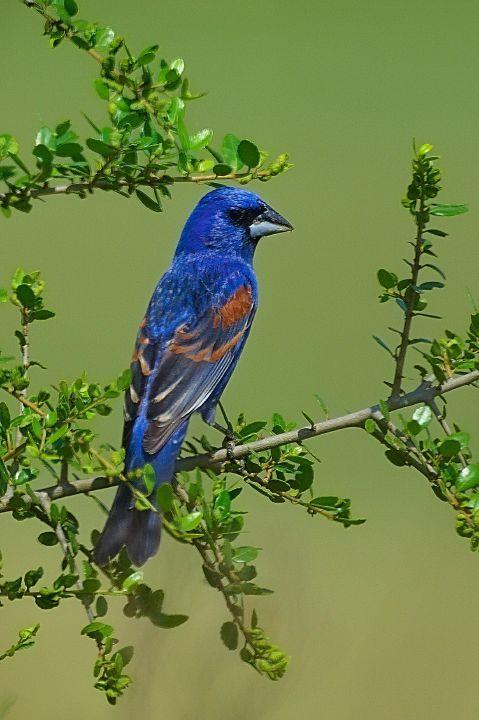
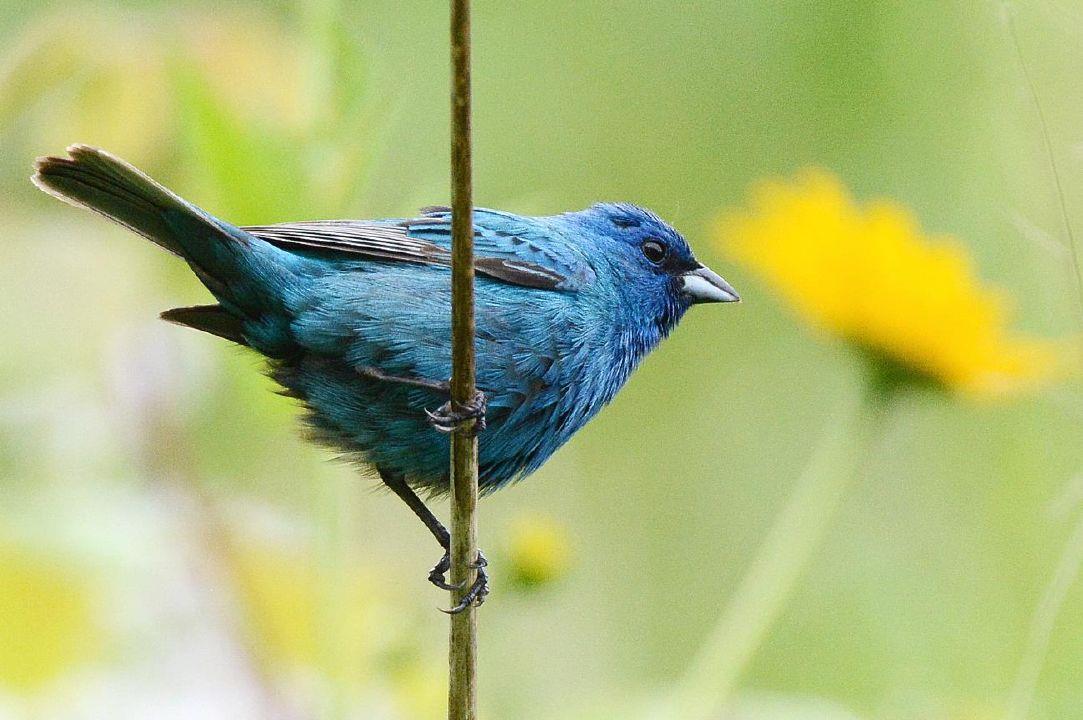
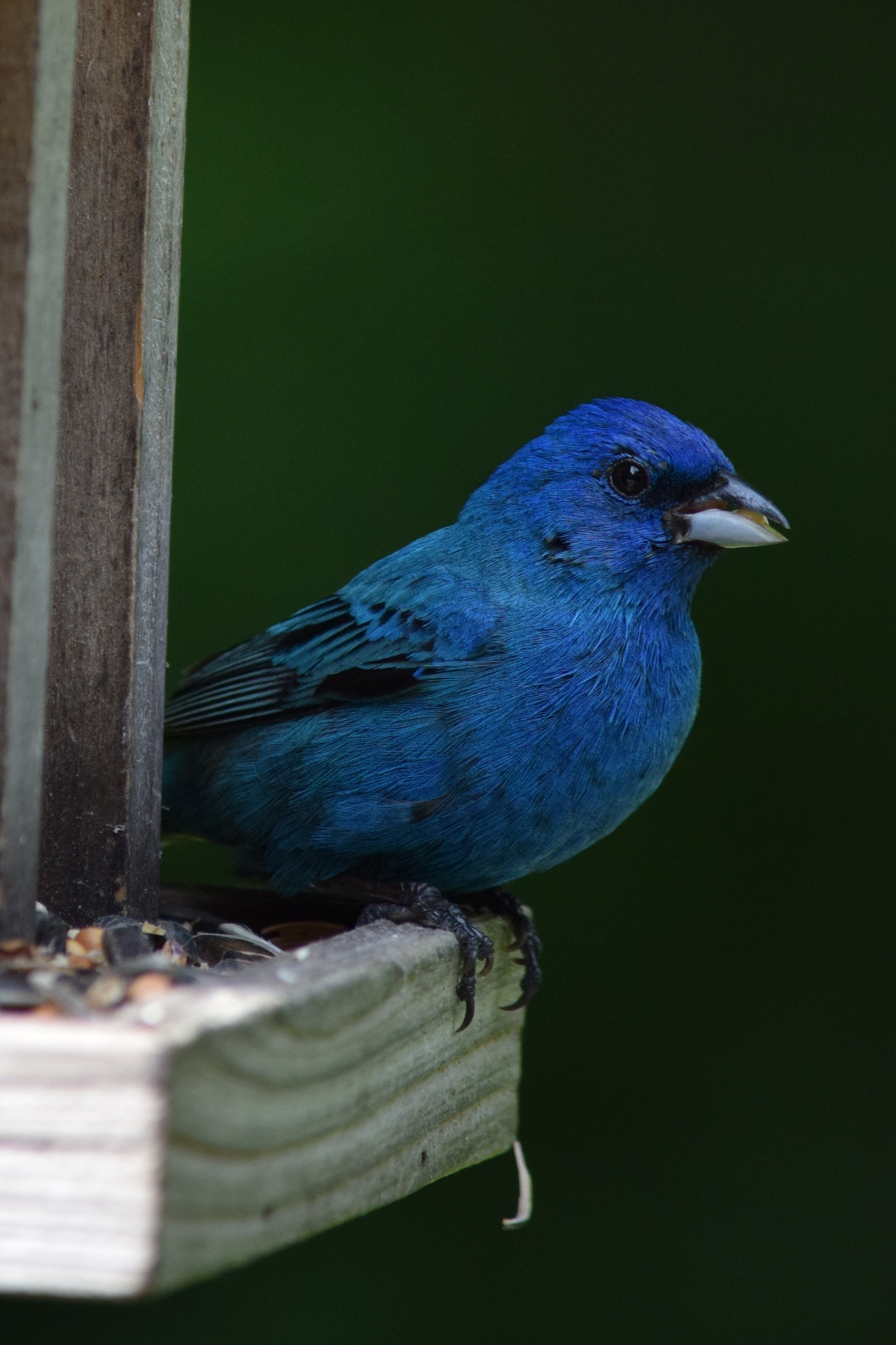
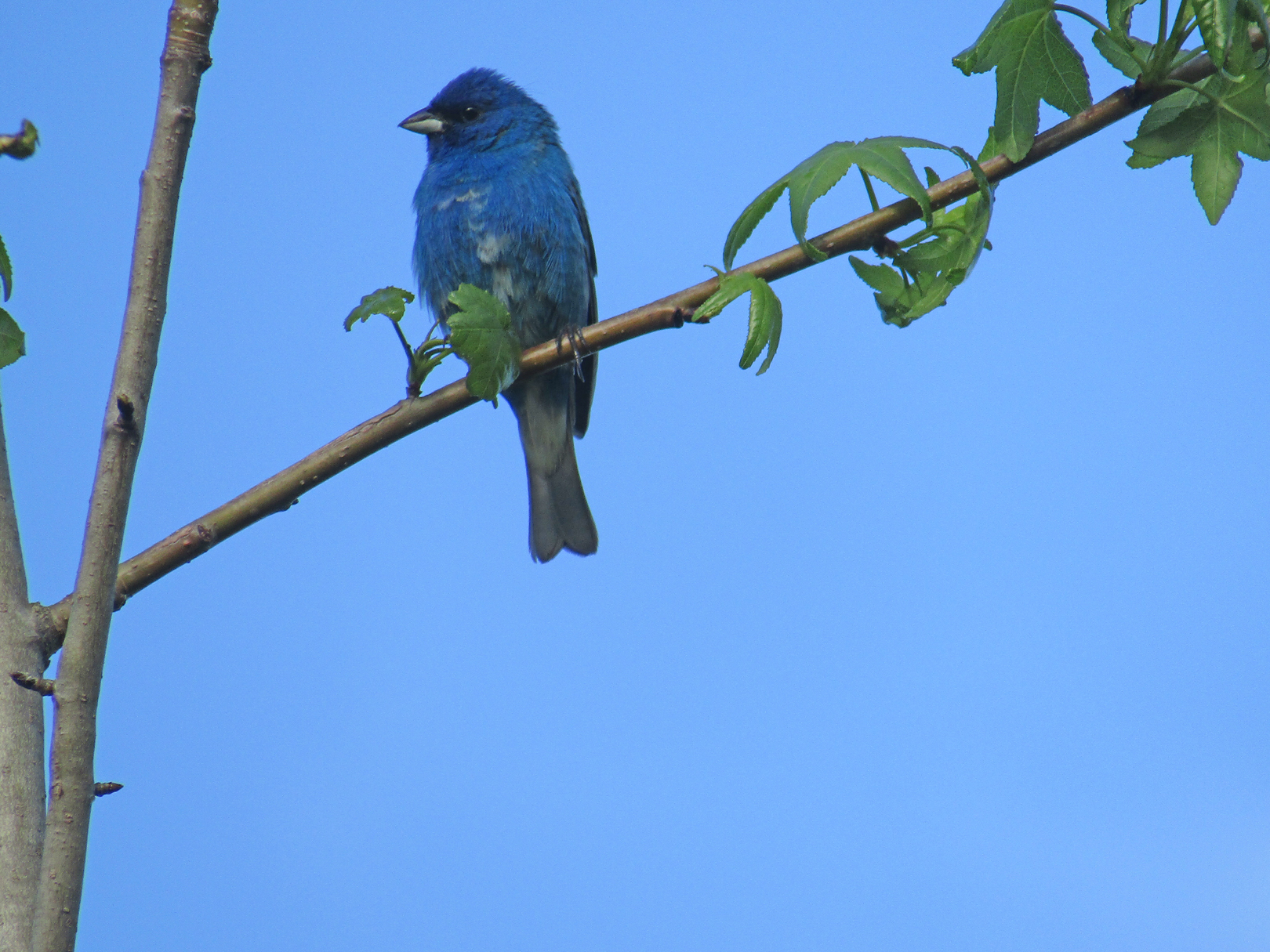
Scarlet tanager, 26; Northern cardinal, 77; rose-breasted grosbeak, 6; blue grosbeak, 1; and indigo bunting, 56
Rick Knight, longtime compiler for the count, noted some missed species.
“As always, a few species are missed on count day, usually because they occur in low densities or are very locally distributed,” Knight said. “Not anyone’s fault, just something that happens.”
Missed in Unicoi County were wood duck, ruffed grouse, yellow-billed cuckoo, green heron, Cooper’s Hawk, great horned owl, American kestrel, yellow-throated vireo, golden-crowned kinglet, hermit thrush and American redstart.
•••
I noted in last week’s column that the Carter County Summer Bird Count found 119 species. That number rose to 120 species when Jean Potter turned in a photo to compiler Rick Knight. He agreed with her that the bird in the photo was a American black duck, which added an additional species to the count.
•••
To share a sighting, ask a question or make a comment, email ahoodedwarbler@aol.com.

Photo by Jean Potter • A male hooded warbler flits through the foliage of a rhododendron thicket. A total of 78 hooded warblers made this year’s Unicoi County Summer Bird Count.