Tag Archives: Bristol Herald Courier

Legends of fearsome birds grounded in distant reality

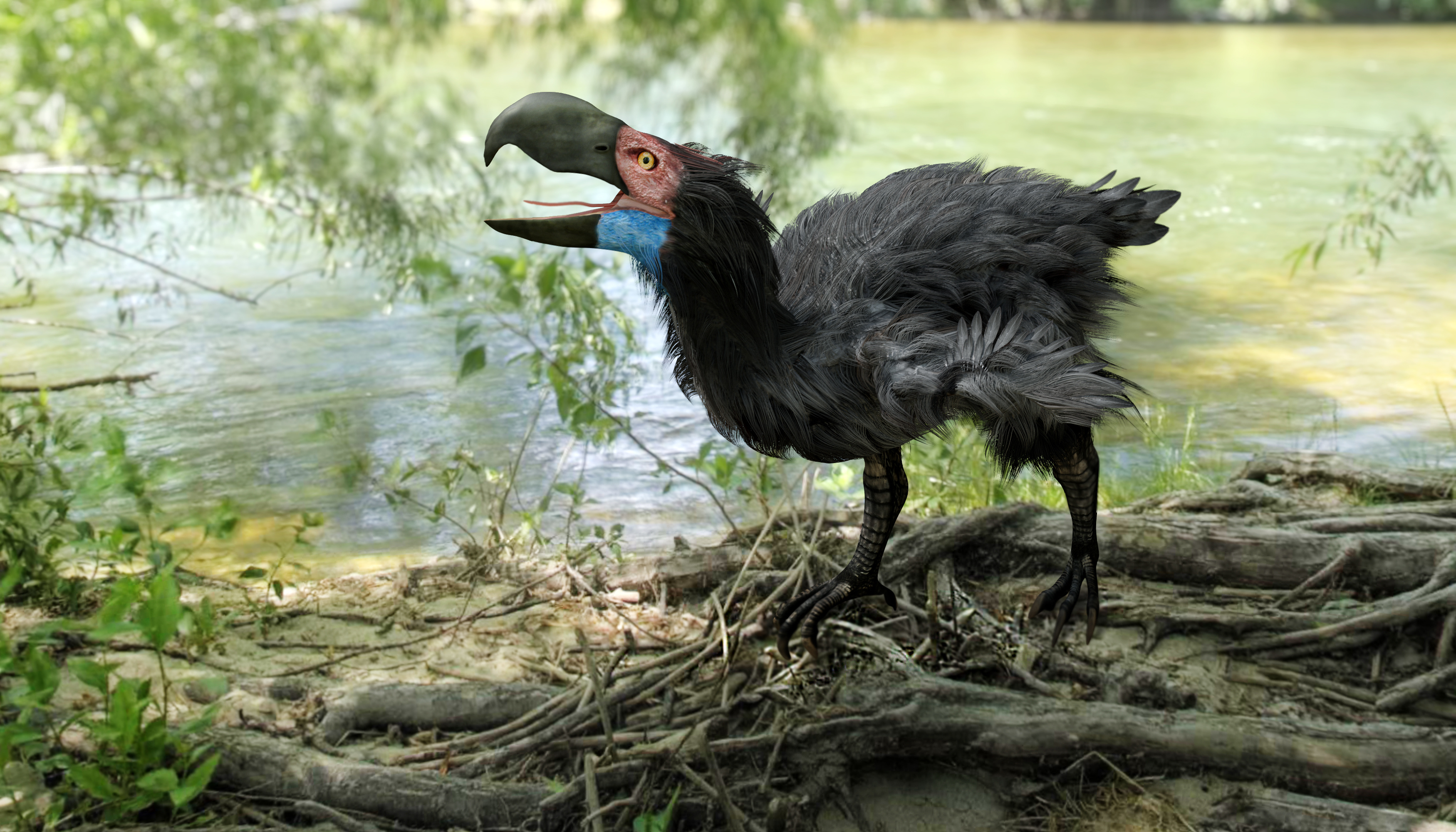
Illustration by Auntspray/Adobe Stock A lone gastornis walks by the edge of a river in this artist’s illustration of a member of an extinct avian family known as “Terror Birds.” These large flightless birds arose as apex predators in much of their domain.

Giant eagles, terror birds, and rocs! Oh my! While begging the pardon of the clever writers of 1939’s film “The Wizard of Oz,” I thought I’d focus on some of the more terrifying birds to ever roam the planet as we move closer to Halloween later this month.

Photo by Couleur/Pixabay.com • A white-tailed eagle is one of the world’s larger eagles, but even this large raptor would have been dwarfed by the now-extinct Haast’s eagle that once hunted giant moas in New Zealand.

Giant Eagles

In the not-so-distant past, an eagle in New Zealand achieved status as an apex feathered predator that specialized in preying on some of the largest birds to ever live.

Known as Haast’s eagle, this now-extinct raptor had a body size about 40 percent larger than even the largest of today’s eagles. Females probably reached a weight of 22 to 33 pounds. Males, as is the case with most living eagles today, were smaller than females but still probably weighed between 20 to 26 pounds. This gigantic eagle, however, possessed a relatively short wingspan of roughly 8 to 10 feet wide, which compares to that recorded for large specimens of golden eagle and Steller’s sea eagle.

This huge raptor was a major predator on the population of New Zealand moas, a large flightless and wingless bird somewhat reminiscent of modern ostriches. In direct comparison with the moas, these New Zealand eagles were almost puny. Some moas reached a height of 12 feet tall and a weight of more than 500 pounds. Despite their superior size and weight, however, moas simply lacked any defense against the huge razor-like talons and sharp beak of the Haast’s Eagle. An attack by such a well-equipped bird of prey must have been devastating to their prey. If Haast’s eagle was anything like many modern predators, it probably chose to hunt young, infirm or elderly moas rather than an adult moa in prime health.

Back in 2009, Associated Press writer Michael Casey speculated in an article on Haast’s eagle that this bird of prey might have included humans on the menu. Casey wrote that in recent years the scientific opinion on Haast’s eagle has evolved. Once thought to be a mere scavenger like vultures, most experts now think Haast’s eagle was a capable and efficient predator.

There is no direct evidence that the eagle, which went extinct about 500 years ago, ever dined on humans. Casey does mention the legend of the pouakai, which was a giant bird with a reputation for launching sudden attacks on people and fully capable of killing a small child.

If the Haast’s eagle did snatch a few unfortunate children, the Maori who colonized New Zealand about 750 years soon returned the favor. Both the moa and Haast’s eagle disappeared from New Zealand soon after humans arrived on the remote island.

Artist Charles Knight, famous for now outdated depictions of dinosaurs, illustrated his version of a “terror bird” back in 1901.

Terror Birds

Terror birds were prehistoric forebears to Haast’s eagle. More accurately known as Phorusrhacids, the “terror birds” were an extinct clade of large carnivorous flightless birds that were the largest species of apex predators in South America during the period of prehistory known as “The Age of Mammals.”

Unlike Haast’s eagle, which was fully capable of flight, the terror birds were flightless like the extinct moas and our modern ostriches, emus and cassowaries. The tallest of the terror birds stood 10 feet tall, but some members of the family were considerably smaller, reaching a height between two and three feet.

The larger species included birds such as Titanis walleri, Phorusrhacos ameghino and Kelenken guillermoi. With a skull more than 28 inches long, Kelenken possessed the largest head of any known bird. Some members of the diverse terror bird family even ranged into what is now the southern United States. Fossils of some of these ancient birds have been found in Florida and Texas. As the saying goes, everything’s bigger in Texas.

Mammals of various sizes provided a smorgasbord for the terror birds, which were more than capable of running down prey and dispatching it with a heavy, hooked beak. While it would be fascinating to still have terror birds roaming the globe, I have to admit that I prefer that the birds content themselves with sunflower seeds and suet cakes rather than considering whether I might make a nice addition to the menu.
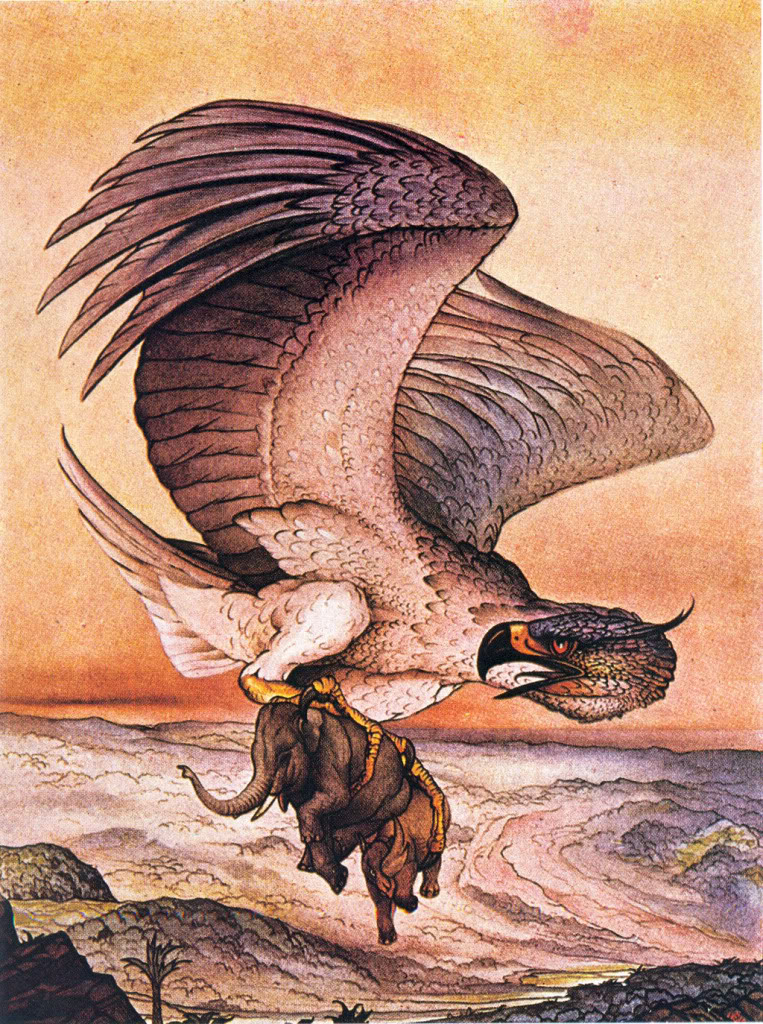
This color illustration by Charles Maurice Detmold depicts the legendary roc and its elephant prey.

Legend of the Roc

While descriptions of the mythical roc make this bird sound like a truly horrifying feathered terror, the actual creature behind the origins of this incredible beast was actually a placid herbivore.

The roc arose in the fabulous fables of the Middle East. The famous compilation of stories known as One Thousand and One Nights features accounts of the monstrous roc, a bird deemed capable of seizing and carrying off prey as large as a fully grown elephant.

In reality, discoveries of the eggs of a bird now known to science as the extinct Vorombe titan likely inspired the myth of the roc. Vorombe titan stood almost 10 feet tall and weighed 1,600 pounds. The largest living bird today is the common ostrich. Males ostriches can reach a height of 9 feet and weigh 250 pounds, which means Vorombe titan would have dwarfed modern ostriches.

Native to the island of Madagascar, Vorombe titan and its relatives went extinct about a thousand years ago. Explorers from Middle Eastern countries returned from the island of Madagascar with egg shells that provided strong evidence of a giant bird and led to the legend of the roc, or elephant bird. The eggs of this bird were indeed impressive. The eggs were 13 inches long and 3 feet, 3 inches in circumference. About 160 chicken eggs could have fit inside a Vorombe titan’s egg.

The family of birds known as kiwis are considered the closest living relatives of the giant moas.

Once thought to be related to ratites, which includes modern ostriches, emus and cassowaries, Vorombe titan’s closest living relatives are probably the kiwis, a family of flightless birds that still exists in New Zealand. Like the kiwi, Vorombe titan, or the legendary roc, was a gentle, near-sighted herbivore.

While the imaginative mind can spin interesting scenarios with these gone-but-not-forgotten monsters, I think I’ll confine my birding to warblers, hummingbirds and other backyard birds.
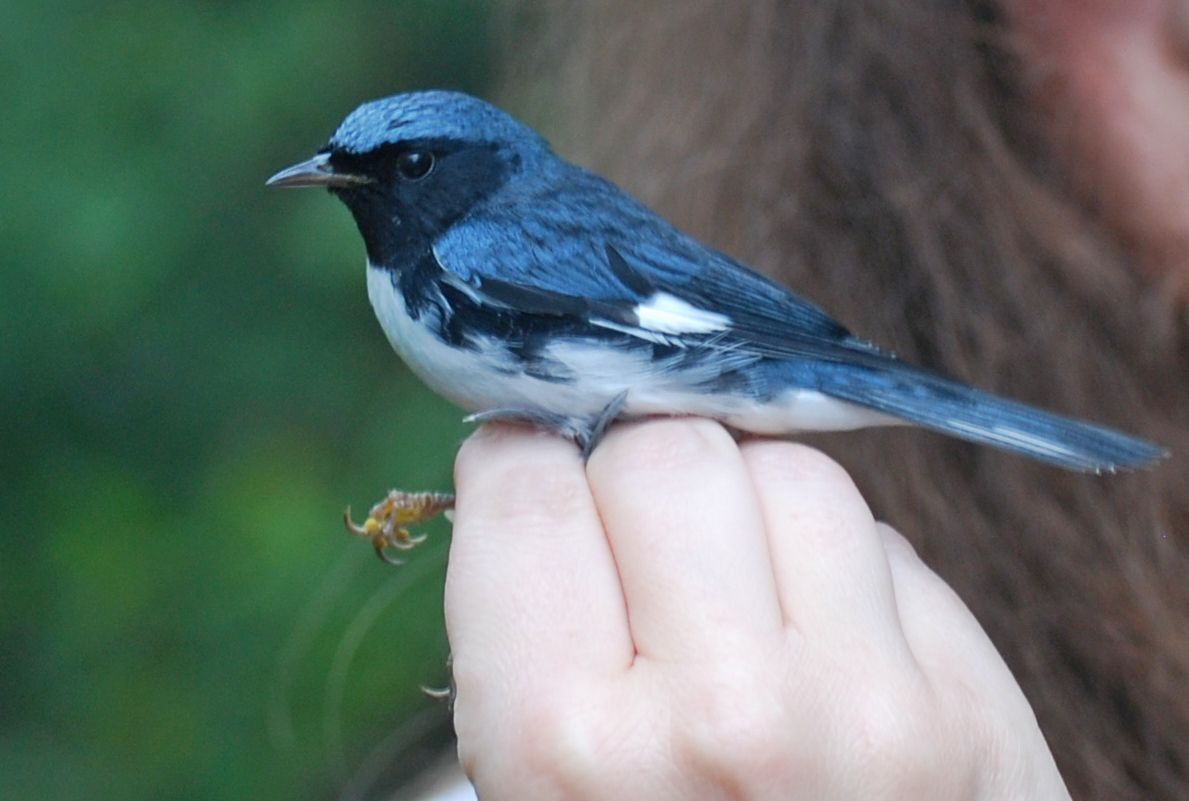
 

Two types of black-throated warblers number among New World bird family

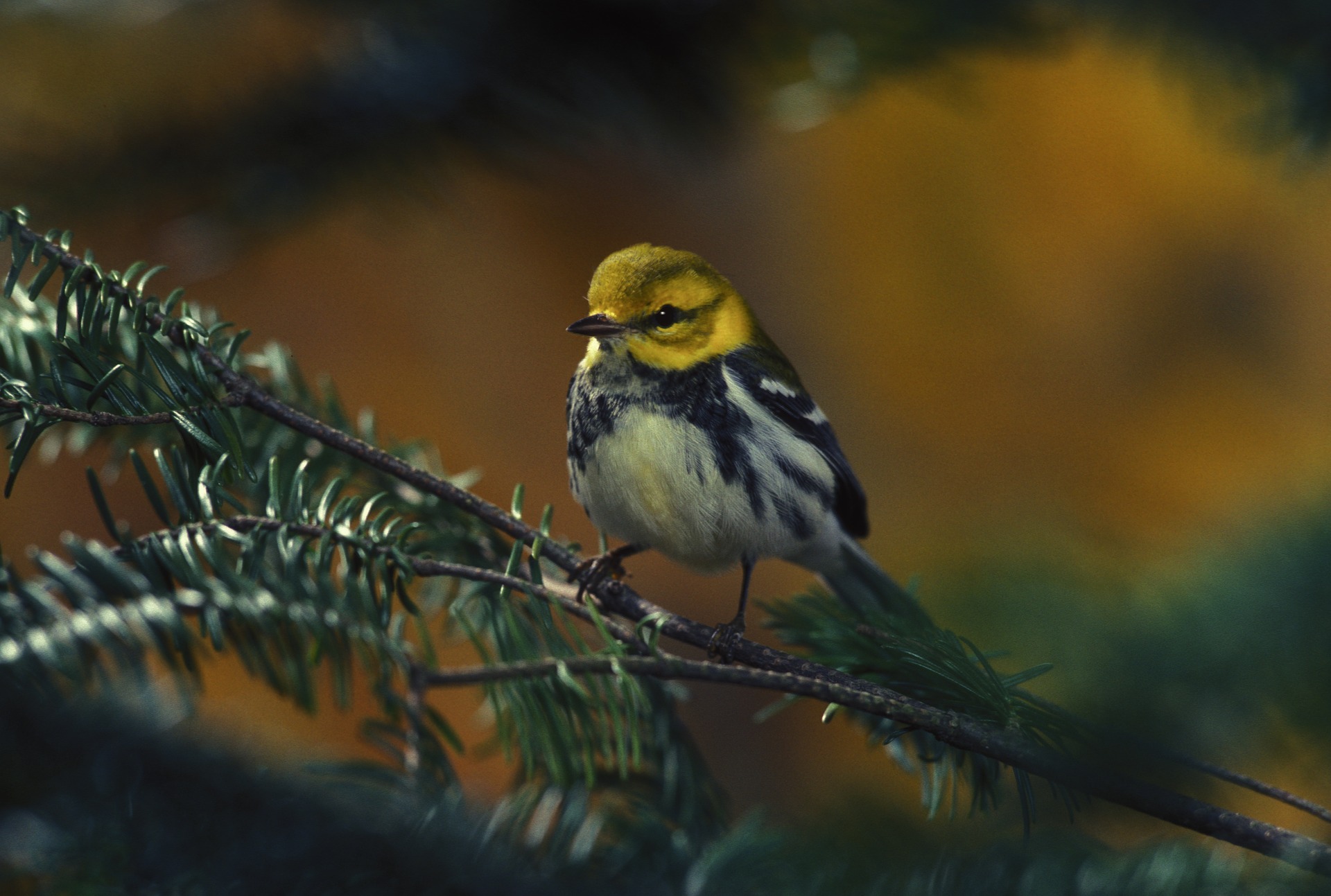
Photo by Skeeze/Pixabay.com The female black-throated green warbler lacks the male’s all-black throat, but she is a striking bird in her own right. Black-throated green warblers and the related black-throated blue warbler are common birds in the Southern Appalachians from April to October.

I’ve enjoyed some lawn chair birding on recent September evenings, delighting in my observations of birds ranging from flycatchers and catbirds to warblers, vireos and hummingbirds. I enjoy my casual study of the daily changes in the bird population present in my yard and adjacent woods. The parade of warblers hasn’t been as productive as in past autumns, but I have managed to spot and identify hooded warbler, American redstart, chestnut-sided warbler, magnolia warbler, Northern parula, and black-throated green warbler visitors.


The black-throated green appeared suddenly in a fast-paced burst of foraging in a cherry tree. Alongside birds such as an Eastern wood-pewee and red-eyed vireo, the warbler gleaned the leaves of the trees for concealed caterpillars. I watched the bird swallow with gusto several of the caterpillars so skillfully plucked with its thin, pointed bill.

The black-throated green warbler and one other species, the black-throated blue warbler, share the appellation of “black-throated,” and rightfully so. Males in the spring look their best with a dark black throat in striking contrast to the rest of their plumage. The female black-throated green shows some black on the throat, but female black-throated blue warblers exhibit no black throat patch. In fact, black-throated blue males and females are extremely different in appearance. Scientists call such dramatic appearances differences “sexual dimorphism.” Among the warblers, this species provides the most striking example of sexual dimorphism of any of the warblers. The male and female do share one identifying mark — a white square near the outer edge of the middle of each wing. This square is usually more pronounced in the male, but it stands out enough that it helps distinguish the female black-throated blue from similar dull-plumaged birds such as vireos. 


German naturalist Johann Friedrich Gmelin described the black-throated blue warbler in 1789. I noted in last week’s column that Gmelin woefully misnamed such warblers as palm warbler and magnolia warbler. With the black-throated blue warbler, Gmelin did a better job. This bird’s scientific name name is the Latin term caerulescens, which translates into English as “turning blue.” The male is a stunning bird. Arguably, the black-throated blue warbler is one of the most distinctive members of the family of wood warblers. The adult male has a black face and cheeks, deep blue upperparts and a clean white underbelly. In contrast, the adult female is olive-brown above and light yellow below. 


When one’s binoculars first focus on a black-throated green warbler, the first impression is likely to be the black, yellow and white feathers in the bird’s plumage. The greenish-yellow coloration that gives this species part of its common name is mostly limited to the bird’s back, which is often not as evident when the bird’s being watched through binoculars.  
Both of the black-throated warblers nest in northeast Tennessee, western North Carolina, and southwestern Virginia. In the spring, the males of both these warblers are persistent singers from prominent perches in the green woodland canopy. Male black-throated greens contribute to the avian chorus by frequently singing a high-pitched song often described as a buzzy zee-zee-zee-zooo-zeet. Male black-throated blues produce a buzzy zee-zee-zeeee. 

The black-throated green warblers currently departing the region will likely travel as far as Mexico, Central America, the West Indies and southern Florida for the colder winter months. Black-throated blue warblers, on the other hand, migrate to the Caribbean for the winter, making their homes on Cuba, Jamaica, Hispaniola and Puerto Rico, as well as other islands. 
Nearly half of the world’s New World warblers spend the months between spring and fall in North America. The other half reside exclusively in Central and South Americas, as well as the Caribbean. Some of the more descriptively named individuals residing in the tropical areas south of North America include flame-throated warbler, crescent-chested warbler, arrowhead warbler, white-rimmed warbler, buff-rumped warbler, golden-bellied warbler, fan-tailed warbler, pink-headed warbler and pale-legged warbler. 


The warblers bring some exciting tropical flair into the hills and hollows of Southern Appalachia for several months every year. I miss them once they’re gone for the winter season, but the promise of their return keeps my spirits buoyed during the cold, darker months until spring. 

Warbler parade imminent as September advances

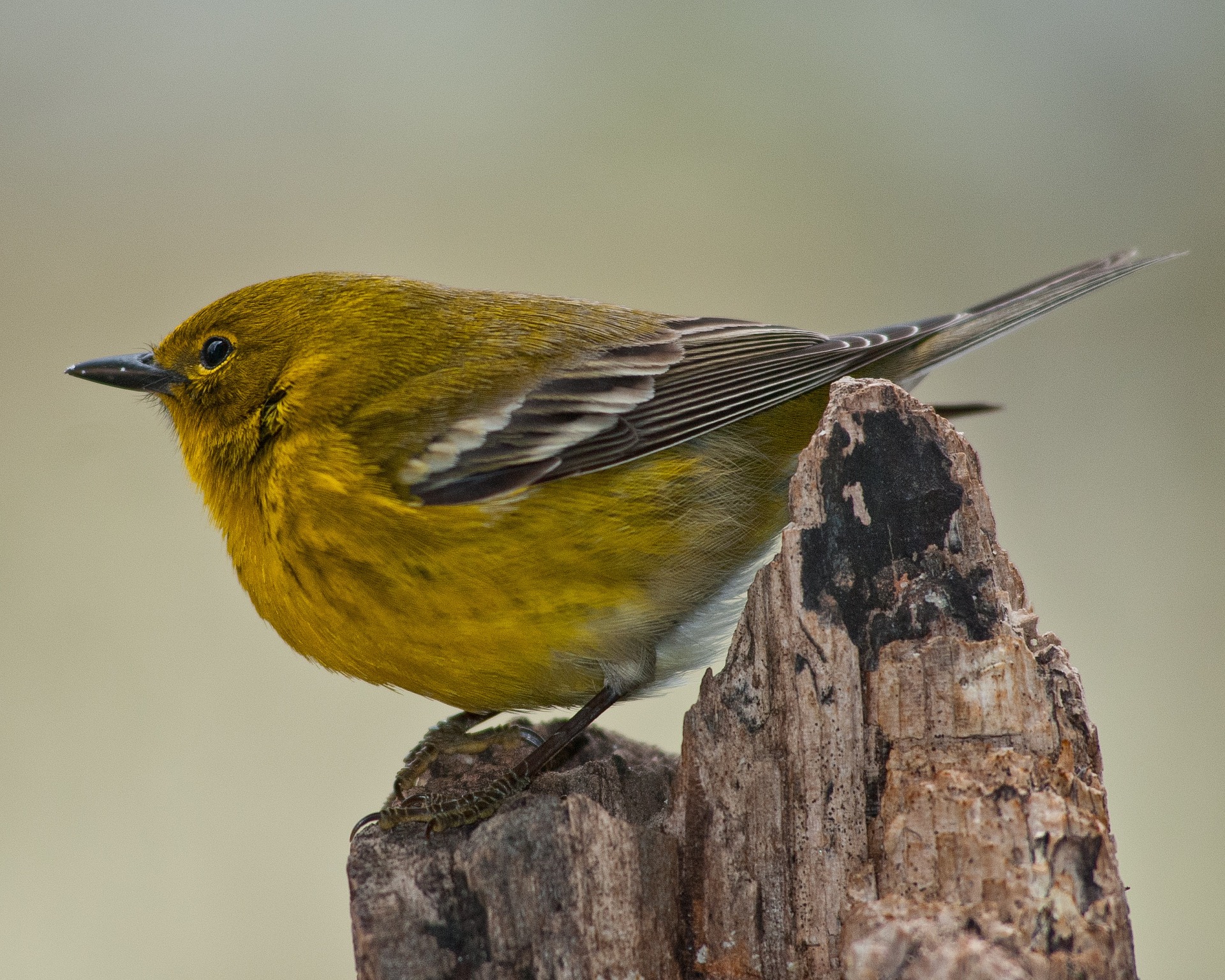
Photo by Mickey Estes/Pixabay.com • A pine warbler takes a brief rest on a perch during a break from foraging for insects.

I detected some signs of migration during a backyard lawn chair birding session on Thursday, Sept. 3. A croaking great blue heron circling the property, the shrill cries of cedar waxwings, scolding vireos, and the intermittent buzz of hummingbird wings all contributed to the background noise. 

The first warbler of the season, a quick blur of yellow and white, disappeared into the green and thus escaped identification. That’s the way of it: Sometimes, you identify the bird, but at other times it slips past without lingering enough for that moment of confidence. You have to love September, even if the birds are entirely ignorant of pages on a calendar. As summer wanes, the pace of migration has spiked. If that first warbler got away, I know others will follow behind it.

Some of them will have fanciful names like blue-winged warbler, black-throated blue warbler, Blackburnian warbler and American redstart. Each of the warblers exists as a sort of magnet to induce me to keep binoculars always close at hand.


The 50 or so species of warblers that make their home in the eastern parts of the United States and Canada during the spring and summer months are now winging their way south.  The blackpoll warbler, which holds the distinction for the longest migration of any species of New World warbler, will journey from the forests of Canada to spend the colder months in northern South America. Because of a peculiarity of this bird’s fall migratory habits, birders in Northeast Tennessee are far more likely to see this late-arriving warbler in May than in the autumn.

A few warblers — pine warbler, magnolia warbler and palm warbler — are named for trees for the simple reason that their European discoverers happened to first observe them in the branches of their namesake trees.

Photo by Bryan Stevens • A Palm Warbler forages along a chain-link fence.

For most of these warblers named to honor various trees,  their common names are, at best, a misnomer. Throughout most of its life, the palm warbler doesn’t even encounter palm trees. Johann Friedrich Gmelin, a German naturalist who lived from 1748 to 1804, saddled the palm warbler with its inappropriate name. Gmelin based his naming of the bird on the fact that a specimen had been collected on Hispaniola, an island in the Caribbean with an abundance of palm trees. Gmelin published several textbooks in the fields of chemistry, pharmaceutical science, mineralogy, and botany. He also had a hand in publishing a catalog of scientific names for various species, including some birds that had until that point never been given a species classification. Thanks to his efforts, the palm warbler has forever been linked with a type of tree that is, at best, entirely incidental to the bird’s life cycle.

The same is true for the Magnolia Warbler, which would have been more suitably named the spruce or fir Warbler, as the species is highly dependent on northern coniferous forests as nesting habitat. The pine warbler, at least, restores credibility to some of the early experts who have these tiny birds their common names. The pine warbler does indeed prefer stands of pine trees, showing particular favor for pitch pines.

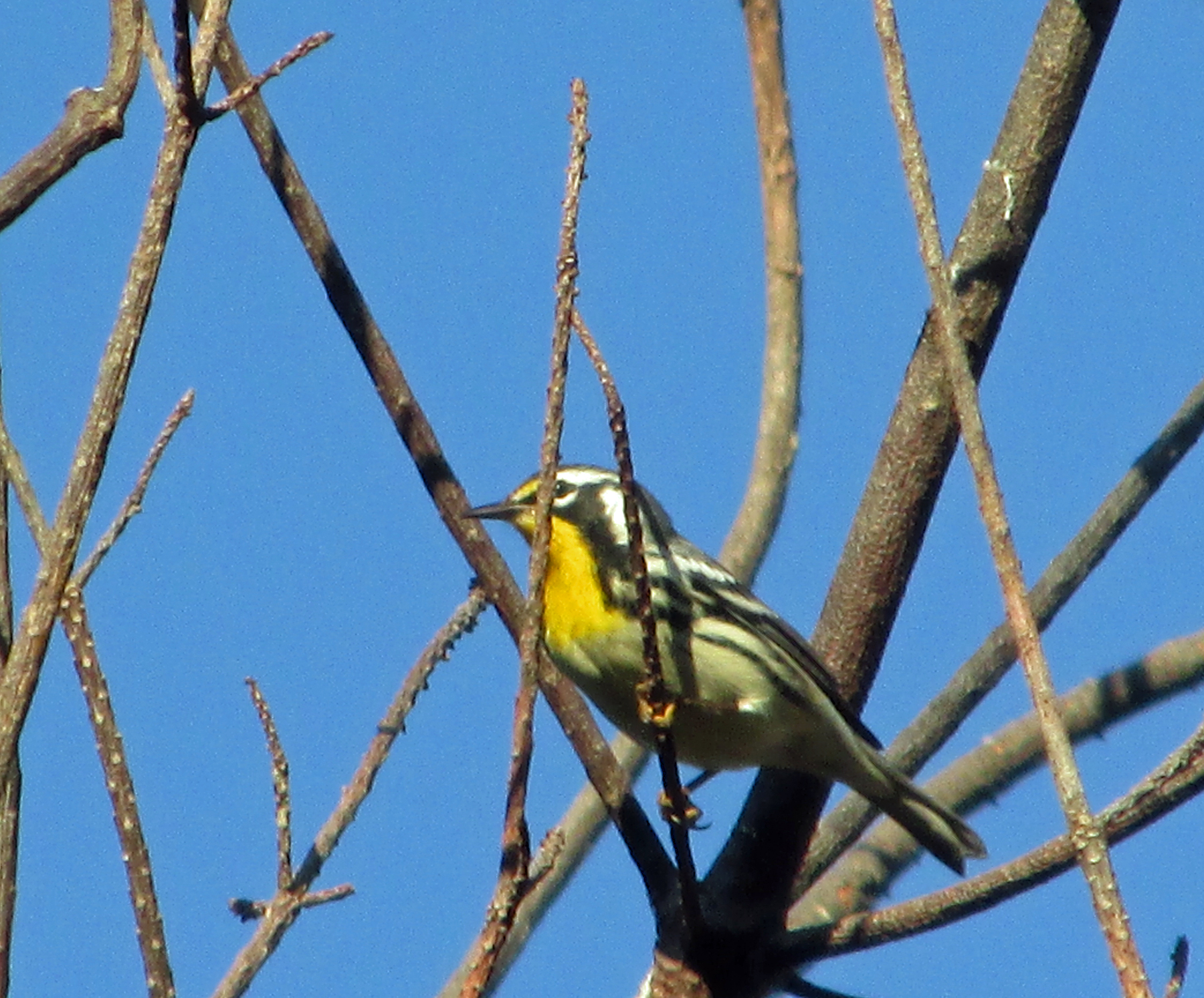
Photo by Bryan Stevens A Yellow-throated Warbler makes a migratory stop in my yard on the first day of September.

These three “tree warblers” are all fairly common fall migrants, making stops in gardens, backyards and woodland edges throughout Northeast Tennessee, southwest Virginia, and western North Carolina. They and their relatives will make the remaining weeks of September and early October an exciting time for warbler enthusiasts. 


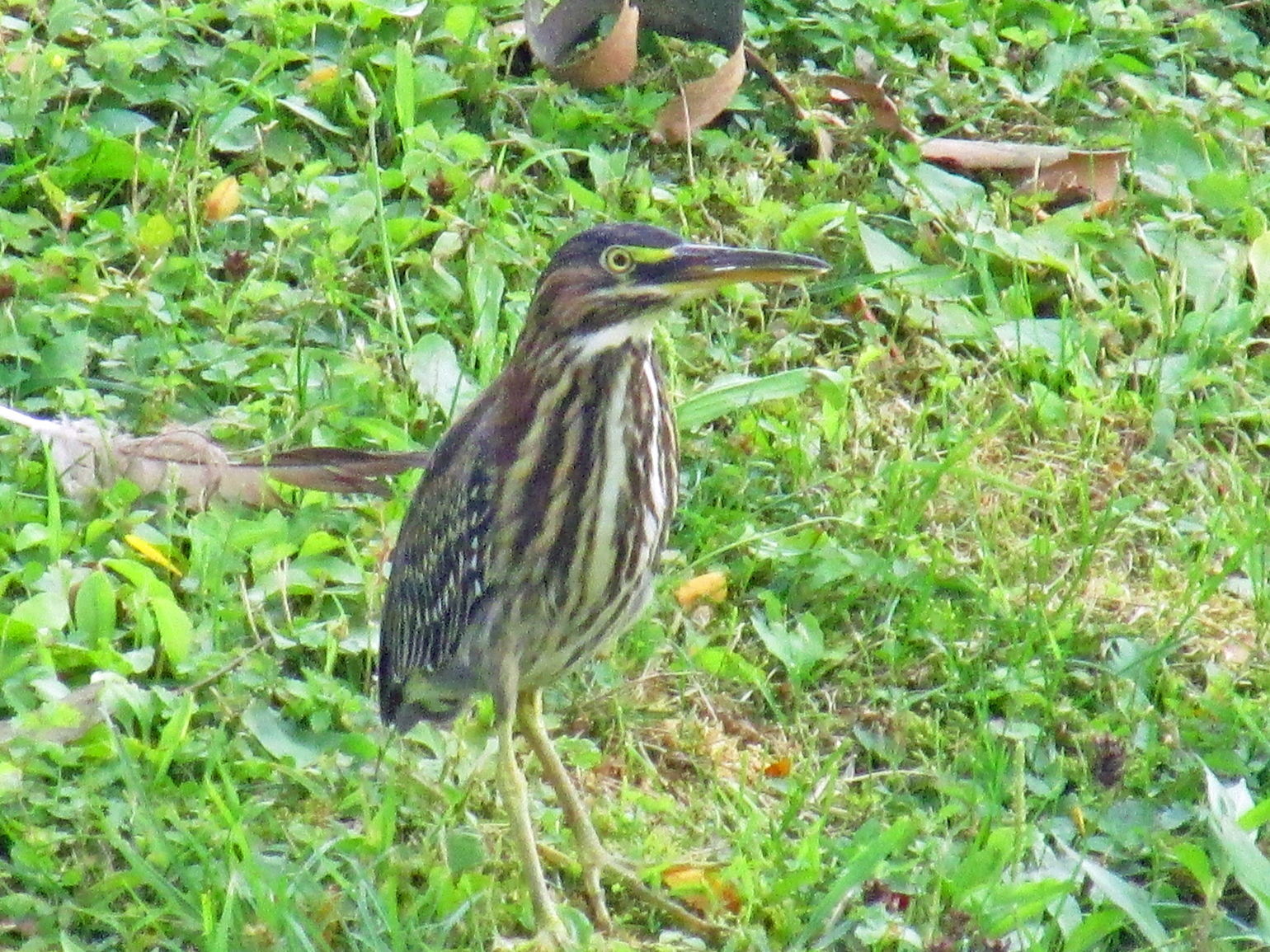
Green herons, one of the smaller wading birds, often overlooked as they lurk near water’s edge

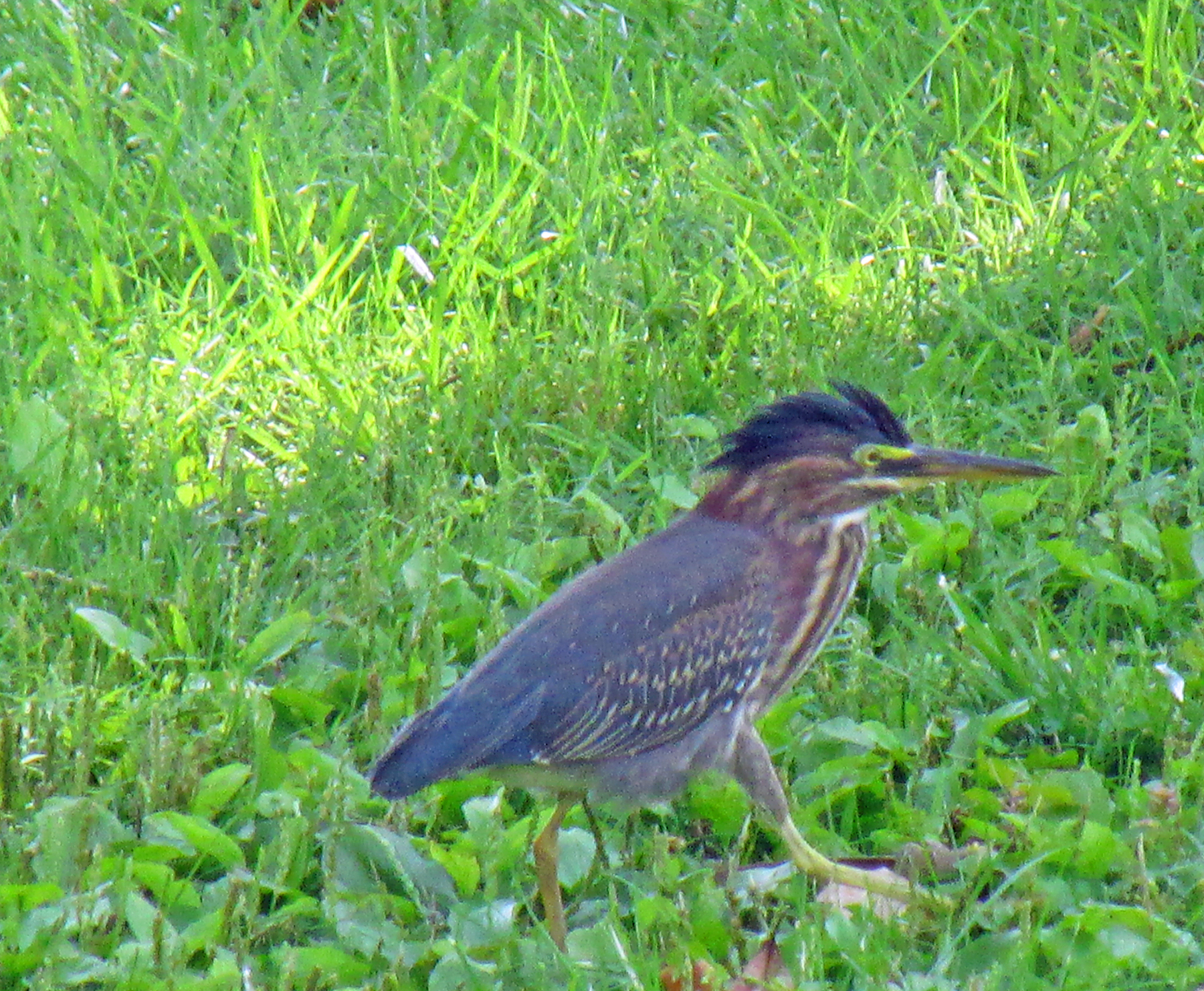
Photo by Bryan Stevens • A Green Heron elevates a shaggy crest of feathers, a behavior often initiated when the bird feels alarmed.

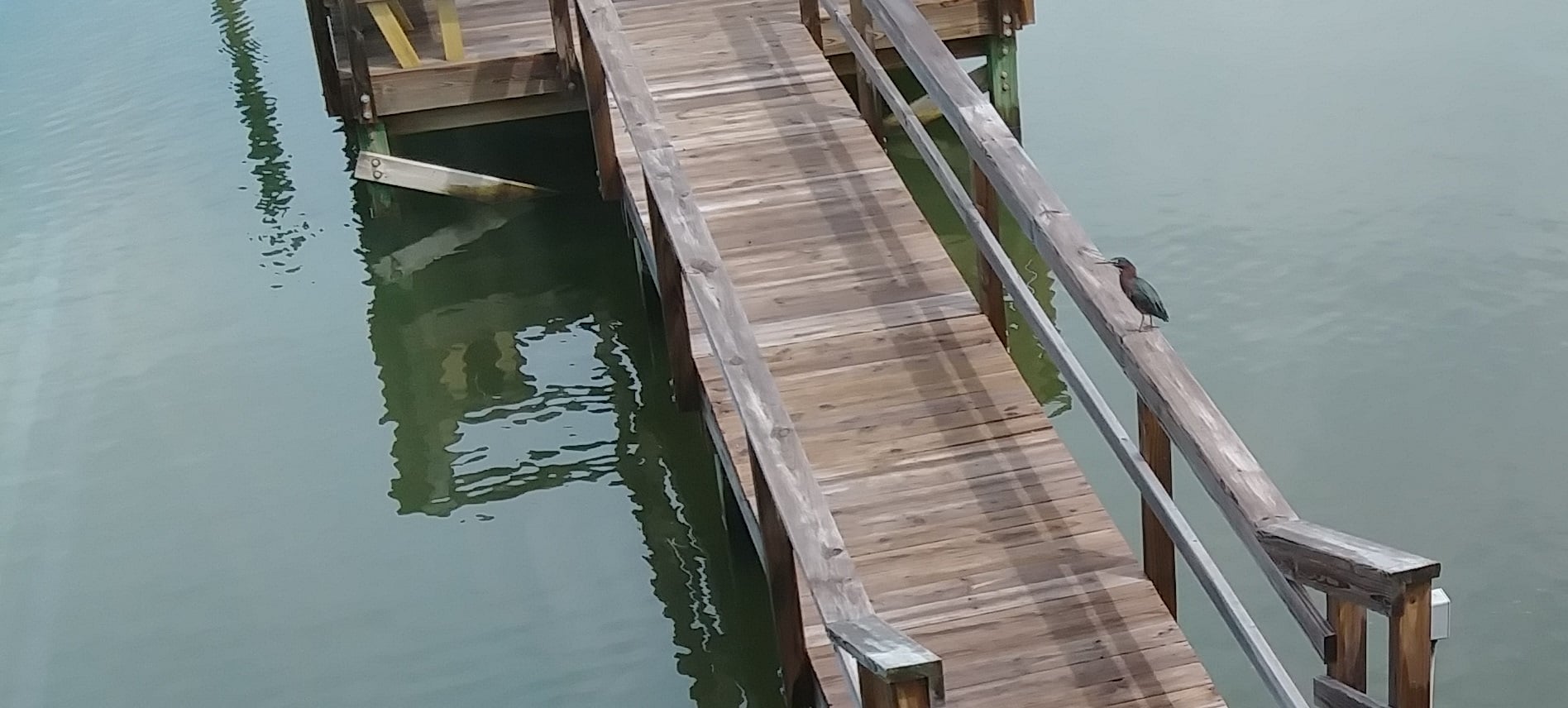
Byron Tucker and Ricky Dunklin, friends from Atlanta, contacted me on Facebook to ask if I could help identify a bird they had photographed during a trip to Sunset Beach in North Carolina in early August. When I saw the photographs I recognized that the visitor to a small dock at their vacation spot was a green heron.

Photo Contributed by Byron Tucker/Ricky Dunklin • A Green Heron visits a dock at Sunset Beach in North Carolina.

Green herons are not restricted to coastal areas, but it was still somewhat unexpected when I stepped onto my front porch on Aug. 19 and saw a green heron flying at treetop level. I suspect the bird had been perched in one of the tall trees on the ridge behind my house. The slamming of my front door probably spooked the bird into flight.

Green herons and other wading birds are usually quite abundant in wetlands across the country in late summer. The scientific name — Butorides virescens – of this bird comes from a mix of Middle English and Ancient Greek and roughly translates as “greenish bittern.”

Photo by Bryan Stevens • A Green Heron grasps a perch overlooking a small creek in Erwin, Tennessee.

There are only two other species in the genus Butorides — the lava heron, which occurs on some of the Galapagos Islands of Ecuador, and the striated heron, which is found in wetlands throughout the Old World tropics from West Africa to Japan and Australia. This heron, which is also known as the mangrove heron, also occurs in South America.

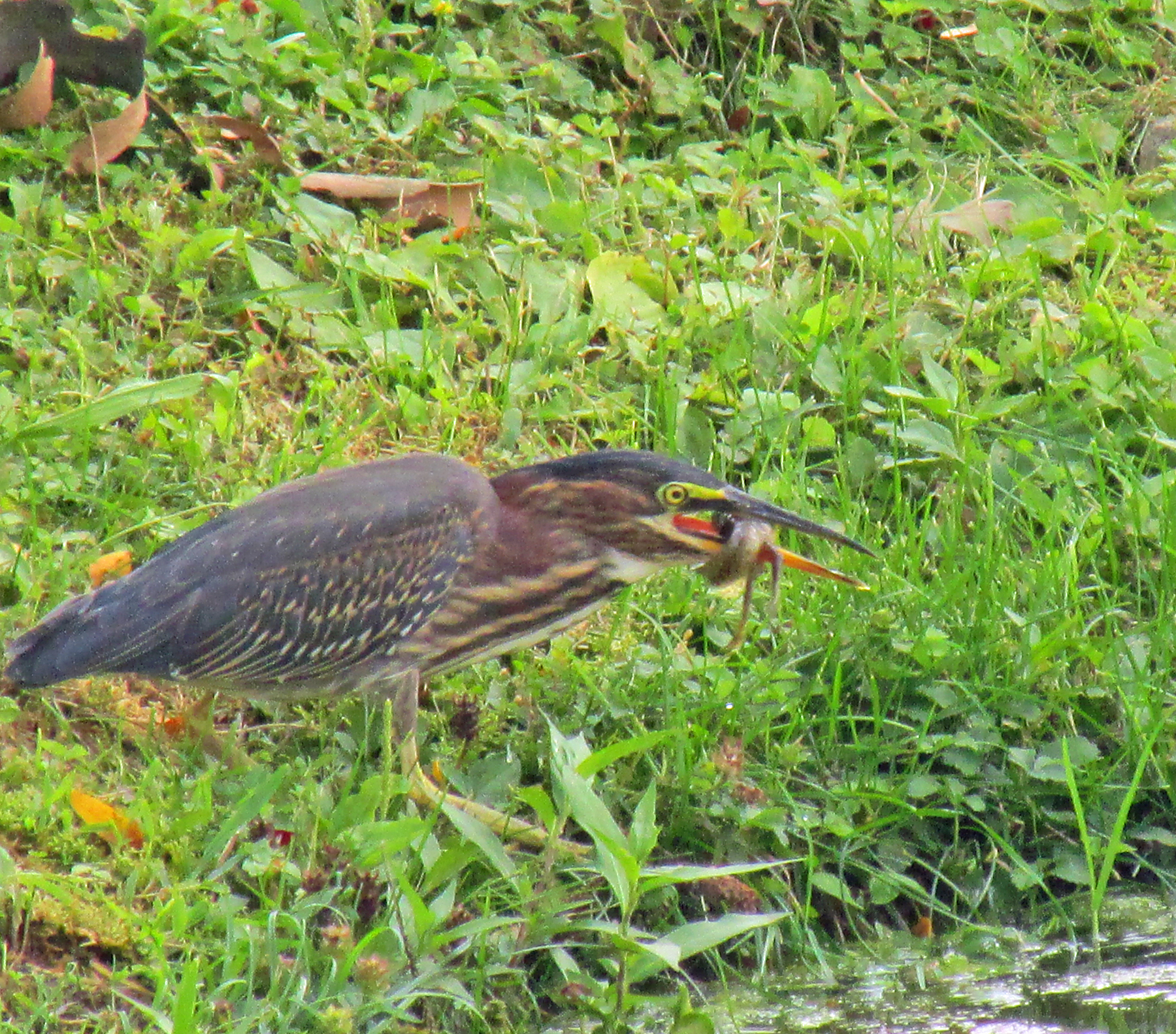
The green in the bird’s plumage appears as a dark green cap, as well as a greenish back and wings. Adult birds also have chestnut-colored neck feathers and a line of white feathers along the throat and belly. These herons often assume a hunched position, which can make them look smaller than they actually are.

It’s been a good summer for wading birds. In addition to the green heron, a great blue heron has been lurking in the creek in front of my home and at my fish pond. Much larger than the green heron, the great blue heron has not escaped the notice of a local flock of American crows. The crows harass the heron whenever the larger bird takes flight.
On the first day of August, I stopped with my mom at the pond at Erwin Fishery Park. We were treated with an observation of a great egret fishing along the edges of the pond. Egrets and herons are known for wandering outside their normal range in late summer after the nesting season has concluded.

Photo by Bryan Stevens • A young Green Heron rests at the edge of a pond.

Keep alert when walking along the trails in Erwin, Tennessee, and you may catch sight of one of these interesting herons or egrets, too. The edges of the fish pond at Erwin Fishery Park is also a reliable haunt for green herons. Farm ponds in the countryside around Jonesborough, Tennessee, as well as wetland habitat around the town’s Persimmon Ridge Park, are also good places to look for this small heron. The wetlands at Sugar Hollow Park in Bristol, Virginia, is another dependable location for seeing this small heron. Most green herons will depart in late September and early October. This small heron retreats from the United States during the winter season but will return next spring in April and May.

Photo by Bryan Stevens • Green herons are short, stocky herons that can assume some comical poses.

The green heron’s range during the nesting season includes Canada and much of the United States. Green herons will sometimes form loose nesting colonies, but at other times a pair will choose a secluded location as a nest site. The female will usually lay from three to five eggs. Snakes, raccoons and other birds such as crows and grackles are potential threats to eggs.

For the most part, the population migrates to Central and South America for the winter months. A few herons — great blue heron and black-crowned night heron — remain in the region throughout the year, even enduring the cold winter months in Northeast Tennessee, Southwest Virginia and Western North Carolina.

These herons are probably more common than we realize. They are skilled at blending with their surroundings, but sharp eyes can find these herons around almost any body of water, whether it is pond, marsh, river, creek or lake.

They usually depart the region in October, so the remaining days of August and September provide opportunities to observe both resident green herons and their migrating kin.

Photo by Bryan Stevens • A Green Heron finesses a captured tadpole in its bill.

Belted kingfisher and its kin successful at fishing, much more

Photo by Public Domain Photos/Pixabay.com • A female belted kingfisher returns to a perch after a successful catch.

A belted kingfisher has visited the fish pond quite frequently throughout this summer. The bird’s arrival is usually heralded by its hoarse, rattling call. The bird is rather shy, so any observation usually has to be done with some degree of stealth.

Belted kingfisher

I know fishing is a favorite pastime for many people. In these times of social distancing, there’s probably nothing better for some people to do than to spend a lazy summer afternoon baiting a hook and trying their luck at their favorite fishing spot. While doing so, they have probably encountered the angling counterpart among our feathered friends. The belted kingfisher’s nature as an angler rules out this bird visiting feeders in the backyard, but that doesn’t mean one is unlikely to see this bird. With a little strategic effort, a glimpse of a belted kingfisher is fairly easy to obtain, especially during the summer months. Any stream, pond, river or other body of water increases the chances of observing this fascinating bird.

The belted kingfisher prefers to perch on an exposed branch or a wire that overlooks a body of water that offers ample fishing opportunities. The belted kingfisher, however, is capable of hovering in place in order to spot and then capture its prey in an impressive plunge and lunge into the water.

Most of my observations of hunting kingfishers have involved the birds in their ambush approach to fishing — perching and diving on the unsuspecting fish. I have on a few occasions also observed kingfishers as they hover over the water in a quest for a meal.

The belted kingfisher, like most of its kin, looks to have a head and bill that are slightly too large for the rest of the body. It’s the long, heavy bill that the belted kingfisher uses to snatch fish from their watery homes.

The term “belted” refers to bands of feathers across the bird’s belly. Female belted kingfishers sport bands of rusty-red and blue feathers, while males are limited to a blue belt across the upper breast. Female belted kingfishers are an exception to the rule that most male birds are more vividly colored than their female companions.

A walnut tree with some dead branches overlooking my family’s fish pond is a favorite perching site for visiting belted kingfishers. A few become become regular visitors almost every spring and summer. In past years, I’ve been delighted by pairs of kingfishers that have brought as many as six of their offspring to hunt around the edges of the pond and creek near my home.

When a belted kingfisher does manage to capture a fish — not always a certainty, despite their great skill — the bird will usually fly to a perch where they will beat the fish unconscious before swallowing it. I remember one particular kingfisher that liked to catch fish in the creek and then fly to the corner of the metal garage roof where the bird proceeded to beat senseless the unlucky fish.

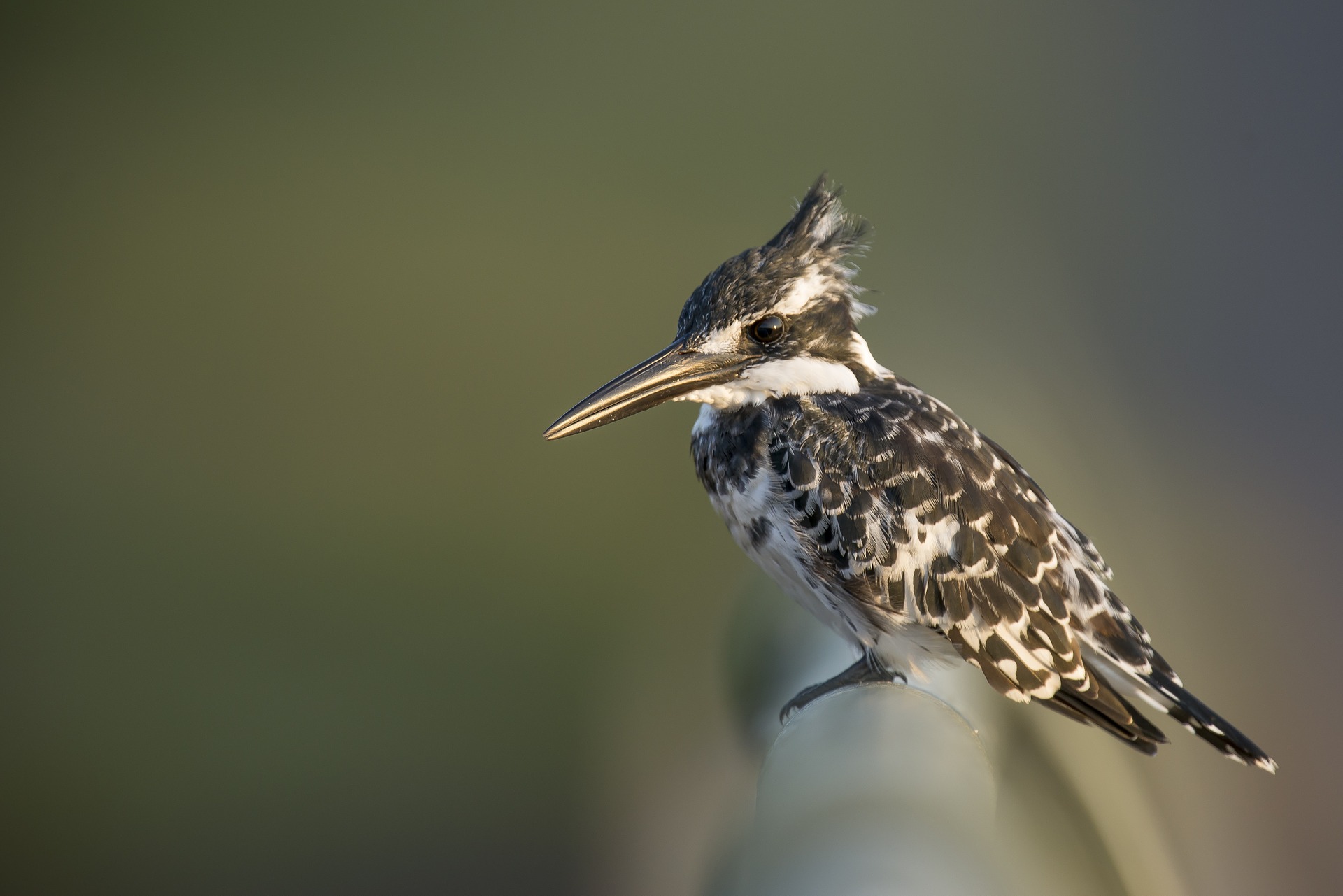
Photo by Pixabay.com • The pied kingfisher is a common member of the kingfisher family that ranges throughout Europe.

While the belted kingfisher is the only one of its kind in the eastern United States, the kingfishers are a large family of birds found around the globe. Worldwide, there are about 90 species of kingfishers that range in size from the 16-inch-long laughing kookaburra of Australia to the tiny African dwarf kingfisher, which at four inches in length is smaller than most sparrows. This family of birds is divided into three groupings: the river kingfishers, the tree kingfishers and the water kingfishers.

Despite the name “kingfisher,” not all kingfishers exist on a diet of fish. Some members of the kingfisher family instead prey on other quarry, such as snakes, lizards and insects.

Some of the varied names for members of this far-flung family of birds include moustached kingfisher, malachite kingfisher, shining-blue kingfisher, azure kingfisher, hook-billed kingfisher, little kingfisher, banded kingfisher, red-breasted paradise kingfisher, lilac kingfisher, glittering kingfisher, great-billed kingfisher, chocolate-backed kingfisher, ultramarine kingfisher, chattering kingfisher and yellow-billed kingfisher.

Photo by WelshPixie/Pixabay.com • The malachite kingfisher is a river kingfisher widely distributed in Africa south of the Sahara.

The family also consists of a group of related birds from Australia and New Guinea known as kookaburras, which includes blue-winged kookaburra, spangled kookaburra, rufous-bellied kookaburra, and the well-known laughing kookaburra. Hollywood often dubs the raucous calls of kookaburras into the background soundscapes of movies and shows with tropical themes.

Photo by Magee/Pixabay.com • The raucous calls of the kookaburra, an Australian kingfisher, are often incorporated into the background of jungle scenes in Hollywood movies.

There’s nothing quite so disappointing as coming home empty-handed after a day of fishing. Belted kingfishers rarely suffer that disappointment. Although not successful in every attempt, the belted kingfisher is certainly exceptional in its pursuit of fish. According to John Eastman in his book, “Birds of Lake, Pond and Marsh,” the belted kingfisher typically captures about 10 fish per day. That’s a feat that many human anglers might envy.


Many pint-sized birds pack plenty of pugnacious attitude

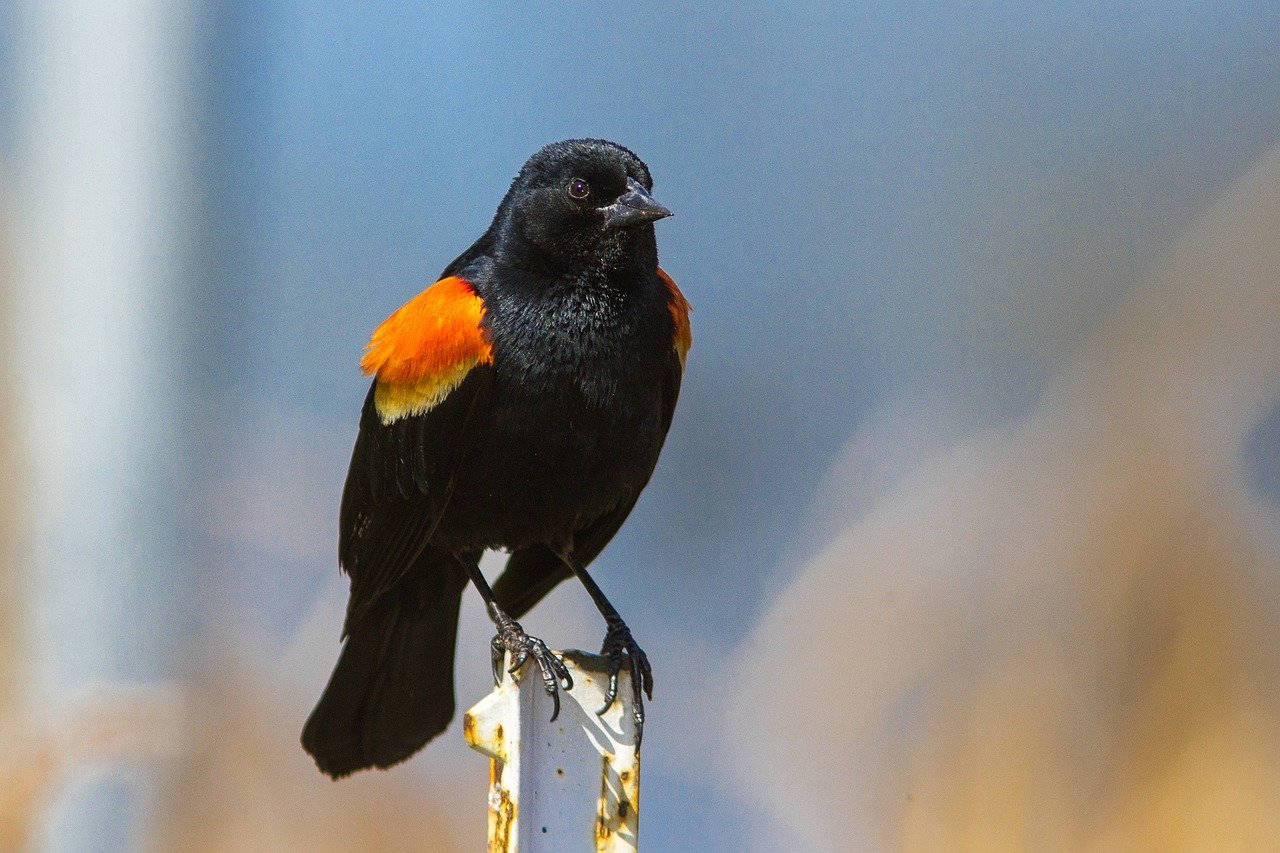
Photo by Skeeze/Pixabay.com • A male red-winged blackbird perches in an alert stance, ready to curb intrusions by other birds into his territory.

A trio of American crows (I’m not sure if a mere three individuals represent a murder of crows) flew past my porch on a recent morning. They were immediately bombarded by the resident male red-winged blackbird. The blackbird dove onto the back of the first crow, then doubled back and attacked the second crow. The third crow, perhaps seeing what happened to the others, perched and cawed for a couple of moments. Mistakenly thinking the coast now clear, the third crow set out to join its companions. The blackbird immediately attacked again, just as ferociously as in the previous two incidents.

Since arriving in April, the red-winged blackbirds have ruled the roost around the cattail-bordered fish pond. At the start of the nesting season, they even swooped at me when I got too close before we eventually settled into an uneasy truce. At home and at other locations, I have watched these blackbird attack everything from turkey vultures and great blue herons to white-tailed deer and cats.

Simply put, red-winged blackbird brook no interlopers. The observations of the blackbird with the crows got me to thinking of other birds known for their pugnacious natures. In no particular order, here are some bantam weight candidates for the title of “Most Pugnacious Bird.”

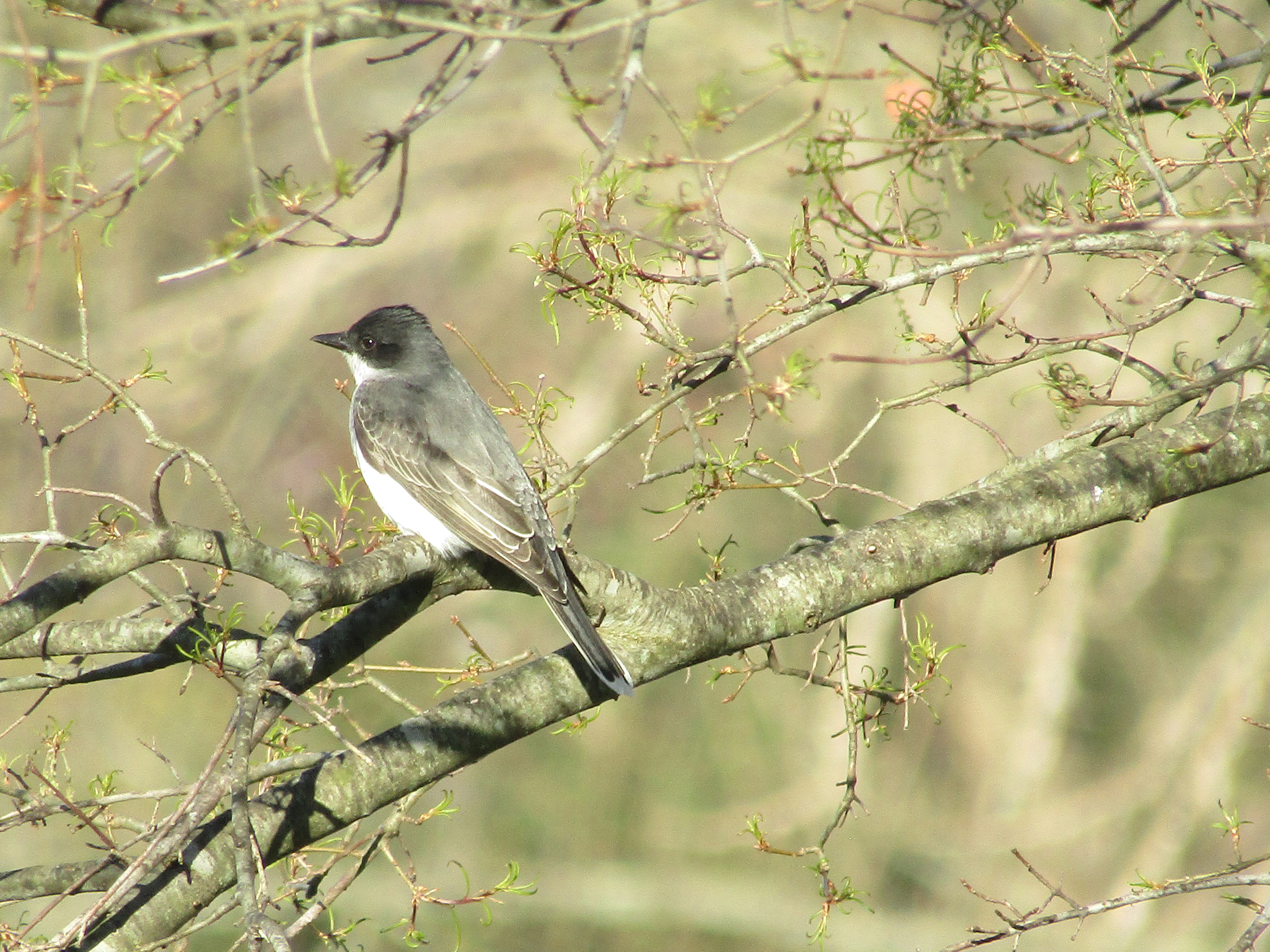
Photo by Bryan Stevens • The scientific name of the Eastern kingbird is Tyranus tyranus, a good indicator of this bird’s haughty attitude toward other birds.

Eastern kingbird

The Eastern kingbird, a member of a large family of birds known as “tyrant flycatchers,” is famous for displaying an outsized attitude toward larger birds. The scientific name for this bird is Tyrannus tyrannus, which succinctly summarizes the kingbird’s belligerent attitude toward other birds. Mated pairs of kingbirds work together to drive intruders out of their territory. Kingbirds will launch themselves into battle against much larger foes, including red-tailed hawks, American crows and blue jays. Crows and jays are well-known for robbing the nests of other birds, so the aggression of kingbirds for these corvids is quite justified.
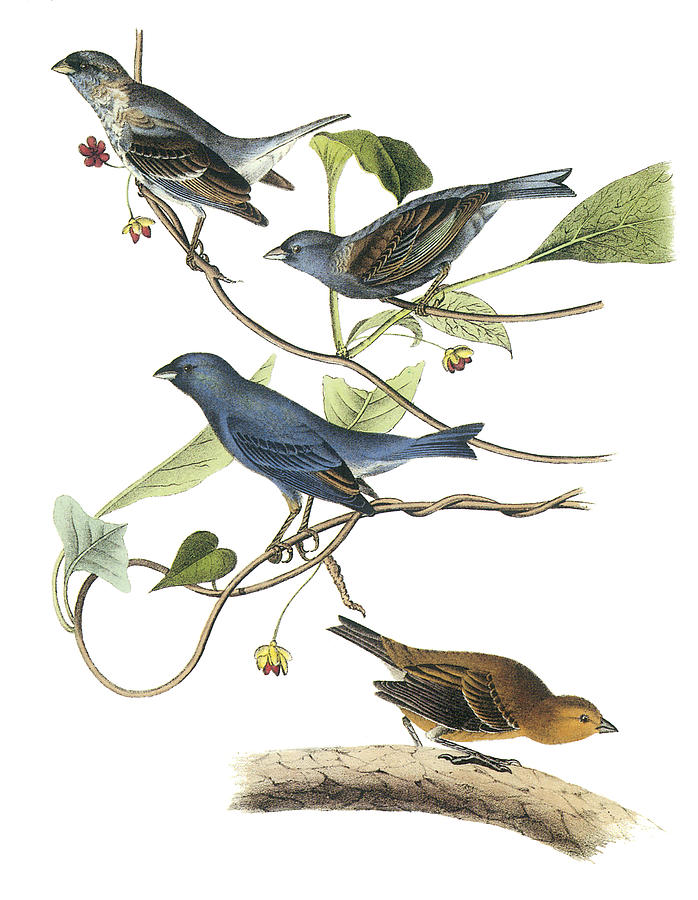
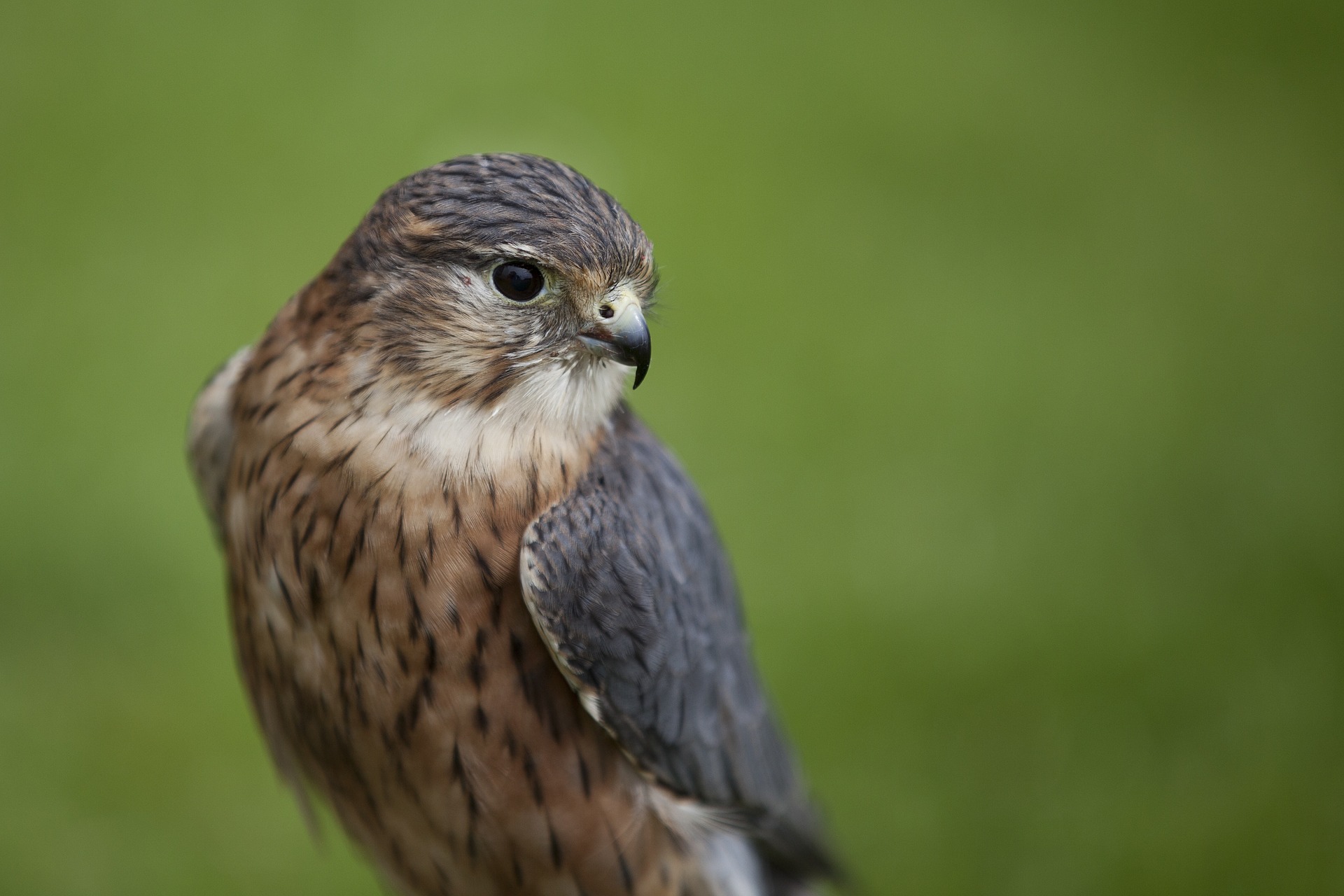
Photo by AdrianKirby/Pixabay.com • The merlin is a pint-sized falcon with plenty of feisty spirit. These raptors do not hesitate to duel with birds many times their size.

Merlin

Merlins have a reputation for being pint-sized punks among raptors. The merlin is a member of the falcon family, which also includes birds like the American kestrel and peregrine falcon. I once saw a merlin harassing a turkey vulture, diving on the much larger but less agile bird until the vulture finally veered in another direction. This observation reinforces the merlin’s reputation for aggressively meeting incursions into its territory by other raptors. The merlin has long been associated with the forests of North America and Eurasia, but in recent decades it has proven capable of adapting to life in urban landscapes.

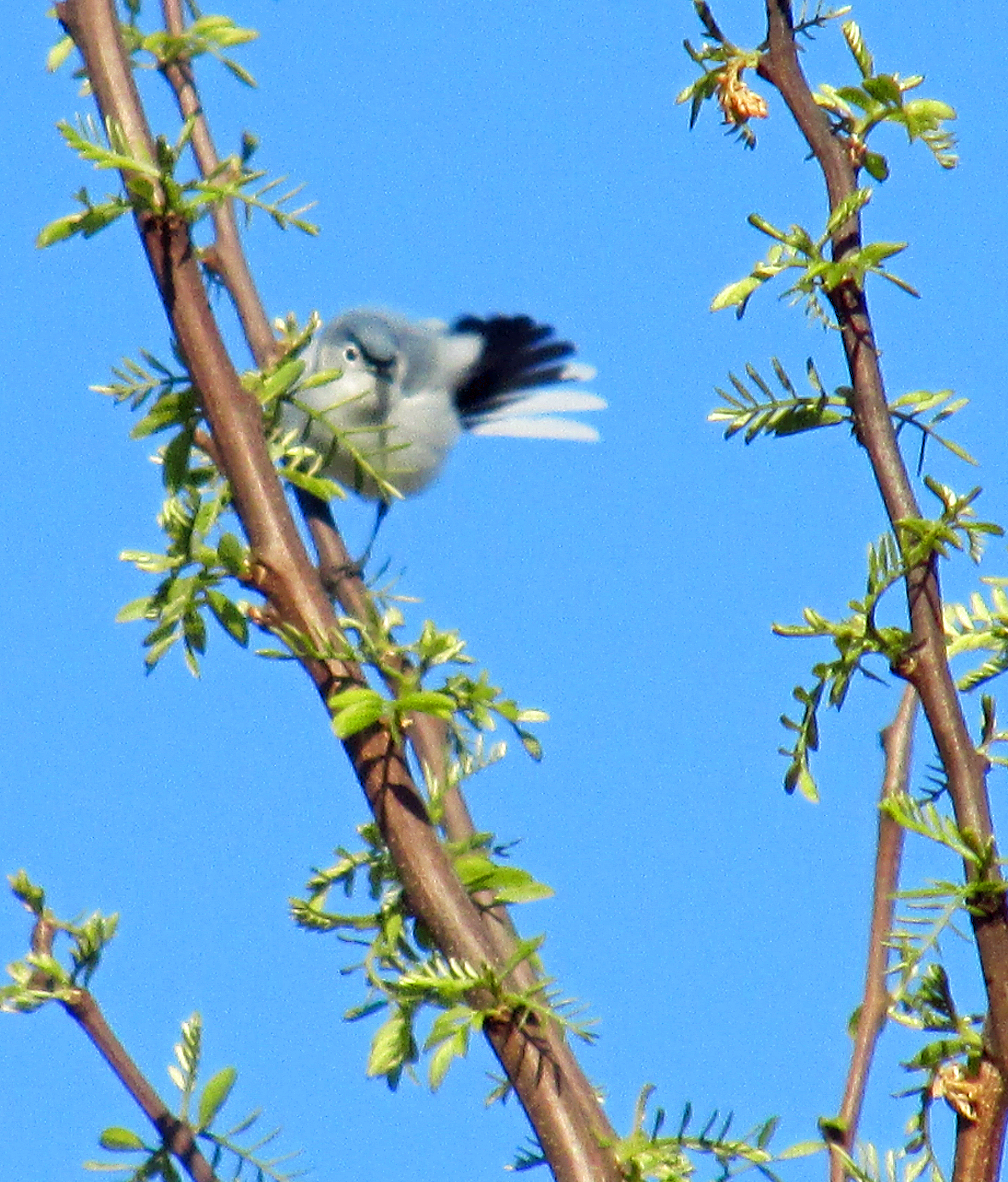
Photo by Bryan Stevens • Blue-gray gnatcatchers are noisy and, quite often, quarrelsome birds that don’t let their small size get in the way of attempting to intimidate other birds.

Blue-gray gnatcatcher

Blue-gray gnatcatchers are noisy, scolding songbirds at the best of times. They are also determined to protect their nesting territories at all costs and will attack much larger birds. They don’t hesitate to call for reinforcements when warranted. They will drum up a brigade of feisty, feathered fighters to repel intrusions by potential predators too large for a gnatcatcher and its mate to handle on their own. In North America, the gnatcatcher ranks in size with birds like kinglets and hummingbirds. Despite its diminutive status, the gnatcatcher acknowledges no superiors.

Photo by BlenderTimer/Pixabay.com • In a family of rather insufferable bullies, the rufous hummingbird stands out as particularly pugnacious.

Rufous hummingbird

In a family known for cantankerous behavior, one hummingbird stands out. In North America, the rufous hummingbird has a reputation for having a bad temper. These tiny birds with huge metabolisms must compete fiercely for resources, but they often appear go out of their way to attack other hummingbirds. The rufous hummingbird ranges along North America’s Pacific Coast and the Rockies as far north as Alaska and western Canada. A migration quirk occasionally brings these hummingbirds to Northeast Tennessee during fall and early winter.

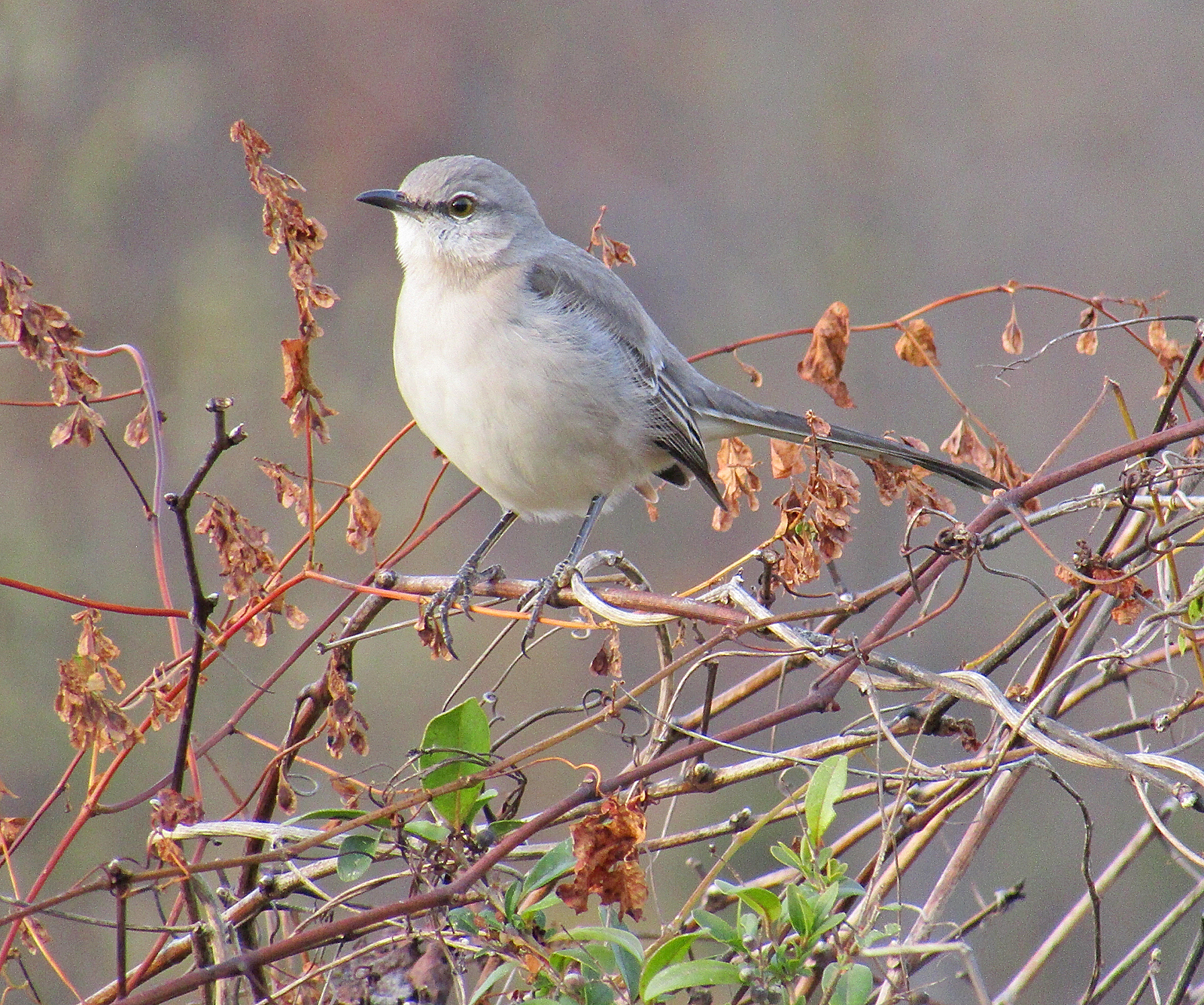
Photo by Bryan Stevens • The Northern mockingbird is zealous in defending its territory from other mockingbirds or any other intruders, including humans, cats, dogs, snakes and almost any other real or imagined threat.

Northern mockingbird

I’m not sure every person who has had a Northern mockingbird nest in their yard or garden would describe the experience as a pleasant one. It’s not without cause that the mockingbird is often described as ruthless, aggressive and pugnacious in defense of its nest and young. These birds don’t hesitate to attack humans or their pets, such as cats and dogs, if any wander too far into their territory. In fact, mockingbirds appear to take positive glee in forcing intruders to flee. Early American naturalist and artist John James Audubon captured a dramatic moment when he painted a pair of mockingbirds defending its nest from a rattlesnake. The painting is also an early example of the ties between humans and mockingbirds. The nest is located in a hanging basket of yellow flowers. Even during Audubon’s time, mockingbirds had quietly adjusted to human activity and had deigned to allow us into their daily lives. It’s just best not to step out of line. Mockingbirds have ways of dealing with pushy people.


Gray catbird noisy visitor, but not one of region’s more showy birds

Gray

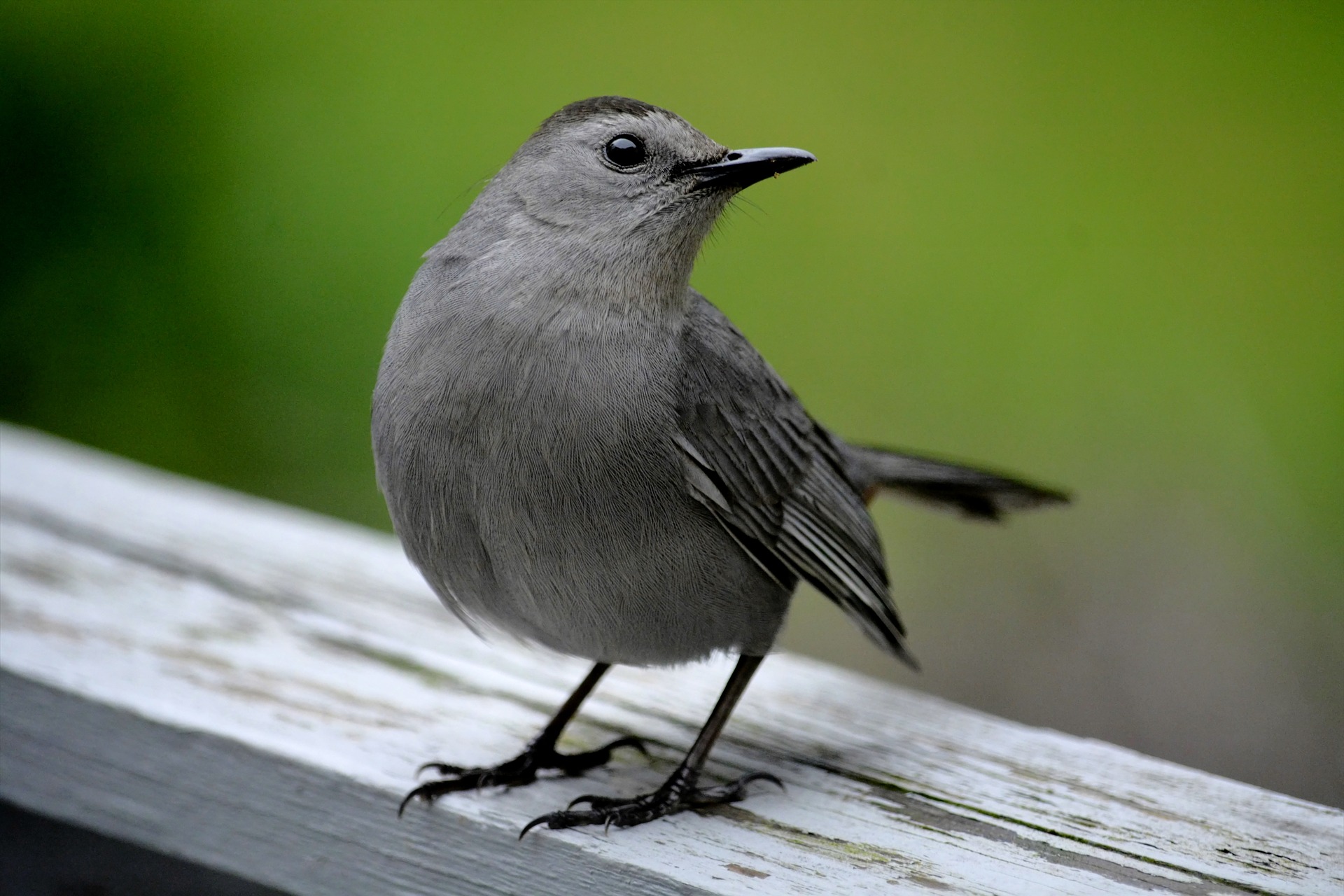
Photo by Jack Bulmer/Pixabay.com • A gray catbird visits a backyard bird bath for a drink.

Thomas A. Kidd contacted me in late June with a comment about one of my favorite summer birds. “I have lived in the City of Columbia, Tennessee, for 37 years and until this spring and early summer I had never seen the Gray Catbird,” he wrote. “They are very pretty birds that I enjoy watching from my kitchen window at the bird bath.”

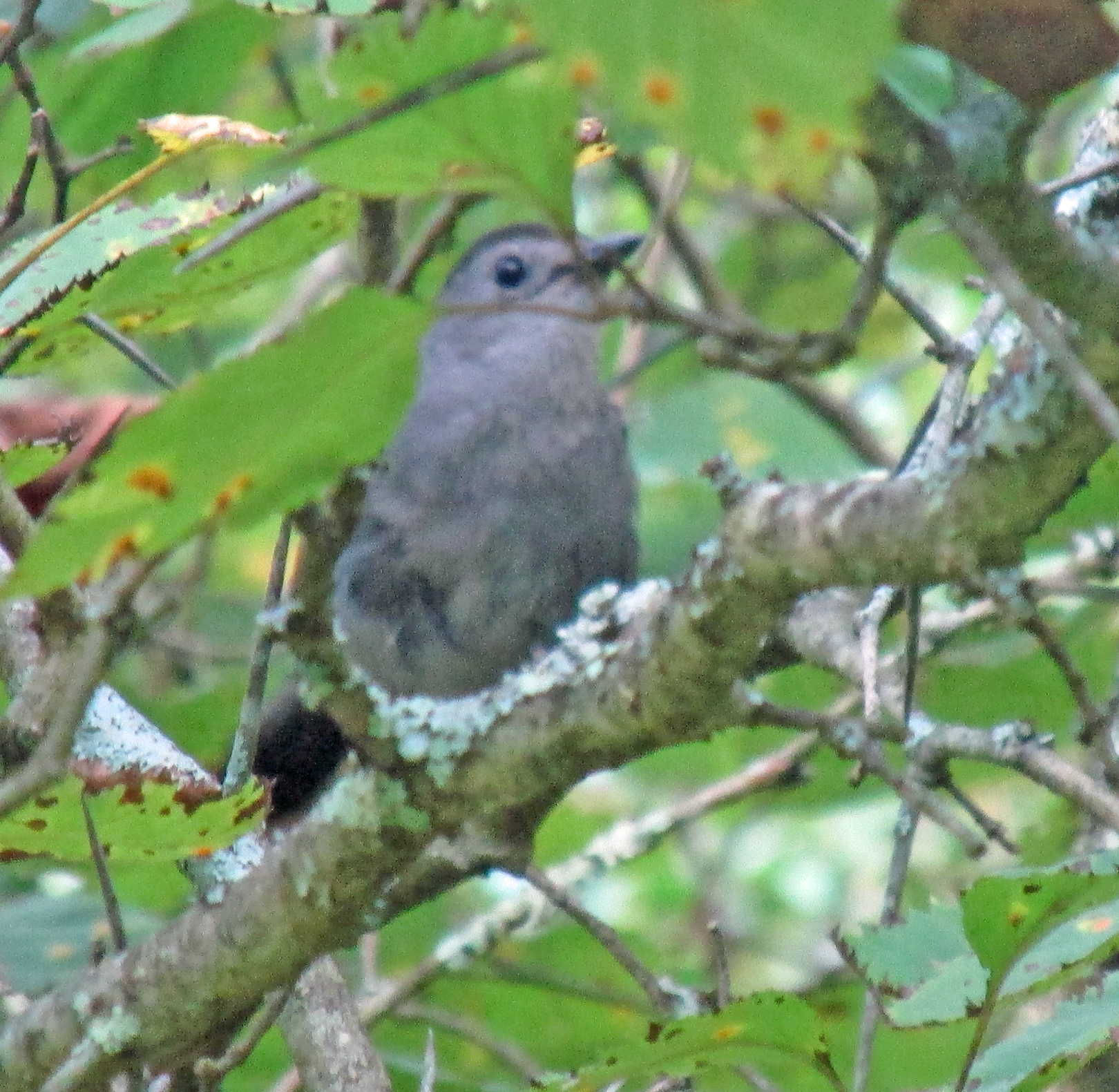
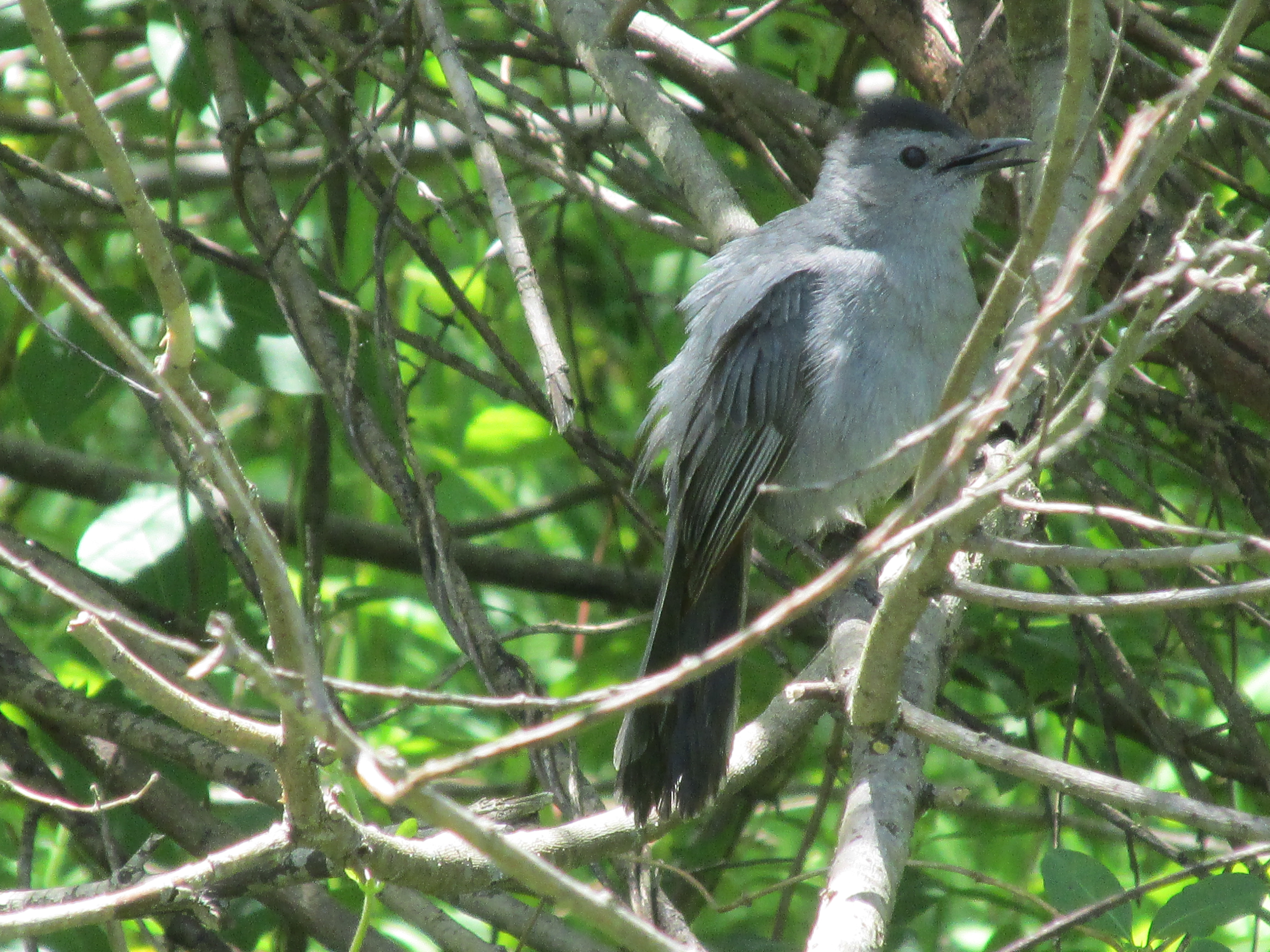
Catbirds are experts at concealing themselves from prying eyes. The gray plumage blends into the shadowy sections of the tangles and thickets where the bird likes to hide itself. However, even when gray catbirds are reluctant to be seen, they’re almost eager to be heard. The catbird is extremely vocal with several calls and songs in its repertoire, including the rather faithful rendering of a fussy cat’s meow that provides this bird its common name.

They’re part of a family related to thrushes that are known as “mimic thrushes.” Besides its surprisingly accurate rendition of a feline, the catbird has several other common vocalizations. Despite their shy nature, they’re extremely curious. Imitating their calls or simply producing a squeaky sound will usually persuade the bird to move out of cover and search for the source of the noise.

Catbirds are part of the parade of returning birds each spring that includes species like rose-breasted grosbeaks, scarlet tanagers, Baltimore orioles and indigo buntings, but because they lack the brilliant plumages of these other birds their arrival would probably go unnoticed if not for the fact they are extremely noisy for the first few weeks they are back. Then they go silent again and remain quieter as they take up the serious business of raising young.

Catbirds are experts at concealing themselves from prying eyes. The gray plumage blends into the shadowy sections of the tangles and thickets where the bird likes to hide itself. However, even when gray catbirds are reluctant to be seen, they’re almost eager to be heard. The catbird is extremely vocal, with several calls and songs in its repertoire, including the rather faithful rendering of a fussy cat’s meow that provides this bird its common name.

Photo by Bryan Stevens A curious Gray Catbird peeks from dense cover. Attendees at the fall rally can look for catbirds and other species at any of the offered bird hikes.

They’re part of a family related to thrushes that are known as “mimic thrushes.” Besides its surprisingly accurate rendition of a feline, the catbird has several other common vocalizations. Despite their shy nature, they’re extremely curious. Imitating their calls or simply producing a squeaky sound will usually persuade the bird to move out of cover and search for the source of the noise.

Catbirds are part of the parade of returning birds each spring that includes species like rose-breasted grosbeaks, scarlet tanagers, Baltimore orioles and indigo buntings, but because they lack the brilliant plumages of these other birds their arrival would probably go unnoticed if not for the fact they are extremely noisy for the first few weeks they are back. Then they go silent again and remain quieter as they take up the serious business of raising young.

They are related to thrashers and mockingbirds, but scientists find them just different enough to warrant placing the gray catbird in its own genus. A relative known as the black catbird, which ranges throughout the Yucatan Peninsula of Mexico as well as northern Guatemala and northern Belize, also belongs to a genus of its own. Both catbirds are classified as “mimic thrushes,” or Mimidae, of which there are about 30 species in the New World. There is a totally unrelated family of catbirds that ranges through Australia, Asia and parts of Africa. Some of these birds include the ochre-breasted catbird, tooth-billed catbird and spotted catbird.

The gray catbird is not as an accomplished mimic as some of its relatives, such as the Northern mockingbird. Nevertheless, experts have documented that the gray catbird can produce more than 100 different sounds. Males have motivation to constantly expand their repertoire, however, as doing so increases the likelihood of attracting a mate. They imitate other birds, but some have been recorded imitating frogs and other non-avian singers.

While not generally considered a bird to visit feeders, people have succeeded in attracting catbirds to feeders designed to offer grape jelly or orange slices. Planting fruit-bearing shrubs and trees is the best means of attracting these fascinating birds to your yard and garden. It’s also best not to clear away brush and tangles from your yard if you wish to attract catbirds. These are shy birds and will avoid areas that are too open and spacious. 


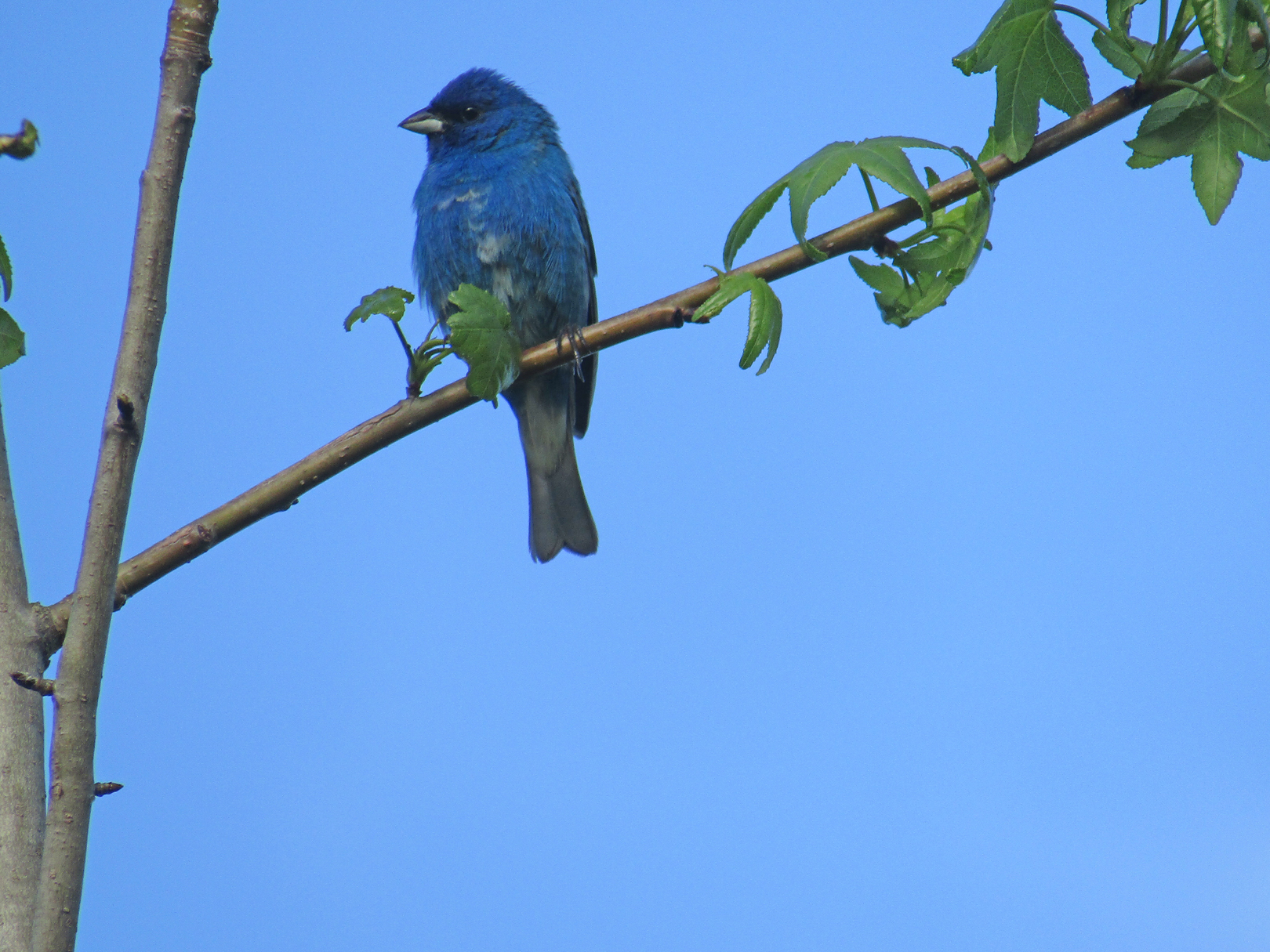
Indigo buntings among summer’s most welcome birds

Photo by HeronWorks/Pixabay.com • An indigo bunting feeds on millet seeds at a backyard feeder. These dazzling blue birds are a common summer visitors in Northeast Tennessee.

It’s been a wet summer so far, and a verdant hue has been the rule as trees and other plants seem to be thriving. The green canopy of trees around my home offers concealment for hidden singers, including red-eyed vireos, wood thrushes, and indigo buntings. Those last ones have been a source of some frustration. I have heard a male indigo bunting singing persistently on a daily basis all last month, but glimpsing him in the green foliage has been a challenge.

Two recent summer bird counts have also emphasized some of the more commonplace birds in the region. While American robins and European starlings were extremely abundant, these two birds are permanent residents and are present year-round. A few other summer songbirds also helped swell the ranks of some of the seasonally common birds. For instance, the Unicoi County Summer Bird Count found a total of 131 indigo buntings, while the Carter County Summer Bird Count tallied 105 of these little blue beauties. Both of these Northeast Tennessee surveys are conducted by members of the Lee and Lois Herndon Chapter of Tennessee Ornithological Society.

Photo by Bryan Stevens • Neotropical migrants, such as this indigo bunting, provide some vibrant color during the hot summer months.

Buntings like to reside in the boundary region where forests and woodlands meet fields and pastures. Personally, the indigo bunting has always been a bird that is suggestive of the long, hot days of summer. One of my earliest and still quite vivid birding memories is a recollection of a shockingly blue bird and a stunning yellow and black bird sharing perches atop a blue spruce tree in my yard. Several decades later, the tree is no longer standing, but these beautiful birds — I now know these summer visitors were indigo buntings and American goldfinches — return year after year to my yard and gardens.

Photo by Bryan Stevens • This male’s indigo bunting’s plumage is beginning to look somewhat worn in late summer.

These birds usually arrive in the region in late April and I’ve seen them in late October, although most indigo buntings have left the region by late September. Male indigo buntings are persistent singers, and in the past couple of weeks one very enthusiastic male has been singing even during the hottest hours of recent July afternoons. The preference of this small songbird is to sing from the tops of tall trees. They are often concealed by the green leaves. When I do get a glimpse of the obscured songster, often all I see is a dark shape silhouetted against the bright sky. Sometimes, if he plunges from the upper branches into the woodland understory, I get that telltale glimpse of blue feathers.

The indigo bunting is the only solid blue bird in the eastern United States. It’s all an illusion, however. The indigo bunting’s feathers are not really blue; the male’s brilliant azure plumage is caused by the process of refraction. This process absorbs all but blue light, which explains why the indigo bunting appears blue. In bright light, it can even look unnaturally vivid blue. In poor light, however, an indigo bunting male can appear black. Fortunately, indigo buntings have both a characteristic body shape and song, so even if the birds are not seen at their best, they can still be recognized.

Like many species of songbirds, the male is by far the most colorful. In this instance, the male is also responsible for the species’ name. Indigo is a blue dye that was once an important crop in the South. The drab female may boast some blue highlights in her plumage. Juvenile birds just out of the nest also resemble the female. Pay close attention to any indigo buntings you observe as summer progresses. Juvenile birds will look mostly brown with just a hint of blue in the wings and the tail. These will be the young buntings that were hatched this spring and early summer. They will often accompany their parents to feeders, where they are extremely fond of millet seed. I like to have some feeders stocked with millet when the buntings begin to return each spring. They will also feed on thistle and sunflower seeds. Away from our feeders, they also devour plenty of seeds from various noxious weeds. Because of the indigo bunting’s appetite for the seeds of destructive weeds, it is considered a very beneficial bird. Tangible value and exceptional beauty — that’s not a bad combination for such a tiny bird.

Photo by Bryan Stevens • Although bright blue, a male indigo bunting will often blend with its surroundings.

Woman documents special relationship with pine warblers in photographs

Photo by Rebecca Boyd • Pine warblers Petey and Petunia take mealworms from a waiting hand. These two warblers have learned to trust Rebecca “Becky” Boyd in order to get a quick meal.

For Becky Boyd, the ongoing pandemic has provided an unexpected opportunity to get to know some of her resident birds on a more personal basis. She has even won the trust of some of her backyard birds, succeeding at persuading them to take food right from her hands. She has posted photographs of some of these up close and personal engagements with birds to her Facebook page, where I first began to look with awe at her success.

Boyd, who resides in Knoxville, Tennessee, discussed some of her incredible stories involving some of her own feathered friends. “First, I feel like I should explain my bird-feeding station,” she said. “My bedroom window is on the second story, adjacent to a deck.”

She noted that there is a flower box under the window that she placed a board across so that she could set food containers right outside the window. “I also have a mealworm feeder hanging from a swing arm near this window,” Becky said.

She removed the screen covering the window so that she could pull the window open to take pictures up close. “This window is next to my home office work desk, where I sit every day during the COVID pandemic while working from home,” Becky continued. “The birds have become accustomed to seeing me at the window, and the first bird that I was able to feed by hand was a ruby-throated hummingbird.”

The process didn’t take all that much effort. “I got one of those little ‘button’ feeders’ that I held out the window next to the regular feeder,” she explained. “After a half dozen attempts, it worked!”

She added that she was even able to take a video of the experience.

Boyd also spoke about her relationship with the Eastern bluebirds living in her yard. “I have a bonded pair of bluebirds that live in my yard year round, and produce three broods of babies every year,” she said. “During time periods when natural food is scarce and when they are raising offspring, I provide live mealworms in addition to dried mealworms.”

She also has a section of a tree limb with recessed holes in which she spreads Wild Birds Unlimited’s Bark Butter (a specially formulated suet) onto. The limb hangs from a hook outside the same window.

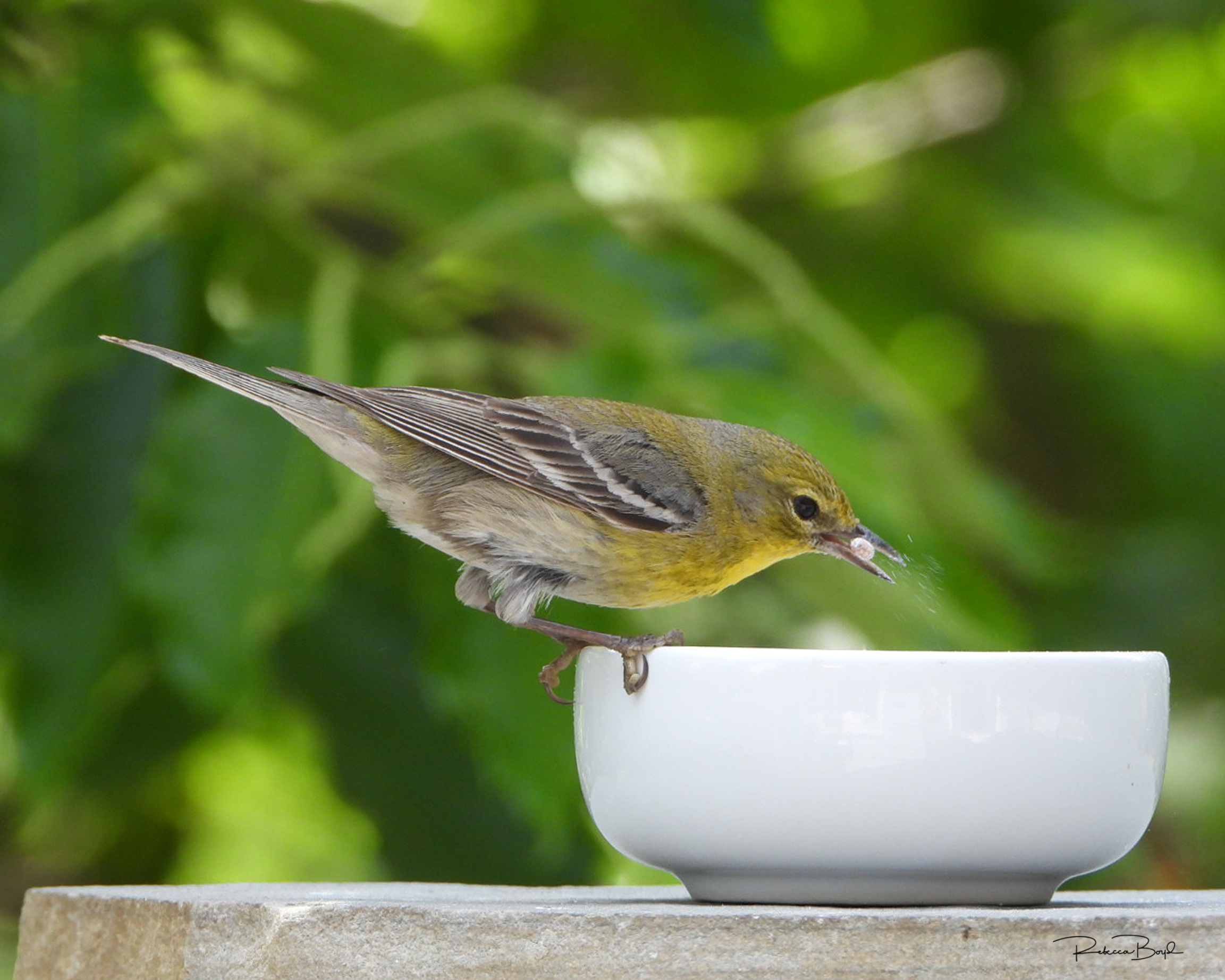
Photo by Rebecca Boyd • Petey the pine warbler grabs a mealworm from a waiting hand. Petey’s trust eventually helped introduce his mate, Petunia, to the concept of a “free lunch” at the Knoxville home of Rebecca Boyd.

Most birding enthusiasts know that bluebirds and hummingbirds are among the most trusting of birds in regard to people, but Becky has enjoyed success with some species that are usually more aloof. For instance, the limb with the “bark butter” attracted the notice of a male pine warbler earlier this year.

“Sometimes when I would spread new butter on the stick, he would flutter around close by, being impatient to get something to eat,” she explained. “A few times he landed on my hand or arm during the process.”

Then the warbler discovered the little white dish that Becky keeps filled with live mealworms intended for the bluebirds. “At first, I would reach out to take the bowl away,” she said. “Live worms are sort of expensive.”

But the persistent warbler, who she named Petey, started landing on the lip of the bowl while she held it in her hand to protect the mealworms for the bluebirds.

“Once he associated that white bowl with yummy live worms, he started watching from a nearby tree for me to open the window to put out worms,” Becky said. “He would fly over immediately to grab some.”

His forward nature inspired her to conduct an experiment.

“Often, he would helicopter over the bowl in my hand with impatience, so I tried keeping the bowl in my hand instead of setting it on the ledge,” Becky continued. “He adapted right away, and before long his mate, Petunia, started copying his behavior.”

Becky expanded the experiment. “Within a week or so, I decided to try just putting the worms in the palm of my hand instead of in the bowl,” she said. “Petey adapted right away, but Petunia was a bit more reluctant.”

Becky noted with pride that Petey will perch on her hand for quite a while to gobble up some worms for himself. He will then grab a few in his beak to take back to the nest for their offspring.

“Petunia is more tentative and strategic, and will typically land just long enough to grab a few worms,” Becky said. “I’ve noticed that oftentimes they will take their worms and squish them into the bark butter or dunk them in the birdbath before taking them back to the nest. I wonder if that makes the worms stop wiggling to make it easier for the babies to eat them.”

Becky assumed that the warblers would only eat from her hand stuck out through the window opening, but one day she was sitting in a lawn chair in her back yard.

Photo by Rebecca Boyd • Pine warbler Petey ducks his beak into a bowl of mealworms for a quick snack.

“Petey found me and started fluttering around looking for food,” she recalled. “He followed me back to the house and waited on the deck ledge for me to fetch him some worms.”

He has become quite insistent. “When I would sit on the deck to read or watch the birds, he would land on the table and trill at me with a loud, shrill song until I met his requirements,” Becky said.

Now, when she is sitting at her desk working, Petey often gets her attention by pecking on the window to let her know he’s there and waiting for worms.

“So, I keep a cup with some worms next to the window so I can quickly slide the window open and shake a few into my hand to offer him,” Becky said. “Once the first brood of fledglings started coming to the window, they chose to only eat the bark butter instead of gravitating to the mealworm feeder.”

Becky added that the fledglings have moved on now, and Petey and Petunia are working on their second brood.

Becky has some aspirations about other resident birds. “I would love to be able to hand-feed the bluebirds,” she shared. “They will come very close to me — sometimes almost nose to beak through the closed window — but they are not willing to get close enough to hand-feed.”

She has had some success getting a few of her resident tufted titmice to accept food from her hands. Petey and Petunia deserve some of the credit.

“The titmice watched how the pine warblers ate from my hand and picked up the routine very quickly,” Becky said. “One of them is so bold, I sometimes have to try to shake him off my hand like he’s a housefly, but he comes right back to latch onto my fingers!”

She often names some of the regular cast of characters among her feathered friends.

Pine warbler pair Petey and Petunia have raised two fledglings, which Becky dubbed Posey and Pansy.

She has given her Eastern bluebird pair the names of Bogie and Bacall.

“They lost all but one fledgling from their first brood this year, so I named her Solo,” Becky added. “This pair has nested in my yard for four years in a row.

Her two reliable ruby-throated hummingbirds have been given the names LeRoy and Loretta.

Photo by Jean Potter • A pine warbler visits a seed feeder at the home of Brookie and Jean Potter near Wilbur Lake in Elizabethton, Tennessee.

I asked if she has ever been described as a “bird whisperer” by her friends. “All the time!” Becky responded. “Many of my friends and Facebook Birding Group members are as amazed as I am about this experience.

Becky noted that her backyard attracts a wide variety, as well as volume, of birds. “I try to make it attractive to the birds versus pretty for the people,” she said. “I always keep two clean birdbaths available to them, and consistently keep feeders full of different types of seeds.”

In addition, she said that she plants bird-loving trees and shrubs and even left a couple of dead trees standing in the yard for the woodpeckers to enjoy. “I also try to make myself visible to the birds on a regular basis so that they understand that I’m not a threat,” Becky said. “I’m not sure if I have an actual gift, or if this is all just a wonderful result of spending so much time at home in their environment.”

Her special encounters with backyard birds provides a “rewarding feeling of awe and intrigue,” she said. “Having such a personal relationship with wild birds deepens my awareness of nature and makes me even more determined to help our songbird populations survive and thrive. That being said, I do recognize that wild birds should not be tamed such that they lose their fear of humans. Understanding this risk, I feel a mixture of joy and a little guilt. I don’t plan to encourage this behavior with any new birds, but I sure am enjoying my bond with this pine warbler pair.

Friends don’t always fully understand her enthusiasm for birds.

“Some don’t understand my passion for this or recognize how rare it is to have a personal relationship with wild birds, but most of my friends are also nature lovers who are in awe of this and wish they could do it, too,” Becky said.

“I joke that I should build a solid fence around my property and charge admission to my bird park,” Becky said. “My friends have encouraged me to start my own website to display and sell my bird photos, and I am in the process now of building my website, which will be named RidgeRockArts.com.”

In the meantime, Petey is on the verge of achieving a taste of international fame.

“An accomplished artist in Amsterdam recently saw one of my photos of Petey perched on my hand and asked to paint him to add to her portfolio,” Becky said.

Petey even crowded into the interview’s conclusion. “Here he is right now pecking on the window during this interview,” Becky said. “I must stop what I’m doing and get him a handful of worms right this instant. I think he is the one that trained me versus me training him.”


Bald eagles still soaring as inspirational success symbol

Photo by Pixabay.com • The bald eagle became the official bird of the United States in 1782.

In addition to an abundance of red, white and blue decorations, the recent celebration of the Fourth of July likely featured various images and depictions of the bald eagle, which has served as the official bird of the United States of America since the latter decades of the 18th century.

I thought that readers would be better prepared to celebrate Independence Day with some interesting information on our national bird, the American bald eagle, which officially became the national emblem in 1782 when the great seal of the United States was adopted. Although Benjamin Franklin famously expressed reservations about making the bald eagle our national bird, in hindsight it’s clear that Americans made the right choice.

Despite elevating this native bird to such lofty status, we have not always been kind to the bald eagle. We allowed habitat destruction and toxic pesticides to bring this eagle to the brink of extinction. With well-deserved protection, however, the bald eagle rebounded, and the Department of Interior finally took the eagle off the threatened species list on June 28, 2007.

The bald eagle has been more frequently observed by birders in Northeast Tennessee in recent years. Some of the region’s rivers and lakes are good places to look for bald eagles, particularly in the fall and winter. A few lakes even regularly host nesting bald eagles. I’ve observed bald eagles in Tennessee, South Carolina, Florida and Virginia. There are even eagle cams on nesting sites at Boone Lake and South Holston Lake. I monitored the local eagle cams this spring. There was some drama and heartbreak, but the new eaglets look like they’ve made it. They are a testament to the fact that the resurgence of the once-endangered bald eagle in the lower 48 states has been a laudable accomplishment that all Americans should view with pride.

Photo by Moonzigg/Pizabay.com • The bald eagle is a fitting symbol for the United States of America despite the bad treatment the eagle sometimes receives from Americans.

The bald eagle and golden eagle are the only eagles found in the lower 48 states. Go north to Alaska, however, and you can encounter Steller’s sea eagle, which is named for the German naturalist Georg Wilhelm Steller. To this day, Steller is renowned for his work as a pioneer in the natural history of Alaska. The 49th state to join the union is also the stronghold for the bald eagle. On occasion, Steller’s sea eagle has strayed into U.S. territory at Alaskan locations including the Pribilof Islands and Kodiak Island. Steller’s sea eagle is bigger than the bald eagle. In fact, it is the largest member of the Haliaeetus genus of eagles, making this bird one of the largest raptors in the entire world.

Early American naturalist and artist John James Audubon painted an accurate depiction of a bald eagle scavenging a catfish.

The naturalist for which the bird is named has also been honored by the naming of other creatures, including Steller’s sea lion and the now-extinct Steller’s sea cow, as well as several birds, including Steller’s jay and Steller’s eider. He was the first naturalist to describe several creatures native to Alaska, although two of these, the sea cow (a relative of the manatees) and the spectacled cormorant, are now extinct. The latter, which was the largest cormorant to ever live, is a particularly sad story. These cormorants were basically eaten into extinction, exploited as a food source by sailors and fur traders. The last spectacled cormorants perished around 1850 on a Russian island off the coast of the Kamchatka Peninsula.

Fortunately, we have proven a little more far-sighted in our treatment of the bald eagle, which was removed from the U.S. government’s list of endangered species on July 12, 1995, and transferred to the list of threatened species. In 2007, bald eagle numbers had rebounded enough in the Lower 48 states to also allow for the bald eagle to be removed from the list of threatened species.

Photo by Skeeze/Pixabay.com • The fact that bald eagles still soar is a triumph for conservation efforts that succeeded at saving America’s official bird.

The bald eagle, however, is not considered closely related to eagles in the genus Aquila, or “true eagles,” in which the golden eagle is included. North America’s other eagle is a very rare visitor to the region. The golden eagle is primarily a bird of the western United States while the bald eagle ranges widely across the United States as well as into Canada and Mexico. Other true eagles include the Spanish imperial eagle, tawny eagle and wedge-tailed eagle.

Both male and female adult bald eagles have a blackish-brown back and breast; a white head, neck and tail; and yellow feet and bill. Juvenile bald eagles are a mixture of brown and white and reach full maturity in four to five years. The female bald eagle is 35 to 37 inches in length, slightly larger than the male, with a wingspan that ranges from 72 to 90 inches. Bald eagles weigh from 10 to 14 pounds. The bald eagle’s diet consists mostly of fish, some of which are scavenged, but these large raptors are also capable of preying on everything from muskrats and ducks to rabbits and snakes. The bald eagle will also feed on carrion.

Two-hundred and thirty-eight years after it was declared an official emblem of the United States, the bald eagle has become an instantly recognizable American symbol. Long may the eagles fly.

•••••

Bryan Stevens lives near Roan Mountain, Tennessee. To learn more about birds and other topics from the natural world, friend him on Facebook at https://www.facebook.com/ahoodedwarbler. He is always posting about local birds, wildlife, flowers, insects and much more. If you have a question, wish to make a comment or share a sighting, email ahoodedwarbler@aol.com.

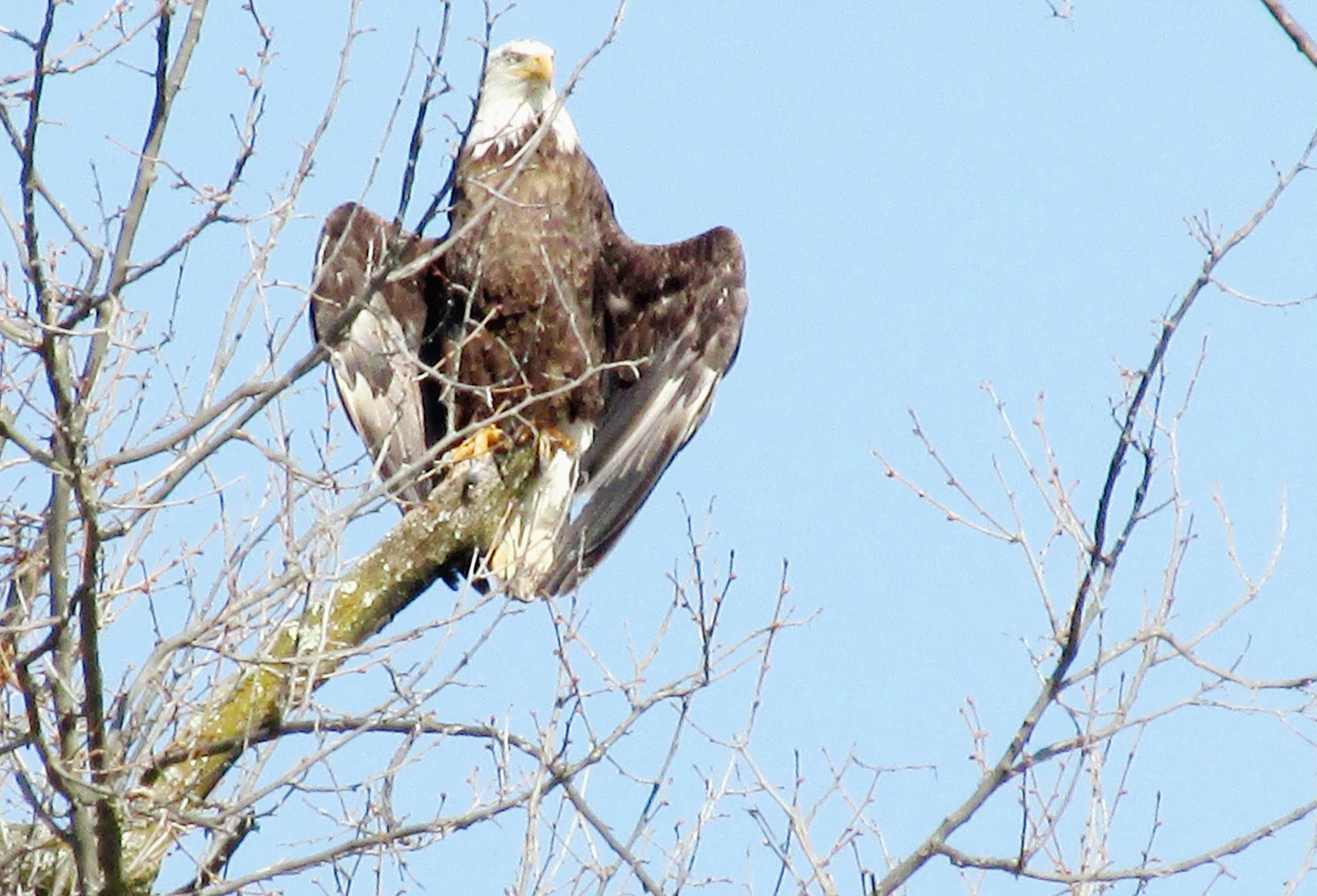
Photo by Bryan Stevens • A bald eagle suns itself on a cold winter day along a river in northeast Tennessee.