Tag Archives: Eastern Kingbird

Eastern kingbirds deserve their billing as tyrant flycatchers

Photo by Bryan Stevens • An Eastern kingbird perches on a chain-link fence on the campus of East Tennessee State University in Johnson City, Tennessee.

On Saturday, June 27, I spotted two Eastern kingbirds perched on utility lines that extend over the fish pond at my home.

Eastern kingbirds are fairly common summer residents in the region, but they’ve not been at all common birds at my home. In fact, this recent sighting is only the second I’ve ever made of the species at my home in 30 years of birding. As best I can recall, the first time I saw this species at home was in the late 1990s. I’ve seen Eastern kingbirds in many other areas in the region, as well as on trips to Florida, Georgia, South Carolina and Virginia.

It didn’t take long to discover what had attracted the kingbirds to the fish pond. Using the utility lines as convenient perches, the birds continually swooped down over the waterlily-choked pond and returned to the lines with their catches. They were hunting dragonflies, an abundant insect at my fish pond. Based on my observations, they were quite skilled at capturing the dragonflies.

Kingbirds belong to an extensive family of birds known as tyrant flycatchers, or Tyrannidae. The family’s members are exclusively found in the New World. It is the world’s largest family of birds, with more than 400 species.

Tanagers, with 384 species, and hummingbirds, with 363 species, are close rival families when it comes to number of species. So are the pigeons and doves with 353 species, and Old World flycatchers with 345 species.

The Eastern kingbird is easy to recognize and identify. The bird’s plumage is a study in contrast, being black above and white below. In addition, there’s a noticeable white edge to the tip of the bird’s otherwise all-black tail. There is a red patch of feathers on top of the bird’s head, which gives this pint-sized tyrant a “crown,” but most birders, myself included, will tell you that this colorful patch is rarely seen and is instead kept concealed at most times.

Photo by Bryan Stevens • An Eastern kingbird perches on a fence post in the Limestone Cove community of Unicoi, Tennessee.

The scientific name of the Eastern kingbird is Tyrannus tyrannus, a good clue to the bird’s militant nature. Kingbirds, which are about the size of an American robin, are famous for displaying aggressive behavior against much larger birds such as crows and hawks, as well as vultures and herons.

While some birds are all bluff, the Eastern kingbird often follows through with its attacks. According to the website All About Birds, kingbirds have been known to knock blue jays right out of a tree.

I’ve observed kingbirds tormenting such large birds as red-tailed hawks and turkey vultures. I once watched a kingbird get so close to a red-tailed hawk that it almost looked like the smaller bird was hitching a ride on the hawk’s back. I suspect the hawk lost a feather or two in the encounter, not to mention suffering a blow to its dignity.

Other North American kingbirds include Western kingbird, tropical kingbird, Couch’s kingbird, Cassin’s kingbird and the thick-billed kingbird. On a trip to Salt Lake City in Utah many years back, I got the chance to see a Western kingbird, the counterpart to the Eastern kingbird in that part of the country.

Look for the Eastern kingbird in open terrain that offers plenty of perches. These birds spend most of their time chasing and catching flying insects, which provide the bulk of the bird’s food during the summer months.

While the kingbird is probably to be lauded for helping control populations of insect pests, they are not discriminating in their choice of prey. As a result, kingbirds feed on beneficial insects, such as dragonflies and bees, as well as pests like flies.

Photo by Bryan Stevens
A glimpse through the vegetation reveals one of the pond’s most voracious predators. Dragonflies consume many other species of insects, including some that are considered pests. Pictured is a female Blue Dasher. In turn, many birds, including Eastern kingbirds, feed on dragonflies. Kingbirds are skilled at snatching winged insects right out of the air.

Other flycatchers that are relatively common in the region include Eastern phoebe and Eastern wood-pewee. The region is also home to some pint-sized flycatchers during the warmer months, including least flycatcher, Acadian flycatcher, willow flycatcher and alder flycatcher.

Don’t judge the tyrannical kingbird too harshly. These birds are motivated to show aggression to other species due to an inordinate need to protect mates, young and territory. It’s not their fault that they are quite masterful at fulfilling this task.

Kingbirds are not the only birds to exhibit bold, brash behavior. Mockingbirds, brown thrashers and red-winged blackbirds are also quite pugnacious. At home, the male red-winged blackbirds have made numerous attacks on the resident red-shouldered hawks whenever these larger raptors venture too close to the cattail domain of the blackbirds.

Although the species faces potential habitat loss in both its summer range and tropical wintering grounds, the Eastern kingbird remains a prevalent bird across much of North America. It’s just not a common bird at my house, but perhaps my recent sighing of two kingbirds is a signal that’s about to change. Or it could mean that it will be another couple of decades before I see this species again at my home.

To share a sighting, ask a question or make a comment, send me an email at ahoodedwarbler@aol.com.

Many pint-sized birds pack plenty of pugnacious attitude

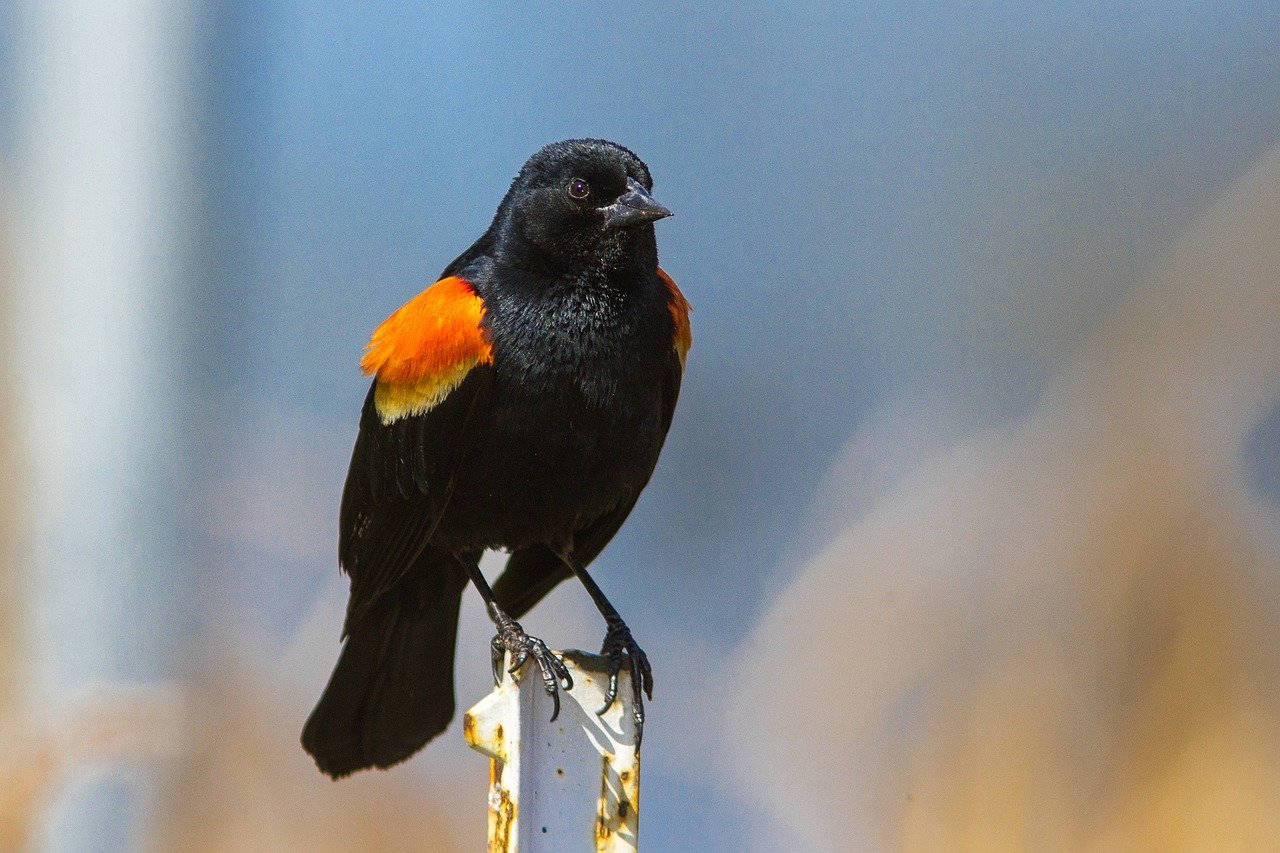
Photo by Skeeze/Pixabay.com • A male red-winged blackbird perches in an alert stance, ready to curb intrusions by other birds into his territory.

A trio of American crows (I’m not sure if a mere three individuals represent a murder of crows) flew past my porch on a recent morning. They were immediately bombarded by the resident male red-winged blackbird. The blackbird dove onto the back of the first crow, then doubled back and attacked the second crow. The third crow, perhaps seeing what happened to the others, perched and cawed for a couple of moments. Mistakenly thinking the coast now clear, the third crow set out to join its companions. The blackbird immediately attacked again, just as ferociously as in the previous two incidents.

Since arriving in April, the red-winged blackbirds have ruled the roost around the cattail-bordered fish pond. At the start of the nesting season, they even swooped at me when I got too close before we eventually settled into an uneasy truce. At home and at other locations, I have watched these blackbird attack everything from turkey vultures and great blue herons to white-tailed deer and cats.

Simply put, red-winged blackbird brook no interlopers. The observations of the blackbird with the crows got me to thinking of other birds known for their pugnacious natures. In no particular order, here are some bantam weight candidates for the title of “Most Pugnacious Bird.”

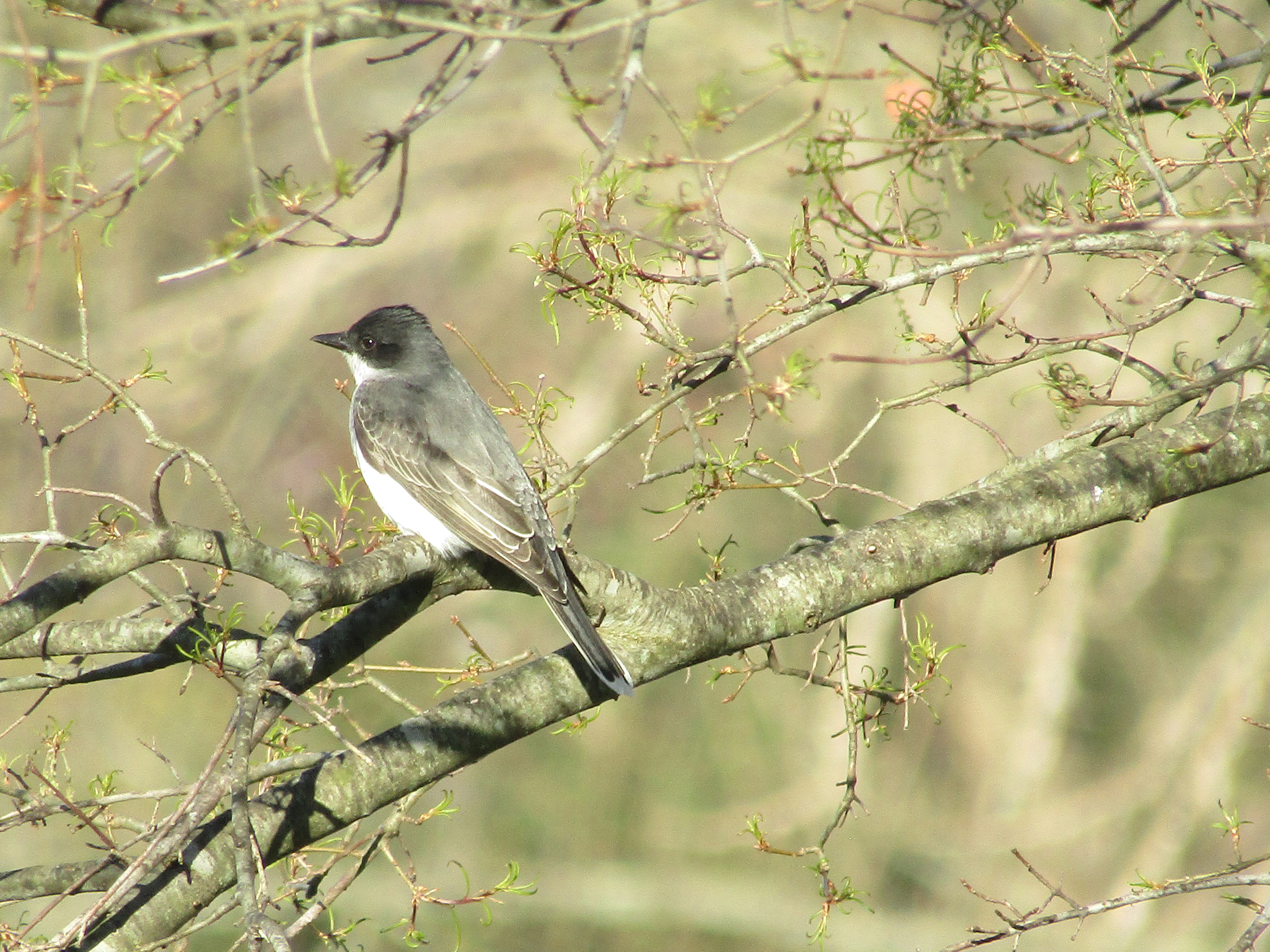
Photo by Bryan Stevens • The scientific name of the Eastern kingbird is Tyranus tyranus, a good indicator of this bird’s haughty attitude toward other birds.

Eastern kingbird

The Eastern kingbird, a member of a large family of birds known as “tyrant flycatchers,” is famous for displaying an outsized attitude toward larger birds. The scientific name for this bird is Tyrannus tyrannus, which succinctly summarizes the kingbird’s belligerent attitude toward other birds. Mated pairs of kingbirds work together to drive intruders out of their territory. Kingbirds will launch themselves into battle against much larger foes, including red-tailed hawks, American crows and blue jays. Crows and jays are well-known for robbing the nests of other birds, so the aggression of kingbirds for these corvids is quite justified.

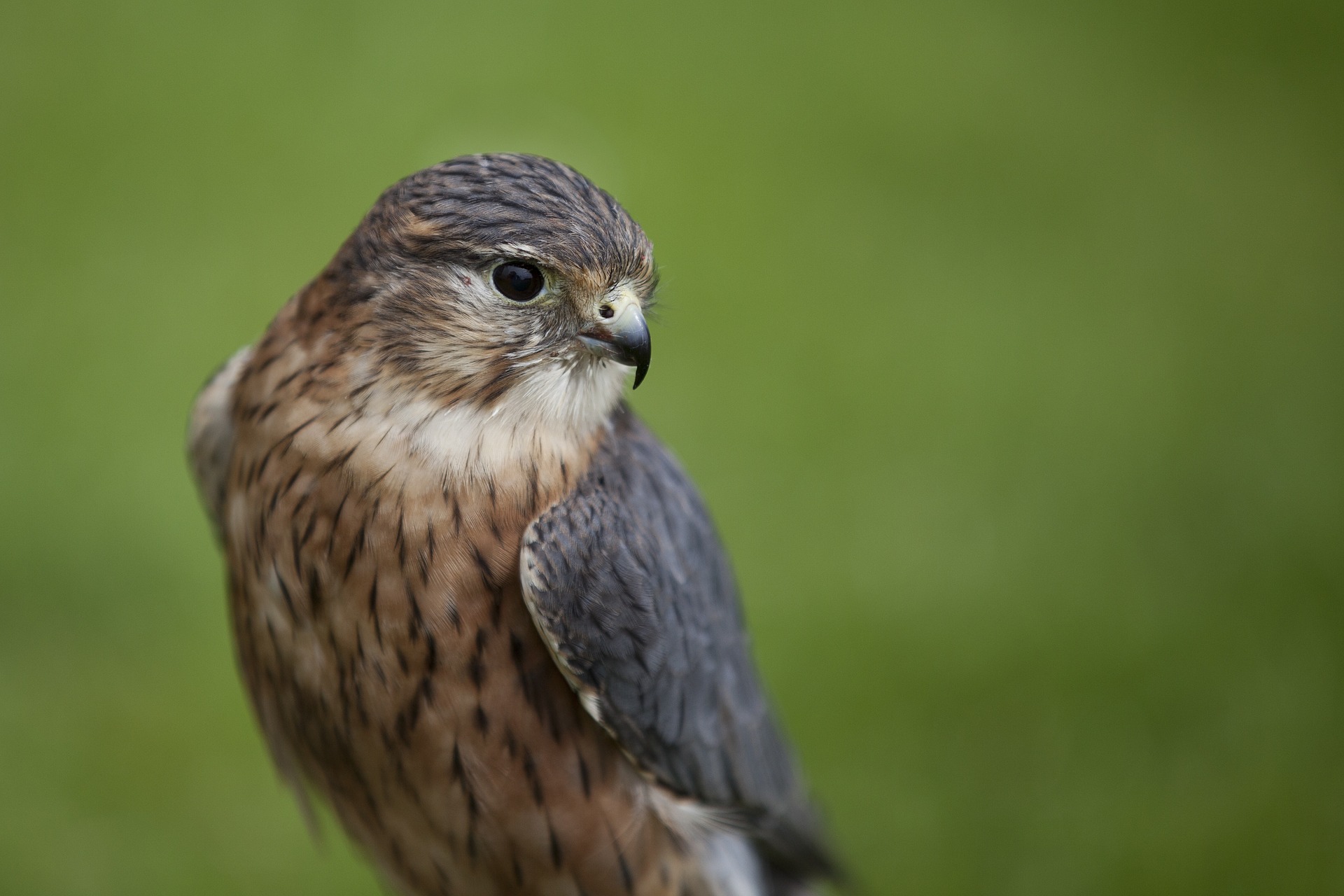
Photo by AdrianKirby/Pixabay.com • The merlin is a pint-sized falcon with plenty of feisty spirit. These raptors do not hesitate to duel with birds many times their size.

Merlin

Merlins have a reputation for being pint-sized punks among raptors. The merlin is a member of the falcon family, which also includes birds like the American kestrel and peregrine falcon. I once saw a merlin harassing a turkey vulture, diving on the much larger but less agile bird until the vulture finally veered in another direction. This observation reinforces the merlin’s reputation for aggressively meeting incursions into its territory by other raptors. The merlin has long been associated with the forests of North America and Eurasia, but in recent decades it has proven capable of adapting to life in urban landscapes.

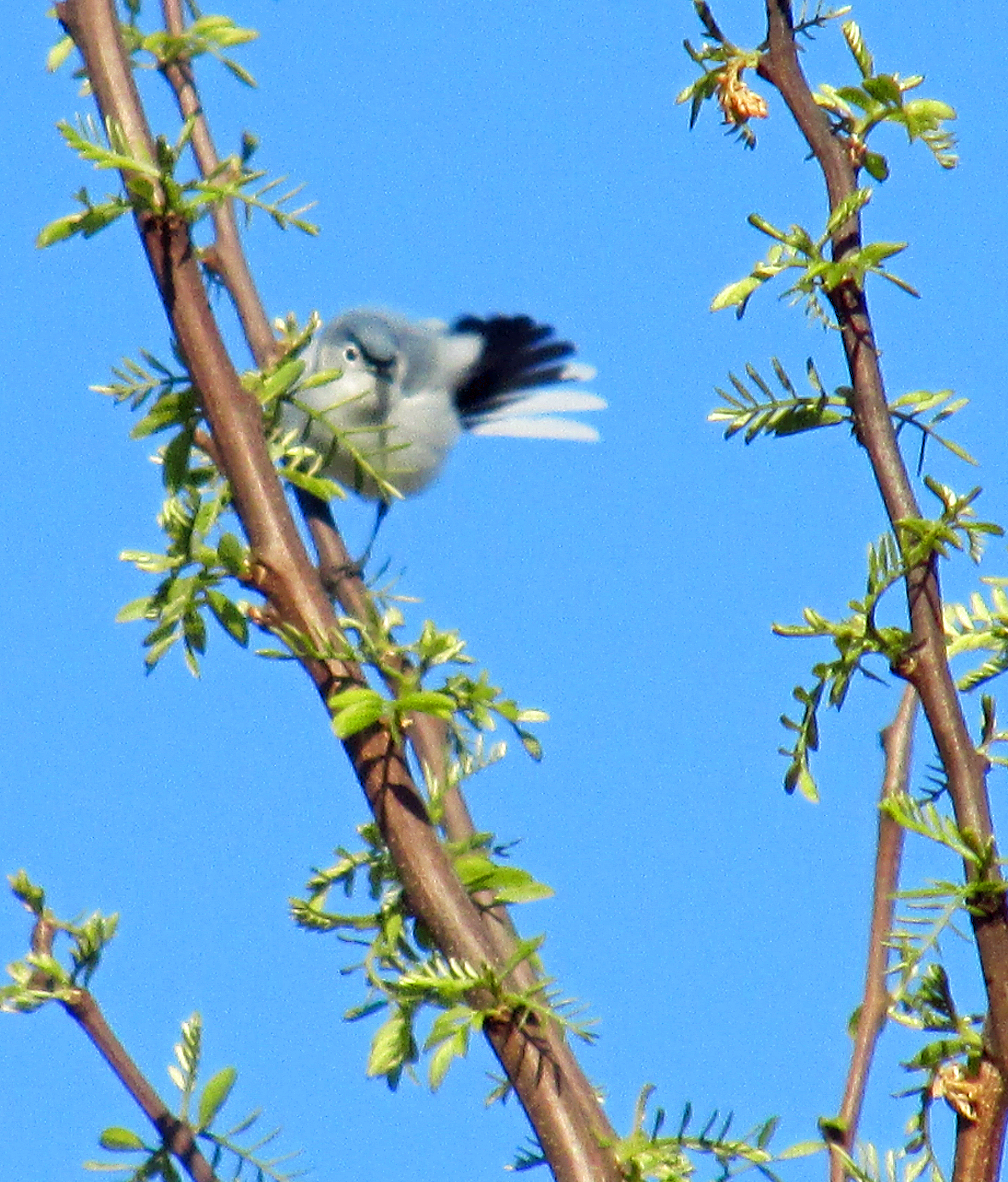
Photo by Bryan Stevens • Blue-gray gnatcatchers are noisy and, quite often, quarrelsome birds that don’t let their small size get in the way of attempting to intimidate other birds.

Blue-gray gnatcatcher

Blue-gray gnatcatchers are noisy, scolding songbirds at the best of times. They are also determined to protect their nesting territories at all costs and will attack much larger birds. They don’t hesitate to call for reinforcements when warranted. They will drum up a brigade of feisty, feathered fighters to repel intrusions by potential predators too large for a gnatcatcher and its mate to handle on their own. In North America, the gnatcatcher ranks in size with birds like kinglets and hummingbirds. Despite its diminutive status, the gnatcatcher acknowledges no superiors.

Photo by BlenderTimer/Pixabay.com • In a family of rather insufferable bullies, the rufous hummingbird stands out as particularly pugnacious.

Rufous hummingbird

In a family known for cantankerous behavior, one hummingbird stands out. In North America, the rufous hummingbird has a reputation for having a bad temper. These tiny birds with huge metabolisms must compete fiercely for resources, but they often appear go out of their way to attack other hummingbirds. The rufous hummingbird ranges along North America’s Pacific Coast and the Rockies as far north as Alaska and western Canada. A migration quirk occasionally brings these hummingbirds to Northeast Tennessee during fall and early winter.

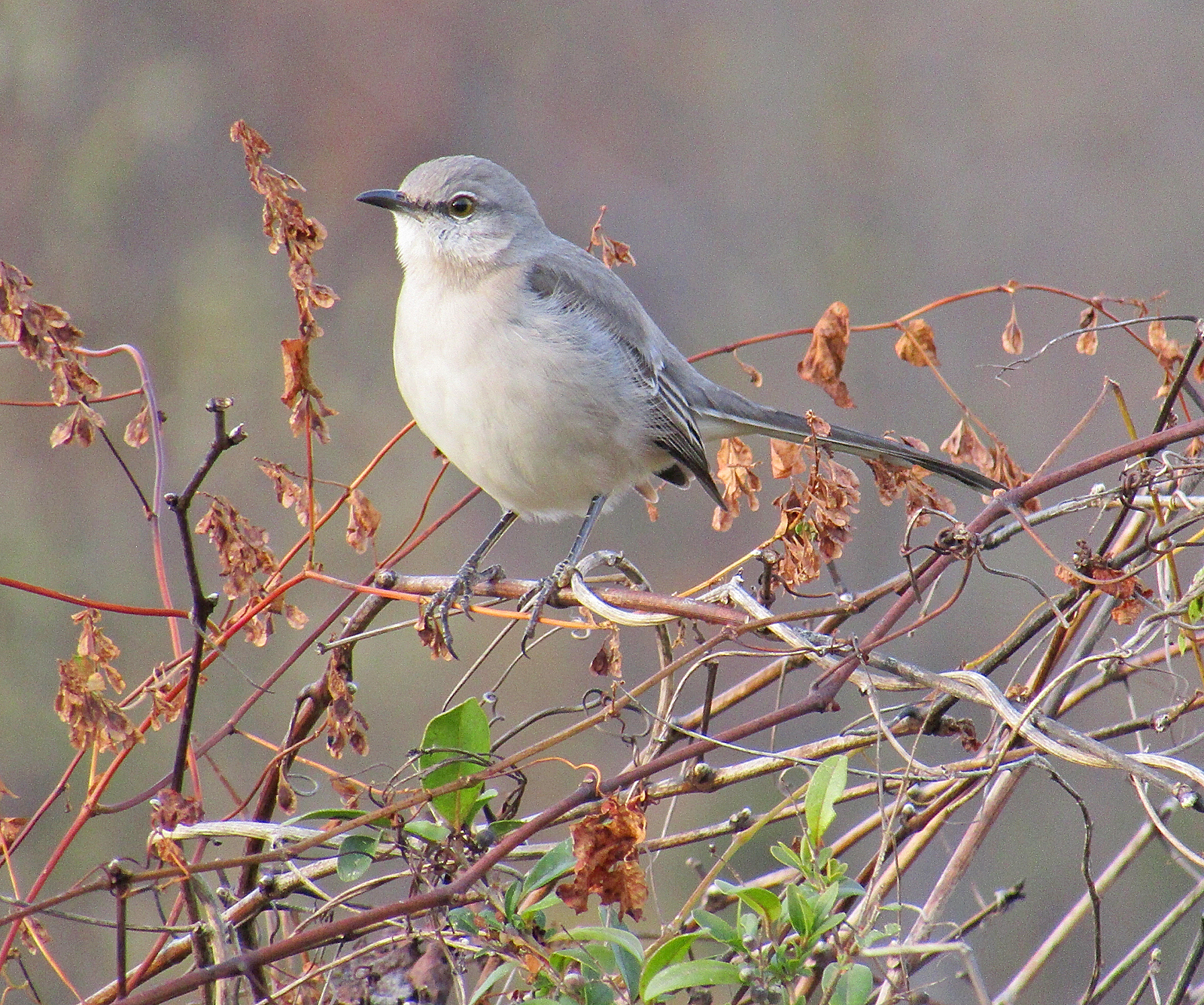
Photo by Bryan Stevens • The Northern mockingbird is zealous in defending its territory from other mockingbirds or any other intruders, including humans, cats, dogs, snakes and almost any other real or imagined threat.

Northern mockingbird

I’m not sure every person who has had a Northern mockingbird nest in their yard or garden would describe the experience as a pleasant one. It’s not without cause that the mockingbird is often described as ruthless, aggressive and pugnacious in defense of its nest and young. These birds don’t hesitate to attack humans or their pets, such as cats and dogs, if any wander too far into their territory. In fact, mockingbirds appear to take positive glee in forcing intruders to flee. Early American naturalist and artist John James Audubon captured a dramatic moment when he painted a pair of mockingbirds defending its nest from a rattlesnake. The painting is also an early example of the ties between humans and mockingbirds. The nest is located in a hanging basket of yellow flowers. Even during Audubon’s time, mockingbirds had quietly adjusted to human activity and had deigned to allow us into their daily lives. It’s just best not to step out of line. Mockingbirds have ways of dealing with pushy people.