Tag Archives: Our Fine Feathered Friends

Nuthatches live topsy-turvy existence among fellow backyard birds

The power of flight gives most birds a perfectly valid reason to disregard the law

Photo by Bryan Stevens • A white-breasted nuthatch clings to the bark of a tree.

of gravity. A tree-clinging family of birds known as nuthatches live an even more topsy-turvy lifestyle than many other of their winged kin. Nuthatches often prefer a headfirst stance as they search for food in the nooks and crannies of tree trunks and branches.

The United States is home to four species of nuthatches: white-breasted, red-breasted, brown-headed and pygmy. White-breasted nuthatches are probably the most familiar nuthatch to backyard birders in this area.

These birds are named “nuthatch” for the habit of some species to wedge a large seed in a crack and hack at it with their strong bills. I like to refer to them as “upside-down birds” because gravity doesn’t seem much of a factor in their daily lives. They are content to walk headfirst down a tree trunk or probe the underside of a large branch. It must give them an interesting perspective on the world around them.

Photo by Bryan Stevens • A white-breasted nuthatch grabs a single seed from a feeder.

Because of their gravity-defying antics, the white-breasted nuthatch and other members of the family can provide hours of entertainment at our bird feeders. That was certainly the case during the recent bouts of snow, ice and cold temperatures inflicted on our region by successive winter storms.

White-breasted nuthatches will follow a single-minded path along the trunk of a tree or a branch on the way to a feeder. An individual nuthatch rarely varies from this path. It’s amusing to watch the jerky progress along the trunk as this bird prepares for a flight to a feeder holding sunflower seeds or a hanging wire basket of suet.

At my home, nuthatches typically remain aloof from the rivalry always ongoing between the chickadees and titmice. The white-breasted nuthatch is mostly a no-nonsense visitor. Rarely distracted by disturbances among other birds, this nuthatch is content to grab a seed and go or hang on to the wire frame of a suet basket and peck off chunks of suet.

Photo by Bryan Stevens • A window strike left this white-breasted nuthatch temporarily grounded.

The stubby red-breasted nuthatch is another member of the family that occasionally finds its way to our yards. Smaller than the related white-breasted nuthatch and, as far as I can tell, complacent in the company of chickadees and titmice, the red-breasted nuthatch is always a welcome visitor. It has a tell-tale “yank yank” call that it produces when excited that sounds very much like tiny tin horns. The red-breasted nuthatch, perhaps because it spends so much of the year in more remote areas, can also be amazingly tame when it pays a winter visit.

Both of these nuthatches can be attracted to feeders by offering peanuts, sunflower seeds and suet. They are also cavity-nesting birds, but are more reluctant about accepting a nesting box as a place to rear young. They will gladly accept an old woodpecker hole or other natural cavity in a tree.

The brown-headed nuthatch is a specialist of pine woodlands throughout the southeastern United States, favoring loblolly-shortleaf pines and longleaf-slash pines. This nuthatch requires standing dead trees for nesting and roosting. They forage for food, however, on live pines. The birds are more abundant in older pine stands. This small nuthatch is not at all common in the region, but there are some records. I’ve had much better luck finding the brown-headed nuthatch during visits to coastal South Carolina or suburban Atlanta in Georgia. In these southern locations, it can be a quite common bird.

I also want to complete my list of North American nuthatches by adding the fourth species — pygmy nuthatch — to my life list. I have made two trips to western North America, where this species ranges, but haven’t managed to find this bird. Both the pygmy and brown-headed are among the smallest members of the nuthatch family.

On the other end of the size scale is the appropriately named giant nuthatch, which reaches a length of almost eight inches. The giant nuthatch ranges through China, Thailand and Burma. This nuthatch is bigger than a downy woodpecker, another common visitor at backyard feeders in our region.

Photo by Bryan Stevens • White-breasted nuthatches are faithful feeder visitors.

Worldwide, there are about 25 species of nuthatches, some of which have surprisingly descriptive names for birds that spend most of their lives creeping in obscurity along the trunks and branches of trees. Some of the more creative common names for these little birds include beautiful nuthatch, blue nuthatch, velvet-fronted nuthatch, sulphur-billed nuthatch, chestnut-bellied nuthatch, snowy-browed nuthatch and chestnut-vented nuthatch.

•••

Bryan Stevens has written about birds, birding and birders since 1995. Email him at ahoodedwarbler@aol.com to make a comment, ask a question or share a sighting.

Canvasback visits often correspond with frigid temperatures

Clayton Ferrell/USFWS • Male canvasbacks cut a regal profile that makes them quite distinct from other species of ducks. Several of these impressive ducks made a recent winter stopover at the pond at Erwin Fishery Park.

The one-two punch of recent winter storms that slammed through the region appears to have brought some unusual ducks with them.

At an online meeting of the Elizabethton Bird Club, Rick Knight noted that a species of duck know as a canvasback has turned up in numerous locations throughout the region.

Erwin resident Joe McGuiness, a fellow member of the Elizabethton Bird Club, called me on Feb. 10 to let me know that some of those visiting canvasbacks have made a stopover at the large pond at Erwin Fishery Park. These majestic ducks remained at the pond long enough for me to see them for myself on Feb. 11.

Over the years this pond had been a magnet for waterfowl. I’ve seen numerous ducks, including bufflehead, ring-necked duck, green-winged teal, blue-winged teal, redhead, American wigeon, Northern pintail, scaup and gadwall, as well as several species of geese, including Canada goose, cackling goose, snow goose and Ross’s goose. I’ve also observed pied-billed grebe, horned grebe, double-crested cormorant, belted kingfisher and other birds that are associated with water.

Photo by Bryan Stevens • Canvasbacks on the Watauga River during a previous winter season.

Canvasbacks can fairly be described as rare visitors.The last time I saw canvasbacks at this pond was in February of 2024. I recall a small flock of canvasbacks and redheads also spent several weeks at this pond in January and February of 2014.

Some birds hold special meaning with me. Although it is a natural question for a bird lover to be asked, I have difficulty pinpointing a single bird as my favorite. One of my overall favorite birds is the Northern cardinal. Among the summer-visiting warblers, the hooded warbler has long been my favorite. With shorebirds, the marbled godwit has long been at the top of my rankings. My favorite bird of prey is the American kestrel or, as I first learned of this raptor in the little “Golden Guide to Birds,” the sparrow hawk. Among owls, I have a soft spot for Eastern screech-owls. I have a favorite duck, too. It’s the canvasback.

I think several factors make canvasbacks special. First and foremost, they don’t show up every winter. It often takes some seriously cold weather to force them into landlocked Tennessee. A male canvasback is also one of our more regal birds. The male has a distinctive profile enhanced by a sloping bill that instantly distinguishes it from other ducks. Males, or drakes, have chestnut-red heads, white bodies, black breasts and rears and bright red eyes. The distinctive bill is also black. Females, like many other ducks, are drab and brown but they share the male’s distinctive sloping bill, helping to separate them from such relatives as female redheads.

I saw my first canvasback in the mid 1990s during a winter visit with my parents to Wilbur Lake near Elizabethton, Tennessee. We always liked visiting this small reservoir during the colder months to view the buffleheads and any other ducks that happened to visit this small mountain lake. On this particular occasion, a flock of redheads had also arrived. While viewing these ducks, we noticed a member of the flock that looked different from the others. Specifically, it was larger and whiter than the redheads. After a brief consultation with my copy of Roger Tory Peterson’s “A Field Guide to the Birds of Eastern and Central North America,” I identified my very first canvasback.

Since that time, I’ve observed canvasbacks at other locations in northeast Tennessee and southwest Virginia. It’s been awhile, but I have observed these ducks at Osceola Island Recreation Area below Holston Dam and at Musick’s Campground at South Holston Lake. I’ve also observed canvasbacks on the Watauga River in Elizabethton and on the Holston River in Kingsport. I saw eight canvasbacks on Feb. 22, 2015, on the Watauga River, not very far from where I saw my very first one back in the 1990s. The flock, which consisted of all males, represented a rather high number for this duck in the region.

Donna A. Dewhurst/USFWS • While lacking a male’s distinctive coloration, a female canvasback does bear the dark sloping bill.

Canvasback nest in North American prairie potholes across the United States, including Alaska, as well as Canada. I encountered canvasbacks during a visit to Utah in 2008. A rainy season in the state had produced an abundance of flooded fields and temporary ponds that attracted these ducks and other waterfowl.

•••

Bryan Stevens has written about birds, birding and birders since 1995. Email him at ahoodedwarbler@aol.com to share a sighting, ask a question or make a comment.

Chasing Zunzun: Bahamas cruise resulted in sightings of flying gems

Photo by Pixabay • A Cuban emerald, a species of hummingbird native to Cuba and the Bahamas, perches and surveys its surroundings.

Continuing to bring you some vintage columns, I dug deep into my archives. I’ve traveled outside the United States on only one occasion from Jan. 22-24, 1999, during a family vacation. Sightseeing and shopping took a backseat to birding during a three-day cruise in the Bahamas. I fully documented my sightings in a “Feathered Friends” column published Feb. 14, 1999.

Two scheduled shore excursions during the cruise gave me opportunities to search for birds.

Two hummingbird species can be found in the Bahamas. The Cuban emerald, as its name suggests, is found in Cuba. It’s also found on several islands in the Bahamas. These dazzling birds are found in thickets and woodlands, as well as parks and gardens.

Another hummingbird species, the Bahama woodstar, is found nowhere else in the world.

Without much difficulty, I observed both species during my visit to the Bahamas. My observation of Cuban emeralds took place on Castaway Cay, a small island owned by Disney and reserved for use by those traveling aboard its cruise ships. Much of the island had been kept in a natural state with walking trails perfect for looking for birds. While others enjoyed the beach, I set off with my binoculars on the trails.

My mother and I observed a pair of Cuban emeralds that appeared to be a mother and her male offspring. On two occasions, we watched the female approach the young male for a feeding session. The young bird opened his bill in a wide gape and the female plunged her own long bill into his throat. The spectacle looked rather fearsome, but that’s how hummingbirds feed their young. I’ve observed one of our native ruby-throated hummingbird feeding her young in the same manner. Experts who have researched hummers insist there’s no danger that a mother hummingbird will skewer her offspring.

Photo by Daniel Stuhlpfarrer/Pixabay • The Cuban emerald is a vibrant hummingbird of the Caribbean.

The young male being fed put on quite a show. He appeared almost completely lacking in fear and allowed me to approach within inches of his perch. At times, he also exhibited his own curiosity and buzzed around my head and face for a better look of his own.

His mother, not quite as confiding, kept her distance. She perched on branches about 15 feet off the ground. She observed us, but she never descended to feed the young male unless we withdrew to a comfortable distance.

I learned later that my brother and sister-in-law saw some Cuban emeralds at another location on the island, leading me to suspect that the Cuban emerald may be quite common on Castaway Cay in the Bahamas.

Male Cuban emeralds sport an iridescent green throat and breast with a long forked tail, white undertail feathers, and a long thin bill that is black on top and reddish-pink on the underside. Females look similar to males except with green upperparts along with a grayish throat and breast, and a slightly shorter and less forked tail.

The term “emerald” describes many different species of hummingbirds. In the Caribbean, this family includes Hispaniolan emerald and Puerto Rican emerald. These hummingbirds belong to the genus Chlorostilbon, which is Greek for “green glitter,” a perfect description of the metallic green appearance of their feathers. Since my writing of the original column, experts have reconsidered the classification of the Cuban emerald. Based on a molecular phylogenetic study published in 2014 and a 2017 publication, the North American Classification Committee of the American Ornithological Society moved the species to the resurrected genus Riccordia. The Cuban emerald’s scientific name is now Riccordia ricordii.

Prior to seeing the Cuban emeralds I got a brief but close look at a male Bahama woodstar visiting hibiscus and other flowers in a garden surrounding a swimming pool at a resort in Nassau, the capital of the Bahamas located on New Providence Island.

The Bahama woodstar bears a resemblance to our own ruby-throated hummingbird. Male Bahama wood stars boast a reddish-purple throat, green upperparts and a white breast bordered by a tinge of rufous. The bird’s forked tail feathers are also trimmed with rufous color. Males and females have a white spot behind each eye. They also have black bills that curved downward slightly at the tip.

The Bahama woodstar, which is roughly the same size as a ruby-throated hummingbird, is a member of the genus Calliphlox, which is Greek for “beautiful flame.” Since my original writing of this column, the classification of the Bahama woodstar changed after a 2014 study.

A former subspecies of the Bahama woodstar has been made its own species. The Bahama woodstar itself was moved into a new genus and given the scientific name Nesophlox evelynae. That former subspecies was upgraded to full species status and is known as the Inagua woodstar (Nesophlox lyrura), also called the lyre-tailed hummingbird. The species is endemic to the two islands of the Inagua district of the Bahamas.

It’s the Bahama woodstar that occurs in Nassau, so the species I saw in 1999 was truly the Bahama woodstar. The good news is that if I ever travel to the Great or Little Inagua islands in the Bahama archipelago I will have a chance to add a third species of Bahama hummingbird to my life list.

There are many other species of woodstars, including the little woodstar of South America, the purple-throated woodstar restricted to the west slope of the Andes in Colombia and Ecuador, and the endangered Chilean woodstar.

There are about 360 species of hummingbirds, all found in the New World and reaching their greatest diversity in Central and South America.

Both Cuban emeralds and Bahama Woodstars have strayed into nearby Florida, so it is possible to observe these two species outside of the Bahamas. Experts have speculated that the Inagua woodstar had very likely also strayed into Florida.

I’ll always remember my trip to the Bahamas and the opportunity to chase after zunzún, which is a Spanish word, particularly used in the Caribbean, for hummingbird. I greatly enjoyed my observations of the two hummingbird species I observed in the Bahamas. These sightings remain among my most memorable in my nearly four decades of birding.

•••

Bryan Stevens has written about birds, birding and birders since 1995. Email him at ahoodedwarbler@aol.com to ask a question, make a comment or share a sighting. 


Remember the po’ouli in fight to conserve our birds

Photo by Jack Jeffrey/USFWS • A po’ouli relative, an ‘I’iwi forages in the Hakalau Forest National Wildlife Refuge, Hawaii. The bird’s long, downcurved, orange bill is specialized for sipping nectar from tubular flowers.

I’m celebrating 30 years of writing my weekly “Feathered Friends” column by occasionally showcasing some vintage compositions from throughout that time period. I published this column on Jan. 2, 2005. I’ve made some revisions and edits to this version. I’m more saddened now than at the time I wrote the original column, but I still think there is some cause for optimism that we’ll be able to share the planet without causing any more tragic stories for our birds. I think that message is just as important as ever.

•••

A tiny bird called the po’ouli, no bigger than some of the sparrows that visit bird feeders here in East Tennessee, failed to move forward into the year 2005.

A bird native to the Hawaiian island of Maui, the po’ouli went undiscovered by modern science until 1973. Barely three decades later, what may very well have been the last po’ouli in the world died Nov. 26, 2004.

The exact date of the demise of both the species and this last survivor can be known because the individual bird had been living in captivity in a research center on Maui. The hope had been to secure two other individuals known to exist in the wild in order to initiate a last-ditch attempt to save the po’ouli through a captive breeding program.

Nature moved faster than man. The other two po’ouli living in the wild hadn’t been seen in several months when the search launched. The lives of all small birds are fleeting and precarious. In all likelihood, these two individuals were gone even before the search commenced. With their demise, another thread had simply been snipped from nature’s tapestry.

The irony is that we knew this small bird, seen in the wild by a relatively small number of people, for only a blink in the overall scope of the universe. We did manage to learn a few things about the po’ouli in the span of time from 1973 to its extinction in late 2004.

According to a U.S. Fish and Wildlife Service press release, the po’ouli’s name in Hawaiian meant “black head,” a reference to the bird’s black mask and its other common name of black-faced honeycreeper. Its scientific name was Melamprosops phaeosoma. A Po’ouli’s most distinctive feature was a large black face mask accented by white cheeks, throat and underparts with brown wings and back; no other Hawaiian forest bird was similarly colored. Females were similar in appearance, displaying a grayish throat and breast.

The po’ouli belonged to a family known as the Hawaiian honeycreepers. Unlike other forest birds in Hawaii, the po’ouli’s diet included many native tree snails. The fact that many Hawaiian tree snails are endangered or threatened may have played a role in the rapid decline of the po’ouli.

The U.S. Fish and Wildlife Service tried to look for a silver lining in the wake of this tragedy.

“Our goal of saving the po’ouli is now very difficult and may not be achievable,” said Gina Shultz, acting field supervisor for the Fish and Wildlife Service’s Pacific Islands office, in a remark that can be fairly described as classic understatement.

She added, “But we must continue to try to save the species we have left.”

At that time, Hawaii had 31 other endangered bird species threatened by loss of habitat, introduced predators and disease.

In the years since 2004, eight more species have been lost, including the Maui ʻakepa, Maui nukupuʻu, Kauai ʻŌʻō, Kauai akialoa, large Kauai thrush, Kauai nukupuʻu and Molokai creeper, also known as Kākāwahie. Some of these species had not been seen for decades when officially declared extinct in 2023.

The demise of the little-known po’ouli probably didn’t mean much to many people. It’s hard to get excited about a small, drab bird that once lived on an island thousands of miles away.

We should, however, learn a lesson from its story. When it comes to the rapid decline in birds, we’re a major part of the problem. We’re going to need to be a part of the solution, too.

Photo by Alan Schmierer • The ‘I’iwi, a relative of the po’ouli, is another of the Hawaiian honeycreeper species. These birds evolved in the forests of Hawai’i and are found nowhere else in the world. Unlike ‘the po’ouli, a few thousand I’iwi still survive but face existential threats that have intensified in recent years.

What will we do? Will we wait until another bird species dwindles to a mere three individuals in the entire world and take desperate, unsuccessful measures?

We are more than a quarter way through this new century. These problems require new thinking. The issues are too complex to be more than hinted at in one column. But perhaps we can adopt a slogan: “Remember the po’ouli.” Keep this lost little bird in mind to help us in this constant battle to see to it that no other birds follow the po’ouli into the darkness of extinction.

•••

Bryan Stevens has been writing about birds, birding and birders since 1995. Email him at ahoodedwarbler@aol.com to share a sighting, ask a question or make a comment.

Waterfowl numbers help increase Elizabethton Christmas Bird Count total


Photo by Krista-269/Pixabay.com • Common loons in summer breeding plumage are strikingly handsome birds that show much grace and agility in the water.

The 83rd consecutive Elizabethton Christmas Bird Count was held Saturday, Dec. 20, 2025. Twenty-four observers participated in seven parties found a total of 73 species, plus an additional species found during count week.

Compiler Rick Knight noted that the annual survey benefitted from good weather with a temperature range from 23 to 66 degrees coupled with clear and calm conditions.
The species total is right on the recent 30-year average for this CBC. The all-time high for the Elizabethton CBC was 85 species in 2017.

The list:
Canada goose, 372; mallard, 81; redhead, 3; ring-necked duck, 17; greater scaup, 2; lesser scaup, 1; bufflehead, 109; and hooded merganser, 26.

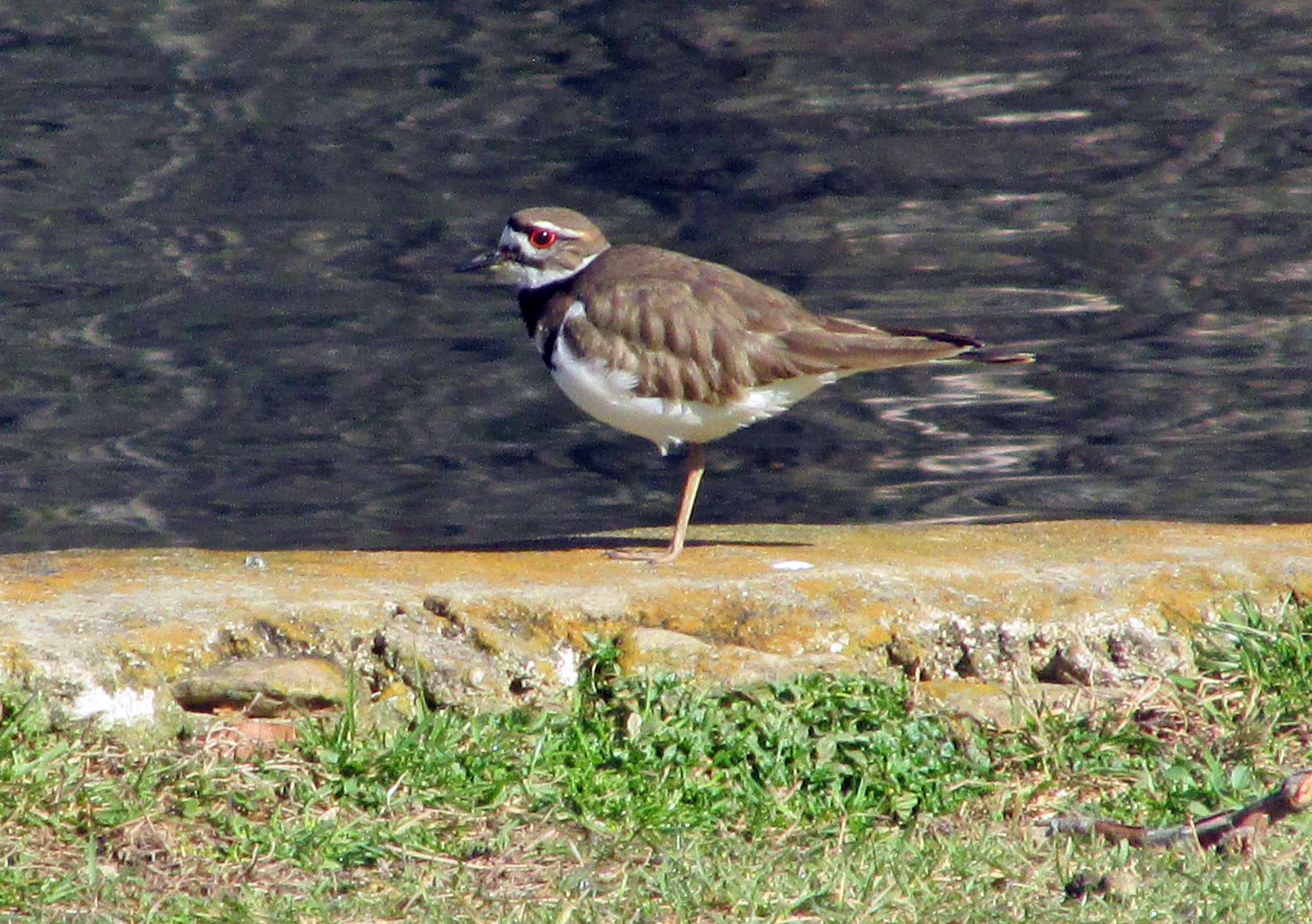
Wild turkey, 18; pied-billed grebe, 10; horned grebe, 14; rock pigeon, 208; mourning dove, 72; killdeer, 3; Wilson’s snipe, 7; ring-billed gull, 3; common loon, 1; and great blue heron, 11.

Black vulture, 26; turkey vulture, 131; sharp-shinned hawk, 1; Cooper’s hawk, 2; bald eagle, 4; red-shouldered hawk, 1; red-tailed hawk, 14; Eastern screech owl, 5; and great horned owl, 2.

Photo by Bryan Stevens
A flock of Wild Turkeys make their way across a snowy field.

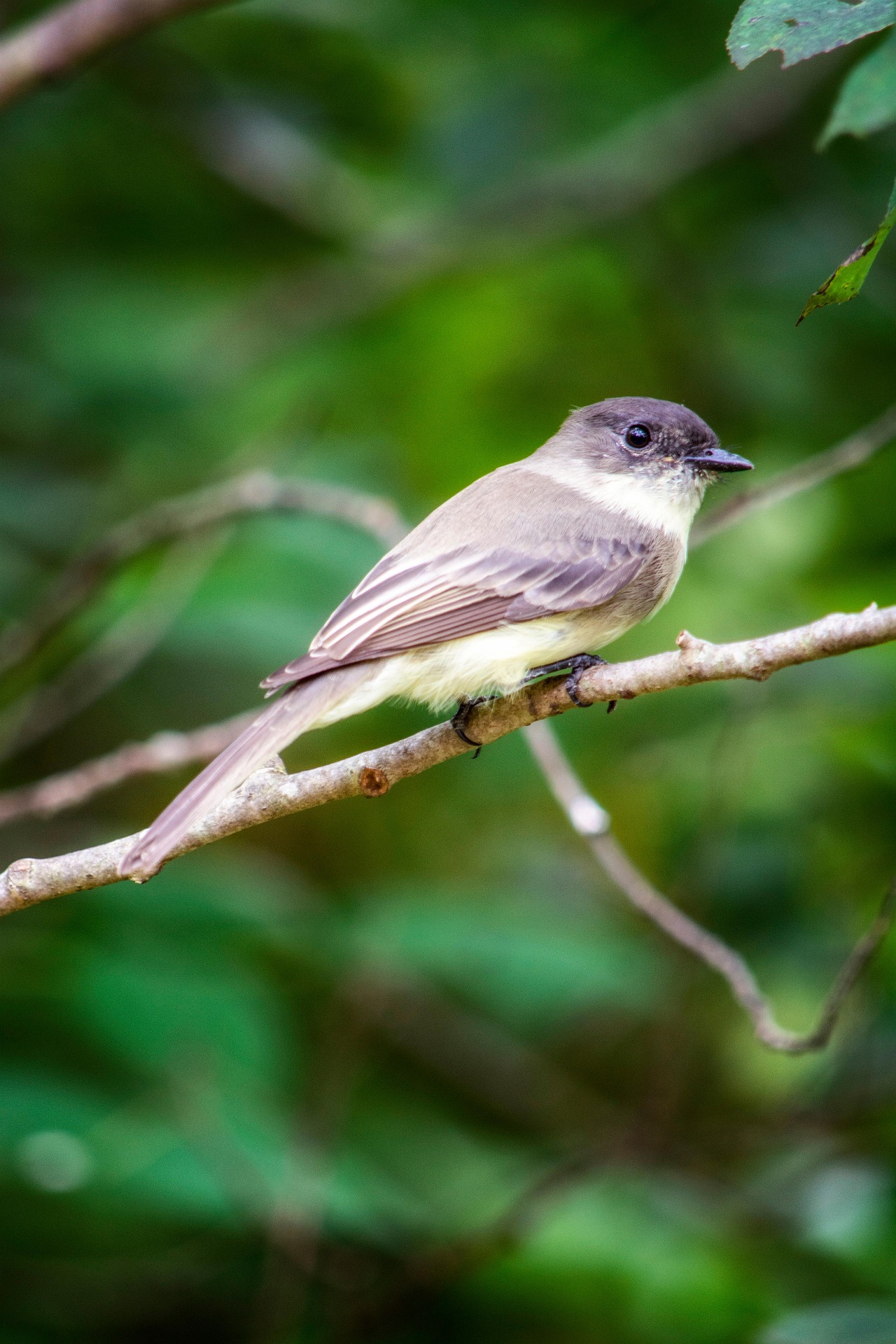
Belted kingfisher, 17; red-bellied woodpecker, 28; yellow-bellied sapsucker, 19; downy woodpecker, 15; hairy woodpecker, 4; Northern flicker, 27; pileated woodpecker, 15; American kestrel, 14; and Eastern phoebe, 13.

White-eyed vireo, 1; blue jay, 130; American crow, 343; common raven, 9; Carolina chickadee, 101; tufted titmouse, 66; ruby-crowned kinglet, 11; golden-crowned Kinglet, 24; and cedar waxwing, 18.

White-breasted nuthatch, 29; brown creeper, 1; Carolina wren, 74; and winter wren, 11.

Brown thrasher, 1; Northern mockingbird, 58; Eurasian starling, 1058; Eastern bluebird, 117; hermit thrush, 8; and American robin, 236.

Photo by Bryan Stevens • A white-breasted nuthatch grabs a sunflower seed.

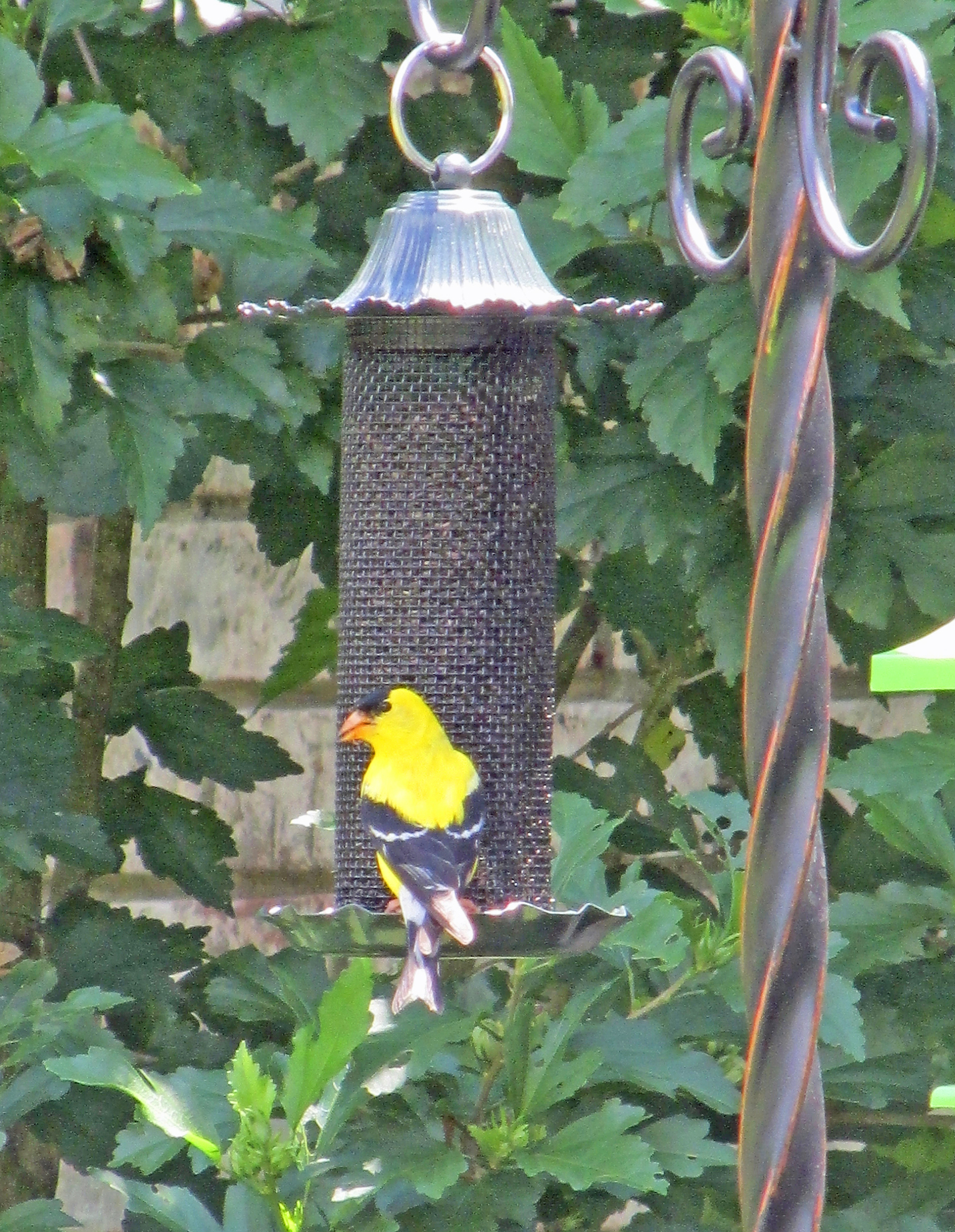
House sparrow, 28; house finch, 135; purple finch, 4; American goldfinch, 74; and pine siskin. The siskin was listed as a count week find. Birds seen within the same count circle but outside of the specific count day are noted as “count week” birds and still tallied with the species found on the actual count day.

Chipping sparrow, 1; field sparrow, 20; fox sparrow, 1; dark-eyed junco, 24; white-throated sparrow, 87; Savannah sparrow, 1; song sparrow, 83; Swamp Sparrow, 3; and
Eastern towhee, 14.

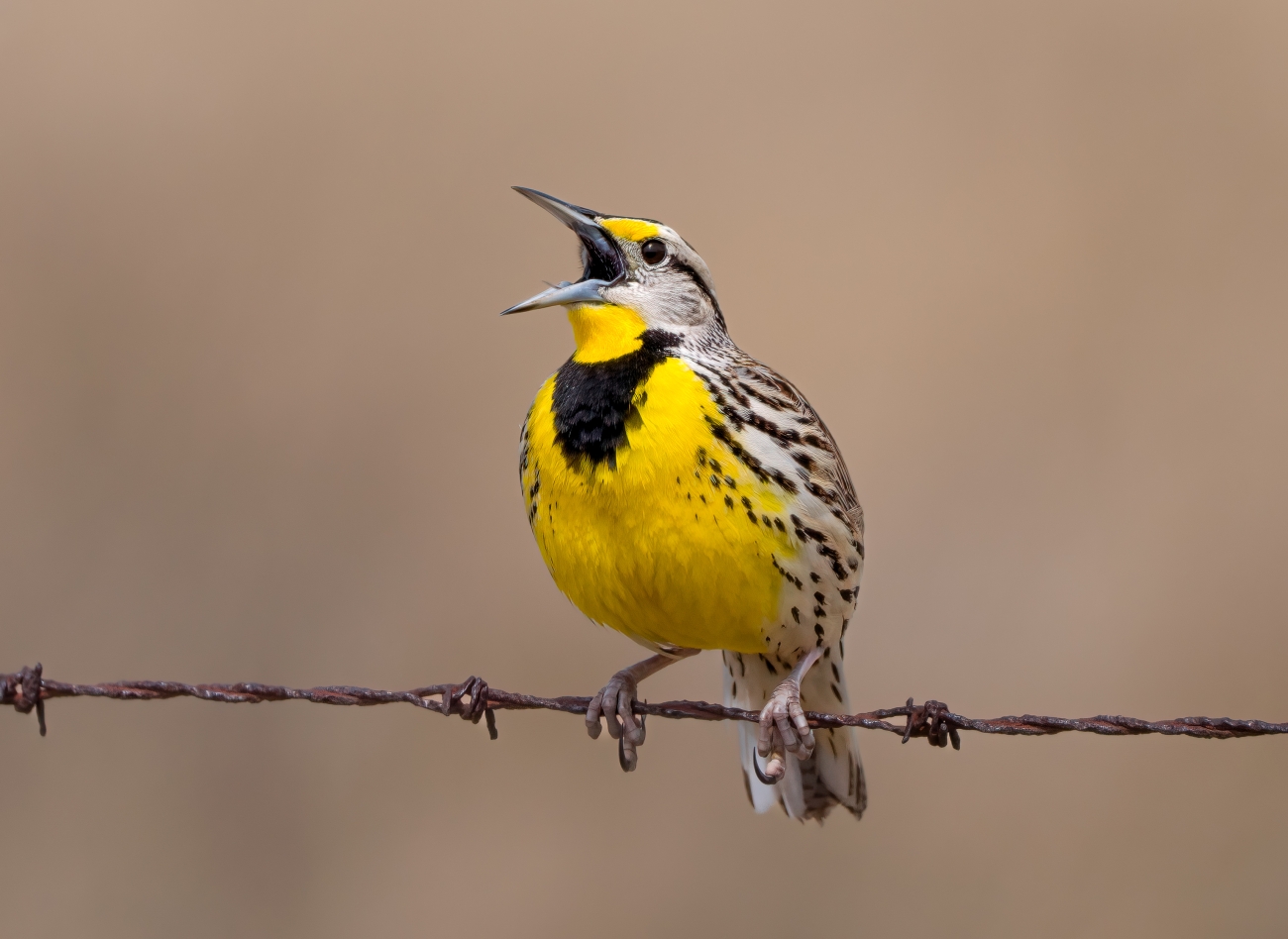
Eastern meadowlark, 67; common grackle, 1; pine warbler, 3; yellow-rumped warbler, 55; and Northern cardinal, 102.

Knight singled out the white-eyed vireo as a species worthy of elaboration. The vireo was seen in Hampton at the watershed trail among a stand of pines. It was the third instance for this species on this particular CBC; white-eyed vireos were also seen in 1997 and 2001.

Notable misses, according to Knight, included barred owl, red-breasted nuthatch and white-crowned sparrow.

Photo by Bryan Stevens • A male Northern cardinal visits a feeder on a snowy afternoon.


Roan Mountain Christmas Bird Count finds 43 species plus another during ‘count week’

GYRLI1981/Pixabay • With its high elevation and unique habitats, Roan Mountain often produces good birds, such as red crossbills, for Christmas Bird Counts. Many of the species are difficult to find in other locations.

Unpredictable December weather makes the Roan Mountain Christmas Bird Count one of Tennessee’s most challenging surveys. This year was no exception, and the count had to postponed to a later date when a winter storm impacted the region.

The 73rd Roan Mountain Christmas Bird Count was eventually held Tuesday, Dec. 16, with six observers in two parties.

Count compiler Rick Knight noted that weather for this count was generally favorable (clear conditions and a temperature range from 17 to 46 degrees), but it was quite windy on top of the mountain making bird-finding difficult. At lower elevations, the winds were light. One to four inches of snow covered the ground, but roads were clear.

Participants tallied 43 species, plus one species added during the count week.

The list:

Canada goose, 30; American black duck, 17; wild turkey, 11; mourning dove, 17.

Sharp-shinned hawk, 1; Cooper’s hawk, 1; red-shouldered hawk, 2; and red-tailed hawk, 2.

Photo by Bryan Stevens • Two red-tailed hawks made this year’s Roan Mountain CBC. 

Red-bellied woodpecker, 6; yellow-bellied sapsucker, 1; downy woodpecker, 4; hairy woodpecker,1; Northern flicker, 1: and pileated woodpecker, 3.

Eastern phoebe, 1; blue jay, 25; American crow, 120; and common raven, 8.

Carolina chickadee, 21; tufted titmouse, 24; golden-crowned kinglet, 6; red-breasted nuthatch, 3; white-breasted nuthatch, 14; brown creeper, 1; Carolina wren, 5; and winter wren, 2.

Northern mockingbird, 7; Eurasian starling, 23; Eastern bluebird, 8; and American robin, 2.

House sparrow, 5; house finch, 5; red crossbill, 2; pine siskin, 2; and American goldfinch, 119.

Field sparrow, 7; fox sparrow, 4; dark-eyed junco, 25, white-throated sparrow, 5; song sparrow, 35; Eastern towhee, 5; yellow-rumped warbler, 1; and Northern cardinal, 22.

In addition, a purple finch was found during the count week. CBC circles do accept birds seen during “Count Week, which is defined as the three days before and after the official count day, but they are recorded separately as count week birds and do not count towards the official count day totals. Their inclusion still provides important data.

The first Christmas Bird Counts were conducted on Christmas Day (Dec. 25) in 1900. The annual census arose from a proposal made by famed ornithologist Frank M. Chapman. According to Audubon.org, these yearly counts, conducted throughout the country, have provided a wealth of data over the past century.

Observations made due to CBCs have helped Audubon researchers, conservation biologists, wildlife agencies and other interested individuals to study the long-term health and status of bird populations across North America. When combined with other surveys such as the Breeding Bird Survey, the data provides a picture of how the continent’s bird populations have changed in time and space over the past hundred years.

Frank W. Chapman

The concept of the Christmas Bird Count, according to the website for the National Audubon Society, arose from a less than bird-friendly custom prevalent at the turn of the 20th century. So-called sportsmen would conduct a “Side Hunt,” a rather blood-thirsty Christmas custom that saw hunters competing to see who could score the largest amount of feathered and furred corpses.

The annual holiday bird survey may even have arisen from an earlier custom with roots in Europe that came to the United States of America with early colonists. The “Side Hunt” has some similarity to a peculiar celebration in Ireland and other European countries known as “Wren Day” or “Hunt the Wren Day.” The event was conducted the day after Christmas, the date of Dec. 26 being consigned as Saint Stephen’s Day. By the 20th century, the hunt consisted of tracking down a fake wren carried atop a decorated pole. Crowds would parade through towns in masks and colorful attire. These groups were referred to as “wren boys.”

Whether or not the “Side Hunt and “Wren Hunt” shared any connections, it was a huge step forward for conservation when Chapman, the preeminent ornithologist of his day, proposed a new holiday tradition. His radical idea was to count birds during the Christmas season rather than hunting and killing them.

I will report on the total for the Elizabethton Christmas Bird Count in next week’s column.

•••

Bryan Stevens has written about birds, birders and birding since 1995. Email him at ahoodedwarbler@aol.com.

Impossible to overlook the beauty of cardinals at Christmas

Photo by Nature Lady/Pixabay • A male Northern cardinal is always a welcome splash of brightness on wintry days.

Christmas Eve is upon us. I hope the hustle and bustle has died down and everyone can take delight in an enjoyable holiday. My own sincere wish to readers is that everyone gets to celebrate a great holiday that just might also include an interlude for watching some birds.

Often, when we think of winter birds, our thoughts focus on some of the less-than-colorful feeder visitors — the brown sparrows and wrens, the black and white chickadees, the drab American goldfinches that look so unlike their summer appearance.

There’s one bird, however, that makes an impression in any season. The Northern cardinal, especially the brilliant red male, stands out against a winter backdrop of snow white, deep green or drab gray.

Over the years, the Northern cardinal has also become associated with the Christmas season. How many Christmas cards have you received this holiday season with a cardinal featured in the artwork? I’d wager that at least a few cards in any assortment of holiday greetings will feature the likeness of a bright red cardinal.

Cardinals, also known by such common names as redbird and Virginia nightingale, are easily recognized backyard birds. I never tire of observing these colorful birds. Cardinals are easily lured to any backyard with plentiful cover to provide a sense of security and a generous buffet of sunflower seed.

Cardinals accept a wide variety of food at feeders. Sunflower seed is probably their favorite, but they will also sample cracked corn, peanuts, millet, bakery scraps and even suet. The cardinal is also one of only a few birds that I have noticed will consistently feed on safflower seed.

While we may get the idea that cardinals feed largely on seed, that is a misconception based on our observation of the birds at our feeders. When away from our feeders, cardinals feed on insects and fruit, including the berries of mulberry, holly, pokeberry, elderberry, Russian olive, dogwood and sumac.

Kevin Tipton/Pixabay • Female cardinals, more subdued than males, are still a sure means of providing some joy when glimpsed in wintry settings.

There’s no difficulty in identifying a cardinal. The male boasts crimson plumage, a crest, a black face and an orange bill. The female, although less colorful, is also crested. Female cardinals are soft brown in color, with varying degrees of a reddish tinge in their feathers, particularly in their wings. Immature cardinals resemble females except young cardinals have dark bills.

Cardinals are a widespread species, ranging westward to the Dakotas and south to the Gulf Coast and Texas. The southeastern United States was once the stronghold of the cardinal population. In the past century, however, cardinals have expanded their range into New England and Canada. These birds have even been introduced to Hawaii.

At feeders, cardinals mingle with a variety of other birds. Their preference for dense, tangled habitat is one they share with such birds as brown thrashers, Eastern towhees, Carolina wrens and song sparrows. In general, however, cardinals directly associate only with their own kind. Cardinals will form loose flocks during the winter, but these flocks are never as cohesive as those of such flocking birds as American goldfinches. Cardinals are more often observed in pairs. For such a bright bird, the male cardinal can be surprisingly difficult to detect as he hides in thick brush that conceals his presence. Cardinals are nervous birds, however, and usually betray their presence with easily recognized chip notes.

Photo by Bryan Stevens • A male Northern cardinal visits a feeder on a snowy afternoon.

It’s not surprising that such a popular bird has also become associated with many trappings of the Christmas season.

“You see cardinals on greeting cards, stationery, paper plates, paper napkins and tablecloths, doormats, light switch plates, candles, candle holders, coffee mugs, plates, glasses, Christmas tree ornaments and lights, bookmarks, mailboxes, Christmas jewelry,” writes June Osborne in her book “The Cardinal.”

Osborne asserts that cardinals have become an integral part of the way that many people celebrate the holiday season. I can be included among such people. My Christmas decorations include an assortment of cardinal figurines and ornaments. There are other birds — doves and penguins for example — associated with the holiday season, but for me the holidays magnify the importance of one of my favorite birds. The cardinal, in its festive red plumage, appears made to order for a symbol of the holiday season.

There’s additional evidence to put forward as testimony to the popularity of the Northern cardinal. It’s the official state bird of seven states: Virginia, North Carolina, West Virginia, Ohio, Illinois, Indiana and Kentucky. Only the Northern mockingbird, which represents five states as official state bird, even comes close to the Northern cardinal in this respect.

Even once the holidays are past, there’s nothing like a glimpse of a Northern cardinal to add some cheer to a bleak winter day.

Photo by Bryan Stevens • Northern cardinals are a favorite for makers of Christmas ornaments.

Christmas gift ideas that are strictly for the birds

BRYAN STEVENS/SIX RIVERS MEDIA Photo by Bryan Stevens • A flock of purple finches visits a feeder. Bird feeders, which come in a variety of shapes and sizes, make great Christmas gifts for bird enthusiasts.

It’s been a tradition of mine to offer a column of last-minute gift suggestions for bird enthusiasts in the weeks leading up to Christmas.

This year I thought I’d share some discoveries I made while browsing for ideas to provide to family members for the requisite wish list of suggestions for Christmas gifts for yours truly. Needless to say, all of these finds made it to the top of my 2025 list.

Photo by karosieben/Pixabay Gift ideas for the bird lover on your Christmas list are abundant.

BOOKS

Two book titles caught my eye: “The Field Guide to Dumb Birds of North America” and “Human Watching: A Field Guide to Humans for Birds — By Birds.”

From the titles alone, you may have guessed these are offerings leaning heavily on the humor interwoven into the pastime of birding.

Author Matt Kracht, the writer behind “The Field Guide to Dumb Birds of North America,” is also the man behind related titled such as “The Field Guide to Dumb Birds of the Whole Stupid World” and “A Dumb Birds Field Guide to the Worst Birds Ever.”

“Human Watching: A Field Guide to Humans for Birds — By Birds” puts things into perspective for birders.

His latest title received 4.6 out of 5 stars at Amazon. According to a summary at the Amazon website, Kracht’s latest book is perfect for “those who have a disdain for birds, or for bird lovers with a sense of humor.” The book is further described as “a snarky illustrated handbook” that is “equal parts profane, funny, and — let’s face it — true.”

As for “Human Watching,” the cover alone sparks curiosity. The book features the following:

• 20 vibrant full-color images: Full-page color portraits of the adorable (and judgmental) googly-eyed clay birds

• 20 Witty Observations: Short, hilarious “field notes” that can be enjoyed in a single sitting or flipped through casually

• Glossy cover: A shiny, durable finish that looks great on a coffee table or bookshelf

• A “To/From” Dedication Page: Integrated directly into the front to make this an instant gift, no separate card required.

BIRD CAMS

For some time I’ve been aware of smart bird feeders/cameras that people can purchase for their own backyard. There are also types that monitor bird boxes with an attached camera feed. Barbara Lake, a friend and longtime reader, introduced me to this concept many years ago with a camera feed that brought the secrets of the interiors of her bluebird boxes to her own television. I don’t know if these are new, but there are also apparently now hummingbird feeders that come with a camera. Many of these offerings are operated on solar power. Some can capture photos as well as video. I found several that are available for about $40.

MAGICAL MUGS

I actually got one of these a few years ago for Christmas. An ordinary coffee mug decorated with silhouettes of birds becomes emblazoned with full-color images of different birds as soon as the mug is filled with hot coffee — or some other hot beverage of choice. It’s a novelty gift, but a clever one that’s also available for under $20.

APPAREL & ATTIRE

Pithy slogans about birds, birders and birding can adorn anything from T-shirts and socks to oven mitts and towels, as well as baseball caps, tote bags and throw pillows. Many of these are affordable enough to be treated as stocking stuffers. Some of the slogans that really nailed the essence of birders included “I Watch Birds And I Know Things,” “Not All Who Wander Are Lost: Some Are Just Looking For Cool Birds” and “The Fellowship of the Wing.”

•••

On a more serious note, there are many helpful and useful birding gifts available if that’s more your style.

Photo by Bryan Stevens • Add a bag of sunflower seed to a gift of a bird feeder and the recipients are set to start enjoying birds immediately.

BIRD FEEDERS

One of the best ways to bring birds closer is to put up a feeder. For that reason, a Christmas present of a bird feeder will never be remiss. Whether shopping online or in garden centers or department stores, there’s no shortage of feeders for purchase. Bird feeding brings hours of entertainment to human hosts for only the cost of a sack of sunflower seed.

The most successful feeder that I’ve used in recent years is a type of hanging tray manufactured by such brands as Woodlink and PerkyPet and available on Amazon.com and other retail outlets for about $20. The one at my home is made from recycled plastic. Cardinals, sparrows, finches, and even the shy Eastern towhees love this open-air feeder. The mesh bottom of the feeder allows for good drainage.

There are so many designs, from extremely practical to awesomely whimsical, that choosing a feeder as a gift isn’t at all difficult. The birds and that friend on your list will thank you for the gift of a feeder. If you’re feeling in the giving spirit, throw in a bag of black oil sunflower seed to help get the recipient’s feeder off to a great start.

365 DAYS OF BIRDS

The Lee and Lois Herndon Chapter of Tennessee Ornithological Society (Elizabethton Bird Club) produces a calendar as part of a long-standing holiday fund-raising effort. The 2026 calendar’s cover features a stunning photograph of a black-throated blue warbler. The inside pages feature dozens more full-color photographs and an informative and educational grid. These calendars sell for $15 plus $2.50 if shipping is needed. All sales help the club fund birding programs, public park feeders, conservation efforts and other activities in upper Northeast Tennessee. To obtain a calendar, email me at ahoodedwarbler@aol.com.

•••

Bryan Stevens has written about birds, birders and birding since 1995. To ask a question, share a sighting or make a comment, email him at ahoodedwarbler@aol.com.

With apologies to Arthur Carlson, wild turkeys can fly

Larry Smith/USFWS • A trio of wild tom (male) turkeys parade with fanned tail feathers at Wichita Mountains Wildlife Refuge in Oklahoma. Toms are also known as gobblers.

NOTE: I wrote the original version of this column back in November 2015. With some revisions, here’s a timely column on one of the nation’s premier fowls.

As Americans, we all have our holiday traditions. I will carve 30 minutes from my schedule to watch one of my favorite holiday sitcom episodes.

Not surprisingly, there’s an element linked to birds in the episode, which is often cited as one of the most ingenious sitcom episodes in the history of television. The episode is “Turkeys Away” from the first season of WKRP in Cincinnati, a sitcom that aired from 1978 to 1982 and revolved around the antics of the staff of a down-and-out radio station. The episode originally aired Oct. 30, 1978, early in the first season of the series. I especially like that every member of the ensemble cast was woven into the storyline for this classic Thanksgiving episode. The series is such a favorite I own all the seasons on DVD.

Turkeys Away” aired during the first season of WKRP in Cincinnati, a sitcom broadcast from 1978 to 1982 that revolved around the antics of the staff of a down-and-out radio station.

In the event that there are readers who haven’t seen the episode, I’ll try to avoid any blatant spoilers. The action involves a radio promotion that, in hindsight, was destined for disaster. The episode unfolds at the perfect pace, finally culminating in a hilarious series of scenes as the promotion backfires in spectacular fashion. I’ve memorized most of the lines of dialogue, but I still enjoy hearing them delivered by the talented actors Richard Sanders, Loni Anderson, Howard Hesseman and Gordon Jump. Hesseman passed away in 2022 on Jan. 29 at age 81. Frank Bonner, the actor behind sleazy ad rep Herb Tarlek, died June 16, 2021, at age 79. Jump died Sept. 22, 2003, at age 71. Anderson died this year on Aug. 3, two days shy of her 80th birthday.

Anderson’s character, Jennifer Marlowe, delivers one of my favorite lines while on the phone trying to appease an official outraged by the station’s “turkey drop” stunt. “Mister mayor, many turkeys don’t make it through Thanksgiving,” she says into the phone as the station’s staff deals with fallout from the promotional catastrophe. The line perfectly showcases Anderson’s comic timing and in-character demeanor.

With Anderson’s death, the living cast members now consist of Gary Sandy, Jan Smithers, Richard Sanders and Tim Reid.

In the Thanksgiving episode it’s Jump who gets the pivotal line with his perfectly delivered, “As God is my witness, I thought turkeys could fly!”

That classic line provides my segue into the subject of this week’s column, which is America’s wild turkey. I sometimes wonder if my favorite episode of WKRP, which first aired 47 years ago, has had some influence in persuading many people that turkeys cannot fly. It’s a widely held misconception that the wild turkey cannot fly. The turkey is perfectly capable of flying at speeds up to 55 miles per hour, but they often prefer to walk and run over the ground. They’re good sprinters, in fact, and can reach a running speed of 25 miles per hour. Turkeys can even swim!

On the other hand, the domesticated barnyard turkey is a fowl of a completely different kind than its wild cousin. Although the wild turkey — the largest of North America’s game birds — can weigh as much as 37 pounds, it’s the domestic turkey that holds the record as a heavyweight. The largest domestic turkey on record tipped the scales at 86 pounds. That bird certainly could have provided an ample banquet for your Thanksgiving meal. Domestic turkeys are bred to be big, which means they are incapable of flight and are also poor runners. Of course, these domestic kin of wild turkeys don’t face a gauntlet of predators.

I remember the first time that I observed wild turkeys in flight. I was driving near Persimmon Ridge Park in Jonesborough, Tennessee, when about a dozen large, dark birds flew across the road just above the roof of my vehicle. I was definitely perplexed as my mind worked to figure out the identity of these birds. I had almost settled on vultures — although the flight pattern had been all wrong — when I saw that some of these flyers had landed in a field adjacent to the road. On the ground, they were easily recognized as wild turkeys.

In addition to watching my Thanksgiving episode of “WKRP in Cincinnati” I may also take a drive to see if I can’t spy some wild turkeys in the countryside. If they take flight, that would be a bonus!

•••

Bryan Stevens has written about birds, birders and birding since 1995. Email him at ahoodedwarbler @aol.com to share sightings, ask questions or make comments.

Bryan Stevens • Wild turkeys cross a snowy field.

Black-throated blue warbler graces cover of club’s 2026 calendar

The front cover of this year’s Elizabethton Bird Club calendar features a gorgeous photo of a black-throated blue warbler taken by club members David and Connie Irick.

Avoid the crowded hassle of Black Friday and get a jumpstart on your shopping list with a gift all bird lovers will enjoy for 365 days.

The Lee and Lois Herndon Chapter of Tennessee Ornithological Society, also known as the Elizabethton Bird Club, has produced its annual calendar featuring bird photographs by its members and friends of the organization.

These calendars make wonderful Christmas gifts and stocking stuffers. This year’s front cover features a gorgeous photo of a black-throated blue warbler taken by club members David and Connie Irick.

The couple recently presented a program for the local bird club that focused heavily on the warblers they saw and photographed during a visit to Magee Marsh, a 2,000-acre wildlife area located in Oak Harbor, Ohio, situated on the southern shore of Lake Erie.

During the program, David Irick admitted that before he began to pursue birding as an interest, he wasn’t even aware of the existence of warblers. Now, he and his wife are hooked on this enchanting family of colorful and energetic songbirds.

The black-throated blue warbler gracing the calendar’s cover was photographed on Holston Mountain. Male black-throated blue warblers nesting in the Appalachian Mountains have black streaks on their backs, not solid blue like other populations, according to a profile on the species located at the website for Tennessee Wildlife Resources Agency.

Photo by U.S. Fish & Wildlife Service/Mark Musselman
Black-throated Blue Warblers are among the birds than can often be found at Hampton Creek Cove during a Spring Rally.

Female black-throated blue warblers are extremely different in appearance from males. Scientists call such dramatic physical appearance differences “sexual dimorphism.” Among the warblers, this species provides the most striking example of sexual dimorphism. The male and female do share one identifying mark — a white square near the outer edge of the middle of each wing. This square is usually more pronounced in the male, but it stands out enough that it helps distinguish the female black-throated blue from similar dull-plumaged birds such as vireos.

The radical differences in appearance of male and female black-throated blues even fooled some experts, according to the TWRA profile on the species.

The “Father of American Ornithology,” Alexander Wilson (1766-1813), first described the female black-throated blue warbler, he thought it was a separate species and named it the pine swamp warbler. Several years later, when artist John James Audubon painted this bird from specimens he collected in the Great Pine Swamp of Pennsylvania, he called the species by the same name.

Learn more about warblers and other birds with a purchase of the club’s 2026 calendar. More photographs by the Iricks, as well as other members and friends of the club, grace the inside pages of the calendar. The month of July features an amazing photo of a bald eagle and November is graced by wild turkeys.

The inside pages of the professionally-produced calendar feature dozens more full-color photographs and an informative and educational grid. These calendars sell for $15 plus $2.50 for shipping. All sales help the club fund birding programs, public park feeders, conservation efforts and other bird- and nature-related activities in upper Northeast Tennessee.

For more information on how to obtain a calendar, email me at ahoodedwarbler@aol.com.