
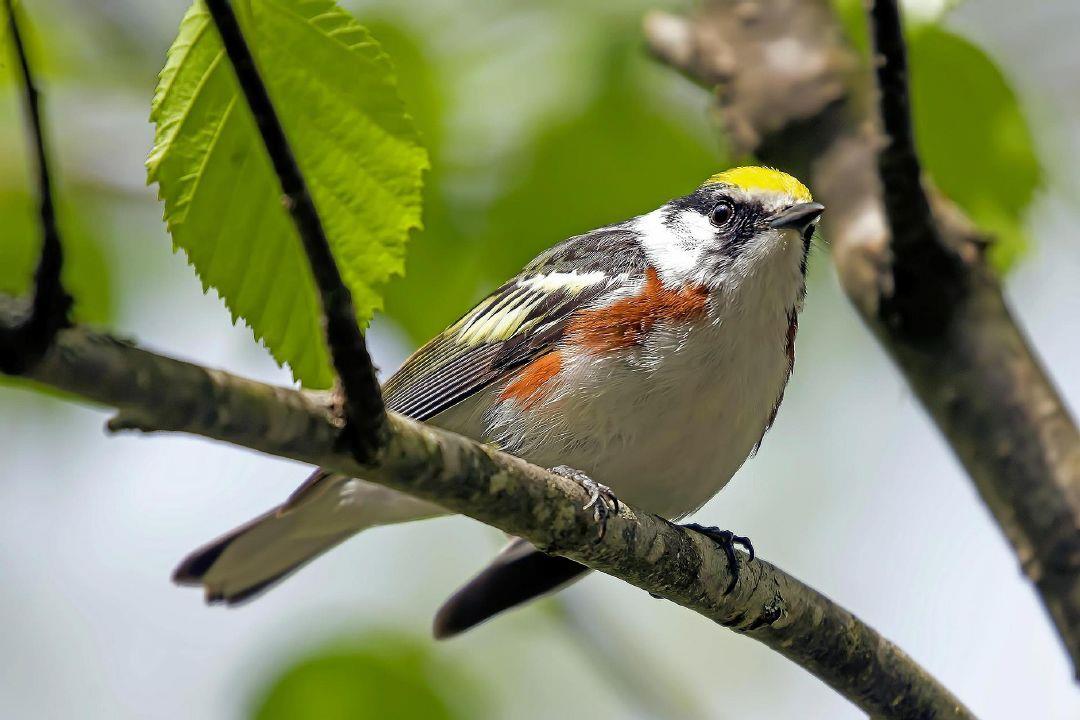
Hans Toom/Pixabay • A male chestnut-sided warbler peeks from the foliage of a tree., A total of 31 chestnut-sided warblers were found by counters during the 2026 Carter County Summer Bird Count.
Members and friends of the Elizabethton Bird Club conducted the 33rd Carter County Summer Count on Saturday, June 6, with 21 observers. Participants tallied 119 species, which is slightly above the average of 114.
According to count compiler Rick Knight, the all-time high of 123 species was achieved in 2017. Some of the more abundant birds on this year’s count included European starling with 900 individuals counted, and American robin with 343 individuals found. A total of 21 different species of warblers were found.
I counted in Elizabethton along the Watauga River along with Chris Soto and Rex Whitfield and Rob Armistead. Our group also consisted of Jean and Brookie Potter, who covered Wilbur Lake; and Connie and Dave Irick, who made their survey on Holston Mountain. We also had a single feeder watcher, Dianna Lynne of Stoney Creek.
The list:
Canada goose, 181; wood duck, 21; mallard, 60; and common merganser, 18
Wild turkey, 20; ruffed grouse, 3; mourning dove, 107; rock pigeon, 22; yellow-billed cuckoo, 1; common nighthawk, 15; chuck-will’s-widow, 2; Eastern whip-poor-will, 12; chimney swift, 76; and ruby-throated hummingbird, 16
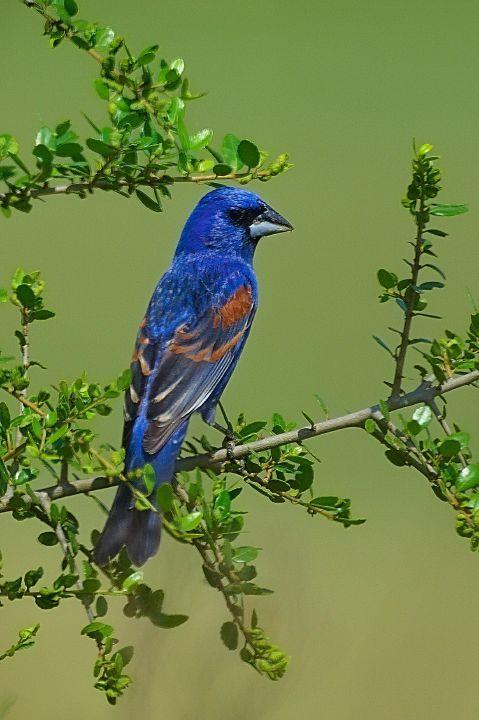
Lynn Wilson/Pixabay • A male blue grosbeak perches in the branches of a shrub. Five of these birds were found on the Carter County Summer Bird Count.
Killdeer, 3; double-crested cormorant, 29; green heron, 3; great blue heron, 29; black vulture, 11; turkey vulture, 70; osprey, 2; sharp-shinned hawk, 1; Cooper’s hawk, 1; red-shouldered hawk, 4; broad-winged hawk, 8; and red-tailed hawk, 8
Eastern screech owl, 2; barred owl, 1; belted kingfisher, 4; red-bellied woodpecker, 22; yellow-bellied sapsucker, 1; downy woodpecker, 29; hairy woodpecker, 7; Northern flicker, 17; and pileated woodpecker, 16
American kestrel, 1; great crested flycatcher, 5; Eastern kingbird, 21; Eastern wood-pewee, 50; Acadian flycatcher, 45; alder flycatcher, 1; least flycatcher, 12; and Eastern phoebe, 70
White-eyed vireo, 6; blue-headed vireo, 53; warbling vireo, 6; red-eyed vireo, 183; blue jay, 117; American crow, 255; fish crow, 5; and common raven, 10
Carolina chickadee, 83; tufted titmouse, 74; tree swallow, 67; Northern rough-winged swallow, 44; purple martin, 18; barn swallow, 75; and cliff swallow, 288
Golden-crowned kinglet, 3; cedar waxwing, 20; red-breasted nuthatch, 5; white-breasted nuthatch, 24; brown creeper, 5; blue-gray gnatcatcher, 30; Carolina wren, 125; house wren, 31; and winter wren, 5
Gray catbird, 37; brown thrasher, 32; Northern mockingbird, 87; European starling, 900; Eastern bluebird, 84; veery, 14; hermit thrush, 1; wood thrush, 84; and American robin, 343
House sparrow, 36; house finch, 152; red crossbill, 1; American goldfinch, 141; grasshopper sparrow, 1; chipping sparrow, 80; field sparrow, 40; dark-eyed junco, 61; song sparrow, 210; Eastern towhee, 108; and yellow-breasted chat, 1
Eastern meadowlark, 17; orchard oriole, 7; Baltimore oriole, 3; red-winged blackbird, 107; brown-headed cowbird, 51; and common grackle, 75
Ovenbird, 86; worm-eating warbler 17; Louisiana waterthrush, 10; golden-winged warbler 5; black and white warbler, 40; Swainson’s warbler, 12; common yellowthroat, 26; hooded warbler, 140; American redstart, 26; Northern parula, 58; magnolia warbler, 1; Blackburnian warbler, 5; yellow warbler, 13; chestnut-sided warbler, 31; black-throated blue warbler, 65; pine warbler, 6; yellow-rumped warbler, 5; yellow-throated warbler, 30; prairie warbler, 1; black-throated green warbler, 49; and Canada warbler, 6
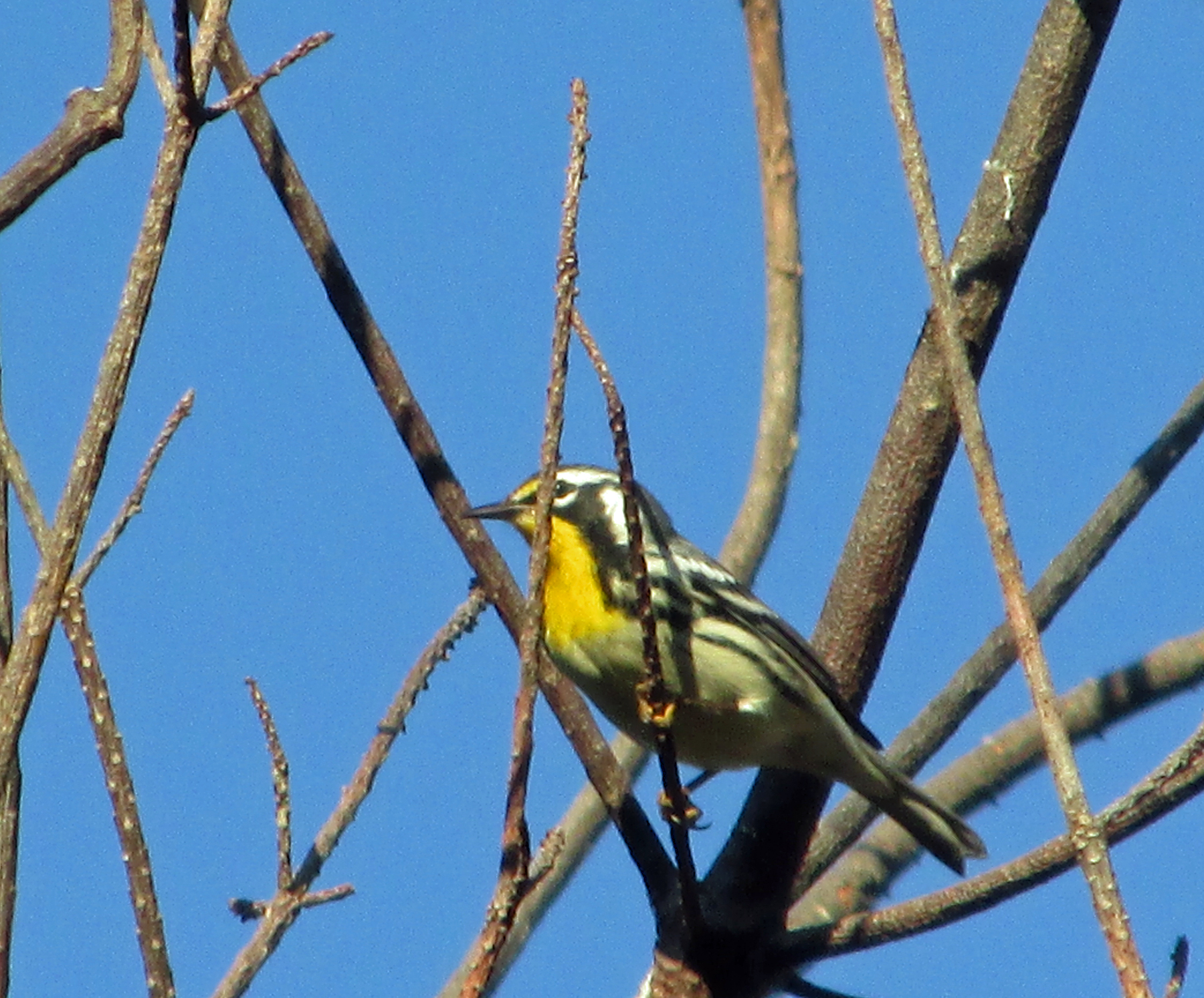
Photo by Bryan Stevens A Yellow-throated warbler perches in a cluster of dead branches.
Scarlet tanager, 45; Northern cardinal, 154; rose-breasted grosbeak, 12; blue grosbeak, 5; and indigo bunting, 144.
I’ll discuss the results of the Unicoi County Summer Bird Count, which was held June 13, in an upcoming column.
•••
To ask a question, make a comment or share a sighting, email me at ahoodedwarbler@aol.com.
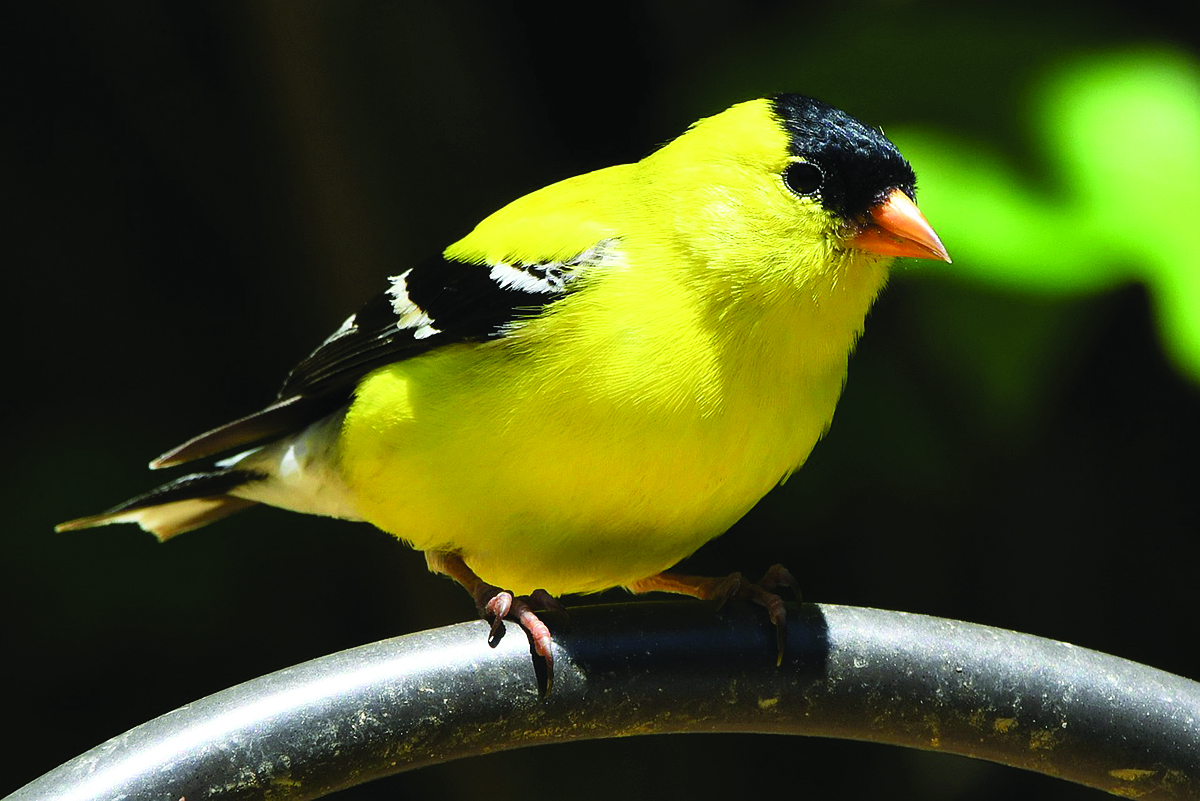
Miles Moody/Pixabay • A male American goldfinch looks his best during the spring and summer seasons.
 Our Fine Feathered Friends