Tag Archives: Northeast Tennessee

Belted kingfisher and its kin successful at fishing, much more

Photo by Public Domain Photos/Pixabay.com • A female belted kingfisher returns to a perch after a successful catch.

A belted kingfisher has visited the fish pond quite frequently throughout this summer. The bird’s arrival is usually heralded by its hoarse, rattling call. The bird is rather shy, so any observation usually has to be done with some degree of stealth.

Belted kingfisher

I know fishing is a favorite pastime for many people. In these times of social distancing, there’s probably nothing better for some people to do than to spend a lazy summer afternoon baiting a hook and trying their luck at their favorite fishing spot. While doing so, they have probably encountered the angling counterpart among our feathered friends. The belted kingfisher’s nature as an angler rules out this bird visiting feeders in the backyard, but that doesn’t mean one is unlikely to see this bird. With a little strategic effort, a glimpse of a belted kingfisher is fairly easy to obtain, especially during the summer months. Any stream, pond, river or other body of water increases the chances of observing this fascinating bird.

The belted kingfisher prefers to perch on an exposed branch or a wire that overlooks a body of water that offers ample fishing opportunities. The belted kingfisher, however, is capable of hovering in place in order to spot and then capture its prey in an impressive plunge and lunge into the water.

Most of my observations of hunting kingfishers have involved the birds in their ambush approach to fishing — perching and diving on the unsuspecting fish. I have on a few occasions also observed kingfishers as they hover over the water in a quest for a meal.

The belted kingfisher, like most of its kin, looks to have a head and bill that are slightly too large for the rest of the body. It’s the long, heavy bill that the belted kingfisher uses to snatch fish from their watery homes.

The term “belted” refers to bands of feathers across the bird’s belly. Female belted kingfishers sport bands of rusty-red and blue feathers, while males are limited to a blue belt across the upper breast. Female belted kingfishers are an exception to the rule that most male birds are more vividly colored than their female companions.

A walnut tree with some dead branches overlooking my family’s fish pond is a favorite perching site for visiting belted kingfishers. A few become become regular visitors almost every spring and summer. In past years, I’ve been delighted by pairs of kingfishers that have brought as many as six of their offspring to hunt around the edges of the pond and creek near my home.

When a belted kingfisher does manage to capture a fish — not always a certainty, despite their great skill — the bird will usually fly to a perch where they will beat the fish unconscious before swallowing it. I remember one particular kingfisher that liked to catch fish in the creek and then fly to the corner of the metal garage roof where the bird proceeded to beat senseless the unlucky fish.
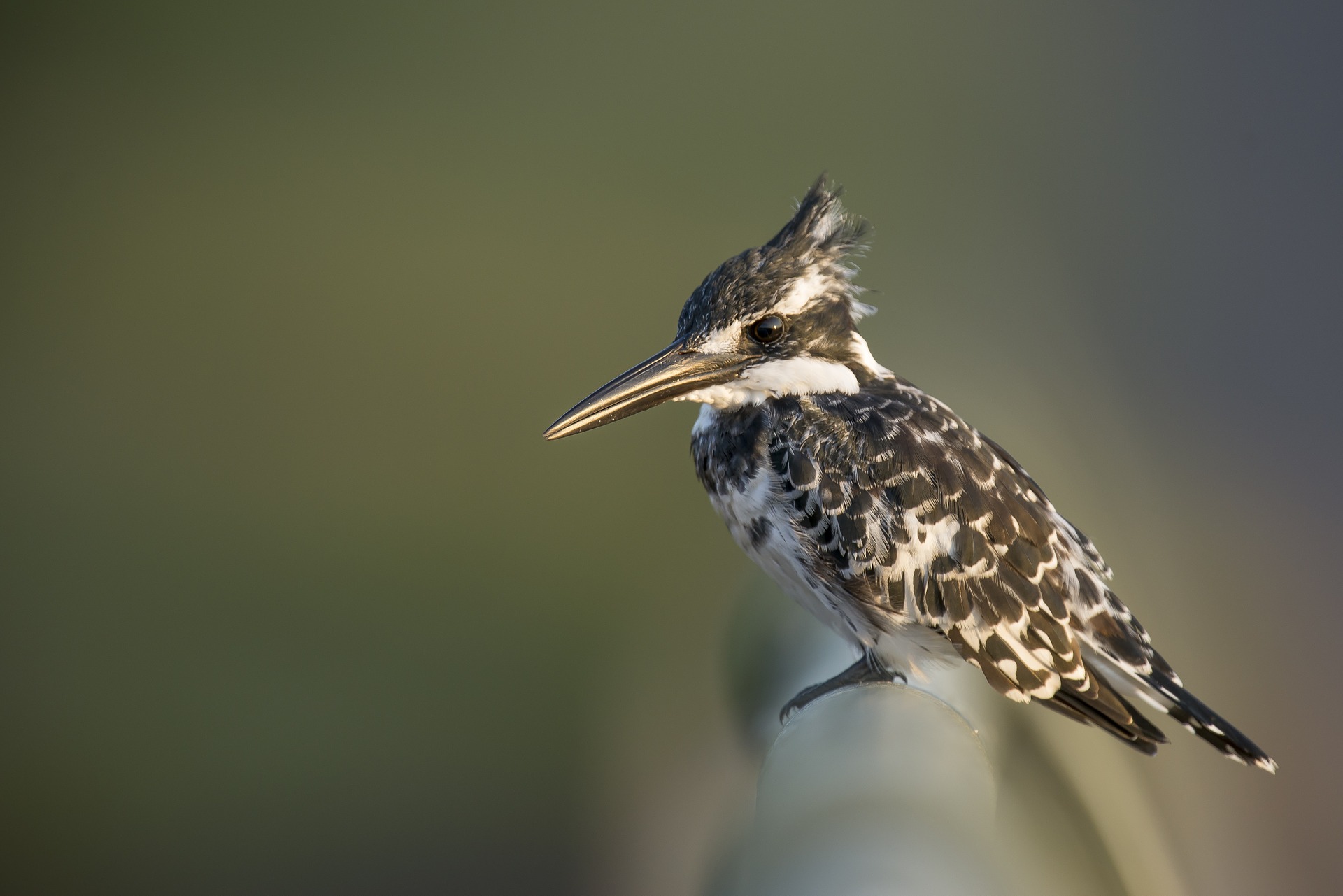
Photo by Pixabay.com • The pied kingfisher is a common member of the kingfisher family that ranges throughout Europe.

While the belted kingfisher is the only one of its kind in the eastern United States, the kingfishers are a large family of birds found around the globe. Worldwide, there are about 90 species of kingfishers that range in size from the 16-inch-long laughing kookaburra of Australia to the tiny African dwarf kingfisher, which at four inches in length is smaller than most sparrows. This family of birds is divided into three groupings: the river kingfishers, the tree kingfishers and the water kingfishers.

Despite the name “kingfisher,” not all kingfishers exist on a diet of fish. Some members of the kingfisher family instead prey on other quarry, such as snakes, lizards and insects.

Some of the varied names for members of this far-flung family of birds include moustached kingfisher, malachite kingfisher, shining-blue kingfisher, azure kingfisher, hook-billed kingfisher, little kingfisher, banded kingfisher, red-breasted paradise kingfisher, lilac kingfisher, glittering kingfisher, great-billed kingfisher, chocolate-backed kingfisher, ultramarine kingfisher, chattering kingfisher and yellow-billed kingfisher.

Photo by WelshPixie/Pixabay.com • The malachite kingfisher is a river kingfisher widely distributed in Africa south of the Sahara.

The family also consists of a group of related birds from Australia and New Guinea known as kookaburras, which includes blue-winged kookaburra, spangled kookaburra, rufous-bellied kookaburra, and the well-known laughing kookaburra. Hollywood often dubs the raucous calls of kookaburras into the background soundscapes of movies and shows with tropical themes.

Photo by Magee/Pixabay.com • The raucous calls of the kookaburra, an Australian kingfisher, are often incorporated into the background of jungle scenes in Hollywood movies.

There’s nothing quite so disappointing as coming home empty-handed after a day of fishing. Belted kingfishers rarely suffer that disappointment. Although not successful in every attempt, the belted kingfisher is certainly exceptional in its pursuit of fish. According to John Eastman in his book, “Birds of Lake, Pond and Marsh,” the belted kingfisher typically captures about 10 fish per day. That’s a feat that many human anglers might envy.


Gray catbird noisy visitor, but not one of region’s more showy birds

Gray

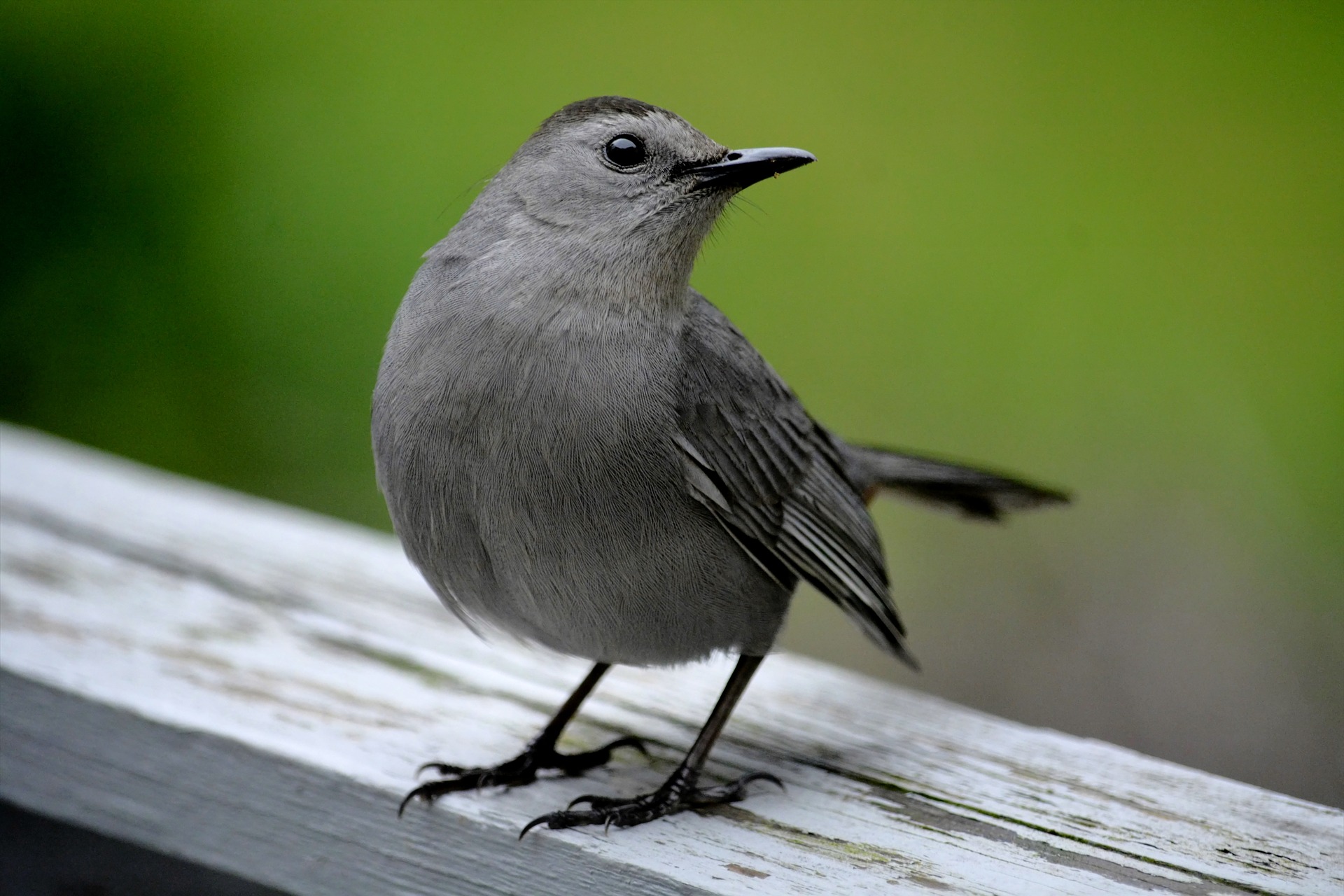
Photo by Jack Bulmer/Pixabay.com • A gray catbird visits a backyard bird bath for a drink.

Thomas A. Kidd contacted me in late June with a comment about one of my favorite summer birds. “I have lived in the City of Columbia, Tennessee, for 37 years and until this spring and early summer I had never seen the Gray Catbird,” he wrote. “They are very pretty birds that I enjoy watching from my kitchen window at the bird bath.”

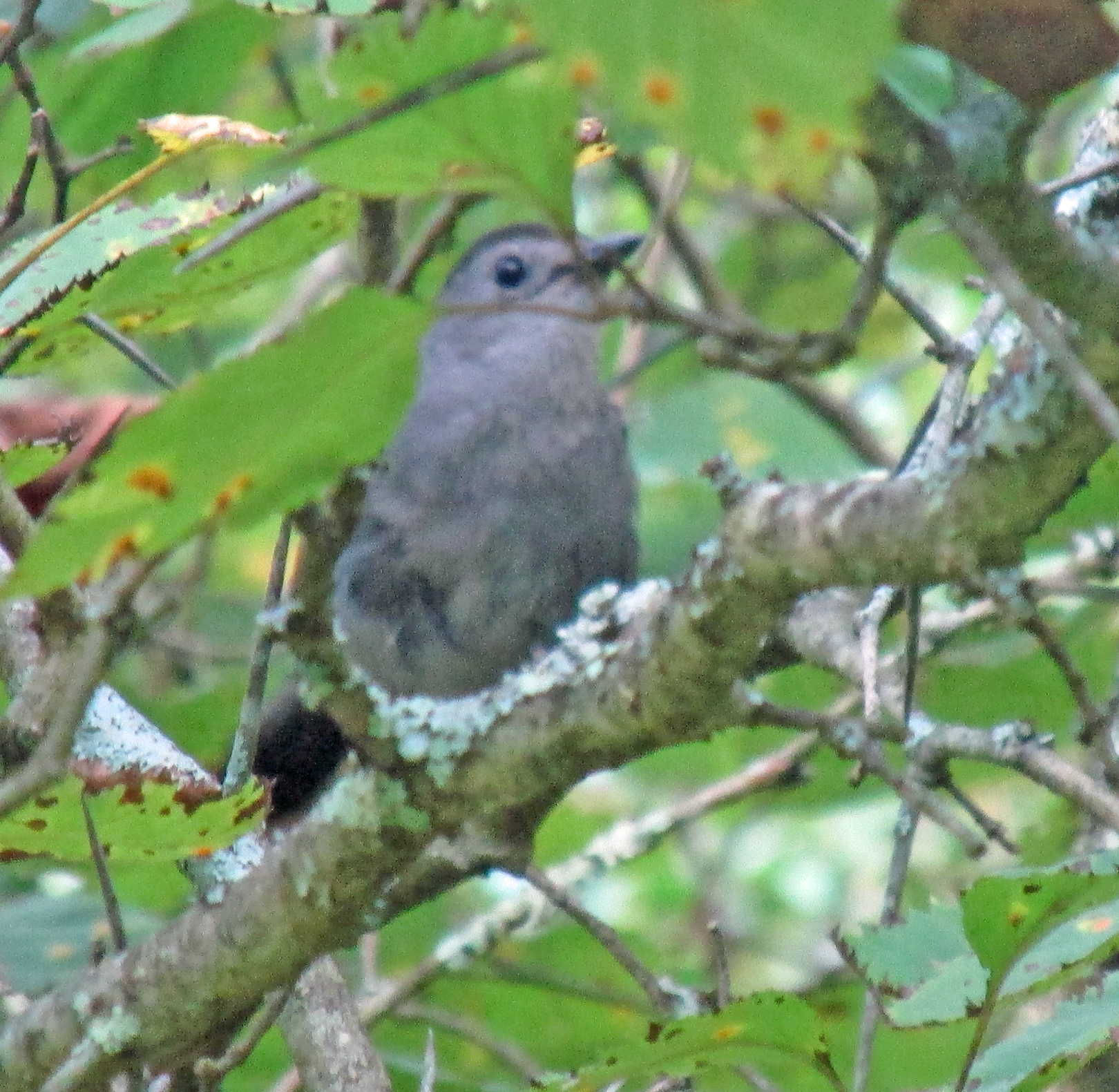
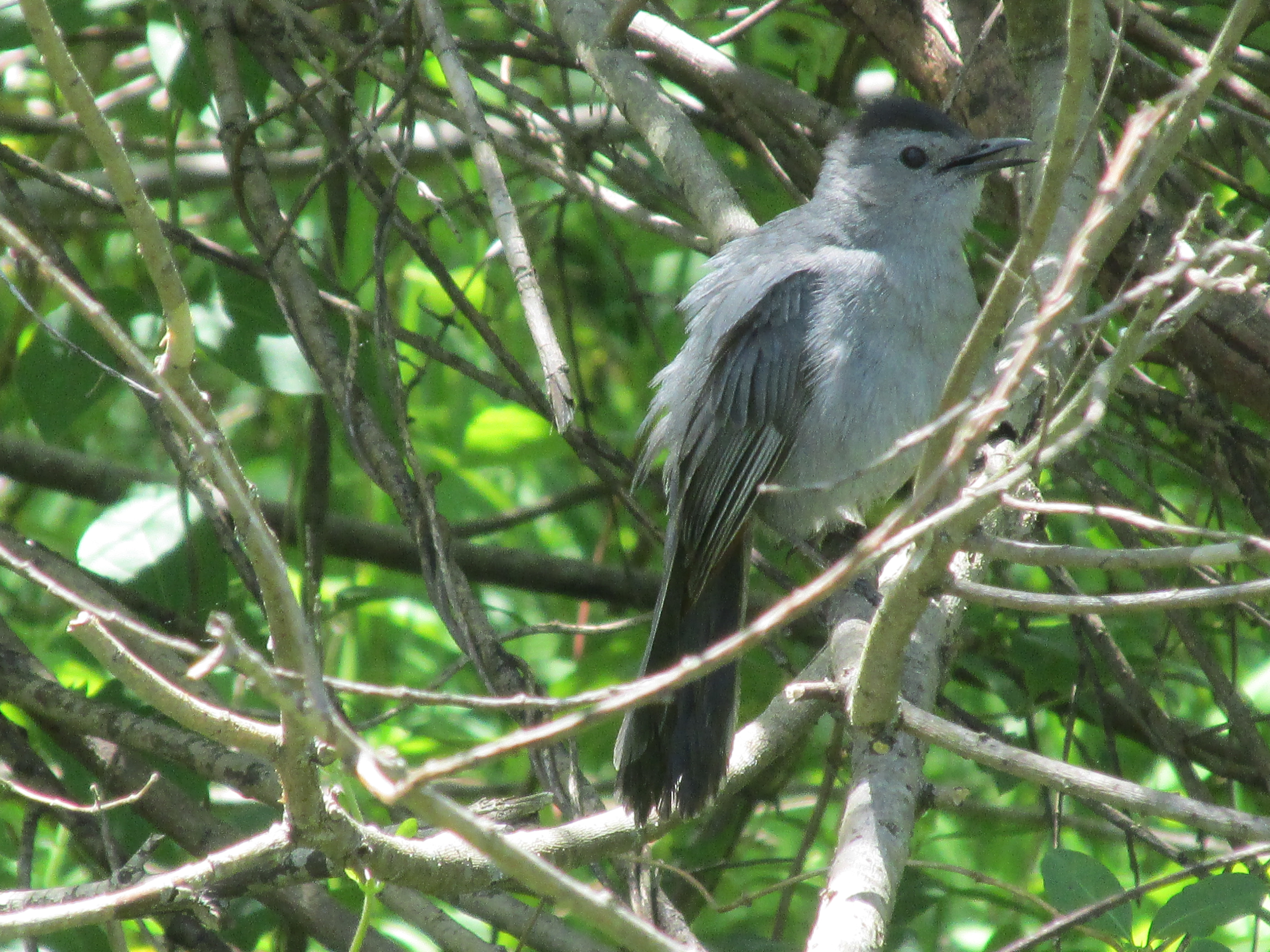
Catbirds are experts at concealing themselves from prying eyes. The gray plumage blends into the shadowy sections of the tangles and thickets where the bird likes to hide itself. However, even when gray catbirds are reluctant to be seen, they’re almost eager to be heard. The catbird is extremely vocal with several calls and songs in its repertoire, including the rather faithful rendering of a fussy cat’s meow that provides this bird its common name.

They’re part of a family related to thrushes that are known as “mimic thrushes.” Besides its surprisingly accurate rendition of a feline, the catbird has several other common vocalizations. Despite their shy nature, they’re extremely curious. Imitating their calls or simply producing a squeaky sound will usually persuade the bird to move out of cover and search for the source of the noise.

Catbirds are part of the parade of returning birds each spring that includes species like rose-breasted grosbeaks, scarlet tanagers, Baltimore orioles and indigo buntings, but because they lack the brilliant plumages of these other birds their arrival would probably go unnoticed if not for the fact they are extremely noisy for the first few weeks they are back. Then they go silent again and remain quieter as they take up the serious business of raising young.

Catbirds are experts at concealing themselves from prying eyes. The gray plumage blends into the shadowy sections of the tangles and thickets where the bird likes to hide itself. However, even when gray catbirds are reluctant to be seen, they’re almost eager to be heard. The catbird is extremely vocal, with several calls and songs in its repertoire, including the rather faithful rendering of a fussy cat’s meow that provides this bird its common name.

Photo by Bryan Stevens A curious Gray Catbird peeks from dense cover. Attendees at the fall rally can look for catbirds and other species at any of the offered bird hikes.

They’re part of a family related to thrushes that are known as “mimic thrushes.” Besides its surprisingly accurate rendition of a feline, the catbird has several other common vocalizations. Despite their shy nature, they’re extremely curious. Imitating their calls or simply producing a squeaky sound will usually persuade the bird to move out of cover and search for the source of the noise.

Catbirds are part of the parade of returning birds each spring that includes species like rose-breasted grosbeaks, scarlet tanagers, Baltimore orioles and indigo buntings, but because they lack the brilliant plumages of these other birds their arrival would probably go unnoticed if not for the fact they are extremely noisy for the first few weeks they are back. Then they go silent again and remain quieter as they take up the serious business of raising young.

They are related to thrashers and mockingbirds, but scientists find them just different enough to warrant placing the gray catbird in its own genus. A relative known as the black catbird, which ranges throughout the Yucatan Peninsula of Mexico as well as northern Guatemala and northern Belize, also belongs to a genus of its own. Both catbirds are classified as “mimic thrushes,” or Mimidae, of which there are about 30 species in the New World. There is a totally unrelated family of catbirds that ranges through Australia, Asia and parts of Africa. Some of these birds include the ochre-breasted catbird, tooth-billed catbird and spotted catbird.

The gray catbird is not as an accomplished mimic as some of its relatives, such as the Northern mockingbird. Nevertheless, experts have documented that the gray catbird can produce more than 100 different sounds. Males have motivation to constantly expand their repertoire, however, as doing so increases the likelihood of attracting a mate. They imitate other birds, but some have been recorded imitating frogs and other non-avian singers.

While not generally considered a bird to visit feeders, people have succeeded in attracting catbirds to feeders designed to offer grape jelly or orange slices. Planting fruit-bearing shrubs and trees is the best means of attracting these fascinating birds to your yard and garden. It’s also best not to clear away brush and tangles from your yard if you wish to attract catbirds. These are shy birds and will avoid areas that are too open and spacious. 


Unicoi County’s Summer Bird Count finds 110 species

Photo by Bryan Stevens • A trio of Northern Rough-winged Swallows perch on a branch. A total of 39 of these swallows were found on the seventh annual Unicoi County Summer Bird Count.

For the past seven summers, the members of the Elizabethton Bird Club have conducted a Summer Bird Count for Unicoi County.
The seventh annual survey of Unicoi County’s bird life was made more memorable due to the fact it was conducted during a global pandemic with counters practicing social distancing protocols. The Unicoi County Summer Count was held on Saturday, June 6, with 26 observers in 10 parties. The weather was favorable with a temperature range between 62 and 82, mostly to partly cloudy skies, and little wind.
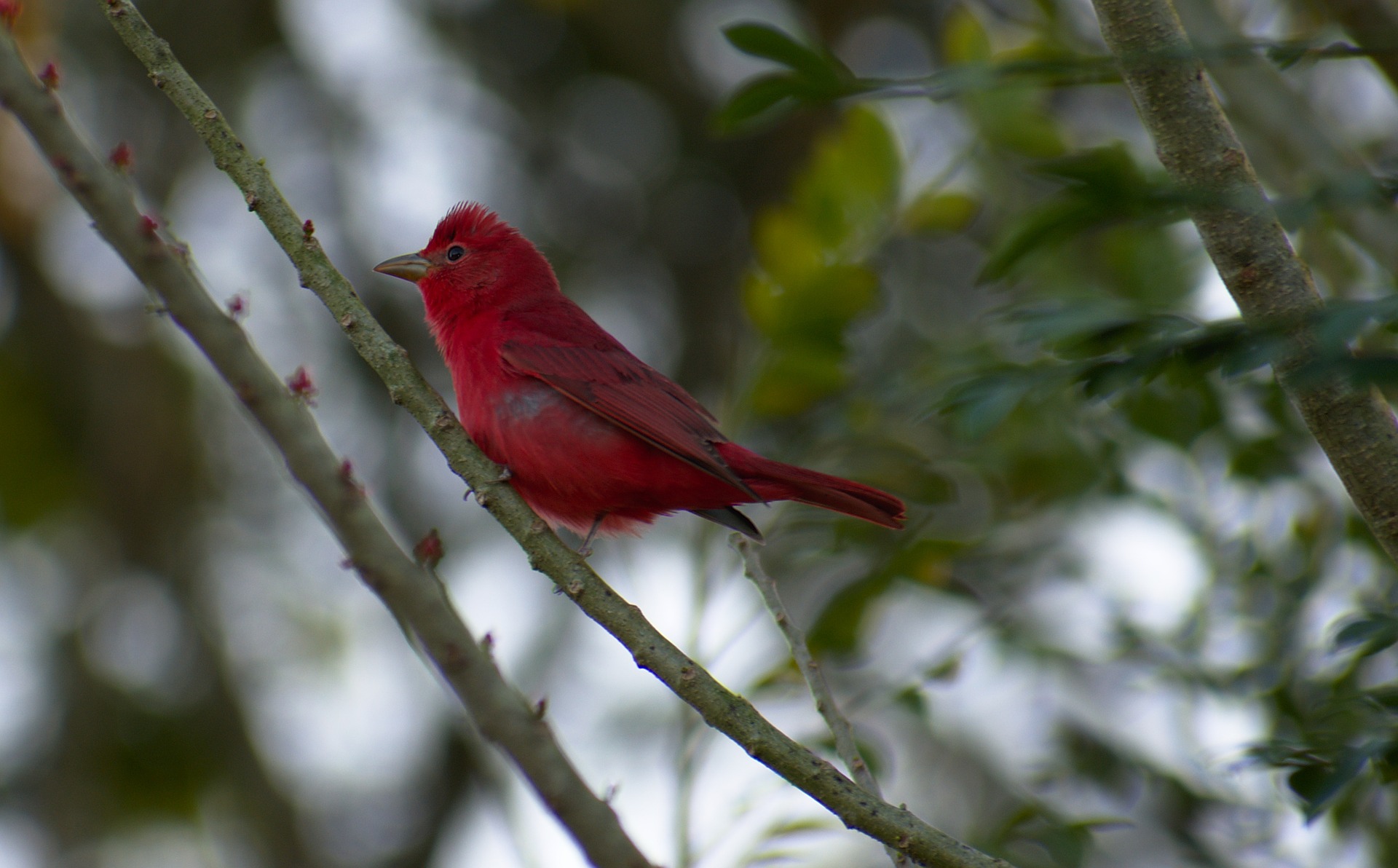
Photo by Bryan Stevens
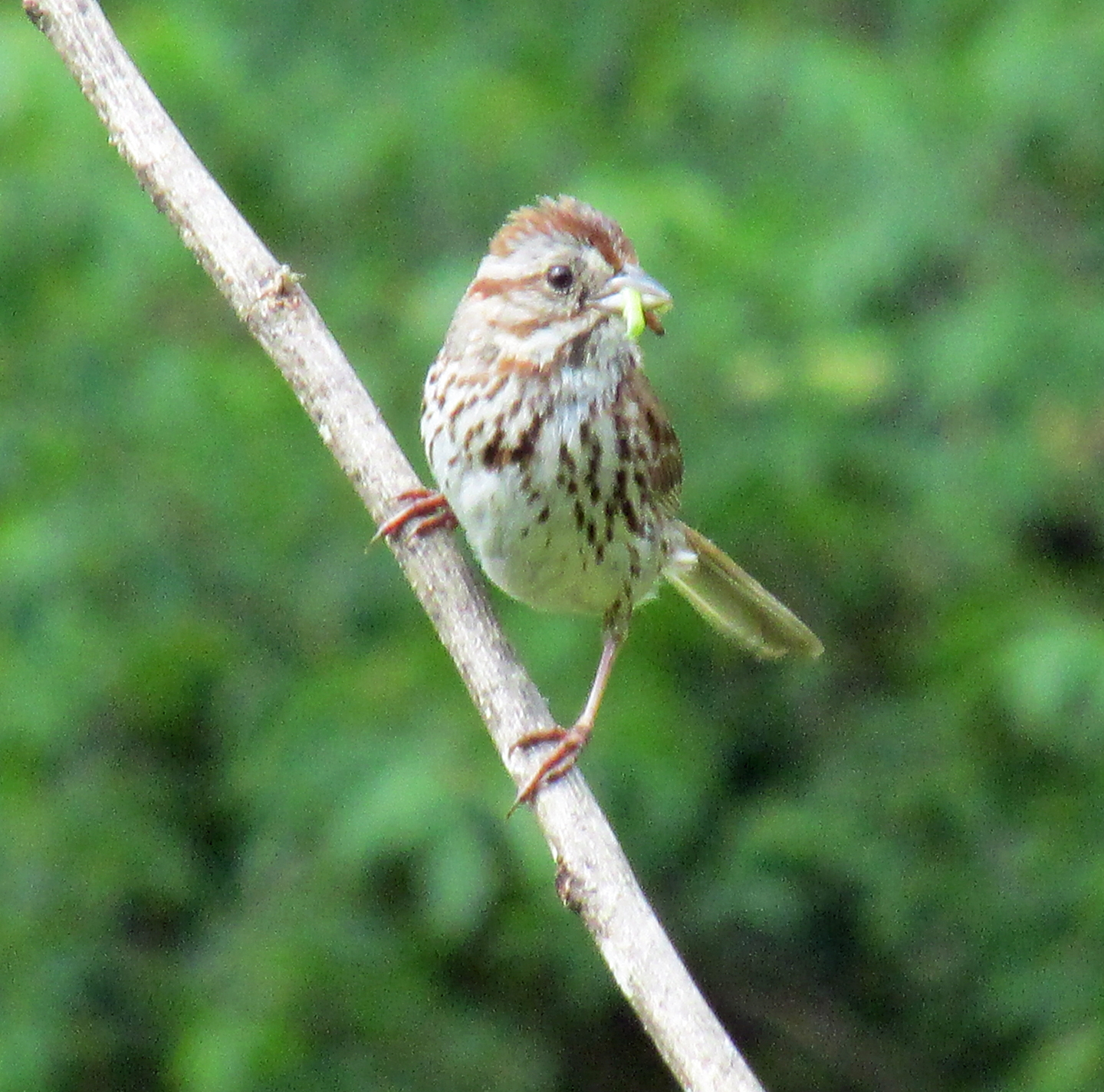
A Song Sparrow brings a beakful of caterpillars back to the nest to feed young.

 Counters tallied 110 species, which is near the six-year average of 109. Total species for this count has ranged from 104 to 112 species. Participants included Joe McGuiness, Vern Maddux, Kim Stroud, Dave Gardner, Don Holt, Dianne Draper, Debi and J.G. Campbell, Bryan Stevens, Brookie and Jean Potter, Eric Middlemas, Ken Rea, Roy Knispel, Jerry Bevins, Michele Sparks, Tammy Griffey, Jim Anderson, Pete Range, Harry Lee Farthing, Tom McNeil, Cathy McNeil, Fred Alsop, Catherine Cummins, Larry McDaniel and long-time count compiler Rick Knight. 

The bird found in most abundance was the European Starling with 536 individuals counted. Other common birds included Red-eyed Vireo (226) and Song Sparrow (245). A few birds went undetected, including Great Horned Owl.

This annual count covers territory such as Unaka Mountain, the Lamar Alexander Rocky Fork State Park, Limestone Cove, the Erwin Linear Trail, and much more. Unicoi County offers many natural treasures, not the least of which being the varied and interesting birds that reside within its borders.

 The List:

 Canada Goose, 54; Wood Duck, 23; Mallard, 42; Ruffed Grouse, 3; Wild Turkey, 5; Great Blue Heron, 5; and Green Heron, 4.

Black Vulture, 6; Turkey Vulture, 45; Sharp-shinned Hawk, 2; Cooper’s Hawk, 1; Broad-winged Hawk, 6; and Red-tailed Hawk, 9.

Photo by Skeeze/Pixabay.com • The Cooper’s hawk, like this individual, is a larger relative of the sharp-shinned hawk. It’s larger size allows this raptor to prey on larger birds, such as mourning doves.

Killdeer, 14; Rock Pigeon, 111; Mourning Dove, 152; Yellow-billed Cuckoo, 6; Eastern Screech-Owl, 3; Barred Owl, 1; Chuck-will’s-widow, 5; and Eastern Whip-poor-will, 9.

Chimney Swift, 45; Ruby-throated Hummingbird, 8; Belted Kingfisher, 2; Red-bellied Woodpecker, 33; Yellow-bellied Sapsucker, 1; Downy Woodpecker, 14; Hairy Woodpecker, 2; Northern Flicker, 13; and Pileated Woodpecker, 26.

American Kestrel,1; Eastern Wood-Pewee, 13; Acadian Flycatcher, 56; Least Flycatcher, 6; Eastern Phoebe, 81; Great Crested Flycatcher, 2; and Eastern Kingbird, 11.

White-eyed Vireo, 2; Yellow-throated Vireo, 1; Blue-headed Vireo, 35; Warbling Vireo, 3; Red-eyed Vireo, 226; Blue Jay, 108; American Crow, 122; and Common Raven, 8.

Northern Rough-winged Swallow, 39; Purple Martin, 30; Tree Swallow, 65; Barn Swallow, 79; and Cliff Swallow, 106.

Carolina Chickadee, 102; Tufted Titmouse; 100; Red-breasted Nuthatch, 3; White-breasted Nuthatch, 17; Brown Creeper, 4; House Wren, 54; Winter Wren, 1; Carolina Wren, 146; Blue-gray Gnatcatcher, 15; and Golden-crowned Kinglet, 12.

Photo by Bryan Stevens
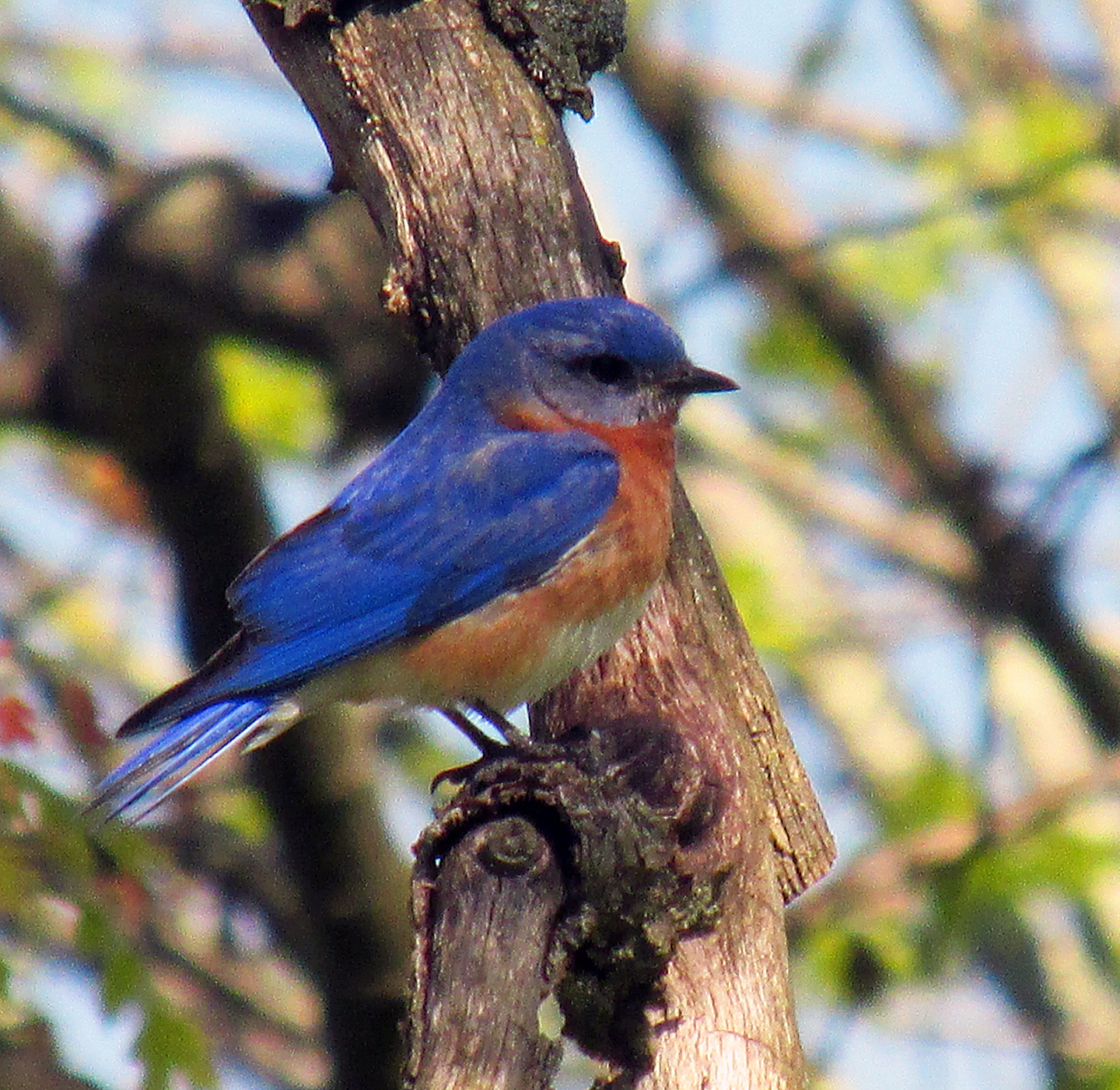
The male Eastern Bluebird is beloved by many bird enthusiasts.

Eastern Bluebird, 94; Veery, 15; Hermit Thrush, 3; Wood Thrush, 57; American Robin, 397; Gray Catbird, 27; Brown Thrasher, 24; Northern Mockingbird, 48; European Starling, 536; and Cedar Waxwing, 48.

Ovenbird, 63; Worm-eating Warbler, 40; Louisiana Waterthrush, 14; Black-and-white Warbler, 34; Swainson’s Warbler, 3; Common Yellowthroat, 3; Hooded Warbler, 64; American Redstart, 8; Northern Parula, 39; Magnolia Warbler, 1; Blackburnian Warbler, 3; Yellow Warbler, 9; Chestnut-sided Warbler, 32; Black-throated Blue Warbler, 29; Pine Warbler, 5; Yellow-throated Warbler, 30; Prairie Warbler, 4; Black-throated Green Warbler, 52; Canada Warbler, 6; and Yellow-breasted Chat, 2.

Eastern Towhee, 80; Chipping Sparrow, 68; Field Sparrow,  21; Song Sparrow, 245; Dark-eyed Junco,  33; Scarlet Tanager, 33; Northern Cardinal, 163; Rose-breasted Grosbeak, 6; Blue Grosbeak, 4; and Indigo Bunting, 131.

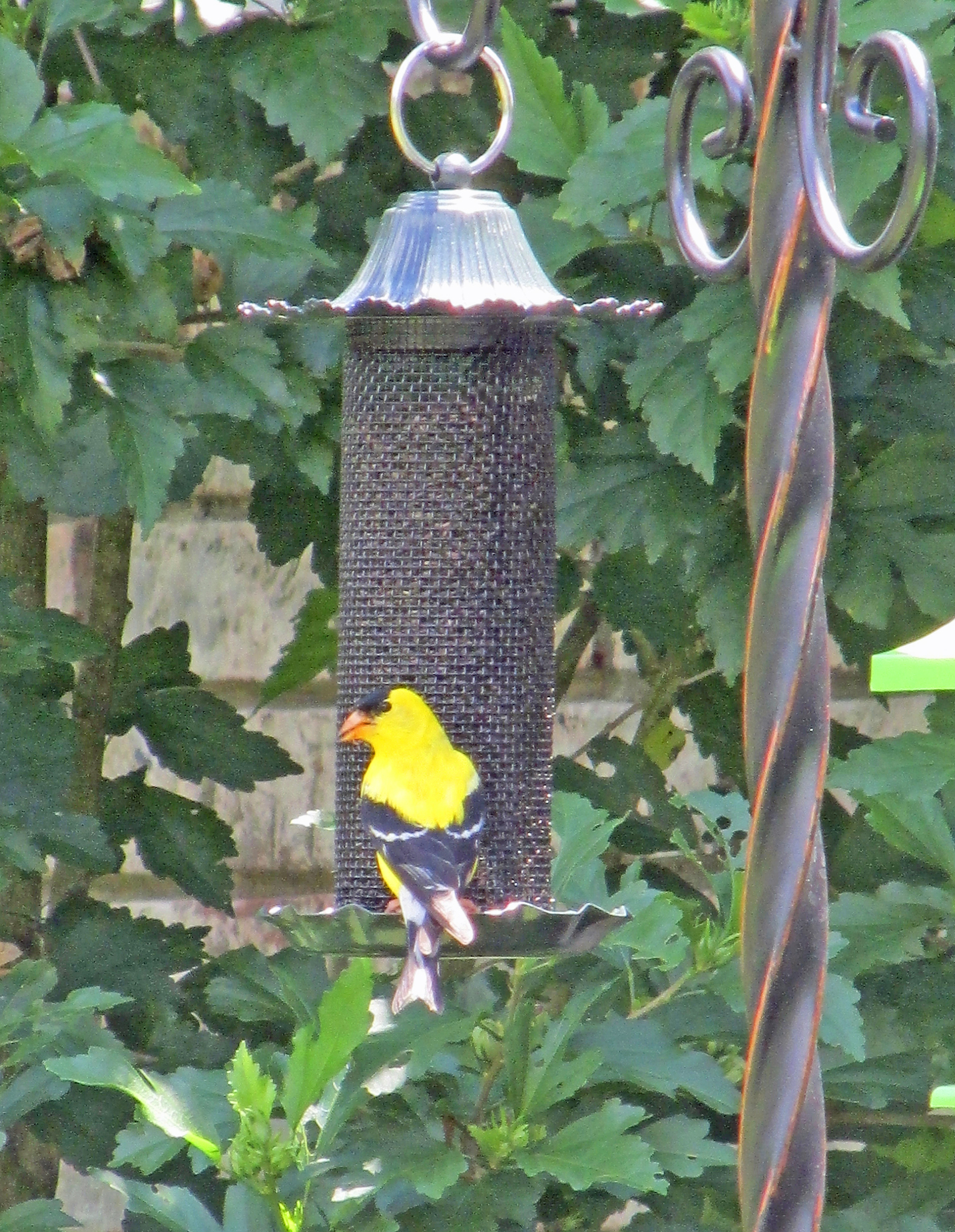
Red-winged Blackbird, 71; Eastern Meadowlark, 15; Common Grackle, 156; Brown-headed Cowbird, 23; Orchard Oriole, 6; Baltimore Oriole, 2; House Finch, 70; Red Crossbill, 1; American Goldfinch, 110; and House Sparrow,  33.

Photo by Bryan Stevens • An American goldfinch visits a feeder for a meal of thistle seeds.

Indigo buntings among summer’s most welcome birds

Photo by HeronWorks/Pixabay.com • An indigo bunting feeds on millet seeds at a backyard feeder. These dazzling blue birds are a common summer visitors in Northeast Tennessee.

It’s been a wet summer so far, and a verdant hue has been the rule as trees and other plants seem to be thriving. The green canopy of trees around my home offers concealment for hidden singers, including red-eyed vireos, wood thrushes, and indigo buntings. Those last ones have been a source of some frustration. I have heard a male indigo bunting singing persistently on a daily basis all last month, but glimpsing him in the green foliage has been a challenge.

Two recent summer bird counts have also emphasized some of the more commonplace birds in the region. While American robins and European starlings were extremely abundant, these two birds are permanent residents and are present year-round. A few other summer songbirds also helped swell the ranks of some of the seasonally common birds. For instance, the Unicoi County Summer Bird Count found a total of 131 indigo buntings, while the Carter County Summer Bird Count tallied 105 of these little blue beauties. Both of these Northeast Tennessee surveys are conducted by members of the Lee and Lois Herndon Chapter of Tennessee Ornithological Society.

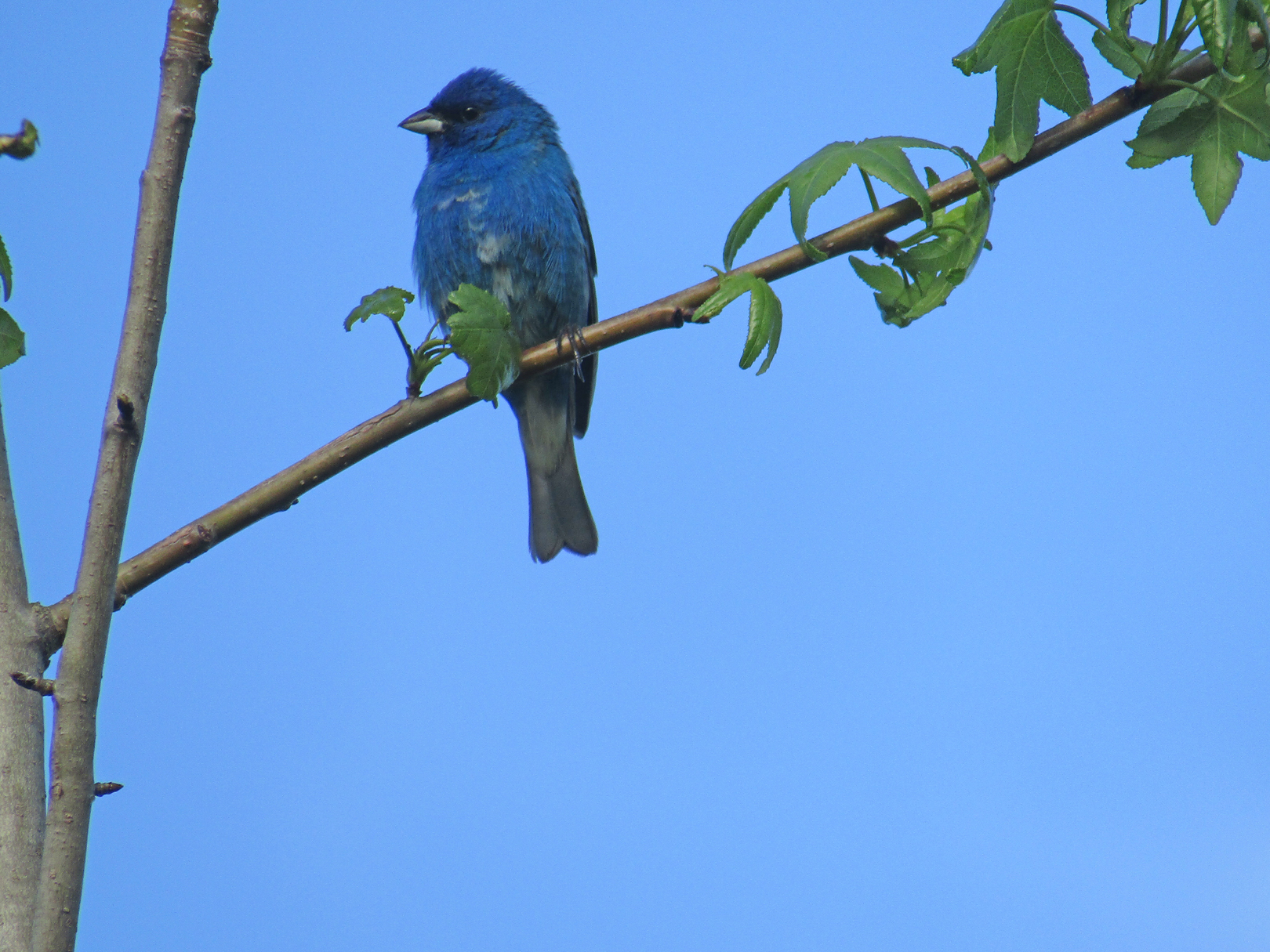
Photo by Bryan Stevens • Neotropical migrants, such as this indigo bunting, provide some vibrant color during the hot summer months.

Buntings like to reside in the boundary region where forests and woodlands meet fields and pastures. Personally, the indigo bunting has always been a bird that is suggestive of the long, hot days of summer. One of my earliest and still quite vivid birding memories is a recollection of a shockingly blue bird and a stunning yellow and black bird sharing perches atop a blue spruce tree in my yard. Several decades later, the tree is no longer standing, but these beautiful birds — I now know these summer visitors were indigo buntings and American goldfinches — return year after year to my yard and gardens.

Photo by Bryan Stevens • This male’s indigo bunting’s plumage is beginning to look somewhat worn in late summer.

These birds usually arrive in the region in late April and I’ve seen them in late October, although most indigo buntings have left the region by late September. Male indigo buntings are persistent singers, and in the past couple of weeks one very enthusiastic male has been singing even during the hottest hours of recent July afternoons. The preference of this small songbird is to sing from the tops of tall trees. They are often concealed by the green leaves. When I do get a glimpse of the obscured songster, often all I see is a dark shape silhouetted against the bright sky. Sometimes, if he plunges from the upper branches into the woodland understory, I get that telltale glimpse of blue feathers.

The indigo bunting is the only solid blue bird in the eastern United States. It’s all an illusion, however. The indigo bunting’s feathers are not really blue; the male’s brilliant azure plumage is caused by the process of refraction. This process absorbs all but blue light, which explains why the indigo bunting appears blue. In bright light, it can even look unnaturally vivid blue. In poor light, however, an indigo bunting male can appear black. Fortunately, indigo buntings have both a characteristic body shape and song, so even if the birds are not seen at their best, they can still be recognized.

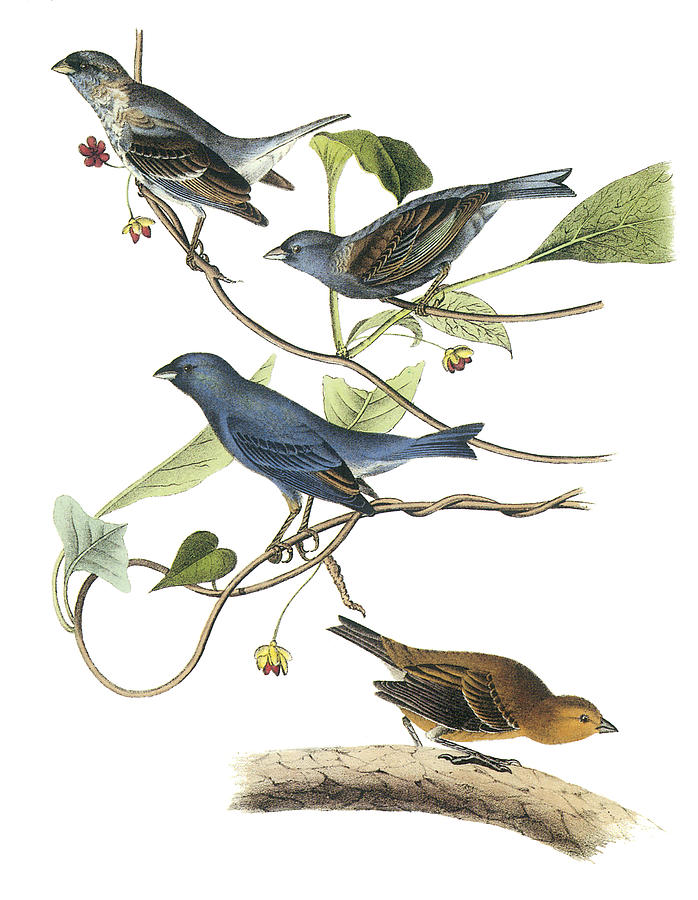
Like many species of songbirds, the male is by far the most colorful. In this instance, the male is also responsible for the species’ name. Indigo is a blue dye that was once an important crop in the South. The drab female may boast some blue highlights in her plumage. Juvenile birds just out of the nest also resemble the female. Pay close attention to any indigo buntings you observe as summer progresses. Juvenile birds will look mostly brown with just a hint of blue in the wings and the tail. These will be the young buntings that were hatched this spring and early summer. They will often accompany their parents to feeders, where they are extremely fond of millet seed. I like to have some feeders stocked with millet when the buntings begin to return each spring. They will also feed on thistle and sunflower seeds. Away from our feeders, they also devour plenty of seeds from various noxious weeds. Because of the indigo bunting’s appetite for the seeds of destructive weeds, it is considered a very beneficial bird. Tangible value and exceptional beauty — that’s not a bad combination for such a tiny bird.

Photo by Bryan Stevens • Although bright blue, a male indigo bunting will often blend with its surroundings.

Mississippi kite glimpsed on spring count becomes latest listed ‘life bird’

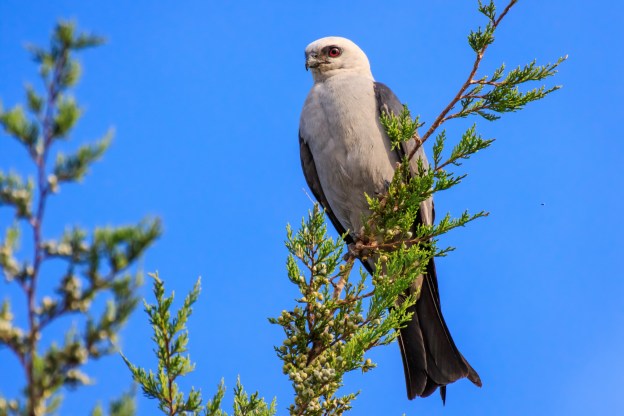
Photo by Richard/Adobe Stock • A solitary Mississippi Kite sits perched in a lakeside tree. These graceful raptors take their prey mostly while on the wing.

If you know many birders, you have likely heard them talk about “life birds.” These are any species that a birder has seen and identified in the wild for the very first time. It can be any bird species at all that the birder observes for the first time, whether it is a commonplace bird like a song sparrow or something slightly more exotic.

While taking part in the 77th consecutive Elizabethton Spring Count on Saturday, May 2, I saw something that, for our region, could be considered a little more exotic. The sighting certainly ranked as unexpected.

Unless one travels extensively, life birds can be hard to get once people have added to their lists most of the common birds around their homes. Finding a life bird during the ongoing pandemic brings its own challenges. I haven’t added a new life bird to my own list since a visit to South Carolina in June 0f 2016. During that visit to Huntington Beach State Park, I added a least bittern to my list of “life birds.”

My most recent “life bird” appeared closer to home and might qualify as my most unexpected life bird ever. The bird flew into view and onto my life list during the annual Spring Bird Count, which was conducted by members and friends of the Elizabethton Bird Club. Due to social distancing, many participants counted solo this year, myself included, although a few married couples birded together. I’ll always remember my pandemic spring count, especially for the 46th bird on my tally list for the day.

I found myself in the parking lot at Sycamore Shoals State Historic Park in Elizabethton around 11 in the morning. I wanted to scan the evergreens in that vicinity for Cape May warblers, a migrant that finds the tall conifers to its liking. I didn’t find any warblers, but I did surprise a perched raptor into making a short flight.

The instant I saw the bird launch itself into flight, I knew I was watching something out of the ordinary. The bird flew with a combination of grace and power that reminded me of a falcon, but I also glimpsed a barred tail that reminded me of one of the accipiter hawks. Then it landed on a dead branch in a tall sycamore that must have permitted the raptor an unobstructed view of the entire park. Although I’d never until that moment seen a Mississippi kite, I have studied illustrations and photographs. I felt fairly certain of the bird’s identity even before I used my phone to call up some birding sites to confirm my identification.

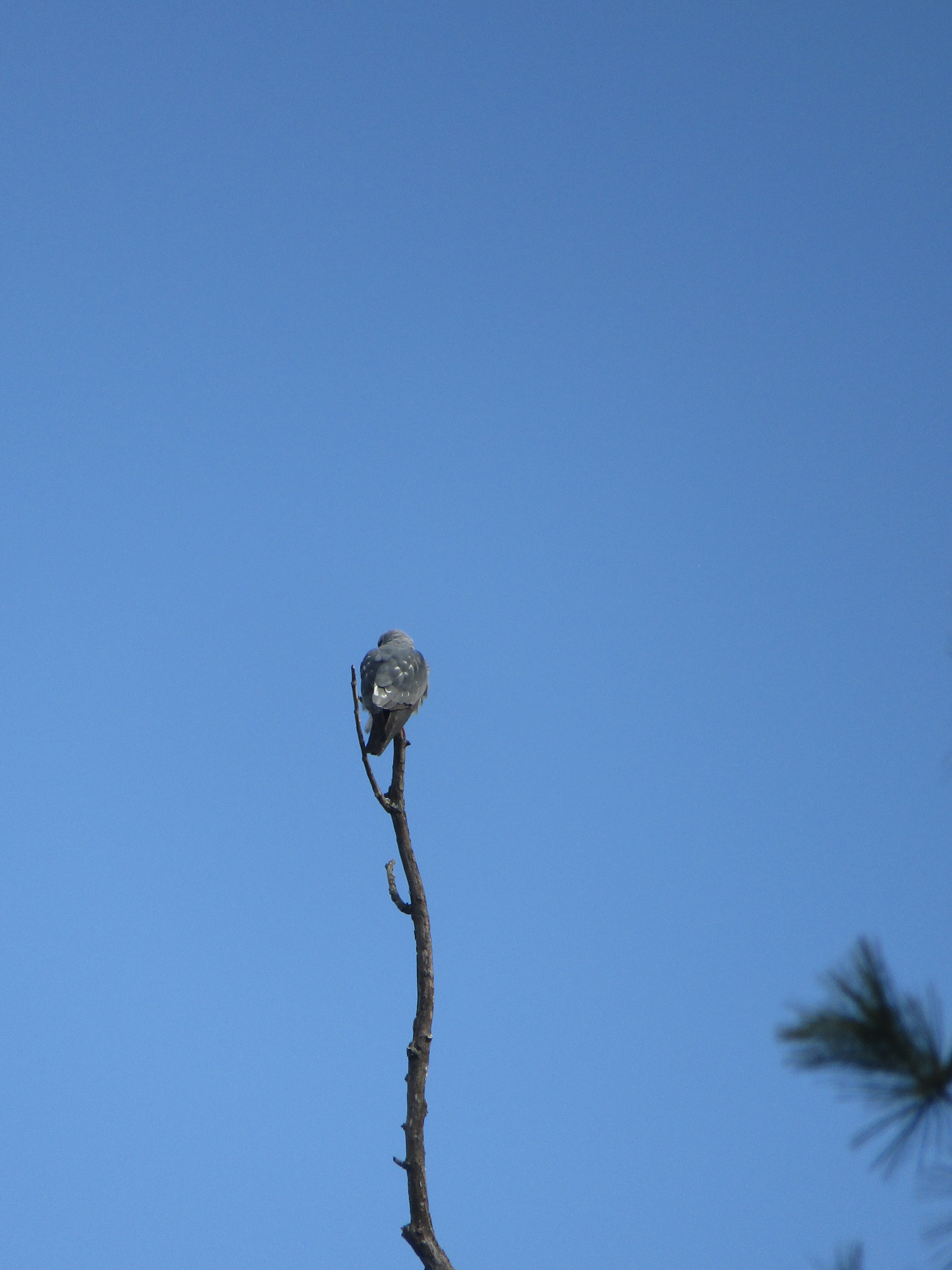
Photo by Bryan Stevens • This Mississippi Kite became the first of its kind ever observed on one of the Elizabethton Bird Club’s Spring Bird Counts for Northeast Tennessee.

That’s when the fact I was birding solo hit home. I wanted some additional witnesses to this very unexpected find. In lieu of other observers, I turned to my camera. The bird had turned its back to me, but I snapped some photos and then made my way to a position that I hoped would allow for better photographs.

Alas, the resident American crows at the park had different ideas. Detecting a raptor in their midst, about a half dozen crows gathered to harass the perched kite. Before I could snap a new round of photos, the kite took flight and flew into a stand of tall trees located between the park and Sycamore Shoals Hospital.

Only a few years ago, a Mississippi kite in Northeast Tennessee would have been unheard of. The hills and mountains of the region are simply not the expected habitat for these graceful raptors. Faith Reeves, a resident of Elizabethton, Tennessee, a Facebook friend and fellow birder, saw the first two Mississippi Kites ever found in Northeast Tennessee. She saw and photographed the birds in her own yard on May 20, 2014, and May 13, 2016.

In addition, Don Holt observed a Mississippi kite in Washington County, Tennessee, on April 16, 2017.

Rick Knight and several other birders also saw several Mississippi Kites for about a week in late August of 2016. Observers estimated that these sightings involved from two to five different kites.

“The August observations are our only fall records,” said Rick Knight, a long-time compiler of birds sightings in the region. He added that fall is the season when kites are likely to linger.

“All spring records are overshooting migrants and are one-day-wonders,” Knight explained.

Hearing his explanation, I felt even more privileged to have witnessed this “one-day wonder” in my home county.

Photo by Myriams-Fotos/Pixabay.com • The red kite is an abundant member of the kite family in Europe and northwest Africa.

The Mississippi kite is a beautiful raptor. Adults are grayish-white with the head often appearing pale gray or almost white. Although the Mississippi kite can attain a wingspan of three feet, these birds weigh only seven to thirteen ounces. They feed almost exclusively on insects, which they capture in flight. Some of the insects, such as cicadas and grasshoppers, are ones that damage crops, making the Mississippi kite a friend to farmers.

These kites breed and nest in the central and southern United States, but they have expanded their range north in recent years. They leave the United States in fall to spend the winter in southern South America.

Several years ago I got the thrill of adding a swallow-tailed kite to my life list in some agricultural fields in southwestern Washington County. I’ve also seen swallow-tailed kites in Florida. There is one other member of the kite family that I’d like to add to my list. The snail kite is a dark bird with a hooked beak designed for feeding on snails found in wetlands. This specialist resides in Florida, as well as the Caribbean and Central and South America.

Other kites found around the world include the double-toothed kite, plumbeous kite, whistling kite, square-tailed kite, red kite and black kite.

It’s been a spring filled with many amazing bird observations. I can’t speak for others, but thanks to that remarkable kite sighting and glimpses of some other fascinating birds, not even having to bird solo in a pandemic can bring me down. I’ll provide more details on this year’s Spring Bird Count for Northeast Tennessee in next week’s column.

Photo by Bryan Stevens • Mississippi Kite perched in a tree prior to being dispersed by some defensive American crows.

Region’s two oriole species make their spring return

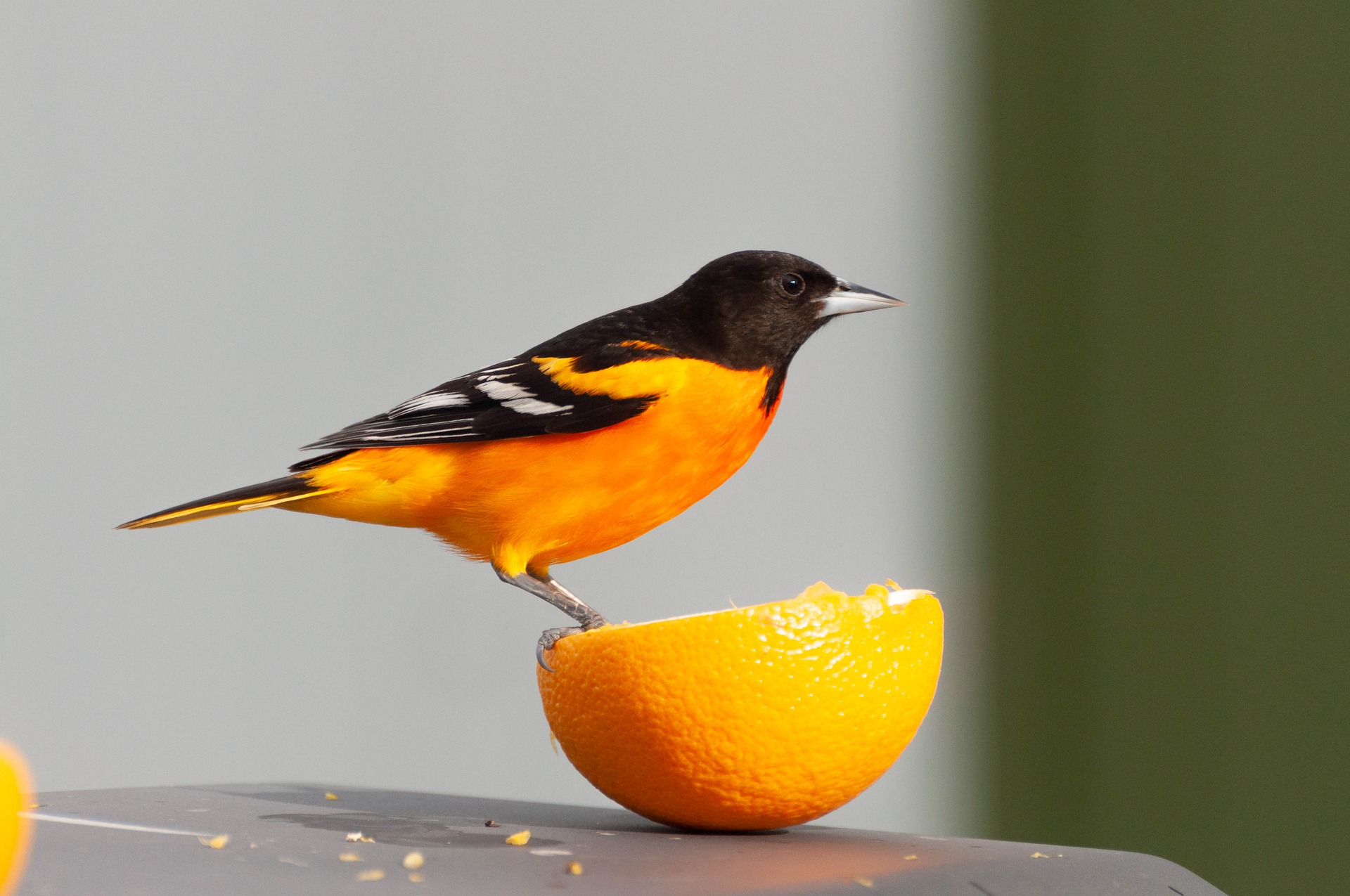
Photo by MillionPM/Pixabay.com • Oranges, as well as offerings of grape jelly, are often successful at luring Baltimore orioles to feeders.

Earlier this spring, Kaylynn Wilster, who resides in Jonesborough, Tennessee, emailed me for information about orioles.

“Do you know when the orioles return to our area?” Kaylynn asked. In her email, she also shared that she had a female Baltimore oriole gathering nesting materials in her yard last summer.

“I put out an oriole feeder this year,” she added. So far, she noted, only chickadees have discovered the grape jelly.

In addition, Brenda Hickman Dishner, who lives near Holston Dam in Bristol, Tennessee, contacted me through Facebook to ask if I have seen orioles in the area.

Brenda added that she has put out oriole feeders for the past three years with no luck.

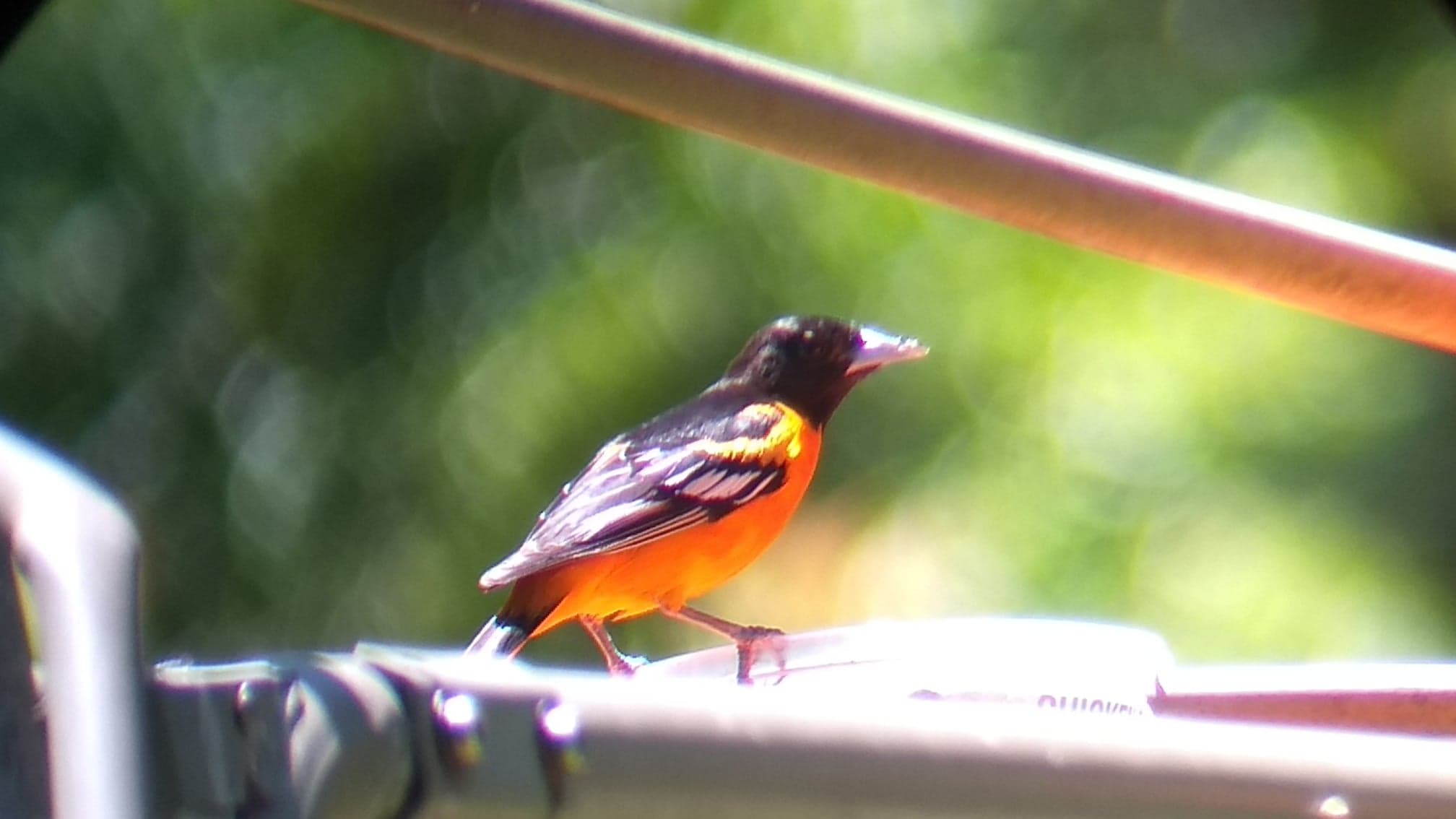
Photo provided by Gloria Blevins • A male Baltimore Oriole visits a feeder at the Blevins home in Damascus, Virginia.

It seems many people are hoping to welcome these bright orange and black birds to their feeders. In my reply to Kaylynn and Brenda, I told them to expect orioles to arrive in late April and early May. I’ve found orioles uncommon visitors to my home, but my prediction on timing proved more or less correct.

Gloria Blevins shared a photo of the Baltimore orioles that have been visiting her home in Damascus, Virginia. In a Facebook message, she shared that the orioles have been feeding on grape jelly that she had provided them since May 2.

Although she no longer lives locally, Kathy Noblet has been seeing lots of Baltimore orioles at her home in Mount Vernon, Ohio, since late April. Her photographs of these colorful birds have been nothing short of amazing. She has shared new photographs on Facebook on an almost daily basis for the past couple of weeks.

“The orioles continue to come to my deck and pig out on grape jelly,” Kathy posted on May 6. “They are fun to watch!”

I also heard back from Kaylynn on May 15. “There was a male oriole getting a drink at my pond about four days ago,” she informed me in an email.

Photo by USFWS • Baltimore orioles, like this male, are members of the blackbird family, making them relatives of species such as Eastern meadowlarks, brown-headed cowbirds, common grackles and red-winged blackbirds.

The Baltimore oriole, despite its bright plumage, is a member of one of the blackbird clans, known in scientific circles as the Icterus genus. In his book, “Birds of Forest, Yard, and Thicket,” John Eastman notes that there are 26 species in the genus, eight of which nest in the United States.

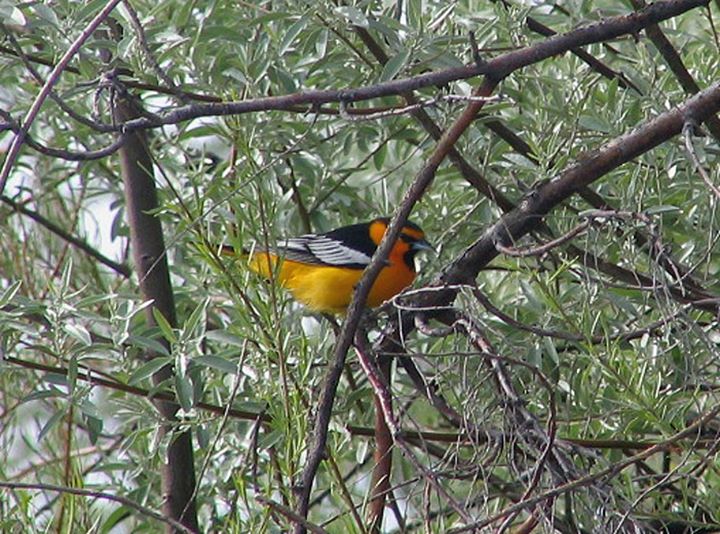
In the eastern United States, there are only two orioles — the Baltimore oriole and its smaller relative, the orchard oriole. The western half of the nation is home to a half dozen orioles, including Bullock’s oriole, Scott’s oriole, Audubon’s oriole, hooded oriole and Altamira oriole. I saw several gaudy, noisy Bullock’s orioles during a trip to Utah in May of 2006.

Tall trees are an essential part of the Baltimore oriole’s favored habitat. Baltimore orioles are well-known for their colorful appearance, but their fame also rests with a sack-like nest that Eastman describes as a “durable marvel of tight-woven plant fibers” in his informational book. Eastman also notes that during another era in America, the Baltimore oriole often built its marvelous nests in American elms before Dutch elm disease almost eradicated these trees from the landscape. He reports that maples, willows and apples have served as nesting trees in the absence of elms. Once the hard-working female oriole sets to work, she may spend eight days or longer weaving plant fibers into a strong pouch suspended from the outer ends of drooping branches. The durability of the nest means that other birds, including house finches, may occupy the old nest once abandoned by the original inhabitant.

Orioles are present in the region from April to October, retreating to the American tropics for the winter. There they may live on plantations that produce such much-coveted crops as bananas, coffee and cacao, which is the essential ingredient for chocolate.

George Calvert, Lord Baltimore

The Baltimore oriole is named in honor of one of the founding fathers of the state of Maryland. George Calvert, or Baron Baltimore, was an influential English colonist instrumental in establishing the colony of Maryland. His servants wore orange and black uniforms, which inspired early American naturalist Mark Catesby to name the bird the Baltimore oriole. The bird’s association with the the city of Baltimore and the state of Maryland have continued to this day. The bird is also famous as the namesake of one of America’s professional baseball teams.

Baltimore orioles eat insects and fruit, but these adaptive birds have also developed a fondness for sweet nectar. Orioles no longer have to raid sugar water feeders meant for hummingbirds. Many manufacturers of bird-feeding equipment now produce affordable sugar water feeders specifically designed for use by orioles. Many bird enthusiasts also use orange slices and grape jelly to lure orioles into their yards. I’ve tried these tricks, but I’ve attracted more gray catbirds and scarlet tanagers than I have orioles. In my book, that’s not a disappointment. I happen to like catbirds and tanagers.

With orioles, I’ve had better luck by refraining from a bit of pest control. Back in the late 1990s, I observed a male Baltimore oriole visiting a large caterpillar tent in the branches of a cherry tree. The bird methodically plucked the caterpillars from the silken tent, eating them one after the other. I’ve since learned that this is not an odd occurrence for Baltimore orioles. While many birds avoid spiny and hairy caterpillars, orioles actively seek them out and do a great service by reducing the damage these hungry caterpillars can inflict on the environment.

If you’re wanting to see orioles, I can share some area “hot spots” for these colorful birds. The waterfront at Winged Deer Park in Johnson City, Tennessee, has fewer tall trees than it did a few years ago, but the remaining trees still attract orioles. Warriors Path State Park in Kingsport, Tennessee, has long been a place that local birders depend on for sightings of Baltimore orioles. I also had some impressive sightings of both orioles at Hungry Mother State Park a few years ago. Although those birds could have been spring migrants, this park in Marion, Virginia, certainly offers habitat that orioles would find attractive.

Want more details on how to attract orioles to your yard using specialized feeders? Check out this helpful article from Birds and Blooms. https://www.birdsandblooms.com/birding/attracting-birds/bird-nesting/how-to-attract-orioles/

Photo by Bryan Stevens • In the western part of the United States, the Baltimore oriole is replaced by Bullock’s oriole.

Migrating rose-breasted grosbeaks thrill observers with recent visits

Photo provided by Shannon Stimson • A male rose-breasted grosbeak checks out some well-stocked feeders.

They’re not as dependable as ruby-throated hummingbirds, but they are every bit as impressive. Of course, I am referring to rose-breasted grosbeaks, which have been delighted people across the eastern half of the United States for the past couple of weeks.

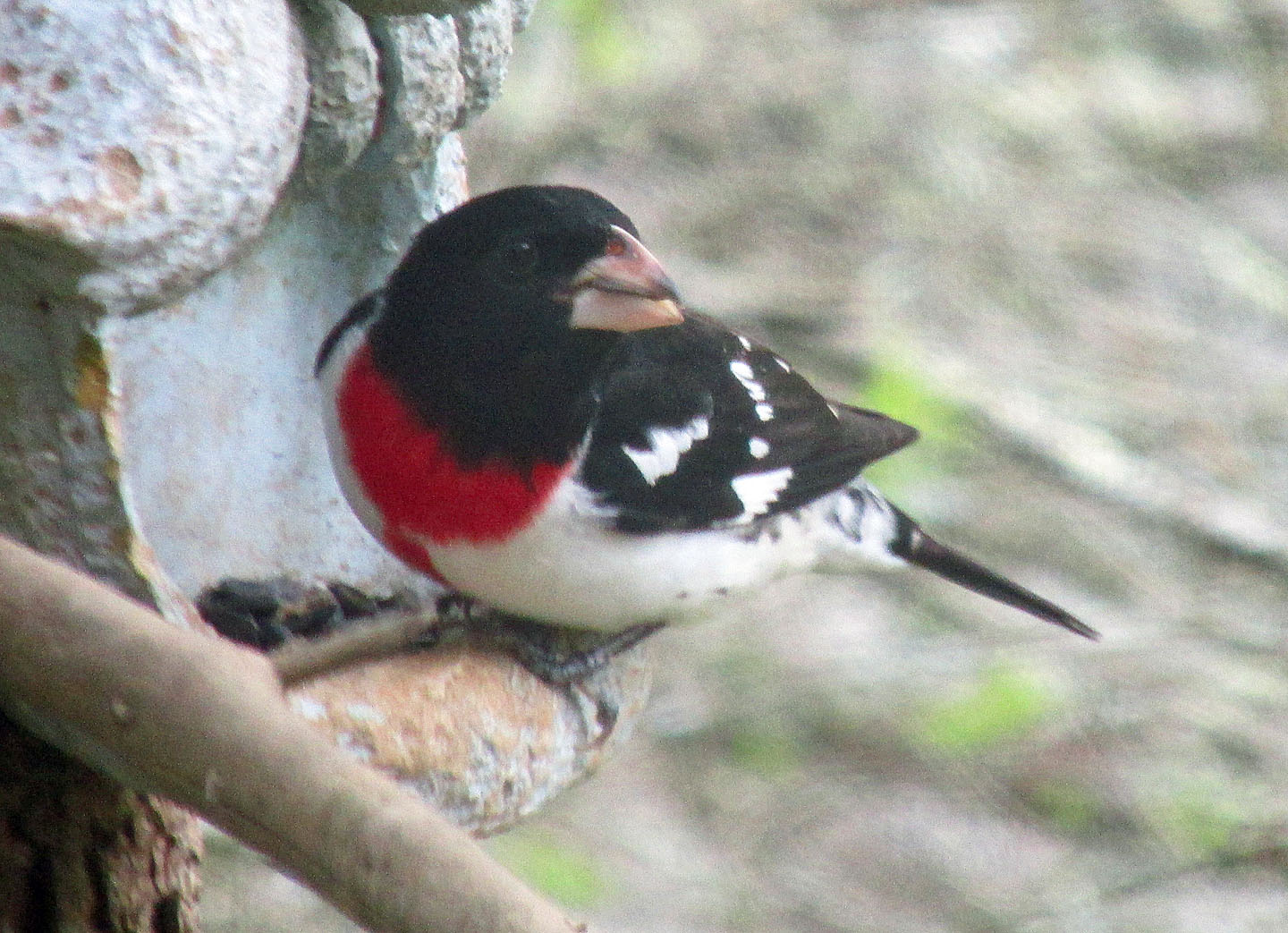
Among these grosbeaks, it’s the male that wears the exquisite apparel. Males have a black head, wings, back and tail, with a bright splash of rose coloring across the front of their breast. Males and females exhibit marked sexual dimorphism, which is simply a scientific way of saying that males and females are quite different in their appearance.

The female rose-breasted grosbeak lacks the male’s showy plumage. She could easily be mistaken for a large, chunky sparrow with her brown, streaked feathers. She does have the large beak in common with the male. In fact, the term “grosbeak” is derived from German and simply means “big beak.” Incidentally, I’m told by bird banders that rose-breasted grosbeaks can give a nasty nip with that sizable and sturdy beak.

My email in-box and my Facebook page have been active this migration season with reports from people eager to share observations of these showy songbirds.

Carla Honaker sent me an email on Monday, April 27, about visiting rose-breasted grosbeaks.

“Two days ago I ran out of bird seed and changed from a mix to a black oil seed,” Carla reported. “I had heavy bird traffic yesterday and this morning my mother went over to open the blind that faces the front yard where the bird feeder hangs on a limb in a dogwood tree. To her surprise, there was a rose-breasted grosbeak sitting on the feeder eating the sunflower seeds.”

Understandably, Carla and her mother were very excited to see this unknown visitor at the feeder. Curious about the bird’s identity, Carla used the app Cornell Lab Merlin and made the identification.

Photo by Paintspreader/Pixabay.com • Male rose-breasted grosbeaks provide a jolt of excitement during migratory stopovers in yards and gardens throughout the eastern United States every spring.

Carla said the grosbeak stayed around for a few more minutes, long enough for her to take a picture of the side of his wing and back and tail.

She also had a question, asking if there are many rose-breasted grosbeaks in this area and whether there is a chance he will be a regular at her feeder.

Photo by Bryan Stevens • A male rose-breasted grosbeak perches in a tree on Roan Mountain in Tennessee.

Alas, rose-breasted grosbeaks are usually only spring and fall migrants unless one lives in the higher elevations of some of our local mountains. Visit area mountains in summer if you want to see these birds away from your feeders. They’re still fairly common in the region, but sadly, their numbers have declined overall.

I also let Carla know that grosbeaks are very fond of sunflower seed, so changing the mixed seed to black oil sunflower was probably helpful in attracting the visitor.

Elizabeth “Liz” Wynacht, who lives outside Atlanta in the town of Roswell, Georgia, also shared her own rose-breasted grosbeak story in an email she sent to me on Wednesday, April 29.

Elizabeth provided some interesting background to preface her story. “A few years ago, I looked up and saw this bright red “kiss” on this creamy colored breast of a bird,” she wrote. “I ran in to get my camera but he was gone when I got back. After researching what I thought I saw, my guess was a grosbeak. I have been looking for him ever since.”

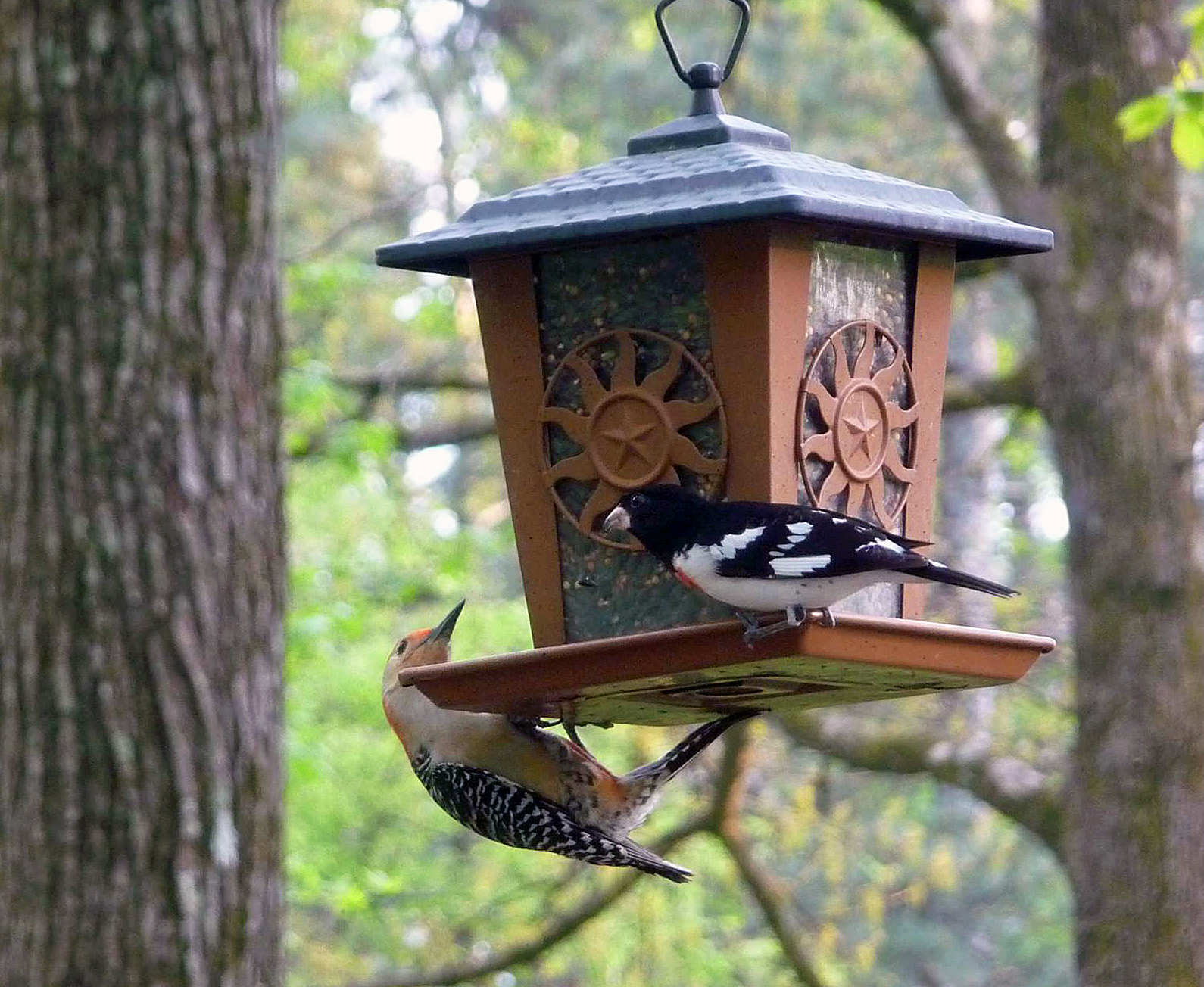
Photo Provided by Byron Tucker • A male rose-breasted grosbeak squares off with a red-bellied woodpecker in the suburbs of Atlanta, Georgia.

After a couple of years, her wait ended. “This past Friday, while sitting on my porch, I looked up from my phone, and I saw that beautiful red kiss coming toward the feeder,” she wrote. “Of course, my movement startled him and he flew away.”

Once again, she fetched her camera and waited. Liz reported that the male grosbeak showed up again along with his little wife. They visited for three days.

“He was a wonderful surprise in the midst of this crazy pandemic,” Liz wrote. “Really lifts the spirit to see such a beautiful bird.”

Shannon Stimson sent me an email on Monday, May 4, with some attached photos of male rose-breasted grosbeaks. “I had three males at my feeders two days ago followed by one female,” Shannon wrote. “One male that looked less mature stayed on for two days gorging on nuts and seeds for hours and engaging in a slight disagreement with a red-headed woodpecker over possession of the feeder.”

Sadly, Shannon reported that the grosbeaks moved on, but noted that their visit brought a great deal of cheer in this isolating time.

Photo by Bryan Stevens
A rose-breasted grosbeak finds a meal of sunflower seeds at a feeder.

Kaylynn Wilster, who lives in Jonesborough, Tennessee, emailed me on Thursday, April 30, about her own rose-breasted grosbeak sighting. “He was not afraid of me and let me walk around the yard,” she wrote.

The very same day that Kaylynn saw her grosbeak, I looked out my window and saw one at my feeders. There had been a storm the previous night, so I suspect that helped “persuade” the bird to visit.

I posted on Facebook about my sighting and several friends shared their own.

“I was just reading an old article of yours about rose-breasted grosbeaks and, lo and behold, I have a flock of them hanging out on my feeders for the first time ever,” wrote Mary Ragland in a Facebook message to me.

Carolyn Grubb in Washington County, Virginia, reported seeing one.

Amy Wallin Tipton, who lives in Unicoi County, Tennessee, reported that her parents had been hosting a male and female rose-breasted grosbeak for the past two days.

James and Pattie Rowland, of Erwin, Tennessee, also reported on Facebook sightings of rose-breasted grosbeaks.

Keep the reports coming. If nothing else, sharing bird sightings is a way to feel less socially distant from others.

Photo Provided by Elizabeth “Liz” Wynacht  • A male rose-breasted grosbeak visits a feeder in a suburban area near Atlanta, Georgia.

Stunning summer tanager a lesser-known relative of scarlet tanager

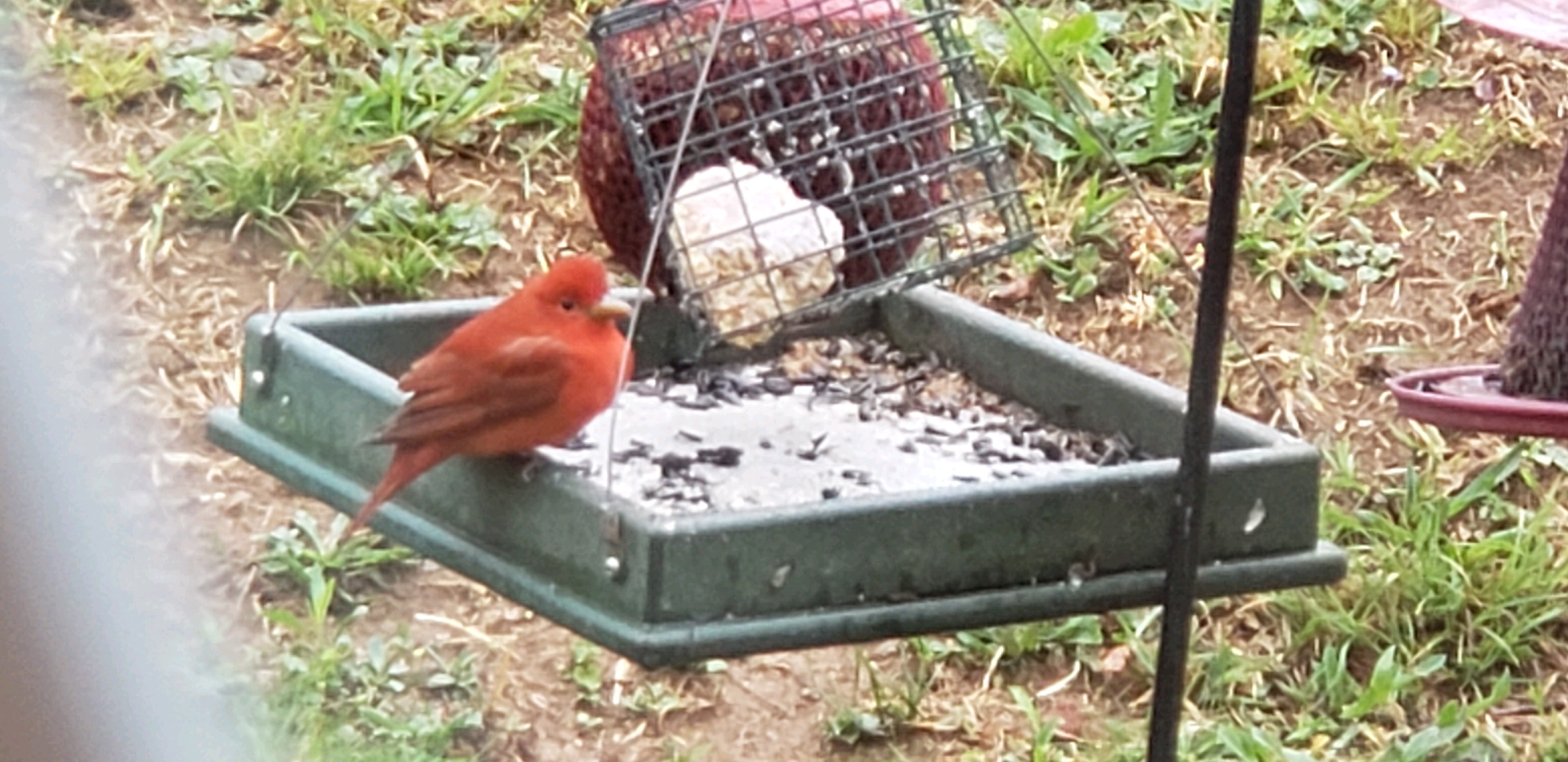
Photo Provided by Helen Whited • A male summer tanager visits a feeder during a migration stop in southwest Virginia.

Helen Whited, a resident of Richlands, Virginia, recently emailed me a photo of a feathered visitor in her yard asking for help with identification. She had already narrowed down the possibilities. “I’m thinking a tanager of some kind,” Helen wrote in her email.

When I opened Helen’s attached photo file, I recognized the plump, red bird perched on her feeder near a suet cage. I wrote an email back, informing Helen that her visitor was indeed a tanager. The summer tanager is not rare, per se, but these birds do not seem as common in the region as the related and better known scarlet tanager. Farther south, summer tanagers are much more prevalent in the spring and summer months.

Helen also reported seeing her first ruby-throated hummingbird of spring on April 25. “It’s later than usual, but they’re here,” she wrote in an email.

She added that several neighbors in Richlands, Virginia, reported seeing hummingbirds as early as April 21, but they seemed to be shunning her until the morning of April 25.

Since the last couple of columns have been about hummingbirds, I want to shift the focus this week to Helen’s other visitor.

If the casual birder or nature enthusiast is aware of the summer tanager, it’s usually as the less showy cousin of the more fiery and vibrant scarlet tanager, one of the most striking birds inhabiting woodlands in the eastern United States.

That’s a shame, for many reasons.

Photo by Ronald Plett/Pixabay.com • A male summer tanager perches in the leafy canopy.

First and foremost, the summer tanager holds one unique distinction. The male summer tanager is the only completely red bird in North America. Other birds known for their red plumage — Northern cardinal, house finch, vermillion flycatcher — show other colors in their feathers besides red.

The strawberry-colored male summer tanager is often difficult to spot due to a propensity to keep hidden against the green leaves of the forest canopy. The website “All About Birds” describes the female as “mustard yellow” in her coloration, which is rather apt. Female summer tanagers are usually less greenish than female scarlet tanagers. The female is even harder to spot than the male, though both sexes have a very distinctive chuckling call note.

Over the years, different local spots have proven reliable for finding summer tanagers. Large trees near the Steele Creek Park Nature Center in Bristol, Tennessee, used to be a fairly dependable location for these tanagers during late spring and summer.

Early American naturalist and artist John James Audubon painted this work featuring a family of summer tanagers.

The summer tanager is classified in the genus Piranga, which includes the scarlet tanager as well as the western tanager of the states west of the Rocky Mountains. This genus also includes the flame-colored tanager, white-winged tanager and red-headed tanager. Experts now classify this genus with members of the cardinal family and have separated the Piranga tanagers from other New World tanagers.

The song of the summer tanager has been described as similar to that of the American robin. Like the scarlet tanager, the summer tanager is fond of fruit and berries, but it also eats insects, often catching them on the wing.

Confined mostly to the eastern United States during the nesting season, the summer tanager doesn’t range as far north as the scarlet tanager, making its stronghold in the Gulf and southern states.

The summer tanager’s scientific name, Piranga rubra, translates as “red bird.” It’s not really clear why this tanager acquired the word “summer” in its common name. After all, both the summer tanager and scarlet tanager are only present in North America for a brief nesting season from late April to early September.

Other birds besides tanagers are on the move as spring migration continues. Get outdoors and see what wanders into your yard or garden. To share your own observations, email me at ahoodedwarbler@aol.com. I’m also on Facebook.

Photo Courtesy of Jean Potter • The summer tanager is the only all-red bird in North America. It is less common in Northeast Tennessee than the related scarlet tanager.

Returning ruby-throats, like the rest of world’s hummingbirds, never fail to dazzle

Photo by Anne and Saturnino Miranda/Pixabay.com • The Cuban emerald is a species of hummingbird found in a wide range of semi-open habitats in Cuba, as well as the Isle of Pines and the western Bahamas. Numbering 330 species, the world’s hummingbirds dazzle humans with their incredibly diverse plumages.

Experts estimate that there are 330 species of hummingbirds, all of which are found in the New World. Consider that these dazzling little birds have been given vividly descriptive names, such as cinnamon-throated hermit, red-tailed comet, blue-chinned sapphire, lazuline sabrewing, sparkling violetear, fiery topaz, green-tailed goldenthroat, bronze-tailed plumeleteer,  amethyst-throated mountain-gem, peacock coquette, red-billed emerald, empress brilliant, purple-backed sunbeam, green-backed hillstar, orange-throated sunangel, black metaltail, marvelous spatuletail and blue-tufted starthroat.

The only reliable species to inhabit the eastern United States from spring to fall each year is the ruby-throated hummingbird, which is currently arriving at various points from Florida to Maine and westward to states like Illinois, Minnesota and Oklahoma.

Photo by Bryan Stevens • Numbers of Ruby-throated Hummingbird in the region tend to fluctuate each year, but people should see a spike in their numbers when the hummingbirds end summer nesting and start migrating south again this autumn.

One of my most memorable hummingbird sightings took place in January of 1999 during a cruise in the Bahamas. A stopover in Nassau and a visit to the Paradise Island Resort permitted me a fleeting glimpse of a Bahama woodstar, a small hummingbird with a superficial resemblance to the ruby-throated hummingbird. The real beauty from my visit to the Bahamas, however, took place on a private cay maintained by the Disney Cruise line. While many passengers enjoyed the sun and sand of the beach, I walked nature trails to find birds. 

Photo by Daniel Roberts/Pixabay.com • The calliope hummingbird is the smallest of its kind known to reside in North America.

I found Western spindalis, then known as stripe-headed tanager, as well as black-faced grassquits and bananaquits, and I got several close looks at male and female Cuban emeralds, a hummingbird found in a wide range of semi-open habitats in Cuba, the Isle of Pines and the western Bahamas. The male is almost entirely metallic or iridescent green and measures almost four inches long. The ones I encountered were also curious and quite tame, often flying within inches of my face. 

Other than the two hummingbirds I saw during that trip, my remaining hummingbird observations have been confined to the United States. That hasn’t prevented me from seeing such unexpected hummingbirds as green-breasted mango, calliope hummingbird, black-chinned hummingbird, rufous hummingbird, Allen’s hummingbird, and broad-tailed hummingbird. 

Photo by Anne and Saturnino Miranda/Pixabay.com • It’s not difficult at all to see how the male Cuban emerald in such vibrant green plumage acquired its common name.

If I ever win the lottery, I plan to see as many hummingbirds as I can. For now, I am happy to report that ruby-throated hummingbirds are returning to northeast Tennessee, southwest Virginia, and western North Carolina.

I received an email from Susie Parks, who lives in the North Cove section of McDowell County in North Carolina. “My daughter, Luanne Graham, and I sighted our first hummer on March 28,” Priscilla noted. 

“I read your column in the McDowell News,” she added. “I am 84 years old and have been a birder most of my life.” 

Susie added that she and her daughter are both retired teachers who live next to each other. “We put our feeders out earlier than usual because she had heard that the hummers might be arriving earlier this year,” Susie wrote.

Susie noted that the first hummingbird sighted at her own feeder arrived on the first day of April, a few days after the hummingbird that visited her daughter’s feeder. “I keep a journal and I always note the first sighting,” she added, “and this is the earliest hummer I have ever recorded.”

This sightings by Susie and Luanne are the earliest I’ve had reported to me this year. 

•••••

Facebook friend Jimmie Daniels in Newland, North Carolina, reported on her Facebook page that the first hummingbird of spring arrived at 6:24 p.m. on Wednesday, April 8.  “We just saw our first hummingbird and that always makes me happy,” she wrote. “If you have not put out feeders yet, it is a good time to do that.”

•••••

Bob Cheers of Bristol, Virginia, reported a ruby-throated female arrived at his home at 7:55 a.m. on Friday, April 10. He speculated that the hummingbird was possibly “the same gal that arrived last year on the same day but 10 hours later.” Bob added that hummingbirds are amazing and that it was almost inconceivable to him that it could be the same bird. Bob, who had read in previous columns that downy woodpeckers and Carolina chickadees occasionally take a sip of sugar water from hummingbird feeders, also asked if I had ever heard of a red-bellied woodpecker feeding regularly at a hummingbird feeder. I’ve not personally witnessed this, but perhaps some readers have seen red-bellied woodpeckers at sugar water feeders. Let me know!

Photo by Bryan Stevens • Despite a perceived disadvantage of size, ruby-throated hummingbirds are quite capable of thriving in a giant world.

•••••

Brenda Hickman Dishner posted on my Facebook page that she spotted her first hummer of spring on Friday, April 10. “We live near Highway 421 and Houston Dam in Bristol, Tennessee,” she added.

•••••

Philip Laws, who lives in Limestone Cove in Unicoi County, reported to me on Facebook that he saw his first hummingbirds on April 10. “Hummers returned to Limestone Cove on Good Friday,” Philip noted.

•••••

Jeanne Siler Lilly reported her first spring hummingbird with a comment on my Facebook page. “I saw one at my feeder on April 10,” she wrote, adding that the bird visited a couple of times.

•••••

Mary Jones in Johnson City said her first hummingbird this year arrived on April 11. “I had one show up the Saturday before Easter and every day since,” she wrote in a Facebook comment. 

•••••

Dianna Lynne in Elizabethton saw her first hummingbird this spring on April 11. “They stopped in on Easter morning at the porch feeder here in Stoney Creek,” Dianne said in a comment on Facebook.

•••••

Erwin resident Amy Wallin Tipton saw her first ruby-throated hummingbird on Easter Sunday.  “I just wanted to let you know I just saw my first male ruby-throat of the season,” Amy wrote in a Facebook message. “It was at 11:55 a.m.”

•••••

Lia Pritchard saw her first hummer of the season on Easter Sunday at her home in Fall Branch, Tennessee. Her father, Glen Eller, shared the report of Lia’s sighting.

Photo by Bryan Stevens • Keep hummingbirds happy with a sugar water solution of four parts water to one part sugar.

•••••

Lynda Carter, who lives in Jonesborough, saw her first hummingbird at 8:45 a.m. on Monday, April 13, after a stormy night. “The bird may have blown in sideways from Arkansas last night,” Lynda joked in an email.

•••••

Richard Lewis in Bristol sent me a message on Facebook to announce the arrival of his first spring hummingbird. “I had my first ruby-throated hummingbird Monday, April 13, at 6 p.m. at my home in Bristol, Tennessee,” he wrote.

•••••

Joneen Sargent, who lives in Sullivan County west of Holston Lake off Highway 421, emailed me at 8:06 p.m. on Monday, April 13, to report her first spring hummingbird. “Just saw my first hummingbird of the season,” Joneen wrote. “Gives me hope.”

•••••

Jane Arnold emailed me to notify me of her mother’s hummingbird sighting. Her mother, Betty Poole, who lives in Abingdon, Virginia, saw her first hummingbird — a female — on Wednesday, April 15. Jane’s still awaiting her first spring hummer. 

•••••

Priscilla Gutierrez saw the first hummingbirds of spring the morning of Wednesday, April 15. “I put out a feeder and by 6 p.m. they were coming to [the] feeder,” Priscilla added in a comment on my Facebook page. 

•••••

Erwin resident April Kerns Fain posted on her Facebook page at 5:32 p.m. on Thursday, April 16, that she saw her first hummingbird. 

Erwin resident Pattie Rowland posted on my Facebook page that she saw her first ruby-throated hummingbird on Friday, April 17. “Just saw a hummer in Erwin,” Pattie wrote. 

•••••

Sharee Bowman reported her first hummingbird of spring in a Facebook message. “I saw my first hummingbird in Cedar Bluff, Virginia, on Friday, April 17,” she wrote. 

Photo by Bryan Stevens • A ruby-throated hummingbird lifts its wings to shake water droplets off its back.

Ruby-throated hummingbirds make welcome return to region

Photo by TheSOARnet / Pixabay.com • Male ruby-throated hummingbirds usually migrate ahead of females. These tiny birds must cross the Gulf of Mexico, without stopping, to reach their nesting grounds in the eastern United States. The journey across the Gulf can take them 18 to 22 hours, dependent on weather conditions.

Pat Stakely Cook‎ of Marion, North Carolina, reported the earliest spring sighting of a ruby-throated hummingbird.
Pat posted, “Hummingbird is back here in Marion, North Carolina,” on my Facebook page at 5;45 p.m. on Sunday, April 5.
•••••
Sam Jewett emailed me to report a first spring sighting.
“My first red-throated one showed up Monday, April 6, at Lake James in North Carolina, and boy, has he been hungry,” Sam wrote.
•••••
Judy and Bill Beckman, who reside on Springbrook Road in Unicoi, reported their own sighting.
“We just had our first hummingbird visit our feeder at around 5:50 p.m. on Monday, April 6,” the couple wrote in an email to me.
•••••
Joy Patton, who lives in Marion, North Carolina, also reported her first hummingbird on April 6.
“I put my feeder up a few days early this year because the weather has been so nice,” Joy wrote in an email. “The second day, April 6, a male ruby-throated hummingbird visited and ate and ate!”
Joy added that her daughter, Cindy Pierce, who lives near Fayetteville, North Carolina, saw her first hummingbird that same day.

Photo by Bryan Stevens • A ruby-throated hummingbird lifts its wings to shake water droplets off its back.

•••••
Judi Sawyer, a resident of Roan Mountain, Tennessee, reported the first hummingbird arrival on her Facebook page. Judi is a fellow member of the Lee and Lois Herndon Chapter of the Tennessee Ornithological Society. “The hummers are back,” Judi wrote on her page on Tuesday, April 7.
•••••
Bristol resident Vivian C Tester posted on my Facebook page on Wednesday, April 8, about her first sighting. “I just had my first hummer stop by,” Vivian wrote. “So glad I had just put my feeder out.”
•••••
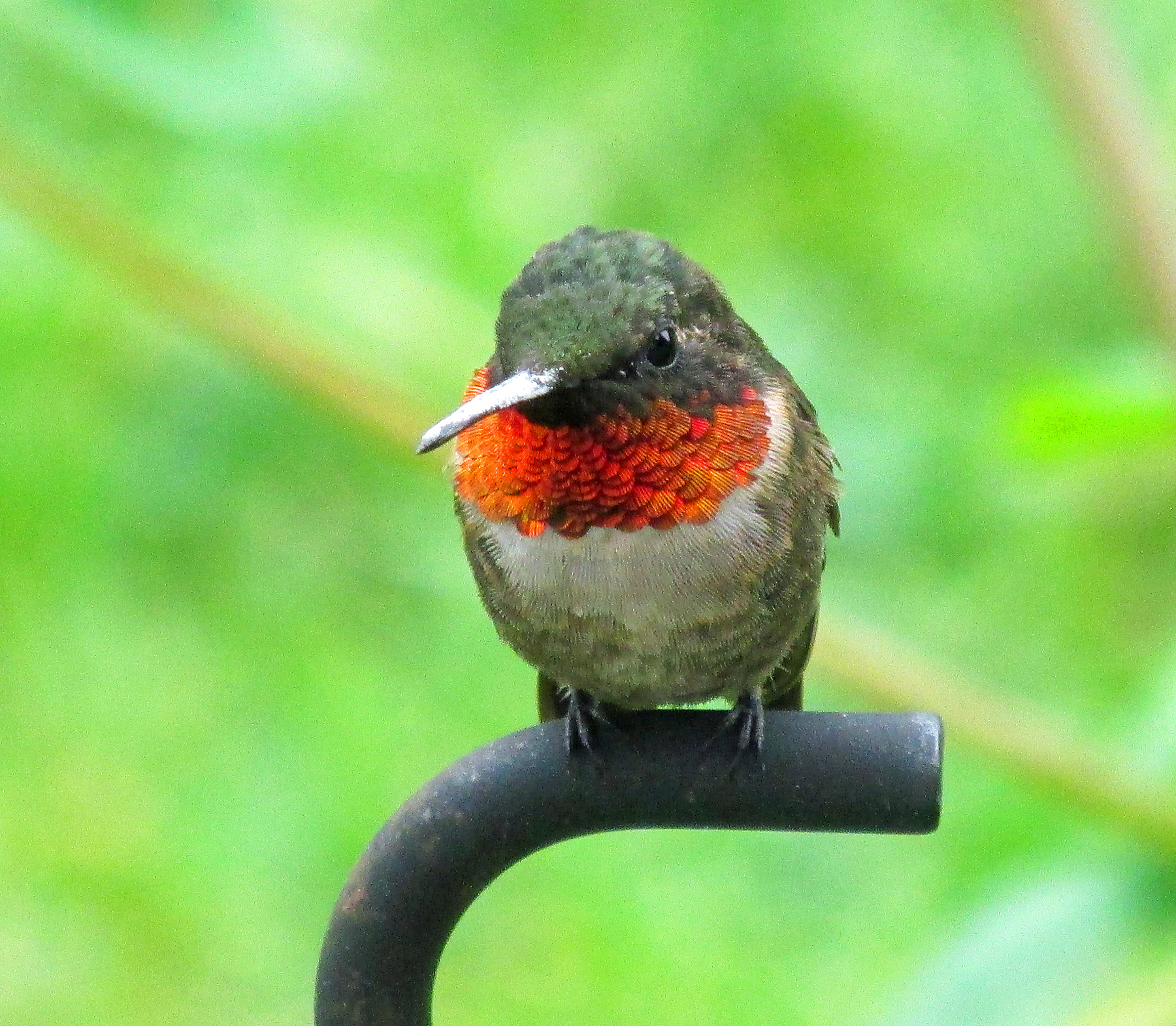
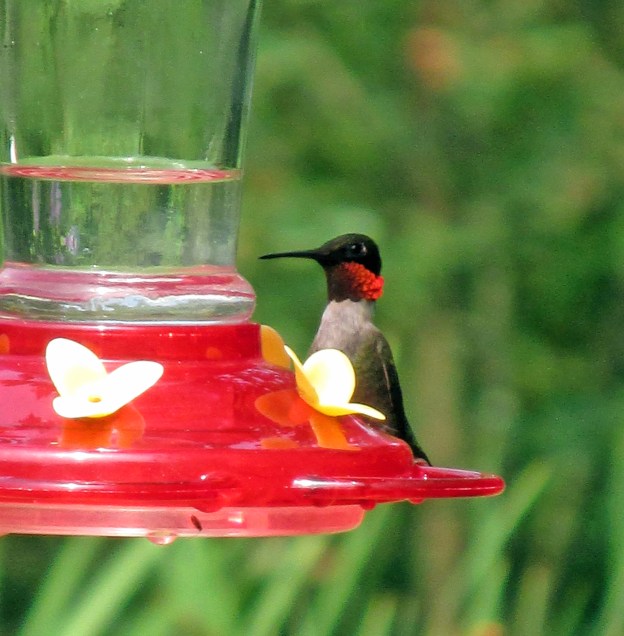
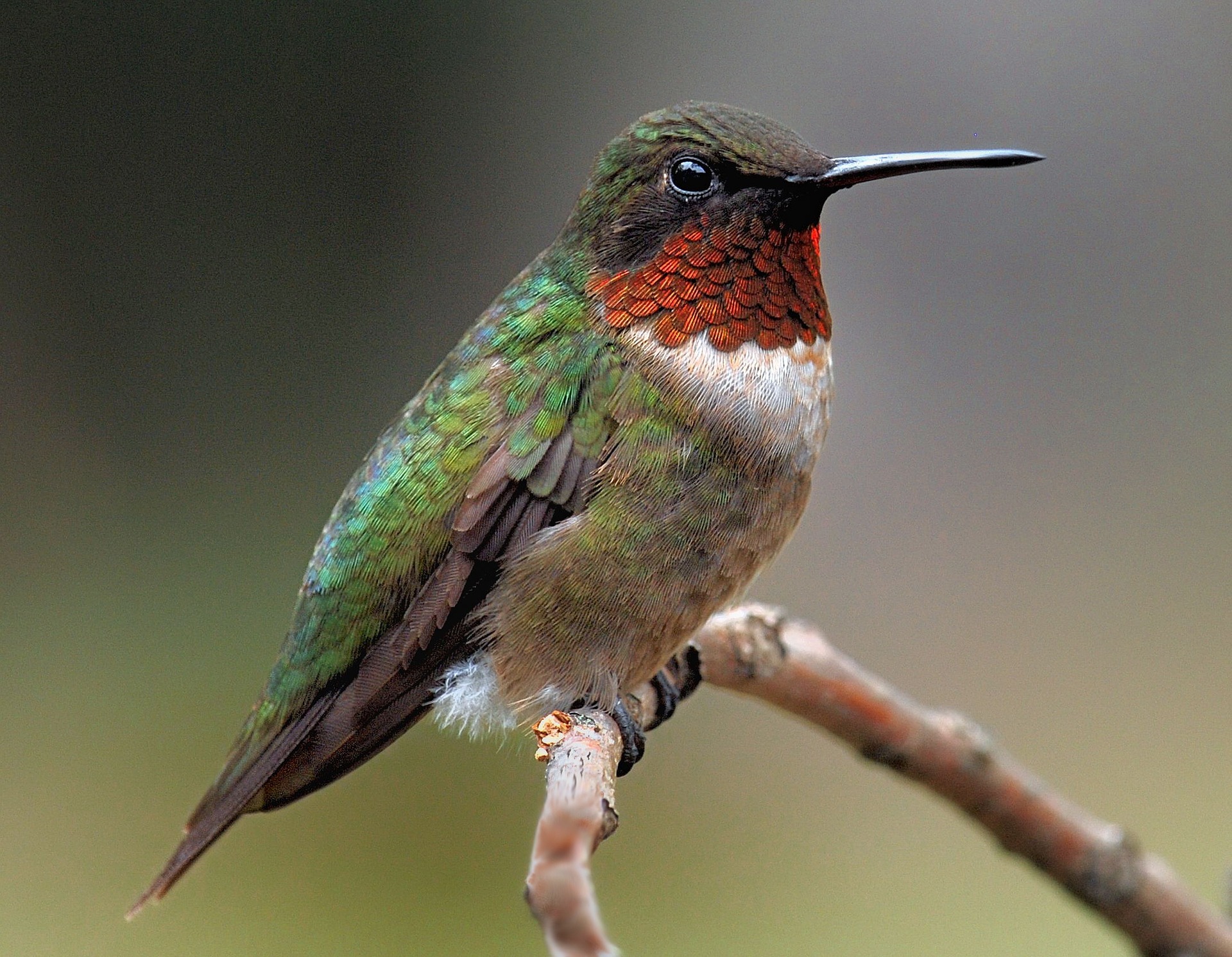
The ruby-throated hummingbird, known by the scientific name of Archilochus colubris, is one of more than 300 species of hummingbirds. All hummingbirds are found in the New World and are completely absent from the Old World. Male ruby-throated hummingbirds launch their spring migration about 10 days prior to female hummingbirds. Most of these tiny birds make an incredible non-stop journey across the Gulf of Mexico each year to return to our yards and gardens across the Eastern United States.

Photo by Bryan Stevens • Despite a perceived disadvantage of size, ruby-throated hummingbirds are quite capable of thriving in a giant world.

Based on the number of people who shared hummingbird sightings with me, these tiny birds have a lot of big fans. If you would like to host your own hummingbirds, here are some crucial tips:
• Make your yard a zone that’s free of insecticides and pesticides. Residues of these chemicals can remain on blossoms, which then run the risk of sickening a hummingbird. In addition, hummingbirds subsist on more than nectar. They consume many tiny insects and spiders. Eating bugs that have been contaminated with dangerous chemicals can also sicken or kill hummingbirds.
• Provide shrubs and trees in your landscape to make your yard more inviting. Hummingbirds claim favorite posts and perches, where they will rest when they are not visiting our gardens or feeders. Shrubs and trees can also provide locations for concealing nests built by female hummingbirds.
• Cultivate plants that offer nectar-producing blooms. While hummingbirds are known to favor the color red, these nectar-sipping birds will also visit blooms of other colors. Some favorite spring blooms include the flowers of red buckeye, wild columbine, crossvine and native varieties of azaleas. As spring advances into summer, the diversity of flowers available to lure hummingbirds into your garden will increase dramatically.

Photo by Bryan Stevens • A male ruby-throated hummingbird perches near a feeder that he is ready to defend from all comers.

I am still awaiting my first hummingbird of spring. I’m confident it won’t be long. Invariably, the first hummingbird to show up in my yard is a male with the gorget — or throat patch — of red, iridescent feathers that gives his species its common name.
He’ll be especially welcome this particular spring.
•••••
Share a sighting, ask a question, or make a comment by emailing ahoodedwarbler@aol.com.

Photo by Bryan Stevens • A female ruby-throated hummingbird approaches a feeder for a sip of sugar water.