Category Archives: Uncategorized

Lawn chair birding entries

Chestnut-sided

Photo by Bryan Stevens                                                        A young Chestnut-sided Warbler conceals itself in a holly tree.

The following are all Facebook posts about my annual lawn chair birding experiences. My mom and I have made lawn chair birding an annual tradition every fall. It’s a great way to enjoy the warblers and other migrants that stream through the yard in late August, September and October. For the most part, you can even avoid the neck sprain that comes with long period of scanning the treetops for glimpses of energetic and evasive warblers.


Aug. 20

Fall-AmRedstart

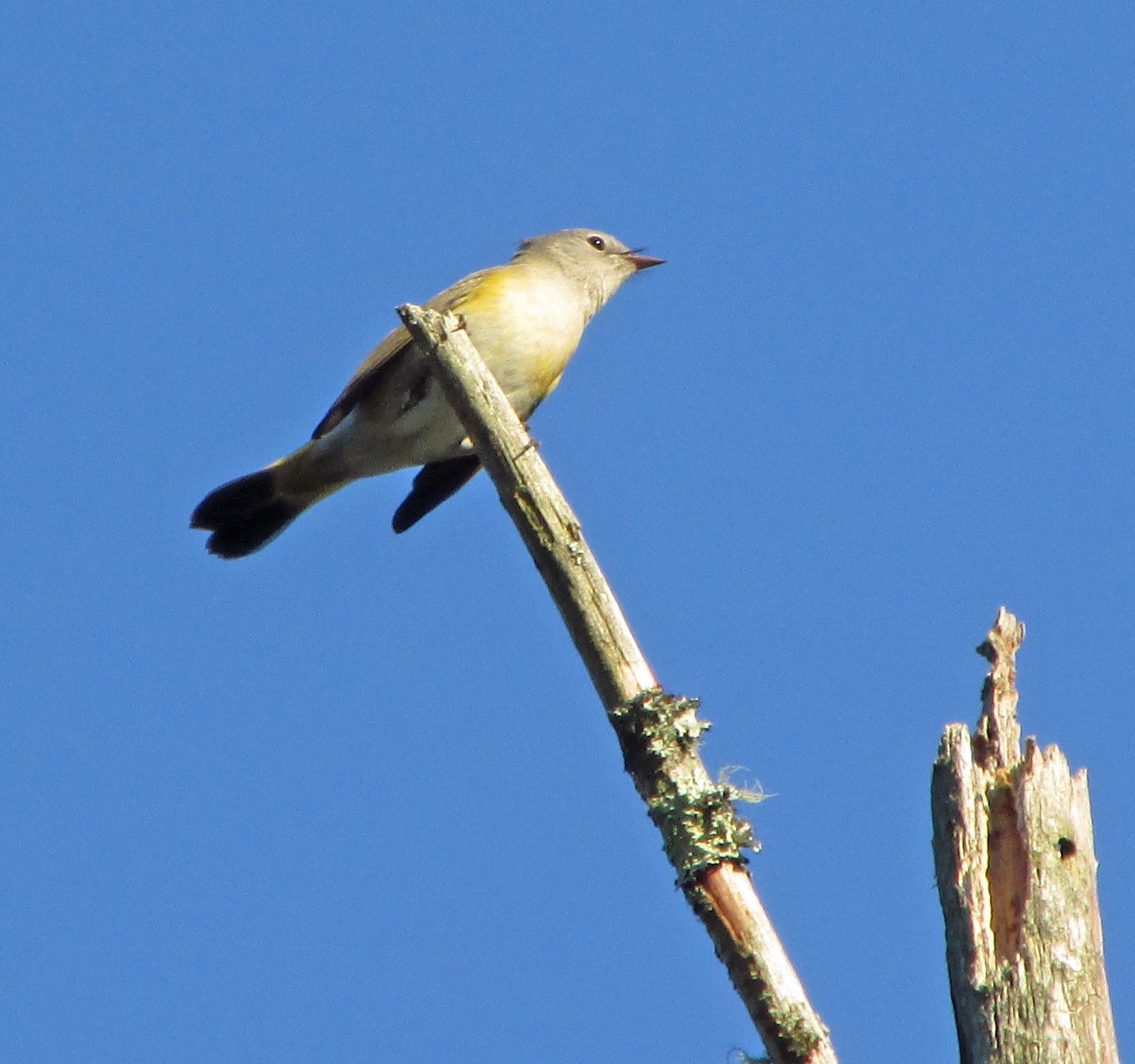
Photo by Bryan Stevens                                                  A young American Redstart selects a perch.

It’s been almost three months since I added a new species to my 2015 yard list. I had last added Chimney Swift back on May 29 and Yellow-billed Cuckoo on June 2. This evening I added White-eyed Vireo as Bird No. 60 for the year. I also saw a pair of Indigo Buntings, two Black-throated Green Warblers, three Blue-gray Gnatcatchers and several Ruby-throated Hummingbirds. I think fall migration must be underway.

Aug. 26

MommyHummer

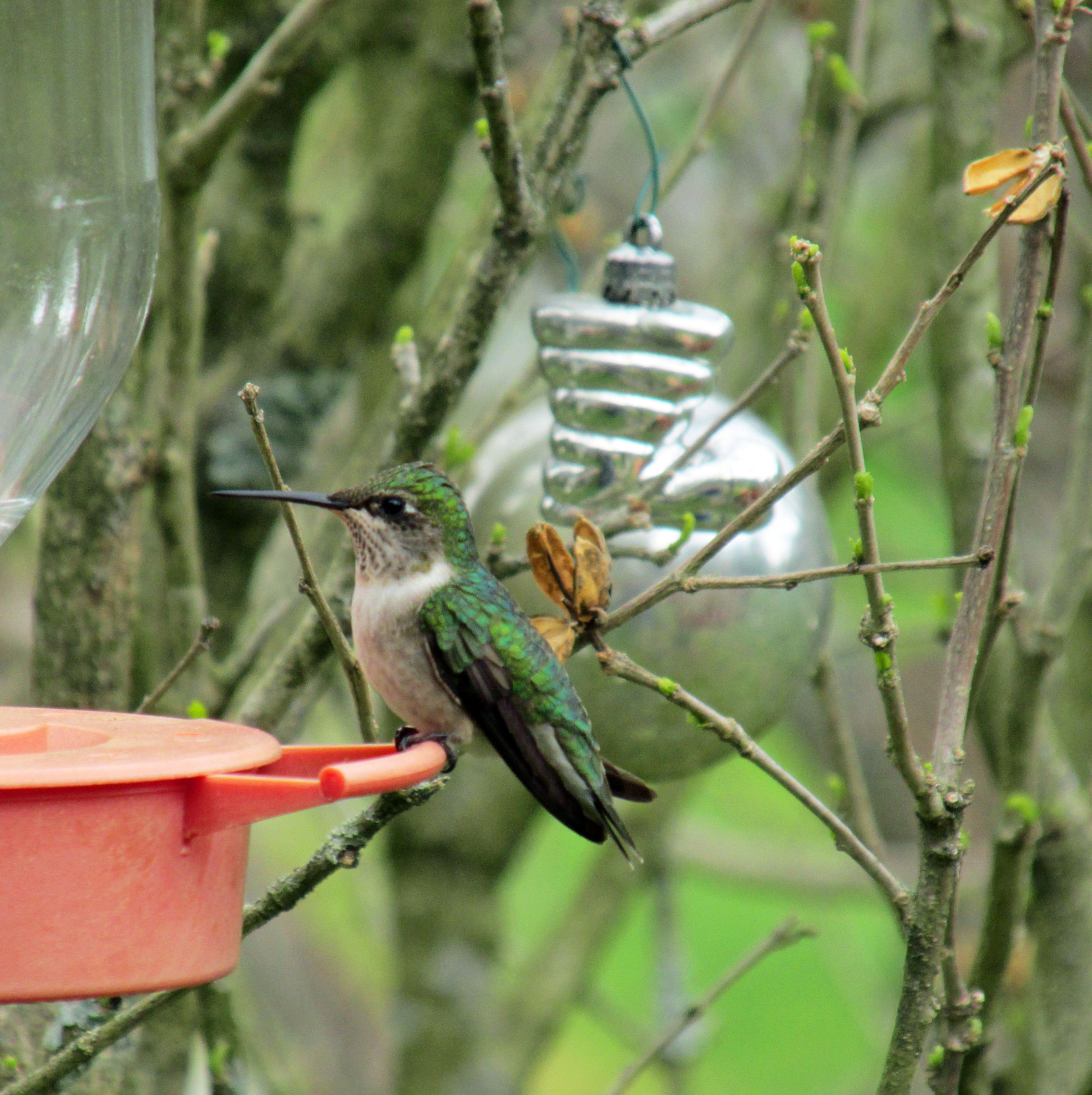
Photo by Bryan Stevens                                       A Ruby-throated Hummingbird perches on a feeder.

Two new birds for the yard list made appearances today. I have heard a Common Raven calling several times today. Around 7 p.m. my mom called and alerted me to a flock of Wild Turkeys (two adults and eight young birds) in the field. The raven and turkeys are No. 62 and No. 63, respectively, on the list for Yard Birds in 2015.

Aug. 28

The first fall warbler — a young American redstart — showed up this evening, and it’s also a new bird for my 2015 Yard List. The redstart is No. 64 for the year. I also saw Blue-gray Gnatcatcher, Chimney Swifts and Ruby-throated Hummingbirds.

Aug. 29

3936410366_ae853e10a0_o

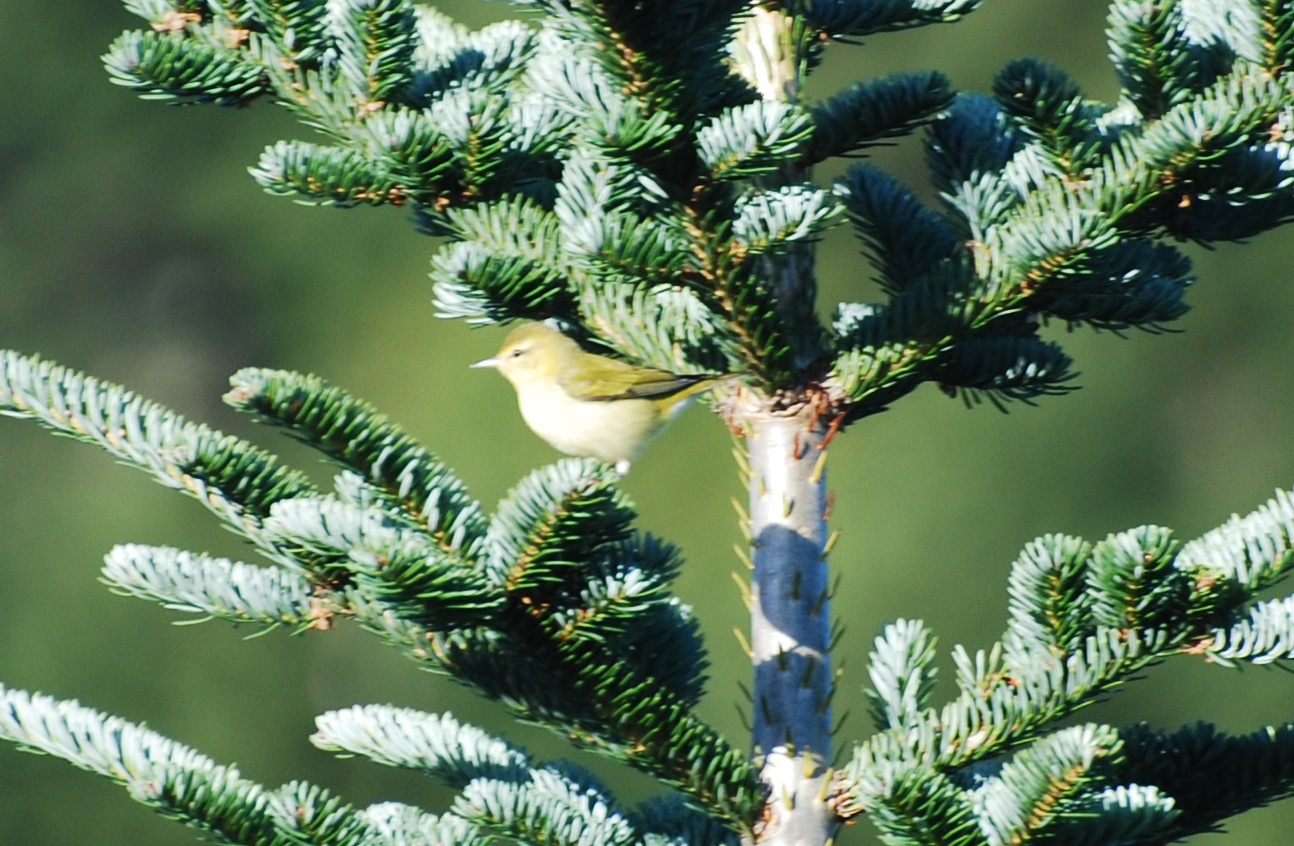
Photo by Jean Potter                                                                A Tennessee Warbler makes a fall migration stop.

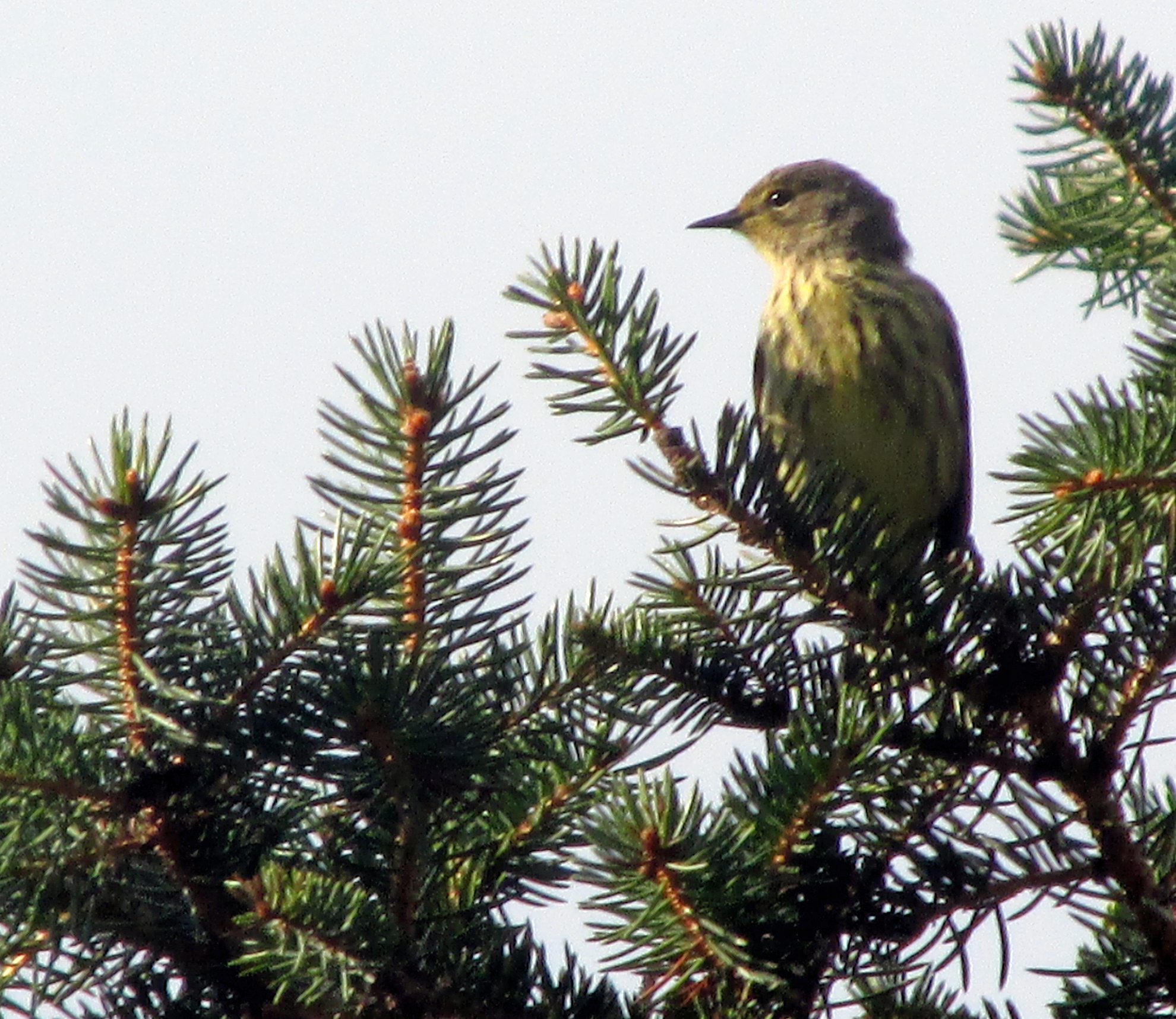
Just got in from lawn chair birding with my mom. We enjoyed several warbler sightings, including some new yard birds for 2015. A gorgeous male Canada Warbler treated us to some great views and became Bird No. 65 in the yard this year. Three young Chestnut-sided Warblers will represent Bird No. 66. Finally, a Cape May Warbler is Bird No. 67 for the yard this year. We also saw Black-throated Green Warblers, American Redstarts, Red-eyed Vireos, Ruby-throated Hummingbirds, Blue-gray Gnatcatchers and an Eastern Phoebe. I managed photos of the Cape May and the American Redstart.

Aug. 30

BG-Gnat-April25

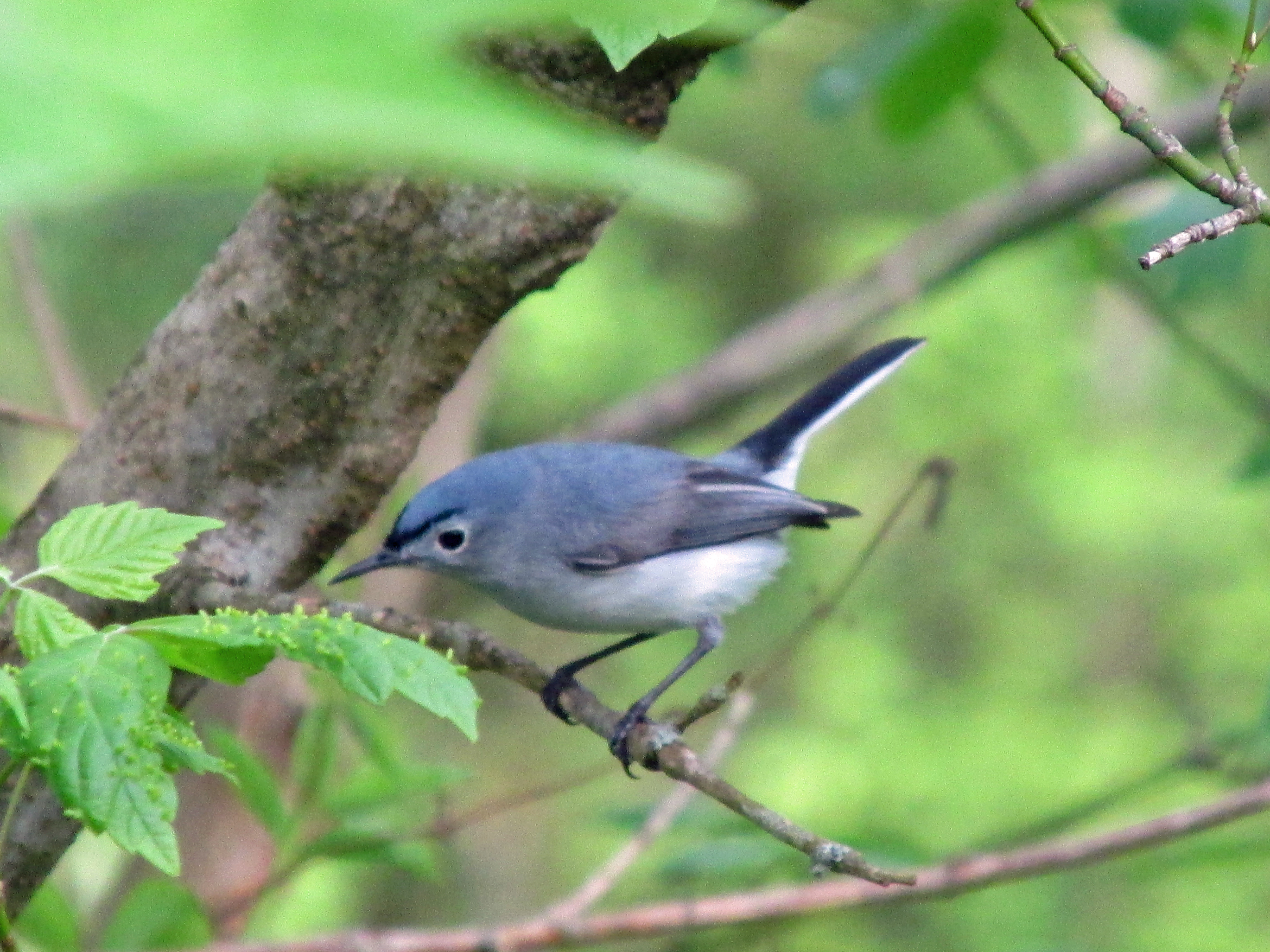
Photo by Bryan Stevens                Blue-gray Gnatcatchers are common during fall migration.

I’m closing in on 70 yard birds for the year. This evening, while lawn chair birding with my mom, I added two more new ones. The Magnolia Warbler was Bird No. 68, while the Eastern Wood-Pewee was Bird No. 69 for 2015. I didn’t get photos of the new birds, but I did photograph a young Chestnut-sided Warbler, a young Ruby-throated Hummingbird and a Chipping Sparrow.

Sept. 2

CapeMay-Aug29

Photo by Bryan Stevens                                      A Cape May Warbler perches in a spruce tree.

No new yard birds this evening, but lawn chair birding with mom wasn’t entirely uneventful. We got a look at a Scarlet Tanager, saw several hummingbirds, including an adult male, and Blue-gray Gnatcatchers. Earlier today, mom said she spotted a yellowish warbler but the bird didn’t make a second appearance.

Sept. 5

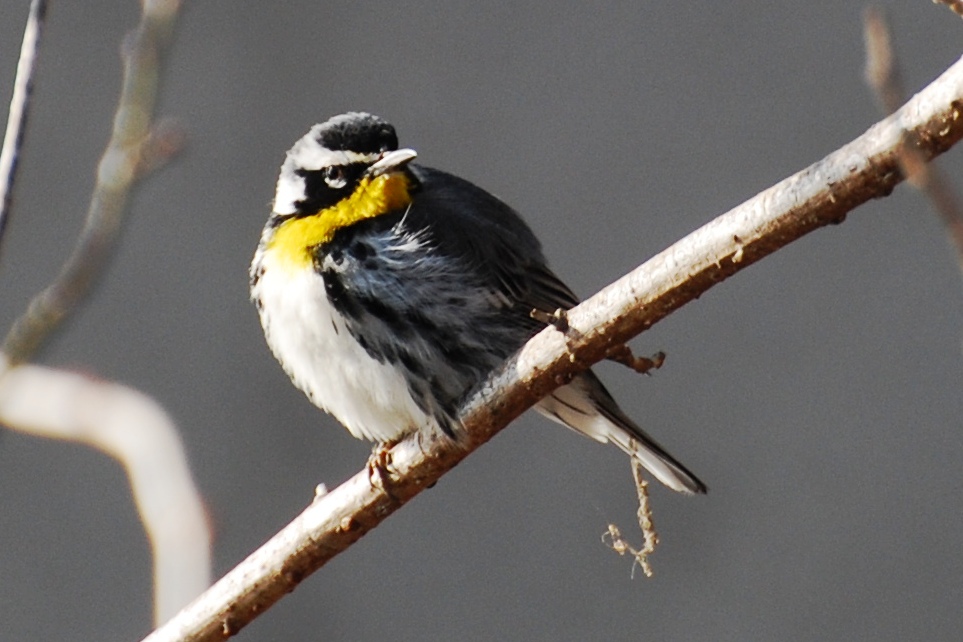
Lawn chair birding today has produced three new birds for the 2015 yard list. They’re all warblers! Bird No. 70 for the year is a Blackburnian Warbler. Bird No. 71 was a Tennessee Warbler, while Bird No. 72 was an impressive Yellow-throated Warbler. Evening’s still young, so may be some others show up. I also saw a Scarlet Tanager, Ruby-throated Hummingbirds and a Red-eyed Vireo.

3262118976_31abee6bae_o

Photo by Jean Potter                                                                                                                              A Yellow-throated Warbler sits on a twig perch.


Rescued insect turns out to be one of region’s largest moths


Polyphemus-Two

Photos by Bryan Stevens                                                                The Polyphemus Moth rode to safety in the inside of an automobile after being rescued from a busy parking lot.

My mom and I were heading toward the drive-thru at McDonald’s in Erwin when I saw something fluttering across the asphalt of the parking lot. The creature was brown and as big as a small bird — it even had wings! But, it wasn’t a bird. I realized that I was watching one of the largest of our native moths.

It was a little surprising to find the moth in the middle of a parking lot in the afternoon on a hot summer day. I pulled my vehicle into a parking space and captured the moth without too much difficulty. If left in the parking lot, the moth would likely have been run over. Although my mom agreed with the rescue — in theory — she wasn’t certain about sharing the car with a large, winged insect. After some persuasion, she accepted that the moth was absolutely harmless.

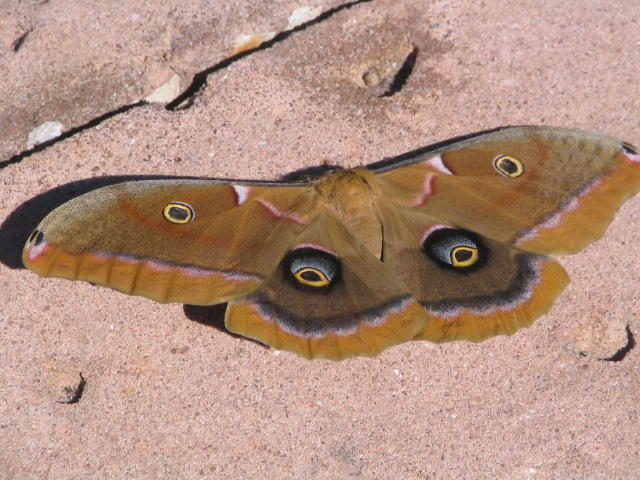
Specifically, the large insect was a Polyphemus Moth, which is one of the biggest moths in the United States. These large moths often attain a wingspan of five and a half inches.

Polyphemus-Four

The rescued Polyphemus Moth clings to the side of a McDonald’s paper bag.

Our rescued moth clung to the side of a McDonald’s paper bag that held one of the sandwiches in our order for the entire trip home. Once we arrived, I released the moth on a small oak-leaf hydrangea, took a few more photos and was pleased to see the large insect fly to freedom. I lost track of the moth once it landed in the thick branches of a yew tree. I was happy to secure the impressive moth a little more time to fly and perhaps even attract a mate.

The brownish-yellow wings of the Polyphemus Moth show wavy, black and white lines. Each forewing is also decorated with a small, mostly yellow eyespot, as well as larger blue, black, and yellow eyespots on the hindwings. The underside of the moth’s wings look like dead leaves, which provides excellent protective camouflage.

The eyespots are important in warding off potential predators. When a Polyphemus Moth spreads its wings, the eyespots resemble the large eyes of owls and other predatory birds. This display may be more than enough to discourage many predators, which can include mice, squirrels and small birds.

Polyphemus-One

The rescued Polyphemus Moth rests on the leaves of an oak-leaf hydrangea. This large moth is a member of the family of “giant silkworm moths.”

Like most moths, they are usually nocturnal, which makes me wonder what happened to the moth I rescued to have it fluttering around on a sunny afternoon. After dark, bats are major predators on these large moths. Polyphemus Moths are usually found in forests, but they are also present in such habitats as marshes and parks.

Like all moths and butterflies, the Polyphemus Moth starts life as a caterpillar. Host plants fed upon by the caterpillars of this species include many trees and shrubs, including oaks, maples, pines, birches, American hornbeam, hawthorns, American beech, ash, witch hazel, black walnut, yellow poplar, black cherry, quaking aspen, elderberry, alders, sassafras, blueberries, grapes, willows, hickories, elms, chestnuts and American sycamore.

Polyphemus-Three

The rescued Polyphemus Moth got a ride to safety.

Polyphemus caterpillars grow rapidly as they feed on the leaves of any of these host plants. As they grow, they will molt their skin four times. After the final molt, the caterpillar will fold a leaf around itself to enclose and protect its silken cocoon.

Caterpillars that enter a cocoon early in the season will emerge during the summer months as moths. However, caterpillars that proceed to the cocoon stage of their life cycle in late summer or early fall will spend the winter months inside this silken enclosure. In such cases, adult moths will not emerge until the following spring, usually in May.

Adult Polyphemus Moths do not feed. Their only focus during the entirety of their short lives as moths are to find mates and reproduce. Female moths attract mates with pheromones, which are chemicals emitted by a creature that triggers a social response in members of the same species. Male moths even have specialized feathery antennae to help them detect the pheromones released by females.cyclop10c 2

The moth is named for Polyphemus, one of the prominent giant Cyclopes in Greek mythology. Captured by the enormous Cyclops, Greek hero Odysseus and his men blinded the giant’s one eye before escaping his cave.

n_a (31)

The Pandora sphinx moth, also called the Pandorus Sphinx Moth, is a North American moth in the Sphingidae family. It is a large, greenish gray moth, but it isn’t closely related to the “giant silkworm moths.”

The Polyphemus moth is a member of the family Saturniidae, also known as “the giant silk moths.” Other well known moths in this family include the Luna Moth, Imperial Moth, Promethea Moth, and Regal Moth.

••••••

In order to learn more about birds, birding and various other topics related to the natural world, friend Bryan Stevens on Facebook at https://www.facebook.com/ahoodedwarbler. He is always posting about local birds, wildlife, flowers, insects and much more. If you have a question, wish to make a comment or share a sighting, email him at ahoodedwarbler@aol.com.

n_a (30)

This Polyphemus Moth was photographed at Walt Disney World Resorts in Florida in 2007.

Mythical status of snipe is greatly exaggerated

Common_Snipe

U.S. Fish & Wildlife Service                                  A Wilson’s snipe sits on its nest.

Have you ever gone on a wild goose chase? Do you have memories of being taken on a snipe hunt? If so, I don’t need to tell you that our feathered friends have inspired a lot of unusual sayings and activities. The snipe hunt is widely regarded as a rite of passage. I’m not sure if these “hunts” are still organized on moonless nights to pull a playful prank on unsuspecting or naive adolescents. The gist of this practical joke is that these would-be snipe hunters are given a bag or sack to use in capturing the supposedly elusive, perhaps mythical snipe.
The “snipe hunt” has also come to symbolize a lesson in futility since the target of the hunt is never found despite some diligent efforts. It’s all harmless fun, but what bothers me is that the tradition of the snipe hunt reinforces the mistaken idea that this evasive creature is a make-believe bird.

That’s not the case, and I’ve seen plenty of snipes over the years to prove my point. There are some things about this unusual bird that makes it understandable how this creature became the focus of the long-running tradition of the snipe hunt.

n_a (21)

Photo by Bryan Stevens                                            A Wilson’s snipe hides in the grass of a flood field.

The Wilson’s snipe is one of North America’s more elusive birds. It’s an aberrant shorebird that doesn’t exactly fit the mold of the birds any coastal visitor has probably seen running along the surf’s edge on a beach. It’s an odd, gangly bird with long legs and an even more absurdly long bill. It’s also remarkably well camouflaged to blend with its preferred surroundings in flooded fields and wetland marshes. It is one of those shorebirds that usually makes its home far from beaches and the crash of the ocean’s surf.

So, as I have indicated, there really is such a bird as a snipe. In fact, there are several species of snipes, although only one — Wilson’s snipe — can be found in Western North Carolina and Northeast Tennessee. Some of the world’s other 25 species of snipe include jack snipe, wood snipe, pintail snipe, noble snipe and imperial snipe.

Any wet field or pasture may conceal hidden Wilson’s snipes during the spring. A few of these hardy shorebirds sometimes spend the winter in the region. Flushing a snipe from a tangle of grass right at your feet as you walk through a wet field always works to get the heart pumping faster. While Wilson’s snipe is elusive and able to easily conceal itself, other shorebirds definitely stand out in a crowd.

Snipe-One

Photo by Bryan Stevens                                            The Wilson’s snipe is usually found far from the seashore. Wet fields, ditches and marshy areas are favored habitats.


The members of the shorebird family vary greatly in size. The smallest member, appropriately enough, is the least sandpiper. This tiny shorebird is less than six inches in length and usually weighs barely an ounce. The largest shorebird — depending on how “largest” is defined — is either the Far Eastern curlew ( Numenius madagascariensis) or the beach thick-knee ( Esacus giganteus). The Far Eastern curlew is a large shorebird most similar in appearance to North America’s long-billed curlew, but it is slightly larger. This bird definitely has the longest bill of any shorebird and is probably the world’s largest sandpiper. The Far Eastern curlew is 25 inches in body length. If the criteria for biggest comes down to weight, the heaviest shorebird is the beach thick-knee, a bird native to Australia and the islands of Southeast Asia and India. This unusual shorebird can weigh as much as 2.2 pounds, but is only 22 inches long. The Far Eastern curlew, in comparison, weighs about 27 ounces.

The medium-sized Wilson’s snipe has a close relative known as the American woodcock. This feathered oddity also has some other colorful names, including “bog-sucker” and “timberdoodle.” In late winter and early spring, this true oddball among the shorebirds begins courting.

Snipe-Two

Photo by Bryan Stevens                                                The Wilson’s snipe blends easily with its surroundings.

Having abandoned the beach for damp woodlands, this strange shorebird is famous for its mating displays, which usually begin nightly right at dusk. The display combines aerial acrobatics with an assortment of unusual acoustical flourishes. Any wet field adjacent to a wooded area may provide a stage for these evening displays, but unless you know where to look and make an effort to do so, the American woodcock might as well remain a phantom of the night. These mating rituals are almost the only time that this bird makes itself visible to us. It’s only during this brief window that opens into their lives that we can be assured a glimpse. The rest of the year, almost nothing but blind, sheer luck allows a birder to stumble across an American woodcock. It’s almost as if they disappear after these spring flights of fancy.

wilsondummy

Alexander Wilson

The Wilson’s snipe uses its long bill to probe in the mud for prey, which can include earthworms, insects and other invertebrates. Formerly known as the common snipe, the Wilson’s snipe nests in wetland habitats across Canada and the northern United States. The bird’s common name pays homage to Alexander Wilson, an early American ornithologist. In addition to his expertise on birds, Wilson was also a poet and an illustrator. He was born in Scotland in 1766, but he died at age 47 in 1813 in Philadelphia, Pennsylvania.

During a spring trip to coastal South Carolina, I enjoyed a fascinating, close-range observation of a Wilson’s snipe while visiting Huntington Beach State Park. My visits to the park also yielded observations of other shorebirds, including willet, greater yellowlegs, black-bellied plover, short-billed dowitcher and Wilson’s plover, yet another shorebird named in honor of Wilson.

Common_Snipe_or_Wilsons_Snipe

U.S. Fish & Wildlife Service                                                                                The Wilson’s snipe may be a little-known bird, but it is quite real.

Those shorebirds that migrated as far as the Arctic tundra this spring will soon be making their return migration as they return to their wintering grounds in South and Central America. Many of these shorebirds will make migratory stops along the shores of lakes and rivers or by the edges of farm ponds. Look for Wilson’s snipes around puddles in flooded fields or even along the banks of small streams. The family of shorebirds is dazzling in its diversity, and they’re definitely worth seeking out.

American Kestrel one of world’s pint-sized falcons

I took part in the annual Spring Bird Count conducted by the Elizabethton Bird Club on Saturday, May 9.

American_Kestrel

Photo by U.S. Fish & Wildlife Service                  A close-up shows the facial pattern of an American Kestrel.

We found a lot of good birds, including an American Kestrel in a field near Sycamore Shoals Hospital. This field has been a reliable location for this small falcon for years.

This small falcon, although present throughout the year in the region, is somewhat more prominent during the winter months when kestrels from farther north migrate into the region. However, this falcon also nests in the region and can be found at any time of the year in suitable habitat, which is usually open countryside.

The American Kestrel is a small member of the falcon family, which includes such larger relatives as Merlin, Peregrine Falcon and Gyrfalcon.

All falcons share a similar aerodynamic design that includes sleek, streamlined bodies and long, slim wings which taper to pointed tips. They fly with rapid wingbeats and are capable of swift flight.

Kestrel

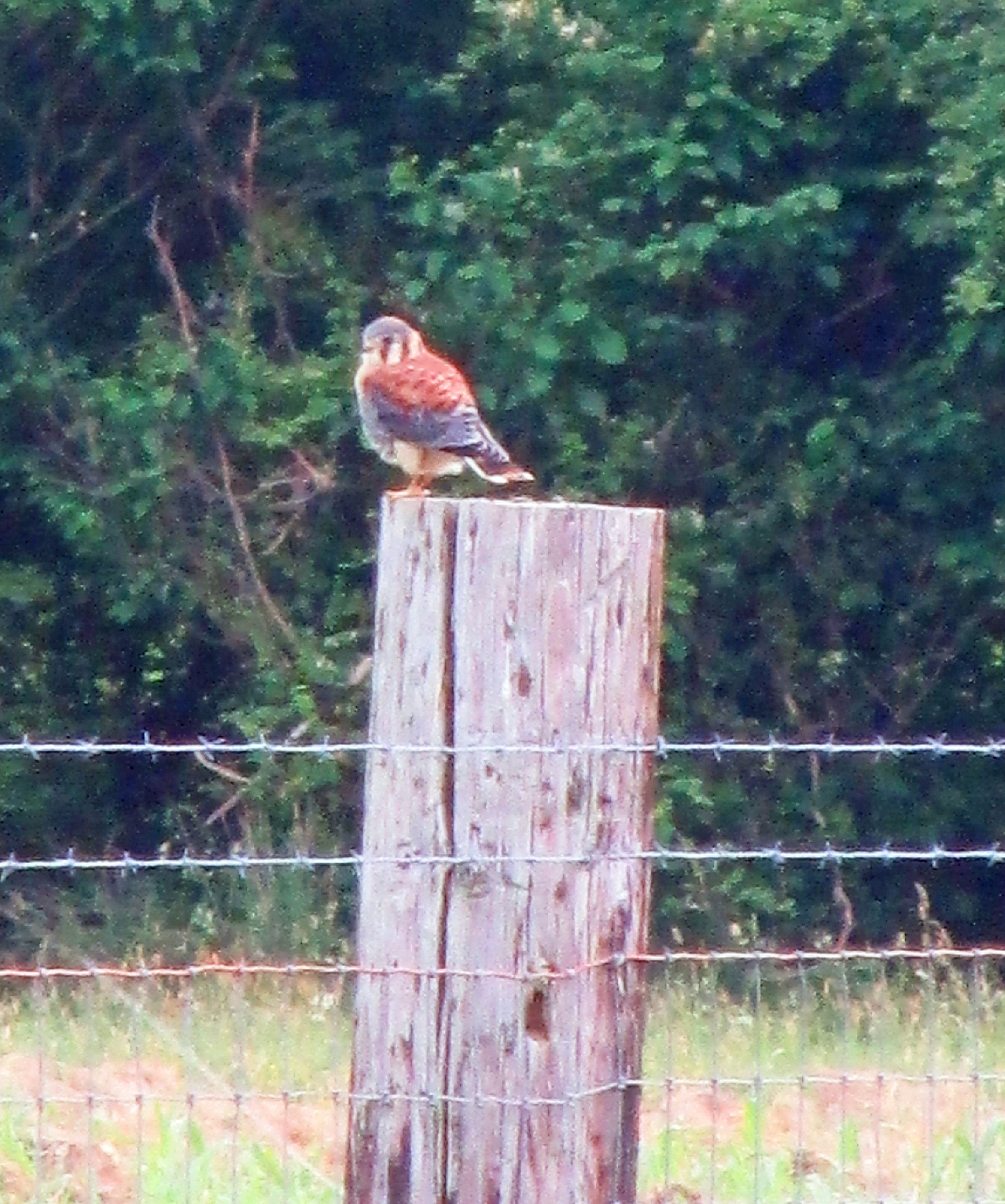
Photo by Bryan Stevens                        An American Kestrel perches on a fence post.

The male American Kestrel is a colorful bird. He shows a rusty back with some black barring, a rusty tail and steel blue-gray wings. The female American Kestrel is brownish with black barring on her back and tail. She also shows a buff-colored wash streaked with brown on her under- parts. Both sexes show a strong facial pattern marked by two black “sideburns” on the side of the face.

The American Kestrel has long been one of my favorite raptors. They’re seldom as skittish as many other raptors and will permit close observation.

The American Kestrel, formerly known by the name “Sparrow Hawk,” does not feed entirely on other birds. In fact, a large part of this small falcon’s diet includes rodents and insects.

In its nesting preference, the American Kestrel is unusual among other native falcons and hawks. Kestrels nest in cavities, including abandoned woodpecker holes and nest boxes provided by humans.

Like many raptors, the American Kestrel likes to hunt from a perch, swooping down on unsuspecting prey. The Kestrel, however, is also capable of hovering, a type of flight that only a relatively few birds, including the Belted Kingfisher and the Ruby-throated Hummingbird, are capable of performing.

American_kestrel_in_flight

Photo by U.S. Fish & Wildlife Service    American Kestrel shows why falcons are such efficient aerial predators.

The falcons comprise a family of birds with a long history with humans. The sport of falconry, although not as widely practiced today, long ago became associated with royalty and nobility. In fact, falconry has been called “the sport of kings.” The sport basically involved hunting prey, usually other birds, with birds of prey such as falcons.

As a pastime, falconry never became as popular in the United States as in other parts of the world.

There are more than 60 species of falcons found worldwide. While the Peregrine Falcon’s endangered status became well-known in the United States, other falcons have been threatened with extinction. The Mauritius Kestrel once dwindled to a population of only six individuals. Today, the population, due to intensive human effort, has greatly recovered.

Young_American_Kestrel

Photo by U.S. Fish & Wildlife/Steve Hillebrand A perched American Kestrel makes a sharp-eyed survey of its surroundings.

Other members of the falcon family can be found in the region, including the Peregrine Falcon and the Merlin. Other falcons in North America include the Prairie Falcon and the Aplomado Falcon.

••••••

I’ll provide more specific details on the spring count results in upcoming posts.

john-james-audubon-audubon-kestrel-1827

Early naturalist John James Audubon painted this family of American Kestrels.

Annual rally returning to Roan Mountain for last weekend in April

TroutLily-Drops

Photo by Bryan Stevens                                                         Wildflowers, like this Trout Lily, are always a major draw for the Spring Naturalists Rally.

The 57th annual Roan Mountain Spring Naturalists Rally will continue the tradition of offering nature enthusiasts the opportunity to enjoy field trips and engaging programs that cover many aspects of the natural history of Roan Mountain and the surrounding area. The three-day event is scheduled from Friday-Sunday, April 24-April 26.

Serving as co-directors for the spring event will be Jennifer Bauer and James Neves.

Neves noted that this year’s rally promises many exciting activities.

Crossbill-Two

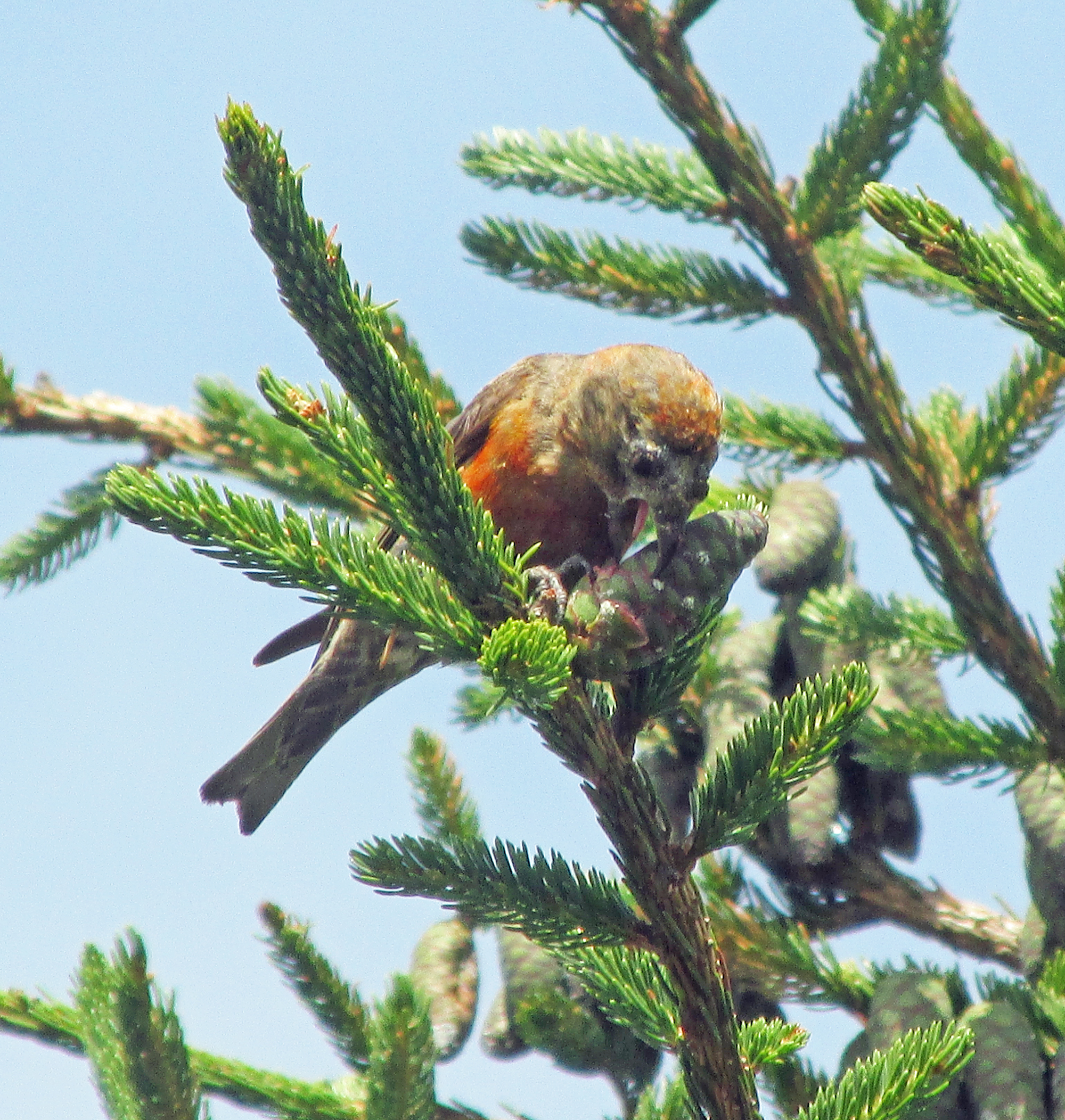
Photo by Bryan Stevens                              Red Crossbills are among the many species of birds that call Roan home.

“Friday night we’ll be honoring the memory and many contributions that Ed Schell made to the Naturalists Rallies and Friends of Roan Mountain, as well as many other organizations that fostered the love the environment such as the Southern Appalachian Highlands Conservancy and Tennessee Native Plant Society,” Neves said. “On Sunday, Gabrielle Zeiger and Mick Whitelaw will lead a memorial hike into the Doe River Gorge, a field trip Ed added to the naturalist rally field trip list.”

For the second consecutive year, the rally is being held on the third weekend of April. “We made the switch because the peak bloom of the early spring wildflowers has been trending to earlier dates,” Neves noted.

The Roan Mountain State Park’s Conference Center will host programs, meals, information booths and registration, while field trips will leave from the field on the left before entrance to the cabins in the park. Registration will also be available at the field prior to the field trip departures.

“A special note should be made that the hike that Marty Silver will lead to Yellow Mountain Gap is about eight miles, longer than the five miles listed in the program mailer,” Neves said. “Participants should bring a lunch and their sense of humor. Marty is not only a great Tennessee Park Ranger and naturalist, he’s also a knowledge bank of jokes and anecdotes.”

Neves said Dan Dourson will return to lead his field trip covering land snails and invertebrates on Saturday afternoon.

“Even the most curious among naturalists might raise an eyebrow wondering how exciting looking at snails can be, but Dan converted us all last year after his wonderful program and entertaining field trip,” Neves said. “We’re very happy he is returning this year.”

Millipede-Rainy

Photo by Bryan Stevens                     A millipede crawls over wet leaves.

Because of the continued support of the Friends of Roan Mountain, the Naturalists Rallies have the resources they need to prosper and grow. The Friends of Roan Mountain also provides support for research and restoration projects on the Roan.

Consider joining the Friends of Roan Mountain, if you are not a member. Members receive free admission to all Naturalists Rally events and our newsletter, “Friends of Roan Mountain.”

“We also thank the staff at Roan Mountain State Park for their time and help in making the rally possible,” Neves said.

“The Spring Naturalists Rally is fun for the whole family,” Neves said. “Our friendly group of hike leaders and volunteers look forward to seeing you.”

Randy+Hedgepath+-The+Naturalist+(2)

Randy Hedgepath

The Friday evening program will be presented by Randy Hedgepath, who will place the spotlight on the Tennessee River. Hedgepath, State Naturalist for Tennessee State Parks, will present a photographic and narrative program on the watershed of Tennessee’s namesake river. Flowing down from the highest mountains in the eastern United States, our streams make a long journey to the largest river in the country. Along the way are outstanding natural landmarks and a cross section of our history and culture. Travel with the water of the Doe and Watauga in this entertaining program.

Hedgepath is a native of West Tennessee where the family farm was just 15 miles from the Tennessee River. After graduating from UT-Martin and working seasonally for several years for the National Park Service, he has spent the last 31 years with state parks. He worked as a ranger/naturalist at South Cumberland State Park on the Cumberland Plateau and at Radnor Lake Natural Area in Nashville until 2007 when he was given the opportunity to be the statewide naturalist for the state park system.

Saturday’s evening program will be presented by Tavia Cathcart Brown, who will educate on the topic of “How Flowers Flirt and Flourish: The Tricks and Trials of Floral Reproduction.”

Tavia%20Cathcart-Brown

Tavia Cathcart Brown

Her presentation will describe how flowers use color, scent, shape, and tricks to attract pollinators. Brown is Executive Director of Creasey Mahan Nature Preserve in Goshen, Ky., where she has established a two-acre Woodland Garden that highlights native wildflowers and ferns. The Nature Preserve hosted a record number of 38,000 visitors in 2014. Brown is highly regarded as a lecturer, educator, writer, and photographer. She routinely offers lectures on wildflowers, flora-lore, creating woodland gardens, and gardening with native plants to regional and national groups that include gardeners, college students, and academic audiences. She is co-author and the lead photographer of Bernheim Arboretum and Research Forest, winner of a 2011 Gold Nautilus Book Award, and co-author of the 16-state field guide Wildflowers of Tennessee, the Ohio Valley, and Southern Appalachians, which covers 16 states, 1,250 wildflowers, and presents 800 photographs.

SongSparrow-April11

Photo by Bryan Stevens                Song Sparrow gets ready to sign from an open perch.

She currently is writing and taking photographs for her third book, titled How Flowers Flirt and Flourish – The Tricks and Trials of Floral Reproduction. She was selected as “Today’s Woman” in the September 2011 issue of Today’s Woman magazine, is serving her third term on the executive board of the Louisville Audubon Society, and is on the board of the Prospect Area Chamber of Commerce. She considers herself a very lucky woman to be married to Matthew H. Brown. They garden and live on a family farm in Louisville.

The rally will kick off with registration at 5:30 p.m., Friday, April 24, at the Roan Mountain State Park Conference Center. Dinner, which will be catered by City Market of Elizabethton, will be served at 6:30 p.m. Hedgepeth’s program on the Tennessee River will commence at 7:30 p.m.

Following the evening program, Larry McDaniel and Merrill Lynch will conduct a “Moth Party” to inform participants about these and other nocturnal insects.

On Saturday, April 25, a variety of morning and afternoon hikes, programs and activities will be held, focusing on a diverse selection of topics, including birds, snails, wildflowers, butterflies, dragonflies, aquatic insects, geology and much more.

On Saturday evening, dinner will once again be held at 6:30 p.m. Brown’s program on wildflower reproduction will commence at 7:30 p.m.

Following the evening program, ETSU professor Gary Henson will conduct a “Viewing of the Summer Skies” from the Dave Miller Homestead. In addition, McDaniel and Lynch will conduct another “Moth Party” at the Conference Center.

DutchmanBreehces

Photo by Bryan Stevens Dutchman’s Breeches are among the many wildflowers that are usually in bloom on the Roan during the annual rally.

On Sunday, April 26, field trips will depart/carpool from the field on the left of the cabin area entrance. Morning field trips will start at 8:30 and include Birds of Hampton Creek Cove by James Neves and the Ed Schell Memorial Doe River Gorge Wildflowers & Geology Hike with Gabrielle Zeiger and Mick Whitelaw. Afternoon field trips starting at 2 p.m. will include Salamanders with Dale Ledford and Butterflies and Dragonflies with Don Holt.

Pre-paid dinner reservations are necessary and must be received by Tuesday, April 21. Cost for each meal is $9 for adults and $5 for children six and under. The Friday menu consists of Grilled or Breaded Chicken, vegetable selection, salad, bread, dessert and drink. The Saturday menu consists of roast pork or veggie lasagna, vegetable selection, salad, bread, dessert and drink. Sandwich bag lunches for Saturday are available for $6.

For a downloadable reservation form, visit http://www.friendsofroanmtn.org/Spring%20Brochure%202015.pdf and mail completed reservation form to Friends of Roan Mountain, Nancy Barrigar, Treasurer, 703 Allen Avenue, Elizabethton, TN 37643.

Friends of Roan Mountain members and children can attend all other Rally events at no charge. There is a $5 charge for non-members. For a full schedule of events, visit http://www.tnstateparks.com/parks/about/roan-mountain or call 772-0190.

This year’s upcoming Fall Naturalists Rally will celebrate the event’s golden anniversary. The 50th annual Roan Mountain Fall Naturalists Rally will be held Sept. 4-6, 2015. Next year, the 58th Annual Roan Mountain Spring Naturalists Rally will be held April 22-24, 2016.

Looking forward to upcoming Birding Festival at Hungry Mother State Park

Spring-RobinBaby

Photo by Bryan Stevens                                  This fledgling American Robin was photographed last spring during a visit to Hungry Mother State Park.

If you’re as eager as I am to see some new arrivals among our “Feathered Friends” this spring, join me Friday-Sunday, May 1-3, at one of Southwest Virginia’s most popular parks for a full weekend of bird and nature-related events.

Hungry Mother State Park in Marion, Virginia, plans to spotlight many of those opportunities in a brand-new nature festival that organizers have dubbed the Hungry Mother State Park Birding Festival. I will also be taking part in the festival by giving a program on the region’s birds during the festival’s evening program on Friday, May 1, from 6 to 7:30 p.m.
HMSP-Canoes

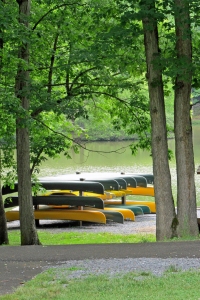
Photo by Bryan Stevens Canoes await visitors to Hungry Mother State Park, which will hold its first-ever Birding Festival from May 1 to May 3.

The timing for the festival couldn’t be better. Many of our favorite birds have been returning to the region after spending the winter months in warmer climes as far afield as the Caribbean and Central and South America. If you’ve always wanted to learn more about such birds as warblers and tanagers or hummingbirds and vireos, plan to come out to this wonderful new event at one of the region’s most popular parks.

I discussed the upcoming festival with Tanya Hall, who works as the Chief Ranger of Visitor Experience, at HMSP. She informed me that the seed for the festival was planted when Hall and other park personnel heard about the possibility of obtaining grant funding to support the festival.

“Once we heard about the grant being offered, we approached the Friends of Hungry Mother State Park to see if they would want to apply for it, and of course they did,” Hall said.

She praised the work of the Friends group in supporting HMSP.

“We have a wonderfully supportive Friends group here,” she said. “They assist us in many activities with hands on projects throughout the park and they sponsor various events throughout the year.”

IMG_4435

Photo by Bryan Stevens                                                              Woodpeckers, such as this Red-bellied Woodpecker, will be among the birds participants will likely see during the three-day Birding Festival at Hungry Mother State Park.

She gave much of the credit for launching this year’s festival to Glenn Moorer, a Friend of HMSP, as well as a park retiree, who headed up the committee on writing the grant.

“He has a love for birds,” Hall explained.

A festival focused on birds seemed a natural fit. Hall, as well as Education Support Specialist Rachel Toward and dedicated HMSP volunteer Randy Smith all share a passion for birds.

“So, with all of us here with our affinity towards birds, birding was a shoe-in for one of the programs sponsored by this Public Lands Every Day Grant and Toyota,” Hall said. “We want to share our passion so others in the community have an opportunity to see just how special birds are.”

The planning for the festival has occupied several months.

“We have a weekend full of fun-filled bird activities,” Hall said. “We will be starting Friday with school field trips to the park.”

Dock

Photo Courtesy of Hungry Mother State Park Beautiful scenery will also be in the spotlight during the Birding Festival at Hungry Mother State Park.

Some of Friday’s school-related events will feature Dr. Steven Hopp with Emory and Henry College, who will be discussing and demonstrating the banding of birds. In addition, the Blue Ridge Discovery Center will be providing two field trips on Avian Adventures.

“On Saturday we will have hikes geared toward more experienced birders and also beginners,” Hall said. “We have kayaking bird tours and a Saltville Marsh Hike planned also.”

Throughout Saturday, various booths will be set up to distribute information on birds, as well as other activities and agencies, in the area. There will also be a children’s activity tent.
Purple-March30

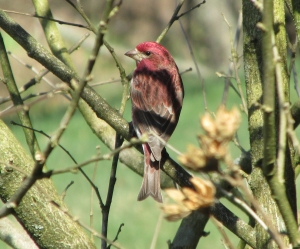
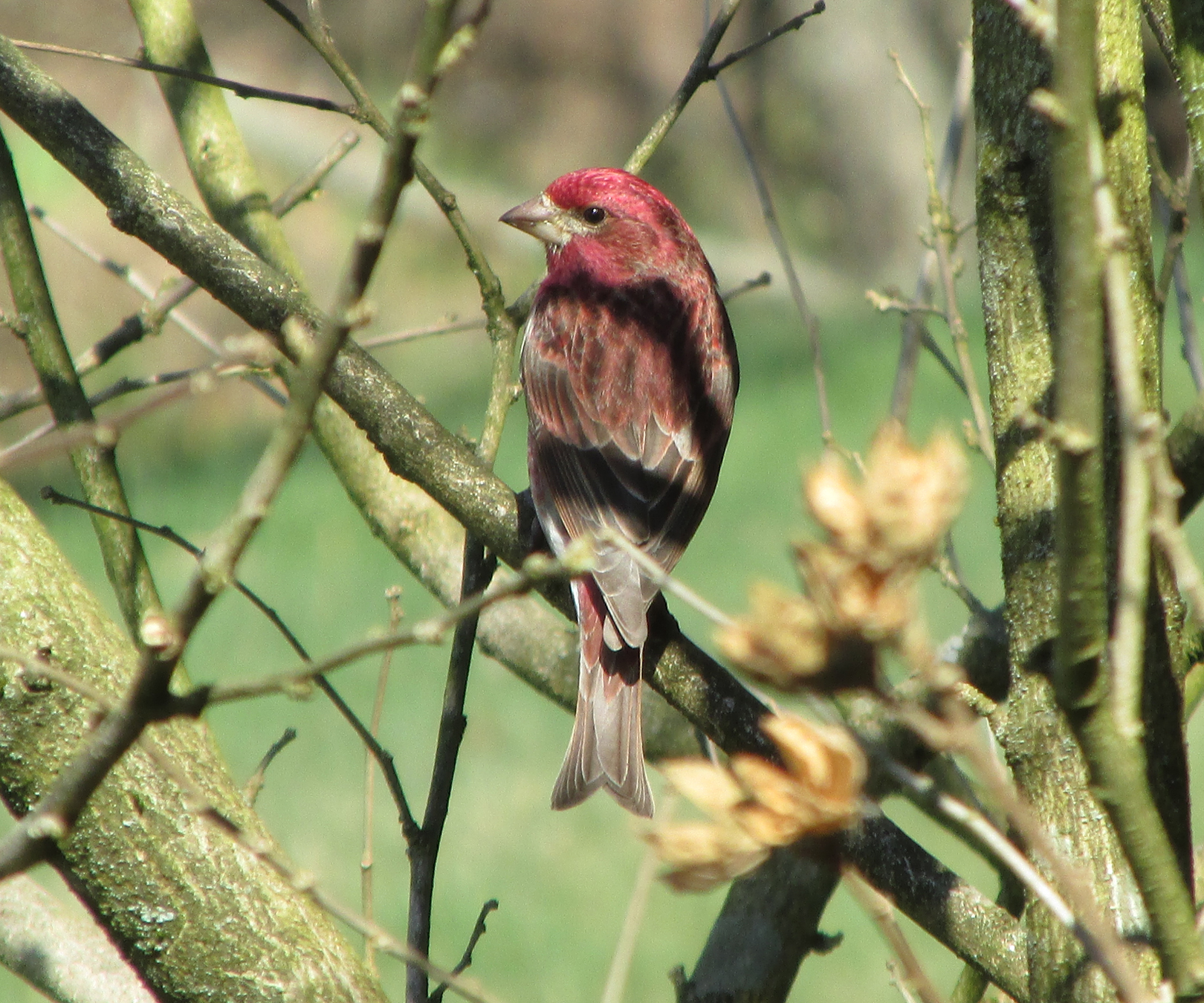
Photo by Bryan Stevens                            Lingering Purple Finches could still be present by the time of Hungry Mother State Park’s Birding Festival.

Another event that Hall is certain many individuals will enjoy will be the live bird presentation, “Wings to Soar,” on Sunday afternoon.

“We have activities throughout the weekend geared to advanced birders and beginners,” Hall said. “By incorporating all ages and degrees of experience, we hope to instill a love of birds in beginners and offer a chance to advanced birders to share their skills with the rest of us and hopefully have the chance to network and meet new people in a hobby they love.”
The festival meshes nicely with other recreational opportunities offered at HMSP.

“Hungry Mother is one of the more popular parks in Virginia,” Hall said. “We have 18 miles of trails that you can either hike or bike and we have a 108-acre lake that has various species of fish available to catch. The lake is also a favorite destination for swimmers, canoeists, kayakers and paddleboarders.”

Hall said the park is also fortunate to have an “awesome interpretation department” that hosts numerous programs each day that are offered not only to camping and cabin guests, but also to the public.
Mallard-March28

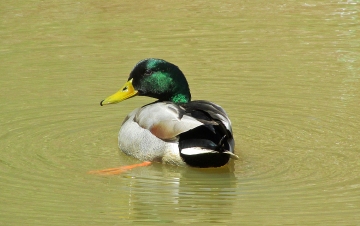
Photo by Bryan Stevens                                                      A male Mallard enjoys a spring swim.

“You don’t have to be staying at Hungry Mother State Park to enjoy the activities we offer,” Hall noted. “We probably have the most unique name of all Virginia State parks, and we have a unique legend behind the name which is tied to Molly’s Knob, the highest point in the park.”

Several months ago, Hall also invited me to take part in the debut of the festival. I plan to present a PowerPoint presentation on birds, and perhaps a few other examples of nature’s diverse life, in a program that will spotlight birds throughout all four of the seasons.

Egretta

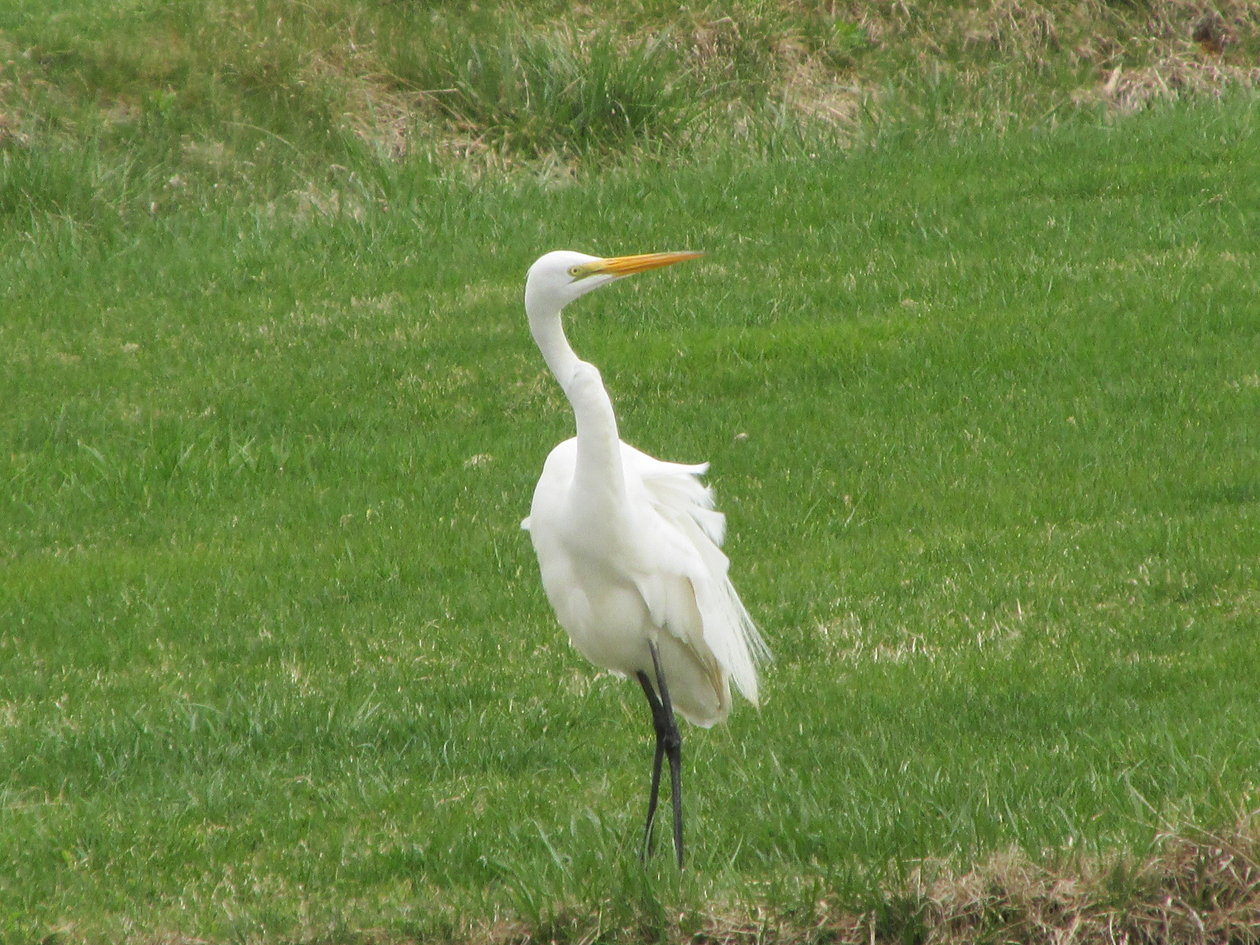
Photo by Bryan Stevens                                                                                When dealing with birds, surprises, such as a visit from a migrating Great Egret, are never off the table.

“Many of us know you through the articles you write for the Bristol Herald Courier,” she said. “We look forward to your articles each week, and we are looking forward to hearing your presentation and to seeing some of nature’s finest animals.”

I’m looking forward to sharing my program with attendees at the first-ever Hungry Mother State Park Birding Festival. It gives me a unique opportunity to meet some of the readers of my weekly column. If you attend, be sure to introduce yourself at some point.

The festival will also feature Richard Moncrief, who is the Birding and Nature Observation Market Manager for Carl Zeiss Sports Optics.

“He will be presenting two programs on Birding Basics and on Binocular Know How,” Hall said. “I know I am always wondering what the differences are between binoculars and which would be the best to buy for what I use them for.”

Some local Master Naturalists, including Melanie Smith and Randy Smith, will be giving programs on Birding by Ear and Backyard Birding.

“All in all, I believe there will be a little something for everyone to enjoy,” Hall said. “We are all so excited about this weekend and hope that everyone will come out and enjoy at least one program, because once you come, you’ll want to stay for another!”

Although she has been employed only a couple of years at HMSP, Hall loves her job and her new home.

“I started in this position as Chief Ranger of Visitor Experience this past November,” she said. “I was hired as the Education Support Specialist or the Interpreter in July of 2013. As an interpreter, we hope to forge a bond with the visitors and our natural resources we have here at Hungry Mother State Park.”

This is accomplished, Hall explained, by “interpreting” the natural, historical and cultural world for park visitors.

SongSparrow-Stick

Photo by Bryan Stevens                                      A Song Sparrow poses for a quick photograph at the water’s edge.

“I have worked in various other jobs; preschool teacher, recreation supervisor for the Blue Ridge Job Corps, and federal Park Ranger for the U.S Army Corps of Engineers,” she said. “I love working here at Hungry Mother with our Friends group, with all the guests that visit our park, and with a staff that truly cares about you and making your stay at a Virginia State Park the very best. I truly enjoy my job.”

All the festival’s programming is free and open to the public. The only fees associated with the festival will be the parking fee at the gate, which will be $3 on Friday and $4 on Saturday and Sunday.

A full schedule of activities can be found on virginiastateparks.gov under the Events tab for Hungry Mother State Park. For more information, call (276) 781-7400.

CooperativeRUBY_edited-1

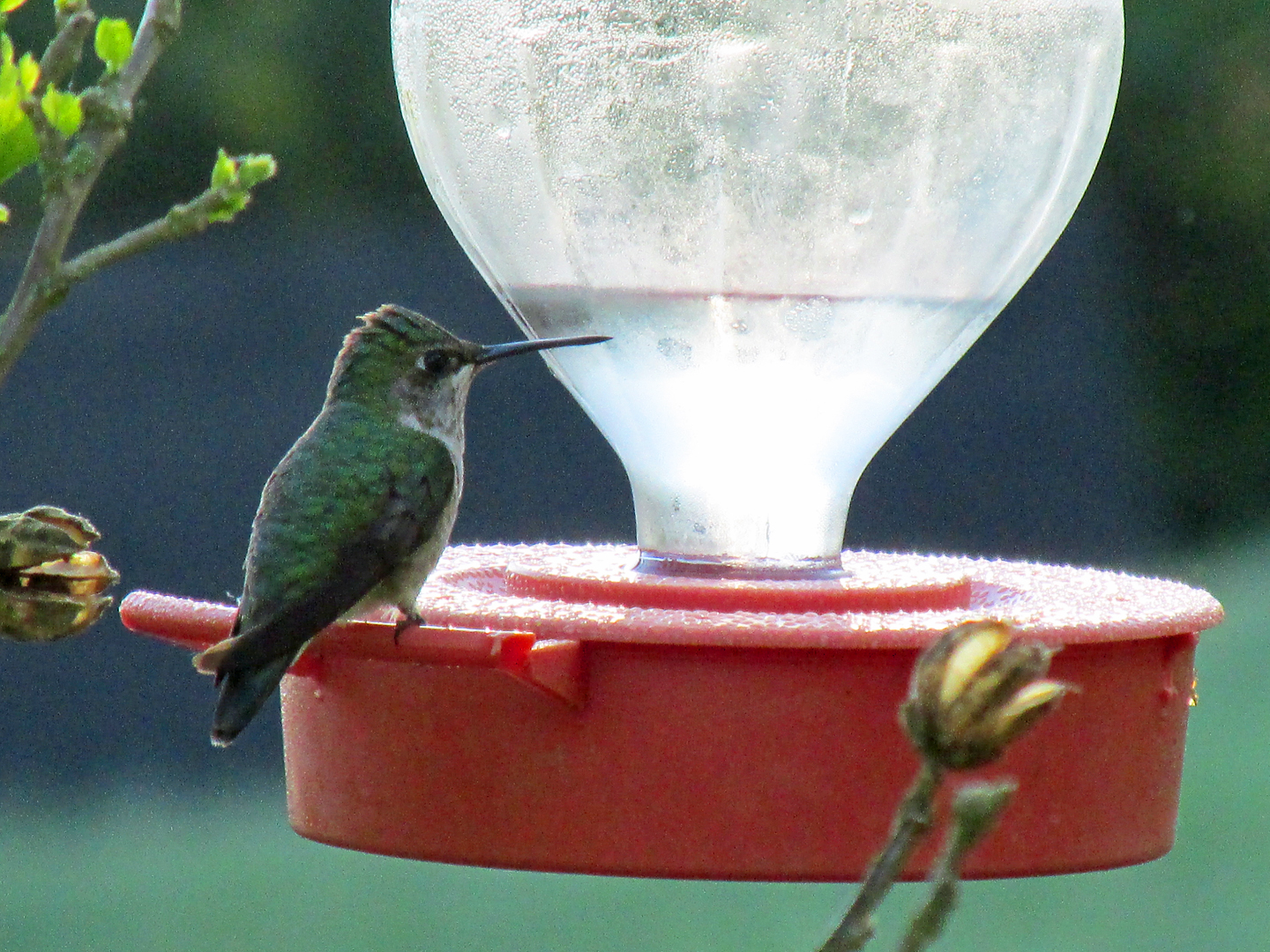
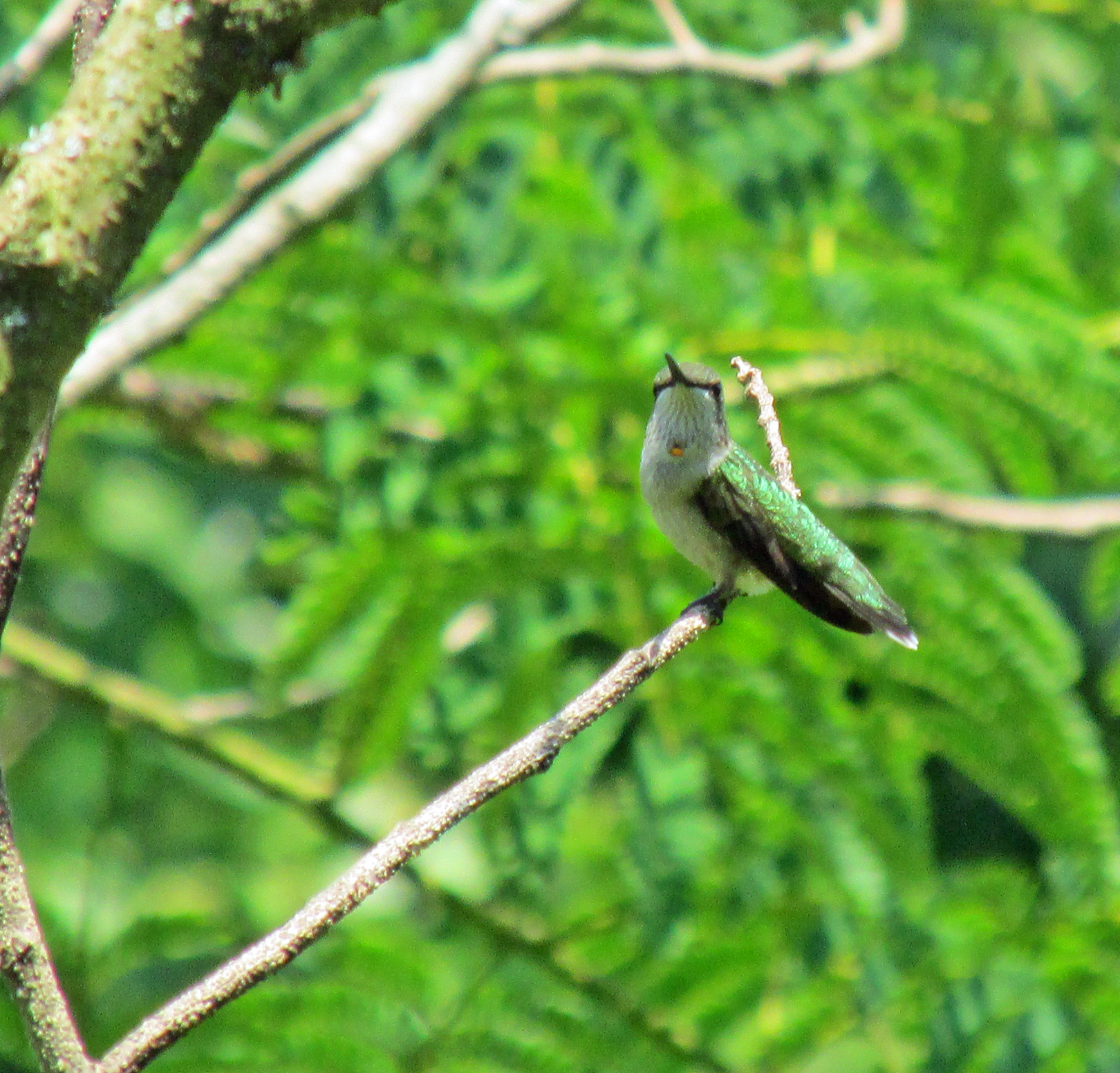
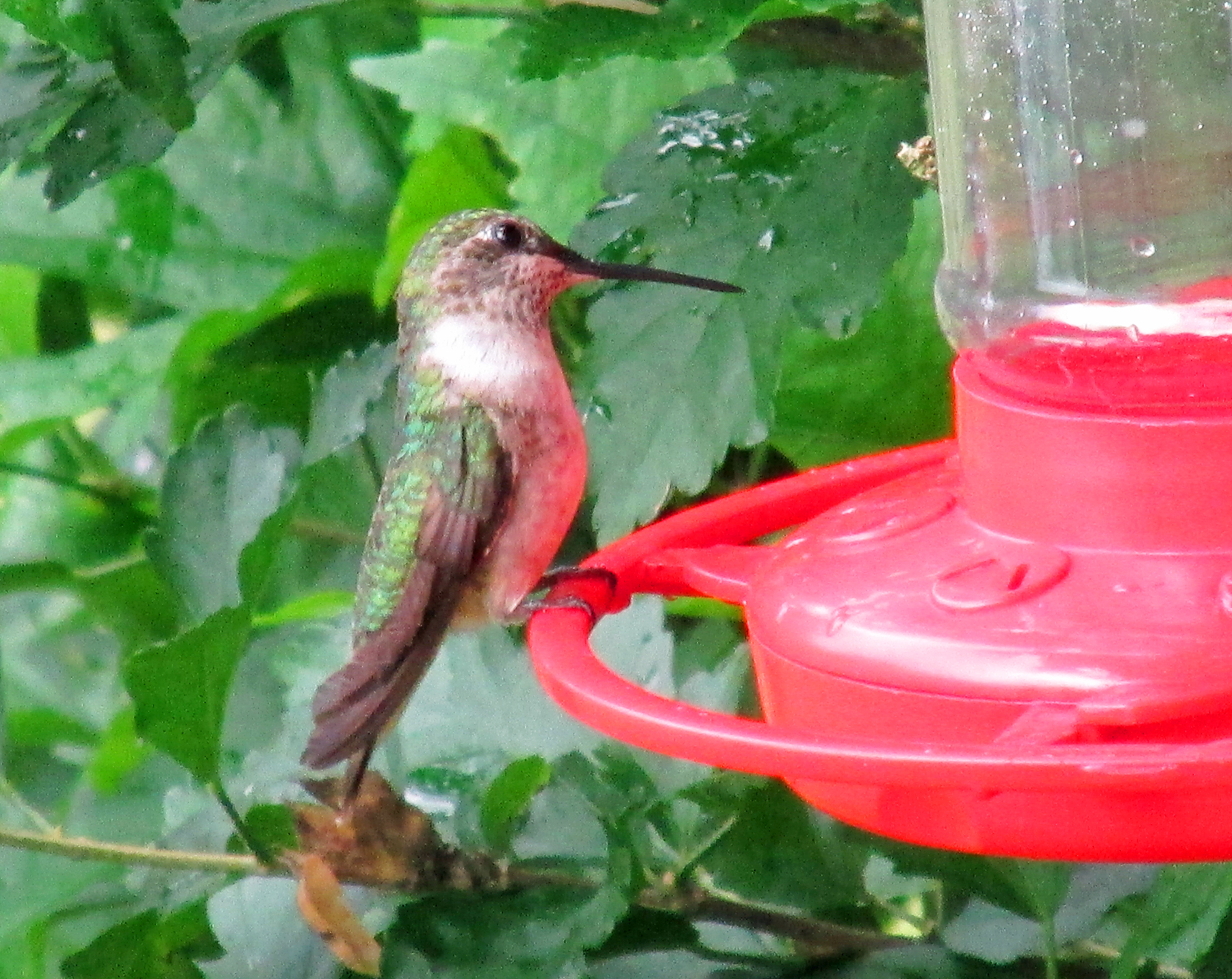
Photo by Bryan Stevens                          A female Ruby-throated Hummingbird perches on a feeder during a visit last spring shortly after making her return in early April.
It’s time to start thinking about bringing the hummingbird feeders out of storage. These little winged favorites should be returning to yards across the eastern United States and Canada in the upcoming weeks. In fact, in some locations they’re already back.

I usually hang out my own feeders the first week of April, but I often have to wait a week or two before I finally get a visiting hummingbird. About the earliest I have ever known hummingbirds to get back is the first week of April. The dates around April 8 to April 10 seem a popular arrival date. For some people, however, it may be mid or even late April before they see one.

Hummer-Morning

Photo by Bryan Stevens                                Keep feeders filled with a solution made from one part sugar to four parts water to replicate the sweetness of flower nectar.

You definitely increase your chances if you just have a feeder available with a fresh mixture of one part sugar to four parts water. This is the formula that closely matches the sweetness of nectar available from flowers.

There’s always a temporary surge in the numbers of Ruby-throated Hummingbirds from mid-April to mid-May as many of these small winged wonders migrate through Northeast Tennessee. Many of these early arrivals are making only temporary stops at our feeders or in our gardens. The majority of them probably continue to travel farther north to spend the summer.

Ruby-WingLift

Photo by Bryan Stevens                                          Ruby-throated Hummingbirds undertake a long-distance migration to return to our yards and gardens every spring.

Just to reach the United States, these tiny birds undertake an arduous journey. They leave their wintering grounds in Central America to return to the United States and Canada for the nesting season. Most of these tiny birds, which are barely four inches long, make a non-stop flight of more than 500 miles across the Gulf of Mexico. The journey can take almost an entire day!

By May, the spring hummingbird migration is basically finished for the region. A few of the female hummingbirds, finding our yards to their liking, will conclude their epic journey here and spend the next few months tending to a new generation of hummers.

ABC-HummerBabies-May31

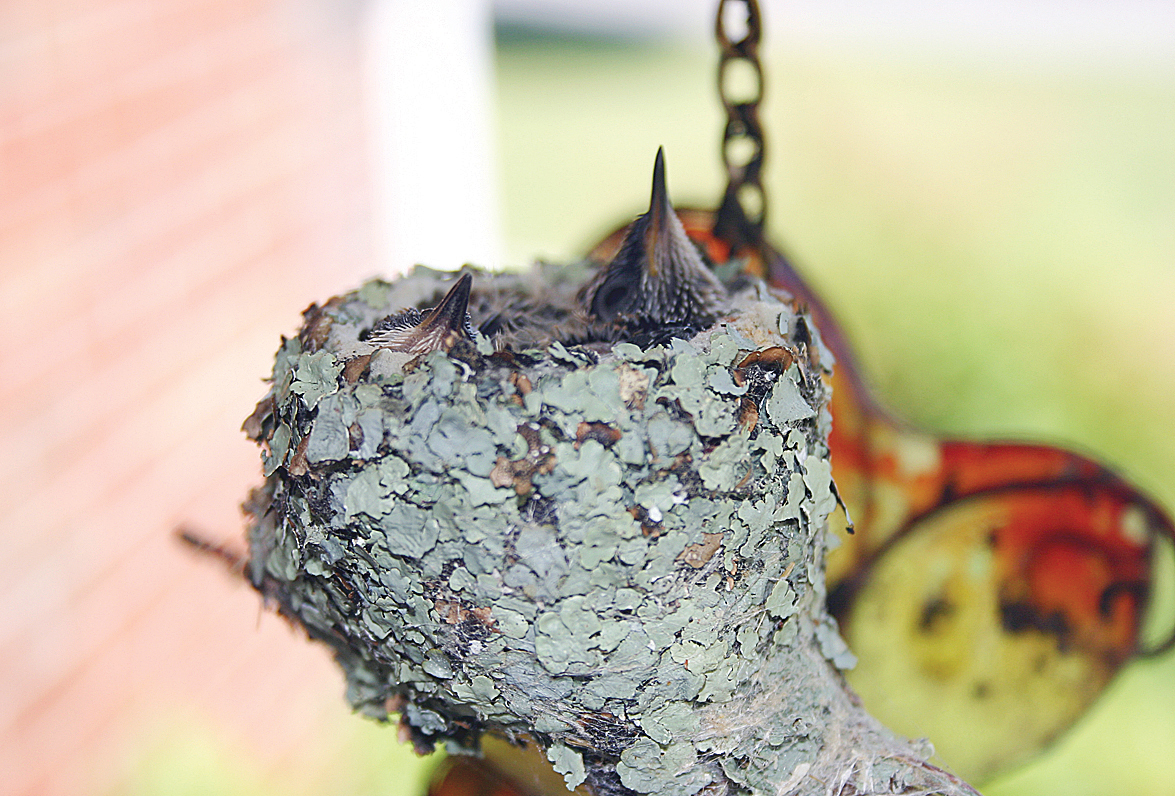
Photo Courtesy of M.C. Campbell                                      Two young Ruby-throated Hummingbirds share a crowded nest.

She lays two eggs. There are some reasons why it’s always a pair of eggs. First, the nest is so small that there is barely room for two eggs, let alone more. Second, once the young hatch, the nest has just enough room to accommodate them as they grow, fed well by their mother. Third, feeding two hungry young hummingbirds is a demanding task. A female hummingbird has to find enough food to fuel her own body and help her young in the nest grow and thrive. It’s a full-time job during the daylight hours. She’s pressed hard to succeed at raising two young. Attempting to rear more would most likely prove impossible.

The entire process —€” from building the nest to incubating eggs to tending hatchlings —€” requires a commitment of more than two months. The female hummingbird builds her exquisite nest from lichen and various plant fibers, much of it held together by collected spider silk.

Ruby-OneSpot

Photo by Bryan Stevens              A Ruby-throated Hummingbird selects a secluded perch.

Once that time-consuming task is completed, the female hummingbird lays her eggs. She will spend about the next 18 days incubating them. Once they hatch, the young will remain in the nest about 28 days (nearly a month) and depend on their mother to bring them regular meals. If that’s not enough, the ruby-throated hummingbird is known to nest twice in a season. It certainly must rank a female hummingbird as one of the busiest of our summer birds.

Of course, a few adult males will end their migration in the region. The males, however, don’t assist with the rearing of their own young. For male hummingbirds, summer is mainly a time to thrive on the abundance of nectar-bearing blooms, as well as a profusion of tiny insects and spiders that also make up a good portion of their diet.

ABC-HummerNest-inHand-Program

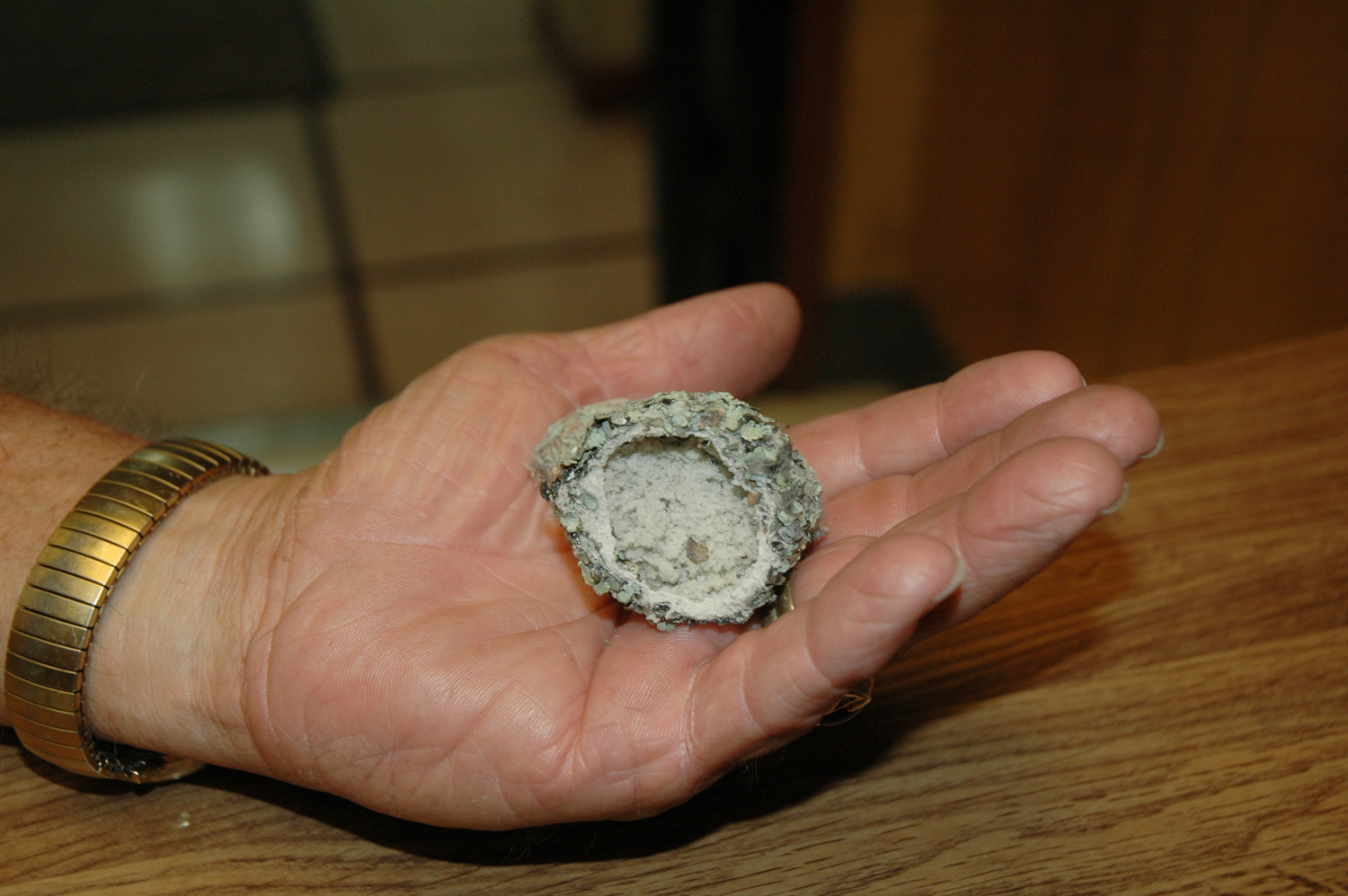
Photo by Bryan Stevens                                      A hummingbird nest recovered after a successful nesting season. The photo shows just how small and intricate the nest of our smallest breeding bird is.

If all goes well —€” and that’s not the case always, unfortunately — a new generation of hummingbirds may join the adults at feeders in late summer and early fall as a second wave of migration begins. Not surprisingly, hummingbirds face an assortment of predators that can prove detrimental to nesting success. Even prolonged periods of rain or cold weather can produce unfortunate consequences.

Nevertheless, these tiny birds manage to replenish the population each year, ensuring that they will be back in future spring seasons to delight and entertain hosts who have missed them through the bleak months of winter.

RubyRed

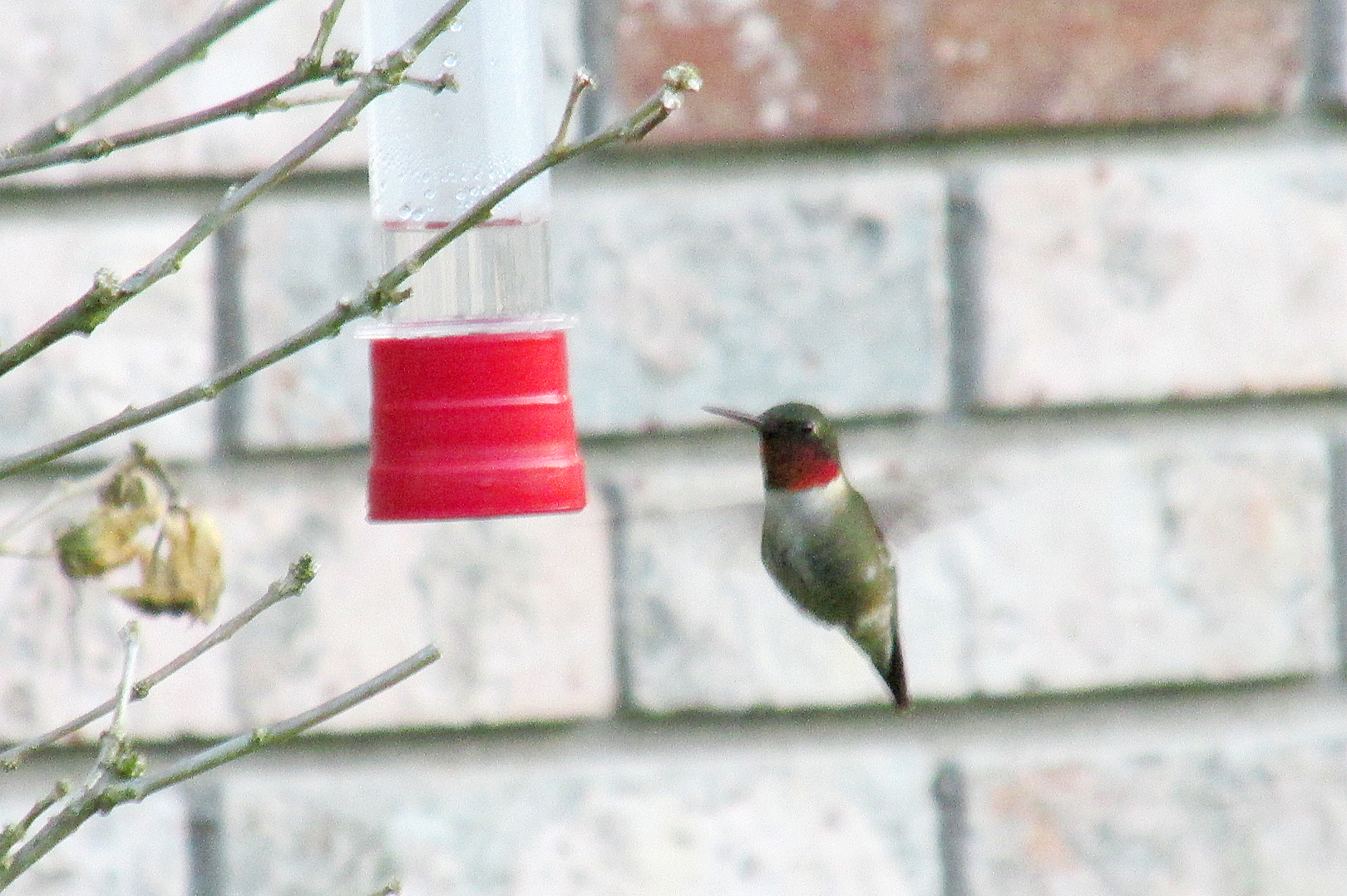
Photo by Bryan Stevens                                            Sunlight brings to vivid life the ruby-red throat patch, or gorget, of a male Ruby-throated Hummingbird.

I want to close this week’s column by asking for help from readers. I love to document the yearly arrival of ruby-throated hummingbirds. I’d appreciate hearing from any readers who would like to share the information about their first hummingbird sighting of the season. Simply send me your name and location, as well as the date and time when your first hummingbird arrived. The best way to contact me is by my email at ahoodedwarbler@aol.com. Messages are also welcome through my Facebook account at http://www.facebook.com/ahoodedwarbler.

Ruby-throat

Photo by Bryan Stevens                            Feeders filled with sugar water or a garden planted with nectar-rich flowers can attract Ruby-throated Hummingbirds to your yard.

I’ll post the arrival dates I receive in upcoming columns this spring. This is a tradition I have enjoyed observing for years, and I hope all the hummingbird fans out there will participate.

I know I can’t wait for them to be back. I’m looking forward to hosting them again for another six to seven months before they once again depart this coming October to spend the winter in the tropics.

••••••

Bryan Stevens lives near Roan Mountain, Tennessee. He has been writing about birds and the natural world for almost 20 years. Some of his favorite birds include hummingbirds, shorebirds, warblers and owls.

Ruby-throatedFemale-EYE

Photo by Bryan Stevens                                                                                                                        A Ruby-throated Hummingbirds remains alert while visiting feeders.


Annual Great Backyard Bird Count provides global snapshot of birdlife

Hunt-Redwing

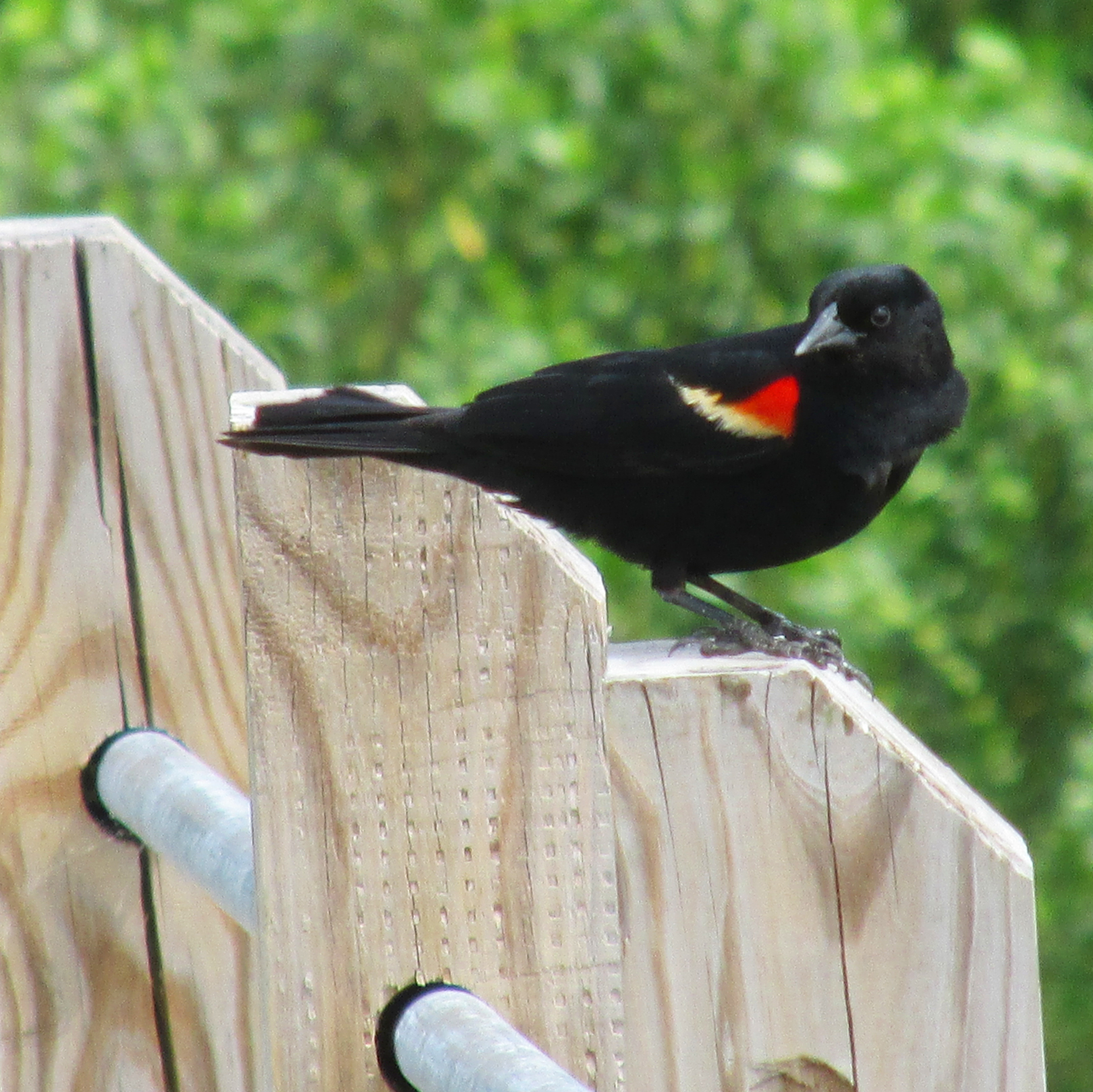
Photo by Bryan Stevens                                  Red-winged Blackbirds, such as this individual, were counted by many U.S. participants during last month’s Great Backyard Bird Count.

The 2015 Great Backyard Bird Count is now history. Participants were permitted to submit reports through Feb. 28. Although tabulations are still being processed, a great deal of data is already available. By all indications, this annual survey of bird populations enjoyed great success in 2015.

In Tennessee, 139 species of birds was reported on a total of 2,687 checklists. In Virginia, participants turned in 4,672 checklists and found an amazing total of 180 species. Of course, one reason that Virginia enjoys more species is the fact that Virginia offers coastal birding opportunities unavailable in the landlocked Volunteer State.TENNESSEE

Nationwide, 671 species of birds were reported on this year’s GBBC, which received a total of 108,387 submitted checklists.

California took top honors with 376 species of birds found for this year’s GBBC. The Top 10 states for most species, in descending order, included Texas (366), Florida (309), Arizona (273), Washington (231), Oregon (225), New Mexico (215), Louisiana (212), South Carolina (211) and North Carolina (201).

Two_Nene_Geese_Hawaiian_Species

Photo by U.S. Fish & Wildlife Service/Mike Boylan   Many native species, such as the Nene, or Hawaiian Goose, were among those Hawaiian species found in Hawaii by GBBC participants.

North Carolina ranked 10th on the list for states with most species of birds reported. Virginia ranked 12th on the list for states with most species of birds reported. Tennessee managed a 25th place ranking. In last place among the states was North Dakota, with only 62 species reported.

From Alaska came 417 checklists for a total of 122 species of birds. The 225 checklists from Hawaii outnumbered the 93 species of birds found. I was pleased that some of the birds on the list included native Hawaiian species, including the Hawaiʻi ʻamakihi, Hawaiʻi ʻelepaio, ʻapapane, ʻiʻiwi, Hawaiian hawk, Hawaiian coot, Hawaiian goose, or nēnē, and Hawaiian thrush, or ‘Ōma’o, as well as the Hawaii creeper and ʻAkepa, both of which are endangered species.

Returning closer to home, birders in Virginia and Tennessee found some very good birds during the four-day survey.

Roughlegged_Hawk

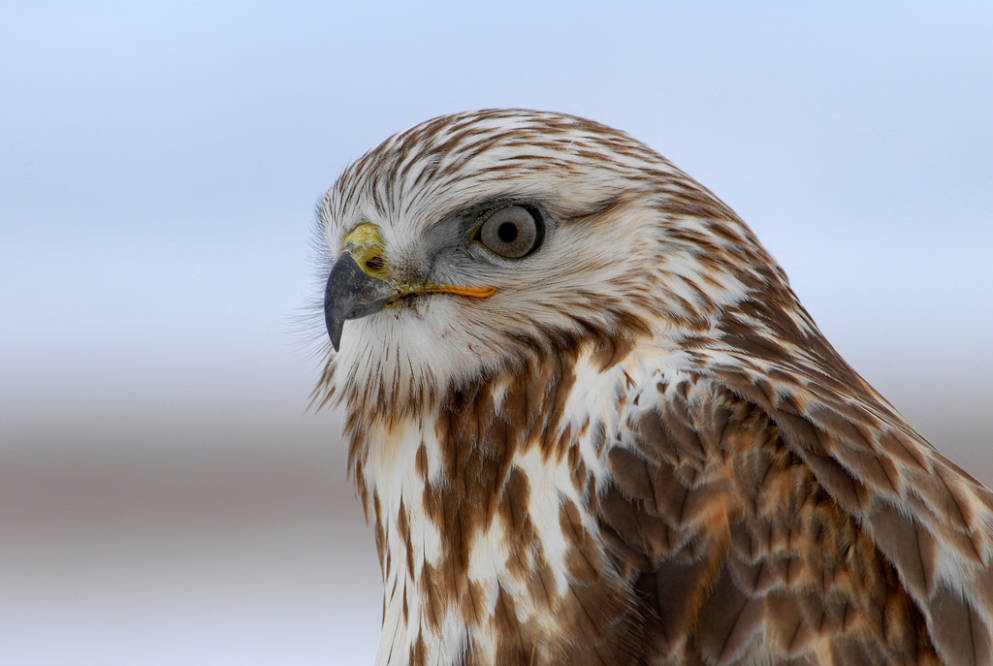
Photo by U.S. Fish & Wildlife Service                      Rough-legged Hawks, which are strictly winter residents for most of the continental United States, were among the many species found by U.S. participants in the annual GBBC.

Some of the more unusual birds reported in Virginia included common redpoll, rough-legged hawk, Western tanager, Baltimore oriole, cackling goose, Eurasian wigeon, harlequin duck, painted bunting and clay-colored sparrow.

Some surprise birds on the Tennessee checklists included ruby-throated hummingbird, cackling goose, Eurasian wigeon, whooping crane, Pacific loon, Iceland gull, common gallinule, Western grebe, evening grosbeak and brown-headed nuthatch.

Because the GBBC is now a global event, I also explored the data to see how the United States fared in comparison to some other countries. Worldwide, 5,090 species were found and 147,265 checklists were submitted.

In India, 717 species of birds were reported on 6,810 submitted checklists. In South Africa, only 38 checklists were submitted, but these accounted for 347 species of birds. In Kenya, only 21 checklists were submitted, but a total of 326 species of birds was reported.

Evening_Grosbeak

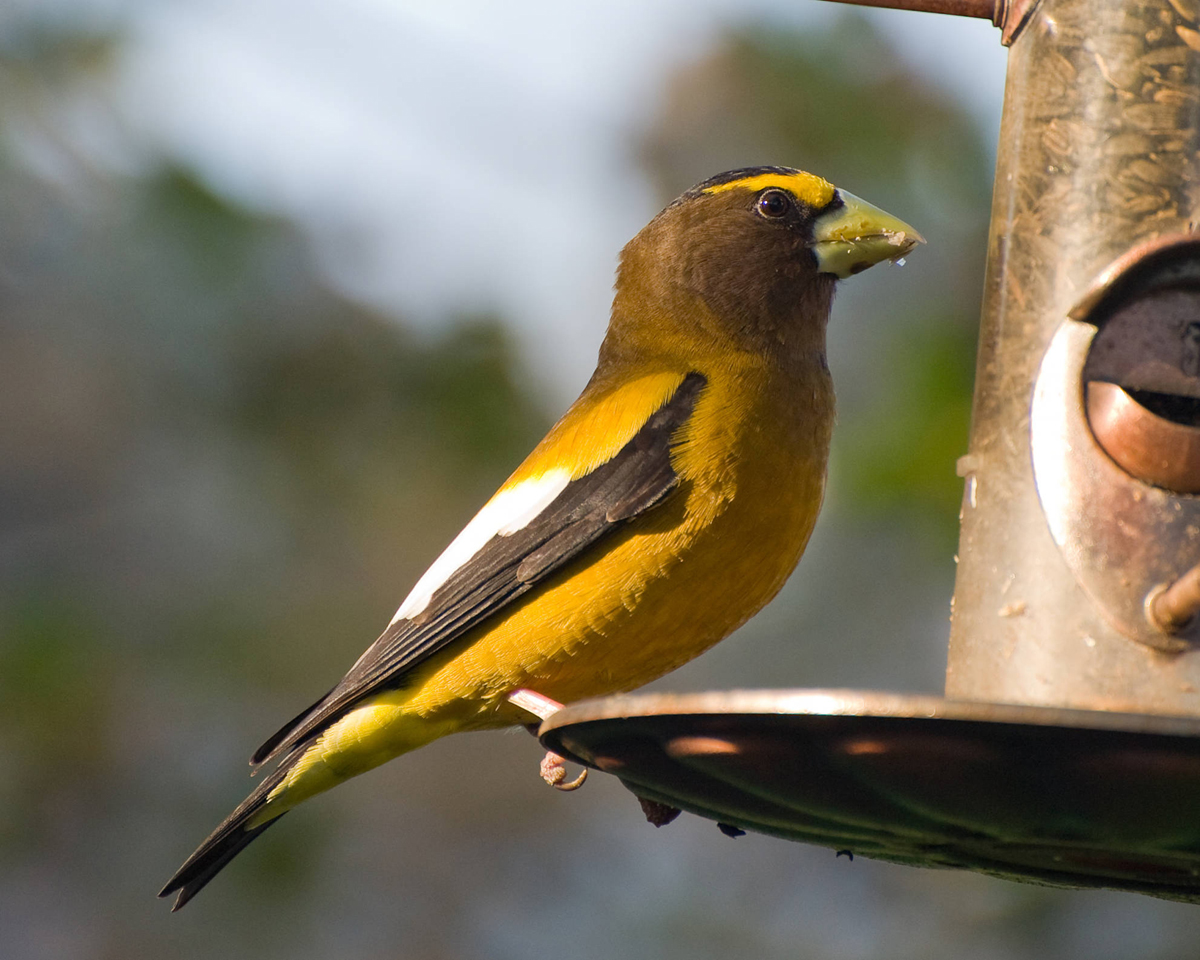
Photo by U.S. Fish & Wildlife Service Songbirds, such as this Evening Grosbeak, showed up in both Canada and the United States during the four-day GBBC.

As for our neighbor to the north, Canadians turned in 10,491 checklists for a total of 241 species of birds. South of the border, 653 species were reported in Mexico on a total of 425 checklists.

Across the pond, 138 species were found in England on a mere 89 submitted checklists.

The GBBC has not, evidently, caught on yet in China where only 20 species were reported on a total of four checklists. The birders submitting the checklists, based on their names, were not native to China. They were probably visitors to China and their visit happened to coincide with the dates of the GBBC.

Three birders in Iran turned in checklists. Based on their names, they were Iranian and did a good job finding 69 species, including Imperial Eagle, Dalmatian Pelican and Greater Flamingo. In Israel, 19 submitted checklists produced a total of 114 species.

In South America, several countries produced impressive numbers of species. In Brazil, the 45 checklists submitted accounted for 502 species. The 69 checklists from Argentina represented a total of 362 species of birds. In Peru, a total of 36 checklists produced 259 species. The 109 checklists submitted from Chile resulted in 205 species for that southernmost nation in South America.

Perhaps not surprisingly, no reports came from such troubled global locations as Iraq, Syria, Libya and Somalia.

••••••

Purples

Photo by Bryan Stevens                          Purple Finches were among the species found in the Volunteer State during the Great Backyard Bird Count.

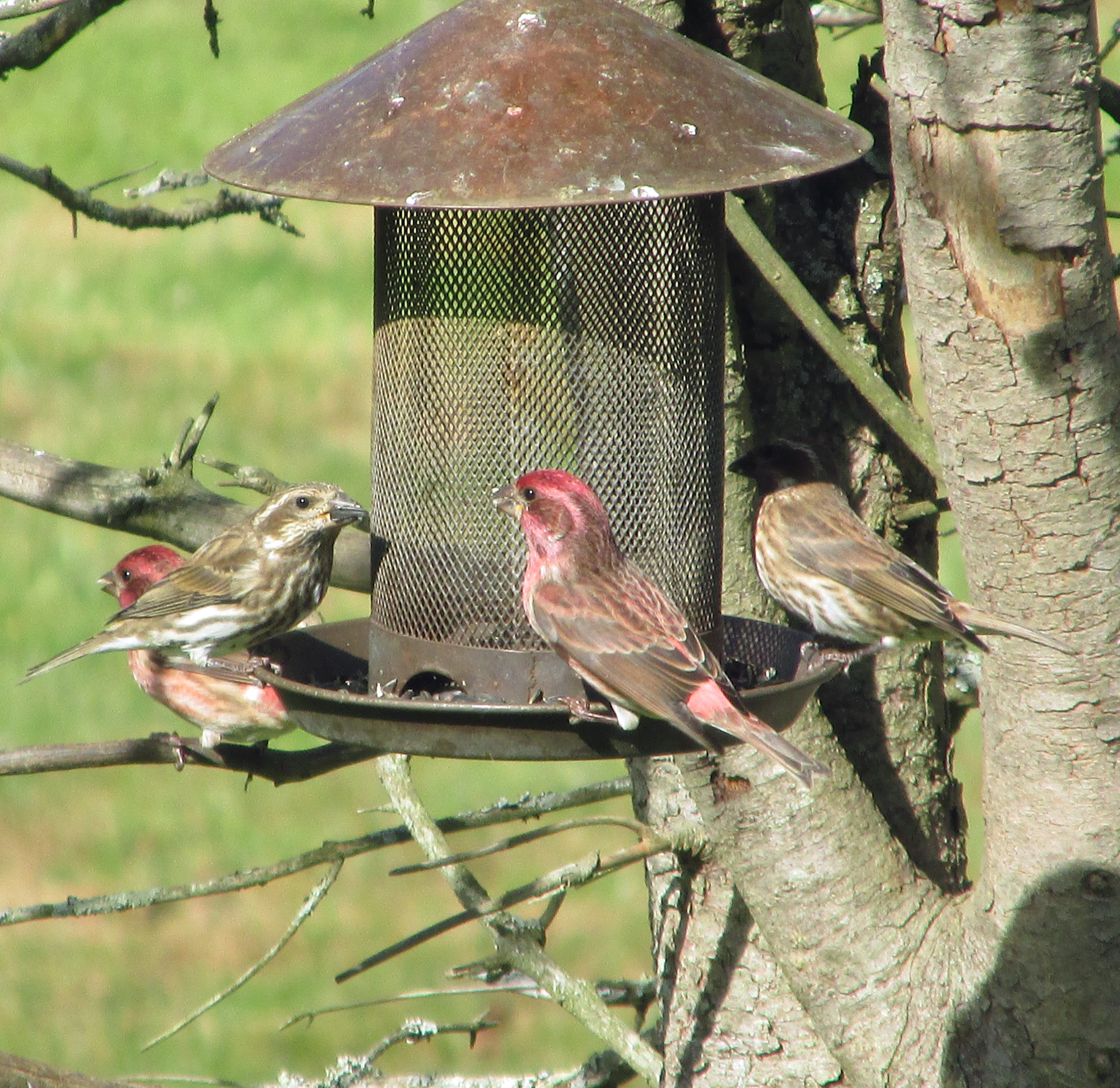
During this year’s GBBC, I counted birds mostly at home due to the heavy snowfall that fell during the first days of the survey. The silver lining, of course, was that the snow and cold brought an increased number of birds to my feeders, including such species as pine siskin, purple finch, Northern flicker, Eastern towhee and Carolina wren.

I’ve had almost as much fun exploring the results from the GBBC as I did taking part in the survey. If you would like to take a look at the results, visit http://www.birdsource.org and investigate the tallies from around the globe at this very interactive website.

Pacific_loon

Photo by U.S. Fish & Wildlife Service                                                                                                   Pacific Loons represented one of the more unusual species found in Tennessee during the GBBC.


Woodpeckers perfectly suited for their vertical lifestyle

IMG_5779

Photo by Bryan Stevens                                      A Red-bellied Woodpecker looks for sunflower seeds at a feeder during a snowstorm.

For most woodpeckers, a vertical lifestyle’s not a problem. These birds even have amazing adaptations to help them with their specialist lifestyles. For instance, their tail feathers are usually quite stiff to provide a means to prop the body against tree trunks as they excavate into the bark either in search of food or to fashion a roost or nesting site. Since they spend so much of their time hammering against tree trunks, woodpeckers even have special “shock absorbing” cushioning to protect their little bird brains.

Downy-2

Photo by Bryan Stevens                                                    A male Downy Woodpecker climbs along a branch.

The region is home to seven species of woodpeckers, ranging in size from the sparrow-sized downy woodpecker to the crow-sized pileated woodpecker.

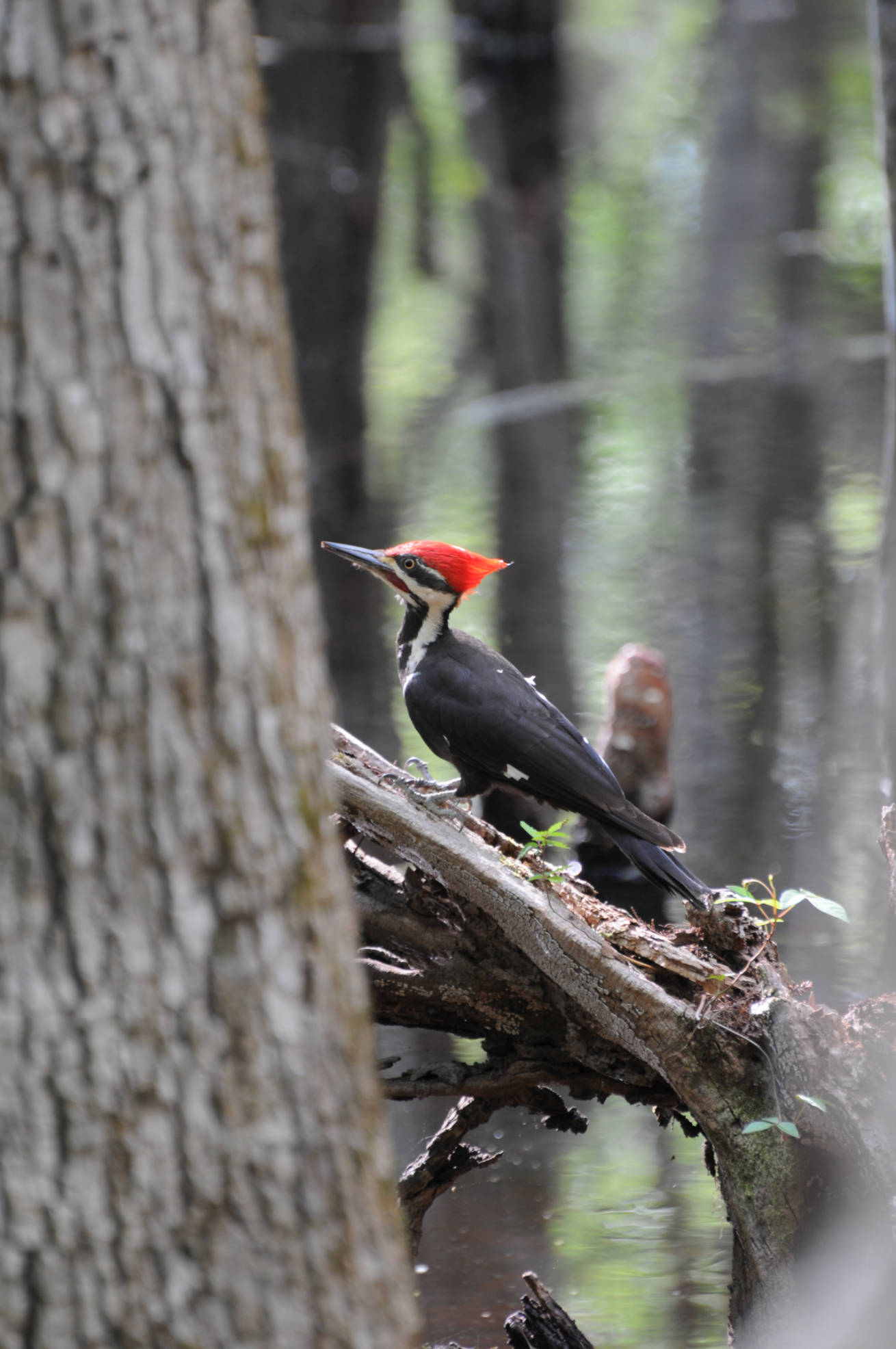
English naturalist Mark Catesby, who died in 1749, gave the large pileated woodpecker the name of “large red-crested woodpecker.” Swedish botanist Carolus Linnaeus apparently gave this woodpecker its scientific name of Dryocopus pileatus. The Latin word, pileatus, translates into English as “capped,” and is derived from an old term that literally means “felt cap.” So, apparently, this woodpecker’s red crest reminded early observers of a red cloth cap. Another English naturalist, John Latham, apparently gave the bird the common name of pileated woodpecker, basing the name on the scientific name established by Linnaeus.

Pileated_woodpecker

Photo by U.S. Fish & Wildlife Service The Pileated Woodpecker is surprisingly evasive for such a large bird. Their presence in a woodland might go unnoticed if not for their noisy vocalizations.

The pileated woodpecker has actually had an abundance of common names associated with it, including wood-hen and “Good Lord Bird,” which was inspired by the common exclamation people make when they’re surprised by an unexpected observation of this rather large, often noisy, woodpecker.

Beyond this history of how the bird eventually got the name pileated woodpecker, there are a lot of folk names for this particular bird, including such interesting ones as “king of the woods” and “stump breaker.”

The loud vocalization of this woodpecker has also inspired names such as wood hen, Indian hen and laughing woodpecker. If anyone knows of other common names for the pileated woodpecker, I’d enjoy hearing about them.

Depending on whether you believe that the ivory-billed woodpecker still exists somewhere in Cuba or Arkansas, the pileated woodpecker is the largest of North America’s woodpeckers.

Pileated woodpeckers are cavity-nesting birds, and they use their large, stout bills to efficiently excavate their own nesting cavities in dead or dying trees. These cavities can be used in subsequent nesting seasons by such cavity-nesting birds as Eastern screech-owls and wood ducks, which are incapable of excavating their own nesting cavities.

IMG_5823

Photo by Bryan Stevens                                            A Red-bellied Woodpecker stops by a feeder during a snowstorm.

Male pileated woodpeckers show a red whisker stripe on the side of the face that is absent in the female. Otherwise, the sexes look similar. These large woodpeckers — they can reach a length of about 19 inches — often forage close to the ground on old stumps or fallen logs. The pileated woodpecker is widespread in the United States and Canada, favoring wooded areas in both countries. This woodpecker has proven adaptable, now thriving even in suburban areas offering sufficient woodland habitat.

During the recent bout of wintry weather with its abundant snowfall, a pair of red-bellied woodpecker have joined the downy woodpeckers as daily visitors. This is a bird that was once considered primarily a resident of the southeastern United States. It has expanded its range northward over the past century. It is often confused with its relative, the red-headed woodpecker. In truth, the red-bellied is named for a feature not readily apparent. Although it has red feathers on its belly, they are often hidden as the bird clings to the trunk of a tree.

IMG_5720

Photo by Bryan Stevens                                                                            A feeder stocked with peanuts attracts a Downy Woodpecker.

The downy woodpecker, which occupies the other end of the size scale from its larger relative, is a rather frequent visitor to feeders. This small woodpecker, which is only about six to seven inches in length, frequents a variety of habitats, including open woodlands, parks and well-planted yards. The male shows a red crown patch at the back of the head, a feature which is absent in the female.

At feeders, downy woodpeckers like sunflower seeds, peanuts and suet cakes. Away from feeders, this small woodpecker is quite efficient at boring into trees in search of insects and their larvae.

Clinging-Woodpecker

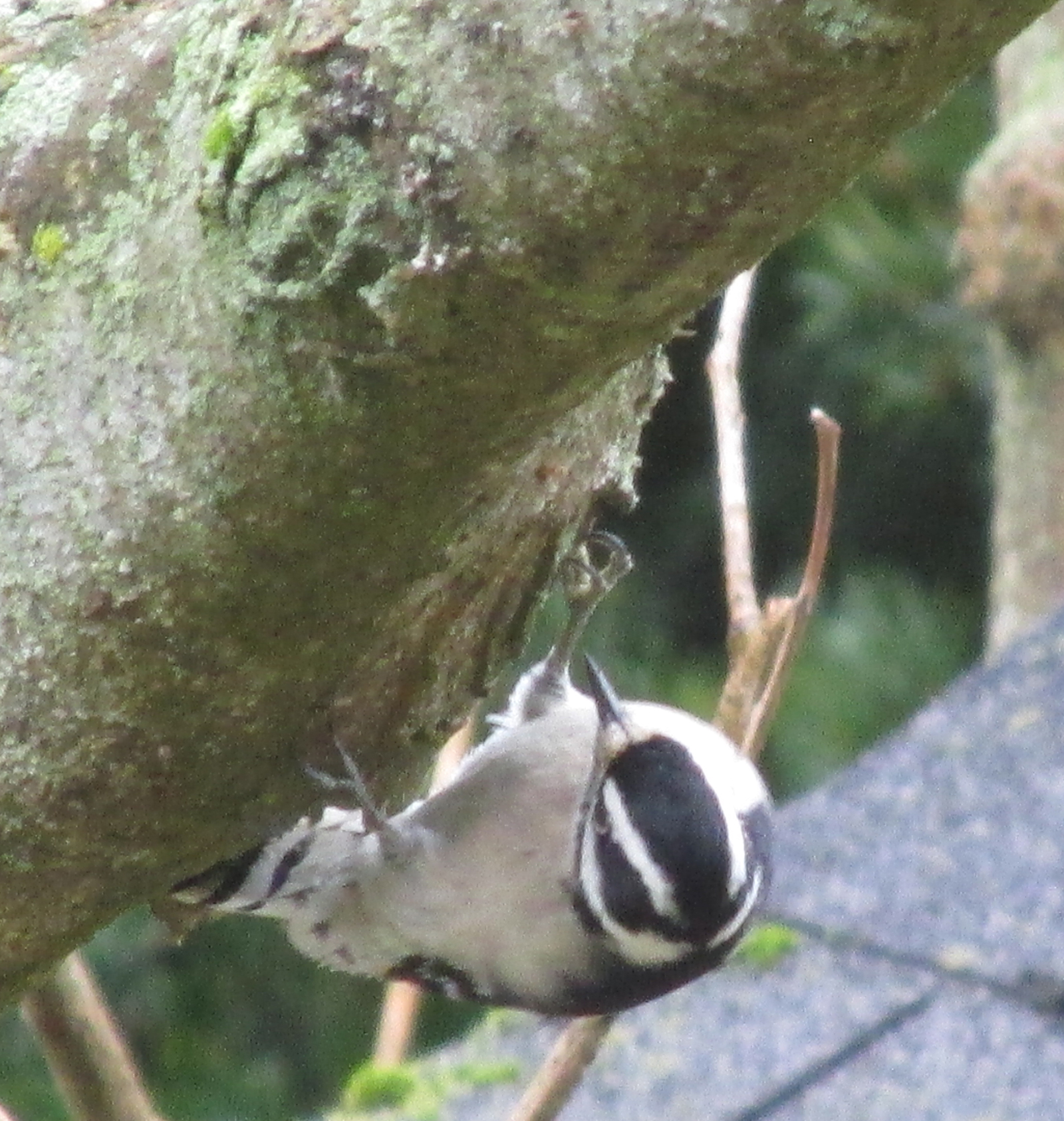
Photo by Bryan Stevens                                  A Downy Woodpecker clings to the underside of a branch.

The other woodpeckers in the region include red-bellied woodpecker, Northern flicker, hairy woodpecker, yellow-bellied sapsucker and red-headed woodpecker. Worldwide, there are about 200 species in the woodpecker family, which also consists of sapsuckers, piculets and wrynecks.

Some species have some very colorful names, such as the red-throated wryneck, arrowhead piculet, ochre-collared piculet, black-rumped flameback, crimson-winged woodpecker, imperial woodpecker, brown-capped pygmy woodpecker, splendid woodpecker, melancholy woodpecker and red-naped sapsucker.

•••••

To learn more about birds and other topics from the natural world, friend Stevens on Facebook at https://www.facebook.com/ahoodedwarbler. He is always posting about local birds, wildlife, flowers, insects and much more. If you have a question, wish to make a comment or share a sighting, email ahoodedwarbler@aol.com.

IMG_5821

Photo by Bryan Stevens                                                                                                                              The Red-bellied Woodpecker is a medium-sized member of the woodpecker family.


Pine siskins abundant throughout region this winter

Sisken-Finch

Photo by Bryan Stevens                                                        An American Goldfinch, left, and Pine Siskin, right, share space on a feeder.

Winters, despite the depressed variety of bird species, can bring excitement when flocks of “irruptive” finches not often seen in the area expand their range into the region.

Evening grosbeaks, purple finches, common redpolls and red crossbills represent a few of these northern finches that occasionally stage massive migratory movements, or irruptions, into areas far outside their typical ranges.

Siskin-Green

Photo by Bryan Stevens                                Pine Siskins visit a feeder on a snowy day.

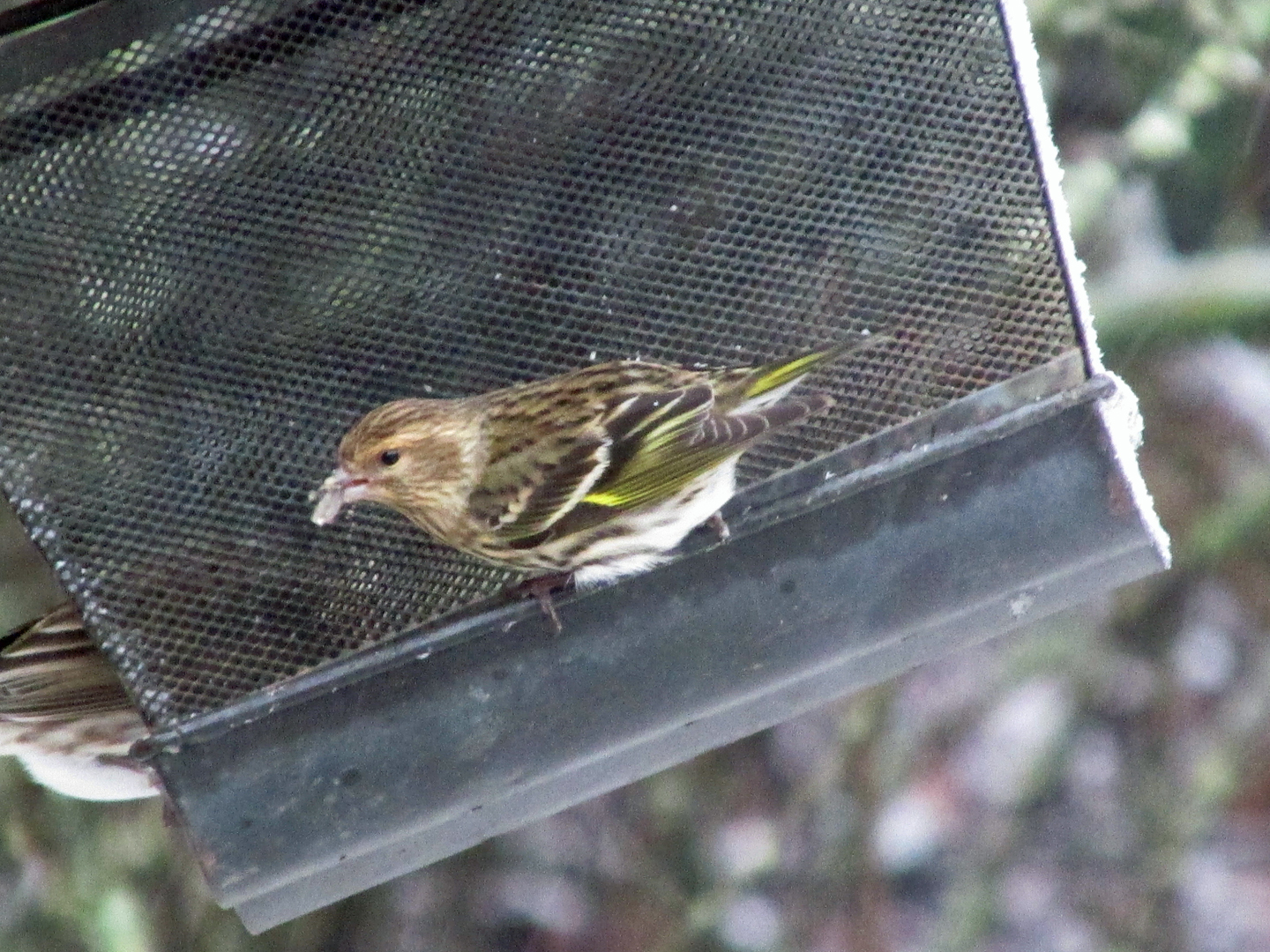
The 2014-15 winter season is shaping up as a notable invasive year for pine siskins, another species of the so-called Northern finches. This small finch is related to and similar in appearance to the American goldfinch.

Bristol birder Richard Lewis reported on bristol-birds, an online forum for sharing area bird sightings, that he observed a large flock of more than 100 pine siskins along Caverns Road in Sullivan County about a half mile west of Bristol Caverns. Ron Carrico counted 58 Pine Siskins coming to his feeders on Jan. 23 at his home in Bristol, Tennessee.

Siskins-OnGround

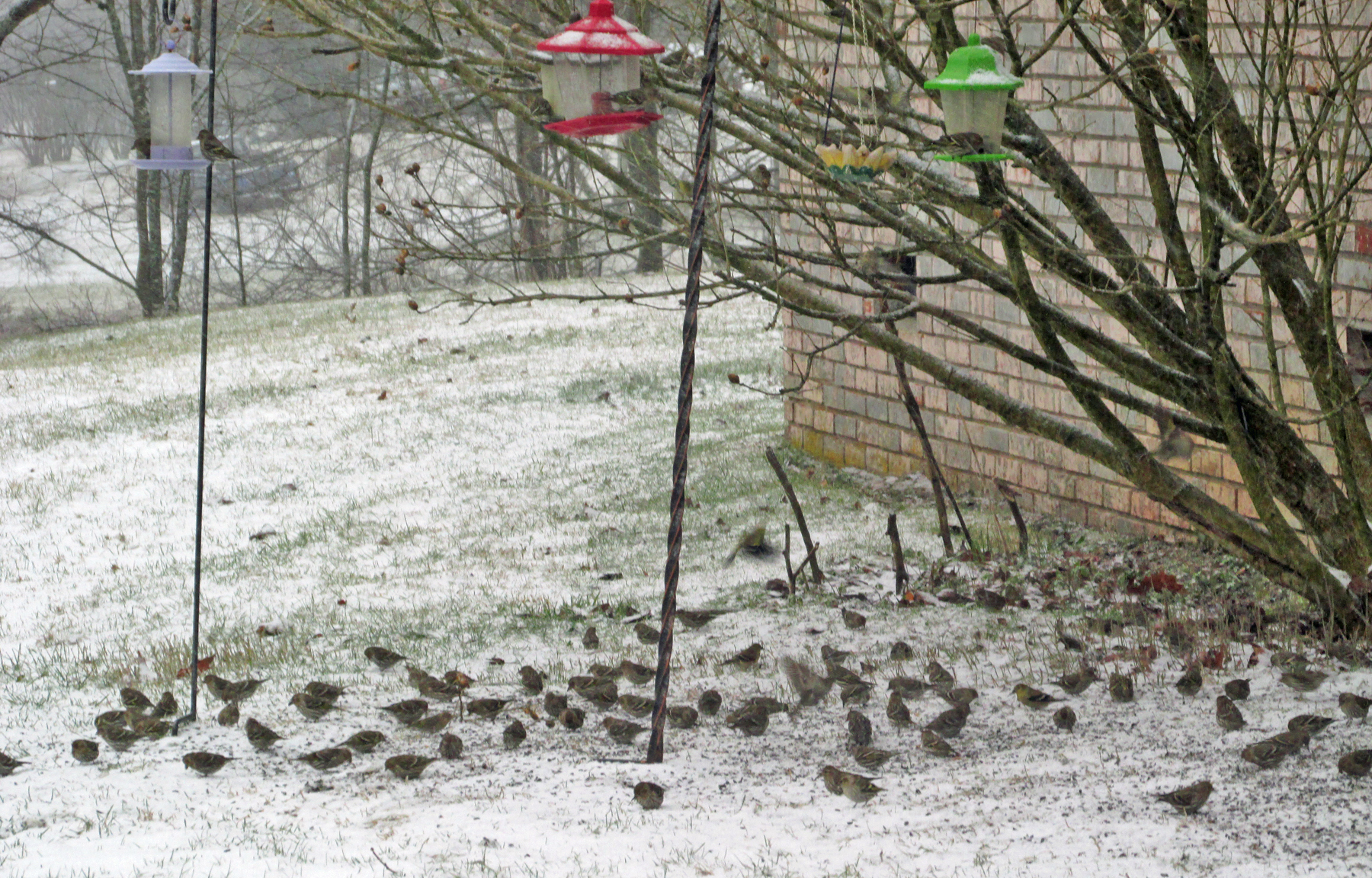
Photo by Bryan Stevens                                                                    Large flocks of Pine Siskins are being reported throughout Northeast Tennessee and Southwest Virginia this winter season.

They’re not the only people in Northeast Tennessee and Southwest Virginia reporting large numbers of pine siskins this winter. Siskins have been visiting my feeders since this past October, but their numbers began to increase in December. Since then, a flock of about 70 birds, accompanied by lesser numbers of American goldfinches, has become daily visitors at the feeders, enjoying mostly sunflower and nyjer thistle seeds.

Siskins are not the only bird to stage irruptions. In addition to pine siskin, the website birdsource.org identifies pine grosbeak, red crossbill, white-winged crossbill, purple finch, common redpoll and evening grosbeak as the birds typically associated with these winter incursions. The website also notes that finches are not the only birds known for these periodic irruptions. Other non-finch species — red-breasted nuthatch, Clark’s nutcracker, bohemian waxwing, black-capped chickadee and varied thrush — undertake periodic winter irruptions. Two of these northern finches — the pine siskin and the red crossbill — are sporadic summer residents on some of the higher mountains in the region.

Siskin-Yellow

Photo by Bryan Stevens                                  Pine Siskins usually show some bright yellow feathers in their wings and tails.

These irruptions are not usually motived by cold or severe weather. The absence of a favored food source on a bird’s normal winter range is usually a trigger for an irruption. Birds, such as pine siskins, will fly farther than normal in a quest for reliable food sources. Not surprisingly, well-stocked feeders often attract their attention.

PineSiskinSwing

Photo by Bryan Stevens                                                     Pine Siskins can become frequent feeder visitors during an irruptive winter season.

The pine siskin belongs to a genus of birds known as Spinus, which includes three species of goldfinches and more than a dozen species of siskins, many of them native to Central and South America. Only one species — the Eurasian siskin — is found outside of the New World. Other siskins include the black-capped siskin, hooded siskin, red siskin, black siskin, Antillean siskin and Andean siskin.

Sisken-Spruce

Photo by Bryan Stevens                                       A Pine Siskin perched atop a Blue Spruce surveys its surroundings.

Siskins often associate with American goldfinches. In shape and size, the two birds are extremely similar. Unlike goldfinches, however, siskins display extensive streaking on their back and breast. The bill of a siskin is sharp and pointed. Overall a drab brown in coloration, siskins also show some surprisingly bright yellow coloration in their wings and tails. Although sociable, individuals can display some irritable tantrums when competing for prime space at feeders.

16107820406_680b4c4eda_o

Photo by Jean Potter                    Pine Siskins feed on thistle seeds contained in a special sock feeder.

Some people quickly discover that a large flock of pine siskins is quite a drain on the daily allotment of feed provided for backyard birds. For such small birds, they have large appetites. Siskins are also extremely tame and can often be approached quite closely. A few years ago during a particularly frigid cold snap, I succeeded in luring a pine siskin to land on my gloved hand, which held some sunflower seeds. Needless to say, it was a very memorable, intimate moment.

In addition to this unusual tameness, siskins are extremely vocal birds. These birds have a shrill trill that sounds almost mechanical to my ears. Large flocks also produce a constant twittering noise as they perch in trees or on feeders.