Tag Archives: Ruby-throated Hummingbird

More than halfway to my goal of 100 yard birds in 2015

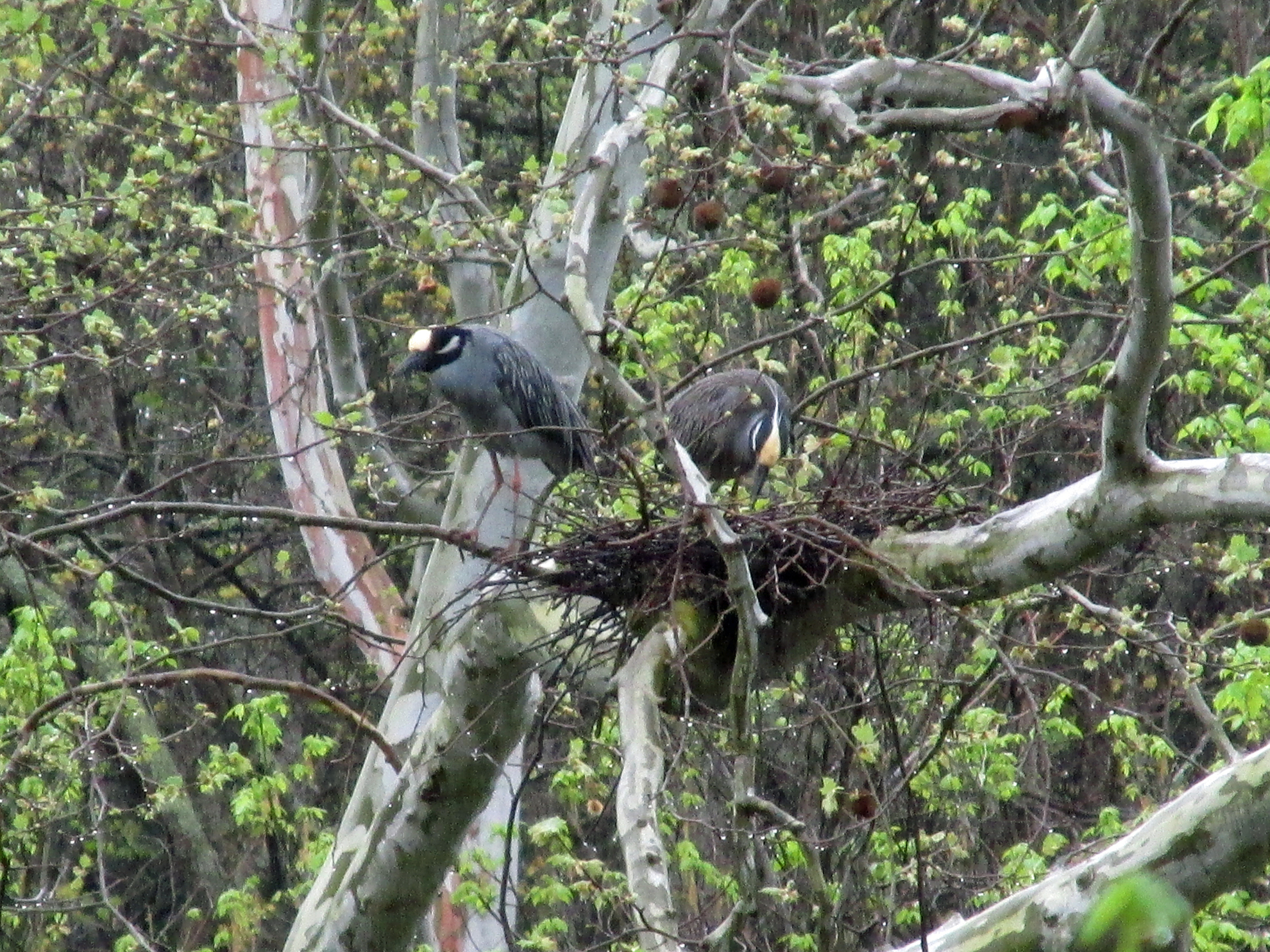
Yellow-Crowns-April19

I would love to add Yellow-crowned Night-Heron to my yard list. Great Blue Herons, Black-crowned Night-Herons, Green Herons and Great Egrets have visited the creek and fish pond at my home, but I’ve never had a visit from a Yellow-crowned Night-Heron. I photographed this pair on a nest along the Watauga River on Blevins Road.

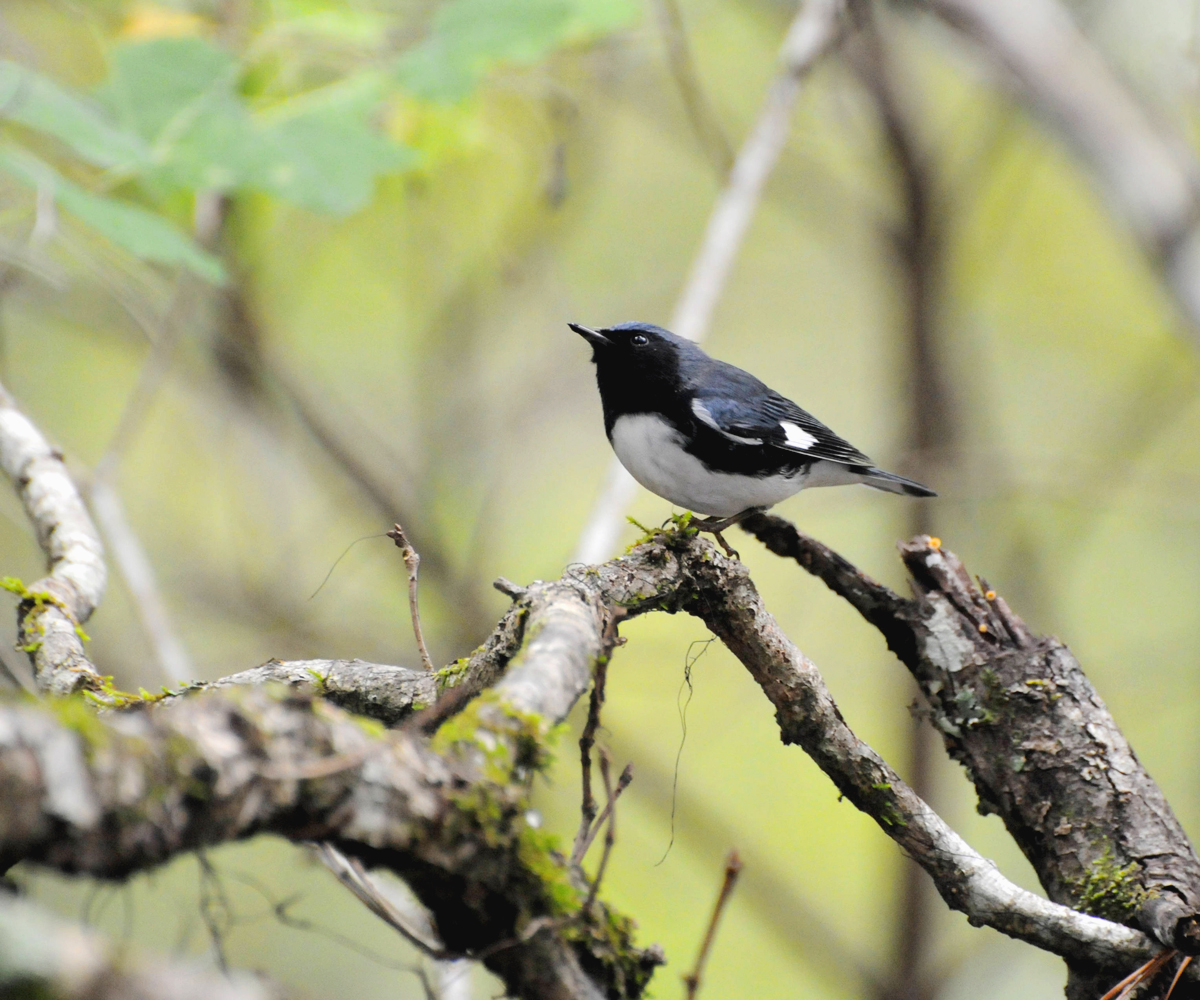
On April 19, a singing male Black-throated Green Warbler became the 50th bird species to make an appearance in my yard this year.

Back at the start of this year, I considered trying for another “big year” in the five-county area of Northeast Tennessee that consists of the counties of Carter, Johnson, Sullivan, Unicoi and Washington.

However, such an undertaking requires a lot of travel and expense, as well as an immense dedication of time. After a 2014 marked by many personal upsets, I didn’t feel capable of making an attempt. Considering I last undertook a “big year” effort back in 2013, I felt it was too soon for me to try this again.

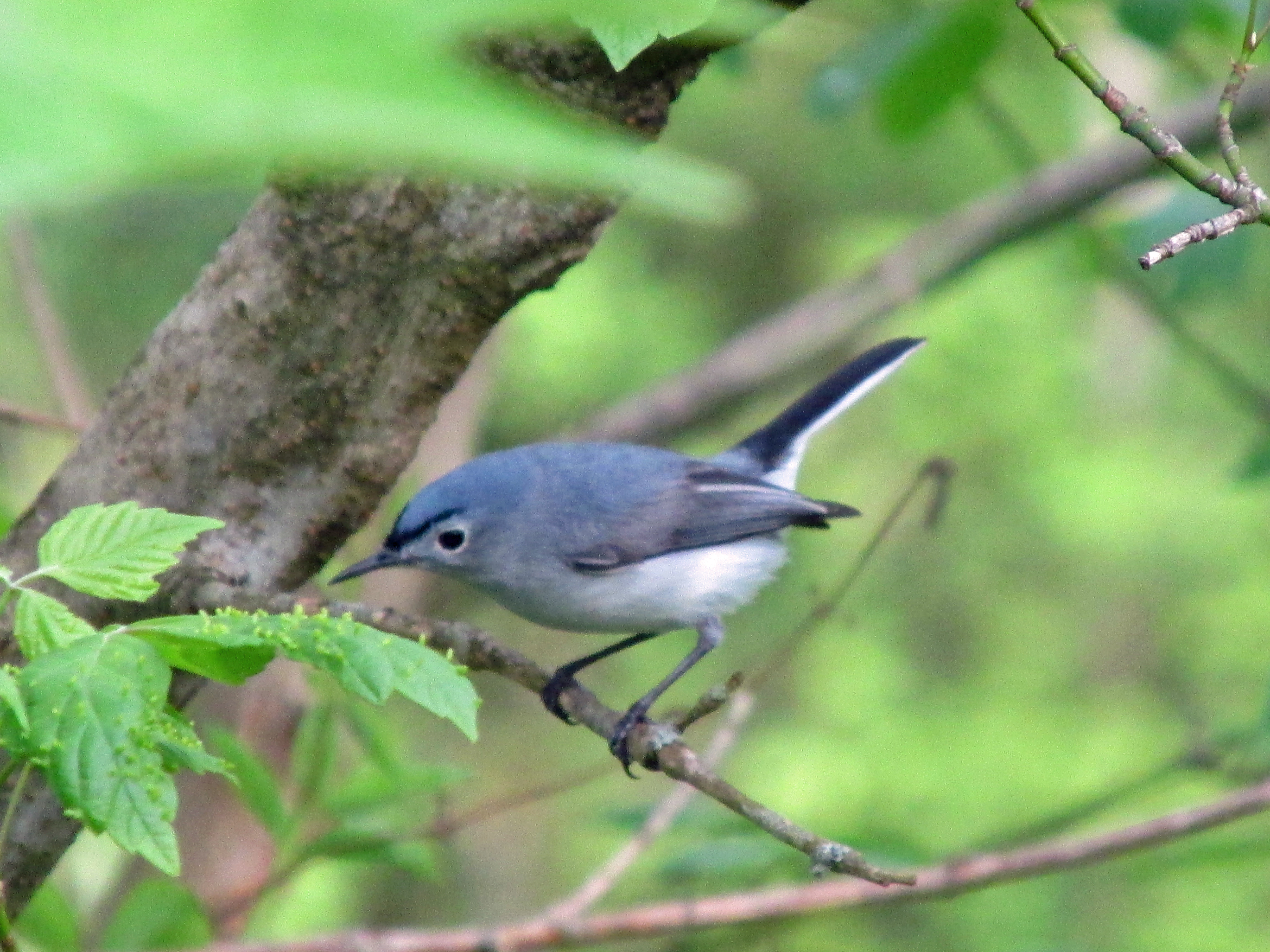
BG-Gnat-April25

The Blue-gray Gnatcatcher, an early bird among spring migrants, arrived on Easter Sunday, April 5, this year. It was Bird No. 42 on my yard list for 2015.

Instead, I’ve focused my attention on the birds that come calling to my yard, fish pond, the creek and the surrounding woodlands. Over the years, I’ve enjoyed some amazing visitors from a variety of feathered friends.

It was an amazing winter, with large flocks of Purple Finches and Pine Siskins at my feeders. In fact, these two species remain present even as the calendar moves closer to May. In fact, I saw a Pine Siskin at the feeders on Saturday, April 25.

Hoodie-April22

My favorite warbler, the Hooded Warbler, returned this spring on April 13. The males are currently singing daily from rhododendron thickets in the woodlands around my home.

As is usually the case here at my Simerly Creek home in Hampton, spring migration is proceeding at a slow pace. For some reason, the fall migration is a more “birdy” time. So, any bird I miss seeing this spring, I will hope to pick up while I continue looking for yard birds this autumn.

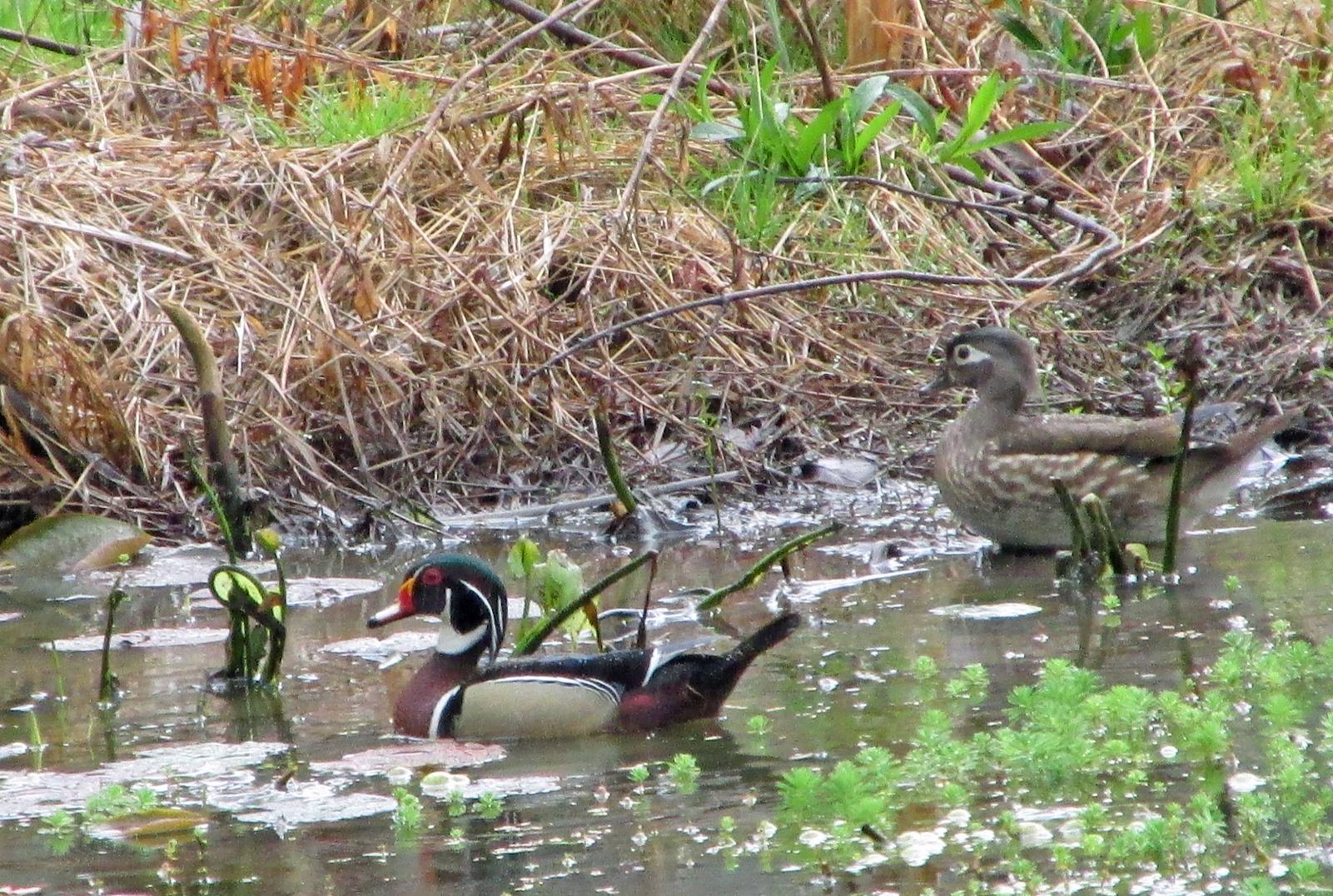
11174272_10205371493639214_6825911444318051913_o

A pair of Wood Ducks visited the pond on a recent rainy morning. Until a decade ago, Wood Ducks were regular spring visitors. For some reason, they have become much more sporadic in their visits over the past 10 years.

Of course, there have been a few spring surprises, including a pair of Wood Ducks that showed up at the fish pond on a rainy morning on Sunday, April 19. Several of the resident warblers have also arrived, including Hooded Warbler, Black-and-white Warbler, Northern Parula, Black-throated Green Warbler and Ovenbird.

As of the time of my sitting down to post this blog entry, I’ve found 52 species in my yard so far this year.

The most recent sightings have been a Wood Thrush (No. 52) and a Northern Parula (No. 53) on my list. These two species showed up on April 20 and April 21, respectively.

Kingbird-ETSU

I have been birding for more than 20 years, but in that time I have only had one Eastern Kingbird visit my yard. Will the second kingbird pay a visit at some point in 2015?

So, wish me luck as I continue this more modest undertaking. Let’s call it a “Big Yard Year.” I am hopeful that I can find 100 species in my yard before Dec. 31. I’ll continue you update occasionally here on my weekly blog.


Annual spring rally on the Roan will offer chance to celebrate birds and other aspects of natural world

For the past 56 springs, nature enthusiasts from throughout the region have gathered on the verdant slopes of Roan Mountain for the annual Naturalists Rally.

 James Neves, who with Jennifer Bauer serves as co-director of the Roan Mountain Spring Naturalists Rally, said that one change for this year’s rally is the date the event is being held. Instead of being held in May, this year’s rally will be held the last weekend of April.
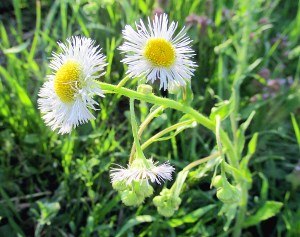
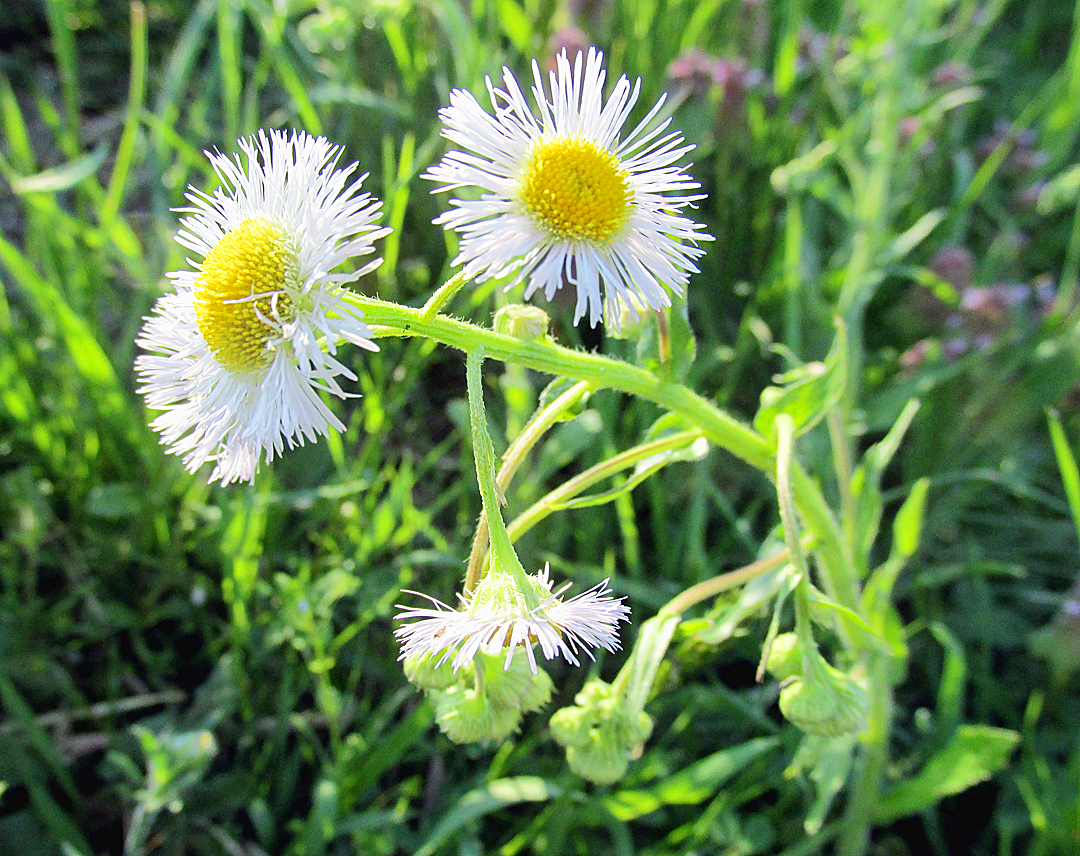
Photo by Bryan Stevens Daisy Fleabane will be among the many blooming wildflowers to welcome rally attendees.

Photo by Bryan Stevens
Daisy Fleabane will be among the many blooming wildflowers to welcome rally attendees.

 This year’s Roan Mountain Spring Naturalists Rally will be held Friday, April 25, through Sunday, April 27.

 “The spring rally is being held a week earlier than its traditional date, but I don’t really see it as a big change,” Neves said. “If you think about it, it’s really an effort to keep things the same. During the last several years, there has been a shift in the timing of the bloom of many of the spring wildflowers, and so I hope that the change will allow for the Naturalists Rally to occur when these wildflowers are blooming.”

 Neves said this year’s speakers for the annual event are Daniel C. Dourson and Bob Hale.

 The Friday evening program by Dourson is titled “Of Ice Thorns, Tree Crotches and Love Darts: Shelled Creatures of the Southern Appalachians.”

Daniel C. Dourson

Daniel C. Dourson

 Dourson will be providing a treasury of little-known facts about snails that inhabit mountains like the Roan.

For instance, did you know that some snails are covered in long “hair-like” structures or that the slime of some snails will fluoresce under ultra-violet light? Or were you aware that slime from some snails is used to treat skin disorders?

Join Dourson, a wildlife biologist, naturalist and natural history author, as he shares his passion for the shelled creatures known as “land snails.” Dourson, who has been studying land snails in the Southern Appalachians for nearly 20 years, recently described four new species of land snails from the area, including the globally endangered Roan Mountain endemic, Roan Covert, or Fumonelix roanensis.

 His program will also let his audience learn of the intricate delicate features that separate these creatures and find out what love darts, ice thorns and tree crotches have to do with these organisms.

Attendees can also join him in the field on Saturday afternoon for an exciting field trip to search for these jewels of the forest leaf litter.

Bob Hale will present the Saturday evening program on “Spring Wildflowers and Native Orchids.” Hale’s interest in wildflowers began with making slides of spring wildflowers in the late 1960s. This interest expanded to photographing wildflowers throughout the growing season. While working as a chemist at Eastman Chemical Company for 33 years, he was a member of the Eastman Camera Club for more than 25 years. He served as president, held several other offices with the club and taught numerous photography classes during that time.

Bob Hale

Bob Hale

Hale has used SLR cameras for many years, taking both slides and negatives for prints. With the coming of the digital age, he switched to that technology in 2004. His program will feature a sampling of his images of wildflowers including a special focus on numerous native orchids. This collection of images was taken from many nearby locations in the Southern Appalachians including Grayson Highlands, the Blue Ridge Parkway, Unaka Mountain, Buffalo Mountain, Cherokee National Forest, the Appalachian Trail, middle Tennessee and the Great Smoky Mountains National Park.

Hale is also an avid gardener, growing a wide variety of annuals, perennials, spring bulbs and shrubs. He has developed a strong interest in daylilies and has been growing, hybridizing and selling them for more than 40 years.

The Friday and Saturday program will be presented at 7:30 p.m. after the 6:30 p.m. dinners that will be catered by City Market of Elizabethton.

The Friday menu includes a choice of breaded or grilled chicken, vegetable selection, salad, bread, dessert and drink. The Saturday menu includes a choice of roast pork or vegetable lasagna, vegetable selection, salad, bread, dessert and drink. Each meal costs $9 for adults and $5 for children 12 and under. Pre-paid reservations are required and must be received by Tuesday, April 22.

After the programs on Friday and Saturday, two late evening programs are scheduled at 9 .m. Local naturalist Larry McDaniel will conduct a “Moth Party” on Friday to look for these nocturnal winged wonders. Gary Henson, director of the Harry D. Powell Observatory and a professor in the Department of Physics, Astronomy and Geology at East Tennessee State University, will conduct a viewing of the summer skies from the nearby Miller Homestead on Saturday.

Neves said a range of people are crucial to the success of the annual spring rally.

“The Friends of Roan Mountain are always grateful for the rangers and staff at Roan Mountain State Park, and they continue to be very involved with the rally,” Neves said. “Park Manager Jacob Young helped us in numerous ways over the years to make the rally a success, and he also leads a reptiles and amphibians field trip, a favorite with many of our young participants.”

Neves noted that Meg Guy, another park ranger, will be leading a new hike that will highlight basic tree identification. In addition, former Park Manager Pat Gagan will lead a Wildlife Walk for Everybody. This walk will allow participants with limited mobility to enjoy the natural beauty at Roan Mountain.
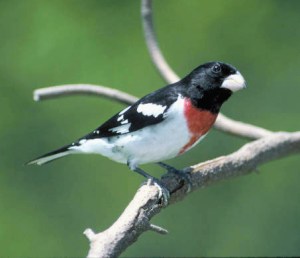
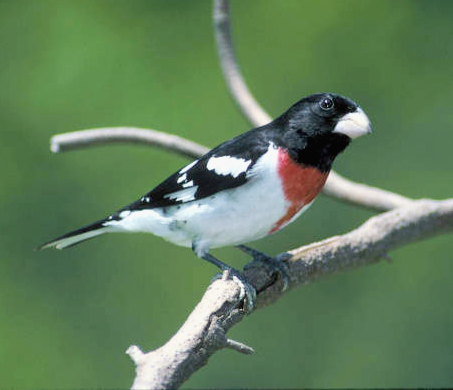
Photo by U.S. Fish & Wildlife Service/ David Brezinski Rose-breasted Grosbeaks will likely be among the colorful birds present for this year's rally.

Photo by U.S. Fish & Wildlife Service/ David Brezinski
Rose-breasted Grosbeaks will likely be among the colorful birds present for this year’s rally.

“We always hope to provide a selection of field trips and programs with a lot of variety and that are accessible to everyone from the novice to avid naturalist,” Neves said. “We have hikes expressly for beginners, such as our Birding for Beginners or Tree Identification Basics, and many of our hikes are specially labeled as kid friendly. That said, all of our field trip leaders try to cater to young participants or people who are new to identifying plants, birds, insects and more.”

 Neves said the rally also offers some early morning field trips and longer hikes for those who are a bit more adventurous.

“Anyone very serious about nature photography should not miss joining Jerry Greer on one of his field trips,” he said. “New photographers are welcome, too, of course.”

Although the hikes have a particular focus, there’s a surprising amount of overlap.

“There will always be flowers to see on a birding field trip, and there will always be birds to hear and see on a wildflower hike,” Neves explained.  “The rally has always been an opportunity for nature lovers, naturalists, to gather together and enjoy being outside, to observe the interesting and beautiful, and to learn together. That is what is really important.”

Neves notes that the Roan Mountain State Park Campground is currently closed while updates and improvements are completed. The work is expected to be finished by mid-May.

Evening programs and the lunch-time workshops will take place in the Roan Mountain State Park’s Conference Center, while all field trips will begin at the field located left of the entrance to the park’s cabins.

Because of the continued support of the Friends of Roan Mountain, Neves said the Naturalists Rallies have the resources they need to prosper and grow. He noted that the Friends of Roan Mountain also provides support for research and restoration projects on the Roan.

He suggests that those who enjoy attending the seasonal rallies should also consider joining the Friends of Roan Mountain, if they are not a member already. Members receive free admission to all Naturalists Rally events and the group’s newsletter, “Friends of Roan Mountain.”

Rally hikes on Saturday include:

• Nature Photography with Jerry Greer. Participants will meet at 6 a.m. at Carver’s Gap.

• Early Birds at Hampton Creek Cove with members of the Lee and Lois Herndon Chapter of Tennessee Ornithological Society. Participants will meet at the RMSP Welcome Center at 6:30 a.m.

The next six hikes will begin at 8:30 a.m. and will include:

• Jones Falls Hike with Marty Silver.

• Birds of Roan Mountain with members of the Herndon Chapter of TOS.

• River and High Mountain Wildflowers with Guy Mauldin.
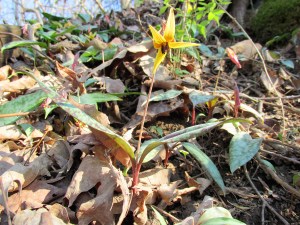
Photo by Bryan Stevens  Wildflowers, such as this Trout Lily, provided the original inspiration for the annual Spring Rally.

Photo by Bryan Stevens
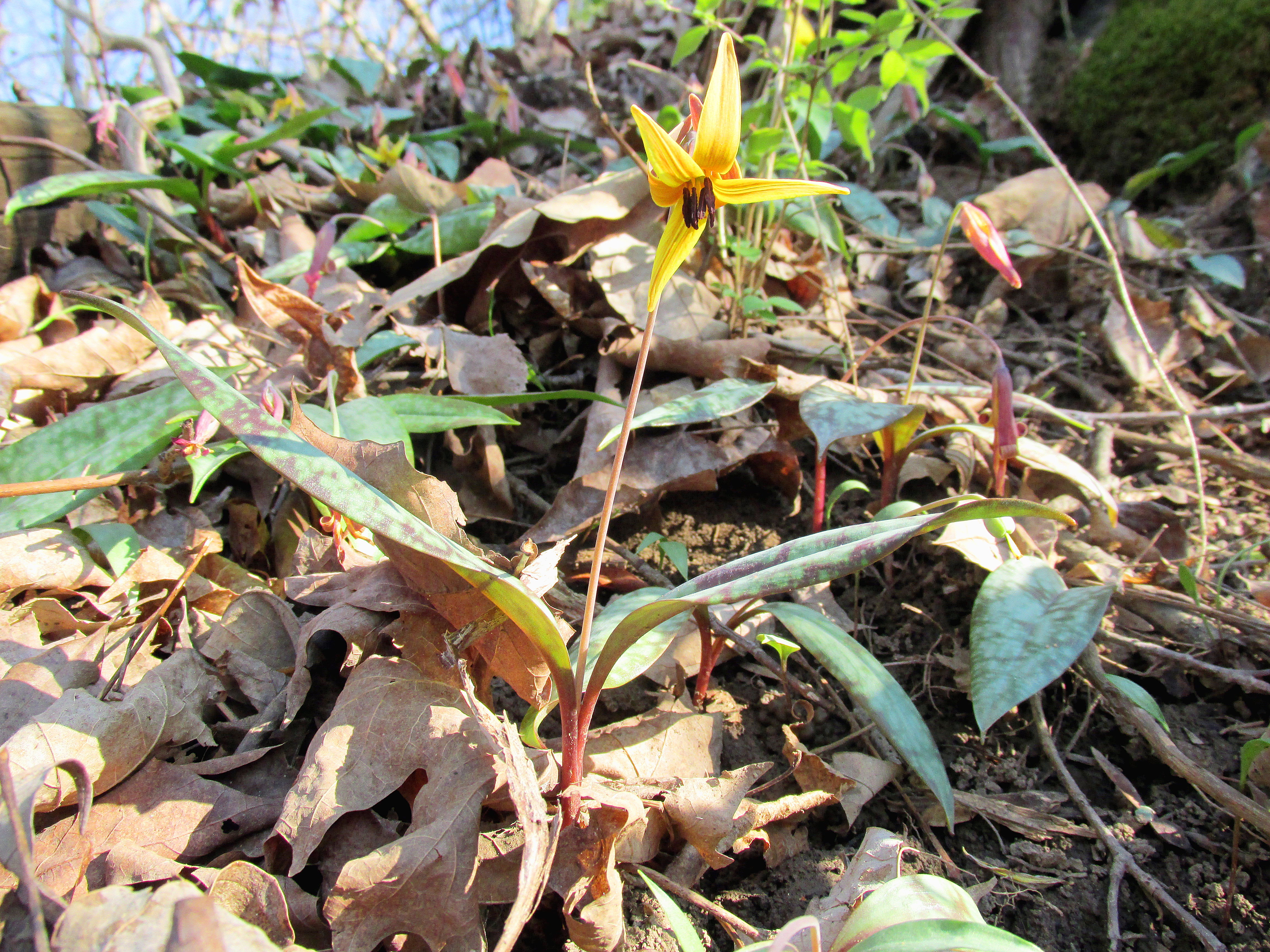
Wildflowers, such as this Trout Lily, provided the original inspiration for the annual Spring Rally.

• Nature Photography with Jerry Greer.

• Tree Identification Basics with Meg Guy.

• Birding for Beginners with Joe McGuiness.

A lunchtime workshop with Mick Whitelaw and members of the East Tennessee State University Department of Geology and Science Club on Fossil Casting for All aAges will be held from 11 a.m. to 1:30 p.m.

A lunch break will provide an interval between hikes. Marty Silver will present a program on dragonflies at 12:30 p.m.

Afternoon hikes will commence at 2 p.m. and will include:

• Land Snails and Invertebrates with Dan Dourson.

• Nature Walk for Everybody with Pat Gagan.

• Wildflowers and Trees of the Twin Springs/Hackline Cross Trail with David Hall.

• Reptiles and Amphibians of the Roan with Jacob Young.

• Baa-tany Goat Project and Roan’s Unique Alder Balds with Jamey Donaldson.

• Aquatic Insects as Water Quality Indicators with Gary Barrigar.

• Butterflies and Insects with Larry McDaniel.

Sunday will offer morning and afternoon hikes, including:

• Birds of Hampton Creek Cove at 8:30 a.m. with James Neves.
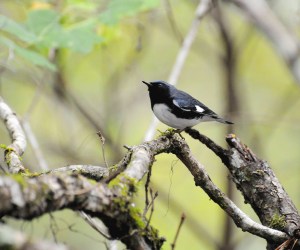
Photo by U.S. Fish & Wildlife Service/Mark Musselman Black-throated Blue Warblers are among the birds than can often be found at Hampton Creek Cove during a Spring Rally.

Photo by U.S. Fish & Wildlife Service/Mark Musselman
Black-throated Blue Warblers are among the birds than can often be found at Hampton Creek Cove during a Spring Rally.

• Doe River Gorge Wildflowers and Geology at 8:30 a.m. with Gabrielle Ziger and Mick Whitelaw. This is an all-day hike. Bring water, lunch and rain gear.

• Salamanders with Dale Ledford at 2 p.m.

• Butterflies and Insects with Don Holt at 2 p.m.

All hikes, unless otherwise noted, will depart from the field on the left of the cabin area entrance.

For more information on this year’s rally, visit http://www.friendsofroanmtn.org or http://www.facebook.com/FriendsOfRoanMountain.

•••••

Barbara and Jerry Lake, Hampton, returned home from a recent trip to Vidalia, La., and Natchez, Miss., to find three nests being built.

Their bluebirds, Blossom and Max, are occupants of a box in the front yard. Carolina Chickadees are in the box at the edge of the woods beside their screened porch.

“I haven’t yet seen the birds in the nest by the driveway, but the nest itself looks like the chickadee’s nest,” Barbara wrote in an email.

They have cameras installed in several of the boxes so they can monitor the progress of their nesting birds.

“Both the porch box and driveway box are hooked to the TV on the porch so I have to switch wires to watch them,” she explained.

The Lakes are also awaiting the arrival of hummingbirds. “I put up a hummingbird feeder before we left, but so far I haven’t seen a hummer,” Barbara wrote.

The couple enjoyed a fun trip, attending the Roadtrek Rally in their Roadtrek motorhome.

“It was our first rally and we’ve owned our motorhome for seven years,” she wrote. “We had a great time and will certainly go on more.  We drove the Natchez Trace Parkway home to Hampton.”

•••••

Brookie and Jean Potter saw a Ruby-throated Hummingbird at their feeders on Wednesday, April 9, at their home near Wilbur Lake in Carter County.

•••••

Marlene Mountain, a Facebook friend, informed me that she saw her first Ruby-throated Hummingbird while looking out the window at her home on Sunday, April 6, at 1:28 p.m. She is also still hosting Dark-eyed Juncos at her feeders.

•••••

Jim and Wanda Lane called me this past week to ask me if I knew about the different Great Blue Herons in various Elizabethton and Carter County locations.

I thanked them for letting my know about them, and let them know that I have visited the two Elizabethton locations on Blevins Road and behind the airport. I’ve enjoyed monitoring these nests before the leaves bud on the trees.

•••••

Here at home on Simerly Creek Road, I saw my first Ruby-throated Hummingbird of spring on Friday, April 11. I’ve also seen a variety of other migrating birds, but I think I will leave them for next week’s post.

It’s been a great time to get outdoors this past week. I hope everyone is seeing some fantastic birds at home and at their favorite birding spots. Thanks for reading!

It’s easy to post comments on my blog at ourfinefeatheredfriends.wordpress.com. You can also reach me on Facebook or send email to ahoodedwarbler@aol.com. Please share the link to the blog with others who might be interested in the topic of birds and birding in Northeast Tennessee.

 

Gnatcatchers, sparrows among new arrivals in region

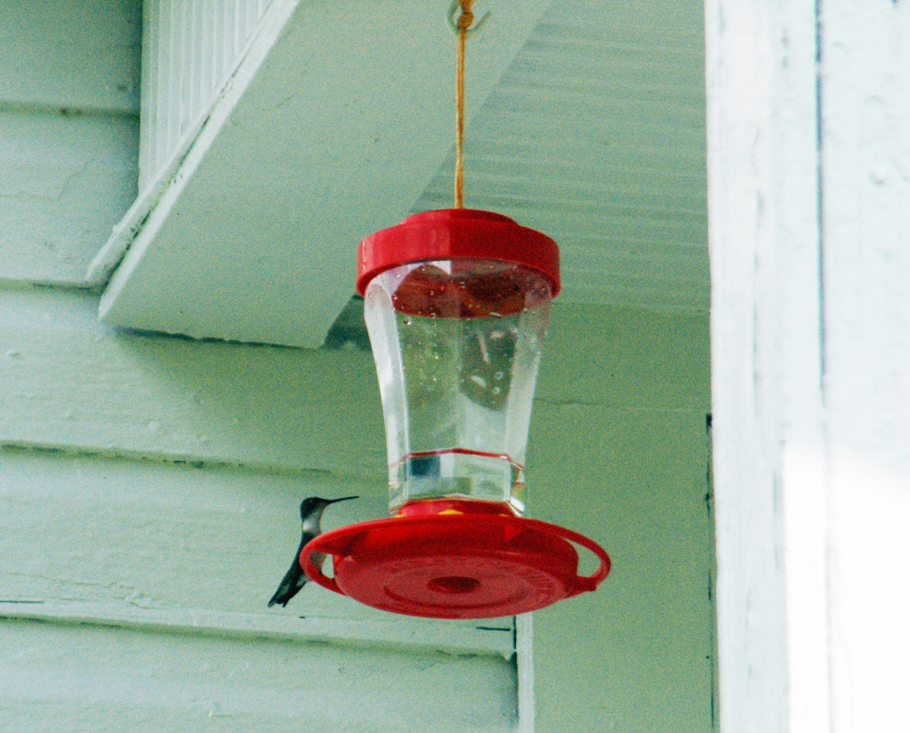
The arrival of Ruby-throated Hummingbirds is imminent in the region. If a few of these tiny birds haven’t already found their way into Northeast Tennessee, they almost certainly will have made a first spring appearance within the next week. They invariably arrive in the first week or so of April and have already been spotted in other parts of Tennessee.

Photo by Bryan Stevens Ruby-throated Hummingbirds should be returning to the region within the next few days.

Photo by Bryan Stevens
Ruby-throated Hummingbirds should be returning to the region within the next few days.

 As always, I enjoy hearing from readers about the date and time when they see their first hummingbird of spring. Share your sighting in a comment on this blog, contact me on Facebook, send me an email at ahoodedwarbler@aol.com or call me at 423-725-2666. I have my feeders filled with sugar water and am waiting eagerly for the arrival of that first Ruby-throated Hummingbird of 2014. I’ll report in upcoming posts about the arrival dates of hummingbirds that readers share with me.

 •••••

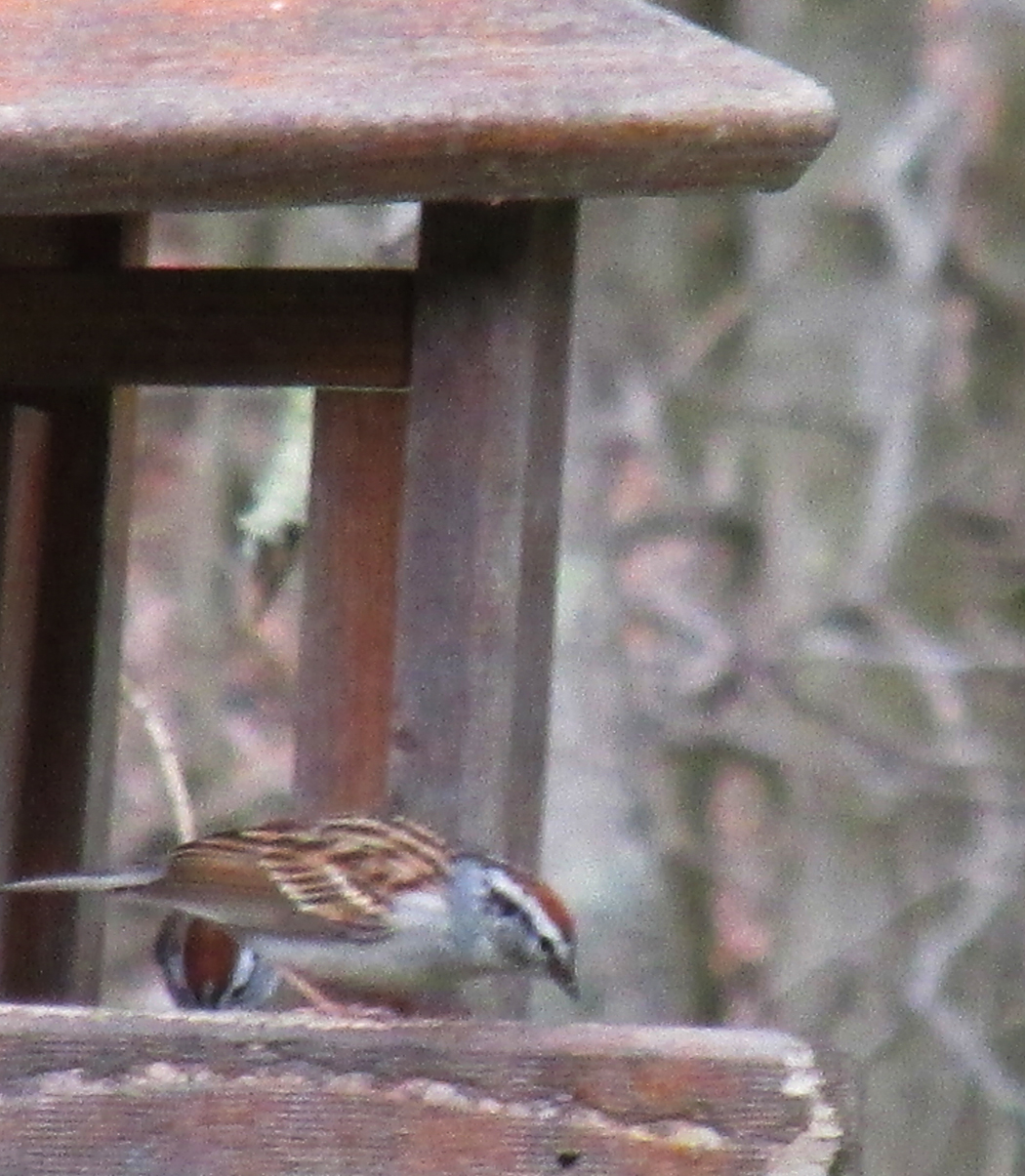
 New birds continue to arrive at home. For a second year in a row, Chipping Sparrows made their first appearance on the last day of March. Their timing could not have been better. Since I started birding in 1993, Chipping Sparrows have returned reliably from mid-March to early April. I watched recently as two Chipping Sparrows searched for dandelion seeds and other food along the edge of the gravel driveway. They also visited the feeders. They also found elevated perches to deliver their trilling song, which is similar to the songs of Pine Warblers. This can be confusing since the two species often frequent the same habitats.

Photo by Bryan Stevens Chipping Sparrows are returning to feeders across the region.

Photo by Bryan Stevens
Chipping Sparrows are returning to feeders across the region.

 The Chipping Sparrow disrupts the misguided notion that all sparrows are “little brown birds.” The Chipping Sparrow is actually a pretty bird with a crisp plumage of brown and gray that is given a splash of color from its bright rufous cap. A vivid black line along the side of the face runs through the eye. These characteristics make adult Chipping Sparrows — the sexes look alike — fairly easy to identify. Chipping Sparrows are common across North America.

 Their loud, trilling songs are one of the most common sounds of spring woodlands and suburbs. Experts believe that Chipping Sparrows evolved as birds that lived on the edge of coniferous forests. However, as human progress changed the landscape, they adapted and became associated with open habitats, including farmland and pastures.

 Many birders refer to this small sparrow by the affectionate nickname, “Chippie.”

 ••••••

 I’ve also learned that a pair of Eastern Bluebirds have been busy constructing a nest in one of two boxes located at my fish pond.

Photo by Bryan Stevens A female Eastern Bluebird is shown with a beakful of pine needles gathered for nest construction.

Photo by Bryan Stevens
A female Eastern Bluebird is shown with a beakful of pine needles gathered for nest construction.

The bluebirds now have some competition. A pair of Tree Swallows put in their first appearance of the year at my home on April 1. They were a few days early, having made their first 2013 appearance on April 4.

 They immediately began checking out their favorite nesting box next to the fish pond. Their interest put them into conflict with some other Eastern Bluebirds, which recently started showing an interest in that same box.

 ••••••

 On April 2, I saw my first Blue-grey Gnatcatcher of the spring while visiting Winged Deer Park in Johnson City. While at the park, I also enjoyed observing a variety of spring wildflowers, including the bluebells for which this local park is famous.

 Two days later, I saw my first spring Blue-gray Gnatcatcher at home on Simerly Creek Road in Hampton. This bird is a few days later than expected, but it may have been here all along and I just failed to detect it.

 Like Chipping Sparrows, the Blue-Gray Gnatcatchers reliably return every year in the final days of March and first days of April.

Photo Courtesy of Jean Potter Blue-gray Gnatcatchers are tiny, energetic bundles of feathers.

Photo Courtesy of Jean Potter
Blue-gray Gnatcatchers are tiny, energetic bundles of feathers.

A Blue-gray Gnatcatcher put in its first appearance at home on Simerly Creek Road in Hampton on April 2 in 2011. In 2009, I also saw my first Blue-Gray Gnatcatcher on April 2, although in 2008 I had to wait until April 5 for my first spring sighting of a gnatcatcher. In 2007, the Blue-gray Gnatcatcher was an “April Fool’s” bird, arriving on the first day of April.

Arrival dates in March are a little less frequent. For instance, in 2003, a Blue-gray Gnatcatcher arrived on March 28. I saw my first spring Blue-gray Gnatcatcher on March 30 in 1998. In 2006, the arrival date was March 31.

 The Blue-gray Gnatcatcher is a tiny, active bird with noisy habits that make it fairly easy to detect in early spring before foliage has grown dense in the branches of trees.

 This gnatcatcher ranks with the kinglets and hummingbirds as one of the smallest birds to range within the United States. This tiny bird tips the scales at only a fourth of an ounce. A gnatcatcher is an incredible bundle of feathered energy, seemingly always on the move as they snatch small winged insects out of the air or pluck other prey items from leaves or branches. They’re also quite curious birds that, more than once, have given me the feeling that I am the one being observed while watching their antics.

 Like the hummingbirds, the gnatcatchers are an exclusively New World family of birds. They lack the diversity of the hummingbirds. Instead of several hundred species, there are only about a dozen species of gnatcatchers. Of that number, four — Blue-gray Gnatcatcher, California Gnatcatcher, Black-tailed Gnatcatcher and Black-capped Gnatcatcher — range within the United States. The Blue-gray Gnatcatcher is the only member of this family to reside in the eastern United States.

 Other representatives of this family of small songbirds include the Cuban Gnatcatcher, White-lored Gnatcatcher, Creamy-bellied Gnatcatcher, Tropical Gnatcatcher and Masked Gnatcatcher.

 The Blue-gray Gnatcatcher builds an exquisite and compact nest using such materials as spider silk and lichens. I have found many nests over the years by listening for the scolding notes of the parents which, even near their nest, have not learned the virtues of silence.

 The Blue-gray Gnatcatcher is one of the birds that, in my mind, truly kicks off the arrival season of many of my favorite neotropical migrants.

 ••••••

 The most exciting observation of the week took place on April 2 when I noticed a sparrow crouched in the gravel driveway between the garage and the fish pond. When I focused my binoculars on the bird, I discovered it was a Vesper Sparrow.

Photo by Bryan Stevens Vesper Sparrows are uncommon birds in spring and fall in the region, although they do nest on the grassy balds of Roan Mountain.

Photo by Bryan Stevens
Vesper Sparrows are uncommon birds in spring and fall in the region, although they do nest on the grassy balds of Roan Mountain.

 This species has visited in the past, but it has been at least two years since I have seen one. They are considered uncommon spring visitors to Northeast Tennessee. This one was foraging at the edge of the gravel driveway. It seemed quite indifferent to my presence, which allowed me to photograph it with relative ease.

 According to the website, Audubon.org, this sparrow was once known as the “Bay-winged Bunting.”  The naturalist John Burroughs is credited with giving it the name of Vesper Sparrow because he thought the song sounded more melodious in the evening. Vesper refers to the sunset evening prayer service known as vespers in the Catholic Church. Vesper is the Latin word for evening, so this bird’s common name could literally be considered “Evening Sparrow.”

 ••••••

 To share a sighting, ask a question or make a comment, it’s easy to post  on my blog at ourfinefeatheredfriends.wordpress.com. You can also reach me on Facebook at https://www.facebook.com/ahoodedwarbler or send email to ahoodedwarbler@aol.com. Please share the link to the blog with others who might be interested in the topic of birds and birding in Northeast Tennessee. Don’t forget to put out your sugar water feeders and let me know when you see your first Ruby-throated Hummingbird for spring 2014.